Vivarail And Arcola Announce Partnership To Bring Emission-Free Trains To The UK
The title of this post is the same as this press release from Vivarail.
These are the first two paragraphs
Vivarail, designers and manufacturers of the Class 230 trains, and hydrogen fuel cell specialists Arcola Energy today announced a long-term collaboration.
The companies share a determination to help de-carbonise the UK’s transport system. Vivarail has already designed and run an emission-free battery train whilst Arcola lead the market in supplying power systems for efficient fuel cell electric vehicles, primarily buses, to the UK. Working together the companies will develop a hydrogen/battery hybrid train.
It strikes me that this could be a good fit.
Powering A Bus
In New Facility To Power Liverpool’s Buses With Hydrogen, I described Arcola Energy’s involvement in a project to create and fuel hydrogen-powered buses in conjunction with Alexander Dennis.
- A typical hybrid double-decker bus like a New Routemaster has a battery capacity of 55 kWh.
- If these Liverpool hydrogen-powered double-decker buses have serial hybrid transmission like the New Routemaster, I could envisage them having a battery of up to 100 kWh, as let’s face it, the New Routemaster design is now eight years old and battery technology has moved on.
So the Arcola Energy-sourced fuel cell must be able to continuously top-up, the battery, in the same manner as the diesel engine on a hybrid bus.
Sit in the back of a New Routemaster and you can hear the engine cutting in and out. It doesn’t seem to work very hard, even on routes like the 73, which operate at high loadings.
Powering A Class 230 Train
Vivarail’s battery-powered Class 230 train, has a battery capacity of 106 kWh.
This size of battery could certainly be changed by a hydrogen fuel cell.
But could a hydrogen fuel cell provide enough power to keep the train running?
- Vivarail are clamming a range of fifty miles, which means that their two-car battery trains are consuming around 2 kWh for every mile.
- I will assume the train is travelling at its operating speed of sixty mph, which is a mile every minute.
- To keep the battery topped up would need 2 kWh to be produced every minute.
A hydrogen fuel cell with a rating of 120 kW would be needed to power the train continuously. But as the fuel cell would only be topping up the battery, I suspect that a smaller fuel cell would be sufficient.
The Ballard fuel cell is a HD variant of their FCveloCity family.
This page on the Ballard web site is the data sheet of an HD fuel cell of their FCveloCity family.
- The fuel cells come in three sizes 60, 85 and 100 kW
- The largest fuel cell would appear to be around 1.2 m x 1 m x 0.5 m and weigh around 400 Kg.
- The fuel cell has an associated cooling subsystem, that can provide heat for the train.
This Ballard fuel cell would appear to be capable of mounting under the floor of a train.
There are probably several other fuel cells that will fit the Class 230 train.
Arcola should know the best hydrogen fuel cell for the application, in terms of size, power and cost.
The Concept Train
Vivarail’s press release describes a concept train.
The concept train will be used to demonstrate the system capability and test performance. Vivarail’s production hydrogen trains will consist of 4-cars, with 2 battery driving motor cars and 2 intermediate cars housing the fuel cell and tanks.
Vivarail seem very certain of the formation of production trains.
I am not surprised at this certaincy.
- The mathematics of battery-powered and hydrogen-powered trains is well known.
- Vivarail have experience of running their battery-powered prototype.
- Arcola have experience of the capabilities of hydrogen-power.
I also wouldn’t be surprised to see some commonality between the Alexander Dennis and Vivarail installations.
Range Of A Hydrogen-Powered Class 230 Train
Nothing is said in Vivarail’s press release about the range on hydrogen.
In Hydrogen Trains Ready To Steam Ahead, I examined Alstom’s Class 321 Breeze hydrogen train, based on an article in The Times.
I said this about range.
The Times gives the range of the train as in excess of 625 miles
The Class 321 Breeze looks to be designed for longer routes than the Class 230 train.
I would suspect that a hydrogen-powered Class 230 train would have the range to do a typical day’s work without refuelling.
Refuelling A Hydrogen-Powered Class 230 Train
I don’t think this will be a problem as Arcola appear to have the expertise to provide a complete solution.
Conclusion
This is a co-operation, where both parties are bringing strengths to the venture.
Will The Class 230 Trains Be Coming Home?
Long term readers of this blog, will notice, that I keep returning to the short Greenford Branch Line in West London.
- It is four kilometres long
- It runs between West Ealing and Greenford stations.
- Greenford station is step-free and West Ealing station should be by December 2019.
- There are three intermediate stations.
- It is mainly double track, with a short length of single track at both ends.
- Two trains per hour (tph) is provided by a single Great Western Railway (GWR) Class 165 diesel train.
It will be a valuable feeder route for passengers to and from Crossrail, which is rumoured to be opening to Reading in December 2019.
An opening of the Western branches of Crossrail between Paddington and Reading would bring the following services to West Ealing station.
- Two tph between Paddington and Reading
- Two tph between Paddington and Maidenhead
- Four tph between Paddington and Heathrow Terminal 4
- Two tph between Paddington and Heathrow Terminal 5
Two tph shuttling between West Ealing and Greenford is a bad match to the future ten tph on Crossrail.
Four tph Run Between West Ealing And Greenford Stations
This would obviously be ideal, but is it possible?
This Google Map shows West Ealing Junction, where the Greenford Branch joins the Crossrail tracks alongside the Great Western Main Line.
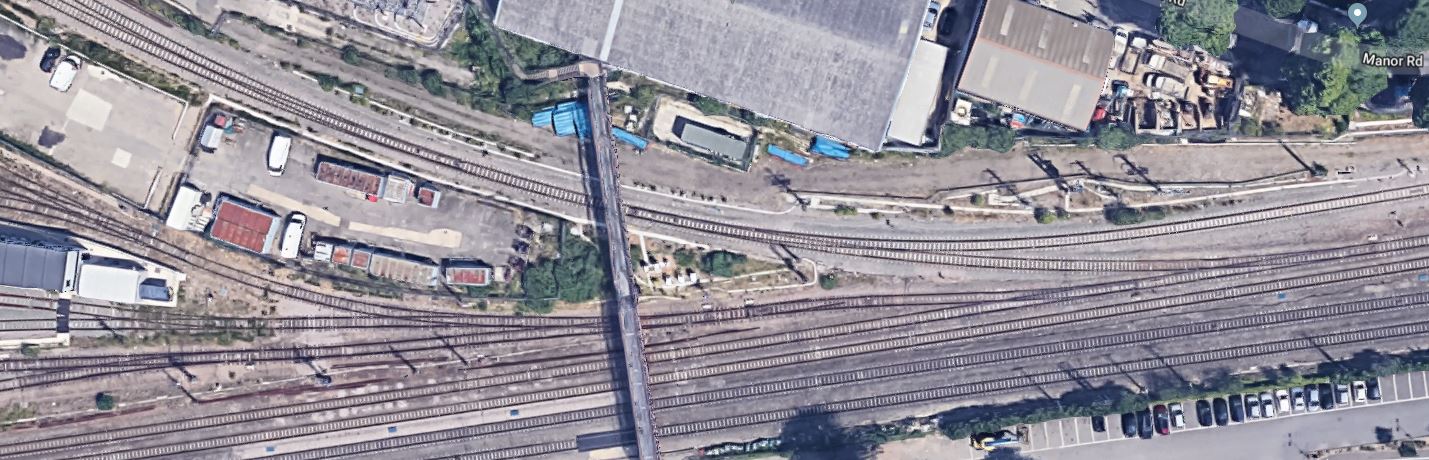
Note how the two tracks of the Greenford Branch Line start in the North-west corner of the map.
- They join into a single-track, which passes under the footbridge.
- The tracks then split a few metres to the East of the bridge.
- The Northern track goes into the bay Platform 5 at West Ealing station, which must be over eighty metres long.
- The Southern track joins the Crossrail line towards Paddington.
The track layout allows the ocassional refuse trains to pass along the Greenford Branch Line, but would also allow four tph to be run into the bay Platform 5.
This picture shows the current state of the under-construction step-free bridge at West Ealing station.
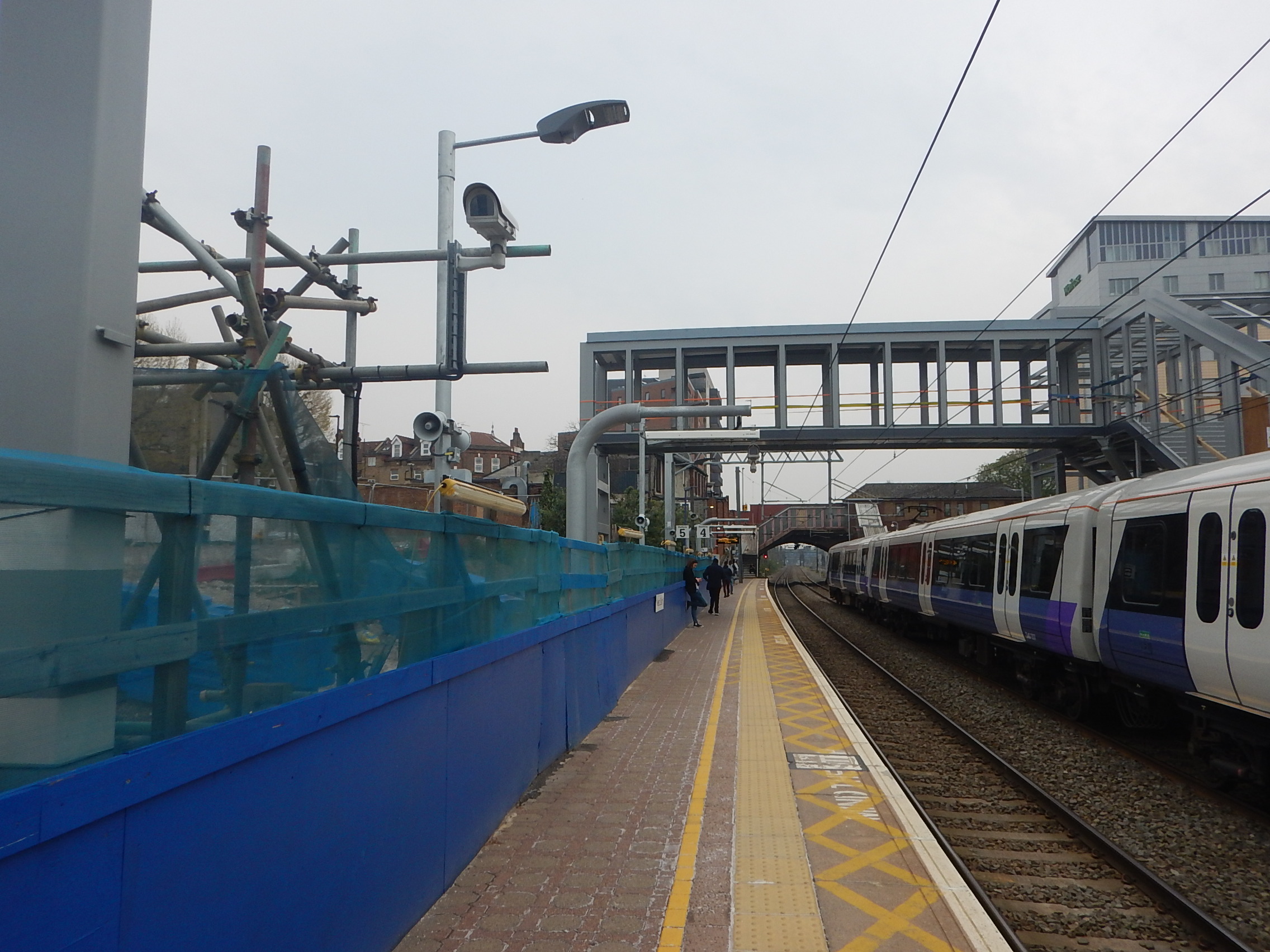
Once this bridge is complete, probably later this year, West Ealing station will be ready for four tph to Greenford.
The simplest safe operation would be for an incoming train to West Ealing station, to wait at Drayton Green station, until it was passed by the outgoing train. Once the points and the signals were set, the incoming train, would move into West Ealing station.
This Google Map shows the lines at the Greenford end of the Greenford Branch Line.
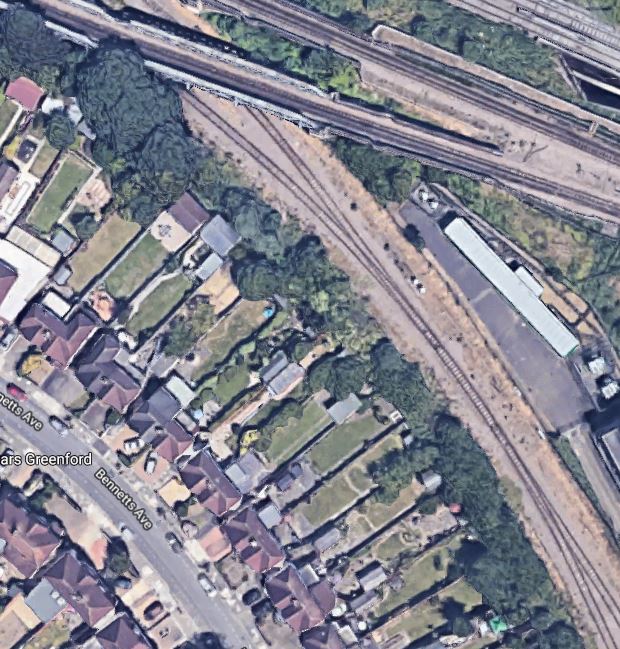
Note how the two tracks of the Greenford Branch Line start in the South-East corner of the map.
- They join into a single track.
- After a few metres, the tracks split into two.
- The Western track dives under the Westbound Central Line and goes into the bay Platform at Greenford station.
- The Northern track goes under both Central Line tracks and joins the Acton-Northolt Line.
It would appear that the track layout is designed so that four tph can work into Greenford station.
The Problem Of The Trains
The current Class 165 train works the line well.
- A two-car train has enough capacity
- At 45 metres long the train fits the short platform at Greenford station.
- I estimate that in a month, the train does about 5,400 miles.
But as the only GWR diesel train, surrounded by large numbers of electric trains, the Class 156 train probably has to trundle some miles to be serviced.
In an ideal world, the train would have the following properties.
- Less than fifty metres long.
- Self-powered.
- Ability to be serviced locally.
- To run a four tph service, two trains and a spare would probably be needed
To look after the trains and hold the spare train, a convenient facility will be needed.
This Google Map shows the wider area around West Ealing station and West Ealing Junction.
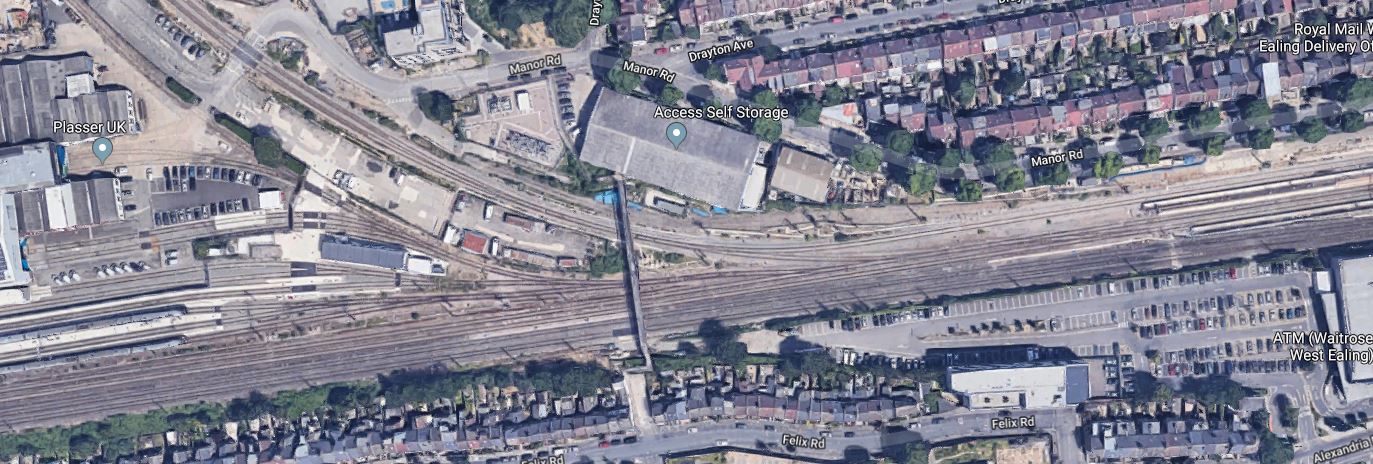
Note the sidings between the Great Western Main Line, the Greenford Branch and the Plasser UK factory.
These sidings are where GWR stable some of their Class 387 trains.
But if the rumours are correct, that Crossrail is going to take over London to Reading services in December 2019, GWR will probably have less use for this facility.
It would surely, be an ideal mini-depot for the Greenford Branch Line fleet.
- It is a secure site.
- A refuelling facility could be provided, if necessary.
- If a passenger service were to be started on the Brentford Branch Line, that is only a few miles away.
There may be a small amount of trackwork needed for efficient operation.
Did A Small Revolution Start In Bedford Yesterday?
In A First Ride In A Revenue-Earning Class 230 Train, I wrote about my ride in the first Class 230 train to enter public service.
This was the conclusion to my post.
It is a well-designed train, that impressed me.
It should find a niche in the train market.
The fact that the train is in service, will in itself provoke interest from train operating companies and Councils and other groups promoting new or reopened train services.
I wouldn’t be surprised to see more orders this year.
So will a small fleet of Class 230 trains be coming back to London, where they spent the first nearly forty years of their working lives?
- The Class 230 train is the right size.
- The Class 230 train is a quality train, with an interior, that can be tailored to the route.
- Servicing can be organised locally.
- Diesel or battery power is available.
A fleet of four trains would provide the following services.
- Four tph on the Greenford Branch Line.
- One or two tph on the Brentford Branch Line.
One train would be spare.
What Is The Likelihood Of A Passenger Service On The Brentford Branch Line?
Like the Greenford Branch Line, the Brentford Branch Line could be a valuable feeder line for Crossrail.
- Hounslow Council have been pushing for a passenger service between Southall and a station at the Golden Mile (The Great West Road)
- South of the Golden Mile, the original route can be seen on Google Map and there might be possibilities to extend it to the original terminus.
- It would be in walking distance of a lot of development at Brentford Lock West.
- Unfortunately, a new viaductwould need to be built over the Great West Road.
If the branch gets passenger trains, I estimate that one train could run a two tph service between Southall and Brentford Golden Mile.
New developments around Brentford could be what eventually makes adding passenger trains to this freight line worthwhile.
What About The Costs?
Transport for London is probably very happy with the current service on the Greenford Branch Line, as it is not their responsibility.
If Crossrail opens to Reading in December 2019, I suspect GWR will look at this leftover from privatisation as a increasing nuisance.
The Wikipedia entry for the Class 230 train has a section on Cost Comparison.
- Using the figures for a Class 150 train, GWR are spending about 14,300 pounds a month, plus staff and fuel to provide the current service.
- Three Class 230 trains providing a four tph service would cost an operator about 25,300 pounds a month, plus staff and fuel.
How much extra revenue for Transport for London, would a four tph service on the Greenford Branch Line generate, if Crossrail were to open to Reading?
An extra train for the Brentford Branch ine would probably add another 9,000 a month, plus staff and fuel.
I have no evidence, but after my ride yesterday, I feel that Class 230 trains could transform the economics of rail services in West Ealing and Brentford.
Conclusion
Bring a small fleet of Class 230 trains home!
And while you’re about it, reopen the Brentford Branch Line to passenger trains with an hourly service.
A First Ride In A Revenue-Earning Class 230 Train
When I heard that London North Western Railway were running a new Class 230 train between Bedford and Bletchley, I just had to go.
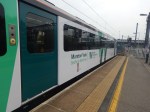

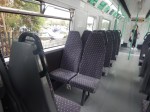
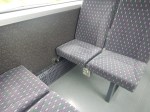
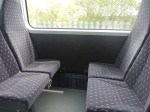
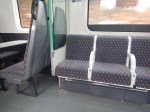
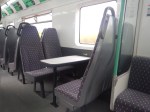
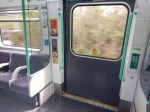
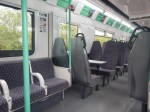

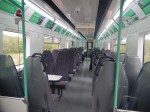
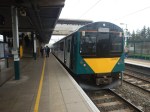
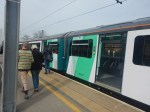
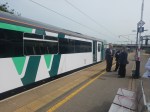
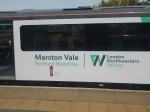
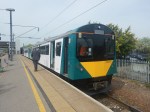
These are my thoughts.
Comparison With D78 Stock
I regularly used the D78 Stock from their introduction in 1980 until their retirement in 2017. In Raw Material For A New Train, I showed a few pictures of one of the last D78 Stock trains to be in service.
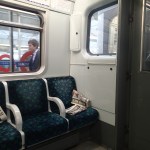

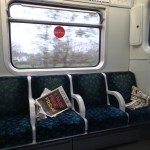
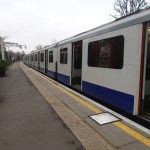
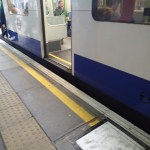
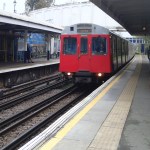
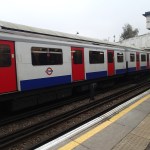
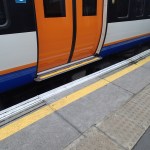
The picture with the orange doors shows a Class 378 train, at the same platform as the D78 train for comparison.
The trains have certainly undergone changes with new wndows and a new interior, but some components like the longitudinal seats, appear to have just been refurbished.
But the Class 230 train has retained the well-lit feel of the D78 Stock.
An Interior For All Passengers
Passengers come in many different types and the interior has been well-designed to cope all types of passengers who might use the train.
As it also takes clues from other trains, that work on high-capacity routes, I feel it would cope well if on perhaps a weekend, there was some form of event or festival.
Longitudinal Seating
Vivarail have retained some of the old London Underground longitudinal seating, which must be unique in the UK outside the London Underground/Overground and the Glasgow Subway.
But it does seem to fit in more seats.
Seat Comfort
To me, seat comfort is all important, as I have a posterior that objects to certain seats, like those on Thameslink’s Class 700 trains.
But these seats were fine, despite the fact they looked like the dreaded Thameslink seats. But then perhaps the padding is different!
Tables
LNWR have chosen to fit several tables in these trains, which were big enough to lay out a tabloid-sized newspaper.
Wi-Fi, Power And USB Points
Wi-fi is fitted to this train and there were numerous power and USB points. The latter were in the armrests of the longitudinal seats, which in my view, is the obvious, if not essential place. Other train manufacturers please note!
An Unfussy, Surprisingly Quiet And Workmanlike Ride
Passengers don’t generally rave about the quality of the ride in Underground trains and I would generally describe the ride of the average Underground train as workmanlike.
But then I’ve been riding Underground trains for at least sixty-five years and a modern S7 Stock train, is so much better than the 1938 Stock trains I can remember.
The ride of the Class 230 train is unfussy, surprisingly quiet and it still has that workmanlike quality of forty-year-old Underground trains.
Without doubt though, the ride and especially the noise is much better than the Alstom Coradia iLint, that I wrote about in My First Ride In An Alstom Coradia iLint.
Engine Noise
The two diesel engines beneath our feet, were not any more noticeable, than the engine on one of London’s Routemaster buses.
I would expect that High quality noise suppression techniques have been used.
An Air Of Quality
The finish of the train appeared to have a good quality
Operating Speed
Using the |SpeedView app on my phone, the train seemed to trundle on happily at around 45-50 mph.
Passenger Reaction
The passengers seemed to be fairly pleased with their new train, and several said it was better than the single car Class 153 train.
A Senior Manager from LNWR, also seemed pleased with his new train.
Conclusion
It is a well-designed train, that impressed me.
It should find a niche in the train market.
The fact that the train is in service, will in itself provoke interest from train operating companies and Councils and other groups promoting new or reopened train services.
I wouldn’t be surprised to see more orders this year.
Vivarail Unveils Fast Charging System For Class 230 Battery Trains
The title of this post is the same as that of this article on Railway Technology.
A few points from the article.
- Class 230 trains running on battery power have a range of sixty miles.
- Fully charging the train takes seven minutes.
- Short lengths of third and fourth-rail are used.
- Power is provided from a battery bank, which is trickle charged.
I feel this paragraph describes the key feature.
The automatic technique utilises a carbon ceramic shoe, which is capable of withstanding the significant amount of heat generated during the process.
The article finishes with a quote from Vivarail CEO Adrian Shooter.
I know how important it is to the public and the industry as a whole to phase out diesel units and our battery train is paving the way for that to take place today not tomorrow.
Consider.
- Alstom, Bombardier, Siemens and Stadler have built or are building third-rail powered trains for the UK.
- Bombardier, Porterbrook and Stadler are developing battery-powered trains for the UK.
- Trickle-charging of the secondary batteries could be performed by mains power or a local renewable source like wind or solar.
- Control electronics can make this a very safe system, with low risk of anybody being hurt from the electrical systems.
I’ve said it before, but I think that Vivarail may have some very important technology here.
If I have a worry, it is that unscrupulous companies and countries will probably find a way round any patent.
More About Steamology Motion
In Grants To Support Low-Carbon Technology Demonstrators, I talked about a company called Steamology, who were given a grant by the Department for Transport to develop a method of converting hydrogen into energy.
The company is called Steamology Motion and in Issue 872 of Rail Magazine more details are given in an article, which is entitled DFT Hands Out £350,000 Each To Five Rail Green Schemes.
This is said in the article.
Steamology Motion, the final recipient, aims to create a new zero-emmissions power train for a Vivarail Class 230 train. The W2W system generates steam from compressed hydrogen and oxygen stored in tanks. The steam then drives a turbine to generate electricity.
The concept is aimed at being a ‘range extender’ able to charge onboard battery packs.
My mathematical modelling skills for this type of system have never been strong, but I’m sure that others will know how much hydrogen and oxygen are needed to charge a 200 kWh battery.
- A quick search of the Internet reveals that small steam turbines could be available
- I very much suspect, that as the system is a ‘range extender’, rather than a power unit to take the train hundreds of miles, that the physical size of the gas tanks will be smaller than those proposed by Alston for their hydrogen conversion of a Class 321 train.
I also don’t think that the DfT would have given £350,000 to the company, if the the physics and the mathematics weren’t credible.
Conclusion
If this technology is successful, I suspect it could have other applications.
Vivarail Spearheads Development Of Green Fuel Technologies
The title of this post is the same as that of this press release from Vivarail.
The press release describes and shows visuals of their new hydrogen-powered Class 230 train.
These are a few points from the press release.
A Four-Car Train
This is said about the basic philosophy of the design.
Vivarail’s on-going success in launching new technologies to the UK market means it is the only train manufacturer with a fully approved base train to work from. The hydrogen train will follow the design of the Transport for Wales fleet with two driving motor cars powered by Hoppecke batteries, the only difference being that instead of a diesel genset beneath the intermediate car the hydrogen train will have two carriages housing the fuel cells and hydrogen tanks.
Building on an approved base train must be the way to go.
Underfloor Power
This is said about the position of the hydrogen tanks and the fuel cells.
Unlike other trains the Vivarail Class 230s will store all the equipment beneath the floor making a much more stream-lined and efficient vehicle able to carry more passengers and deliver faster journey times.
I would suspect that Vivarail have designed tanks and fuel cells, that take up less space.
Modular Design
The design appears to be modular from this extract.
Vivarail’s standard modular power pack designs allow easy transition from one power source to another – in this case simply adapting a genset to a fuel cell. Both sit in the same space envelope beneath the train and indeed a train built as a diesel unit could be converted to run with hydrogen if required.
Would you design it, any other way?
Range Of 650 Miles
This is a thousand kilometres and seems to be the design range of most hydrogen trains.
Class-Leading Acceleration
It is a good idea to look at the ratio of weight to length of a basic trains, that will be converted to hydrogen power.
- Alstom – The Class 321 train has a figure of 1.72 tonnes/metre.
- Vivarail – The D78 Stock train has a figure of s 1.32 tonnes/metre.
The difference is probably because the D78 Stock is built from aluminium.
Keeping the weight down is a good way to increase the rate of acceleration.
Regenerative Braking
Why would you design a train without it?
Conclusion
The only supplier mentioned in the press release is Hoppecke, who will be making the batteries.
It looks to me that Vivarail have looked at every component for a hydrogen train and chosen the best ones with respect to performance, size and weight.
I shall be looking forward to taking a ride!
Vivarail And Hoppecke Announce Long-term Supply Of Batteries For Class 230s
The title of this post is the same as that of a press release from Vivarail.
Some extracts.
A 3-car Class 230 can run for 65 miles between charges which means they are more than able to operate numerous routes throughout the UK, and active conversations are taking place with interested operators. Battery trains enable emission-free rail travel in areas where electrification is either non- or only partially existent. The trains are particularly suited to urban routes where authorities wish to eliminate pollution caused by traditional DMUs as well as scenic lines where the natural environment needs protecting.
A Sixty-five mile range is very respectable and a good start.
Currently Vivarail is building a fleet of diesel/battery hybrids to operate the Wrexham-Bidston line for Transport for Wales, where the diesel gensets will be used to charge the batteries not to power the train. This power variant gives the range of a diesel train, the performance of an EMU (with acceleration of 1m p/s/s up to 40 miles per hour) and combines it with emission-free travel. As well as using the genset to charge the batteries the train also has regenerative braking – as do all the battery trains.
The acceleration is up there with a Class 345 train.
Hoppecke’s Lithium Ion batteries are ideally suited for the Class 230s by providing the rapid charging needed for battery trains. Simulations and performance data show that many non-electrified routes can be operated by the Class 230 battery trains and to make this possible in the short-term Vivarail has designed and patented an automatic charging system and battery bank. This means that costs of both infrastructure upgrades and daily operation are hugely minimised – in some cases by millions of pounds.
The batteries will probably be fairly traditional, but reading about Hoppecke on the web, they seem to be a company that believes in service. They also seem to supply back-up power supplies for critical infrastructure like telecommunications and computing.
Note too, that Vivarail have patented their charging system.
Designs for other types of hybrid trains exist including the use of existing OHL with a pantograph and transformer and 3rd rail with shoegear. Additionally, a new hydrogen variant is being developed which, similarly to the diesel hybrid, will exceed the pure battery train’s range of 65 miles.
Other power sources could be added, when they are invented.
A Serial Hybrid Train
The Class 230 trains for Wales are actually serial hybrids, just like one of London’s Routemaster buses. As the Press Release says, the generator set charges the batteries and these drive the train.
In the Press Release the following methods are mentioned for charging the batteries.
- Diesel generators on the train.
- Static charging systems at stations.
- Regenerative braking.
- 25 KVAC overhead line electrification.
- 750 VDC third rail electrification.
- Hydrogen fuel cells.
I wouldn’t be surprised to find that Vivarail have split the control systems into two-more or-less independent systems; one keeps the batteries charged up in an optimal manner and the other links the batteries to the train’s systems and traction motors.
I also suspect that Bombardier’s proposed 125 mph Aventra With Batteries is a serial hybrid.
Conclusion
Is there anything recycled London Underground trains can’t do?
I have read somewhere, that Vivarail have talked about on-board self-service coffee machines!
Should Railways Have A Pop-Up Service Capability?
Most of us will be familiar with the concept of Pop-Up Retail.
This is the first paragraph of the Wikipedia entry.
Pop-up retail, also known as pop-up store (pop-up shop in the UK, Australia and Ireland) or flash retailing, is a trend of opening short-term sales spaces that started in Los Angeles and now pop up all over the United States, Canada, China,Japan, Mexico, France, Germany, the United Kingdom and Australia. The pop-up industry is now estimated to be a $50 billion industry. Pop-up retail has been an increasing factor during the retail apocalypse of the 2010s, including seasonal Halloween retailer Spirit Halloween, who has operated stores in vacant spaces during the season.
Two of the units are scheduled for export to the United States, to demonstrate for the potential for ‘pop-up’ commuter services; the cost of a one-year period are said to be equivalent to the consultancy costs for opening a new route. Should such an approach be considered in this country too? The gestation period for new services on freight-only routes is probably the best part of 10 years, but it doesn’t have to be like that.
When floods swept away the road bridge at Workington in 2009; Network Rail and Northern constructed a pop-up station and introduced additional trains in less than two weeks.

I can envisage three types of simple stations.
- A one-platform station on a single-track line.
- A two-platform station on a double-track line.
- A one-platform station on a double-track line.
Note
- Type One, would be the simplest and would be worked bidirectionally.
- Type Two, would probably require a bridge across the tracks.
- Type Three, would need crossovers at both ends of the station, to allow the single platform to be worked bidirectionally.
Obviously, Type 1 would be the most affordable and probably easiest to install.


- It would certainly bridge the gap between two platforms with a double-track railway in between.
- In a rail application, the bridge would be interlocked with the signalling and controlled by the signaller.
- Signals and lights could be added to the bridge to ensure complete safety.
- Wikipedia says the original at the Paddington Basin cost £500,000, which could probably be reduced if more were built.
- This page on the Merchant Square web site, shows the bridge in action.
- I suspect this bridge would work on single- or double-track lines, without electrification, or with third-rail or with overhead electrification.
- At many stations it could just be dropped in place from a rail-mounted crane, after preparing the existing platforms.
- I suspect though, that there would be a limit to the number of trains per hour it could handle.
- The ability to execute a fast stop at a station.
- Level access will be possible between train and platform.
- On-board CCTV systems to ensure safe loading and unloading of passengers.
- Modern in-cab digital signalling.
This will enable the trains to make a station stop without causing problems to the existing timetable.
So if Network Rail, had the ability to quickly install a pop-up station, modern trains would allow a service to be tested at a reasonable cost.
The Practicalities Of Installing A Pop-Up Station
Suppose a station were to be installed at Soham or any other suitable place.
I would expect Network Rail to produce standard designs for the foundations of their pop-up stations.
Network Rail periodically close a line to replace track or do various other work. When a line is closed for this work and a pop-up station might be needed on the route, the standard foundations would be installed.
Then, when the budget for the station had been obtained, the station would be installed and commissioned in a suitable possession.
Conclusion
I believe a pop-up station is a feasible proposition.
If a pop-up station is a feasible proposition, then it follows that to install perhaps five stations on a freight-only line to create a totally new passenger service is also a feasible proposition.
Anniesland And Glasgow Queen Street Via Maryhill In A Class 230 Train
In Issue 864 of Rail Magazine there is an article about the Class 230 train demonstration in Scotland, that I wrote about in Battery Class 230 Train Demonstration At Bo’ness And Kinneil Railway.
This is the first paragraph.
Vivarail is targeting Scottish routes such as Glasgow Queen Street-Anniesland via Maryhill for its converted London Underground D-Stock, now known as Class 230s.
The Maryhill Line is a short line between Anniesland and Glasgow Queen Street stations.
- There is a shuttle service of two trains per hour, which appear to take about twenty minutes each way.
- There are six intermediate stations
- The line is not electrified and is run by a two-car diesel train.
- Various works have been performed on the line in recent years to make it more useful and easy to operate.
So why has this short line not been electrified?
On Rail Forums, various reasons are put forward including.
- The Maryhill Line might not have the traffic for a three-car electric train.
- It could be a rather tricky electrification.
- There are also issues with lower-powered diesel trains climbing the incline out of Queen Street station, which seem to make creating a diagram for trains on the Maryhill Line difficult.
I suspect that for air quality reasons, Transport Scotland would like to have less diesel trains in city centres.
So a self-contained independently-powered two-car train, shuttling between Queen Street and Anniesland may be a viable solution?
Would battery-powered Class 230 train be able to work the route?
- The trains would be the right size.
- They would be emission-free and quiet.
- The performance of the Class 230 train is probably enough to work the current service.
- Third-rail charging would be possible in the bay platform at Anniesland station.
- If required a charging rail could be added in Queen Street station.
- The platform at Anniesland station could be long enough to stable two trains overnight.
- Except for the charging systems, no new infrastructure would be required.
It could turn out to be another quirky, useful and reliable railway to add to the Glasgow Subway.
Is This The Most Unusual Idea For A New Railway Service in The UK?
In Issue 864 of Rail Magazine there is an article about the Class 230 train demonstration in Scotland, that I wrote about in Battery Class 230 Train Demonstration At Bo’ness And Kinneil Railway.
This is a paragraph.
HITRANS Partnership Manager Frank Roach told RAIL that he was keen to interest Transport Scotland in using battery Class 230s to run shuttle services between Wick and Thurso.
I don’t live in the Far North of Scotland and I’ve never been further North on the mainland that Inverness, so I have no right to criticise the need for a new rail shuttle service between Thurso and Wick.
This Google Map shows the Far North of Scotland.
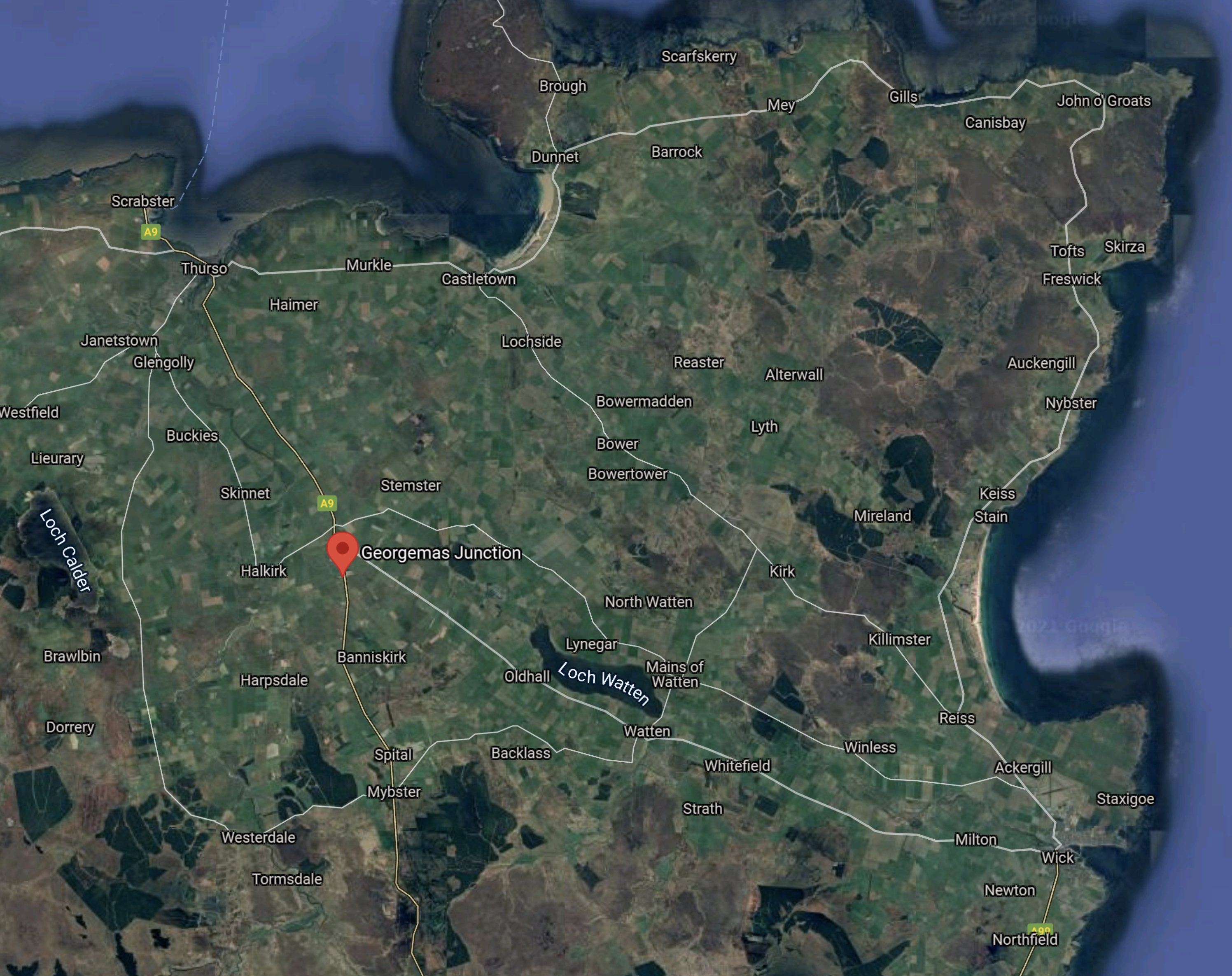
Note.
- Wick is in the South-East corner of the map.
- Thurso is in the North-West corner of the map.
- John O’Groats is in the North-East corner of the map.
- Georgemas Junction, which connects to the Far North Line to Inverness, is indicated by the red array.
This second Google Map shows Wick.
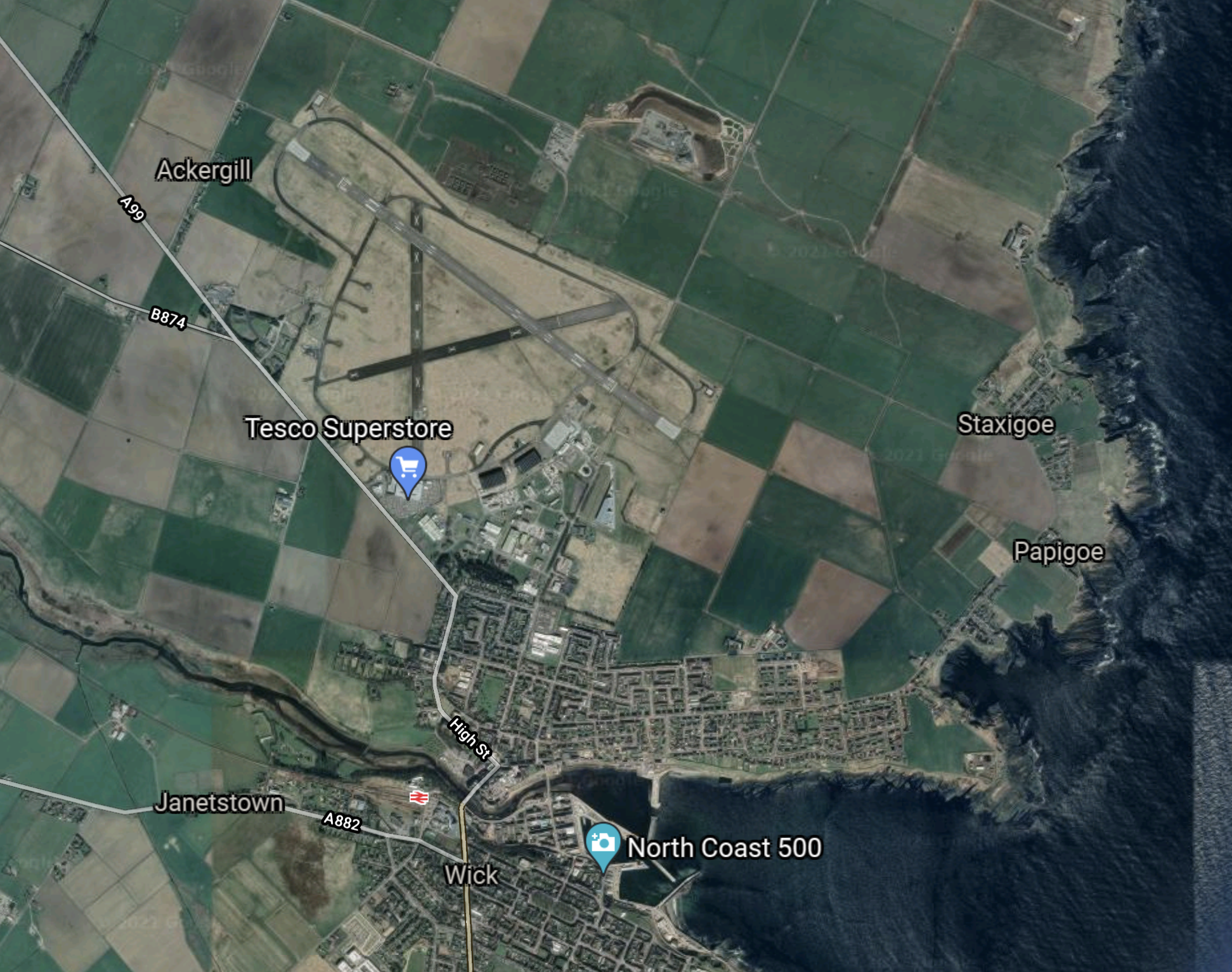
Note.
- The single-platform Wick station.
- Wick Airport, which used to have flights to Edinburgh and Aberdeen.
This third Google Map shows Thurso.
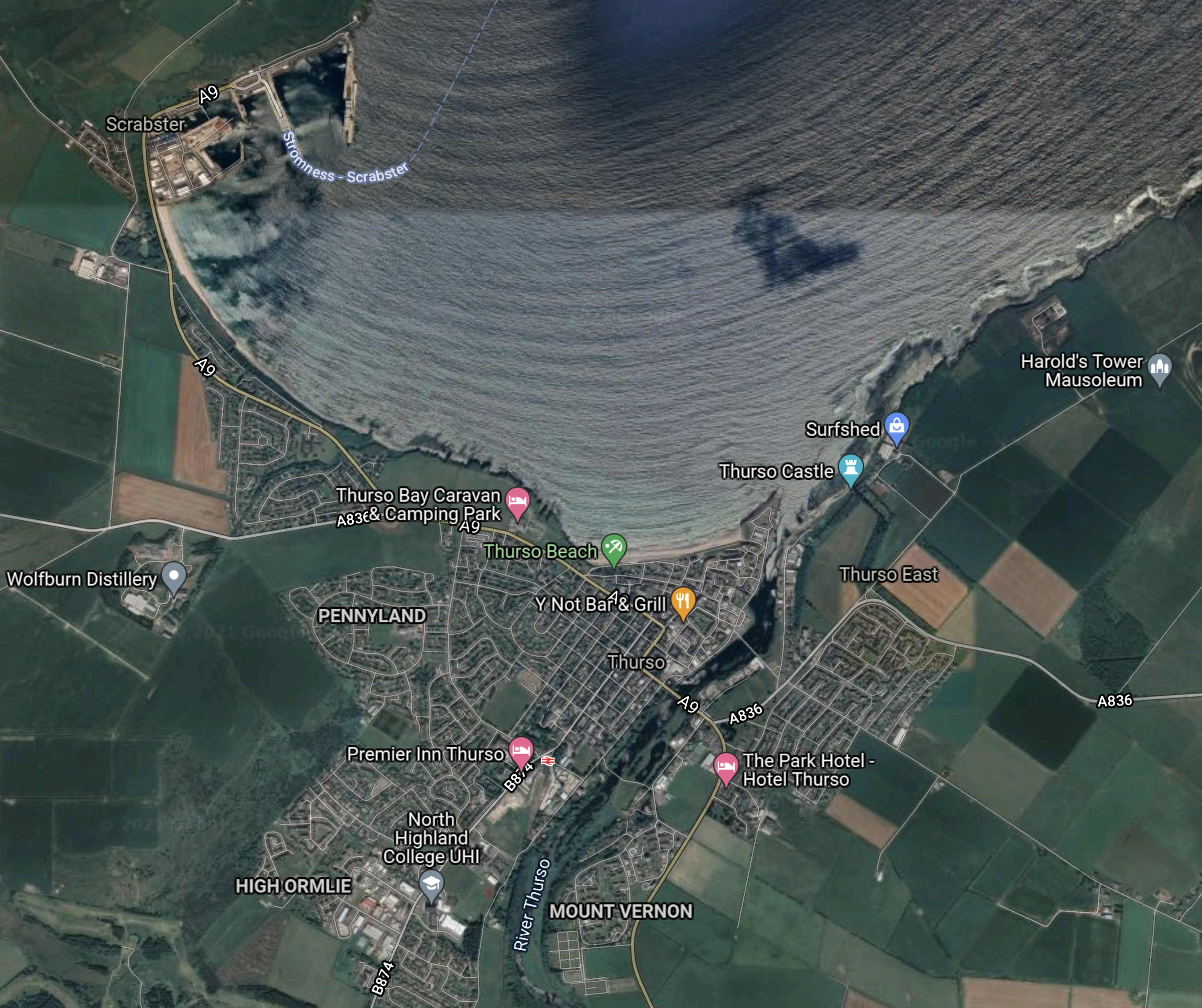
Note.
- The single-platform Thurso station.
- Scrabster with its harbour that has a ferry to the Orkneys.
Consider.
- Wick and Thurso are both towns with populations in the region of 7-8,000 people.
- I suspect that if you live in Wick and want a new widget for your boiler, that it will be in Thurso. And of course, vice-versa!
- Wick and Thurso get four trains per day to and from Inverness and the same number of trains each way between the two towns.
- So it’s not very convenient if an elderly person, who can’t drive wants to go and visit their sibling or friend in the other town for the afternoon.
The two towns would appear to be twenty-nine minutes or twenty-one miles apart by rail.
The article also states that a battery-powered Class 230 train can run at up to sixty mph with acceleration similar to that of an EMU up to forty mph.
Each round trip would probably take an hour, so a single train could provide an hourly service.
I would think, that using the fast charging system described in Charging A Battery-Powered Class 230 Train at Thurso and Wick stations, that a single train could shuttle all day between the two stations with an intermediate stop at Georgemas Junction station.
I suspect the Inverness and the shuttle services could interface seamlessly in something like the following way.
- The shuttle train would arrive in Wick and connect to the charging system.
- The Class 158 train from Inverness would arrive behind the shuttle.
- The Class 158 train would go to Thurso and back.
- The Class 158 train would leave for Inverness.
- The shuttle train would resume its shuttling between Wick and Thurso.
The Class 158 would have taken over one cycle of the shuttle.
The only works needed other than the installation of the charging system, could be to lengthen the platform to accommodate the two trains.
To try to predict the number of passengers that would use this shuttle will be very difficult.
- The train would have a high novelty value for the locals.
- The train could run seven days a week.
- The train could become a quirky tourist attraction.
- Train operators might like to see it for ideas for their problem lines.
- It might encourage a whole number of new ideas.
If say it happened at times, that the train was full, then it could probably be lengthened to by adding a trailer car.
A big beneficiary could be Vivarail.
They would have a service that was providing an hourly shuttle in a remote area, which could show off the features and benefits of the train.
- Remote servicing.
- No diesel fuel required.
- Hourly running
- Fast charging.
- Operation in cold and inclement weather.
- An unusual demonstration location.
There’s even the local Wick Airport to bring in interested parties.
This idea reminds me of a story I heard many years ago. GEC were attempting to sell an Air Traffic Control Radar to a Middle Eastern country.
- The most convenient installation of this radar in the UK was at Prestwick Airport, so the GEC salesman arranged for GEC’s corporate HS 125 business jet to take the prospective purchasers.
- It turned out to be a glorious autumn day.
- As the salesman returned with his guests to the plane, he was pulled aside by the pilot.
- The pilot told him, that there was no greater sight in the world, than the Scottish Highlands on a day like this, so would he like the Arabs to be shown the views.
- They then flew around the Highlands for thirty minutes or so before returning to London.
Was that the most unusual favour, that ever secured an order?
 The Anonymous Widower