Nightmare On The Buses
The title of this post, is not the title of a horror remake of the popular 1970s-sitcom’ On The Buses, but a description of my journeys on a 141 bus today.
Until, last Friday, I had two buses; the 21 and 141 to take between my house and Moorgate, which is an important destination for me.
- There is a large Marks and Spencer food store there, where I regularly buy the gluten-free food, I must have as a coeliac.
- There is a LEON there, where I regularly have my gluten-free breakfast.
- Moorgate station is a good transport interchange from which I regularly start journeys over London.
But now there is only one bus; the 141.
In November 2021, I wrote The Great Bus Robbery, where I said this.
What is TfL’s latest crime?
The 21 and 271 buses are going to be combined into a new route between Lewisham and Highgate, which will go nowhere near the Balls Pond Road.
So we’ll just have the one bus route to the City of London.
On past form, if TfL say they will increase the frequency, I wouldn’t believe them.
This was my conclusion.
We will need the 21 bus to provide us with a route to Crossrail, as the 141 buses will be full.
The 21 bus is needed where it is and mustn’t be stolen.
Note that Crossrail is now called the Elizabeth Line.
Today, I made three journeys between my house and Moorgate station and this is what happened.
Journey 1 – Southbound
I arrived at the bus stop and after five minutes a 141 bus arrived.
But it was full and didn’t open the door to let any of the waiting six passengers board.
After another three minutes, another 141 bus arrived and we squeezed on.
But there wasn’t any seats left and I stood all the way to Moorgate.
Journey 2 – Northbound
I only had my breakfast and as I had things to do at home, I returned fairly quickly after finishing my breakfast.
Partly, this was also because a 141 bus turned up with some seats available.
But it was a lot closer to capacity, than Northbound buses at about the same time last week.
Journey 3 – Northbound
My third journey started at about four in the afternoon, after I’d been out to take some pictures and buy a few food items in Marks and Spencer.
I had to wait seven minutes for a 141 bus and as there was a 76 bus a couple of minutes in front of it, I took that, with the intention of changing halfway.
I was able to get a seat.
In the end, the 76 bus got stuck in traffic and I walked to my intended change stop and waited there for the 141 bus, which was without a seat, so I stood for three stops to home.
It was one of the slowest journeys, I’d had between my house and Moorgate station.
Day 2 – February 7th – 2023
I arrived at the bus stop and found a lady, who had been waiting for an hour-and-a-quarter.
I had no problem coming home, as I went to Liverpool during the day and got a taxi back from Euston.
Day 3 – February 8th – 2023
Perhaps, they’d heard our pleas, but a bus turned up after a couple of minutes with plenty of spare space.
I even got a seat.
Going home, at about 10, there wasn’t a spare seat.
Revenue per bus, is certainly rising.
Conclusion
On the evidence of the first three day, it appears that there is not enough capacity without the 21 bus.
Could The Giant Station At Bank, Liverpool Street, Monument And Moorgate Be Considered A Superhub?
In Is The City Of London Moving Towards One Giant Station?, I showed how the four stations were being drawn together and developed as one large station that served the heart of the City of London.
London is also developing other large interchange stations that could claim because of their connectivity could be classed as London superhub stations.
- Canary Wharf stations, which connect the Elizabeth and Jubilee Lines, and the Docklands Light Railway.
- Old Oak Common station, which could bring together the Central, Chiltern and Elizabeth Lines, the London Overground and High Speed Two.
- Stratford station, which connects the Central, Elizabeth and Jubilee Lines, the Docklands Light Railway, the London Overground, High Speed One and the Great Eastern Main Line.
- Whitechapel station, which connects the Circle, District, Elizabeth and Hammersmith & City Lines, and the London Overground.
But what are the characteristics of a superhub station?
A Lot Of Lines And Services
Obviously, it must have a lot of lines and services, so perhaps Clapham Junction station is the original superhub station.
All Lines Should Have Step-Free Access
This surely, goes without saying.
There Should Be Lots of Information
If the station is large it needs a lot of information and there’s probably the space to put it.
Helpful Staff
Should we have a fully-staffed kiosk at superhub stations, as there are at some main line stations?
Good Bus Connections
Bus connections at a superhub station must be comprehensive and probably connect to other superhubs.
There Should Be A Selection Of Shops For Travellers
I do my daily food and other shopping, as I travel around London. I’ll often use a station like Paddington with a good selection of shops.
Toilets
There are not enough public toilets in London.
Cash Machines
I know we’re using less cash, but a large station is a secure place to put a cash-machine.
Works Of Art
I also believe that railway stations are a secure place to put some of those large bronze sculptures and other works of art, that are currently locked away in the storerooms of galleries.
Is The City Of London Moving Towards One Giant Station?
Bank and Monument Stations
When I was growing up in the 1950s and 1960s, there used to be an anomaly shown on Harry Beck’s iconic London Tube Map, that stood out as a bit different.
It was between Bank and Monument stations and was marked as an Escalator Connection, which connected the Northern Line at Bank to the District and Circle Lines at Monument.
This link was opened in 1933 and has its own section in Wikipedia labeled Monument Link, 1933.
This link has been joined by more tunnels, lifts and escalators over the last eight decades.
- In 1960, the Waterloo & City Line was connected to the main entrance of Bank station by two moving walkways.
- In 1991, the Docklands Light Railway was extended to the complex, with escalators to both the Bank and Monument entrances to the station complex.
- In November 2018, the new Bloomberg or Wallbrook entrance to the station opened, and I wrote about it in The Bank Station Walbrook Entrance Opened Today.
Bank and Monument stations have been developing as a pair of twin stations for eighty years.
The latest phase of the Bank Station Upgrade has added the following to the complex.
- A new and much large Southbound platform for the Northern Line.
- A moving walking between the Northern Line at Monument station and the Central Line at Bank station.
- Escalators between the Central Line and the Bank station end of the new moving walkway.
- Escalators between the Northern Line and the Docklands Light Railway.
The upgrade will be completed by a new entrance to the station complex on Cannon Street.
This Google Map shows the area of the station.
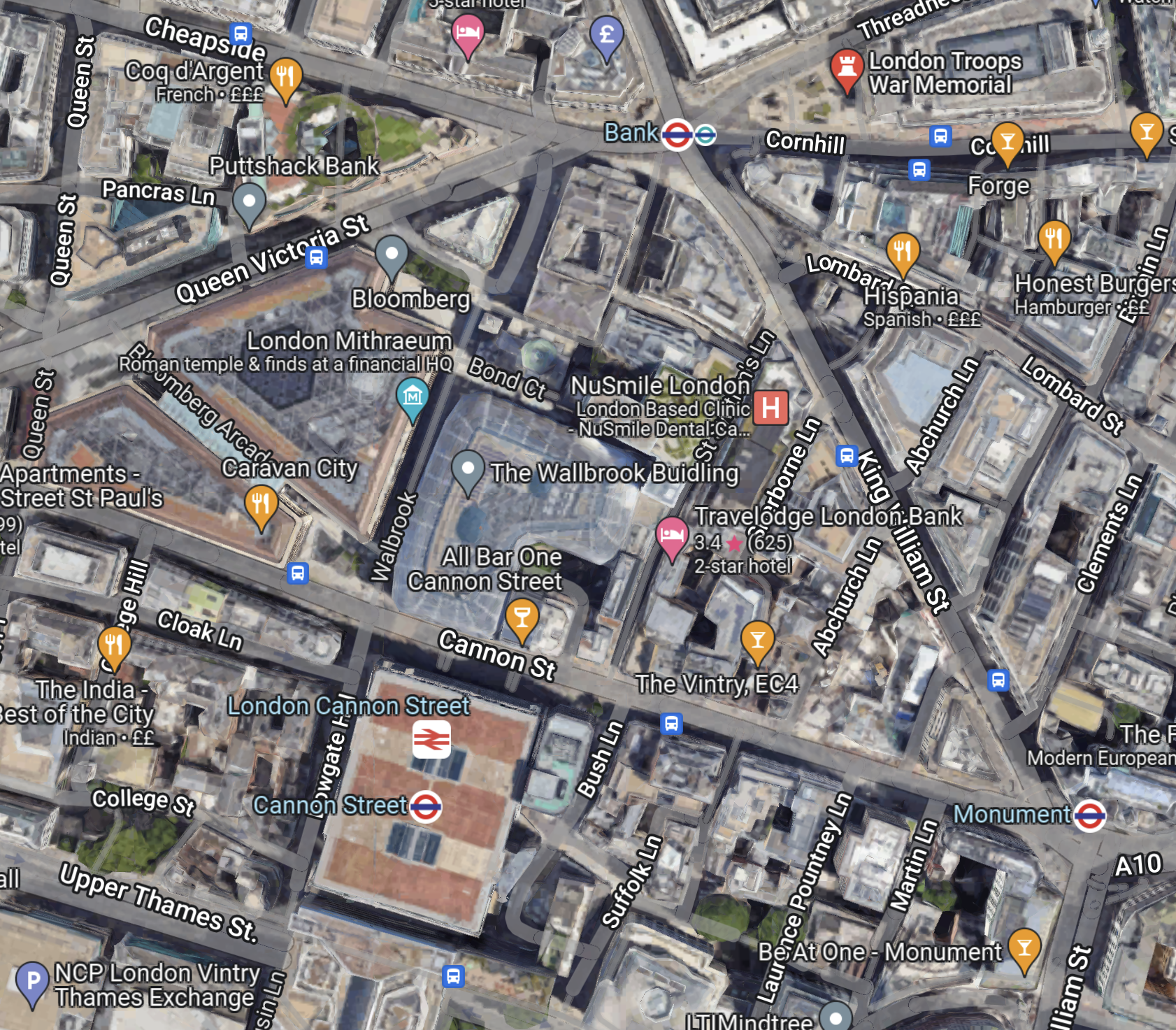
Note.
- The main Bank station entrance the top of the map, by the Bank of England with multiple entrances to the station.
- The main Monument entrance in the South-East corner of the map.
- The Cannon Street entrance will be in the triangle formed by Abchurch Lane, Cannon Street and King William Street.
- The Wallbrook entrance is under the Wallbrook Building.
The station has spread over a wide area, and I wouldn’t be surprised to see more entrances in the future.
Liverpool Street And Moorgate Stations
This Google Map shows Liverpool Street and Moorgate stations.
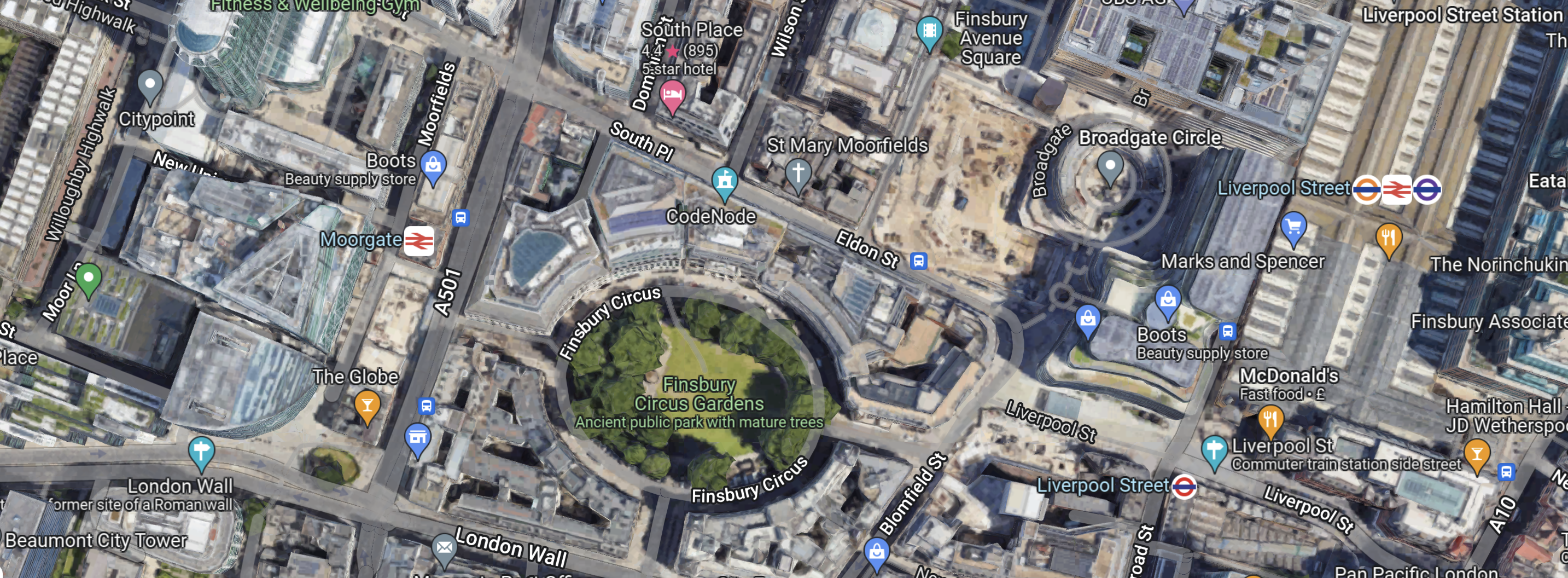
Note.
- The green space is Finsbury Circus Gardens.
- Moorgate station is to the West on the A501 or Moorgate.
- Liverpool Street station is to the East on the A10 or Bishopsgate.
There is now a tunnel between the two stations, as part of the double-ended Liverpool Street Elizabeth Line station.
The drawing from Crossrail shows a cross-section of the Liverpool Street Elizabeth Line station.
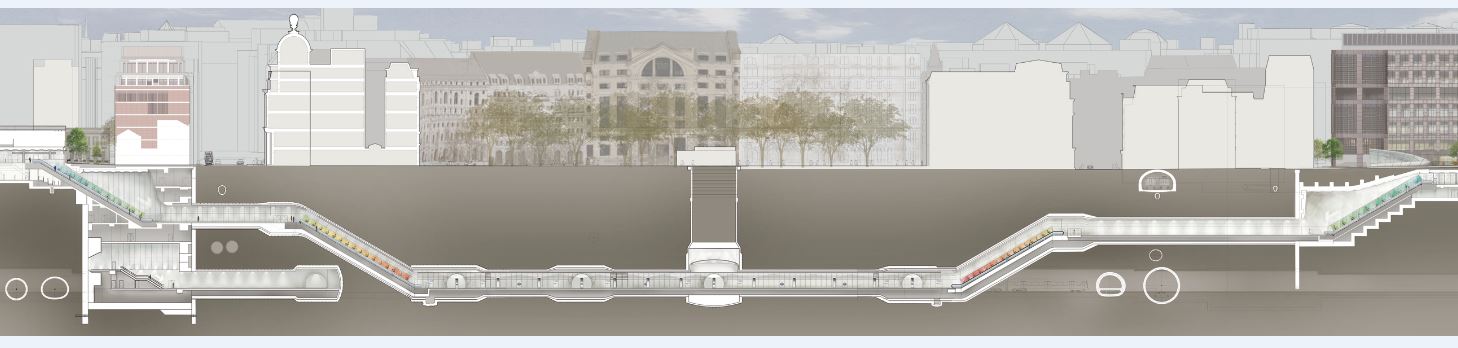
Note.
- Moorgate station is on the left.
- Liverpool Street station is on the right.
- In the middle looking like a giant juicer is the ventilation shaft in Finsbury Circus.
- The Crossrail tunnels, which consist of two running tunnels and a pedestrian walkway between them are at the deepest level.
- There are escalators and lifts all over the place.
If it’s raining it’s a good way between the two stations.
The Rail Lines At Liverpool Street And Moorgate Stations
These routes serve the two stations.
- National Rail – Liverpool Street to Essex, Suffolk and Norfolk
- National Rail – Moorgate to North London and Hertfordshire
- Central Line – Liverpool Street
- London Overground – Liverpool Street to North-East London and Hertfordshire
- City, Hammersmith & City and Metropolitan Lines – Liverpool Street and Moorgate
- Elizabeth Line – Liverpool Street and Moorgate
- Northern Line – Moorgate
Note.
- The Circle, Hammersmith & City and Metropolitan Lines have separate stations and platforms in both Liverpool Street and Moorgate.
- The Elizabeth Line station at Liverpool Street is a double-ended station with entrances in both the original Liverpool Street and Moorgate stations.
- You can walk between Liverpool Street and Moorgate stations using the connecting tunnel of the Elizabeth Line station.
- Both Liverpool Street and Moorgate stations are well-served by buses.
These connections mean that if you arrive in either of Liverpool Street or Moorgate and need to leave from the other main station, you can catch a train on the Circle, Hammersmith & City and Metropolitan Lines for one stop or walk through the Elizabeth Line tunnel or on the surface.
The Triangle Of Lines In The City Of London
The City of London effectively has three main Underground stations, that connect to all the important lines through the City.
- Bank/Monument station connects to the Central, Circle, District and Northern Lines
- Liverpool Street station connects to the Circle, Elizabeth, Hammersmith & City, Metropolitan and Northern Lines.
- Moorgate station connects to the Central, Circle, Elizabeth, Hammersmith & City and Metropolitan Lines.
All three stations have direct Underground connections.
- Bank and Liverpool Street via Central Line.
- Monument and Liverpool Street via Circle Line.
- Bank and Moorgate via Northern Line.
- Monument and Moorgate via Circle Line.
- Liverpool Street and Moorgate via Circle, Hammersmith & City and Metropolitan Lines.
Note.
- All interconnecting services are frequent.
- The Circle at six trains per hour (tph) is the least frequent
- The connections at Bank have much improved recently, due to the Bank Station Upgrade.
It is also possible to walk between the three stations.
In Where The City Of London Leads The Rest Will Follow!, I laid out the plans of the City of London to cut vehicles in the City, impose a 15 mph speed limit and improve cycling and walking routes.
If all goes to plan, then this will open up more routes between the three stations.
Conclusion
Bank, Liverpool Street, Monument and Moorgate will evolve into one large interconnected City of London station, that is served by the Central, Circle, Elizabeth, Hammersmith & City, Metropolitan and Northern Lines.
The most important thing that must be done is improve the information.
At least though, the vast walls that have been created in the Bank Station Upgrade and the Elizabeth Line stations, will be up to the task of informing passengers, the routes they need to take.
The other important thing, is to provide step-free and wheelchair-friendly routes between, Bank, Liverpool Street, Monument and Moorgate, so that passengers with reduced mobility can safely get on their way.
After the current round of construction and upgrades, I don’t think any of the rail routes between the stations are step-free.
Brent Cross West Station – 22nd January 2023
T took these pictures as I passed the site this morning.

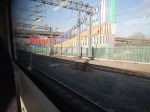
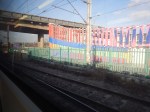
I’m not sure about the work of art.
Changing At Farringdon To And From Northbound Thameslink Trains
For my trip this morning, I took the Lizzie Line one stop from Moorgate station to Farringdon, and then straight up the escalator to the Northbound Thameslink platform.
Changing to Northbound Thameslink services at Farringdon is very easy, if you make sure you arrive in the Western end of your Lizzie Line train.
These pictures show the change.
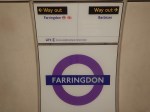
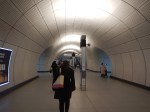

Note.
- You can only change at the Western end of the Lizzie Line platforms.
- At the top of the escalator, keep to the left and walk through to the Northbound platform.
You will be arrive on the Northbound platform at the back of the train.
The reverse change is also easy, so if I was coming home from Gatwick Airport or Brighton, I’d change at Farringdon to the Lizzie Line for Moorgate, from where I can get a bus to my home.
The change to the Lizzie Line will be easier, if you are in the back of your Thameslink train.
Pit Stops At Farringdon Station
One unique feature of the Northbound Thameslink platform at Farringdon station, is that unusually for a sub-surface station, it has full facilities, which are located by the escalators for the Lizzie Line.
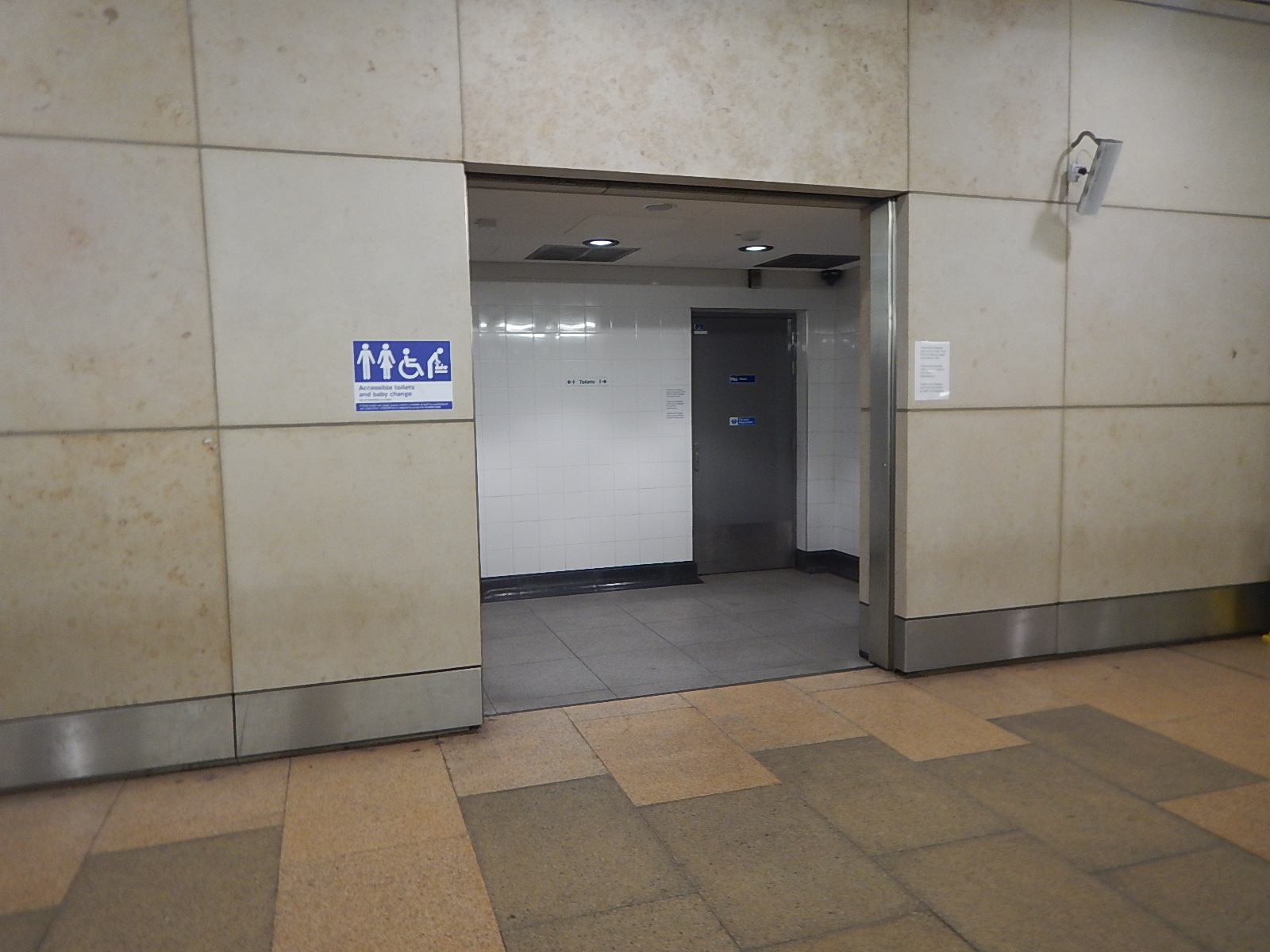
I would very much like to see more of these.
Changing At Farringdon To And From Southbound Thameslink Trains
Changing to Southbound Thameslink services at Farringdon is similar to changing to Northbound Thameslink services, if you make sure you arrive in the Western end of your Lizzie Line train.
These pictures show the change.
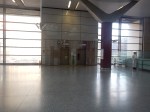

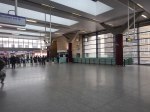
Note.
- You can only change at the Western end of the Lizzie Line platforms, where you go up the escalator.
- At the top of the escalator, keep to the right and take the escalator to the station entrance.
- Then descend to the Southbound platform using the stairs or the lifts.
You will arrive on the Southbound platform at the front of the train.
The reverse change is also easy, so if I was coming home from Bedford or Cambridge, I’d change at Farringdon to the Lizzie Line for Moorgate, from where I can get a bus to my home.
The change to the Lizzie Line will be easier, if you are in the front of your Thameslink train.
Balham – Gateway To The Royal Marsden
With apologies to the late great Peter Sellers and his iconic Balham – Gateway To The South.
After breakfast this morning at Leon on Moorgate, I decided to go and look at Belmont station, which is the nearest station to the Royal Marsden Hospital in Sutton.
Currently, Belmont has a two train per hour (tph) service from Victoria which goes via Clapham Junction, Balham and West Croydon.
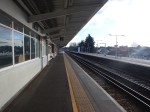
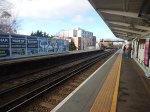
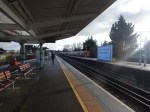
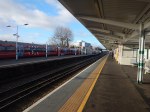
From Moorgate the easiest route was to go via the iconic Balham station, where I took these pictures.
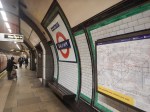
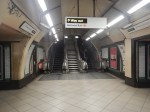
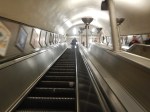
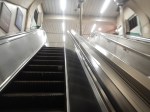
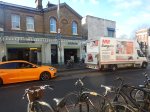
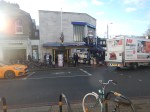

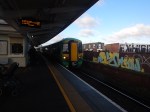
Note.
- There are two fast and two slow tracks through Balham station.
- There is a cafe on the two slow platforms.
I transferred here to an Epsom Downs train for Belmont.
The only problem was that I just missed one train and had to wait half-an-hour for the next.
The service between Victoria and Belmont needs to be increased in frequency.
The Bowes Park And Bounds Green Out-Of-Station Interchange
After I’d taken the latest pictures in Bowes Park Station – 12th January 2023, I walked to Bounds Green station to go back South to the Angel.
I took these pictures on the way.
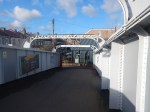
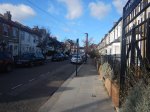
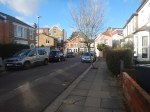
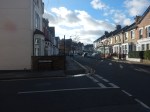
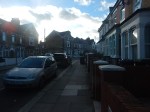
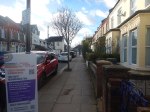
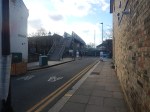
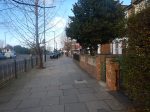
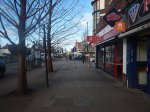
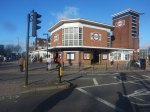
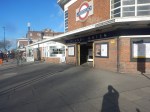
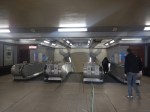
Note.
- The walk is level and could be done easily, if you were pushing a buggy, dragging a case or in a wheel-chair.
- There is a footbridge over the busy Bowes Road, which doesn’t have lifts. But you don’t need it to go between the stations.
- There is a light-controlled crossing outside Bounds Green station to cross Brownlow Road.
- The walk took me about six minutes.
These pictures show the escalators at Bounds Green station.
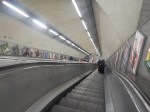
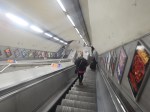
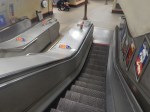
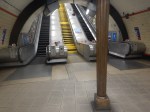
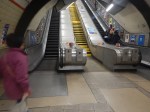
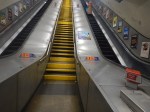
Could the central stairs be replaced by an inclined lift?
Would This Out-Of-Station Interchange Create An Easy Route Between Northern Piccadilly Line Stations And The Elizabeth Line?
Consider.
- Cockfosters, Oakwood and Arnos Grove stations have car parking.
- All stations on the Piccadilly Line from Bounds Green Northwards are well-connected by buses.
- Bounds Green station has escalators.
- Bowes Park station has stairs.
- Bowes Park station has a well-stocked cafe.
- Moorgate station has escalators and lifts to the Elizabeth Line.
For a perfect route, some things must be done.
The Frequency Of Trains On The Northern City Line
At the moment the trains through the station are two trains per hour (tph) between Moorgate and Stevenage.
But the frequency has been as high as four tph.
The frequency needs to be higher to cut waiting for a train.
Step-Free Access
This needs to be installed or improved at Bounds Green, Bowes Park and Moorgate stations.
Signage
The route between Bowes Park And Bounds Green stations needs better signage.
Conclusion
This Out-Of-Station Interchange could be made more use of.
Bowes Park Station – 12th January 2023
I’d never used Bowes Park station until I moved back to London in 2011, despite the fact I had friends in the 1960s, who lived nearby.
Today, I was wanting to go from the Northern end of the Piccadilly Line to Moorgate station.
There are a number of ways to do this journey.
- Piccadilly Line to Bounds Green tube station and then a Great Northern train from Bowes Park station to Moorgate
- Piccadilly Line to Wood Green tube station and then a 141 bus to Moorgate.
- Piccadilly Line to Manor House tube station and then a 141 bus to Moorgate.
- Take the double cross-platform change route, I outlined in Extending The Elizabeth Line – Improving The Northern City Line.
I decided to take the first route.
I took these pictures at Bowes Park station.
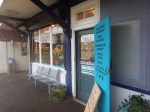
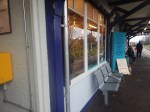
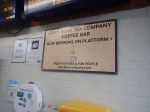
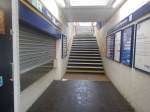
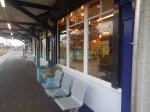
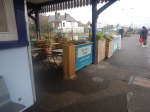
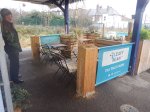
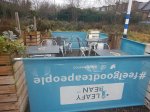
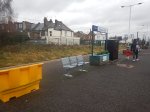
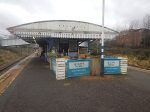
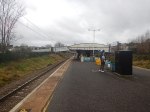
Note.
- The station has a warm well-stocked cafe, that is an asset to the station.
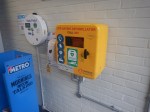
- The station has a defibrillator.
In an ideal world the station would have step-free access, as this would give a step-free route to Moorgate and the Elizabeth Line.
I returned a day later and took these pictures to see if a lift could be fitted.
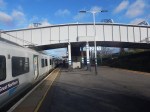
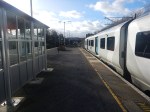
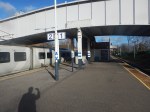
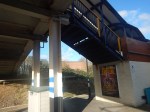
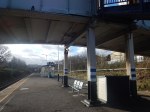
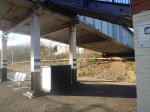
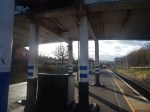
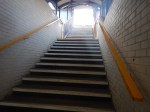
I don’t think it would be one of the most difficult or expensive jobs to fit in a lift, that took passengers between the platform and the bridge.
The existing stairs would be retained and fitted with a decent fully-compliant handrail.
If a single lift were to be placed on the opposite side to the stairs, passenger access to the station would be possible during the installation.
Ducking And Diving Between Moorgate And Liberty
Liberty is one of my favourite shops. That probably dates from the times in the 1970s, when C and I didn’t have large amounts of money and three kids, so if she needed a new summer dress, I’d make it and we’d usually choose the fabric at Liberty.
I was doing some Christmas shopping today, so after breakfast at Leon on Moorgate, I jumped into the Lizzie Line to the Hanover Square entrance at Bond Street station, where it was a short walk to Liberty.
These pictures document the route.
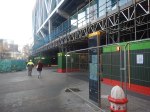
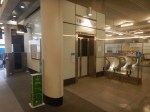
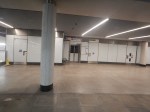
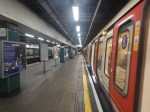
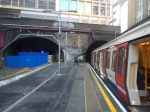
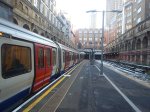
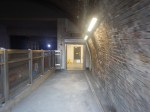

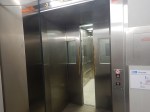
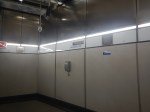
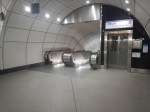
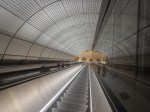
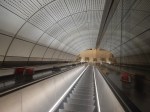
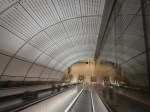

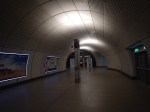
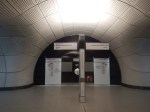
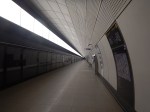
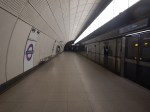
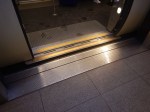
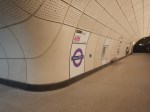
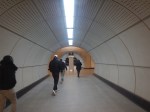



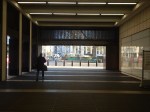




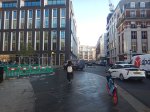
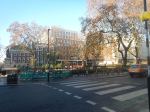

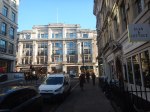
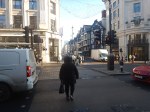
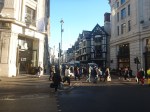
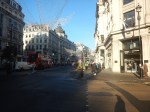
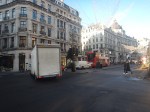

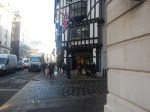
Note.
- I took one stop on the Metropolitan Line from Moorgate to Barbican.
- I positioned myself, at the front of the train.
- This enabled me to take the lift at Barbican station to the Lizzie Line passenger interchange level at Farringdon station.
- I then got the escalator down to the platforms.
- I was able to get into the back of the Westbound train, which I needed to avoid a long walk at Bond Street station.
The Lizzie Line will bring out the best ducking and diving in us all.
But with my manoeuvres, I avoided a two hundred metre walk from one end of the train to another!
This Google Map shows my walking route from Bond Street station to Liberty.
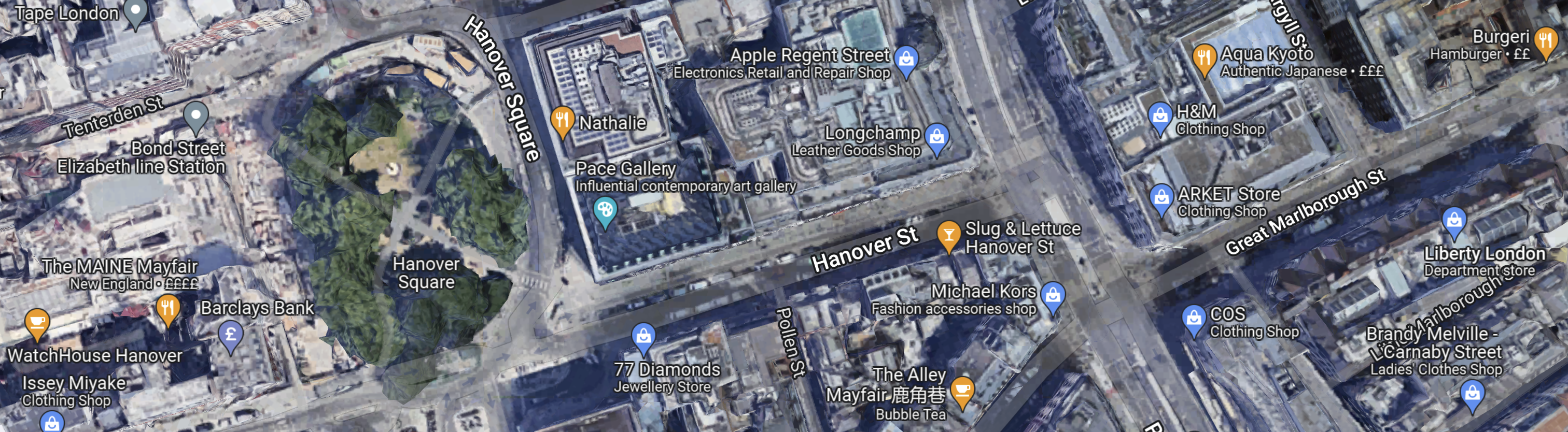
Note.
- Hanover Square is the green space to the left of the map.
- The Hanover Square entrance to Bond Street station is in the North-West corner of the square.
- Liberty is at the far right of the map.
Advantages of this route include.
- The Western end is in one of London’s best squares.
- All major road crossings have zebras or light controlled crossings.
- There are a few smaller useful shops like itsu, a Pret and a Ryman on Hanover Street.
- The route wasn’t too busy with pedestrians.
I would recommend using the Hanover Square entrance to Bond Street station for places like Bond Street, Carnaby Street, John Lewis, Regent Street and The Palladium.
After I’d done my shopping at Liberty, I walked along Great Marlborough Street to the back entrance of Marks and Spencer’s flagship store, thus avoiding the crowds on Oxford Street.
What If I Want To Go To John Lewis On Oxford Street?
As for Liberty, you would take the Lizzie Line to Bond Street station and use the Hanover Square or Eastern exit, then follow these pictures.
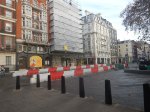
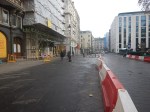


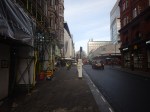
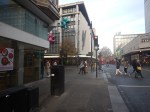
Note the Leon, which will probably opening soon.
What If I Want To Go To Bond Street?
You take the Medici Courtyard by the side of the station.
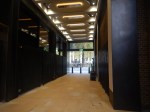
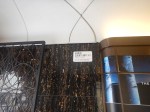
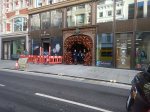


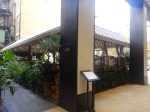
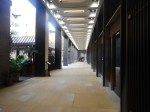
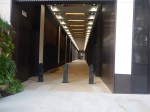
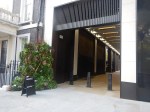
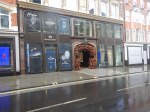

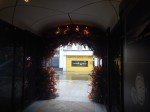



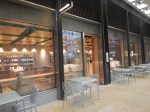


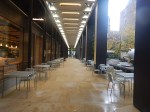

Note.
- There is an upmarket hotel in the courtyard.
- The courtyard has some artwork.
- The floral entrance on Bond Street.
It will be interesting to see how the Medici Courtyard develops.
Lost In The Purple
In Whitechapel Station Is The Preferred Interchange, I said this.
It certainly appeared to me from some staff, I spoke to, that some passengers were getting rather lost.
It was also confirmed by a member of Elizabeth Line staff at Moorgate station.
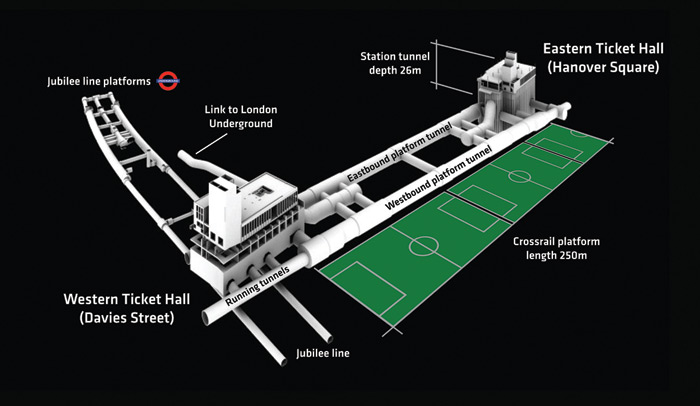
In A Look At Bond Street Station, I showed this image and said the following.
Bond Street station is double-ended.
This visualisation shows the knitting that connects it to the current Bond Street station.
Note.
- The station has two entrances; Davies Street and Hanover Square.
- The length of the Crossrail platforms.
- It looks like the Western interchange between Crossrail and Jubilee Line is easy.
- It could be quite a walk between Crossrail and the Central Line at Davies Street.
- If you’re a strong walker, some will use the Hanover Square entrance to access the Central and Victoria Lines.
On this quick look, I have a feeling that at Bond Street station, it will pay to know your entrances and make sure you’re at the right place on the train.
I could have added, that it will pay to know your entrances on any of the large stations.
At the Moorgate end of Liverpool Street station, yesterday passengers were turning up, who really wanted the Liverpool Street end.
The subterranean information needs to be better.
As an example, there are a few modestly-priced hotels, that include a Premier Inn, clustered around the Elizabeth Line station at Woolwich.
- Woolwich station is a simple single-ended station with the entrance at the Western end of the platforms.
- So passengers for Woolwich should always get in the Western end of the Elizabeth Line trains.
- That would be the front going West.
- That would be the back going East.
If staying at a hotel near an Elizabeth Line station make sure you know your entrance and train position.
 The Anonymous Widower