Could Greater Anglia Run A Comprehensive Service For East Anglia?
Consider.
- In the last fifty years, there have been direct trains between London Liverpool Street and Lowestoft stations.
- In the last forty years, there have been direct trains between London Liverpool Street and Peterborough stations.
- Greater Anglia currently run an hourly train between London Liverpool Street and Ipswich stations, with stops at Stratford, Shenfield, Chelmsford, Hatfield Peverel, Witham, Kelvedon, Marks Tey, Colchester and Manningtree
- Frequencies on both routes were not high and less than four trains per day (tpd), but they must have been a demand for these services.
- Greater Anglia promised to run a Lowestoft service, when they successfully reapplied for the franchise.
- Greater Anglia have 38 Class 755 trains, of which 14 are three-cars and 24 are four-cars.
- Class 755 trains can run in twoses and possibly threeses. (Suffolk dialect for twins and triplets!)
Could these elements be assembled to provide a comprehensive East Anglia service?
- A pair of Class 755 trains would leave Liverpool Street for Ipswich.
- They would takeover some of the paths of the hourly Liverpool Street and Ipswich service and run possibly about four or five tpd, according to demand.
- Between Liverpool Street and Ipswich the trains could stop at Stratford, Shenfield, Chelmsford, Hatfield Peverel, Witham, Kelvedon, Marks Tey, Colchester and Manningtree
- The services would splitgoing North and join going South at Ipswich
- One train would go to Peterborough with stops at Needham Market, Stowmarket, Elmswell, Thurston, Bury St. Edmunds, Soham, Ely, Manea, March and Whittlesea.
- The other would go to Lowestoft with stops at Woodbridge, Melton, Wickham Market, Saxmundham, Darsham, Halesworth, Brampton, Beccles and Oulton Broad South.
Note.
- The Class 755 trains would use electricity, where electrification exists.
- They would use diesel on lines without electrification.
- They would be able to hold 100 mph, so wouldn’t delay other trains.
- Seventeen towns would get new direct services to and from London.
- A Class 745 train is 236.6 metres long, whereas a pair of four-car Class 755 trains is only 161.4 metres.
- A three-train formation of Class 755 trains is only 5.5 metres longer than a single Class 745 train.
I am fairly sure no new substantial infrastructure would be required.
I have some further thoughts.
Example Timings
These timings to and from London are based on current timings of the Class 745 and 755 trains.
- Ipswich – 60 mins
- Stowmarket -70 mins
- Bury St. Edmunds – 88 mins
- Soham – 108 mins
- Ely – 117 mins
- March – 136 mins
- Peterborough – 158 mins
- Woodbridge – 75 mins
- Melton – 80 mins
- Wickham Market – 86 mins
- Saxmundham – 97 mins
- Darsham – 104 mins
- Halesworth – 113 mins
- Brampton – 119 mins
- Beccles – 128 mins
- Oulton Broad South – 138 mins
- Lowestoft – 146 mins
Notes.
- Times to and from Ipswich are based on typical services at the current time.
- I have assumed that there are no stops South of Ipswich.
- Saxmundham is the closest station to Sizewell and could be important in bringing in construction workers for Sizewell C.
I think some of the times like those to and from Bury St. Edmunds, Ipswich, Lowestoft, Saxmundham and Woodbridge could create popular routes.
Battery-Electric Trains
Consider.
- I wrote about Stadler’s expertise with battery-electric trains in Stadler FLIRT Akku Battery Train Demonstrates 185km Range.
- 185 km. is 115 miles.
- The Class 756 trains for Transport for Wales are similar trains to the Class 755 trains fitted with batteries.
- In Battery Power Lined Up For ‘755s’, I wrote about plans to put batteries in the Class 755 trains.
These sections of lines are not electrified on the routes I have talked about.
- Haughley Junction and Ely – 38 miles
- Ely and Peterborough – 30.5 miles
- Westerfield and Lowestoft – 38 miles
As there is electrification at Ely, Haughley, Peterborough and Westerfield and South to London, I am fairly certain the route could be run by battery-electric trains.
Electrification To Sizewell C
In the January 2023 Edition of Modern Railways, there is an article, which is entitled Rail Set To Support Sizewell C Construction.
It details how sidings will be built to support the construction, with up to four trains per day (tpd), but the electrification word is not mentioned.
This is surprising to me, as increasingly, big construction projects are being managed to emit as small an amount of carbon as possible. High Speed Two is being built this way and I suspect Rolls-Royce’s SMR design will minimise carbon emissions during manufacture and construction. It will be very surprising if Sizewell C doesn’t follow High Speed Two’s example. After all, it may be an isolated site, but in Sizewell B, it’s got one of the UK’s biggest carbon-free electricity generators a couple of hundred metres away.
The writer of the Modern Railways article, thinks an opportunity is being missed.
I feel the following should be done.
- Improve and electrify the East Suffolk Line between Ipswich and Saxmundham Junction.
- Electrify the Aldeburgh Branch Line and the sidings to support the construction or agree to use battery-electric or hydrogen zero-carbon locomotives.
One of the collateral benefits of electrifying from Ipswich to Saxmundham Junction, is that it will make it easier for battery-electric Class 755 trains to work Ipswich and Lowestoft services.
- If the trains were to leave Saxmundham Junction going North with a full battery, they should be able to travel to Lowestoft and return.
- Battery-electric Class 755 trains could bring in workers from Ipswich or Lowestoft and further afield.
- It could even leave behind a zero-carbon branch line to Sizewell, Leiston and Aldeburgh, with two tph to Ipswich.
Sizewell C could be a superb demonstration project for low-carbon construction!
The Lowestoft-Great Yarmouth Conurbation
The Wikipedia entry for Lowestoft says this about the town.
The estimated population in the built-up area exceeds 70,000. Its development grew with the fishing industry and as a seaside resort with wide sandy beaches. As fishing declined, oil and gas exploitation in the North Sea in the 1960s took over. While these too have declined, Lowestoft is becoming a regional centre of the renewable energy industry.
Whilst the Wikipedia entry for Great Yarmouth says this about the town.
Great Yarmouth, often called Yarmouth, is a seaside town and unparished area in, and the main administrative centre of, the Borough of Great Yarmouth in Norfolk, England; it straddles the River Yare and is located 20 miles (30 km) east of Norwich. A population of 38,693 in the 2011 Census made it Norfolk’s third most populous. Its fishing industry, mainly for herring, shrank after the mid-20th century and has all but ended.[3] North Sea oil from the 1960s supplied an oil-rig industry that services offshore natural gas rigs; more recently, offshore wind power and other renewable energy industries have ensued.
Wikipedia also said this about the population of the wider Great Yarmouth.
The wider Great Yarmouth borough had a population of around 92,500, which increased to 97,277 at the 2011 census.
Taken together they are one of the largest conurbations in East Anglia.
The main means of transport between the two towns is by road.
Surely, two towns of over 70,000 people, who are only a few miles apart need a rail connection.
Onward From Lowestoft To Great Yarmouth
If the comprehensive East Anglia service, I’m discussing is to be truly comprehensive, it must serve the Norfolk Broads and Great Yarmouth.
This would also improve the connectivity between two of the largest coastal towns in East Anglia, that I indicated in the last section.
This OpenRailwayMap shows a cunning plan proposed by Network Rail to connect Lowestoft and Great Yarmouth.
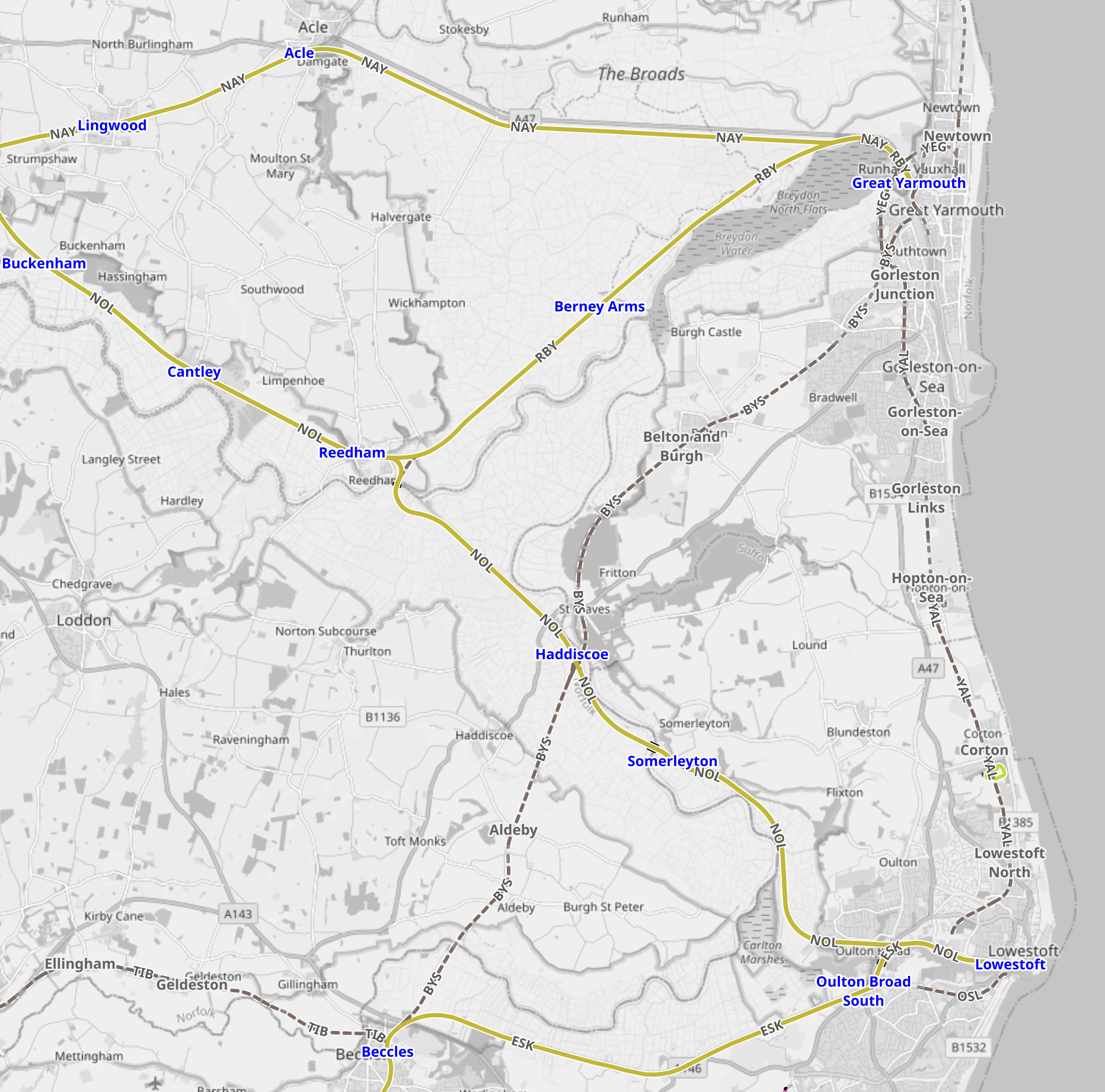
Note.
- Great Yarmouth is in the North East corner of the map.
- Two lines lead West from Great Yarmouth station, with the more Northerly route going direct to Norwich and the more Southerly one going to Norwich via Berney Arms and Reedham.
- Lowestoft is in the South East corner of the map.
- Two lines lead West from Lowestoft station, with the Northern route going to Norwich via Reedham and the Southern one going to Ipswich via Oulton Broad South.
- The route of a coastal railway connecting the two towns is also shown.
Network Rail’s cunning plan is indicated on this second nap from OpenRailwayMap.
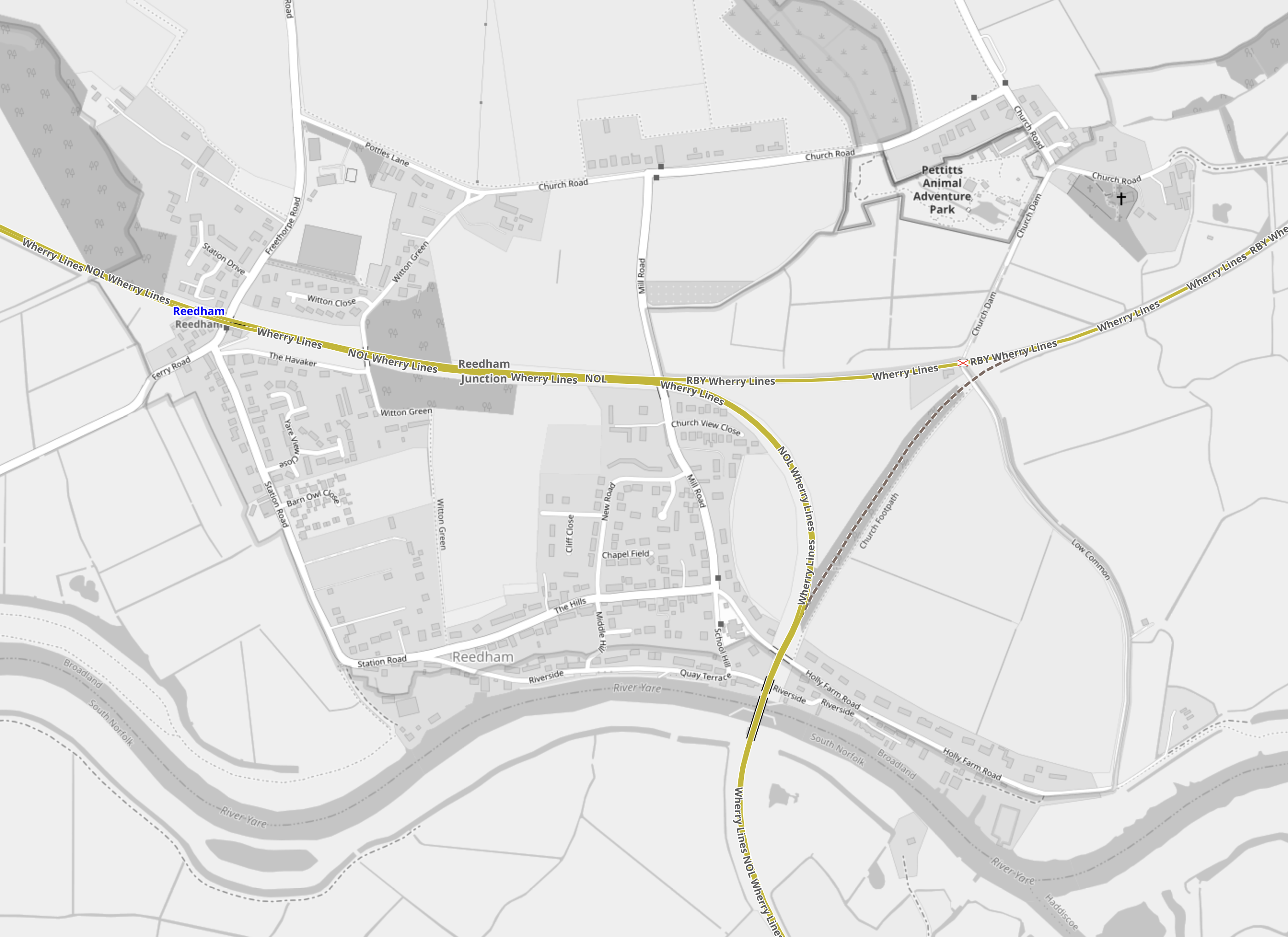
Note.
- Reedham station is in the North-West corner of the map on the line to Norwich.
- To the East of the station is a triangular junction.
- The track from the North-East corner of the junction is the line to Great Yarmouth.
- The track from the Southern corner of the junction is the line to Lowestoft.
- Unfortunately, the South-Eastern leg of the junction was removed in 1880.
In Norfolk Rail Line To Remain Closed As £68m Upgrade Project Overruns, I said this.
Network Rail are talking about reinstating the Reedham Chord to create a more direct route between East Anglia’s largest North-Eastern towns. This is said about the Reedham Chord in Direct Yarmouth Services in the Wikipedia entry for Lowestoft station.
In January 2015, a Network Rail study proposed the reintroduction of direct services between Lowestoft and Yarmouth by reinstating a spur at Reedham. Services could once again travel between two East Coast towns, with an estimated journey time of 33 minutes, via a reconstructed 34-chain (680 m) north-to-south arm of the former triangular junction at Reedham, which had been removed in c. 1880. The plans also involve relocating Reedham station nearer the junction, an idea which attracted criticism.
This sounds a good plan to me.
- It would allow direct services between Lowestoft and Great Yarmouth.
- It would allow direct services between Ipswich and Great Yarmouth with a reverse at Lowestoft in about two hours.
- With possible charging at Lowestoft and/or Great Yarmouth, a scenic route could be created between Ipswich and Norwich for battery-electric Class 755 trains. If that doesn’t get people out of their cars then nothing will!
- Various leisure, tourism and work-related opportunities would be created.
Never in the field of railway engineering would such a small chord have given so much.
Sizewell C Issues
Sizewell C will be a massive project and I also suspect that like High Speed Two, it will be built in a manner that will be zero-carbon where possible.
We already know from the Modern Railways article, that four tpd will shuttle material to a number of sidings close to the site. This is a good start.
Since Sizewell A opened, trains have regularly served the Sizewell site to bring in and take out nuclear material. These occasional trains go via Ipswich and in the last couple of years have generally been hauled by Class 88 electro-diesel locomotives.
It would be reasonable to assume that the Sizewell C sidings will be served in the same manner.
But the route between Westerfield Junction and Ipswich station is becoming increasingly busy with the following services.
- Greater Anglia’s London and Norwich services
- Greater Anglia’s Ipswich and Cambridge services
- Greater Anglia’s Ipswich and Felixstowe services
- Greater Anglia’s Ipswich and Lowestoft services
- Greater Anglia’s Ipswich and Peterborough services
- Freight services serving the Port of Felixstowe, which are expected to increase significantly in forthcoming years.
But the Modern Railways article says this about Saxmundham junction.
Saxmundham junction, where the branch meets the main line, will be relaid on a slightly revised alignment, retaining the existing layout but with full signalling giving three routes from the junction protecting signal on the Down East Suffolk line and two in the Down direction on the bidirectional Up East Suffolk line. Trap points will be installed on the branch to protect the main line, with the exit signal having routes to both running lines.
Does the comprehensive signalling mean that a freight train can enter or leave the Sizewell sidings to or from either the busy Ipswich or the quieter Lowestoft direction in a very safe manner?
I’m no expert on signalling, but I think it does.
- A train coming from the Lowestoft direction needing to enter the sidings would go past Saxmundham junction on the Up line. Once clear of the junction, it would stop and reverse into the branch.
- A train coming from the Ipswich direction needing to enter the sidings would approach in the wrong direction on the Up line and go straight into the branch.
- A train leaving the sidings in the Lowestoft direction would exit from the branch and take the Up line until it became single track. The train would then stop and reverse on to the Down line and take this all the way to Lowestoft.
- A train leaving the sidings in the Ipswich direction would exit from the branch and take the Up line all the way to Ipswich.
There would need to be ability to move the locomotive from one end to the other inside the Sizewell site or perhaps these trains could be run with a locomotive on both ends.
The advantage of being able to run freight trains between Sizewell and Lowestoft becomes obvious, when you look at this Google Map, which shows the Port of Lowestoft.
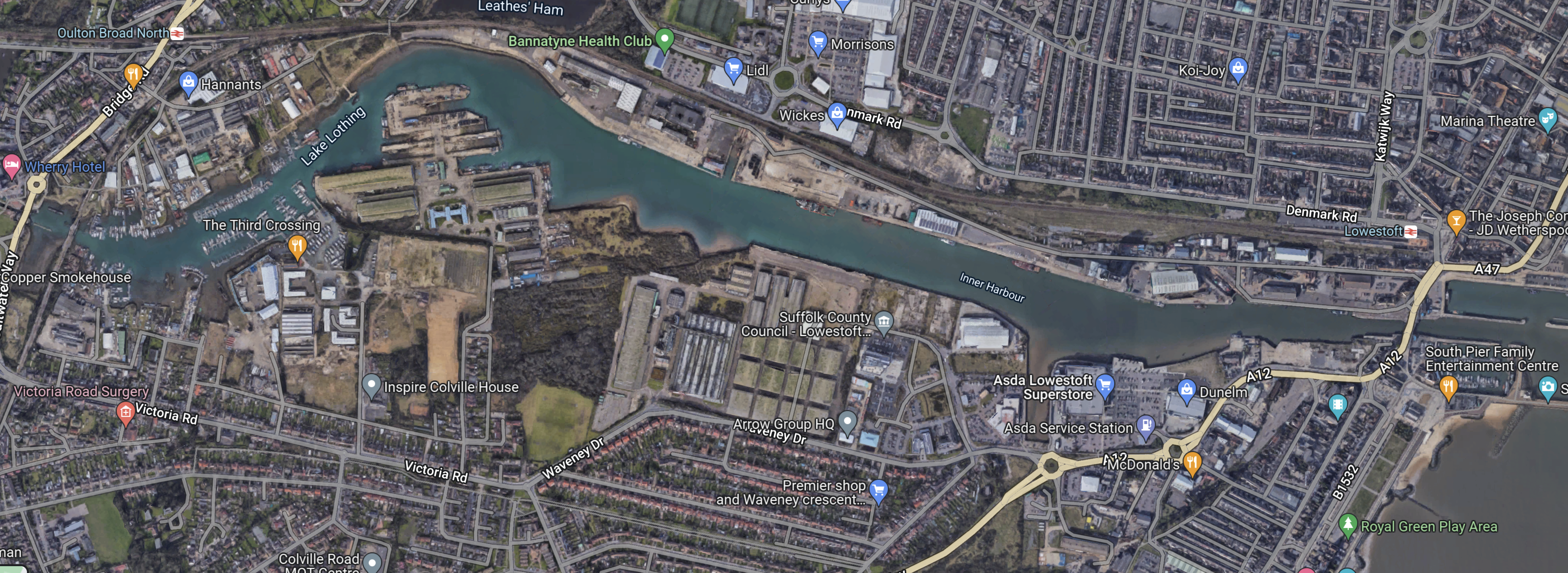
Note.
- The Inner Harbour of the Port of Lowestoft.
- The East Suffolk Line running East-West to the North of the Inner Harbour.
- Lowestoft station at the East side of the map.
I doubt it would be the most difficult or expensive of projects to build a small freight terminal on the North side of the Inner Harbour.
I suspect that the easiest way to bring the material needed to build the power station to Sizewell would be to do the following.
- Deliver it to the Port of Lowestoft by ship.
- Tranship to a suitable shuttle train for the journey to the Sizewell sidings.
- I estimate that the distance is only about 25 miles and a battery or hydrogen locomotive will surely be available in the UK in the next few years, that will be able to provide the motive power for the return journey.
In The TruckTrain, I wrote about a revolutionary freight concept, that could be ideal for the Sizewell freight shuttle.
Great Yarmouth Racecourse
Great Yarmouth Racecourse is one of my favourite racecourses and I believe it is one of the attractions in Great Yarmouth, that would benefit from an improved rail service between Lowestoft and Great Yarmouth, as it would almost double those with efficient public transport access to the racecourse.
The walking distance between Great Yarmouth station and the racecourse is walkable for many and I remember doing it since C died.
With the train connection to Lowestoft and perhaps a courtesy bus from the station, I wouldn’t be surprised to see that a Lowestoft-Yarmouth rail connection being very good for the racecourse. Especially as road traffic between the two towns can be not the best.
Finishing At Norwich
There are operational reasons to carry on to Norwich, where Crown Point, is the home base for the Class 755 trains.
But it would also link a lot of places that are dependant on tourism and are also heavily involved in East Anglia’s energy industry.
Onward From Peterborough To Lincoln
If the Lowestoft service can extend to Great Yarmouth, an extension of the Peterborough service to Lincoln via Spalding and Sleaford might be possible.
But with LNER also serving Lincoln from Kings Cross, I doubt the route would carry many passengers to and from London.
Conclusion
A service from London, that splits into two trains at Ipswich for Lowestoft and Peterborough has possibilities.
Morley’s New Accessible Station Set To Open In Summer 2023
The title of this post, is the same as that of this press release from Network Rail.
These paragraphs outline the work to be done to create the new Morley station.
A new, fully accessible station is set to open in Morley, Leeds in summer 2023 to make way for longer trains, more seats, and better journeys as part of the Transpennine Route Upgrade.
As a multi-million-pound investment, the new station will boast longer platforms to provide space for faster, more frequent, greener trains with more seats available for passengers travelling between Manchester, Huddersfield, Leeds and York.
The new, remodelled station will sit 75 metres away from the existing station and be fully accessible, with a footbridge and lifts connecting the two platforms.
Moving the station opens up opportunities to transform the platforms and track layout while installing the overhead wires needed to power electric and hybrid trains in the future. It also means that the current station can largely remain open for passengers whilst the new one is built.
It is not often, that a station upgrade, is such a comprehensive demolish and rebuild of a not very large station as this.
But rarely have I seen such a long list of problems as the one in this section in the Wikipedia entry for the station.
It looks like the Government is having a go, at levelling-up Morley.
Network Rail seem to be attempting to do the rebuild in under a year.
‘Castle’ HSTs To Be Withdrawn By Great Western Railway
The title of this post, is the same as that of this article on Rail Advent.
This quote from a GWR spokesman, sums up the action that will be taken.
The Castles were always designed to be a temporary measure on the Cardiff to Penzance route. We expect to replace the Castle Class trains on a phased basis over the next couple of years, bringing customers the benefit of more modern trains that will reduce both cost and carbon emissions across the route.
These are my thoughts.
Could The Engines In The Power Cars Be Replaced With Modern Carbon-Neutral Engines?
This would be an alternative way to solve the decarbonisation problem.
It would also mean that other applications of the Class 43 power cars, like ScotRail’s Inter7City trains, Cross Country’s HSTs and Network Rail’s New Measurement Train would have a decarbonisation route,
In Rolls-Royce Releases mtu Rail Engines For Sustainable Fuels, Rolls-Royce mtu outline their route to decarbonise rail engines using sustainable fuels.
This was the first paragraph of my conclusion in the linked article.
Rolls-Royce and Cummins seem to be doing a thoroughly professional job in decarbonising the diesel engines they have made in recent years.
The Class 43 power cars have Rolls-Royce mtu Series 4000 engines, which will soon be available to run on sustainable fuel.
I think as a possible fall-back, one Class 43 power car should be converted to carbon neutral.
Could The Engines In The Power Cars Be Replaced With Modern Hydrogen Engines?
I looked at this in Will We See Class 43 Power Cars Converted To Hydrogen?.
I came to the conclusion, that this might be possible and said this.
It would be the ultimate Roller.
But then Rolls-Royce know about winning battles with large internal combustion engines.
The Option Of New Trains
This quote from a GWR spokesman was fairly definite about new trains, when they said.
The Castles were always designed to be a temporary measure on the Cardiff to Penzance route. We expect to replace the Castle Class trains on a phased basis over the next couple of years, bringing customers the benefit of more modern trains that will reduce both cost and carbon emissions across the route.
What trains could replace the Castles?
- The Cardiff and Penzance route is just short of 250 miles or roughly 400 kilometres.
- Only about 30 miles at the Cardiff end is electrified.
- Trains would need to be able to handle 25 KVAC overhead electrification.
- 125 mph trains will be needed at the Cardiff end.
- Four or five passenger cars will be needed.
- Currently, there are twelve Castles, so I will assume twelve new trains.
As these trains will be lasting up to forty years, they must be zero-carbon, which must mean battery-electric or hydrogen.
Charging Battery-Electric Trains
Consider
- Bristol Temple Meads, Exeter St. Davis and Plymouth are large stations with several platforms. I suspect that a number of Furrer + Frey’s charging stations can be installed along the route.
- The timetable would be adjusted to allow trains to be charged as they stopped to set down and pick up passengers.
- Trains would dwell in the station and then use their 125 mph performance to regain the time.
- I’ve also found a Penzance to Cardiff service, that stopped at Plymouth for fourteen minutes, which is more than enough to charge the batteries.
- Regenerative braking to the batteries would further eke out the range.
- There might also be some extra electrification around Bristol or Exeter.
- Some form of charging would be needed at Penzance.
Note.
- Putting up electrification may mean that it will delay the new trains for a few years.
- Charging stations along the route could probably be installed to a tight timetable.
I believe that with some top-class work, by battery and charger manufacturers, that a battery-electric train could be developed that could run between Cardiff and Penzance.
Thoughts On Hydrogen
Consider.
- The Alstom Coradia iLint train has a range of about 1,000 km. on hydrogen.
- Companies like Airbus, Boeing and a host of rocket makers will improve the storage and safety of hydrogen.
- A range of a 1,000 km. would allow refuelling at one end of the route.
- Trains could be multiple units or a hydrogen-electric locomotive pulling a rake of coaches with a driving van trailer.
I feel that hydrogen would be very feasible as a power source.
Alstom Could Offer A Hydrogen Aventra
Consider.
- Alstom are developing a hydrogen-powered Aventra.
- Bombardier were offering a 125 mph Aventra.
- A typical Aventra like a Class 720 train seats a hundred passengers a car.
A hydrogen Aventra would be feasible.
Hitachi Could Offer A Battery-Electric Or Hybrid AT-300
In 2021, in Hitachi And Eversholt Rail To Develop GWR Intercity Battery Hybrid Train – Offering Fuel Savings Of More Than 20%, I wrote about the announcement of the Hitachi Intercity Tri-Mode Battery Hybrid Train, which is shown in this Hitachi infographic.

Note.
- Batteries replacing an engine to cut fuel usage and reduce carbon emissions.
- First time a modern UK intercity train, in passenger service, will use alternative fuel.
- These Hitachi trains use mtu engines, so I suspect they will be switched to sustainable fuel like HVO.
- The trains are 125 mph and 140 mph with the latest digital signalling.
- Great Western Railway already have 58 five-car Class 800/802 trains and 35 nine-car 800/802 trains.
- They would not need any changing stations or other infrastructure changes.
- Staff retraining would be minimal.
Testing of the prototype of these trains must be getting very close or even underway.
Stadler Could Offer A Battery-Electric Flirt Akku
Consider
- Stadler have run a Flirt Akku on batteries for 243 km.
- Flirt Akkus will go into service soon.
- Flirts have been designed for 125 mph running.
With charging at Cardiff, Bristol, Exeter, Plymouth and Penzance, I believe a Flirt Akku could handle the route.
Are Hitachi Home And Hosed?
I have a feeling that the announcement has been made about retiring the Castles as the prototype Hitachi Intercity Tri-Mode Battery Hybrid Train is under test and is performing well.
So I wouldn’t be surprised to see an order for twelve more Class 802 trains soon.
ECML Net Zero Traction Decarbonisation
This project was one of the winners in the First Of A Kind 2022 competition run by Innovate UK.
In this document, this is said about the project.
Project No: 10036245
Project title: ECML Net Zero Traction Decarbonisation
Lead organisation: SIEMENS MOBILITY LIMITED
Project grant: £59,983
Public description: Electrification is the foundation of all modern railways and fundamental to decarbonisation. Through
delivering faster, smoother, quieter and more reliable train services, rail electrification reduces
industry fuel cost by 45%, rolling stock costs by 33%, and track maintenance costs by 10-20%
(compared to diesel operation). Electric railways are the most efficient, lowest carbon form of
transportation in the UK.
Network Rail operates the largest power distribution network in the UK, and is the largest consumer
of electricity in the UK, consuming 4TWh electricity per year. Power is provided from the electricity
supply industry, a mix of gas, nuclear, coal and renewables, emitting approximately 944,000 tonnes
of carbon dioxide annually. Connecting new renewable generation directly to the railway reinforces
the railway power supply, while reducing coal and gas use in the UK and is a longstanding Network
Rail industry challenge statement. To date, engineering incompatibilities between renewable,
electricity supply systems and the railway single-phase electrical and other railway systems have
prevented local renewable connection in rail.
In a world first, Siemens Mobility, working with British Solar Renewables, DB Cargo UK, Network
Rail, ECML operators, and the University of York, will directly connect large-scale renewable
generation to the East Coast Mainline. The demonstrator phase will deliver up to 1GWh green
electricity direct to trains each year, reducing UK gas imports by 151,000 cubic metres and carbon
emissions by 236 tonnes annually. It will gather vital data creating a new green industry, creating a
precedent and setting standards to enable larger scale roll-out across the UK.
My Thoughts And Conclusion
This page on the Network Rail web site is entitled Power Supply Upgrade.
Since 2014, Network Rail and its partners have been upgrading the overhead electrification and the associated substations and electricity supply on the East Coast Main Line (ECML).
- It is not a small project which includes fifty new substations and 1,600 km. of new cabling between London and Edinburgh.
- When complete, fleets of electric trains on the route will be receiving high-quality electric power from the upgraded overhead electrification.
However, the East Coast Main Line is unique among British electrified main lines, in that it runs more or less close to a coast, that is populated by a large number of massive wind farms.
I believe the objective of this project, is to more directly connect the massive wind farms to the East Coast Main Line.
Lessons learned could then be applied to other electrified main lines.
We may even see onshore wind farms or small modular nuclear reactors built to power the railways.
Leading Transport Experts To Explore Innovative Options For The Watford To Croxley Link
The title of this post, is the same as that of this news item on the Watford Borough Council web site.
The news item starts with this sub-title.
A wide range of proposals to bring a long disused stretch of railway back to life as a key transport link between Watford and Croxley Green are to be explored…
These four paragraphs then outline what is to be done.
A wide range of proposals to bring a long disused stretch of railway back to life as a key transport link between Watford and Croxley Green are to be explored by three leading travel and transport consultancies.
Atkins, SYSTRA UK and Wood Group will work in partnership with Hertfordshire County Council, Watford Borough Council, Three Rivers District Council and Network Rail to provide innovative solutions to improve connectivity within the area.
The transport link will connect important areas of Watford like the town centre, hospital, Watford FC and Croxley Park with Croxley Green and Watford Junction and the travel network beyond.
Securing the right solution is an important part of the overall plans of the partnership and Network Rail for future cleaner, healthier and greener travel in the area for the benefit of residents, visitors and commuters.
Note.
SYSTRA UK and the Wood Group are respected consultancies.
The main railway station, town centre, football ground and the hospital should be connected together by decent public transport. In Watford, as in many towns, they currently are a long walk or a taxi.
Watford Junction and Croxley stations will be connected together.
These are my thoughts.
The Abbey Line
I believe that the Abbey Line, which links Watford Junction and St. Albans Abbey stations should be included in any proposals.
- It has a rather unusual timetable with trains running every forty-five minutes.
- Proposals exist for a passing loop, which would allow two trains per hour (tph)
- All stations only have a single platform.
If it were updated to a modern railway, it would be a valuable asset with charm.
Connecting St. Albans Abbey And St. Albans City Stations
This map from OpenRailwayMap shows the two stations.
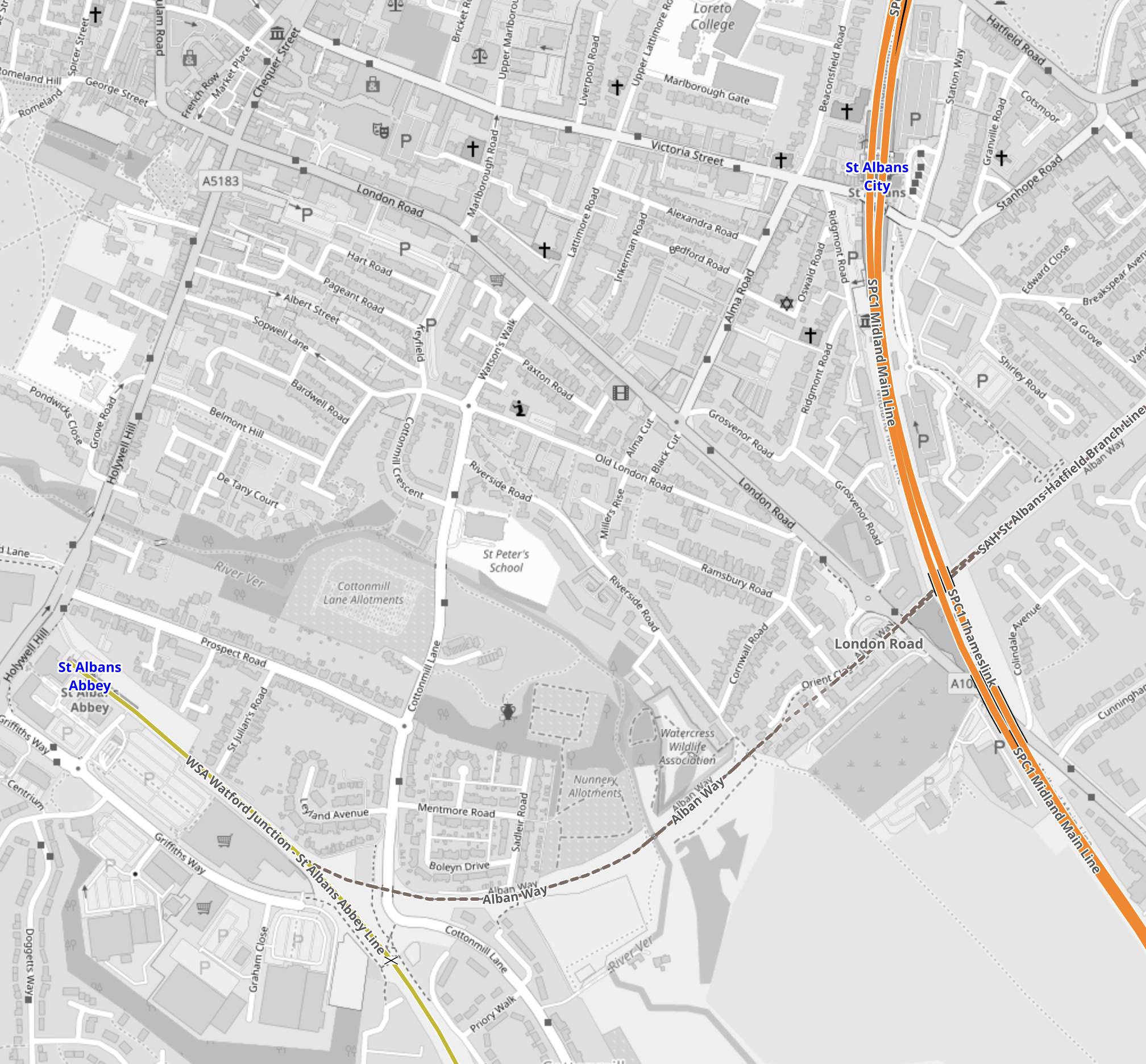
Note.
- The yellow line in the South-West corner is the Abbey Line that terminates in St. Albans Abbey station.
- The orange line is the Midland Main Line passes through St. Albans City station.
- The dotted line crossing the Midland Main Line and linking to the Abbey Line is a disused railway that has been converted into the St, Albans Way.
Tram-trains with a tight turning circle might be able to use the Abbey Line and with selected use of street running be able visit the City Centre and terminate at St. Albans City station.
Connecting The Abbey Line And The London Overground
This map from OpenRailwayMap, shows the track layout at Watford Junction station.
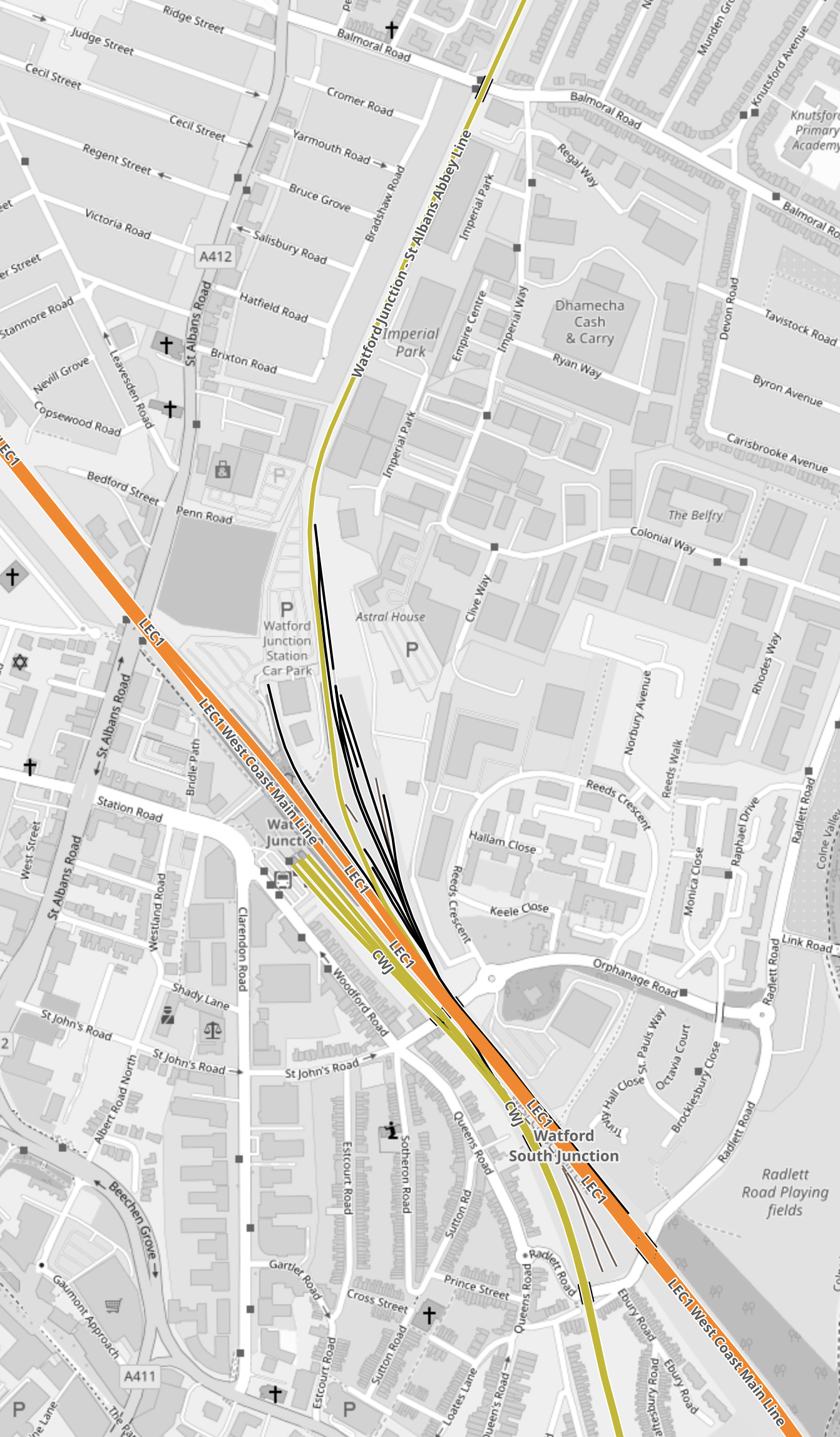
Note.
- The orange tracks are the West Coast Main Line.
- The yellow track to the North of the West Coast Main Line is the Abbey Line.
- The yellow track to the South of the West Coast Main Line is the Watford DC Line of the London Overground.
If you were using tram-trains, like the Class 399 tram-trains on the Abbey Line, I suspect a single-track dive-under could connect the Abbey Line with the Overground tracks to Watford High Street station.
Why Tram-Trains?
Tram-Trains have advantages in a scheme like this.
- They can run as trams on the streets.
- They can run as trains on railway tracks.
- They can use lightweight catenary, which is quicker and more affordable to erect.
- They are narrower and lighter than trains.
- They have a tighter turning circle than trains.
But most importantly, tram-trains have been running successfully in Sheffield for several years.
The Eastern Section Of The Croxley Rail Link
This map from OpenRailwayMap shows the Eastern section of the Croxley Rail Link.
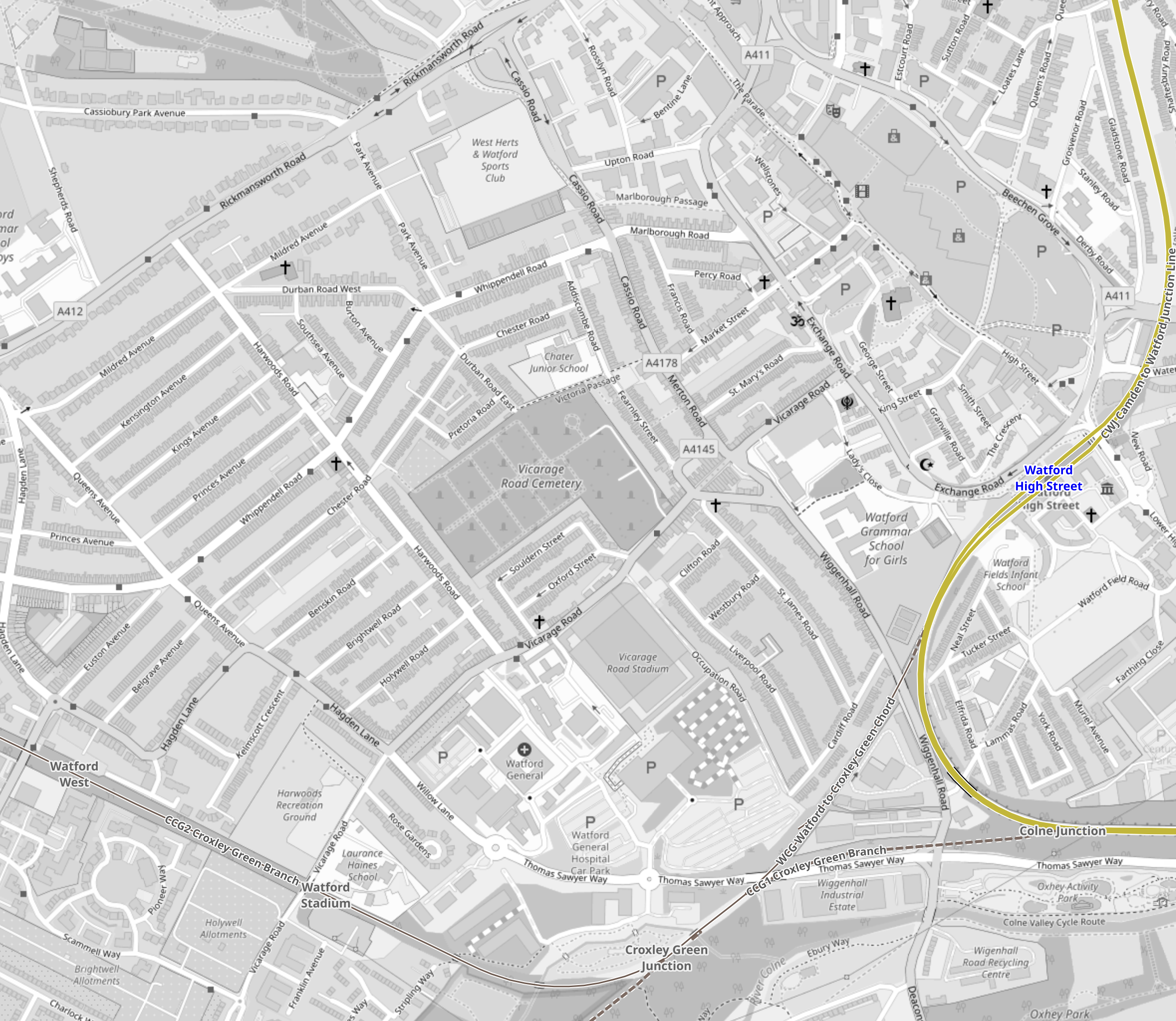
Note.
- The yellow track is the Watford DC Line, which goes through Watford High Street station.
- A disused line runs via the Croxley Green Chord to the disused stations of Croxley Green, Watford Stadium and Watford West.
- Vicarage Road and Watford General Hospital are to the North of the disused line.
The original plan for the Croxley Rail Link would have seen a double-track along the line of the old railway with stations at Vicarage Road and Watford General Hospital.
I don’t see why tram-trains could join the Watford DC Line to the South of Watford Junction station, go through Watford High Street station and then continue along the reinstated track.
The Western Section Of The Croxley Rail Link
This map from OpenRailwayMap shows the Western section of the Croxley Rail Link.
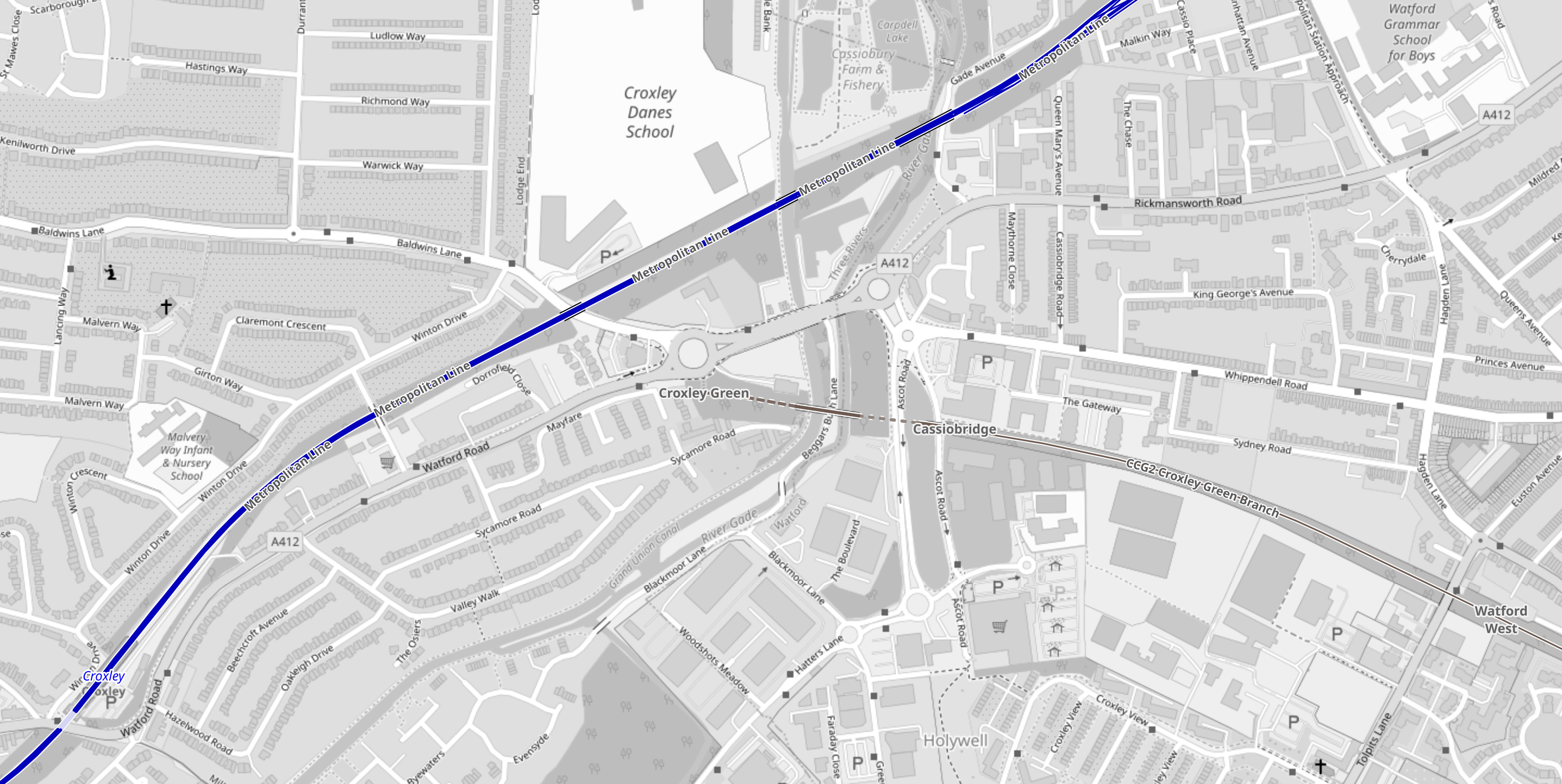
Note.
- The blue track is the Metropolitan Line, which runs to Watford station.
- The disused line runs West from the former Watford West station to the roundabout at Croxley Green on the A 412.
The original plan involved a large double-track viaduct, which is shown in this visualisation from the Watford Observer.
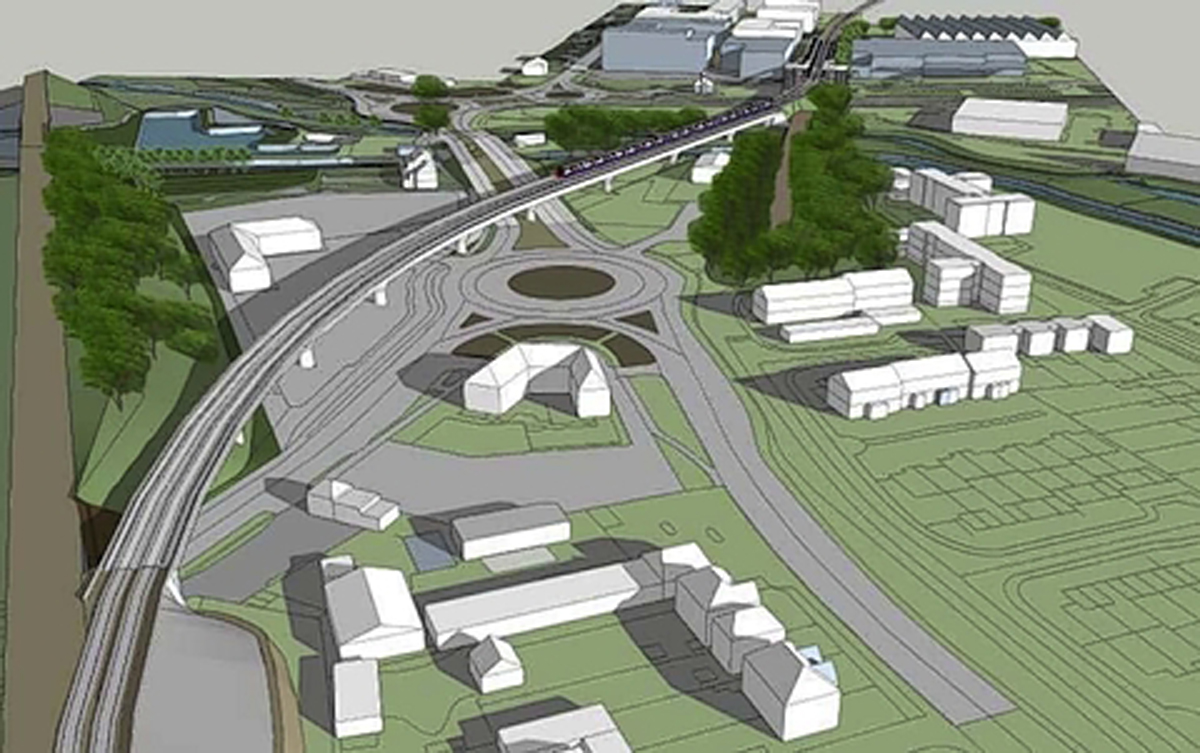
Note that the roundabout is the Croxley Green roundabout.
This Google Map shows the Croxley Green roundabout.
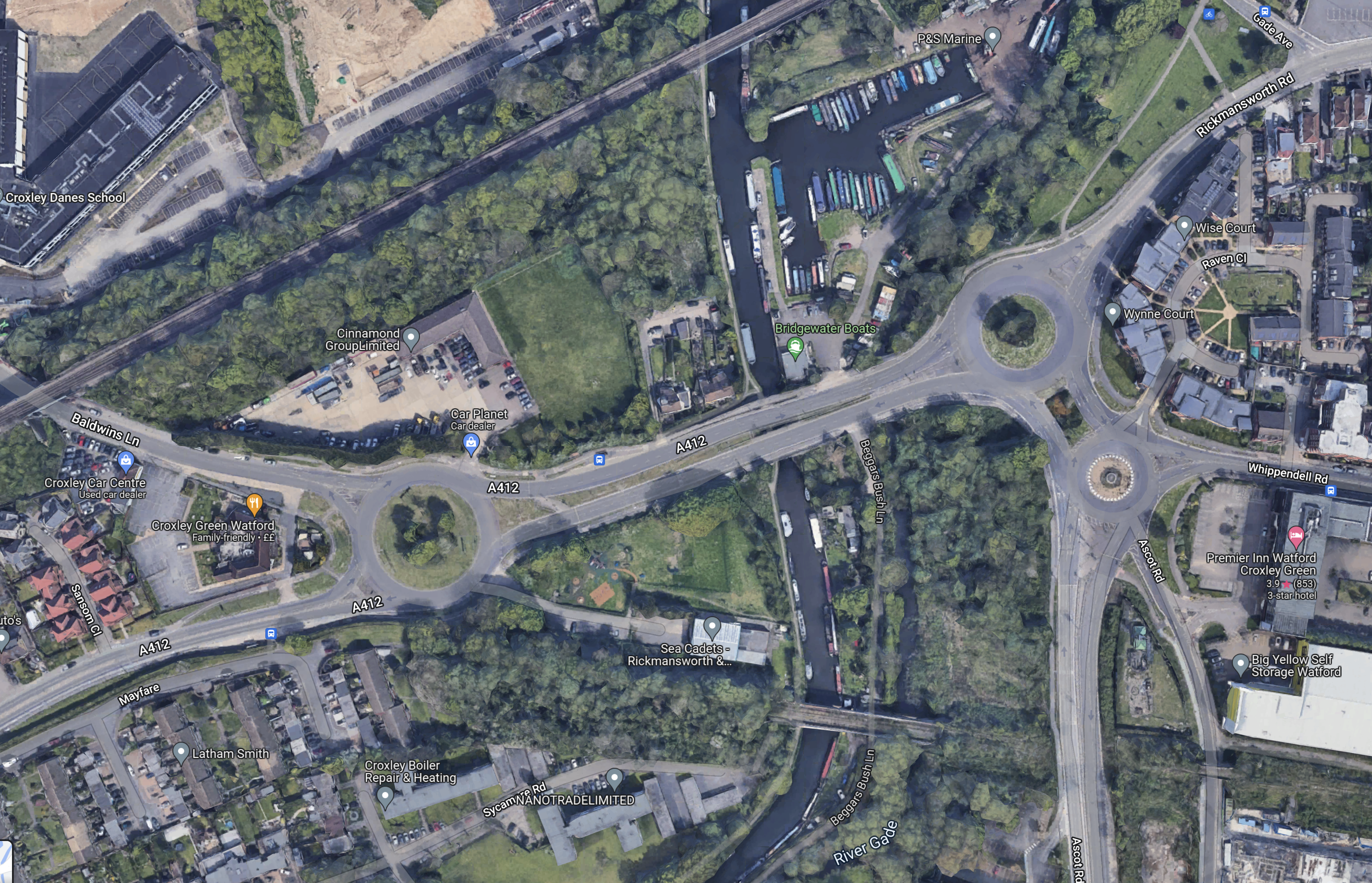
Note.
- The Metropolitan Line to Watford station runs across the North-West corner of the map.
- The Croxley Green roundabout is the roundabout in the West of the map.
- The disused railway runs from South of the roundabout to the South-East corner of the map.
- The proposed Cassiobridge station would be in the South-East corner of the map.
I wonder, if it would be possible to build a Croxley Green station to the South of the roundabout.
This would be an interim solution until it is worked out how to connect the Croxley Link to the Metropolitan Line.
Solutions could be.
- The original solution of a massive flyover, which would be very expensive and disruptive to build.
- Street-run the tram-train, which I feel are needed on the Croxley Link to Croxley station.
- Build a Croxley Green station on the Metropolitan Line to the North of the roundabout.
I think that experienced transport planners can find an acceptable solution.
New Homes For Newts: Industry Leading Licence Protects Species From Vital Rail Upgrades
The title of this post, is the same as that of this press release from Network Rail.
This is the introductory paragraph.
The industry leading initiative will see specialists build new, large-scale habitats for great crested newts to move to when crucial railway upgrades disrupt their existing homes. This balance will allow the amphibians to thrive in a safe environment and in turn reduce any delays to engineering work.
Hopefully, this will lead to the end of delays to engineering work caused by newts on the line.
Safety Message Clear As Leven Work Ramps Up
The title of this post, is the same as that if this press release from Network Rail.
The press release has a positive tone and indicates.
- Track is starting to be laid at the Thornton end and this track will be used to help build the Levenmouth Rail Link.
- The connection to the main line at Thornton is complete.
- Safety is emphasised.
- Planning permission for the two stations should be submitted this year.
- The programme is scheduled to complete in Spring 2024.
As it is not much larger than the Okehampton scheme, which Network Rail delivered so well, I would feel that date is feasible.
Rivalry With The Northumberland Line
The Wikipedia entry for the Northumberland Line says this about the line.
The Northumberland Line is a planned passenger rail route connecting the city of Newcastle upon Tyne with Ashington, Blyth and south-east Northumberland. The route of the line uses part of the larger Blyth and Tyne Railway, a network of lines that cover south-east Northumberland. Construction of stations is planned for the summer of 2022, with the opening of the line for passenger services planned for December 2023.
Note, that both projects are planned to be completed within a few months.
Will there be an Anglo-Scottish rivalry, perhaps with pipers on both sides?
A New Garden Bridge Proposed For London
This article on Ian Visits is entitled Plans Open A Disused Railway Bridge To Pedestrians.
This is the introductory paragraph.
A section of the Thames with few bridges could become a lot easier for pedestrians and cyclists to cross if plans to convert a disused railway bridge for pedestrian use go ahead.
The disused railway bridge to be used is the original 1849 Barnes Railway Bridge, which was closed to trains, when a new stronger bridge was built alongside in 1890.
This Google Map shows the two bridges.
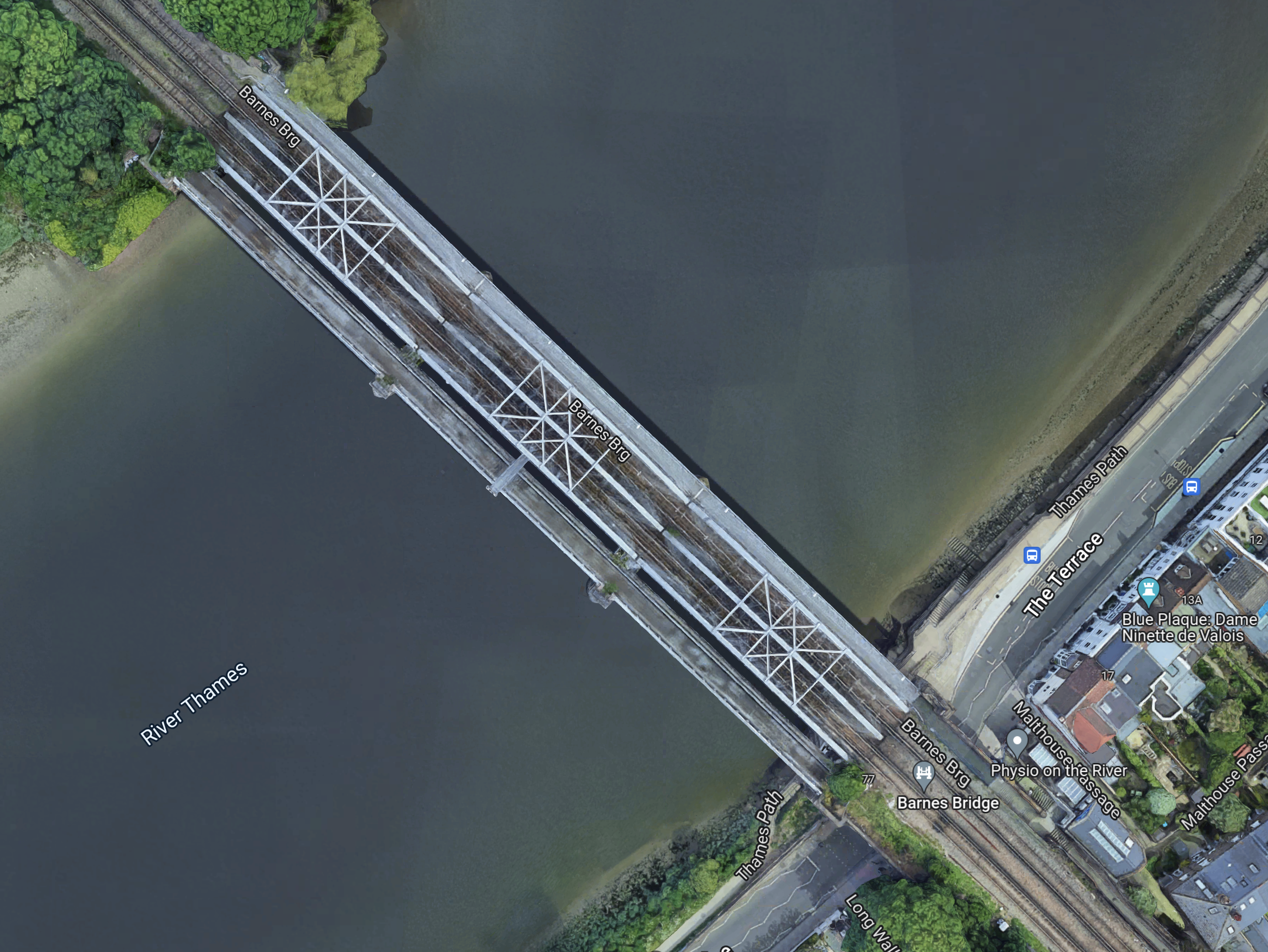
Note.
- The railway tracks in the centre on the 1890 three-arch bridge.
- The Thames flows from South-West to North-East under the bridge.
- A walkway on the North-Eastern side of the is still in use.
- The original 1849 bridge is on the South-Western side of the bridge.
The pedestrian garden bridge will be built on the 1849 bridge, which will be refurbished.
This second Google Map shows the bridge and Barnes Bridge station.
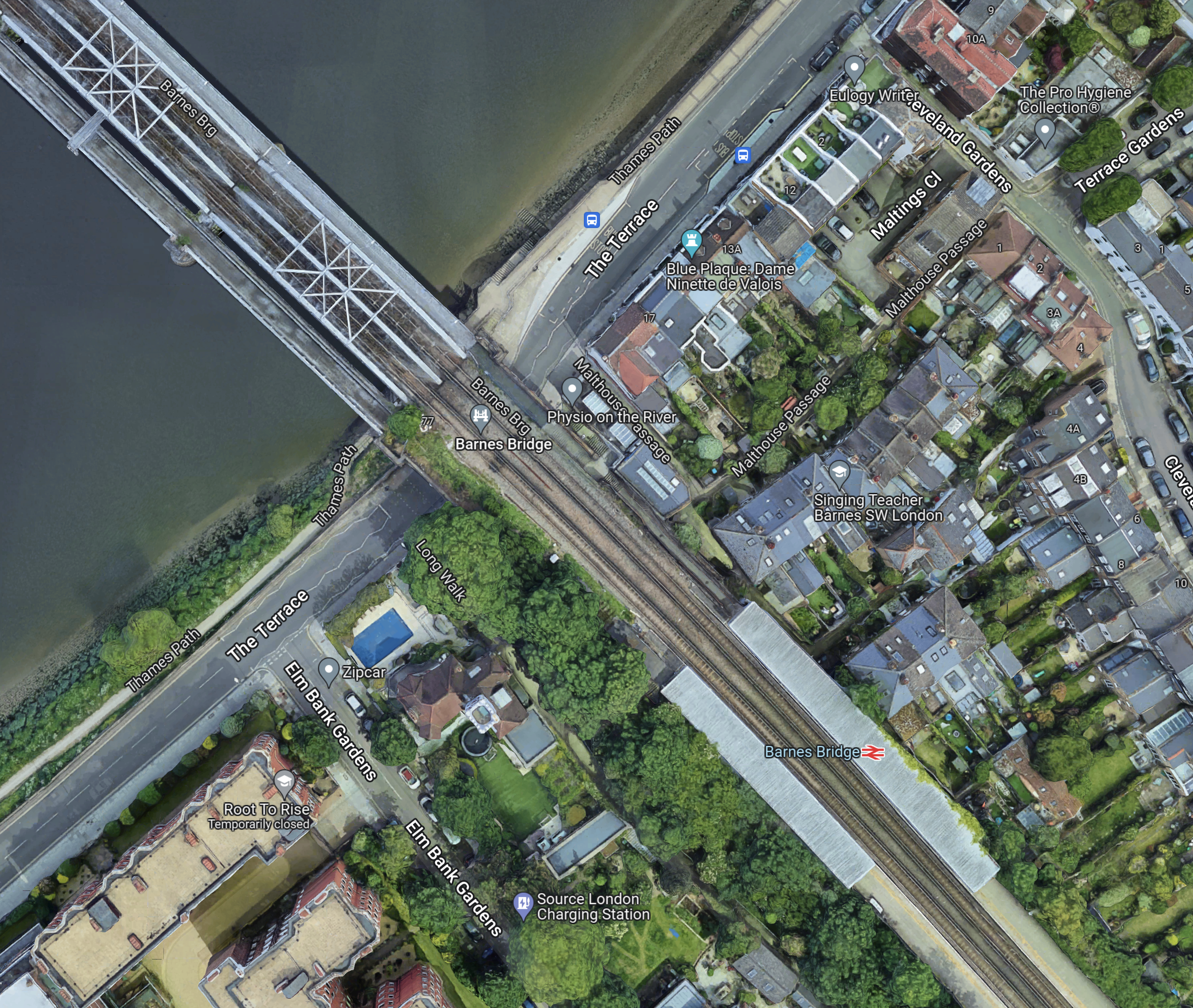
Note.
- Barnes Bridge in the North-West corner of the map.
- Barnes Bridge station in the South-East corner of the map.
Part of the plan envisages connecting the South-Western platform to the pedestrian garden bridge.
It looks a plan with a lot of good possibilities.
The Project
It appears that Network Rail, the London Boroughs of Richmond and Hounslow are all supportive and Moxon Architects have been appointed to the project.
The project now appears to be called The View at Barnes Bridge and it has an impressive web site, with lots of information and pictures.
I have a few thoughts.
I Am Not Surprised That Network Rail Are Supportive
Network Rail must be pleased to be getting a Grade II Listed structure off their hands.
Could Barnes Bridge Station Be Made Step-Free?
I suspect that Moxon will produce designs for this and it will probably be a question of money, if they are implemented.
But as the garden bridge will attract more visitors, this will surely increase the need for full step-free access at Barnes Bridge station.
Could A Refurbished Bridge Carry Utilities?
I suspect that this will be looked at, as it could be a nice little earner.
Could This Project Be An Example Of a Levelling-Up Project?
In my travels around the UK and Europe, I’ve seen several disused railway bridges that could be reused as footbridges to provide walking and cycling.
Many are being converted, but this high-profile bridge could inspire architects to create other worthwhile bridges.
Oxted Station – 16th July 2022
To view the Oxted Viaduct, I went to Oxted station, where I took these pictures.

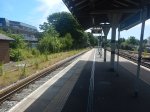
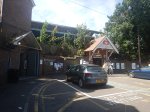
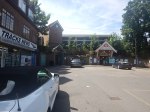

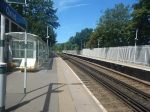
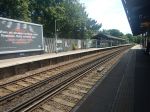
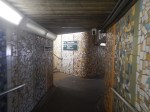
Note.
- Oxted station is well-equipped.
- For a station of its size, I was surprised to see it had a large underground car park.
- There is a large Wetherspoons pub on Western side of the station.
Oxsted shopping centre appears to be split in two by the railway and I was surprised to pass three busy barber shops as I walked to the viaduct.
Kent Railway Viaduct Set For £3.5m Makeover
The title of this post, is the same as that of this article on Rail Advent.
This 3D image from Google Maps, shows Ashurst station.
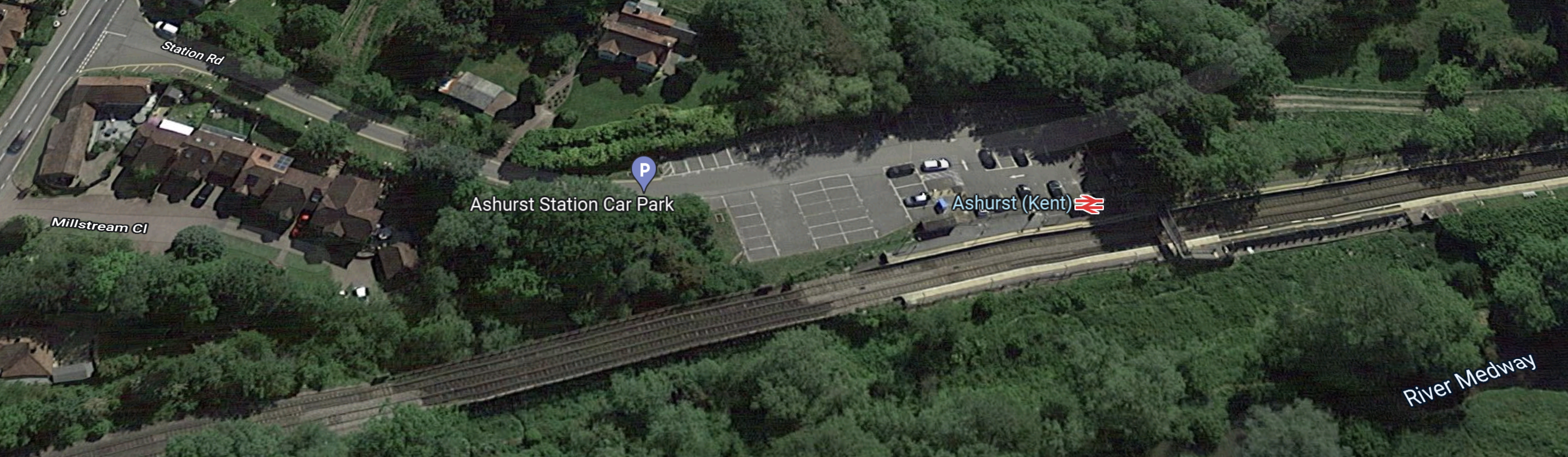
I think that the viaduct is to the left of the station.
This is a description of the work from Katie Frost, Network Rail’s route director for Sussex.
Our railway has a host of Victorian structures that underpin the millions of journeys passengers take with us every year and we have to take good care of them. Mill Stream Viaduct is made of metal, and we need to give it a thorough refurbishment to keep it strong for the future, blasting the old paint off, repainting and repairing the metal sections, replacing the decking, the track and the timbers that support the track too.
Certainly, £3.5 million would seem a lot, if it was just a simple repainting.
What About The Electrification?
Network Rail have been faffing about, deciding how they will get twelve car electric services to Uckfield.
However, in the April 2022 Edition of Modern Railways, there was a short article, which was entitled Uckfield Third Rail is NR Priority, where this was said.
Electrification of the line between Hurst Green and Uckfield in East Sussex and remodelling of East Croydon are the top Network Rail investment priorities south of the river, according to Southern Region Managing Director John Halsall. He told Modern Railways that third rail is now the preferred option for the Uckfield line, as it would allow the route to use the pool of third-rail EMUs in the area. This is in preference to the plan involving overhead electrification and use of dual-voltage units put forward by then-Network Rail Director Chris Gibb in his 2017 report.
NR has put forward options for mitigating the safety risk involved with the third-rail system, including switching off the power in station areas when no trains are present and section isolation systems to protect track workers. ‘The Office of Rail and Road hasn’t yet concerned third rail would be acceptable, but we ark working out ways in which it could be’ Mr Halsall told Modern Railways. He added that bi-mode trains with batteries were not a feasible option on this line, as the 10-car trains in use on the route would not be able to draw sufficient charge between London and Hurst Green to power the train over the 25 miles to Uckfield.
I feel that whatever method is used to get electric trains to Uckfield, there may well be some extra weight on the Millstream Viaduct at Ashurst. So giving the viaduct a makeover, is probably prudent.
I get the impression from the last few Editions of Modern Railways, that there will be a need for battery-electric multiple units in Kent and Sussex.
- Ashford and Ore is 25.4 miles – Electrified at both ends – Maximum trip – 25.4 miles.
- Oxted and Uckfield is 25 miles – Electrified at one end – Maximum trip – 50 miles.
- Hoo and Hoo Juncton is less than 10 miles – Electrified at one end – Maximum trip – 20 miles.
It would appear that the Uckfield trip will need bigger batteries or some form of charging at Uckfield.
Suppose though the following were to be done.
- Create a third-rail battery-electric multiple unit, with a range of thirty miles.
- These would be ideal for Ashford and Ore and the Hoo Branch.
- Install charging stations at Ashurst on both platforms and at Uckfield on the single platform. These would either work through a pantograph or third rail.
Operation of the service during a round trip between London Bridge and Uckfield would be as follows.
- London Bridge and Hurst Green – Uses electrification and charges batteries
- Hurst Green and Ashurst – Uses batteries for 11 miles
- Ashurst station – Tops up the batteries
- Ashurst and Uckfield – Uses batteries for 14 miles
- Uckfield station – Tops up the batteries
- Uckfield and Ashurst – Uses batteries for 14 miles
- Ashurst station – Tops up the batteries
- Ashurst and Hurst Green – Uses batteries for 11 miles
- Hurst Green and London Bridge – Uses electrification and charges batteries
Network Rail may use a different combination of chargers and battery size.

