St. James Station To Reopen
This article on the Liverpool Echo is entitled Merseyside Set To Get Two New Train Stations As Part Of Massive Transport Investment.
One of the new stations will be a reopened Liverpool St. James station, which closed in 1917.
This Google Map shows the location of the station.

In the North-East corner is Liverpool’s Anglican cathedral.
In the South-West, there is a large road junction, where Parliament Street meets St. James Place. To the South-West of this junction, there is a black hole.
This Google Map shows a close-up of the hole.
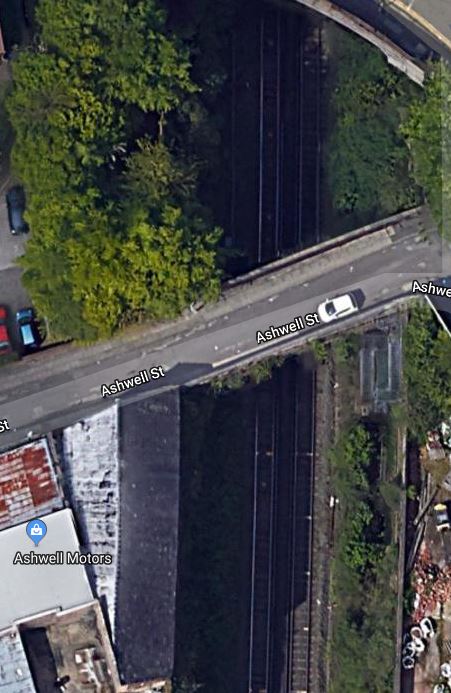
Note the railway tracks in the dark of the hole.
This was where St. James station was located between Liverpool Central and Brunswick stations.
It would be a challenge to design a station, but one that a decent architect should enjoy.
This page on Disused Stations gives more details and several pictures of the station in all its glory.
The New White Hart Lane Station Opens
The new White Hart Lane station opened on Monday and I went along this morning and took these pictures.


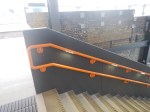
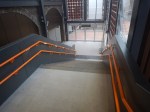
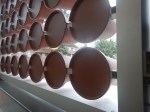

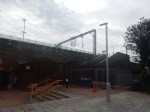

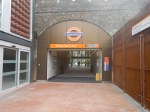
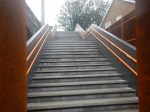
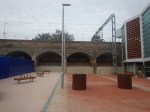






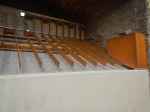
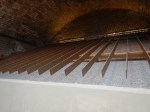
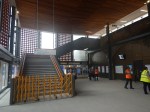
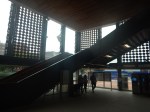


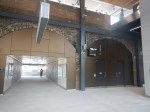


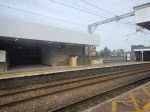
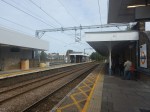
Some points about the design.
- The station has three entrances on the stadium side and two on the other.
- Materials used include terracotta pots and weathered steel.
- There is a pedestrian tunnel under the railway for those that don’t want to use the trains.
- There are two sets of stairs to both platforms
- There are lifts to both platforms.
- The station can probably handle twelve-car Class 710 trains if required on match days.
- There are solar panels on the roof.
- The station must have some of the tallest overhead electrification gantries in the UK.
From what one of the project managers told me, it appears that the station was built by cleaning, refurbishing and strengthening the viaduct and then erecting an independent steel frame on either side to form the station.
It looks like a technique that could be used on other stations on viaducts.
It’s certainly a better station with a larger capacity, than the previous one, that I used many times back in the 1960s.
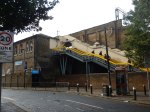

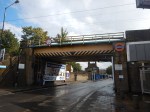
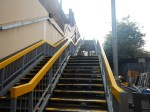
The old station is to be demolished, at some point in the future.
Conclusion
It is an excellent station, that should serve its main function of getting supporters to and from Tottenham Hotspur’s new stadium.
But will the station and the soon-to-arrive new trains have other effects.
- As I said earlier, the design could be repeated with different cladding for other stations on viaducts.
- I believe that good public transport infrastructure tends to calm crime and anti-social behaviour. Only the statistics will give a verdict.
- Will the passenger numbers rise through the station?
- Will the station and the stadium attract some better class retain premises and cafes, as the Emirates has done?
And perhaps most importantly! Tottenham Hotspur now has two new stations to serve the ground! Will this reduce the congestion caused by large crowds?
Step-Free Access At Brough Station
On my last trip North, I changed trains at Brough station.
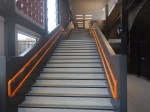
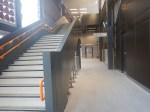
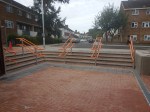
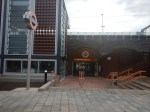
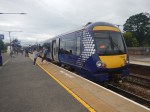
The station appears to have been recently rebuilt and has full step-free access using ramps, as these pictures show.


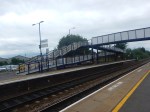


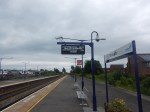

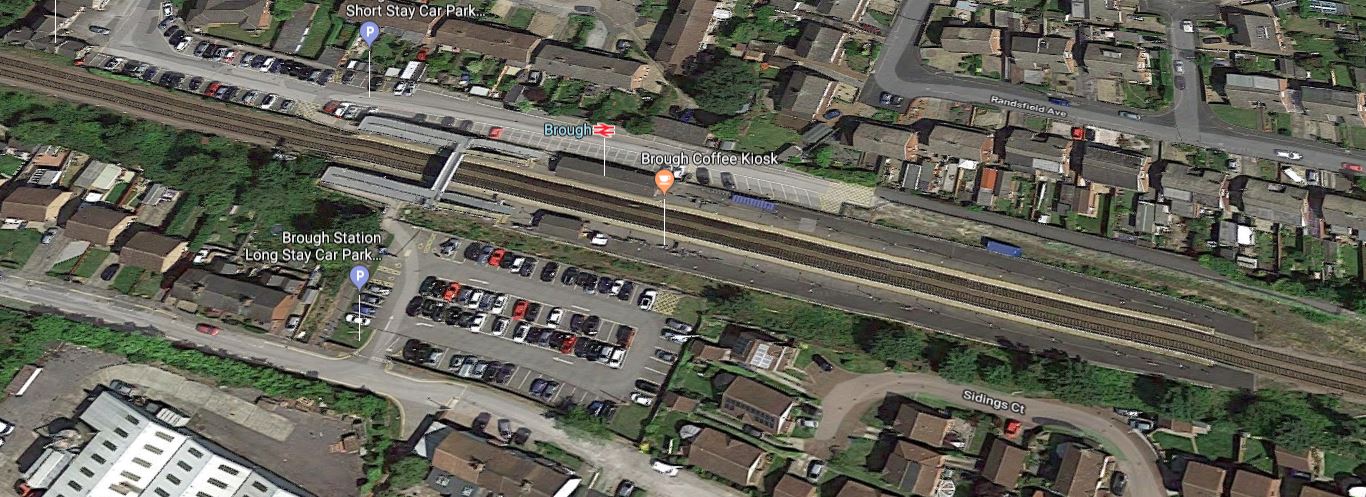
This Google Map shows the station.
It may work, but those ramps could take some time, if you’re pushing a heavy buggy or wheelchair.
In Winner Announced In The Network Rail Footbridge Design Ideas Competition, I wrote how the competition was won by this bridge.
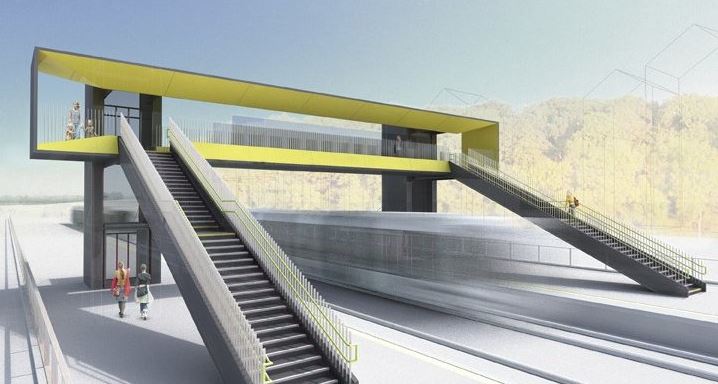
So would a factory-built bridge like this be installed be installed today, if Brough or a similar simple station was being rebuilt or built from scratch?
- Concrete bases to support the bridge, would be built in the appropriate position on both platforms.
- An electrical supply would be provided.
- A special train would then arrive with the bridge and an crane to lift the bridge into place.
- A couple of hours later, the bridge would have been erected.
If the system is designed designed, it should be no more difficult than installing a new ticket machine.
Conclusion
How much would be saved in the design and building of new stations, if they were designed around a step-free bridge like this?
But the biggest saving is surely in the time needed to build the station?
Funding Secured For New Entrance At Stratford Tube Station
The title of this post is the same as that of this article on IanVisits.
The new entrance will give those coming from the Carpenters Estate direct access to Stratford station.
This Google Map shows the South East section of the station.
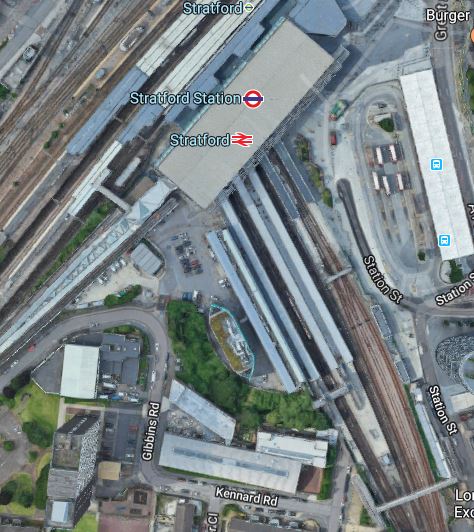
The main station building has the two station symbols on the top and the Jubilee Line platforms run Southwards from the building.
It would appear that the new entrance will be close to the Southernmost corner of the station building in a staff car park.
Knowing the station well, I suspect it will be a very useful new entrance for both residents and visitors to the Olympic Park.
It will make it easier to avoid the clutches of Eastfield.
The only details on the cost of the scheme is this sentence from Ian’s article.
Newham council has agreed to contribute £1 million to the scheme, which is being funded from its Community Infrastructure Levy.
As it incorporates some extra lifts in the station, the scheme is probably going to be more than a million pound one, but the London Legacy Development Corporation (LLDC) is involved, I suspect that everything is securely funded.
Should There Be Other Small Schemes Like This?
At Shepherd’s Bush station on the Overground, in 2015, a new entrance was built to give better access to Westfield. It is not very busy during the day, but I suspect that workers at Westfield use it more than shopper. Wikipedia says it cost £1.35 million, so I should think that the Stratford scheme wouldn’t cost a great deal more.
I believe there are other places, where extra entrances could be built.
Simple Ungated Entrances
Entrances don’t have to be grand, as I showed in An Ungated Entrance Used To Create Step-Free Access At Crofton Park Station.
These two entrances are just a hole in the station fence, Oyster readers and a bit of tarmac. There must be other places, where these entrances can be installed.
An Entrance At Hackney Central Station Into Graham Road
In It Looks Like The Hackney Downs/Central Link Is Ready To Open, I also talk in detail about adding a Southern entrance to Hackney Central station, that would lead directly into Graham Road. Eith a pedestrian crossing and changes to the bus stops, it would be a very useful step-free entrance for those living between the centres of Hackney and Dalston.
A Second Entrance At Highbury & Islington Station
In Could We Create A Second Entrance To The Overground At Highbury And Islington Station?, I investigated creating a West-facing entrance at Highbury & Islington station, that would improve access for those going to football.
Conclusion
I believe that a lot of stations can be improved, by adding extra entrances in convenient places.
It is probably easier to do in London’s Oyster/contactless card area, as a couple of readers can sort out ticketing.
Meridian Water Station – 4th April 2019
Meridian Water station appears to be not far away from completion.

It looks like it could meet the planned opening date of the 19th May!
The Train Station At The Northern End Of The Netherlands
Eemshaven station is the northernmost station in the Netherlands.


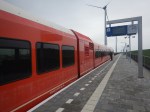
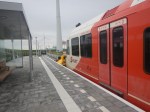
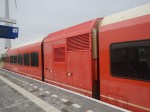
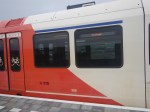
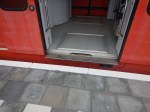

One of the reasons I went, was that the station is only a year old and I wanted to see how the Dutch build new stations.
Note this about the station.
- It is very basic, with few facilities.
- The single platform is very long.
- The station is surrounded by oil and gas installations on one side and the sea on the other.
It appears that for a lot of the day, the station gets two trains per hour.
This Google Map shows the station by the beach.
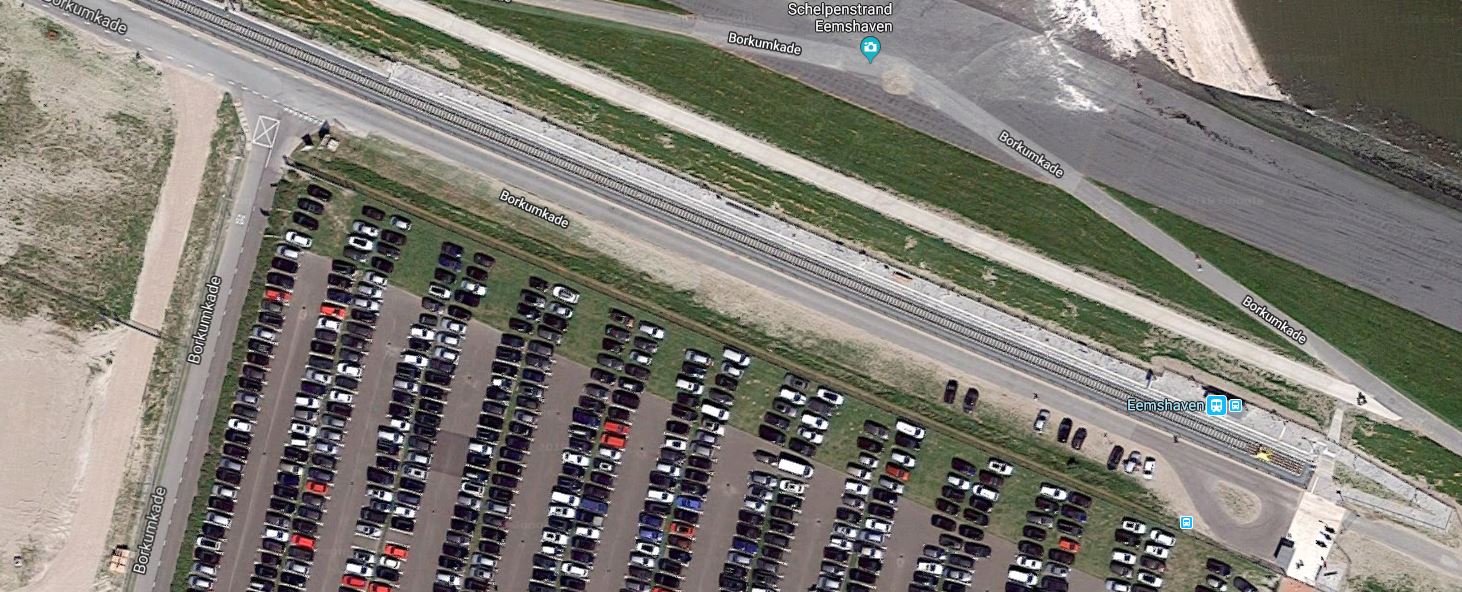
I would assume that most of the cars are those of workers at the oil and gas complex.
I returned on the train, I had arrived on, after a few minutes taking the pictures.
The Stadler GTW Train
Shown in the pictures is one of the Stadler GTW trains,which work the services in the North of the Netherlands.
- They are electric trains, with their own diesel power pack in the middle.
- This train had three passenger cars, but some only have two.
- Noise from the engine was noticeable and probably about the same in a Class 170 train.
- Ride quality wasn’t bad, considering the unusual configuration. But then the track looked very neat and tidy.
- Arriva call the trains Spurt.
Stadler have not stood still, since they built these trains and Greater Anglia’s new Class 755 trains are built by Stadler to similar principles.
At the turnround at Eemshaven with the driver. He indicated that there had been speculation about battery and hydrogen trains in the North of The Netherlands.
Level Crossing Accidents
An interesting aside is to look at the Wikipedia entry for Spurt.
Three of the trains have been involved in serious level crossing accidents.
The Dutch Plan For Hydrogen
This now a separate post at The Dutch Plan For Hydrogen.
Government Promises To Look ‘Very Carefully’ At £218m Bid For Second Chelmsford Station
The title of this post is the same as that of this article on Rail Technology Magazine.
This is the first paragraph.
The government will look “very carefully” at a £218m funding bid for a new railway station in Chelmsford, Theresa May has said.
It was said in response to a question in Prime Minister’s Questions.
Beaulieu station has been a long time coming.
London’s Second Quietest Train Station Is Set To Close In May
The title of this post, is the same as that of this article on IanVisits.
This is the first paragraph.
Angel Road, London’s second quietest train station is set to close in May, the Department for Transport has announced. With just over 33,000 passengers in 2017/18, it’s beaten to the bottom spot only by South Greenford station’s 26,500 passengers.
It will be replaced on May 19th 2019, by the new Meridian Water station, which will be 580 metres to the South.
New Station In Soham Revealed With Network Rail To Unveil Design Proposals At Public Meetings
The title of this post is the same as that of this article on Rail Technology Magazine.
Rebuilding of Soham station has been talked about for years and it now looks like it is finally on its way.
This is a significant paragraph.
The early design work for the new station would allow for a second platform and footbridge to be constructed and a second track added as part of a future project.
I think this means, that doubling the route between Kennett and Ely stations will be done after Soham station is rebuilt.
Cardiff Parkway Station: Work To Start In 2020
The title of this post, is the same as that as this article on the BBC.
This is the first two paragraphs.
Work to build a new £30m railway station on the outskirts of Cardiff is expected to start in 2020, after receiving Welsh Government backing.
The station in St Mellons will serve up to 32,000 residents, linking them to Swansea, Cardiff, London, Bristol and Birmingham and the South Wales Metro.
Cardiff Parkway station will be between Cardiff Central and Newport stations and it will be close to the existing St. Mellons Business Park.
It is planned to open in 2022.
Nothing is said about services at the station, but there currently appears to be about six trains per hour (tph) between Cardiff Central and Newport, serving places like Birmingham, London, Manchester and Nottingham, in addition to places in South Wales.
Many if not all, of the trains calling at the station, when it opens will be modern trains, designed to execute fast station stops, so I wouldn’t be surprised to see a frequency of at least six tph between the new station and both Cardiff Central and Newport stations.
- Two tph – Cardiff and London Paddington
- Two tph – Cardiff and Ebbw Vale Town
- One tph – Cardiff and Nottingham
- One tph – Cardiff and Manchester
This looks to me to be the sort of station development that should be copied elsewhere in the country.
 The Anonymous Widower