Did Plans For Crossrail Ever Include A Station At Holborn?
I have only one North-South bus route, where I live.
The 141 bus connects Palmers Green and London Bridge station.
- The 141 bus was the replacement for the 641 trolley bus, which was the main link between Wood Green, Turnpike Lane and Harringay, and the City of London, when I was a child.
- The vehicles are up to ten years old Wrightbus diesel hybrids.
- The route suffers badly from overcrowding as it connects, Bank and Moorgate stations in the City of London, with the outer reaches of the Piccadilly Line.
The overcrowding on the 141 bus route has got worse in the last couple of years because of the following.
- The rebuilding of London Bridge station brought more passengers to the 141 bus route.
- The opening of the new London Bridge bus station at London Bridge station has improved access to the buses at London Bridge station.
- The improvement of the connection of the buses to the Docklands Light Railway, Central Line and Northern Line at Bank station.
- The opening of the Battersea branch of the Northern Line, which brings more passengers to Bank station.
- The opening of the new Cannon Street entrance to Bank Underground station.
- The opening of the Elizabeth Line through Moorgate station.
- Recently, a new walking route between Moorgate and Liverpool Street was opened, which will bring more passengers to the buses on Moorgate.
- The rebuilding of Old Street station brought more passengers to the 141 bus route.
So what was the response of the Mayor and Transport for London, to all this increase of passenger numbers?
The 21 bus, which shadowed the 141 route, and doubled the number of buses through where I live, was moved to serve Holloway.
It was a big crime against mathematics and the wishes of our long-serving Labour MP; Meg Hillier.
So to handle many more passengers between London Bridge station and Newington Green through the City of London, the number of buses was halved.
I believe that the overcrowding will get worse because of the improvements, that Transport for London have planned.
- The Piccadilly Line will be getting new air-conditioned trains within a couple of years and these will inevitably attract more passengers to the line.
- On the other hand the air-conditioning may persuade passengers to use the Piccadilly Line more than they do now. Instead of changing to the 141 bus at Manor House station, passengers could change at Finsbury Park, King’s Cross St. Pancras or Holborn stations for other routes to the City of London.
- The third line to receive the new air-conditioned trains will probably be the Central Line, which would create another East-West air-conditioned line and bring more passengers to Bank station.
- The Central Line could give some relief for the buses through Bank, if an extra station was built on the Central Line to interchange with Shoreditch High Street station on the East London Line of the London Overground.
- The fourth line to receive the new air-conditioned trains will probably be the Waterloo and City Line, which would create another air-conditioned line and bring more passengers to Bank station.
- It is likely, that more services will be added to the Elizabeth Line, which will bring more passengers to Moorgate station.
- It is likely, that more services will be added to the Northern City Line, which will bring more passengers to Moorgate station.
- The Mayor is also planning to pedestrianise Oxford Street, which may fill up the Central Line with extra passengers.
It looks to me, that there will be a need for a large increase of bus capacity through the City of London on a North-South axis.
On the other hand, the City of London have stated that they will pedestrianise many of their streets.
So what can be done to avoid gridlock in the City of London?
Develop The Northern City Line At Moorgate
I use this route regularly to and from Moorgate station.
- It already has new Class 717 air-conditioned trains.
- The route is already digitally signalled in conjunction with the East Coast Digital Programme.
- It has two platforms at Moorgate station.
- Highbury & Islington station has interchanges with the Victoria Line and the North and East London Lines of the London Overground.
- Finsbury Park station has interchanges with the Victoria Line and National Rail services.
- Bowes Park station has an out of station interchange with Bounds Green station on the Piccadilly Line.
- Step-free access needs improving.
- The Victorians had plans to extend the line to Lothbury near Bank station.
If the Northern City Line could handle more passengers, would passengers get to all parts of the City of London by changing at Finsbury Park and walking from Moorgate or Old Street stations?
I regularly go between my house and Moorgate, by taking a bus to Essex Road station and using the Northern City Line.
I believe that with improvements on the Northern City Line, the line could be turned into a very valuable part of London’s rail infrastructure.
Connect The Central Line And The East London Line At Shoreditch High Street Station
I wrote about this proposal in Will Shoreditch High Street Be Connected To The Central Line?
The Elizabeth Line needed to be completed before this could be started.
Build The Western Extension Of The Docklands Light Railway
I wrote about this proposal in The Bank Station Upgrade And The Western Extension Of The DLR.
Rebuild Holborn Station
The interchange between Piccadilly and Central Line at Holborn station is difficult to say the least.
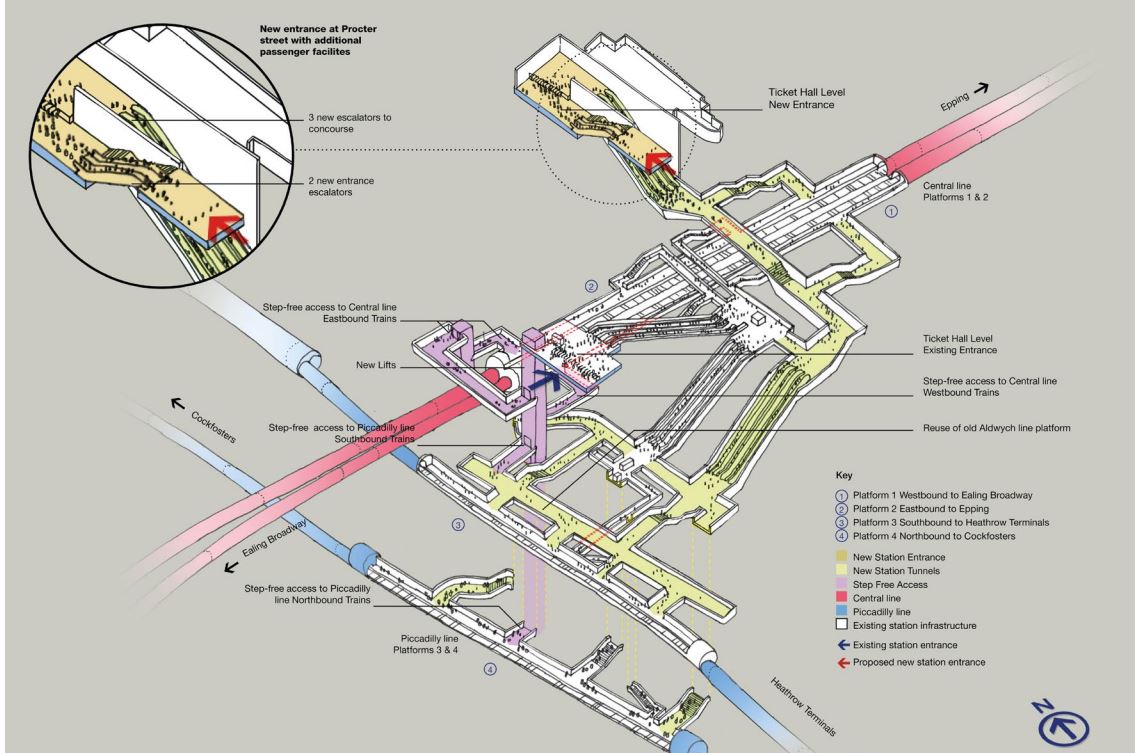
Holborn station is being extended with a new entrance. As with Euston, I suspect it has been designed with a feasible place for DLR platforms to be added.
This document on the TfL web site, gives more details of what is proposed at Holborn station.
I extracted this visualisation of the proposed station.
This map from carto.metro.free.fr shows the lines in the through and around the station.
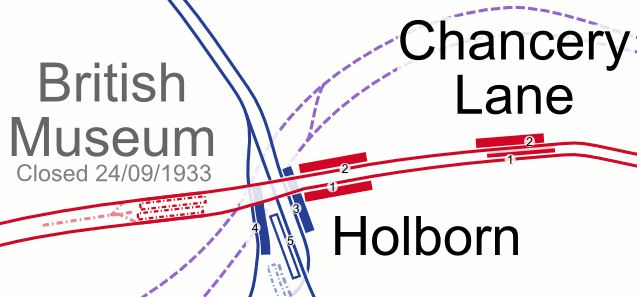
.Note, the Elizabeth Line, which is shown by dotted lines passes to the North of the station.
Conclusion
Not all these improvements need to be done, but each would improve transport in the City of London.
Are There Any Plans For The Bay Sub-Surface Platforms At Moorgate Station?
I use Moorgate station regularly, as there’s a Leon Restaurant just outside the station, that looked after me properly during the Covid-19 Pandemic, so when I’m in the area and need feeding I pop in.
These pictures show the four bay platforms on the Sub-Surface lines.
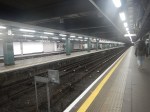
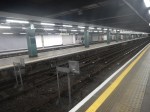
Note.
- The pair of platforms to the left or South are numbered 5 and 6 and used to handle Thameslink trains, that ran to Moorgate station.
- Platforms 5 and 6 used to be electrified with 25 KVAC overhead wires.
- The pair of platforms to the right or North are numbered 3 and 4 and are used to terminate some Metropolitan Line services at Moorgate station.
- Platforms 3 and 4 are electrified with London Underground four-rail electrification.
- The number for Platform 4 can clearly be seen.
This map from cartometro shows the track layout in Farringdon, Barbican and Moorgate stations.
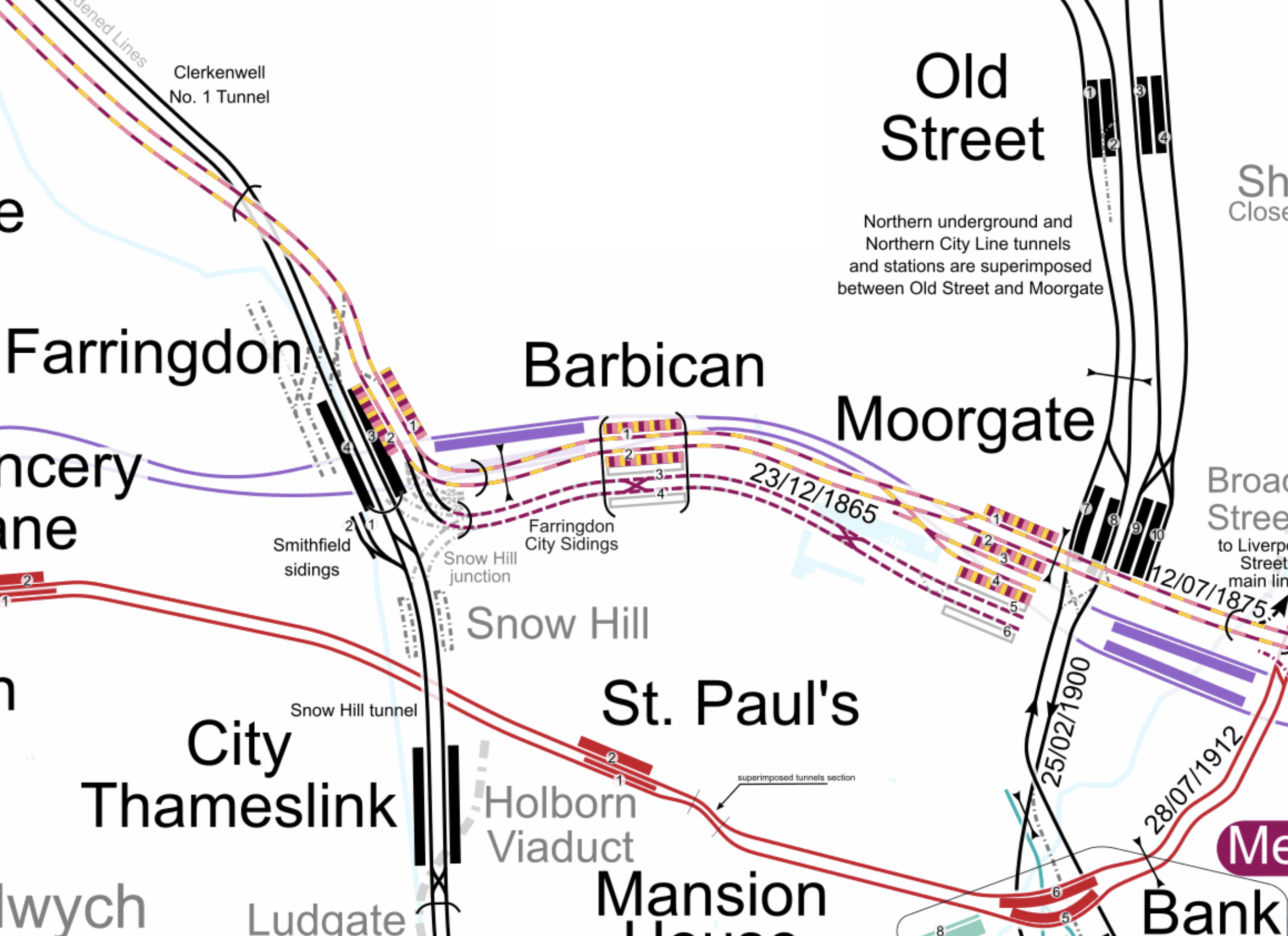
Note.
- The multi-coloured tracks and platforms of the Metropolitan, Circle and Hammersmith & City Lines running through Platforms 1 & 2 at Farringdon, Barbican and Moorgate stations.
- The multi-coloured tracks and platforms of the Metropolitan, Circle and Hammersmith & City Lines terminating in Platforms 3 & 4 at Moorgate station.
- The purple tracks and platforms of the Elizabeth Line running underneath the Metropolitan, Circle and Hammersmith & City Lines and their stations.
- The maroon and white tracks and platforms of Thameslink running through Platforms 3 & 4 in Barbican station and terminating in Platforms 5 & 6 at Moorgate station.
- The black tracks of Thameslink running through Farringdon and City Thameslink stations.
- It would appear there used to be two junctions to allow trains from Moorgate to go North through Farringdon station or South through City Thameslink station.
- The Thameslink tracks have two useful crossovers.
- The black tracks of the City branch of the Northern Line running through Old Street, Moorgate and Bank stations.
- The black tracks of the Northern City Line running through Old Street station and terminating in Moorgate station.
- The red tracks of the Central Line running through Chancery Lane, St. Paul’s and Bank station.
Because of the layout of the various tracks new connections and improvements may be possible.
Extending The Northern City Line To Bank Station
In Walking Along Moorgate – 30th September 2020, I describe some of the possibilities opened up by the design of Moor House, which has been built to allow more tunneling underneath.
I believe two extensions South from Moorgate station would be possible.
- It was intended by the builders of the Northern City Line, to take the route to just North of Bank station at Lothbury.
- Has The Possibility Been Created For A Pedestrian Tunnel Between Bank And Moorgate Stations?
Note.
- As the extension to Bank station has dug tunnels all over the place, I would expect that the engineers on that project would have a good idea on the best way to connect Moorgate and Bank stations.
- I usually use the Northern Line between Moorgate and Bank stations, but sometimes the Northern Line is rather crowded.
- The Northern City Line is being resignalled and may have an increased number of trains, so more passenger capacity may be needed.
- If a new station were to be built at Lothbury, it might be possible to improve step-free access to the Northern City Line.
- A new station on the Northern City Line and a pedestrian tunnel could connect to the newly-installed travelator at Bank station.
There are certainly serious possibilities to improve connections between Moorgate and Bank stations.
Could Metropolitan Line Trains Be Turned At Moorgate Station?
Currently, there are eight trains per hour (tph) between Aldgate and Uxbridge in the Off Peak.
With the new signalling on the Sub-Surface Lines would it allow more trains to operate, if some Metropolitan Line services were terminated in Platforms 3 & 4 at Moorgate station.
Would It Be Worthwhile To Run Thameslink Trains Again Into Moorgate Station?
It would only need to terminate trains from the North, as trains from the South can terminate at Black friars Station.
Perhaps a two tph service from a convenient station would suffice.
A Pedestrian Connection Between City Thameslink Station And St. Paul’s Tube Station
I covered this in A Pedestrian Connection Between City Thameslink Station And St. Paul’s Tube Station.
Hertford North Station – 6th December 2023
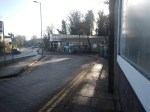
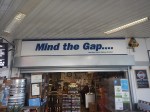
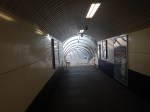
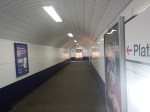
I went to Hertford North station this morning and took these pictures.
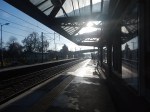
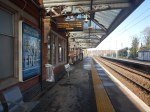
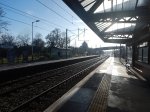
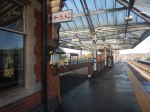
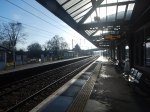
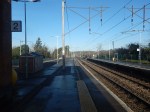
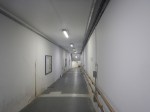
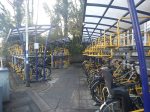
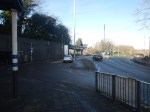
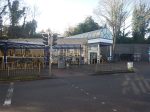
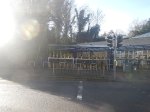
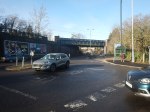
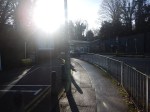
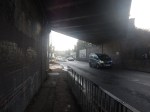
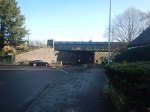
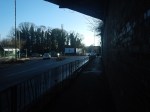
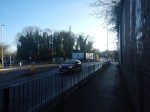
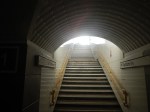
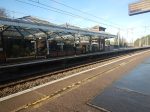
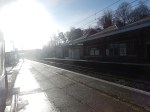
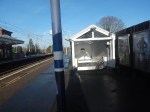
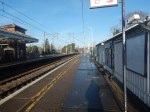
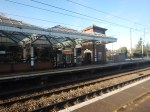
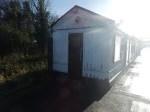
Note.
- Getting to Platform 1 is not easy.
- There would appear to be no obvious place for a lift.
- The traditional signals are still working.
- There is a cafe/shop in the station.
With some sympathetic refurbishment, it could be an excellent station.
I have some thoughts.
Digital Signalling
The digital signalling is currently being rolled out on the Northern City Line.
- The Class 717 train seemed to be running faster than I can remember.
- Had Network Rail been weeding the signals, as there only seemed to be one between each pair of stations?
- Currently, Moorgate and Welwyn Garden City takes around 50-53 minutes.
- Currently, Moorgate and Stevenage takes around 66-67 minutes.
- The average speed between Moorgate and Stevenage is only about 32 mph, which is slow for an 85 mph train.
Could the digital signalling find more time between Hertford North and Stevenage reduce the journey time to something less than an hour?
Trains For Current Schedule
I estimate that the current off-peak schedule of two trains per hour (tph) needs nine trains.
So as there are extra trains in the peak, the fleet of twenty-five Class 717 trains should be enough to be able to run the extra peak trains.
Could Four Trains Per Hour Be Run On Both Routes?
Four tph on both routes, would need something like eighteen trains, which leaves seven spare trains.
First Digitally Signalled Passenger Train Comes To Northern City Line
The title of this post, is the same as that of this article on Rail Advent.
These two paragraphs introduce the article.
The Northern City Line experienced its first taste of digital signalling, as a passenger train controlled by the in-cab technology ran between Finsbury Park and Moorgate on Monday the 27th of November.
The introduction of this type of signalling – known as the European Train Control System, or ETCS – is a first step towards wider adoption across the rail network and represents an important milestone in the government-backed £1.4bn East Coast Digital Programme (ECDP). The programme is designed to improve journeys between London and north of Peterborough, with reliability and environmental outcomes at the forefront of the project’s deliverables.
I hope that one of the benefits will be more trains between Moorgate and Hertford North, Stevenage and Welwyn Garden City.
Great Northern’s Class 717 Fleet Receives Go-Ahead From ORR To Operate With In-Cab Digital Signalling
The title of this post is the same as that of this press release from Great Northern.
These five paragraphs outline how the new signalling will be introduced.
Govia Thameslink Railway (GTR) has received authorisation from the Office of Rail and Road (ORR) to place its Class 717 fleet into passenger service using Level 2 European Train Control System (ETCS) digital signalling.
This is a key step towards the introduction of digital signalling on both the Northern City Line, between Finsbury Park and Moorgate in London, and the East Coast Main Line between London and Grantham, as part of the government-funded East Coast Digital Programme (ECDP).
The programme will see traditional lineside signals replaced by state-of-the-art in-cab signalling technology (ETCS). On the Northern City Line this will give Great Northern passengers a more reliable service.
The trains, leased to GTR by Rock Rail, will begin running in passenger service once Network Rail has completed its approval works to switch on the trackside ETCS system. Once this second milestone is achieved later this year, GTR will start training, in passenger service, two hundred and fifty of its Great Northern drivers to drive using ETCS.
The new system overlays the traditional signals, so drivers will be able to continue using ETCS alongside their untrained colleagues once they are qualified, ensuring they maintain full competency until everyone is trained and the old system can be switched off.
I used the route from Essex Road to Moorgate stations, this morning about 09:30 and Great Northern seems to be running eight trains per hour (tph) on that section.
The Bowes Park And Bounds Green Out-Of-Station Interchange
After I’d taken the latest pictures in Bowes Park Station – 12th January 2023, I walked to Bounds Green station to go back South to the Angel.
I took these pictures on the way.
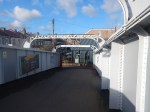
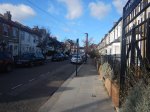
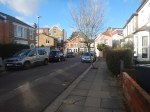
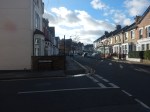
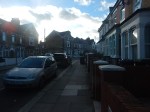
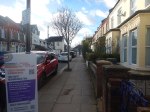
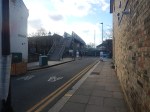
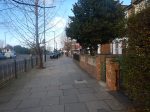
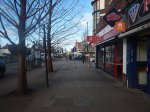
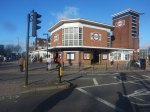
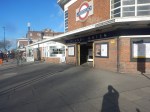
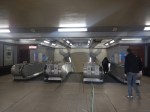
Note.
- The walk is level and could be done easily, if you were pushing a buggy, dragging a case or in a wheel-chair.
- There is a footbridge over the busy Bowes Road, which doesn’t have lifts. But you don’t need it to go between the stations.
- There is a light-controlled crossing outside Bounds Green station to cross Brownlow Road.
- The walk took me about six minutes.
These pictures show the escalators at Bounds Green station.
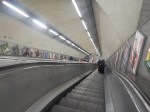
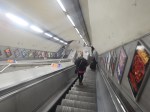
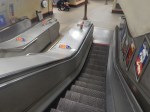
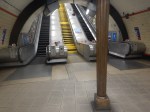
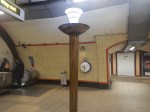
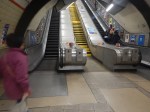
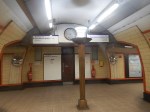
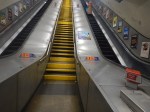
Could the central stairs be replaced by an inclined lift?
Would This Out-Of-Station Interchange Create An Easy Route Between Northern Piccadilly Line Stations And The Elizabeth Line?
Consider.
- Cockfosters, Oakwood and Arnos Grove stations have car parking.
- All stations on the Piccadilly Line from Bounds Green Northwards are well-connected by buses.
- Bounds Green station has escalators.
- Bowes Park station has stairs.
- Bowes Park station has a well-stocked cafe.
- Moorgate station has escalators and lifts to the Elizabeth Line.
For a perfect route, some things must be done.
The Frequency Of Trains On The Northern City Line
At the moment the trains through the station are two trains per hour (tph) between Moorgate and Stevenage.
But the frequency has been as high as four tph.
The frequency needs to be higher to cut waiting for a train.
Step-Free Access
This needs to be installed or improved at Bounds Green, Bowes Park and Moorgate stations.
Signage
The route between Bowes Park And Bounds Green stations needs better signage.
Conclusion
This Out-Of-Station Interchange could be made more use of.
Bowes Park Station – 12th January 2023
I’d never used Bowes Park station until I moved back to London in 2011, despite the fact I had friends in the 1960s, who lived nearby.
Today, I was wanting to go from the Northern end of the Piccadilly Line to Moorgate station.
There are a number of ways to do this journey.
- Piccadilly Line to Bounds Green tube station and then a Great Northern train from Bowes Park station to Moorgate
- Piccadilly Line to Wood Green tube station and then a 141 bus to Moorgate.
- Piccadilly Line to Manor House tube station and then a 141 bus to Moorgate.
- Take the double cross-platform change route, I outlined in Extending The Elizabeth Line – Improving The Northern City Line.
I decided to take the first route.
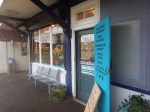
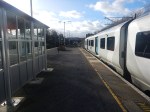
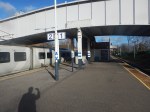
I took these pictures at Bowes Park station.
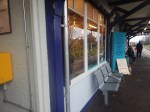
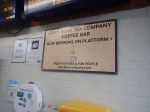
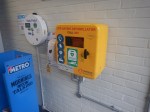
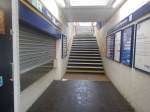
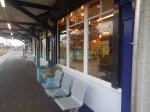
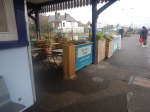
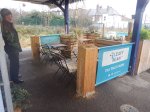
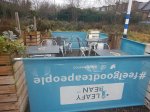
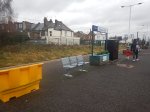
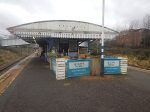
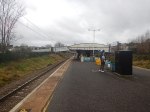
Note.
- The station has a warm well-stocked cafe, that is an asset to the station.
- The station has a defibrillator.
In an ideal world the station would have step-free access, as this would give a step-free route to Moorgate and the Elizabeth Line.
I returned a day later and took these pictures to see if a lift could be fitted.
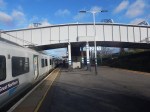
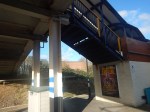
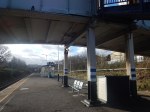
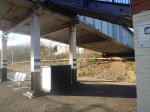
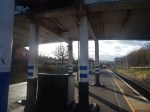
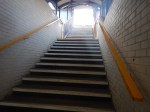
I don’t think it would be one of the most difficult or expensive jobs to fit in a lift, that took passengers between the platform and the bridge.
The existing stairs would be retained and fitted with a decent fully-compliant handrail.
If a single lift were to be placed on the opposite side to the stairs, passenger access to the station would be possible during the installation.
Harringay Station – 20th November 2022
This article on Rail Advent, is entitled Essential Improvements Programme For Harringay Station Gets Underway!
These two paragraphs outline the work to be done.
Harringay station will see major improvement work carried out including vital work to reinforce the footbridge which is located inside the station, making it fit for purpose into the future. The bridge is also the home of the old ticket office which will also be relocated in order to comply with building regulations.
Both platforms will see brand new waiting shelters and will allow passengers heading to destinations like Welwyn Garden City, Stevenage and Moorgate are able to keep dry in a sheltered location whilst waiting for their train leading to improved passenger experience.
It appears the work will not inconvenience passengers.
So earlier today, I went to have a look at Harringay station.
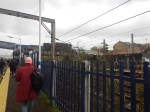
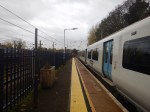
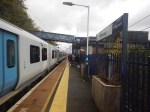
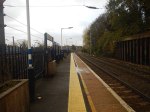
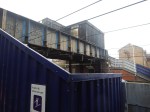
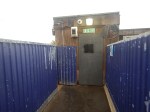
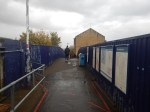
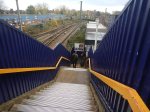
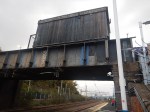
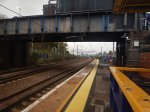
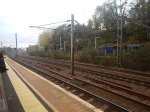
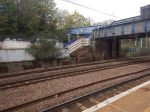
Note.
- All trains calling at the station are Class 717 trains.
- The old ticket office is on the bridge.
- The platforms are rather narrow.
- The train-platform access is not good.
The bridge has certainly seen better days, but then it does date from 1885.
I have some thoughts.
Digital Signalling
Digital signalling is being installed on the Great Northern route and the Hertford Loop Line and this could mean up to ten trains per hour (tph) into Moorgate.
The Current Service
At present there seems to be only two tph on these two routes.
- Moorgate and Stevenage via Hertford North
- Moorgate and Welwyn Garden City
This is an insult and both routes need at least four tph all day to attract passengers.
The Ultimate Service
It can certainly have a frequency of around eight tph between Moorgate and Alexandra Palace stations.
But no predictions have been made about what frequency will be used once the signalling is complete.
Improving The Wood Green And Moorgate Public Transport Corridor
This morning I went for coffee with an old school friend from Minchenden Grammar School at Southgate station.
Southgate is not a bad place to meet someone.
- There are a couple of good coffee shops.
- There are plenty of buses.
- It has a couple of the better chain restaurants including a Pizza Express.
- The area also has a lot of memories for me.
It also has one of London’s most iconic Underground stations.
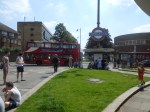
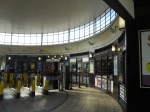
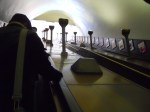
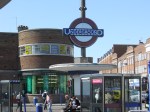
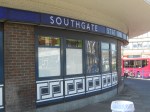
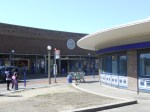
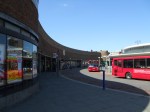
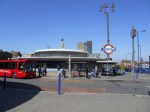
It may look familiar, as it regularly crops up in film and television dramas.
- One station guy told me, that the ticket barriers have been designed to be easy to remove, so filming of an historic drama is possible.
- It was used in The End Of The Affair to portray a Central London station.
- As the escalators have the same bronze fittings as Moscow, they could be used in a story set in Russia.
As the Piccadilly Line doesn’t go anywhere near my house, to get to Southgate, I take a 141 bus to and from a convenient Piccadilly Line station.
- Going North, I changed at Manor House station.
- Coming South, I changed at Turnpike Lane station.
- I could have also have changed at Wood Green station.
The journey home had four major problems.
- The bus stop at Turnpike Lane station, is a few hundred yards from the station.
- I waited fifteen minutes for a 141 bus.
- When it did arrive, it was so packed, it didn’t have space for a miniature dachshund to squeeze in between the feet of the standing passengers.
- The traffic was very heavy, so the journey was slow.
How can this bus route cope in the Peak, if it can’t cope on a Sunday morning?
Various issues and actions and will make these capacity issues worse.
The Victoria Line Has No Direct Connection With The Elizabeth Line
In my view, this was a mistake, although not that serious, as the young or energetic can probably walk between Oxford Circus and the Hanover Square entrance to Bond Street station on the Elizabeth Line.
Will this connection develop with coffee and snack shops to ease passenger interchanges?
When and if Oxford Circus station is ever made step-free, I can imagine a tunnel, perhaps with a moving walkway being built between Oxford Circus station and he Hanover Square entrance to Bond Street station.
There is also the cross-platform interchange at Highbury & Islington station with the Northern City Line that links with Moorgate and the City of London.
The Piccadilly Line Has No Direct Connection With The Elizabeth Line
To get between the Northern stations on the Piccadilly Line and the Elizabeth Line is either a double-change at Finsbury Park and Highbury & Islington stations or a ride on the 141 bus.
I wrote about these issues in Extending The Elizabeth Line – Improving The Northern City Line.
The Elizabeth Line Will Attract Travellers To Moorgate
I notice that my own travelling patterns have changed from using the Central, Circle, District, Hammersmith & City and Metropolitan Lines to using the Elizabeth Line since it opened and I suspect, when the Elizabeth Line is fully joined up, that more passengers will travel to Moorgate to access the Elizabeth Line.
Transport for London and the Mayor Are Rerouting The 21 Bus
The 21 bus duplicates the 141 bus between Newington Green and Moorgate station.
But it is being rerouted next year, which will increase the loading on the 141 bus.
The 141 Bus Used To Be The 641 Trolleybus
When I was a child, London’s trolleybus network was extensive and to get between Wood Green and Moorgate, you would have used the 641 trolleybus.
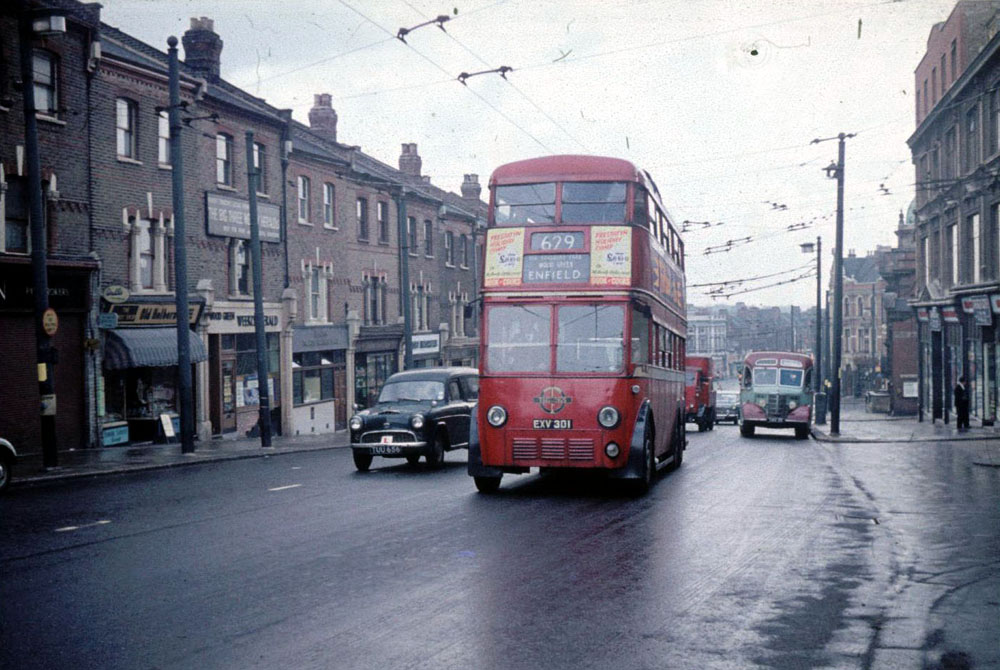
Trolleybus Ascending Jolly Butchers Hill in Wood Green
Many like me, look back on trolleybuses with affection.
Does this historical connection encourage passengers to use the 141 bus, which is the 641 trolleybus’s successor on the route?
My parents certainly had lots of trolleybus stories.
So What Could Be Done?
There are a variety of actions that could be taken to strengthen public transport between Moorgate and Wood Green stations.
Improve The 141 Bus Route
In Does London Need High Capacity Bus Routes To Extend Crossrail?, I put forward ideas for using buses to link to the Elizabeth Line.
This was my suggestion.
I suspect any route seen as an extension of Crossrail needs to have the following characteristics.
- High frequency of perhaps a bus every ten minutes.
- Interior finish on a par with the Class 345 trains.
- Wi-fi and phone charging.
I would also hope the buses were carbon-free. Given that some of these routes could be quite long, I would suspect hydrogen with its longer range could be better.
I feel that a high-quality 141 bus running every ten minutes between London Bridge station and Palmers Green, would be just what the passengers would order.
- Palmers Green bus garage is at the Northern end of the route, so could be used for refuelling or recharging.
- London Bridge station is at the Southern end of the route and was designed with an efficient bus station.
- The 141 route connects London Bridge, Bank, Moorgate and Old Street stations in the City of London.
With the right buses, this could be a route with real quality and usefulness.
Increase The Frequency On The Northern City Line
The Northern City Line may have new Class 717 trains, but it still has a pathetic frequency of eight trains per hour (tph)
- I am sure it could be increased to at least 12 tph between Moorgate and Alexandra Palace stations.
- Something like six tph would go to Welwyn Garden City, four tph to Hertford East station and two to Stevenage.
- Large areas of the Northern suburbs would get a much better connection to the Elizabeth Line.
Once the digital signalling is installed and commissioned, no new infrastructure will be needed.
I am sure, that this would be the easiest way to improve public transport in North London.
Add Step-Free Access To As Many Stations As Possible
Moorgate, Finsbury Park, Oakwood and Cockfosters are step-free with lifts.
As many stations as budgetary constraints allow, should be made step-free.
Testing Of Digital Signalling To Close Northern City Line
The title of this post, is the same as that of this article on Rail Technology Magazine.
This first paragraph indicates what’s happening.
Any passengers travelling on the Northern City Line between Finsbury Park and Moorgate on Sunday 9th October are being asked to check before they travel due to testing.
I hope that when they’ve finished the testing, they will increase the number of trains on this important route.
 The Anonymous Widower