Ørsted Raises EUR 7.98 Billion In Oversubscribed Rights Issue
The title of this post, is the same as that of this article on offshoreWIND.biz.
This is the sub-heading.
Ørsted has completed its rights issue, raising DKK 59.56 billion (approximately EUR 7.98 billion) with a subscription rate of approximately 99.3 per cent, the company said on 6 October.
These two introductory paragraphs add more details.
Existing shareholders were offered new shares at DKK 66.60 (EUR 8.92) each. The demand for shares not taken up via the rights issue was “extraordinarily high,” according to the developer’s announcement of the Rights Issue results, and allocations were capped per application, meaning no subscriptions were required under the underwriting bank syndicate.
As reported in August, the company appointed a syndicate of BNP PARIBAS, Danske Bank A/S and J.P. Morgan SE as Joint Global Coordinators, next to Morgan Stanley & Co International, to jointly underwrite the rights issue for the approximately 49.9 per cent that would not be subscribed to by Ørsted’s majority shareholder, the Danish state (50.1 per cent).
I dread to think what spiteful punishment that Trumpkopf will inflict on Ørsted.
But the oversubscribed Rights Issue may be good news for the UK.
Ørsted has only one major project under development or construction in the UK.
But it is the large Hornsea Three wind farm, which has this opening paragraph on its web site.
Hornsea 3 Offshore Wind Farm will deliver enough green energy to power more than 3 million UK homes. An £8.5 billion infrastructure project, Hornsea 3 will make a significant contribution toward UK energy security, as well as the local and national economy.
Note.
- Ørsted are raising £7.98 billion and spending £8.5 billion, which must do something for the UK’s economy.
- Hornsea 3 will have a generating capacity of 2.9 GW.
- Ørsted are now delivering the world’s single largest offshore wind farm.
- Hornsea 3 will connect to the National Grid at Swardestone in Norfolk.
In Grid Powers Up With One Of Europe’s Biggest Battery Storage Sites, I describe how the 300 MW/600 MWh Swardestone BESS will be built, where Hornsea 3 connects to the grid.
As Swardestone will have 2.9 GW from Hornsea 3 and a powerful battery, I would expect someone will be looking to site a data centre or something with a need for a lot of stable electricity at or near Swardestone.
In Opportunity For Communities To Have Their Say On National Grid Proposals For Norwich To Tilbury Project, I talk about a line of pylons between Swardestone and Tilbury and show this map of the route.
This page on the National Grid web site has an interactive version of this map.

Note.
- The mauve line indicates the route of the Norwich to Tilbury project.
- Swardestone is at the Northern end of the project a few miles South of Norwich.
- Tilbury is at the Southern end of the project on the Thames estuary.
- The project connects Norwich, Ipswich, Colchester and Chelmsford to Hornsea 3 at Swardestone.
- I suspect the project will connect to Ipswich at the Bramford substation.
- The Sizewell nuclear site is to the North-East of Woodbridge and connects to the grid at the Bramford substation.
I know East Anglia well and I would suspect that Norwich, Ipswich, Colchester, Chelmsford and Southend-on-Sea could support one or more data centres.
Conclusion
I asked Google AI, who owns Hornsea 1 and received this reply.
Hornsea 1 is owned by a partnership including Ørsted, Equitix, TRIG, GLIL, Octopus, and Brookfield, with Ørsted also providing the operational management. A 2018 agreement between Ørsted and Global Infrastructure Partners (GIP) originally established the 50/50 joint venture for the project.
I then asked Google AI, who owns Hornsea 2 and received this reply.
The ownership of the Hornsea 2 wind farm is shared between several entities, including a 37.55% stake held by Ørsted, a 25% stake each by AXA IM Alts and Crédit Agricole Assurances, and a 12.45% stake held by Brookfield. The wind farm is located offshore in the UK’s North Sea, approximately 89 km off the Yorkshire coast.
In November 2019, I also wrote World’s Largest Wind Farm Attracts Huge Backing From Insurance Giant.
It does seem to me that Ørsted are past masters of developing a wind farm, then selling it on and using that money to develop the next wind farm.
The Rights Issue just makes that process easier.
Norway’s Sovereign Wealth Fund Acquires Stake In 573 MW Race Bank Offshore Wind Farm
The title of this post, is the same as that of this article on offshoreWIND.biz.
This is the sub-heading.
A consortium made up of investment funds belonging to Australia-headquartered Macquarie Asset Management and Spring Infrastructure Capital has reached an agreement to divest a 37.5 per cent stake in the 573 MW Race Bank offshore wind farm in the UK to Norges Bank Investment Management.
These four paragraphs give more details of the deal.
The stake was sold to the Norwegian sovereign wealth fund for approximately GBP 330 million (about EUR 390.6 million).
According to Norges Bank Investment Management, the fund acquired Macquarie European Infrastructure Fund 5’s 25 per cent stake and Spring Infrastructure 1 Investment Limited Partnership’s 12.5 per cent interest in the Race Bank offshore wind farm.
A Macquarie Capital and Macquarie European Infrastructure Fund 5 consortium acquired a 50 per cent stake in Race Bank during the construction phase in 2016. Macquarie Capital divested its 25 per cent stake in the wind farm in 2017.
With the deal, Arjun Infrastructure Partners will remain co-investor for 12.5 per cent of the wind farm and Ørsted will remain a 50 per cent owner and operator of Race Bank.
These are my thoughts.
The Location of Race Bank Wind Farm
This map from the Outer Dowsing Web Site, shows Race Bank and all the other wind farms off the South Yorkshire, Lincolnshire and Norfolk coasts.
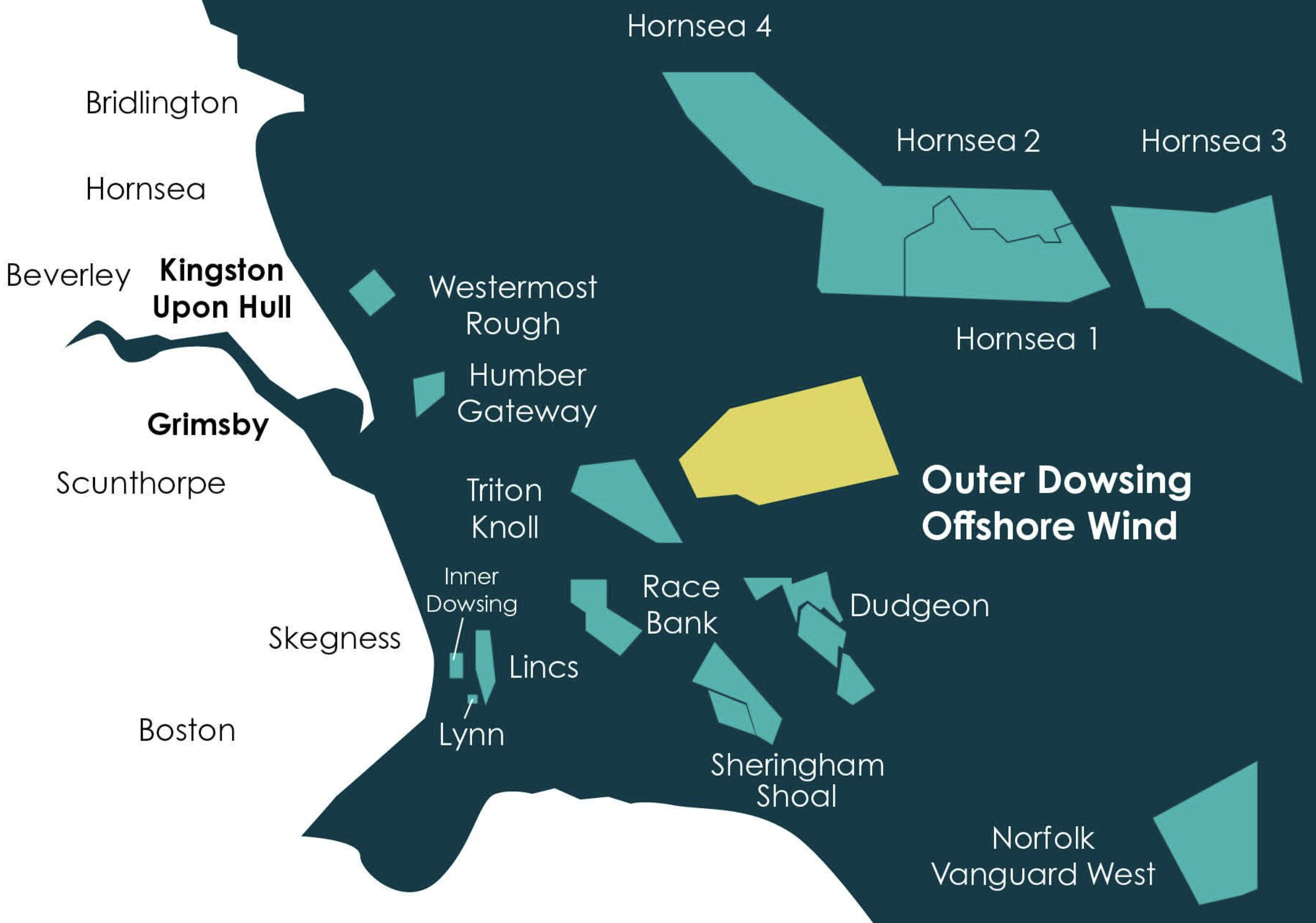
From North to South, wind farm sizes and owners are as follows.
- Hornsea 1 – 1218 MW – Ørsted, Global Infrastructure Partners
- Hornsea 2 – 1386 MW – Ørsted,Global Infrastructure Partners
- Hornsea 3 – 2852 MW – Ørsted
- Hornsea 4 – 2600 MW – Ørsted
- Westernmost Rough – 210 MW – Ørsted and Partners
- Humber Gateway – 219 MW – E.ON
- Triton Knoll – 857 MW – RWE
- Outer Dowsing – 1500 MW – Corio Generation, TotalEnergies
- Race Bank – 573 MW – Ørsted,
- Dudgeon – 402 MW – Equinor, Statkraft
- Lincs – 270 MW – Centrica, Siemens, Ørsted
- Lynn and Inner Dowsing – 194 MW – Centrica, TCW
- Sheringham Shoal – 317 MW – Equinor, Statkraft
- Norfolk Vanguard West – 1380 MW – RWE
Note.
- There is certainly a large amount of wind power on the map.
- Hornsea 1, 2 and 3 supply Humberside.
- Hornsea 4 will supply Norwich and North Norfolk.
- Norfolk Vanguard West would probably act with the other two wind farms in RWE’ Norfolk cluster.
- Ignoring Hornsea and Norfolk Vanguard West gives a total around 4.5 GW.
- There are also two 2 GW interconnectors to Scotland (Eastern Green Link 3 and Eastern Green Link 4) and the 1.4 GW Viking Link to Denmark.
I wouldn’t be surprised to see a large offshore electrolyser being built in the East Lincolnshire/West Norfolk area.
The primary purpose would be to mop up any spare wind electricity to avoid curtailing the wind turbines.
The hydrogen would have these uses.
- Provide hydrogen for small, backup and peaker power stations.
- Provide hydrogen for local industry, transport and agriculture,
- Provide hydrogen for off-gas-grid heating.
- Provide methanol for coastal shipping.
Any spare hydrogen would be exported by coastal tanker to Germany to feed H2ercules.
Do We Need Wind-Driven Hydrogen Electrolysers About Every Fifty Miles Or so Along The Coast?
I can certainly see a string along the East Coast between Humberside and Kent.
- Humberside – Being planned by SSE
- East Lincolnshire/West Norfolk – See above
- North-East Norfolk – See RWE Goes For An Additional 10 GW Of Offshore Wind In UK Waters In 2030.
- Dogger Bank – See RWE Goes For An Additional 10 GW Of Offshore Wind In UK Waters In 2030.
- Sizewell – See Sizewell C And Hydrogen.
- Herne Bay – Under construction
I can see others at possibly Freeport East and London Gateway.
All T-Pylons Fully Wired Up In Major Milestone For Hinkley Connection Project
The title of this post is the same as that of this press release from National Grid.
These three bullet points are sub-headings.
- Hinkley Connection Project’s 116 T-pylons now ‘strung’ with overhead conductors
- Final conductors fixed into place on a row of T-pylons near Yatton, North Somerset
- 460km and 1,288 tonnes of power line have been installed between project’s T-pylons
Seven paragraphs of the press release go into great detail about how the cables were attached.
But I find this image from the press release, is the most interesting part.
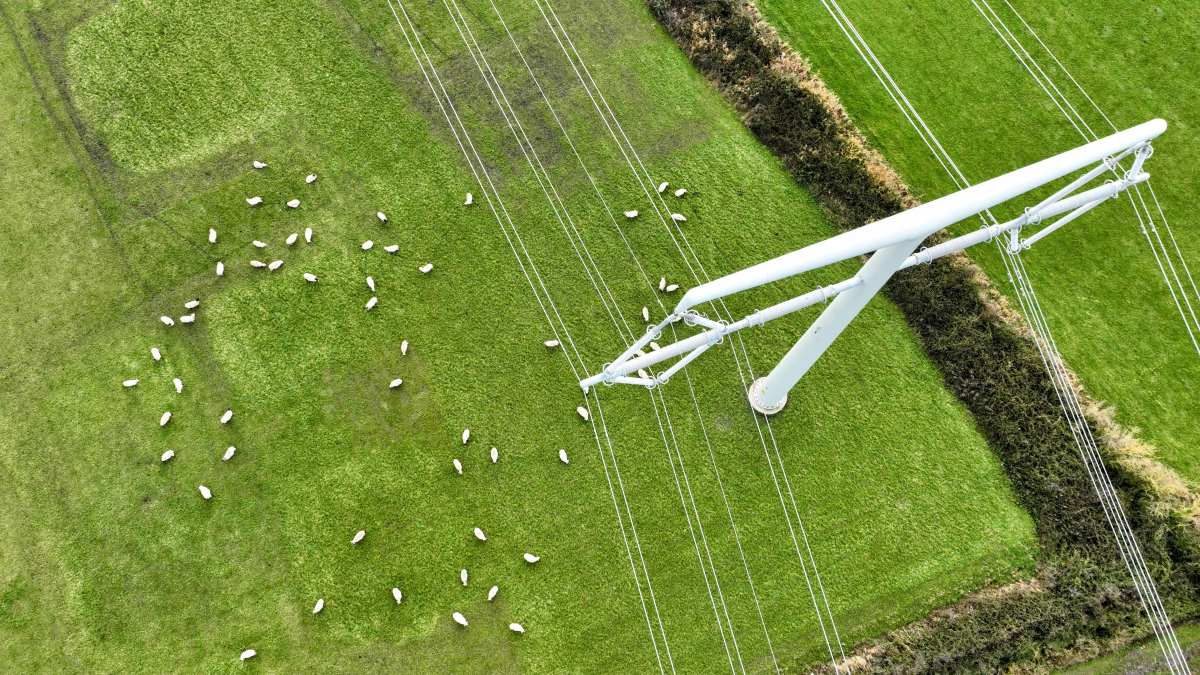
Note.
- There are six cables on each diamond earring-shaped insulator.
- There appears to be a second cross-bar between the insulators.
- The pylon has a small footprint on the ground.
- The white dots on the ground look like sheep.
- The base of the pylon, will make a good scratching post for animals, like sheep, cattle and horses.
This second picture is a profile, that I took at Yatton from a passing train.
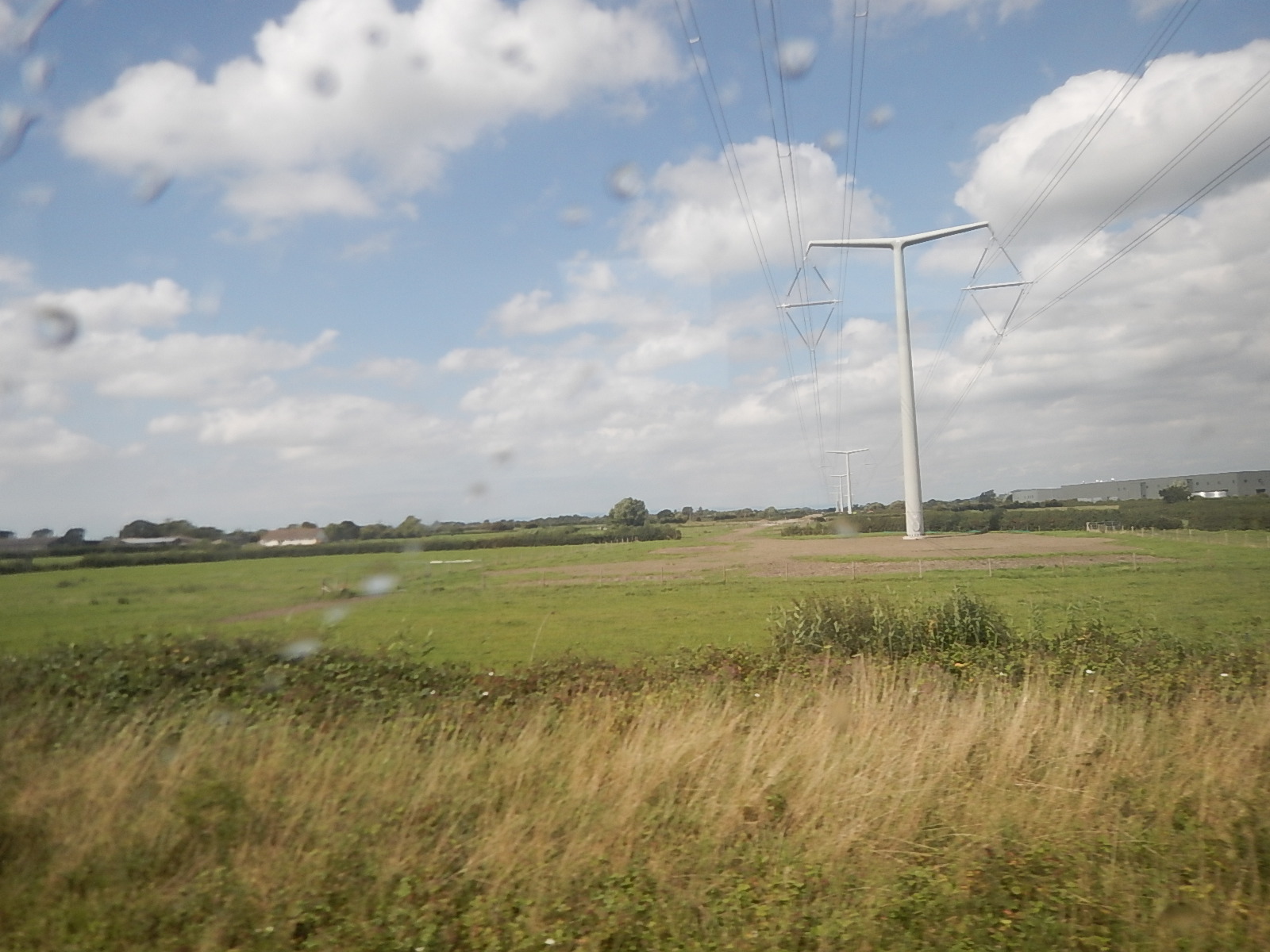
Note that the second cross-bar is not there. Is it to steady the insulators during the installation of the cables?
This picture shows some of the traditional pylons used to connect the Sizewell site to the National Grid.
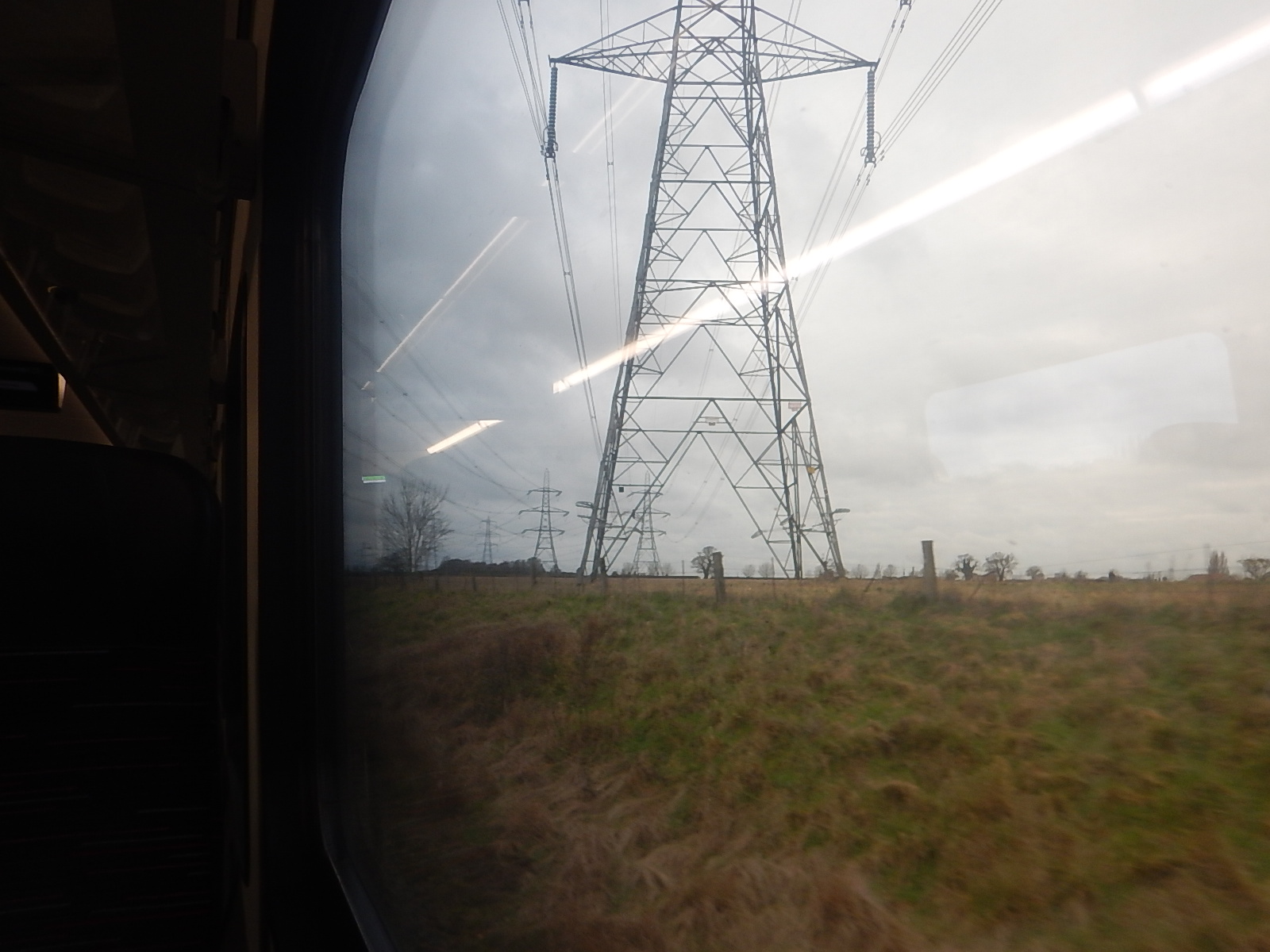
I know which ones I prefer.
Opportunity For Communities To Have Their Say On National Grid Proposals For Norwich To Tilbury Project
The title of this post is the same as that of this press release from National Grid.
These three bullet points are sub-headings.
- National Grid is consulting communities for 10 weeks, between Wednesday 10 April to Tuesday 18 June, on its infrastructure proposals to connect new clean energy sources into the East Anglian electricity network.
- Norwich to Tilbury will enable National Grid to connect the sources of power generated from offshore wind to homes and businesses across Britain, helping to reduce our reliance on fossil fuels and bring the cost of energy bills down.
- The project will help the UK achieve its aim of generating 50GW of energy from offshore wind by 2030 and reach net zero by 2050.
This page on the National Grid web site has an interactive map of the route.
This paragraph invites people to comment.
National Grid is encouraging communities in East Anglia to comment on proposals to upgrade the high voltage power network in England as part of a 10-week consultation process which runs between Wednesday 10 April and Tuesday 18 June.
National Grid have also announced dates of when public information events are being held.
- Wednesday 24 April 2024 – 12pm – 5pm – Towngate Theatre, St Martin’s Square, Basildon, Essex SS14 1DL
- Thursday 25 April 2024 – 2pm – 7pm – The Brentwood Centre, Doddinghurst Road, Pilgrims Hatch, Brentwood, CM15 9NN
- Saturday 27 April 202 – 11am – 4pm – Chelmsford City Racecourse, Chelmsford, CM3 1QP
- Tuesday 30 April 2024 – 12pm – 5pm – Gislingham Village Hall, Mill Street, Gislingham, IP23 8JT
- Wednesday 1 May 2024 – 11am – 4pm – Copdock Village Hall, Old London Road, Copdock, IP8 3JN
- Friday 3 May 2024 – 1pm – 6pm – Needham Market Community Centre, School St, Needham Market, Ipswich IP6 8BB
- Saturday 4 May 2024 – 11am – 4pm – Lawford Venture Centre 2000, Bromley Road, Lawford, Manningtree CO11 2JE
- Wednesday 8 May 2024 – 4pm – 7pm – The Civic Hall, Blackshots Lane, Grays, RM16 2JU
- Thursday 9 May 2024 – 1pm – 6pm- Thorpe Hall, Ashwell Thorpe and Fundenhall Community Centre, Muskett Road, Ashwellthorpe, NR16 1FD
- Friday 10 May 2024 – 1pm – 6pm – Tibenham Community Hall, Pristow Green Lane, Tibenham, Norwich NR16 1PX
- Tuesday 14 May 2024 – 11am – 4pm – Witham Public Hall, Collingwood Road, Witham, CM8 2DY
- Wednesday 15 May 2024 – pm – 6pm – Diss Town Football Club, Diss, IP22 4QP
- Thursday 16 May 2024 – 2pm – 7pm – Langham Community Centre, School Road, Langham, Colchester, CO4 5PA
- Friday 17 May 2024 – 1pm – 6pm – Great Bromley Village Hall, Parsons Hill, Great Bromley, Colchester, CO7 7JA
I shall be going to the Brentwood and Needham Market meetings.
I have some thoughts.
T-Pylons
There is a chance that this route will not use conventional pylons.
These pictures show the T-pylons, that have been used in Somerset to connect Hinckley Point C power station to the National Grid.


Note.
- They are a Danish design.
- They are shorter than current pylons.
- They have a smaller footprint on the ground.
- The design won a National Grid-RIBA design competition.
- We will probably see them around the country in the next few years.
They are certainly better than the standard ones that connect the Sizewell site to the National Grid, that passed by my first house in Suffolk.
UK ESO Unveils GBP 58 Billion Grid Investment Plan To Reach 86 GW of Offshore Wind By 2035
The title of this post, is the same as that of this article on offshoreWIND.biz.
This is the sub-heading.
Great Britain’s electricity system operator (ESO) has proposed a GBP 58 billion (approximately EUR 68 billion) investment in the electricity grid. The proposal outlines a vision for incorporating an additional 21 GW of offshore wind into the grid by 2035, which would bring the country’s total offshore wind capacity to a potential 86 GW.
These three paragraphs add more details to what the investment in the grid means for offshore wind.
The ESO released on 19 March the first Beyond 2030 report. The plan sets up the necessary infrastructure to transfer power to and from future industries, as electricity demand is expected to rise by 64 per cent by 2035, according to the ESO.
The grid operator said that the plan connects a further 21 GW of offshore wind in development off the coast of Scotland to the grid in an efficient and coordinated way which would bring the country’s total offshore wind capacity to a potential 86 GW.
The proposals could assist the UK government in meeting the sixth Carbon Budget and allow for the connection of Crown Estate Scotland’s ScotWind leasing round.
These are my thoughts.
How Much Offshore Wind Is In The Pipeline?
This Wikipedia entry is a List Of Offshore Wind Farms In The United Kingdom.
It gives these figures for wind farms in various operational an development states.
- Operational – 14,703 MW
- Under Construction – 5,202 MW
- Pre-Construction – 6,522 MW
- Contracts for Difference – Round 3 – 12 MW
- Contracts for Difference – Round 4 – 1,428 MW
- Early Planning – England – 18,423 MW
- Early Planning – Wales – 700 MW
- Early Planning – Scotland – 30,326 MW
Note.
- These add up to a total of 77,316 MW.
- If all the wind farms in the Wikipedia entry are commissioned, the UK will be short of the 86,000 MW total by 8,664 MW.
- Some wind farms like Ossian could be increased in size by a few GW, as I reported in Ossian Floating Wind Farm Could Have Capacity Of 3.6 GW.
It looks like only another 7,164 MW of offshore wind needs to be proposed to meet the required total.
This article on offshoreWIND.biz is entitled The Crown Estate Opens 4.5 GW Celtic Sea Floating Wind Seabed Leasing Round, will add another 4,500 MW to the total, which will raise the total to 81,816 MW.
The article also finishes with this paragraph.
Round 5 is expected to be the first phase of development in the Celtic Sea. In November 2023, the UK Government confirmed its intention to unlock space for up to a further 12 GW of capacity in the Celtic Sea.
A further 12 GW of capacity will take the total to 93,816 MW.
In Three Shetland ScotWind Projects Announced, I talked about three extra Scotwind wind farms, that were to be developed to the East of Shetland.
These will add 2.8 GW, bringing the total to 96,616 MW.
I don’t think the UK has a problem with installing 86 GW of offshore wind by 2035, so we must create the electricity network to support it.
The Electricity Network In 2024
I clipped this map from this article in The Telegraph, which is entitled Britain’s Energy System Will Not Hit Net Zero Until 2035, National Grid Tells Labour.
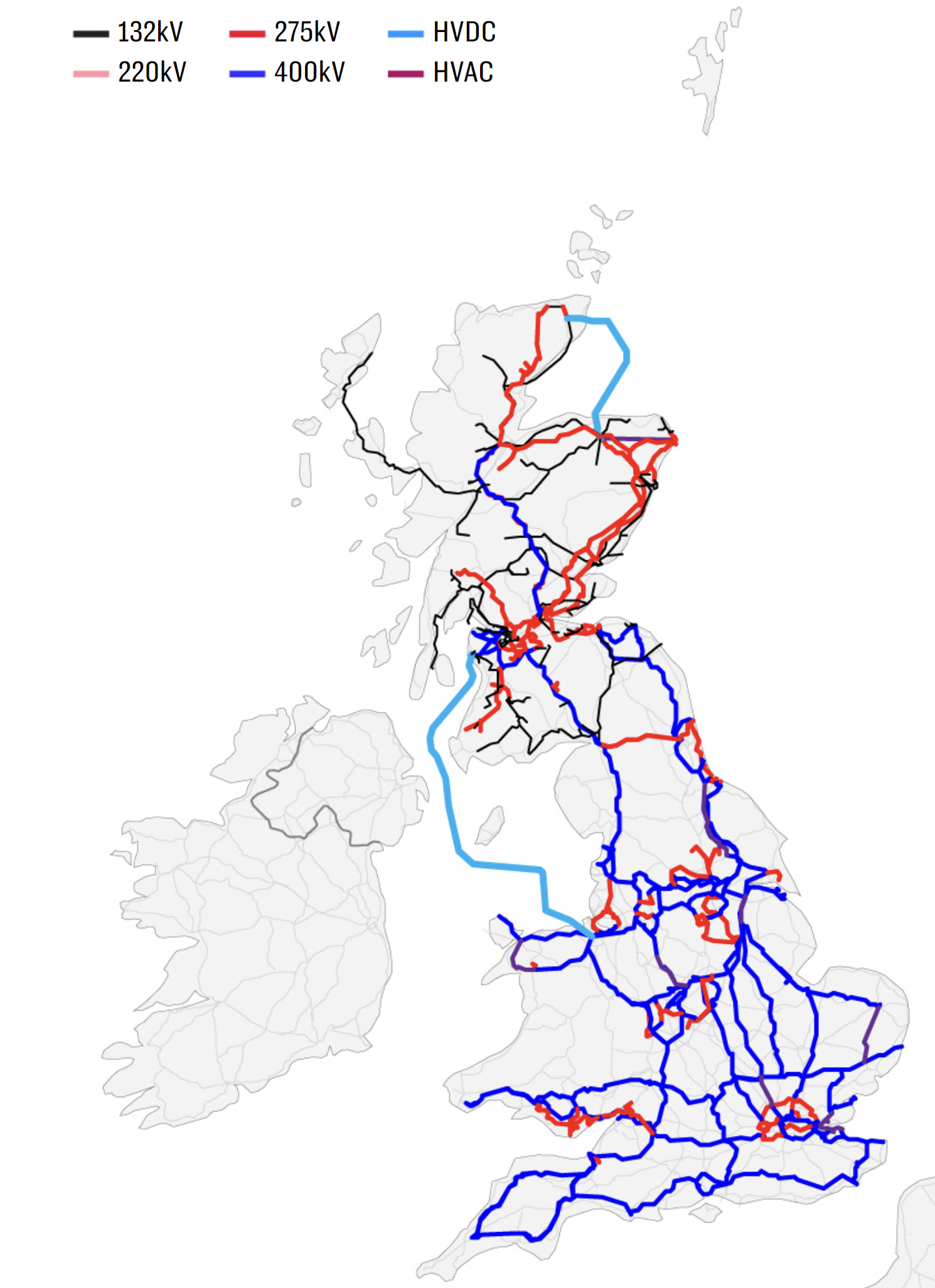
The dark blue lines are the 400 kV transmission lines.
- The one furthest East in East Anglia serves the Sizewell site, which hosts the Sizewell B nuclear power station and will be the home of Sizewell C nuclear power station, unless the Green or LibDem Parties are a member of a coalition government.
- Kent and Sussex seem to be encircled by 400 kV lines, with small spurs to the interconnectors to Europe.
- Two 400 kV lines appear to serve the South-West peninsular, with one going along the South Coast and the other further North. I suspect these two motorways for electricity explain, why the Morocco-UK Power Project terminates in Devon.
- London seems to have its own M25 for electricity.
- There also appears to be an East-West link to the North of London linking Sizewell in the East and Pembroke in the West. Both ends have large power stations.
- There also appear to be two 400 kV lines from Keadby by the Humber Estuary to North Wales with the pumped storage hydro power station at Dinorwig.
- Two more 400 kV lines link Yorkshire to the South of Scotland.
- A lonely Northern cable connects Edinburgh and the North of Scotland.
The red lines, like the one encircling central London are the 275 kV transmission lines.
- Think of these as the A roads of the electricity network.
- They encircle London often deep underground or under canal towpaths.
- They reinforce the electricity network in South Wales.
- Liverpool appears to have its own local network.
- They also seem to provide most of the capacity North of and between Edinburgh and Glasgow.
Newer cables are starting to appear on this map.
There are two light blue cables and these are HVDC cables that run underwater.
- The 1.2 GW Caithness – Moray Link does what it says in the name and it connects the far North of Scotland direct towards Aberdeen.
- The much larger 2.25 GW Western HVDC Link connects Hunterston near Glasgow to Flintshire Bridge near Liverpool. Note how it passes to the West of the Isle of Man.
Not shown on the map are the smaller 500 MW Moyle Interconnector and the recently-opened 600 MW Shetland HVDC Connection.
The Electricity Network In 2050
This second map shows how the network will look in 2050.

Note.
- The colours are the same, as the previous map.
- Although, I do think there are some errors in which have been used.
- There are a lot more cables.
There are several more light blue cables and these are HVDC cables that run underwater.
- Shetland is now linked to the North of Scotland by the Shetland HVDC Connection.
- There appears to be a cluster of HVDC interconnectors at Caithness HVDC switching station, near Wick, including a new one to Orkney, to go with the others to Moray and Shetland.
- The 2 GW Scotland England Green Link 1 will run from Torness in Southeast Scotland to Hawthorn Pit substation in Northeast England.
- The 2 GW Eastern Green Link 2 will run from Sandford Bay, at Peterhead in Scotland, to the Drax Power Station in Yorkshire, England.
- There also appear to be two or possibly three other offshore cables linking the East Coast of Scotland with the East Coast of England.
- If the Eastern cables are all 2 GW, that means there is a trunk route for at least 8 GW between Scotland’s wind farms in the North-East and Eastern England, which has the high capacity wind farms of Dogger Bank, Hornsea and around the Lincolnshire and East Angliam coasts.
- Turning to the Western side of Scotland, there appears to be a HVDC connection between the Scottish mainland and the Outer Hebrides.
- South-West of Glasgow, the Western HVDC Link appears to have been duplicated, with a second branch connecting Anglesey and North-West Wales to Scotland.
- The Moyle Interconnector must be in there somewhere.
- Finally, in the South a link is shown between Sizewell and Kent. It’s shown as 400 kV link but surely it would be a HVDC underwater cable.
There are also seven stubs reaching out into the sea, which are probably the power cables to the wind farms.
- The red one leading from South Wales could connect the wind farms of the Celtic Sea.
- The blue link North of Northern Ireland could link the MachairWind wind farm to the grid.
- The other two red links on the West Coast of Scotland could link to other ScotWind wind farms.
- The red link to the North of East Anglia could link RWE’s Norfolk wind farms to the grid.
- The other stubs in the East could either connect wind farms to the grid or be multi-purpose interconnectors linking to Germany and the Netherlands.
It looks to me, that National Grid ESO will be taking tight control of the grid and the connected wind farms, as an integrated entity.
As a Graduate Control Engineer, I can’t disagree with that philosophy.
Hydrogen Production
In How Germany Is Dominating Hydrogen Market, I talked about how Germany’s plans to use a lot of hydrogen, will create a large world-wide demand, that the UK because of geography and large amounts of renewable energy is in an ideal place to fulfil.
I can see several large electrolysers being built around the UK coastline and I would expect that National Grid ESO have made provision to ensure that the electrolysers have enough electricity.
Would I Do Anything Different?
Consider.
- If it is built the Morocco-UK Power Project will terminates in Devon.
- There could be more wind farms in the Celtic Sea.
- It is likely, that the wind farms in the Celtic Sea will connect to both Pembroke and Devon.
- Kent has interconnectors to the Continent.
Would a Southern HVDC link along the South Coast between Devon and Kent be a good idea?
Conclusion
Looking at the proposed list of wind farms, a total in excess of 96 GW could be possible, which is ten GW more than needed.
The network not only serves the UK in a comprehensive manner, but also tees up electricity for export to Europe.
National Grid Energise World’s First T-Pylons
The title of this post, is the same as that of this press release from National Grid.
These are the four bullet points.
- Electricity is flowing to homes and businesses through the first new pylon design in the UK for nearly 100 years.
- Major milestone in National Grid’s Hinkley Connection project to connect 6 million homes and businesses in the South West to home grown, low carbon energy.
- The T-design, with a single pole and cross shaped arms, is around a third shorter than the traditional design with a smaller ground footprint.
- The T-pylons, along with a new substation and underground cabling, are now incorporated into National Grid’s electricity transmission network delivering electricity in Somerset and across England and Wales.
This is the first paragraph.
National Grid has successfully energised 36 of the world’s first T-pylons between Bridgwater and Loxton in Somerset. The new shaped pylons have been constructed as part of the £900 million Hinkley Connection Project, a new 57 km high-voltage electricity line that will connect six million homes and businesses to new sources of home grown, low carbon energy and help the UK to meet its net zero by 2050 target.
There is a video in the press release, which is well worth a view.
- The size of the pylons certainly reduces their visibility.
- It appears there are seven cables on either side.
These pictures show the transmission lines to the Sizewell power station site.





Note.
- The lower height is very noticeable.
- There seem’s to be a lot more wires.
- I would assume, that the reduced number of components, reduces the cost of installation and maintenance.
The installation proved that even in the most mundane of applications, innovation can bring positive results.
The T-pylons are a design by Danish company; Bystrup.
This is the specification from their comprehensive web-page.
- Power – 2 x 400 kV
- Height – 35 metres / 114 feet
- Units/km – 3 (5 units/mile)
- Material – Hot-dip galvanised steel, painted
- Assembly – On-site and quick – less than 10 parts
- Installation – Simple monopile foundation
- Production possible anywhere in the world
- Developed – 2011-2014
They’ve also won several awards.
- 1st prize in int. competition for RIBA
- Nominated for the IET Innovation Award 2014
- Gold Prize, CIGRE Seoul 2017
- Award winner, UK Steel Awards (SSDA) 2017
I would hope to see more in the UK.
Kittiwake Compensation
The title of this post, is the same as that of this page of Ørsted’s Hornsea Three web site.
The first section of the page gives the background.
Hornsea 3 Offshore Wind Farm received planning permission in December 2020. As part of our Development Consent Order, a requirement was included for ecological compensation measures for a vulnerable seabird species whose populations could be affected by wind farms – the Black-legged kittiwake (Rissa tridactyla).
Our compensation plan focusses on providing artificial nesting structures for kittiwake along the east coast of England. This project is the first of its kind and we are working on new and innovative designs for the artificial nesting structures. Each structure will be purpose-built, bespoke and specific to the landscape characteristics of each location. The structures also present an educational opportunity, allowing researchers to better understand kittiwake.
Developing effective environmental compensation measures is essential to ensure the UK Government’s targets for offshore wind can be realised, to deliver a net zero-carbon future.
So kittiwakes are not being paid compensation, as I don’t suspect many have bank accounts.
But they are being built a few new nesting structures.
Wikipedia has an entry on kittiwakes.
It notes that all European kittiwakes are of the black-legged variety and this is a picture, I took of some on the Baltic in Newcastle.

I’ve seen several pictures of kittiwakes lined up like these.
The document goes on to describe the work being done for the kittiwakes and this is said about work in East Suffolk.
Lowestoft and Sizewell are the only locations between Kent and Humberside with thriving kittiwake colonies. Kittiwake normally nest on steep cliffs with narrow ledges. East Anglia doesn’t have these natural nesting spaces, so kittiwake have reverted to colonising urban areas, for example on windowsills and ledges of buildings. Kittiwake breeding for the first time are most likely to find artificial structures that are situated close to these urban areas. They are less likely to find structures in places where there are not already kittiwake. Lowestoft and Sizewell are therefore two of the few places in East Anglia where artificial structures could be colonised quickly. These purpose-built nesting sites would improve breeding conditions for kittiwake, whilst successfully achieving our compensation requirements to unlock the world’s biggest offshore wind farm.
I took this picture of kittiwakes at Sizewell.
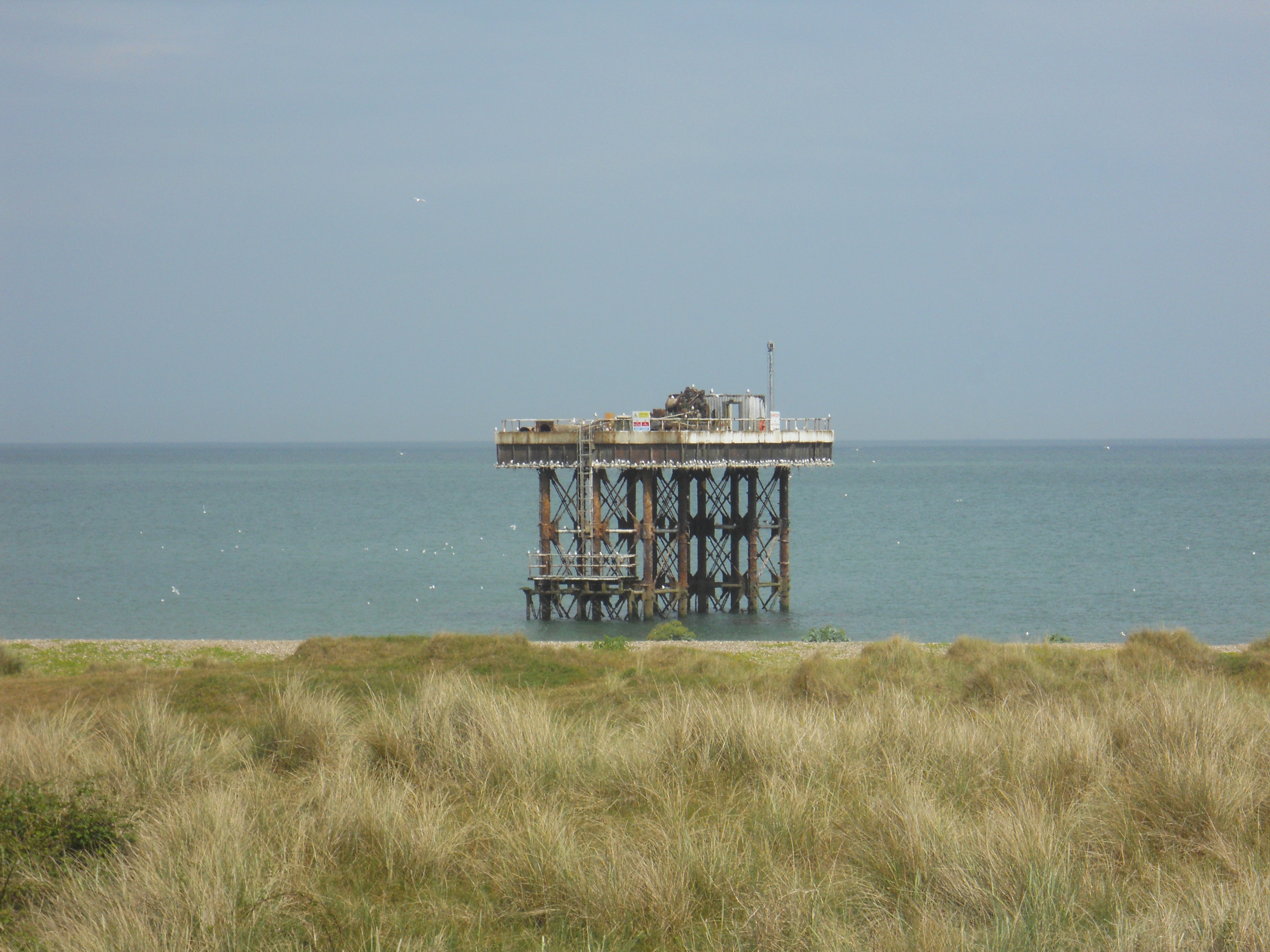
It doesn’t seem too unlike the structure on the Hornsea 3 web site.
Suffolk: Sizewell C To Explore ‘Innovative’ Waste Heat Lido
The title of this post, is the same as that, of this article on the East Anglian Daily Times.
This is the sub-heading.
The developers of the new Sizewell C nuclear power station have expressed an interest in an “innovative” plan to use waste heat from the plant to heat a new lido.
And this is the first paragraph.
Creating the outdoor pool was one of a number of ideas contained within the Leiston masterplan – a blueprint for transforming the Suffolk town – and now the Sizewell C company has pledged to explore the proposal with the town council.
This map shows the town of Leiston and the Sizewell power stations site.
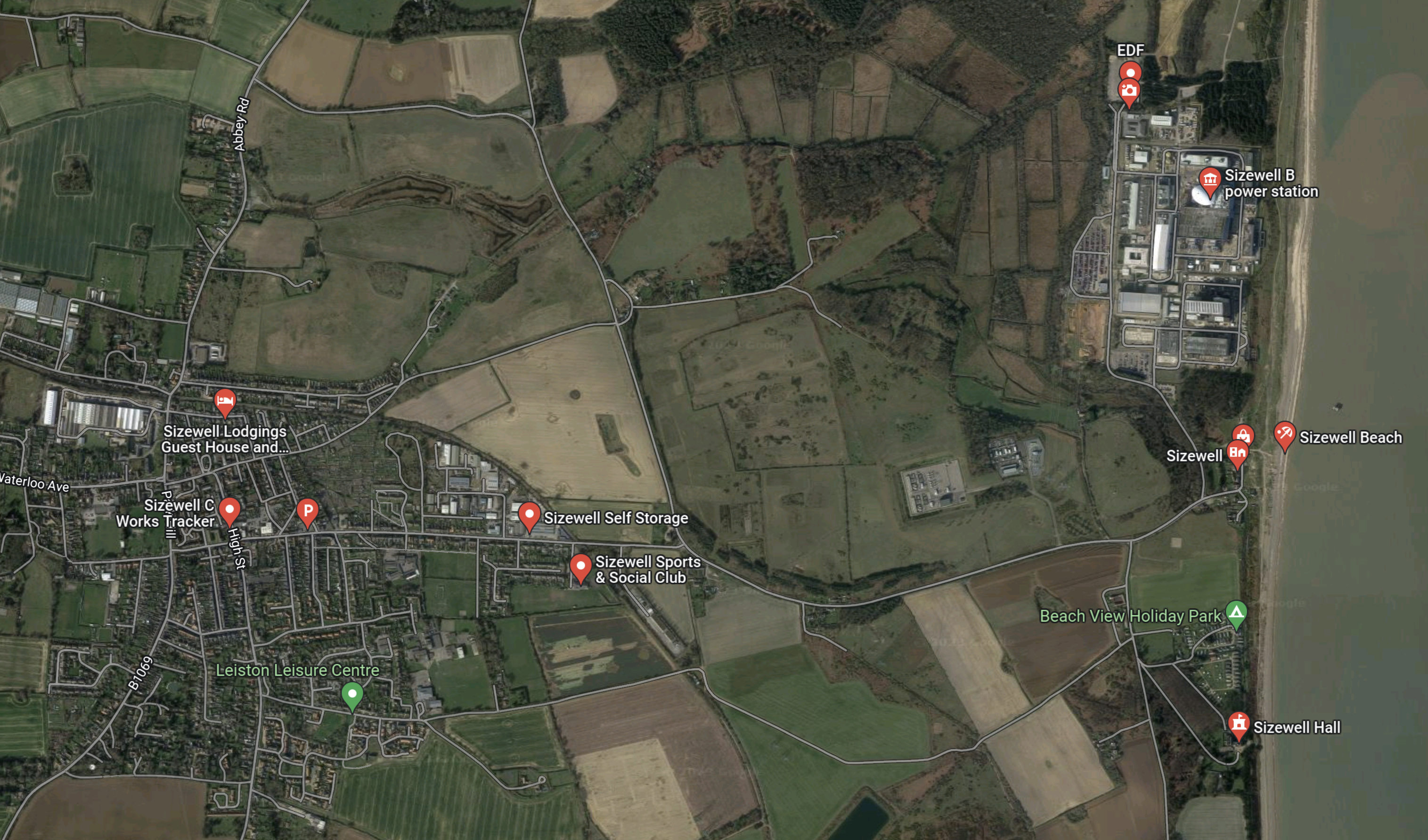
Note.
- Leiston is in the South-West corner.
- The power station site is in the North-East corner.
I have a few thoughts.
Pink Hydrogen
Pink hydrogen is zero-carbon hydrogen produced using nuclear power.
The production of hydrogen is already part of the plans for Freeport East, which I wrote about in Ryze Hydrogen’s Suffolk Freeport Hydrogen Vision Takes Shape.
In that article, I said this.
This would mean that Sizewell’s 6 MW electrolyser could be producing around a thousand tonnes of hydrogen per year or 2.6 tonnes per day.
The more efficient high temperature electrolysis can be used, using some of the waste heat from the nuclear power station. I wrote about this in Westinghouse And Bloom Energy To Team Up For Pink Hydrogen.
I also suspect that it may be more efficient to use seawater to produce the hydrogen.
Could high temperature electrolysis be used at Sizewell?
District Heating
The waste heat can also be used for district heating.
A Train Service To Ipswich
This Google Map shows the railway through Leiston, which is currently used to bring fuel to Sizewell B power station and remove waste.

Note.
- The railway starts in the North-West corner of the map.
- The green dot in that corner marks Leiston cemetery.
- The railway then goes East before turning to the South-East corner of the map.
- In that corner, there are two sidings for loading and unloading the flasks.
Surely, Leiston also needs a new railway station, with at least an hourly service to Saxmundham, Wickham Market, Woodbridge and Ipswich. And possibly even Aldeburgh!
This map from OpenRailwayMap shows the route of the Aldeburgh branch.
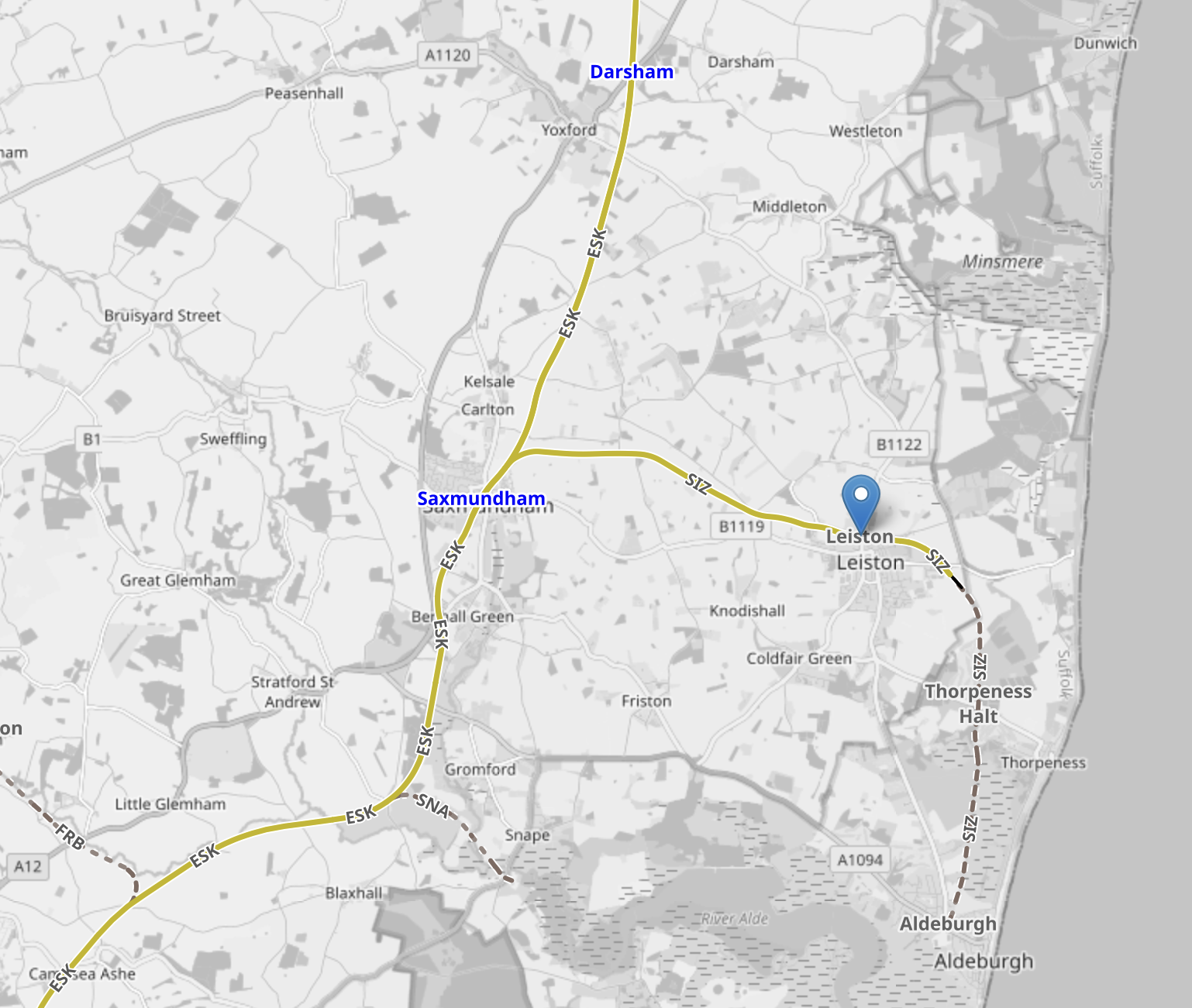
Note.
- The North-South yellow line is the East Suffolk Line.
- Their were three stations; Leiston, Thorpeness Halt and Aldeburgh.
- Leiston station was in the North of the town.
The intact section of the branch is shown in yellow.
There would be no need for any electrification, as Stadler, who built Greater Anglia’s Class 755 trains, are the masters of battery-powered trains and could convert these trains to battery operation. Recently, one of the smaller metro trains, that Stadler are building for Liverpool, ran for nearly 90 miles on battery power alone, which I wrote about in New Merseyrail Train Runs 135km On Battery.
An hourly train service would double the frequency of the train service between Saxmundham and Ipswich.
Does the Leiston masterplan include a train service?
And if it does, does it terminate at a new Aldeburgh station?
Conclusion
Integrating development around a nuclear power station could be a way of levelling up.
It would bring electricity, heat, a rail link and jobs to an area.
Will Rolls-Royce use these benefits to sell one of their SMRs to those living around a site?
EuroLink, Nautilus And Sea Link
EuroLink, Nautilus and Sea Link are three proposed interconnectors being developed by National Grid Ventures.
EuroLink
EuroLink has a web site, where this is said.
To support the UK’s growing energy needs, National Grid Ventures (NGV) is bringing forward proposals for a Multi-Purpose Interconnector (MPI) called EuroLink, which will deliver a new electricity link between Great Britain to the Netherlands.
EuroLink could supply up to 1.8 gigawatts (GW) of electricity, which will be enough to power approximately 1.8 million homes, as well as contribute to our national energy security and support the UK’s climate and energy goals. We’re holding a non-statutory public consultation to inform you about our EuroLink proposals, gather your feedback to help refine our plans and respond to your questions.
Note, that EuroLink is a Multi-Purpose Interconnector (MPI) and they are described on this page of the National Grid website.
In EuroLink’s case, this means it is basically an interconnector between the UK and The Netherlands, that also connects wind farms on the route to the shore.
- Coastal communities get less disruption, as the number of connecting cables coming ashore is reduced.
- Less space is needed onshore for substations.
- Electricity from the wind farms can be directed to where it is needed or can be stored.
As an Electrical and Control Engineer, I like the MPI approach.
The technology to implement the MPI approach is very much tried and tested.
There are many references to EuroLink terminating at Friston.
Nautilus
Nautilus has a web site, where this is said.
Nautilus could connect up to 1.4 gigawatts (GW) of offshore wind to each country through subsea electricity whilst connecting to offshore wind farm/s at sea. By combining offshore wind generation with interconnector capacity between the UK and Belgium, Nautilus would significantly reduce the amount of infrastructure and disruption required both onshore and offshore.
With this new technology, we hope to reduce the impact of infrastructure on local communities and the environment, as well as support the government’s net zero and energy security targets. We are already working closely with other developers in the area to coordinate activities and minimise impact on local communities. We believe that through improved coordination, the UK government can achieve and support the co-existence of renewable energy with coastal communities.
Nautilus is another MPI.
This is said on the web site.
Last year, National Grid Ventures ran a non-statutory consultation for Nautilus, which proposed a connection at Friston.
NGV holds a connection agreement on the Isle of Grain in Kent as part of its development portfolio and we are currently investigating if this could be a potential location for Nautilus. Until this is confirmed to be technically feasible, Nautilus will be included as part of our coordination work in East Suffolk.
So it looks like, Nautilus could connect to the UK grid at Friston or the Isle of Grain.
Sea Link
Sea Link has a web site, and is a proposed interconnector across the Thames Estuary between Suffolk and Kent.
This is said on the web site about the need for and design of Sea Link.
The UK electricity industry is evolving at pace to help lead the way in meeting the climate challenge, whilst also creating a secure energy supply based on renewable and low carbon technologies.
The demands on the electricity network are set to grow as other sectors of the economy diversify their energy consumption from using fossil fuels towards cleaner forms, the move towards electric vehicles being just one example.
Where we’re getting our power from is changing and we need to change too. The new sources of renewable and low-carbon energy are located along the coastline. We need to reinforce existing transmission network and build new electricity infrastructure in these areas in order to transport the power to where it’s needed. This is the case along the whole of the East Coast including Suffolk and Kent.
To allow this increase in energy generation, we need to reinforce the electricity transmission system. Sea Link helps to reinforce the electricity network across Suffolk and Kent.
Our proposals include building an offshore high voltage direct current (HVDC) link between Suffolk and Kent with onshore converter stations and connections back to the national electricity transmission system.
On the web site, in answer to a question of What Is Sea Link?, this is said.
Sea Link is an essential upgrade to Britain’s electricity network in East Anglia and Kent using subsea and underground cable. The proposal includes approximately 130km of subsea cables between Sizewell area in East Suffolk and Richborough in Kent. At landfall, the cables would go underground for up to 5 km to a converter station (one at each end). The converter station converts direct current used for the subsea section to alternating current, which our homes and businesses use. A connection is then made to the existing transmission network. In Suffolk, via the proposed Friston substation; in Kent via a direct connection to the overhead line between Richborough and Canterbury.
Note, that from Kent electricity can also be exported to the Continent.
All Cables Lead To Friston In Suffolk
It looks like EuroLink, Nautilus and Sea Link could all be connected to a new substation at Friston.
But these will not be the only cables to pass close to the village.
This Google Map shows the village.
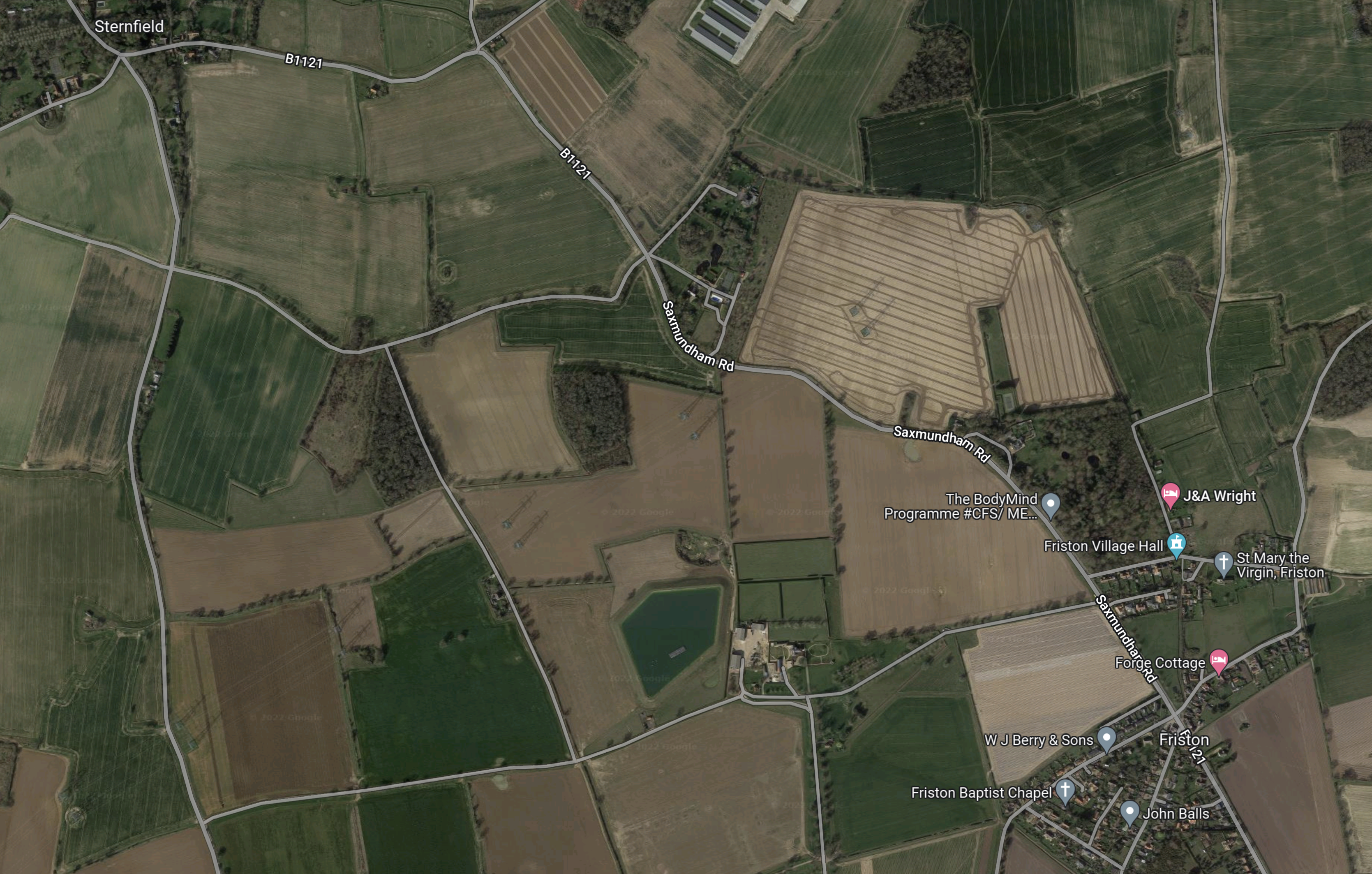
Running South-West to North-East across the map can be seen the dual line of electricity pylons, that connect the nuclear power stations at Sizewell to the UK electricity grid.
Has Friston been chosen for the substation, so that, the various interconnectors can be connected to the power lines, that connect the Sizewell site to the UK electricity grid.
This would enable EuroLink, Nautilus and/or Sea Link to stand in for the Sizewell nuclear stations, if they are shut down for any reason?
It does appear from reports on the Internet that the Friston substation is not welcome.
Exploring Opportunities For Coordination
The title of this section is a heading in the EuroLink web site, where this is said.
In response to stakeholder feedback, NGV’s Eurolink and Nautilus projects and NGET’s Sea Link project are exploring potential opportunities to coordinate. Coordination could range from co-location of infrastructure from different projects on the same site, to coordinating construction activities to reduce potential impacts on local communities and the environment.
That sounds very sensible.
The Car Park at the End of the World
Or should I say the end of Suffolk?
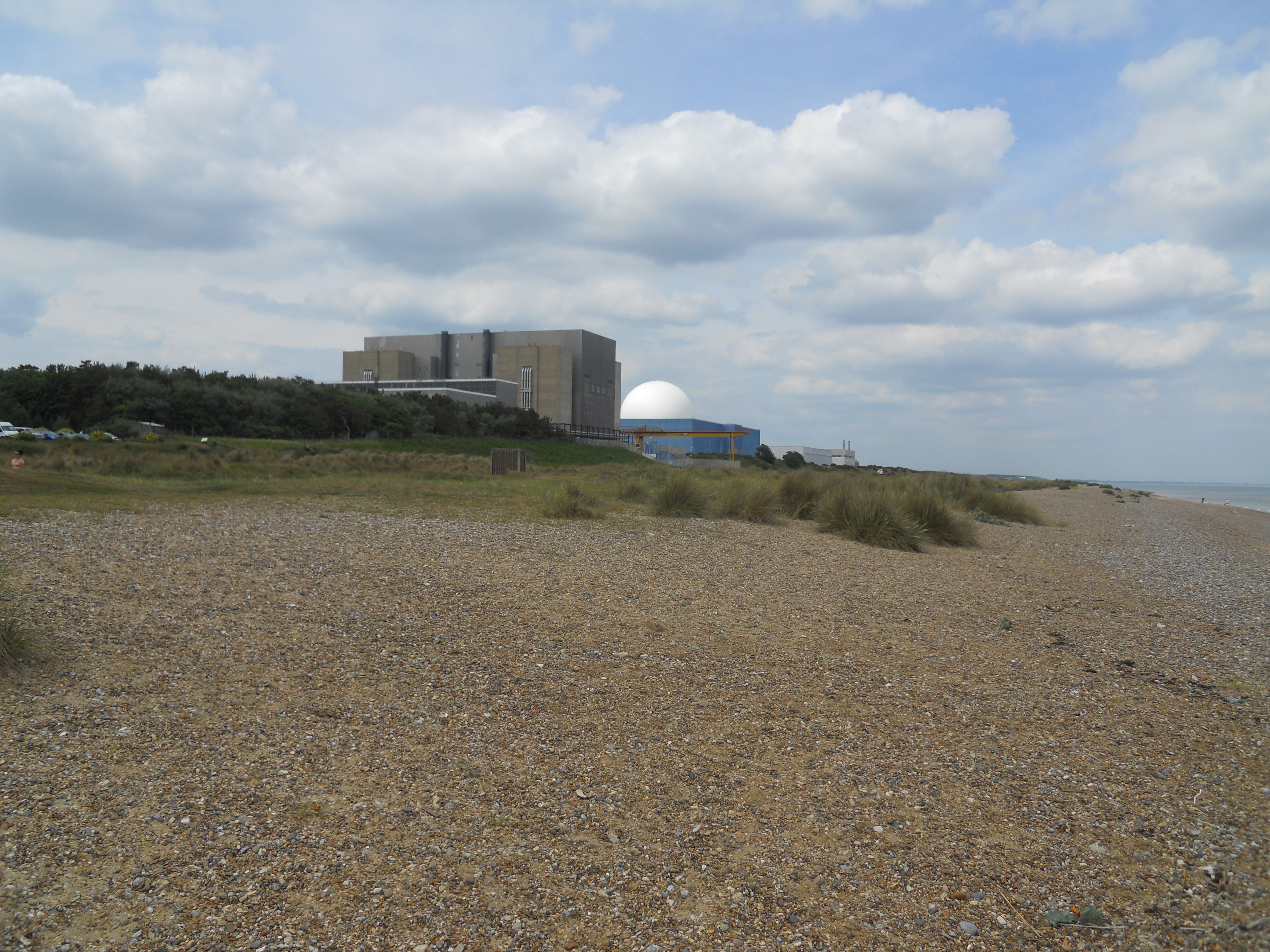
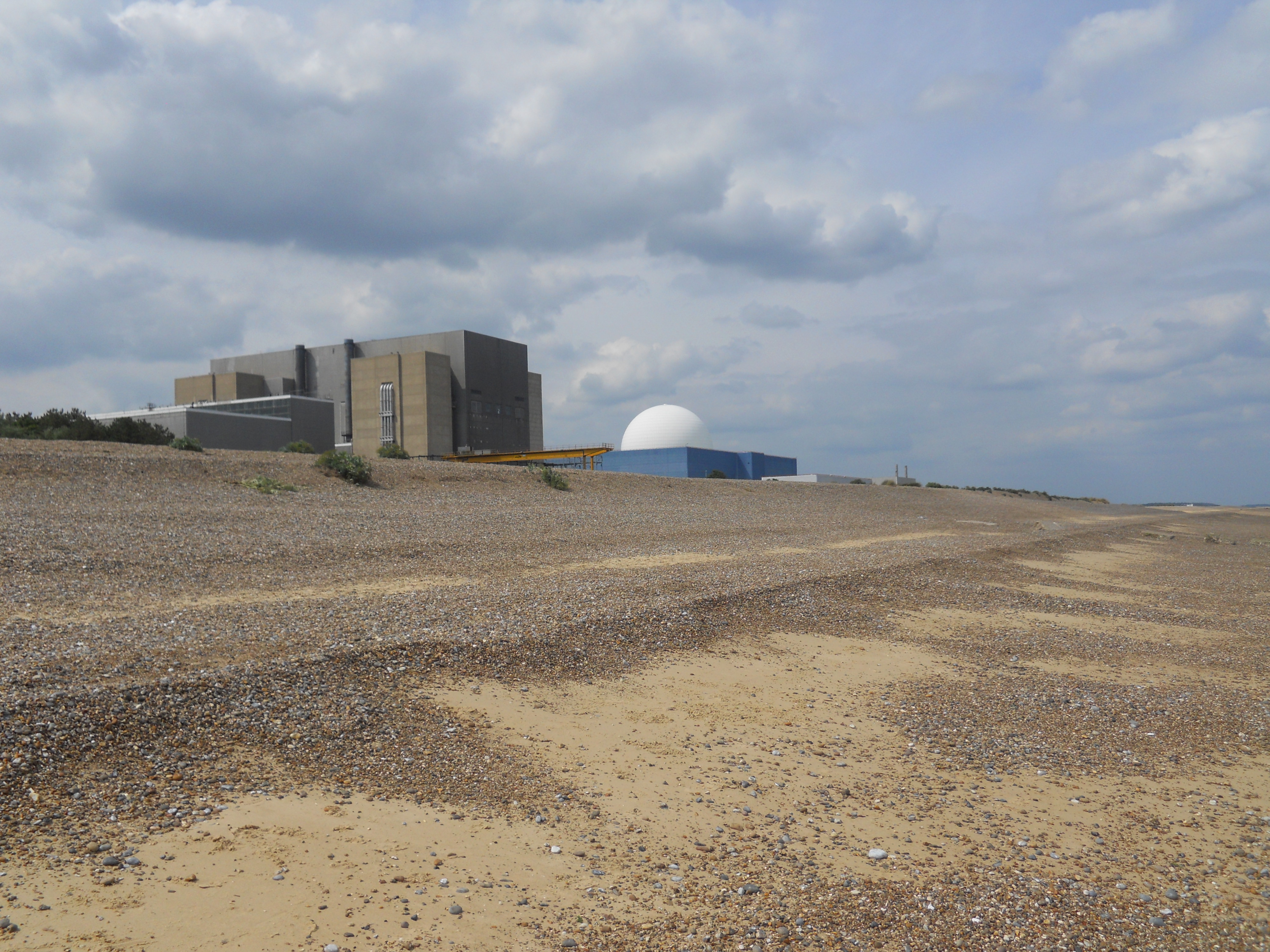
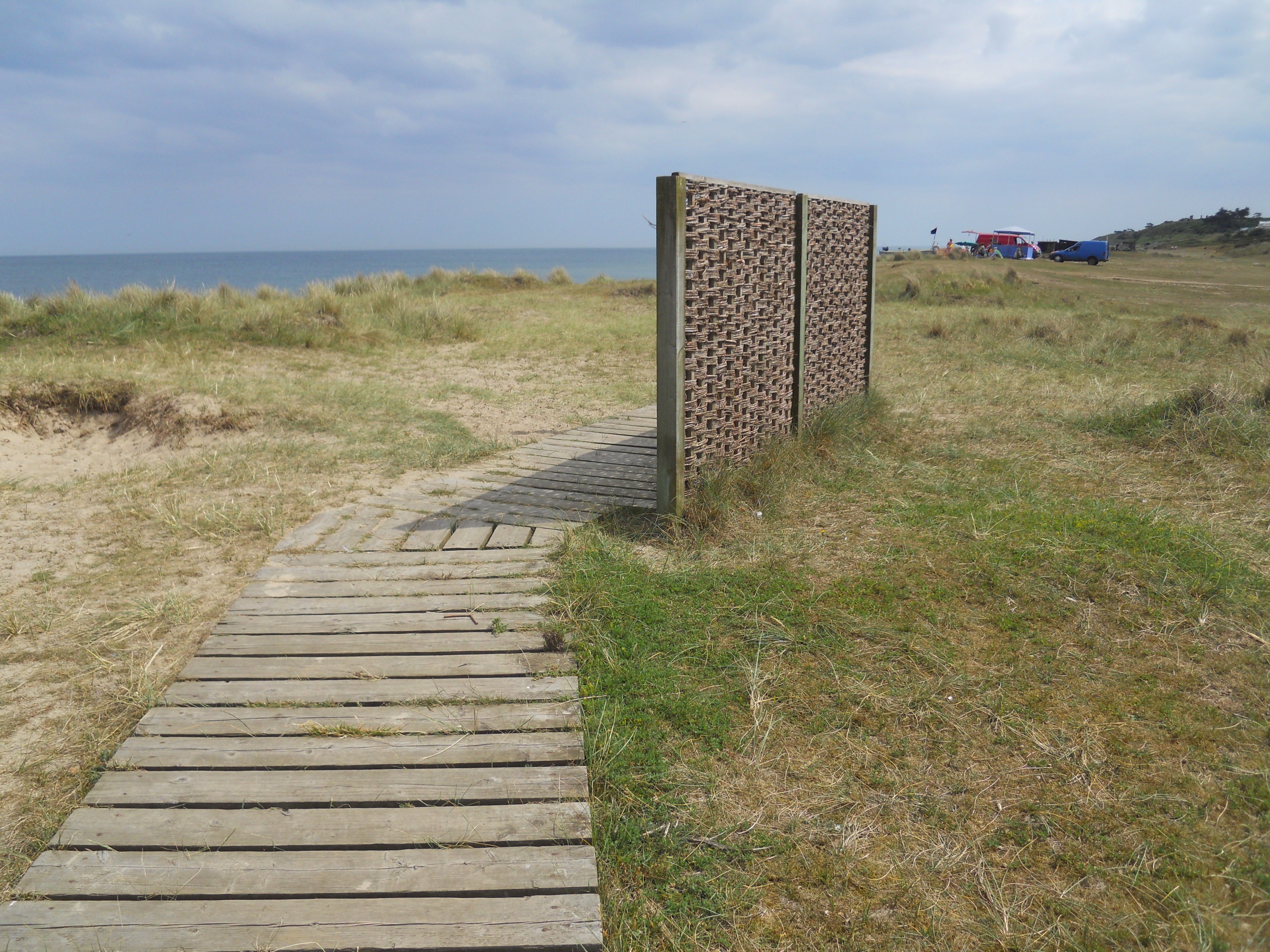

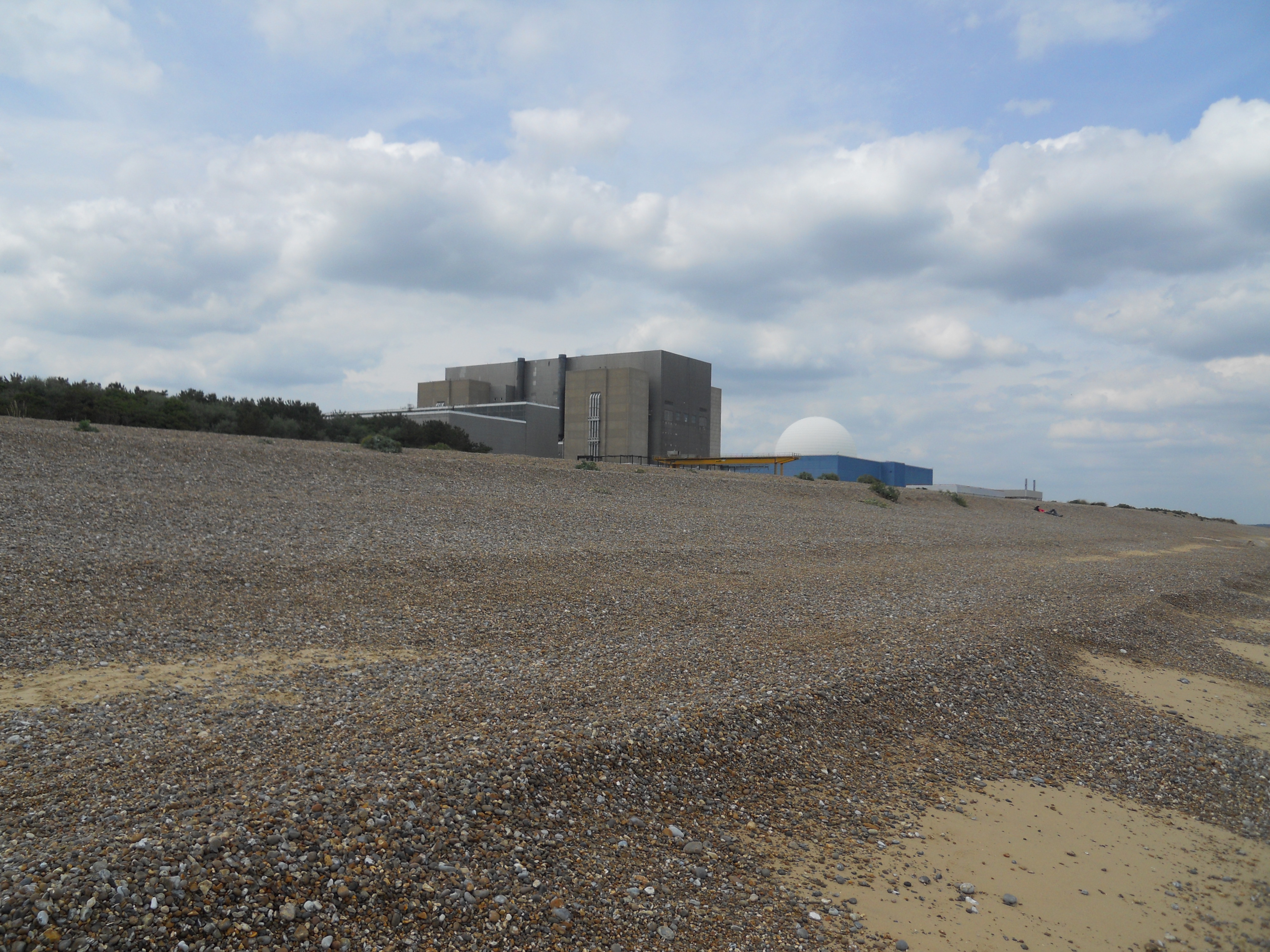
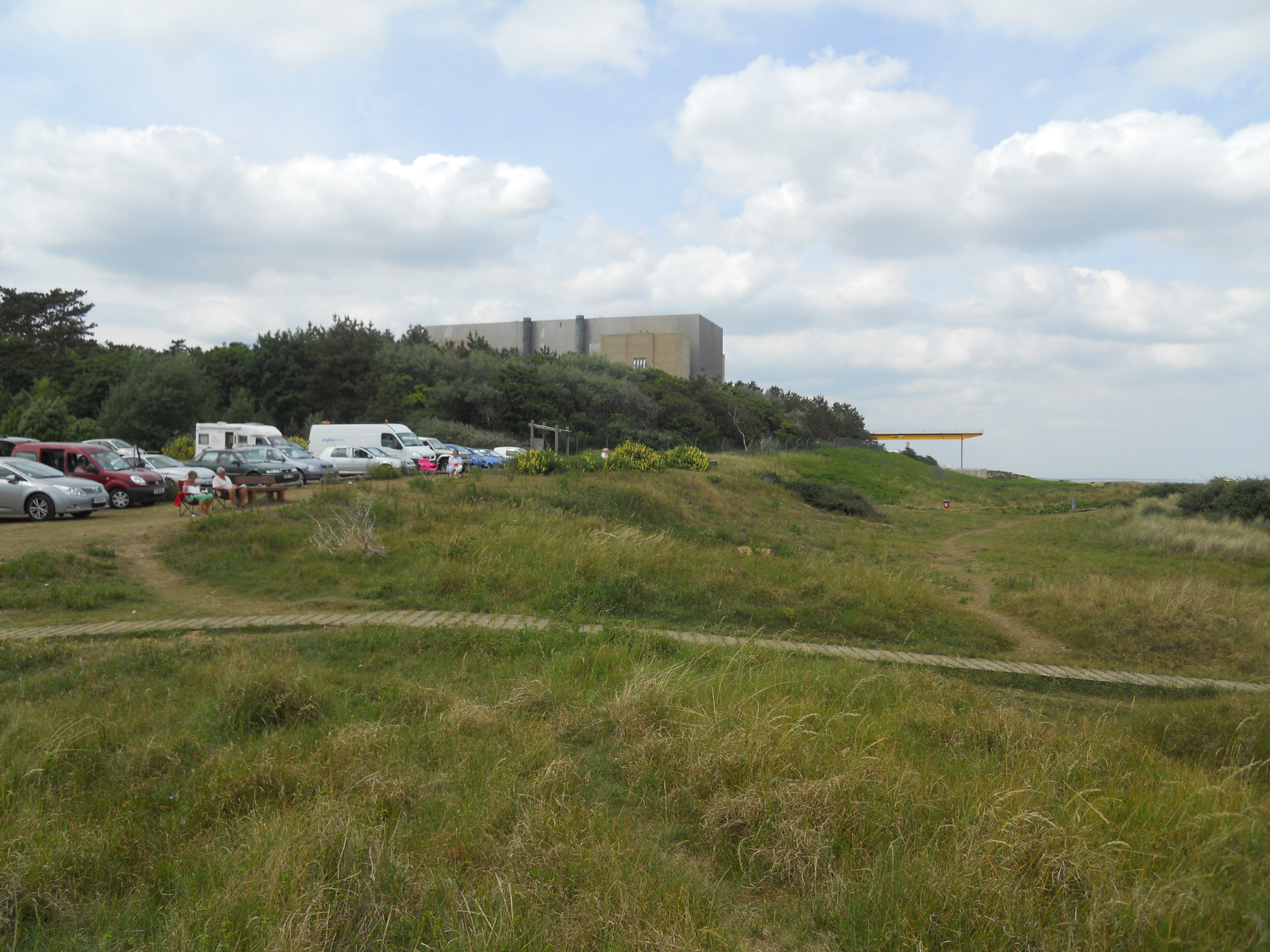

To many it would be an odd place to go for a walk. But the beach is pleasantly part-sand, you have lot of birds, including kittiwakes nesting on the rigs, interesting plants and protection from the wind because of the dunes. There is also a nice cafe and toilets.
Who would have expected it all, in the shadow of two nuclear power stations?
In the 1980s, I went over Sizewell A, which is the square station in the front. It is a Magnox station, was built in the 1960s and will soon be completely decommisioned. To plan their annual shutdown, they had one of the best planning systems, I have ever seen. It was a long white perspex wall, where the critical path network was drawn and updated. Different colours meant different things and through the months before the shutdown, all information was added in the correct place. Like everything I saw on that visit, it was all very professional.
I must relate a hunting story about Sizewell. We were hunting from Knodishall Butchers Arms and were about a couple of kilometres from the sea with Sizewell A in the distance. You might think that we were all against the station with its environmental implications. But being on the whole practical people we realised that you have to get electricity from somewhere and that the plant was a large local employer in an area of the country, that had suffered large job losses with the closure of Garretts of Leiston. But what really annoyed us, was the fact that the local farmer had grubbed out all of the trees and hedges. It was like riding in a lifeless desert.
I feel that we must build more nuclear power stations, but perhaps more importantly, we should be more economical with our energy use. Incidentally, as Sizewell is well connected to the electricity grid, from works we saw yesterday, it is being used as a ditribution point for the electricity generated by offshore wind farms. But I for one would not mind seeing Sizewell C and possibly D added to the Suffolk coast
 The Anonymous Widower