Existing Stations Where High Speed Two Trains Will Call
The June 2020 Edition Of Modern Railways has an article called HS2 Minister Backs 18 tph Frequency, which gives a detailed diagram of the route structure of High Speed Two and it is possible to summarise the stations, where High Speed Two trains will call.
- Carlisle – 3 tph – 400 metres – Split/Join
- Chesterfield – 1 tph – 200 metres
- Crewe – 2 tph – 400 metres – Split/Join
- Darlington – 2 tph – 200 metres
- Durham – 1 tph – 200 metres
- East Midlands Hub HS2 – 7 tph – 400 metres – Split/Join
- Edinburgh Haymarket – 2.5 tph – 200 metres
- Edinburgh Waverley – 2.5 tph – 200 metres – Terminal
- Glasgow Central – 2.5 tph – 200 metres – Terminal
- Lancaster – 2 tph – 200 metres – Terminal
- Leeds HS2 – 5 tph – 400 metres
- Liverpool Lime Street – 2 tph – 200 metres – Terminal
- Lockerbie – 1 tph – 200 metres
- Macclesfield – 1 tph – 200 metres – Terminal
- Manchester Airport HS2 – 5 tph – 400 metres
- Manchester Piccadilly HS2 – 5 tph – 400 metres
- Motherwell – 0.5 tph – 200 metres
- Newcastle – 3 tph – 200 metres – Terminal
- Oxenholme – 0.5 tph – 200 metres
- Penrith – 0.5n tph – 200 metres
- Preston – 4 tph – 400 metres
- Runcorn – 2 tph – 200 metres
- Sheffield – 2 tph – 200 metres
- Stafford – 1 tph – 200 metres
- Stoke-on-Trent – 1 tph – 200 metres
- Warrington Bank Quay – 1 tph – 200 metres
- Wigan North Western – 1 tph – 200 metres
- York – 4 tph – 200 metres
Note.
- HS2 after the station name indicates a new station for High Speed Two
- tph is trains per hour
- 0.5 tph is one train per two hours (tp2h).
- 200/400 metres is the maximum length of trains that will call.
- Terminal indicates that trains will terminate at these stations.
- Split/Join indicates that trains will split and join at these stations.
These are more detailed thoughts on how existing stations will need to be modified.
Train Lengths
Before, I look at the individual stations, I’ll look at the train lengths.
- High Speed Two train – Single – 200 metres
- High Speed Two train – Pair – 400 metres
- Class 390 train – 11-car – 265.3 metres
- Class 390 train – 9-car – 217.5 metres
- Class 807 train – 7-car – 182 metres
- Class 810 train – 5-car – 120 metres
- Class 810 train – Pair of 5-car – 240 metres
- InterCity 125 – 2+8 – 220 metres
- InterCity 225 – 9-car – 245 metres
- Class 222 train – 4-car – 93.34 metres
- Class 222 train – 5-car – 116.16 metres
- Class 222 train – 7-car – 161.8 metres
- Class 222 train – 4-car+5-car – 209.5 metres
- Class 222 train – 5-car+5-car – 232.32 metres
These are the thoughts on the individual stations.
Carlisle
Carlisle station will need two 400 metre through platforms, so each can accommodate a pair of 200 metre trains.
This Google Map shows the station.

I estimate the platforms are about 380 metres, but it looks like, they could be lengthened, without too much difficulty.
As High Speed Two trains to the North of Carlisle will be 200 metres long, there would probably be no need for platform lengthening North of Carlisle, as these trains are shorter than the Class 390 trains, that currently work the routes to Edinburgh and Glasgow.
Carlisle station is step-free, has good secondary rail connections and is within walking distance of the city centre.
The only thing it needs, is a connection to Edinburgh on a rebuilt Borders Railway.
Chesterfield
Consider.
- Chesterfield station will need to handle 200 metre trains.
- Chesterfield station may be rebuilt for High Speed Two.
- Chesterfield station can handle an InterCity 125, which is 220 metres.
- It will need to handle a pair of Class 810 trains, which would be 240 metres.
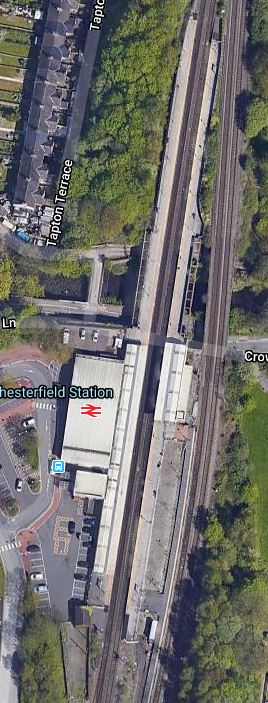
This Google Map shows Chesterfield station.
Note.
- The slow lines passing the station on the Eastern side.
- There are two long through platforms and a third bi-directional platform on the down slow line.
There is space to build two long platforms for High Speed Two, but is it worth it, when one one tph will stop?
- According to High Speed Two’s Journey Time Calculator, trains will take just twelve minutes between Sheffield and Chesterfield stations.
- This compares with 12-15 minutes for the current diesel trains.
- The distance between the two stations is 14 miles, which means that a twelve minute trip has an average speed of 70 mph.
- If there are still two tph to St. Pancras, there will be four tph, that run fast between the Sheffield and Chesterfield stations, of which three will stop at Chesterfield.
I think this could result in a simple and efficient design for the tracks between Sheffield and South of Clay Cross, where High Speed Two joins the Erewash Valley Line.
Chesterfield station is step-free.
Crewe
Crewe station will need two 400 metre through platforms, so each can accommodate a pair of 200 metre trains.
This Google Map shows the station.

There have been references to rebuilding of Crewe stations, but it does appear that some platforms are over 300 metres long.
Darlington
Darlington station will need to accommodate 200 metre trains.
As it already accommodates 245 metre InterCity 225 trains, there shouldn’t be too much of a problem.
Durham
Durham station will need to accommodate 200 metre trains.
As it already accommodates 245 metre InterCity 225 trains, there shouldn’t be too much of a problem.
Edinburgh Haymarket
Edinburgh Haymarket station will need to accommodate 200 metre trains.
As it already accommodates 245 metre InterCity 225 trains, there shouldn’t be too much of a problem.
Edinburgh Waverley
Edinburgh Waverley station will need to accommodate 200 metre trains.
As it already accommodates 245 metre InterCity 225 trains, there shouldn’t be too much of a problem.
Glasgow Central
Glasgow Central station will need to accommodate 200 metre trains.
As it already accommodates 265 metre Class 390 trains, there shouldn’t be too much of a problem.
Currently, Avanti West Coast runs the following services to Glasgow Central.
- One tph from London Euston calling at Warrington Bank Quay, Wigan North Western, Preston, Lancaster, Oxenholme Lake District (1tp2h), Penrith (1tp2h) and Carlisle.
- One tp2h from London Euston calling at Milton Keynes Central, Coventry, Birmingham International, Birmingham New Street, Sandwell and Dudley, Wolverhampton, Crewe, Warrington Bank Quay, Wigan North Western, Preston, Lancaster, Oxenholme Lake District (1tp2h), Penrith (1tp2h) and Carlisle.
High Speed Two is proposing to run the following trains to Glasgow Central.
- Two tph from London Euston calling at Old Oak Common, Preston and Carlisle.
- One tp2h from Birmingham Curzon Street calling at Wigan North Western, Preston, Lancaster, Oxenholme (1tp2h), Penrith (1tp2h), Carlisle, Lockerbie and Motherwell (1tp2h)
If the current services to Glasgow Central were to be replaced by the High Speed Two services, most travellers would get a similar or better service.
But if Avanti West Coast decide to drop their classic services to Glasgow via Birmingham, will travellers starting between Milton Keynes and Crewe, be a bit miffed to lose their direct services to Glasgow?
Glasgow Central station would appear to be ready for High Speed Two.
Lancaster
I was initially surprised, that on High Speed Two, one tph would terminate at Lancaster station.
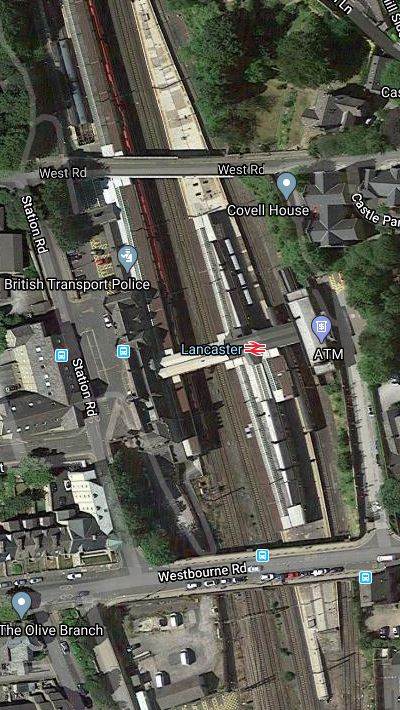
This Google Map shows the station.
Note.
- There are two bypass lines without any platforms on the Western side of the tracks, where trains can speed through.
- The station has five platforms.
- Some Avanti West Coast services terminate at Lancaster station.
- 265 metre, eleven-car Class 390 trains, stop in Lancaster station.
As High Speed Two services will use 200 metre trains, which are shorter than all Class 390 trains, I would suspect that High Speed Two services will be able to be turned at Lancaster station, without too much difficulty.
Liverpool Lime Street
Liverpool Lime Street station will need to be able to turn two 200 metre High Speed Two tph.
- The remodelling of the station in 2018, probably allowed for two tph between London Euston and Liverpool Lime Street station.
- From 2022-2023, it will be turning two Class 807 trains per hour, which will probably be 182 metres long.
Liverpool Lime Street station may well be ready for Phase One of High Speed Two. It’s also very much step-free.
There are also alternative plans for a new High Speed station in Liverpool.
- It would be alongside the current Liverpool Lime Street station.
- The station would have a route to High Speed Two at Crewe via Warrington and a junction at High Legh.
- Northern Powerhouse Rail would start in the station and go to Manchester via Warrington, High Legh and Manchester Airport.
- It would enable six tph between Liverpool and Manchester, in a time of just 26 minutes.
I talked about this plan in Changes Signalled For HS2 Route In North, where I included this map.

High Legh Junction is numbered 5 and 6.
Nothing published about High Speed Two, would appear to rule this plan out.
Lockerbie
Lockerbie station will need to accommodate 200 metre trains.
As it already accommodates 265 metre Class 390 trains, there shouldn’t be too much of a problem.
Macclesfield
I was initially surprised, that on High Speed Two, one tph would terminal at Macclesfield station.
This Google Map shows the station.

Wikipedia says this about the platforms in the station.
There are three platforms but only two are in regular use, the up platform for services to Manchester and the down platform to Stoke-on-Trent and Birmingham. Platform 3 sees a small number of services. Evidence of a fourth platform can be seen, on which a Network Rail building now exists.
As the station has a regular Avanti West Coast service every hour, the platforms must be over 200 metres long and they will be long enough for the 200 metre High Speed Two trains.
So why would High Speed Two want to terminate a train at Macclesfield, rather than at Manchester Piccadilly as they do now?
Currently, Avanti West Coast runs these services between London Euston and Manchester Piccadilly.
- One tph via Milton Keynes Central, Stoke-on-Trent and Stockport.
- One tph via Stoke-on-Trent, Macclesfield and Stockport
- One tph via Stafford, Crewe, Wilmslow and Stockport
The diagram in the Modern Railways article shows these High Speed Two services to Manchester Piccadilly.
- One tph from London Euston via Old Oak Common, Birmingham Interchange and Manchester Airport
- Two tph from London Euston via Old Oak Common and Manchester Airport
- Two tph from Birmingham Curzon Street via Manchester Airport.
Note.
- None of these five tph serve Macclesfield, Milton Keynes Central, Stockport, Stoke-on-Trent or Wilmslow.
- All five proposed services are shown to call at Manchester Airport.
- It is likely, that a tunnel will be bored between Manchester Airport and Manchester Piccadilly stations.
- The High Speed Two station at Manchester Piccadilly might even be in a tunnel under the current Manchester Piccadilly station or central Manchester.
- A below-ground High Speed Two station for Manchester could also serve Northern Powerhouse Rail services to Leeds and the East.
- According to the plans, I talked about under Liverpool Lime Street earlier, there could also be up to six tph running between Liverpool and Manchester via Manchester Airport, as part of Northern Powerhouse Rail.
Plans need to be developed to serve the towns and cities, that will not be served by High Speed Two’s current proposals.
- It appears Stafford, Stoke-on-Trent and Macclesfield will be served by an independent High Speed Two service from London Euston.
- Terminating one tph at Macclesfield station doesn’t appear to be challenging.
- A rail route between Macclesfield and Manchester Airport to link up with the proposed tunnel could be very difficult.
- Manchester Piccadilly and Macclesfield stations have a frequent rail connection, with most trains calling at Stockport station.
- Perhaps during construction work for High Speed Two in the centre of Manchester, Macclesfield station can be used as an alternative route into the city, using the existing Manchester Piccadilly station.
The London Euston and Macclesfield service via Stafford and Stoke-on-Trent could be a pragmatic solution to part of the problem, but what about Milton Keynes, Wilmslow and Stockport?
According to the title of the Modern Railways article, High Speed Two will have a maximum frequency of 18 tph.
When fully-developed, the current proposed timetable shows the following.
- A frequency of 17 tph between London Euston and Birmingham Interchange stations.
- A frequency of 11 tph between Birmingham and Crewe.
- A frequency of 9 tph through East Midlands Hub station.
It would appear that if there is a capacity bottleneck, it is between London and Birmingham.
However if classic services to Manchester Piccadilly are replaced by the High Speed Two services to the city via the new tunnel from Manchester Airport to a new station in the City Centre, there will be spare capacity on the Crewe and Manchester Piccadilly route via Wilmslow and Stockport stations.
This could lead to a number of solutions.
- A direct High Speed Two service runs using the spare path, between London and the current Manchester Piccadilly station.
- Similar to the previous service, but the service splits and joins at Crewe, with one individual train going to Manchester Piccadilly and the other somewhere else. Blackpool?
- One service between London and Liverpool is planned to split and join at Crewe with individual trains going to Lancaster and Liverpool. The other Liverpool service could split at Crewe with individual trains going to Liverpool and Manchester Piccadilly.
- The service between London and Macclesfield is run by a pair of trains, that split at Birmingham Interchange, with individual trains going to Macclesfield and Manchester Piccadilly. The advantage of this service, is that if you got into the wrong train, you’d still be going to roughly the same destination.
- Wikipedia says “At peak times, the current Avanti West Coast services may additionally call at one or more of: Watford Junction, Rugby, Nuneaton, Tamworth, Lichfield Trent Valley.” So why not run classic services on the West Coast Main Line between Euston and Manchester Piccadilly via Milton Keynes using suitably fast trains. Perhaps, the new Class 807 trains would be ideal.
Note.
- All services serving the current Manchester Piccadilly station would call at Crewe, Wilmslow and Stockport stations.
- Passengers going to or from Manchester Airport would change at Crewe.
The more I look at Macclesfield, the more I like using it as a High Speed Two destination.
Motherwell
Motherwell station will need to accommodate 200 metre trains.
As it already accommodates 265 metre Class 390 trains, there shouldn’t be too much of a problem.
Newcastle
Newcastle station will need to accommodate 200 metre trains.
As it already accommodates 245 metre InterCity 225 trains, there shouldn’t be too much of a problem.
Oxenholme
Oxenholme station will need to accommodate 200 metre trains.
As it already accommodates 265 metre Class 390 trains, there shouldn’t be too much of a problem.
Penrith
Penrith station will need to accommodate 200 metre trains.
As it already accommodates 265 metre Class 390 trains, there shouldn’t be too much of a problem.
Preston
Preston station will need two 400 metre through platforms, so each can accommodate a pair of 200 metre trains.
This Google Map shows the station.

I estimate that the main through platforms aren’t much short of the required 400 metres.
But something must be done to make the station step-free.
Runcorn
Runcorn station will need to accommodate 200 metre trains.
As it already accommodates 217 metre Class 390 trains, there shouldn’t be too much of a problem. The station is also step-free.
Sheffield
Sheffield station will need to accommodate 200 metre trains.
This Google Map shows the station.

As the station can already handle a 220 metre InterCity 125, there shouldn’t be too much of a problem. The station is also substantially step-free.
Stafford
Stafford station will need to accommodate 200 metre trains.
This Google Map shows the station.

As it already accommodates 265 metre Class 390 trains, there shouldn’t be too much of a problem. The station is also step-free.
Wikipedia says this about Stafford station and High Speed Two.
Under current proposals, Stafford will be a part of the High Speed 2 network, via a ‘Classic Compatible’ junction, which will allow HS2 trains to operate to Stafford, and further on towards Liverpool. This would shorten journey time from Stafford to London, to an estimated 53 minutes. Under current proposals it is expected that an hourly services will operate in both directions, however it is currently unclear if these services will terminate at Stafford, or Liverpool.
This does appear to be rather out of date with High Speed Two’s latest proposals as disclosed in the Modern Railways article, which say that Stafford is served by the following service.
- One tph between London Euston and Macclesfield.
- Calls at Old Oak Common, Stafford and Stoke-on-Trent.
- A 200 metre train.
One possibility must surely be to run a pair of 200 metre trains to and from Stafford, where they would split and join.
- One could go as currently proposed to Stoke-on-Trent and Macclesfield.
- The second train could go to Liverpool via Crewe and Runcorn or Manchester Piccadilly via Crewe, Wilmslow and Stockport.
- The recent works at Norton Bridge Junction will have improved the route for the second train.
There would need to be platform lengthening at Stafford to accommodate the 400 metre pair of trains.
A split and join at Stafford does show the possibilities of the technique.
Another possibility is mentioned for Stafford in Wikipedia.
There is also been proposals to reintroduce services to Stafford to terminate on the Chase Line which was cutback to Rugeley Trent Valley in 2008. The Key Corridors states “Extension of Chase Line services to Stafford”. This is proposed to be in development.
It will surely connect a lot of people to Stafford for High Speed Two.
The extract from Wikipedia, that I used earlier, mentions a Classic Compatible junction, which will allow High Speed Two trains to reach Stafford.
This map clipped from the High Speed Two web site, shows the junction North of Lichfield, where High Speed Two connects to the Trent Valley Line through Stafford.

Note.
- High Speed Two runs North-South across the map.
- After the Junction by Fradley South,
- High Speed Two to Crewe and the North, is the branch to the East.
- The other branch connects to the Trent Valley Line, which can be picked out North of Lichfield, where it passes through Lichfield Trent Valley station.
The Trent Valley Line is no Victorian double-track slow-speed bottleneck.
- Most of the route between Rugby and Stafford is three or four tracks.
- The speed limit is generally 125 mph.
- I wouldn’t be surprised to see Avanti West Coast’s Class 390 and Class 807 trains running at 140 mph on the route.
- This speed would probably be attained by High Speed Two trains.
London Euston and Stafford would only have under twenty miles of slower line and that could be 140 mph, so High Speed Two times on the route could be very fast. High Speed Two is quoting 54 minutes on their Journey Time Calculator.
Stoke-on-Trent
Stoke-on-Trent station will need to accommodate 200 metre trains.
This Google Map shows the station.
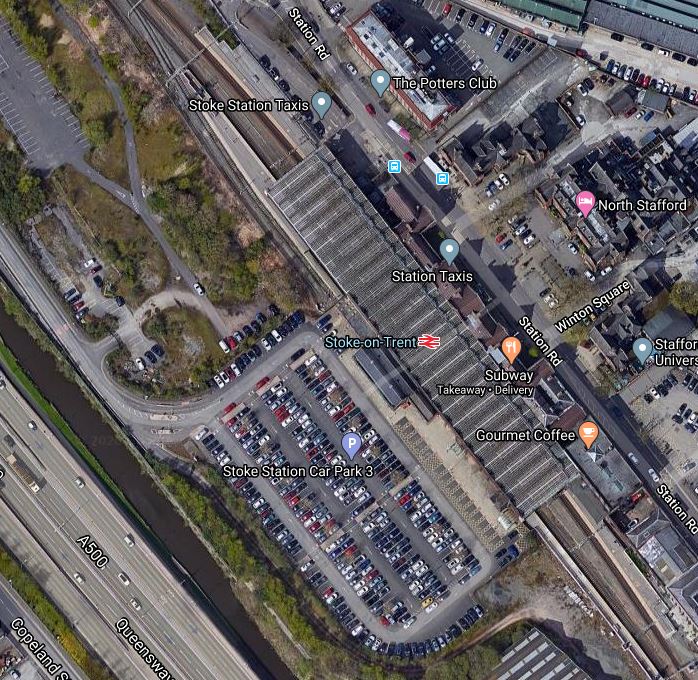
As it already accommodates 265 metre Class 390 trains, there shouldn’t be too much of a problem. The station is also step-free.
Warrington Bank Quay
Warrington Bank Quay station will need to accommodate 200 metre trains.
As it already accommodates 265 metre Class 390 trains, there shouldn’t be too much of a problem.
Wigan North Western
Wigan North Western station will need to accommodate 200 metre trains.
In Is Wigan North Western Station Ready For High Speed Two?, I said this.
Wigan North Western station would accept a single-train now, but the platforms would need lengthening to handle a double-train.
As all trains through Wigan North Western station will only be 200 metre single trains and the station is step-free, the station appears to be ready for High Speed Two.
York
York station will need to accommodate 200 metre trains.
As it already accommodates 245 metre InterCity 225 trains, there shouldn’t be too much of a problem.
Conclusion
I have come to these conclusions.
- Because most of these stations have been rebuilt in the last few decades to accommodate the 200-plus metre InterCity 125s, InterCity 225s and Class 390 trains, all the stations can handle a 200 metre High Speed Two train without significant lengthening.
- Some stations like Carlisle, Crewe, Preston and Stafford may need a small amount of platform lengthening to accommodate a pair of trains, but most of the improvements needed for a world-class High Speed railway will be more refurbishment than a complete rebuild.
- Using existing platforms at Lancaster and Macclesfield stations as terminal platforms is an elegant and a much more affordable solution than building new stations or even platforms.
- Because all five tph into the High Speed Two station at Manchester Piccadilly go via Manchester Airport, I would envisage that this will be in a tunnel, that can be part of a future Northern Powerhouse Rail.
I also think that the plan has been devised with the Project Management and minimising disruption to travellers in mind.
Syon Lane Station – 26th May 2020
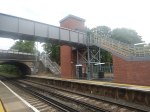
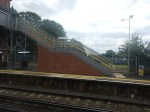
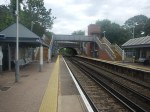
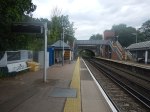
These pictures show the current state of Syon Lane station.






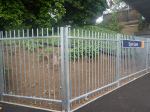
A few questions.
Is The Station Complete?
The stairs are blocked off, but most appears complete. Perhaps, serious testing of the lifts are needed.
Has the testing been held up by COVID-19?
Will There Be A Second Lift Tower?
As the walkway is still closed off, I couldn’t check at the top, but it does look there is space for a second lift tower on the London-bound platform.
What Is Happening Behind The London-Bound Platform?
Behind the London-bound platform is a patch of waste land and some scruffy garages.
Is the site being cleared? And to what purpose?
Ian Publishes Details Of Future Developments At Euston And Euston Square Underground Stations
This post on the Ian Visits blog is entitled A New London Underground Entrance To Euston Station.
The Underground Lines In The Euston Station Area
This map from carto.metro.free.fr shows the Underground Lines in the Euston station area.
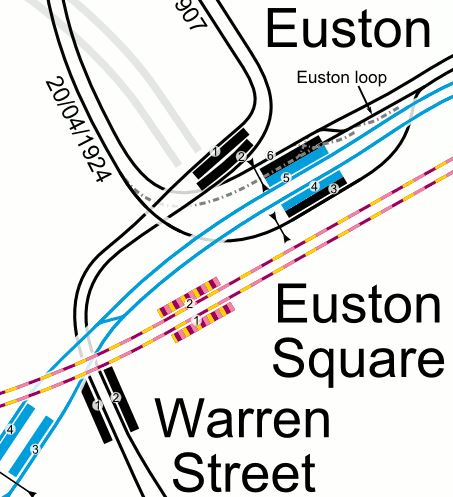
Note.
- The sub-surface lines run underneath the busy Euston Road.
- Platform 2 at Euston Square station has no lift or escalator.
- Platform 1 at Euston Square station has a lift, which also serves the subway.
- To connect between the sub-surface lines at Euston Square and the deep lines at Euston means a walk on the surface.
- Euston station only has two up and two down escalators and no lifts for the six deep-level platforms.
- To connect between the Bank and Charing Cross branches of the Northern Line is often along a very crowded passage.
This interchange has not been fit for purpose since the Victoria Line was built in the 1960s.
A Second Entrance To Euston Square Station
One of the key projects to unlock the interchange, is to create a subway from the current Euston station.
It will lead to a new entrance placed in the middle of Gordon Street.
The subway will have stairs, escalators and/or lifts to connect to the Eastern ends of the current Euston Square platforms.
Ian showed this diagram of the subway.
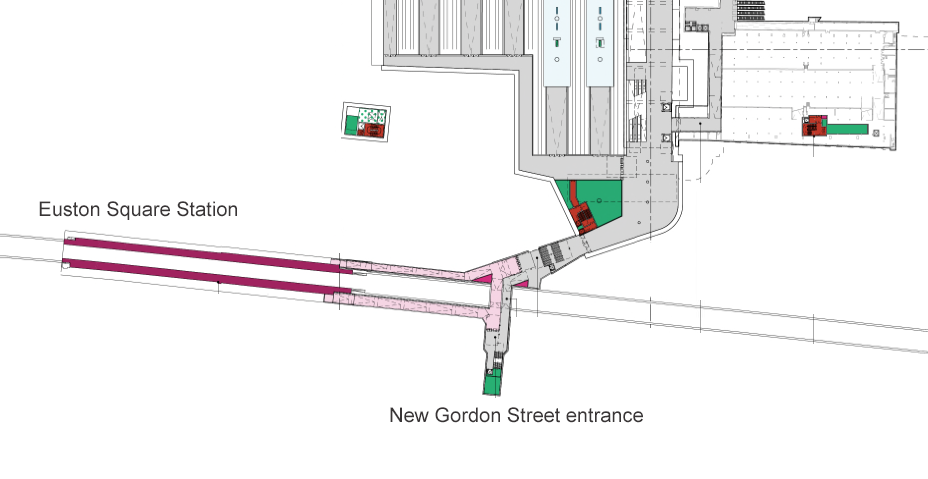
Note.
- It serves both platforms at Euston Square station.
- It looks to be reasonably wide and level.
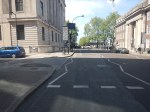
These are some pictures I took on a walk round the area.

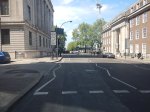

This is a possible future visualisation from Ian’s site.
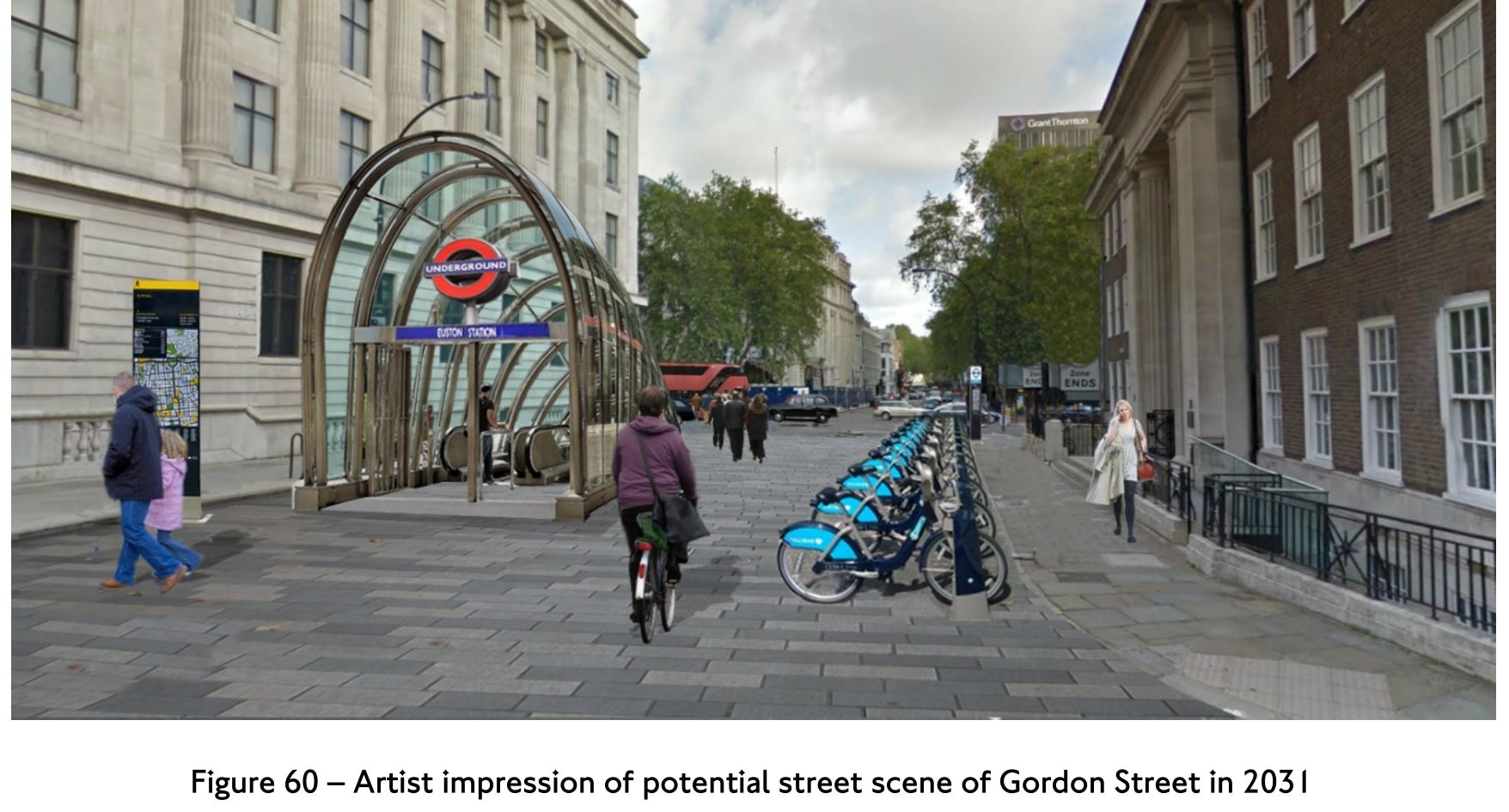
The new Gordon Street entrance appears to be opposite the porticoed building, which is part of University College London.
- The view is looking North, like the first three of my pictures.
- Gordon Street appears to be at least part-pedestrianised.
- Escalators are visible.
It looks to be a London version of Bilbao’s fosteritos.




Fosteritos are named after Norman Foster, as he or his practice designed the Bilbao Metro.
- The escalators in Bilbao are longer than would be needed at Gordon Street.
- I don’t think that fitting in a slimline lift would be difficult.
I like the fosterito concept and I feel a similar approach could be used to add step-free access to a lot of stations on the London Underground.
The Design Of The Updated Euston Underground Station
Ian showed this visualisation of the updated Euston Underground station.
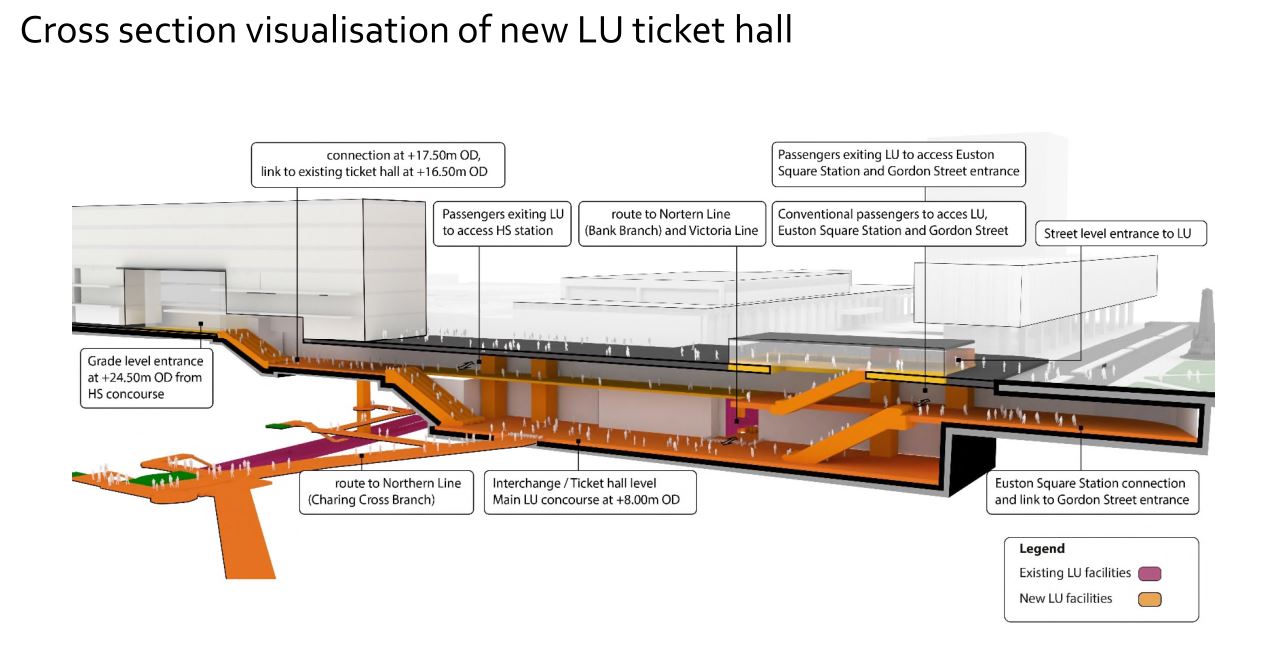
At a first look, it appears to be a very similar concept to the entrance to the Underground in front of St. Pancras station.
Click on the image to show it large and you can pick out the following.
- West is to the left and East is right.
- Much of the construction appears to replace the original car park and taxi rank.
- The upper level looks like where passengers enter and leave the station.
- The subway to Euston Square station and the new Gordon Street entrance joins to the upper level towards the Eastern end.
- There is grade access between the upper level and the High Speed Two concourse.
- There are lots of escalators to travel between levels. The square orange columns could be lift towers.
- The lower level is the Interchange/Ticket Hall level.
- The lower level is not much higher than the Charing Cross branch of the Northern Line.
- The design seems to make clever use of levels to make changing easier.
- The access between the lower level and the Charing Cross branch of the Northern Line at the Western end of the station, appears to be comprehensive and step-free.
- The access between the lower level and the Victoria Line and the Bank branch of the Northern Line, appears to use the current route, which will probably be upgraded to be fully step-free.
This second image shows the design from above the platforms of the convention section of Euston station.
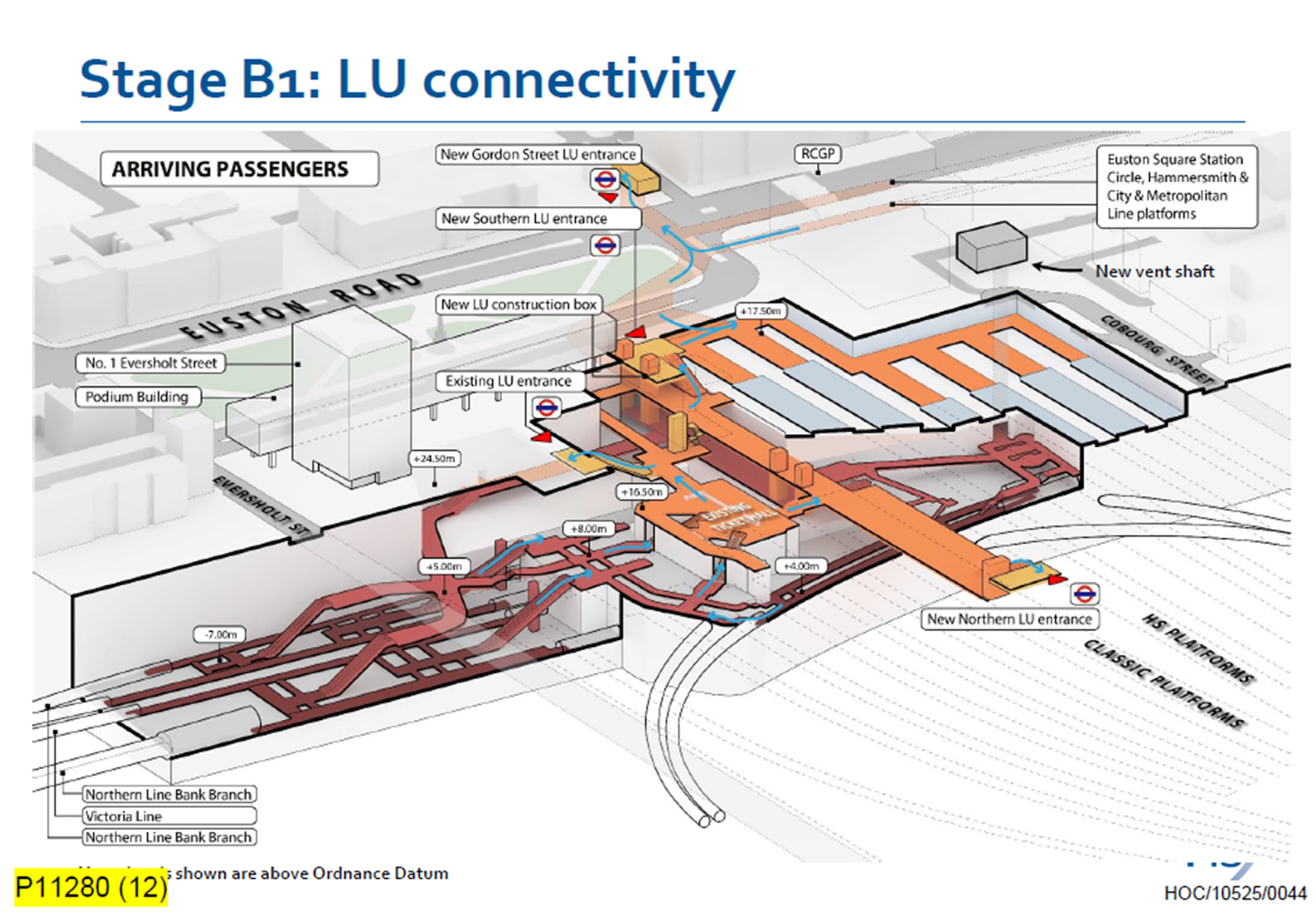
Click on the image to show it large and you can pick out the following.
- The complicated passages, escalators and lifts of the existing four platforms serving the Bank branch of the Northern Line and the Victoria Line.
- The cross passage connecting these lines to the platforms of the Charing Cross branch of the Northern Line.
- The two up and two down escalators leading to the existing ticket hall.
- The Charing Cross branch of the Northern Line curving in and away from the station. See the earlier map of the Underground lines.
- The eleven High Speed platforms on the West side of the station.
- The thirteen Classic platforms on the East side of the station.
- The new Northern entrance to the Underground between the two sets of platforms. How convenient!
- There appears to be a wide passage between the Northern and Southern entrances, with connections to the lines branching off.
- The subway to the new Gordon Street entrance is shown at the top of the image.
The design seems to have separated access to the two branches of the Northern line, by creating a new high-capacity route to the Charing Cross branch.
I also think, that the design allows the station to be built without disrupting passengers using the Underground and the current Euston station.
- A large hole for the station can be excavated, without touching existing access.
- It could then be fitted out section by section.
- Once the new access to the Charing Cross branch of the Northern Line is complete, the current access to the Northern and Victoria Lines can be refurbished.
Arriving At Euston
Imagine you are a passenger arriving from the North, who knows the Underground line, you need to take, you would then enter the Underground station using the new Northern entrance.
- For the Bank branch of the Northern Line or the Victoria Line, you would go through the existing ticket hall and down the escalators, much as you do now! Except that you’d enter the ticket hall on the other side from the East side of the passageway connecting the two entrances. New lifts appear to be shown.
- For the Charing Cross branch of the Northern Line, you would take the passages, lifts and escalators on the West side of the passageway connecting the two entrances.
- If you wanted the sub-surface lines, you would just keep going and take the new subway, which connects to the Eastern ends of the platforms at Euston Square station.
It will certainly do me fine, if I arrive at Euston, as I’ll walk through the subway and get in the front of any Eastbound train for Moorgate station, where being in the front is convenient for the exit and the nearby bus stop to my home.
This route will surely be one of the ways arriving passengers at Euston will get Crossrail to Abbey Wood, Canary Wharf and Shenfield stations. In Crossrail – Northern – Northern City Interchange At Moorgate Station, I show some visualisations of Moorgate station and the connectivity.
Conclusion
I certainly think, that the new Underground station is a good design.
Step-Free Access At Kentish Town Station
On a web page recently, I saw a suggestion about how to add step-free access to Kentish Town station.
The suggestion was that it was too difficult to add it to the Underground station, but why not add it to the Thameslink station?
This Google Map shows the station.
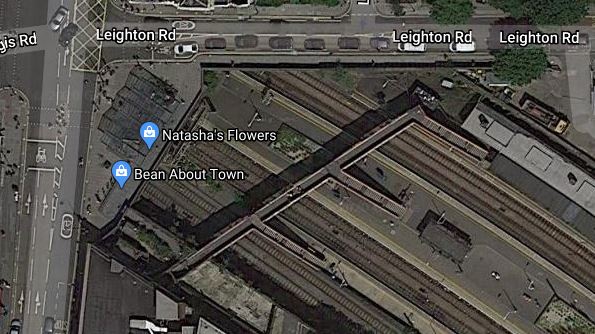
Note the pedestrian bridge across the tracks with steps going down to the platforms.
Adding a lift to each platform would give full step-free access to Thameslink and would give an alternative step-free route to these step-free stations in Central and South London.
- Kings Cross St. Pancras
- Farringdon
- Blackfriars for the South Bank
- London Bridge
- Elephant & Castle
- Denmark Hill
- Herne Hill
- Mitcham Eastfield
- Wimbledon
- Sutton
The step-free access would be much easier to install, than on the Northern Line platforms.
Four Western TfL Rail Stations Now Have Step Free Access!
The title of this post is the same as that of this article on Rail Advent.
This is the introductory paragraph.
Transport for London has announced that passengers using Hanwell, Iver, Langley and Taplow can now benefit from step-free access from street to platform for the first time.
I shall be adding pictures to this post, when I find out how to add them using this terrible new Microsoft Surface computer.
Developments At Mill Hill East Station
This Google Map shows the area around the least-used station on the Northern Line; Mill Hill East station.
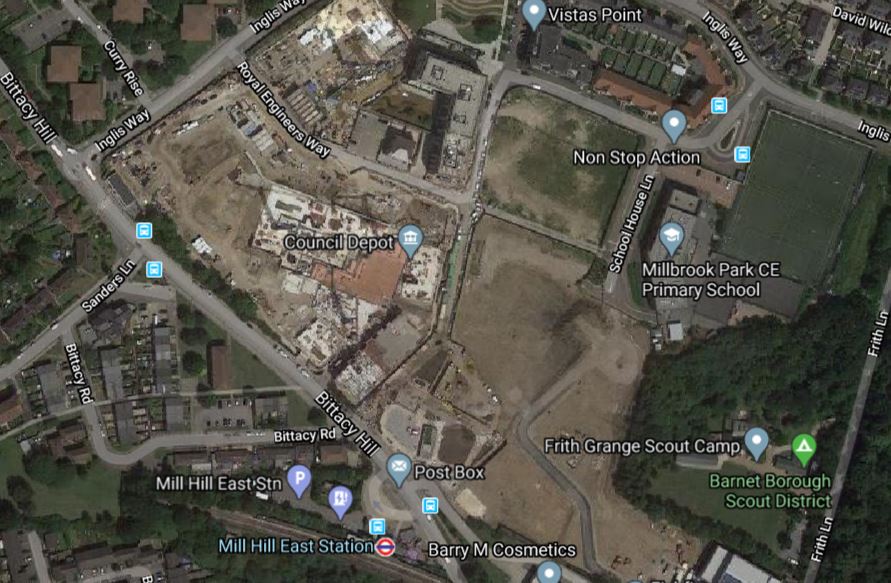
I’d never knowlingly been to the station, but I went yesterday and took these pictures.

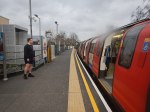
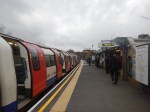
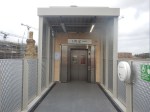



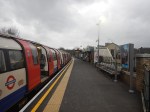

Note.
- The short line with Dollis Brook Viaduct between Finchley Central and Mill Hill East stations.
- The Council Depot shown on the Google Map appears to be being developed as housing called MillBrook Park.
- Mill Hill station now has a lift, to the single platform.
It looks that there are major ongoing improvements.
Will The Station Be Able To Handle The Extra Passengers?
Wikipedia says this about train frequency at Hill Hill East station.
Train frequencies vary throughout the day, but are generally every 11–15 minutes between 05:44 and 00:56 to Finchley Central, Kennington or East Finchley. During peak times train services are extended to Morden.
This map from carto.metro.free.fr, shows the track layout of the track between Mill Hill East and Finchley Central stations.

Note.
- Although according to Wikipedia, the branch was built with space for a double-track, much of the route is only single-track.
- The track layout at Finchley Central station appears comprehensive.
- With the right track-layout, signalling and well-drilled drivers, there are places in the UK rail network, where six trains per hour (tph) can work from a single platform.
I am fairly sure, that with the right systems, if it were to be required, that six tph can be run all day on the branch.
Syon Lane Station – 24th February 2020
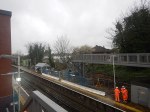
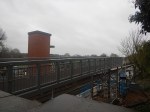
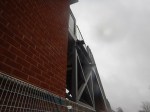
These pictures show the current state of the new footbridge at Syon Lane station.
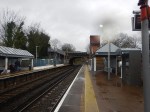
In my last post on the 4th of January, I said this.
I would have thought, it could have been more integrated with the road bridge. Perhaps that is to be replaced?
It does look like the footbridge is being integrated with the road bridge.
- The entrance will lead to a walkway to the lifts and across the tracks.
- The tower, lift and stairs on the Hounslow-bound platform have been installed.
- Note the brackets on the steel-work, where the walkway across the tracks will connect.
- Stairs will lead down from the walkway on the London-bound platform.
- I would assume that a tower and lift will be built for the London-bound platform on the opposite side to the tracks. It looks like foundations could be being dug!
I think it is one of those designs that could be filed under Not Very Pretty, But It Works!
I also feel that the design of the footbridge has been influenced by the need to build it easily, as in constructing most bridges of this type, the towers are often built first.
But with this bridge, the second tower might get in the way of installing the walkway across the tracks.
Use Of A Bi-Mode Class 755 Train On The Sudbury Branch Line
I took these pictures today on a visit to the Sudbury Branch Line in Suffolk.
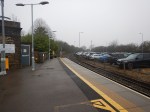
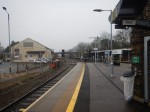
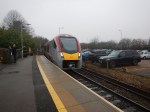
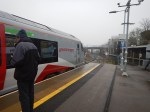
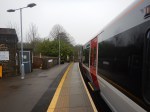
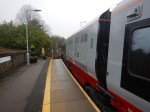
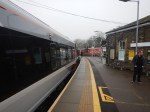
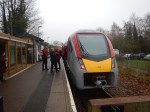

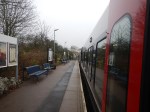
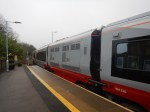
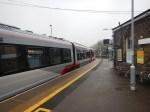
The two stations shown are Marks Tey, where the branch joins the Great Eastern Main Line and Sudbury, which is the Western terminus of the branch.
Both stations have short platforms.
To simplify this description, I will identify the four cars of the Class 755 train as follows.
- Driver East Car – Driver car with passengers on the Marks Tey end of the train.
- Passenger Car – The passenger car, which also has the bike space and the Universal Access Toilet.
- PowerPack – The smaller car that powers the train.
- Driver West Car – Driver car with passengers on the Sudbury end of the train.
This Google Map shows Marks Tey station.
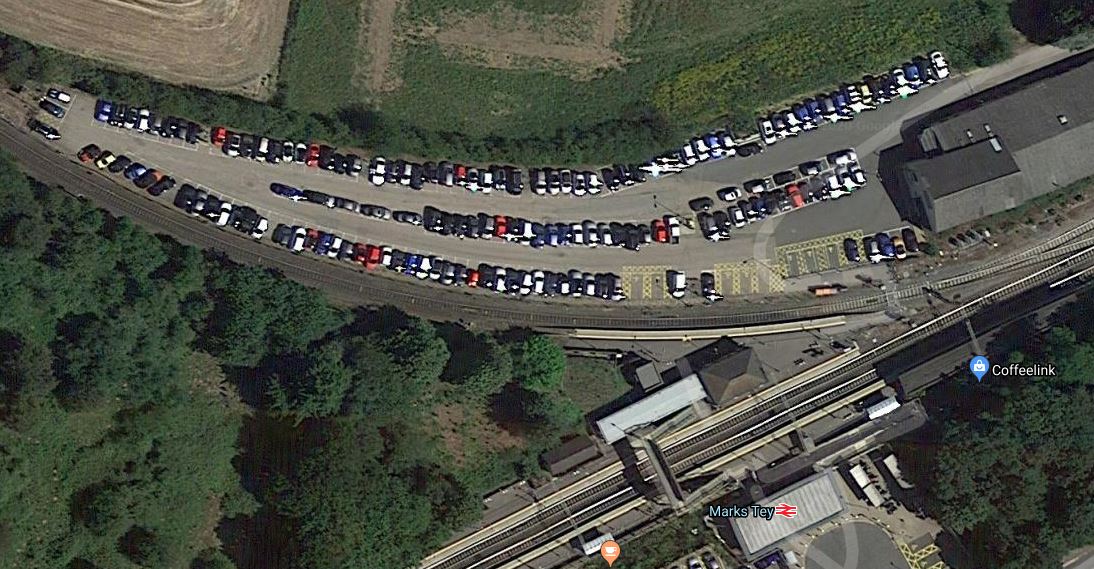
The short and gently curving, Sudbury Branch Line platform is on the North side of the station.
To make it easy for passengers to get in and out of the train, Greater Anglia seem to have devised a cunning plan.
- The Class 755 trains run with the end with the Driver East and Passenger Cars are towards Marks Tey and Colchester stations.
- The driver stops the train in the station, so that the two passenger cars, are in the same place as a two-car diesel multiple unit, like a Class 156 train, would be.
- The two pairs of wide double doors and the level step-free access, encourage passengers to enter the train.
- Interestingly, the PowerPack Car of the train is at the narrowest part of the platform and is this deliberate to encourage passengers to enter through the doors facing them on the platform.
- The Driver West Car doesn’t come into the platform.
- At busy times, when the Driver West Car will need to be used, passengers will walk through the PowerPack Car.
- Bicycles can be wheeled between the platform and the space in the Passenger Car.
The method of operation has avoided any expensive lengthening of the short and curvy platform.
This second Google Map shows Sudbury station.

At least the single platform is straight.
A similar procedure is used at Sudbury station to that at Marks Tey.
- The driver stops the train in the station, so that the Driver West and Passenger Cars either side of the PowerPack Car are in the station.
- Passengers have two sets of doors and level access to get into and out of the train.
- Bicycles can be wheeled between the platform and the space in the Passenger Car.
- There is no direct access to the Driver West Car at the Marks Tey end of the train, but passengers can walk through the train.
Lengthening of the platform is not necessary.
Important Routes With Few Passengers
Suppose you have a route that at certain times of the day needs a three-car train, but at other times two-cars or even only one car.
I can think of the case of a large industrial site like a nuclear facility or power station, that has lots of passengers, when people are going to and from work and students are going to and from school and college, but at other times of the day, passenger numbers are low.
The conductor indicated to me, that the design of the train allows the doors on the PowerPack to be locked, thus restricting movement.
This could save operating costs if thought out properly.
Wheelchair Passengers To And From Sudbury
The conductor indicated that this was a problem for some directions.
- London to Sudbury is just a walk or push between platforms.
- Sudbury to Ipswich and Norwich is just a walk or push between platforms.
- Sudbury to London is take a train to Colchester from Marks Tey and use the lifts to change direction for London.
- Ipswich and Norwich to Sudbury is take a train to Witham and use the lifts to change direction for Marks Tey.
The local MP is Pritti Patel and she has been pushing hard for a step-free bridge with lifts, which would solve the problem.
Sudbury And Colchester Town
Greater Anglia have proposed that the Sudbury service be extended to Colchester Town station.
There may be problems running on the busy Great Eastern Main Line between Marks Tey and Colchester, but at least there appears to be a freight loop just to the North of Marks Tey, on the London-bound track.
Some things would help.
- Redesign of the junction to allow a faster turnout.
- The extra power of the Class 755 trains.
- Electrification of Platform 3 at Marks Tey station.
- Full digital in-cab signalling on the Great Eastern Main Line.
It might even be worthwhile putting in a simple flyover for Sudbury-bound trains.
Could Battery Power Be Used On The Sudbury Branch Line?
Class 755 trains have been designed, so that diesel engines in the ~PowerPack Car can be replaced with batteries, which can be charged from electrification.
If and when a suitable battery module is developed, then it could just be slotted in.
Some form of charging would be needed and the proposal to change the service into s Sudbury and Colchester Town service, would allow the trains to be charged on the main line.
The German Solution
I can’t help feeling that the Germans or the Welsh would use a different solution.
In Could There Be A Tram-Train Between Ipswich And Felixstowe?, I discuss the East-West Rail Link’s idea of running tram-trains between Ipswich and Felixstowe.
- It would have a frequency of four trains per hour.
- It would probably start in the forecourt of Ipswich station.
- It could either go to Felixstowe station or perhaps through the High Street and down to the Sea Front.
- It would go via Portman Road, Ipswich Town Centre, Ipswich Hospital, before joining the Felixstowe Branch Line to the East of the town.
The reason for this proposal, is to get more freight trains into the Port of Felixstowe.
Now look at this Google Map of North Colchester.
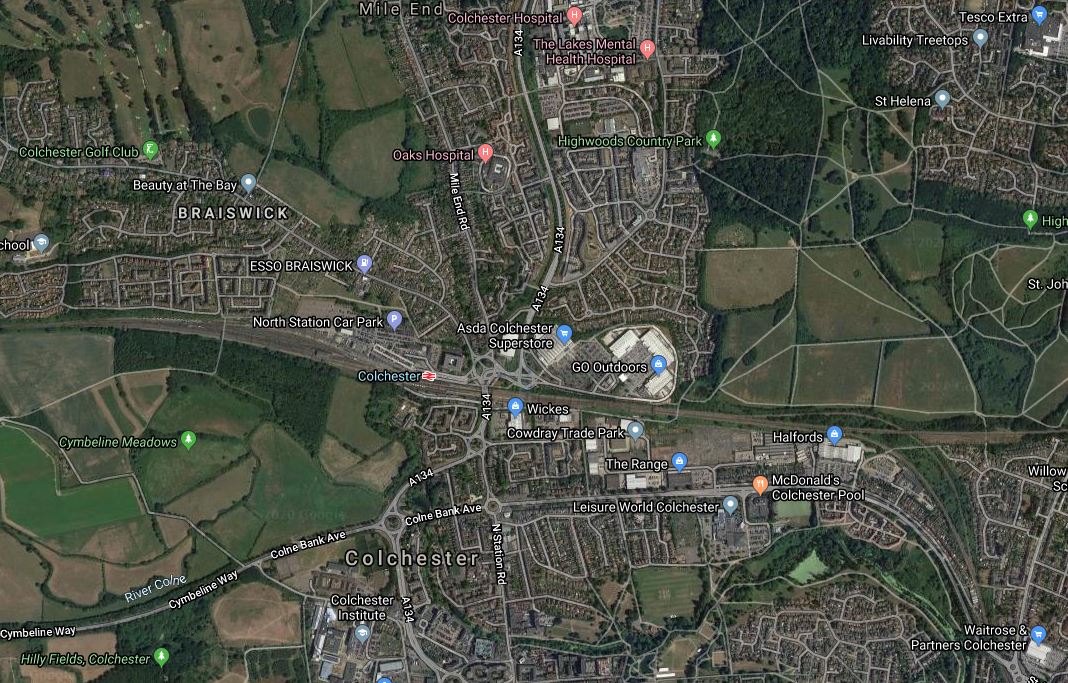
Note.
- Colchester station in the middle of the map on the Great Eastern Main Line, which runs East-West.
- A junction to the East of the station, where the lines from Colchester Town, Clacton and Walton join the Great Eastern Main Line.
- Colchester Hospital at the top of the map.
Without doubt,, the Germans would create a tram-train network based on Colchester station.
- Sudbury and Marks Tey could be served in the West, by perhaps building a third track alongside the Great Eastern Main Line
- Marks Tey and Sudbury would be on battery power.
- Colchester Hospital and perhaps the football ground and a Park-and-Ride could be served in the North, by adding tracks to the junction East of Colchester.
- Colchester Town could be served in the South, using the existing tracks.
The network would certainly connect a lot of important places to the main station.
- It would improve access to Colchester Hospital.
- It would solve the step-free problem at Marks Tey.
- It could open up much needed new housing developments.
With 100 mph tram-trains or trains able to work as trams, it could reach places using the various routes in the area, like Clacton, Harwich and Walton.
Stadler have already designed 100 mph diesel trains, that work in Zwickau in Germany, alongside and share tracks with the city’s trams.
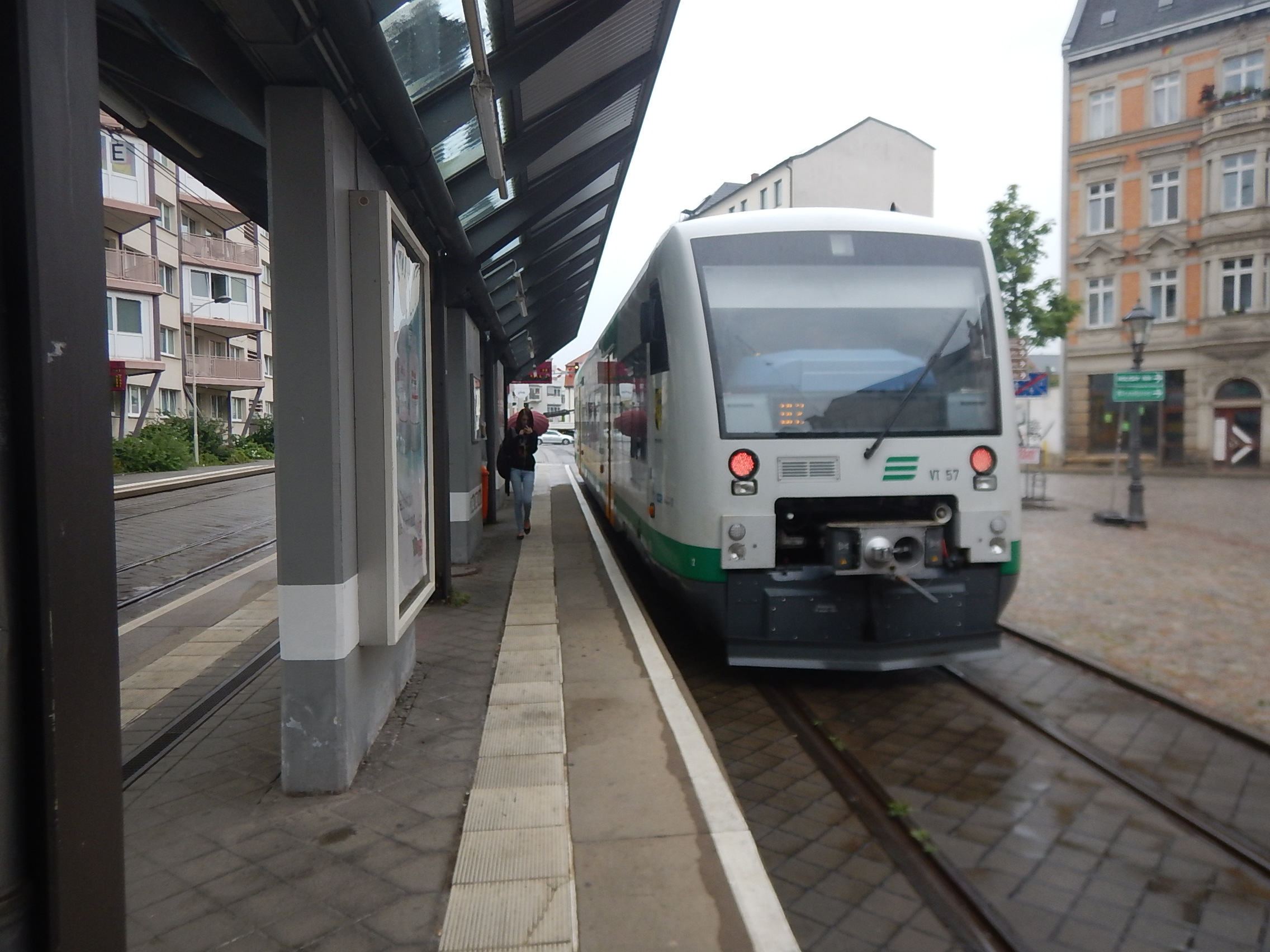
It seems that if you have a specification, Stadler will make it.
Conclusion
Greater Anglia are going to have fun with these trains.
Their level access is liked by passengers.
The short car length, allows the trains to call in curvy platforms.
Finsbury Park Station – 6th January 2020
Finsbury Park station now has a new entrance on the other side of the tracks.


London’s duck of a station is being turned into a swan.
- At least one new platform has been added.
- Buildings and passenger tunnels have been spruced up.
- Several lifts have been added to the maze of tunnels.
- Thameslink now runs four trains per hour (tph) through the station.
- Moorgate services are now eight tph and there is also a weekend service.
- Nearly all services stopping at the station are run by trains delivered in the last three years.
The new flats will be alongside a comprehensive station.
Syon Lane Station – 4th January 2020
These pictures show the current state of the new footbridge at Syon Lane station.

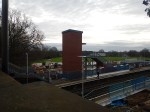
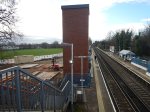
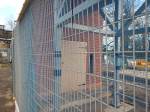
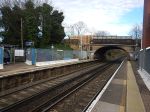

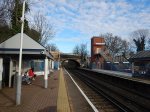
I must admit that ~I’m rather disappointed with the design of this footbridge.
The design is rather utilitarian.
I would have thought, it could have been more integrated with the road bridge. Perhaps that is to be replaced?
Perhjaps it will be better, when it is finished.
I remember, when they started to build it, that land was cleared further up the platforms. Has there been a rethink, in the middle of the project?
 The Anonymous Widower