Battery-Electric Power Rides The Rails
The title of this post, is the same as that of this article on Power Progress.
These two introductory paragraphs, outline the project.
In late October 2023, transportation solution provider Wabtec and its launch customer Roy Hill, an Australia-based iron ore mining company, celebrated the debut of the FLXdrive locomotive – a production model unit that Wabtec described as the “world’s first 100% battery-powered, heavy-haul locomotive for mainline service.”
The debut was the culmination of more than a decade of R&D that started at a time when battery technology and density were far more limited. Rogerio Mendonca, president, Freight Equipment, Wabtec, labeled the company’s earliest project as “more of a science pilot than anything else.”
I feel that this conversion of a diesel locomotive to a 7MWh battery-electric locomotive will be a significant milestone in freight haulage.
In the UK, we have 480 Class 66 locomotives.
Not all are used for heavy freight and you regularly see a single locomotive hauling a load that a lowered-powered battery electric locomotive could handle.
I suspect that if Roy Hill find this a capable locomotive, that we’ll see some Class 66 locomotives converted to battery-electric operation.
The article is well worth a full read.
More Open Access Services Could Be On The Way
In the February 2024 Edition of Modern Railways, there is an article which is entitled First Bid For Sheffield To King’s Cross Paths.
The article is mainly about FirstGroup’s proposal for a new Sheffield and London service, running under the Hull Trains brand.
But, this is the last paragraph.
Modern Railways understands First is working on a number of proposals for additional open access services, and this is an early statement of intent. Other existing open access proposals include Grand Union Trains’ plans for London to Stirling and Cardiff to Edinburgh services, along with an already approved London to Carmarthen service, and the recently submitted Wrexham, Shropshire and Midland Railway application for a London to Wrexham service. It is understood other organisations, including MTR and Virgin, are also working up plans for new open access services.
These are my thoughts.
Grand Union Trains
These posts talk about Grand Union Trains services, where a proposal has been filed with the Office of Rail and Road.
- Grand Union Trains – Cardiff and Edinburgh – Cardiff – Edinburgh Open Access Train Service Proposal Under Development
- Grand Union Trains – Carmarthen and London – Regulator Approves New Grand Union Train Service From Carmarthen To London Paddington
- Grand Union Trains – Stirling and Euston – Grand Union Sets Out Stirling Ambitions
Note.
- All three services are substantially electrified.
- Cardiff and Edinburgh is not electrified between Severn Tunnel Junction and Doncaster, which is 180.7 miles, but 258.4 miles are electrified.
- Once the Midland Main Line is electrified, the longest section of unelectrified track is the 72.5 miles between Severn Tunnel Junction and Bromsgrove.
- Carmarthen and London has 145.1 miles of electrification between London and Cardiff and about 75 miles of unelectrified track West of Cardiff.
- Stirling and Euston is fully electrified.
A bi-mode or tri-mode train with an independent range at least 190 miles would be able to handle all three services. It would also allow extension of the Stirling service to Perth, if later that was felt to be a better terminus.
Trains able to be used would include.
- CAF Tri-Mode Train – As being built for LNER
- Class 221 train – Will be released soon by Avanti West Coast.
- Class 222 train – Will be released soon by East Midlands Railways
- Class 802 train
- Class 755 train – A Greater Anglia driver told me, the train is designed for 125 mph.
- Class 93 locomotive and a rake of coaches.
Note.
- All trains except the Class 221 and Class 222 trains would be able to make use of the electrification.
- The Class 93 locomotive option is not a 125 mph train.
- CAF Tri-Mode Train and the Class 802 train have digital signalling as standard, which could allow some 140 mph running.
But I do believe after the completion of the Midland Main Line electrification, a battery-electric high speed train with an independent range of around 100 miles could also handle all routes with perhaps charging in a couple of stations, like Carmarthen.
The services could of course be commenced using refurbished Class 221 and Class 222 trains from Avanti West Coast and East Midlands Railways respectively.
I can see a bidding and design war going on between CAF, Hitachi and Stadler to supply Grand Union Trains.
Liverpool Lime Street Station
Liverpool Lime Street station has been updated and has the capacity for extra services.
I also feel, that with the improvements to the West Coast Main Line and especially between Crewe and Liverpool in preparation for High Speed Two, that journey times between London and Liverpool will improve to around two hours.
Given the attractions of Liverpool, this will increase passenger numbers on the route and I believe extra services will be viable.
The Wikipedia entry for the station says this about a proposal from Virgin.
In June 2019, Virgin Trains lodged an application for an open access service from London Euston to Liverpool Lime Street calling at Nuneaton, Tamworth, Lichfield Trent Valley, Liverpool South Parkway and Liverpool Lime Street to rival the future West Coast Partnership franchise Avanti West Coast from December 2022.
It does seem to have gone quiet.
A Fast Zero-Carbon Route Between England And Ireland
This OpenRailwayMap shows Liverpool South Parkway station and Liverpool John Lennon Airport.

Note.
Liverpool South Parkway station is in the North-West corner of the map.
The orange track at the top of the map is the Liverpool branch of the West Coast Main Line.
At the bottom of the map, the long runway of Liverpool John Lennon Airport can be seen.
I believe that a fast link could be developed between the station and the airport.
- Initially this would be a coach.
- But later it could be developed as a tram-train from the City Centre, that also would call at Liverpool South Parkway station.
Operation of the airport could be ideal for up to 30-seater electric airliners.
Destinations served could include.
- Belfast City – 151 miles
- Bristol – 135 miles
- Cardiff – 135 miles
- Derry/Londonderry – 210 miles
- Dublin – 140 miles
- Glasgow – 186 miles
- Haverfordwest – 127 miles
- Humberside – 104 miles
- London City – 176 miles
- Norwich – 180 miles
- Ronaldsway – 89 miles
- Southend – 172 miles
Note.
- Liverpool appears to sit in circle of airports
- An Eviation Alice has a range of 290 miles with 9 passengers.
- The Wikipedia entry for Heart Aerospace, says their 30-seater electric airliner says it has a range of 124 miles or more if less passengers are carried.
- The East-West runway is also in line with the prevailing wind, which should help take-off.
- Liverpool Airport is located such that there is access to plentiful supplies of green electricity and hydrogen.
I will be very surprised if Liverpool Airport doesn’t develop into an airport for zero-carbon flights.
This could attract open access rail services from London and across the country.
Huddersfield
In First Bid For Sheffield To King’s Cross Paths, I postulated that Huddersfield station could be an ideal extension of FirstGroup’s proposed open access service between London King’s Cross and Sheffield.
GWR Trialling Transformative Ultra-Rapid Charging Train Battery
The title of this post is the same as that of this article on Rail Technology Magazine.
This is the sub-heading.
Great Western Railway (GWR) has begun trialling a potentially groundbreaking battery innovation called FastCharge. If the trial is successful, it is hoped that the technology could transform branch line services and accelerate the decarbonisation of the network.
This is the first paragraph.
This innovative system, which has been developed over three years, eliminates the need for diesel trains on branch lines by powering battery-operated units with ultra-rapid charging. The system boasts an impressive 2,000kW charging capacity, eight times more powerful than a Tesla Supercharger, allowing trains to fully recharge in just 3.5 minutes at West Ealing station, the trial’s first real-world location.
I took these pictures of the trial installation at West Ealing station, this morning.


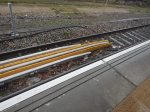

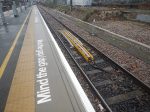
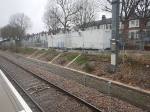
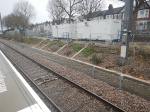
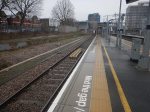
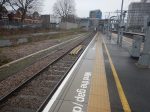
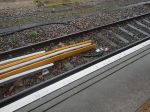
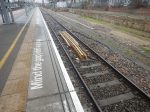

Note.
- Platform 5 is used by the trains to and from Greenford station.
- Two sets of charging rails have been installed between the rails, in Platform 5.
- The rails in the charging rails could be aluminium. This would not be surprising, as it is a good electrical conductor.
- The two shorter outside charging rails could be connected together.
- The yellow parts of the charging rails are plastic, so are probably for warning purposes.
- Two white containers have been installed alongside the track.
In Great Western Railway Updates EHRT On Its Upcoming Operational Trial Of Fast Charge Tech, I described the components of the Fast Charge system in this paragraph.
The Fast Charge system consists of three key components: retractable charging shoe gear, which is mounted to the underframe of the train; short (4m) charging rails mounted between the underframe of the train; and the Fast Charge Battery Bank (FCBB) installed beside the track, acting as an energy buffer between the train and the grid.
The charging rails are clearly visible in my images and the Fast Charge Battery Bank is probably in the white containers.
These are my thoughts.
The Engineering Is Of A High Quality
Or it certainly appears so from the platform and in the pictures, that I took.
How Much Energy Will Be Taken On Board at Each Charge At West Ealing?
According to the Rail Technology Magazine article, the Fast Charge Battery Bank will have to supply 2,000 KW for 3.5 minutes to fully-charge the train at West Ealing station.
This is 7,000 KW-minutes or 117 KWh.
In D-Train Order For Marston Vale Confirmed, this is said about the batteries on a Class 230 train.
- The train has four battery rafts, each with a capacity of 106 kWh
- Range is up to fifty miles with a ten minute charge at each end of the journey.
- Range will increase as battery technology improves.
I wonder if the Class 230 train, that will run between West Ealing and Greenford, will only have one 106 kWh battery.
- This will be less weight and therefor better acceleration.
- 117 kWh in the Fast Charge Battery Bank will be sufficient to fully-charge the single battery.
- The route is only five miles for a round trip.
I can see costs dropping.
What Batteries Will Be Used In The Fast Charge Battery Bank?
I think there are four main possibilities.
- New lithium-ion batteries
- Refurbished second-hand electric vehicle batteries
- New lead-acid batteries.
- It might be possible to use supercapacitors
Note.
- Lead-acid batteries can lose charge in cold weather.
- Supercapacitors don’t care about the weather.
- The weight of lead-acid batteries would not be a problem in a stationary application.
If there is only one battery on the train, I can see the supercapacitors handling it.
What Voltage Is Used In The Charging Rails?
Consider.
- The Vivarail Class 230 trains are built from redundant London Underground D78 Stock trains.
- The D78 Stock trains were built to run on London Underground lines, when that had voltages of 0 and 630 VDC.
- So I wouldn’t be surprised if the trains were designed around this voltage.
- If the charging rails worked at 630 VDC, then to have a 2,000kW charger, this would mean a charging current of 3175 Amps.
This would explain the fat cables connecting the charging rails to the Fast Charge Battery Bank.
An alternative voltage to use could be 3,000 VDC, as some trains are built to this voltage and therefor the electronics and transformers must be available. This would reduce the charging current to 667 Amps, which might be able to use smaller cables.
It may come down to what is convenient for the output voltage of the batteries.
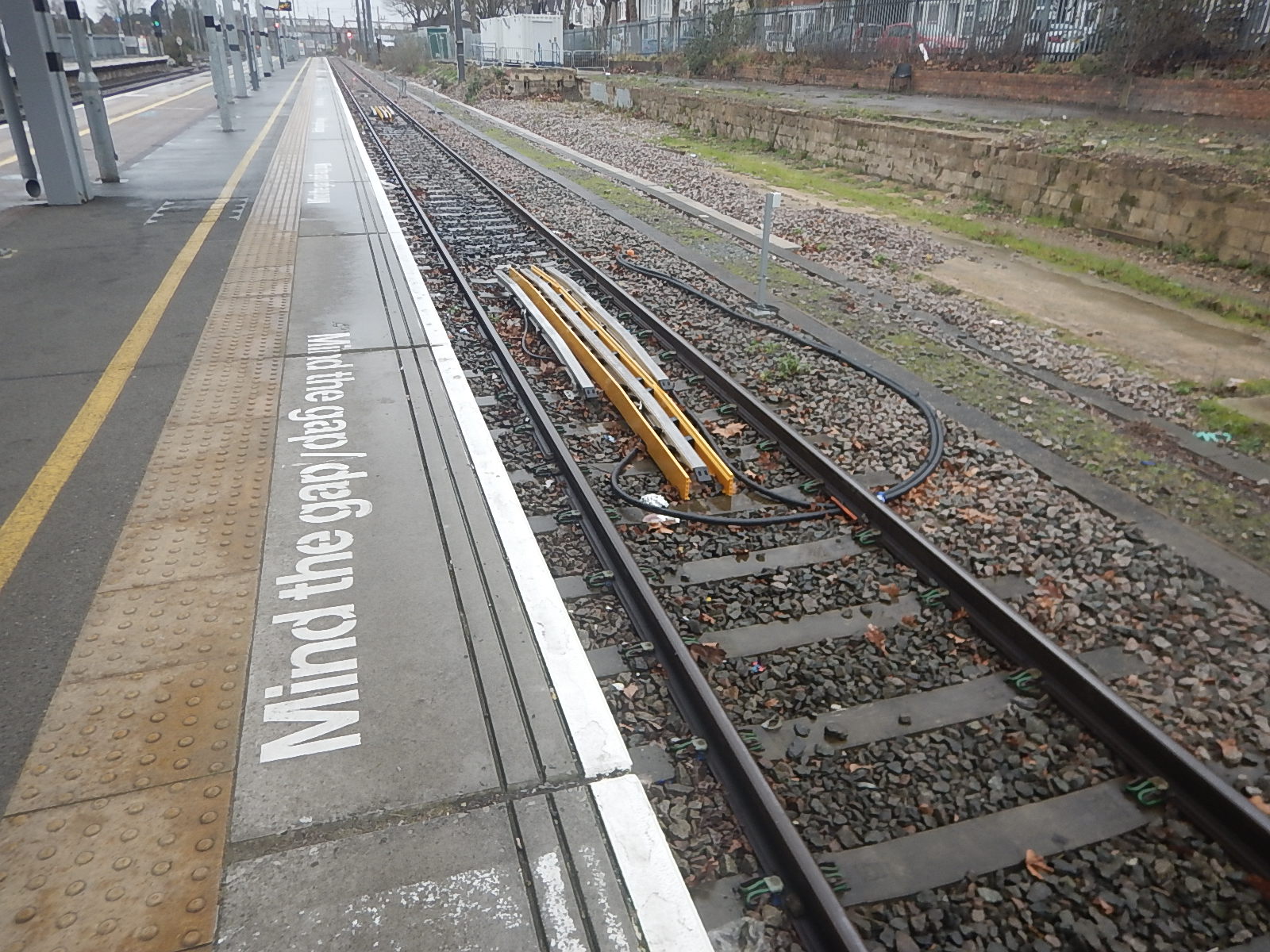
Why Are There Two Sets Of Charging Rails?
They are both shown in this image.
Note.
- The two sets of charging rails are about forty metres apart.
- The Fast Charge Battery Banks are another twenty metres further on.
It’s not the layout you’d expect for running a single two-car train running every half hour.
But could it be that two separate sets of charging rails can operate a more frequent service with this layout of charging rails?
Does The Elizabeth Line Need More Frequent Trains In The Central Section?
Currently, the Off Peak service on the Elizabeth Line is at follows.
- Reading and Abbey Wood – 2 tph
- Maidenhead and Abbey Wood – 2 tph
- Heathrow Terminal 4 and Abbey Wood – 4 tph
- Heathrow Terminal 5 and Shenfield – 2 tph
- Paddington and Shenfield – 6 tph
Note.
- tph is trains per hour.
- There are eight tph to Abbey Wood and Shenfield.
- There are six tph to Heathrow Airport.
But there are only 16 tph through the Central Tunnel between Paddington and Whitechapel stations.
These are typical Off Peak frequencies on other Underground and rail services across London.
- Bakerloo Line – 16 tph – Queen’s Park and Elephant & Castle – 20 tph in the Peak.
- Central Line – 24 tph – White City and Leytonstone – 35 tph in the Peak.
- Jubilee Line – 24 tph – Stratford and West Hampstead.
- Northern Line – 16-20 tph – All routes except Kennington and Battersea Power Station.
- Piccadilly Line – 21 tph – Arnos Grove and Acton Town.
- Thameslink – 16 tph – St. Pancras and Blackfriars.
- Victoria Line – 33 tph – Seven Sisters and Brixton – 36 tph in the Peak.
From these figures, it appears that the Elizabeth Line’s 16 tph is on the low side, when compared to the Central, Jubilee and Victoria Line.
This morning about 11:00, I went between Moorgate and West Ealing stations.
- I went to see FirstGroup’s fast-charge system for battery-electric trains.
- The trains were full both ways.
- There was only the odd seat available.
I know it’s Half Term, but I do think that more services need to run on the Elizabeth Line.
Teesside Private SMR Nuclear Power Station To Be Built
The title of this post, is the same as that of this article on the BBC.
This is the sub-heading.
An agreement has been reached to build a privately financed nuclear power station in Teesside.
These are the first three paragraphs.
Community Nuclear Power (CNP) has announced plans to install four small modular reactors (SMRs) in North Tees.
CNP said it aims to be up and running in ten years’ time and will supply “roughly a gigawatt of energy”.
With other similar power stations planned, hundreds of jobs are expected to be created in the north-east of England.
A CNP spokesperson said the four North Tees reactors will generate clean, always-on energy which will be used to help develop a green energy and chemical hub, also within the North Tees Group Estate, on the north bank of the River Tees near Stockton.
These are my thoughts.
The Westinghouse AP300™ SMR
This SMR has its own web page.
This is the sub-heading.
Only SMR based on Licensed, Operating & Advanced Reactor Technology
These paragraphs introduce the reactor.
The Westinghouse AP300™ Small Modular Reactor is the most advanced, proven and readily deployable SMR solution. Westinghouse proudly brings 70+ years of experience developing and implementing new nuclear technologies that enable reliable, clean, safe and economical sources of energy for generations to come.
Our AP1000® reactor is already proving itself every day around the globe. Currently, four units utilizing AP1000 technology are operating in China, setting performance records. Six more are under construction in China and one AP1000 reactor is operating at Plant Vogtle in Georgia while a second nears completion.
Our AP300 SMR leverages that operating experience, as well as tens of millions of hours on AP1000 reactor development.
Gain the benefits of the record-setting Westinghouse AP1000 PWR technology in a smaller power output to augment the backbone of your community energy system.
The AP300 SMR complements the AP1000 reactor for a cleaner energy mix, energy security, and grid flexibility and stabilization.
Westinghouse seem to have taken a very professional and scientifically correct approach and downsized something that works well.
Where Will The Reactors Be Built?
This is a paragraph from the BBC article.
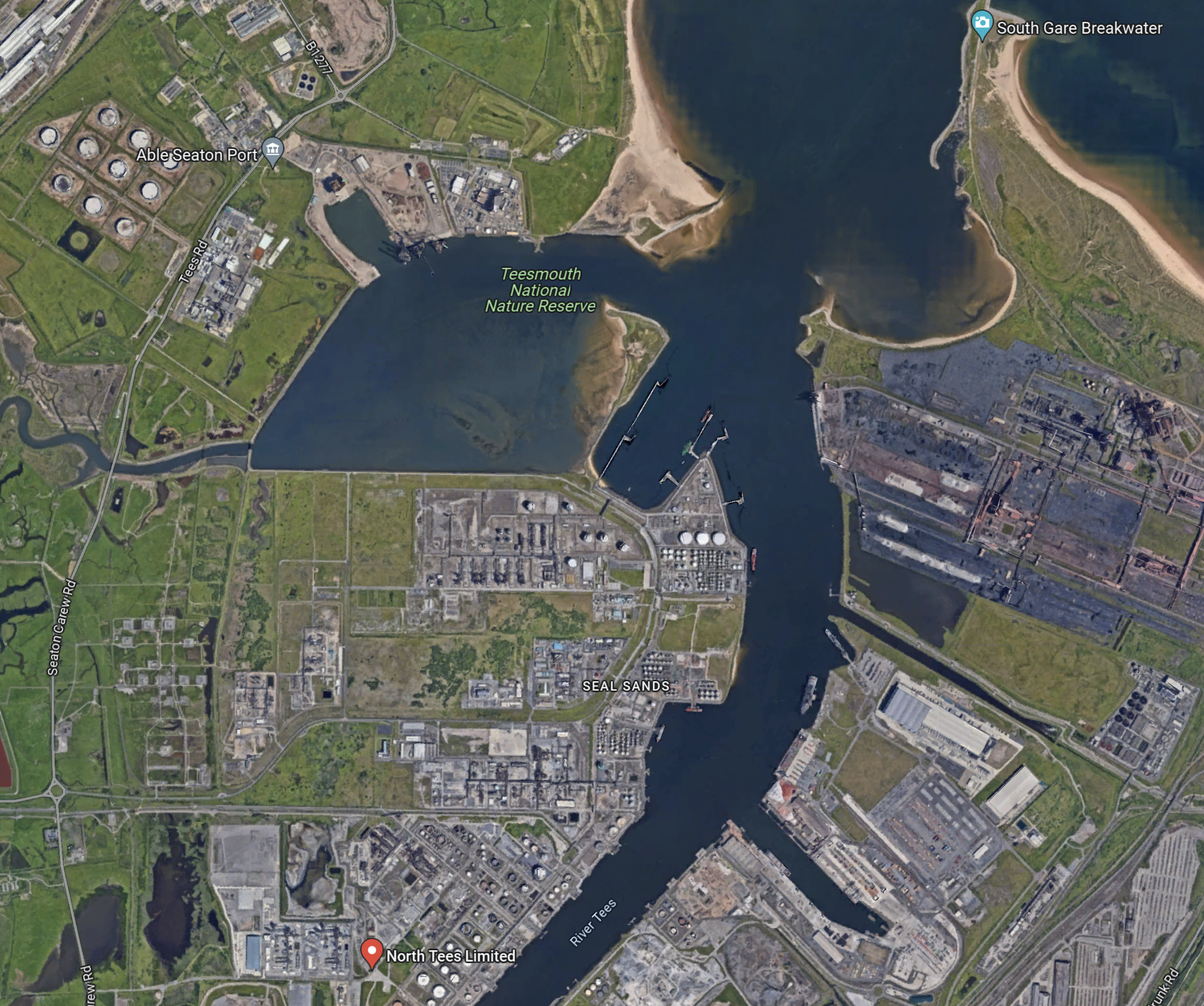
Small reactors, built in a factory by the American power giant Westinghouse, will be transported to Seal Sands near Billingham, coming on stream in the early 2030s and going some way to providing part of the big rise in nuclear capacity the UK government wants to see by 2050.
This Google Map shows the mouth of the River Tees.
Note.
- The red arrow at the bottom of the map indicates the location of North Tees Group Estate.
- Follow the river to the North and a capitalised label indicating the position of Seal Sands can be seen.
This second Google Map shows the Seal Sands area in a larger scale.
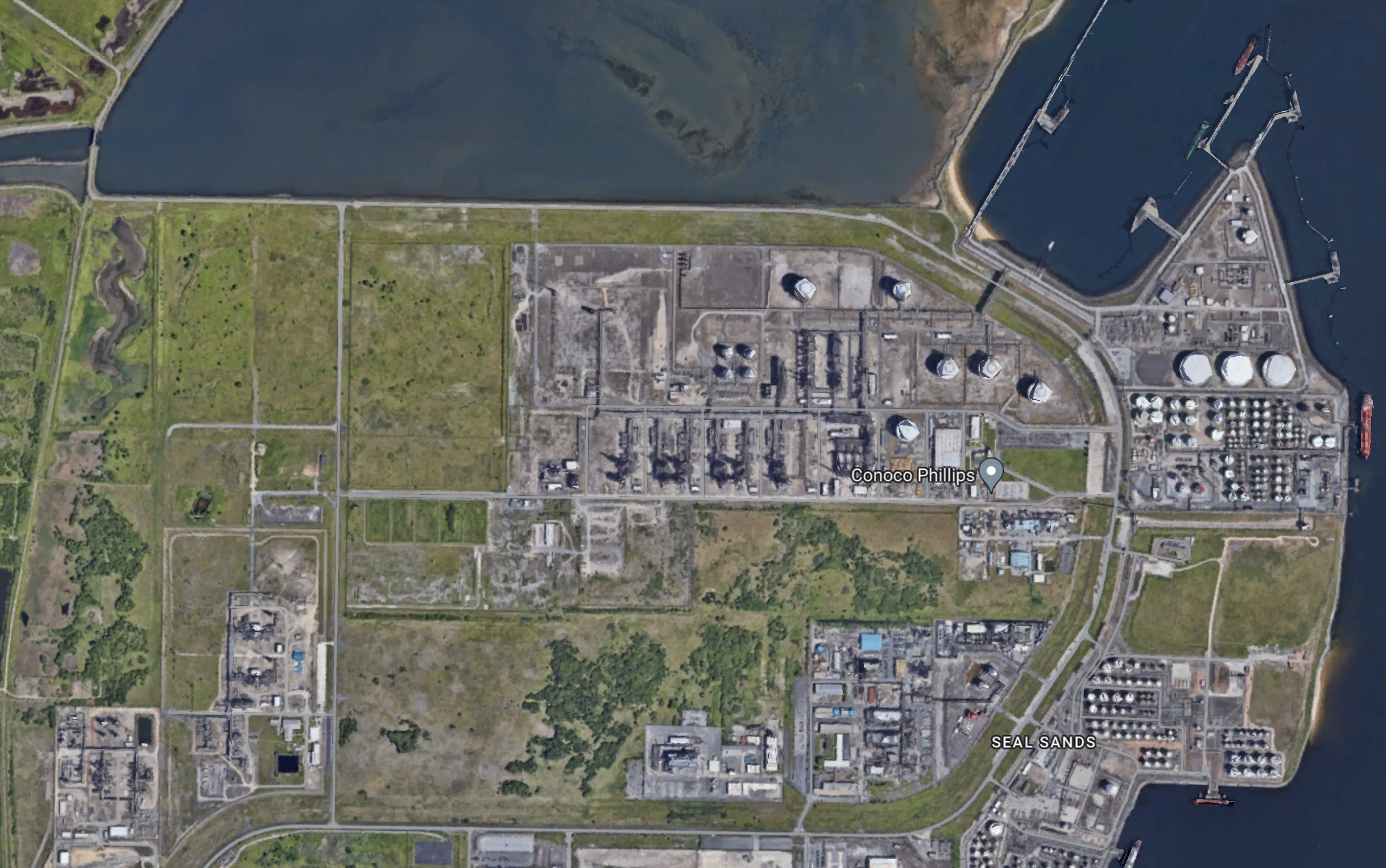
There seems to be several spaces, where the reactors could be located.
Would It Be Safe To Locate A Nuclear Reactor Or Reactors In a Cluster Of Oil Refineries And/Or Chemical Plants?
Consider.
- In the 1970s, when I worked at ICI, there were companies like Westinghouse advocating nuclear steelmaking.
- We did discuss the concept a couple of times over coffee but no one, I worked with, ever looked at it officially or seriously, as far as I know.
- In addition to requiring large amounts of electricity, oil refineries and chemical plants often use a lot of steam.
- Nuclear reactors generate steam to produce electricity, so some could be diverted to oil refineries or chemical plants
- To decarbonise some processes might switch to hydrogen.
- In Westinghouse And Bloom Energy To Team Up For Pink Hydrogen, I talk about how to use a nuclear reactor to efficiently produce pink hydrogen.
It looks like for efficiency, building the various plant close together could be a good thing.
But is it safe?
I suspect the level of safety will be that of the least safe plant.
So provided all plants are designed to the highest standards, it should be OK, as nuclear plants, oil refineries and chemical plant don’t regularly explode.
The Donald C Cook Nuclear Plant
The Donald C Cook Nuclear Plant in Michigan is a 2.2 GW nuclear plant, that was built by Westinghouse and commissioned in the mid-1970s.
They were clients for Artemis, the project management system that I wrote.
Soon after the Three Mile Island accident on March 28th, 1979, I visited the Donald C Cook Nuclear Plant to see how they were coping with the aftermath of the accident.
I remember being told by the operators of the plant, who were American Electric Power, that as it was their only nuclear plant, they were going to do everything by the book and Artemis was helping them to do that.
Reading about the plant, which is now licenced to operate until 2034 for one reactor and 2037 for the other, it seems to have performed impeccably so far for nearly fifty years.
It is a credit to both Westinghouse, who built it and American Electric Power who own it.
Now that is what I call high-class engineering and I’d be happy to have a cluster of SMRs to the same standard in my back yard.
Sizewell B
I used to live a few miles from Sizewell B, which is another Westinghouse reactor.
- This is the Wikipedia entry for the power station.
- Sizewell B was based on a proven Westinghouse design.
- It seems to have performed well since it was commissioned in 1995.
It looks like it will be operating until 2055, which will make its working life similar to those of the reactors at the Donald C Cook Nuclear Plant.
Westinghouse And Hinckley Point C Compared
Consider.
- Sizewell B was built in approximately seven years.
- This compares well with the two units at the Donald C Cook Nuclear Plant, which took six and nine years respectively
- It looks like Hinckley Point C will take between twelve and fourteen years to build.
- Sizewell B and the two units at Donald C Cook Nuclear Plant seem to be looking at a sixty year operating lifetime.
- Sizewell has a rail connection and Hinckley Point does not.
- Sizewell B seems to have been signed off, when John Major was Prime Minister.
- Hinckley Pont C seems to have resulted from a government white paper when Gordon Brown was Prime Minister.
Westinghouse seem to design nuclear power stations, that can operate for a long period and can be built within a decade.
Westinghouse And Rolls-Royce
Consider.
- Rolls-Royce also have an SMR design.
- Rolls-Royce and Westinghouse are both world-class companies.
- Rolls-Royce have the advantage they are British.
- I also suspect, that both Westinghouse and Rolls-Royce will use the same subcontractors and sub-assembly manufacturers.
- The Rolls-Royce SMR has a power output of 470 MW.
- The Westinghouse SMR has a power output of 300 MW.
I suspect the choice between the two, will be like choosing between top-of-the-range British and American products.
Conclusion
I wonder why we ended up with an unproven new French design at Hinckley Point, when sitting in Suffolk was a traditional Westinghouse design, that was performing to its design specification?
But for the SMR, we need to buy the reactors, which are financially best for Britain. If Westinghouse choose to manufacture large sections in the UK, they could be the better bet, as I suspect, if SMRs are successful, we’ll be seeing exports from the UK.
Tregoss Passing Loop On The Atlantic Coast Line
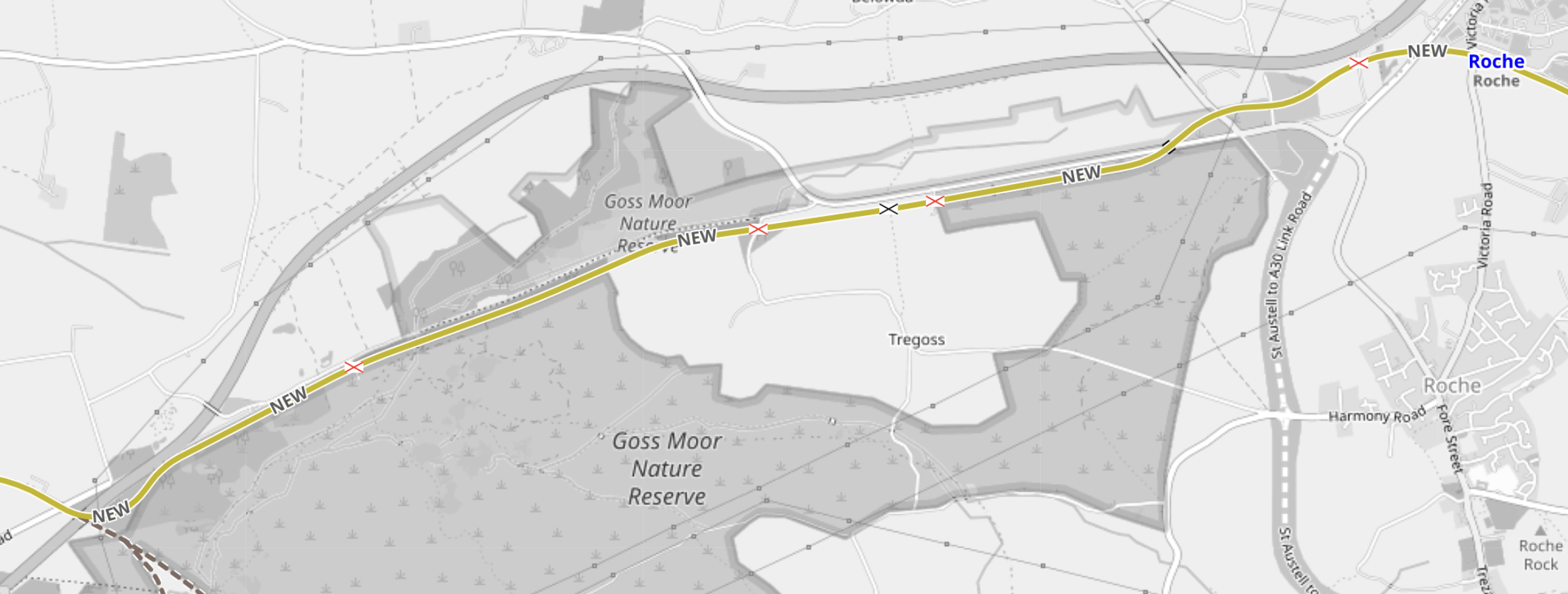
To increase the frequency of trains on the Atlantic Coast Line between Par and Newquay stations, from two-hourly to hourly, Network Rail are proposing to add a passing loop at Tregoss Moor.
This OpenRailwayMap shows the railway as it runs across the moor.
Note.
- Roche station in the North-East corner of the map.
- The red and blue crosses indicating level crossings on the route.
- The map seems to indicate a number of power cables.
I took these pictures from the train, as I came down to Par station.








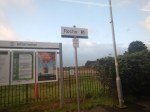
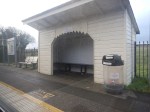
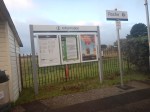
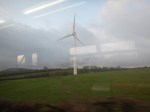
Note.
- I was sitting on the right-hand-side of the train, looking West.
- In addition to the cables, there are about half a dozen wind turbines.
- Roche station is typical of the intermediate stations on the line – Small, functional and tidy, with a few car parking spaces.
On past form, I suspect that Network Rail could squeeze in a passing loop, that wouldn’t stir up too many antis.
I have one thought,
The St. Austell Link Road
This Google Map shows where the A30 to St. Austell Link Road is being built.
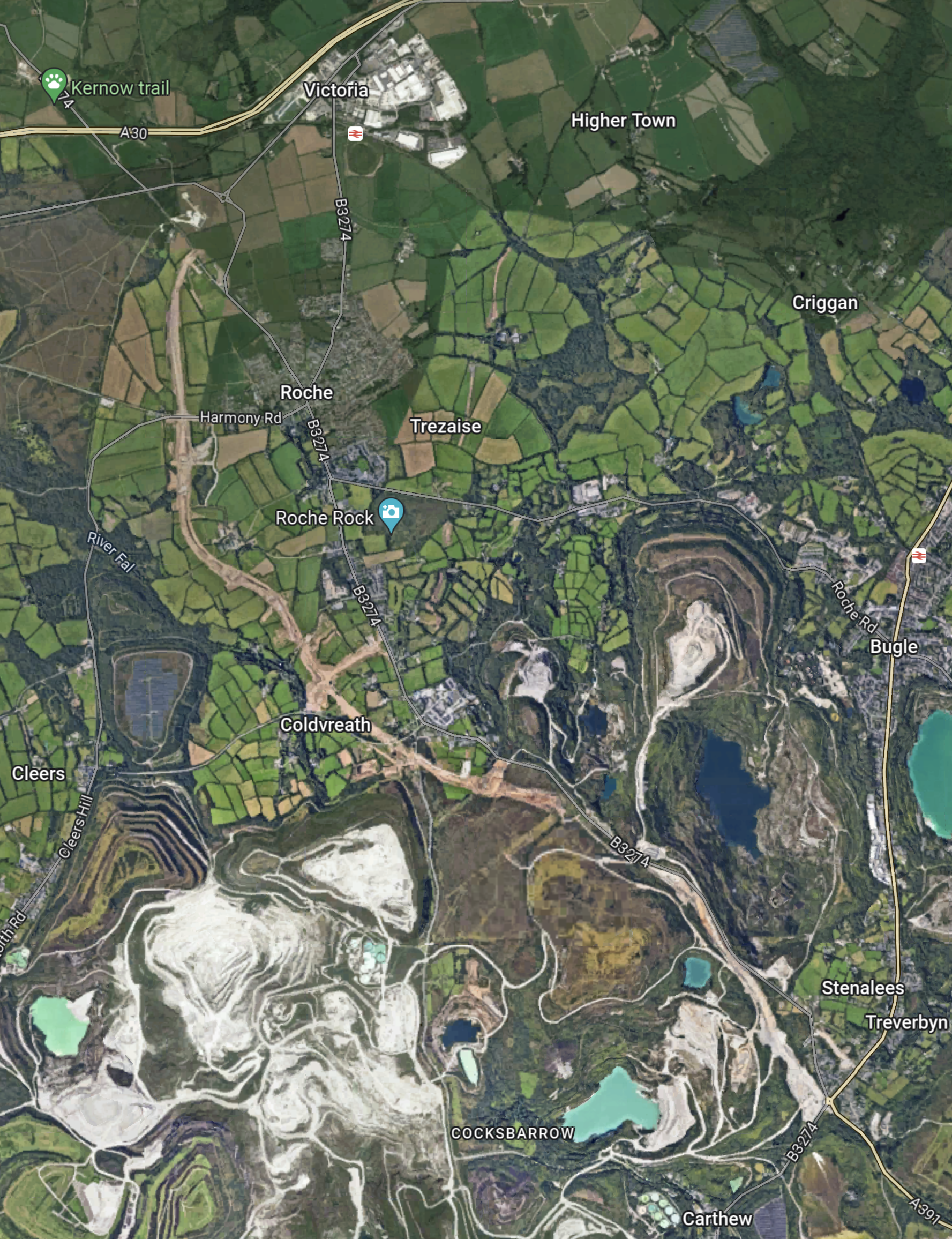
Note.
- The station at the top of the map by the area called Victoria and to the West of Higher Town is Roche station.
- The station at the right edge of the map about halfway down is Bugle station.
- The South of the map is covered by white china clay workings.
- Running diagonally across the map is the A30 to St. Austell Link Road.
This page on the Cornwall web site, says this about the road.
The St Austell to A30 link road will connect the old A30 near Victoria to the north and the A391 at Stenalees roundabout to the south. It will be a new 3.9 mile single carriageway road. It is a vital link to bring opportunities to the area.
This Google Map shows the area, where the Link Road will connect to the A30.
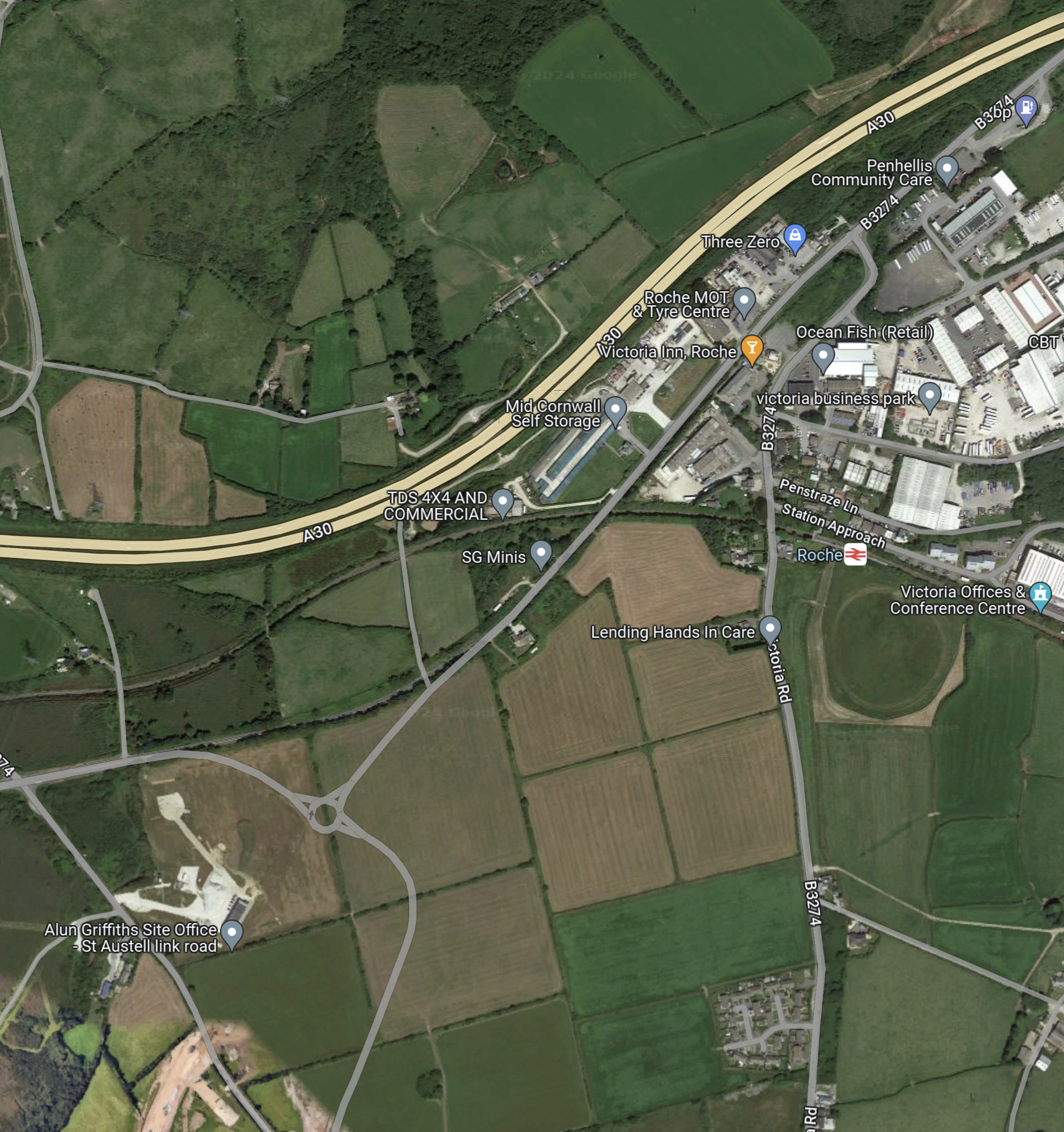
Note.
- The A30 running across the top of the map.
- The Victoria area and Roche station in the North-East corner of the map.
- In the South-West corner of the map their is the site office of the Link Road.
- The current end of the construction scar of the Link Road can be seen at the edge of the map.
- I would assume that the new road joins the roundabout to the North-East of the Construction Office.
- Traffic could be routes North-East from here along the B3274 to join the A30 at Cornwall Services.
- The railway sneaks between the A30 and the construction site.
I hope there’s been a bit of joined up thinking here and the road and the railway have been given the best joint design possible.
Par Station – 10th February 2024
Par station will see changes because of the Mid-Cornwall Metro.
I took these pictures as I passed through.


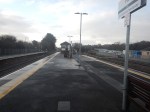
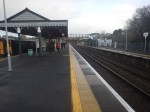
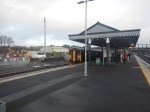
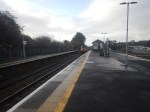
Note.
- The level crossing was busy with cars every time I crossed it.
- The semaphore signalling.
- The arriving GWR Castle in the last picture.
This Google Map shows Par station.
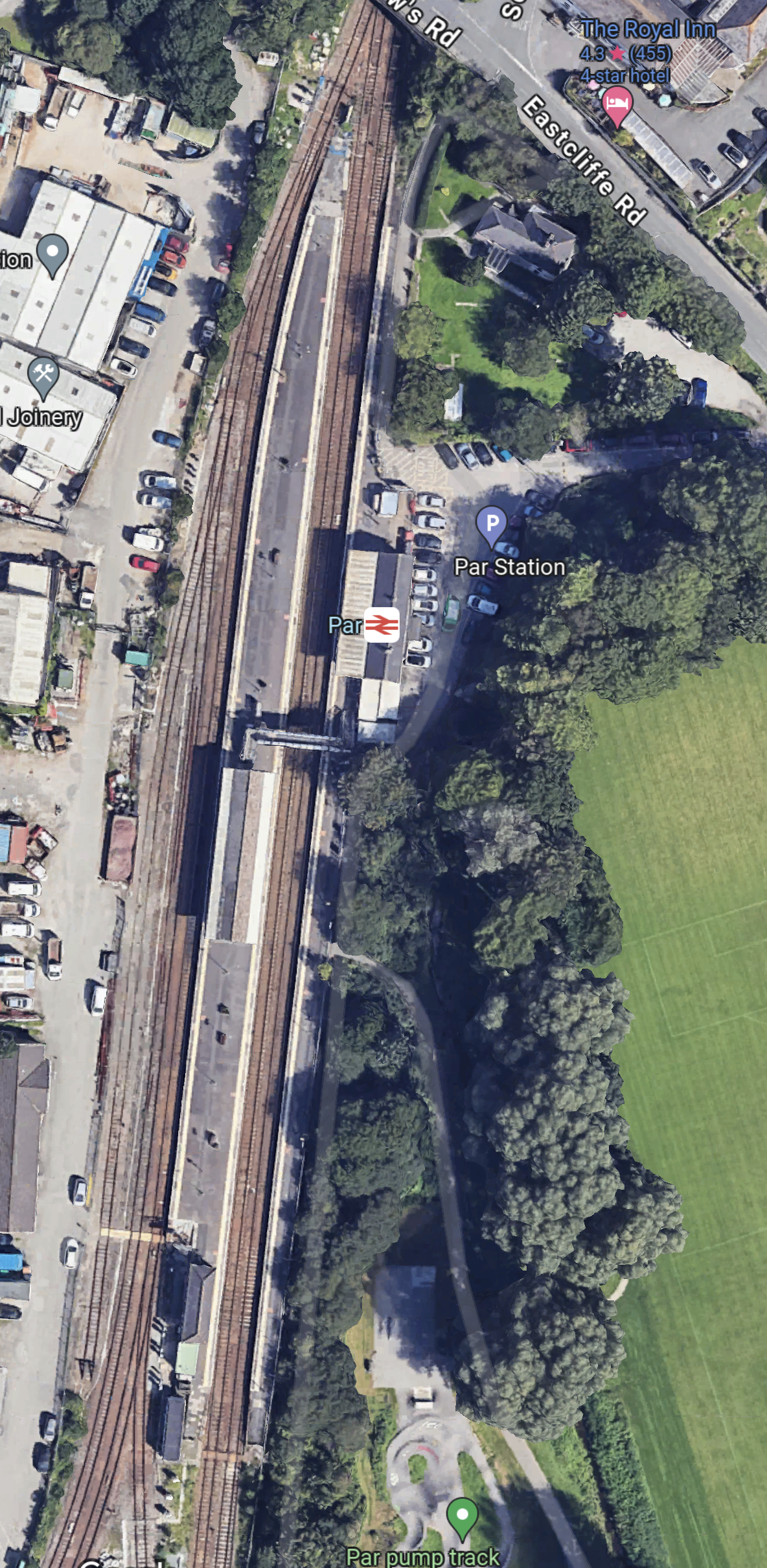
Note.
- There three platforms. Platform 1 is in the East, with Platforms 2 and 3 forming an island platform.
- There is a footbridge connect the platforms together.
- The Atlantic Coast Line leaves the map in the South West Corner.
As one of the modifications for the Mid-Cornwall Metro, the footbridge will be replaced with one that is step-free.
I have a few thoughts.
Will The Mid-Cornwall Metro Reverse At Par Station?
This OpenRailwayMap shows the track layout at Par station.
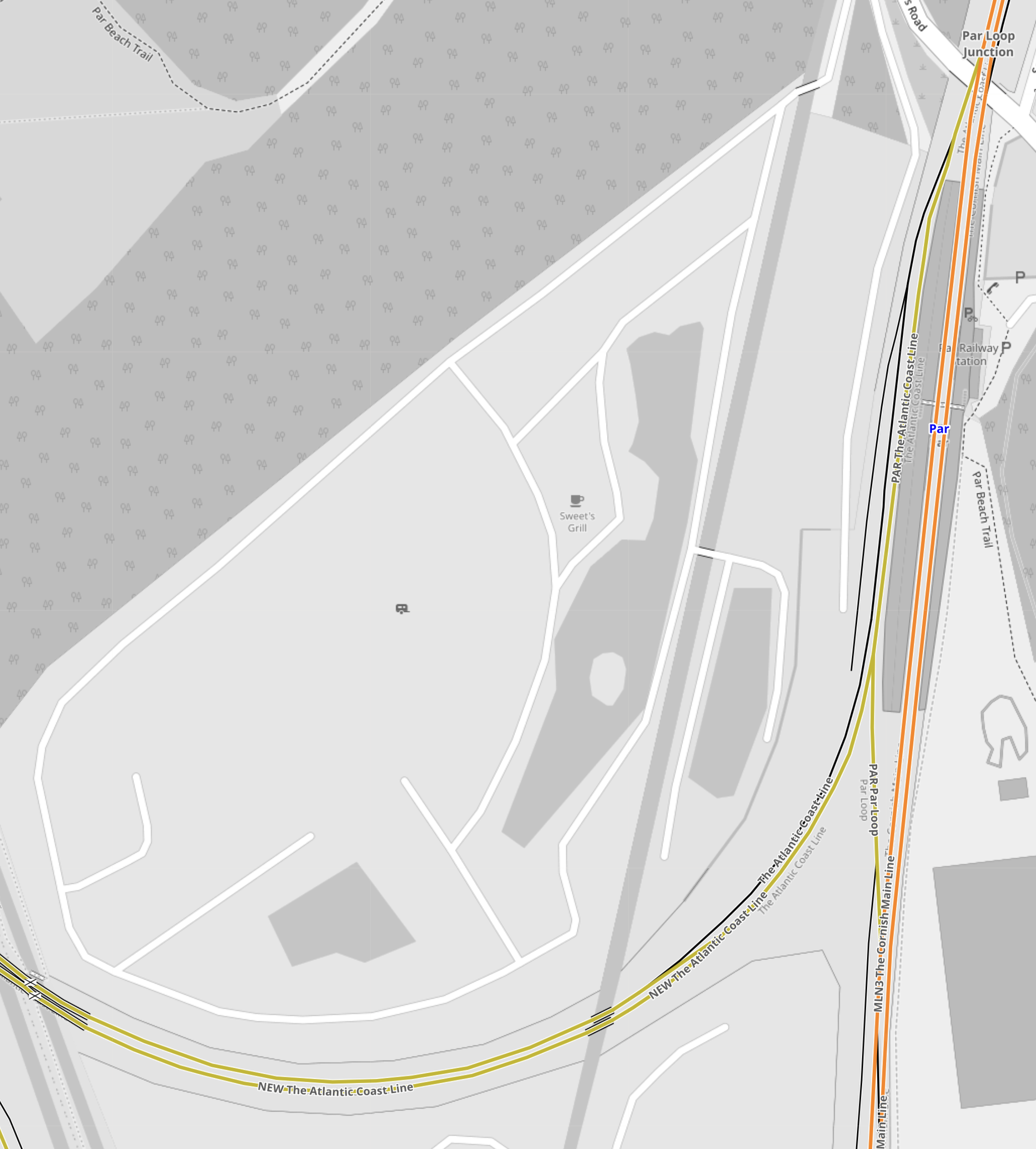
Note.
- The tracks shown in orange form the Cornish Main Line.
- The tracks shown in yellow that curve away to the West are the Atlantic Coast Line.
- The busy level crossing is shown in the South-West corner of the map.
- The Atlantic Coast Line connects to Platform 3 on the West side of the station.
- The track layout allows trains to access Platform 3 from both directions on the Cornish Main Line.
It does look like, Mid-Cornwall Metro trains will have to reverse every time, they call at Par station.
Could The Cornish Main Line Be Electrified At Par Station?
At some point in time, it will be desirable to run zero-carbon trains both on the Mid-Cornwall Metro and the Cornish Main Line.
- Plymouth and Par is a distance of 34.7 miles.
- Truro and Par is a distance of 19 miles.
- Newquay and Par is a distance of 20.8 miles.
- All of these distances would be in range of a typical battery-electric train.
- In The Data Sheet For Hitachi Battery Electric Trains, I said that a Hitachi express train with a battery range of 43.5 miles.
To my untrained eye, it looks like Par station wouldn’t be the most difficult place to electrify.
I believe there are possibilities to put an island of electrification at Par to give the trains a quick Splash-and-Dash before continuing.
How Many Direct Trains Should There Be Between London Paddington And Newquay?
The Mid-Cornwall Metro will see the following improvements on the Atlantic Coast Line between Newquay and Par stations.
- A second platform built at Newquay station.
- There will be a passing loop across Treegoss Moor.
- There will be a step-free bridge at Par station.
This will allow the current service on the line to be increased from two-hourly to hourly.
FirstGroup’s services in the UK, include several services, where a service is extended to a terminus away from the main line.
- Avanti West Coast – two trains per day (tpd) to Blackpool
- Great Western Railway – six tpd to Carmarthen
- Hull Trains – five tpd to Hull.
- Hull Trains – two tpd to Beverley.
- Hull Trains (proposed) – two tpd to Worksop and Sheffield.
Given that there will only be an hourly local service on the Atlantic Coast Line, I suspect that FirstGroup will be able to run up to six tpd to Newquay to satisfy the traffic needs of the London and Newquay service.
How Will Great Western Railway Run A Service To Newquay?
Last weekend, when I went to Ebbw Vale, I wrote My Train To Wales Today Divided At Swansea.
My train, that day was a ten-car train formed of a pair of Class 800 trains.
- The front train was signed as going to Swansea.
- The rear train was signed as going to Carmarthen.
- At Swansea the trains split into two.
- The front train finished its journey.
- The rear train reversed out and continued to Carmarthen.
Returning to London Paddington, trains join at Swansea.
Will Great Western Railway use a similar operation with Newquay services.
The train would be a ten-car train formed of a pair of Class 802 trains.
- One train would be going to Plymouth and the other train to Newquay.
- At Plymouth the trains split into two.
- One train finishes its journey at Plymouth.
- The other train continues to Newquay.
As Bodmin General station, has a second platform, that was recently built with financial help from Great Western Railway, could this be another destination served by splitting a train at Plymouth?
I discuss the implications of the second platform at Bodmin General station in Beeching Reversal – Increased Service Provision Bodmin General-Bodmin Parkway
How Long Would A Round Trip Take Between Plymouth And Newquay?
Current timings are as follows.
- Plymouth to Par – 34.7 miles – 50 minutes
- Par to Newquay – 20.8 miles – 51 minutes
- Turnround at Newquay – 5 minutes
- Newquay to Par – 20.8 miles – 51 minutes
- Par to Plymouth – 34.7 miles – 50 minutes
Note.
- Times are from Class 802 trains between Par to Plymouth.
- Times are for Class 150 trains between Par and Newquay.
Total time is 207 minutes or three hours and twenty-seven minutes.
Mid-Cornwall Metro Presentation – 9th February 2024
On Friday, I went to the Mid-Cornwall Metro presentation in the Victoria Hotel in Newquay.
These pictures give a flavour of the excellent presentation.




One thing that is difficult to put on paper is the overall enthusiasm for the project shown by representatives of Cornwall Council, Great Western Railway and Network Rail.
I believe that if this enthusiasm can be translated into action in the next couple of years, them this project can be delivered on time and on budget.
This link will show all my Mid-Cornwall Metro posts.
 The Anonymous Widower