Beeching Reversal – Reopening Wymondham-Dereham Line
This is one of the Beeching Reversal projects that the Government and Network Rail are proposing to reverse some of the Beeching cuts.
It has looked to me, that for some years, that those in Norfolk’s rail industry and Local Government, have been co-operating with rail problems and developments in the county.
If you read the Wikipedia entry for the Mid-Norfolk Railway, various activities are revealed.
- Regular steam and diesel services between Wymondham and Dereham stations.
- Occasional sightseeing services North of Dereham station.
- Mid-Norfolk Railway facilitates commercial freight trains.
- Dereham yard has been used as a servicing depot by Direct Rail Services for over ten years.
- Network Rail store track plant at Dereham.
- There are facilities to transfer damaged rail vehicles to road vehicles at Dereham.
- The Army uses the line to transport vehicles by train.
- Storage of trains for Greater Anglia, who have a chronic lack of space.
- The line appears to be used for specialist crew and driver training.
- In Mid Norfolk Railway Completes Work On ‘First For UK’ Railway Level Crossing, I wrote about how the railway company used new Dutch technology to demonstrate how to rebuild a level crossing.
It seems, that if you have a different rail-related need in Norfolk, that the Mid-Norfolk Railway will at least listen to your needs.
The company and volunteers have the ambition to restore the railway as far as Fakenham, which will make it one of the longest heritage railways in England.
I am not surprised that reopening services between Wymondham and Dereham stations, is on the list of Beeching Reversal projects.
Dereham
Dereham is a market town of 18,600 residents.
This Google Map shows the Dereham station complex.
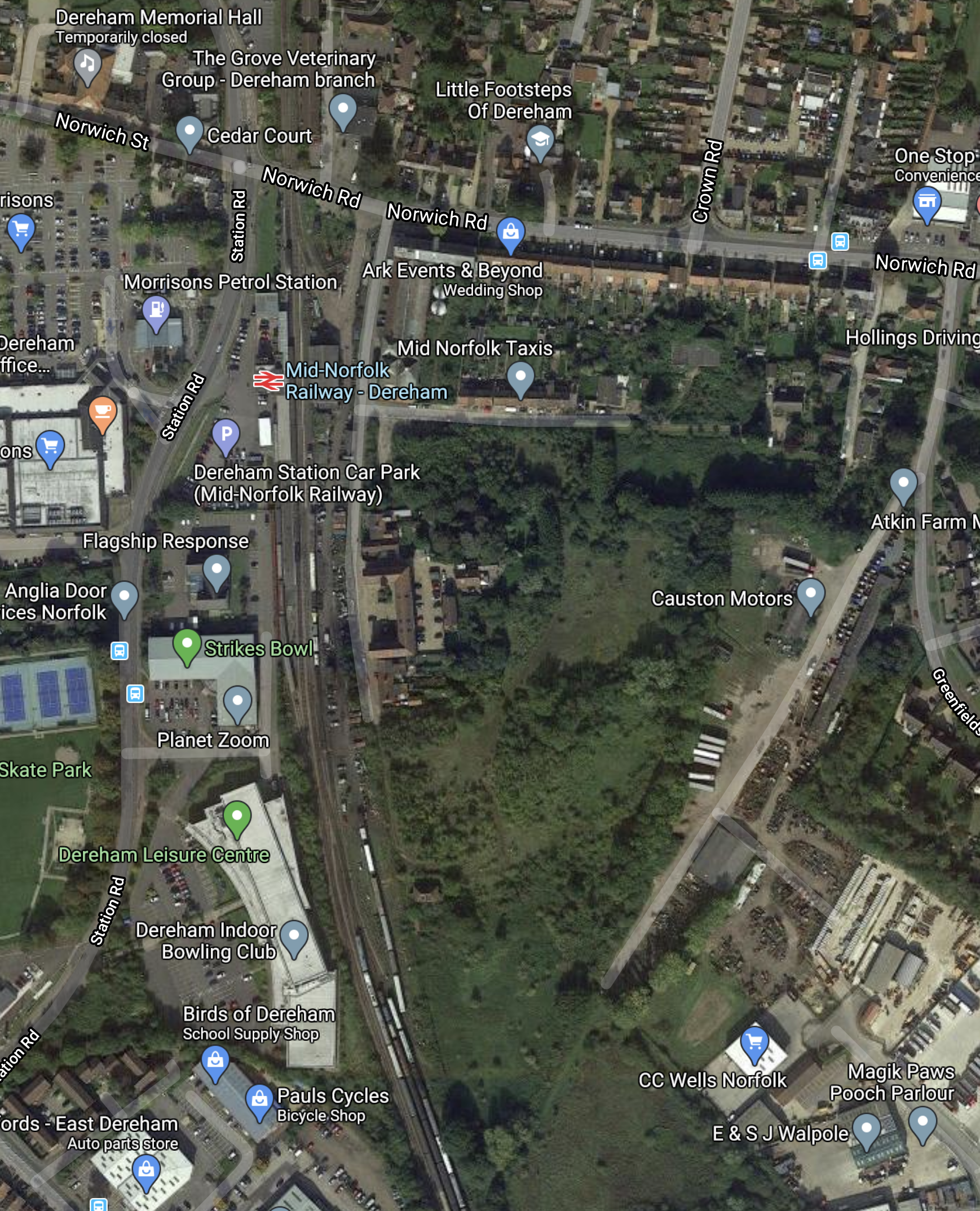
It is the headquarters of the Mid-Norfolk Railway.
Wymondham
Wymondham is a developing market town of 14,400 residents, that has a station on the Breckland Line between Cambridge and Norwich via Ely and Thetford.
The Mid-Norfolk Railway also has a connection to the Breckland Line and access to Wymondham station at Wymondham South junction.
This Google Map shows the town of Wymondham.
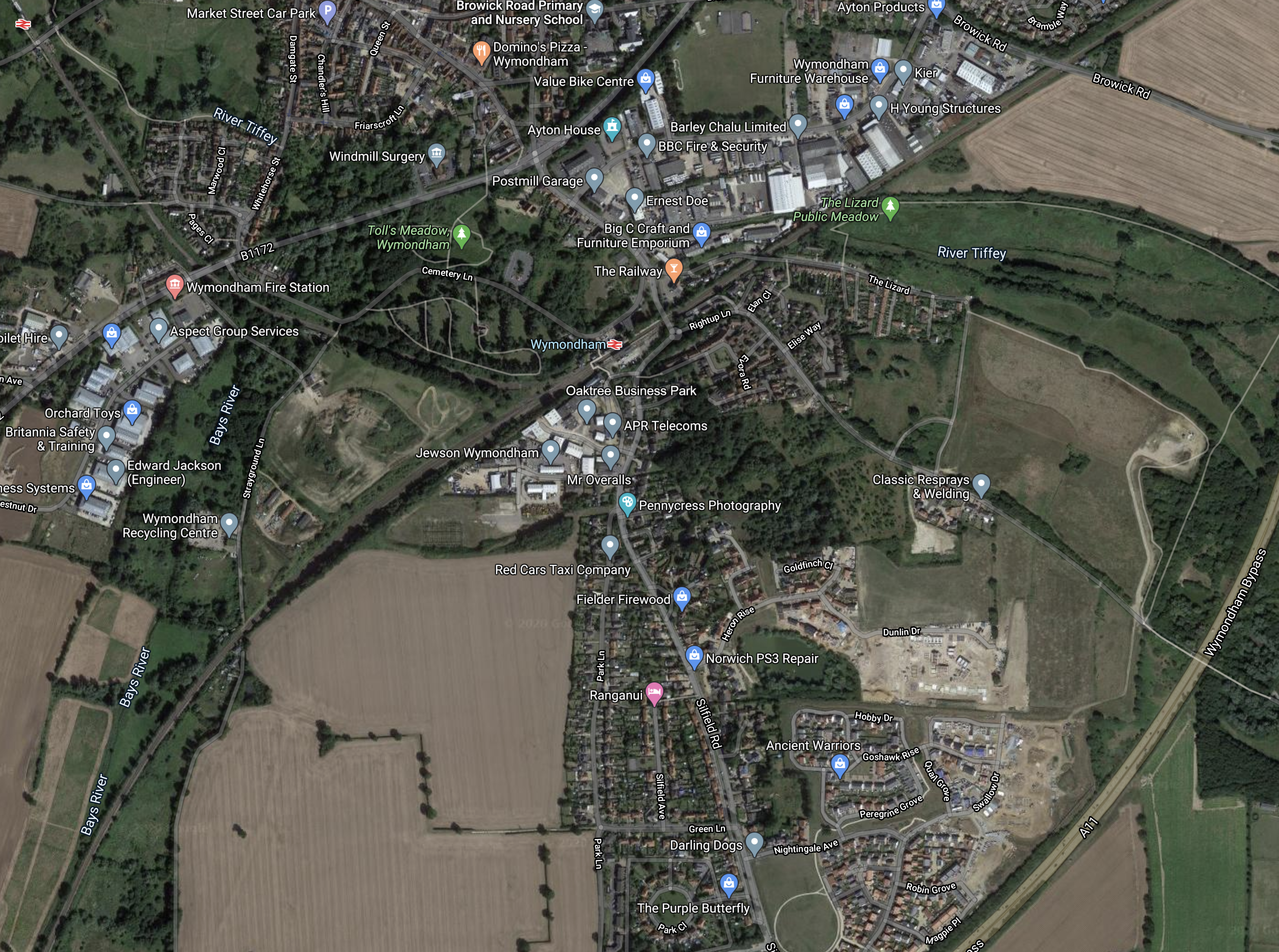
Note.
- The Breckland Line going SW-NE across the map.
- Wymondham station in the middle of the map.
- Wymondham Abbey station, which is on the Mid-Norfolk Railway in the North-West corner of the map.
- Wymondham South junction, where the branch divides to the South-West of Wymondham station.
The A11 Wymondham Bypass encloses a lot of land, which seems to be being developed into housing.
Breckland Line Train Services
Current train services on the Breckland Line include.
- Greater Anglia – One train per hour (tph) – Norwich and Stansted Airport via Cambridge
- East Midlands Railway – One tph – Norwich and Liverpool via Ely and Peterborough
Note.
- Both train franchises are Abellio.
- Both train franchises use modern diesel or bi-mode trains.
As there is significant development of housing and industry, all along the A11 and the Breckland Line between Cambridge and Norwich, many believe that there is a large opportunity for the growth of passenger train services.
All being well in a few years, Norwich will get a third service in a one tp2h service along the East West Railway to Oxford.
But towns like Wymondham probably will need better and more connections to Cambridge and Norwich, before that, as although the roads are good, the emissions won’t be!
The Trowse Swing Bridge
The single-track Trowse Swing Bridge is a major bottleneck on any service between Norwich and the South.
It does manage to carry up to nine to ten tph, but it appears that for efficient operation of extra services South from Norwich, that the bridge will have to be replaced or by-passed.
This Google Map shows Trowse Bridge.
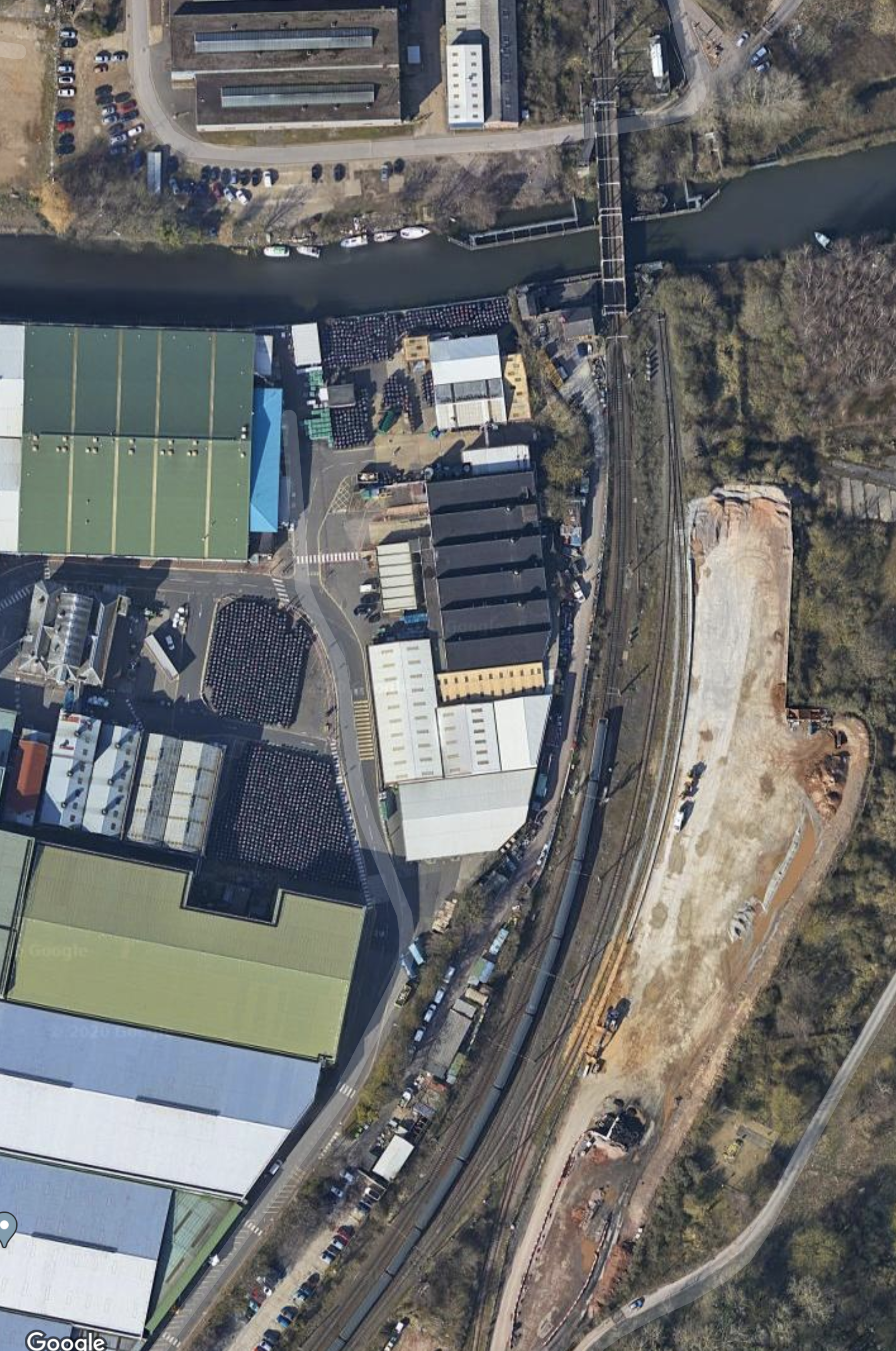
When the Great Eastern Main Line was being electrified to Norwich station, a temporary station was built in this area, whilst electrification was added to the bridge.
A Station At Trowse
A similar strategy could be used, whilst the bridge is replaced, but I suspect, that a bolder plan might be possible.
- There is a lot of development going on in Norwich.
- It is expected that rail traffic South from Norwich to Cambridge and London will grow significantly in the next few years.
- Removing the requirement for the bridge to open, would require difficult Parliamentary legislation.
This Google Map shows the wider City Centre.
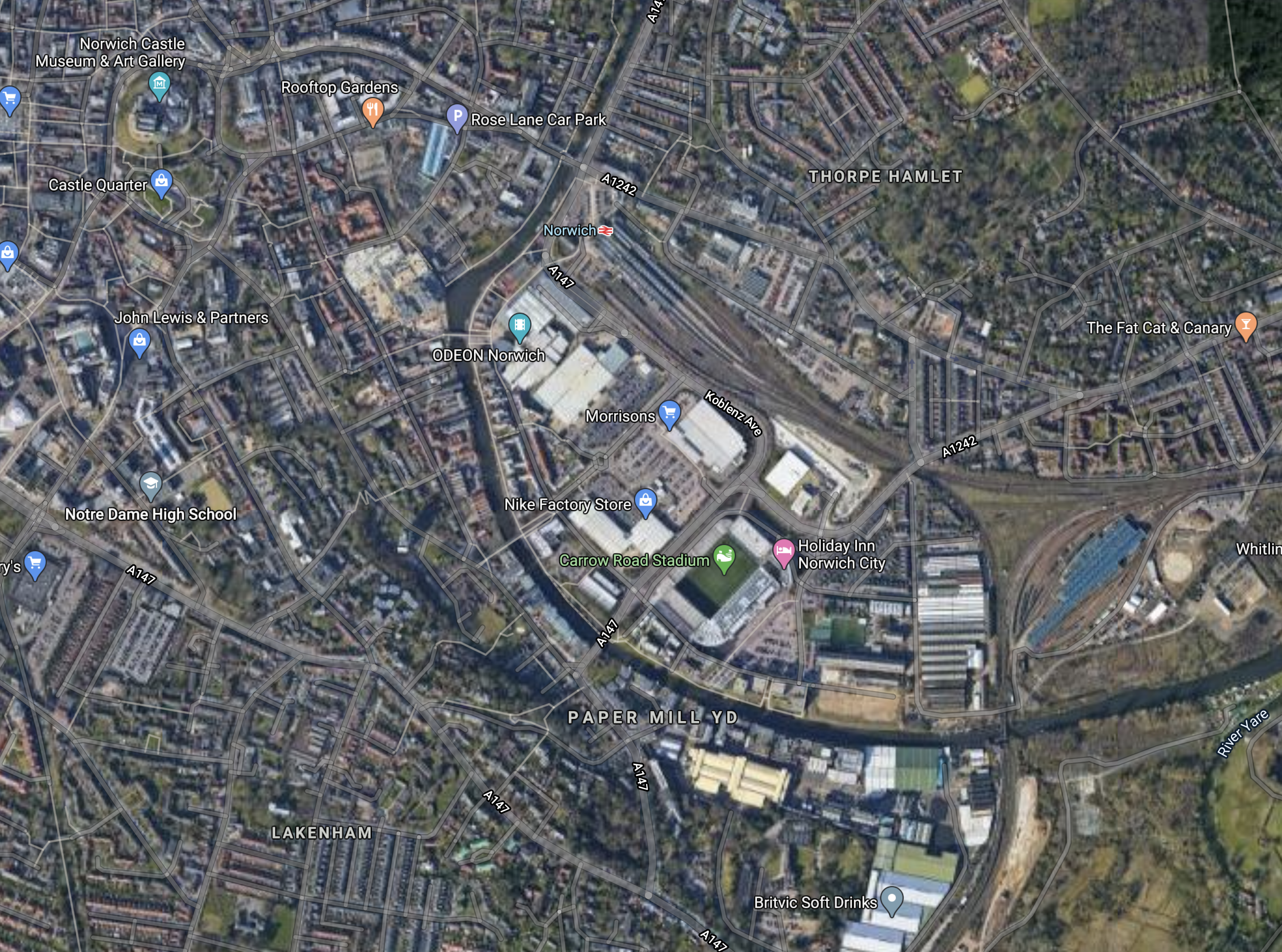
Note.
- The River Wensum curving through the City.
- The large Norwich station in the middle of the map.
- Norwich City Centre to the West of the station.
- Norwich City’s Carrow Road ground to the South of the station.
- The blue-roofed Norwich Crown Point Depot towards the East of the map.
- Trowse bridge crossing the river to the South of Crown Point Depot.
It should also be noted, that to solve some of the chronic overcrowding in Crown Point Depot, Greater Anglia have developed some new sidings South of the Trowse bridge, on the Western side of the Great Eastern Main Line, around the area of the former Trowse station.
Consider.
- If you look at the rail lines South of the Trowse bridge, the Breckland Line crosses under the Great Eastern Main Line and then joins the main line from the East.
- Norwich could borrow an idea from other cities like Bristol and run a water bus on the River Wensum.
- The South Bank of the river looks ripe for development.
I wonder if it would be possible to reopen Trowse station as a modern riverside station.
- There would be two electrified through platforms.
- The Southern ends of the through platforms would connect to the Great Eastern Main Line and the Breckland Line, as they do now.
- The Northern ends of the through platforms would combine and cross the Trowse Bridge, as they do now.
- On the Eastern side of the station, there would be up to two electrified bay platforms, which could connect to any route to the South.
- At least one platform would be able to take a full-length Class 745 train.
- There would be a river bus station, with connections to the main Norwich station, Carrow Road and Norwich City Centre.
- The station would be fully step-free.
As the infamous bridge is only thirty-three years old, surely it can be refurbished and modernised, so that the major problem of reliability is eliminated.
This new station would give train operators advantages and options.
- The station would be very handy for office and residential developments along the river.
- The rail line into Norwich could probably be kept open during the construction, as the bridge is only being refurbished.
- Some travellers to and from Norwich might prefer to use Trowse, rather than Norwich station and use the water bus.
- Extra services to Norwich might terminate in the bay platforms at Trowse and would not need capacity on the bridge.
- I suspect that a four or five tph frequency would operate between Norwich and Trowse station.
- In times of disruption, the bay platforms can be used to turn trains South of the bridge.
I’m sure there is an innovative solution in there somewhere.
What is Norwich City Council intending to do along the South bank of the river?
Future Train Services Between Norwich And The South
Greater Anglia have bought a lot of new trains and I doubt, that they’ll be leaving them in sidings, if they have a job for them to do.
I can certainly see four tph Turn-Up-And-Go services running on the following routes around Norwich.
- Norwich and Cambridge
- Norwich and Ipswich
- Norwich and Lowestoft
- Norwich and Yarmouth
Being able to turn some Cambridge and Ipswich trains South of Trowse bridge, may be the better solution, than replacing, rather than refurbishing the bridge.
Norwich And Dereham
- Norwich and Dereham stations are just over twenty miles apart and I suspect that Class 755 trains can do the trip in about twenty-five minutes.
- This may open up the possibility of an hour’s round trip between Trowse and Dereham stations.
If the hour trip is possible, this could open up a two tph service, run by just two trains.
A Possible Timetable
I could see something like this being a possible timetable.
- East West Rail – One tph – Norwich and Oxford via Cambridge
- Greater Anglia – One tph – Norwich and Stansted Airport via Cambridge
- Greater Anglia – One tph – Trowse and Stansted Airport via Cambridge
- Greater Anglia – One tph – Trowse and Cambridge
- Greater Anglia – Two tph – Trowse and Dereham
- East Midlands Railway – One tph – Norwich and Liverpool via Ely and Peterborough
- Greater Anglia – Two tph – Norwich and London Liverpool Street via Ipswich
- Greater Anglia – One tph – Trowse and London Liverpool Street via Ipswich
- Greater Anglia – One tph – Trowse and Ipswich
Trowse bridge would be handling five tph in both directions, with six tph terminating in Trowse station.
Obviously, there are a lot of permutations and combinations, that will be determined by customer forecasts and figures.
Conclusion
I’ve thought the route between Norwich and Dereham stations will be a commuter, shopping and leisure rail route for some time.
As I indicate, I think some work will need to be done at the Trowse bridge, but a two tph service should be possible.
Beeching Reversal – Mid-Cornwall Metro
This is one of the Beeching Reversal projects that the Government and Network Rail are proposing to reverse some of the Beeching cuts.
This is a strange project, as I can’t find a detailed description of what it entails.
All I can think, is that it is a general project to run all the local lines in Cornwall as a unified whole.
Great Western Railway runs these services in Cornwall.
- Cornish Main Line – London Paddington and Penzance – One train per two hours (tp2h) – Calling at Plymouth, Liskeard, Bodmin Parkway, Lostwithiel, Par, St Austell, Truro, Redruth, Camborne and St Erth
- Cornish Main Line – Exeter St. Davids and Penzance – One train per hour (tph) – Calling at Newton Abbot, Totnes, Ivybridge, Plymouth, Devonport, Dockyard, Keyham, St Budeaux Ferry Road, Saltash, St Germans, Menheniot, Liskeard, Bodmin Parkway, Lostwithiel, Par, St Austell, Truro, Redruth, Camborne, Hayle and St Erth
- Looe Valley Line – Liskeard and Looe – One tph – Calling at Coombe Junction Halt, St Keyne Wishing, Well Halt, Causeland and Sandplace.
- Atlantic Coast Line – Par and Newquay – One tp2h – Calling at Luxulyan, Bugle, Roche, St Columb Road and Quintrell Downs
- Maritime Line – Truro and Falmouth Docks – Two tph – Calling at Perranwell (1tph), Penryn, Penmere and Falmouth Town
- St. Ives Bay Line – St. Erth and St. Ives – Two tph – Calling at Lelant Saltings, Lelant and Carbis Bay
Could frequencies and connectivities be improved?
Other Beeching Reversal projects are also aiming to improve the railways in Cornwall.
Transforming the Newquay Line
Reinstatement of Bodmin-Wadebridge Railway and associated works
Increased service provision Bodmin General-Bodmin Parkway
I think the first might increase frequencies on the Newquay to one tph or even two tph and the Bodmin General station improvements should create a useful new platform.
Wikipedia mentions this project.
Reopening The Lostwithiel And Fowey Railway To Passengers
Are there any other lines, stations or platforms, that could be reopened, given a passenger service or or an increase in frequency?
Conclusion
Someone must have a plan somewhere! So can they please disclose it?
Beeching Reversal – Light Railway Extension To The Barnstaple Branch (Chivenor Braunton) “TawLink”
This is one of the Beeching Reversal projects that the Government and Network Rail are proposing to reverse some of the Beeching cuts.
This is an unusual project for two reasons.
- It is based on light railway or tram technology.
- The case for the extension is fully set out in the Taw Link web site.
None of the other projects, that I have documented have such a comprehensive statement of their case for acceptance.
The Introduction
This is taken from the home page of their web site.
Combe Rail CIO is proposing a modern, light railway between Barnstaple and Braunton. The North Devon Local Plan already urges the protection of former railway routes, to allow for future re-instatement. This former railway route is 98% intact, with sufficient width to accommodate a new single-track railway line alongside the Tarka Trail and South West Coast Path.
It’s now accepted that new and re-opened railways unlock economic growth. The success of the Borders Railway in Scotland is a spectacular example of this. The challenge of North Devon’s ever-growing population demands similar, forward-looking infrastructure planning.
Some of the other projects, that I have documented, could do with such a clear Statement of Intent.
The Route
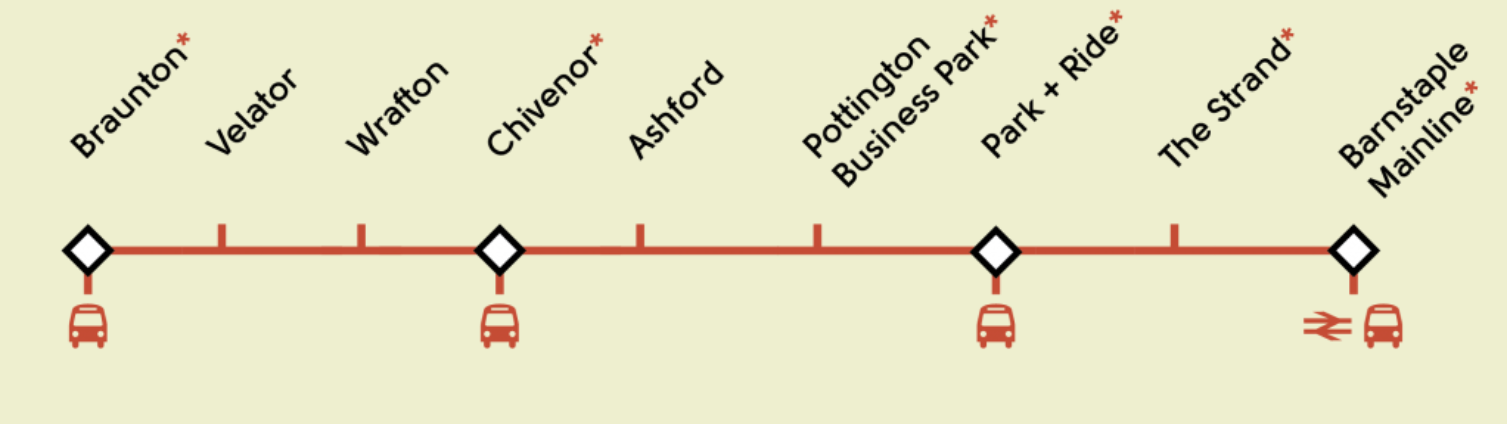
This graphic from the Route page on web site shows the route.
And this Google Map shows the area.
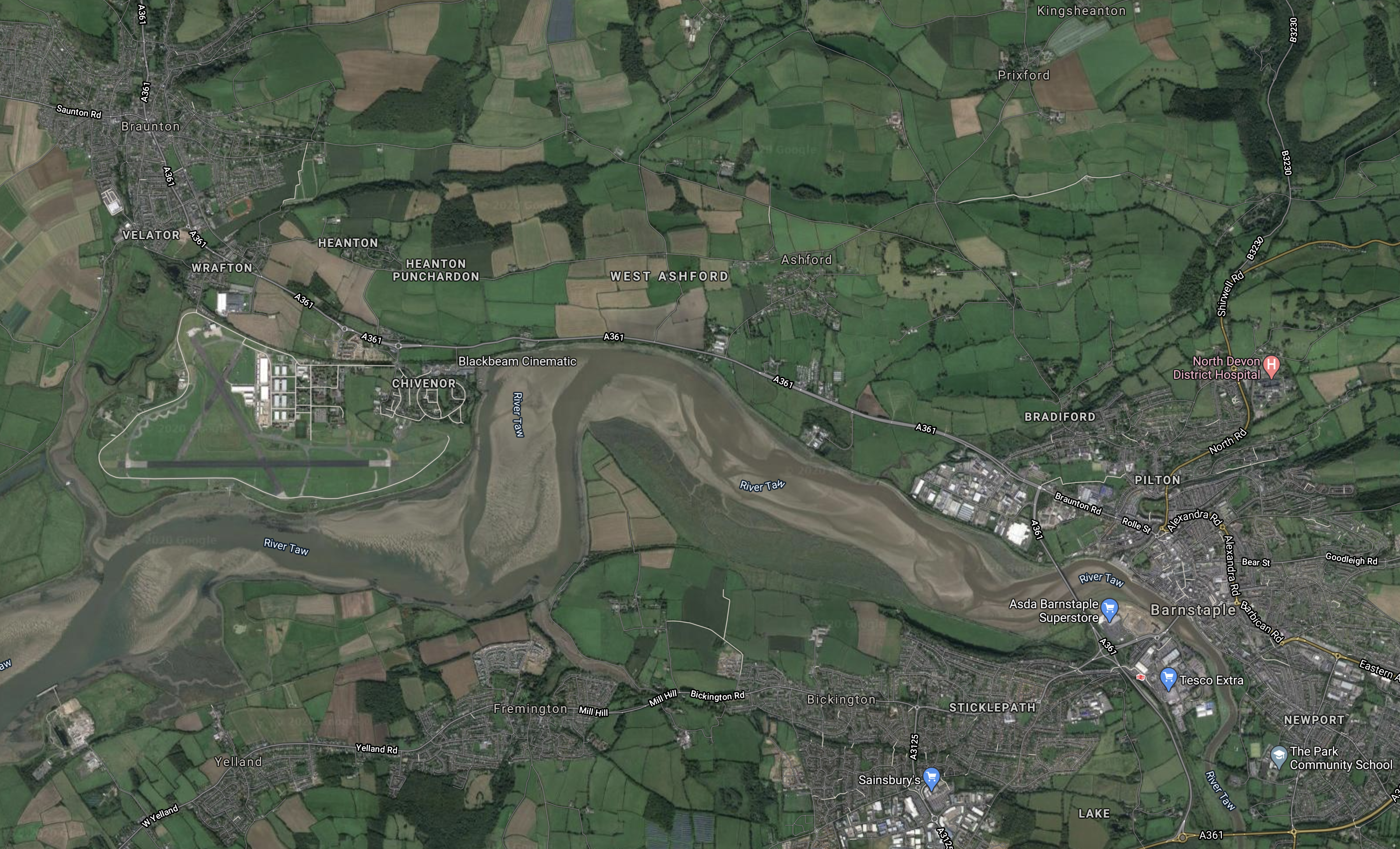
Note.
- Braunton is in the North-West corner of the map.
- Barstaple is in the South-East corner of the map.
- The River Taw runs East-West across the map.
- The runways of the former RAF Chivenor, which is now a Royal Marine Base, can be found.
If you enlarge the map by clicking on it, many of the stations on the TawLink can be picked out.
This paragraph from the Route page describes the route.
Starting from Caen Street in Braunton, it will run tramway-style along Station Road, and then use the old railway formation all the way to the Civic Centre car park in Barnstaple. It will then street-run past the front of the former Town Station and along Castle Street to The Strand in the heart of Barnstaple. There are two options for crossing the river Taw – either to street-run along Long Bridge, or to share the proposed reinstated (former railway) bridge. The line will then street-run along Stickelpath Terrace to re-connect to the National Rail Network at Barnstaple (Mainline.) Intermediate stations will be provided at Velator, Wrafton (for Perrigo), Chivenor (Business Park and The Landings), Ashford (Garden Centre and Braunton Inn) Pottington (Business Park) and Barnstaple Park-and-Ride (near the A39 downstream bridge – which could potentially have a huge catchment area.)
As the proposals for the Reinstatement Of The Bodmin-Wadebridge Railway, are doing, these proposals are replacing a walking and cycle path with a walking/cycling/single-track rail route.
This pair of South-West proposals could set an important design precedent, that can be applied in other places across the UK.
Are These Two Routes Substantially Level?
Thinking about this similar design, were the two original rail routes built as level as possible, so they are now easy walking and cycling routes?
I suspect, that there’s only a couple of metres difference between the two ends of this route at Barnstaple. So it could be the case here!
If thar is the case, it would mean that less energy would be needed to travel the route!
The Trams
This paragraph from the Trams page on the web site describes the trams.
This will be a modern community- and commuter railway, which will run throughout the year. Its scenic location will also make it highly attractive to tourists. It will use lightweight, battery-electric vehicles – like traditional trams, but without the overhead wires – capable of running safely on-road, and quickly off-road. These vehicles are environmentally-friendly, and very quiet. Visually, and in terms of infrastructure, the railway will be low-impact.
I have liked the concept of coastal trams, even since I rode in the one along the Belgian coast, which I wrote about in Riding The Coast Tram.
A Level Route Would Be Beneficial
If I am right about the level nature of the route, this would mean smaller and lighter batteries would be needed to power the trams.
Through-Running
I suspect through-running would not be possible, unless the Tarka Line between Exeter and Barnstaple is electrified, as it is a rather challenging route for a light rail vehicle.
The vehicles also don’t probably have enough capacity, for what can be a busy route in the Peak.
Conclusion
I like this proposal and I have a feeling it will be imitated in the future.
Beeching Reversal – Project Wareham – Complete The Link
This is one of the Beeching Reversal projects that the Government and Network Rail are proposing to reverse some of the Beeching cuts.
A Visit To The Swanage Railway describes an enjoyable visit I made to the Swanage Railway, just after the first part of Project Wareham had been completed.
This was my conclusion in that post.
There is a lot of potential to improve services on the Swanage Railway.
I suspect that if South Western Railway and the Swanage Railway got into serious discussion, there will be a solution, that would be beneficial to both parties and all those who live and work in or visit Swanage and the Isle of Purbeck.
This page on the Swanage Railway web site describes the project.
Completing Project Wareham
I can find very little on the Internet about what is proposed in the completion of this project.
So perhaps, the proposal is to start a project to see what could be developed on the Swanage Railway to the benefit of residents, commuters and visitors.
Hourly Trains
From a railway point of view, I suspect the most important thing, is to make it possible for an hourly train to connect from the Swanage Railway to the South Western Main Line.
This would enable the following.
- Residents along the route to commute to or go shopping in Poole and Bournemouth.
- Better public transport connections to the local councils at Dorchester and Warham.
- Better visitor access to the Isle of Purbreck and especially the Swanage Railway.
- Development of some possible housing and industrial sites.
There could be a lot of beneficiaries.
What Trains Would Be Used?
The Swanage Railway seem to be proposing running heritage diesel multiple units on connecting services. They have a Class 117 train and a Class 121 train, that were built around 1960, that have been fully-refurbished for the service.
These would be fine for the service and I suspect to cut emissions, they could be run on biodiesel.
I also think that if the service was successful, that more trains would be needed.
Consider.
- The South Western Main Line is fully-electrified.
- The Swanage Railway is only 5.5 miles long.
- South Western Railway probably want to go to an all-electric fleet.
- Battery electric train technology is improving rapidly.
- South Western Railway will probably be running battery electric trains on other services in their network.
- The route might be suitable for Vivarail’s ideas, like the Pop-Up-Metro.
I believe that South Western Railway could connect Wareham and Swanage with a battery electric train charged on the main line.
I’m sure that Bombardier, CAF, Hitachi, Siemens or Stadler, would be able to supply a suitable battery electric train to replace the company’s Class 158 and Class 159 diesel multiple units.
Where Would The Trains Run?
Consider.
- The obvious route is between Wareham and Swanage, but as I showed in A Visit To The Swanage Railway, the timings might not be friendly to an hourly shuttle.
- Changing trains is something that discourages regular passengers.
- I believe a service to Poole or Bournemouth may be more attractive to passengers.
- Some passengers might even like the occasional service to London.
I can see an innovative timetable being developed containing elements like these.
- One train per two hours (tp2h) between Swanage and Wareham, run by the Swanage Railway. using a heritage diesel multiple unit.
- One tp2h between Swanage and Poole or Bournemouth via Wareham, run by South Western Railway, using a modern battery electric multiple unit.
- Some services might extend past Bournemouth to Southampton or Salisbury.
- Early morning and late night services between Swanage and Bournemouth.
- At least one train per day in both directions between Swanage and London Waterloo.
- Services would be seven days per week.
I believe that the more comprehensive the service, the more it will be used.
Conclusion
After my visit in November 2018, I said this.
There is a lot of potential to improve services on the Swanage Railway.
I stand by what I said and feel that comprehensive services between Swanage and Wareham can be developed for the benefit of residents, travellers and train companies.
Beeching Reversal – Shepton Mallet (Mendip Vale)
This is one of the Beeching Reversal projects that the Government and Network Rail are proposing to reverse some of the Beeching cuts.
This article on Rail Technology News is entitled Shepton Mallet Railway Station And Services Could Be Restored Under New Vision.
These are the introductory paragraphs.
National rail services could be restored to a Somerset town after the local authority unveiled a new vision for the rail route.
Shepton Mallet’s current nearest mainline station is Castle Cary which is over seven miles away, but new stations and a bypass have been proposed in a business case from Mendip District Council for major new transport projects.
In the Wikipedia entry for the East Somerset Railway, this is said.
On 25 March 2007, the East Somerset Railway announced that it had received a £7,500 grant from Shepton 21 Group, a local organisation, set up to regenerate the area around Shepton Mallet. The money was to be spent on conducting a feasibility study into extending the line towards Shepton Mallet, with a possible new terminus at Cannards Grave, on the outskirts of Shepton Mallet
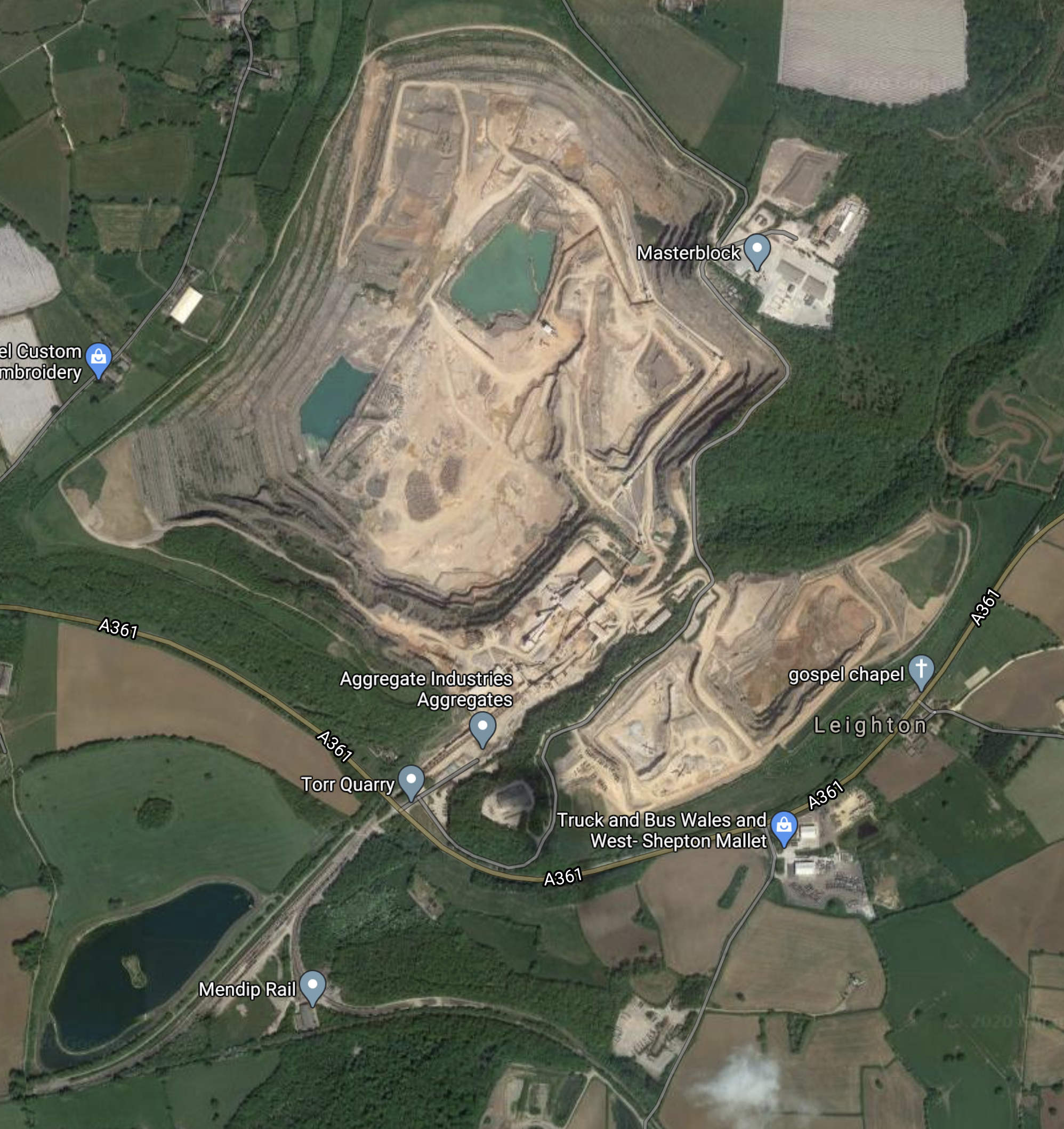
This Google Map shows the South-Eastern edge of Shepton Mallet.
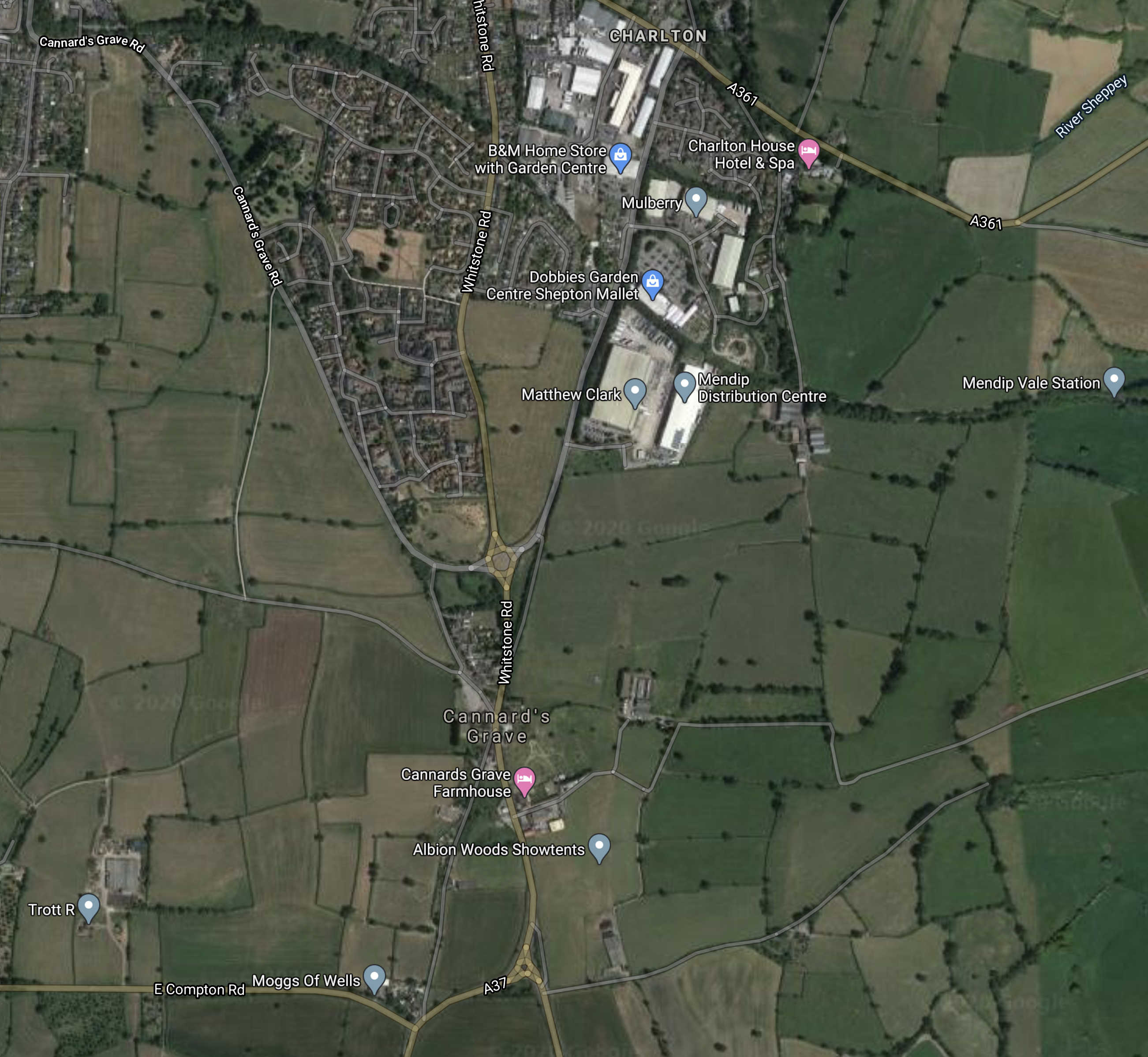
Note.
- The scar of the disused railway passing East-West through the town.
- Mendip Vale station on the East Somerset Railway on the Eastern side of the map.
- The Cannard’s Grave area of the town, with what appears to be a new road system.
Would it be possible to extend the East Somerset Railway to a new Parkway station in the Cannard’s Grave area?
It certainly looks the most likely plan.
This map clipped from Wikipedia, shows the route of the railway.
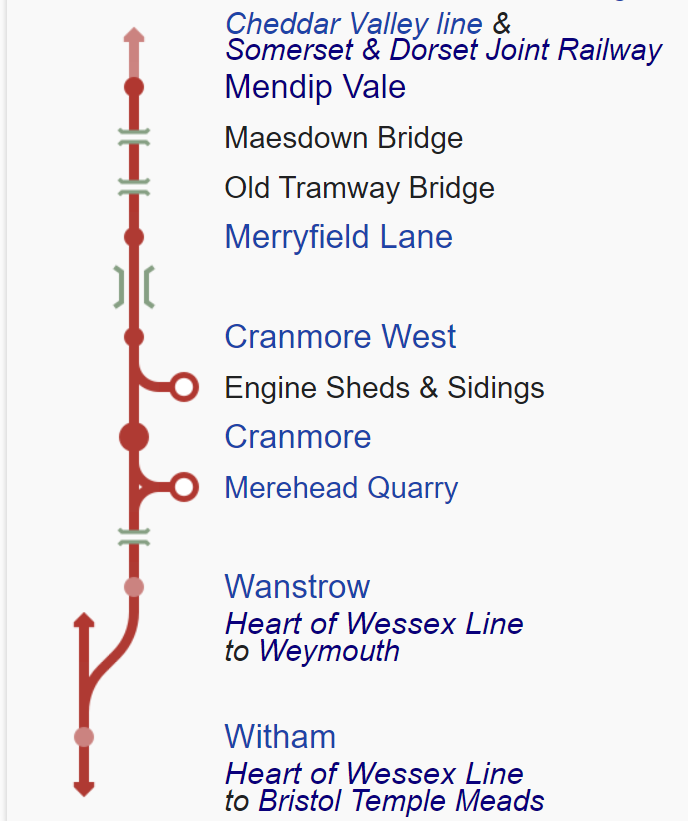
The railway may be only 2.5 miles long, but it does provide a connection for the important Merehead Quarry to the UK rail network.
The tracks to the Quarry and Shepton Mallet join up to the South West of the quarry before joining the Heart of Wessex Line, that connects Bristol Temple Meads and Weymouth stations via Bath Spa, Bradford-on-Avon, Trowbridge, Westbury, Frome. Castle Cary and Yeovil.
Passenger Train Services
This Google Map shows East Somerset Junction, where the branch line joins the Heart of Wessex Line.
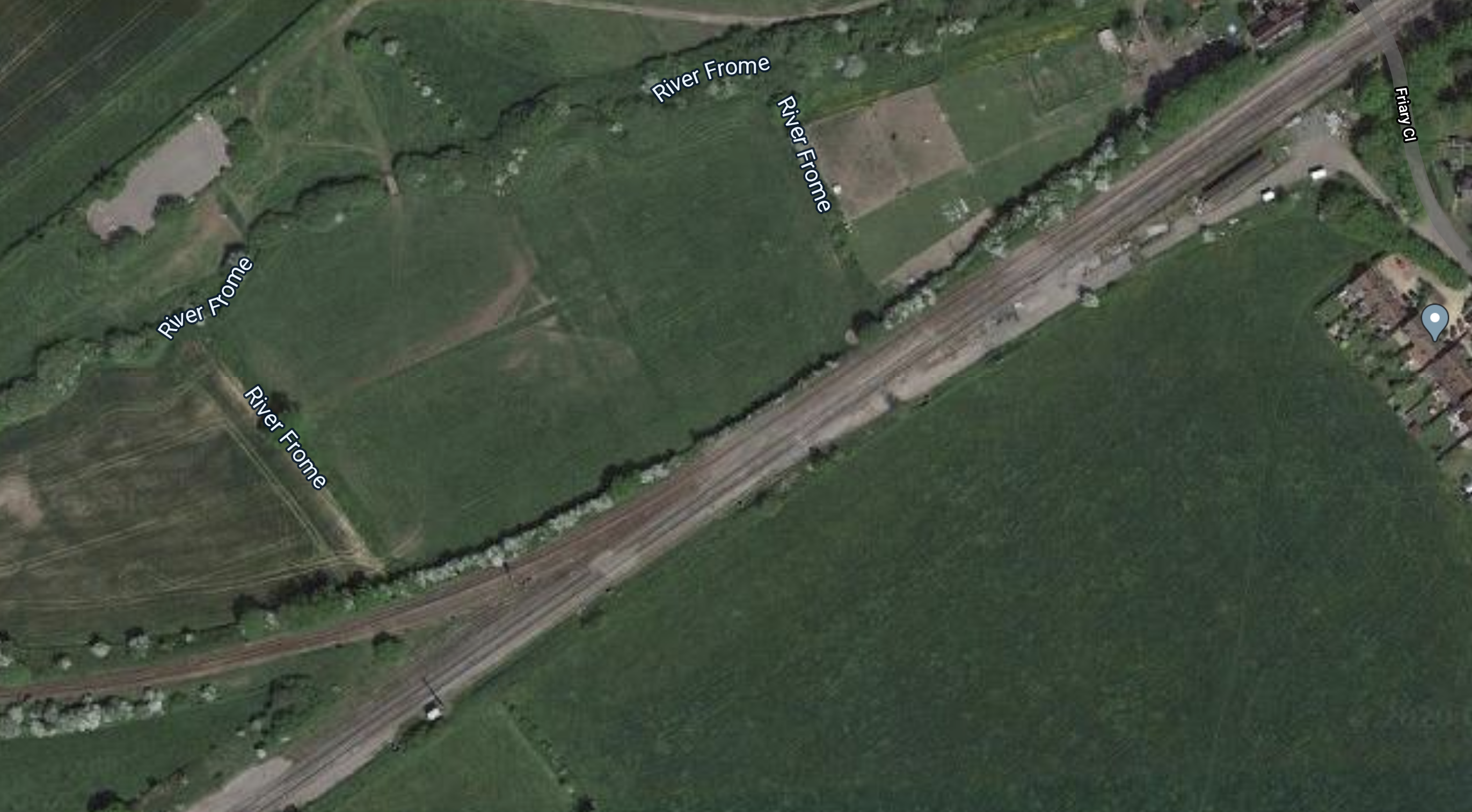
Note.
- Frome, Westbury, Bath Spa and Bristol Temple Meads are to the North East.
- The double-track railway going South-West is the Heart of Wessex Line to Castle Cary, Yeovil and Weymouth.
- The East Somerset Railway is the single-track joining from the West.
There is no direct access to and from the branch from the South-West. But then all of the quarry traffic needs to go to and from via the junction at Westbury.
In Westbury Station – 30th July 2020, I discussed the development of Westbury station.
This was my conclusion.
Could Westbury station develop into a zero-carbon rail transport hub for Wiltshire?
-
- It has an hourly train service between London Paddington and Exeter St. Davids.
- It has an hourly service between Bristol Temple Meads and Weymouth.
- There are hourly services to stations like Bath Spa, Bradford-on-Avon, Bristol Temple Meads, Chippenham, Dorchester, Frome, Swindon, Taunton, Trowbridge and Yeovil
It could be electrified to charge battery electric trains as they pass through.
Perhaps, an hourly service between Westbury and Shepton Mallet Parkway stations could be added to the services?
- I estimate that Westbury and Shepton Mallet Parkway stations are about 13.5 miles apart
- With an intermediate stop at Frome, I estimate that it would be a twenty minute journey.
- A shuttle would need just one train and could run a passenger-friendly clock-face timetable.
- A two-car diesel multiple unit would probably be good enough to open the service.
- The service could be fully-integrated with all the other services passing through Westbury.
It would also be a shuttle service, that could be run using a battery electric train charging at Westbury station.
Vivarail’s Pop-up Metro
The route could be ideal for Vivarail’s Pop-up Metro.
- It is 27 miles for a round trip.
- I’m sure space could be found for charging at either Shepton Mallet or Westbury.
- A two-car train would be large enough.
it could be an extension to the Transwilts local system.
Conclusion
I like this proposal.
- The only infrastructure required is the Park-and-Ride station at Shepton Mallet Parkway.
- Much of the route is currently used by heavy freight trains.
- I doubt that the East Somerset Railway will object.
- I’m sure, that a diesel multiple unit could be found for the shuttle.
- The passenger services will have good connections at Westbury station.
In a future zero-carbon world, it could be run by battery electric trains, charging at Westbury station.
Turning Waste Plastic Into Hydrogen – Is This The Future?
The title of this post, is the same as that of this article on H2 View.
This paragraph is a description of the process from Myles Kitcher of Peel L&P Environmental.
At Peel L&P Environmental we’ve been working with PowerHouse Energy who have developed a world first plastic to hydrogen technology. The first plant at Protos, our strategic energy and resource hub in Cheshire, is due to start construction later this year. It will take unrecyclable waste plastic – destined for landfill, or worse export overseas – and use it to create a local source of clean hydrogen to fuel buses, Heavy Goods Vehicles (HGVs) and cars. Not only will this help reduce air pollution and improve air quality on local roads, it’s helping us deal with the pressing problem of plastic waste.
This sounds like an eminently sensible way of dealing with unrecyclable waste plastic.
40GW Of Battery Storage And Longer Durations Could Help Smash UK Net Zero Targets
The title of this post, is the same as that of this article on Energy Storage News.
This is the introductory paragraph.
More electricity storage and longer durations of storage will be needed for the UK to meet net zero targets, according to electricity system operator National Grid ESO’s latest modelling.
The article is very much a must-read.
Germany Builds The World’s First Hydrogen Train Filling Station
The title of this post, is the same as that of this article on electrek.
Hydrogen Trains In Germany
The hydrogen filling station for trains is described under this heading.
This is the introductory paragraph.
The town of Bremervörde in Lower Saxony, Germany, has broken ground on the world’s first hydrogen filling station for passenger trains. Chemical company Linde will construct and operate the hydrogen filling station for the Lower Saxony Regional Transport Company.
It will provide approximately 1600 Kg of hydrogen per day.
The Supergroup Of ‘Green Energy’
This is a second section, which I find an interest sting concept.
These are the introductory paragraphs.
Oil giant Shell and Dutch utility Eneco have won the tender to build a super-hybrid offshore wind farm in the Netherlands. It will consist of two sites located 11.5 miles (18.5 km) off the west coast, near the town of Egmond aan Zee.
The Shell/Eneco consortium, CrossWind, will build the Hollandse Kust (noord) project. They will pair the offshore wind farms with floating solar facilities and short-duration batteries. It will also generate green hydrogen via an electrolyzer, according to GreenTech Media.
It will be operational in 2023 and have an output of 759 MW.
Westbury Station – 30th July 2020
I went to Westbury station today and took these pictures.
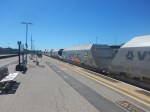
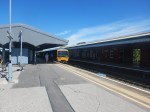

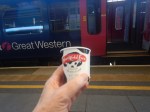
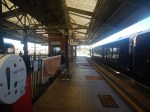
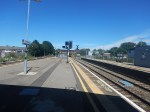
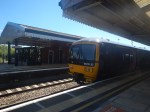
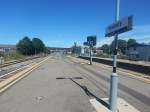
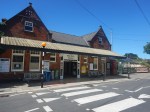
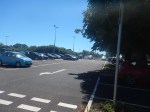
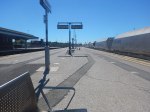
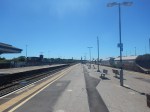
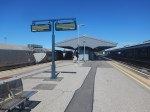
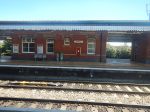
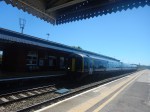
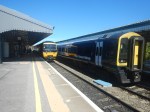
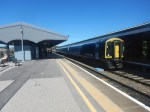

I found Westbury station to be a station in extremely good condition.
It also had a buffet, where I was able to purchase a delicious ice cream.
Passenger Services Through Westbury Station
I was at the station for about an hour and several trains passed through.
Great Western Railway services through the station include.
- One train per two hour (tp2h) – London Paddington and Exeter St. Davids – Stops
- One tp2h – London Paddington and Penzance – Passes through
- One tp2h – London Paddington and Plymouth – Passes through
- One train per hour (tph) – Cardiff Central and Portsmouth Harbour – Stops
- One tp2h – Great Malvern and Westbury
- One tp2h – Gloucester and Weymouth – Stops
- One tp2h – Swindon and Westbury
Train classes included Class 800 trains and Class 166 trains.
South Western Railway services through the station include.
- Five trains per day – Salisbury and Bristol Temple Meads – Stops
Train classes include Class 159 trains.
Battery Trains Through Westbury
Hitachi’s Class 800 train with a battery electric capability or Regional Battery Train, is described in this infographic from the company.

The proposed 90 km or 56 mile range could even be sufficient take a train between Westbury and Bristol Temple Meads stations on a return trip.
Many of the trains through Westbury go to the same stations.
Distances are as follows.
- Bristol Temple Meads – 28 miles
- Newbury – 42 miles
- Salisbury – 24 miles
- Swindon – 32.5 miles
- Taunton – 47 miles
It looks like all of these places should be in range of an electric train with a battery capability, providing there is a charging facility at the other end.
An Electrification Island At Westbury Station
I have been advocating an island of electrification around Westbury station for some time and feel about a dozen miles of electrification through the station would be sufficient for Class 800 trains with a battery capability to bridge the gap.
- At Newbury, trains would access the current electrification into London Paddington.
- Between Exeter and Taunton, the rail route runs alongside the M5, so why not electrify this stretch, as the wires will not be so noticeable?
Looking at Westbury, to my untrained eye, it would appear that a short section of electrification around the station, would not be the most challenging of projects.
I believe that discontinuous electrification between Newbury and Exeter would be possible and could gradually be extended across Devon and Cornwall.
It should also be noted that one of Hitachi’s Regional Battery Trains has a range of 56 miles, so that these places from Westbury could be an return trip on batteries, with a well-driven train with excellent energy management.
- Bath Spa – 17 miles
- Bradford-on-Avon – 7 miles
- Bristol Temple Meads – 28 miles
- Chippenham – 16 miles
- Frome – 6 miles
- Salisbury – 24 miles
- Trowbridge – 4 miles
- Warminster – 9 miles
Obviously, the number of stops and the terrain will play a part.
Freight Might Drive Full Electrification Through Westbury Station
As the pictures show, there are heavy freight trains going through the area, which bring long and weighty loads of stone from the Mendips to London.
- There are regularly two or three stone trains in an average hour of the day.
- Like in the picture, I suspect they are usually hauled by a noisy, smelly, polluting and carbon-dioxide emitting Class 66 Locomotive. Not all of these, are as clean and well-maintained, as the one in the picture.
- Some trains start at Merehead Quarry, which is about fifteen miles from Westbury station.
I believe that we must decarbonise freight trains.
But freight and electric haulage is not a simple subject.
- I once had extensive talks with a Senior Crane Driver at the Port of Felixstowe during an Ipswich Town Away match. Ports don’t like overhead wires, as containers do get dropped and fall off rail wagons.
- Suppose a historic line without electrification, like the Settle and Carlisle has a serious land-slip, which it did a couple of years ago. How do you haul in the materials for repair?
- Because freight can be of a random and unpredictable nature, to electrify freight, you probably need to electrify the whole rail network.
For these and other reasons, we need independently-powered freight locomotives and I feel that a new freight locomotive will develop, that will be needed by the rail industry all over the world.
There are several solutions.
Biodiesel
Biodiesel is the simplest solution and would mean that the current diesel locomotives could be used.
In Grant Shapps Announcement On Friday, I talked about Government support for an industrial process, that has been developed by Oxford University and their spin-off company; Velocys, from the the Fischer-Tropsch Process, which can produce, the following fuels from household and industrial waste.
- Aviation biofuel.
- Biodiesel.
A plant to process 500,000 tonnes per year of Lincolnshire finest waste is now being built at Immingham to create 50,000,000 litres of fuel, by Altalto, which is a partnership between Velocys, British Airways and Shell.
If nothing else, waste-to-fuel is the interim solution to the decarbonisation of tricky sectors like heavy rail freight, rail construction, large diesel-powered machines, ships or long-distance aviation.
This fuel could be ideal to haul the heavy stone trains from the Mendips.
Hydrogen
I did think, it would be hydrogen powered, but I’m not so sure now, as hydrogen trains and locomotives seem to have a slow development cycle.
Although, there is one factor, that might influence the use of hydrogen as a fuel, which I wrote about in Thirsty High-Rollers … Mining’s Heavy Haulers Prime Candidates For Hydrogen Conversion.
Mining and quarrying don’t have a good green image, but converting mines and quarries to hydrogen power, would surely have operational and good public relational advantages.
It would also ensure a plentiful and convenient supply of hydrogen, for any hydrogen-powered locomotives.
Hydrogen-powered locomotives, with their electric transmissions, would probably be able to use electrification for traction power, so they would put pressure on the Government to electrify between Westbury and Newbury stations, so that there was a fully-electrified route between the Mendips and London.
Rolls-Royce’s Staggering Development
Staggering is not my word, but that of Paul Stein, who is Rolls-Royce’s Chief Technology Officer.
He used the word in a press release, which I discuss in Our Sustainability Journey.
To electrify aviation, Rolls-Royce has developed a 2.5 MW generator, based on a small gas-turbine engine, which Paul Stein describes like this.
Amongst the many great achievements from E-Fan X has been the generator – about the same size as a beer keg – but producing a staggering 2.5 MW. That’s enough power to supply 2,500 homes and fully represents the pioneering spirit on this project.
This generator is designed for flight and the data sheet for the gas-turbine engine is available on the Internet.
- It has a weight of under a couple of tonnes compared to the thirteen tonnes of the diesel engine and generator in a Class 68 locomotive.
- It is also more powerful than the diesel.
- It looks to be as frugal, if not more so!
- Rolls-Royce haven’t said if this gas-turbine can run on aviation biofuel, but as many of Rolls-Royce’s large engines can, I would be very surprised if it couldn’t!
Rolls-Royce’s German subsidiary is a large producer of rail and maritime diesel engines, so the company has the expertise to customise the generator for rail applications.
I can see this generator ending up in a high-powered heavy independently-powered electric locomotive for hauling stone and inter-modal container trains.
As with hydrogen-powered locomotives, this new breed of gas-turbine locomotive with its electric transmission, will be able to use electrification, where it exists.
So would locomotive developments drive the electrification through Westbury and especially between Westbury and Newbury?
I would rate is likely, that in the future, increasingly rail locomotives will have sophisticated electric transmissions, between their prime motive power of diesel, hydrogen, gas-turbine or whatever and their traction system. All of these locomotives will have pantographs and/or third-rail shoes to access electrification, where it exists.
These locomotives will surely add to pressure to electrify between Westbury and Newbury.
Biodiesel is surely the interim freight solution, if one is needed.
Future Zero-Carbon Passenger Services
Passenger services through Westbury can be divided into three groups.
Great Western Railway’s Services Between London Paddington And Devon And Cornwall
From Beeching Reversal projects put forward over the last few months, it looks like these services will increase and stop at several new and refurbished stations.
I can see discontinuous electrification being used to create a series of electrification islands to allow Class 800 trains, with a battery capability reach the Far South West of Cornwall.
Electrification islands could be at places like
- Around Westbury station.
- Between Taunton and Exeter St. Davids stations alongside the M5.
- Between Plymouth station and the Royal Albert bridge.
- Around Bodmin Parkway station
- Around Truro station
- At Newquay station
- At Penzance station
Obviously, the number and type of the various installations will depend on the methods used and the engineering required.
I do believe that with Hitachi trains, that meet their specification, that trains will be able to travel between Paddington and Penzance without touching a drop of diesel.
Great Western Railway’s Cardiff Central And Portsmouth Harbour Service
The service can be split into the following legs.
- Cardiff Central and Filton Junction – 33 miles – Electrified
- Filton Junction and Bristol Temple Meads – 5 miles – Not Electrified
- Bristol Temple Meads and Westbury – 28 miles – Not Electrified
- Westbury and Salisbury – 24 miles – Not Electrified
- Salisbury and Southampton Central – 15 miles – Not Electrified
- Southampton Central and Portsmouth Harbour – 26 miles – Electrified
It would appear that a train with the performance and range on batteries of Hitachi’s Regional Battery Train should be able to handle the route, provided the following conditions are met.
- It can leave the Great Western Main Line at Filton Junction with a full battery.
- It can leave the electrification at Westbury station with a full battery.
- It can leave Southampton Central station with a full battery.
- Third-rail shoes are fitted for working between Southampton Central and Portsmouth Harbour stations.
Recharging batteries at Bristol Temple Meads and Salisbury stations, although probably welcome, are not necessary.
I can envisage Hitachi Class 800 and Class 385 trains being able to fulfil this role, along with Bombardier Electrostars and Aventras and Siemens Desiros.
As Great Western Railway have forty-five Class 387 trains, conversion of some of these to battery electric operation must be a possibility.
Great Western Railway’s Gloucester and Weymouth Service
The service can be split into the following legs.
- Gloucester and Bristol Temple Meads – 39 miles – Not Electrified
- Bristol Temple Meads and Westbury – 28 miles – Not Electrifield
- Westbury and Dorchester Junction – 52 miles – Not Electrified
- Dorchester Junction and Weymouth – 4 miles – Electrified
It would appear that a train with the performance and range on batteries of Hitachi’s Regional Battery Train should be able to handle the route, provided the following conditions are met.
- It can leave Gloucester station with a full battery.
- It can leave Bristol Temple Meads with a full battery.
- It can leave Westbury with a full battery.
- It can leave the South Western Main Line at Dorchester Junction with a full battery.
It would be a tight trip for a battery electric train and I suspect, that there would be some extra electrification between Westbury and Dorchester Junction or perhaps charging facilities at Frome or Yeovil Pen Mill stations.
The alternative would be to fit larger batteries on the train.
As to the train to be used, a Class 387 train with a battery capability would surely be ideal.
Great Western Railway’s Swindon and Westbury Service
The service can be split into the following legs.
- Swindon and Chippenham – 16 miles – Electrified
- Chippenham and Westbury- 16 miles – Not Electrified
It would appear that a train with the performance and range on batteries of Hitachi’s Regional Battery Train should be able to handle the route, provided the following conditions are met.
- It can leave Chippenham station with a full battery.
This would have sufficient charge to do the thirty-two mile round trip from Chippenham to Westbury and back.
As to the train to be used, a Class 387 train with a battery capability would surely be ideal.
South Western Railway’s Bristol Temple Meads and Salisbury Service
The service can be split into the following legs.
- Bristol Temple Meads and Westbury – 28 miles – Not Electrified
- Westbury and Salisbury- 24 miles – Not Electrified
t would appear that a train with the performance and range on batteries of Hitachi’s Regional Battery Train should be able to handle the route, provided the following conditions are met.
- It can leave Bristol Temple Meads station with a full battery.
- It can leave Westbury with a full battery.
- It can leave Salisbury with a full battery.
But, I do wonder, if with a slightly larger battery, a well-driven train could work the route with only charging the battery at Westbury station?
Conclusion
Could Westbury station develop into a zero-carbon rail transport hub for Wiltshire?
- It has an hourly train service between London Paddington and Exeter St. Davids.
- It has an hourly service between Bristol Temple Meads and Weymouth.
- There are hourly services to stations like Bath Spa, Bradford-on-Avon, Bristol Temple Meads, Chippenham, Dorchester, Frome, Swindon, Taunton, Trowbridge and Yeovil
It could be electrified to charge battery electric trains as they pass through.
New Measurement Train – 30th July 2020
Whilst I was at Westbury station today, the New Measurement Train arrived.
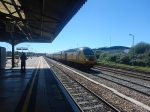
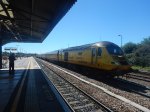
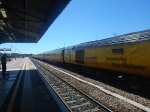
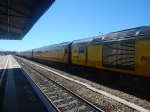
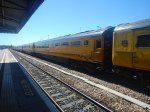
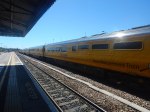

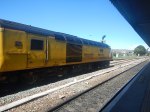
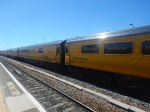


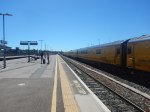
It is the first time, that I’ve been up close enough to take pictures.
With all the spare InterCity 125 trains at present, will Network Rail create a second train?
 The Anonymous Widower