Do All Wind Turbines Have To Be Similar?
I feel this is a reasonable question to ask.
But do all wind turbines have to look like those in this picture?

Wikipedia lists three main types.
- Horizontal Axis – Those in the picture are of this type, as are all the large wind turbines I’ve seen in operation.
- Vertical Axis – Wikipedia shows several examples.
- Unconventional Types
Recently, I have come across some which would be placed in the last group.
Hybrid Offshore Wind And Wave Energy Systems
This article on the Journal of Physics is entitled Review of Hybrid Offshore Wind and Wave Energy Systems, is a study from serious academics.
This is the abstract.
Hybrid wind wave systems combine offshore wind turbines with wave energy on a shared platform. These systems optimize power production at a single location by harnessing both the wind and the waves. Wave energy is currently at an earlier development stage than offshore wind. Research in this area is focused in wave energy converters being used for platform motion suppression of floating offshore wind turbines. Wave energy converters can passively shelter offshore wind turbines from waves and can also be actively controlled to reduce the system loads. Additionally, a small amount of supplemental power may be generated, which can be used for offshore wind turbine local power needs. There may be future benefits to these hybrid systems, but at this stage wave energy may increase the project cost and risk of offshore wind turbines. Hybrid wind wave system research and development is discussed, with a focus on floating offshore wind turbines. Additionally, two ocean demonstration scale hybrid wind and wave systems are discussed as case studies: the Poseidon Wave and Wind system and the W2Power system. Hybrid wind wave systems show potential to be part of the future of offshore wind energy.
Note.
- Wave energy development is at an earlier stage than offshore wind.
- Wave energy converters can passively shelter offshore wind turbines from waves and can also be actively controlled to reduce the system loads.
- There is more about Poseidon on this page on the Tethys web site.
- There is more about W2Power on the Pelagic Power web site.
The last sentence of the abstract is significant and I believe that hybrid offshore wind and wave energy will play a significant part in the future of offshore energy.
Wind Turbines With Added Storage
Critics and cynics of wind power always ask, what happens, when the wind doesn’t blow.
It is generally accepted, that the best thing to do is to pair a wind farm with some form of energy storage.
Technologies and solar and/or wind farms with energy storage are starting to be proposed and/or installed.
- In Cleve Hill Solar Park, I wrote about a solar farm, a wind farm and a battery sharing a grid connection.
- In First Ever Gravity Green Energy Storage System Set For North Yorkshire Town, I wrote about a battery being installed where two massive wind farms connect to the grid.
- In How To Store Excess Wind Power Underwater, I describe a Dutch system called an Ocean Battery.
- In UK Cleantech Consortium Awarded Funding For Energy Storage Technology Integrated With Floating Wind, I wrote about adding Marine Pumped Hydro to offshore wind farms.
More energy storage will be added in the future in or near to wind and solar farms.
Twin Turbines
This document from the Department of Business, Industry and Industrial Strategy lists all the Contracts for Difference Allocation Round 4 results for the supply of zero-carbon electricity.
One of the projects allocated a Contract for Difference, was the 32 MW TwinHub wind turbine, which I wrote about in Hexicon Wins UK’s First Ever CfD Auction For Floating Offshore Wind.
A full scale twin turbine hasn’t been built yet, but it does seem promising and the visualisations are impressive.
Scroll down on the TwinHub home page to see a video.
World Wide Wind
I’ll let the images on the World Wide Wind web site do the talking.
But who would have thought, that contrarotating wind turbines, set at an angle in the sea would work?
This is so unusual, it might just work very well.
Conclusion
There will be other unusual concepts in the future.
Ørsted Signs Two ‘Industry First’ Monopile Contracts For Hornsea 3 Foundations
The title of this post, is the same as that of this press release from Ørsted.
This is the introductory paragraph.
Ørsted, the world’s most sustainable energy company, has signed two ‘industry first’ contracts for the fabrication of XXL monopile foundations for the Hornsea 3 offshore wind farm.
I have a few thoughts about the press release.
XXL Monopile Foundations
These four paragraphs describe Hornsea 3’s XXL monopile foundations.
Subject to Ørsted taking a Final Investment Decision on Hornsea 3, the contracts have been finalised with Haizea Wind Group, through its subsidiary Haizea Bilbao, and SeAH Wind Limited, a UK-based subsidiary of SeAH Steel Holdings (SeAH).
Ørsted will be the first major customer at SeAH Wind’s new monopile facility in Teesside, and the agreement with Haizea marks the company’s first XXL monopile contract with Ørsted.
The deal with SeAH represents the single largest offshore wind foundations contract secured by any UK company. Haizea’s agreement is the largest single contract ever secured by Haizea Wind Group.
Each of the huge foundation structures for Hornsea 3 will weigh between 1,300 and 2,400 tonnes and measure in at between 83 and 111 metres in length. Monopile production is expected to start in 2024.
Note
- These are huge steel structures.
- But then the water depth appears to be between 36 and 73 metres.
- It looks like the orders are shared between Spanish and Korean companies
This article on offshoreWIND.biz, is entitled Beyond XXL – Slim Monopiles For Deep-Water Wind Farms.
These are some points from the article.
- XXL-Monopiles have been successfully used for water depths of up to 40 metres. Now wind farm developers need monopiles “beyond XXL”.
- The extension of the range is needed, mainly to enable the use of larger turbines, deeper water, and harsher environmental situations.
- These monopiles will allow turbines of up to 15 megawatts with rotor diameters of up to 230 metres.
- This monopile design automatically induces the idea of design and fabrication optimisation to ensure that monopiles continue to lead the ranking of most economical foundation systems.
In the 1970s, I was involved with a Cambridge University spin-out company called Balaena Structures, who were using similar much larger structures to support oil and gas production platforms.
I was just doing calculations, but I do wonder if these XXL monopile foundations, owe things in their design to work done by structural engineers, like those I met at Cambridge fifty years ago.
Ørsted Completes 50% Stake Sale In Hornsea 2 To French Team
The title of this post, is the same as that of this article on Renewables Now.
This sale was outlined in this press release from Ørsted in March, where this is the first paragraph.
Ørsted has signed an agreement to divest a 50 % ownership stake in its 1.3 GW Hornsea 2 Offshore Wind Farm in the UK to a consortium comprising AXA IM Alts, acting on behalf of clients, and Crédit Agricole Assurances.
Insurance companies must like wind power, as Aviva backed Hornsea 1 wind farm. I wrote about this in World’s Largest Wind Farm Attracts Huge Backing From Insurance Giant.
It looks like the French feel the same way as Aviva about Ørsted’s Hornsea wind farms.
There is no safer mattress in which to stash your cash.
Accelerating The Delivery Of Offshore Wind Farms
It is one of Kwasi Kwarteng’s ambitions to accelerate the delivery of offshore wind farms.
In The Growth Plan 2022, these groups of wind farms are mentioned.
- Remaining Round 3 Projects
- Round 4 Projects
- Extension Projects
- Scotwind Projects
- INTOG Projects
- Floating Wind Commercialisation Projects
- Celtic Sea Projects
My thinking in this post, will probably apply to all of these groups.
These are my thoughts.
Accelerating Delivery Of A Wind Farm
This will have these positive effects.
- Electricity will be delivered earlier.
- Customers will have a more secure supply of electricity.
- The wind farm owner will start to be paid for their electricity.
- The Crown Estate will start to be paid for their leases. Although, these might start at signing.
- National Grid will be paid for the transmission of the electricity.
- An energy storage company could be paid for storing surplus electricity.
- Construction teams and engineers can move on to the next project.
- Expensive construction hardware like ship-mounted cranes will no longer be needed.
- I also suspect that the government will raise some taxes from the various companies involved.
It looks like it’ll be winners all round.
How Will Delivery Be Accelerated?
These are some thoughts.
Overall Project Time
In How Long Does It Take To Build An Offshore Wind Farm?, I came to these conclusions.
- It will take six years or less from planning consent to commissioning.
- It will take two years or less from the start of construction to commissioning.
I suspect that as we have been building offshore wind farms for some years, that it will be very difficult to reduce these times significantly.
But as some wind farms take quite a few years to progress from the initial proposal to planning consent, I suspect that improvements to the planning process may speed up the overall construction time of a wind farm.
Project And Resource Management
Good project and resource management will always help.
Better Design And Construction Methods
I always remember in the early days of North Sea Oil, being told by a very experienced project manager that construction of production platforms was accelerated by the availability of larger and more powerful cranes.
Are we approaching the design of the ultimate wind farm? I doubt it, as in the last few months, I’ve seen two very radical new designs.
In Hexicon Wins UK’s First Ever CfD Auction For Floating Offshore Wind, I show this image of one of their TwinHub turbine installations being towed into place.
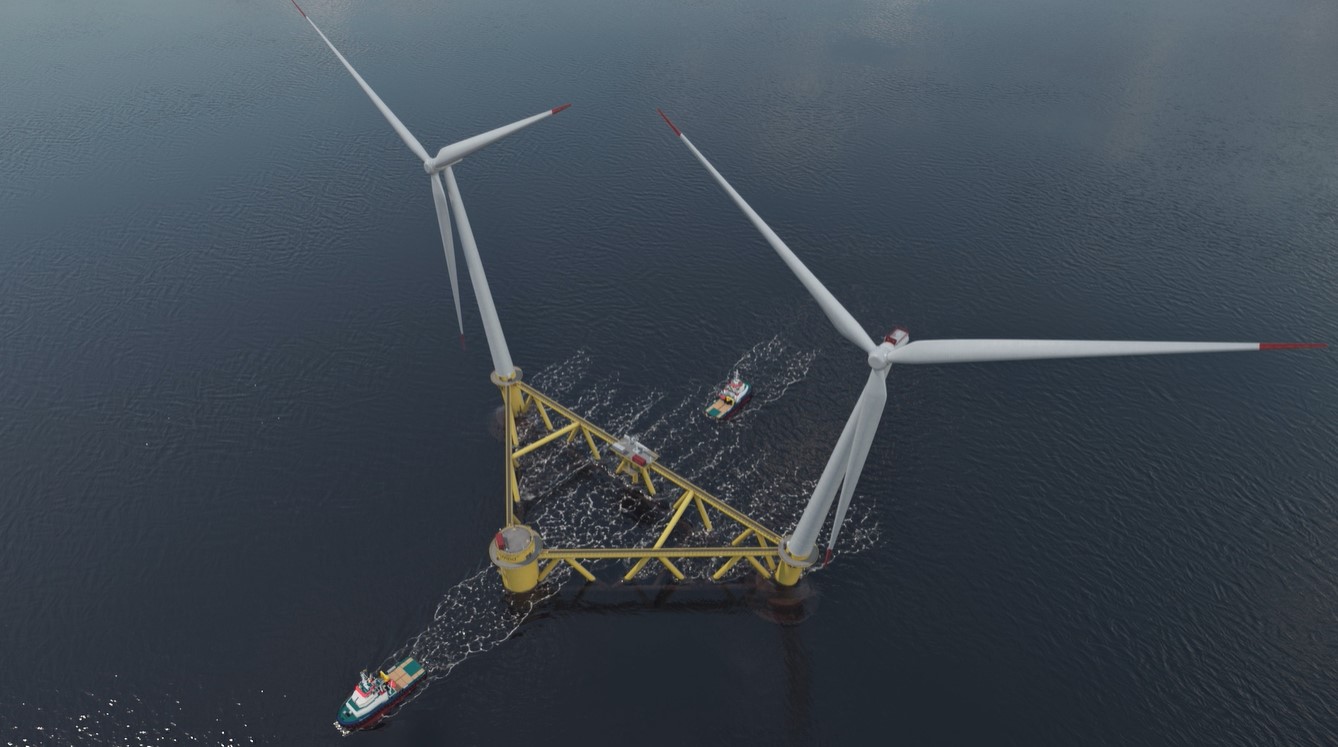
The TwinHub home page has a title of The First Floating Offshore Wind Project in The Celtic Sea.
This is the description on the page.
The TwinHub offshore wind demonstration project intends to prove how Hexicon’s innovative design with two turbines on one floating foundation can further reduce the Levelized Cost of Energy (also referred to as LCoE) before large scale commercialisation. The TwinHub project is a stepping stone to help kick-start floating wind in the Celtic Sea, an area identified as a hotspot for floating wind by the UK Government. It will pave the path for larger and larger projects to help support The Crown Estates’ ambitious target of 4GW of floating wind in the Celtic Sea.
Scroll the page down and there is a fascinating short video of a pair of wind turbines in operation.
- It appears that when there is no wind, it automatically goes into a safe parked mode.
- As the wind rises, one turbine starts up.
- The second turbine starts up and the float turns so they face the wind.
It appears to be a classic example of disruptive innovation.
I have a feeling that this type of installation might have generation, assembly and cost advantages over a single turbine mounted on a single float.
RCAM Technologies are also creating interesting designs for mounting turbines and energy storage using 3D-printed concrete.
What Ts The UK Government Doing To Accelerate Projects?
This article on offshoreWIND.biz, was published in late September 2022 and is entitled BREAKING: UK Puts Massive Amount Of New Offshore Wind Capacity On Fast Track and this is the first paragraph.
The UK will speed up planning and development consent processes for projects from the recently completed, currently ongoing, and upcoming (floating) offshore wind leasing rounds to bring new energy capacity online faster and facilitate economic growth and job creation.
The article is based on what Kwasi Kwateng said on the 23rd of September about speeding up projects in the 2022 Growth Plan.
A Quick Summary Of Our Wind Energy
The article has this paragraph, which summarises our wind energy.
For the UK, which currently has around 14 GW of offshore wind capacity in operation and 8 GW under construction, the projects from the listed auction rounds could bring well beyond the targeted capacity for 2030, which was recently raised to 50 GW.
I can see the target being raised again to at least 60 GW.
An Update To Will We Run Out Of Power This Winter?
My Methods
Project Timescales For Wind Farms
In How Long Does It Take To Build An Offshore Wind Farm?, I came to these conclusions.
- It will take six years or less from planning consent to commissioning.
- It will take two years or less from the start of construction to commissioning.
I shall use these timescales, as any accelerations by the government, will only reduce them.
Dates
If a date is something like 2024/25, I will use the latest date. i.e. 2025 in this example.
The Update
In Will We Run Out Of Power This Winter?, which I wrote in July this year, I did a calculation of how much renewable energy would come on stream in the next few years.
I summarised the amount of new renewable energy coming on stream like this.
- 2022 – 3200 MW
- 2023 – 1500 MW
- 3024 – 2400 MW
- 2025 – 6576 MW
- 2026 – 1705 MW
- 2027 – 7061 GW
This totals to 22442 MW.
But I had made two omissions.
- Hornsea 3 wind farm will add 2582 MW in 2026/27.
- Hinckley Point C nuclear power station will add 3260 MW in 2027.
Ørsted have also brought forward the completion date of the Sofia wind farm to 2023, which moves 1400 GW from 2024 to 2023.
The new renewables summary figures have now changed to.
- 2022 – 3200 MW
- 2023 – 2925 MW
- 3024 – 1326 MW
- 2025 – 6576 MW
- 2026 – 1705 MW
- 2027 – 13173 MW
This totals to 28554 MW.
Note.
- The early delivery of the Sofia wind farm has increased the amount of wind farms coming onstream next year, which will help the Winter of 2023/2024.
- It will also help the Liz Truss/Kwasi Kwarteng government at the next election, that should take place in early 2025.
- Hornsea 3 and Hinckley Point C make 2027 a big year for new renewable energy commissioning.
By 2027, we have more than doubled our renewable energy generation.
The Growth Plan 2022
In this document from the Treasury, the following groups of wind farms are listed for acceleration.
- Remaining Round 3 Projects
- Round 4 Projects
- Extension Projects
- Scotwind Projects
- INTOG Projects
- Floating Wind Commercialisation Projects
- Celtic Sea Projects
I will look at each in turn.
Remaining Round 3 Projects
In this group are the the 1200 MW Dogger Bank B and Dogger Bank C wind farms, which are due for commissioning in 2024/25.
Suppose that as with the Sofia wind farm in the same area, they were to be able to be brought forward by a year.
The new renewables summary figures would change to.
- 2022 – 3200 MW
- 2023 – 2925 MW
- 3024 – 3726 MW
- 2025 – 5076 MW
- 2026 – 1705 MW
- 2027 – 13173 MW
This totals to 28554 MW.
It looks like if Dogger Bank B and Dogger Bank C can be accelerated by a year, it has four effects.
- The renewables come onstream at a more constant rate.
- SSE and Equinor, who are developing the Dogger Bank wind farms start to get paid earlier.
- The UK gets more electricity earlier, which helps bridge the gap until Hornsea 3 and Hinckley Point C come onstream in 2027.
- The UK Government gets taxes and lease fees from the Dogger Bank wind farms at an earlier date.
Accelerating the remaining Round 3 projects would appear to be a good idea.
Round 4 Projects
According to Wikipedia’s list of proposed wind farms, there are six Round 4 wind farms, which total up to 7026 MW.
Accelerating these projects, is probably a matter of improved government regulations and pressure, and good project management.
But all time savings in delivering the wind farms benefits everybody all round.
This document from the Department of Business, Industry and Industrial Strategy lists all the Contracts for Difference Allocation Round 4 results for the supply of zero-carbon electricity.
Many of these projects are smaller projects and I suspect quite a few are shovel ready.
But as with the big wind farms, there are some projects that can be brought forward to everybody’s benefit.
Norfolk Boreas
Norfolk Boreas wind farm is one of the Round 4 projects.
The wind farm is shown as 1400 MW on Wikipedia.
On the web site, it now says construction will start in 2023, which could mean a completion by 2025, as these projects seem to take about two years from first construction to commissioning, as I showed in How Long Does It Take To Build An Offshore Wind Farm?.
The new renewables summary figures would change to.
- 2022 – 3200 MW
- 2023 – 2925 MW
- 3024 – 3726 MW
- 2025 – 6476 MW
- 2026 – 1705 MW
- 2027 – 11773 MW
This still totals to 28554 MW.
This acceleration of a large field would be beneficial, as the 2025 figure has increased substantially.
I would suspect that Vattenfall are looking hard to accelerate their Norfolk projects.
Extension Projects
I first talked about extension projects in Offshore Wind Extension Projects 2017.
The target was to add 2.85 GW of offshore wind and in the end seven projects were authorised.
- Sheringham Shoal offshore wind farm – 719 MW with Dudgeon
- Dudgeon offshore wind farm – 719 MW with Sheringham Shoal
- Greater Gabbard offshore wind farm
- Galloper offshore wind farm
- Rampion offshore wind farm – 1200 MW
- Gwynt y Môr offshore wind farm – 1100 MW
- Thanet offshore wind farm – 340 MW
These are the best figures I have and they add up to an interim total of 3359 MW.
I suspect that these projects could be easy to accelerate, as the developers have probably been designing these extensions since 2017.
I think it is reasonable to assume that these seven wind farms will add at least 3000 MW, that can be commissioned by 2027.
The new renewables summary figures would change to.
- 2022 – 3200 MW
- 2023 – 2925 MW
- 3024 – 3726 MW
- 2025 – 6476 MW
- 2026 – 1705 MW
- 2027 – 14773 MW
This now totals to 31554 MW.
Accelerating the extension projects would be a good idea, especially, as they were awarded some years ago, so are probably well into the design phase.
ScotWind Projects
I first talked about ScotWind in ScotWind Offshore Wind Leasing Delivers Major Boost To Scotland’s Net Zero Aspirations.
It was planned to do the following.
- Generate 9.7 GW from six wind farms with fixed foundations.
- Generate 14.6 GW from ten floating wind farms.
But since then three more floating wind farms with a total capacity of 2800 MW have been added, as I wrote about in Three Shetland ScotWind Projects Announced.
I suspect that some of these projects are ripe for acceleration and some may well be generating useful electricity by 2030 or even earlier.
INTOG Projects
I wrote about INTOG in What Is INTOG?.
I can see the INTOG Projects contributing significantly to our fleet of offshore wind turbines.
I have already found a 6 GW/£30 billion project to decarbonise oil and gas rigs around our shores, which is proposed by Cerulean Winds and described on this web page.
If the other large INTOG projects are as good as this one, then we’ll be seeing some sensational engineering.
Floating Wind Commercialisation Projects
This page on the Carbon Trust website is entitled Floating Wind Joint Industry Programme (JIP).
They appear to be very much involved in projects like these.
The page has this description.
The Floating Wind Joint Industry Programme is a world leading collaborative research and development (R&D) initiative dedicated to overcoming technological challenges and advancing commercialisation of floating offshore wind.
This graphic shows the partners and advisors.
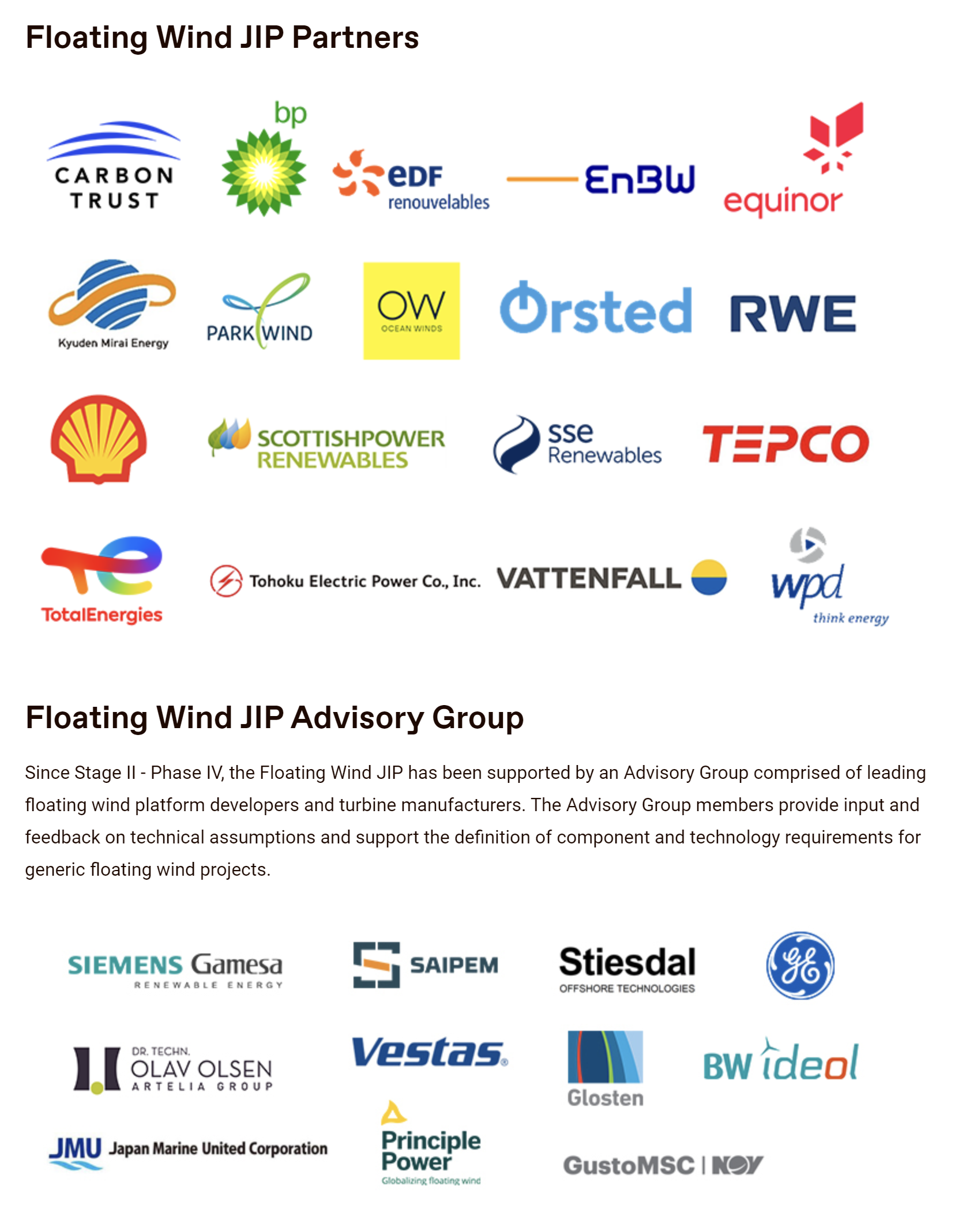
Most of the big wind farm builders and turbine and electrical gubbins manufacturers are represented.
Celtic Sea Projects
The Celtic Sea lies between South-East Ireland, Pembrokeshire and the Devon and Cornwall peninsular.
The Crown Estate kicked this off with press release in July 2022, that I wrote about in The Crown Estate Announces Areas Of Search To Support Growth Of Floating Wind In The Celtic Sea.
This map shows the five areas of search.
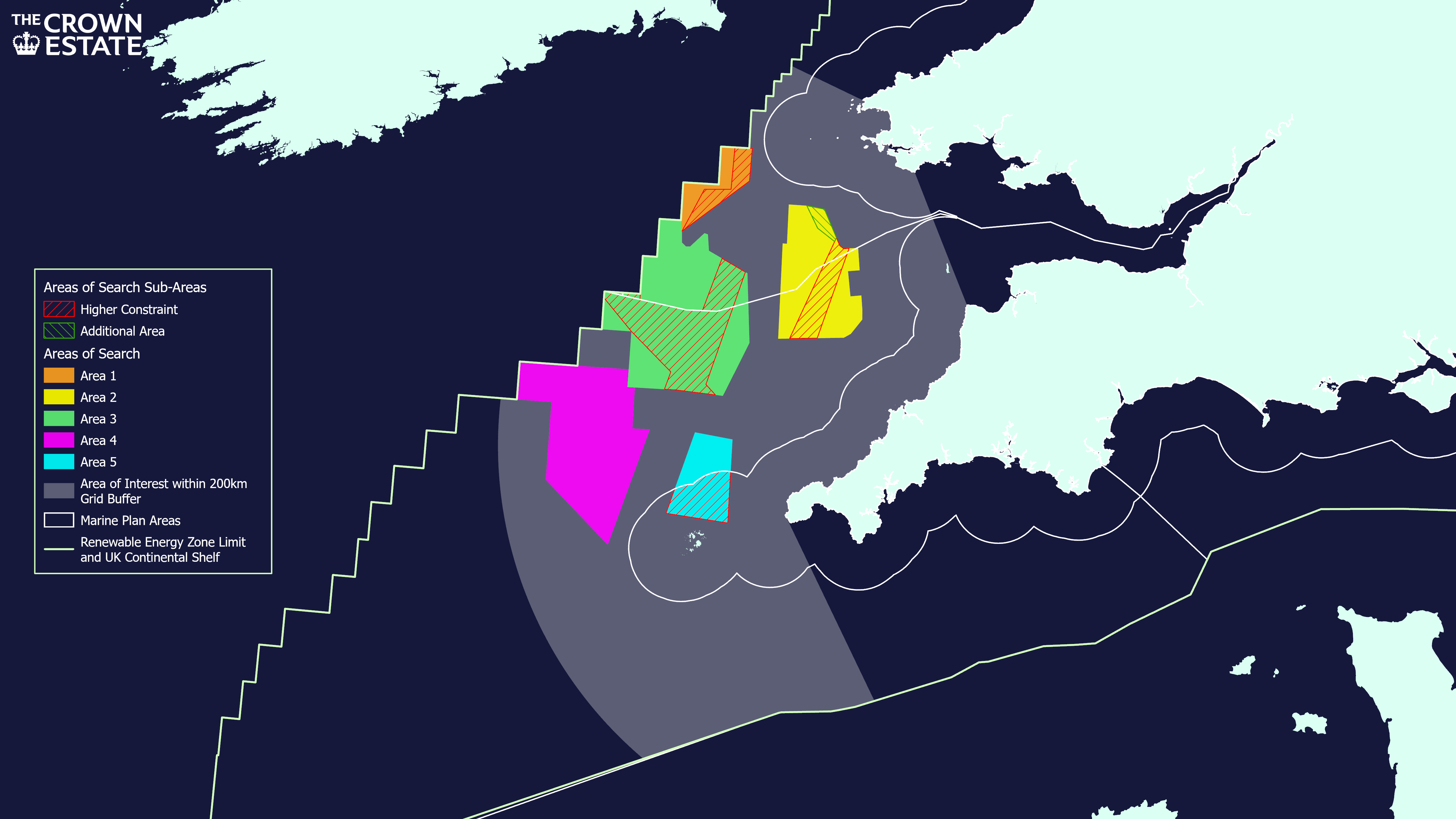
One Celtic Sea project has already been awarded a Contract for Difference in the Round 4 allocation, which I wrote about in Hexicon Wins UK’s First Ever CfD Auction For Floating Offshore Wind.
Other wind farms have already been proposed for the Celtic Sea.
In DP Energy And Offshore Wind Farms In Ireland, I said this.
They are also developing the Gwynt Glas offshore wind farm in the UK sector of the Celtic Sea.
- In January 2022, EDF Renewables and DP Energy announced a Joint Venture partnership to combine their knowledge and
expertise, in order to participate in the leasing round to secure seabed rights to develop up to 1GW of FLOW in the Celtic Sea. - The wind farm is located between Pembroke and Cornwall.
The addition of Gwynt Glas will increase the total of floating offshore wind in the UK section of the Celtic Sea.
- Blue Gem Wind – Erebus – 100 MW Demonstration project – 27 miles offshore
- Blue Gem Wind – Valorus – 300 MW Early-Commercial project – 31 miles offshore
- Falck Renewables and BlueFloat Energy – Petroc – 300 MW project – 37 miles offshore
- Falck Renewables and BlueFloat Energy – Llywelyn – 300 MW project – 40 miles offshore
- Llŷr Wind – 100 MW Project – 25 miles offshore
- Llŷr Wind – 100 MW Project – 25 miles offshore
- Gwynt Glas – 1000 MW Project – 50 miles offshore
This makes a total of 2.2 GW, with investors from several countries.
It does seem that the Celtic Sea is becoming the next area of offshore wind around the British Isles to be developed.
How do these wind farms fit in with the Crown Estate’s plans for the Celtic Sea?
I certainly, don’t think that the Crown Estate will be short of worthwhile proposals.
Conclusion
More and more wind farms keep rolling in.
What Is INTOG?
This page on the Crown Estate Scotland web site outlines INTOG.
This is the introduction at the top of the page.
Innovation and Targeted Oil & Gas (INTOG) is a leasing round for offshore wind projects that will directly reduce emissions from oil & gas production and boost further innovation.
Developers can apply for seabed rights to build two types of offshore wind project:
IN – Small scale, innovative projects, of less than 100MW
TOG – Projects connected directly to oil and gas infrastructure, to provide electricity and reduce the carbon emissions associated with production
INTOG is designed, in response to demand from government and industry, to help achieve the targets of the North Sea Transition Sector Deal, which is a sector deal between government and the offshore oil and gas industry.
I have a few thoughts and have also found some news stories.
Isolated Communities
This document from the Department of Business, Industry and Industrial Strategy lists all the Contracts for Difference Allocation Round 4 results for the supply of zero-carbon electricity that were announced yesterday.
The document introduces the concept of Remote Island Wind, which I wrote about in The Concept Of Remote Island Wind.
I don’t know of one, but there might be isolated communities, with perhaps a dodgy power supply, who might like to improve this, by means of a small offshore wind farm, meeting perhaps these criteria.
- Less than 100 MW.
- Agreement of the locals.
- A community fund.
- An important use for the electricity.
Locations and applications could be.
- A small fishing port, where winds regularly bring the grid cable down in winter.
- A village with a rail station to perhaps charge battery-electric trains.
- A deep loch, where floating wind turbines are erected.
- To provide hydrogen for transport.
We shall see what ideas are put forward.
Floating Power Stations
Floating wind farms are generally made up of individual turbines on floats.
- Turbines can be up to the largest used onshore or on fixed foundations.
- The Kincardine floating offshore wind farm in Scotland uses 9.5 MW turbines.
- The floats are anchored to the sea bed.
- There is a power cable connecting the turbines appropriately to each other, the shore or an offshore substation.
But we are talking innovation here, so we might see some first-of-a-kind ideas.
Single Floating Turbines
A large floating wind farm, is effectively a large number of floating wind turbines anchored in the same area of sea, and connected to the same floating or fixed substation.
I can’t see any reason, why a single floating wind turbine couldn’t be anchored by itself to provide local power.
It might even be connected to an onshore or subsea energy store, so that it provided a more constant output.
Surely, a single turbine perhaps ten miles offshore wouldn’t be a very large blot on the seascape?
I grew up in Felixstowe and got used to seeing HM Fort Roughs on the horizon from the beach. That is seven miles offshore and some people, I know have windsurfed around it from the beach.
TwinHub
I talked about TwinHub in Hexicon Wins UK’s First Ever CfD Auction For Floating Offshore Wind.
TwinHub mounts two turbines on one float and this is a visualisation of a TwinHub being towed into place.
Note.
- The design turns into the wind automatically, so that the maximum amount of electricity is generated.
- A Contract for Difference for a 32 MW TwinHub has been awarded, at a strike price of £87.30/MWh, that will be installed near Hayle in Cornwall.
- With a capacity factor of 50 %, that will produce just over 140,160 MWh per year or over £12 million per year.
This article on the BBC, which is entitled Funding Secured For Floating Wind Farm Off Cornwall, gives more details of the Hayle TwinHub.
The possibility of a floating wind farm off the coast of Cornwall has moved a step closer after securing government funding, project bosses have said.
Swedish company Hexicon plans to install its TwinHub system, with the hope it could begin operating in 2025.
It would be deployed about 10 miles (16km) off Hayle.
Project supporters said it could be a boost to the local economy and help establish Cornwall in the growing renewable energy sector.
Figures have not been released, but it is understood the government funding has effectively secured a fixed price for the power TwinHub would produce for 15 years, making it economically viable.
The article says that this 32 MW system could develop enough electricity for 45,000 homes.
This could be a very suitable size for many applications.
- As at Hayle, one could be floated just off the coast to power a remote part of the country. As Cornwall has a few old mine shafts, it might even be backed up by a Gravitricity system on shore or another suitable non-lithium battery.
- Could one float alongside an oil or gas platform and be tethered to it, to provide the power?
Scotland’s hydroelectric power stations, prove that not all power stations have to be large to be successful.
Vårgrønn and Flotation Energy’s Joint Bid
This article on offshoreWIND.biz is entitled Vårgrønn And Flotation Energy To Jointly Bid in INTOG Leasing Round, gives a few details about their joint bid.
But there is nothing substantial about ideas and locations.
I can see several joint ventures with a suitable system, bidding for various projects around the Scottish coast.
Cerulean
Cerulean sounds like it could be a sea monster, but it is a shade of blue.
This article on offshoreWind.biz is entitled Cerulean Reveals 6 GW Floating Offshore Wind Bid Under INTOG Leasing Round.
These are the two introductory paragraphs.
Green energy infrastructure developer Cerulean Winds has revealed it will bid for four seabed lease sites with a combined capacity of 6 GW of floating wind to decarbonise the UK’s oil and gas sector under Crown Estate Scotland’s Innovation and Targeted Oil and Gas (INTOG) leasing round.
This scale will remove more emissions quickly, keep costs lower for platform operators and provide the anchor for large-scale North-South offshore transmission, Cerulean Winds said.
Note.
- It is privately-funded project, that needs no government subsidy and will cost £30 billion.
- It looks like each site will be a hundred turbines.
- If they’re the same, they could be 1.5 GW each.
- Each site will need £7.5 billion of investment. So it looks like Cerulean have access to a similar magic money tree as Kwasi Kwarteng.
Effectively, they’re building four 1.5 GW power stations in the seas around us to power a large proportion of the oil and gas rigs.
For more on Cerulean Winds’ massive project see Cerulean Winds Is A Different Type Of Wind Energy Company.
Will There Be An Offshore Wind Supermarket?
I can see the big turbine, float and electrical gubbins manufacturers establishing a one-stop shop for developers, who want to install small wind farms, that meet the INTOG criteria.
So suppose, the archetypal Scottish laird in his castle on his own island wanted a 6 MW turbine to go green, he would just go to the B & Q Offshore web site and order what he needed. It would then be towed into place and connected to his local grid.
I can see modular systems being developed, that fit both local infrastructure and oil and gas platforms.
Conclusion
I can see scores of projects being submitted.
I even know the son of a Scottish laird, whose father owns a castle on an island, who could be taking interest in INTOG. They might also apply under Remote Island Wind in another leasing round.
But we will have to wait until the end of March 2023, to find out who have been successful.
Energy Dome To Partner With Ørsted For Energy Storage
The title of this post, is the same as that of this article on CleanTechnica.
This paragraph from the long article, gives details of the partnership.
I got a press release from Energy Dome this past week telling me that its technology has attracted interest from Ørsted, the Danish company that is a global leader in wind turbine technology. The two companies have signed a memorandum of understand that will allow them to explore the feasibility of deploying of a 20 MW/200 MWh Energy Dome facility at one or more Ørsted sites.
Is this the first deal between a major wind farm developer and a third-party non-lithium battery developer?
The article on CleanTechnica is very much a must-read and it goes into detail about the technology behind Energy Dome’s unique CO2 battery.
These are my thoughts.
Energy Dome Has A UK Office
Is this significant?
- The UK has a large need for energy storage than any other country in Europe, as we have lots of renewable energy generation, that could benefit.
- Most Italians speak good English.
- The UK government is prepared to develop innovative payment schemes for renewable energy.
- Their is a long history of Italians in the United Kingdom.
- Italians are distributed all over the UK.
- Some of the best Italian chefs are resident in the UK.
- The UK market is not biased against foreign customers.
I wouldn’t be surprised, if Energy Dome targeted the UK market.
Ørsted
Some facts about Ørsted.
- Ørsted are the largest energy company in Denmark.
- As of January 2022, the company is the world’s largest developer of offshore wind power by amount of built offshore wind farms.
- Ørsted own or have shares in fifteen offshore wind farms in the UK, which have a total capacity of 8731 MW.
- Ørsted have no interests in onshore wind in the UK.
- Ørsted divested itself of its last onshore wind farm in 2014.
The fact that Ørsted has partnered with Energy Dome is highly significant, as in my experience large powerful companies don’t partner with smaller start-ups without a lot of technical due diligence.
Use Of A 20 MW/200 MWh Energy Dome
I suspect that Ørsted will deploy their first 20 MW/200 MWh Energy Dome facility with onshore wind.
When you compare the 20 MW/200 MWh Energy Dome with the 1.5 GW/30 GWh Coire Glas pumped storage hydroelectric power station, it is only a fairly small storage system, in both terms of output and storage.
As an Electrical and Control Engineer, I suspect that will mainly be used with smaller offshore wind farms to smooth the output, rather than as serious stand-by power for a large GW-sized wind farm.
In the UK, Ørsted has three smaller wind farms, that could be suitable.
- Barrow – 90 MW
- Burbo Bank – 90 MW
- Gunfleet Sands 3 – 12W
Note.
- All are a few miles offshore.
- Gunfleet Sands 3 was built to test two l6 MW turbines.
- All the three wind farms are over twelve years old.
I think it is unlikely, that any of these three wind farms will be fitted with the Energy Dome.
I do believe though, that a 20 MW/200 MWh Energy Dome facility could work well with the Barrow wind farm, as it is a simple farm not connected to any others.
Offshore Wind Extension Projects 2017
Surely this is old news from five years ago.
This page on the Crown Estate web site, starts with this statement.
Extensions to operational wind farms have proven to be a successful way of efficiently developing more offshore generating capacity.
I can accept that as a sensible policy.
In Wikipedia’s list of UK offshore wind farms, there are three farms; Beatrice Extension, Burbo Bank Extension and Walney Extension with Extension in their name, producing 1.5 GW of electricity.
The page then explains what the Crown Estate did in 2017 and what has happened since.
In February 2017 The Crown Estate launched an opportunity for existing wind farms to apply for project extensions. This opportunity closed in May 2018, with eight project applications received, all of which met our specified application criteria.
Since then, The Crown Estate has undertaken a plan level Habitats Regulations Assessment (HRA), to assess the possible impact of the proposed windfarm extensions on relevant nature conservation sites of European importance. Throughout the assessment process, The Crown Estate was supported by expert independent advisors, and consulted with the statutory marine planning authorities, the statutory nature conservation bodies and a number of non-governmental stakeholders.
In August 2019, The Crown Estate announced the conclusion of the HRA, confirming that seven of the 2017 extension application projects, representing a total generating capacity of 2.85GW, would progress to the award of development rights.
Note.
- They did a lot of consulting.
- Seven projects, which total 2.85 GW or about 400 MW per extension have received development rights.
The projects are.
- Sheringham Shoal offshore wind farm – 719 MW with Dudgeon
- Dudgeon offshore wind farm – 719 MW with Sheringham Shoal
- Greater Gabbard offshore wind farm
- Galloper offshore wind farm
- Rampion offshore wind farm – 1200 MW
- Gwynt y Môr offshore wind farm – 1100 MW
- Thanet offshore wind farm – 340 MW
Note.
- Where I have a figure, it’s on the right.
- They already seem to have exceeded the Crown Estate’s figure.
- But then if they go large or accelerate the project, the developers will make more money. The upside of that is we get more electricity earlier.
These seven Extension projects are being accelerated by the Government in the 2022 Growth Plan.
Chancellor Confirms England Onshore Wind Planning Reform
The title of this post, is the same as that of this article on renews.biz.
These are the first two paragraphs.
UK Chancellor Kwasi Kwarteng has confirmed that onshore wind planning policy is to be brought in line with other infrastructure to allow it to be deployed more easily in England.
The announcement is the strongest sign yet that the Conservative Party could be poised to reverse its 2015 ban on new onshore wind farms being built in England.
I take a scientifically-correct view of onshore wind, in that I am sometimes against it, but on the other hand in certain locations, I would be very much in favour.
These pictures show Keadby Wind Farm in Lincolnshire.
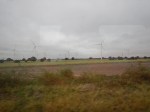
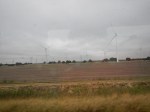
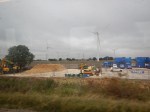
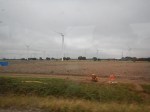
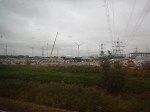
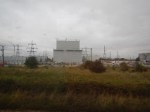
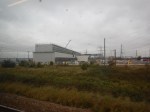
As the wind farm sits next to two gas-fired power stations and is surrounded by high voltage overhead electricity cables, this is probably a more acceptable location, than beside a picturesque village.
In this page on their web site, SSE says this about the construction of the 68 MW wind farm.
After receiving planning permission in 2008, construction began in 2012 and the first turbine foundation was complete in February 2013. The final turbine was assembled on 11 December 2013 and the project was completed in summer 2014.
If this is typical, and I think it is, it would take six years plus the time arguing about planning permission, to get a new onshore wind farm built.
But supposing, you are a farmer who wants to decarbonise. One way might be with a 10 MW wind turbine and a hydrogen electrolyser, so you had your own hydrogen source to power your tractors and other equipment.
On the other hand, solar panels on house, shed and barn roofs might be a more discrete alternative.
This Is A 30 MW Power Station
This YouTube video shows a thirty MW power station, that is being built in France.
This page on the Principle Power web site describes the project.
This Google Map shows the location of Leucate and Le Barcares.
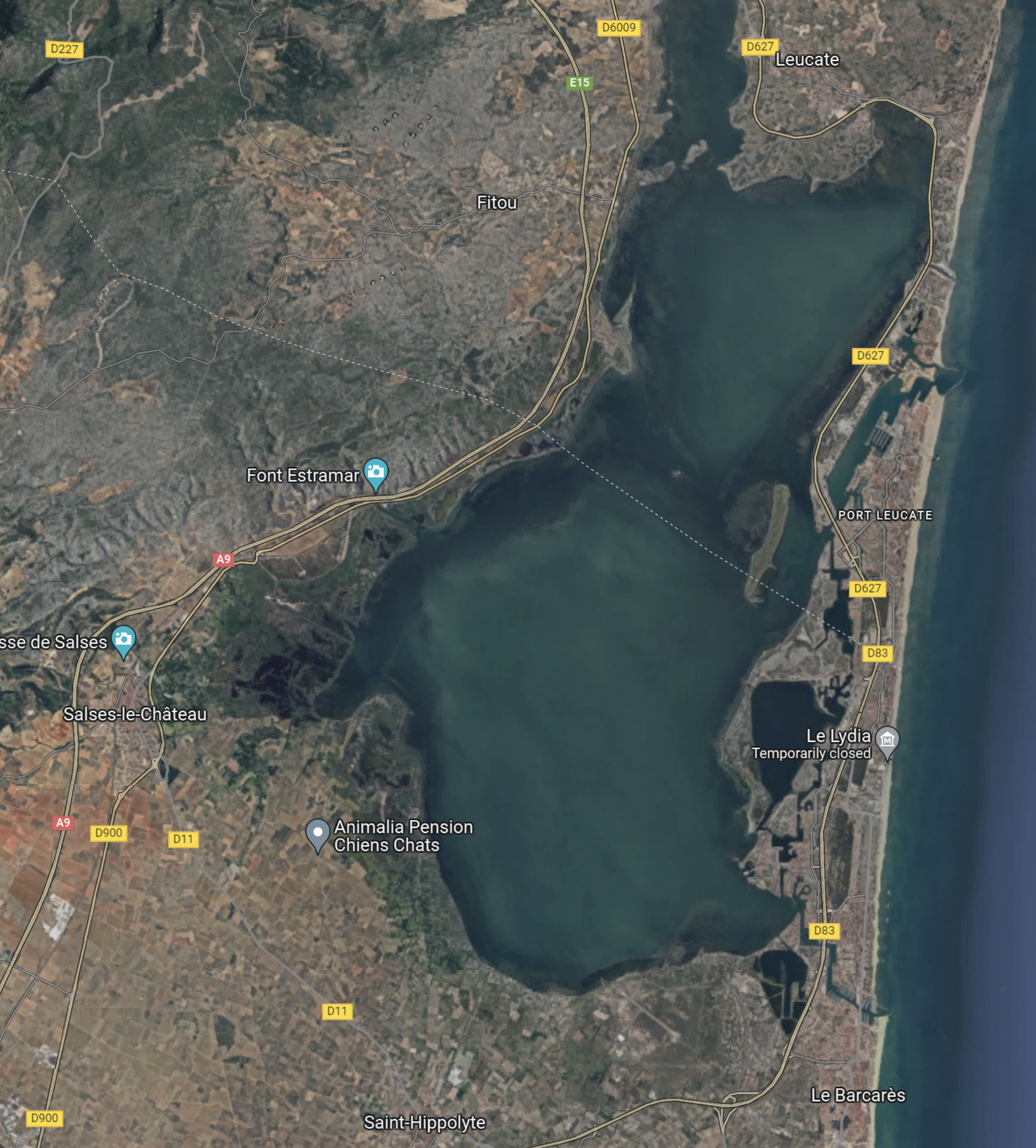
The wind farm is around 16 kilometres offshore.
Enjoy!

