18 GW Of New Offshore Wind Could Be Developed Off Ireland’s Coast
The title of this post, is the same as that of this article on offshoreWIND.biz.
This is the sub-heading.
Ireland’s Department of Environment, Climate and Communications has released the Offshore Wind Technical Resource Assessment, providing detailed analysis and recommendations that estimate an additional 3.5 GW to 18 GW of fixed-bottom offshore wind could be developed around the country’s coast.
These paragraph adds more detail to the story.
The assessment concludes that there could be an additional 3.5-18 GW of fixed-bottom offshore wind that could be developed around the coast, in addition to the 8 GW of offshore wind already planned in Ireland between Phase One projects and the South Coast Designated Maritime Area Plan (DMAP).
Note.
- This expansion could give Ireland 26 GW of offshore wind.
- According to this page, 41.4 % of the electricity in the Republic of Ireland was produced by wind in December 2024, with a similar amount from non-renewables.
- The assessment also seems to want to wait for floating wind power, which could be prudent.
Ireland is going green.
Sport England Funds Leisure Centres Rooftop PV Installations
The tiitle of this post, is the same as that of this article on Solar Power Portal.
These two introductory paragraphs give a few more details and describe two installations.
Two local authority-owned leisure centres have received rooftop solar panel installations thanks to funding from Sport England.
Sport England’s Swimming Pool Support Scheme is a national scheme that has thus far distributed over £80 million to improve the energy efficiency of public swimming pools across the UK. Most recently, Workington Leisure Centre in Cumberland has installed a 160kW solar array, while Witham Leisure Centre near Braintree, Essex, has completed a 407kW solar panel installation.
After reading the whole article, it looks to me that leisure centres with their large areas and generous car parking, are a good application for solar panels, that can be of benefit to users, operators, solar panel installers and their financiers.
My experience of finance was mainly in providing funding for vehicles, but once a finance company finds a profitable niche, they are good at exploiting it.
Out of town retail premises and sports stadiums could be other profitable applications.
Bicester Village Station – 28th May 2025
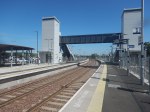
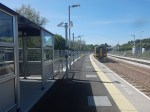
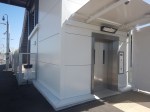
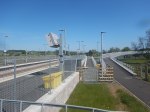
I went to Bicester Village station today and took these pictures.
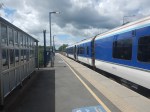

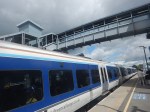


















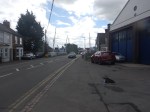
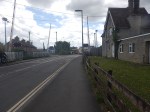
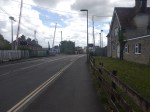

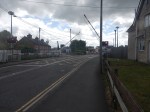




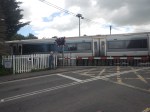
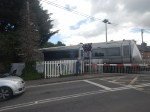




Note.
- The station is fully step-free, with lifts.
- There is a reasonable coffee-shop.
- There is a very large car-park.
There are two trains per hour (tph) in both directions between Marylebone and Oxford stations.
This Google Map shows the station.
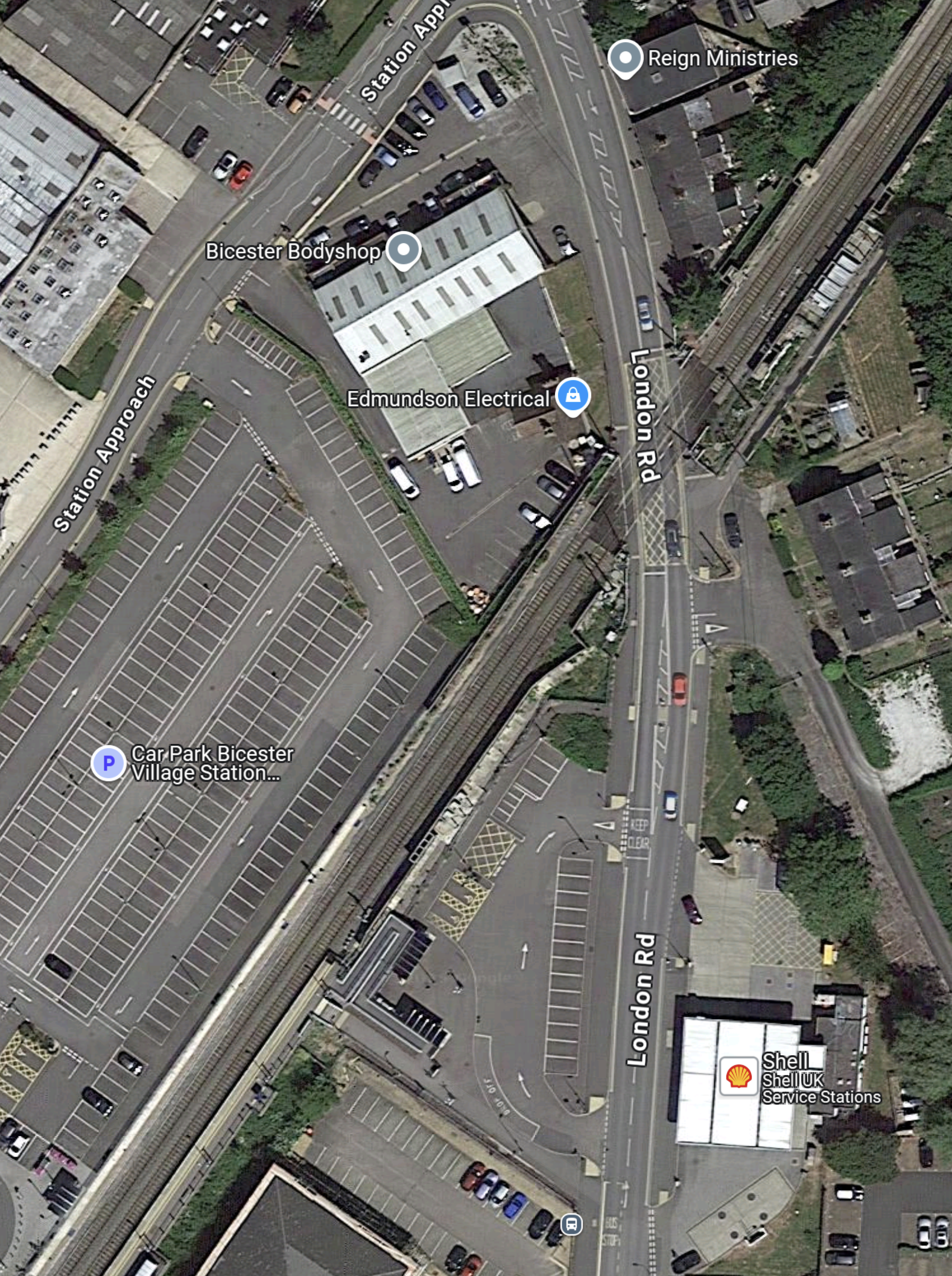
Note.
- London is to the North.
- Oxford is to the South.
- The footbridge dates from October 2021 and is not shown on the map.
- The London Road level crossing is in the North-East corner of the map.
- The London Road level crossing is a problem, as I indicated in Bicester MP Calls On Chancellor To Fund London Road Crossing.
- To take the pictures of the level crossing, I crossed the footbridge to the North-West side of the station and walked through the car park to the station entrance on Station Approach. I then walked past the Bicester Bodyshop and Edmundson Electrical to the level crossing.
- The Shell garage can be clearly seen behind the level crossing.
During my walk of about thirty-five minutes three trains passed over the level crossing.
These are my thoughts.
The Long Platforms
The platforms are long.
- The Oxford-bound platform, which is Platform 1, is 240 metres long.
- The London-bound platform, which is Platform 2, is 230 metres long.
Both platforms will take a pair of five-car Hitachi Express Trains.
It looks to me, that East-West Rail are expecting a large number of passengers.
East-West Rail Plans For Powering Trains
I detailed these in Plans For Powering Trains And Details Of Our Upcoming Consultation.This post was based on an East-West Rail news item with the same title.
Distances include.
- London Marylebone and Oxford – 66.8 miles.
- Bletchley and Oxford – 47.2 miles.
Both distances are within range of five-car Hitachi Express Trains, that have been fitted with batteries.
I also suspect other manufacturers could supply suitable trains.
Thoughts On The London Road Level Crossing
This article on the BBC is entitled Level Crossing Petition Supported By Thousands.
This is the sub-heading.
A petition calling for a fully accessible underpass at a town’s level crossing has received more than 3,000 signatures.
These three paragraphs add more detail.
Launched by MP for Bicester and Woodstock Calum Miller, the petition calls on the government to ensure any replacement of the level crossing at London Road in Bicester includes access for cars, not just cyclists and pedestrians.
It is set to be closed on safety grounds when the East West Rail (EWR) line becomes fully operational, which many fear would cut off crucial access to thousands of residents.
Mr Miller will present the petition, which can only be signed in person, in Parliament on 3 June.
The argument is certainly hotting up.
But I believe, that a bridge that meets everybody’s requirements might be possible to be built.
- Suppose that all trains and locomotives passing through the level crossing had to be self-powered. Passenger trains could be battery-electric and freight locomotives could be either hydrogen or battery powered through the location of the level crossing.
- The track could also be lowered through the crossing.
- These actions would reduce the height of any bridge taking the road over the railway.
It looks to me that on the Northumberland Railway, which has recently opened, they had a similar problem, but they were able to squeeze a bridge into the space, as this 3D Google Map shows.
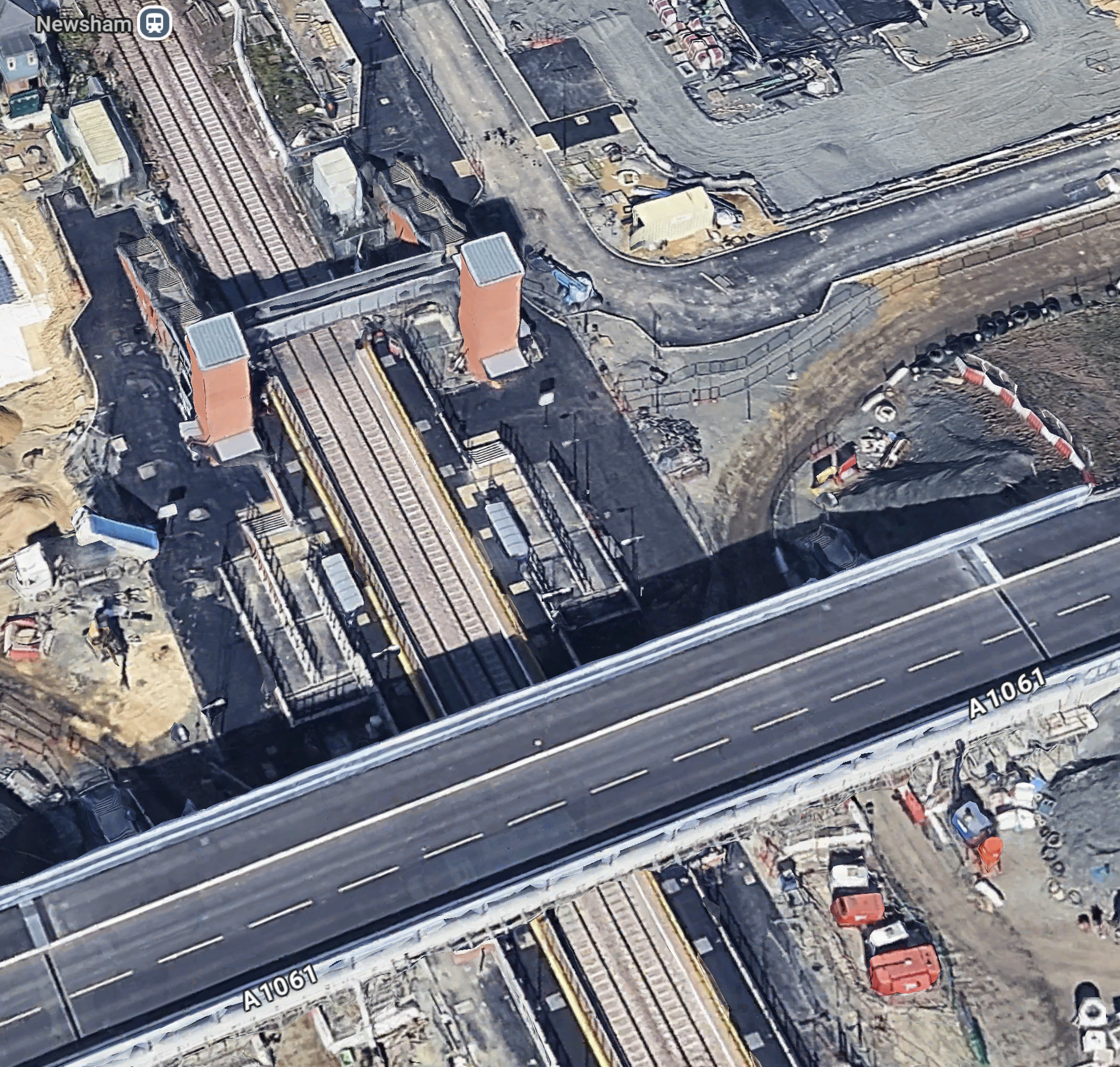
Note.
- The bridge looks like it carries a two-lane road and a pedestrian/cycle way.
- There is no electrification.
- I believe that the Northumberland Line could be run by battery-electric trains.
- The road bridge has been built to accept all traffic using the railway.
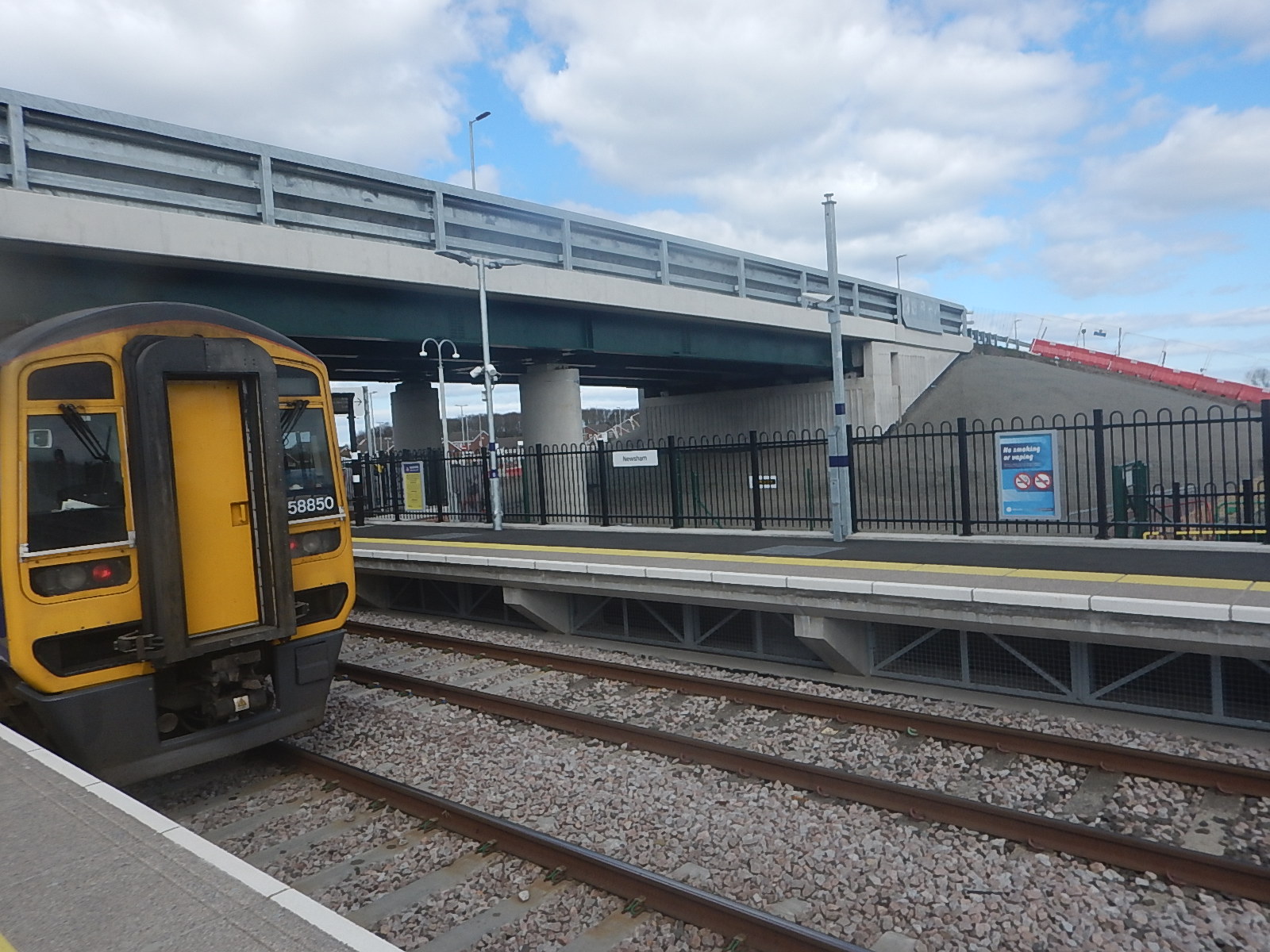
In Newsham Station – 30th March 2025, there are several pictures of the bridge. This one shows the bridge with a train.
In Trains: £34m For Revival Of 50-Year-Old North-East Railway Line, I said this about battery-electric trains for the Northumberland Line.
I’m drawn inextricably to the conclusion, that the trains should be 100 mph battery-electric trains.
Hitachi, who have a factory in the North-East, have announced their Regional Battery Train in July 2020, which is described in this Hitachi infographic.

These trains can be based on Class 385 trains.
- They are 100 mph trains.
- They come in three- and four-cars lengths.
- The three-car trains have 206 seats.
- They can work in pairs.
- They can use 25 KVAC overhead electrification.
- They have a range of 90 kilometres or 56 miles on battery power.
- The batteries would be charged on the ECML between Benton North junction and Newcastle station.
- The battery packs will be designed and manufactured by Hyperdrive Innovation in Sunderland.
- They have big windows for the views.
I’m sure Hitachi and Hyperdrive would like a fleet in service, just up the road from their factories.
Could a similar or even thinner bridge be squeezed in at Bicester Village station to take London Road over the railway?
I think it can, if they use some of the latest 3D modelling.
Mountain Marvel: How One Of Biggest Batteries In Europe Uses Thousands Of Gallons Of Water To Stop Blackouts
The title of this post, is the same as that of this article on The Guardian.
This is the sub-heading.
Much-loved’ Dinorwig hydroelectric energy storage site in Wales has a vital role to play in keeping the lights on
These are the first three paragraphs of the article.
Seconds after a catastrophic series of power outages struck across the UK in the summer of 2019, a phone rang in the control room of the Dinorwig hydropower plant in north Wales. It was Britain’s energy system operator requesting an immediate deluge of electricity to help prevent a wide-scale blackout crippling Britain’s power grids.
The response was swift, and in the end just under one million people were left without power for less than 45 minutes. While trains were stuck on lines for hours and hospitals had to revert to backup generators, that phone call prevented Britain’s worst blackout in a decade from being far more severe.
Almost six years later, the owners of Dinorwig, and its sister plant at Ffestiniog on the boundary of Eryri national park, formerly Snowdonia, are preparing to pump up to £1bn into a 10-year refurbishment of the hydropower plants that have quietly helped to keep the lights on for decades.
This is one of the best articles, I have read about pumped storage hydroelectricity.
It is very much a must read.
Trump’s Tax Bill To Cost 830,000 Jobs And Drive Up Bills And Pollution Emissions, Experts Warn
The title of this post, is the same as that of this article on The Guardian.
This is the sub-heading.
Bill will unleash millions more tonnes of planet-heating pollution and couldn’t come at a worse time, say experts
This first paragraph adds a bit more detail.
A Republican push to dismantle clean energy incentives threatens to reverberate across the US by costing more than 830,000 jobs, raising energy bills for US households and threatening to unleash millions more tonnes of the planet-heating pollution that is causing the climate crisis, experts have warned.
After that the news gets worse for the planet and the sooner Tamworth retires or is retired, the better!
ENGIE And CDPQ To Invest Up To £1bn In UK Pumped Storage Hydro Assets
The title of this post, is the same as a news item from ENGIE.
These four bullet points act as sub-headings.
- Refurbishment programme to extend life of plants at Dinorwig and Ffestiniog will ensure the UK’s security of supply and support the transition to a low carbon energy future
- ENGIE owns 75% of the plants via First Hydro Company, a 75:25 joint venture with Canadian investment group CDPQ
- The two pumped storage hydro plants are the UK’s leading provider of power storage and flexibility, with 2.1GW of installed capacity
- They represent 5% of the UK’s total installed power generation capacity and 74% of the UK’s pumped storage hydro capacity
These three paragraphs give more details.
The preparation of a 10-year project of refurbishment at *ENGIE’s Dinorwig pumped storage station has begun, following an 8-year refurbishment at Ffestiniog, enabling the delivery of clean energy whenever needed.
These flexible generation assets, based in North Wales, are essential to the UK Government’s accelerated target of achieving a net zero carbon power grid by 2030. Together they help keep the national electricity system balanced, offering instant system flexibility at short notice. The plants are reaching end of life and replanting will ensure clean energy can continue to flow into the next few decades.
Re-planting could see the complete refurbishment of up to all six generating units at Dinorwig – a final investment decision is still to be made on the number of units to replace – while the re-planting at Ffestiniog will be completed at the end of 2025. The program also involves the replacement of main inlet valves – with full drain down of the stations – and detailed inspections of the water shafts.
It also looks like the complete refurbishment at Dinorwig will take ten years, as it seems they want to keep as much of the capacity available as possible.
When the replanting is complete, the two power plants will be good for twenty-five years.
Hopefully, by the time Dinorwig has been replanted, some of the next generation of pumped storage hydroelectric power stations are nearing completion.
The news item says this about Dinorwig.
Dinorwig, the largest and fastest-acting pumped storage station in Europe, followed in 1984 and was regarded as one of the world’s most imaginative engineering and environmental projects.
Dinorwig must be good, if a French company uses those words about British engineering of the 1980s.
UK Solar Applications Spike Ahead Of CP30 But Planning Process Remains Slow
The title of this post, is the same as that of this article on Solar Power Portal.
This is the sub-heading.
Solar Media Market Research analyst Josh Cornes tracks the time solar PV developments spend in the planning system, as delays and refusals slow the rate of buildout.
These three introductory paragraphs add more detail.
Solar PV buildout in the UK continues to pick up, with year-on-year growth forecast for 2025, the seventh year of growth in a row.
With government-led initiatives like Clean Power 2030 (CP30) encouraging buildout and the Contracts for Difference (CfD) mechanism incentivising development, this growth is unlikely to slow down.
However, there are several factors at play stunting this growth, hurting the UK’s chances of hitting the CP30 target of 45-47GW solar generation capacity by 2030.
The article also talks about the problems of grid connections and says that some solar farms will take thirty-three years to get a connection.
In Technology Behind Siemens Mobility’s British Battery Trains Hits The Tracks, I said this.
Cameron Bridge station is lucky in that there is already a 132,000 KVAC electricity connection to the distillery next door.
But at other places, where there is no connection, you could wait as long as seven years to be connected to the grid.
So could the clever engineers at Siemens, devise some sort of electrical gubbins, that connects a solar farm directly to Siemens innovative Rail Charging Converter?
Instead of needing two connections to the grid, the setup won’t need any.
Surely, other types of users could be driven directly, or through an appropriately sized battery?
Technology Behind Siemens Mobility’s British Battery Trains Hits The Tracks
This title of this post is the same as that of this news item from Siemens, which was published in December 2024.
These three bullet points introduce the news item.
- The Mireo Plus B battery train is rolled out in the East Brandenburg network, Germany, using the same technology as the British Desiro Verve project.
- The Desiro Verve would save £3.5 billion and 12 million tonnes in CO2 emissions for Britain’s railways over 35 years.
- The development marks the latest step of this technology’s journey to Britain’s railways.
No-one, including me, seemed to have spotted this news item, especially, since it is significant to both the UK and Germany.
But then parts of Siemens’s home country; Germany and Yorkshire, where they are building, a train factory to build London’s new Piccadilly Line trains have something big in common – There is a distinct shortage of electric trains and the overhead wires to power them.
So did German engineers, egged on by pints of British real ale, realise that their battery-electric technology for the Mireo Plus B battery-electric train, would turn a Desiro City multiple unit, like the Class 700, 707 or 717 into battery-electric trains.
These are three paragraphs from the Siemens news item.
The innovative technology behind Siemens Mobility’s British battery trains has been rolled out in the East Brandenburg network in Germany.
31 of the company’s Mireo Plus B trains are being phased in to the Berlin Brandenburg metropolitan region, beginning on Sunday (15 December) and is the latest proof point of the technology that underpins the Desiro Verve project in Britain. This follows the debut of this technology on 27 new trains in the Ortenau region of Germany in April, with more set to arrive in Denmark in 2025.
The British Desiro Verve trains would be assembled at Siemens Mobility’s new Train Manufacturing Facility in Goole, East Riding of Yorkshire, formally opened by the Transport Secretary and Mayor of London in October.
I’d always wondered, what Siemens would do with this factory, when it had finished making the Piccadilly Line trains.
It also should be noted, that the boss of Siemens UK, when the Goole factory was planned was Jürgen Maier, who according to his Wikipedia entry has Austrian, British and German citizenship and is now the boss of Great British Energy.
I believe that Siemens have big plans for the Goole factory.
One thing it has, that at the present time could be a problem in Germany, is large amounts of renewable electricity and hydrogen, so will energy-intensive components for trains be made at Goole?
It will be interesting to see how the Goole factory develops.
The Desiro Verve Train For The UK and Ireland
In the Siemens news item, their Joint CEO for the UK and Ireland; Sambit Banerjee, says this.
The Desiro Verve would be assembled at our state-of-the-art Goole Rail Village in Yorkshire and offers an integrated solution to replace Britain’s aging diesel trains without having to electrify hundreds of miles of track, saving the country £3.5 billion over 35 years and providing a practical path to decarbonising British railways.”
In June, Siemens Mobility identified how the Desiro Verve could save Britain’s railways £3.5 billion over 35 years compared with using diesel-battery-electric ‘tri-mode’ trains. This would support the Government’s aim of removing diesel-only trains from Britain’s railways by 2040.
The British trains would be powered by overhead wires on already electrified routes, then switch to battery power where there are no wires. That means only small sections of the routes and/or particular stations have to be electrified with overhead line equipment (OLE), making it much quicker and less disruptive to replace diesel trains compared to full electrification.
I agree with his philosophy.
The Rail Charging Converter
When I wrote Cameron Bridge Station – 15th May 2025, I described how a short length of overhead electrification could be erected at the station to charge passing trains, using their pantographs.
Cameron Bridge station is lucky in that there is already a 132,000 KVAC electricity connection to the distillery next door.
But at other places, where there is no connection, you could wait as long as seven years to be connected to the grid.
So Siemens have come up with the Rail Charging Converter, that provides a local electricity supply to support the charger.
It is described in this paragraph from the news item.
This OLE can also be installed much more quickly using Siemens Mobility’s innovative Rail Charging Converter (RCC), which makes it possible to plug directly into the domestic grid – potentially cutting delivery times for OLE from seven years to as little as 18 months.
This Siemens visualisation shows a Verve train and an RCC.
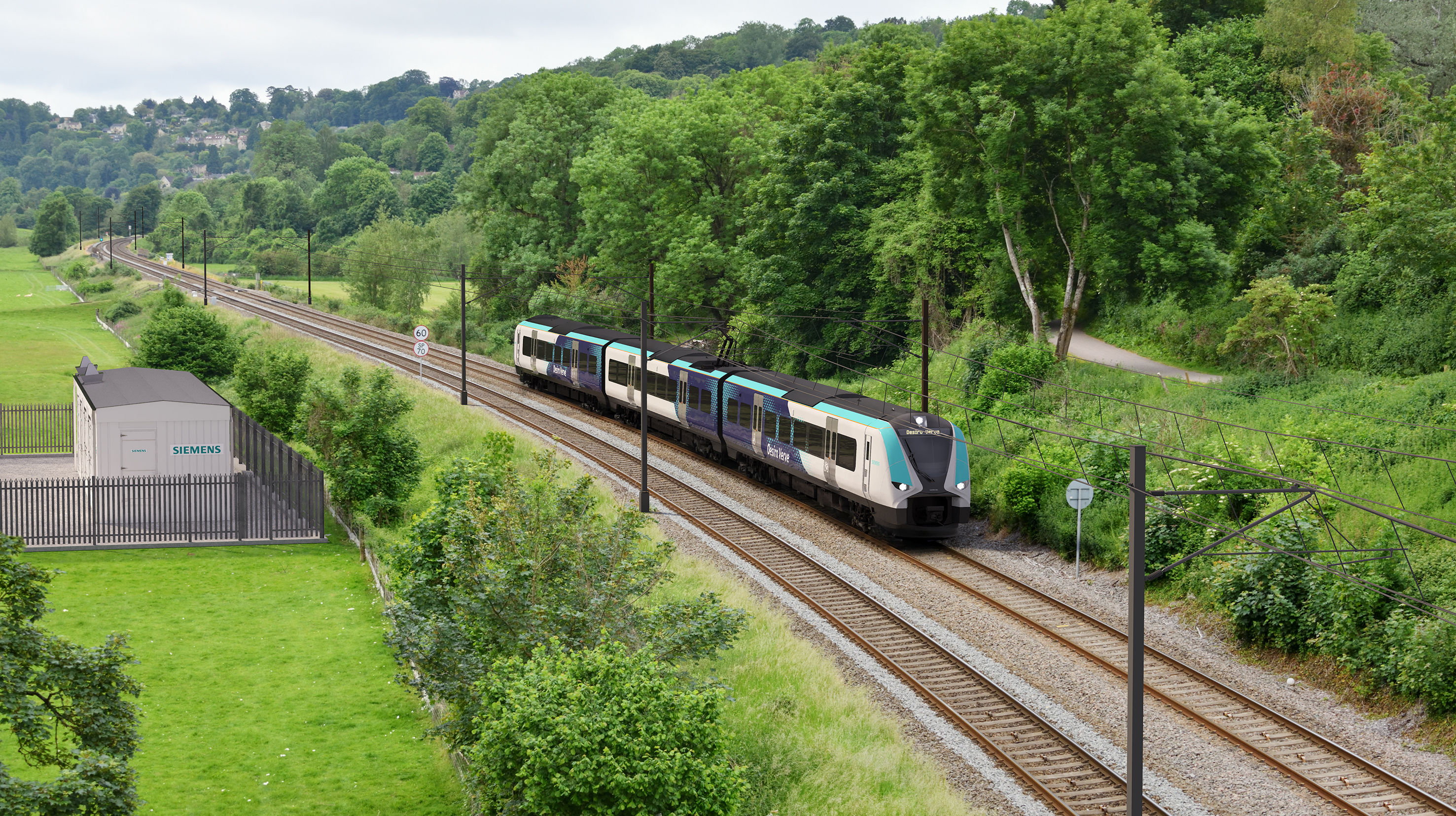
This arrangement could be used in sensitive countryside or close to historic buildings.
Modern Railways – June 2025
There is an article about the Siemens technology in the June 2025 Edition of Modern Railways.
It is called The Battery Revolution Starts In Long Marston for which this is part of the sub-heading.
New technology being installed by Siemens Mobility at Porterbrook’s test facility paves the way for widespread use of battery trains in the UK.
The article is a must-read.
Conclusion
Siemens appear to have the technology with their Rail Charging Converter and battery-electric trains like the Verve and the Mireo Plus B, to be able to decarbonise lines without electrification all over the world.
Would larger gauge trains be delivered from Germany and smaller gauge ones from Goole?
I wouldn’t be surprised that a version for a German S-Bahn could share more characteristics, with a small British train, than a large German one.
I can also see an underground railway, that was built without power in the tunnels. So if you were building the Waterloo and City Line today, would it be battery-electric and charged at each end of the line using a pantograph?
Cameron Bridge Station – 15th May 2025
I took these pictures yesterday at the new Cameron Bridge station yesterday on the Levenmouth Rail Link.










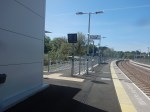

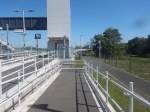
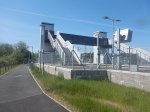
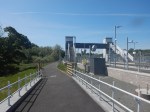






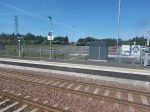

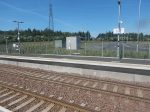








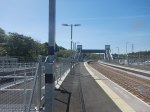


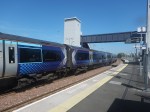

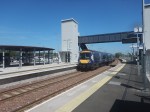


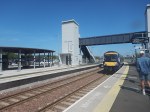
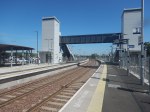

Note.
- The station has a car-park on the coming-home-from Edinburgh platform.
- There is a bridge over the River Leven, that appears to lead to new housing.
- The step-free bridge appears to be used by local residents to cross the railway.
- There appears to be a walking route for the nearby factory, which distills Scotland’s national spirit.
But as the pictures show the station has some unusual features for a small station with one train per hour (tph).
Parking
This extract from the Internet describes the parking.
A car park is available for customers with 125 spaces, including Electric Vehicle (EV) charging and blue badge spaces, as well as a drop off/pick up area and motorcycle parking.
They certainly seem to be expecting lots of commuters to Edinburgh, which is 34.5 miles away over the river.
Long Platforms
As the pictures with the three-car Class 170 train show the platforms are long.
I estimate that the platforms could take a pair of four-car Class 385 trains and almost take a nine-car Class 800 or 802 train.
Is this wishful thinking or prudent future-proofing as extending platforms can be a much more difficult exercise, than building them in the first place.
Perhaps, plans include a lot of housing, a major educational establishment, a sports stadium or some large factories to add to the distillery and long trains will be needed to serve the station.
Electrification Foundations
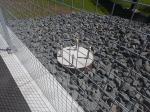
What surprised me, is that the station has been fitted out with the foundations for electrification gantries. There are five pairs all with four strong bolts to support the gantries over the track. This gallery shows some of the foundations.
But what also surprised me was that at no other place on the route between Edinburgh and Leven, were any electrification works visible, except where the electrification is completed between Edinburgh and Edinburgh Gateway.
I estimate that the distance between Cameron Bridge and Edinburgh Gateway is about thirty-seven miles as the train travels, which should be in range of one of ScotRail’s Hitachi Class 385 trains, that had been fitted with batteries.
- The trains would charge their batteries on the run between Edinburgh Waverley and Edinburgh Gateway stations.
- The trains would run between Edinburgh Gateway and Cameron Bridge stations on battery power. The eight intermediate stations would not have to suffer diesel trains.
- The trains would put up the pantograph at Cameron Bridge station and charge the batteries on a short length of overhead wires that will be erected there on both platforms.
- The train would run to Leven station on battery power, where it would reverse, as it does now and then return to Cameron Bridge station.
- At Cameron Bridge station, it could even pick up more charge if needed.
Note.
- The only new electrification needed would be to electrify both lines in Cameron Bridge station.
- Supposedly, Hitachi do a nice line in short lengths of electrification and all the electrical gubbins that support them.
- Because of the large distillery, Cameron Bridge is not short of electricity, with a large grid connection visible at the Edinburgh end of the station.
- No electrification will be needed over the Forth Rail Bridge, to the delight of the Heritage Taliban.
Whoever gets the contract to supply the battery-electric trains and the partial electrification, will be supplying trains that will cross one of most famous railway bridges in the world.
I also predict, that this short rail link between Edinburgh Waverley and Leven will become a tourist attraction and bring prosperity to the area.
Electrifying The Fife Circle
This OpenRailwayMap shows the whole Fife Circle Line.
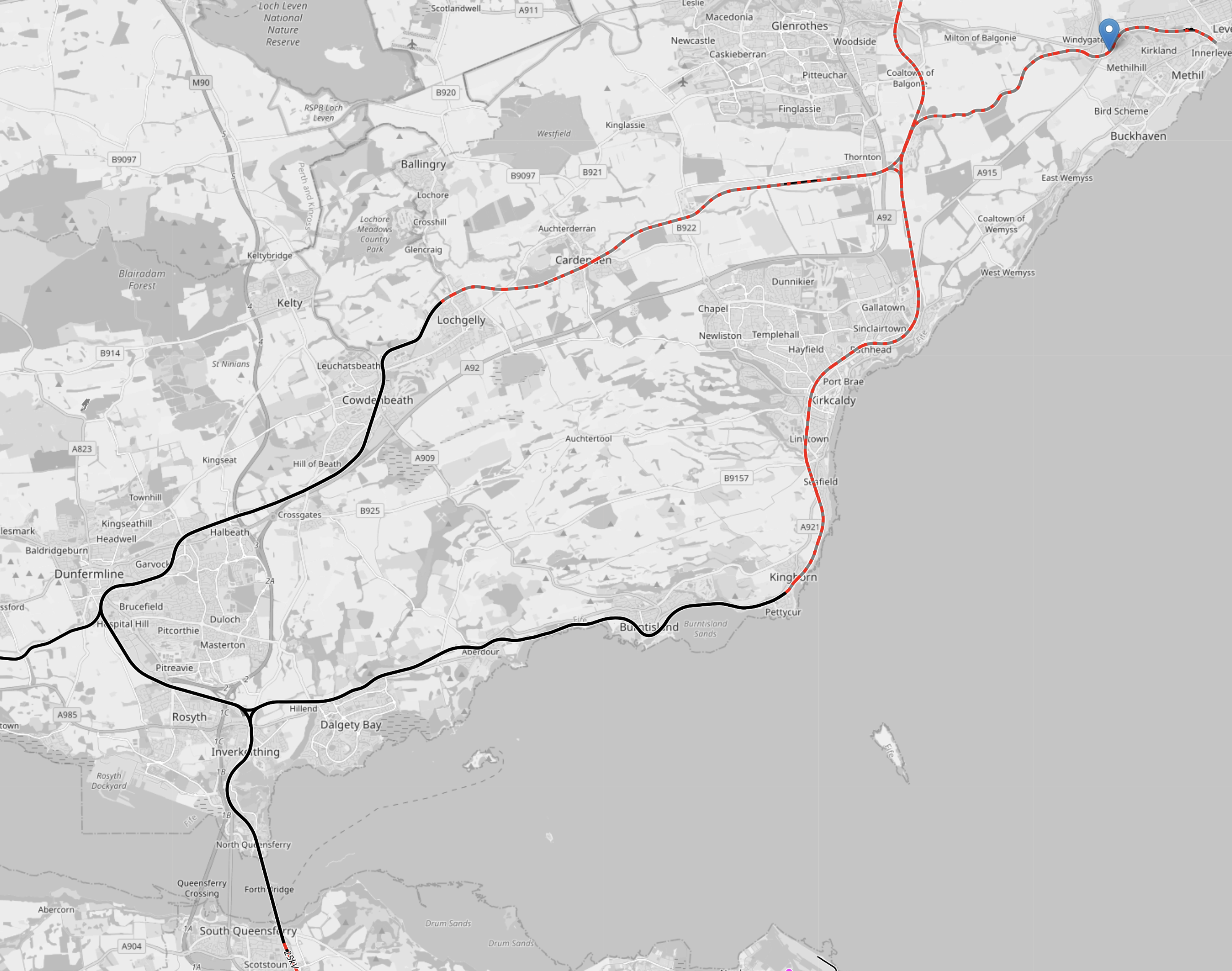
Note.
- Lines shown in red are electrifield, whilst those shown in black are not and lines shown in dotted red-and-black are to be electrified.
- Cameron Bridge is marked by the blue arrow, with Leven to its East on the coast.
- The Forth Rail Bridge over the Forth of Forth is at the bottom of the map.
- To the North of the bridge, the line splits and connects to the large circular railway, which is the Fife Circle Line.
- Some trains after crossing the Forth Rail Bridge,come up the East coast via Kirkcaldy to terminate at Leven or Glenrothes with Thornton.
- Other trains from Edinburgh take the Western side of the Fife Circle via Rosyth and Cowdenbeath to Glenrothes with Thornton.
This second Open RailwayMap shows the Fife Circle Line between Cameron Bridge and Glenrothes with Thornton.
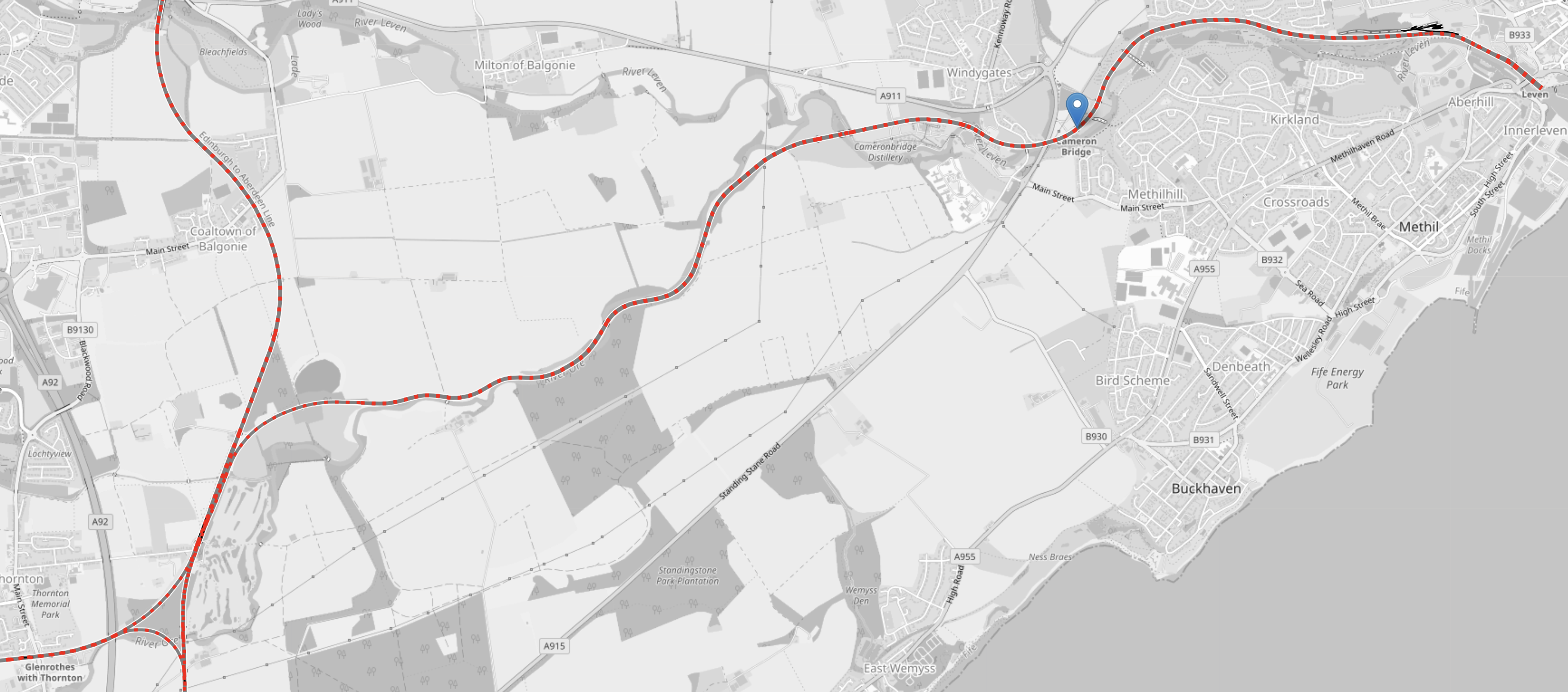
Note.
- As before, lines shown in red are electrifield, whilst those shown in black are not and lines shown in dotted red-and-black are to be electrified.
- Cameron Bridge is marked by the blue arrow, with Leven to its East on the coast.
- Glenrothes with Thornton station is in the South-Western corner of the map.
- It might even be possible for all trains to terminate on the Levenmouth Rail Link as Leven station has two platforms.
- If that is the case, the four tph would make full use of the two long platforms at Leven and Cameron Bridge stations, with the only electrification on the Fife Circle Line at Cameron Bridge station.
This is partial electrification with none of the complexity of full electrication, but with all the power it needs from the electrical connection of a large distillery.
The Wikipedia entry for the Fife Circle Line says this about the electrification.
The £55 million first phase, to electrify 65 miles (104 km) of Fife Circle track, between Haymarket and Dalmeny, for use by battery electric multiple units, was begun by Scottish Powerlines in June 2022 and is due to be completed by December 2024, although this project has been delayed and is expected to completed by December 2025. Further phases will electrify the lines between Kinghorn, Thornton, Ladybank and Lochgelly. This will allow the Fife Circle services to be operated by battery electric multiple units whilst minimising capital expenditure on infrastructure, in particular avoiding the major expense of electrifying the Forth Bridge. Complete electrification would be possible at some future date. The partial electrification was due to be completed by December 2025 but there has been some slippage in these target dates.
This OpenRailwayMap shows Kinghorn, Thornton, Ladybank and Lochgelly.
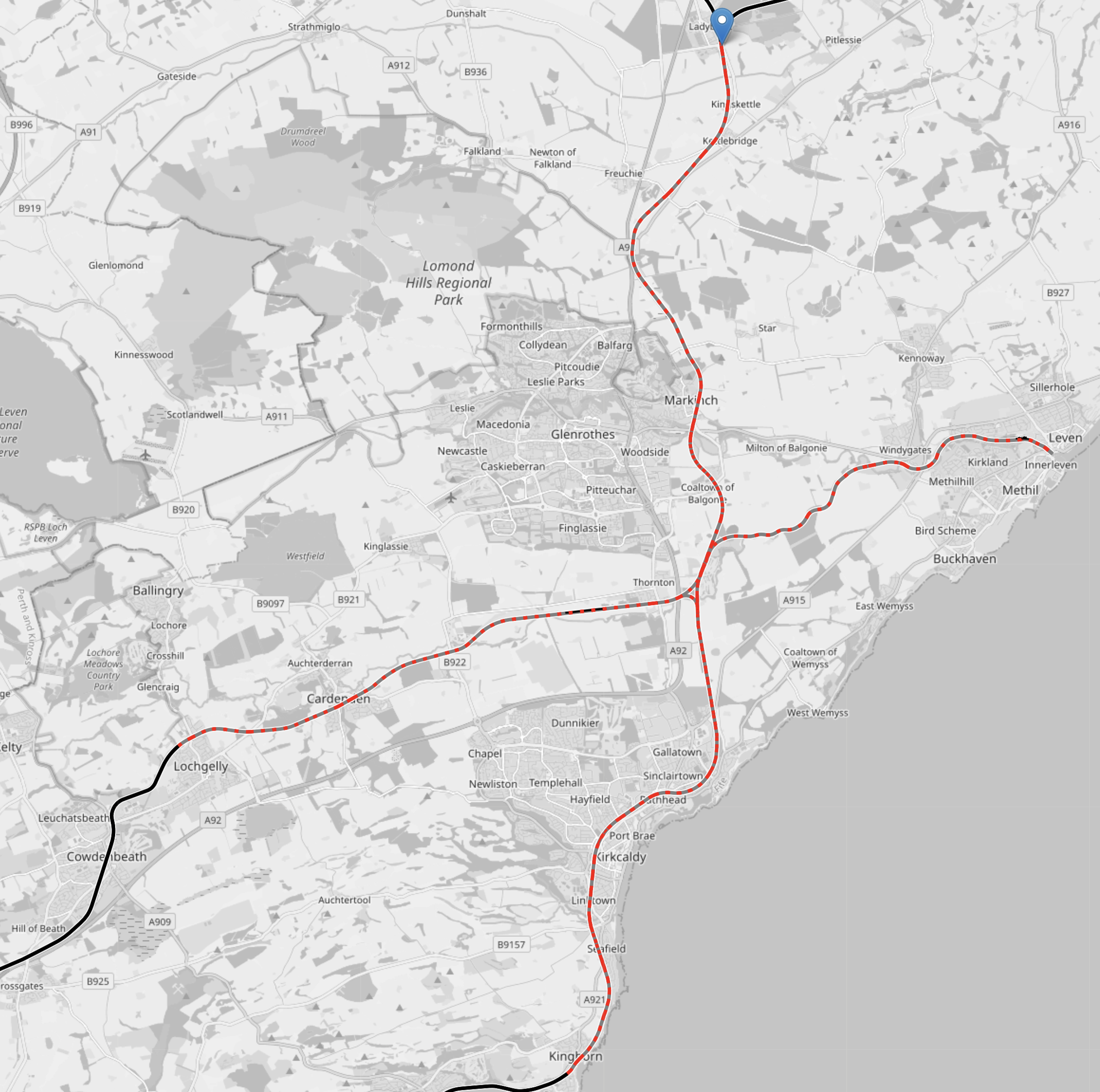
Note.
- Lines shown in red are electrifield, whilst those shown in black are not and lines shown in dotted red-and-black are to be electrified.
- Ladybank is at the top of the map indicated by a blue arrow.
- Kinghorn is at the bottom of the map on the coast.
- Ladybank and Kinghorn are connected by a section of the Aberdeen and Edinburgh Line.
- Glenrothes and Thornton are to the West of this line.
- The Levenmouth Rail Link runs to the East.
- Lochgelly and Cowdenbeath are on the West side of the map.
From what I saw yesterday, I wouldn’t be surprised if the amount of electrification to be performed has been cut back and more reliance is to be placed on on-board batteries.
Class 385 Battery-Electric Trains
The Wikipedia entry for Class 385 trains, says this about battery-electric versions.
During early 2019, Hitachi held a series of discussions with the Scottish Government on the development of a variant of the Class 385, a battery electric multiple unit (BEMU) that would be capable of running on unelectrified sections of line along a route. The installation of batteries was reportedly described as being a relatively straightforward alteration to make; an underfloor battery unit, dependent upon size, would be able to power a trainset over distances of 20 to 60 miles (30 to 100 km). The proposal drew upon Hitachi’s existing experience with battery trains operated in Japan, and had been motivated by a recommendation from the rail decarbonisation task force which advocated that such measures be implemented.
A range on batteries of sixty miles would cover the less than forty miles between Edinburgh Gateway and Ladybank.
I suspect that a range of sixty miles would bridge the gap between Edinburgh Gateway and Perth or Dundee.
Does this mean, that I think it could?
If Hitachi’s testing of their battery-electric Class 802 trains have shown phenomenal distances, then this would fit with the distances shown by Stadler’s Class 777 trains in New Merseyrail Train Runs 135km On Battery.
This leads me to believe that battery-equipped ScotRail Class 385 trains and LNER Class 800 trains are able to electrify the North of Scotland, with a few strategic charging stations like the one at Cameron Bridge station.
Haventus, Sarens PSG Unveil ‘On-Land to Launch’ Floating Wind Solution
The title of this post, is the same as that of this article on offshoreWIND.biz.
This is the sub-heading.
UK companies Haventus and Sarens PSG have developed a low-cost solution for the integration and launch of floating offshore wind turbines.
These two introductory paragraphs add more details.
Haventus said that it is working to enable offshore wind project developers to acquire fully assembled floating bases and turbines at Ardersier, Scotland, as well as providing dry storage which does not require complex licensing.
A heavy-lift solution will enable safe on-land integration and launch to the harbour of fully integrated floating offshore wind turbines.
Note.
- Haventus introduce themselves on their web site, as an energy transition facilities provider, offering pivotal infrastructure for the offshore wind industry. The first facility, they are developing is the Port of Ardesier in the North of Scotland, to the North-East of Inverness.
- Sarens PSG introduce themselves on their web site, as specialists in turnkey heavy lifting and transportation solutions for offshore wind component load-in, marshalling, assembly, deployment, and integration.
It looks to me that the two companies are ideal partners to put together flotillas of large floating wind turbines.
These two paragraphs seem to describe the objectives of the partnership.
This should shorten supply chains through single-site sourcing of key components and remove the operational, safety, logistical, and engineering complexity that comes with storage and integration activities in the marine environment.
The companies also said that the solution can also drive down the costs and accelerate floating offshore wind deployment by simplifying transport and installation requirements and remove the obstacles of weather and design life variables that must be considered with ‘wet’ storage and integration.
I was always told as a young engineer to define your objectives first, as you might find this helps with the design and costs of the project.
I do wonder sometimes, if the objectives of High Speed Two smelt too much of a project designed by lots of parties, who all had different objectives.
The Location Of The Port Of Ardesier
This Google Map shows the location of the Port of Ardesier in relation to Inverness, the Orkneys and Shetlands, and Norway.
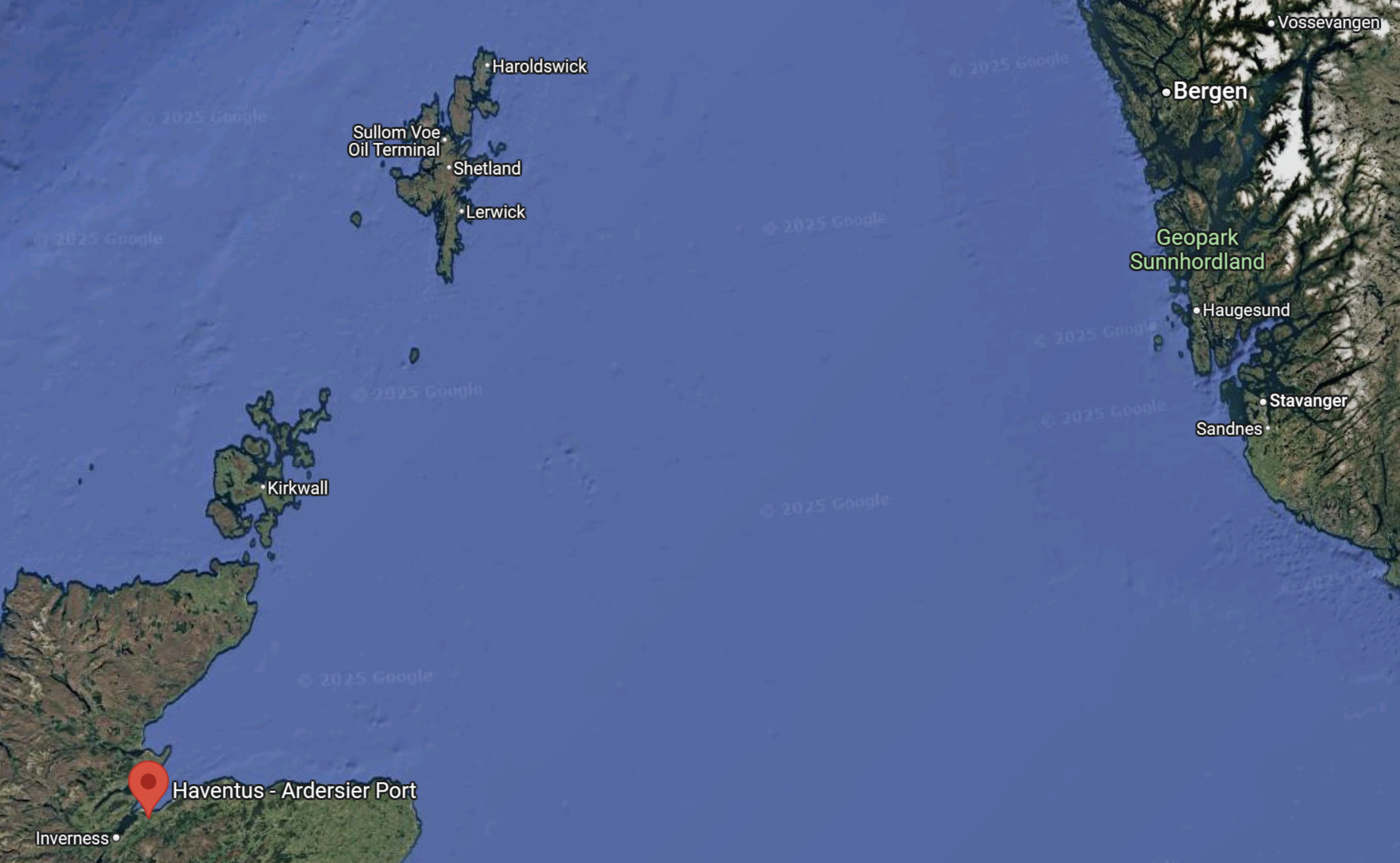
The Port of Ardesier would appear to be ideally placed to bring in business for the partnership.
 The Anonymous Widower