Lakeside Facility Connects To Grid And Becomes UK’s Largest Transmission Connected Battery
The title of this post, is the same as that of this press release from National Grid.
These three bullet points, act as sub-headings.
- National Grid plugs TagEnergy’s 100MW battery project in at its Drax substation.
- Following energisation, the facility in North Yorkshire is the UK’s largest transmission connected battery energy storage system (BESS).
- The facility is supporting Britain’s clean energy transition, and helping to ensure secure operation of the electricity system.
This paragraph introduces the project.
A battery storage project developed by TagEnergy is now connected and energised on the electricity transmission network, following work by National Grid to plug the facility into its 132kV Drax substation in North Yorkshire.
- Lakeside Energy Park’s 100MW/200MWh facility is now the largest transmission connected BESS project in the UK following energisation.
- The new facility will boost the capacity and flexibility of the network, helping to balance the system by soaking up surplus clean electricity and discharging it back when the grid needs it.
- To ensure a safe connection, National Grid, working with its contractor Omexom, upgraded its Drax 132kV substation to accommodate the additional clean power.
- Works included extending the busbars – which enable power flows from generation source on to power lines – upgrading busbar protection and substation control systems, and installing an operational tripping scheme, all of which helps keep the network stable and operating securely.
Owned and operated by TagEnergy – with Tesla, Habitat Energy and RES as project partners – the newly-connected battery will help exploit the clean electricity potential of renewable projects in the region, storing and releasing green energy to power homes and businesses and also helping to relieve any system constraints.
National Grid’s adjacent Drax 400kV substation already hosts the connection for Drax power station – the UK’s largest biomass facility – and will also connect the Eastern Green Link 2 electrical superhighway when it starts importing clean energy from Scotland in 2029.
Drax power station seems to be growing into a large node with several gigawatts of electricity, the UK’s largest BESS, a large biomass power station and the Eastern Green Link 2 electrical superhighway which will import clean energy from Scotland from 2029.
Drax appears to be transforming from the dirty man of the UK into a Jolly Green Giant.
I can see further power stations and sources, storage devices and technology joining the party at Drax.
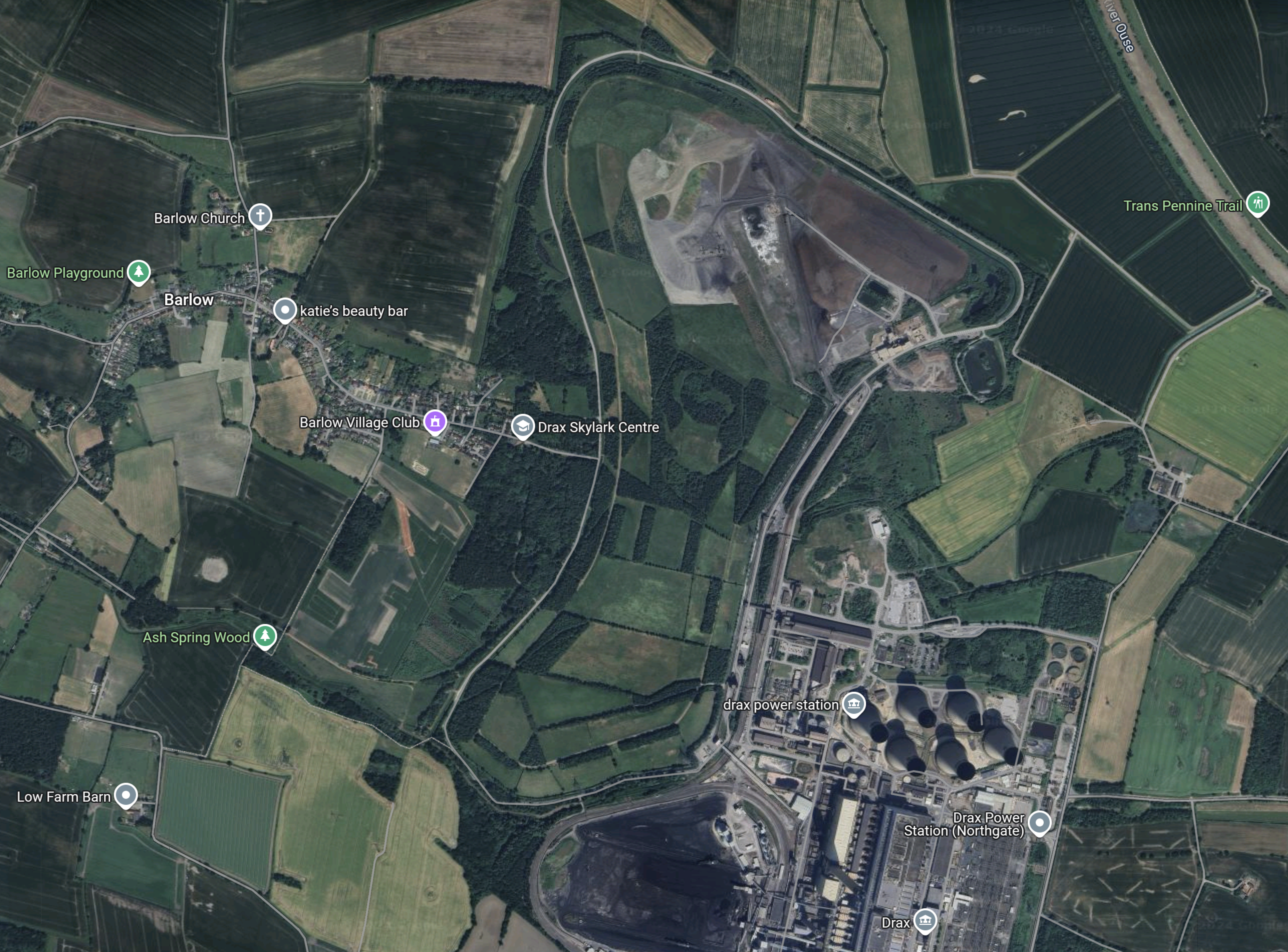
This Google Map shows the Drax site.
Note.
- The cooling towers can be picked out in the South-East quarter of the map.
- The site is rail and road connected, with the River Ouse nearby.
- There is a lot of space.
Surely, Drax would have a big enough space, with a high quality and high capacity electrical connection for Ørsted and Highview Power to put one of their three 200 MW/2.5 GWh batteries, that I talked about in Centrica Business Solutions And Highview Power.
Ill Wind For Renewable Energy In US To Boost UK Projects
The title of this post, is the same as that of this article on The Times.
This is the sub-heading.
SSE boss Alistair Phillips-Davies says Trump is expected to put oil and gas ahead of renewables, easing supply chain shortages for UK wind power shortages
These are the first two paragraphs.
A likely push towards more oil and gas drilling under President Trump could help ease supply chain shortages that have hampered a faster rollout of renewables on the UK system, but weaken the availability of parts for gas-fired plants, the boss of electricity supplier SSE has said.
Donald Trump’s election win is expected to boost the American oil and gas industries and diminish the buildout of renewables, which had been accelerated by President Biden’s $369 billion stimulus package for clean power and transport.
SSE’s offshore wind farms under construction or planning in the UK, that are likely to be delivered before the end of Trump’s second term are.
- Dogger Bank A – 1235 MW – GE-Haliade X – 2025
- Dogger Bank B – 1235 MW – GE-Haliade X – 2025
- Dogger Bank C – 1218 MW – GE-Haliade X – 2025
- Dogger Bank D – 1320 MW
- Berwick Bank 4100 MW – 2028
- Seagreen Phase 1A – 500 MW
Note.
- The date is the expected commissioning date.
- GE is an American company, that are heavily into renewables and electrical gubbins to connect them to the grid.
- Trump is unlikely to have much effect on the delivery of Dogger Bank A-C.
- If Trump is stopping US wind farm projects, then if SSE has the finance, they will surely be able to take advantage of a lack of turbine orders.
- If you could handle a 4100 MW order, it would keep your company going for at least three years.
Given that SSE are investing billions in renewable energy and because of their past record, I would expect that the SSE boss has called this one right.
German Firm Plans To Build Britain’s Biggest Solar Farm
The title of this post, is the same as that as this article on The Times.
These three paragraphs outline the project.
The developers behind a controversial solar power project in Oxfordshire have submitted a planning application for what is thought will be the largest such scheme in western Europe.
The site in Botley West is being developed by Photovolt, a German company, and could generate 840 megawatts (MW) of electricity, enough to power about 330,000 homes.
However, the project has sparked a backlash among some local residents, who argue the scheme will blight the landscape.
A map shows the site and it is certainly a large one.
- The Botley West site will cover a total of about 3,200 acres.
- It will pass through 15 villages.
- About 1,235 acres will not be covered with solar panels.
- It has a web site, which gives more information.
- There is also a Stop Botley West web site.
I can certainly understand the opposition.
These are my thoughts.
I Would Add A Battery To The Panels
An added battery would undoubtedly smooth the output of the solar panels. Especially, when the sun is not out to play!
A total capacity of 840 MW is planned for Botley West and in my opinion as a Control Engineer, a sizeable battery is needed.
I would not use a Battery Energy Storage System or BESS based on lithium-ion batteries, as I believe that Highview Power’s liquid air batteries and others offer cost and environmental advantages. But that is one for the accountants and the environmentalists!
I Might Add A Few Appropriately-Sized Wind Turbines To The Farm
In Skegness Wind Turbine Trial To Light Up Pier In UK First, I discuss using small, vertical wind turbines from a Norwegian company called Ventum Dynamics.
This picture shows a Ventum Dynamics turbine on Skegness Pier.
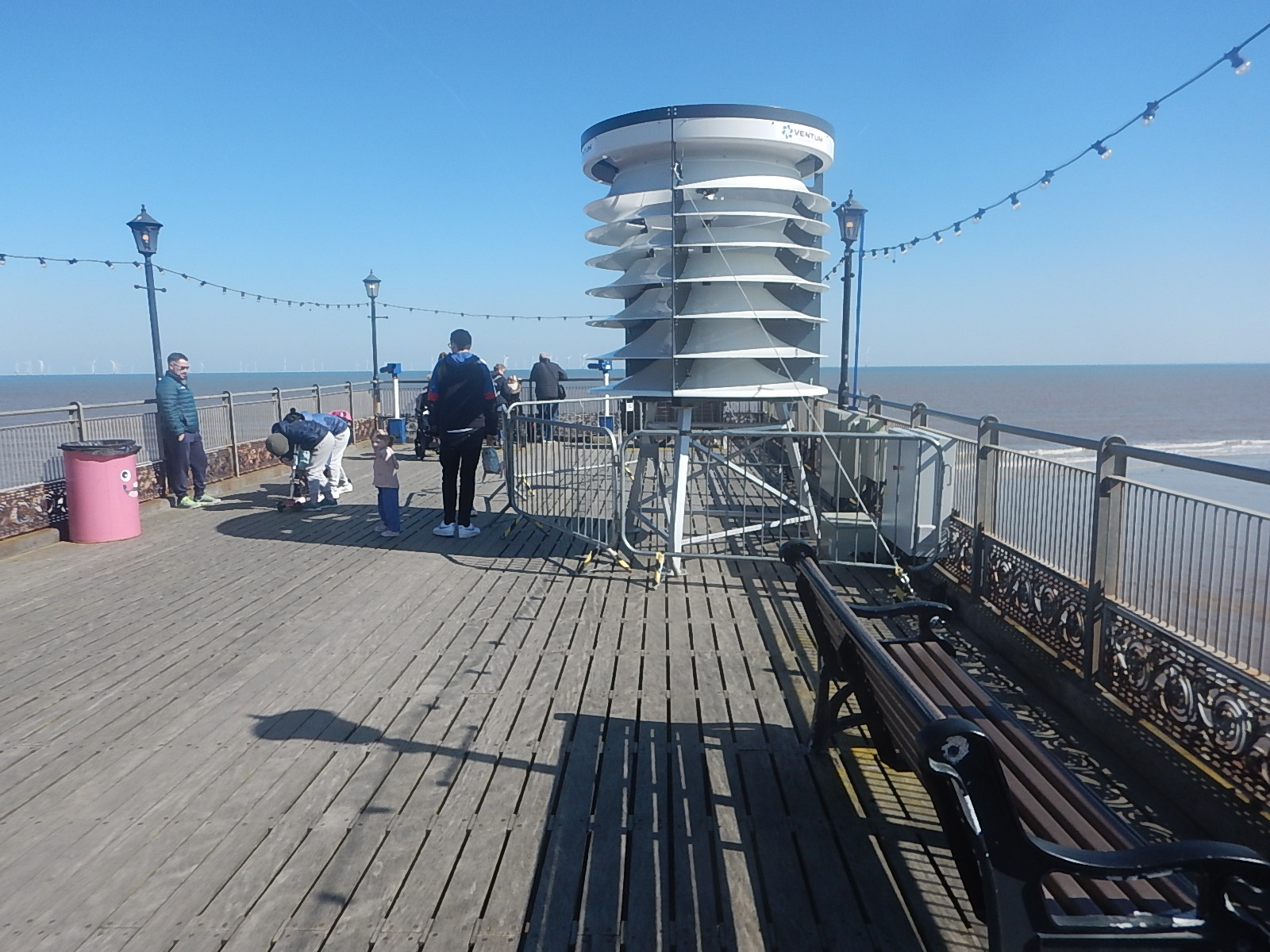
On the Ventum Dynamics web site, there are several pictures of buildings with flat roofs, that have several turbines on each.
Surely, if you’re installing a comprehensive electrical network, then it should be used to collect all the electricity it can.
I believe that Ventum’s turbines could be alternated in a line with trees, so that they merged more into the countryside. Some experiments need to be done.
I Would Also Fit Solar Roofs To Suitable Buildings
Every little helps!
Conclusion
When mixing solar panels and wind turbines into the countryside, you need to be bold and discard preconceived ideas.
Ricardo’s Hydrogen Fuel Cell Module Celebrates Key Milestone To Successfully Generating Power
The title of this post, is the same as that of this press release from Ricardo.
This is the sub-heading.
Ricardo’s ground-breaking high-powered multi-stack hydrogen fuel cell module has reached a new milestone. Following its initial activation, the module is generating significant power output.
These are the first two paragraphs.
Initially developed to generate high energy output with zero-emissions for the maritime sector as part of the Sustainable Hydrogen Powered Shipping (sHYpS) project, the core technology is suitable for a wide range of high-power applications. Ricardo is already seeing strong interest from sectors including, stationary power, rail, off-highway and high-performance vehicles.
The module has already achieved Lloyd’s Register’s Approval in Principle for the system’s safety and certification approach for ocean-going applications. As well as the fuel cell power plant, the sHYpS project is developing a novel swappable liquid hydrogen storage solution, which can be adapted to multiple types of vessels and accelerate the achievement of the International Maritime Organisation’s decarbonisation targets.
Note.
- It seems to be a versatile fuel cell module.
- Ricardo also seem to have designed or sourced a novel refuelling solution.
- The power of the fuel cell module is not given.
I can see a lot of applications for a large fuel cell module.
HiiROC Partners With Siemens To Boost Clean Hydrogen Production
The title of this post, is the same as that of this press release from HiiROC.
These two bullet points, act as sub-headings.
-
HiiROC and Siemens sign a Memorandum of Understanding to provide advanced control technology and ensure the safe automation of hydrogen production.
-
HiiROC’s Thermal Plasma Electrolysis (TPE) process produces clean hydrogen and solid carbon, using significantly less electricity than water electrolysis and without creating carbon dioxide.
These five paragraphs explain the deal.
Clean hydrogen producer HiiROC, has partnered with technology company Siemens on its hydrogen production technology, helping customers to decarbonise their operations and support their Net Zero ambitions.
Under the agreement, HiiROC will leverage Siemens’ control technology and factory and automation expertise to ensure the safe, efficient automation of hydrogen production and support in scaling.
HiiROC’s proprietary Thermal Plasma Electrolysis (TPE) technology is designed to meet rising demand for low-cost, scalable solutions for clean hydrogen production at the point of use, which helps to significantly reduce costs by removing the need for specialised storage and transportation.
The TPE process disassembles gaseous hydrocarbons into hydrogen and solid carbon without creating carbon dioxide. This highly efficient process, recognised under the UK’s Low Carbon Hydrogen Standard, requires only a fifth of the electricity of water electrolysis.
As a key technology partner, Siemens will collaborate with HiiROC to advance product development, while its global developer support community will help in achieving the hydrogen producer’s international expansion goals. Siemens, which has ambitious commitments to decrease carbon emissions and contribute to a more sustainable society, works with organisations across sectors to decarbonise using technology.
Many chemical processes are all about brute force and very large amounts of energy. This marriage made in chemical heaven, is all about elegance and finesse.
The investors in HiiROC are not without substance and include Melrose Industries, HydrogenOne, Centrica, Hyundai and Kia.
I wrote more about HiiROC and a similar process in Centrica Partners With Hull-Based HiiRoc For Hydrogen Fuel Switch Trial At Humber Power Plant.
9.58 GW of Renewable Energy Contracts Signed In UK’s Latest CfD Auction
The title of this post, is the same as that of this article on offshoreWIND.biz.
This is the sub-heading.
The Low Carbon Contracts Company (LCCC), a UK government-owned company, has signed 130 contracts for a total of 9.58 GW of renewable energy generation, covering the projects that were successful in the country’s latest Contracts for Difference (CfD) allocation round 6 (AR6).
These three paragraphs give more detail.
AR6 secured a broad range of technologies from wind and solar to emerging, innovative projects like tidal and floating offshore wind.
Offshore wind developers were awarded contracts for approximately 5.3 GW of capacity.
In the Round 6 auction, nine contracts for fixed-bottom projects were awarded, totalling 4.9 GW, while a single contract was granted for a floating wind project to Green Volt Offshore Windfarm, a consortium of Flotation Energy and Vårgrønn.
Once operational, AR6 projects will see 9.58 GW of renewable generation coming online, bringing the total CfD capacity to 34.74 GW. According to LCCC, this is the highest number of contracts ever signed in a single round.
Note that this will add nearly a third to the UK’s current renewable capacity.
Trump Could Be A Disaster For The Environment
This article on ITVx is entitled ‘Drill, baby, drill’: What Trump’s Re-election Could Mean For Our Climate
The article is a must-read.
It starts with a picture that has a placard that says “Trump Digs Coal”
I certainly don’t and have felt that way since probably the Aberfan disaster of 1966.
This is the first paragraph from the Wikimedia entry.
The Aberfan disaster was the catastrophic collapse of a colliery spoil tip on 21 October 1966. The tip had been created on a mountain slope above the Welsh village of Aberfan, near Merthyr Tydfil, and overlaid a natural spring. Heavy rain led to a build-up of water within the tip which caused it to suddenly slide downhill as a slurry, killing 116 children and 28 adults as it engulfed Pantglas Junior School and a row of houses.
In coal mining areas, disasters still happen.
We should all show our disgust at Trump ad the people who voted for him, by not buying any American products, unless it is absolutely necessary.
DCO Decision On 480MW West Burton Solar NSIP Delayed Until 2025
The title of this post, is the same as that of this article on Solar Power Portal.
The article talks about Island Green Power and their plans to develop three large solar farms in Eastern England.
They appear to be a UK-registered company with international connections.
These are the three projects.
The West Burton Project
This is the introductory paragraph for the West Burton Project.
Solar PV developer Island Green Power has seen a development consent order (DCO) decision delayed by the UK government for its 480MW West Burton project located across Lincolnshire and Nottinghamshire.
Note.
- The West Burton Project has a web site.
- It will have a capacity of 480 MW.
- The solar farm will use the grid connection of the former coal-powered West Burton power station.
- The project will cover 788 hectares.
The site is a few miles South-West of Gainsborough in Lincolnshire.
The East Pye Solar Project
These are the two introductory paragraphs for the East Pye Solar Project.
This setback comes days after Island Green Power opened a public consultation on early-stage plans for a 500MW solar PV power plant co-located with a battery energy storage system (BESS) that could have up to 500MW output.
The East Pye Solar project will be situated on 1,100 hectares of land south of Norwich and north of Harleston. Solar PV modules would be installed at two points within this area, approximately 6.5km apart.
Note.
- The East Pye Solar Project has a web site.
- It will have a capacity of 500 MW, with a battery with a 500 MW output. The battery capacity is not stated.
- The project will cover 1100 hectares.
- This article on the BBC is entitled New Proposed Solar Farm Could Power 115,000 Homes, gives more details.
- It appears that the solar farm will have a new grid connection to the grid connection between Norwich and Bramford to the West of Ipswich.
- There is also a web site, which is entitled Block The Development of East Pye Solar Farm.
The site is a few miles East of Long Stratton in South Norfolk.
The Cottam Solar Project
These are the two introductory paragraphs for the Cottam Solar Project.
The non-statutory consultation comes after Island Green revealed plans for the development early in September, just one week after energy secretary Ed Miliband granted the developer a DCO for the 600MW Cottam Solar Project.
The 600MW development will comprise four ground-mounted solar PV generating stations in West Lindsay, Lincolnshire, four on-site substations and a BESS across four separate sites, totalling an area of 1,270 hectares.
Note.
- The Cottam Solar Project has a web site.
- It will have a capacity of 600 MW, with a battery, with a battery with a 600 MW output and a 600 MWh capacity.
- The solar farm will use the grid connection of the former coal-powered Cottam power station.
- The project will cover 1270 hectares.
The site is a few miles East of Retford in Lincolnshire.
Island Green
It does appear that Island Green like large solar farms.
- West Burton – 480 MW – 788 hectares
- East Pye – 500 MW, – 500 MW battery- 1100 hectares
- Cottam – 600 MW, 600 MW/600 MWh battery – 1270 hectares
Whether some of their neighbours will is another matter.
But at least two of them have batteries.
What we will be forced to accept from this unscientifically-green Government, I dread to think.
Solar Farms Could Partly Power London Underground
The title of this post, is the same as that of this article on the BBC.
This is the sub-heading.
Transport for London (TfL) is planning to set up solar farms to help power its Underground network.
These three introductory paragraphs give more details.
The transport body has asked for potential “delivery partners” to apply to provide up to 64 megawatts of zero-carbon electricity from purpose-built solar farms.
This would be about 5% of the power needed to run the Tube and would bypass the National Grid, according to TfL.
It says it is the largest single electricity consumer in London – at a level equivalent to that consumed by about 420,000 homes – and the project would reduce pressure on the central grids.
These are my thoughts.
Solar Panels At Cockfosters
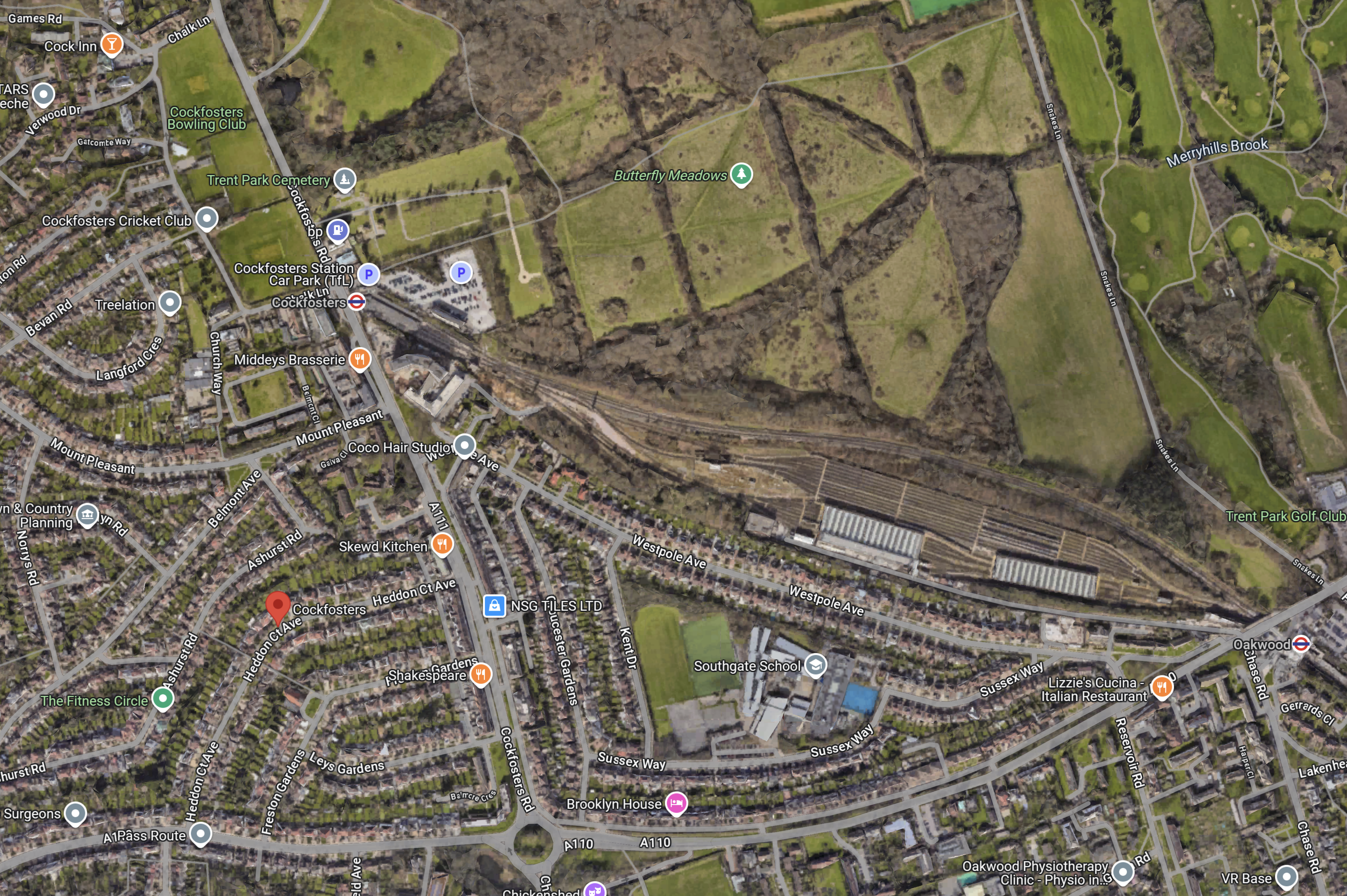
This Google Map shows Cockfosters Depot and the surrounding land.
Note.
- The London Underground roundel in the North-West corner of the map indicates Cockfosters station.
- The London Underground roundel in the South-East corner of the map indicates Oakwood station.
- Between the two stations lies the large Cockfosters Train Depot, which is one of the major depots for the Piccadilly Line.
- To the North of the railway is Trent Park, which in its Wikipedia entry is described as a country house in North London.
I know the area well, as I used to live opposite Southgate School, which is towards the bottom of the map, until I was sixteen.
I believe that solar panels could be installed in three places.
- As a solar roof over a rebuilt depot.
- As a solar farm on some of the Trent Park land.
- In Would A Solar Roof With Added Vertical Turbines Work?, I suggested a hybrid installation on top of Oakwood station.
As it is a very windy hill-top, I would look into the possibility of perhaps four large wind turbines between the tracks of the depot.
It is definitely an area, where there are possibilities for renewable power.
But given that the Nimbies are objecting to the building of housing on the car-parks at Cockfosters and Oakwood stations, I suspect they will object.
Solar Roofs Above Depots And Sidings
In the previous sub-section, I suggested what was possible at Cockfosters, by installing a solar roof above Cockfosters Train Depot
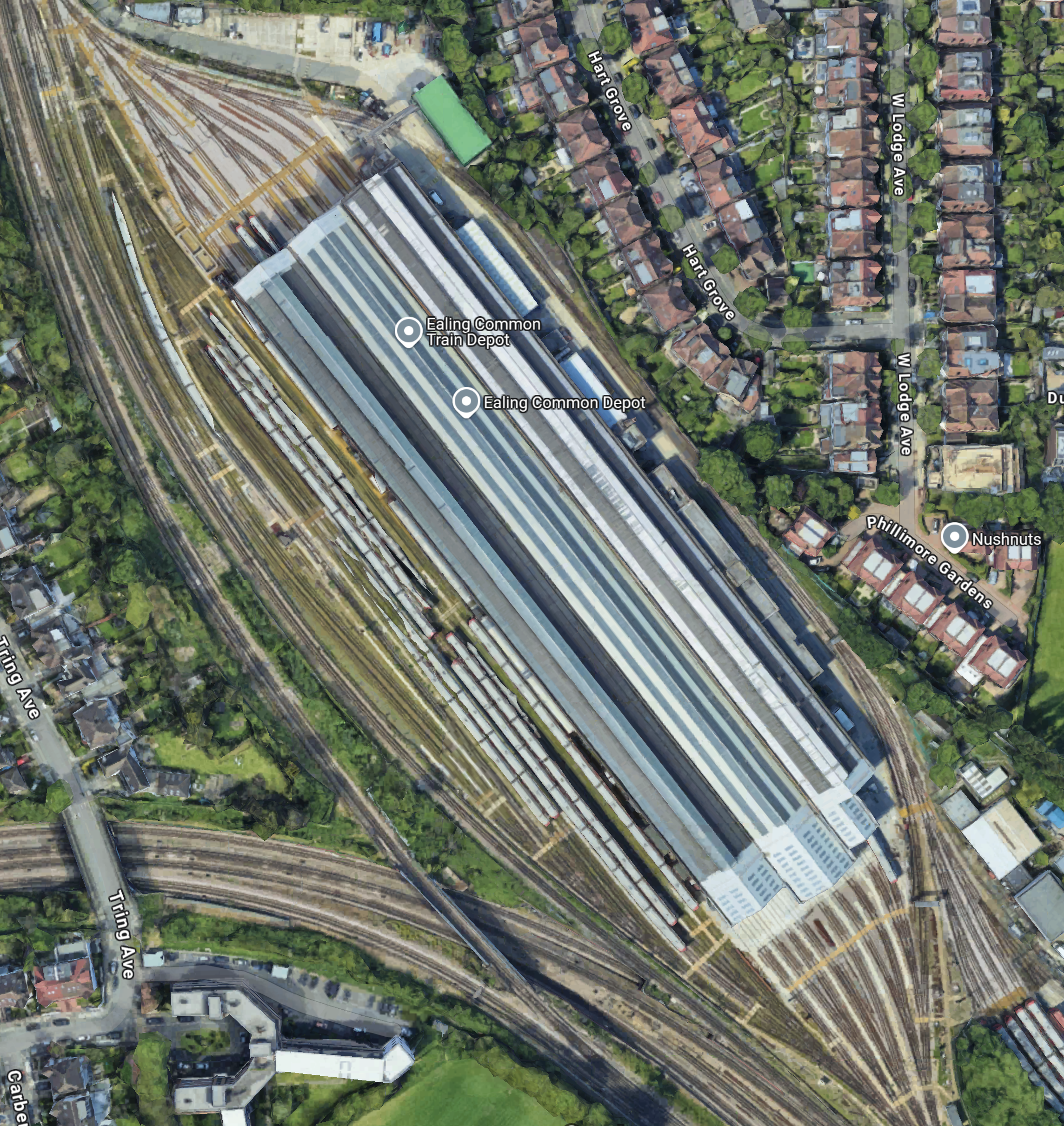
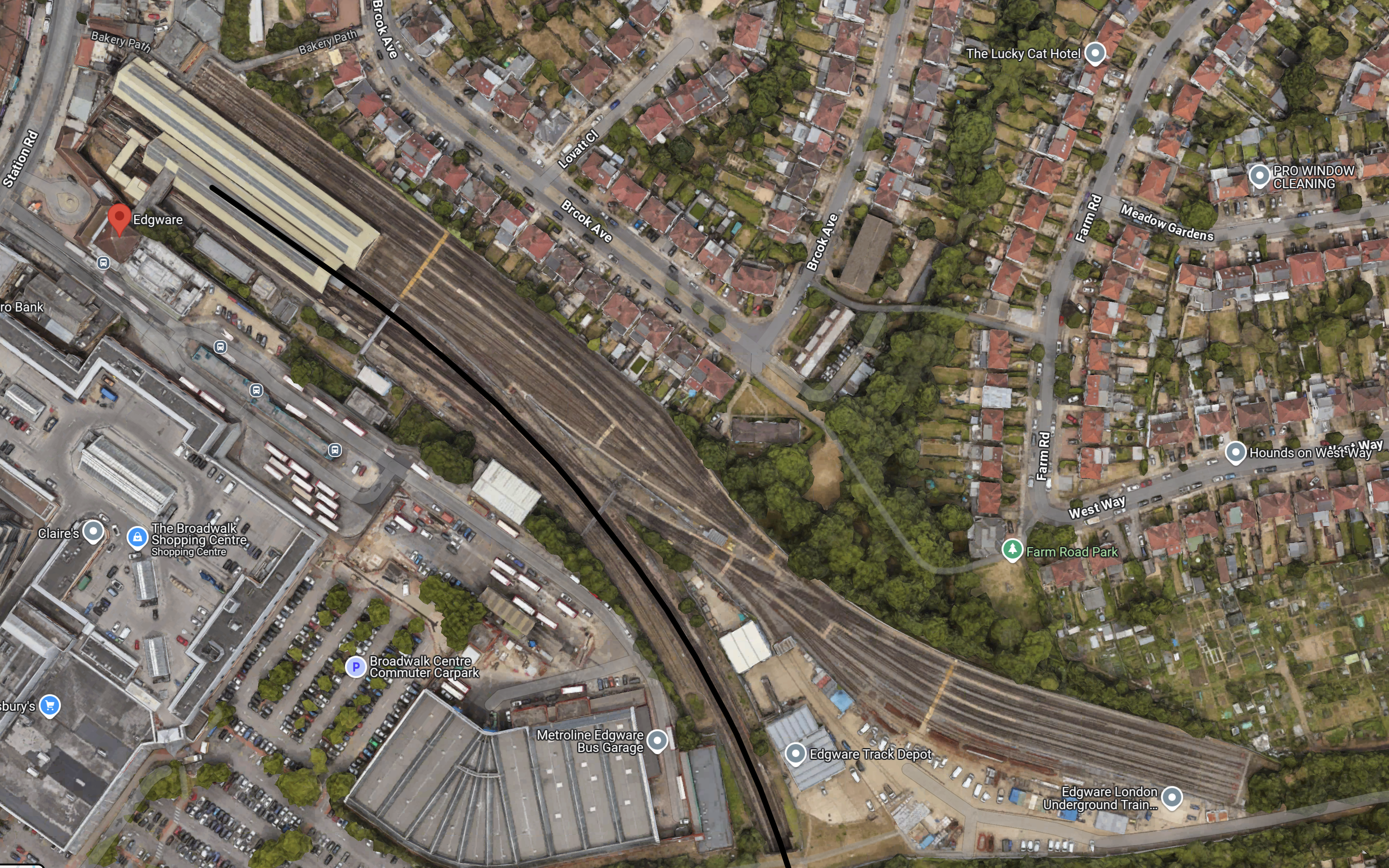
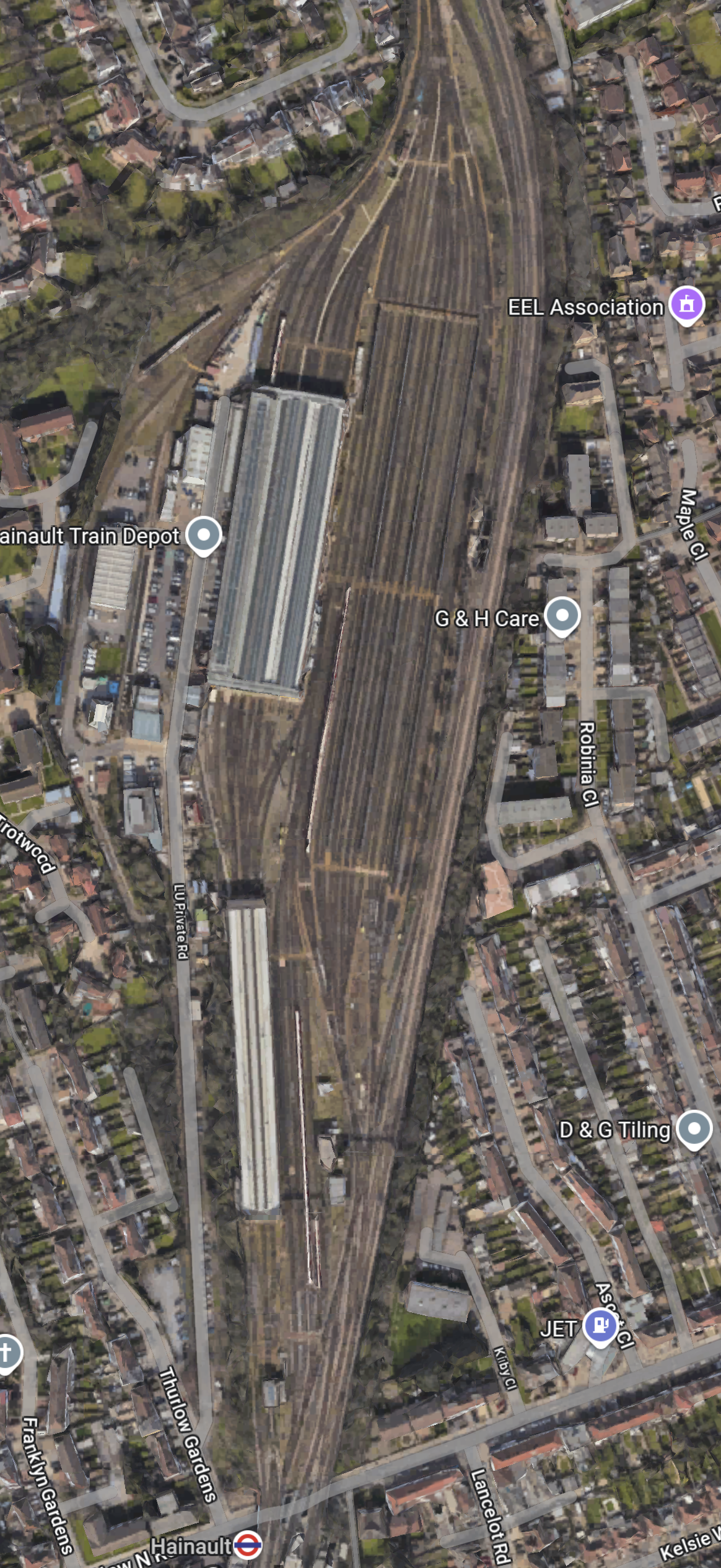
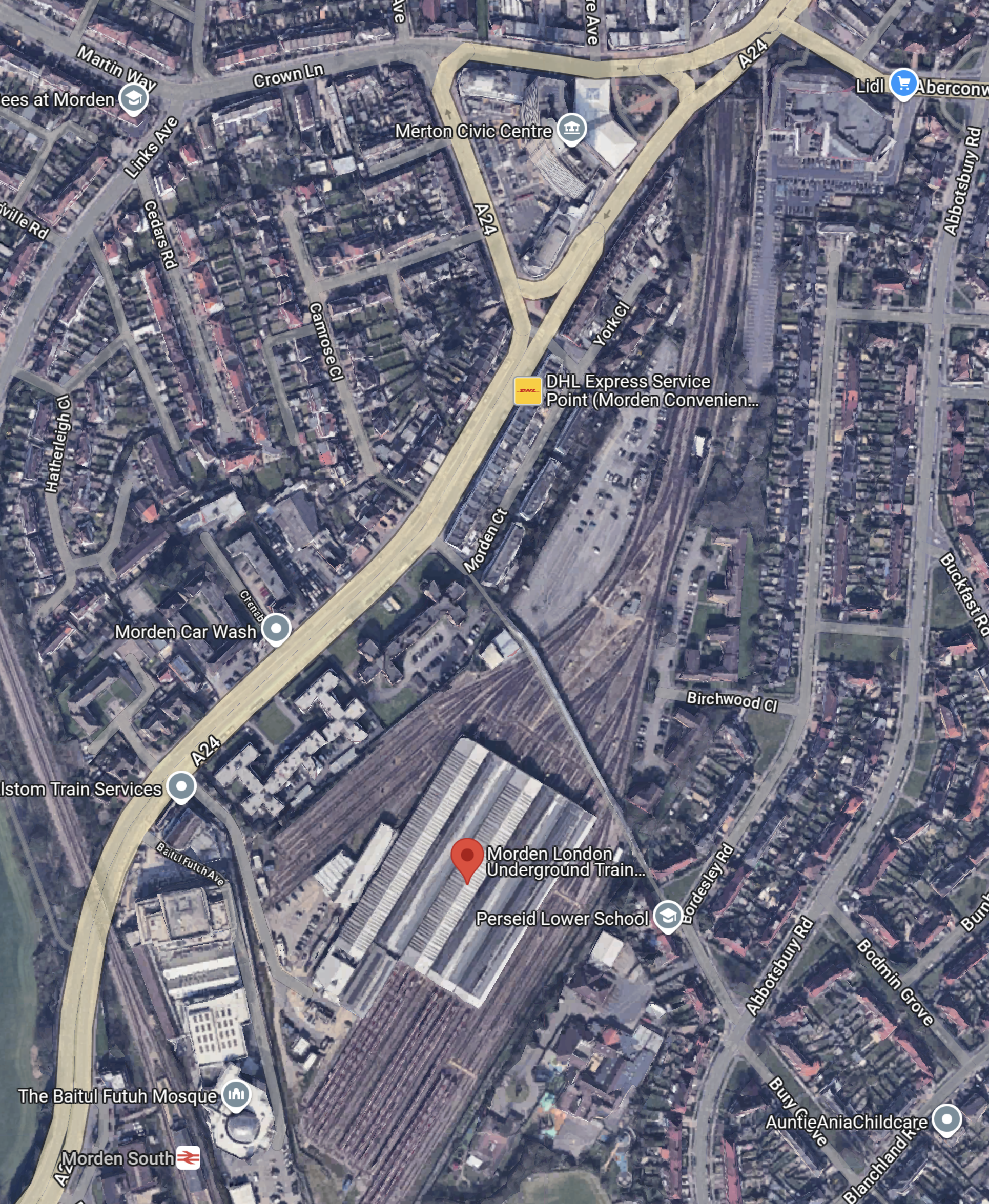
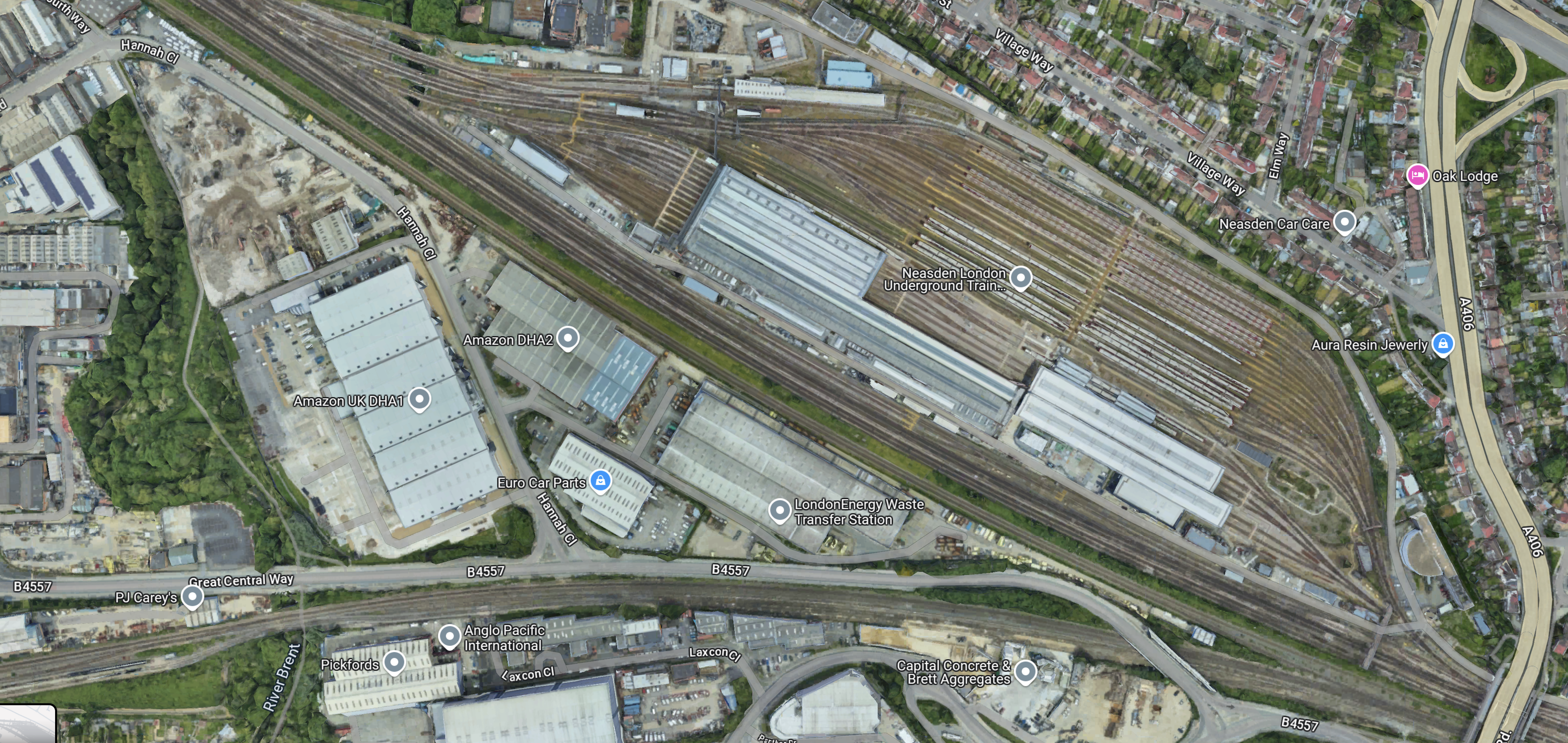
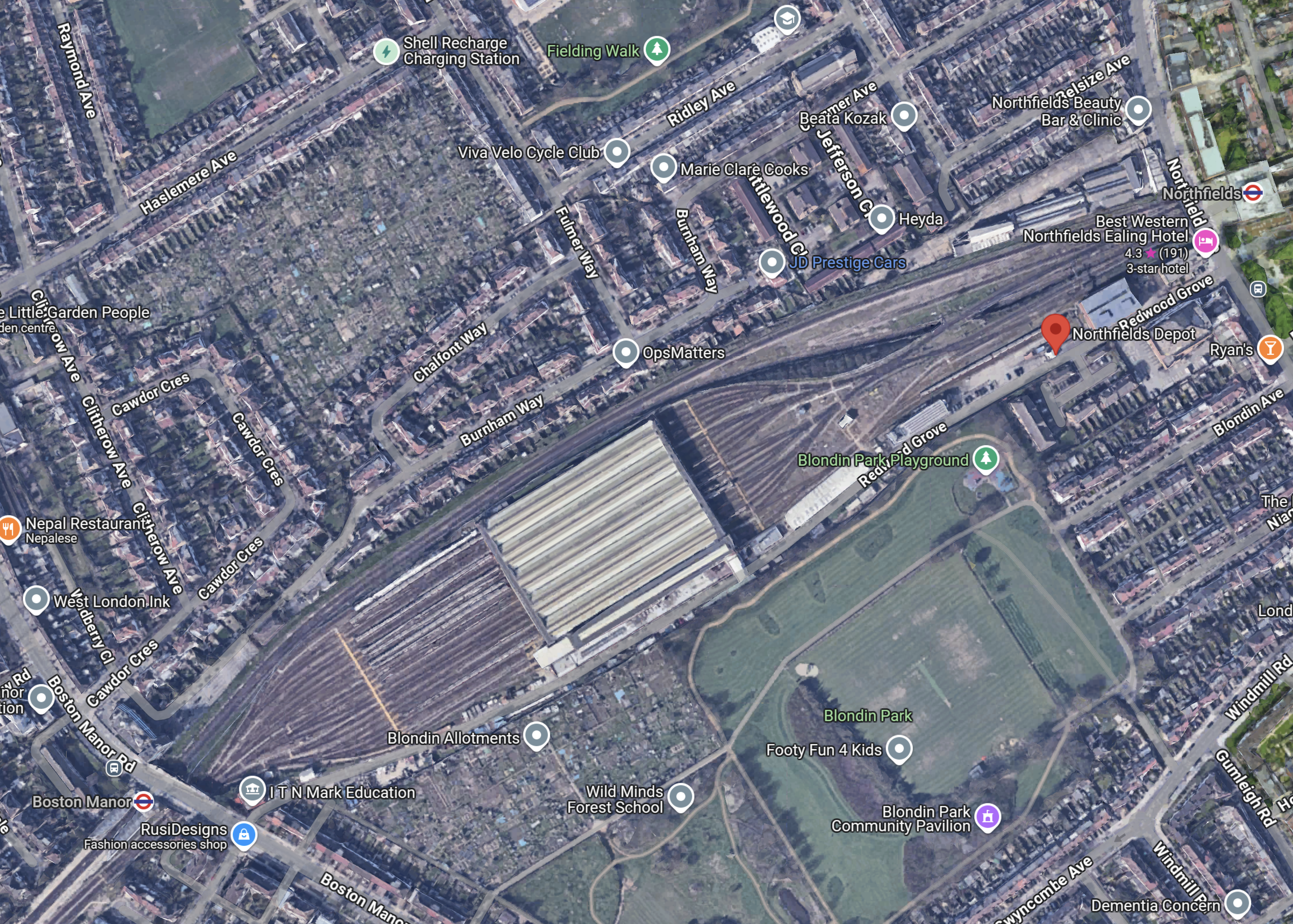
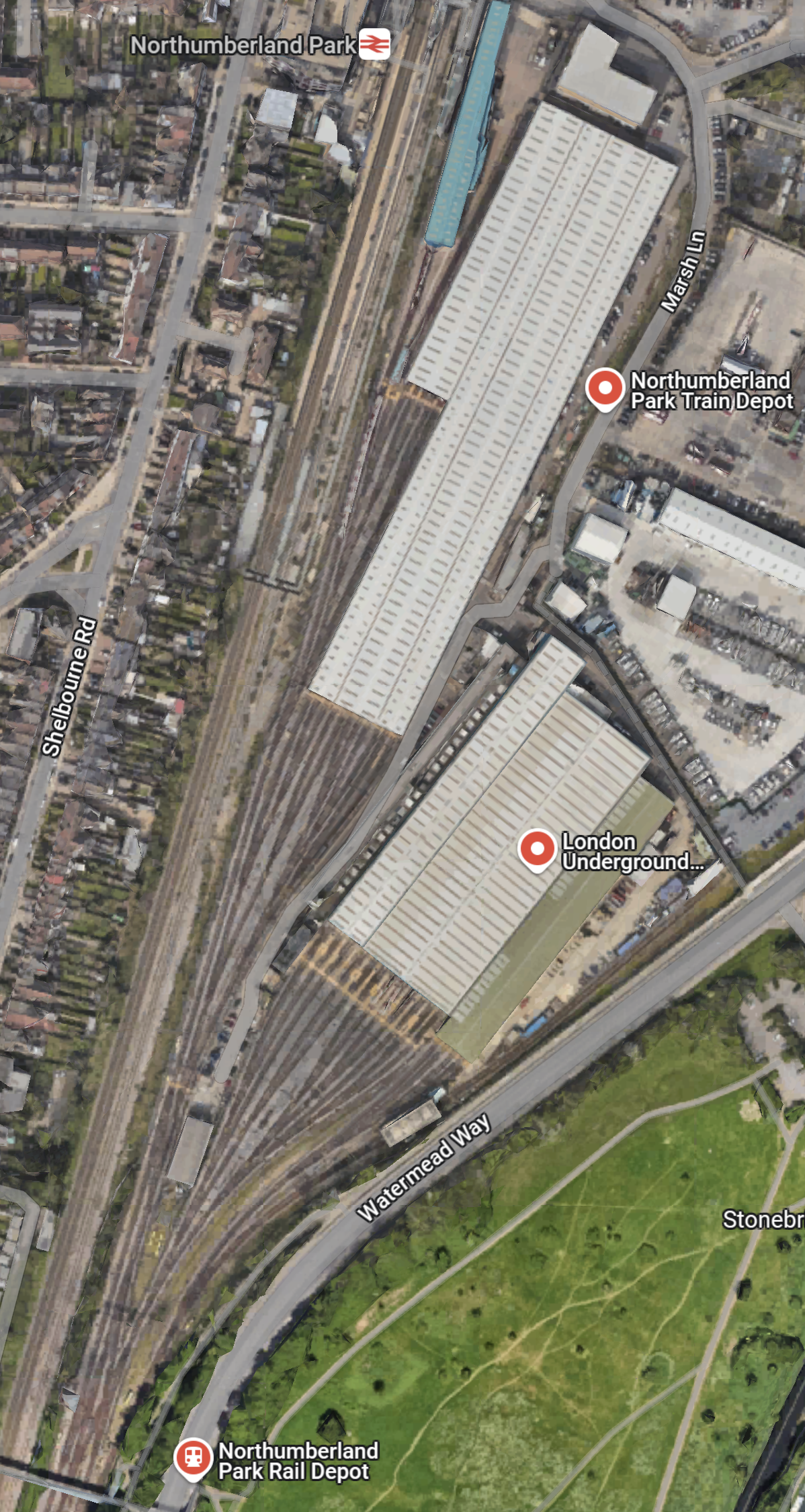
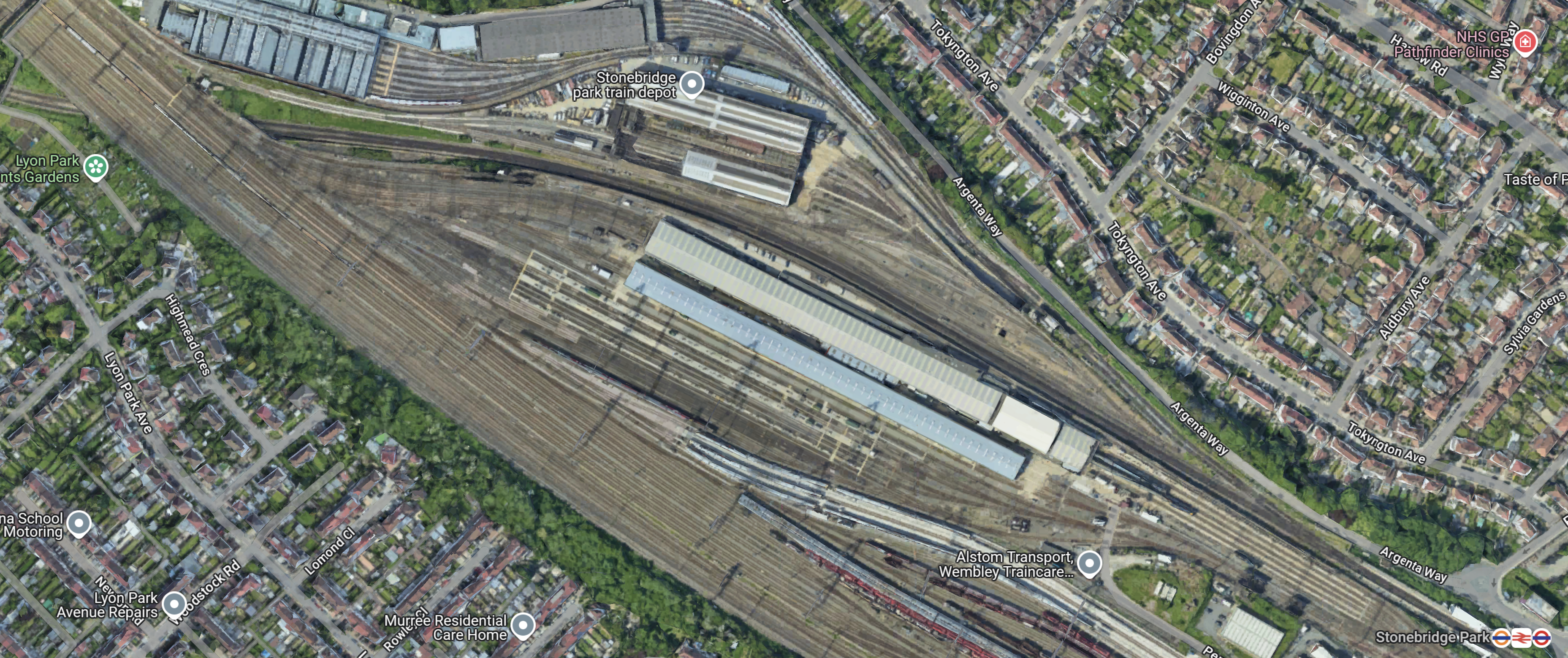
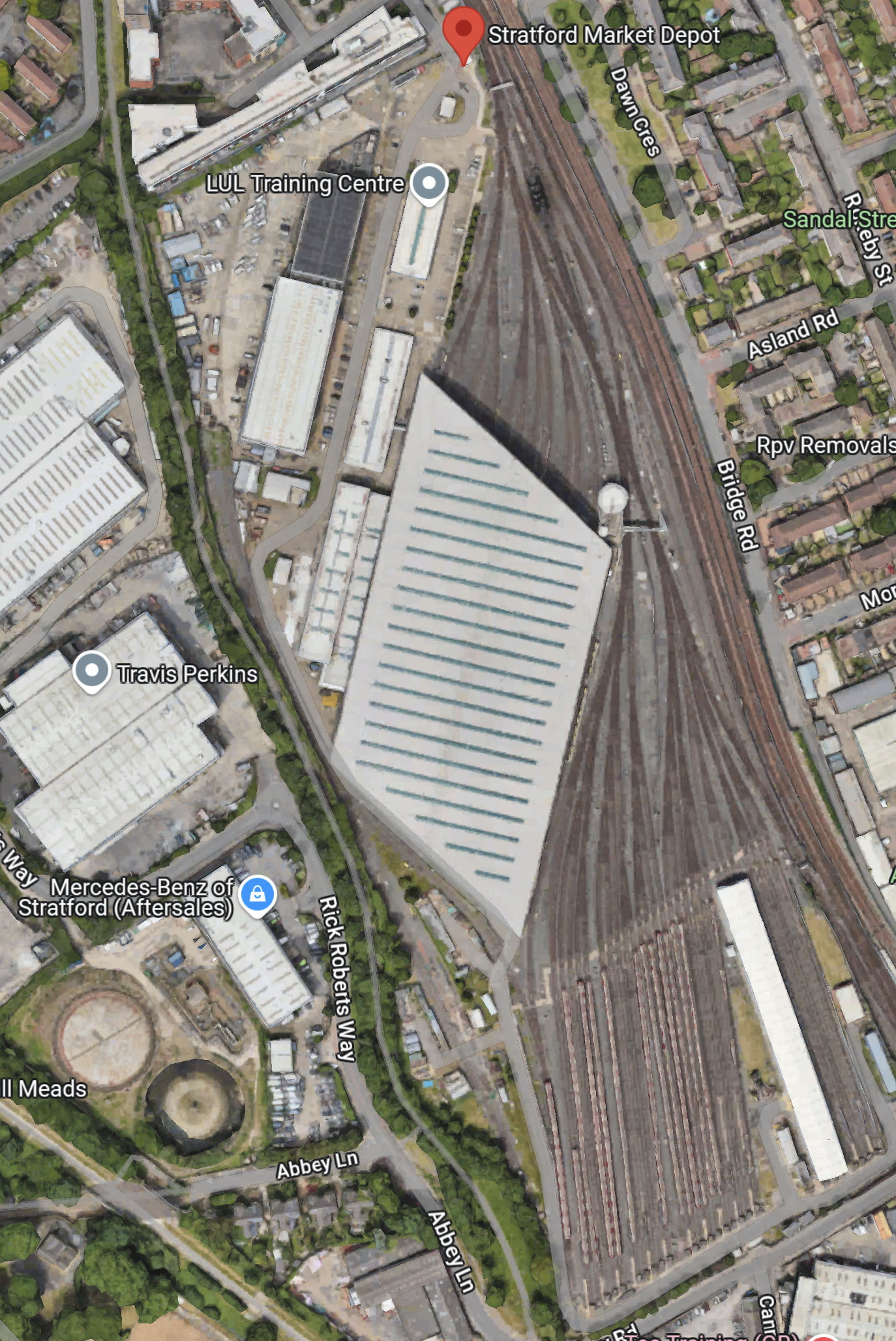
These Google Maps show a number of other depots, that have possibilities for solar roofs.
Ealing Common
Edgware
Golders Green

Hainault
Hammersmith

Morden
Neasden
Northfields
Northumberland Park
Old Oak Common

Ruislip

Stonebridge Park
Stratford Market
Upminster
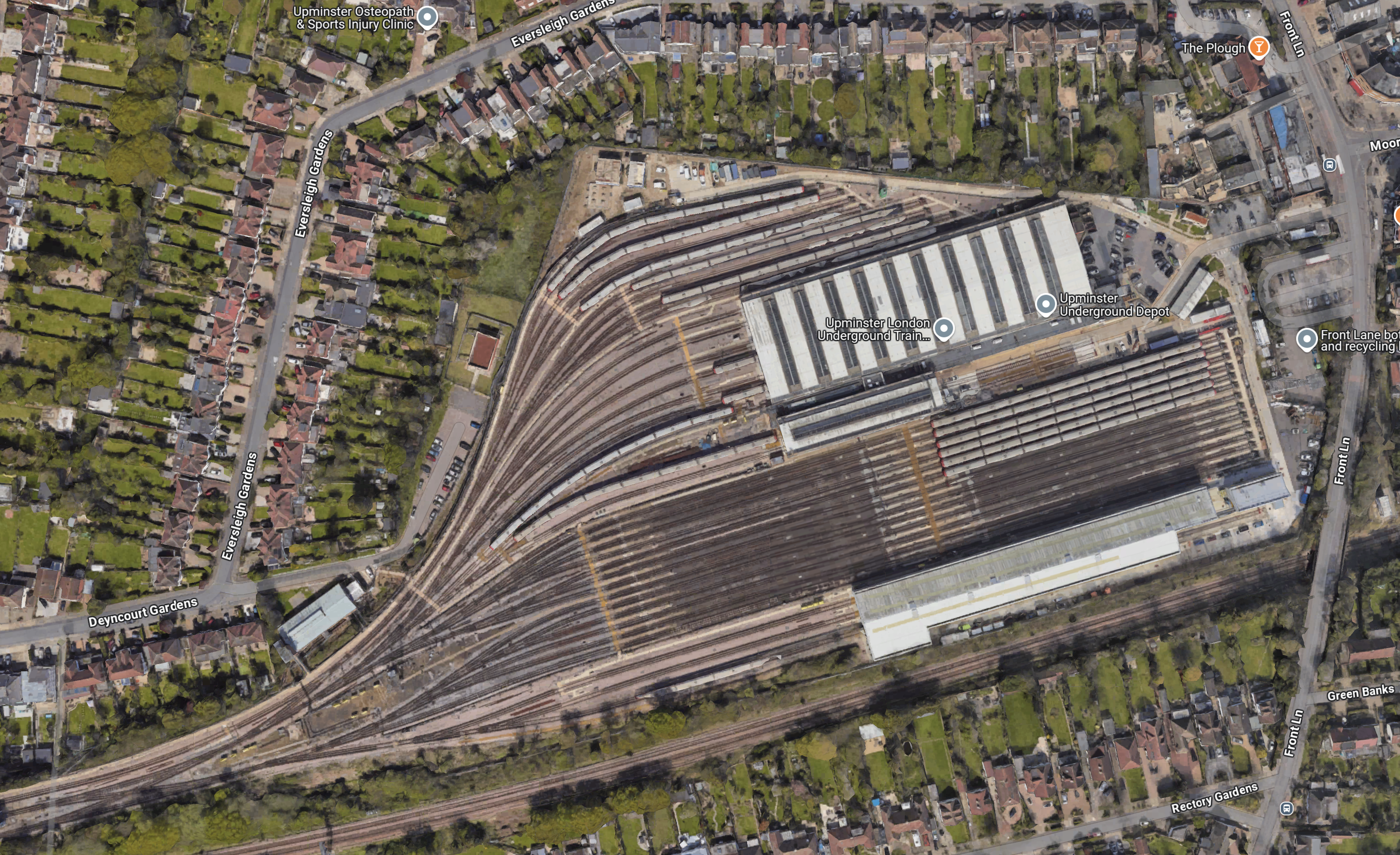
All these depots are different, but I do feel there is scope for solar roofs and panels above the sidings.
Other developments like housing may also be possible over some of the depots.
Aberdeen’s Exceed Secures Centrica Rough Contract
The title of this post, is the same as that of this article on Energy Voice.
This is the sub-heading.
Well and reservoir management firm Exceed has secured a contract with Centrica Energy Storage for the redevelopment of the Rough gas storage field.
This is the introductory paragraph.
Exceed said its role in the initial stages of the project, which is exploring converting the Rough field into a hydrogen storage facility, could create more than 30 jobs.
In Wood To Optimise Hydrogen Storage For Centrica’s Rough Field, I talked about changing Rough from a gas to a hydrogen store, so it looks like Centrica are going to create a vast hydrogen storage facility.
This all fits with my belief, that Centrica’s Rough facility and SSE’s nearby Aldbrough storage facility, will at sometime in the future be connected to the Germany hydrogen pipeline; AquaVentus to perform backup to hydrogen produced in the North Sea.
I also feel that the hydrogen trading will be of benefit to Centrica and SSE.
The last section of the Energy Voice article is entitled Rough Hydrogen Storage Concerns.
The following facts are given.
There are currently eight geological gas storage sites across Great Britain, containing approximately 3.1bcm in capacity and maximum deliverability rates of 124mcm/day.
Five of these gas storage sites are in salt caverns while the remaining three are depleted oil and gas fields, with the Centrica’s Rough field in the North Sea the only site located offshore.
The British Geological Survey estimates the UK could store up to 3,000 TWh of hydrogen.
Currently, we use the following energy in a year.
- 263 TWh of electricity
- 705 TWh of natural gas
So we use a total of 968 TWh of energy.
3,000 TWh of hydrogen would keep the UK going for three years. So we should be fine!
 The Anonymous Widower