What Housing Is Being Built At Cockfosters Station?
I was looking for something to watch on the television and noticed that Cockfosters FC were in the FA Vase final today at Wembley against AFC Stonham.
For the first sixteen years or so of my life, I lived in Cockfosters, and until now, I never knew they had a football team, which is actually based just around the corner from the church, where I got married to C on September 7th 1968.
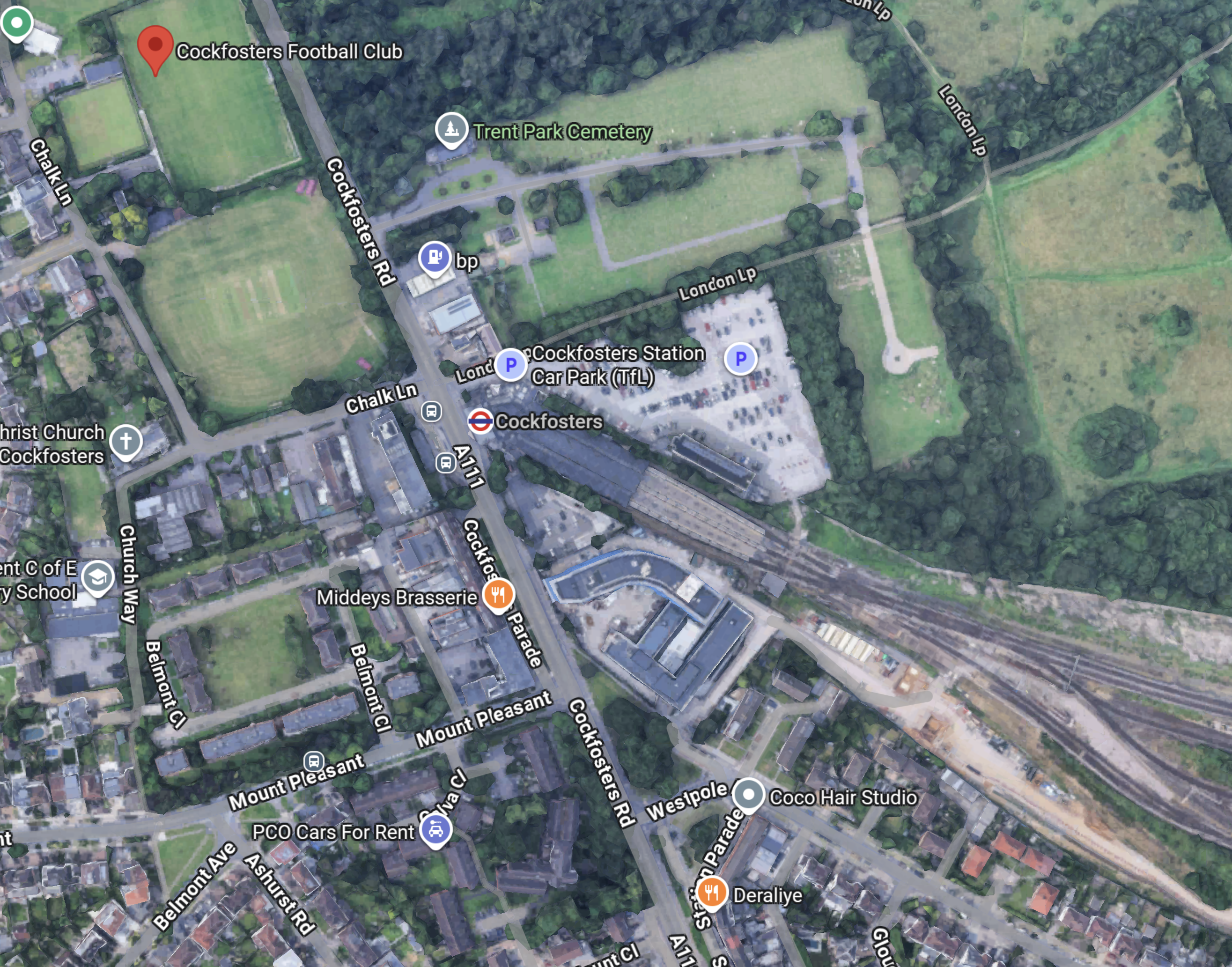
This Google Map shows the area.
Note.
- The red arrow at the top of the map indicates Cockfosters F.C.
- Christ Church, Cockfosters is to the South of the football club.
- Cockfosters Road runs slightly diagonally down the map.
- Cockfosters station on the Piccadilly Line is indicated by the London Transport roundel.
- Cockfosters station has extensive car parking to the North-East of the station
- Cockfosters Depot is to the South-East of the station.
Our house was just off the Southern edge of the map, by Southgate School.
A 3D Image Of Cockfosters Station
This Google Map shows a 3D image of Cockfosters station and the buildings around it.

Note.
- Cockfosters station is indicated by the roundel.
- The station is a Grade II Listed building.
- The station has an elevation of 97 metres.
- Half of the station car park is going to be turned into housing.
- Trent Park lies to the North of the station.
- The road in front of the station is Cockfosters Road, which to the North joins the M25 at Junction 24.
- The building between Cockfosters Road and the railway used to be offices, but it is now being converted into starter housing.
In Starter Homes At Cockfosters, I write about starter homes being developed on the South side of the station.
Artificial Intelligence On The Housing In The Car Park
I asked Google AI the question in the title of this post and received this answer.
Places for London (Transport for London’s property arm) and Barratt London are building 373 residential apartments across four tower blocks on the former Cockfosters Station car park site. The largely car-free, mixed-use scheme includes 40% affordable housing, new public open spaces, and revamped TfL staff facilities.
Key Project Details
Total Homes: 373 apartments (a mix of 1, 2, and 3-bedroom properties).
Housing Tenure: All flats will be built for rent, with 40% of them allocated as “affordable” (including social rent and intermediate housing).
Building Heights: Four tower blocks ranging between 5 and 15 storeys tall.
Station Parking: The development is largely car-free.
Around 68 parking spaces will be retained at the station, including 12 dedicated Blue Badge spaces.
Public Amenities: The scheme introduces about 4,500 square meters of publicly accessible open space, children’s play areas, cycle storage, and minor commercial floor space.
Development Background
While planning permission for housing on the site was originally granted by Enfield Council in 2022, the project faced years of delays.
In late 2025 and early 2026, revised plans were submitted to add an extra storey to each building to accommodate updated fire safety legislation—adding 22 more homes to the initial 351 proposal.
You can track local planning updates and track progress via the Enfield Council Planning Portal.
I have some thoughts about this development.
Was There Any Opposition To Building Flats On Cockfosters Station Car Park?
From when I lived in the area, I remember that Cockfosters car park was well used in the 1960s and that trains on the Piccadilly Line were exceedingly busy, as I sometimes used to get them to travel to school.
I asked Google AI the question in the title of this section and received this answer.
Yes, there was intense opposition to the proposal to build flats on the Cockfosters Station car park.
The plans to build over 350 homes across blocks reaching up to 14 storeys faced major pushback from local residents, commuters, and Conservative MPs.
The primary points of contention included:
Loss of Parking: Opponents were concerned that wiping out hundreds of park-and-ride parking spaces would reduce the station’s accessibility.
It sparked fears that it would increase traffic on local roads and make journeys impossible for many, particularly blue-badge holders.
Over-development: The proposed height and density were heavily criticized for being out of character for the surrounding outer-suburb.
Heritage and Green Belt Impact: Residents argued that the massive tower blocks would negatively impact the neighboring Trent Park Conservation Area and the Charles Holden-designed Grade 2-listed station building.
Despite the controversy—which generated nearly 3,000 objections and was temporarily halted by the government in 2022—the project was officially given the green light to proceed. You can find full details on the planning outcomes via the Enfield Council Planning Portal or by reviewing the BBC News coverage of the development’s approval.
Do Any Train Depots Have Housing On Top?
I feel that we should maximise housing and in estates like the Barbican, there is extensive housing on top of car parking and even some active railways.
So why not on top of train depots like Cockfosters?
I asked Google AI the question in the title of this section and received this answer.
Yes, train depots and railyards increasingly feature housing built directly on top of them. Because large, open plots are scarce in dense cities, decking over active railway infrastructure has become an innovative engineering solution to generate new residential spaces.
Prominent examples of housing built over railway land include:
Royal Mint Gardens (London, UK): luxury residential and mixed-use development built directly above active train tracks on the approach to London Fenchurch Street.
Hudson Yards (New York, USA): The largest private real estate development in the U.S. features numerous residential skyscrapers built on a massive elevated platform constructed directly over the active John D. Carolan West Side Yard.
North Manhattan Rail Yards (New York, USA): Several multi-family residential projects, such as the Triangle Equities development over the MTA’s East 180th Street depot, utilize air rights to stack housing above active transit operations.
Hong Kong (Global Pioneer): Many of the city’s MTR depots (such as the Tseung Kwan O or Siu Ho Wan depots) and their surrounding stations have extensive private residential estates (known as Rail + Property Developments) built directly onto elevated decks atop the facility.
How is it done?
Building over a depot or railway requires constructing a heavy-duty “crash deck” or podium over the tracks. To prevent the noise, vibrations, and emissions of the trains from disturbing residents, developers use advanced building vibration isolation techniques. The residential buildings are structurally separated from the rail lines using specialized acoustic bearings and shock-absorbing foundations.
As we haven’t got the land in our big cities we should go for it.
Is The New London Museum Built Over Train Tracks?
This link shows all my posts on the new London Museum, as it will be called.
But what does Google AI say in answer to my question?
Yes, the new London Museum at Smithfield Market is built directly over and intertwined with active railway infrastructure.
The multi-billion-pound cultural project is located over or alongside a number of key transport elements:
Thameslink Tunnels: The subterranean galleries and historic brick vaults of the museum sit adjacent to active Thameslink railway lines that pass through a combined basement complex.
Historical Goods Depot: The museum’s underground level occupies what was originally the Great Northern Railway’s Farringdon goods depot.
Train Viewing Area: The museum features a specialized window where visitors can watch passing trains rumble by.
London Museum
To explore the building’s design, you can read more about it on the London Museum Buildings Guide.
Solar Farms Could Partly Power London Underground
The title of this post, is the same as that of this article on the BBC.
This is the sub-heading.
Transport for London (TfL) is planning to set up solar farms to help power its Underground network.
These three introductory paragraphs give more details.
The transport body has asked for potential “delivery partners” to apply to provide up to 64 megawatts of zero-carbon electricity from purpose-built solar farms.
This would be about 5% of the power needed to run the Tube and would bypass the National Grid, according to TfL.
It says it is the largest single electricity consumer in London – at a level equivalent to that consumed by about 420,000 homes – and the project would reduce pressure on the central grids.
These are my thoughts.
Solar Panels At Cockfosters
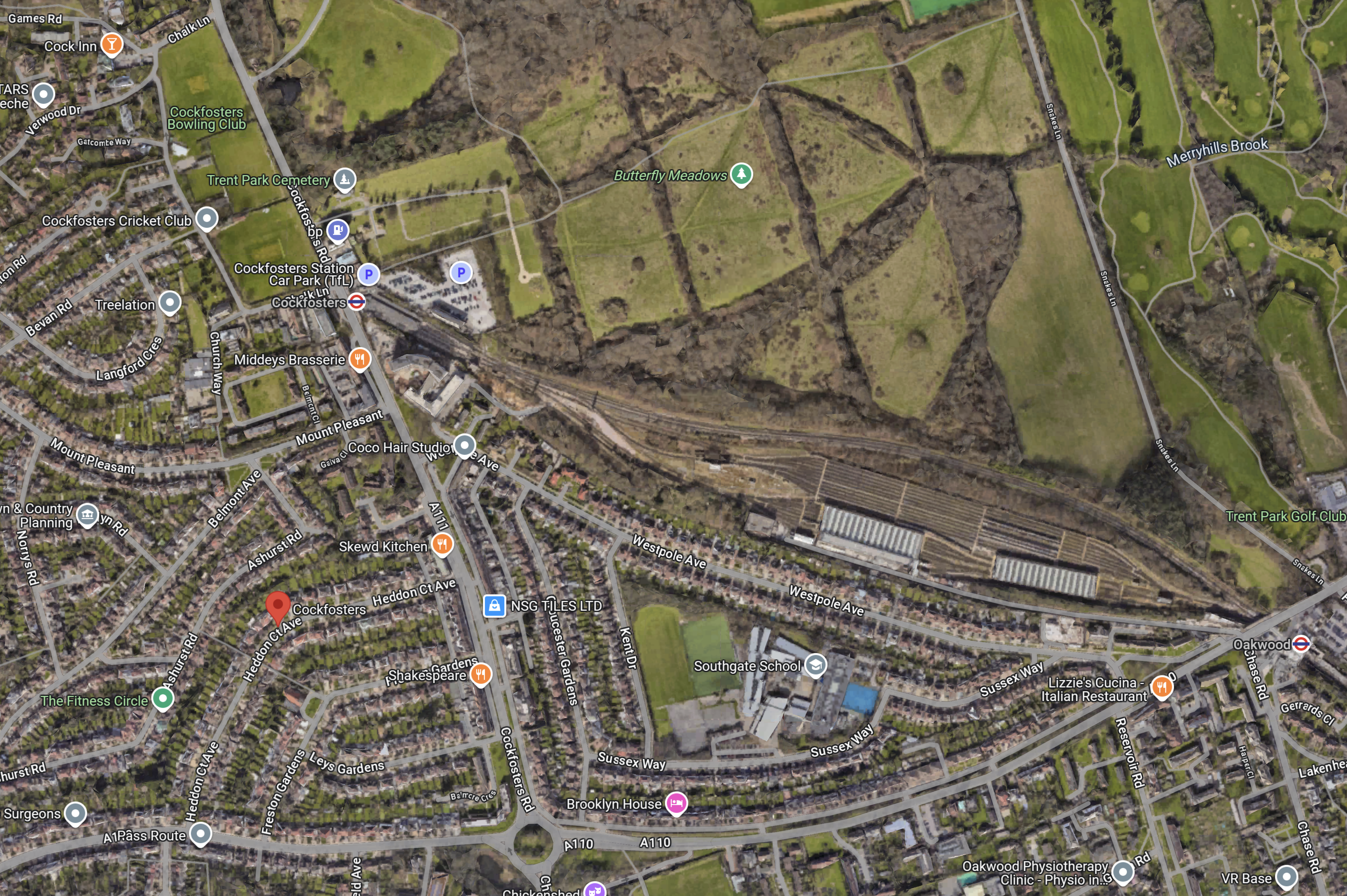
This Google Map shows Cockfosters Depot and the surrounding land.
Note.
- The London Underground roundel in the North-West corner of the map indicates Cockfosters station.
- The London Underground roundel in the South-East corner of the map indicates Oakwood station.
- Between the two stations lies the large Cockfosters Train Depot, which is one of the major depots for the Piccadilly Line.
- To the North of the railway is Trent Park, which in its Wikipedia entry is described as a country house in North London.
I know the area well, as I used to live opposite Southgate School, which is towards the bottom of the map, until I was sixteen.
I believe that solar panels could be installed in three places.
- As a solar roof over a rebuilt depot.
- As a solar farm on some of the Trent Park land.
- In Would A Solar Roof With Added Vertical Turbines Work?, I suggested a hybrid installation on top of Oakwood station.
As it is a very windy hill-top, I would look into the possibility of perhaps four large wind turbines between the tracks of the depot.
It is definitely an area, where there are possibilities for renewable power.
But given that the Nimbies are objecting to the building of housing on the car-parks at Cockfosters and Oakwood stations, I suspect they will object.
Solar Roofs Above Depots And Sidings
In the previous sub-section, I suggested what was possible at Cockfosters, by installing a solar roof above Cockfosters Train Depot
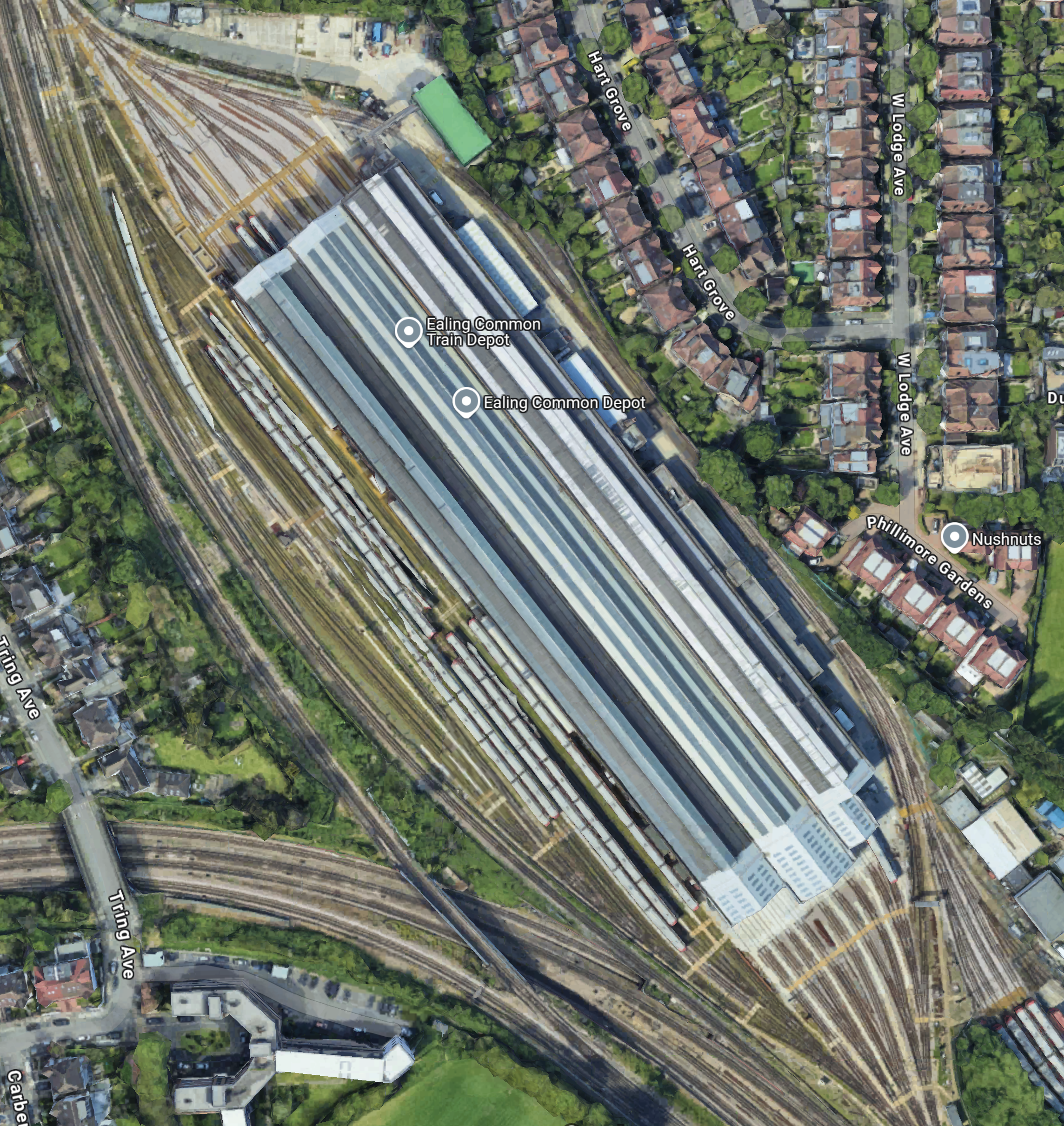
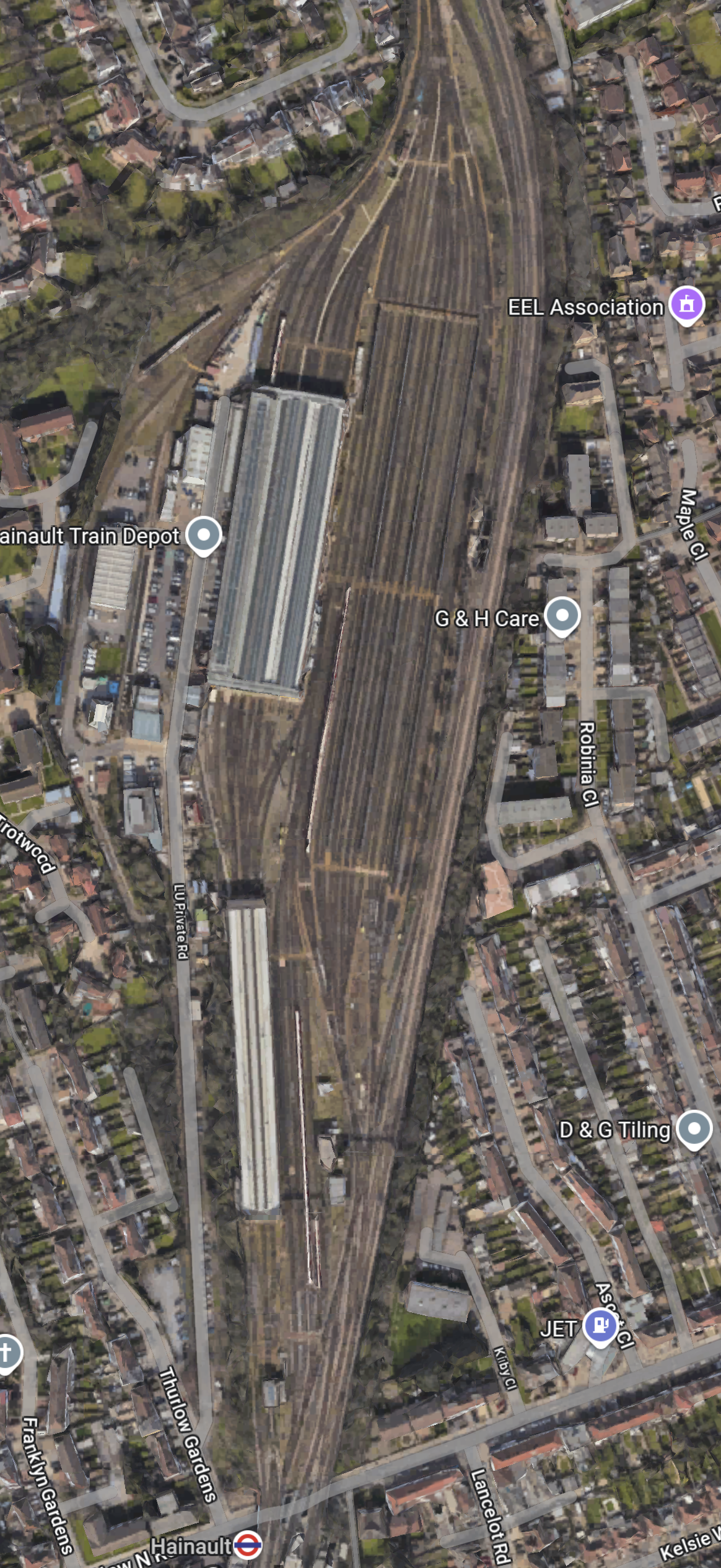
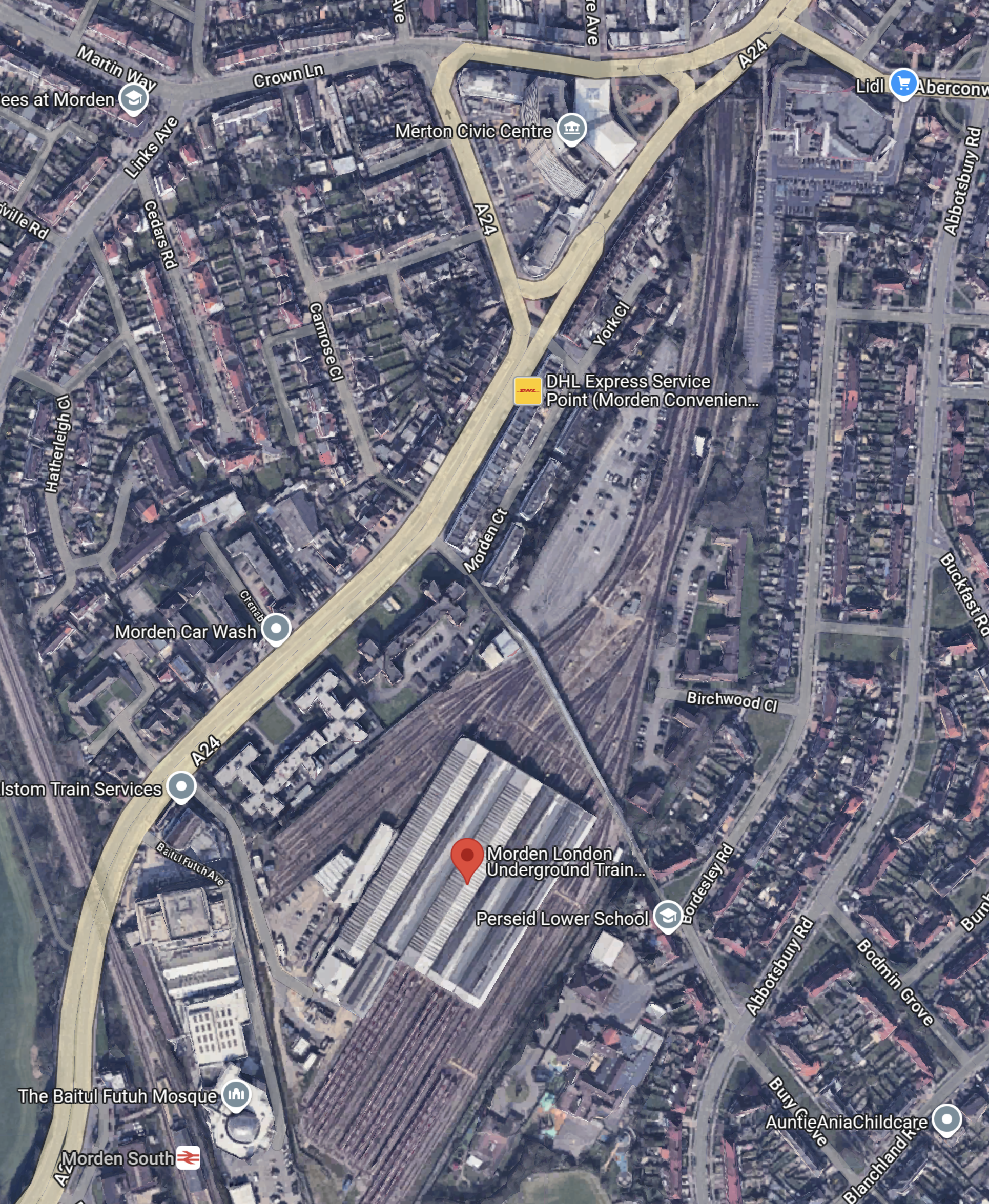
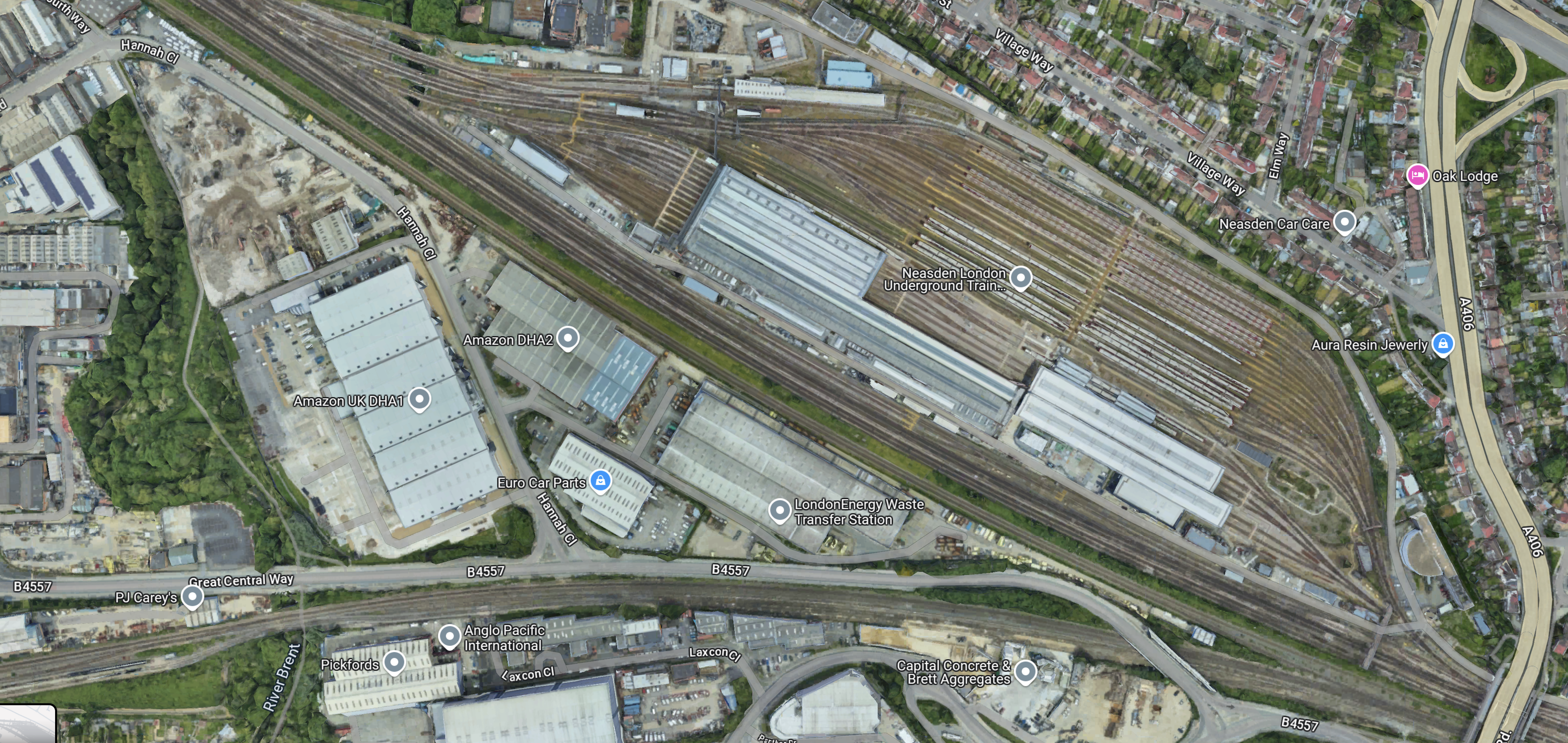
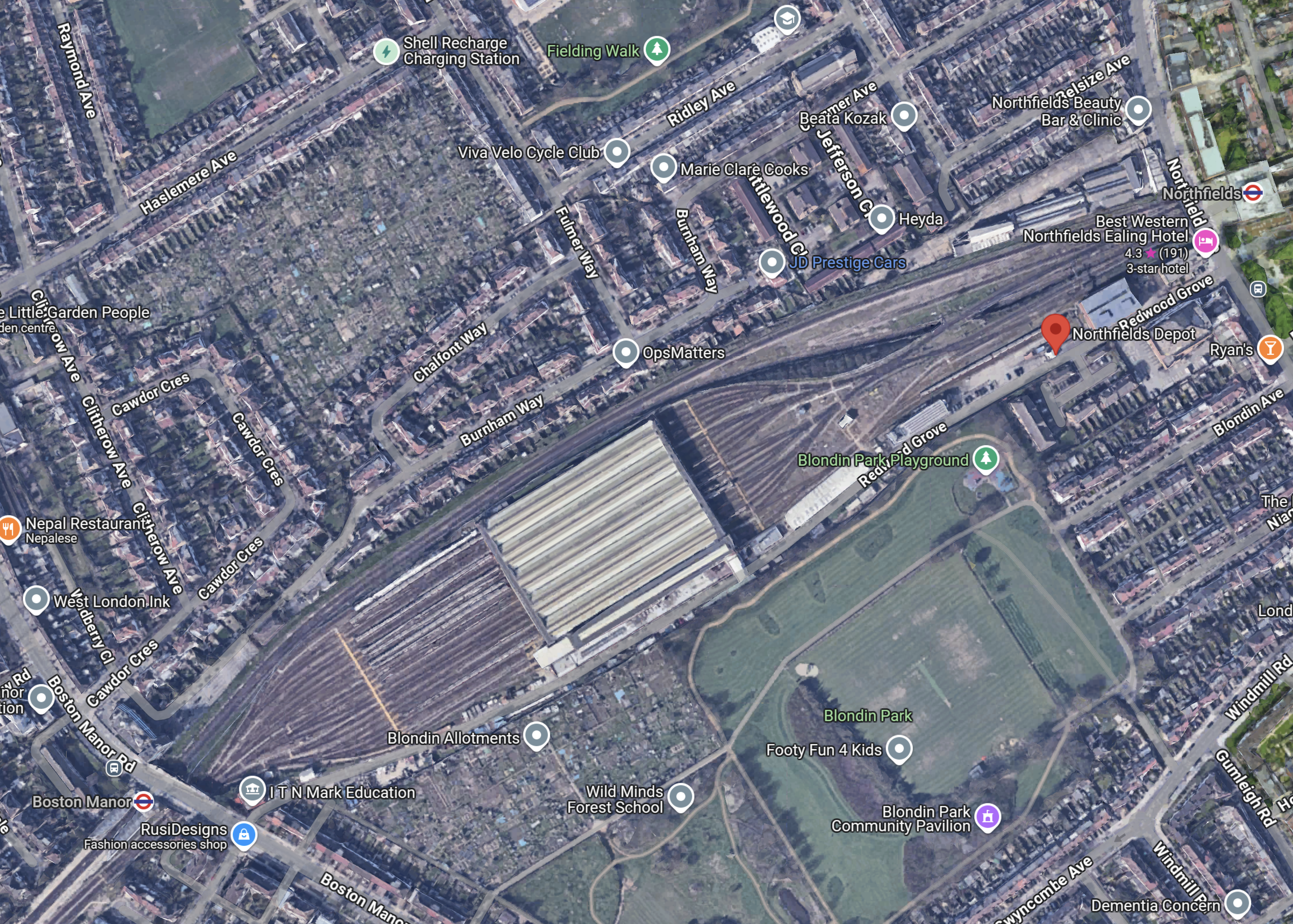
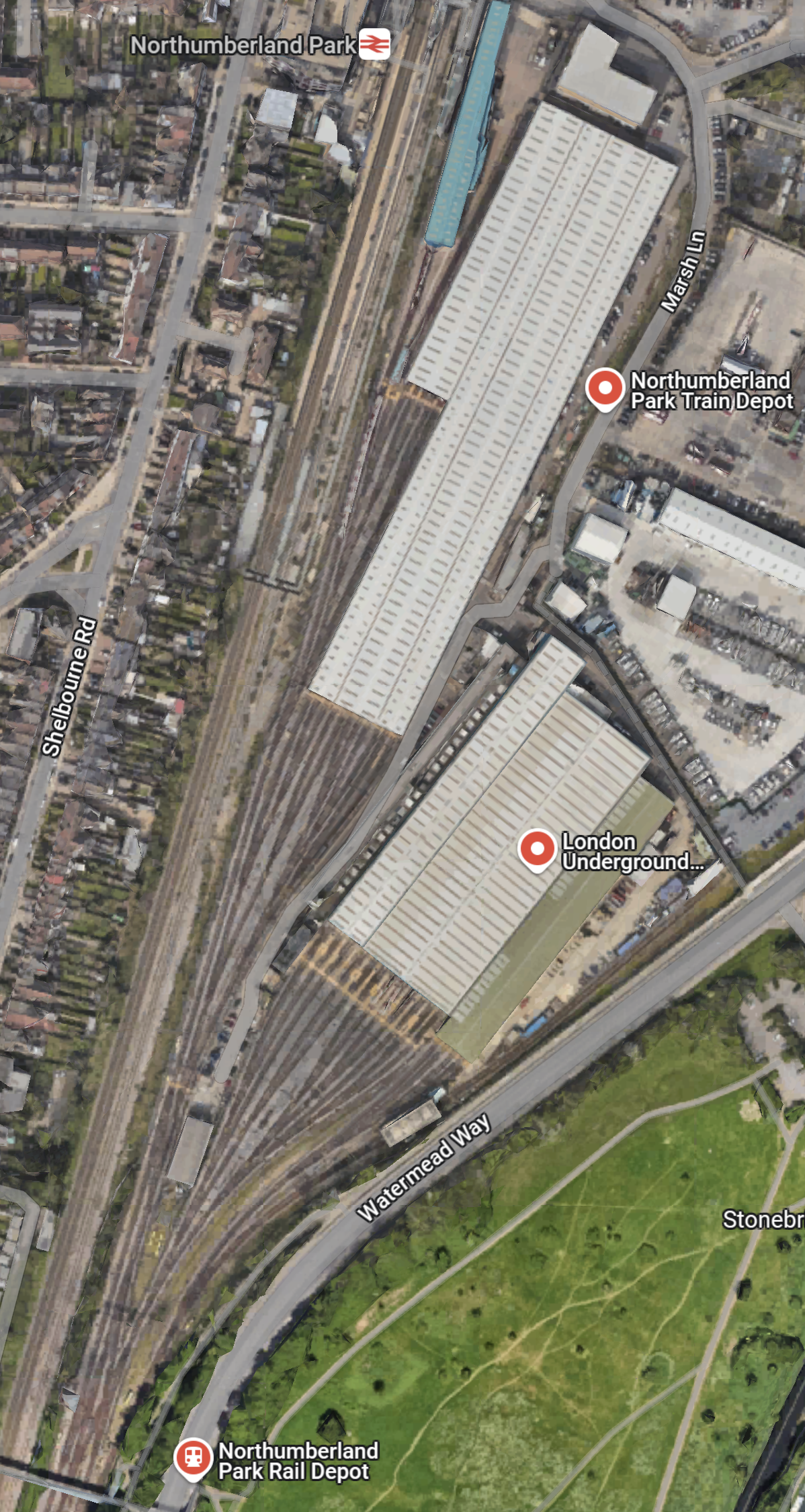
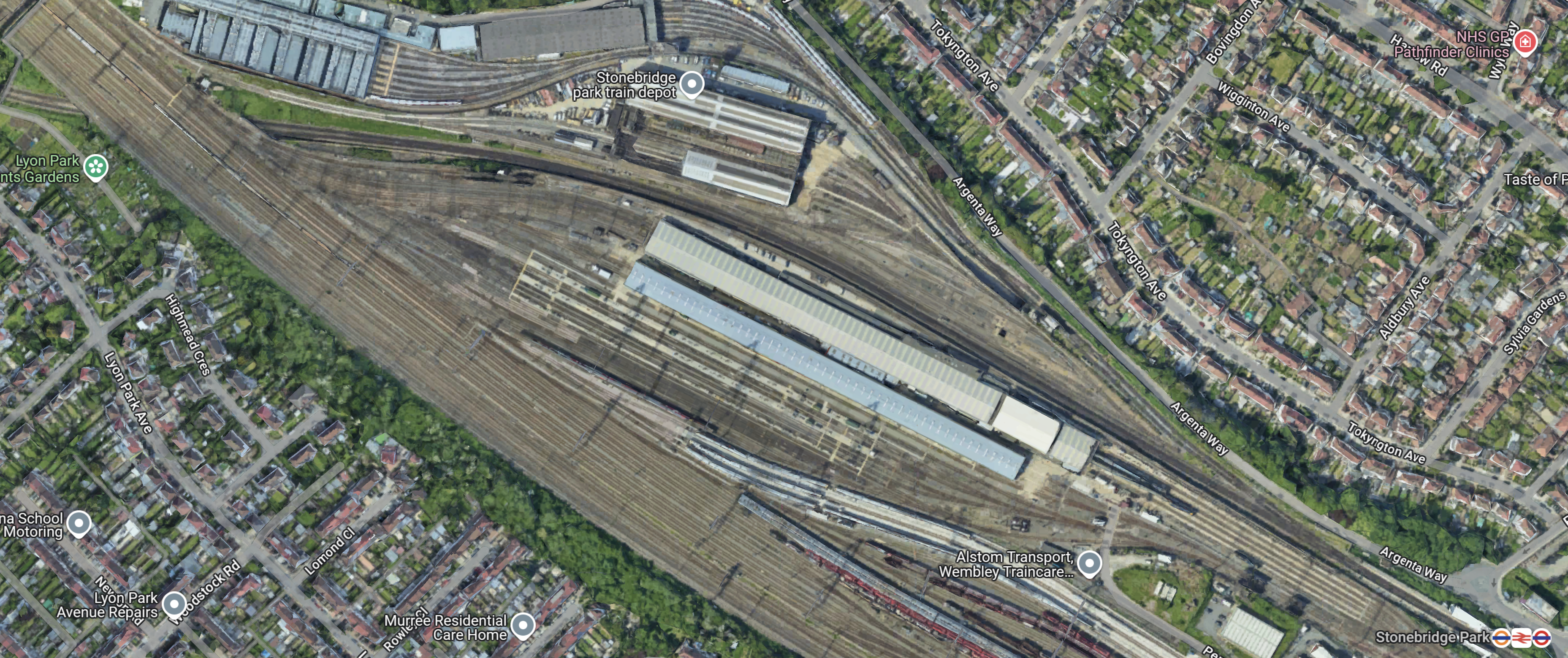
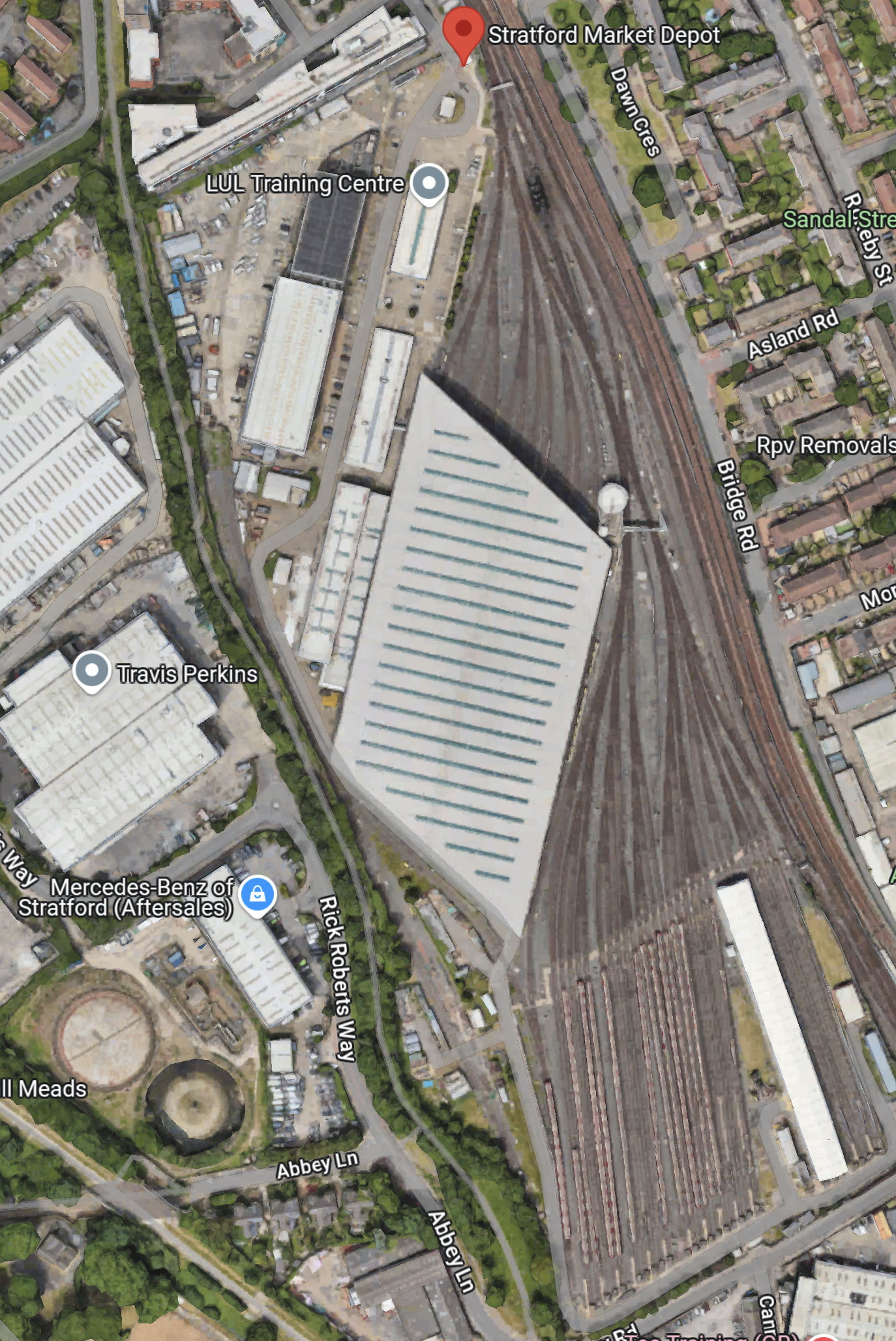
These Google Maps show a number of other depots, that have possibilities for solar roofs.
Ealing Common
Edgware
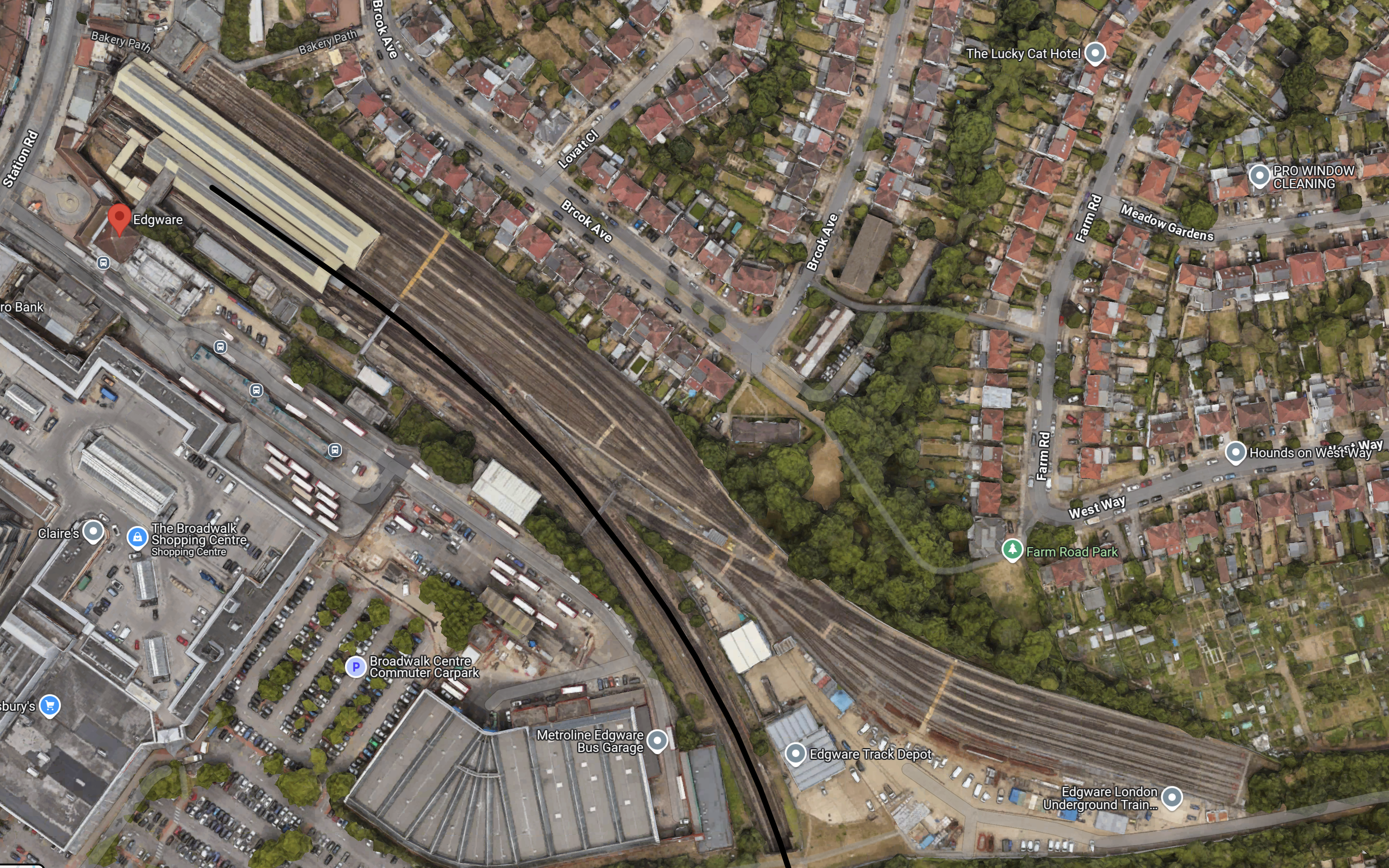
Golders Green

Hainault
Hammersmith

Morden
Neasden
Northfields
Northumberland Park
Old Oak Common

Ruislip

Stonebridge Park
Stratford Market
Upminster
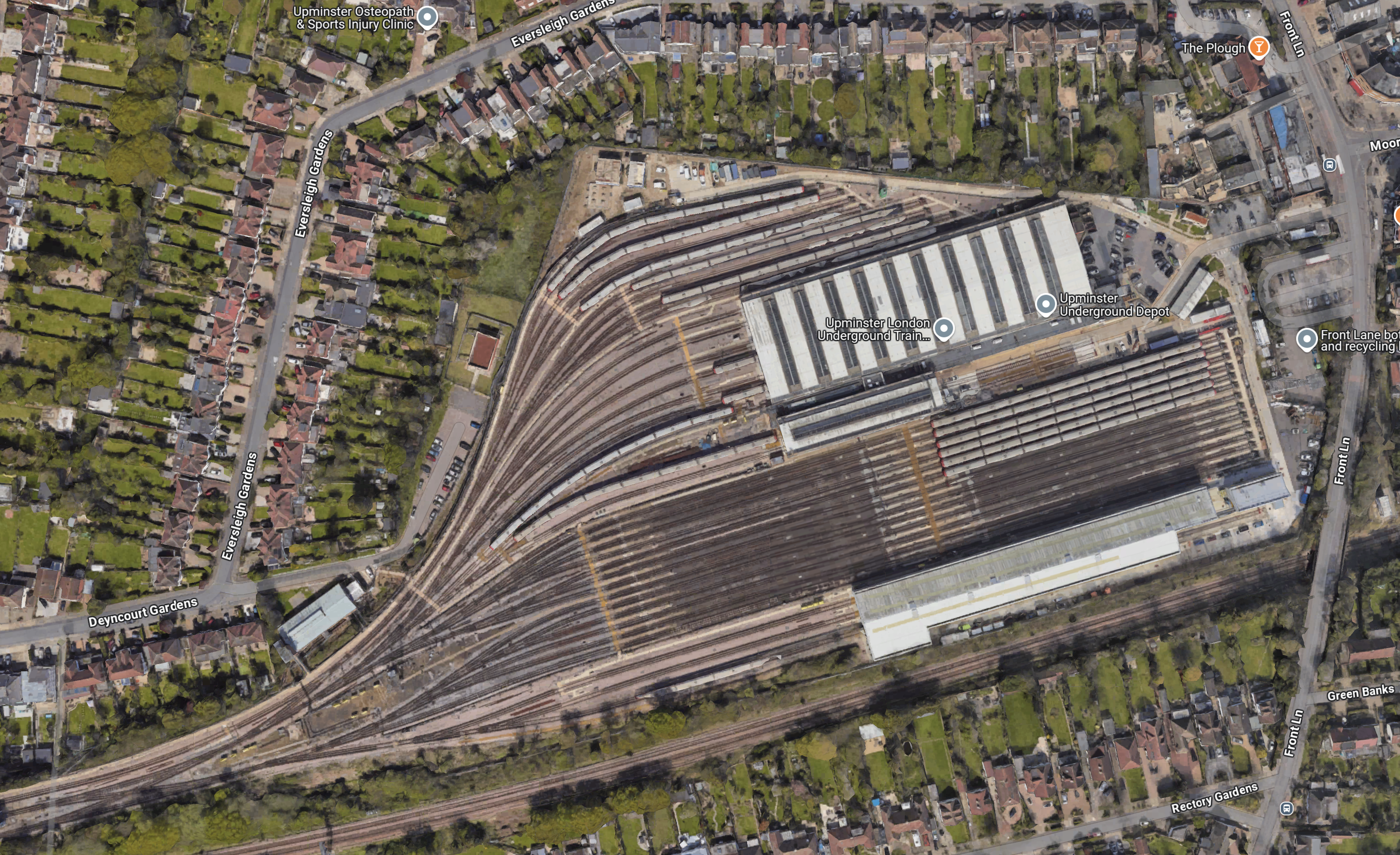
All these depots are different, but I do feel there is scope for solar roofs and panels above the sidings.
Other developments like housing may also be possible over some of the depots.
Zero-Carbon Lighting Of Large Spaces
In Cockfosters Train Depot – 12th January 2023, I took a series of pictures of Cockfosters Train Depot, of which these are a selection.

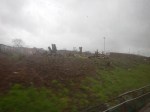

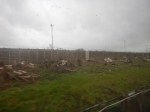
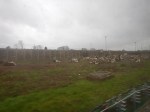
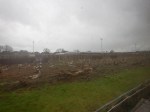
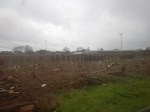
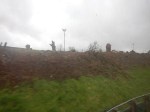
Note, the lamp clusters on top of tall poles to light the area.
You see lots of these lights to illuminate play areas, car parks, rail sidings and truck depots.
Could a SeaTwirl or another vertical wind turbine be placed as high as possible up the pole, that supports the lights?
- A battery would be needed for when the wind doesn’t blow.
- A control system would be used to use the lights, when they are needed.
- The poles would be able to be laid down, like many lights can be, for servicing from the ground.
Cockfosters would be an excellent location for a test, as the wind is always blowing and the site has an altitude of nearly a hundred metres.
Cockfosters Train Depot – 12th January 2023
In Would A Solar Roof With Added SeaTwirls Work?, I showed this map of Oakwood.
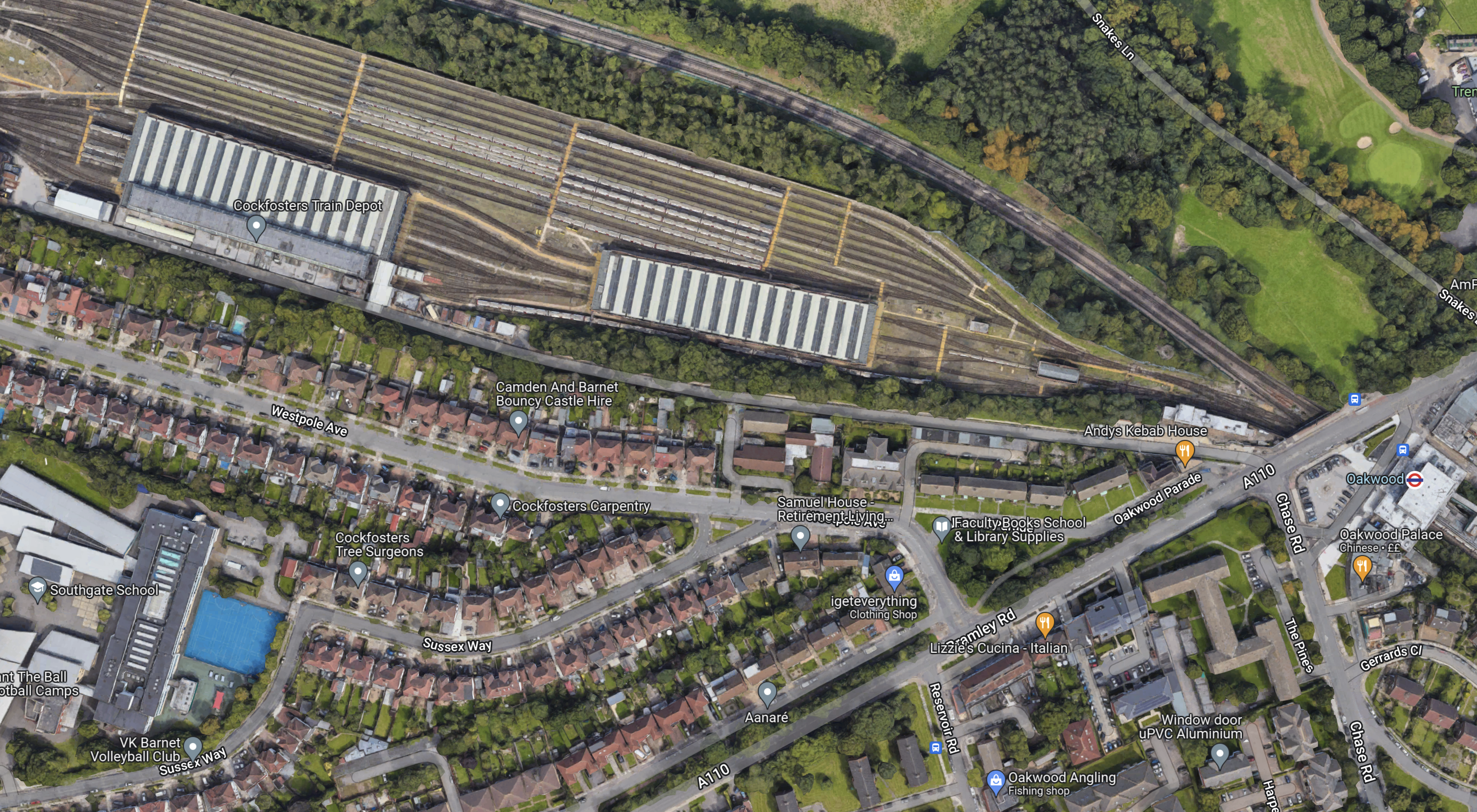
Note.
- The striped roofs at the top of the map, with sidings for trains to the North, is Cockfosters Train Depot for the Piccadilly Line.
- Cockfosters station is off the map on the West side of the map.
- Oakwood station is at the East side of the map and indicated by a London Underground roundel.
- The two tracks of the Piccadilly Line between Oakwood and Cockfosters stations, running across the map to the North of the depot.
I took these pictures of the Cockfosters Train Depot as my train went between Oakwood and Cockfosters.
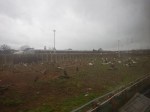

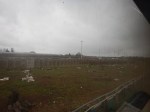
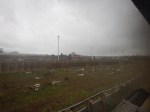
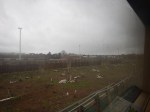
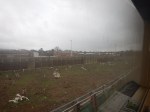
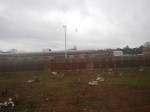

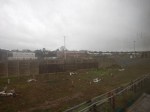
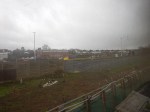


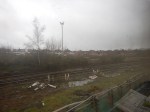
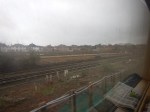
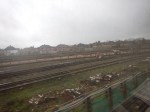
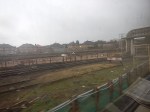
Note.
- The land between the Piccadilly Line and the depot seems to be being cleared.
- Is this to expand the depot for the new trains?
- There are some high lights mounted above the sidings.
- The depot buildings don’t look anything special.
This article on Ian Visits is entitled Depot Upgrade At Cockfosters For The Piccadilly Line’s New Trains.
- Before and after maps show a lot more sidings.
- The new siding layout reaches almost all the way to the Piccadilly Line.
- The old depot has been assessed to be utilitarian with low architectural and historic value.
- The depot will be completely rebuilt over the next two years for the new Siemens trains.
- Nothing is said as to whether the new depot will be fitted with a solar roof.
The new trains will start running in 2025. It seems that the work hasn’t progressed very far.
Would A Solar Roof With Added Vertical Turbines Work?
This picture shows Oakwood station on the Piccadilly Line.
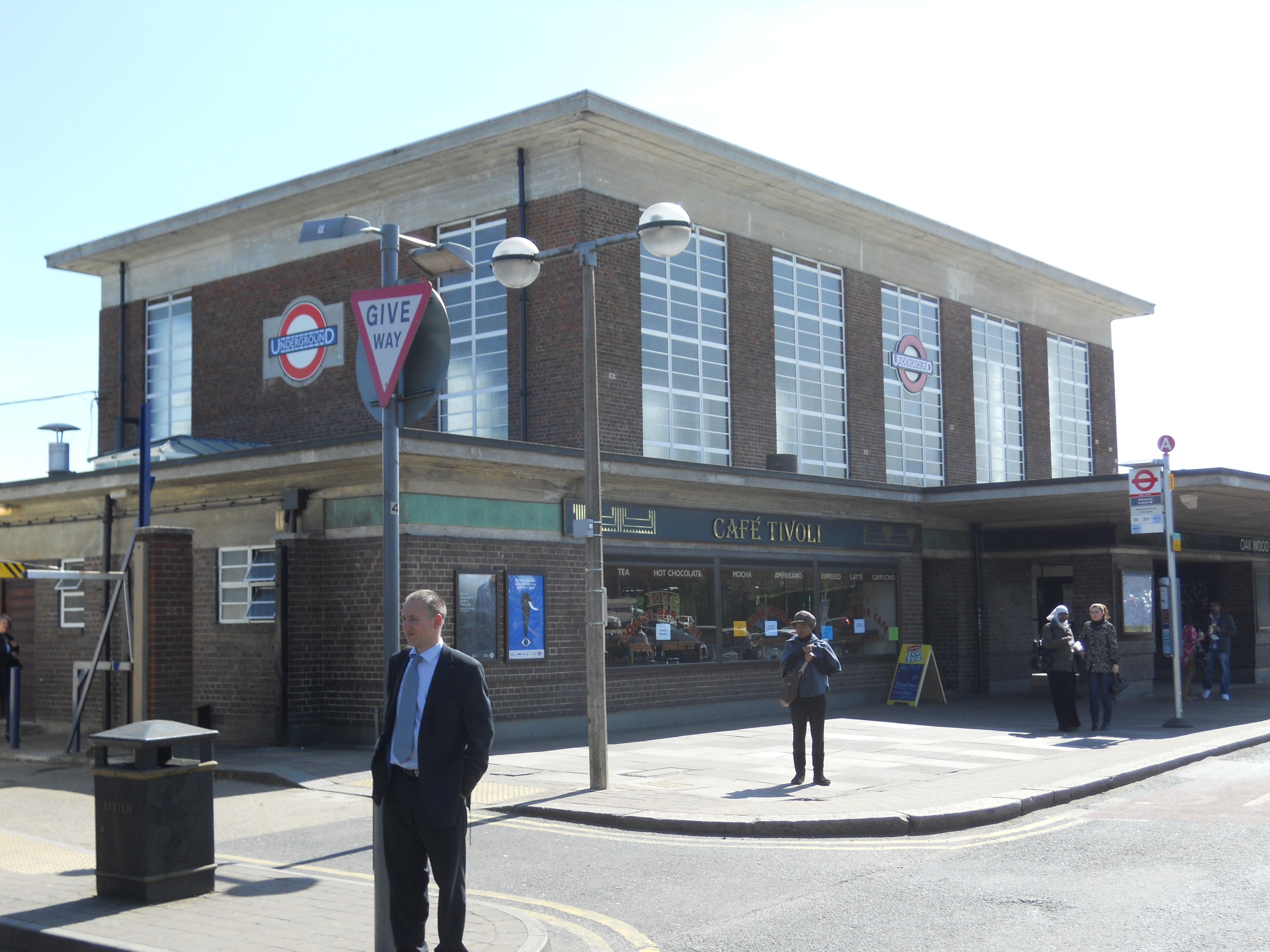
Note.
- The station is the second most Northerly on the line.
- It opened in 1933.
- It is a classic Charles Holden design.
- It is a Grade II* Listed building.
- The station is on top of a hill and has an elevation of 71 metres above sea level.
This Google Map shows a close-up of the roof.
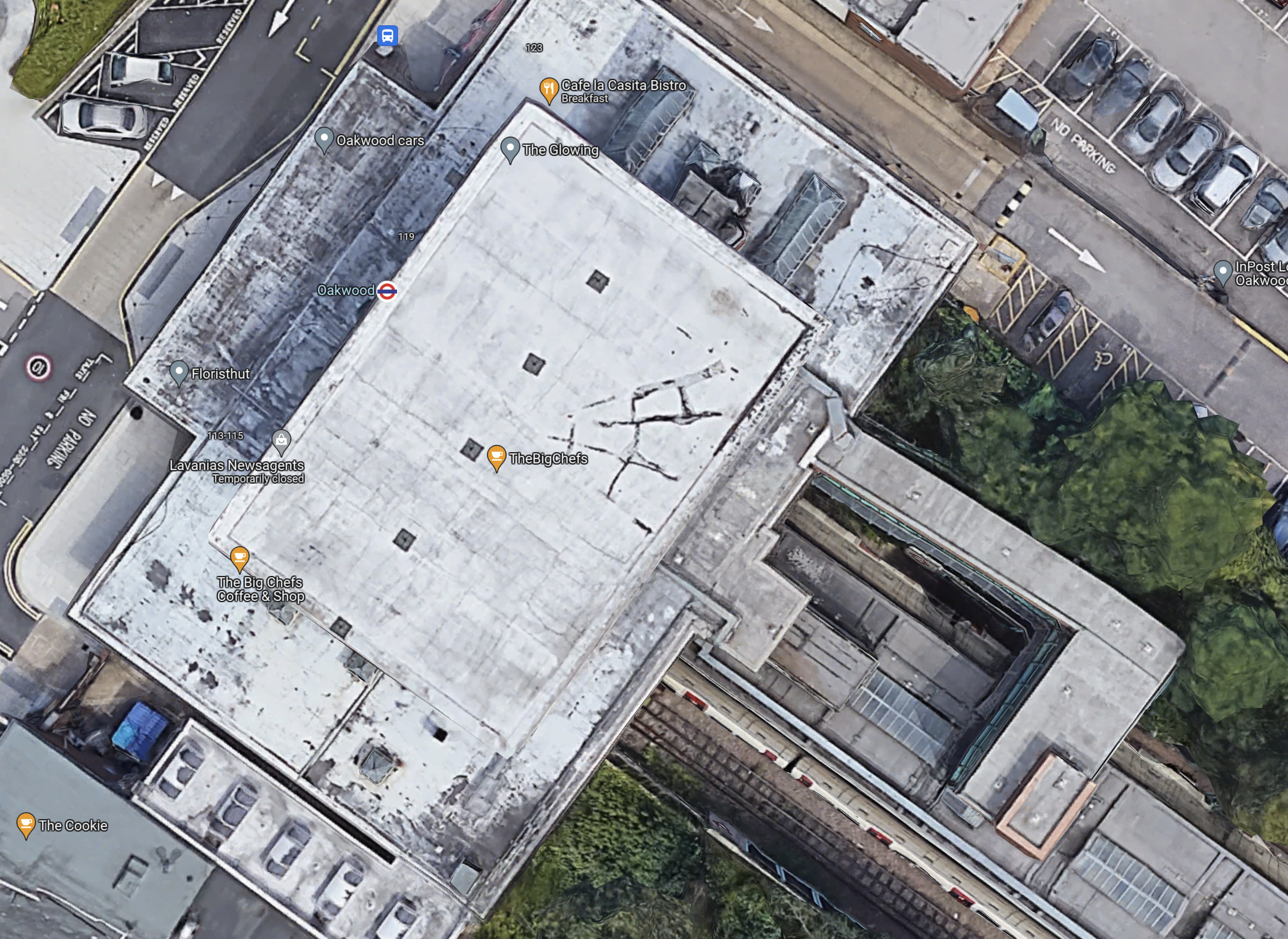
There might be a few aerials on the roof, but no solar panels.
Oakwood’s Location And Weather
I used to live near Oakwood station and it had its disadvantages.
- Cycling home was always up a steep hill.
- It could get very cold at times.
There even used to be a plaque at the station, which said that if you flew East, the first land you would hit would be the Urals.
Oakwood station could be an ideal renewable power station.
- The concrete and brick box of the station is probably exceedingly strong.
- Solar panels could cover the flat roof.
- SeaTwirls or other vertical turbines could be mounted around the solar panels.
- There could still be spaces for the aerials.
- I wonder what the reaction of English Heritage would be.
Should we call this mixed solar and wind power generation, hybrid renewable energy? Or do we overdo, the use of hybrid?
London Underground have other stations of a similar design including Sudbury Town and Acton Town.
The Wider Area To The West Of Oakwood Station
This Google Map shows the area to the West of Oakwood station.
Note.
- The striped roofs at the top of the map, with sidings for trains to the North, is Cockfosters Train Depot for the Piccadilly Line..
- The large building in the South-West corner is Southgate School, which I watched being built in the early 1960s, from my bedroom window in our house opposite. It is a concrete frame building typical of the period.
- Oakwood station is at the East side of the map and indicated by a London Underground roundel.
I think the possibilities for hybrid power generation in this area are good.
Cockfosters Depot
Cockfosters Depot could be an interesting site to develop as a renewable power station.
- There’s no way the site could be developed for housing, as it’s in the Green Belt.
- Road access is bad, but access for trains is good.
- I estimate that the depot is an area of at least five square kilometres.
- It’s still windy in the depot.
But it could have a solar roof and a few vertical wind turbines over the whole depot as designs and panels improve.
Southgate School
Southgate School could have a similar setup to Oakwood station.
Opportunities At Cockfosters Station
This Google Map shows a 3D image of Cockfosters station and the buildings around it.
Note.
- Cockfosters station is indicated by the roundel.
- The station is a Grade II Listed building.
- The station has an elevation of 97 metres.
- Half of the station car park is going to be turned into housing.
- Trent Park lies to the North of the station.
- The road in front of the station is Cockfosters Road, which to the North joins the M25 at Junction 24.
- The building between Cockfosters Road and the railway used to be offices, but it is now being converted into housing.
That high roof of the housing development, must be an ideal candidate for solar panels and vertical wind turbines.
Conclusion
I have tried to show the potential of just one of the small hills that ring London.
 The Anonymous Widower