OWLC Selling Rights To Gravity Tripod Offshore Wind Foundation
The title of this post, is the same as that of this article on offshoreWIND.biz.
This is the sub-heading.
The rights to the gravity tripod offshore wind foundation developed by the UK company Offshore Wind Logistics and Construction (OWLC) have been put up for sale following an appointment of administrators who initiated an accelerated sale of the business.
These two paragraphs give full details.
OWLC says its gravity tripod foundation can deliver a solution to the offshore wind industry that is quicker, cheaper and more environmentally friendly than monopiles or jackets.
The foundation, which uses concrete instead of steel, is said to reduce levelised cost of energy (LCOE) between 11 and 12 per cent, according to information on OWLC’s website, which cites BVG Associate’s study from 2020 that also found the gravity tripod to be 51 per cent cheaper than a jacket substructure and 36 per cent cheaper than a monopile to install.
The home page of the OWLC web site gives full details of their Gravity Tripod.
This is the company’s outline description of the foundation.
The Gravity Tripod™, globally patented, is an offshore subsea foundation structure designed to deliver up to 11.7% project cost reduction, to reduce project delivery times by up to 1/3 and create almost zero environmental impact.
The Gravity Tripod™ is a component base structure that benefits from the best aspects of other foundation concepts. It is a hydro-dynamic transparent structure which doesn’t require piling, is manufactured from low-cost tubular sections in a rapid assembly process and is installed with minimal seabed intervention.
The Gravity Tripod™ has two distinctive components that act together to ensure the structure has an extremely long design life (up to 100+ years) and is insensitive to turbine loads with a capacity of up to 25MWs. In addition, the structure has a low bearing pressure on the seabed and so is capable of accommodation a huge range of sediment types, with less seabed preparation required than other gravity-based designs.
Other points include.
- A design life of 100 + years.
- Biodiversity net gain.
- Sheaper to install.
- Designed for water depths of 20-75 metres.
- Easier to install
- No piling.
- Noiseless construction.
- Reduced embedded carbon
I like it and I hope someone buys it and turns it into a success.
UK Onshore Wind Capacity Hits 15GW
The title of this post, is the same as that of this article on reNEWS.BIZ.
This is the sub-heading.
Milestone reached after 30MW West Benhar project entered operations.
These are the first three paragraphs.
RenewableUK has revealed the UK has installed 15,000MW of operational onshore wind capacity.
The project which enabled the UK to cross the threshold was EDF Renewables UK’s 30.1MW West Benhar onshore wind farm in North Lanarkshire, consisting of seven turbines.
The UK now has 2631 operating onshore wind schemes.
These are my thoughts.
I Am Surprised At The Total Of Onshore Wind
The title says it all.
But 15 GW is almost the same power as five big nuclear power stations, the size of the running-late Hinckley Point C.
Should Some Strategically-Placed Battery Energy Storage Systems (BESS) Be Added?
Some wind farms have been built with wind farms and I very much feel, that with some mathematical modelling some excellent BESS sites could be found.
We should also use batteries, so that no wind farm is ever shut down, because too much wind is being generated.
Where Is West Benhar?
West Benhar wind farm has a web site, where this is the sub-heading.
West Benhar is a 7 turbine wind farm capable of powering up to 18,000 homes located near Shotts in North Lanarkshire.
It was opened on 28 February 2024.
This Google Map shows the location of West Benhar between Edinburgh and Glasgow.
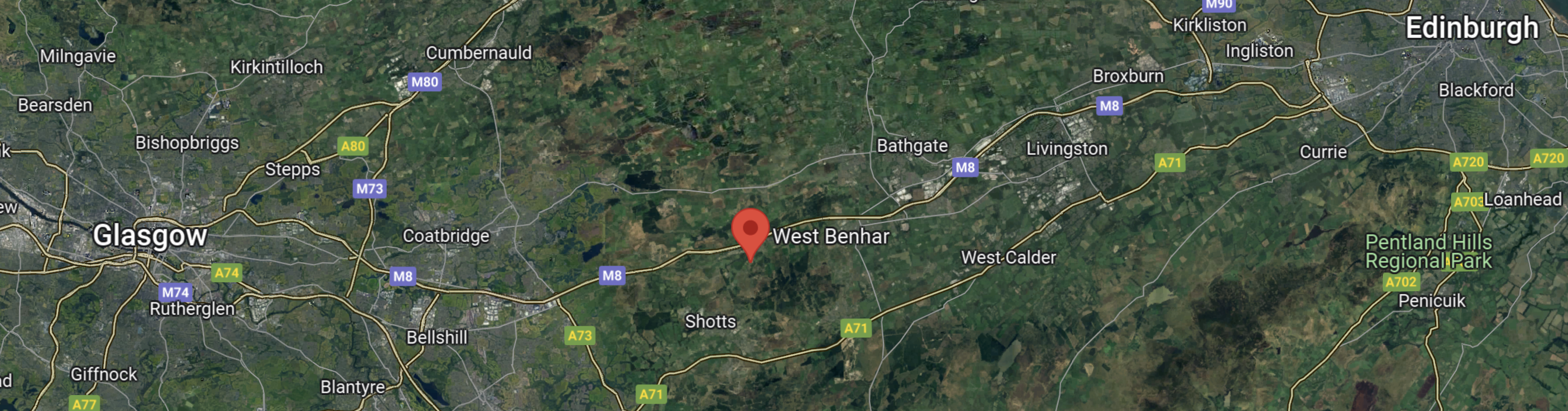
West Benhar is North-East of Shotts and just South of the M8.
There’s More Onshore Wind To Come
These onshore wind farms appear to have Contracts for Difference, but have not been completed.
- Arecleoch Wind Farm Extension – 72.8 MW – Completion 2024/25
- Broken Cross – 48 MW – Completion 2024/25
- Chirmorie – 81.6 MW – Completion 2024/25
- Cumberhead West – 126 MW – + 40 MW BESS – Completion 2024/25
- Douglas West Extension – 78 MW – Completion 2024/25
- High Constellation – 50 MW – Completion 2024/25
- Kilgallioch Windfarm Extension – 51.3 MW – Completion 2024/25
- North Kyle – 206 MW – Completion 2024/25
- Stornoway – 200 MW – Completion 2024/25
- Stranoch – 84 MW – Completion 2024/25
- Viking – 443 MW – Completion 2024
All of these are in Scotland.
But that’s another 1,440.7 MW of onshore wind.
Community Wind Funds
Scotland seems to be continuing to build onshore wind farms.
Could it be that communities have seen the benefits of Community Wind Funds?
This is said about the fund at Stronach.
When operational, EDF Renewables will provide a community benefit fund in line with the Scottish Government Good Practice Principles for Community Benefits from Onshore Renewable Energy Developments. The fund value for the community benefit fund would be £5,000 per megawatt for the lifetime of the wind farm. In the coming months we will begin to form a Community Liaison Group with local interested parties to decide how the funds will be disseminated once the wind farm becomes operational.
If the fund is yearly, then £420,000 is not money to be sneezed at!
Conclusion
It looks like in Scotland that Community Wind Funds promote the building of onshore wind.
Plans Progress To Build World’s Largest Tidal Scheme On The Banks Of The River Mersey
The title of this post, is the same as that of this press release from the Liverpool City Region.
These four bullet points, act as sub-headings.
- Mersey Tidal Power has the potential to become the world’s largest tidal scheme
- Formal planning process for UK’s “first of a kind” Mersey Tidal Power set to begin
- Potential to manage environmental issues associated with climate change
- Scheme would need government backing to complete development stage
These three paragraphs introduce the project.
Advanced proposals to build the world’s largest tidal scheme on the banks of the River Mersey have been unveiled by the Liverpool City Region’s Mayor Steve Rotheram.
Mayor Rotheram has revealed that the city region will pursue a barrage between the Wirral and Liverpool as the preferred option for the city region’s flagship Mersey Tidal Power project.
The barrage scheme – the “first of a kind” in the UK – could generate clean, predictable energy for 120 years and create thousands of jobs in its construction and operation.
Note.
- This page on the Liverpool City Region, has this explanatory video.
- This brochure can also be downloaded.
At a first glance all the documentation is very professional.
These are my thoughts.
How Much Power Will The Mersey Tidal Project Generate?
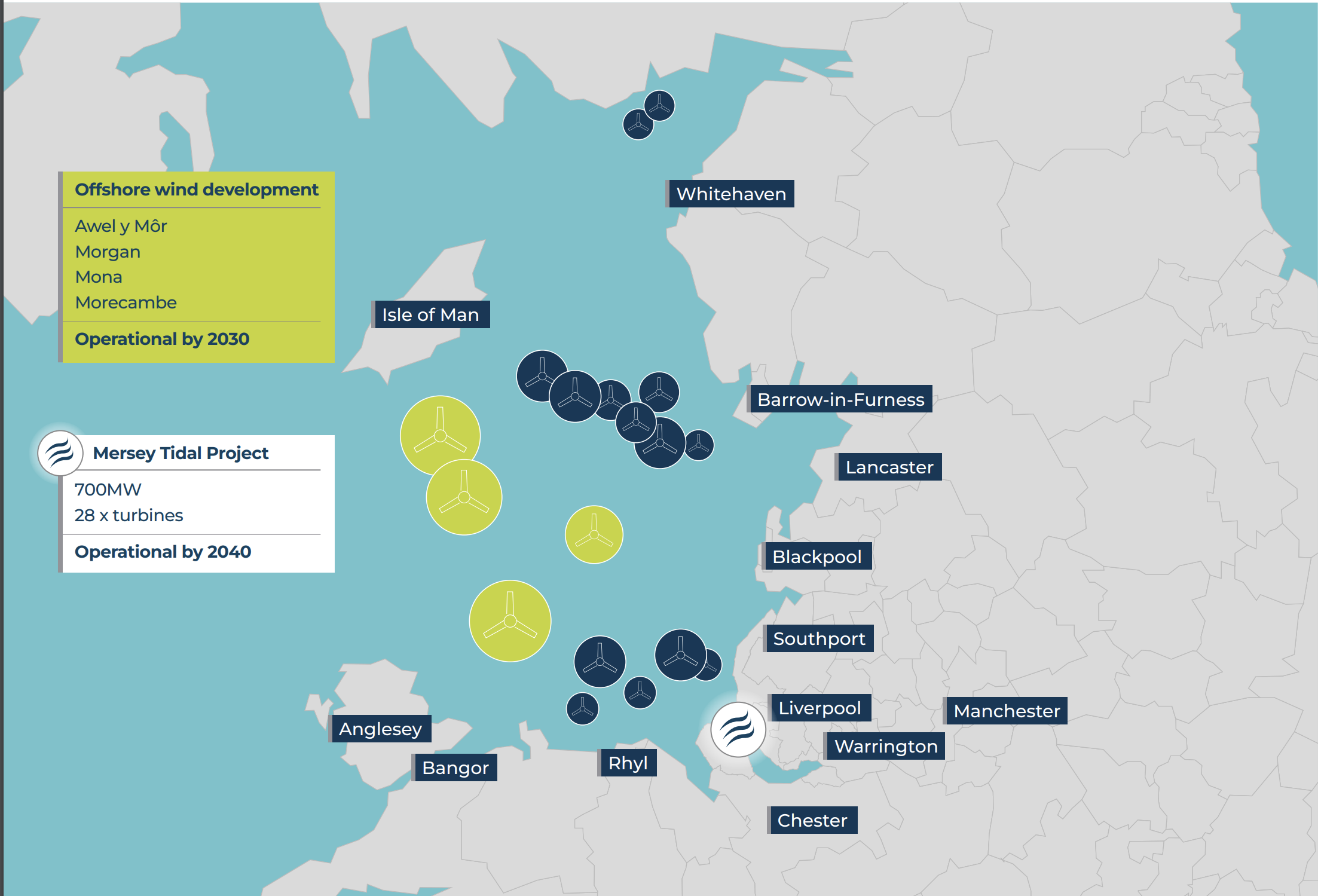
This graphic from the brochure shows electricity generation in Liverpool Bay.
Note.
- The dark blue circles are the thirteen existing wind farms, that have a total capacity of 3 GW.
- The yellow circles are four new wind farms, that will be built by 2030 and will have a total capacity of 4 GW.
- The Mersey Tidal Project will have 28 x 25 MW turbines and generate 700 MW.
I also suspect that the power generation will be supplemented by a large battery, that will smooth out the electricity, when the wind isn’t blowing and the tides are at the wrong cycle.
Access For Ships To The Tranmere Oil Terminal And The Manchester Ship Canal
This article on the Liverpool Business News is entitled £6bn ‘Barrage Across The Mersey’ Takes Step Forward.
This is the introductory paragraph.
Steve Rotheram says his £6bn Mersey Tidal Power project will see a barrage across the river, with locks to allow ships through, but original 2030 switch-on now looks unlikely.
The article has a picture which could show locks on the Wirral side of the Mersey.
This Google Map shows the location of the Tranmere Oil Terminal and the Manchester Ship Canal.

Note.
- Birkenhead is in the North-West corner of the map.
- The line of white squares running parallel to the River Mersey, indicate the stations of the Wirral Line to Chester and Ellesmere Port.
- The Tranmere Oil Terminal is indicated by the red arrow at the top of the map.
This second Google Map expands the area on the West bank of the Mersey, at the bottom of the map.
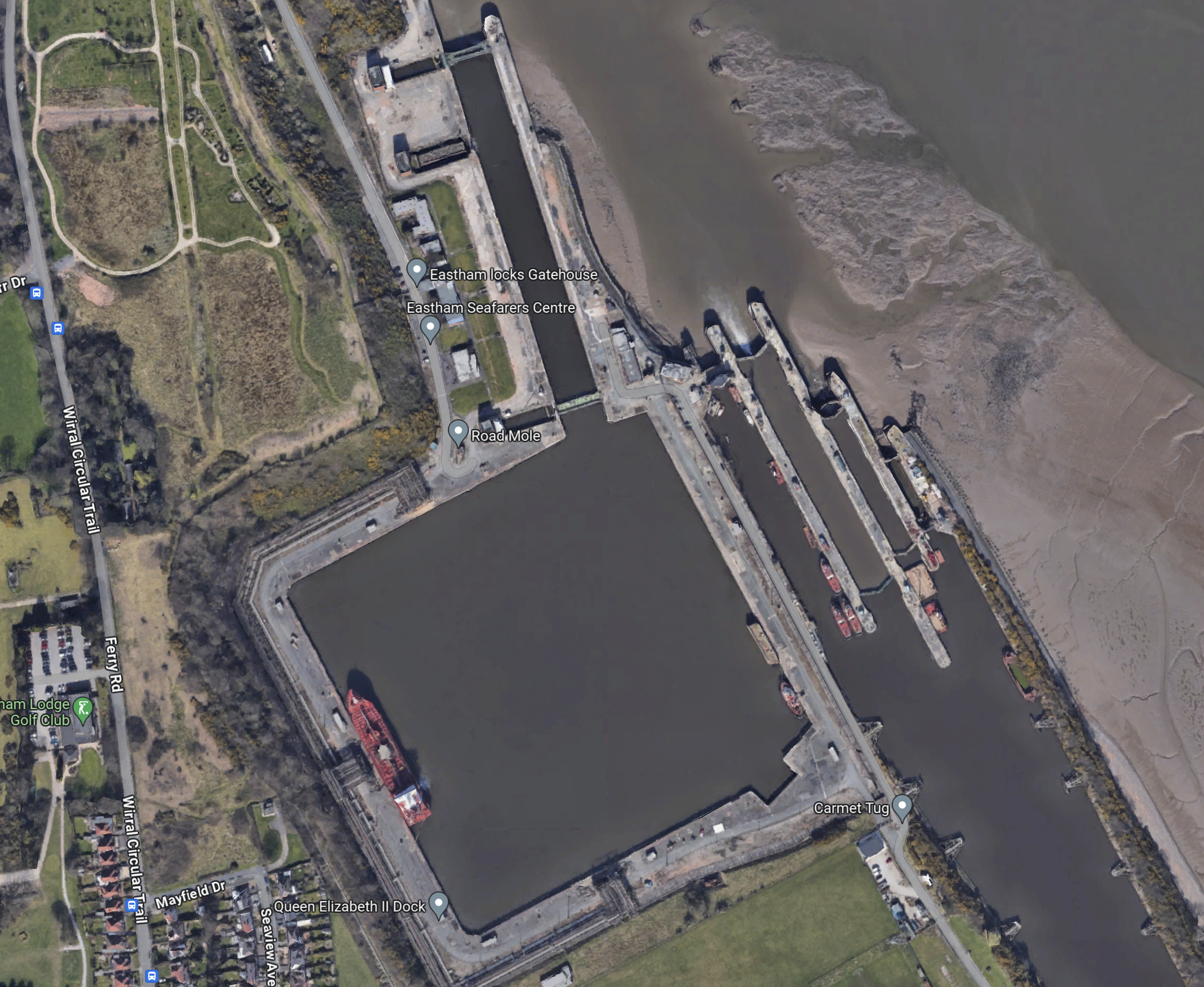
These are Eastham Locks, which allow ships to enter and leave the Manchester Ship Canal.
This third Google Map shows the area around the Tranmere Oil Terminal.
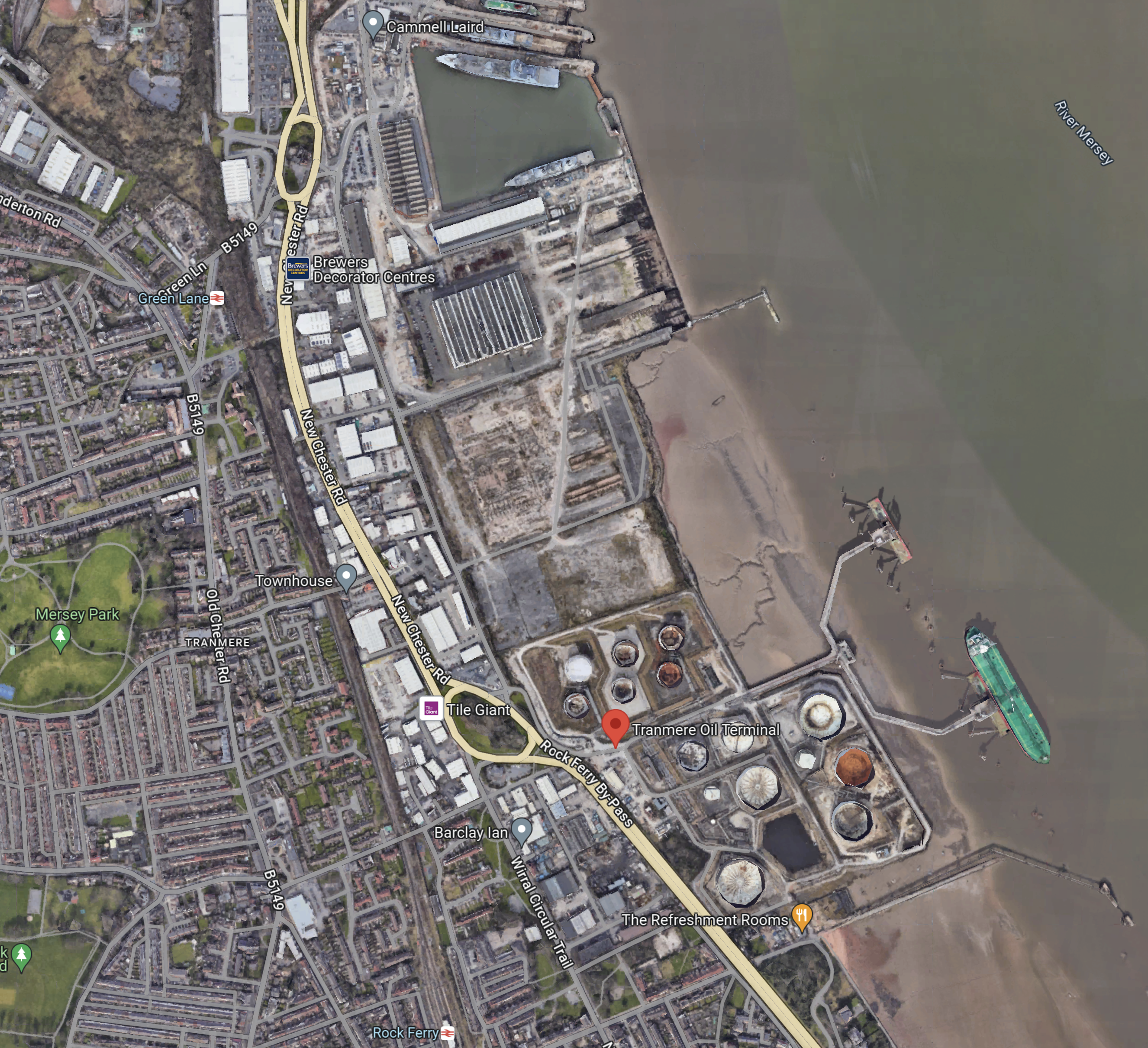
As before the Tranmere Oil Terminal is indicated by the red arrow, with Cammell Laird to the North.
The Liverpool Business News article says this about oil tankers, that use the Mersey.
In terms of oil tankers alone, there are more than 700 vessels coming in and out of the Mersey every year. Supertankers berth at the Tranmere Oil Terminal next to the Cammell Laird shipyard and around 500 smaller vessels berth at Stanlow at Ellesmere Port.
LBN understands that some form of lock system will be incorporated into the barrage to allow ships in and out. That might prove tricky for supertankers which suggests the barrage would be down river from the Tranmere terminal.
This Google Map shows the Manchester Ship Canal as it goes East from Eastham Locks.
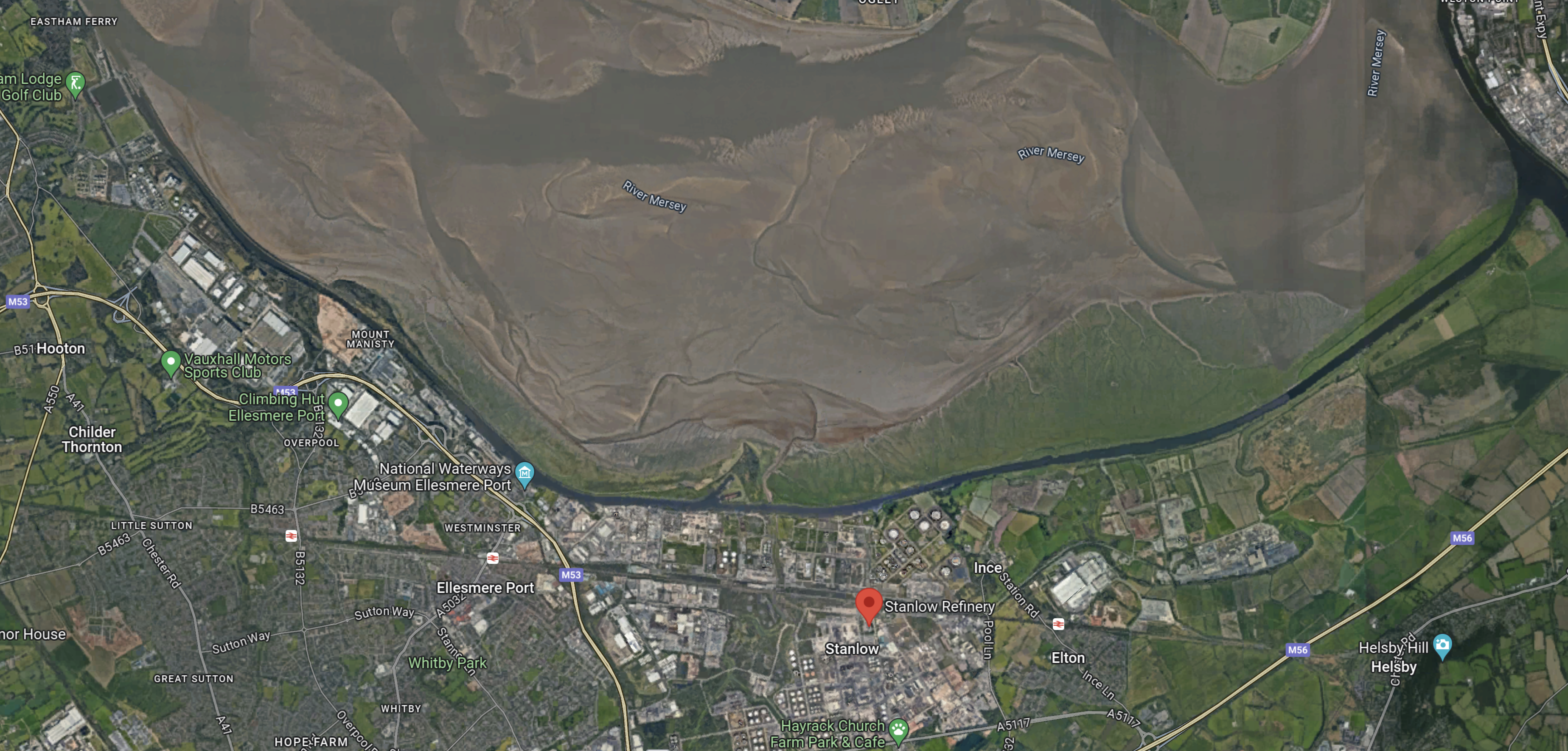
Note.
- The Manchester Ship Canal clings to the South Bank of the Mersey.
- The red arrow indicates Stanlow Refinery,
- There is a lot of industry on the South Bank of the Manchester Ship Canal.
It would appear that access to the Manchester Ship Canal gives access to several important places other than Manchester.
Access To Garston Docks
This Google Map shows the Liverpool Bank of the Mersey.
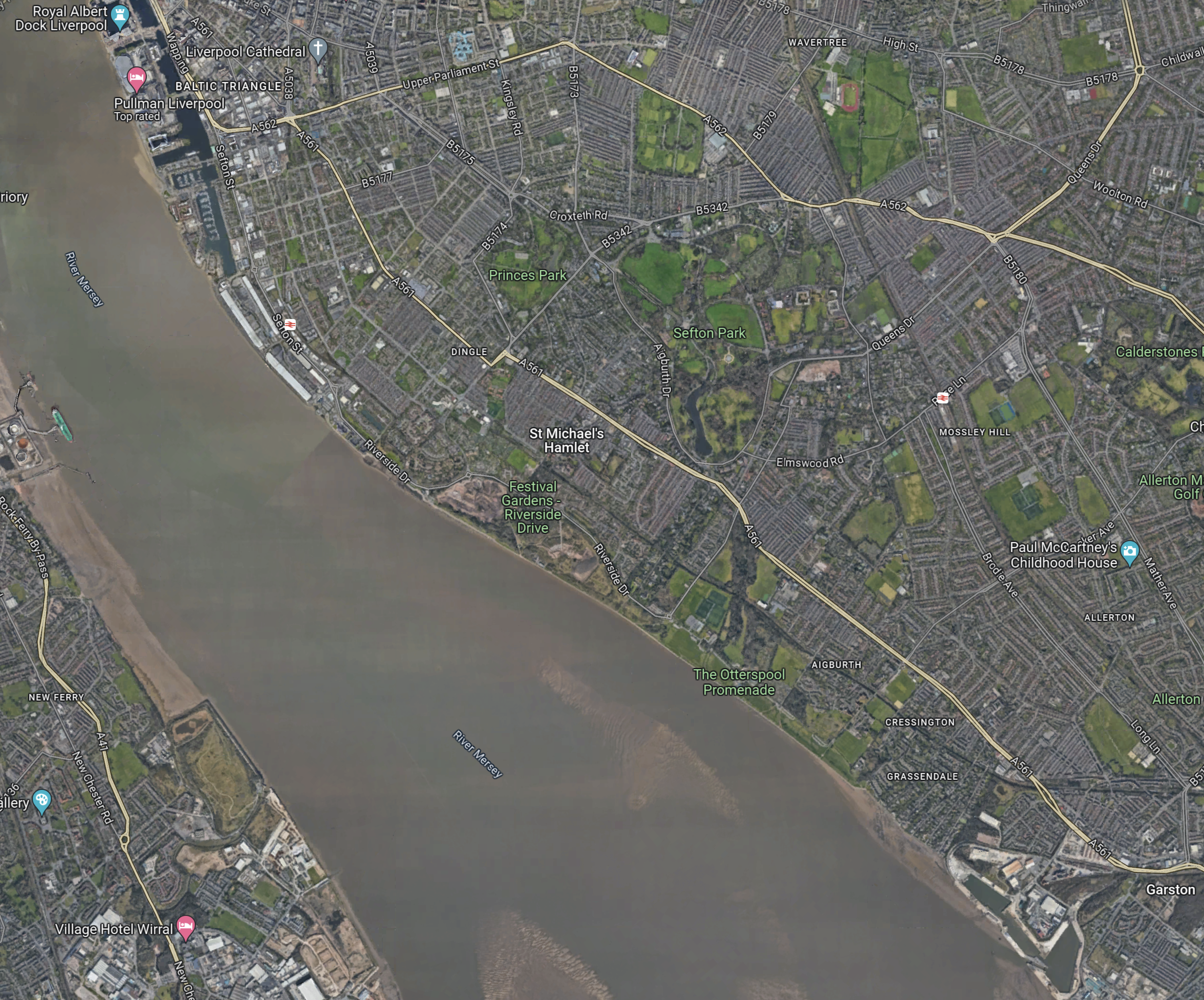
Note.
- The blue marker in the North-West corner of the map indicates the Royal Albert Dock.
- Garston Docks are in the South-East corner of the map
- There are no docks between Liverpool and Garston and much of the route can be walked along the Mersey.
- On the other bank of the Mersey, note the green ship at the Tranmere Oil Terminal, that can be seen in other maps.
This second Google Map shows Garston Docks.
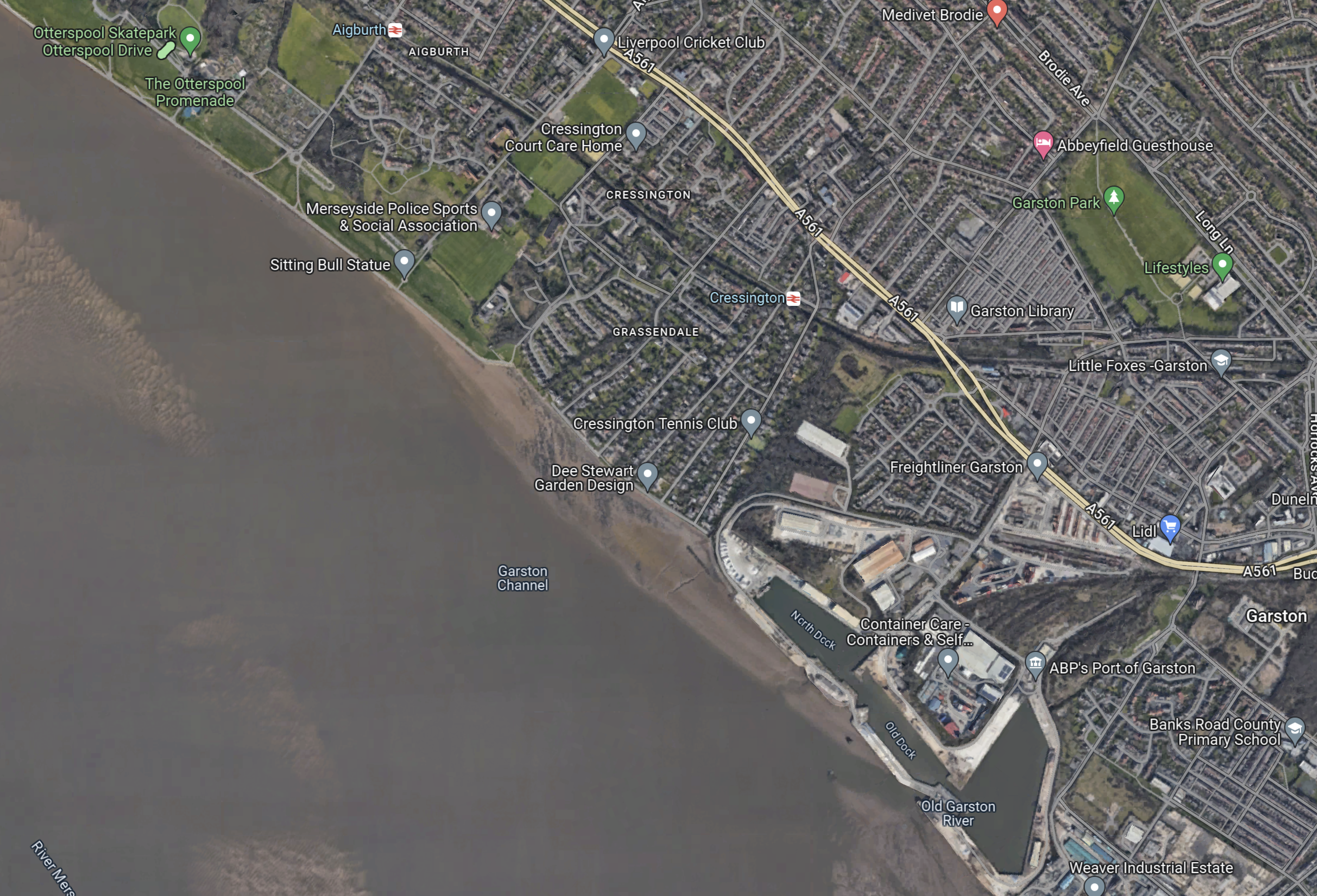
Note.
- There are three docks.
- The Garston Channel and the Old Garston River provide a route for ships to enter or leave the docks.
The Wikipedia entry for the Port of Garston, indicates that the port is rather run-down and a shadow of its former self.
It would appear that ships would have to pass through the locks in the barrier, which would likely be on the Wirral bank, to gain access to the Manchester Ship Canal and then cross the Mersey for Garston.
However, the barrier is built, it must have a route to both the Tranmere Oil Terminal and the Manchester Ship Canal at Eastham Locks.
The barrier could be built either North or South of the Tranmere Oil Terminal.
- If built North of the oil terminal, the locks in the barrier will have to accommodate the largest supertanker that calls at the terminal.
- If built South of the oil terminal, the locks in the barrier would only have to accommodate the largest ship that needed to use the Manchester Ship Canal or visit Garston.
One option would probably be more affordable.
Barrage Cross The Mersey
The very informative Liverpool Business News article, explains why a barrage was chosen, in this paragraph.
After pondering whether to build a barrage across the river from Liverpool to Wirral, or a floating lagoon, the Combined Authority has chosen the former as it would be cheaper and also creates a bridge that could have a pedestrian and cycle link.
The choice of a barrage sounds sensible on grounds of cost and accessibility.
LionLink: Proposed Windfarm Cabling Sites In Suffolk Are Revealed
The title of this post, is the same as that of this article on the BBC.
This is the sub-heading.
National Grid has revealed where it wants to build energy infrastructure for cabling between the UK and the Netherlands.
These four paragraphs describe the project.
The power line, called LionLink, would connect offshore wind farms in the North Sea.
The energy company wants the cables to reach land at either Walberswick or Southwold, both in Suffolk.
A converter station would be built on the outskirts of nearby Saxmundham and could cover a six-hectare area.
That would then connect to a substation being built at the village of Friston, also in Suffolk, as part of the offshore wind plans.
But the plans have brought the Nimbies out in force.
This Google Map shows the Suffolk Coast, to the South of Southwold.
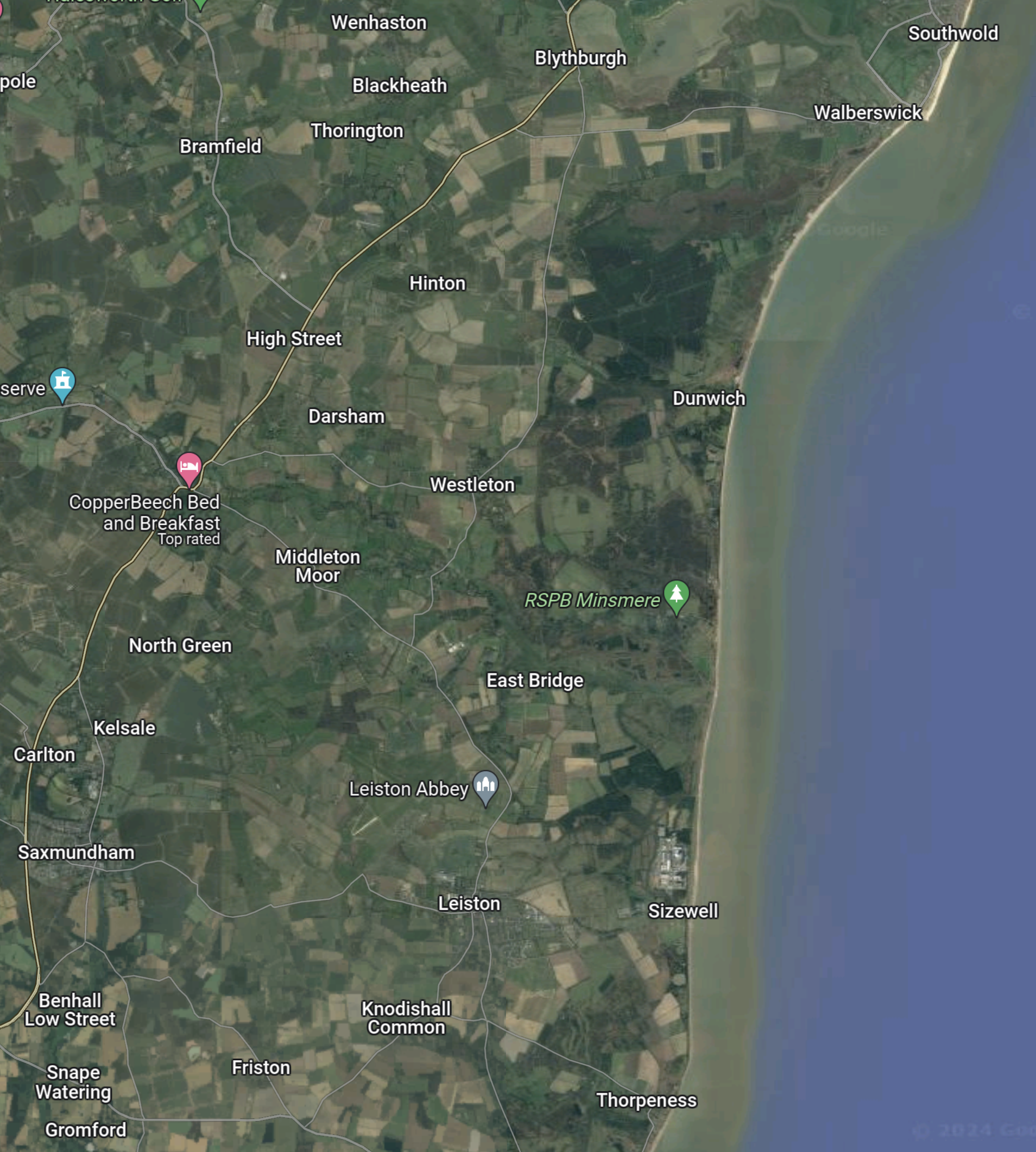
Note.
- Southwold and Walberswick in the North-East corner of the map.
- Saxmundham is just up from the South-West corner of the map, with Friston to its East.
- Sizewell with the 1.2 GW Sizewell B nuclear power station is on the coast directly East of Saxmundham.
- Sizewell B is planned to be joined by the 3.2 GW Sizewell C nuclear power station.
- LionLink is likely to have a capacity of 2 GW.
- I also believe that at least another GW of offshore wind power will be squeezed in along this section of coast.
The Sizewell site is connected to the National Grid at Bullen Lane substation to the West of Ipswich.
These pictures show the pylons that were built in the 1960s to connect Sizewell A to the National Grid.
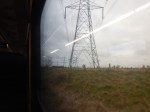
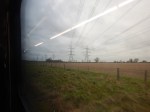
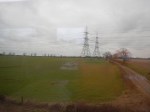


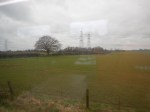

I doubt, they would be allowed to be erected today.
One alternative would be to use T-pylons, like these built to connect Hinckley Point C to the National Grid.

There is more on T-pylons in this press release from National Grid, which is entitled National Grid Energise World’s First T-Pylons.
This Google Map shows the area between Ipswich and the coast.
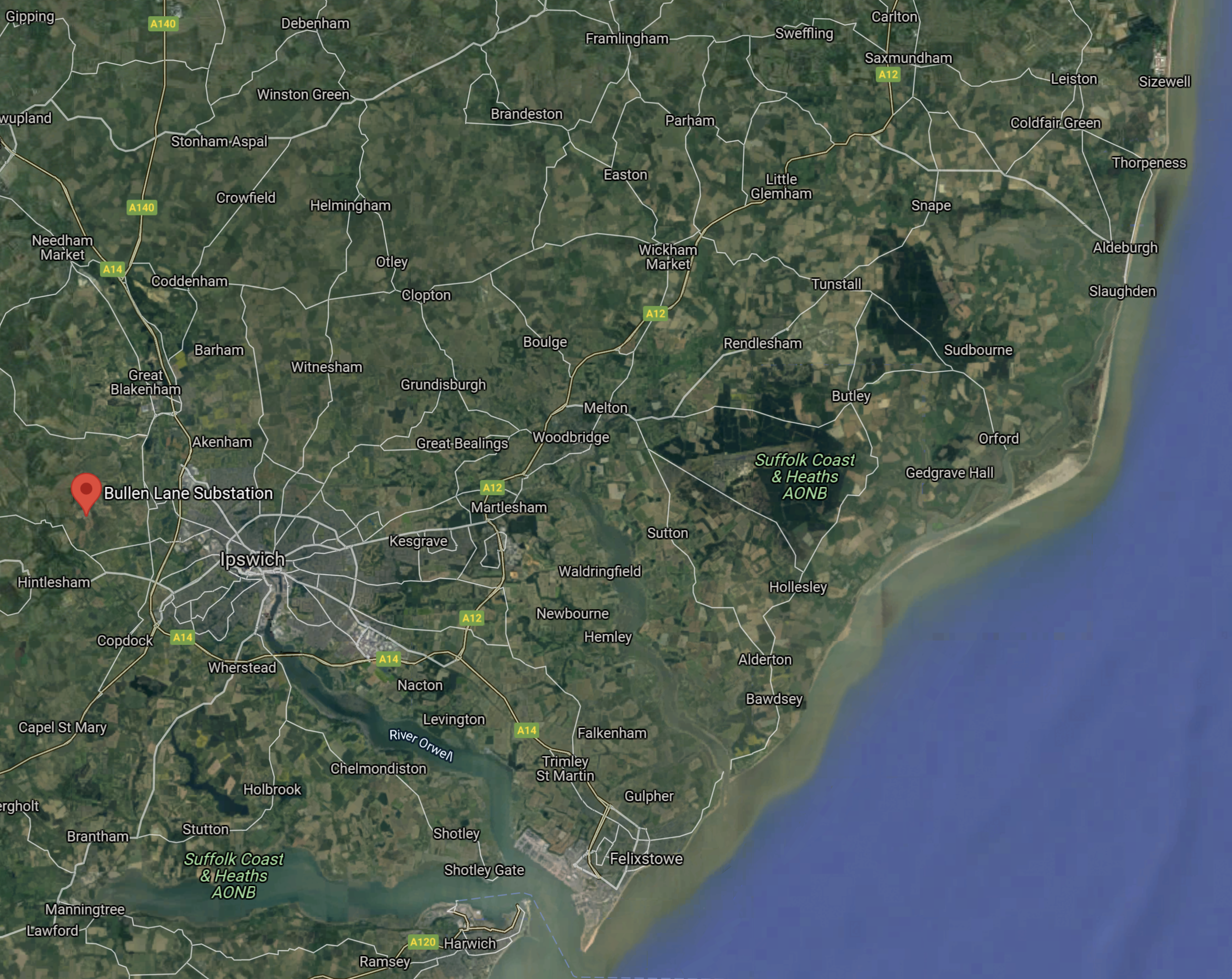
Note.
- Sizewell is in the North-East corner of the map.
- Felixstowe, Harwich and Freeport East are at the mouth of the rivers Orwell and Stour.
- The Bullen Lane substation is to the West of Ipswich and shown by the red arrow.
Looking at maximum power flows in Suffolk and Somerset, we get.
- North-East Suffolk to the National Grid at Bullen Lane – 7.4 GW.
- Hinckley Point C to the National Grid – 3.26 GW.
I am led to the conclusion, that there need to be a doubling of the pylons between North-East Suffolk and Bullens Lane.
I can understand why the Nimbies have been aroused.
I believe that National Grid will have to take the undersea route along the coast of Essex and Suffolk, to get the electricity to its markets.
Cummins Inc. Selected By The UK Department Of Transport For Its High-Horsepower Methanol Vessel Retrofit Project
The title of this post, is the same as that of this press release from Cummins.
This is sub-heading.
One of Only 10 Flagship Projects Chosen in the Multi-Million-Pound ZEVI Competition Enabling Decarbonization of the UK’s Maritime Sector
These three paragraphs outline the project.
Today, Cummins Inc. (NYSE: CMI) announced the selection of its proposal to jointly develop a Methanol Kit for its QSK60 engine as part of the Zero Emission Vessels and Infrastructure (ZEVI) competition, funded by the UK Government and delivered in partnership with Innovate UK. To be chosen as one of the top 10 projects, Cummins delivered a proposal to collaborate with a major UK port and operators to develop, deploy and operate clean maritime technology solutions on the path to decarbonization and reduction to the overall greenhouse gas footprint.
The £4.4M in total funding will be leveraged by Cummins and its fellow project stakeholders — Ocean Infinity, the Aberdeen Harbour Board, and Proman AG — in the deployment of a UK-designed and built methanol conversion kit for a high-horsepower marine internal combustion engine, offering the UK an important foothold in enabling the transition to cleaner maritime fuels.
Upon completion in the second quarter of 2025, the project targets a reduction in CO2 emissions of 50 percent for offshore operations of the vessel with NOx, SOx and PM at levels considerably below those emitted by conventional fuel. Furthermore, all retrofitted dual-fuel engines will achieve compliance with IMO Tier III emission standards.
They certainly aim to get a move on to complete by mid-2025.
I have some thoughts.
Methanol Fuel
The Wikipedia entry for methanol fuel, starts with this sentence.
Methanol fuel is an alternative biofuel for internal combustion and other engines, either in combination with gasoline or independently. Methanol (CH3OH) is less expensive to produce sustainably than ethanol fuel, although it produces more toxic effects than ethanol and has lower energy density than gasoline. Methanol is safer for the environment than gasoline, is an anti-freeze agent, prevents dirt and grime buildup within the engine, has a higher flashpoint in case of fire, and produces horsepower equivalent to that of super high-octane gasoline.
Methanol certainly seems to be an environmentally-friendly fuel, when compared to alternatives.
Production Of Green Methanol
This paragraph from the Wikipedia entry for methanol fuel, explains some of the routes to make green methanol.
Bio-methanol, also known as green-methanol, may be produced by gasification of organic materials to synthesis gas followed by conventional methanol synthesis. This route can offer renewable methanol production from biomass at efficiencies up to 75%. Widespread production by this route has a proposed potential to offer methanol fuel at a low cost and with benefits to the environment. Increasingly, methanol fuel has been produced using renewable energy and carbon dioxide as a feedstock. Carbon Recycling International, an Icelandic-American company, completed the first commercial scale renewable methanol plant in 2011. As of 2018, Enerkem has been producing biomethanol through the conversion and gasification of municipal solid waste at its Edmonton facility. As of July 2023, construction for the $1 billion Varennes Carbon Recycling Plant, which will produce biofuel such as methanol through non-recyclable and timber waste, is 30 percent complete.
Surely, if the C in CH3OH, which is the chemical formula for methanol, comes from captured carbon dioxide from the atmosphere or say a gas-fired power station, methanol can be a truly green fuel.
UK’s Green Power Industry Receives Surprise £10bn Pledge
The title of this post, is the same as that of this article in the Guardian.
This is the sub-heading.
Potential investment by NatPower would create largest portfolio of battery storage projects in Britain
These five paragraphs outline the proposed investment.
Britain’s under-pressure green power industry has received a surprise fillip after a renewables developer pledged to plough £10bn into what would become the largest portfolio of battery storage projects in the country.
NatPower, a UK startup that is part of a larger European energy group, is poised to submit planning applications for three “gigaparks”, with a further 10 to follow next year.
Battery storage projects are seen as a key part of the jigsaw to decarbonise Britain’s power grid, allowing electricity generated by wind turbines and solar panels to be stored for use when weather conditions are still or not sunny.
The NatPower investment would lead to the construction of 60 gigawatt hours of battery storage, with solar and wind projects also in the pipeline.
The two gigaparks would be located in the north of England, with a further site in the west of the country planned later this year. The projects would be built on industrial land, and also through leasing deals with farmers.
Note.
- To gauge the scale of this development; the largest energy storage development in the UK at present is SSE Renewable’s massive Coire Glas pumped storage hydro in the Highlands of Scotland, which is a 1.5 GW/30 GWh monster, that is budgeted to cost £1.5 billion.
- NatPower has a web site, which has an opening video, which is all landscape, sun, water and wind, that would be worthy of an epic from Hollywood or by Eisenstein.
- NatPower’s investment of £10 billion, buys them 60 GWh of storage and if it’s a proportionate amount of capacity to Coire Glas, perhaps around 3GW or around the capacity of Hinckley Point C.
I have a few thoughts.
Is It All A Hoax?
Those who were alive and sober in 1977, may well remember the April Fools’ Day Hoax of the Guardian of that year, which concerned a fake supplement in the paper promoting the island of San Serriffe.
The story has its own Wikipedia entry.
The web site; http://www.sanserriffe.com, doesn’t seem to be accessible.
Today’s story seems genuine, although some will smell a rat.
UK Set To Provide Record GBP 800 Million Support For Offshore Wind Projects
The title of this post, is the same as that of this article on offshoreWIND.biz.
This is the sub-heading.
The UK government has revealed the budget of over GBP 1 billion (approximately EUR 1.2 billion) for this year’s Contracts for Difference (CfD) Allocation Round 6 (AR6) with the majority of it, GBP 800 million (around EUR 936 million), earmarked for offshore wind.
These three paragraphs explain the three pots.
The Department for Energy Security and Net Zero (DESNZ) confirmed that over GBP 1 billion will be set aside for the budget, divided into three pots.
Within the overall budget, GBP 120 million is designated for established technologies like solar and onshore wind in Pot 1, while GBP 105 million is set aside for emerging technologies such as floating offshore wind and geothermal in Pot 2.
According to DESNZ, following an extensive review of the latest evidence, including the impact of global events on supply chains, the government has allocated a record GBP 800 million for offshore wind, making this the largest round yet, with four times more budget available to offshore wind than in the previous round.
I am glad to see the support for geothermal energy.
Whilst, these three paragraphs explain the pricing.
This follows the increase in the maximum price for offshore wind and floating offshore wind in November and will help to deliver the UK’s ambition of up to 50 GW of offshore wind by 2030, including up to 5 GW of floating offshore wind, according to the government.
Last year, CfD Round 5 attracted no investors with the former maximum strike prices set at GBP 44/MWh for offshore wind with fixed-bottom foundations, which was too low for the developers who were facing the consequences of inflation and supply chain challenges. The maximum bid price for floating wind was GBP 114/MWh.
Now, the maximum price available for offshore wind projects with fixed-bottom foundations has risen by 66 per cent, from GBP 44/MWh to GBP 73/MWh. The maximum strike price for floating offshore wind projects increased by 52 per cent, from GBP 116/MWh to GBP 176/MWh ahead of AR6 which will open on 27 March.
Prices have certainly risen, but this paragraph explains a limiting mechanism, which is straight out of the Control Engineer’s Toolbox.
The funding for the support will be sourced from energy bills rather than taxation. However, if the price of electricity surpasses the predetermined rate, additional charges will be applied to wind power, with the excess funds returned to consumers.
I would hope that extensive mathematical modelling has been applied to test the new pricing structure.
Centrica Completes Work On 20MW Hydrogen-Ready Peaker In Redditch
The title of this post, is the same as that of this press release from Centrica.
This is the sub-heading.
Construction is complete on Centrica’s new 20MW hydrogen-blend-ready gas-fired peaking plant in Worcestershire, transforming the previously decommissioned Redditch power plant.
These paragraphs give more details of the project.
The plant is designed to support times of high or peak demand for electricity. Peaking plants only operate when production from renewables can’t meet demand, supporting the energy transition by maintaining a stable electricity supply. The Redditch site can power the equivalent of 2,000 homes for a full day, helping to maintain stability and reliability on the grid.
The plant is capable of using a blend of natural gas and hydrogen, futureproofing the site and supporting the UK’s transition towards a decarbonised energy system.
The Redditch peaking plant forms part of Centrica’s plans to invest between £600m – £800m a year until 2028 in renewable generation, security of supply, and its customers, including building out a portfolio of flexible energy assets. That includes the redevelopment of several legacy power stations, including the Brigg Energy Park in to a power generation and battery storage asset, and the first power station in the UK to be part-fuelled by hydrogen.
I also wrote Centrica Business Solutions Begins Work On 20MW Hydrogen-Ready Peaker In Redditch, about this project.
HiiROC
I wonder if this power station will be fitted with a HiiROC system, which will split the natural gas into two useful products; hydrogen and carbon black.
I wrote about HiiROC in Centrica Partners With Hull-Based HiiRoc For Hydrogen Fuel Switch Trial At Humber Power Plant.
I can see lots of HiiROC systems creating a hydrogen feed, to decarbonise various processes.
Whose Engines Are Used At Redditch?
Centrica still haven’t disclosed, whose engines they are using.
Work Starts On World’s Largest Floating Solar Project, Part of RWE’s OranjeWind
The title of this post, is the same as that of this article on offshoreWIND.biz.
This is the sub-heading.
The Nautical SUNRISE consortium partners have commenced the project whose goal is to facilitate research and development of offshore floating solar systems and its components. The project aims to integrate a 5 MW offshore floating solar system within RWE’s OranjeWind, a wind farm to be built 53 kilometres off the Dutch coast.
These three paragraphs outline the project.
Research and development on the offshore floating solar (OFS) systems and its components of the EUR 8.4 million project, supported by EUR 6.8 million of the Horizon Europe programme, kicked off in December 2023.
The project will enable the large-scale deployment and commercialisation of offshore floating solar systems in the future, both as standalone systems and integrated into offshore wind farms.
The project aims to design, build, and showcase a 5 MW OFS system using the modular solution of the Dutch floating company SolarDuck.
Note.
- It’s only the fourth of March and this is the second floating solar project of the month.
- The first was SolarDuck, Green Arrow Capital And New Developments S.R.L. Sign Collaboration Agreement For A Grid-Scale Offshore Hybrid Wind-Solar Project In Italy.
- I can understand Italy, but surely a solar farm in the Dutch waters of the North Sea, is being at least slightly optimistic.
But the home page of the Oranjewind web site, does have a mission statement of Blueprint For The New Generation Of Offshore Wind Farms.
Under a heading of The Perfect Match, this is said.
RWE’s OranjeWind offshore wind farm will be located 53 kilometers from the Dutch coast. To tackle the challenges of fluctuating power generation from wind and flexible energy demand, RWE has developed a blueprint for the integration of offshore wind farms in the Dutch energy system.
A combination of smart innovations and investments will be used to realise this perfect match between supply and demand.
Under Innovations At OranjeWind, this is said.
In order to realise system integration and accelerate the energy transition, RWE is working together with a number of innovators on new developments in offshore wind farms. The company is realising and testing these innovations in the OranjeWind wind farm.These innovations include offshore floating solar, a subsea lithium-ion battery, LiDAR power forecasting system and a subsea hydro storage power plant off-site.
These technologies have their own sections, which give more information.
- Subsea Pumped Hydro Storage Power Plant (Ocean Grazer)
- Floating Solar (SolarDuck)
- Intelligent Subsea Energy Storage (Verlume)
- LiDAR-based Power Forecasting (ForWind, University of Oldenburg)
The web site also says this about knowledge from OranjeWind.
There is a lot to learn in an innovative project such as OranjeWind. While developing the wind farm, RWE started the OranjeWind Knowledge programme. This programme aims to generate and share knowledge to accelerate the energy transition.
In strong partnerships with TNO and Dutch universities, research is carried out in parallel to the development and operation of OranjeWind. By sharing research results, lessons learned, and relevant in-house expertise, RWE aims to close knowledge gaps and provide valuable insights in key focus areas for system integration. The generated knowledge will become openly available to educational and research institutes, governments and the market.
To ensure the dissemination of knowledge, RWE will actively partner with educational institutions of all levels across the Netherlands. These partnerships allow RWE to share its expertise and provide the future workforce with the knowledge and skills needed to enable the energy transition.
It certainly appears that RWE intends to get as much out of this project as they can.
I don’t think that they can be criticised for that objective.
SolarDuck, Green Arrow Capital And New Developments S.R.L. Sign Collaboration Agreement For A Grid-Scale Offshore Hybrid Wind-Solar Project In Italy
The title of this post, is the same as that of this press release from SolarDuck.
These three bullet points, act as sub-headings.
- 540 MW hybrid offshore wind-solar farm offshore Corigliano, Calabria
- Milestone project to accelerate scaling of Offshore Floating Solar Photovoltaic (OFPV)
- Strategic collaboration proves the potential of the technology in Italy and the wider
Mediterranean region
These three paragraphs outline the project.
SolarDuck, leader in OFPV technology, Green Arrow Capital, leading Italian Independent Asset
Manager in the alternative investment world, and New Developments s.r.l., one of Italy’s
most experienced developers, have agreed to collaborate on the development of a landmark
120MWp OFPV farm integrated with 420MW Floating Offshore Wind (FOW).The project will install SolarDuck’s unique elevated platform technology that allows PV panels
to be deployed in significant wave heights whilst maintaining a safe working environment for
access and maintenance and minimizing environmental impact. In addition, the collaboration
will also allow the harnessing of the complementarity of wind and solar energy resources.“With the current momentum, we believe this is a unique opportunity for the offshore
renewable energy industry to help shape a favorable regulatory framework and facilitate the
scaling of OFPV. This is not just important for Italy, but also for other countries in the
Mediterranean. Our collaboration with New Developments and Green Arrow Capital can also
serve as a catalyst for OFPV in Italy”, says SolarDuck CEO, Koen Burgers.
This Google Map shows the location of Corigliano at the foot of Italy.
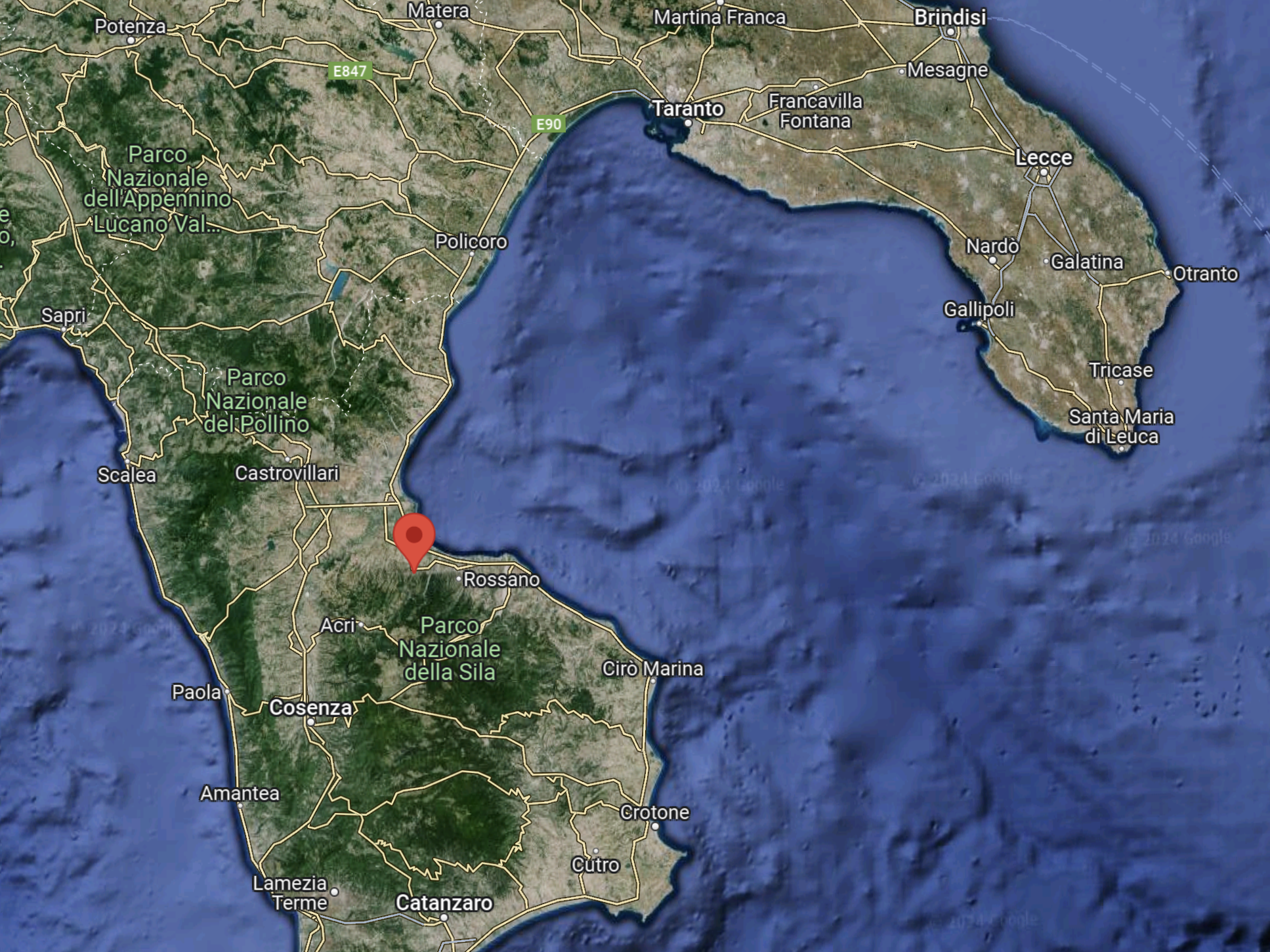
Note.
- Corigliano is indicated by the red arrow.
- There is an explanatory video of their technology on SolarDuck’s web site.
Opposite Corigliano on the other side of the can be seen the Italian Naval Base of Taranto, which was the scene of the Battle of Taranto, which was one of the most significant naval battles of Second World War, if not the most significant.
- This web page has the Fleet Air Arm’s account of the battle.
- I have a book, that shows the Japanese visiting Taranto after the battle.
- Did the Japanese use what they learned to plan their successful raid on Pearl Harbor?
- Without Pearl Harbor, would the Americans have stayed out of the Second World War?
I visited Taranto in the 1980s and stood on the Dockside. Perhaps, it is time to go again?
Conclusion
I have a feeling that a hybrid offshore wind-solar farm can generate more electricity in a given area, by making better use of the space available.
It will be interesting to see how this hybrid wind farm performs.
In an area with plenty of sun and wind, it could be a better solution.
Only the mathematics will tell.
 The Anonymous Widower