Is This The Solution To The Train Tea-Bag Problem?
One of the biggest problems on a train, is disposal of a tea-bag without getting tea everywhere.
This sequence of pictures, shows my tea on the trip to Cardiff.




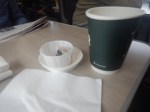



At least this worked.
But then British rail catering has form, as years ago, they invented the small carrier bag to bring drinks and snacks back to your seat.
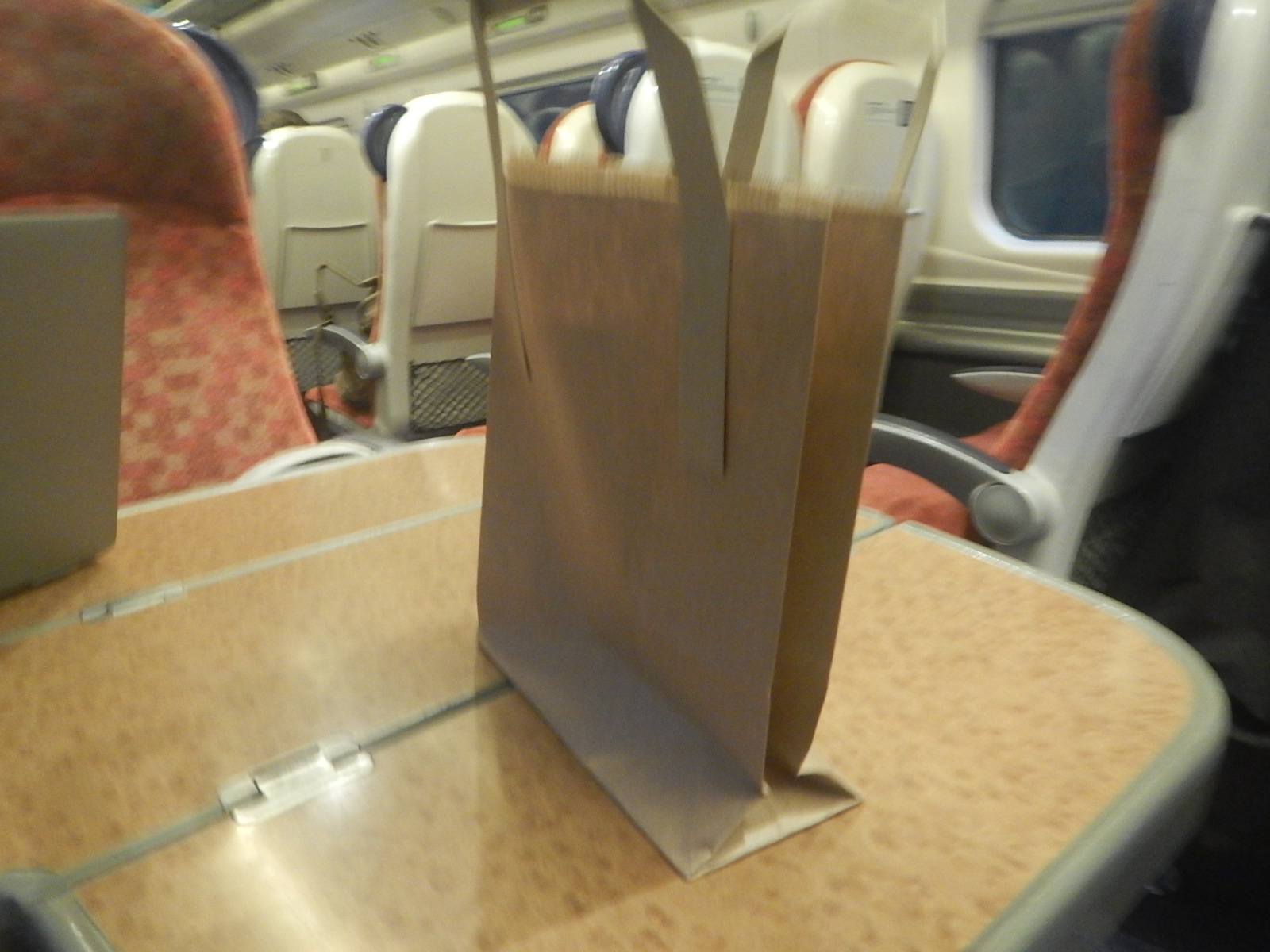
I’m always surprised, that you don’t see them more often in non-travelling takeaways.
A Diversion To Severn Beach
After my trip to Cardiff yesterday was curtailed by a signalling problem, I ended up at Bristol Temple Meads station.
After checking the timetable, it occurred to me, that it would be easy to take a diversion to Severn Beach station before I took a train back to London.
I took these pictures on the journey.























































Note.
- Stapleton Road station has massive ramps.
- Stations like Redland and Avonmouth have interesting art works.
- The Avon, several wind turbines and the Secon Severn Crossing can all be seen.
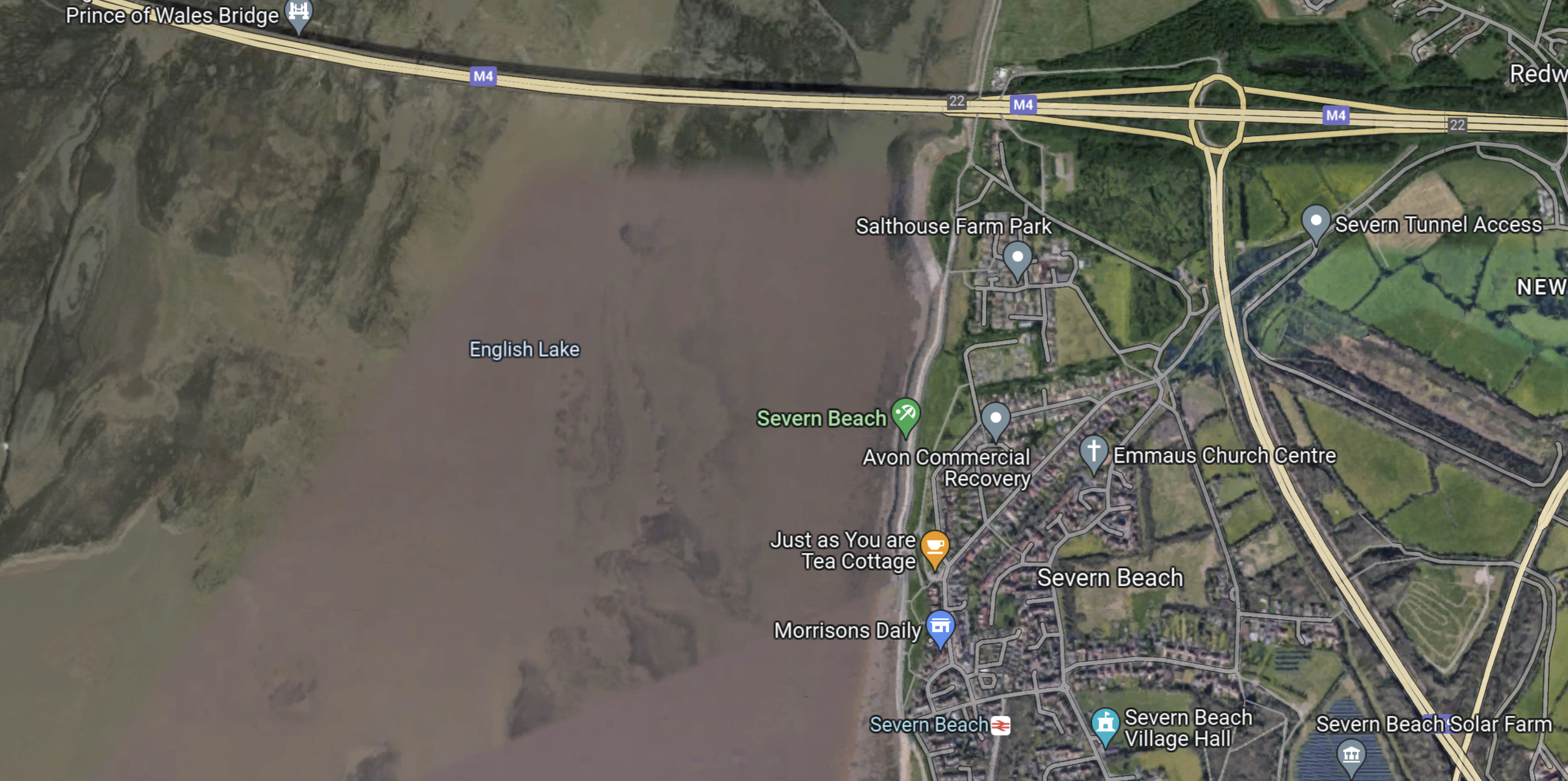
This Google Map shows the location of Severn Beach station.
Note.
- The M4 and the Second Severn Crossing are at the top of the map.
- The rail station icon marking Severn Beach station at the bottom of the map.
This second Google Map shows the area of the station.
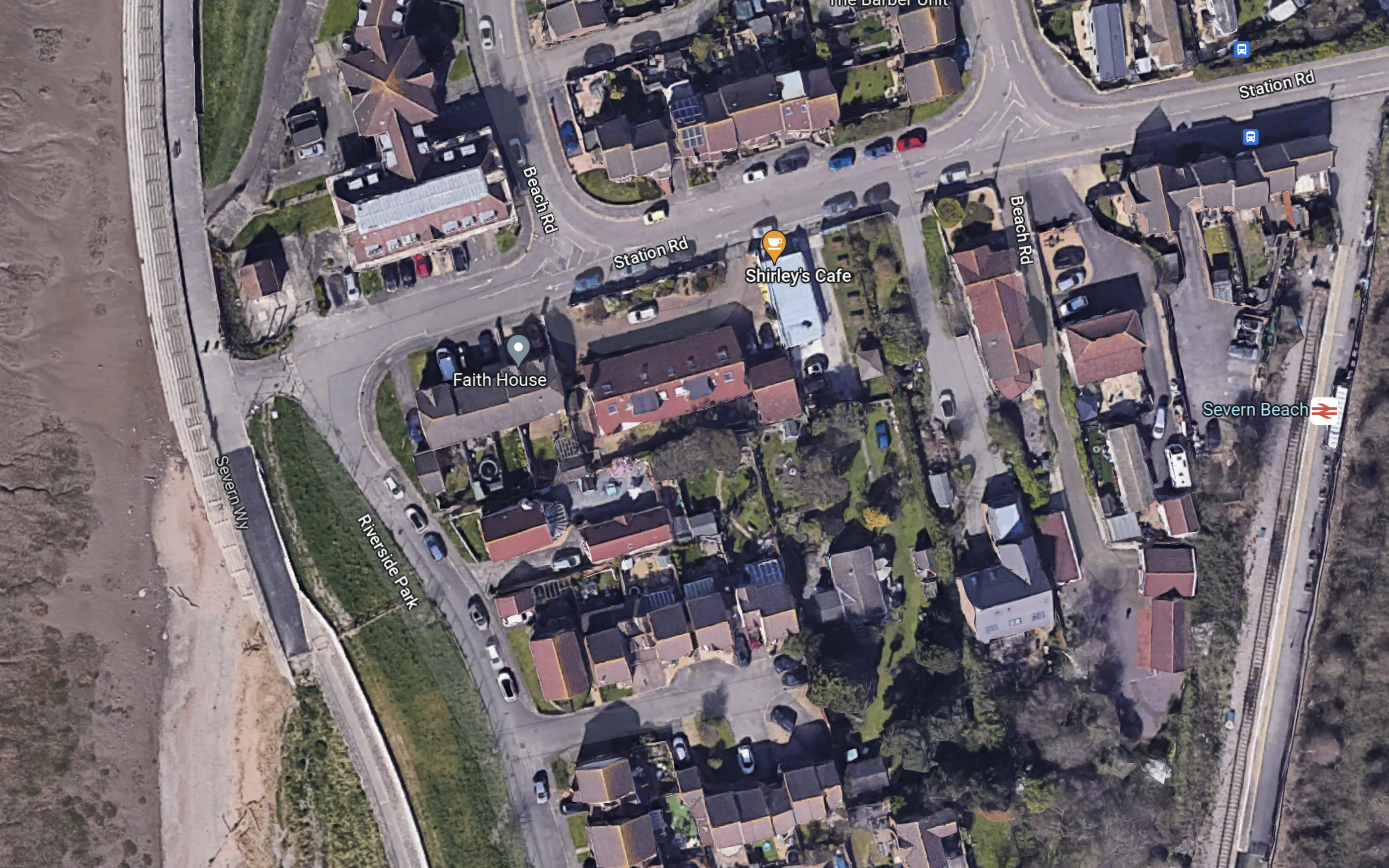
Note.
- Shirley’s Cafe, where I bought my ice cream.
- The cafe does gluten-free breakfasts.
- The promenade, where I took the pictures of the Second Severn Crossing.
- The long platform in the station.
- The fare from Bristol Temple Meads was only £1.95 for a return with my Senior Railcard.
Severn Beach looks to be a good place to go for a walk.
These are pictures I took at and around the station.










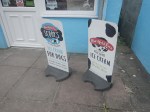

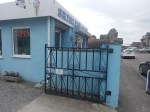



We need more ice cream sellers in or near stations.
Portway Park & Ride Station
Portway Park & Ride station is a new station currently under construction.
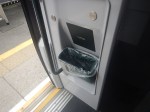
I took these pictures as the train passed.






This Google Map shows the location of the station.
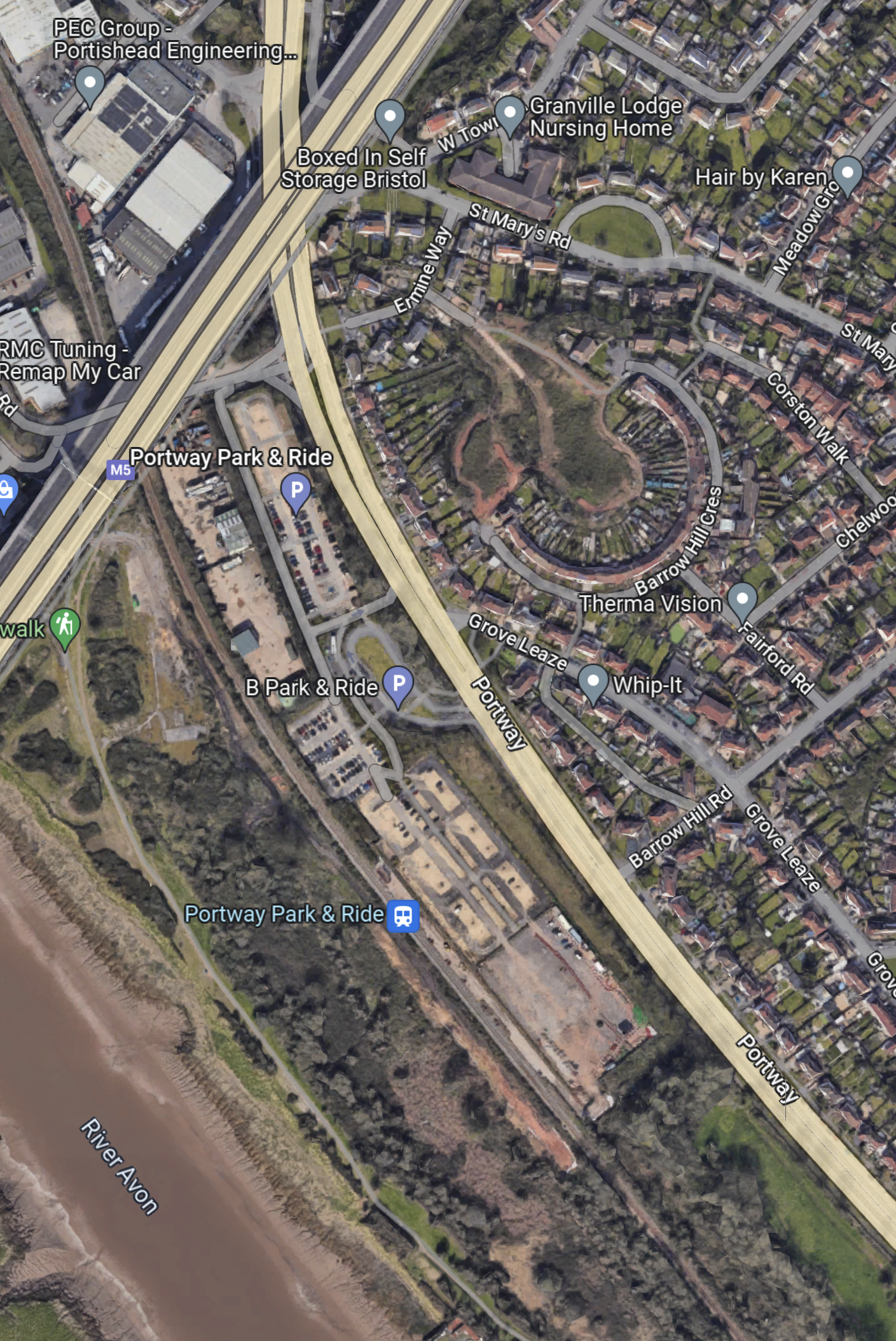
Note.
- The parking is to the South of where the M5 and A4 cross.
- The blue dot at the South of the site marks the single-platform station.
- The buses from the Park & Ride run every twelve minutes.
- The trains are only an hourly service.
From the pictures, it looks like the station will be opening soon.
I would hope that the access to the parking from the major roads is good.
Improving The Line
I was a bit worried that I’d miss the train back, so I only had an ice cream, but if the trains were more frequent, I might have had a drink in the cafe as well.
Under Future in the Wikipedia entry for the Severn Beach Line, the following is said about train frequency.
Improved services along the line are called for as part of the Greater Bristol Metro scheme, a rail transport plan which aims to enhance transport capacity in the Bristol area. There is an aspiration for half-hourly services, however due to the large sections of single-track and the congested main line from Temple Meads, such frequency is not currently feasible. However, it is expected that with the four-tracking of Filton Bank, including the Severn Beach line between Temple Meads and Narroways Hill Junction, that there will be sufficient capacity to allow half-hourly services.
Two trains per hour (tph) would be a good improvement.
This is also said.
Plans also call for the reopening of the Henbury Loop Line, which could allow a service from Temple Meads to Bristol Parkway via the Severn Beach line.
After my experiences yesterday, a more frequent route between the two major Bristol stations must be a good idea.
Zero-Carbon Trains
Given the route and its length and location, the Severn Beach Line must be a candidate for battery or hydrogen power.
Masons Of Yorkshire Distillery Enters Partnership With LNER
The title of this post, is the same as that of this article on Rail Advent.
These two paragraphs outline the partnership.
A Yorkshire Distillery has entered a partnership with London North Eastern Railway for its vodka to be served in the railway’s first-class carriages.
In the agreement, Classic Vodka from the highly awarded Masons of Yorkshire Distillery will be the only vodka served on all first-class routes between Inverness, London Kings Cross, and Aberdeen and Kings Cross.
As the railways are now effectively controlled by the UK Government, perhaps we should see more British food and drink featuring on trains.
Kit Kat Cereal Proves Failure On Sugar, Say Charities
The title of this post, is the same as that of this article on The Times.
This is the sub-heading.
Nestlé promotes ‘nutritious’ product that is a quarter sugar
And this is the caption for the picture.
With 24.7g of sugar per 100g, a bowl of Kit Kat cereal accounts for a third of a seven-year-old’s suggested intake
This is the first two paragraphs.
The launch of a Kit Kat breakfast cereal shows the government strategy of relying on food companies to help fight obesity has failed, campaigners have claimed.
Charities such as the British Heart Foundation have accused Nestlé of “irresponsible” promotion of a product which is a quarter sugar, arguing that it makes the case for state intervention to make food healthier.
After this start, I thought I’d better check the ingredients on the product page on Nestlé’s web site!
Under a heading of Our Carefully Selected Ingredients, this is said.
Whole grain WHEAT (31.4%), maize semolina, sugar, dextrose, palm oil, WHEAT flour, cocoa powder* (5.4%), glucose syrup, WHEAT starch, skimmed MILK powder, calcium carbonate, BARLEY malt extract, fat-reduced cocoa powder*, flavourings, cocoa butter*, salt, cocoa mass*, emulsifier: lecithin, whey powder (MILK), MILK fat, antioxidant: tocopherols, iron, vitamin B3, B5, B6, B2, B9.
May contain NUTS.
*Rainforest Alliance Certified. Find out more at ra.org.
This product on their own admission contains over thirty per cent wheat.
Now let’s add a very large dollop of peer-reviewed science.
Coeliac Disease: Can We Avert The Impending Epidemic In India? is the title as that of this peer-reviewed paper on the Indian Journal Of Research Medicine.
This is an extract.
The time of first exposure to wheat influences the development of celiac disease. In countries such as Finland, Estonia, and Denmark, characterized by low gluten consumption in infancy, celiac disease prevalence is much lower than in Sweden where gluten consumption is high in infancy. A natural experiment occurred in Sweden about two decades ago when national recommendations were made to introduce wheat into the diet after cessation of breast feeding at six months. This change was coupled with increased wheat gluten consumption through infant feeds. Together these measures resulted in a two-fold increase in incidence of celiac disease in Sweden, which was attributed to introduction of wheat into the diet after cessation of breast feeding.
In 1996 this recommendation was changed to introduce gluten in gradually increasing amounts while the infant was still being breast fed. This led to a dramatic decrease in celiac disease incidence.
Should we be following the route of these Scandinavian countries and eat wheat sensibly and reduce the amount we give our children or should we follow what Nestlé’s marketeers want us to do?
As a coeliac, who is allergic to the gluten in wheat, I wouldn’t touch this product with a spoon certified by my cardiologist.
The author also says this about wheat.
The other dimension to this problem is that not all wheat is alike when it comes to inducing celiac disease. The ancient or diploid wheats (e.g. Triticum monococcum) are poorly antigenic, while the modern hexaploid wheats (e.g. Triticum aestivum) have highly antigenic glutens, more capable of inducing celiac disease. India, for centuries, grew diploid and later tetraploid wheat which is less antigenic, while hexaploid wheat used in making bread is recently introduced. Thus a change back to older varieties of wheat may have public health consequences. Public health authorities may well want to examine both these avenues, i.e. infant feeding recommendations and wheat varieties cultivated in the country, for opportunities to avert the epidemic of celiac disease which is impending in our country.
The author may be talking about India, but as he says modern wheats have highly antigenic glutens and will cause an epidemic of coeliac disease.
I may not have had any medical training, but I spent a miserable first fifty years of my life as an undiagnosed coeliac.
Conclusion
KitKat Cereal should be labelled that it may cause coeliac disease.
The Much-Loved Railway Food Carrier Bag
Coming back from Liverpool yesterday on Avanti West Coast, I treated myself to a coffee and a Nakd bar.
I took this picture after I’d cleared away and put all the rubbish in the bag.

These bags seem to be unique to British trains and I’ve never seen one in use on the many foreign trains, I’ve used all over the world.
Yesterday, the train was a Pendolino and I had no trouble carrying my coffee back to my seat, whilst the train tilted.
Were these bags invented by British Rail?
I can never understand, why they are not used by takeaways, as they are ideal for carrying food and drinks without spilling anything and they are much easier to carry and are ideal for collecting up the rubbish to put in a litter bin.
Mingyang Building Fish Farm-Equipped Offshore Wind Jacket Foundation
The title of this post, is the same as that of this article on offshoreWIND.biz.
This is the sub-heading.
Chinese wind turbine manufacturer Mingyang Smart Energy revealed on 17 April that it started the construction of a jacket foundation that also features a net cage system for fish farming, which will be installed at the Mingyang Qingzhou 4 offshore wind farm in the South China Sea later this year.
The picture in the article, looks like something out of Baldrick’s book of cunning plans.
This paragraph gives more details.
The jacket is typhoon-resistant and the aquaculture system, which will raise up to 150,000 fish in 5,000 cubic metres of water, will have remote functions such as automated feeding, monitoring, detection, and collection, according to Mingyang.
Mingyang also state that the Qingzhou 4 offshore wind farm will also produce hydrogen.
Does that mean that in the next phase of the development, they’ll be putting a fish and chip shop on top?
Gluten-Free Fish And Chips In Skegness
I had some excellent gluten-free fish and chips in Skegness at the Atlantic Fish Bar.


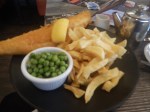
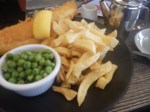
The restaurant is conveniently located just off the walking route between the seafront and the station.
As I had excellent gluten-free fish and chips on the front at Lowestoft, it does seem that the coast may be the place to go to get them.
Coffee With Added Lift
I took these pictures outside Clapham North station.


As my hands were full and I was in a hurry, I didn’t stop.
Budweiser To Convert Second UK Brewery To Hydrogen
The title of this post, is the same as that of this article on The Engineer.
This is the sub-heading.
Samlesbury Brewery in Lancashire is set to be powered by green hydrogen from 2025, according to new plans announced by owner Budweiser Brewing Group.
This paragraph outlines what will be done at Salmesbury.
The Samlesbury Net Zero project will see the brewery paired with a new hydrogen production facility (HPF), delivered by UK hydrogen services company Protium. Situated adjacent to the brewery, the HPF will provide green hydrogen to meet the thermal demand of the brewing processes, as well as the building’s other heating requirements.
Note.
- A refuelling station for hydrogen-ready HGVs will also be developed as part of the project.
- Heat from the HPF will be recovered and used in Budweiser’s bottling process.
- This is the second project involving Budweiser and Protium, after one at Magor in South Wales.
- Beers produced at the facility include Budweiser, Stella Artois and Corona.
I may have had the odd bottle of Corona in the States, but I’ve generally drunk real ale only since, I started having halves of Adnams with my father at the age of thirteen.
Now, because I’m on Warfarin, I more or less exclusively drink zero-alcohol beers, most of which is Adnams, straight from the brewery.
I’ve yet to find any beer which is less than 0.5 % alcohol, has contained enough gluten to have an effect on my gut.
I have discussed this with experienced brewers and they are not surprised, as the brewing process for zero-alcohol beers doesn’t use much barley.
Conclusion
We need more integrated projects like this, that both decarbonise industrial processes and provide filling stations for hydrogen-powered vehicles.
Organic Zambian Honey From Marks And Spencer
I don’t usually buy speciality honey, but when I saw it was a similar price to an English meadow honey, I thought why not!
This picture shows the jar.

It comes from the Mwinilunga Forest, where this Wikipedia entry for the Economy of the town of Mwinilunga says this.
Forest Fruits Limited has been operating in Mwinilunga since 1998, successfully working with over 7,000 beekeepers in the region to export organic honey to the European market. The company also employs about 100 staff.
This is said on the side of the jar.
Supporting family incomes of bark hive village beekeepers, the diverse forest gives this honey a complex rich & smoky flavour.
This picture shows some on toast.
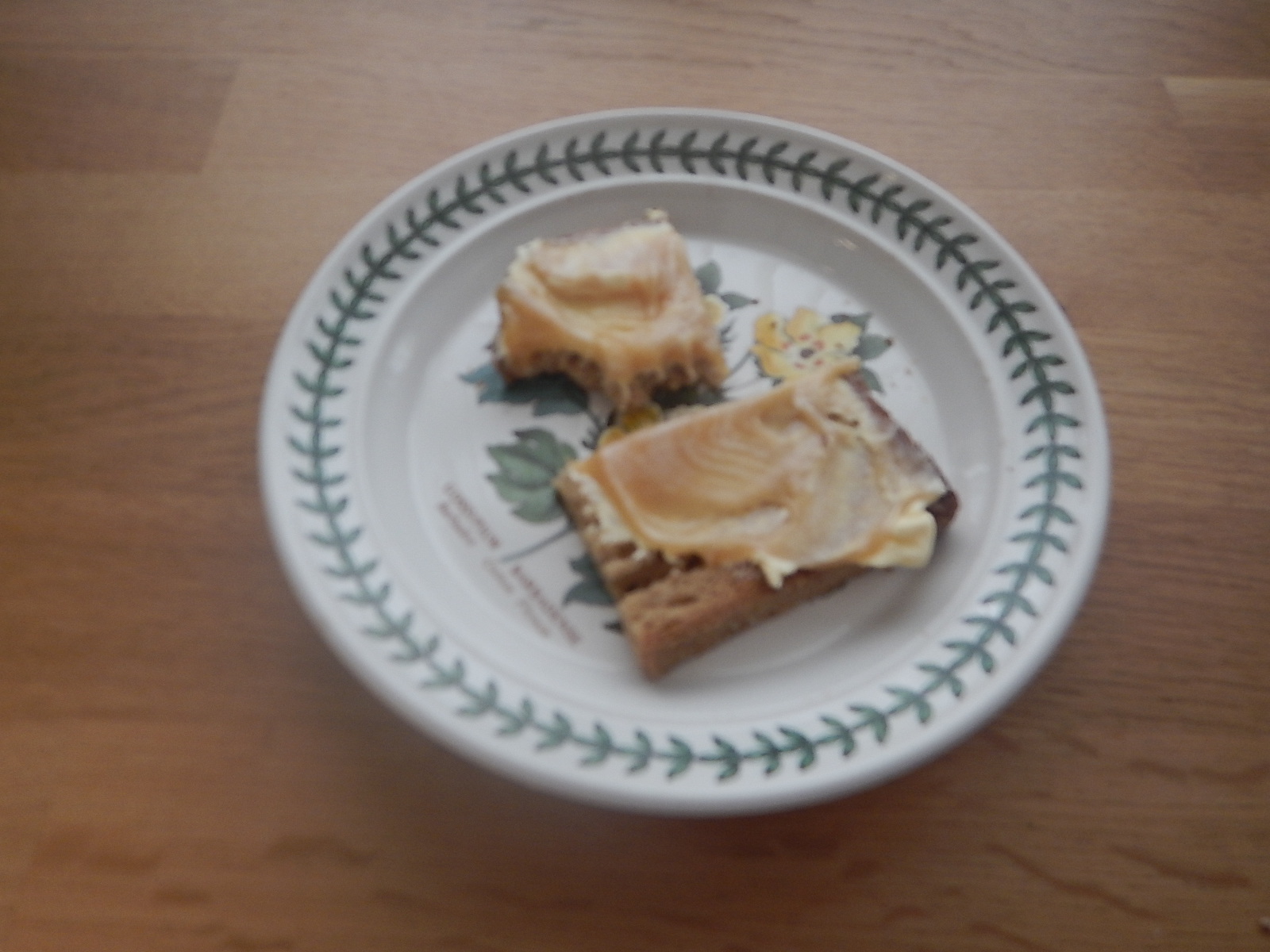
It was certainly one of best honeys, I’ve ever tasted and that includes some local Suffolk honey collected by friends.
 The Anonymous Widower