A Special Weekend Timetable Has Been Put In Place For Lincoln Christmas Market
The title of this post, is the same as that of this article on Rail Advent.
This is the first paragraph.
The timetable has been put in place for Lincoln Christmas Market with direct services from Leeds, Newcastle, Edinburgh, Aberdeen and Inverness.
It looks to be a clever piece of planning, whilst work is carried out on the East Coast Main Line between Doncaster and Peterborough.
- Services will be diverted onto the Great Northern and Great Eastern Joint Line though Spalding, Sleaford and Lincoln.
- Will the trains be using the new tracks at the Werrington dive-under.
- Nine-car Class 800 bi-mode trains will be used.
- On the Saturday, there will be two trains per hour (tph) in both directions.
- Of these trains, five trains per day (tpd) in both directions will stop at Lincoln Central station.
It does appear that LNER are making the best of a difficult situation.
Passengers going to Lincoln for the Christmas Market will not be disappointed.
Grand Central Trains
Grand Central Trains are also using the diversion route.
Hull Trains
Hull Trains are also using the diversion route.
On the Saturday, there will be five tpd in both directions.
These can be doubled up to ten-car trains if the demand is there.
Lumo Trains
Lumo trains don’t appear to be running.
Conclusion
Network Rail seem to have done a cunning piece of timetabling.
There’ll be trainspotters galore in the centre of Lincoln.
TfL Considering Extending DLR As Far As Abbey Wood
The title of this post, is the same as that of this article on New Civil Engineer,
I am ambivalent about whether the Docklands Light Railway is extended from Beckton to Thamesmead or Abbey Wood.
This map from Ian Visits shows the area.
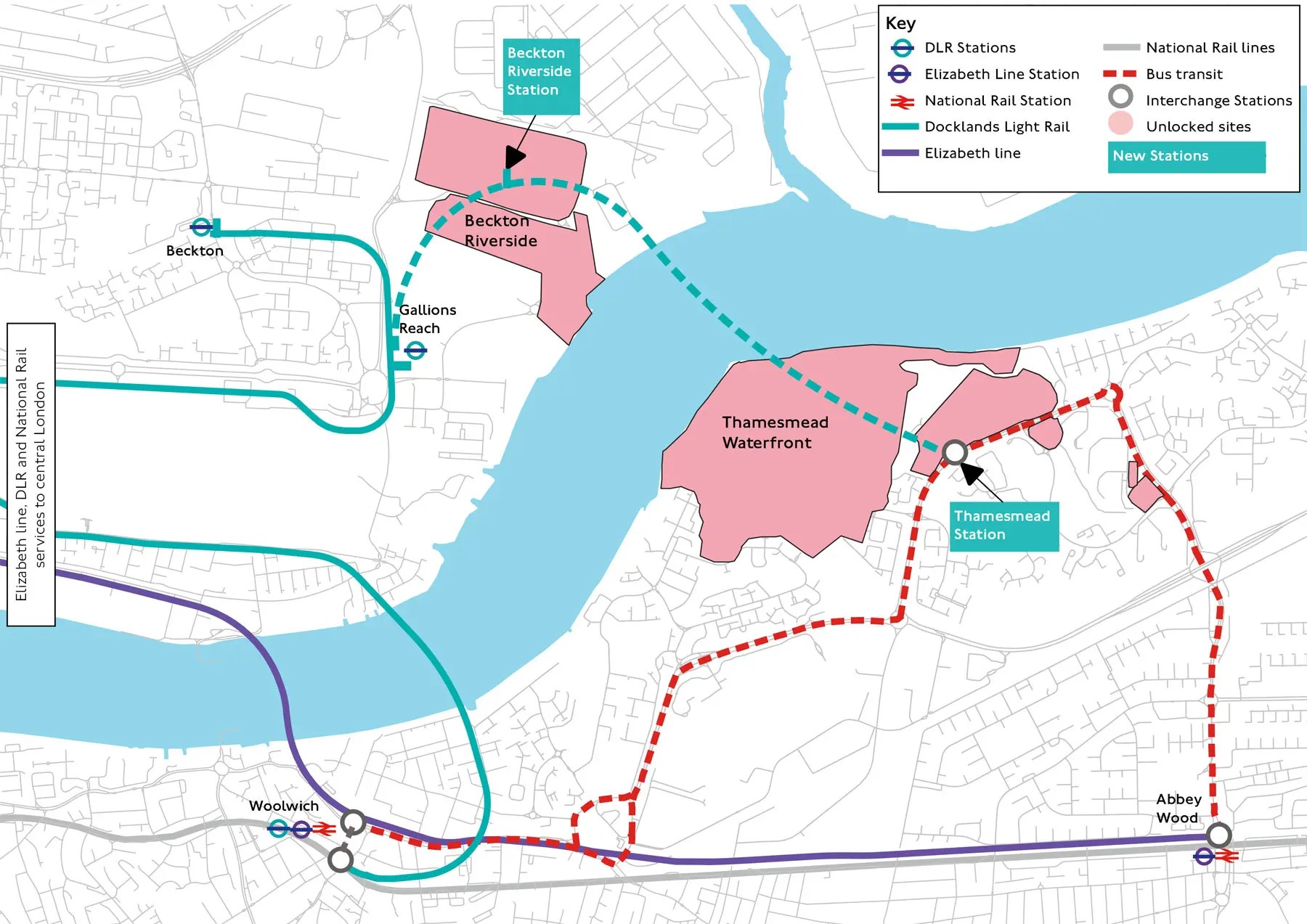
I’ve always preferred a high bridge from Barking Riverside to Thamesmead.
In There’s A Lot Happening Around Tilbury And Gravesend, I said this.
My personal preference for another connection would be to build a bridge between Barking Riverside and Thamesmead, to take the Gospel Oak to Barking Line over rather than under the Thames, if this was possible. I would use tram-trains on the railway, that if required did a walkabout around the estates as trams on both sides of the river. The bridge would also be open to cyclists and pedestrians.
Properly designed, the bridge could be a visitor attraction in its own right!
But could the bridge taking the DLR over the river become an attraction?
Canadian National Buys Battery Locomotive
The title of this post, is the same as that of this article on Railway Gazette.
This is the first paragraph.
Canadian National’s Bessemer & Lake Erie Railroad has purchased a Wabtec FLXdrive battery-electric freight locomotive, with financial support from the Pennsylvania Department of Environmental Protection’s Marine & Rail Freight Movers grant programme.
The locomotive is intended to work in multiple with diesel locomotives and this cuts fuel consumption, pollution and noise.
I described the locomotive in FLXdrive ‘Electrifies’ Pittsburgh and the more I learn about this locomotive the more I like it.
The locomotive numbered 3000, which appears in all Wabtec pictures is an example an ES44AC from the GE Evolution Series and was converted from a standard locomotive, that was in the test fleet.
Interestingly, Canadian National own several hundred of these locomotives, so they won’t be short of one to convert.
The diesel version would appear to be a 3.3 MW diesel locomotive.
In addition, this page on the Wabtec web site gives some details of the battery-electric locomotive.
- The locomotive is powered by lithium-ion batteries.
- There are around 20,000 battery cells
- The batteries have their own air-conditioning
- There is a sophisticated battery-management system.
- The total battery size is 2.4 MWh
- Power output is 4400 HP or 3.24 MW
- Locomotive will run for 30-40 minutes at full power.
- The locomotive has regenerative braking.
- Operating speed is 75 mph
Note that running at 75 mph for 40 minutes would cover fifty miles.
It does look as if, the diesel-electric and the battery-electric conversion have similar power outputs. Could this be, as the traction system on both locomotives are identical? It’s just that one uses a diesel generator and the other uses batteries.
Although there must be differences in the traction systems, as the battery-electric locomotive has regenerative braking.
The battery-electric locomotive is designed to work in conjunction with one or two diesel locomotives, where a sophisticated computer system decides which engines power the train.
- Wabtec are claiming a thirty percent reduction in fuel and emissions compared to an all-diesel setup.
- Electric power will also be used in depots and sensitive areas.
I do think though, that this is a pragmatic solution to cut the carbon footprint of heavy-freight in North America.
But it could be a half-way solution, as Wabtec have hinted that they are working on hydrogen-powered locomotives.
I also feel it might be possible to convert some of the UK’s Class 66 locomotives into battery-electric locomotives for lighter freight duties or working in a pair with a Class 66 locomotive to reduce fuel consumption and emissions.
I discuss this in Could Class 66 Locomotives Be Converted Into Battery-Electric Locomotives?
Have CN Bought The Prototype?
There is also this article on the Green Car Congress, which is entitled CN Purchases Wabtec’s Battery-Electric Locomotive.
The article seems fairly certain they have.
So perhaps, they want to get on with the job and see what the locomotive can do?
Grab-Handles In London Underground Train Entrances
I have been taking pictures of the grab-handles in the doors of London Underground trains.
Bakerloo Line
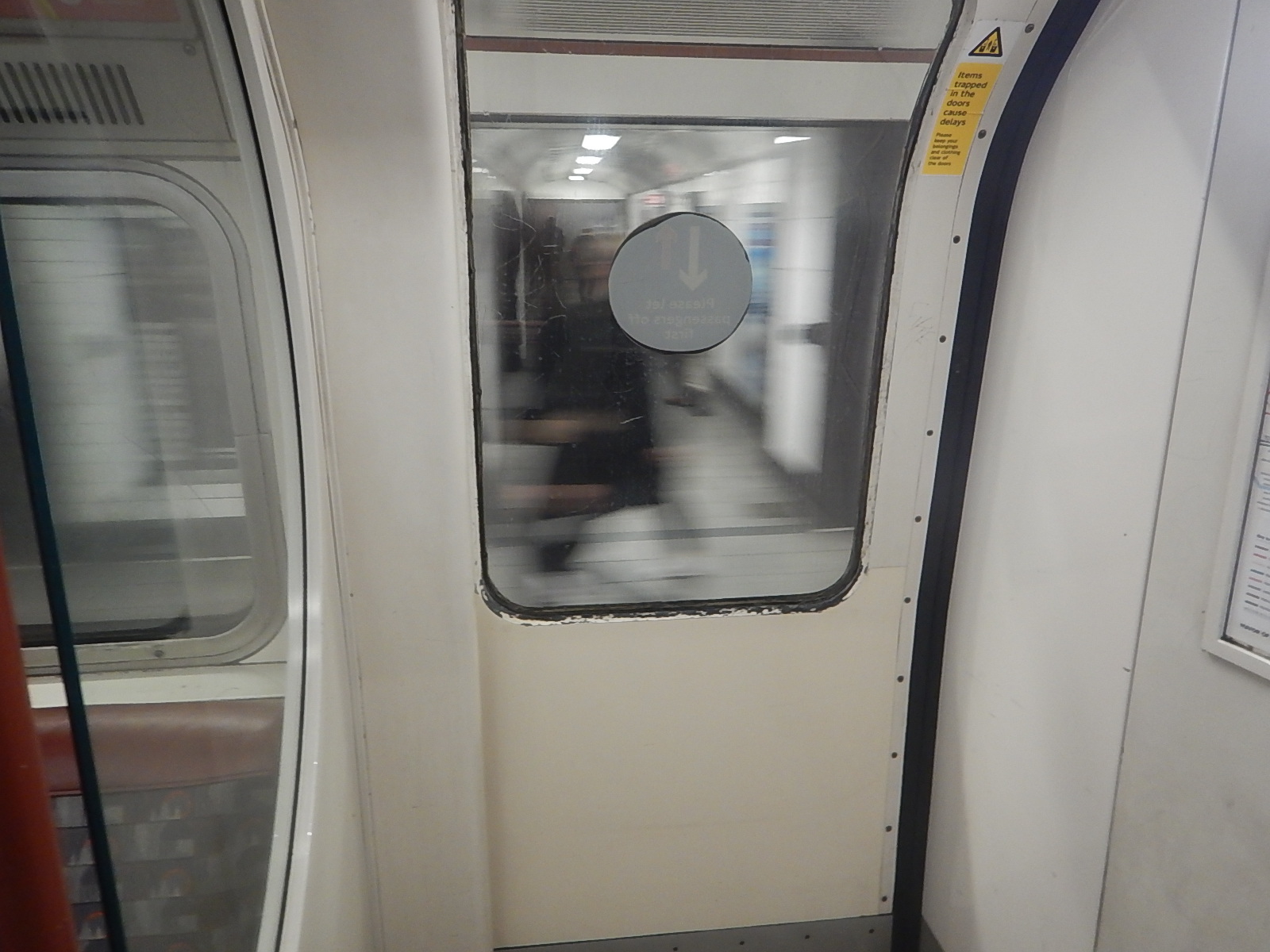
There are no grab-handles.
Central Line

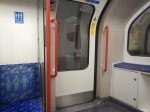
The Central Line trains, which were built in 1991-4, probably set the original standard.
Hammersmith & City Line
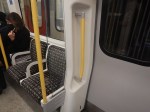
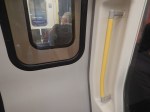

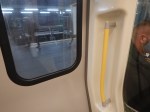
These are probably similar to Circle, District and Metropolitan Line trains.
Jubilee Line
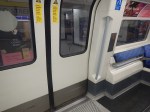
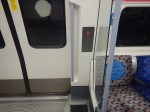
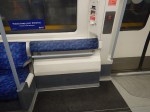
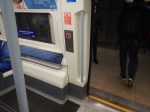
Note the long grab-handles tucked behind the doors.
Northern Line
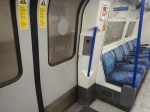
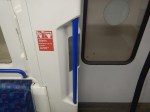

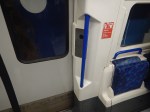
Note the long grab-handles tucked behind the doors.
There is also a cheeky one behind the wheelchair space. Although you would get into a Northern Line train in a wheelchair is another matter.
Piccadilly Line
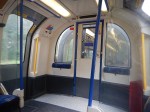


Despite their age, there is a full set of grab-handles.
Victoria Line

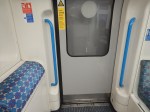
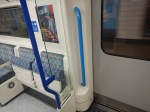
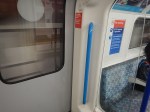
Note the long grab-handles tucked behind the doors.
Conclusion
I do find it strange that all the other Underground trains have vertical handles just inside the door, but the Bakerloo Line trains don’t have this valuable safety feature.
I think this could be dangerous.
I have a damaged left arm because the school bully broke my humerus. It can do most things, but some things are painful.
So when I get on a train, in case there is a step-up into the train, I position myself towards the right of the door. Then if there is a step-up, I reach forward and grab the handle and pull myself into the train.
Recently, I boarded a train on the Bakerloo Line platform at Waterloo. On finding there was no grab-handle I slipped slightly as I pulled back.
In the end I climbed into the train by holding on to the rubber edge of the door and got a very dirty hand.
Could this lack of grab-handles have contributed to a recent death at the station, that I wrote about in Death Of A Commuter At Waterloo?
I very much feel that grab-handles should be fitted to the doors on Bakerloo Line trains.
Councils Back Cheaper Crossrail Extension Option To Kent
The title of this post, is the same as that as this article on New Civil Engineer.
These two paragraphs describe the preferred scheme.
The council’s opted for the cheaper extension option which would see Crossrail extended from Abbey Wood east to Slade Green, Dartford, Greenhithe and Swancombe before stopping near to HS1 station at Ebbsfleet with a stop at Northfleet.
The report notes: “The preferred scheme is one that would see 8 of the 12 Elizabeth Line trains per hour that are currently planned to terminate at Abbey Wood be extended eastwards, sharing the existing North Kent line tracks with the Southeastern and Thameslink services.
Currently, the following services use the proposed route between Abbey Wood and Northfleet.
- Southeastern – two tph – London Cannon Street and London Cannon Street via Abbey Wood, Belvedere, Erith and Slade Green.
- Southeastern – two tph – London Cannon Street and Dartford via Abbey Wood, Belvedere, Erith and Slade Green.
- Southeastern – two tph – London Charing Cross and Gravesend via Dartford, Stone Crossing, Greenhithe, Swanscombe and Northfleet
- Thameslink – two tph – Luton and Rainham via Abbey Wood, Slade Green, Dartford, Stone Crossing, Greenhithe, Swanscombe and Northfleet.
Note that tph is trains per hour.
These services provide these frequencies at the stations between Abbey Wood and Northfleet.
- Abbey Wood – eighteen tph, which assumes twelve tph from Crossrail.
- Belvedere – four tph
- Erith – four tph
- Slade Green – six tph
- Dartford – four tph
- Stone Crossing – four tph
- Greenhithe – four tph
- Swanscombe – four tph
- Northfleet – four tph
Note twelve tph from Crossrail terminate at Abbey Wood.
If Crossrail were to run eight tph to Northfleet, this would provide these frequencies at the stations.
- Abbey Wood – eighteen tph, which assumes twelve tph from Crossrail.
- Belvedere – twelve tph
- Erith – twelve tph
- Slade Green – fourteen tph
- Dartford – twelve tph
- Stone Crossing – twelve tph
- Greenhithe – twelve tph
- Swanscombe – twelve tph
- Northfleet – twelve tph
Note four tph from Crossrail terminate at Abbey Wood and eight tph at Northfleet.
These are my thoughts.
A Turnback Facility At Northfleet Station
There will need to be a turnback facility at Northfleet station.
- It will have to handle eight tph
- Nine-car Class 345 trains used by Crossrail are 205 metres long.
Eight tph would suggest that two platforms would be needed.
This Google Map shows Northfleet station.
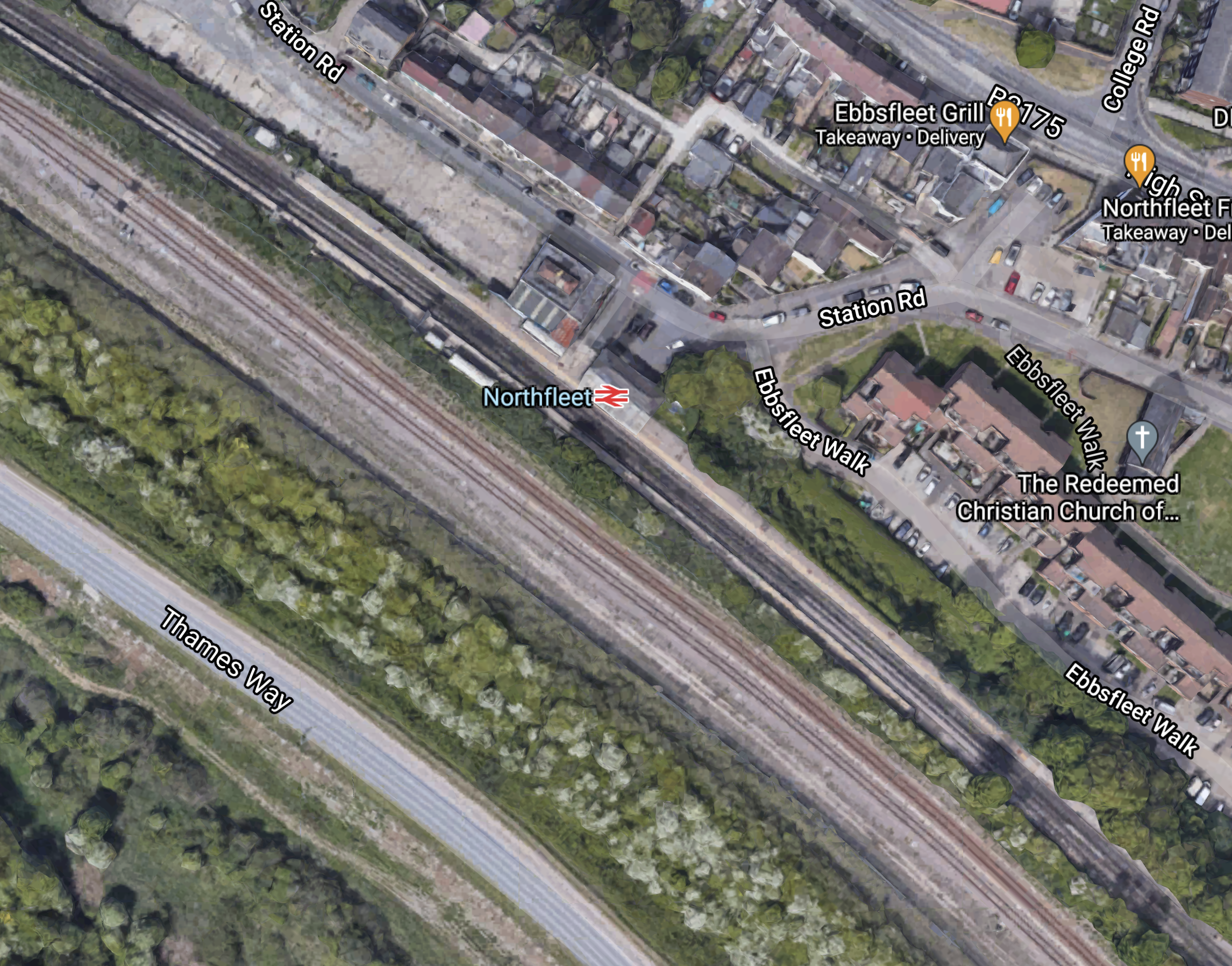
Note.
- The North Kent Line goes diagonally across the map from North-West to South-East.
- Northfleet station is a two-platform station.
- To the South of the station, there are sidings, which are connected to the North Kent Line.
This picture shows the sidings from Northfleet station, with Ebbsfleet station about a mile away.
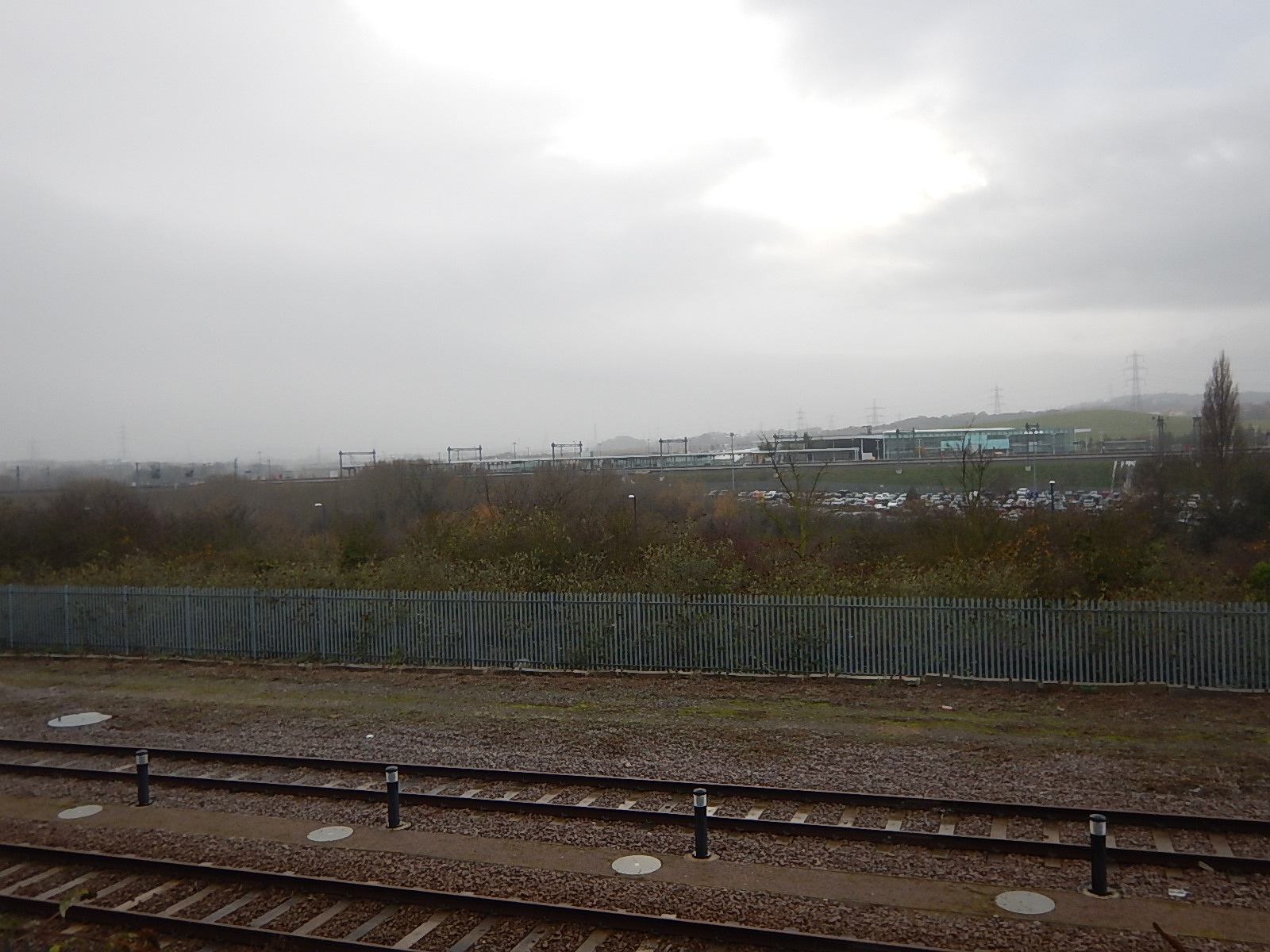
It appears that there would be space to add two well-appointed turnback platforms at Northfleet station.
These pictures show some of the features of the current Northfleet station.
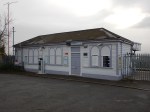
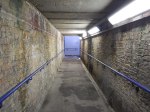
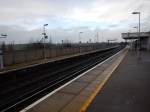
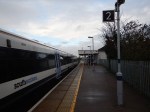
Rebuilding to add the turnback facility, could also include.
- Full step-free access
- Modern station buildings
- A deep clean of the pedestrian tunnel.
- An appropriately-sized bus station, with a zero-carbon shuttle bus to Ebbsfleet station.
- Future provision for a high-tech people-mover to Ebbsfleet station.
It is not one of the better stations on the Southeastern network.
But it certainly could be!
I very much feel that Northfleet station needs to be rebuilt with at least two extra platforms.
A People-Mover Between Ebbsfleet And Northfleet Stations
I wrote So Near And Yet So Far! about the poor connection between Ebbsfleet And Northfleet stations.
It is a design crime of the highest order.
There has been a lot of pressure in the past to build a pedestrian link between the two stations, as reported by the Wikipedia entry for Northfleet station.
The station is very close to Ebbsfleet International station (the NNE entrance is only 334 yards (305 m) from Northfleet’s station), but passengers (using public transport) will find it far easier to access Ebbsfleet International from Gravesend or Greenhithe, as these stations are more accessible and offer easy access to Fastrack bus services. The walking route between the two stations is 0.6 miles (1 km) or 0.8 miles (1.3 km) and a suitable pedestrian link has not been built because of funding issues and objections from Land Securities.
Why when Ebbsfleet International station was built in the early 2000s for opening in 2007, was a pedestrian link not built between the two stations?
It sounds like it was a Treasury design for Civil Servants, who work in Westminster and wouldn’t dream of living in Gravesend.
How much did omitting the link save?
Probably in the the long term, about two-fifths of five eighths of f***-all!
The specialists in this type of people-mover are the Doppelmayr/Garaventa Group, who in the UK have built the Emirates Air Line and the Air-Rail Link at Birmingham Airport. Currently, they are building the Luton DART people mover.
Wikipedia says that the Emirates Air-Line cost £60 million.
Wouldn’t something similar be an ideal way to welcome people to the UK?
The London Resort
The London Resort, is described like this in its Wikipedia entry.
The London Resort is a proposed theme park and resort in Swanscombe, Kent. The project was announced on 8 October 2012 and, if given planning permission, it is estimated that construction will begin in 2022, with a first gate opening in summer 2024 and a second gate by 2029.
It certainly sounds the sort of place I avoid, but just like Disneyland Paris, I feel the developers will want a rail connection.
They could even want to have another people-mover from Ebbsfleet station.
Go-Ahead Group Signs Contract For Its First Hydrogen Fuel Cell Buses
The title of this post, is the same as that of this article on Intelligent Transport.
This is the first paragraph.
Brighton & Hove and Metrobus have ordered 20 hydrogen fuel cell vehicles, which are set to be delivered in June 2022, signalling the Go-Ahead Group’s first order of hydrogen powered buses.
The vehicles are single-decker GB Kite Hydroliner FCEV buses.
These buses can be configured to carry up to ninety passengers and they have a range of up to 640 miles.
The article says these buses are for Faraway-branded express buses, so the long range will enable buses to be garaged centrally and refuelled once a day.
It looks like this could be the first of several orders from Go-Ahead for hydrogen buses.
London Overground Restoring Night Services In Time For Christmas
The title of this post, is the same as that of this article on Ian Visits.
This paragraph details what will be happening.
TfL has announced that from Friday 17th December, there will be Night Overground services between Highbury & Islington and New Cross Gate running every 15 minutes throughout the night on Fridays and Saturdays.
I’ve never use thed Night Overground, but I know several people who used to use it regularly.
Two More Stations For The Northumberland Line Are Approved
The title of this post, is the same as that of this article on the Northumberland Post Leader.
- Northumberland Park and Ashington stations have already been approved.
- Bedlington and Seaton Delaval stations have just been approved.
- That leaves Bebside and Newsham to be approved.
It could soon be all systems go for the builders.
Hydrogen Fuel Cell Locomotives Ready To Take Over Freight Rail Systems
The title of this post, is the same as that of this article on autoevolution.
The article describes how Canadian Pacific are developing hydrogen-powered freight locomotives.
They are converting a couple of locomotives to run on hydrogen and also building two hydrogen plants; one for green hydrogen and one for blue.
It does look that the Canadians are determined to get it right, so are looking at everything they can.
The article is certainly worth reading.
Would It Be Possible For The Bakerloo And Watford DC Lines To Use The Same Trains?
These two lines are very different.
- The Bakerloo Line is a classic London Underground Line with 25 stations and services run by 1972 Stock trains.
- The Watford DC Line is part of the London Overground with 19 stations and services run by Class 710 trains.
Ten stations are shared between the lines, of which only one; Queen’s Park offers level boarding.
The Shared Stations
The nine shared stations often have considerable steps up and down, as at Willesden Junction station, which is shown in Train-Platform Interface On Platform 1 At Willesden Junction.
I am rather pleased and pleasantly surprised, that there are not more accidents at the shared stations, but using the line must be a nightmare for wheelchair users, buggy pushes and large case draggers.
If Transport for London proposed building a line like this, they would have to launch it at the Hammersmith Apollo, where comedians perform.
The One Train Type Solution
To my mind, there is only one solution. The two services must use the same type of trains.
These are a few thoughts on the trains.
Trains Would Be Underground-Sized
As the trains will have to work through the existing tunnels to Elephant & Castle station, the trains would have to be compatible with the tunnels and therefore sized for the Underground.
I suspect they would be a version of the New Tube for London, that are currently being built by Siemens for the Piccadilly Line.
New Tube For London And Class 710 Train Compared
These figures are from Wikipedia.
- Cars – NTFL – 9 – 710 – 4
- Car Length – NTFL – 12.6 metres – 710 – 20 metres
- Train Length – NTFL – 113.4 metres – 710 – 80 metres
- Seated Passengers – NTFL – 268 – 710 – 189
- Total Passengers – NTFL – 1076 – 710 – 678
- Passenger Density – NTFL – 9.5 per metre – 710 – 8.2 per metre
- Speed – NTFL – 62 mph – 710 – 75 mph
Note.
- The passenger density and speed are closer than I thought they’d be.
- I’m sure Siemens can design a longer and faster train if required for the Euston service.
I feel that the New Tube for London could be designed, so that it could work the Watford DC service.
Platform Modifications
I suspect that the New Tube for London will be lower than the Class 710 train and all platforms would need to be lowered to fit the new trains.
I would also suspect that it would be easier to lower platforms, than modify them, so that they had dual-height sections to satisfy two classes of train.
It should be noted that the New Tube for London has shorter cars than the sixteen metre 1972 Stock trains currently used on the line, so there will be smaller gaps at stations with curved platforms like Waterloo.
I believe that with one class of train, all of the stations on the Bakerloo and Watford DC Lines could be made step-free between train and platform.
Queen’s Park And Euston
This map from cartometro.com, shows the route between Queen’s Park and Euston stations.
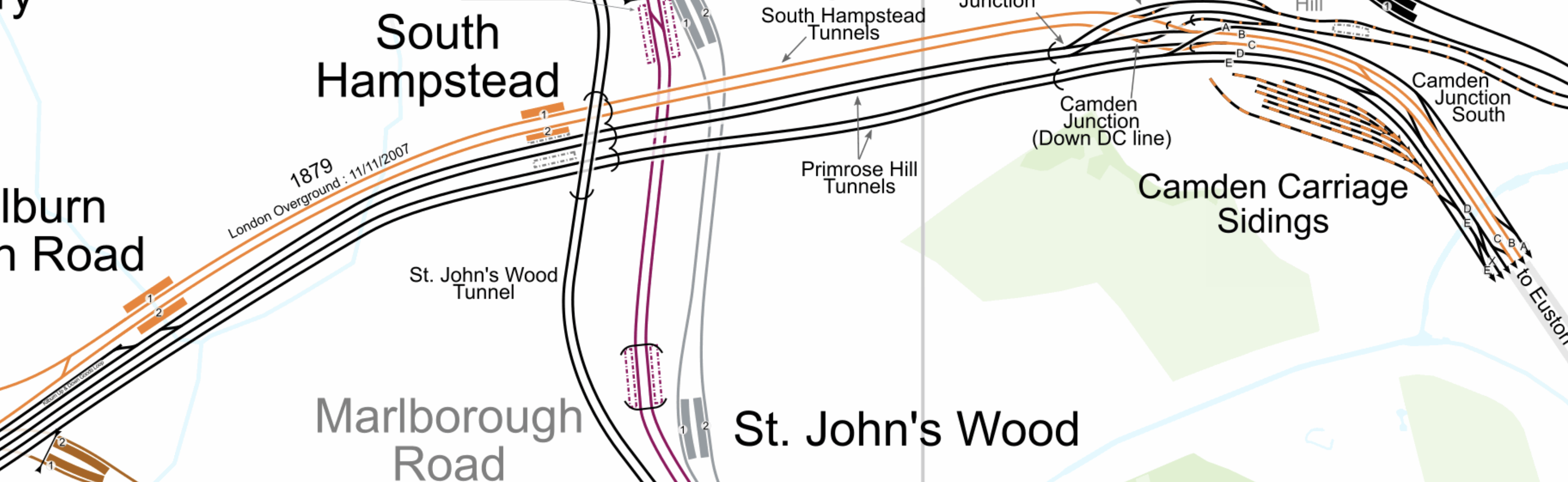
Note.
- The Watford DC Line is shown in orange.
- Queen’s Park station is to the West of Kilburn High Road station.
- It appears that Watford DC Line trains always use Platform 9 at Euston station.
The route seems to be a self-contained third-rail electrified line into Euston station.
On the subject of electrification between Queen’s Park and Euston stations, there would appear to be a choice between the third-rail system and London Underground’s four-rail system.
But it is rumoured that the New Tube for London will have a battery capability.
As Euston and Queen’s Park stations are only 3.7 miles apart, perhaps the choice would be to use battery power into Euston station, which would remove electrified rails from Euston?
How Many Trains Could Run Into Euston?
Currently, four trains per hour run into Euston.
It is generally accepted that six tph can use a single platform. But would this be enough?
I suppose there is the possibility of tunnelling under Euston station to a pair of terminal platforms.
In that case the current platform could be used by other services.
Southern’s Milton Keynes And Clapham Junction Service
This service wouldn’t be affected as it uses the fast lines between Willesden and Watford.
Conclusion
A common fleet used by the Bakerloo and Watford DC Line would appear to give advantages.
But what the Bakerloo Line, the Watford DC Line and the Bakerloo Line Extension need is a good dose of holistic design.
 The Anonymous Widower