Yorkshire To See More LNER Services And Longer Trains
The title of this post, is the same as that of this article on Rail UK.
These are the two introductory paragraphs.
London North Eastern Railway (LNER) is meeting an increase in demand from leisure travellers by adding more services and thousands more seats on trains between Yorkshire and London every Sunday.
Sundays are now one of the most popular days for journeys with 30% more customers travelling across the 956-mile LNER network than in 2019.
From December 2023, three new services and longer trains will be introduced on Sundays between London and Yorkshire.
Development Around Liverpool Street Elizabeth Line Station
After my Full English breakfast in Leon this morning, I walked around the area between the two entrances to Liverpool Street station on the Elizabeth Line, before entering the station at the Liverpool Street entrance.
I took these pictures as I walked.




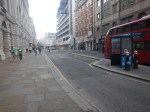

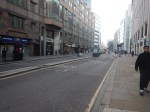

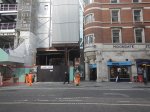

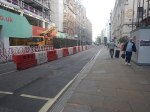
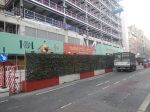
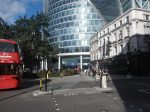
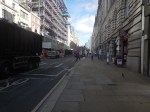


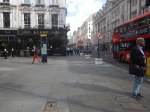




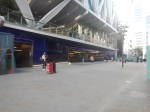






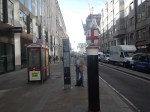

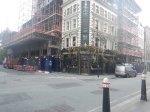

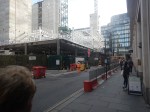

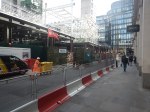
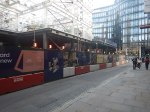

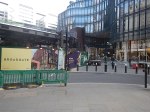













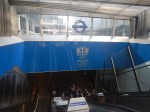
Note.
- The large development with the naked concrete towers is the Western extension to Broadgate.
- The old entrance to Moorgate Underground station and two pubs are squeezed in between the modern buildings.
- The cylindrical building behind the Globe pub, is Moor House.
- Some buildings are brand new and others are older ones, that have been refurbished and/or reskinned.
There is hardly any space left to put in a dog kennel.
Silvertown Tunnel Works – 24th September 2023
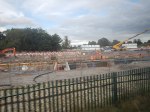
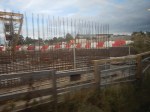
I took these pictures of the Silvertown Tunnel works on the North Bank of the Thames today.


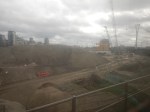
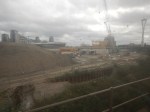

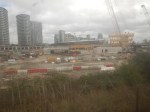
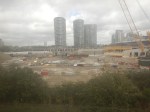




I was on a train going to Woolwich Arsenal.
What Is The Silvertown Tunnel?
The title of this section, is the same as that of this article on the Londonist, which is an excellent description of the Silvertown Tunnel.
The article says this about tolls.
The new tunnel will require you to part with some pounds if you want to use it. Despite the consultation on this taking place a decade ago, the final details have yet to be publicised. We can expect something similar to the Dartford Crossing (currently £2.50 for cars etc, free for motorbikes/mopeds).
As there is a mayoral election next year, I doubt that Sadiq Khan will announce the charge on the Silvertown and Blackwall Tunnels before the election.
Let’s Play Accountants
This is a paragraph in the Londonist Article.
Construction of the tunnel is eating up something like £1.2 billion (2020 estimate). It’ll then cost another estimated £1 billion over 25 years to pay for maintenance, financing and operation. Riverlinx paid up-front costs and will be paid back by TfL through money collected from tolls.
The running costs would appear to be a billion over 25 years, which is £ 40,000,000 in a year.
This is said on this page on the Greater London Assembly web site.
Blackwall tunnels (northbound and southbound) each carry approximately 50,000 vehicles per day in only two lanes of traffic.
That means that each tunnel handles approximately 18,250,000 vehicles per year.
Dartford Crossing charges are according to the Wikipedia entry are as follows.
- Cars, motorhomes, small minibuses – £ 2.50
- 2-axle buses, coaches, vans, goods – £ 3.00
- Multi-axle goods, coaches – £ 6.00
The Wikipedia entry also says this about the capacity and traffic through and over the Dartford Crossing.
The design capacity is 135,000 vehicles per day, but in practice the crossing carries around 160,000.
My good friend; Bob from the 1970s had an impeccable cv.
- Chief Accountant of Vickers.
- Chief Management Accountant of Lloyds Bank.
He was also one of two outstanding practical accountants I have known.
Several of his practical tips on how to handle money in computers, ended up in Artemis; the project management computer system, I wrote in the 1970.
Bob and I would solve problems in Mother Bunches Wine Bar and I suspect, we’d come to the conclusion, that an average charge of £3 per vehicle will be charged in the Blackwall and Silvertown Tunnels.
I also believe from my fluid flow experience, that a proportion of the excess traffic through and over the Dartford Crossing will divert to the new Silvertown Tunnel.
- Together the Blackwall and Silvertown Tunnels will have four lanes in both directions.
- The Silvertown Tunnel will hopefully designed to modern standards and be more free-flowing, than the Blackwall.
- Sat-navs will direct drivers to the quickest routes.
Just as water finds its own level, an equilibrium will develop between the flows.
- I suspect that during the day, the flow over the Dartford Crossing will drop to the design capacity of 135,000
- At night, will vehicles divert through the free-flowing Blackwall and Silvertown Tunnels?
- Will those living in North Central London inside the North Circular Road drive through the Blackwall and Silvertown Tunnels?
- Will the free-flowing Blackwall and Silvertown Tunnels encourage people crossing the Thames to use their car, rather than the train, as the car is more convenient and the toll will be less than the train fare?
- We should also beware that new roads, railways and tunnels generate new traffic, that no-one predicts.
My feeling is that combined traffic through the four lanes of the Blackwall and Silvertown Tunnels will be upwards of seventy thousand per day.
I can now calculate revenue for different levels of combined traffic through the Blackwall and Silvertown Tunnels.
- 40,000 vehicles in each direction per day is a total of 29,200,000 vehicles per year, which would raise £ 87.6 million per year in toll charges.
- 50,000 vehicles in each direction per day is a total of 36,500,000 vehicles per year, which would raise £ 109.5 million per year in toll charges.
- 60,000 vehicles in each direction per day is a total of 43,800,000 vehicles per year, which would raise £ 131.4 million per year in toll charges.
- 70,000 vehicles in each direction per day is a total of 51,100,000 vehicles per year, which would raise £ 153.3 million per year in toll charges.
- 80,000 vehicles in each direction per day is a total of 58.400,000 vehicles per year, which would raise £ 175.2 million per year in toll charges.
I am assuming the following.
- All days of a 365-day year have similar traffic.
- Everybody pays without fuss, by technology like number-plate recognition.
- The average toll chare paid is £ 3.
I am drawn to the conclusion, that the contract signed between Transport for London and Riverlinx, is a licence to print money.
Even, if the tunnels only attract 40-50,000 vehicles per day, the revenue is way in excess of the £40 million needed for maintenance, financing and operation of the Silvertown Tunnel.
I have a few further thoughts and questions.
Who Are Riverlinx?
This is said on the About Roverlinx page of the Riverlinx web site.
TfL awarded Riverlinx SPV (Special Purpose Vehicle) the contract for financing and overseeing the design, build and maintenance of the Silvertown Tunnel in 2019.
The Riverlinx CJV (Construction Joint Venture) is contracted by TfL and Riverlinx SPV to complete the design and construction works, delivering the Silvertown Tunnel on time and on budget.
Riverlinx CJV is a joint venture, a partnership bringing together international, market leading expertise from three civil engineering and construction companies: BAM Nuttall, Ferrovial Construction and SK ecoplant.
In collaboration with TfL, our supply chain and other key stakeholders in the project, Riverlinx CJV will complete construction of the Silvertown Tunnel in Spring 2025.
Note.
- BAM Nuttall is a construction and civil engineering company, that is a subsidiary of the Dutch Royal BAM Group.
- Ferrovial Construction is the construction subsidiary of Spanish company; Ferrovial.
- SK ecoplant is a subsidiary of the South Korean conglomorate; SK Group.
These companies should be capable of building the Silvertown Tunnel.
Where Will The Money To Build The Tunnel Come From?
In World’s Largest Wind Farm Attracts Huge Backing From Insurance Giant, using an article in The Times, I explain how Aviva invest our pensions and insurance money in wind farms.
Strangely, a tolled tunnel is a bit like a wind farm financially, in that if it’s working and the wind is blowing or the traffic is coming, it will continue to generate an income.
Built by quality construction companies, as most tunnels are, they will be the sort of investment, that would satisfy the Avivas of this world.
Will Riverlinx Get All The Tolls From The Tunnel?
Nothing is said about how the excess of income over expenditure will go.
I suspect, as the project is being designed, financed and built by Riverlinx, that they will not go unrewarded.
Will The Mayor Set The Toll Charges?
I suspect that the Mayor and TfL will set the charges.
These are some figures with different charges for 70,000 vehicles in each direction per day or a total of 51,100,000 vehicles per year.
- £3 in each direction would raise £ 153.3 million per year in toll charges.
- £4 in each direction would raise £ 204.4 million per year in toll charges.
- £5 in each direction would raise £ 255.5 million per year in toll charges.
- £6 in each direction would raise £ 306.6 million per year in toll charges.
Note.
- Some of the papers are talking of a four pound charge.
- A pound increase may not be much to the average driver, but they will certainly mount up.
Higher toll charges could be used by an unscrupulous Mayor to deter vehicles entering Central London or nudge people towards public transport.
What Happens If The Tunnel Springs A Leak?
I can remember the following tunnels being built under the Thames in my lifetime.
- Blackwall Tunnel – second bore
- Dartford Tunnel
- DLR to Greenwich and Lewisham
- DLR to Woolwich
- Elizabeth Line to Woolwich
- Jubilee Line – four crossings
- Victoria Line to Vauxhall
None of these seven seems to have sprung a leak recently. And neither have the older Victorian tunnels.
Tunnels with an income stream, appear to be a good risk, if they don’t spring a leak.
But London tunnels don’t seem to have a high likelihood of leaking.
Fines
Fines could be a problem, but this article on Kent Online, which is entitled Dartford Crossing Continues To Generate more Than One-Third Of Income From Fines As Profits Total More Than £100m, says otherwise.
Conclusion
This would appear to be a low risk venture and I suspect it will make Riverlinx and TfL a lot of money.
High Speed Two To Manchester
There has been a lot of speculation about the Northern end of High Speed Two, so I might as well add sort out a few facts and add a bit of speculation of my own.
The Current Manchester Piccadilly Services
Currently, there are three trains per hour (tph) between London Euston and Manchester Piccadilly.
The services stop as follows.
- Milton Keynes Central, Rugby, Stoke-on-Trent, Macclesfield and Stockport
- Nuneaton, Stoke-on-Trent and Stockport
- Stafford, Crewe, Wilmslow and Stockport
Note.
- One service goes via Crewe.
- Two services go via Stoke-on-Trent.
- All services go via Stockport.
- A London and Manchester Piccadilly train could go via Milton Keynes Central, Nuneaton, Rugby, Stafford, Stoke-on-Trent, Macclesfield and Stockport.
- A London and Manchester Piccadilly train could go via Crewe, Wilmslow and Stockport.
The two trains detailed would mean that Manchester wouldn’t lose any connectivity.
I would expect that Manchester Piccadilly needs at least three tph to and from London.
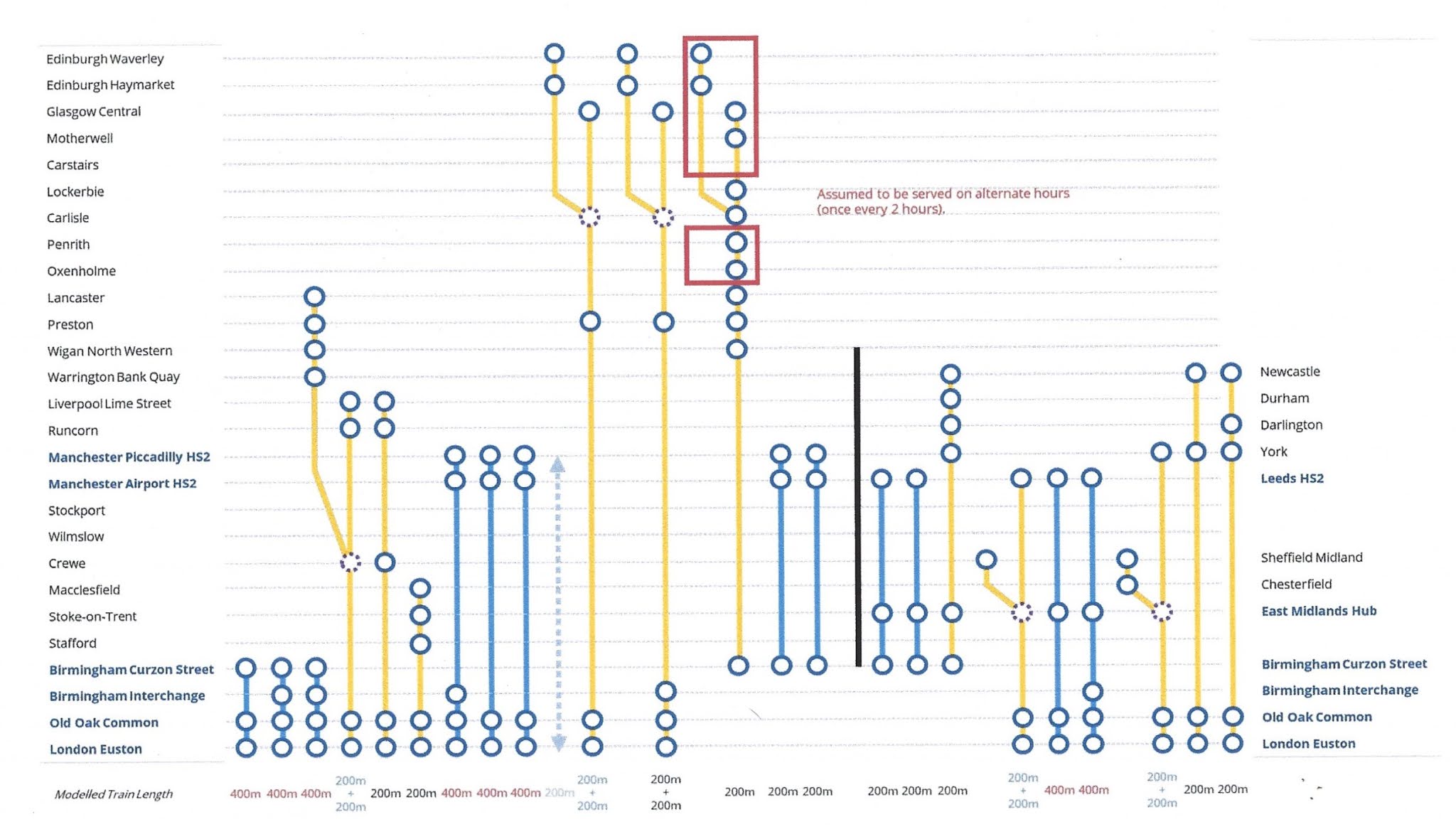
This graphic shows High Speed Two services after Phase 2b is completed.
Note.
- Services shown in blue are run by High Speed Two Full Size trains.
- Services shown in yellow are run by High Speed Two Classic-Compatible trains.
- Full Size Services will only run to Manchester Airport and Manchester Piccadilly after Phase 2b is completed to Manchester Piccadilly.
- Classic-Compatible Services will be able to run to to Manchester Piccadilly after Phase 2a is completed.
- Two London and Manchester Piccadilly trains will call at just Old Oak Common and Manchester Airport.
- A third London and Manchester Piccadilly train will call at Old Oak Common, Birmingham International and Manchester Airport.
- Two Birmingham Curzon Street and Manchester Piccadilly trains will call at just Manchester Airport.
- Despite Wilmslow and Stockport being shown in the list of stations on the left hand side of the graphic, no High Speed Two services appear to call at the two stations.
The graphic of High Speed Two services also shows these Full-Size services to Manchester Piccadilly.
- Three tph to London Euston
- Two tph to Birmingham Curzon Street
Some or all of these services will surely be run by High Speed Two Classic-Compatible trains.
What services will run to Manchester between the opening of Phase 2a and the opening of Phase 2b?
I will now give some possibilities for services.
London and Manchester Piccadilly Via Crewe, Wilmslow And Stockport
I shall look at the 07:33 train to Manchester Piccadilly on the 20th September 2023.
- It was a service via Stafford, Crewe, Wilmslow and Stockport
- It was a nine-car Class 390 train or Pendolino, which left on time.
- Euston and Manchester Piccadilly are 188.9 miles apart.
- The train called at Crewe at 09:08 and left at 09:10.
- The average speed between London Euston and Crewe is 70.7 mph.
- The train arrived in Manchester Piccadilly on time at 09:44.
- The journey took two hours and 11 minutes
- The average speed was 86.5 mph.
- The Crewe and Manchester Piccadilly section is 30.9 miles and the train is scheduled to take 34 minutes.
- The average speed between Crewe and Manchester Piccadilly is 54.5 mph.
- The example train slows past Crewe because of two stops at Wilmslow and Stockport.
When Phase 2a of High Speed Two opens a replacement for this service via Crewe, could operate as follows.
- It could use High Speed Two between and Crewe.
- It could use the current route between Crewe and Manchester Piccadilly.
- It would probably use a 200 metre long High Speed Two Classic-Compatible trains.
- I wouldn’t be surprised, that the current Pendolino service between Euston and Manchester Piccadilly via Crewe, Wilmslow and Stockport was retired.
- The new High Speed Two service could take over the path currently used by the current Pendolino service, between Crewe and Manchester Piccadilly.
- The train could stop at Crewe, Wilmslow and Stockport as required.
- If it stopped at Crewe, Wilmslow and Stockport, it would restore some of the connectivity to smaller places.
According to the Wikipedia entry for High Speed Two, these will be the timings.
- London Euston and Crewe – 56 minutes
- London Euston and Manchester Piccadilly Phase 2a – One hour and 30 minutes
- London Euston and Manchester Piccadilly Phase 2b – One hour and 11 minutes
From these figures and the times of the 07:33, I can deduce these journey times for trains via Crewe, Wilmslow and Stockport.
- Currently, Crewe and Manchester Piccadilly takes 34 minutes.
- High Speed Two after Phase 2a will also take 34 minutes.
I am surprised that sectional timings on this section of the West Coast Main Line are the same as current timings. Digital signalling and the faster acceleration and deceleration of the new trains, are quite likely to decrease times.
Because they are both 34 minutes, does that mean that services will stop at Crewe, Wilmslow and Stockport?
London and Macclesfield Via Stafford And Stoke-on-Trent
This map of High Speed Two in North West England was captured from the interactive map on the High Speed Two web site.

Note.
- The map dates from around October 2020.
- The current West Coast Main Line (WCML) and Phase 2a of High Speed Two are shown in blue.
- Phase 2b of High Speed Two is shown in orange.
- The main North-South route, which is shown in blue, is the WCML passing through Crewe, Warrington Bank Quay and Wigan North Western as it goes North.
- The Western Branch, which is shown in blue, is the Liverpool Branch of the WCML, which serves Runcorn and Liverpool.
- High Speed Two, which is shown in orange, takes a faster route between Crewe and Wigan North Western.
- The Eastern Branch, which is shown in orange, is the Manchester Branch of High Speed Two, which serves Manchester Airport and Manchester Piccadilly.
- The route in the East, which is shown in blue, is the Macclesfield Branch of High Speed Two, which serves Stafford, Stoke-on-Trent and Macclesfield.
The route of Northern Powerhouse Rail between Manchester Airport and Liverpool has still to be finalised.
The London and Macclesfield service is as follows.
- There will be one tph
- There are intermediate stops at Stafford and Stoke-on-Trent.
- Macclesfield has a long electrified bay platform, which looks like it will take a 200 m High Speed Two Classic-Compatible train.
- Macclesfield Station And High Speed Two has pictures of the station.
- Four tph operate between Stoke-on-Trent and Manchester Piccadilly via Macclesfield.
- Timings from London would be 55 minutes to Stafford, 70 minutes to Stoke-on-Trent and 90 minutes to Macclesfield.
In some ways, I was surprised about this High Speed Two service.
But it does give an easy connection to Stafford and Stoke-on-Trent.
London and Manchester Piccadilly via Macclesfield, Stafford And Stoke-on-Trent
Currently, Avanti West Coast run a service between London and Manchester which runs as follows.
- It calls at Milton Keynes Central, Rugby, Stoke-on-Trent, Macclesfield and Stockport
- It also passes through Watford Junction, Nuneaton, Tamworth and Lichfield Trent Valley.
- It could pass through Stafford.
- It would mean that Stafford and Stoke-on-Trent were served by 2 tph.
- It is run by a Pendolino.
- It has a frequency of 1 tph.
- The current service takes two hours and 6 minutes.
- A few minutes would be added for each extra stop.
I believe it could be a very useful service.
I wonder if it could be run as a complimentary service to High Speed Two to serve more places on the route.
A Second High Speed Two Service Between London and Manchester Piccadilly Via Crewe, Wilmslow And Stockport
So far, I have mapped out three possible services.
- High Speed Two – London and Manchester Piccadilly Via Crewe, Wilmslow And Stockport – One hour and thirty minutes
- High Speed Two – London and Macclesfield Via Stafford and Stoke – One hour and thirty minutes
- Pendolino – London and Manchester Piccadilly Via Milton Keynes Central, Rugby, Nuneaton, Tamworth, Lichfield Trent Valley, Stafford, Stoke-on-Trent, Macclesfield and Stockport – Two hours and 6 minutes plus 4 minutes for each extra stop.
I suspect that four tph could be a good frequency.
The simplest extra service would probably be another High Speed Two London and Manchester Piccadilly Via Crewe, Wilmslow And Stockport.
But it could be another Pendolino service to serve more places.
I believe a service pattern could be arranged with these features.
- Major cities and towns between London and Manchester have at least two tph.
- A larger number of towns and cities have at least one tph.
Note that many stations on the route already have Pendolino services.
Phase 2b Would Be The Ultimate Solution
Phase 2b which will involve a tunnel via Manchester Airport to new platforms in Manchester Piccadilly could be the ultimate solution.
Phase 2b is also needed so that full-size High Speed Two trains can be run to Manchester Piccadilly.
But it will be difficult, expensive and disruptive to build.
Conclusion
I believe it could be easy to plan four services between London and Manchester Piccadilly or Macclesfield.
- High Speed Two Full-Size train – London and Manchester Piccadilly Via Crewe, Wilmslow And Stockport – One hour and eleven minutes
- High Speed Two Classic-Compatible train – London and Macclesfield Via Stafford and Stoke – One hour and thirty minutes
- High Speed Two Full-Size train – London and Manchester Piccadilly Via Crewe, Wilmslow And Stockport – One hour and eleven minutes
- Pendolino – London and Manchester Piccadilly Via Milton Keynes Central, Rugby, Nuneaton, Tamworth, Lichfield Trent Valley, Stafford, Stoke-on-Trent, Macclesfield and Stockport – Two hours and 6 minutes plus 4 minutes for each extra stop.
Note.
Services 1 and 3 are identical, but don’t need to be.
Service 4 could be run by a High Speed Two Classic-Compatible train.
See Also
Could High Speed Two Finish At Lichfield?
High Speed Two To Wigan
There has been a lot of speculation about the Northern end of High Speed Two, so I might as well add sort out a few facts and add a bit of speculation of my own.
The Current Wigan North Western Service
I shall look at the 08:30 train to Glasgow on the 20th September 2023.
- It was an eleven-car Class 390 train or Pendolino, which left on time.
- Euston and Wigan North Western are 193.8 miles apart.
- Trains call at only Warrington Bank Quay
- The train passed Crewe at 09:59
- The train called at Warrington Bank Quay at 10:14 and left at 10:15.
- The train arrived at Wigan North Western at 10:25 on time.
- The journey took one hour and 55 minutes
- The average speed was 101.1 mph.
- The Crewe and Wigan North Western section is 35.8 miles and the train is scheduled to take 26 minutes.
- The average speed between Crewe and Wigan North Western is 82.6 mph.
The train slows past Crewe because of the stop at Warrington Bank Quay.
London Euston And Wigan North Western After Phase 2a Of High Speed Two Opens
According to the Wikipedia entry for High Speed Two, these are the timings.
- London Euston and Crewe – 56 minutes
- London Euston and Warrington Bank Quay – One hour and 20 minutes
- London Euston and Wigan North Western – One hour and 34 minutes
From these figures and the times of the 08:30, I can deduce these journey times.
- Currently, Crewe and Warrington Bank Quay takes 16 minutes and High Speed Two will take 24 minutes
- Currently, Warrington Bank Quay and Wigan North Western takes 10 minutes and High Speed Two will take 14 minutes
- Currently, Crewe and Wigan North Western takes 26 minutes and High Speed Two will take 38 minutes
I am surprised that sectional timings on this short section of the West Coast Main Line are slower than current timings. Digital signalling and the faster acceleration and deceleration of the new trains, are more likely to decrease times, than increase them.
London Euston And Preston After Phase 2a Of High Speed Two Opens
According to the Wikipedia entry for High Speed Two, these are the timings.
- London Euston and Crewe – 56 minutes
- London Euston and Warrington Bank Quay – One hour and 20 minutes
- London Euston and Wigan North Western – One hour and 34 minutes
- London Euston and Preston – One hour and 18 minutes
This graphic shows High Speed Two services.
Note that Preston gets two non-stop services to and from London and another with stops at Warrington Bank Quay and Wigan North Western, and a train split/join at Crewe.
The one hour and 18 minutes surely applies to one or both of the non-stop services.
140 Mph Running Between Crewe And Preston
Consider.
- London Euston and Crewe is 56 minutes
- One hour and 18 minutes to Preston infers a time of 22 minutes between Crewe and Preston.
- Crewe and Preston is 51 miles.
This implies an average speed of 139 mph.
As the West Coast Main Line was built for 140 mph, when digital signalling was installed, this would appear to be feasible, once the signalling is upgraded.
It may also mean, that faster times are possible in services to Warrington Bank Quay and Wigan North Western.
Consider.
- Crewe and Wigan North Western is 35.8 miles
- High Speed Two will take 38 minutes
- The average speed between Crewe and Wigan North Western will be just 56.5 mph.
But if it could run at 140 mph mph between Crewe and Wigan North Western, the base time would be just over 15 minutes.
To this time must be added two full station stops and the time it takes to split or join.
With the superior acceleration and deceleration of the High Speed Two trains and their level of automation, these operations will not take 23 minutes.
I believe that this means that minutes can be saved on services to Lancaster, Liverpool Lime Street, Warrington Bank Quay and Wigan North Western.
London Euston And Wigan North Western After Phase 2b Of High Speed Two Opens
There will be no changes as the full-size High Speed Two trains are not planned to run to the North of Crewe.
See Also
Severn Valley Railway Announces Network Rail Partnership
The title of this post, is the same as that of this article on the BBC.
This is the sub-heading.
A heritage railway is to work in partnership with Network Rail to share expertise and resources.
These are the first two paragraphs.
Severn Valley Railway, which runs trains between Kidderminster and Bridgnorth, said it would receive spare materials, trackside equipment and track components.
In exchange, Network Rail will be able to train its teams on the railway.
This sounds like the sort of sensible deal, that was negotiated in a real ale pub, by engineers from both parties.
The article also has this paragraph.
The railway said this contract was the first of its kind in Britain and could become a model for other heritage railways to adopt.
I certainly agree with that statement.
I have also written two posts about co-operation with the Mid-Norfolk Railway.
- Aerial Pictures Show New Trains Housed In Mid-Norfolk.
- Mid Norfolk Railway Completes Work On ‘First For UK’ Railway Level Crossing.
It also appears from its Wikipedia entry that the Mid-Norfolk Railway, is regularly used to load freight for transport out of Norfolk. Items moved include Army vehicles and damaged rolling stock.
Two New Stops On The West Midlands Metro
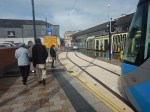
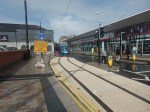
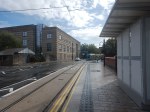
I went to Wolverhampton to see the two stop extension of the West Midlands Metro.
T took these pictures of the two stops and the frontage of Wolverhampton station.
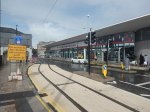

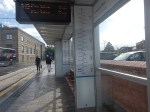
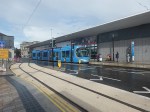
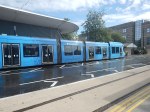

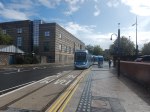


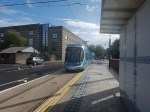
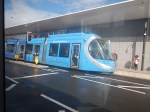




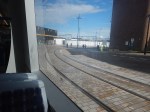

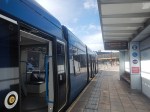




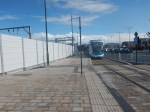
Note.
- Piper’s Row stop is by the bus station.
- Wolverhampton Station stop is by Wolverhampton station.
- Wolverhampton station has orange detailing.
- Trams lower their pantographs at Piper’s Row, when going towards the station and raise them on their return.
- Pictures 11-14 show the pantograph being lowered.
- Batteries are used between the two new stops.
- Passengers enter and leave the tram at Wolverhampton station in its siding.
I have a few thoughts.
Battery Extensions
The West Midlands Metro now has battery-powered extensions at both ends of the line.
The Birmingham extension goes through the City Centre to Edgbaston Village.
- The Wolverhampton extension goes to the station.
- The extensions don’t have any catenary.
- Batteries are charged on the long central section.
How many other tramways in the world could follow the example of the West Midlands Metro to extend their networks?
Simple Ticketing
The West Midlands Metro charges five pounds for an all-day, all-zone ticket, which is bought from the conductor.
As I did, it enables you to get on and off as many times as you need.
Site-Seeing
The windows and the seating arrangement is not good for taking pictures.
Good Connections
The West Midlands Metro has good connections to buses and trains.
Conclusion
These two extra stops make the West Midlands Metro, one of most useful tram lines I’ve ridden.
High Speed Two Crosses The West Coast Main Line To The East of Berkswell Station
This map from OpenRailwayMap shows where High Speed Two crosses the West Coast Main Line to the East of Berkswell station.
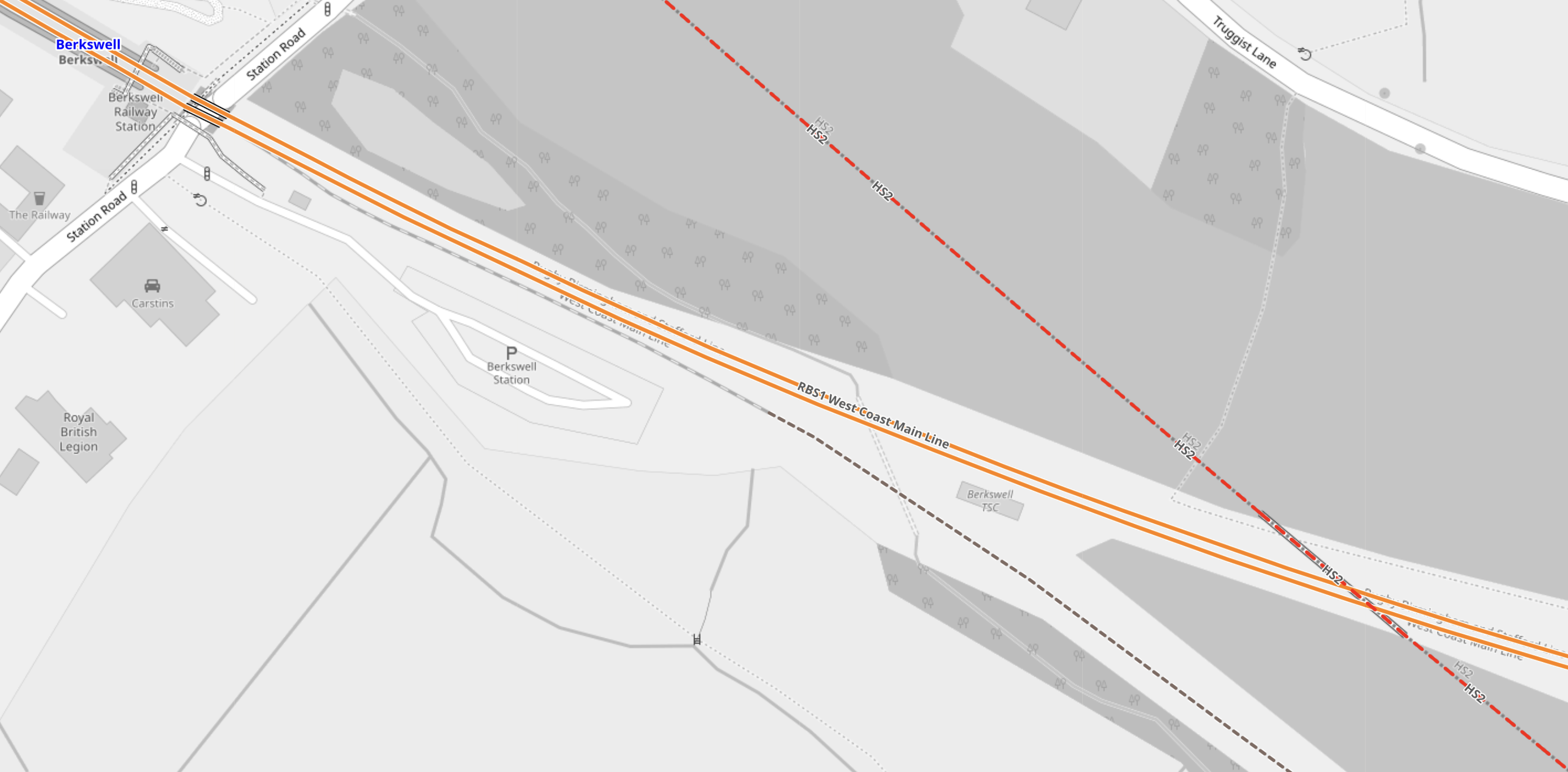
Note.
- The double orange tracks are the West Coast Main Line.
- Berkswell station is in the North-West corner of the map.
- The dotted red line is the future track of High Speed Two.
I took these pictures today, as my train returned from Birmingham New Street station.



Trains at this point going towards Tile Hill, will be a good point to observe the construction of High Speed Two. Sit in a window seat on the left hand side of the train.
High Speed Two To Liverpool
There has been a lot of speculation about the Northern end of High Speed Two, so I might as well add sort out a few facts and add a bit of speculation of my own.
The Current Liverpool Service
I shall look at the 08:43 train on the 18th September 2023.
- It was a nine-car Class 390 train or Pendolino, which left on time.
- Euston and Liverpool Lime Street are 193.7 miles apart.
- The train called at Milton Keynes Central, Crewe and Runcorn
- The train arrived at Crewe at 10:24 and left at 10:26.
- The train arrived at Runcorn at 10:43 and left at 10:44.
- The train arrived at Liverpool Lime Street at 11:04 on time.
- The journey took two hours and 21 minutes
- The average speed was 82.4 mph.
- The Crewe and Liverpool Lime Street section is 39.7 miles and the train is scheduled to take forty minutes.
- The average speed between Crewe and Liverpool Lime Street is almost exactly 60 mph.
- The slower average speed is because the train is slowing for a gradual stop in Liverpool and the only fast section is the 110 mph section between Crewe and Weaver Junction, where the Liverpool Branch leaves the West Coast Main Line.
- There is one train per hour (tph).
There are probably only limited ways that time can be saved between Crewe and Liverpool Lime Street.
- The West Coast Main Line between Crewe and Weaver Junction takes twelve minutes and has an operating speed of 110 mph, so saving a few minutes might be possible, by upgrading the speed on this line with digital signalling to allow 140 mph running.
- It might be possible to save a couple of minutes at the Runcorn stop by using the superior performance of the new Class 807 or High Speed Two trains.
- The slowing down into and accelerating out of Liverpool might be improved by digital signalling and trains with better performance.
It should be noted that Liverpool Lime Street station was recently remodelled to improve operation of the station and the tracks connecting it to Runcorn.
I would be fairly sure that Network Rail and Avanti West Coast have got Crewe and Liverpool Lime Street times to a minimum. As this route will become part of High Speed Two, I suspect that Network Rail/Avanti have done extensive computer simulations of the route, to make sure they get it as quick and efficient as possible.
The New Class 807 Trains
The Class 807 trains, which enter service this year or early next, are the Lotuses in Hitachi’s AT 300 family of high speed trains.
- They are electric only and have no heavy diesel engines or traction batteries.
- They don’t even have emergency batteries for when the catenary fails.
- They have a redesigned nose. Is it more aerodynamic?
- As with all the other Hitachi high speed trains, they are capable of 125 mph, or 140 mph if the signalling permits.
These trains will undoubtedly have faster acceleration and deceleration and could probably knock minutes off the timings at all the stops.
A Second Hourly Train To Liverpool
Tucked away beside the Grand Union Sets Out Stirling Ambitions article in the December 2022 Edition of Modern Railways is a report on Avanti West Coast’s application for a second service between Euston and Liverpool.
This is said.
Avanti West Coast has applied for access rights for its second hourly Euston to Liverpool service, starting from December 2023, although a phased introduction of the new service is likely. This would make use of Avanti’s new fleet of 10×7-car Class 807 Hitachi EMUs, which are expected to enter service from Autumn 2023. The ‘807s’ would be deployed on the current hourly Liverpool service, on which a call at Liverpool South Parkway would be added. (provision is made for this in the December 2022 timetable.).
Pendolinos would then operate the second service each hour, calling at Lichfield Trent Valley and Tamworth.
A linespeed project is in progress to raise the permissible speed for non-tilting trains on the West Coast Main Line, and Avanti’s new Hitachi trains will take advantage of this.
Note.
- The current Liverpool service stops at Milton Keynes Central, Crewe and Runcorn.
- Liverpool South Parkway station is too short for the longest Pendolinos or Class 390/1 trains.
- When the second service is implemented will it stop at Milton Keynes Central, Crewe, Runcorn and Liverpool South Parkway?
- Will the Pendolinos only stop at Lichfield Trent Valley and Tamworth?
Will Avanti West Coast use the trains to take advantage of their strengths?
- The new lighter Class 807 trains will use their superior acceleration and deceleration to execute fast stops at more stations.
- The shorter Class 807 trains will call at Liverpool South Parkway.
- The current Pendolinos will use their tilt to run as fast as possible between London Euston and Liverpool.
I also suspect that Avanti West Coast will adjust the stopping pattern to attract passengers. I read somewhere, that a stop at Nuneaton to connect to Leicester, Peterborough, Cambridge and Stansted Airport, was a possibility.
More Details Of A Second Hourly Train To Liverpool – 30th September 2023.
Real Time Trains is now showing the details of the second service between London Euston and Liverpool.
These are the future timings of the 09:13 train from Liverpool.
- Liverpool – Leave at 09:13
- Runcorn – Arrive at 09:28 and leave at 09:29½
- Crewe – Arrive at 09:49 and leave at 09:56
- Stafford – Arrive at 10:14½ and leave at 10:16½
- Lichfield Trent Valley – Arrive at 10:29½ and leave at 10:31½
- Tamworth – Arrive at 10:36½ and leave at 10:38½
- Nuneaton – Arrive at 10:49 and leave at 10:51
- Milton Keynes Central – Arrive at 11:21 and leave at 11:23
- Euston – Arrive at 11.59
Note.
- This service has not been activated yet.
- It is pathed for a Class 80x train.
- There are seven stops.
- It will take two hours and 46 minutes.
- Liverpool and Crewe will take 36 minutes.
- There are two other inactivated services like this running through Birmingham and Northampton.
Could these services have been timetabled to test connectivity?
High Speed Two Classic Compatible Trains
These High Speed Two Classic Compatible trains are to be built for High Speed Two.
- They will be able to run on both High Speed Two and current high speed lines like the East Coast Main Line and the West Coast Main Line.
- They will have an operating speed of 205 mph on High Speed Two.
- They will be able to operate at appropriate speeds on existing high speed lines. Typically, that is 125 mph, but with full digital signalling that is 140 mph.
- They are two hundred metres long and are sixty metres shorter than an eleven-car Pendolino.
- They are being built by a Hitachi-Alstom joint venture.
This document on the Government web site is the Train Technical Specification for High Speed Two Classic-Compatible Trains.
Introducing The High Speed Two Classic Compatible Trains Into Service
Consider.
- London Euston and Liverpool Lime Street services can be run by eleven-car Pendolinos.
- It looks like after the introduction of the second service between London Euston and Liverpool Lime Street is introduced, it will be run by Pendolinos and it could be a two-stop service.
- The High Speed Two Classic Compatible trains should be able to run any service currently run by an eleven-car Pendolino.
So will Avanti West Coast use this second hourly London Euston and Liverpool Lime Street service to introduce the new High Speed Two Classic Compatible trains into public service?
- It would make sure the trains and existing track and signals were fully debugged.
- It would inform the public that High Speed Two is on its way.
- It would be good marketing for High Speed Two.
- They might shave a few minutes off journey times.
- It could use all the existing infrastructure.
- It will provide work for Alstom in Derby.
I feel Avanti West Coast just might!
London Euston And Liverpool Lime Street Before Phase 2a Of High Speed Two Opens
According to the Wikipedia entry for High Speed Two, these are the fastest timings.
- London Euston and Crewe – One hour and 30 minutes
- London Euston and Runcorn – One hour and 53 minutes
- London Euston and Liverpool Lime Street – Two hours and 3 minutes
Currently, the fastest London and Liverpool Lime Street trains take two hours and 21 minutes, so are the Class 807 trains going to be eighteen minutes faster?
From these figures and the times of the 0843, I can deduce these journey times.
- Currently, Crewe and Runcorn takes 17 minutes and the Class 807 train will take 23 minutes
- Currently, Runcorn and Liverpool Lime Street takes 20 minutes and the Class 807 train will take 10 minutes
- Currently, Crewe and Liverpool Lime Street takes 38 minutes and the Class 807 train will take 33 minutes
It looks like there may be slight problems with Wikipedia’s figures. But they were published before Avanti West Coast had run a Class 807 train between Crewe and Liverpool Lime Street. I think we’ll have to wait and see what turns up on Saturday, the 9th of December 2023, when the timetables change.
But I do feel now that the Class 807 trains will achieve London Euston and Liverpool Lime Street in two hours and three minutes.
London Euston And Liverpool Lime Street After Phase 2a Of High Speed Two Opens
According to the Wikipedia entry for High Speed Two, these are the timings.
- London Euston and Crewe – 56 minutes
- London Euston and Runcorn – One hour and 14 minutes
- London Euston and Liverpool Lime Street – One hour and 32 minutes
From these figures and the times of the 0843, I can deduce these journey times.
- Currently, Crewe and Runcorn takes 17 minutes and High Speed Two will take 18 minutes
- Currently, Runcorn and Liverpool Lime Street takes 20 minutes and High Speed Two will take 18 minutes
- Currently, Crewe and Liverpool Lime Street takes 38 minutes and High Speed Two will take 36 minutes
There doesn’t seem to be much of a saving between today’s Pendolino and High Speed Two between Crewe and Liverpool Lime Street.
Could it be that the work to improve Liverpool Lime Street station and its approaches a few years ago sorted out a lot of problems and Crewe and Liverpool Lime Street is now almost to the standard needed for High Speed Two?
If savings are made anywhere by High Speed Two, it could be between Runcorn and Liverpool Lime Street.
Looking at the operating speeds on OpenRailwayMap, there appears to be a 30 mph section of track for a couple of miles out of Liverpool Lime Street, which includes a sharp curve.
This Google Map shows the approaches to Lime Street station.
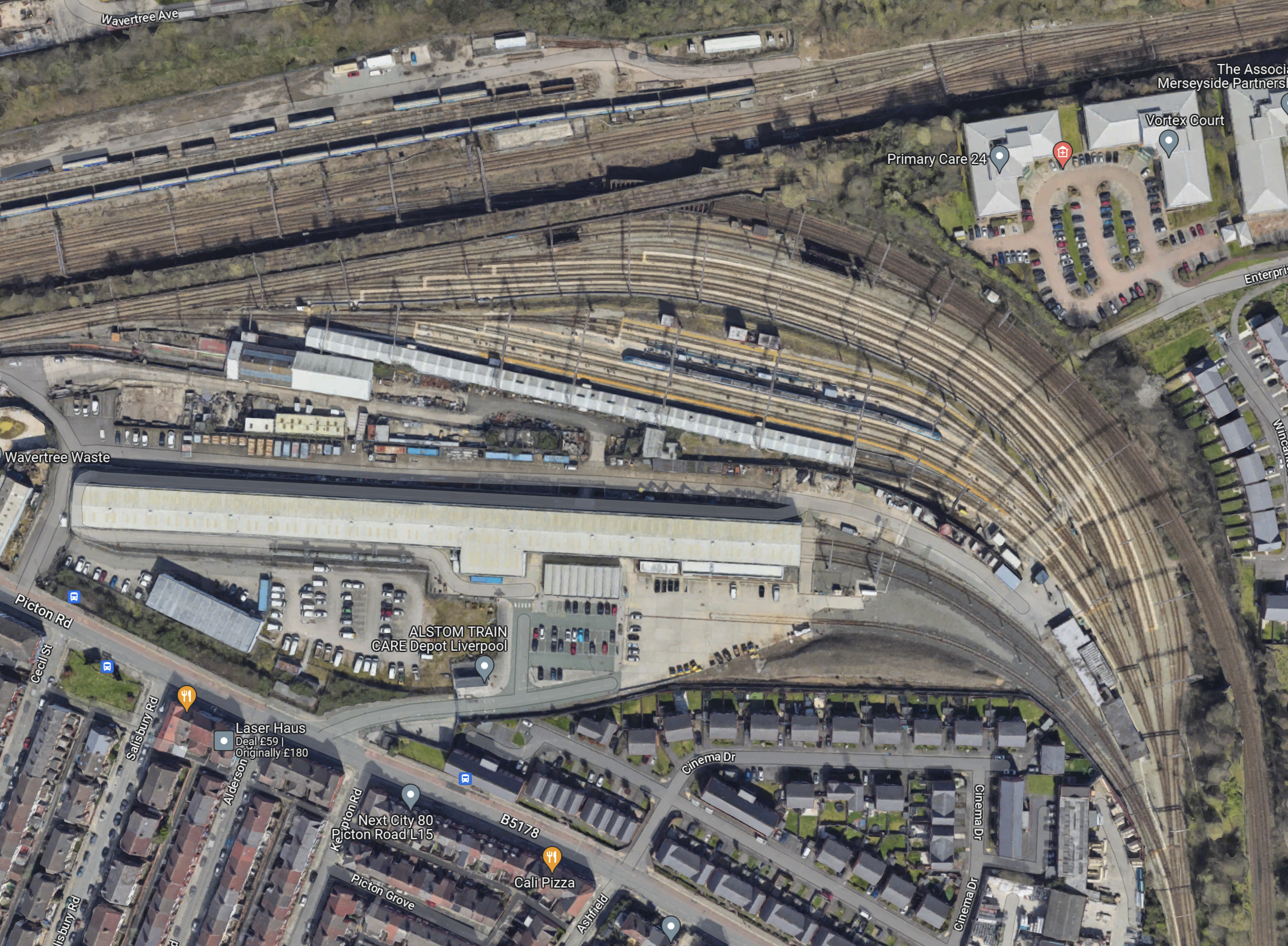
Note.
- The tracks across the top of the map are the main electrified Liverpool and Manchester tracks.
- The building in the middle is Alstom Traincare’s Liverpool Depot.
- The line to Runcorn enters the map in the South-East corner and curves around the depot to join the tracks into Lime Street station.
- The operating speed gradually reduces from 30 mph on this map to less than 15 mph in Lime Street station.
Perhaps, this 30 mph section is to be improved to gain the couple of minutes.
I also think, that savings could be possible at Runcorn station.
If when the second service starts, the Pendolinos don’t stop at Runcorn, that would save a few minutes.
The Class 807 and the High Speed Two Classic Compatible trains with their superior acceleration and deceleration could save a couple of minutes in the stop at Runcorn.
I very much feel that as the Pendolinos manage to achieve Crewe and Liverpool Lime Street in 38 minutes, that Pendolinos on the second service, Class 807 and the High Speed Two Classic Compatible trains, will all manage 36 minutes or less on the route.
London Euston And Liverpool Lime Street After Phase 2b Of High Speed Two Opens
There will be no changes as the full-size High Speed Two trains are not planned to run into Liverpool Lime Street.
Conclusion
It looks to me, that the Crewe and Liverpool Lime Street leg of High Speed Two is more or less complete.
Times between London and Liverpool will be as follows.
- Before High Speed Two Phase 2a – 2 hours and 3 minutes
- After High Speed Two Phase 2a – 1 hour and 32 minutes
- After High Speed Two Phase 2b – 1 hour and 32 minutes
I believe that for many this will be fast enough, especially as it’s nearly complete.
See Also
Could High Speed Two Finish At Lichfield?
 The Anonymous Widower