NHS Chief Wants Homeopathy To Lose Official Stamp Of Approval
This is the title of an article in today’s copy of the Times.
About time too!
If people want to use quackery, they should pay for it themselves! And not expect taxpayers to pick up the pieces!
Still Going For A Quart In A Pint Pot
The title of this post is the same as that of an artticle in the November 2019 Edition of Modern Railways.
The article describes the problems of running trains through the Castlefield Corridor through Manchester Piccadilly, Manchester Oxford Road and Deansgate stations.
It is a comprehensive article, that gets to the heart of the problem of the route.
It comes to the conclusion, that there is a need for either more infrastructure or less trains, than the current fifteen trains per hour (tph).
Under more infrastructure, the author lists these projects.
- Grade separated junctions at Castlefield and other junctions.
- A centre turnback at Manchester Oxford Road station.
- A West-facing bay platform at Manchester Victoria
- Four through platforms at Manchester Oxford Road and Manchester Piccadilly.
- Improvement at Manchester Airport station.
These points should be noted.
- Options One and Four will be expensive and will probably cause massive disruption during construction for both rail and road traffic.
- The author suspects Option Four would cost almost a billion pounds and would need the grade-separated junctions to get best value.
I shall deal with options Two, Three and Five later.
Trains Through The Castlefield Corridor
Current passenger trains through the Castlefield Corridor are as follows.
- East Midlands Railway – One tph – Liverpool Lime Street and Norwich
- Northern – One tph – Hazel Grove and Blackpool
- Northern – One tph – Liverpool Lime Street and Crewe
- Northern – Two tph – Liverpool Lime Street and Manchester Oxford Road
- Northern – One tph – Manchester Airport and Blackpool
- Northern – One tph – Manchester Airport and Cumbria
- Northern – One tph – Manchester Airport and Liverpool Lime Street
- Northern – One tph – Wigan North Western and Alderly Edge
- Trains for Wales – One tph – Manchester Airport and Llandudno
- TransPennine Express – One tph – Manchester Airport and Middlesbrough
- TransPennine Express – One tph – Manchester Airport and Newcastle
- TransPennine Express – One tph – Manchester Airport and Glasgow Central or Edinburgh
This gives the following totals.
- Eleven tph – Deansgate and Manchester Piccadilly
- Two tph – Deansgate and Manchester Oxford Road
Add in a couple of freight trains and that gives 15 tph, which according to the author is the design limit.
These are frequencies from Manchester Airport.
- There are seven tph between Manchester Airport and Oxford Road via Piccadilly.
- There are three tph between Manchester Airport and Preston via Piccadilly and Oxford Road.
- There are two tph between Manchester Airport and Leeds via Piccadilly, Oxford Road and Victoria.
The author of the article also points out that Bradford is pushing for a direct service to Manchester Airport.
Frequency is important, but so is train length.
- Transpennine Express services will generally be five cars in the future.
- East Midlands Railway, Northern and Trains for Wales services will be between two and four cars.
Nothing too taxing to handle here, although Northern might decide to double trains of eight cars at times.
Comparison Of The Castlefield Corridor And The East London Line
Consider these facts about the Castlefield Corridor
- Four Southern routings; Crewe, Hazel Grove, Stockport and Manchester Airport.
- Five Northern routings; Bolton, Liverpool, Manchester Victoria, Trafford Park and Wigan North Western
- Fifteen tph of which thirteen tph are passenger trains.
- Three stations designed by Topsy, two of which are step-free.
- Not step-free between train and platform.
- Three interchange stations.
- Conventional signalling.
- Fully electrified with 25 KVAC overhead.
- Four train companies, with at least four types of passenger train.
- Bad timekeeping.
- Low customer satisfaction.
For comparison, consider these facts about the East London Line between Shoreditch High Street and Surrey Quays stations.
- Four Southern routings; Clapham Junction, Crystal Palace, New Cross and West Croydon.
- Two Northern routings; Dalston Junction and Highbury & Islington
- Sixteen tph of which all are passenger trains. Soon to be raised to twenty tph.
- Seven stations designed by various architects, two of which are step-free, with Whitechapel to soon make this three step-free.
- Some stations are step-free between train and platform.
- Two interchange stations.
- More bespoke signalling.
- Fully electrified with 750 VDC third rail.
- One train company and one type of passenger train.
- Good timekeeping.
- High customer satisfaction.
The route complexity and frequencies are fairly similar, so what are the big differences?
- Is the East London Line’s signalling better?
- The East london Line doesn’t have freight trains.
- Does one type of train with wide doors and walk-through interiors, work wonders?
- Does London’s step-free between train and platform make a difference?
I think the following actions should be looked at for the Castlefield Corridor.
- Modern digital signalling.
- All Northern services to be run using Class 195 or Class 331 trains, which look the same to passengers, despite one being electric and the other diesel.
- TransPennine Express will be running three different type of train all with single doors, through the Castlefield Corridor. Ways of reducing the number of types must be found.
What idiot decided to buy three incompatible fleets? Surely, an order for a larger number of Hitachi trains would have been better?
My Behaviour In Manchester
I know Manchester’s trams and trains, but I haven’t a clue about the City’s buses, which seem to be reserved for the locals.
I regularly find myself using stations in the Castlefield Corridor and I have developed certain rules.
- Never use Oxford Road, unless you’re lost and end up there by chance. It must be the worst designed modern station in Europe.
- Never use the route unless you’ve already bought the ticket some time before.
- Use Deansgate if possible, as it has a good connection to Manchester Metrolink.
- Give yourself plenty of time to catch a train from platforms 13 and 14 at Piccadilly.
- Make sure you know what platform your train is using at Piccadilly.
I also tend to avoid catching any train from platform 13 or 14 at Piccadilly.
Passenger Problems On Platforms 13 and 14 At Manchester Piccadilly
One of the reasons, I avoid these platforms, is that they are always crowded and at weekends, there seems to be a lot of occasional travellers, often with heavy cases and babies in buggies.
I remember having a chat with a station guy there in a quiet time and it turned out that he’d also worked on platforms on the London Underground.
One point he made was that Londoners get back from the platform edge, when told, but Mancunians are slower to act.
He said trains were often delayed because of passengers struggling to get on.
Could Other Actions Be Taken To Ease The Overcrowding?
These are various ideas suggested in the article or some of my own.
Run Less Trains Through The Castlefield Corridor
This would ease the problem, but it would make it more difficult for passengers to travel where they wanted and needed.
Build A Centre Turnback At Manchester Oxford Road
Consider
- It would mean that trains turning back at Oxford Road, wouldn’t have to cross tracks, entering or leaving the turnback.
- It could probably turn up to four tph.
- It might also help in service recovery.
The author obviously likes this idea and I suspect it is possible, because he mentions it more than once.
Completely Rebuild Manchester Oxford Road Station
Manchester Oxford Road is certainly not fit for purpose.
This is an extract from the Wikipedia entry.
The station, a Grade II listed structure, requires frequent maintenance. In 2004, the station roof was partially refurbished to prevent leaking. In 2011, the platform shelters, seats and toilets were refurbished at a cost of £500,000.[36] In 2013, the station received a £1.8 million renovation to improve access, including lifts and an emergency exit.
In my view, the station needs the following.
- Step-free access.
- Longer platforms.
- Higher capacity platforms.
- Much better signage and maps.
- The turnback described earlier.
No wonder I avoid it like the plague.
A completely rebuilt station with excellent step-free access might encourage more passengers to use the station, rather than the overcrowded Piccadilly.
Improve Deansgate Station
Deansgate station is not bad, but it could be improved to encourage more passengers.
Over the next few years, as the Metroilink expands, It could become a better interchange.
Step-Free Access Between Train And Platform Must Be Achieved
This picture shows access to a new Class 195 train at Manchester Airport.
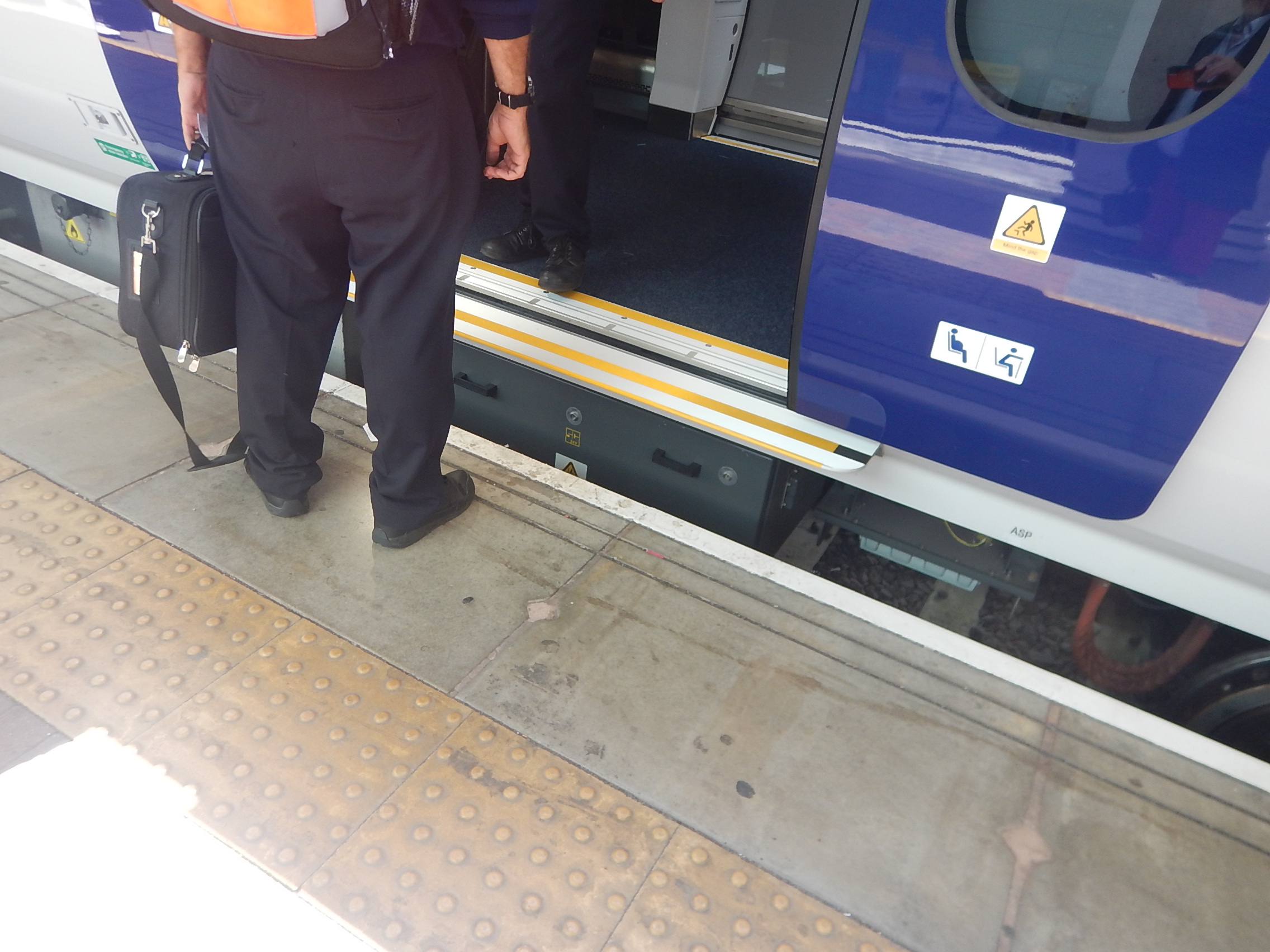
With new trains, there is no excuse for not having level access, where someone in a wheelchair can just wheel themselves across.
Level access should reduce loading delays, as it eases loading of buggies, wheelchairs and wheeled cases.
If Merseyrail, Greater Anglia and some parts of the London Overground can arrange it, then surely Manchester can?
Nova Problem
The author also talks about possible problems with TransPennine’s new Nova trains, which have single end doors, which could prove inadequate in busy times.
Build A West-Facing Bay Platform At Manchester Victoria Station
The author suggests this could be used to run a frequent shuttle service between Manchester Victoria and Manchester Airport via Deansgate, Oxford Road and Piccadilly.
It might mean that TransPennine services stopped short in Manchester and passengers would change for the Airport.
But it would solve the problems of the capacity in the Castlefield Corridor and platform availability at Manchester Airport
Could Passengers Be Nudged Towards The Metrolink?
I have watched the sheer number of passengers delay trains at Manchester Piccadilly, several times.
Would it ease delays if passengers used the Metrolink to Manchester Airport?
Perhaps, the journey by Metrolink could be made more affordable?
Conclusion
It’s a mess and as the author says in his title, quarts don’t fit into pint pots.
At least though, if High Speed Two is built to link up with Northern Powerhouse Rail and together they run London, Birmingham or Liverpool to Hull via Manchester Airport, Manchester City Centre, Huddersfield, Bradford and Leeds, this would solve the problem of the Castlefield Corridor by bypassing it for long-distance trains.
Support Railway Children Charity Through London Overground Ticket Machines
The title of this post is the same as that of this article on Rail Advent.
This is the first paragraph.
Transport for London has announced that passengers using ticket machines at London Overground stations can now make an optional donation to the Railway Children charity.
I think it is a good idea. It will be interesting to see how much it raises.
On another related point, I rarely use cash any more and use contactless cards when I can.
Will add-on contactless giving make up for the shortage of cash donations?
TfL Moots Bakerloo Line To Hayes
The title of this post is the same as that of an article in the November 2019 Edition of Modern Railways.
There are various points in the article.
A More Direct Tunnel Between Lambeth North and Elephant & Castle Stations.
This map from carto.metro.free.fr shows the current routes between these two stations.
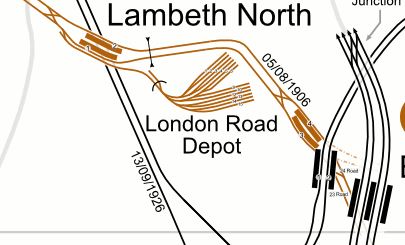
It appears that Transport for London (TfL) are proposing the following.
- A more direct route, between the two stations.
- A rebuilt Elephant & Castle station, handling both Underground lines.
- Step-free access between Bakerloo and Northern Lines.
- The station would be integrated with the new shopping centre.
Part of the plan appears to be to keep the current Bakerloo Line station open during construction.
Could the plan mean that the London Road depot will be closed?
This Google Map shows the London Road Depot and Lambeth North and Elephant & Castle stations.
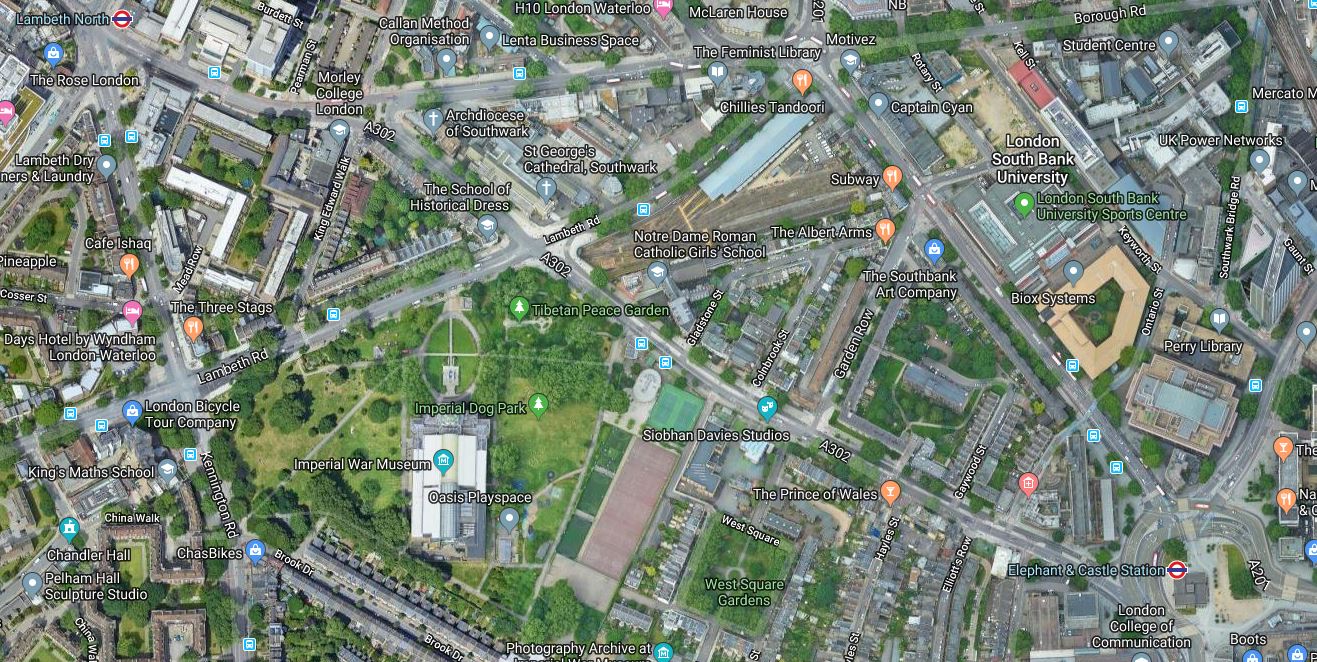
Note.
- Lsmbeth North station is in the North West corner.
- Elephant & Castle station is in the South East corner.
- The London Road Depot is North of a point about half-way between the stations.
This second Google Map shows a close-up of the London Road Depot.
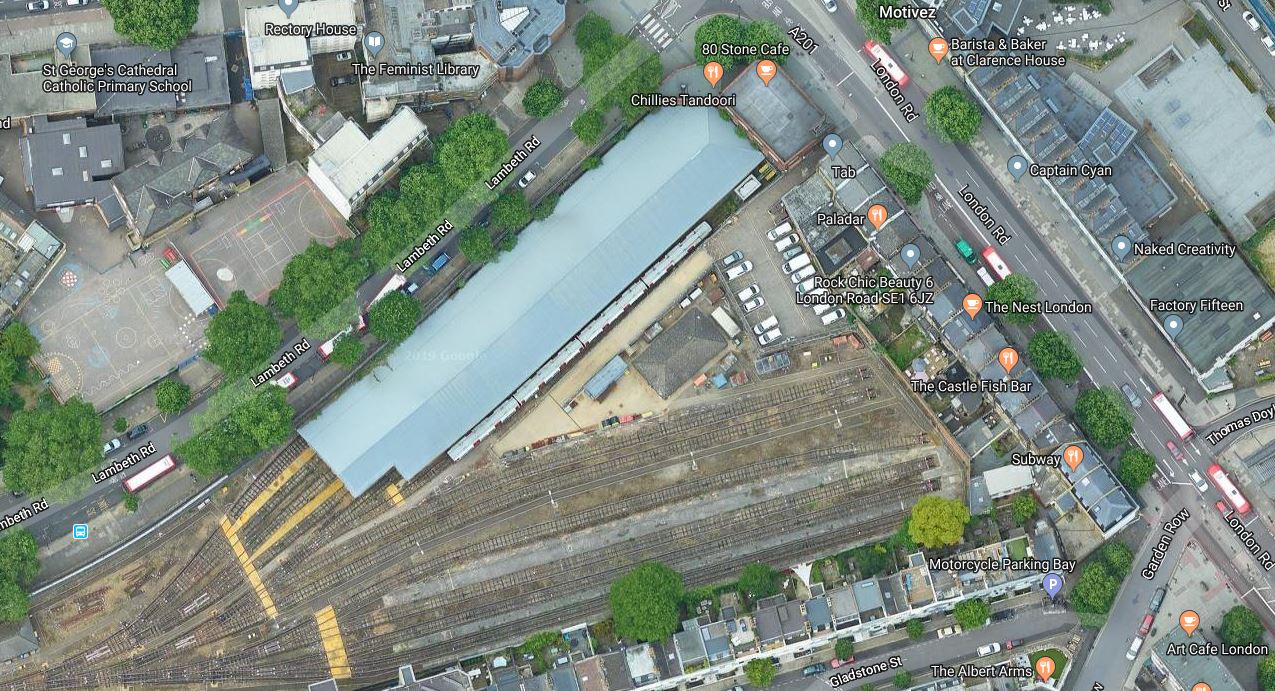
It appears to be quite a large site about a hundred metres along a long side.
Consider.
- It must be a development valuable site.
- It could be used as the site from which to dig the tunnels.
- The current Bakerloo Line skirts the site to the North.
So could the London Road Depot be closed and developed as the first part of the scheme, leaving a nice and handy tunnel in the basement?
- There already is a connection from the depot to Lambeth Noth station.
- It might even be possible to excavate much of the new tunnel by digging down, rather than by using a tunnel boring machine.
- Note that recently, the new Southbound tunnel of the Northern Line at Bank station has been dug using traditional methods.
- Moor House at Moorgate contains a ventilation and access shaft for Crossrail and was built some years rest of Crossrail.
Could this mean that the London Road Depot gets developed early in the project and London gets a lot of much-needed housing in a prime location?
But where do they stable the trains?
A Changed Tunnel Alignment Between Elephant & Castle and Lewisham Stations
The article also says this.
It (TfL) has also updated plans for the alignment of tunnels between Elephant & Castle and Lewisham, with the new direct tunnel alignment removing the need for one of the proposed tunnel shafts. A shaft would be builtbetween New Cross Gate and Lewisham, while plans for a shaft beyond Lewisham at the Wearside Road council depot site have been developed into proposals for train stabling.
This map from carto.metro.free.fr show the railway lines around Lewisham station.
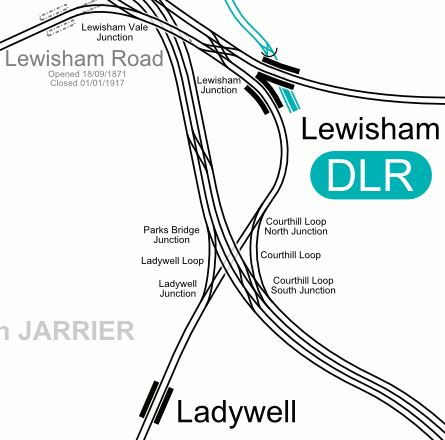
Note.
- Current plans are for the Bakerloo Line to terminate under the current Lewisham station.
- There will be overrun tunnels under the Hayes Line, which runs through Ladywell station.
- These tunnels could at a future date be joined to the Hayes Line.
The Wearside Road depot is tucked into the South side of the junction, as this Google Map shows.
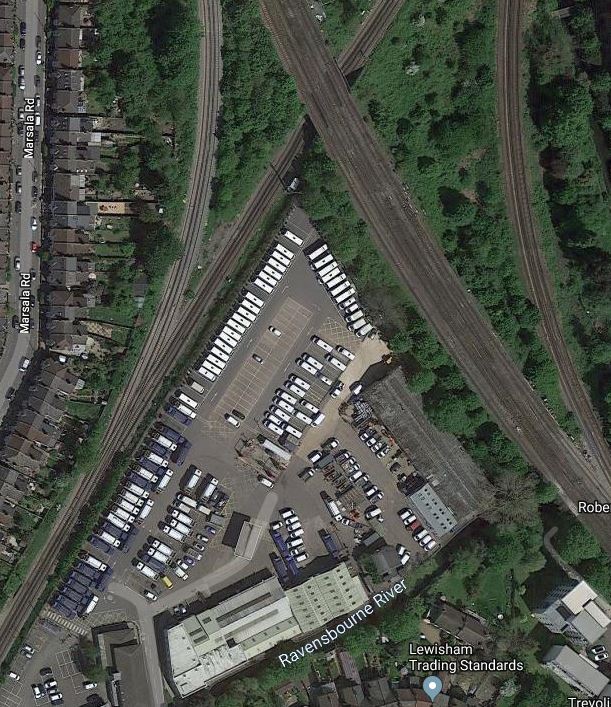
It looks to me, that TfL could be selling the site at London Road for development and using the Wearside Road depot, to replace the lost stabling.
It surely has advantages.
- It is further South.
- It could be easily connected to the overrun tunnel;s under the Hayes Line.
- It could be connected to the Hayes Line.
Could it be possible to build the new rail depot and put the council’s trucks on a second floor?
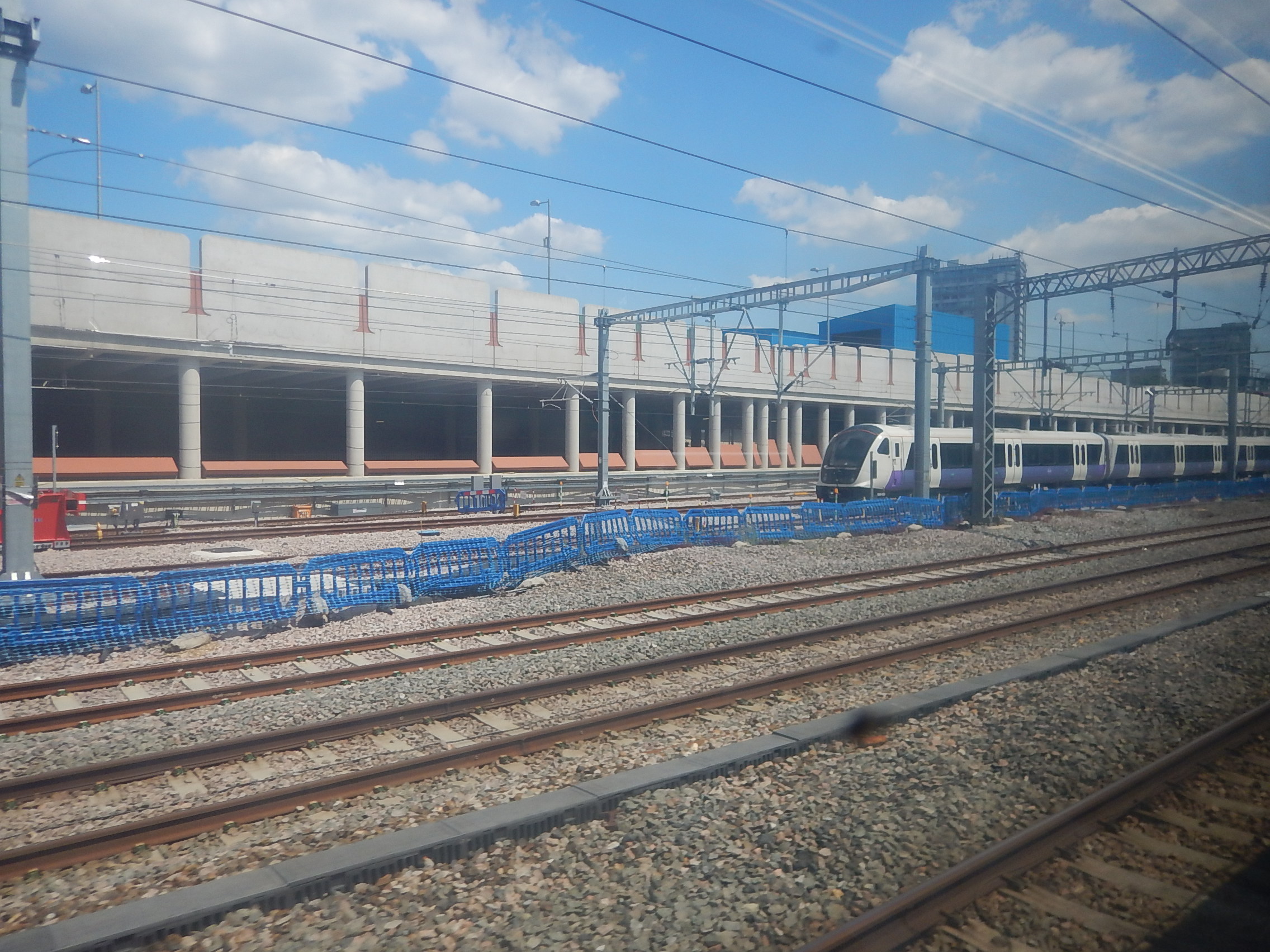
The picture shows Westbourne Park bus garage over stabling for Crossrail trains.
Hayes Line Takeover
TfL are now saying that extension to Hayes and Beckenham Junction stations offers the greatest benefit
Consider the following.
Development Of The Wearside Road Depot
Suppose the Wearside Road Depot were to be developed early.
- It could be developed as a double-deck depot, with trains underneath and the Council depot on top.
- Lewsisham is developing lots of tower blocks, so these would be an alternative topping.
- The rail depot could be built initially as a shell connected to the Hayes Line, with space for connections to the overrun tunnels at Lewisham station.
- It could be used as a transfer point for tunnelling spoil, if some digging towards Lewisham, were to be done from the site. Trains could access the site from Beckenham Junction.
It appears to me, that closing the London Road Depot is important in terms of financing, minimising disruption to passengers and construction, but the only way it can be done, is by providing an alternative depot. And the best way to do that is to connect the line in the first phase to the Hayes Line and use Wearside Road as a replacement depot.
Service Frequency
The current service frequency on the line is according to Wikipedia as follows.
The standard off-peak service is two trains per hour (tph) each way between London Charing Cross and Hayes, non-stop between London Bridge and Ladywell, and two tph between London Cannon Street and Hayes, calling at all stations via Lewisham.
So that is four trains per hour (tph), but only two tph call at Lewisham.
Currently, the Bakerloo Line frequency at Elephant & Castle station is 20-21 tph. As it appears there is no terminal platforms on the extension except for Hayes and Beckenham Junction stations, I would assume that their three platforms will be able to handle the full service.
The single platform at Beckenham Junction can probably handle six tph, which would leave the rest to be handled in the two platforms at Hayes station.
As the Victoria Line handles thirty-six tph with modern signally, I see no reason, why the Bakerloo Line wouldn’t be able to handle 30 tph with ultra-modern signalling.
Development Of An Interchange At Catford
In An Opportunity At Catford, I talked about the possibilities of developing an improved interchange between Catford and Catford Bridge stations, which are no more than a hundred metres apart. |Although, it is rather up and down.
The map from carto.metre.free.fr shows the layout of lines at the two stations.
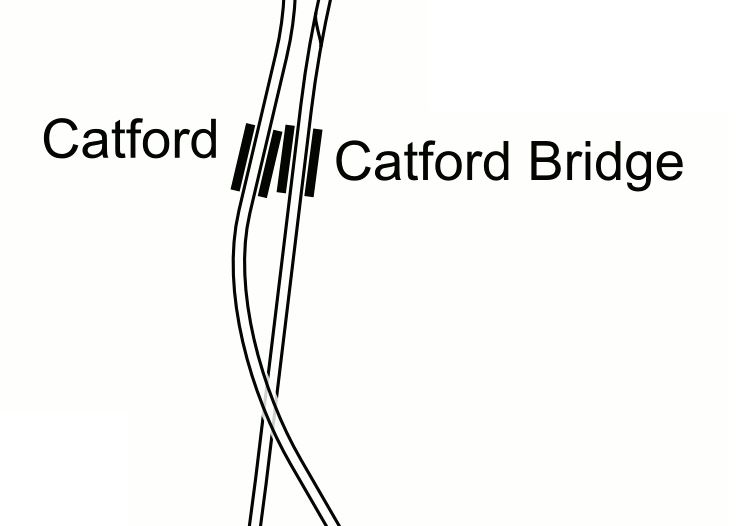
Note that Catford Bridge station is on the Hayes Line and Catford station is on the Catford Loop Line.
It strikes me that there is scope for some advanced thinking, if an interchange is to be created between the two stations.
Could it be arranged that as part of the conversion of the Hayes Line to the Bakerloo Line, that the tracks be reorganised with the Bakerloo Lines on the outside of a single four-platform station, that would enable cross-platform interchange between the two lines?
Unfortunately, No! But it could have been safeguarded some years ago, but now there’s new housing in the way!
However, I do think there are other ways of making this interchange step-free and reasonably quick.
The Hayes And City Problem
Wikipedia says this about the takeover of the Hayes Line by the Bakerloo Line.
The driving force for this change is that Network Rail would like the train paths freed up for services mainly from the South Eastern Main Line. Transport for London prefer this route due to its being largely self-contained after Lewisham.
Currently, Off Peak services from Hayes station are as follows.
- Two trains per hour (tph) to Cannon Street
- Two tph to Charring Cross
These two services mean that there are also.
- Two tph to Lewisham
- Four tph to London Bridge
- Two tph to Waterloo East.;
There are also extra services in the Peak.
Will there be a problem for commuters to get between the Hayes Line and the City of London and Canary Wharf?
There will also be no First Class on the trains.
In practice Canary Wharf could be the easier, as it will just mean using the Docklands Light Railway from Lewisham.
This could also be quickest way to the City!
I think we we shall be hearing from some restless natives!
The Use Of
Blood Pressure Pills ‘Work Better At Bedtime’
The title of this post, is the same as that of this article on the BBC.
This is the first paragraph.
To get the best out of your daily blood pressure medication, take it just before you go to bed, say researchers.
The study was at the University of Vigo in Spain and could be very significant.
As I am on pills for high blood pressure, after discussing it with a friend, who is a senior cardiologist, I decided to give it a go.
I started on Wednesday night, so it is only a few days and it would be wrong to draw any serious conclusions.
But I can already draw one simple one. It is much easier to take the drugs at night, just because you’ve always got a drink handy. Even, if it’s just cold tea in the bottom of a mug or the last dregs of beer in the bottom of a glass.
In the morning, I now get out of bed, brush my teeth, scratch my beard, do a few simple warm up exercises, take my blood pressure and put the kettle on.
Life is simpler!
I also seem to be sleeping better!
It’s too early to come to any conclusions, but everybody on pills for high blood pressure, should read the BBC article and talk to their doctor.
End Of The World! All Blacks Stunned By Incredible English
The title of this post, is a caption to a picture on the NZ Herald web site.

I watched and enoyed every minute of the match!
Did Someone Try To Steal The Electrification?
I arrived at Ipswich station to come back to London at 09:30 this morning and finally arrived home at 15:00. The journey had taken at least four times longer than it should.
This article on Railnews, which has a subtitle of Overhead Line Damage Disrupts Great Eastern, explains the problem.
The wires between Colchester and Marks Tey stations were damaged at around four in the morning and trains didn’t run again until about 1700.
This is a paragraph that adds more details.
overhead line damage was discovered between Colchester and Marks Tey. Network Rail workers reported shortly before 04.45 that overhead line equipment was tripping, and a train driver reported ‘visible damage’ to the power lines.
I eventually came home by this route.
- I took a train to Class 153 train to Cambridge.
- Another electric train took me to to Tottenham Hale,.
- It was then two buses home.
It was a completely wasted day.
What puzzles me is that the damage to the wires appears to have happened, when no trains were running. So that seems to indicate they either just fell down for no apparent reason or someone was up to no good.
Years ago, I did some work for British Rail and they talked about all sorts of groups getting up to all sorts f tricks to steal copper. signalling cable.
The crooks would even repeatedly cut fibre optic signalling cables, in the hope it would be replaced by copper, so they could nick that!
I shall await the report of what happened yesterday with interest!
Greater Anglia Were Short Of Trains
I took this picture, when I arrived at Ipswich.

It shows the Ipswich to Cambridge service that gives a good connection to the train from London. For several years, it has been a smart three-car Class 170 train. This is a rwo-car Class 156 train.
- Greater Anglia were also apologising for the connecting Lowestoft service being just a one car; Class 153 train.
- It appeared to me, that Greater Anglia has sent nearly all of their Class 170 trains to Wales.
- And yet again, Greater Anglia are looking after their Norwich customers and heaping all the inadequate rolling stock on Ipswich.
- Are the new Class 755 trains and their drivers ready?
It looks to me, to be a management cock-up.
Train For Cambridge Anybody?
This was my train to Cambridge.

As I said, it was normally a three-car Class 170 train, but this is an inadequate Class 153 train, which went they ran between Ipswich and Cambridge generally ran in pairs.

Gerald Fiennes and Delia Smith at Dullingham
At least I only had to wait ten minutes at Cambridge for my Tottenham Hale train.
Greater Anglia’s Response
The staff at Ipswich did their best, but there did seem to be a biit of bad leadership from somewhere as at one point, it was announced that a London train would be running and I don’t think it did.
To make matters worse, as we ran into Cambridge, we passed two brand new Class 755 trains in the sidings. Are they parked their ready to start the service?
This article on the East Anglian Daily Times is entitled We’re Completely Stuck – it’s A Joke’ – Rail Passengers’ Anger At Train Chaos.
It shows a large degree of management failure.
Planning For The Future
The electrification on the Great Eastern Main Line appears to be notoriously unreliable.
Network Rail must get it better! But they don’t seem to be doing a good job, as I have had pain getting to Ipswich for six years, whilst they are updating the wires!
I believe that the best insurance for the train services would be to do the following, as soon as possible.
- Increase services on the Ipswich and Cambridge route to two trains per hour (tph) using four-car Class 755 trains. One would be direct and the other would have a change at Ely.
- Increase services on the Norwich and Cambridge route to two tph using four-car Class 755 trains. One would be direct and the other would have a change at Ely.
- Start running the London and Lowestoft service using four-car Class 755 trains.
- Make sure that, it is possible to run routes with pairs of Class 755 trains.
- Ensure, that Class 755 trains can run London and Norwich via Cambridge.
As an example yesterday, a six-car Class 755 formation formed of two three-car trains shuttling between Ipswich and Cambridge, would probably have solved the problem.
But I do think that East Anglia’s rail problems might be best served by running a new direct service between London Kings Cross and Norwich.
As I have said several times, the Kings Cross and Cambridge and/or Kings Lynn service needs to be upgraded to 140 mph trains to make the most of the 140 mph running on the Southern section of the East Coast Main Line.
So why not run the following services?
- Hourly between Kings Cross and Kings Lynn via Cambridge.
- Hourly between Kings Cross and Norwich via Cambridge.
The trains could be Hitachi AT-300 trains with a battery capability sufficient to take the train North of Ely.
Conclusion
Did someone try to steal the electrification?
I will await the answer as to what happened with interest.
The Shape Of Train Services To Come
Today, I went to Lincoln, which as I reported in LNER To Put Lincoln On The Rail Map, is now a city, that has five trains per day to and from London.
It actually appears that from the timetable change on December 15th, 2019, the LNER timetable will be as follows.
- On Mondays to Saturdays, there will be six trains per day (tpd) in both directions.
- On Sundays, there will be five tpd in both directions.
- Services stop at Stevenage, Peterborough, Grantham and Newark Northgate.
- All direct services are under two hours, by at least a couple of minutes.
- Indirect services with a change at Newark are generally no more than ten minutes over two hours, with some under two hours.
- All direct trains would appear to be five-car Class 800 trains.
I can’t see any cause for passenger complaint.
On The 10:06 To Lincoln
Today is a Friday and I had expected more people on this direct service to Lincoln Central station.
As this was the first direct Friday service at this time to Lincoln, perhaps the word has been slow to get around?
The train arrived on time in Lincoln, although it had been a few minutes late at Grantham.
I asked several people, including a knowledgeable journalist, if Lincoln had ever had a two-hourly service from London and all said the answer was never!
On The 13:23 From Lincoln
This train was very close to maximum capacity with only a few empty seats.
The only problem was a young Lady, although I hasten to add she didn’t behave like a lady, who was sitting on the other side of the carriage.
She was constantly shouting into her phone and using the F-word to boot.
An elderly gentleman politely asked her to calm it down and it made no difference.
I did say to the very large guy, who looked like a prop forward opposite me, that will you ram her phone down her throat or shall I? All it got was a few laughs all round.
Perhaps her mother, didn’t wash her mouth out with soap often enough?
Catering
The train had a buffet and we had a visit from the trolley on the way to Lincoln.
Coming back, there was no trolley, but the train might have been too busy to get it through.
First Class
Five-car Class 800 trains have forty-five First Class and two hundred and seventy Standard Class seats.
Given that some train companies are reducing the number of First Class seats, I wonder if LNER will follow suit on the service to and from Lincoln and perhaps replace them with Second Class seats.
Performance And Train Times
The journey is effectively in two parts.
- 120 miles between Kings Cross and Newark, which is electrified.
- 16 miles between Newark and Lincoln, which is not electrified.
A two hour trip between Kings Cross and Lincoln is an average of around sixty-eight mph.
The current two hour schedule is not a convenient time for an operator running a service. Something more under two hours would make timetabling easier.
Suppose, the train took an hour and forty minutes to do the trip and that twenty minutes were to be allowed for turnround and any short delays of a few minutes. This would enable a two-hourly clockface timetable, with a train both ways every two hours.
This would need an overall average speed of 81 mph, including all the stops.
Would this average speed be possible?
In the next few aub-sections, I’ll discuss various factors.
The Class 800 Trains
Consider.
- The Class 800 trains have fast acceleration and deceleration.
- Each stop currently takes about two minutes and probably with better systems and staff training could be improved.
- Most of the time on the electrified East Coast Main Line, the trains are running at speeds in excess of 110 mph and at times up to 125 mph.
- The trains can run at 140 mph with in-cab digital signalling, as their cousins; the Class 395 trains do on High Speed One.
- Between Newark and Lincoln, the trains will be slowed by the maximum linespeed.
- The trains will be running on diesel between Newark and Lincoln.
- The next generation of AT300 trains are being designed for the Midland Main Line.
These trains will only get better.
In Thoughts On The Next Generation Of Hitachi High Speed Trains, I laid out my thoughts about how they will develop.
One development will be battery-electric trains and these will use battery power between Newark and Lincoln. This will mean that the trains would only need one diesel engine for emergencies like overhead line failure.
The 140 mph East Coast Main Line
Digital in-cab signalling is planed to be installed on the East Coast Main Line between London and Doncaster.
This will allow the following.
- Closer control of the trains.
- 140 mph running, where track and traffic allow.
- More trains per hour (tph)
It was originally planned to be operational by 2020.
It should be noted that High Speed Two is planned to run at eighteen tph. Surely, the slower East Coast Main Line could allow an increase in frequency.
I estimate that this higher speed running could save upwards of ten minutes between Kings Cross and Newark.
Improvements Between Newark And Lincoln
Wikipedia says this about the line between Newark and Lincoln.
The line between Newark and Lincoln is currently only cleared for 50–70-mile-per-hour (80–100 km/h) speeds. Nottinghamshire County Council has paid for a study into 90-mile-per-hour (140 km/h) running.
From my helicopter, the line looks to be all double-track, fairly straight, in good condition, with signs of recent improvements. But there are also up to a dozen level crossings.
With improvements, I suspect that a 90 mph linespeed will be possible.
Summing Up Performance
My mathematical nous, feels that with the digital signalling and other improvements, that the required four hour round trip would be possible.
If this can be achieved, then just two trains would be needed to run a one train every two hours and between Kings Cross and Lincoln.
Other Services
The Wikipedia entry for LNER, says this about the services to Lincoln and other new destinations in the North.
An expanded service to Lincoln began on 21 October 2019 when four terminating services at Newark Northgate were extended into Lincoln. This is in addition to the sole one train per day service, which in all, now provides five out and back workings to and from London King’s Cross. LNER also plans for December 2019 timetable change that a sixth return service to London from Lincoln will be introduced and 5 extra services on a Saturday will begin from 7 December 2019. From December 2019, LNER will introduce a Harrogate to London service 6 times a day. LNER expects to introduce two-hourly services to Bradford and a daily service to Huddersfield in May 2020 when more Azuma trains have been introduced. The Middlesbrough service is expected to begin in December 2021 after infrastructure work required to run the service is completed.
That looks like a comprehensive increase in service to Bradford, Harrogate, Huddersfield and Middlesbrough
Conclusion
LNER seem to have made a good start on the increased service levels to Lincoln.
Harrogate would appear to be next!
It will be interesting to follow both places, to see if they benefit from an improved train service.
But I can certainly see a day in the not too distant future, when LNER’s or other operator’s Azumas and other 140 mph trains are running to multiple destinations via the East Coast Main Line.
The Footbridges Over The Railway At Lincoln
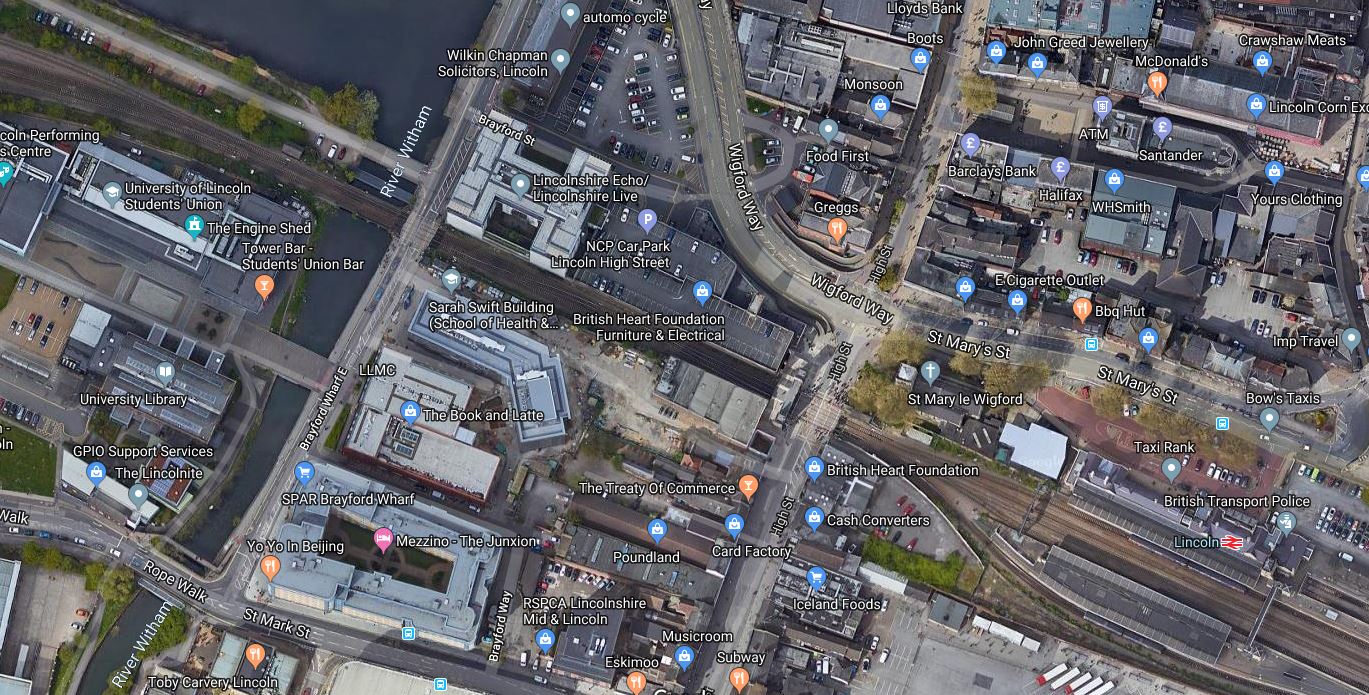
Both footbridges at Lincoln station over the railway are now complete.
This Google Map shows their location.
These pictures show the bridge at the High Street level crossing, which is the nearest one to the station.

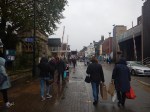


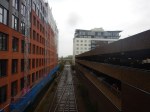

It is not your average footbridge with lifts across a railway.
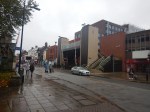
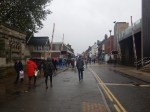
These pictures show the bridge at the Brayford Wharf East level Crossing, which is the one further to the West.

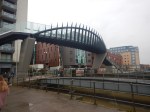
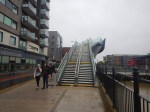

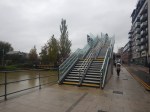
I like this unusually-designed bridge.
It is not step-free, but it does offer shelter whilst you wait for the level crossing to open.
Conclusion
Lincoln has now got two unusual footbridges over the railway.
Orders For A New All-Electric Airplane Now Top 150
The title of this post is the same as that of this article on Bloomberg.
This looks to be a very positive article as Eviation Aircraft now have more orders for the all-electric Alice aircraft.
This is a couple of paragraphs from the article.
Talks are underway with a fourth possible client in Australia, while the CEO has previously said that prospective customers include major U.S. carriers like United Airlines Holdings Inc. and JetBlue Airways Corp., which are interested in planes to feed their hubs.
The U.K. also represents a natural market, given its relatively small size and plethora of regional airports, Bar-Yohay said. The Alice would be well suited to Virgin Atlantic Airways Ltd.’s Connect arm — previously Flybe — which has an average flight time of 55 minutes. The executive was appearing with Virgin founder Richard Branson and CEO Shai Weiss at a technology conference.
I hope the second paragraph is true, as flying in an all-electric aircraft is definitely on my bucket list!
I would feel that if the aircraft does well, then this experience would translate to France.
 The Anonymous Widower