Octopus Energy Takes Stake In 714 MW East Anglia One Offshore Wind Farm In UK
The title of this post, is the same as that of this article on offshoreWIND.biz.
This is the sub-heading.
Octopus Energy has acquired a 10 per cent stake in the 714 MW East Anglia One offshore wind farm in the UK, which was fully commissioned in 2020.
These two introductory paragraphs add more details.
Octopus acquired this latest wind farm stake from Macquarie Asset Management on behalf of Vector, Octopus’ offshore wind fund, which invests in fixed and floating offshore wind and pioneering tech to reduce costs.
Owned by ScottishPower Renewables and Macquarie’s Green Investment Group(GIG), the 714 MW wind farm is located 43 kilometers off the coast of Suffolk in the east of England and has been powering Britain with green energy since 2021.
East Anglia One has a web site, that gives a lot more details of the wind farm.
Between Dore & Totley And Bamford Stations – 1st April 2025
I wanted to see the newly-built passing loop between Heathersage and Bamford stations, so the easiest way was to go to Bamford station and return from Bamford station to Sheffield station.
I took these pictures along the outward route.
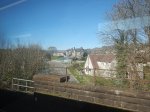
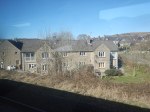
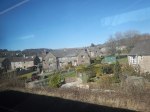
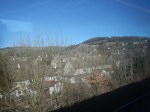
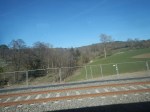
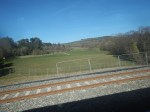
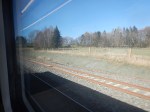
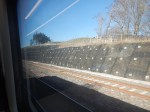
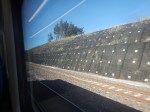
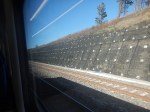
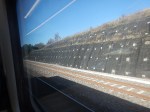
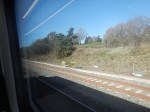
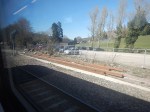
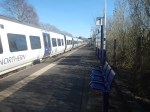
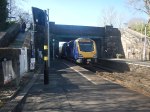
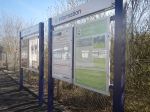
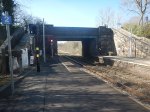
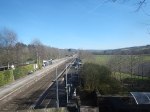
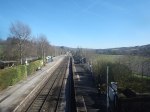
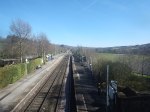
Note.
- Hathersage seems a tidy and attractive village.
- All the stations I visited, seem to be long on information.
- The last three pictures show the passing loop from the bridge at Bamford station.
- eathersage and Bamford stations are not step-free.
- The piling is of a similar quality to a larger scale of a surgeon sewing up a patient after a serious operation.
This OpenRailwayMap shows the loop.
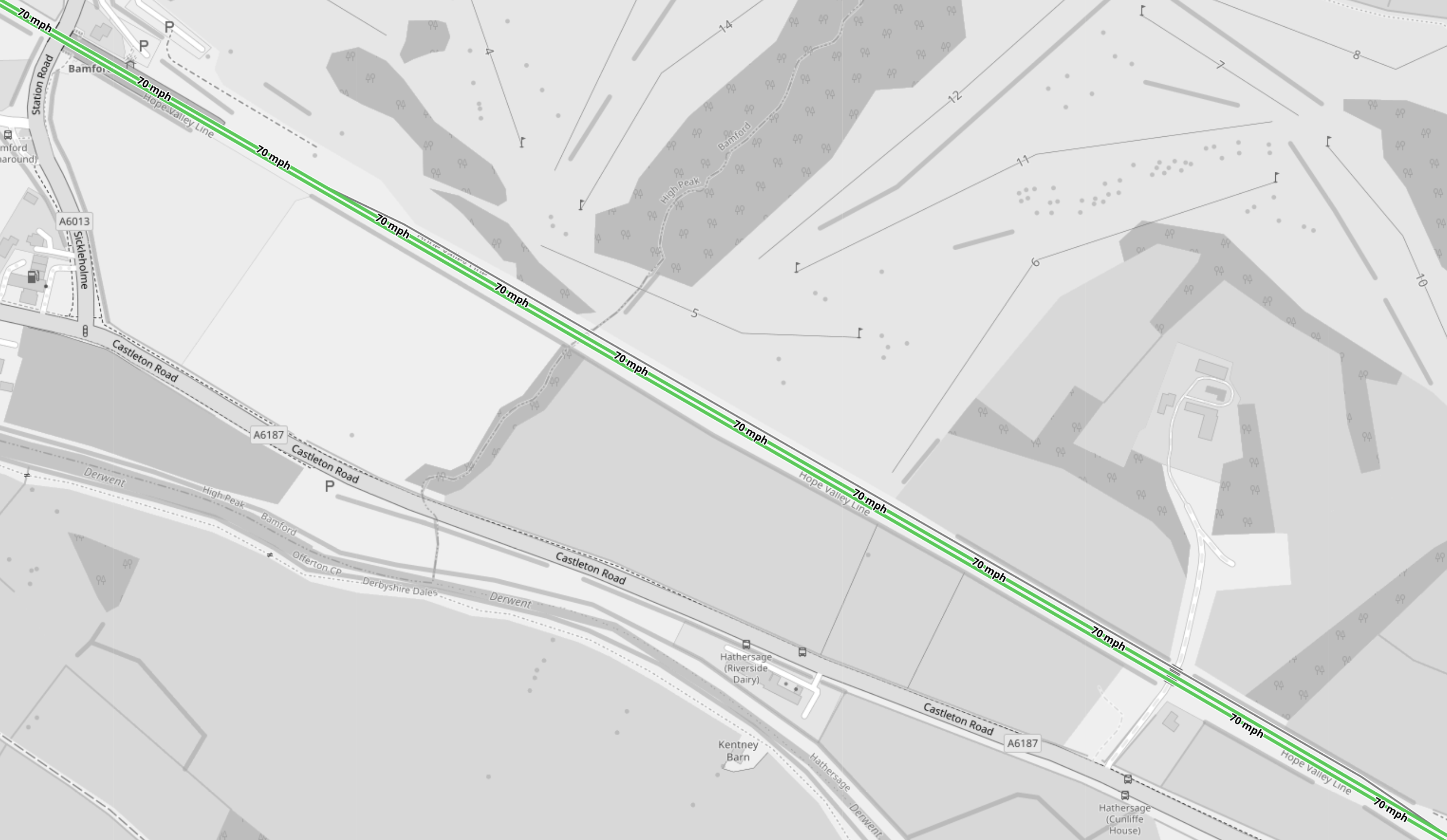
Note.
- The three tracks of the passing loop appear almost straight.
- Are they level I wonder?
- The loop looks level from my pictures.
- Bamford station is 83.9 miles from Cleethorpes according to Real Time Trains.
- Dore & Totley station is 75 miles from Cleethorpes according to Real Time Trains.
- Dore & Totley and Bamford stations are 8.9 miles apart and TransPennine Express Class 195 trains take eight minutes to go between the two stations.
I’ll take an average speed of just under 70 mph on a straight and level track.
What speed would a battery-electric Class 802 train, be able to achieve?
This track seems to have been built for battery-electric InterCity Trains and their drivers to have fun.
If the engineers had wanted to make it better they could have used concrete slab track, but to my camera and my eyes, it looks to be extremely level.
I took these pictures along the return route.
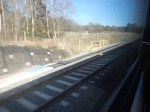

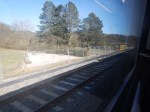

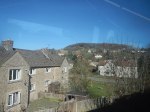
Only by looking at all pictures and the map in detail in this post, can you get a feeling for what has been done.
The Wikipedia entry for the Hope Valley Line says this.
The work includes creating a 3,600 feet (1,100 m) passing loop between Bamford and Hathersage.
But this is no passing loop, as it’s much more of a passing straight!
It will be very interesting to see how many minutes can be saved between Dore & Totley And Bamford stations.
My Only Worry
This OpenRailwayMap shows the Eastern section of the Hope Valley Line.
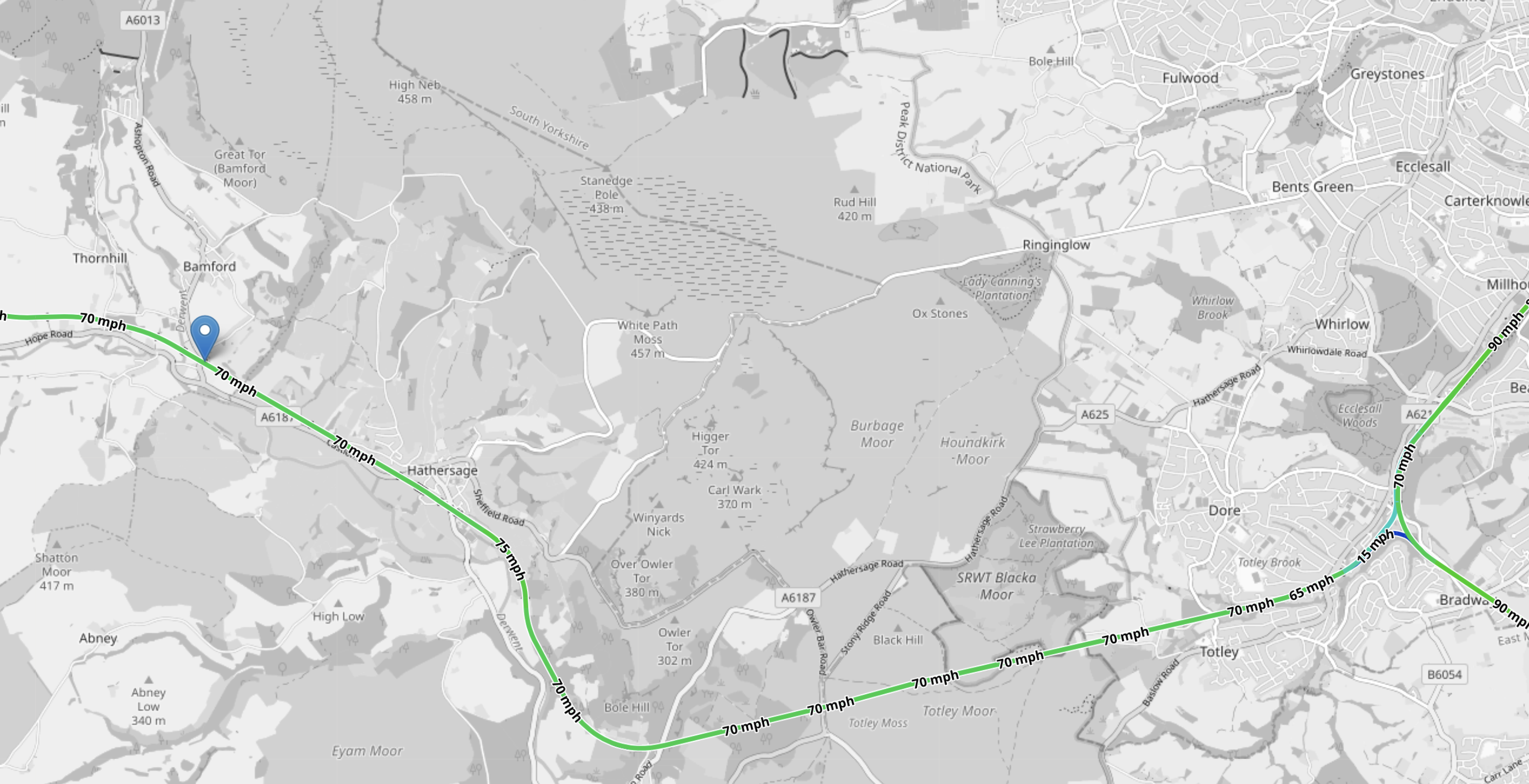
Note.
- The triangular junction at Dore is at the East of the map.
- The blue arrow indicates Bamford station.
- The straight and level passing loop to the East of Bamford station.
- Click the map to show it to a larger scale.
Will this section of track, with trains going through at seventy mph, every few minutes be too dangerous for some people on the four stations on the route?
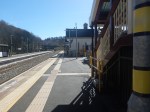
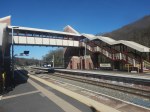
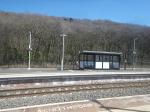
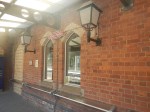
Dore & Totley Station – 1st April 2025
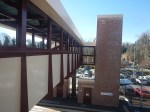
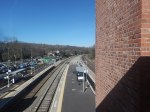
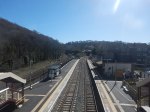
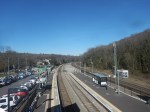
It seems like only yesterday, when I visisited Dore and Totley station and wrote Dore And Totley Station – 13th July 2020, when I took these pictures.

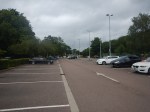

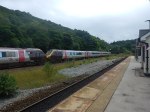
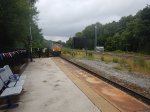


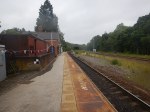

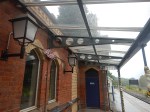
But it was yesterday, when I visited the station again and look at the station now.

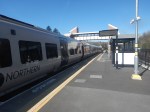
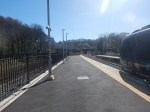
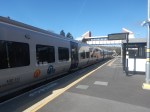
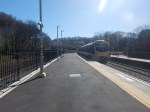
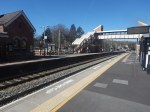
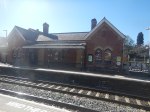
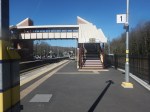
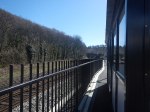

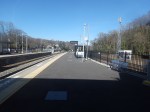
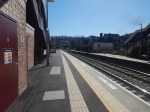


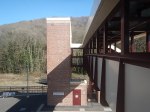
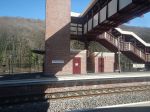
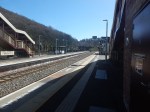
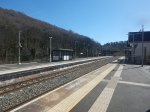


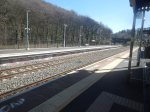
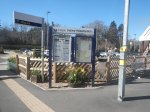
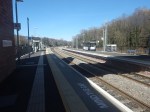
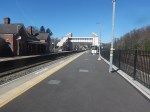
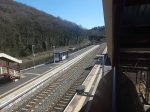
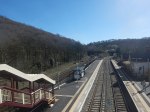
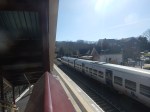
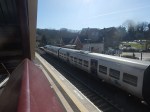
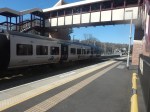
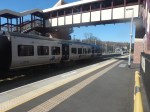
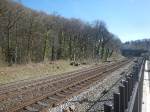
Note.
- The footbridge is in keeping with the original station building.
- The only changes to the original station building, is a small amount of tasteful restoration.
- The footbridge is high enough for future electrification.
- There are one shelter on the entry/car park and two on the far side.
- As I watched several Class 158, Class 195 and Class 222 trains pass through, it appears that the curve has been profiled for speed.
- I am pretty sure, that the station has been designed so that if required, at least one extra platform can be added to the Chesterfield Lines.
- The Rajdhani Restaurant in the original station building is rated 4.2 on Trip Advisor, which says they do gluten-free options.
- The maximum speed through the station appears to be 50 mph, with 70 mph on the Chesterfield Lines.
From my brief visit, it appears to be another station, that has been superbly updates.
Let’s bring on a few more.
The Train Trip Where I Arrived Before My Train
Yesterday, I went to Sheffield on Grand Central Trains. But owing to a small mix-up at Peterborough station, I ended up getting to Doncaster on an LNER train, before my Grand Central Train arrived.
This was the sequence of events.
- I bought a ticket from a machine at King’s Cross for Doncaster for the keen single price of £25.70 with my Senior Railcard.
- I had managed to assign myself a forward facing window seat.
- The aisle seat was occupied by a large man before I took my seat.
- But I was able to squeeze past.
- I did tell my travelling companion that I was going to Doncaster., as I have been known to fall asleep on trains and didn’t want to end up in Bradford.
- My train left for Doncaster at 10:52.
- I then found thyself waking up, with the train stopped in a station, which I didn’t recognise.
- So I asked my companion, where we were and he said. “Doncaster!”
- I then squeezed past him again and left the train, only to find, that I had got out at Peterborough.
- Luckily, by the time I realised I was at the wrong station, an LNER train had arrived that was also going to Doncaster.
- So a helpful member of LNER’s station staff told me to get on the LNER train.
- Another helpful member of LNER’s train staff approved my ticket, so I didn’t have to buy another.
- As my new train, passed Retford, we passed the Grand Central Train at rest in Retford station.
- I arrived in Doncaster at 12:45.
Looking at Real Time Trains, I find this is said.
This service was cancelled between Retford and Bradford Interchange due to the train striking a bird (V8)
As it was a V8 bird, I assume it was a large one.
Northumberland Line Set To Hit 250,000 Passenger Journeys By Easter
The title of this post, is the same as that of this article on the Northumberland Gazette.
This is the sub-heading.
The Northumberland Line is set to hit a major milestone by Easter with a quarter of a million journeys undertaken.
These are the first three paragraphs.
Three of the line’s planned six stations are now in operation following the recent opening of Blyth Newsham.
However, council leader Glen Sanderson was forced to defend the £300 million investment in the railway line at Wednesday’s meeting of the county council.
It followed criticism from former council leader Jeff Reid, who has been a long-time sceptic of the impact reopening the line between Newcastle and Ashington would have.
There’s no pleasing some people.
The line just seems to be following a better pattern to the Dartmoor Line, which I wrote about in Dartmoor Line Passes 250,000 Journeys On Its First Anniversary, As Rail Minister Visits To Mark Official Opening Of The Station Building.
But then Newcastle is a much larger city than Exeter and the Northumberland Line serves more towns and villages than the Dartmoor Line, so it is not surprising, it has met the 250,000 milestone earlier.
I think it’s time to start building the next new line.
Changing Trains At Newcastle Station
In the last few weeks, I have changed trains at Newcastle station between the East Coast Main and the Northumberland Line four times.
I took these pictures on Sunday, when I changed twice.
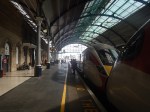
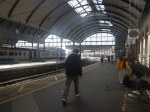
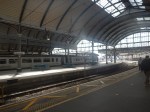
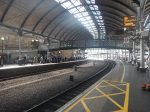
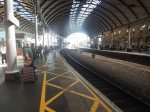
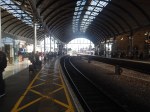
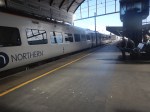

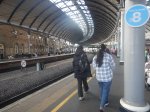
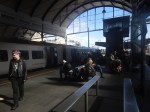
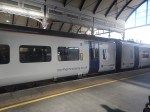
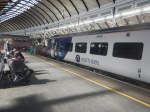
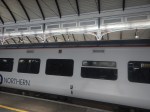
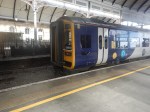
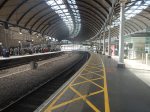
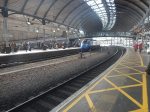
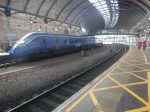
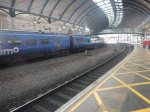
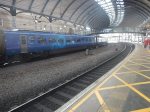
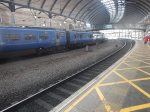
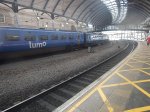
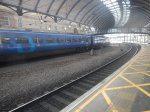
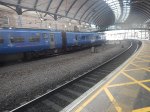
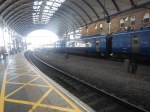
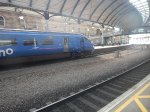
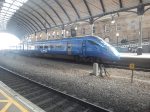
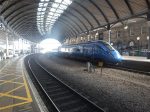

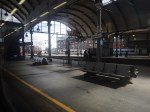
Note.
- On my two train changes yesterday, I needed to buy a ticket for the next leg of my journey and I had to walk miles to the ticket office.
- The walk was rather straining on my dodgy knees.
- There are no signs to the ticket office and I only found it due to a helful human.
- In the morning, I missed my connection and had to wait an hour for the next train.
- A lot of these pictures show diesel multiple units, that were working the Northumberland Line to Ashington in Platform 1, surrounded by happy passengers.
- Platform 1 appears to be able to take at least a pair of Class 158 two-car diesel multiple units.
- Platform 1 appears to be electrified with 25 KVAC overhead wires, even if the Northumberland Line isn’t electrified.
- The staff seem extremely pleased with the success of the Northumberland Line.
The staff were very helpful, but it was all very much organised chaos.
But from what I saw yesterday, it appears that something powerful is stirring along the Northumberland Line.
Perhaps what the BBC predicted in Northumberland Line: Railway ‘Could Create Economic Powerhouse’ is starting to happen?
This was the sub-heading of the BBC article.
An “east coast economic powerhouse” stretching from Edinburgh to Leeds could be created if the Northumberland Line rail scheme goes ahead, a public inquiry has been told.
I’m well aware that one busy weekend doesn’t make a powerhouse.
But Northumberland Council must get ready for the next phases of the project.
Larger Zero-Carbon Trains
In Alstom Hydrogen Aventras And The Reopened Northumberland Line, I suggested that Alstom hydrogen trains might be suitable for the Northumberland Line, but these trains have not been seen in the flesh, so they can probably be discounted.
But this is a picture I took yesterday of Platform 1 at Newcastle station.
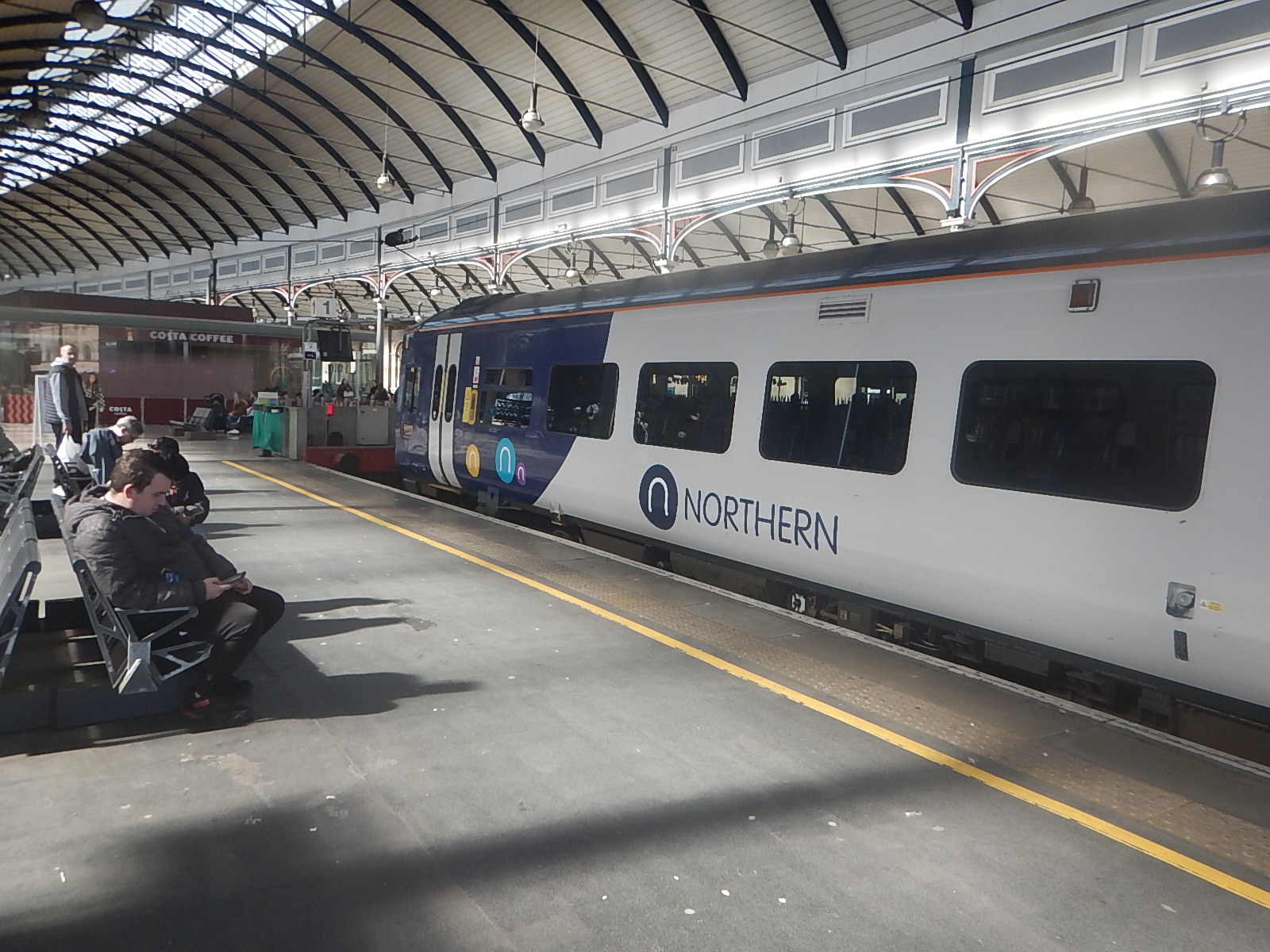
Note.
- The wires of the electrification above the Class 158 diesel multiple unit.
- An out and back trip between Newcastle and Ashington is probably less than fifty miles.
In the Wikipedia entry for Merseyrail’s Stadler Class 777 trains, this is said.
In December 2022, a maximum test range of 135 km (84 miles) was achieved, which was “much longer than we expected”.
It would appear that a small fleet of perhaps three trains, that were fitted with pantographs for charging could work the Northumberland Line, without the need for substantial additions to the infrastructure.
In the Wikipedia entry for the new Tyne and Wear Metro’s Stadler Class 555 trains, this is said.
The new trains will be five cars long in fixed formations, with a Jacobs bogie between the inner cars. One centre car will be fitted with a Brecknell Willis pantograph to draw the power from the 1,500 V DC overhead lines. They will also be fitted with regenerative braking technology for greater energy efficiency, and a battery energy storage system that will allow the trains to remain powered and reach the nearest station if the overhead lines fail. This offers the potential to be used on routes that are not fitted with overhead lines that may be added to the network in the future.
As the Class 777 and Class 555 trains appear to be cousins, perhaps those innovative Swiss engineers at Stadler can come up with a 25 KVAC battery-electric Class 555 train, that could charge its batteries in Platform 1 at Newcastle station and then use battery power to get to Ashington and back.
With perhaps a couple of short lengths of 25 KVAC overhead electrification, I feel Stadler could create a battery-electric Class 555 train, that could handle.
- Newcastle and Ashington and on to Newbiggin, as I wrote about in Onward To Newbiggin-by-the-Sea For The Northumberland Line?.
- Newcastle and Carlisle
- Carlisle and Morpeth via Newcastle
- Hexham and Nunthorpe via Newcastle
How many other branches from electrified main lines in the UK, could be handled by such a train?
How about these routes for starters.
- Darlington and Bishop Auckland
- Darlington and Saltburn
- Preston and Blackpool South.
- Skipton and Preston via Colne.
- Lancaster and Morecambe
- Leeds Metro
- Llandudno Junction and Blaenau Ffestiniog
- Middlesbrough and Whitby.
- Sheffield and Huddersfield
- Sheffield and Leeds
- Sheeffield and Manchester Piccaduilly
Sheffield and York
The Class 555 trains would also have other advantages.
- In the Newcastle area, I’m sure the Tyne and Wear Metro could probably service them.
- They have the Stadler steps for easy access.
- Most Stadler trains, tram-trains and trams are good at climbing hills.
Great British Railways could do a lot worse, than buying a reasonable number of Class 555 battery-electric trains.
Seaton Delaval Station – 30th March 2025
After I’d taken the pictures at Newsham station, I took the train to the next station on the way back to Newcastle ; Seaton Delaval station.
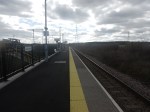
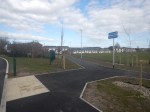
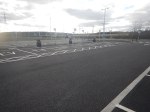
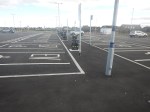
I took these pictures of the single platform station.
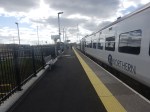
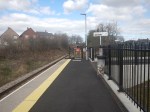
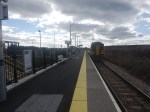
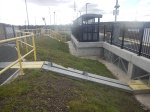
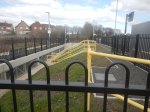
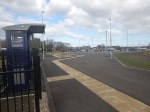
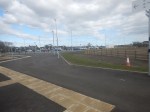
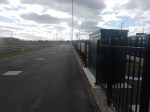
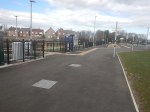
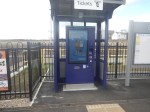
Note.
- It is a step-free single platform station.
- There are disabled parking spaces.
- It looks like charging points for electric vehicles have been installed, but not commissioned.
- Two disabled parking spaces will be for electric vehicles.
- There is space behind the platform for emergency service vehicles.
- There is a shelter and several sets of seats.
- The station connects to the local footpath network.
- There is good provision of litter bins.
It is one of the best single-platform stations I have seen.
I had a problem, at the station, in that my onward train was cancelled, due to a staff shortage.
However, the guy manning Northern’s Help Point, told me, that there was a pub by the station entrance.
So I walked the two hundred metres to the pub.


Note.
- The Hasting Arms has a gluten-free menu.
- The lunch was delicious and even the Yorkshires and the desserts were gluten-free.
- There is also a shop nearby.
- The landlord also said, that the new railway had brought more business.
I was also able to sit in the warm for an hour.
I have only one criticism of the station. There needs to be a local information board, giving a local map, and details of the pub, shop, buses and taxis.
Newsham Station – 30th March 2025
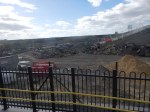
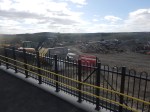
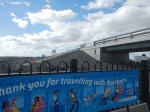
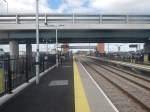
Today, I went to Newcastle and took a ride to the recently-opened ; Newsham station on the Northumberland Line.
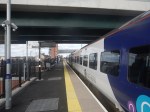
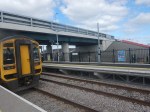
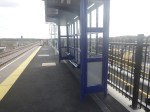
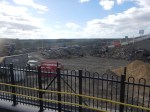
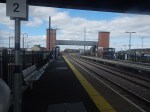
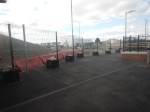

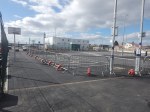

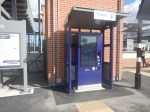

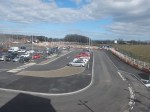
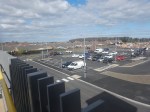
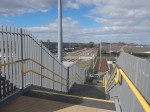
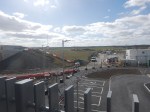
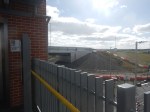
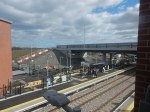
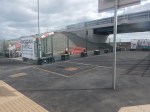
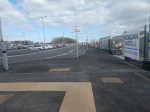
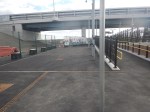
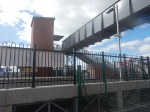
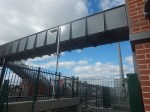
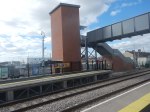
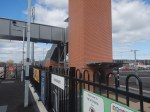
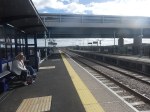
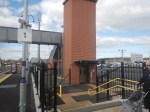
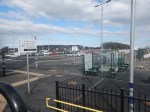
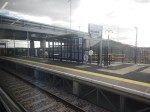
Note.
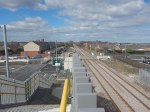
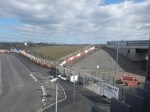
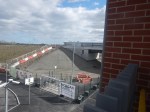
- The road bridge over the railway.
- When complete there will be a lot of parking space.
- The orange bollards in the parking could be electric vehicle chargers, ready to be unveiled.
- The full step-free access over the railway via the lifts is already working.
- British Railways, its predecessors and many other countries would have just put in a level crossing.
- The Completed platform is wide.
- Both platforms already have a shelter.
- There are help points, information displays, facilities for those with limited hearing and readers for smart ticketing on both platforms.
- There is a ticket machine by both lift towers.
- The disabled parking is already marked out.
- The brickwork and other workmanship is top-class.
- There is space behind the platforms for taxis, buses and emergency service vehicles.
- There is enough clearance under the two bridges for overhead electrification.
There is still some finishing off and landscaping to do, but it is a station with everything.
I have some other thoughts.
The High Quality Lifts Are By Stannah
Several of the passengers I saw, were getting on in years.
Does the maker of the well-advertised stair-lifts use station lifts, which are likely to be used by those of reduced mobilility, as a promotional tool?
The Station Will Be One Of The Best Rural Stations In The UK, When It is Complete
I can see other stations on a similar theme being built.
Especially, where a level crossing is to be eliminated.
This Google Map shows the level crossing and former station at Six Mile Bottom, near where I used to live.
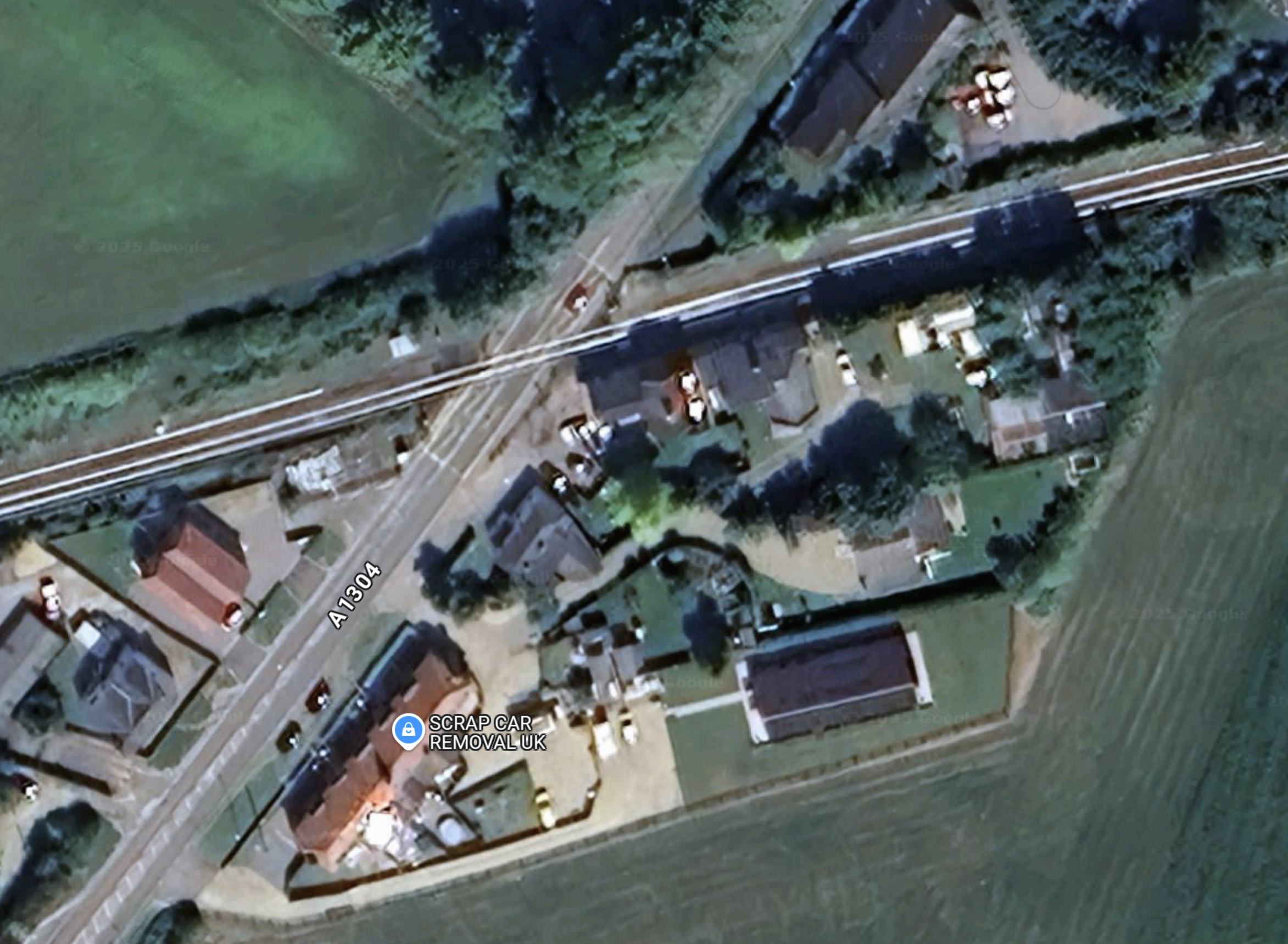
Note.
- The Cambridge and Newmarket railway goes across the map.
- Cambridge is to the West and Newmarket is to the East.
- The main Newmarket to London road crosses the railway here in a level crossing.
- Newmarket is to the North and London and the M11 is to the South.
- There used to be a station here and some want it back.
- There have been several incidents on the level crossing and Greater Anglia have had serious damage to more than one train.
A station like Newsham would be ideal here.
I can see Morgan Sindall building a few more on this theme.
Could they licence the design to construction companies all over the world?
I’ve certainly, seen similar layouts in Eastern Poland, where there are lots of level crossing accidents, according to our guide on one trip. But he said Russia is a lot worse for level crossing accidents.
Are There Any Plans For The Bay Sub-Surface Platforms At Moorgate Station?
I use Moorgate station regularly, as there’s a Leon Restaurant just outside the station, that looked after me properly during the Covid-19 Pandemic, so when I’m in the area and need feeding I pop in.
These pictures show the four bay platforms on the Sub-Surface lines.
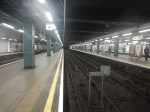
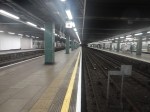
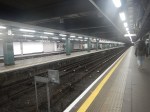
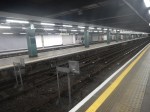
Note.
- The pair of platforms to the left or South are numbered 5 and 6 and used to handle Thameslink trains, that ran to Moorgate station.
- Platforms 5 and 6 used to be electrified with 25 KVAC overhead wires.
- The pair of platforms to the right or North are numbered 3 and 4 and are used to terminate some Metropolitan Line services at Moorgate station.
- Platforms 3 and 4 are electrified with London Underground four-rail electrification.
- The number for Platform 4 can clearly be seen.
This map from cartometro shows the track layout in Farringdon, Barbican and Moorgate stations.
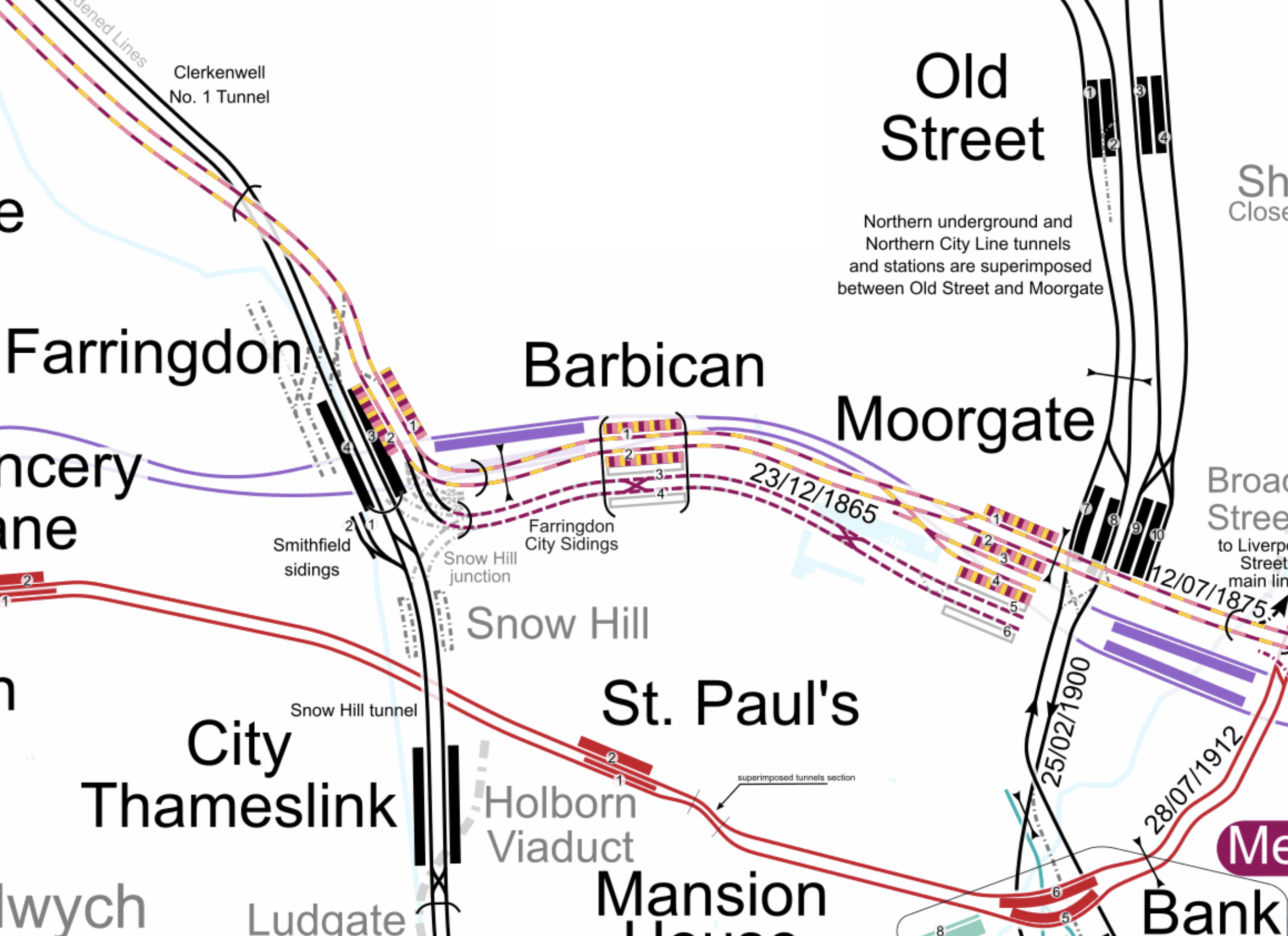
Note.
- The multi-coloured tracks and platforms of the Metropolitan, Circle and Hammersmith & City Lines running through Platforms 1 & 2 at Farringdon, Barbican and Moorgate stations.
- The multi-coloured tracks and platforms of the Metropolitan, Circle and Hammersmith & City Lines terminating in Platforms 3 & 4 at Moorgate station.
- The purple tracks and platforms of the Elizabeth Line running underneath the Metropolitan, Circle and Hammersmith & City Lines and their stations.
- The maroon and white tracks and platforms of Thameslink running through Platforms 3 & 4 in Barbican station and terminating in Platforms 5 & 6 at Moorgate station.
- The black tracks of Thameslink running through Farringdon and City Thameslink stations.
- It would appear there used to be two junctions to allow trains from Moorgate to go North through Farringdon station or South through City Thameslink station.
- The Thameslink tracks have two useful crossovers.
- The black tracks of the City branch of the Northern Line running through Old Street, Moorgate and Bank stations.
- The black tracks of the Northern City Line running through Old Street station and terminating in Moorgate station.
- The red tracks of the Central Line running through Chancery Lane, St. Paul’s and Bank station.
Because of the layout of the various tracks new connections and improvements may be possible.
Extending The Northern City Line To Bank Station
In Walking Along Moorgate – 30th September 2020, I describe some of the possibilities opened up by the design of Moor House, which has been built to allow more tunneling underneath.
I believe two extensions South from Moorgate station would be possible.
- It was intended by the builders of the Northern City Line, to take the route to just North of Bank station at Lothbury.
- Has The Possibility Been Created For A Pedestrian Tunnel Between Bank And Moorgate Stations?
Note.
- As the extension to Bank station has dug tunnels all over the place, I would expect that the engineers on that project would have a good idea on the best way to connect Moorgate and Bank stations.
- I usually use the Northern Line between Moorgate and Bank stations, but sometimes the Northern Line is rather crowded.
- The Northern City Line is being resignalled and may have an increased number of trains, so more passenger capacity may be needed.
- If a new station were to be built at Lothbury, it might be possible to improve step-free access to the Northern City Line.
- A new station on the Northern City Line and a pedestrian tunnel could connect to the newly-installed travelator at Bank station.
There are certainly serious possibilities to improve connections between Moorgate and Bank stations.
Could Metropolitan Line Trains Be Turned At Moorgate Station?
Currently, there are eight trains per hour (tph) between Aldgate and Uxbridge in the Off Peak.
With the new signalling on the Sub-Surface Lines would it allow more trains to operate, if some Metropolitan Line services were terminated in Platforms 3 & 4 at Moorgate station.
Would It Be Worthwhile To Run Thameslink Trains Again Into Moorgate Station?
It would only need to terminate trains from the North, as trains from the South can terminate at Black friars Station.
Perhaps a two tph service from a convenient station would suffice.
A Pedestrian Connection Between City Thameslink Station And St. Paul’s Tube Station
I covered this in A Pedestrian Connection Between City Thameslink Station And St. Paul’s Tube Station.
Hydrogen-Powered Trains To Be Introduced In Northern Italy
The title of this post, is the same as that of this article on Fuel Cell Works.
These three paragraphs introduce the project.
Residents and visitors to Valcamonica, an Alpine region in northern Italy, will be able to ride hydrogen-powered trains from next year.
The pioneering project, the first of its kind in Italy and supported by an investment of 367 million euros ($396 million), marks a significant adoption of hydrogen fuel for a rail line, despite the high production and operational costs.
The region currently uses polluting diesel trains, which will be replaced by 14 zero-emission hydrogen-powered trains made in Italy by a unit of French group Alstom
The trains will run on the Brescia–Edolo railway, which has this Wikipedia entry.
This OpenRailwayMap shows the Northern part of the railway.
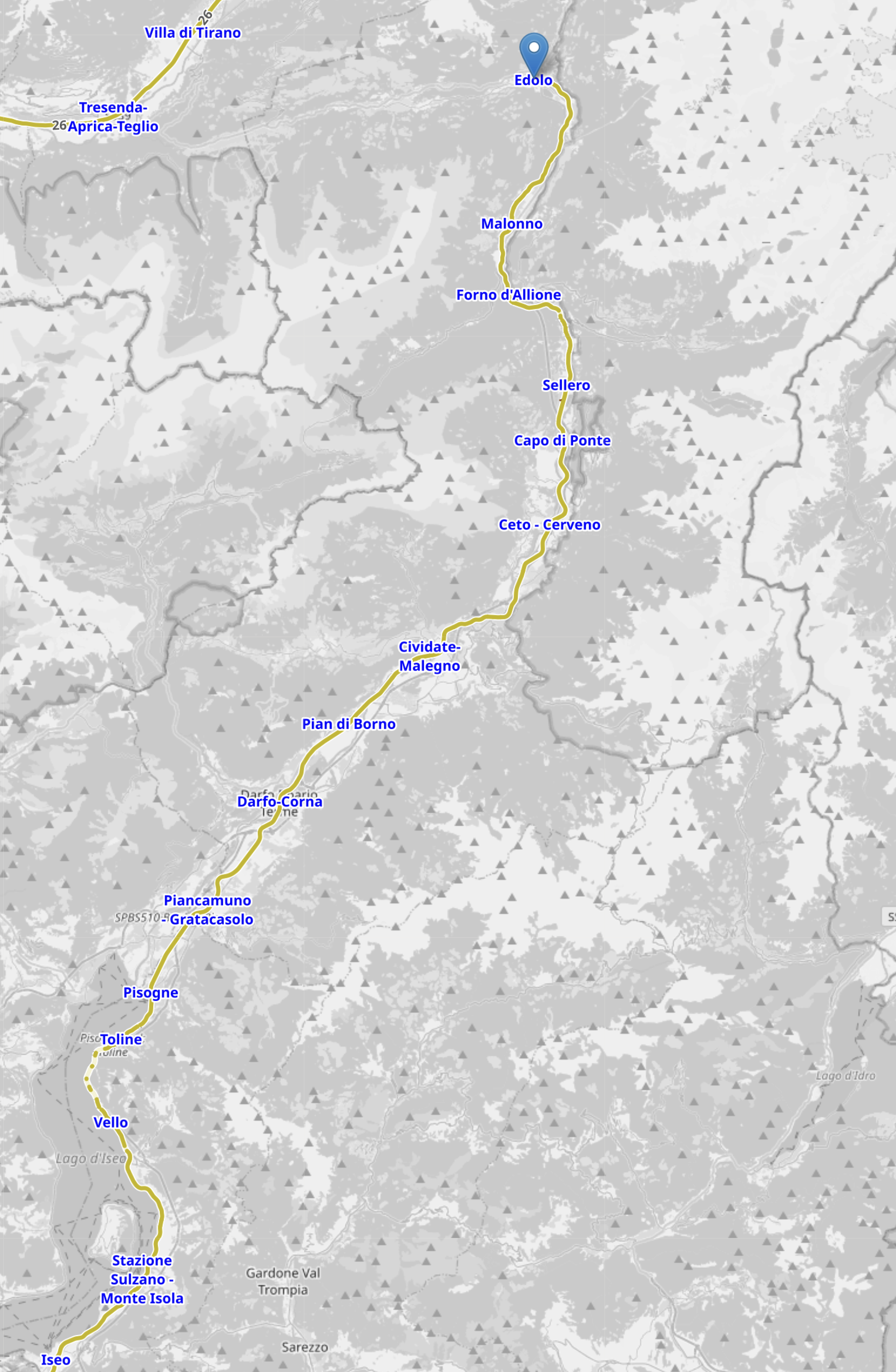
Note.
- Edolo station is indicated by the blue arrow at the top of the map.
- The Brescia–Edolo railway is indicated by the yellow line.
- Stations are indicated by blue lettering.
- Iseo is the station in the South-West corner of the map.
- Click the map to show it to a larger scale.
This second OpenRailwayMap shows the Southern part of the railway to the same scale.
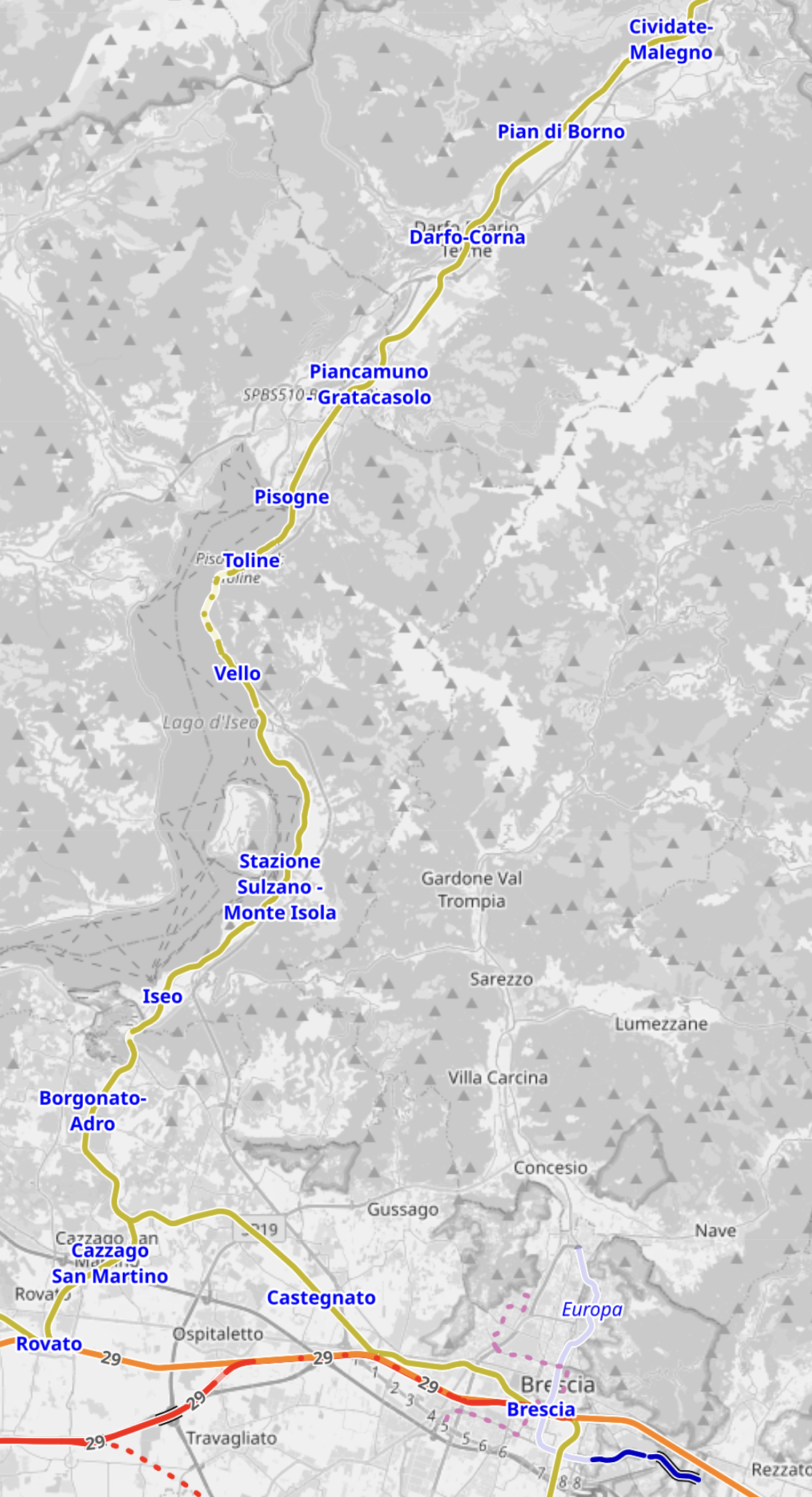
Note.
- The Brescia–Edolo railway is indicated by the yellow line.
- The Venice-Milan railway is indiated by the orange line across the bottom of the map.
- Stations are indicated by blue lettering.
- Iseo station is in the South-West corner of the map.
- Brescia station is in the South-East corner of the map on the Venice-Milan railway.
- Click the map to show it to a larger scale.
It looks to me, that the Brescia–Edolo railway could be a day-out if you were having a holiday in Milan, Venice or Verona.
- The railway is a single track railway.
- It appears to go through the mountains.
- Currently, it is diesel powered, but I suspect running hydrogen trains on the route will turn it into a major tourist attraction.
Could other rail routes attract visitors, by going for zero-carbon traction using hydrogen?
In the UK, these are surely six of many possibilities.
- Settle and Carlisle
- Marshlink Line
- Mid-Cornwall Metro
- Norwich and Sheringham
- Sheffield and Huddersfield
- Mid-Cornwall Metro
- Uckfield Branch
Infrastructure costs would just need a hydrogen supply to be arranged.
Conclusion
You can always trust the Italians to use a stylish solution.
 The Anonymous Widower