Unlocking Euston Station
I dread using Euston station.
The connections to the London Underground in the station, involve a long walk to or from your train and then outside the station to.
- The Northern and Victoria Lines just outside the station.
- The sub-surface lines at Euston Square station, which is a long walk.
There is no connection to the Lizzie Line.
I have probably written more project management software, than any other individual in the world.
Good project managers and probably a few bad ones too, talk about getting all your ducks in a row or doing everything in the right order.
If High Speed Two is going to terminate at Euston, then the first sub-project must be to connect Euston station properly to the Metropolitan, Circle and Hammersmith & City or sub-surface lines of the Underground, which have new spacious air-conditioned trains and run on a line that is digitally signally, so the capacity can be easily increased.
The sub-surface lines also link, the National Rail stations of Liverpool Street, Moorgate, Farringdon, King’s Cross, St. Pancras, Euston, Paddington, Victoria, Charing Cross and Blackfriars, and could be connected to Fenchurch Street and Marylebone. It also has links to the Lizzie Line.
Improve the interchanges and this marvelous Victorian system could unlock London’s transport system like no other.
Five years ago, a similar arrangement to that at St. Pancras was proposed with subways under Euston Road that linked to extended platforms at Euston Square Underground station, by means of lifts and escalators.
Why has this new link between National Rail at Euston and sub-surface Underground not been built? I estimate that it would have taken a couple of years and have fitted in with all the work being done in front of Euston station.
The current Mayor never mentions the project, but then it is a North London project, so it doesn’t interest him and his supporters.
The Design Of The Updated Euston Underground Station
Ian showed this visualisation of the updated Euston Underground station.
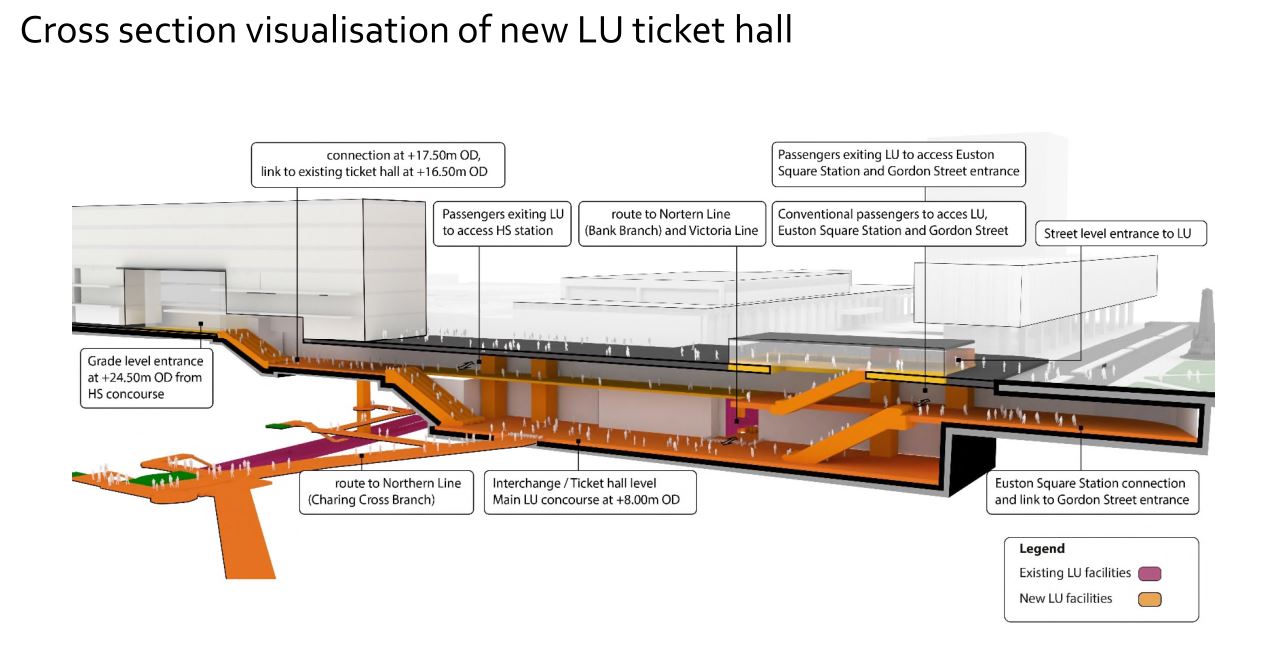
At a first look, it appears to be a very similar concept to the entrance to the Underground in front of St. Pancras station.
Click on the image to show it large and you can pick out the following.
- West is to the left and East is right.
- Much of the construction appears to replace the original car park and taxi rank.
- The upper level looks like where passengers enter and leave the station.
- The subway to Euston Square station and the new Gordon Street entrance joins to the upper level towards the Eastern end.
- There is grade access between the upper level and the High Speed Two concourse.
- There are lots of escalators to travel between levels. The square orange columns could be lift towers.
- The lower level is the Interchange/Ticket Hall level.
- The lower level is not much higher than the Charing Cross branch of the Northern Line.
- The design seems to make clever use of levels to make changing easier.
- The access between the lower level and the Charing Cross branch of the Northern Line at the Western end of the station, appears to be comprehensive and step-free.
- The access between the lower level and the Victoria Line and the Bank branch of the Northern Line, appears to use the current route, which will probably be upgraded to be fully step-free.
This second image shows the design from above the platforms of the conventional section of Euston station.
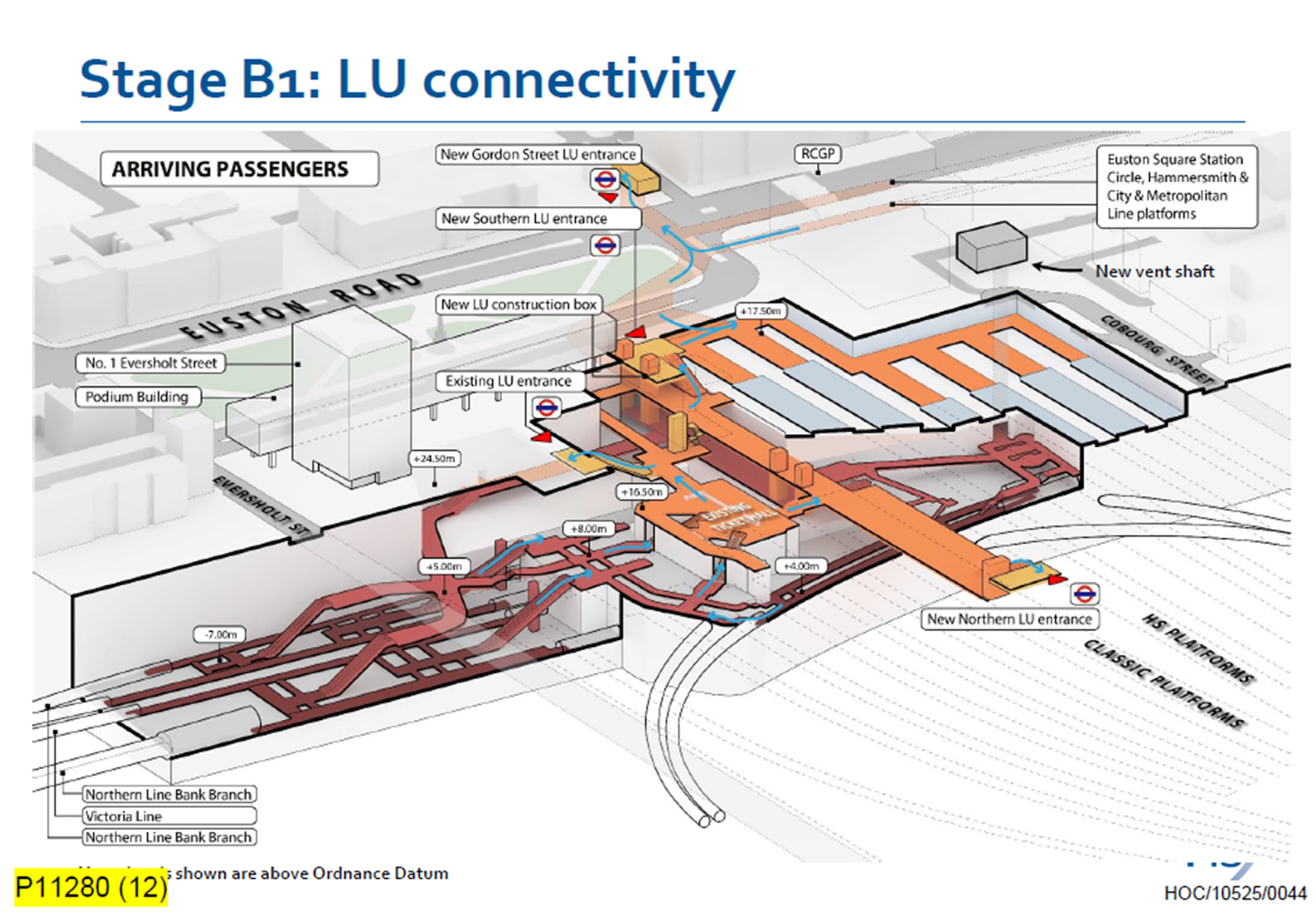
Click on the image to show it large and you can pick out the following.
- The complicated passages, escalators and lifts of the existing four platforms serving the Bank branch of the Northern Line and the Victoria Line.
- The cross passage connecting these lines to the platforms of the Charing Cross branch of the Northern Line.
- The two up and two down escalators leading to the existing ticket hall.
- The Charing Cross branch of the Northern Line curving in and away from the station. See the earlier map of the Underground lines.
- The eleven High Speed platforms on the West side of the station.
- The thirteen Classic platforms on the East side of the station.
- The new Northern entrance to the Underground between the two sets of platforms. How convenient!
- There appears to be a wide passage between the Northern and Southern entrances, with connections to the lines branching off.
- The subway to the new Gordon Street entrance is shown at the top of the image.
The design seems to have separated access to the two branches of the Northern line, by creating a new high-capacity route to the Charing Cross branch.
I also think, that the design allows the station to be built without disrupting passengers using the Underground and the current Euston station.
- A large hole for the station can be excavated, without touching existing access.
- It could then be fitted out section by section.
- Once the new access to the Charing Cross branch of the Northern Line is complete, the current access to the Northern and Victoria Lines can be refurbished.
Arriving At Euston
Imagine you are a passenger arriving from the North, who knows the Underground line, you need to take, you would then enter the Underground station using the new Northern entrance.
- For the Bank branch of the Northern Line or the Victoria Line, you would go through the existing ticket hall and down the escalators, much as you do now! Except that you’d enter the ticket hall on the other side from the East side of the passageway connecting the two entrances. New lifts appear to be shown.
- For the Charing Cross branch of the Northern Line, you would take the passages, lifts and escalators on the West side of the passageway connecting the two entrances.
- If you wanted the sub-surface lines, you would just keep going and take the new subway, which connects to the Eastern ends of the platforms at Euston Square station.
It will certainly do me fine, if I arrive at Euston, as I’ll walk through the subway and get in the front of any Eastbound train for Moorgate station, where being in the front is convenient for the exit and the nearby bus stop to my home.
This route will surely be one of the ways arriving passengers at Euston will get Crossrail to Abbey Wood, Canary Wharf and Shenfield stations. In Crossrail – Northern – Northern City Interchange At Moorgate Station, I show some visualisations of Moorgate station and the connectivity.
Where Is Handsacre Junction?
Handsacre Junction is where High Speed Two trains from London Euston and Birmingham will join the Trent Valley Line to complete their journeys via Stafford and Crewe.
This OpenRailwayMap shows the junction.
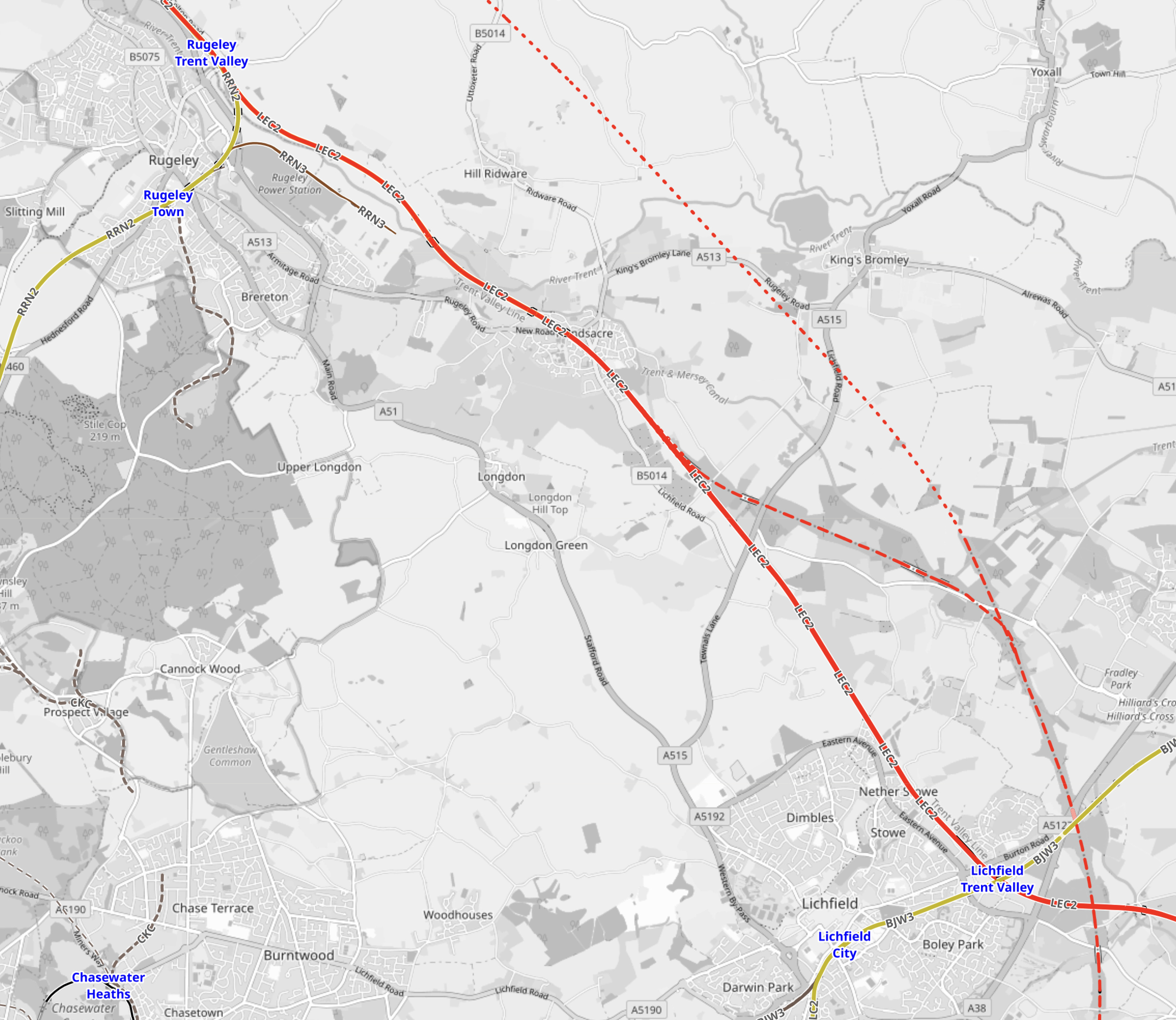
Note.
- The solid red track going diagonally across the map is the Trent Valley Line, which is a section of the West Coast Main Line.
- The station on the Trent Valley Line at the top of the map is Rugeley Trent Valley.
- The station on the Trent Valley Line at the bottom of the map is Lichfield Trent Valley.
- The dotted tracks running North-South show the proposed route of High Speed Two.
- Only the dashed sections of tracks will be built for Phase 1 of High Speed Two.
From the map, I estimate that that High Speed Two will join the Trent Valley Line at the mid-way point between the two stations.
According to Real Time Trains, the stations are these distances from Euston.
- Lichfield Trent Valley – 116.4 miles
- Rugeley Trent Valley – 124.4 miles
So this puts Handsacre Junction at 120.4 miles from Euston.
Searching the Internet, I find the distance between Euston and Handsacre Junction on High Speed Two as 192.77 km. or 119.8 miles.
It would appear that the High Speed Two route is 0.6 mile longer.
Euston And Handsacre Junction Times
This table shows Euston and Handsacre junction times at various speeds.
High Speed Two Average Speed – 205 mph – 35 mins.
Class 390 Train Average Speed – 140 mph – 51 mins.
Euston And Glasgow Central Times
If I assume, that the trains take the same three hours and 47 minutes between Handsacre junction and Glasgow Central as Class 390 trains do now, I get these times.
High Speed Two Average Speed – 205 mph – 4 hour and 22 mins.
Class 390 Train Average Speed – 140 mph – 4 hours and 38 mins.
Euston And Liverpool Lime Street Times
If I assume, that the trains take the same 71 minutes between Handsacre junction and Liverpool Lime Street as Class 390 trains do now, I get these times.
High Speed Two Average Speed – 205 mph – 1 hour and 46 mins.
Class 390 Train Average Speed – 140 mph – 2 hours and 2 mins.
Euston And Manchester Piccadilly Times
If I assume, that the trains take the same 66 minutes between Handsacre junction and Manchester Piccadilly as Class 390 trains do now, I get these times.
High Speed Two Average Speed – 205 mph – 1 hour and 41 mins.
Class 390 Train Average Speed – 140 mph – 1 hours and 57 mins.
E.ON Invests £4 million In Allume Energy To Boost Solar Rollout For Flats
The title of this post, is the same as that of this article on Solar Power Portal.
These three paragraphs explain the deal and say a small amount about Alume’s SolShare system.
Energy supplier E.ON UK has today (17 June) announced that it has signed a strategic investment agreement with Australian firm Allume Energy to help the firm expand into the UK.
E.ON UK has invested £4 million into Allume Energy to enable Allume to expand the reach of its SolShare technology within the UK market. SolShare allows solar energy from a single rooftop solar PV installation to be fairly shared amongst multiple homes in the same building in order to allow residents of flats to access solar PV energy.
Residents are supplied their energy when they are using by a pre-determined allocation, allowing them to lower their energy bills. Many blocks of flats that do have solar panels fitted currently only use this energy to power the common areas of the building while residents still pay their full electricity bill. According to Allume, a shared rooftop solar PV system can reduce resident energy bills by between 30% and 60%.
I must say, that when I read this article, it had something of the too-good-to-be-true about it.
But.
- My solar installation on a fair-sized roof cost me about £6,000 and I am constantly surprised at how much electricity it provides.
- If you have fifty flats, they all won’t do their weekly washing at the same time each week.
- I wouldn’t be surprised to see a big battery somewhere or a small battery in each flat.
- The batteries could soak up any excess electricity or charge on cheap-rate overnight electricity.
- Do Allume’s engineers go through every flat and make suggestions about saving energy?
- Is the pattern of electricity usage in a block of flats predictable from past usage and factors like weather, the time of the year and what’s on television?
- I wouldn’t be surprised that Allume have performed extensive mathematical modelling on blocks of flats.
I think this deal could be a winner foe E.ON, Allume and their customers.
I have some ideas about the use of the system.
Would It Work On A Small Housing Estate?
A small housing estate would be a number of solar roofs feeding a number of houses, whereas with flats it will be one roof feeding a number of dwellings.
I suspect that with a well-designed sharing and pooling system, a lot of features of the flat-powering system could be used to power houses.
How Does The System Handle Electric Vehicles?
The system could use these to store electricity, so that they are always charged at the cheapest rate.
And when there is a shortage of electricity, the electricity could be borrowed by the Allume system.
Conclusion
If you have community sharing their own source of electricity, you can probably make ideas work, that wouldn’t in a single application.
My nose says Allume’s idea has legs.
Footage Released Of East West Rail’s First Commercial Freight Train
The title of this post, is the same as that of this news item from Network Rail.
These four paragraphs give detail to the story.
The inaugural journey was part of a dual first, as it also saw the entry into service of Maritime Transport’s Northampton Gateway Terminal.
This Easter Network Rail completed its work there to join the 35-acre freight facility directly to the West Coast Main Line via the Northampton Loop.
The modern junction design allows freight trains to enter and exit the site at speeds of up to 40mph, which is eight times faster than conventional freight connections.
Clearing the railway junction much faster will significantly improve both passenger and freight journeys – as it reduces the impact on other services running on the main line.
This OpenRailwayMap shows the location of Maritime Transport’s Northampton Gateway Terminal.
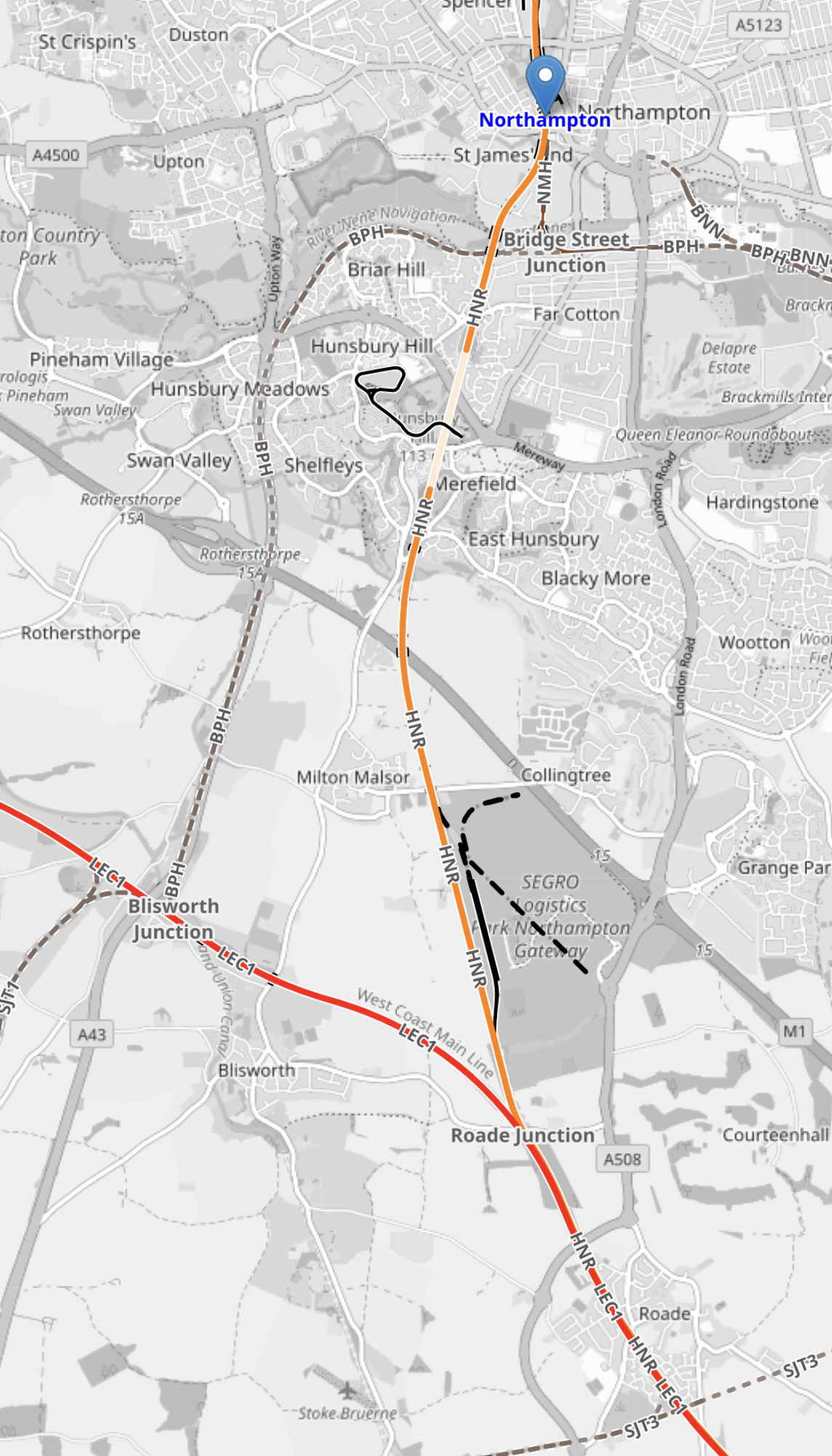
Note.
- The red track running diagonally across the bottom half of the map is the West Coast Main Line.
- The orange track running North-South is the Northampton Loop of the West Coast Main Line.
- The blue arrow indicates Northampton station.
- The grey line running diagonally across the map, vaguely parallel to the West Coast Main Line is the M1 Motorway.
- The SEGRO Logistics Park Northampton Gateway is indicated between the Northampton Loop and the M1 Motorway.
This Google Map shows the layout of the logistics park to a larger scale.
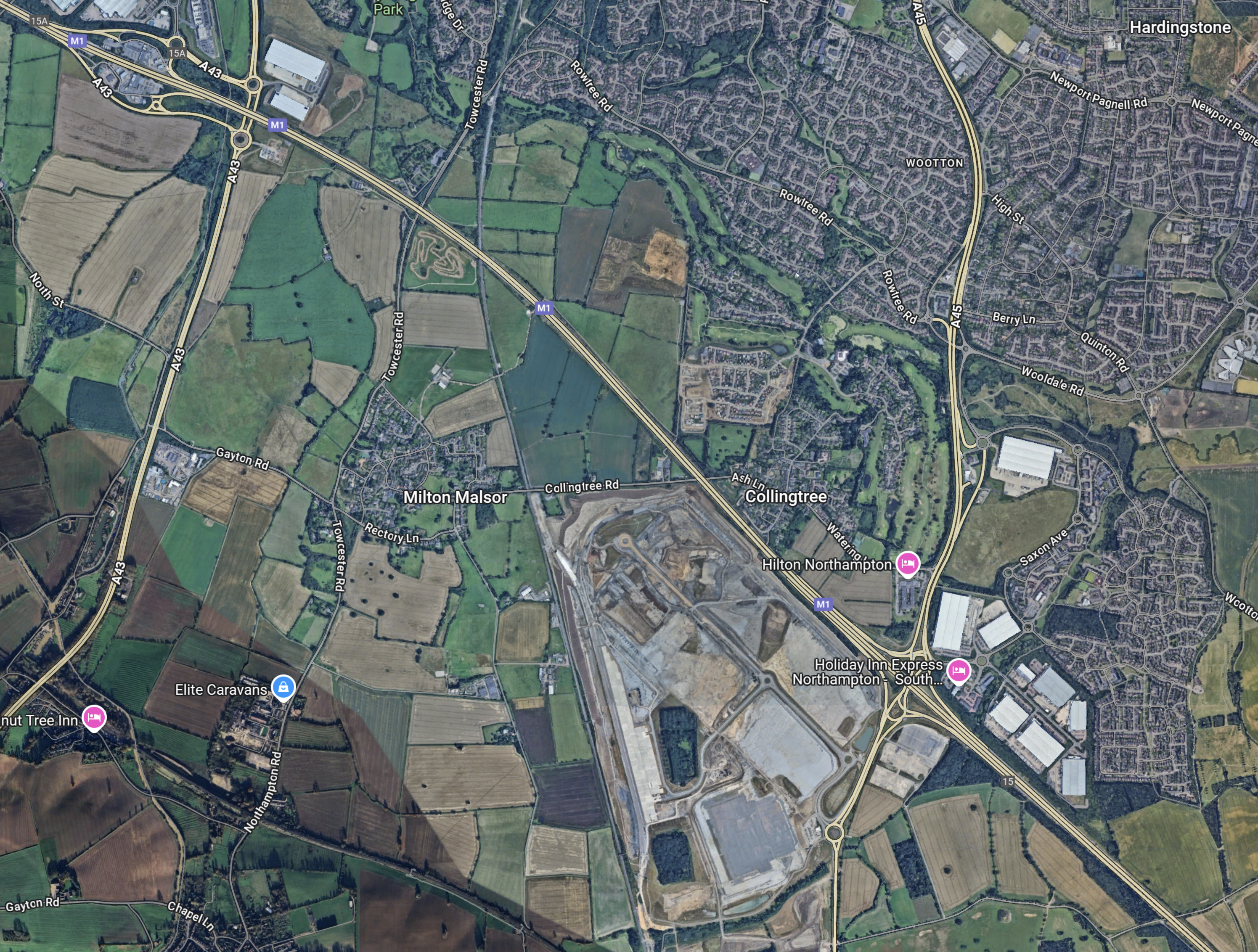
Note.
- The Northampton Loop of the West Coast Main Line running North-South across the map.
- The M1 Motorway running between the North-West and South-East corners of the map.
- Junction 15 is the M1 junction in the South-East corner of the map which connects the logistics park and the A45 to the M1.
- Junction 15A is the M1 junction in the North-West corner of the map which connects the A43 and Northampton services to the M1.
- There is probably space to add more warehouses and other facilities.
The logistics park is well connected to both rail and road.
This second Google Map shows the rail connection to the logistics park in more detail.
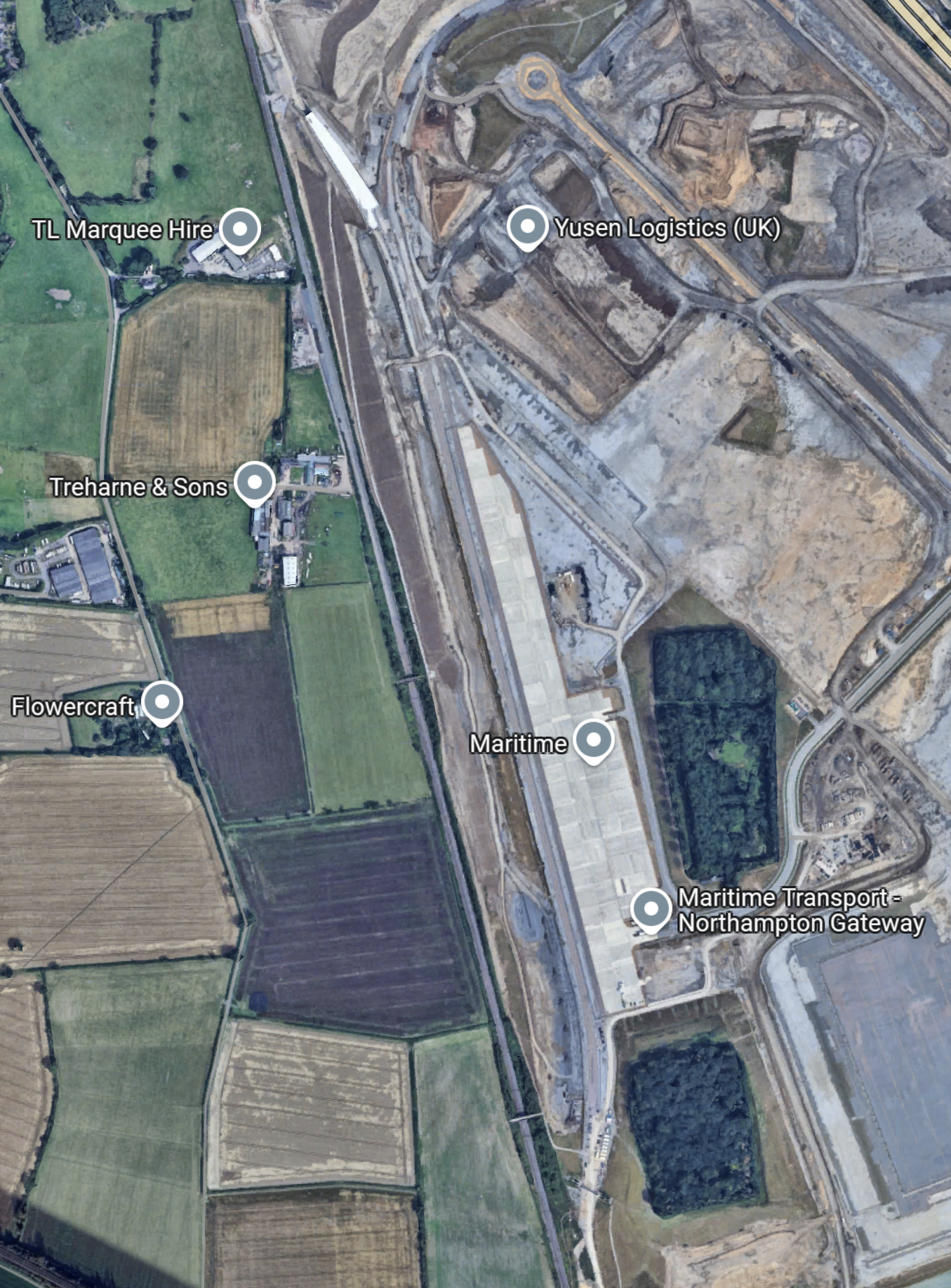
From this map, it appears that Network Rail have met their objective outlined in this paragraph of the news item.
The modern junction design allows freight trains to enter and exit the site at speeds of up to 40mph, which is eight times faster than conventional freight connections.
As only freight trains and slower passenger trains use the Northampton Loop, I would expect that freight trains should be able to enter and leave the logistics park with the minimum of disruption to traffic on the Northampton Loop.
The Route Of Yesterday’s Train
These three paragraphs from the Network Rail news item describe the route.
The first commercial freight train has travelled along the East West Rail line as part of its journey into a new strategic rail freight interchange in Northampton.
Shortly after 13:00 yesterday (Monday 16 June) the service* from Didcot came onto the new infrastructure at Oxford, travelling the 35 miles to Milton Keynes to connect with the West Coast Main Line.
It marked the first time East West Rail infrastructure has been used for commercial freight, after many months of signaller training and train driver learning since the £1.2bn railway was completed in October 2024.
This OpenRailwayMap shows the route from Didcot to Milton Keynes.
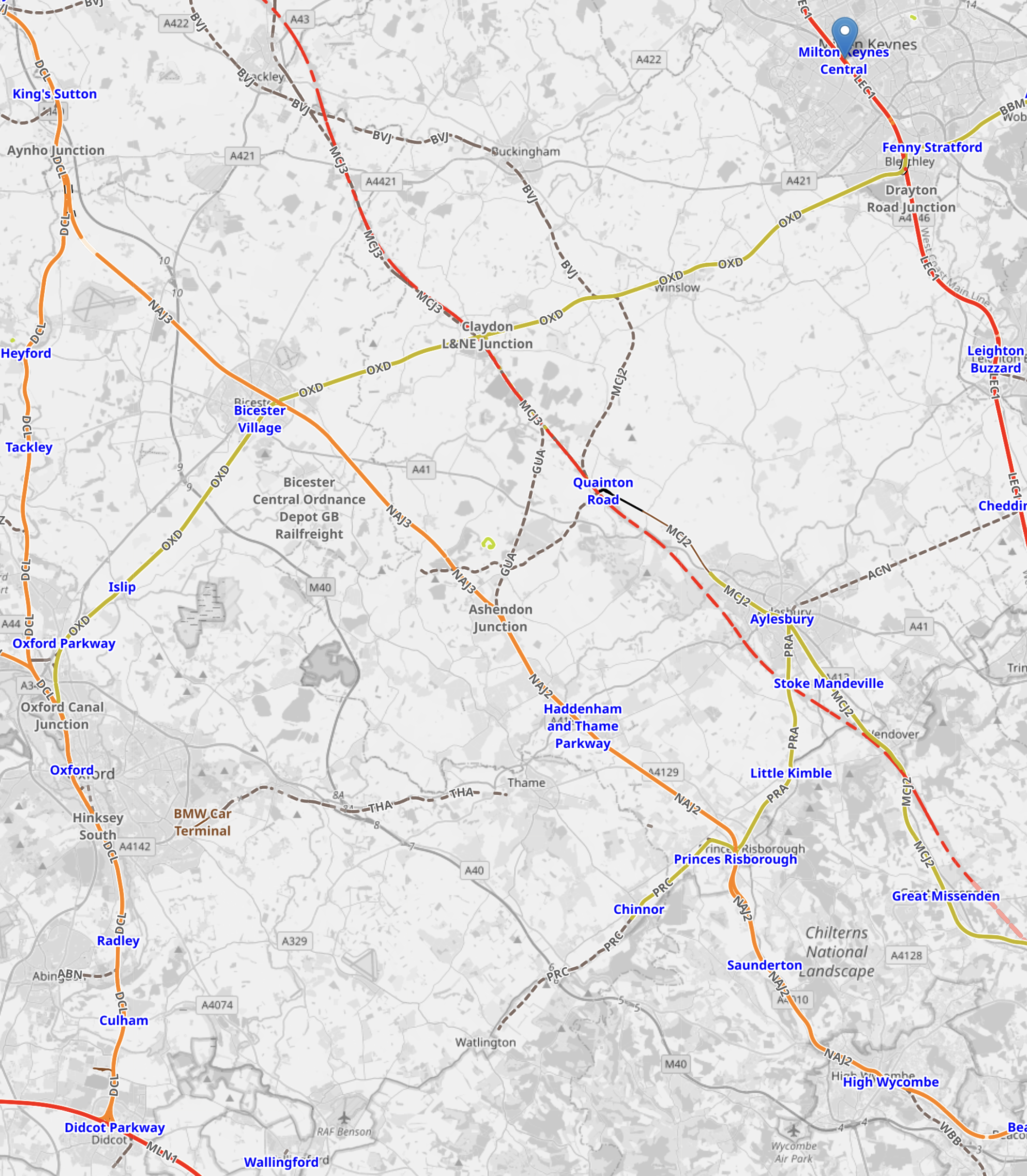
Note.
Didcot Parkway station is in the South-West corner of the map.
Milton Keynes Central is in the North-East corner of the map and marked with a blue error.
The route is via Oxford, Oxford Parkway, Bicester Village, Winslow and Bletchley.
This video shows the train passing Winslow.
I’ve Just Finished My Second Bottle Of Beer Today
And It’s not yet noon!
I felt dehydrated when I got up and started a bottle of Adnams Ghost Ship 0.5 % Beer.
I do find on a hot day, it’s a good thirst-quencher.
Perhaps, hot weather and beer, got my grandfather on the way to being an alcoholic and an early death before forty.
I may already be twice the age at which he died.
I do wonder sometimes, that low and zero-alcohol beer could be used to wean people off the demon drink.
In my case though my father had his own psychological ways, that taught me to be responsible with alcohol.
Newport To Swindon Via Gloucester – 14th June 2025
Because of engineering works, we came home from Newport via a diversion through Gloucester.
I took these pictures.

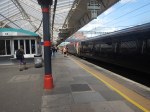
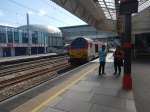








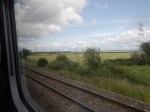






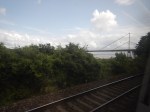


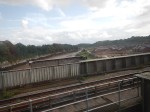
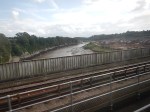
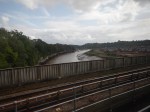








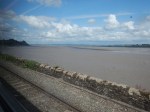

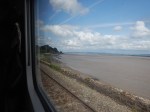






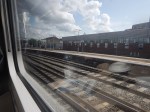

Note.
- I had sat on the right side of the train facing forward.
- We were accompanied my the thud, thud, thud of an underfloor diesel engine, as most of the route is not electrified.
- Newport and Gloucester is 44.8 miles.
- Gloucester and Swindon is 36.7 miles.
- Newport and Swindon is 81.5 miles.
- Newport and Swindon are fully-electrified stations.
- The first four pictures show Trains for Wales Premier Service.
- The Gloucester and Newport Line joins the South Wales Main Line at Severn Tunnel Junction station.
- As you travel towards Gloucester, the bridges over the Severn and the Wye can be clearly seen.
- There are two former nuclear power stations ;Berkeley and Oldbury, on the far bank of the River Severn.
- The large white wind turbine is close to Berkeley.
- Oldbury is further down the river.
As yesterday, the route is commonly used as a diversion route, when engineering works close the electrified main line through the Severn Tunnel.
I have some further thoughts.
Electrification Of Newport And Swindon
The distances involved are as follows.
- Newport and Gloucester is 44.8 miles.
- Gloucester and Swindon is 36.7 miles.
- Newport and Swindon is 81.5 miles.
As Hitachi’s Intercity Battery Trains are likely to have a range of around a hundred miles, they should be able to handle the diversion.
A short length of electrification could be erected in Gloucester station to charge any battery-electric trains, that needed a boost.
I believe full electrification is not needed.
Newport And Abergavenny Stations – 14th June 2025
Today, I took a train up the Welsh Marshes Line fromNewport to Abergavenny station.
I took these pictures.














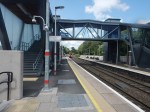
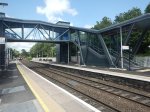


Note.
- Pictures 7 and 8 have a glimpse of the Newport Transporter Bridge in the background.
- All stations are step-free.
- All stations have two platforms.
- All stations have ticket machines.
- I saw a heavy freight train coming down to Newport.
I took these pictures coming down the Welsh Marshes Line from Abergavenny to Newport station.





















Pictures 25-28 show the Maindee Junction that allows trains to by-pass Newport station.
I have a couple of general points.
The Track Between Hereford And Maindee Junction Allows A Good Speed
Much of the track has a maximum speed of over 75 mph, with a short section up to 90 mph.
As the maximum speed of Lumo’s Class 803 trains is 125 mph and Trains for Wales’s Class 197 trains are 100 mph trains, I would expect that some speed improvement might be possible.
The track also appeared to give a good ride.
The Stations Were All In Good Condition
In addition, Newport station was being refurbished.
Heads Of The Valleys Road Upgrade Officially Opens
The title of this post, is the same as that of this article on BusinessNewsWales.
This is the sub-heading.
The final phase of the £2 billion Heads of the Valleys Road upgrade programme has officially opened.
These first two paragraphs add detail to the project.
The Welsh Government said it marked the completion of “one of the UK’s largest and most technically challenging road projects”.
The £1.4 billion Section 5&6 Dowlais to Hirwaun final phase links the Valleys, South and West Wales to the English Midlands and beyond, together with ports serving Irish and other European destinations. As well as improving the resilience of the South Wales trunk road network, the road provides a vital link across the top of the South Wales valleys for the Metro project improving links to the Cardiff and Swansea Bay City Regions, the Welsh Government said.
From the statistics of work done and the money involved, it would appear that a comprehensive upgrade has fixed a big gap in the UK’s motorway network in South Wales.
This Google Map shows the locations of Dowlais and Hirwaun.
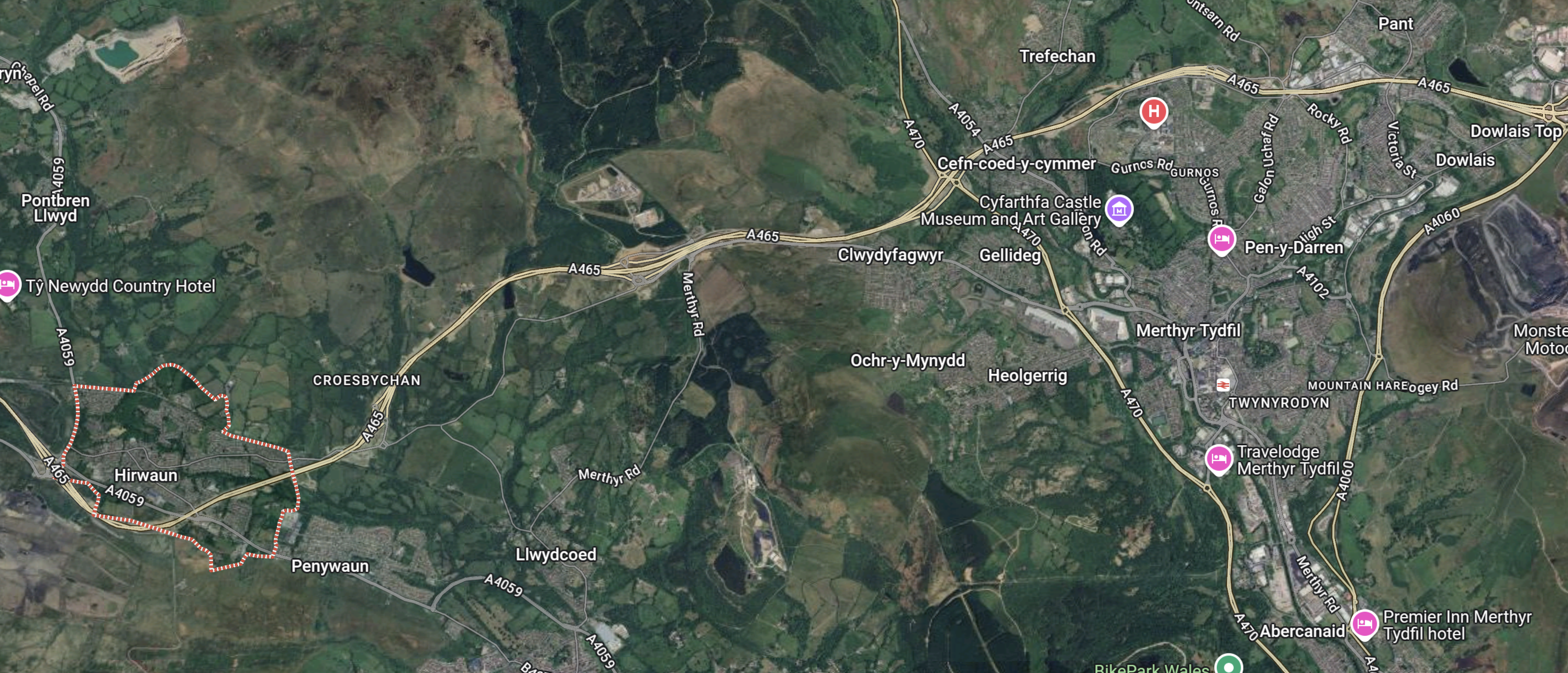
Note.
- Dowlais is in the North-East corner of the map.
- Hirwaun is in the South-West corner of the map and is outlined in red.
- The Heads of the Valleys Road links Dowlais and Hirwaun.
- Going East from Dowlais leads to Abergavenny, Monmouth, Raglan and the English Midlands.
- Abergavenny has a station, but Monmouth and Raglan don’t!
- Abergavenny station has comprehensive services to stations as far apart as Cardiff, Crewe, Holyhead, Manchester Piccadilly, Swansea and Wrexham General.
Abergavenny station could eventually turn out to be a parkway station for the South Wales Valleys.
I can certainly understand, why Lumo wants to run a service to Hereford.
I also feel that the Welsh government and Transport for Wales would be in favour of the service.
- Three towns in Wales; Cwmbran, Pontypool and Abergavenny get a direct service to Bristol Parkway and London Paddington stations.
- Hereford already has an hourly connection to Birmingham New Street via Worcester and University.
- If a coach were to be provided between Bristol Parkway and Bristol Airport, this could make getting to Bristol Airport easier.
I can see further improvements to services, that terminate at Abergavenny.
Flotation, Vargronn Complete NorthConnect Deal
The title of this post, is the same as that of this article on Renews.biz.
This is the sub-heading.
1.4GW Cenos floater backers seal ‘productive partnership’ with interconnector acquisition
These three paragraphs add more details to the deal.
Flotation Energy and Vargronn have closed their acquisition of the NorthConnect interconnector project between Scotland and Norway.
The developers said the deal had followed close collaboration on shared transmission infrastructure and a common grid connection point for the interconnector and the proposed 1.4GW Cenos floating wind farm off east Scotland.
NorthConnect already has consent for an offshore and onshore cable route to a substation near Boddam, Aberdeenshire, that will link to SSEN’s Peterhead substation.
This looks like a clever use of the permissions for the interconnector to connect the Cenos wind farm to the grid.
Was The Price Of Fuel A Factor In The Ahmedabad Plane Crash?
I am asking this question, as I know that a prudent airline, is careful where it buys the fuel for its aircraft.
I asked Google, if jet fuel is more expensive at Gatwick or in India and got this reply.
Jet fuel (Jet A-1/AVTUR) is more expensive at Gatwick Airport compared to India. At Gatwick, the price is 906.8 GBP/1000L. While in India, the price varies by location, for example, ₹97,975.72/kl in Delhi. This indicates that Jet A-1/AVTUR costs more at Gatwick than in India.
I suspect, if they can that Air India would prefer to fill up their planes in India.
Consider.
- The flight that crashed was AI 171.
- The aircraft was a Boeing 787-8.
- The Air India flight that crashed was flying direct to Gatwick Airport, which is a great circle distance of 4254.3 miles.
- Afterwards, it would fly from Gatwick Airport to Goa, which is a great circle distance of 4703.7 miles.
- Wikipedia gives the range of a Boeing 787-8 as 8410 miles.
As a former private pilot, who did many long flights, if I were Air India, I might use a strategy like this.
- Fill the plane with as much fuel, as it can carry at Ahmedabad.
- Fly to Gatwick on an efficient great circle route.
- Top up the plane, with enough fuel to fly safely to Goa, at Gatwick.
The cost of fuel would be minimised, but it would mean a heavy take-off at Ahmedabad.
The temperature at Ahmedabad yesterday was around the low thirties and as the altitude is only 53 metres, I don’t think it would have been a hot-and-high take-off.

