New Cut-Price Sheffield to London King’s Cross Train Service A Step Closer After Breakthrough
The title of this post, is the same as that of a story on The Star.
This is the sub-heading.
A new cut-price Sheffield to London train service has moved a step closer after a significant breakthrough.
These two paragraphs add detail to the story.
Hull Trains, which is part of FirstGroup, wants to launch a twice-daily return service between Sheffield and London King’s Cross, via Woodhouse, Worksop and Retford.
It says fares would be up to 30 per cent cheaper and the new route would provide more choice for passengers, especially for students and other people on a tighter budget.
I would assume the breakthrough is that the new East Coast Main Line timetable has been agreed.
The article confirms this.
The new East Coast Mainline timetable coming into operation later this year has been confirmed by Network Rail, making it easier to see how the new Sheffield-London trains would fit in around existing services.
Ever since I saw this proposed service, I wondered if by judicious splitting and joining at Retford, the Hull Trains services would effectively be only one ten car train on the East Coast Main Line.
Extending The Sheffield Tram-Train To Adwick
I must admit, I very much like the Class 399 tram-trains in Sheffield and their German cousins in Karlsruhe.
I am not alone, as talking to an experienced Sheffield tram driver, he said that the extra power of the Class 399 tram-trains have over the Supertrams, mean they handle Sheffield’s hills with ease, when the tram-trains are full.
They have a top speed of 62 mph compared to a British Rail Class 150 train being able to manage 75 mph.
Passenger capacity of the two trains is probably about the same.
The Current Tram-Train Service
The service has the following characteristics.
- This runs between Sheffield Cathedral and Rotherham Parkgate via Meadowhall South and Rotherham Central stations.
- Services run every thirty minutes.
- I have heard rumours that an extra stop is going to be be added at Magna Science Adventure Centre.
London Overground and local rail services in Birmingham, Liverpool, Manchester and other cities in the UK, seem to run at a frequency of four trains per hour (tph).
The Current Northern Rail Service Between Sheffield And Adwick Via Doncaster
The service has the following characteristics.
- This runs between Sheffield and Aswick stations via Meadowhall, Rotherham Central, Swinton, Mexborough, Conisbrough, Doncaster and Bentley stations.
- Services run every hour.
- The service passes Rotherham Parkway Shopping Centre, but doesn’t stop.
Is there a need for this Northern Rail service to stop at Rotherham Parkway Shopping Centre?
The Current Electrification Between Sheffield And Rotherham
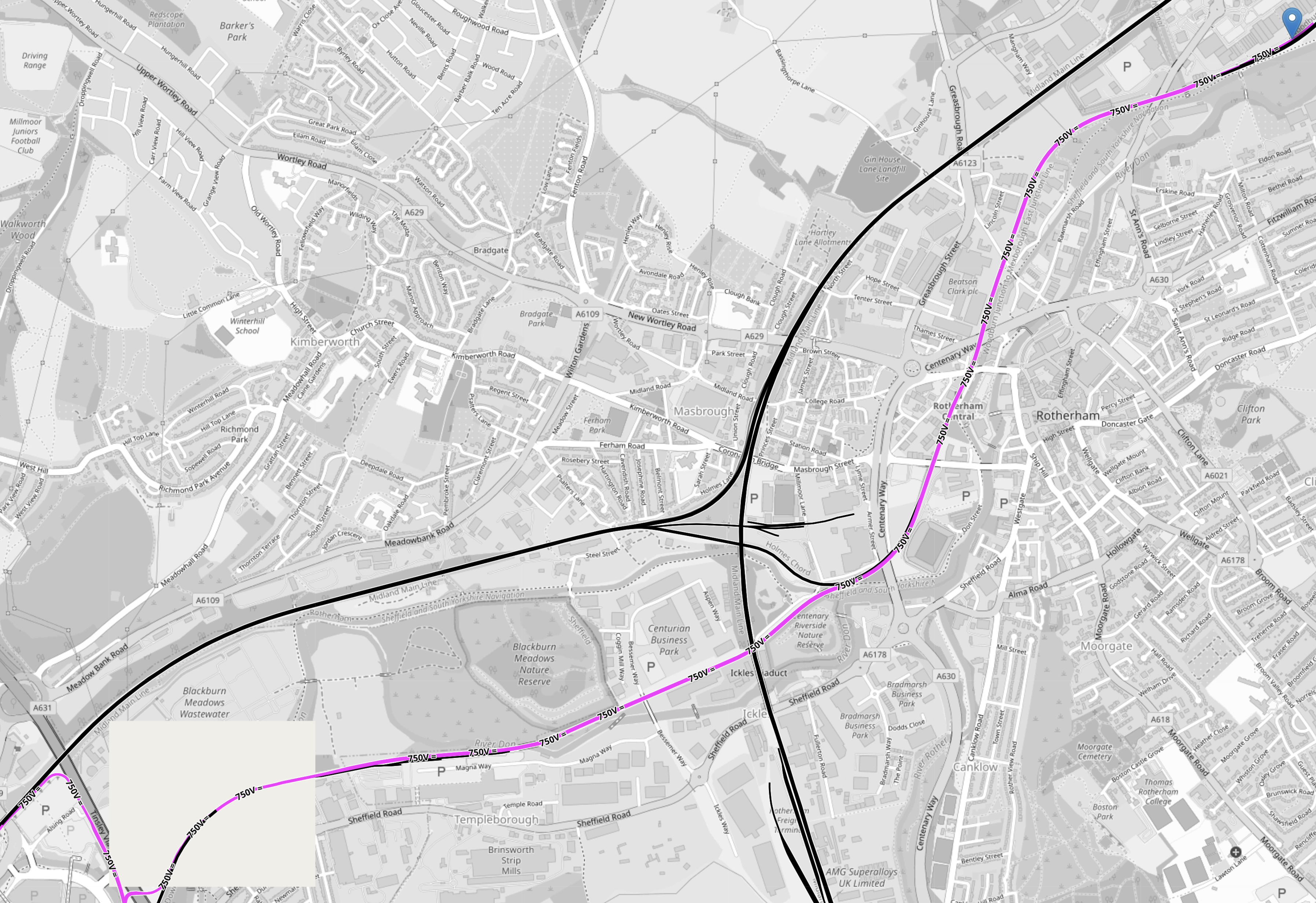
This OpenRailwayMap shows the electrified lines between Sheffield and Rotherham Parkway.
Note.
- Mauve tracks are electrified with 750 VDC overhead wires, so they can power Sheffield’s trams and tram-trains directly.
- Black tracks are not electrified.
- Meadowhall and its rail and tram interchange is in the South-West corner of the map.
- Note how mauve lines indicate the electrified tram tracks, that curve round the Meadowhall Shopping Centre.
- The blue arrow in the North-East corner indicates Rotherham Parkgate tram stop.
- The mauve line diagonally across the map, indicates the current electrification between Meadowhall South and Rotherham Parkgate tram stops.
- Magna Science Adventure Centre, is just to the South of the electrified Sheffield-Rotherham tram-line.
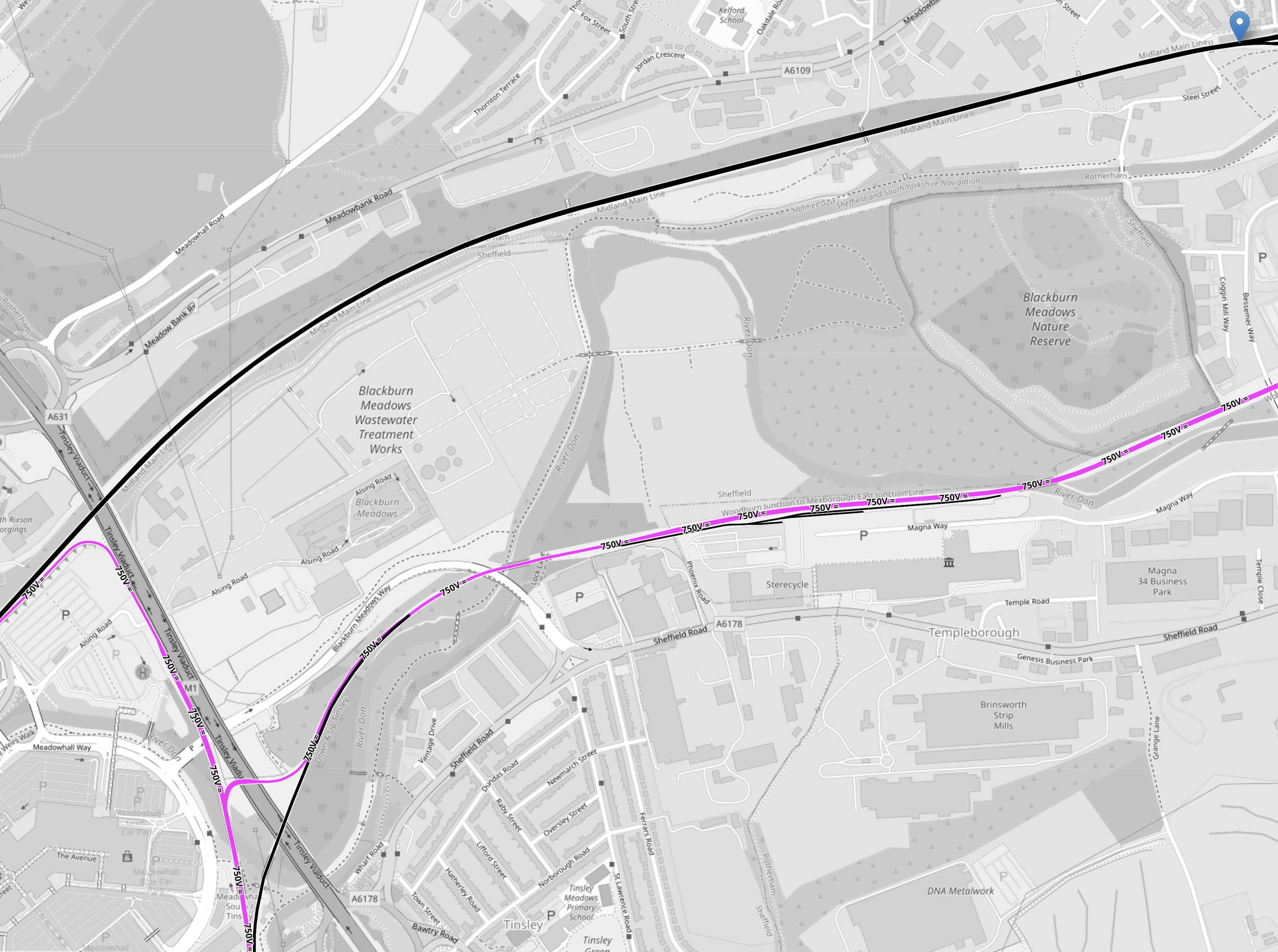
This second OpenRailwayMap shows the rail and tram lines between Sheffield and Rotherham in more detail.
Note.
- Track colours are as in the first map.
- The blue arrow in the North-East corner of the map indicates Holmes junction and is the route that Northern Rail’s current Sheffield and Adwick service takes.
- Sheffield and Rotherham Central stations are 6.1 miles apart.
- Sheffield and Adwick stations are 22.7 miles apart, but the Northern four miles between Doncaster and Adwick are electrified with 25 KVAC overhead wires.
This would indicate that a tram-train with a range of about twenty miles on battery power would be able to handle the route, if it could charge its batteries on the electrified lines.
Terminating a Sheffield And Adwick Service In Sheffield
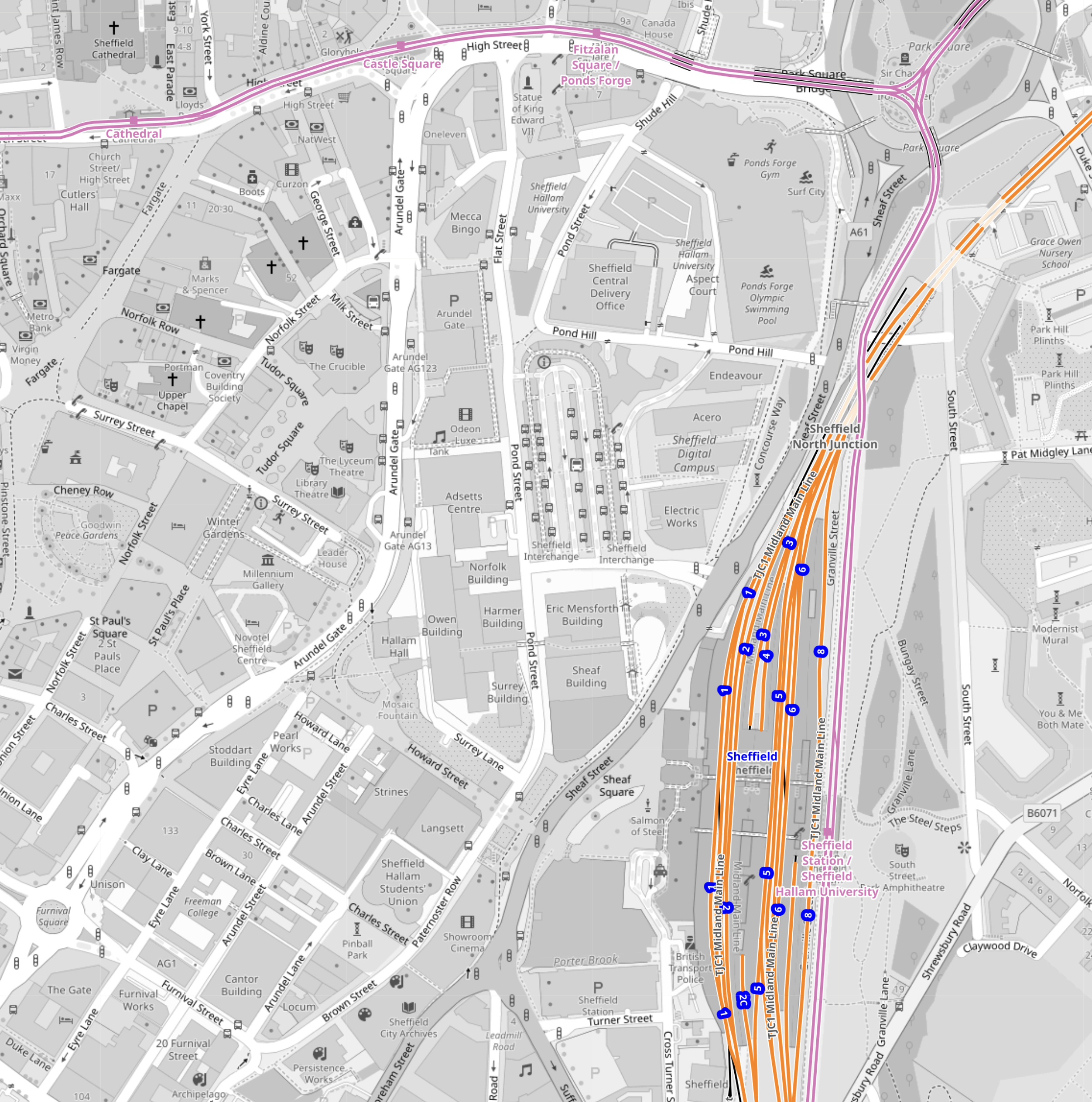
This OpenRailwayMap shows the rail and tram lines in and through Sheffield station.
Note.
- Rail lines are in orange.
- Tram lines are in mauve.
- Platform numbers in Sheffield station are shown as blue dots. Click on the map to show it on a larger scale.
- Sheffield Cathedral tram stop is in the North-West corner of the map.
- The triangular junction in the North-East corner of the map, allows trams to use all the main tram lines that go in three directions. A touch of genius as it gives a lot of flexibility, when adding extra services.
Currently, termination of the services from Rotherham and Doncaster is as follows.
- The tram-train terminates at the Sheffield Cathedral tram stop with a frequency of two tph.
- The train terminates in Platform 3 in Sheffield station with an hourly frequency.
- As typically a terminal platform can handle 4 tph, I don’t see why a second Sheffield and Adwick service can’t be running every hour into Sheffield station.
A short length of overhead electrification would need to be added on Platform 3 to recharge any tram-trains terminating in the platform.
It could also become a tram and run to any of the other destinations served from the triangular junction; Halfway, Herdings Park or Malin Bridge. This would allow batteries to be charged as the tram-trains ran across the city.
Remember, Sheffield station is likely to be electrified with 25 KVAC overhead wires in connection with running electric trains between London St. Pancras and Sheffield.
If the four bay platforms at Sheffield station, were to be electrified, then these would be ideal for recharging any battery-electric trains or tram-trains, that terminated in the station.
Battery-Electric Trains Between Manchester And Sheffield
Consider.
- Manchester Piccadilly station is already fully electrified.
- Currently, all Manchester Piccadilly and Sheffield, terminate in Platform 8 at Sheffield station.
- The distance between the electrification at Manchester Piccadilly and Platform 8 at Sheffield station is 40.2 miles.
- CAF are promising battery-electric versions of their Class 331 trains.
With a battery range of fifty miles, which is not outrageous, Manchester and Sheffield could be an electric service for the first time since January 1970, when the Woodhead route was closed.
FirstGroup’s Proposed London King’s Cross And Sheffield Service
This open access service might happen, although with this Government of all the Lawyers we have, who can predict anything.
- If it does happen, it is likely that the trains will be battery-electric Class 802 trains.
- These will be the same as those that will be run by Hull Trains.
- Battery range will be sufficient to handle Retford and Sheffield, which is 23.3 miles and much shorter than Temple Hirst junction and Beverley.
These trains will also need charging at Sheffield.
The current Sheffield and Adwick service terminates in platform 3 at Sheffield station, so this platform would probably need to have tramway electrification, so that it could charge the trams.
Updating Rotherham Parkgate Tram Stop
My preference would be for four tph passing through Rotherham Parkgate tram stop in both directions, so this would be a tram-train every seven minutes and thirty seconds, if there was only one platform as now.
I’m fairly sure, that Rotherham Parkgate tram stop needs to have a platform in both directions.
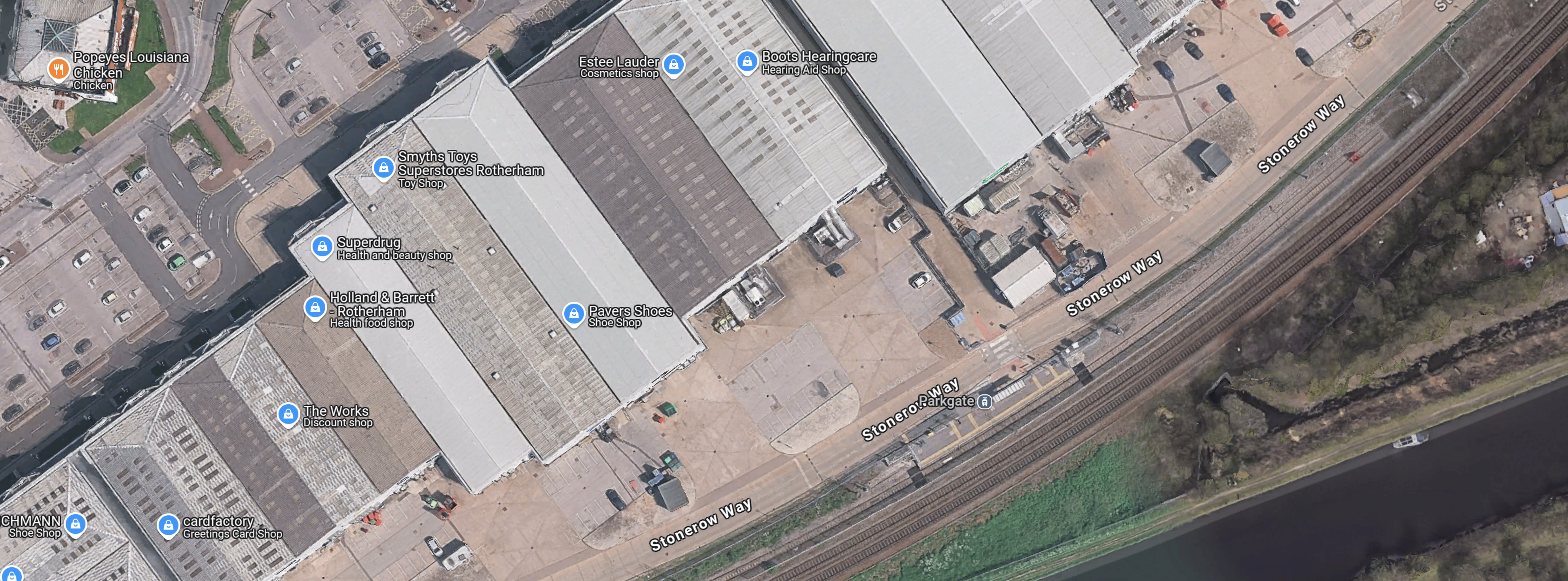
This Google Map shows the tram stop.
Note.
- The double-track rail line between Meadowhall and Doncaster curving to the South of the Rotherham Parkgate Shopping Centre.
- The Rotherham Parkgate tram stop on a spur from the rail line.
I am pretty certain, that a two-platform station could be squeezed in.
Cafe Plans For Derelict Building On New Rail Line
The title of this post, is the same as that of this article on the BBC.
This is the sub-heading.
A disused building on a newly reopened railway line could be saved if planners back proposals, external for its renovation.
These three paragraphs give more details.
One structure at Bedlington station in Northumberland has already been demolished but plans have been submitted which would save the building on the northbound side.
It was used until 1964 when the line closed, and while passenger services on the Northumberland Line between Ashington and Newcastle resumed last year, a new station in Bedlington has not yet been completed.
East Bedlington Parish Council chair Keith Grimes said: “It’s one of the oldest buildings in the parish, so it’s definitely worth keeping.”
I wrote about my visit to the new Northumberland Line in My First Trip On The Northumberland Line – 18th December 2024.
If the Northumberland Line is going to attract leisure travelers, a sprinkling of cafes along the line is a must.
These are pictures of Bedlington from my earlier trip.

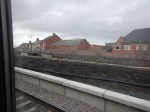


Note.
- I’d hoped I’d got a picture of the prospective cafe. But no luck.
- I didn’t see any Bedlington Terriers either.
- But then there are several of those excellent and distinctive dogs, near where I live in London.
The station should be operational this year, but it appears there’s still a lot of work to do.
Access To The Coast
This OpenRailwayMap shows the railway lines of Northumberland in relation to the coast.
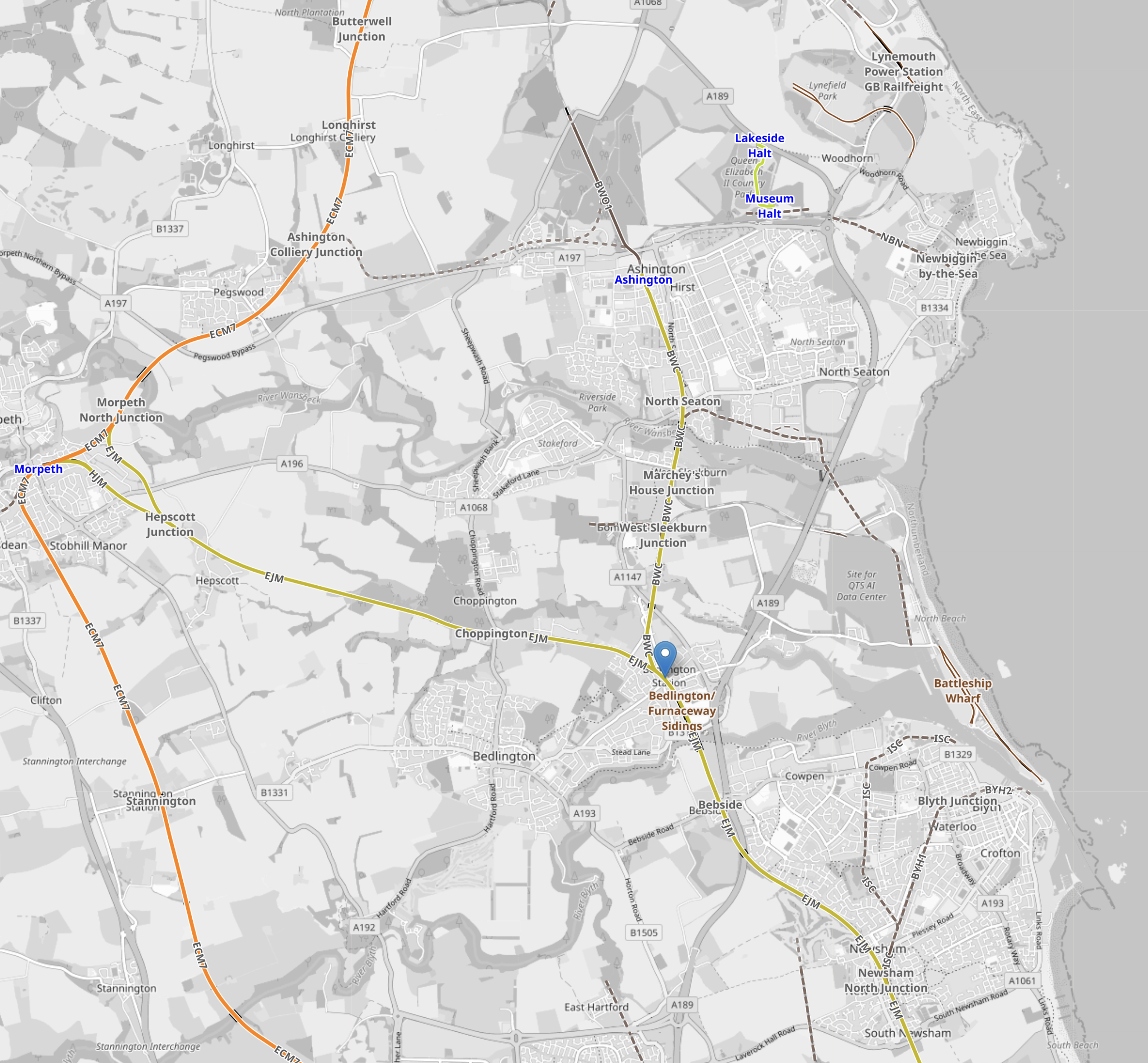
Note.
- The orange line is the East Coast Main Line between Newcastle and Edinburgh.
- Morpeth is the station on the Western edge of the map.
- The yellow line is the Northumberland Line between Newcastle and Ashington.
- The site of the new Bedlington station is indicated by the blue arrow.
It looks to me, that there are a lot of disused railway lines, that could be used to develop the Northumberland Line into a system with a much wider coverage.
The Wikipedia entry for the Northumberland line does say this about Ashington station.
Ashington station has been developed in such a way that an extension, such as that previously proposed to Newbiggin-by-the-Sea and Woodhorn could still be built, albeit part of a separate scheme.
Note.
- Newbiggin-by-the-Sea is East of Ashington.
- Woodburn is on a line that goes to the West of the East Coast Main Line.
- The extensions would open up the area for more housing and rail-oriented leisure activities.
This OpenRailwayMap shows the railway lines to the West and North of Newcastle.
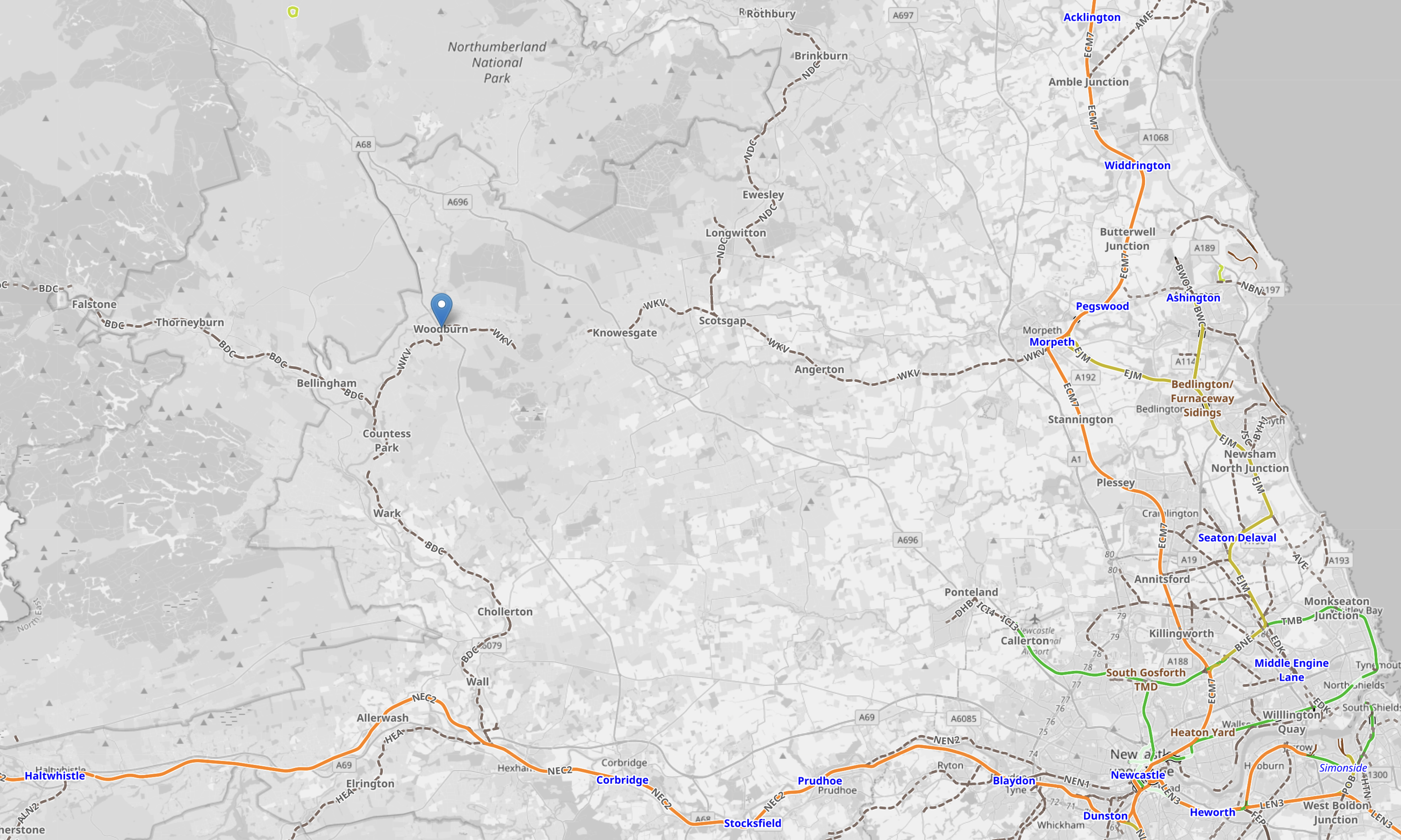
Note.
- The orange line on the East side of the map is the East Coast Main Line between Newcastle and Edinburgh via Morpeth.
- The yellow line to the East of the East Coast Main Line, is the Northumberland Line between Newcastle and Ashington.
- The green line is the Tyne and Wear Metro
- The orange line going along the bottom edge of the map is the Tyne Valley Line between Newcastle and Carlisle via Corbridge and Hexham.
- All the lines meet at Newcastle station.
- Woodburn station is indicated by the arrow on disused lines that connect Morpeth on the East Coast Main Line with the Tyne Valley Line.
Reopening the lines to Woodburn would create a new railway, that would encircle Newcastle and surely create lots of housing, business and leisure opportunities.
But let’s get Phase One finished first and see how passenger numbers develop.
A Bespoke Tram-Train For The UK
Trams, tram-trains, trains and anything that runs on rails is generally very expensive.
Does this partly explain, why the UK has relatively few urban tramways and railways?
In Stadler Presents Mock-Up Of Tram-Trains For German And Austrian Operators, I discussed how five German and Austrian operators had got together to create a common tram-train design, that would be suitable for all the operators.
The mayor of one of the cities involved in the joint order, said savings of the order of a million euros per vehicle may have resulted from the common design.
I would also feel that savings in operational costs, design of infrastructure, spares inventory and other costs would also result.
Identical tram-trains would make through running between networks easier.
Where Could Tram-Trains Be Used In The UK?
Consider.
- Currently, tram-trains are running in Sheffield and a battery-electric version of the same Stadler Citylink tram-train will soon be running in Cardiff.
- Cardiff, is developing a Cardiff Crossrail on tram-train principles across the city.
- Sheffield have said that they will be replacing their trams and I believe they could use developments of their excellent Stadler tram-trains.
- Sheffield is likely to extend their tram system and might include tram-trains to Doncaster.
- Cities that have talked about adding tram-trains to their tram networks include Birmingham, Blackpool, Manchester and Nottingham.
- Leeds is developing a metro system, which could be developed using tram-train principles.
- Glasgow has talked about a tram-train to Glasgow Airport for some time.
- The East-West Rail Link is proposing a tram-train link between Ipswich and Felixstowe to allow more freight trains into the Port of Felixstowe.
There could be quite a number of tram-trains being used in the UK, especially if they are used as at Felixstowe, to increase freight capacity into ports.
These are a few of my thoughts.
Battery-Electric Tram-Trains
I would envisage, that a lot of the new tram-trains would operate using batteries. Especially, as battery-electric trains are showing quite long ranges of upwards of thirty miles.
Already trams in Birmingham and trains on Merseyside, are operating using batteries and it avoids the expense of putting up catenary, if enough exists to charge the trams.
Replacement of Diesel Multiple Units By Battery-Electric Tram-Trains
There are some branch lines, where diesel multiple units run off a branch of an electrified main line.These services could be decarbonised by changing the rolling stock.
This OpenRailwayMap shows the St. I’ves Bay Line in Cornwall.
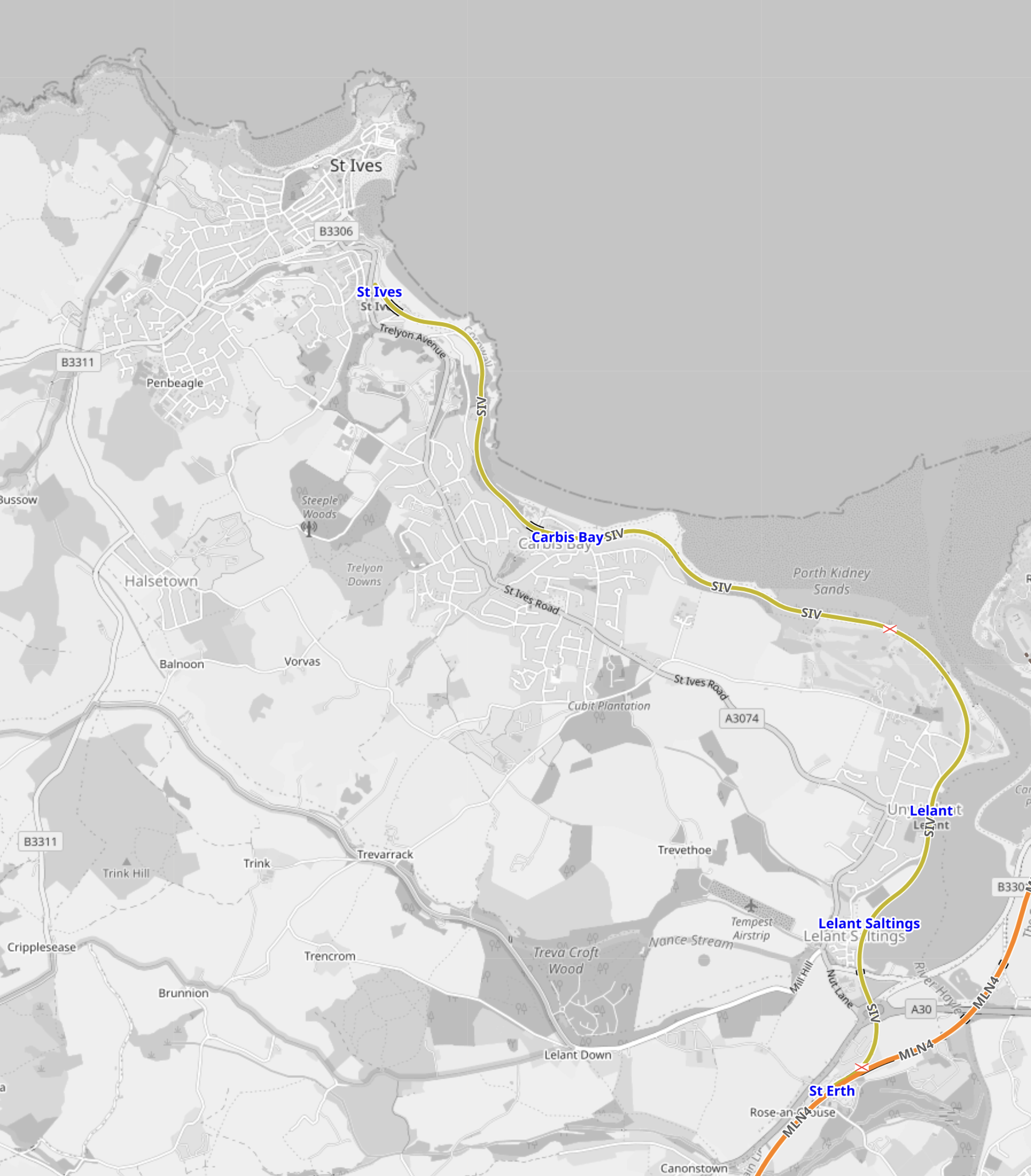
Note.
- The St. Ives Bay Line is shown in yellow.
- The Southern terminal is St. Erth station, where it connects to the Cornish Main Line, which is shown in orange.
- The Northern terminal is St. Ives station, which is towards the top of the map.
- The St. Ives Bay Line is 4.25 miles long.
- No tracks are electrified.
- There are three intermediate stations.
This second OpenRailwayMap shows St. Erth station in more detail.
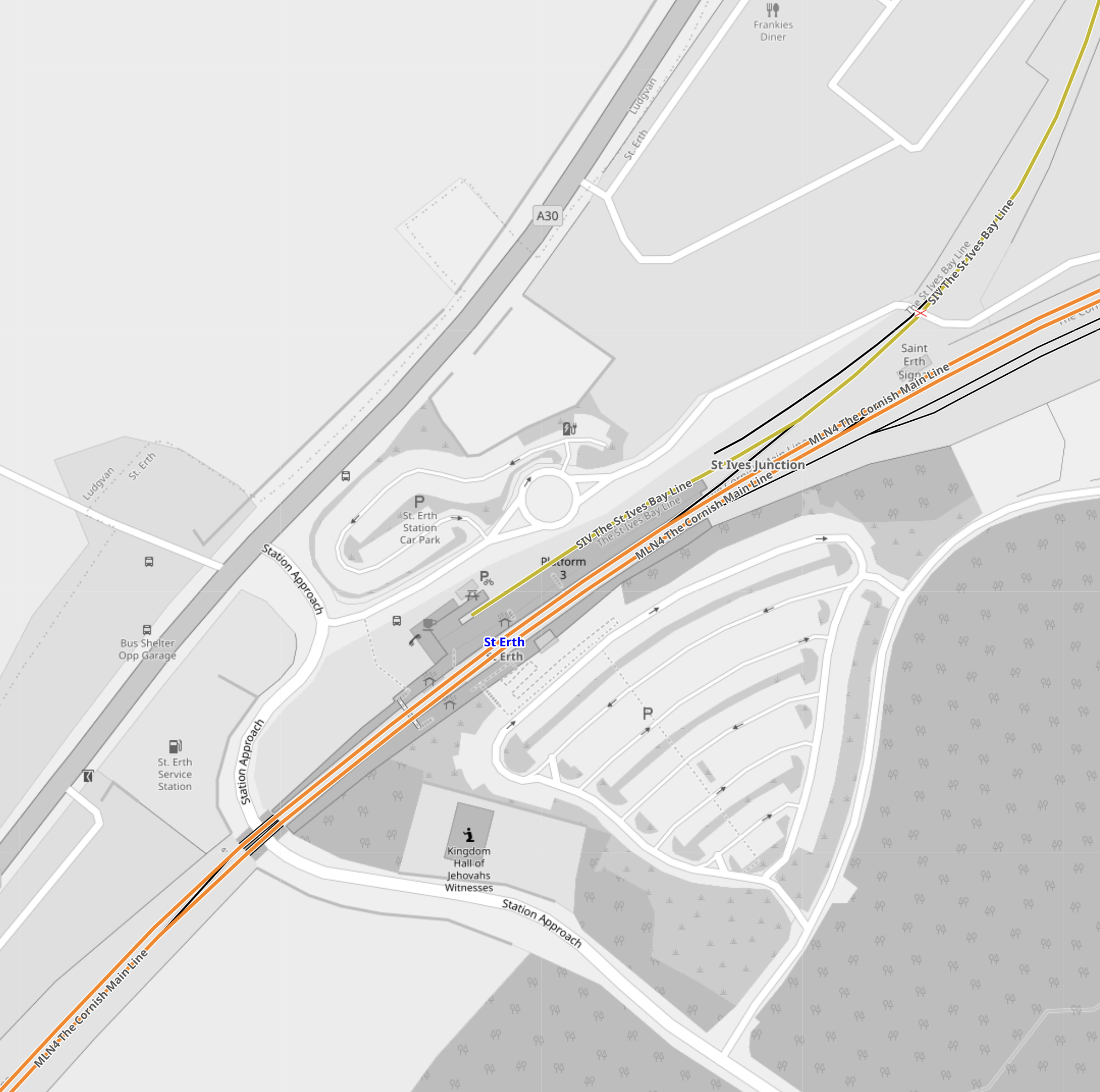
Note.
- The St. Ives Bay Line has its own platform at the side of the station.
- I am fairly certain, that some form of charging could be installed in this platform.
- At the other side of the Cornish Main Line are two sidings, which could be used for cleaning and maintenance.
A neat zero-carbon branch line could easily be created.
New Branch Lines To New Developments
In Sheffield Region Transport Plan 2019 – A New Tram-Train Route To A New Station At Waverley, I gave my view on a tram-train loop from the Sheffield-Lincoln Line to serve the Advanced Manufacturing Centre and new housing at Waverley.
The tram-train would run as a train to the branch line for the development and then run as a battery-electric tram, through the development.
As the Midland Main Line to Sheffield will be electrified, the tram-trains could be charged on the electrification in Sheffield station.
Build Them In Doncaster
Wabtec are closing Doncaster works.
Surely this would be the site to assemble the scores of tram-trains that could be needed in the UK.
Conclusion
Tram-trains could do a lot to improve the railways of the UK.
They would also help to decarbonise the existing system.
Ricardo Signs Deal To Support Singer With Bespoke Manual Transmissions
The title of this post, is the same as that of this press release from Ricardo.
These three paragraphs give more details of the deal.
Ricardo, a global strategic, environmental, and engineering consulting company has signed a deal to supply bespoke, manual transmissions to Singer’s operations in the US and UK.
The transmissions will be exclusive to Singer and will initially be available to owners who request Singer’s Classic Turbo or DLS Turbo restoration services for their Type 964 Porsche 911.
Singer arrived on the automotive scene with their Classic services in 2009. Since then, the company has developed restoration services allowing owners to personalise both naturally aspirated and turbocharged cars. A Porsche 911 Reimagined by Singer is a rare machine, bringing together iconic design with twenty-first century engineering and material science.
I owned two Porsche 911s. The picture shows my 1969, 911T on the Isle of Skye.

I last heard of it about thirty years ago and it was still going strong in New Zealand.
Are Classic Cars The Future?
Seeing that top-class engineering companies, such as Ricardo, are getting involved, does it mean that rather than drive around in soulless electric cars, drivers will prefer something more interesting.
The Singer web site, certainly has lots of images of Automotive Pornography.
To Norbiton For A Plate Of Lovely Liver
I seem to need a lot of Vitamin B12.
- I am coeliac, which probably means I don’t absorb enough out of my food.
- Although, when my gallstones were removed, the surgeon had a look and said everything was good.
- When Homerton Hospital found my Uncomplicated Pancolonic Diverticular Disease, that I talked about in I’ve Got Uncomplicated Pancolonic Diverticular Disease, they also said everything else was good.
- In the United States, Vitamin B12 is given to stroke patients to help recovery.
- I’ve had Vitamin B12 injections for nearly thirty years, since they were prescribed by Addenbrooke’s hospital.
Certainly, I find that a Vitamin B12 injection doesn’t seem to have the same effect, it had twenty years ago. So, is my brain saying, I’ll have that, when I have an injection?
When I lived in Suffolk and I felt my Vitamin B12 was low, I’d go down the pub or carluccio’s in Cambridge or Bury and have a plate of liver.
But liver is rare in London restaurants and Carluccio’s don’t serve it any more.
A guy in the reader’s comments in The Times told me of a restaurant called the Trattoria Calabrese, that sold liver in sage butter yesterday. So today, I took a train to Norbiton to get myself some extra Vitamin B12.
These pictures describe my first visit to Norbiton.
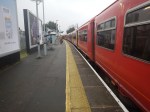
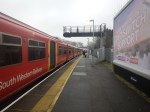
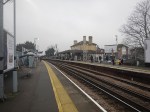
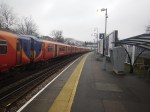

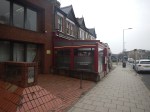
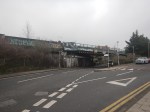
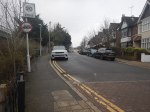


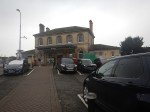
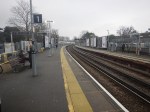
The short walk to the restaurant from Norbiton station was very much worth it. I shall go back!
Norway Drops Fixed-Bottom Offshore Wind Plans, Shifts Focus To Floating Wind
The title of this post, is the same as that of this article on offshoreWIND.biz.
This is the sub-heading.
The Norwegian government has cancelled plans for another fixed-bottom offshore wind tender in the North Sea due to cost concerns, shifting its focus toward developing floating offshore wind projects.
As cost concerns are mentioned in the sub-heading, I suspect that quite a few people are surprised that floating wind is cheaper with all its complications.
But we do know the following.
- Floating wind farms seem to generate electricity with a higher capacity factor.
- Floating wind farms may be cheaper to assemble and service, as this can be carried out in a port with a crane, which may be less susceptible to random disturbance caused by weather.
- Floating wind farms can be placed in deeper waters, which may be better areas for electricity generation.
- Floating wind farms can be placed further out to sea, so Nimbys don’t object to them as much, causing extra costs.
Accountants and financiers will always prefer lower-cost options.
Platform 10 At Clapham Junction Station
These pictures show the step into and out of the Class 455 trains at Platform 10 at Clapham Junction station.
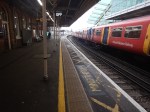
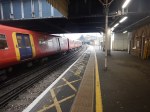
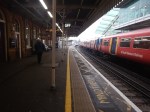
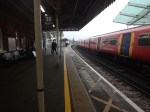
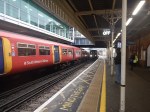
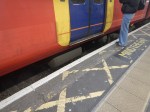
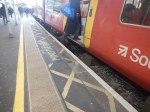
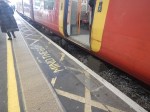
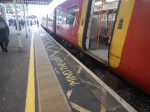
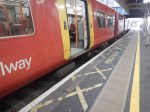
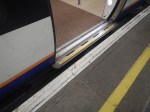
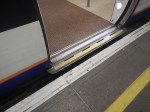
Note.
- Platform 10 at Clapham Junction station is markedly curved with a wide gap to mind!
- There is also quiet a high step up and down.
- The last two pictures, show the safer design at Platform 3 at Dalston Junction station.
On my last two visits to Clapham Junction, I have had to be helped out of the train. None of us, are getting any younger.
Ricardo’s Hydrogen Fuel Cell Module Successfully Reaches Full Power
The title of this post is the same as that of this press release from Ricardo.
This is the sub-heading.
Ricardo, a global strategic, environmental, and engineering consulting company, today announces a significant milestone in clean energy innovation with its new high-powered, multi-stack hydrogen fuel cell module technology successfully reaching 393kW of net electrical power, achieved within three months development from initial start-up.
These are the first two paragraphs.
This achievement was made possible due to Ricardo’s virtual engineering toolchain, which reduces physical prototyping costs and risks, accelerates development timelines, and provides a deeper understanding of system behaviours under diverse conditions.
Initially developed as part of the Sustainable Hydrogen Powered Shipping (sHYpS) Horizon Europe project for the maritime sector, Ricardo’s multi-stack hydrogen fuel cell module is designed to deliver high energy output with zero emissions. Its modular architecture integrates multiple fuel cell stacks to provide unmatched power density, and scalability while meeting the evolving energy demands of diverse applications, such as maritime, stationary power generation, rail and off-highway.
It certainly looks like Ricardo have developed a heavy end hydrogen fuel cell, that can be applied to a range of applications, in a very short time. Now that’s what I call world class engineering.
The last paragraph of the press release indicates what is possible.
To support the adoption of hydrogen technology, Ricardo has also developed a containerised solution, able to combine multiple fuel cell modules, enabling power output to be scaled up to 3MW per container, with the DC-DC power conversion on board, all without sacrificing efficiency or durability. When scaled up to incorporate multiple fuel cell modules housed within two bespoke containers, a total net electrical plant output of 6MW can be delivered. This is sufficient to power a 50,000 tonne 1,000 passenger cruise ship through important zero-emission mission cycles.
Although, this family of fuel cells, was originally developed for maritime applications, as an example of the flexibility of the system, it would surely be applicable for replacing any diesel engine from 2 MW upwards in a large number of rail, stationary and on and off-road applications.
This picture shows one of several hundred Class 66 locomotives on UK railways.
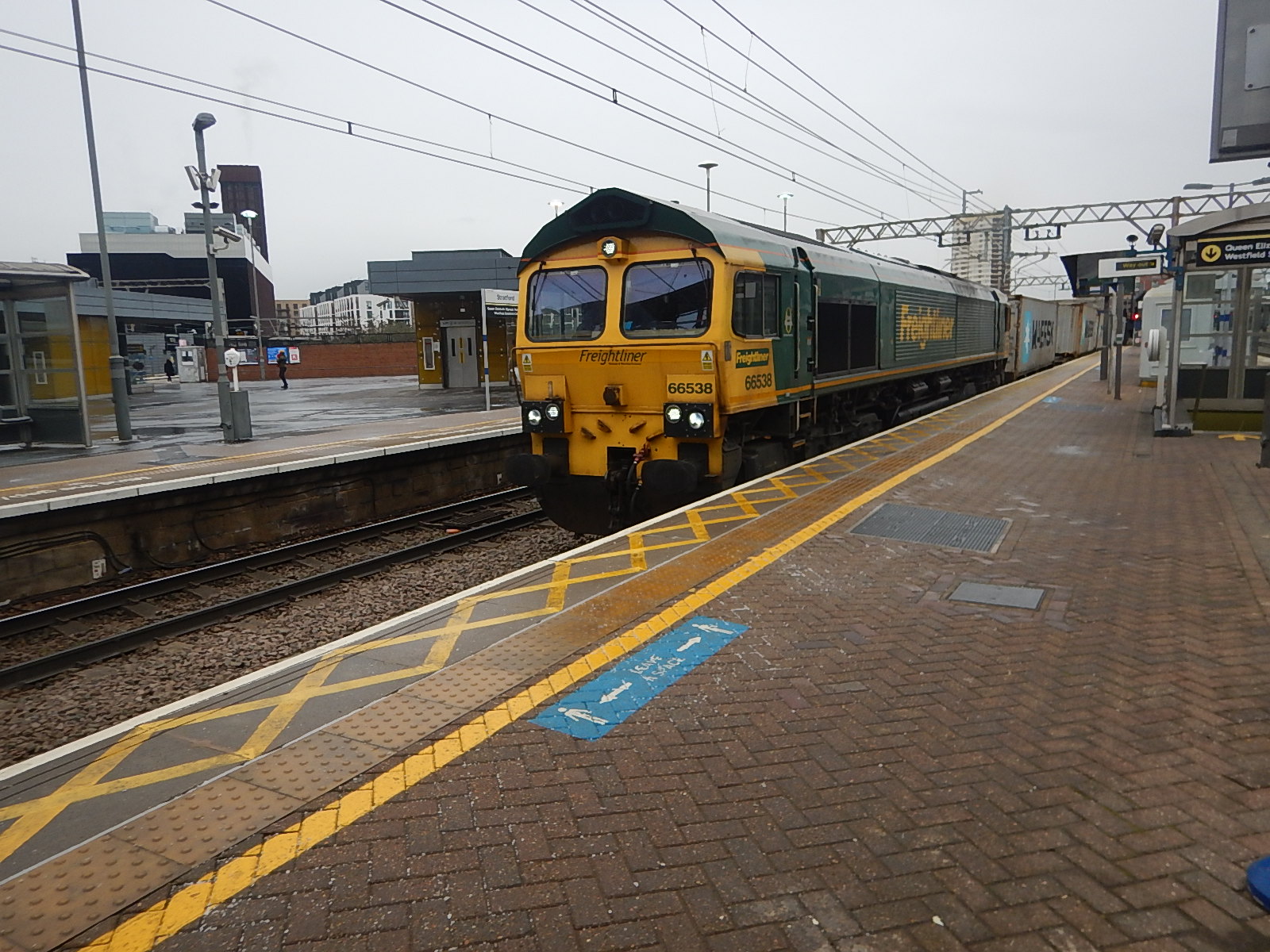
As they have an electric transmission, the 2 MW diesel engine could be fairly easily changed for a hydrogen fuel-cell of an appropriate size.
Ryanair Flies Into Sahara on Sea (And Africa’s Oldest Conflict)
The title of this post, is the same as that of this article in The Times.
This is the sub-heading.
Chieftains fighting for a strip of land claimed by Morocco are threatening to step up attacks as the tourist industry grows
These are the first three paragraphs.
Towards the end of the flight on Ryanair’s new route to Dakhla a vast expanse of apparently pristine desert coastline unfurls below.
But this land is nowhere near as tranquil as it looks from above. Instead the Irish airline’s choice of destination has flown the company into the heart of Africa’s longest-running conflict.
These direct flights from Madrid and Lanzarote take its planes to the coastal town in Western Sahara, a tract of desert the size of Britain that tribal chieftains and three countries have struggled to control through the centuries.
This is a Google Map showing the location of Western Sahara with respect to the Canary Islands.
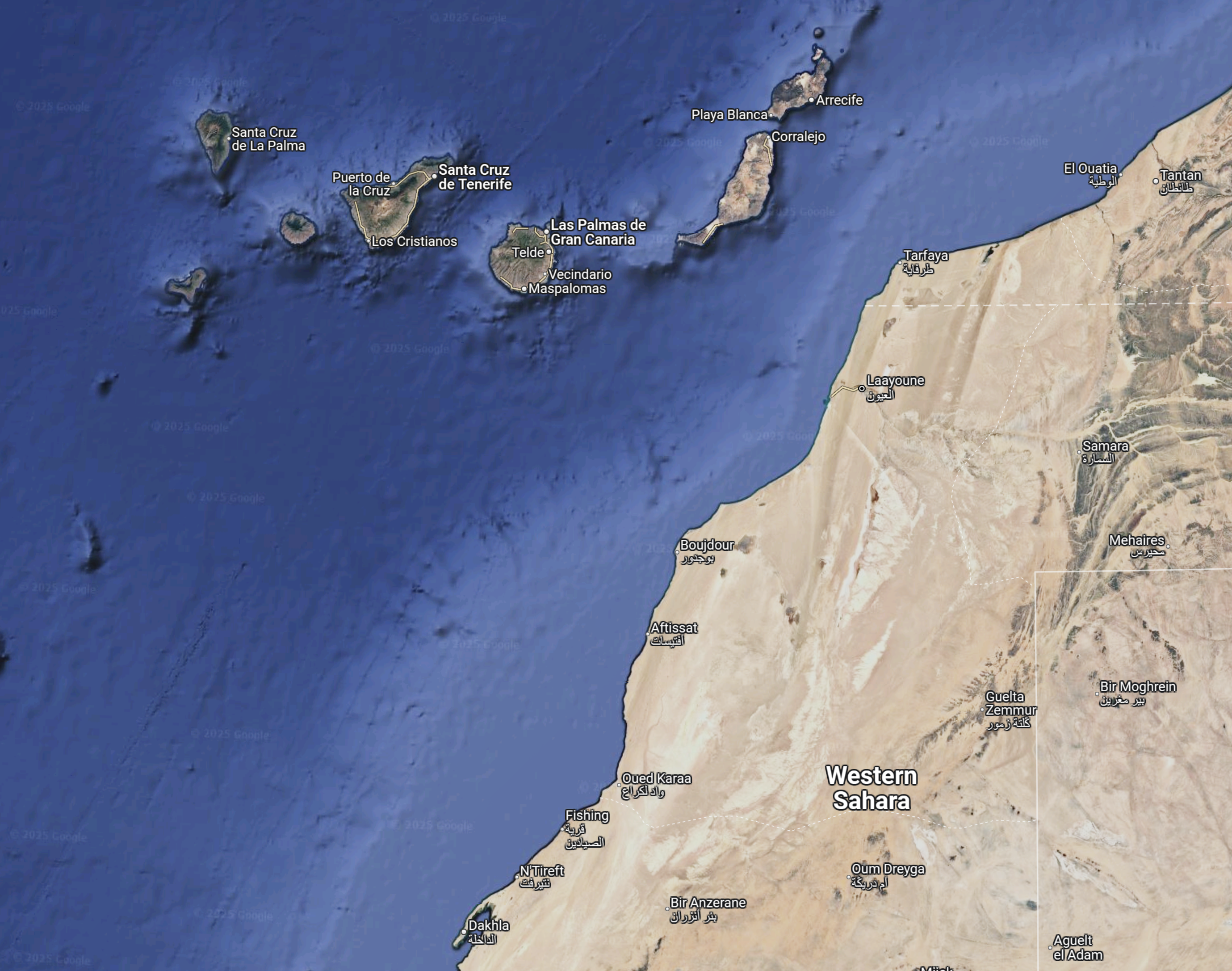
Note.
- The islands off the recognisable coast of North West Africa are the Canary Islands.
- Lanzarote is the Southermostof the two North-Eastern islands.
- Western Sahara is to the South-East of the Canary Islands.
- Dakhla is on the Africa coast at the Southern edge of the map.
The map will be enlarged if you click on it.
I have my thoughts on this article.
Western Sahara And Coeliac Disease
I have a feeling that this area has one of the highest levels of coeliac disease in the world.
- It all started some years ago, when they had a terrible famine, so the US donated a lot of wheat to alleviate the famine.
- But the people of Western Sahara don’t grow wheat and their bodily systems can’t cope with gluten.
- This gave the people a lot of coeliac disease, which can be passed on genetically.
A similar process went on during the slave trade, where the slavers fed their captives on bread made from wheat and water. Consequently, many of the slaves suffered from various problems and that could be why many died on the crossing. These days there is coeliac genes among the Caribbean and American black population that has been passed down through the generations.
After their first actions, it only looks like Trummkopf and his sidekick are going to make matters worse, after their destruction of US Aid.
 The Anonymous Widower