Beeching Reversal – Mablethorpe
This is one of the Round 3 bids of Beeching Reversal projects that the Government and Network Rail are proposing to reverse some of the Beeching cuts.
Maplethorpe is an traditional seaside town between Skegness and Cleethorpes, which is shown in this Google Map.
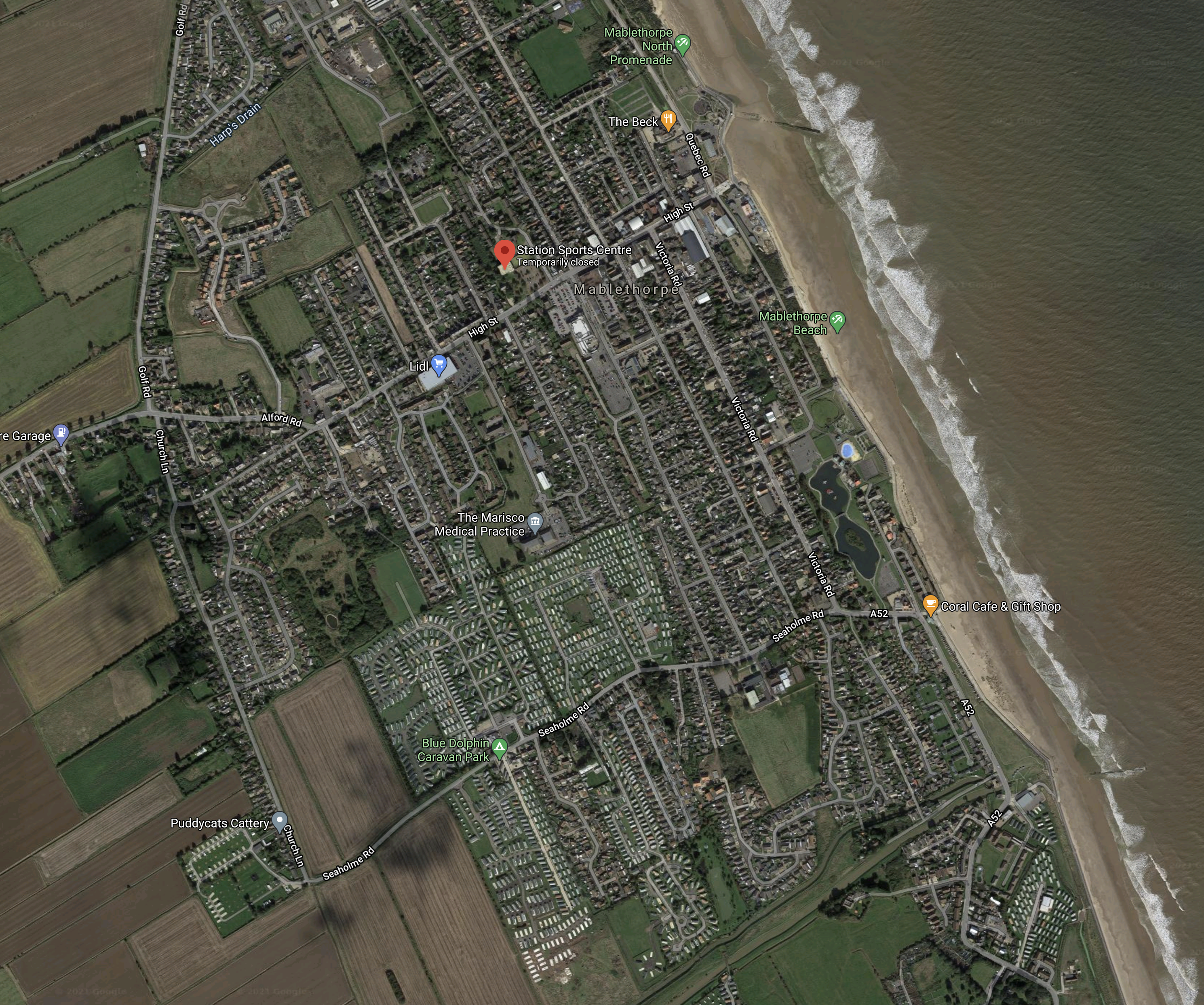
Note.
- The town has a population of around 12,000.
- The beach looks good.
- The red arrow shows the position of the former station, which is now a leisure centre.
It looks like building a railway to the original site would be very challenging.
The original railway through the town was the Mablethorpe Loop Line, which ran between Willoughby and Louth.
- Louth is the largest town in Lincolnshire without a rail connection.
- Willoughby and Louth stations were both on the East Lincolnshire Line, which connected Boston and Grimsby Town stations.
- Much of the original trackbeds can still be picked out on the map, but no rail lines exist.
It would be a very large enterprise to rebuild all the original lines.
I think there are two possible solutions to provide a rail link to Maplethorpe.
Boston and Maplethorpe
This Google Map shows the area between Boston and Maplethorpe.
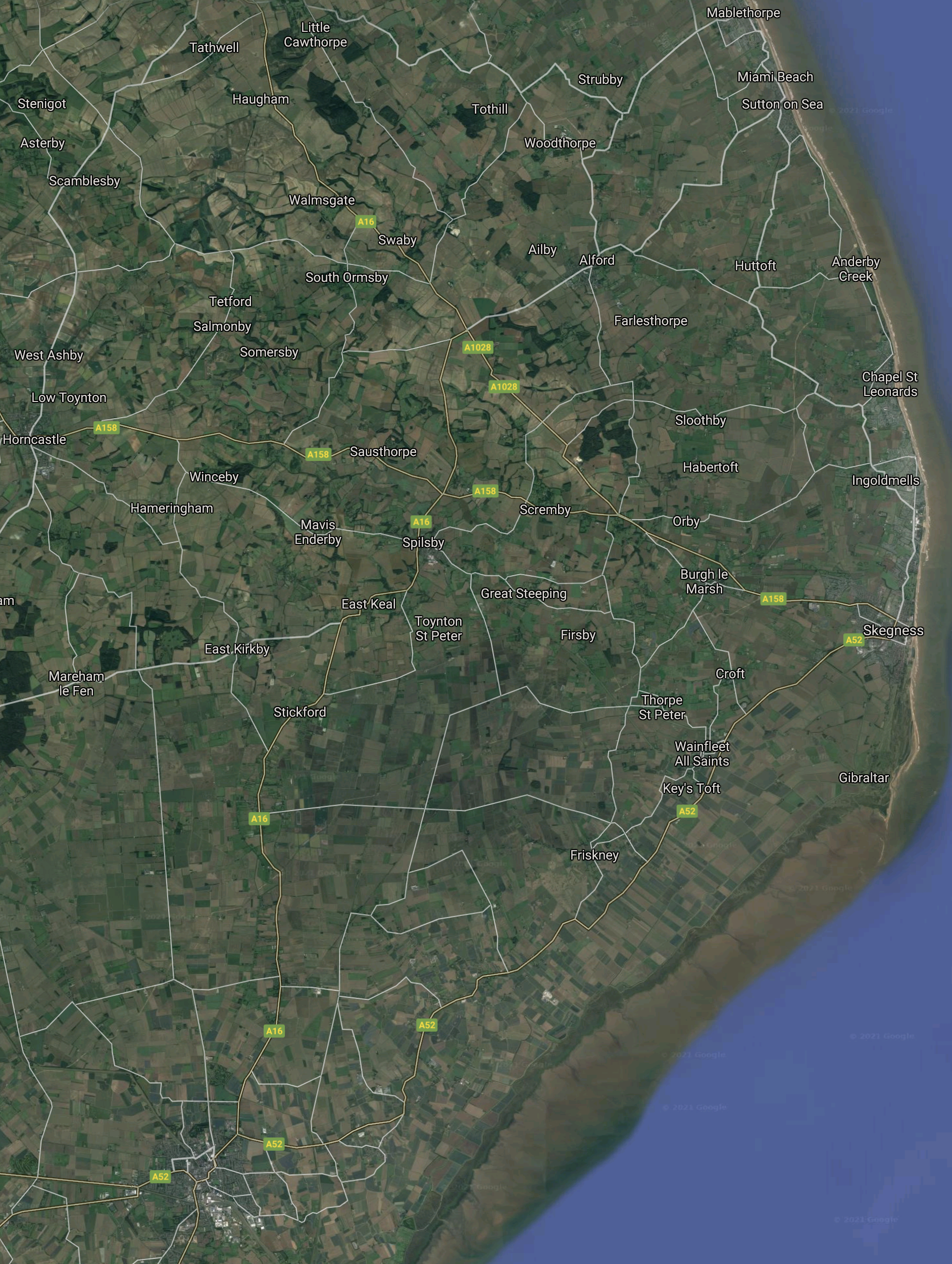
Note.
- Maplethorpe is in the North-East corner of the map.
- Boston is in the South-West corner of the map.
- Skegness is on the coast between the two.
It would probably be possible to build a single track railway on the old track bed between Boston and the Western side of of Maplethorpe.
Skegness and Maplethorpe
This Google Map shows Skegness station.
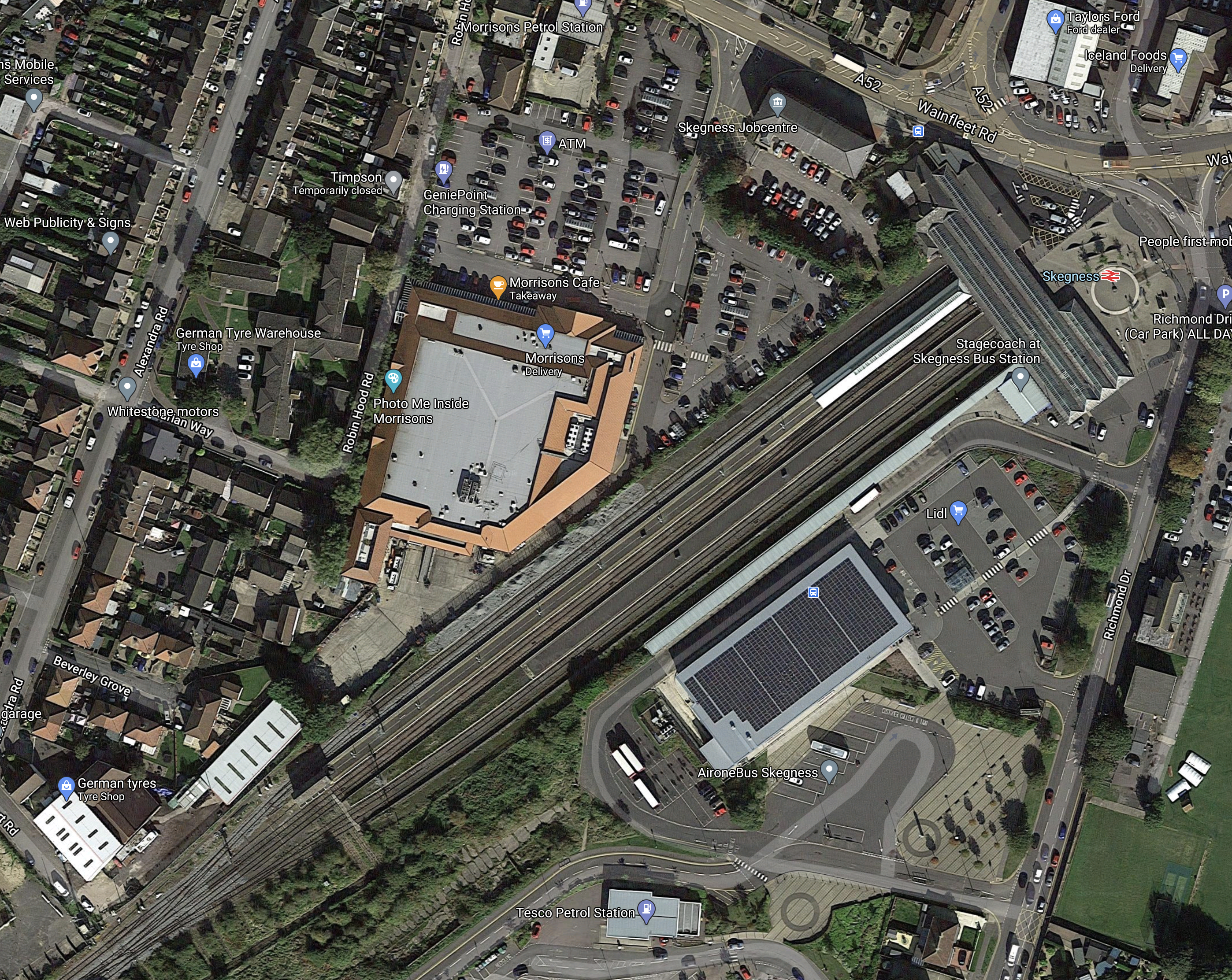
Note, that it is not a small station and it is in the town centre.
Ever since, I saw the coastal tram in Belgium, I have thought that they are a way of giving new life to traditional seaside resorts.
- Skegness and Mablethorpe are less than twenty miles apart.
- So could a tram start at Skegness station, work its way to the coast and then proceed along the coast all the way to Maplethorpe.
- It could even finish at Cleethorpes station.
I definitely think there are possibilities for a coastal tram.
Restoring Your Railway: Successful Bids
As of the 26th of November, this is the list of successful bids, which are detailed on this page of the Government web site.
To Reinstate The Passing Loop Between St Albans Abbey And Watford Junction (Abbey Line)
See Reinstatement Of The Abbey Line Between St Albans Abbey And Watford Junction
To Re-open The Meir station between Stoke-On-Trent And North Staffordshire
See Reopening Meir Railway Station Between Stoke-On-Trent And North Staffordshire
To Reintroduce Passenger Services On The Leicester To Burton (Ivanhoe) Line
See Reinstatement Of The Ivanhoe Line
Reopened Lines And New Passenger Services, Melton Mowbray – Nottingham
Reopened Lines And New Passenger Services, Alfreton – Ashfield (Maid Marian Line)
See Beeching Reversal – Reconnecting Ashfield Communities Through The Maid Marian Line
Reopened Lines And New Passenger Services, Stratford Upon Avon – Honeybourne – Worcester/Oxford
Reopened Lines And New Passenger Services, Consett-Newcastle
See Beeching Reversal – Consett-Newcastle Connection
New Station At Ferryhill, Ferryhill – Stockton-on-Tees
See Beeching Reversal – Ferryhill Station Reopening
To Reinstate The Bury-Heywood-Rochdale Lines
See Reinstatement Of The Bury-Heywood-Rochdale Lines
To Reintroduce Passenger Services Between Clitheroe and Hellifield And Explore Freight Options
See Reinstatement Of The Clitheroe To Hellifield Railway Line
Enhanced Existing Passenger Services, Preston – Blackpool South
See Beeching Reversal – South Fylde Line Passing Loop
Reopened lines And New Passenger Services, Bolton-Radcliffe / Bolton-Bury
See Beeching Reversal – Reinstatement of Bolton-Radcliffe / Bolton – Bury
New Station At Beeston Castle And Tarporley, Crewe – Chester
See Beeching Reversal – Reinstating Beeston Castle And Tarporley Station
To reinstate Branch Lines On The Isle of Wight
See Reinstatement Of Branch Lines On The Isle Of Wight
To Introduce Passenger Services On The Totton-Fawley (Waterside) Line
See Special Train Offers A Strong Case For Reopening Fawley Line
To Re-open Of Wellington and Cullompton Stations
See Reopening Of Wellington and Cullompton Stations
To Reinstate Rail Access To Devizes Via A New Station At Lydeway
See Reinstatement Of Rail Access To Devizes Via A New Station At Lydeway
New Station At St Anne’s Park, Bristol Temple Meads – Bath Spa
See Beeching Reversal – St Anne’s Park Station
Enhanced Existing Passenger Services, Truro – Falmouth
New Station At Langport And Somerton, Castle Cary – Taunton
Reopened Lines And New Passenger Services, Kemble – Cirencester
See Beeching Reversal – Cirencester Community Railway
Reopened Lines And New Passenger Services, Wareham – Swanage
See A Visit To The Swanage Railway
To Reintroduce Passenger Services On The Barrow Hill Line Between Sheffield And Chesterfield
See Reinstatement Of The Barrow Hill Line Between Sheffield And Chesterfield
Reopened Lines And New Passenger Services, Gainsborough – Barton
See Beeching Reversal – Restoring A South Humber Link
New Station At Waverley, Sheffield – Chesterfield
See Beeching Reversal – A New Station At Waverley In Sheffield
Summarising The Bids
In total, there are twenty-five successful bids.
Stations
There are nine possible new or rebuilt station projects.
- Beeston Castle And Tarporley – Rebuilt – Closed in 1966
- Cullompton – Rebuilding – Closed in 1964
- Ferryhill – Rebuilding – Closed in 1967
- Langport And Somerton – Rebuilt – Closed in 1964
- Lydeway – New
- Meir – Rebuilt – Closed in 1966
- St Anne’s Park – Rebuilt – Closed in 1970
- Waverley – New
- Wellington– Rebuilt – Closed in 1964
Note.
- Only two are in new locations.
- None seem to be challenging sites and some seem to have the remains of previous stations.
- I am fairly sure, that all stations are on double-track railways.
- Cullompton and Wellington stations could be a single project.
These are typical costs from the last few years for typical two platform stations on a double-track railway.
- Horden – £10.5 million
- Kenilworth – £11.3 million
- Lea Bridge – £5.6 million
- Maghull North – £13 million
- Robroyston – £14 million
- Warrington West – £20.5 million
Meridian Water, which was a large four-track station cost £46 million.
Line Reopenings
There are thirteen lines that could be reopened for passenger services.
- Barrow Hill Line
- Bolton-Radcliffe / Bolton-Bury
- Bury-Heywood-Rochdale Lines
- Consett-Newcastle
- Gainsborough – Barton
- Isle of Wight Branch Lines
- Ivanhoe Line
- Kemble – Cirencester
- Maid Marian Line
- Melton Mowbray – Nottingham
- Stratford Upon Avon – Honeybourne – Worcester/Oxford
- Wareham – Swanage
- Waterside Line
Note.
- Several of the tracks are already in place and used for freight.
- Full electrification is not involved in any proposed scheme.
- Few, if any bridges and no tunnels are needed.
- Some will share lines with well-run heritage railways.
There will probably be some new stations. As examples, I would suggest Cirencester, Consett and intermediate stations on the Ivanhoe Line.
Enhanced Passenger Services
There are four bids, to enhance passenger services.
- Abbey Line
- Clitheroe and Hellifield
- Preston and Blackpool South
- Truro – Falmouth
Note.
- Small amounts of new infrastructure may be needed.
- Some extra trains may be needed.
None should be challenging.
Conclusion
The successful bids are a sensible collection of ones to progress.
None are outrageously difficult.
Beeching Reversal – Consett-Newcastle Connection
This is one of the Beeching Reversal projects that the Government and Network Rail are proposing to reverse some of the Beeching cuts. There used to be a direct line between Newcastle and Consett, which was the Derwent Valley Railway, which connected Consett to the Tyne Valley Line.
I would assume that the basis of the plan, is to reinstate this route and build a new station at Consett.
The Former Route
I will show the route starting from the Tyne Valley Line.
Connection To The Tyne Valley Line
This Google Map shows the MetroCentre with the Tyne Valley Line running along its North side.

Note.
- The River Tyne running along the North side of the map.
- MetroCentre station on the Tyne Valley Line is by the North-East corner of the MetroCentre.
- The River Derwent meanders its way to the River Tyne, to the West of the MetroCentre.
- The Derwent Valley Line used to come through this area to join the Tyne Valley Line.
I have a feeling that much of the route of the Derwent Valley Line lies under the new roads.
This map clipped from the Wikipedia entry for the Derwent Valley Line, shows how, the line connected to the Tyne Valley Line.

This Google Map shows the area.

Note.
- The Scotswood Railway Bridge is the dark-coloured bridge in the North-West corner of the map.
- The Tyne Valley Line runs East-West across the map.
- Swalwell station must have been in the area of the junction on the A1.
As the old route appears to be blocked, another route must be found to connect to the Tyne Valley Line.
Perhaps there would be enough space to squeeze a railway line alongside the River Derwent.
Between Swalwell And Nine Arches Viaduct
The Nine Arches Viaduct is an iconic feature of the line. This image of the bridge was taken from a Google Map.
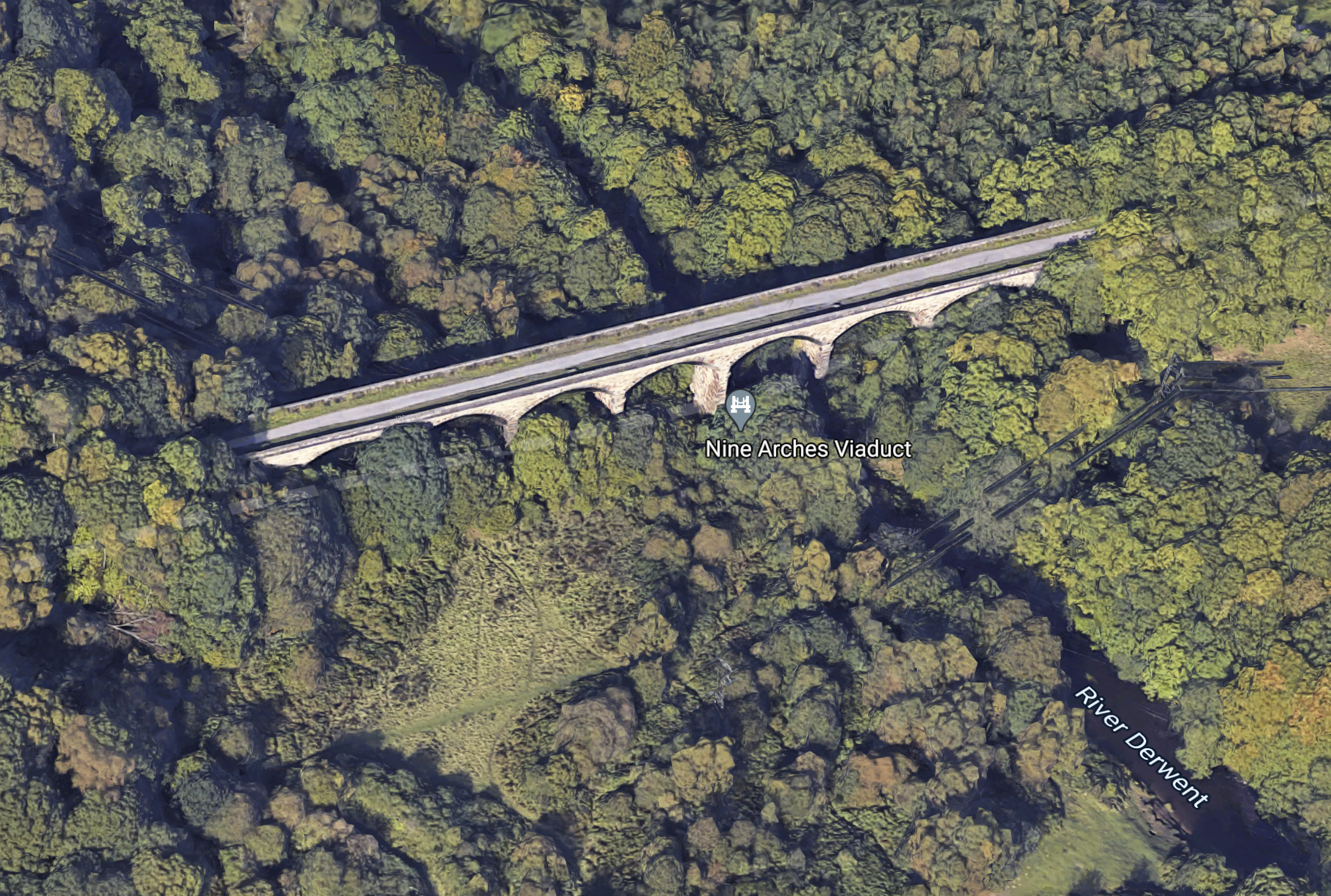
This second image shows it as a map.
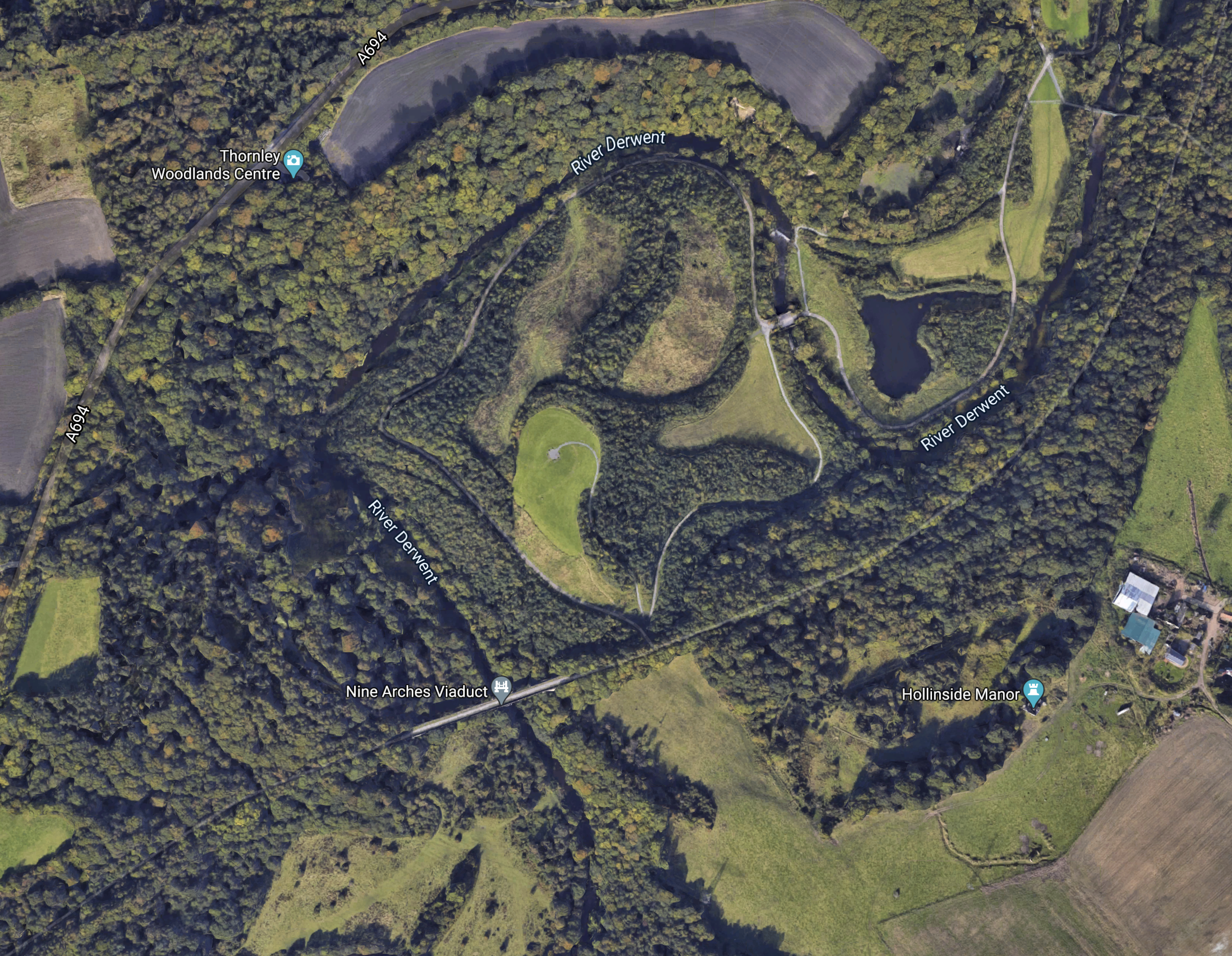
Note that I have arranged the map, so that the path that uses the route of the Derwent Valley Line runs between the South-West and North-East corners of the map.
This third Google Map has the Nine Arches Viaduct in the South-West corner and Swalwell in the North-East corner.

Note the tadpole-shaped green space by the bridge.
Between Nine Arches Viaduct and Lintz Green
This Google Map shows this section.

Note.
- The Nine Arches Viaduct is in the North-East corner.
- Lintz Green is in the South West corner.
On the Derwent Valley Railway, there were stations at Lintz Green and Rowlands Gill.
The History section in the Wikipedia entry for the Derwent Valley Railway, explains why a more direct route wasn’t taken in this area.
Between Lintz Green And Ebchester
This Google Map shows this section.

Note.
Lintz Green is at the Eastern edge of the map.
Ebchester is in the South-West corner.
On the Derwent Valley Railway, there were stations at High Westwood and Ebchester.
Between Ebchester and Consett
This Google Map shows this section.
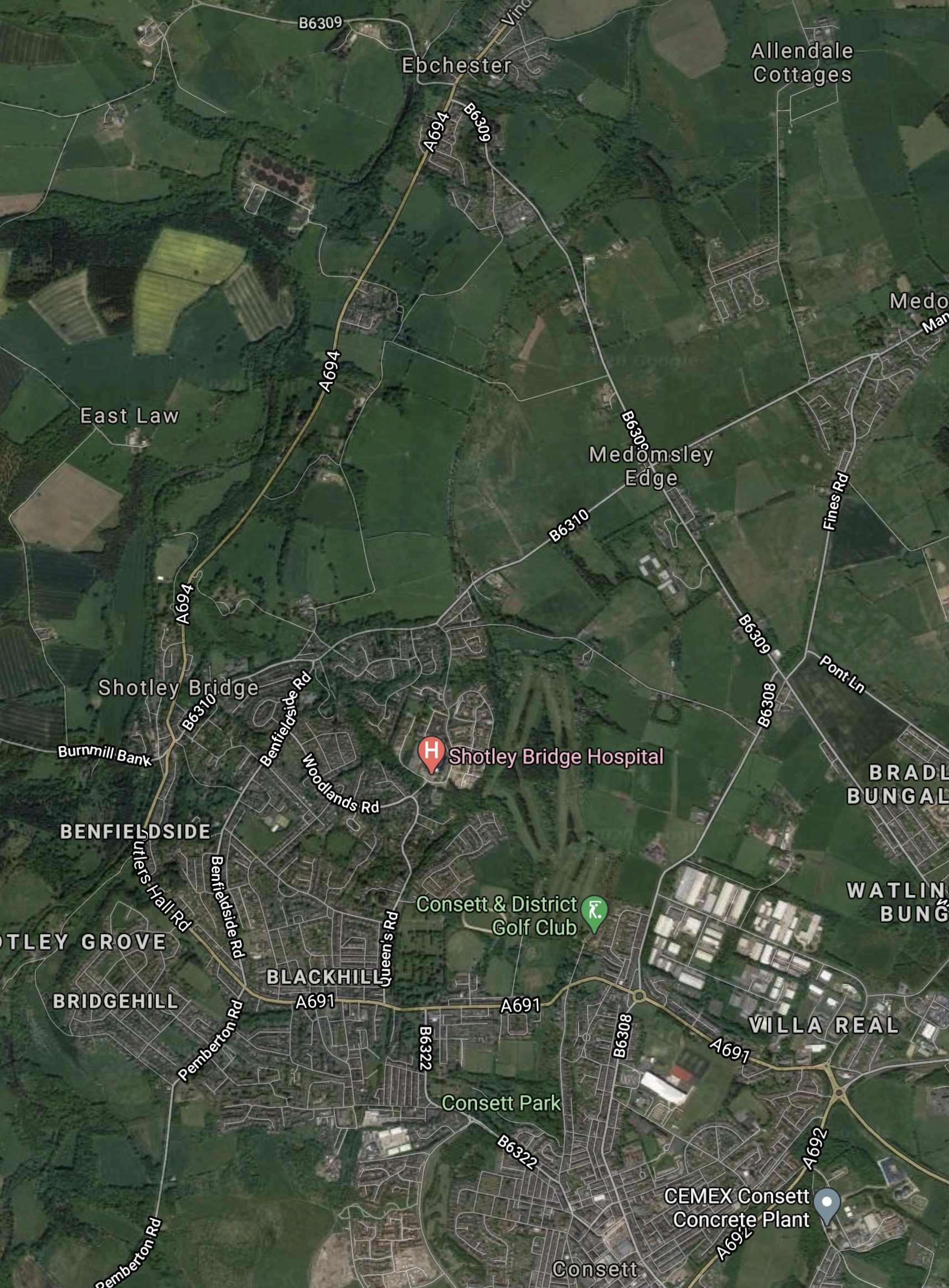
Note.
- Ebchester is at the Northern edge of the map in the centre.
- Consett is in the South of the map.
- Shotley Bridge Hospital is an NHS hospital.
On the Derwent Valley Railway, there were stations at Shotley Bridge, Blackhill and Consett.
Consett Station
A new station would have to be built in Consett.
Consett is a town of around 25,000 and is shown in this Google Map.

Note that the red arrow shows the rough location of the original station near Annfield Plain. The station and the tracks were demolished in the 1980s to make way for new roads.
How thinking on transport has changed in forty years!
Is This Route Feasible?
Google gives the distance between the Metrocentre and Consett as 11.5 miles and Wikipedia says that Consett is about 900 feet above sea level.
To put the altitude into perspective, this is higher than Merthyr Tydfil, but not as high as Buxton, so I feel that trains could ascend to Consett, as steam trains did in far-off Victorian days, when they carried over half a million passengers every year, according to Wikipedia.
I would say, that although restoring the route could be challenging, it would not be filed under Impossible.
These are a few other thoughts.
Would The Route Carry Freight?
If we’re talking about long freight trains with lots of containers or many trucks of coal, the answer is probably a negative.
But rail freight is changing, I can see many towns in the UK getting a high speed parcels service using modified electric multiple units.
- Rail Operations Group and others are planning to experiment with this type of service.
- With on-line shopping, 25,000 residents can generate a lot of deliveries and returns.
- The average guy on the Consett omnibus, is getting more worried about carbon emissions.
But trains like these could fit in with the passenger service on the route and could even unload at a well-designed passenger terminal in Consett.
The route would also have to be able to take maintenance and construction trains, just like the London Underground and the Tyne and Wear Metro do!
Would The Route Be Single- Or Double-Track?
Consider.
- The original Victorian route was double-track.
- The more trains on the route, the greater the need for a full double-track railway.
- Would the Nine Arches Viaduct accommodate a double-track.
- Single-track railways are easier to construct and more affordable.
Hopefully a serious study, will give an answer.
How Would Trains Go Between MetroCentre and Newcastle Stations?
Currently, there are three trains per hour (tph) between MetroCentre and Newcastle stations.
The Tyne and Wear Metro generally runs on the principle of five tph, so a one or two tph service between Consett and Newcastle would fit in well with the Tyne and Wear Metro, even if it was not their service.
This Google Map shows MetroCentre station.

Could a third platform be fitted here to run a shuttle service to Consett?
Trains between MetroCentre and Newcastle stations, go via Dunston station, Norwood Junction and the King Edward VII Bridge.
Note.
- Norwood Junction also allows trains to go between The Tyne Valley Line and the East Coast Main Line in both North and South directions.
- The comprehensive track layout to the South of Newcastle allows access to everywhere.
The Consett trains could even be run on a Back-to-Back basis to Ashington and Blyth, which is now being called the Northumberland Line in the media.
Would The Line Be Zero-Carbon?
I feel strongly, that all new or reopened railways should be zero-carbon.
But whether it should be electrified is another matter and depends on the rolling stock.
Battery Electric Trains To Consett
If the route to Consett is to be zero-carbon, then the obvious choice for the route are battery electric trains.
- To run these successfully, there would probably need to be some electrification along the Tyne Valley Line, as far as the junction with the new Derwent Valley Line, so trains started the climb to Consett with full batteries.
- If necessary, some parts of the Derwent Valley Line could be electrified, to assist the trains up the hill.
- Coming down from Consett, they could use Newton’s friend, with regenerative braking charging the batteries.
- Intriguingly, between MetroCentre and Hexham is under twenty miles, so why not run these services using similar battery electric trains.
I also think, that if the electrification were to be 25 KVAC, then it could enable battery electric trains like Hitachi’s Regional Battery Train or CAF’s proposed battery-electric Class 331 train, to run between Newcastle and Carlisle stations.
The Tyne And Wear Metro’s New Trains
I believe that the new trains being built by Stadler for the Tyne and Wear Metro, will be very similar to the Class 777 trains for Merseyrail.
The Class 777 trains are known to have this features.
- A capacity of 484 passengers.
- An operating speed of 75 mph.
- A weight of 99 tonnes.
- Ability to use 750 VDC third-rail electrification.
- A small battery to be used for hotel power, when there is no electrification.
- Some will be fitted with batteries to allow route extension on unelectrified lines, like between Ormskirk and Preston, which is 15.3 miles.
- In the future, they will be able to use 25 KVAC overhead electrification.
The new Tyne and Wear trains appear to be different to the Class 777 trains in the following ways.
- A different length, with five cars instead of four.
- Ability to use 750 VDC overhead instead of 750 VDC third-rail electrification.
- Longitudinal instead of transverse seating.
These facts should also be born in mind.
Stadler built the Class 399 tram-trains for Sheffield, that can use both 750 VDC and 25 KVAC overhead electrification from the same pantograph.
Parts of the Tyne and Wear Metro use tram-train operation under the Karlsruhe model, which is also used in Sheffield.
Could The Tyne And Wear Metro’s New Trains Work Between Newcastle And Consett Stations?
I feel if the following conditions were to be met, that the Tyne And Wear Metro’s new trains, would be able to work the route.
- Batteries with sufficient range to work the route were fitted.
- Ability to use both 750 VDC and 25 KVAC overhead electrification.
- Sufficient electrification were erected to power the train and charge the batteries on their journey between Newcastle and MetroCentre stations.
It is my view, that the trains could be ideal for the route.
They could also work between Newcastle and Hexham, with slightly larger batteries than their Liverpool cousins.
What Size Batteries Would Be Needed For A Service To Consett?
I will do a calculation based on the Class 777 train figures.
- The train weight is 99 tonnes.
- Each of 484 passengers weighs 80 Kg with baggage, bikes and buggies.
- This adds up to 38.7 tonnes giving a train weight of 137.7 tonnes.
Using Omni’s Potential Energy Calculator gives a value of 103 kWh to lift the full train the 900 feet to Consett.
In an article in the October 2017 Edition of Modern Railways, which is entitled Celling England By The Pound, Ian Walmsley says this in relation to trains running on the Uckfield Branch, which is not very challenging.
A modern EMU needs between 3 and 5 kWh per vehicle mile for this sort of service.
The new Tyne and Wear Metro trains have five cars, so assuming 3 kWh per vehicle mile, would need the following energy to power the train to Consett.
5* 3 * 11.5 = 172.5 kWh
I wouldn’t be surprised to see a 400 kWh battery on the train.
On the flat, it would do about twenty-seven miles, which would mean the train could provide a service between Newcastle and Hexham.
Incidentally, the distance between Newcastle and Ashington is under twenty five miles of which a couple of miles are electrified.
Conclusion
Newcastle and Consett would appear to be an ideal route to reopen.
It would require.
- A dozen miles of new track. much of which would be on an dismantled alignment.
- An appropriate number of new stations.
- Some electrification between Newcastle and MetroCentre stations.
- A number of the new Stadler trains for the Tyne and Wear Metro to be fitted with batteries.
A service of one or two tph could be provided.
In addition, the following could be possible.
- The Newcastle and Hexham service could be run by the same battery electric trains.
- The Consett and Newcastle service could be run Back-to-Back with the proposed Newcastle and Ashington service.
This scheme has collateral benefits.
Vivarail’s Plans For Zero-Emission Trains
The title of this post is the same as that of this article on the Modern Railways web site.
This is the introductory subtitle.
Vivarail Chairman Adrian Shooter talks to Modern Railways about the company’s Class 230s and its plans for battery trains.
The article is mainly a video of Mr. Shooter talking in front of various examples of Vivarail trains.
It’s probably easier to watch the video and listen on what is said.
But I have some thoughts on what he said.
Battery Range
Consider.
- Early on in the video he talks about a battery range of forty miles with four battery packs on the train.
- He also talks about switching battery supplier to Hoppecke.
- Later he says that a train with six battery packs in the train, has a hundred mile range.
That is impressive.
The number of battery packs has increased by 50 % and the range has gone up by two-and-a-half times.
If those figures are right and I’ve no reason to disbelieve them, then Hoppecke have done a good job with the batteries.
A very rough calculation indicates their size.
- The current 4 x 100 kWh takes the train 40 miles, which is 10 kWh per mile.
- So to travel a hundred miles will need 1000 kWh.
- Divide by six batteries and you get 167 kWh per battery or a 67 % increase in individual battery capacity.
If these are a new generation of batteries, what would they do for Hitachi’s Regional Battery train, which is proposed to have a range of 56 miles? They could give it a range of around 93 miles.
These ranges of distances would be very useful to manufacturers of battery trains.
Charging Battery Trains Using Vivarail’s Fast Charge System
The video did give a few more details of Vivarail’s Fast Charge system.
I was also able to take this screen capture from the video, which shows the extra rails used to pass charge to the train and the batteries.
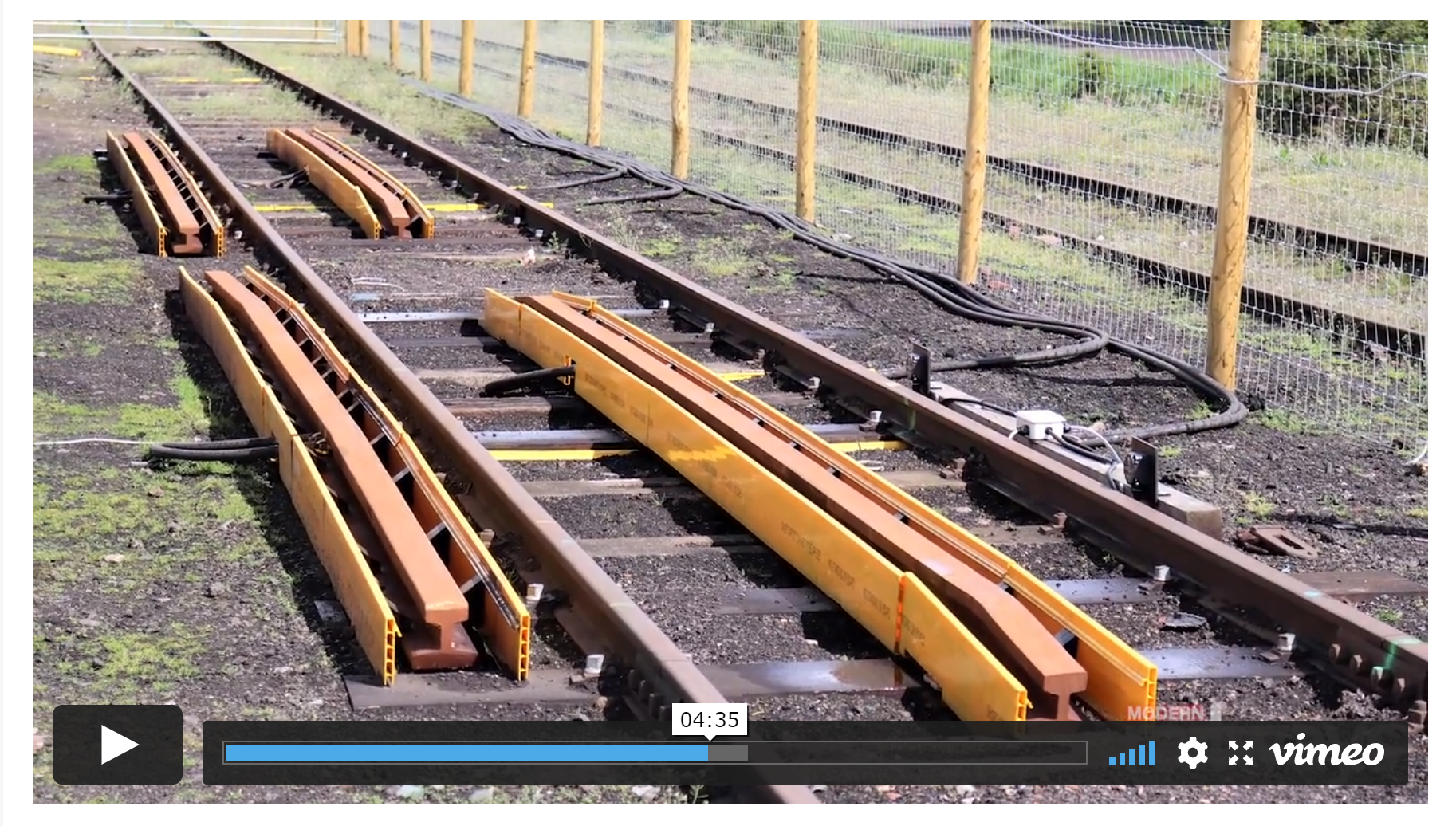
Note.
- The rails are well-shielded. Not that they’re live unless a train is over the top and connected.
- The driver just has to stop the train in the correct place and automation does the rest.
- This image is four minutes and thirty-five seconds into the video.
My only problem with the design is that those thick copper cables used to bring electricity to the train, way be a tempting target for metal thieves.
Vivarail Now Has Permission To Charge Any Train
Mr. Shooter said this about Vivarail’s Fast Charge system.
The system has now been given preliminary approval to be installed as the UK’s standard charging system for any make of train.
I may have got the word’s slightly wrong, but I believe the overall message is correct.
In the November 2020 Edition of Modern Railways, there is a transcript of what Mr. Shooter said.
‘Network Rail has granted interim approval for the fast charge system and wants it to be the UK’s standard battery charging system’ says Mr. Shooter. ‘We believe it could have worldwide implications.’
I hope Mr. Shooter knows some affordable lawyers, as in my experience, those working in IPR are not cheap.
A Prototype Class 230 Train That Can Use 25 KVAC Is Under Construction
Mr. Shooter also announced that a version of the train with a third can in the middle, with a pantograph on the roof and a 35 KVAC transformer is under construction.
This will enable batteries to be charged from existing electrification.
I can already think of a few routes, where this train could be used.
- Bedford and Bletchley – It would replace a diesel-electric Class 230 train.
- Poulton-le-Fylde and Fleetwood
- Oxenholme and Windermere
- Glasgow Central and East Kilbride
- Glasgow Queen Street and Anniesland
- Chester and Crewe – It would replace a battery Class 230 train
- West Ealing and Greenford
- Slough and Windsor Central
- Henley and Twyford
- Maidenhead and Marlow
This could be the standard train in many places.
The November 2020 Edition of Modern Railways, also has more details on this project.
- The centre vehicle is under construction at their factory at Seaham in County Durham.
- Mr. Shooter is quoted as saying. ‘We’ve identified 60 lines on partially electrified tracks’
Vivarail plans to demonstrate the concept on the Northumberland Line to Blyth and Ashington next spring.
West Highland Opportunity
This is a section of the print article, that is not mentioned in the video.
This is the introductory paragraph.
While Mr. Shooter highlights several opportunities south of the border to deploy the 25kV/battery Class 230, he is particularly interested in deployment of Vivarail trains in Scotland.
And this is the last paragraph, describing a possible deployment on the West Highland Line.
Top of the list is the West Highland Line.
Here a 25kV/battery Class 230 would operate under electric power from Glasgow Queen Street to Craigendoran Junction, switching there to battery power. The batteries could be topped up on the way using Vivarail’s fast charge system, with Mr, Shooter suggesting this could take place at Crianlarich, Oban and Fort William. On the West Highland the 60 mph top speed of the Class 230 is not prohibitive as the top speed on the route does not exceed this.
If this sounds familiar, I made a similar proposal in Hitachi Plans To Run ScotRail Class 385 EMUs Beyond The Wires, in a section, which is entitled Electric Trains On The West Highland Line Between Glasgow And Mallaig/Oban. I start with this sentence.
This might be considered as difficult as putting a London bus on the Moon.
But that was done by the Daily Sport newspaper, so perhaps my reasoning is the same as Vivarail’s.
My conclusion of the section was as follows.
What would battery-electric trains to Oban and Mallaig do for tourism in the area?
Hitachi would have one of the most scenic and iconic test tracks in the world!
These statements would surely, apply to a Vivarail train or a battery electric Class 385 train.
Pop-Up Metro
Mr. Shooter shows a battery train, which is going to the United States to trial a concept called a Pop-up Metro.
- In the US, there are hundreds of lightly used freight lines serving towns and cities
- Temporal separation would mean that freight and passenger trains used the lines at different times of the day.
- Battery powered Vivarail trains could provide a Metro service.
He also talked about his US partner and 50 % shareholder in Vivarail, leasing trains for a year, to see if the concept was viable in a given area. He indicated, the cost could be less than a consultant’s report.
Could the Pop-up Metro concept work in the UK?
In these possible Beeching Reversal projects, there could be scope for using the concept.
- Project Wareham – Complete The Link
- Shepton Mallet (Mendip Vale)
- Increased Service Provision Bodmin General-Bodmin Parkway
- Primrose Line
- Cirencester Community Railway
- South Yorkshire Joint Railway
- Upper Wensleydale Railway
- Restoration Of A Daily Train Service On The Keighley & Worth Valley Railway
- The Aston Rowant Extension Of The Chinnor Railway
Note.
- Some of these are on heritage railway infrastructure. Does a Class 230 train count a heritage unit?
- The Aston Rowant Extension is Chiltern territory, so Mr. Shooter could know it well!
- In the Wikipedia entry for the Class 230 train, there is a useful Cost Comparison.
I should say, that I like the concept of a Pop-up Metro.
- The trains have proved they are up to the job.
- A package of one or two trains and a containerised charging system could surely be created.
- Installation of the battery charger in many platforms would not be a major engineering project costing millions.
- On a heritage railway, the enthusiasts could probably do it from their own resources.
But the best point to me, is that a system could probably be leased for a year on a Try-Before-You-Buy basis for less than the cost of a consultant’s report.
Go for it!
Conversion Of Diesel Multiple Units To Battery Electric Multiple Units
This was the bombshell in the tail of the video.
There a lot of diesel multiple units in the UK and Mr. Shooter and Vivarail have developed a plan to convert some of them to battery electric operation.
The trains he is proposing to convert are diesel multiple units, that use a Voith transmission, which I list in How Many Diesel Multiple Units In The UK Have Voith Hydraulic Transmissions?.
Consider.
- There are 815 trains on my list.
- All have a Voith hydraulic transmission, with most having similar type numbers starting with T211.
- Some are 75 mph trundlers and others are full-on 100 mph expresses.
- All have one engine and transmission per car.
They fit into distinct groups.
Sprinters
Sprinters are a group of trains that were produced by British Rail.
The earliest were built in 1984 and all were built in the last century.
- There are 314 trains in total.
- All have a Cummins engine of 213 kW, with one engine per car.
- They have a Voith T211r transmission, which drives two axles per car.
- They have an operating speed of 75 mph.
The trains may be elderly, but like some well-known actresses, they scrub up well with a little TLC.
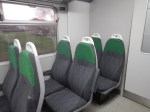
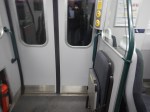
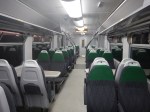
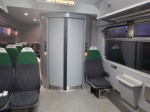
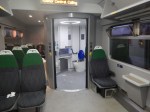
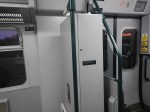
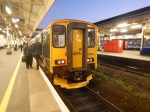
The pictures show an immaculate refurbished Class 150 train, that I travelled on in Devon.
With a battery electric transmission, they would make a superb rural route and branch line train.
Express Sprinters
Express Sprinters are a group of trains that were produced by British Rail.
- The earliest were built in 1990 and all were built in the last century.
- There are 202 trains in total.
- All have a Cummins engine of between 260 and 300 kW, with one engine per car.
- They have a Voith T211r transmission, which drives two axles per car.
- They have an operating speed of 90 mph.
These pictures show a Class 159 train on a visit to the Swanage Railway, where it was shuttling in visitors.
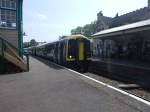
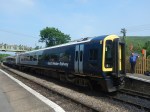
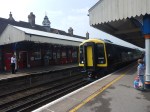
With a battery electric transmission, that gave a range of say 80 miles at 90 mph, they would be low cost competition for Hitachi’s Regional Battery Train on secondary routes.
Scotrail have forty Class 158 trains, which run on the following routes.
- Glasgow Queen Street and Anniesland – 5.5 miles
- Fife Circle Line – 61 miles round trip
- Stonehaven and Inverurie – 66 miles round trip.
- Borders Railway – 70 miles round trip.
- Edinburgh and Arbroath – 76 miles
- Inverness and Kyle of Lochalsh – 82.5 miles
- Inverness and Aberdeen – 108 miles – Inter7City route.
- Inverness and Wick – 174 miles
- Inverness and Edinburgh – 175 miles – Inter7City route.
Note.
- The routes are shown in order of length.
- Anything over a hundred miles would need intermediate charging.
- Some routes would need charging at both ends.
- Glasgow Queen Street and Anniesland would probably not need a Class 158, but is very suitable for a battery electric train.
- The three longest routes from Inverness are probably too long for battery electric power, but two are run by Inter7City trains.
- A battery electric train on the Inverness and Kyle of Lochalsh route, would surely be a tourist asset.
With an eighty mile range, ScotRail could find a battery-equipped Class 158 train very useful.
Networkers
Networkers are a group of trains that were produced by British Rail.
- The earliest were built in 1990 and all were built in the last century.
- There are 96 trains in total.
- All have a Perkins engine of 261 kW, with one engine per car.
- They have a Voith T211r transmission, which drives two axles per car.
- They have an operating speed of 75 or 90 mph.
These pictures show ac selection of Class 165 and Class 166 trains.
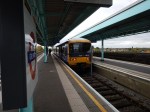
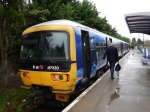
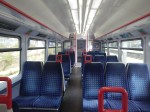
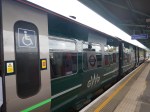
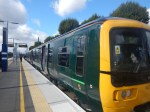
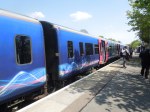
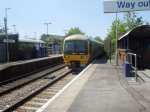
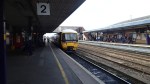
As with the Express Sprinters, with a battery electric transmission, that gave a range of say 80 miles at 90 mph, they would be low cost competition for Hitachi’s Regional Battery Train on secondary routes.
The Networkers are used by Great Western Railway and Chiltern Railways.
- Great Western Railway do run a few long routes with their Networkers, but these routes would probably be too long for battery operation.
- Local routes around Bristol, Exeter and Plymouth and some short branch lines could be possibilities for battery operation.
- Great Western Railway have also leased tri-mode Class 769 trains for the Reading and Gatwick route.
- Chiltern Railways don’t run their Networkers on the longer routes to Birmingham.
- But they do run them on the shorter routes to Aylesbury (39 miles), Aylesbury Vale Parkway (41 miles), Banbury (69 miles), Gerrards Cross (19 miles), High Wycombe (28 miles), Oxford (66 miles) and Stratford-upon-Avon (104 miles).
- Some of these Chiltern routes must surely be possibilities for battery operation. Especially, as all the stations in the list, don’t appear to be the most difficult to add a Fast Charge facility.
With an eighty mile range, battery-equipped Networkers could be very useful.
Turbostars
Turbostars are a group of trains that were produced at Derby.
- The earliest were built in the last few years of the the last century.
- There are 177 trains in total.
- All have an MTU engine of 315 kW, with one engine per car.
- They have a Voith T211 transmission, which drives two axles per car.
- They have an operating speed of 100 mph.
These pictures show a selection of Turbostar trains.
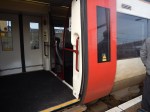
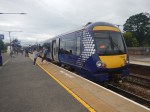
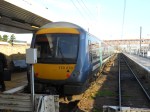
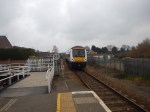
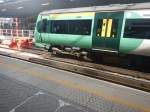
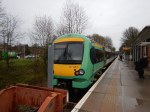
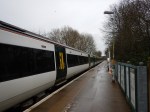
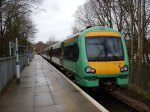
As with the Express Sprinters and the Networkers, with a battery electric transmission, that gave a range of say 80 miles at 100 mph, they would be low cost competition for Hitachi’s Regional Battery Train on secondary routes.
The post; DfT and Arriva CrossCountry Sign Agreement is partly based on this article on Railway News, which has the same name.
This is a paragraph from the original article.
One element of this new contract is a focus on reducing the environmental impact of the operator’s diesel fleet. For instance, Arriva CrossCountry will do a trial of using electrical shore supplies on its Bombardier Turbostar fleet when these trains are in depots for cleaning. Trains are cleaned both in the winter and at night, which means that the interior lighting and heating systems have to be powered. By using electricity to power these systems instead of the trains’ diesel engines, there will be a reduction in both emissions and noise pollution, which is doubly important when the depots are near built-up areas.
If Turbostars were to have their power unit and transmission updated to battery electric, there would be less need to provide shore supplies to where the trains were to be cleaned.
How Would Sprinters, Express Sprinters, Networkers And Turbostars Be Converted To Battery Electric Power?
The layout of the transmission in all these trains is very similar.
That is not surprising, as they are effectively different interpretations of the same theme over four decades.
- A diesel engine provides the power.
- On the back of the diesel engine, a hydraulic transmission is mounted.
- The transmission performs a similar function to an automatic gearbox in a car. Trains like cars perform better in the right gear.
- The transmission is connected to the final drive in one or more of the bogies using a cardan shaft. The propeller shaft in many rear-wheel-drive vehicles, is a cardan shaft.
In the video at about 5 mins 50 seconds, Mr. Shooter outlines how the train will be converted to battery electric drive.
- The diesel engine, hydraulic transmission, radiator, fuel tank and all the other diesel-related gubbins will be removed.
- A 280 kW electric traction motor will be installed, which will be connected to the cardan shaft.
- Batteries will be installed. Possibly, they will fit, where the diesel engine was originally located.
I wouldn’t be surprised if the weight of the battery was similar to that of all the equipment that has been removed, as this would mean the train’s handling wouldn’t change.
- Acceleration will be faster, as it is in electrically-powered road vehicles.
- The traction motor can work in reverse to slow the train and the energy regenerated by braking can be stored in the batteries.
- Mr. Shooter doesn’t say if his battery electric trains use regenerative braking in the video, but it is possible and a common procedure, as it saves energy.
An intelligent control system will control everything according to the driver’s needs and wishes.
This extract from the print edition, gives Mr. Shooter’s advantages of this diesel to battery electric conversion.
‘Unlike cars, trains have a planned duty cycle so you can easily plan for when the batteries should be charged’ says. Mr. Shooter. ‘Our analysis shows the fuel cost would be halved and the maintenance cost would be halved compared to a DMU. And to allay concerns about battery life we would offer to lease batteries on a cost per mile. You get the financial payback within five years, with the greenness free of charge!’ Mr. Shooter reports early work by Vivarail suggests a converted battery train on the Far North line might need fast charge stations at four locations.
Where In The World Is This?
The print edition of the interview poses an interesting question.
Mr. Shooter says the opportunities are significant, and reports Vivarail is in discussions with an overseas customer about a bid for battery trains for a new 500 mile line which would incorporate 12 fast charge points at stations. He also said customers are suggesting the use of solar parks or even tidal power to feed the static batteries at the fast charge stations, rather than power coming from the local supply.
Imagine two large cities about 500 miles apart, with a string of small towns between them.
- The small towns might be on a scenic river or coastline.
- Commuters drive to both cities.
- People from the two cities visit the area to relax.
- There might even be a lightly used freight line or a dismantled railway alignment running between the cities.
- Perhaps, the road network is overloaded and a green alternative is needed.
Given, Vivarail is part-owned, by an American entrepreneur, I would expect, the proposed line is somewhere in North America. But I also think there would be possibilities in Australia, around the coast of the Baltic Sea and India and South East Asia.
Cpnclusion
This is the conclusion of the print article in Modern Railways.
While electrification will be the key component in decarbonising traction emissions, battery technology will have a role to play, and Vivarail is at the forefront of this development.
I wholeheartedly agree.
Beeching Reversal – To Reinstate The Keswick To Penrith Railway
September 10th – This Beeching Reversal project appears to have been rejected.
Thoughts On The Design Of The Route
Consider.
- Keswick and Penrith are around 17.3 miles apart by road.
- The rail distance should be less than 20 miles.
- There could be perhaps six intermediate stations.
- A battery electric train typically has a range of 55-65 miles.
- A quiet battery electric train would be ideal for this route.
I believe that a battery electric train could handle this route.
- Charging would be mainly in Penrith station, using the existing 25 KVAC overhead electrification in Platform 3.
- A charging station would be provided in Keswick station to be safe.
A battery electric train could go between the two stations, recharge the battery and be ready to return in under an hour.
The route would be single track, except for a short double track station in the middle to allow trains to pass.
The route would not be electrified.
All stations could be single track, except for the passing station.
Two trains would be needed to work an hourly service.
Four trains would be needed to work an two trains per hour (tph) service.
Could the track could be designed to these criteria?
- No level crossings.
- Gentle curves and gradients
- 80 mph operating speed.
I suspect modern computer technology, which was not available to the Victorians, would ease the design of an efficient track.
- If a highly-efficient track could be created, it might be possible for a train to do a round trip from Penrith to Keswick, within an hour.
- This would mean that one train could provide the hourly service.
- Charging would only be at Penrith, using existing electrification.
- The passing loop would not be built, but provision would be made to add it later, if the frequency were to be increased.
We could be seeing several of these highly-efficient branch lines run by 100 mph battery-electric trains, that are charged on existing electrified main lines.
The Effect Of High Speed Two
Consider.
- Currently, there is a roughly hourly service in both directions on the West Coast Main Line at Penrith station.
- High Speed Two will only provide an hourly service between Birmingham Curzon Street and Edinburgh or Glasgow via Wigan North Western, Preston, Lancaster and Carlisle.
- Carlisle will have three tph on High Speed Two, between England and Scotland.
- Carlisle will have scenic services to Edinburgh, Glasgow, Leeds and Newcastle.
- Services between Carlisle and Penrith take thirteen minutes.
But most importantly, High Speed Two could bring lots of extra tourists to the area.
So would it be better for the Keswick and Penrith service to terminate at Carlisle?
- Charging would now be on the West Coast Main Line.
- Trains would only make a typical two-minute stop in Penrith station.
This would probably mean that an hourly service could be provided with only one train on the branch at a time.
Conclusion
I feel the economics of this project could be transformed by using battery electric trains on this proposed route and terminating them at Carlisle.
Beeching Reversal – To Reinstate The Walkden To Bolton Line
September 10th – This Beeching Reversal project appears to have been rejected.
The project appears to be what it says in the title, in that the railway between Walkden Low Level and Bolton Great Moor Street stations would be reinstated.
This Google Map shows the area around the current Walkden station.
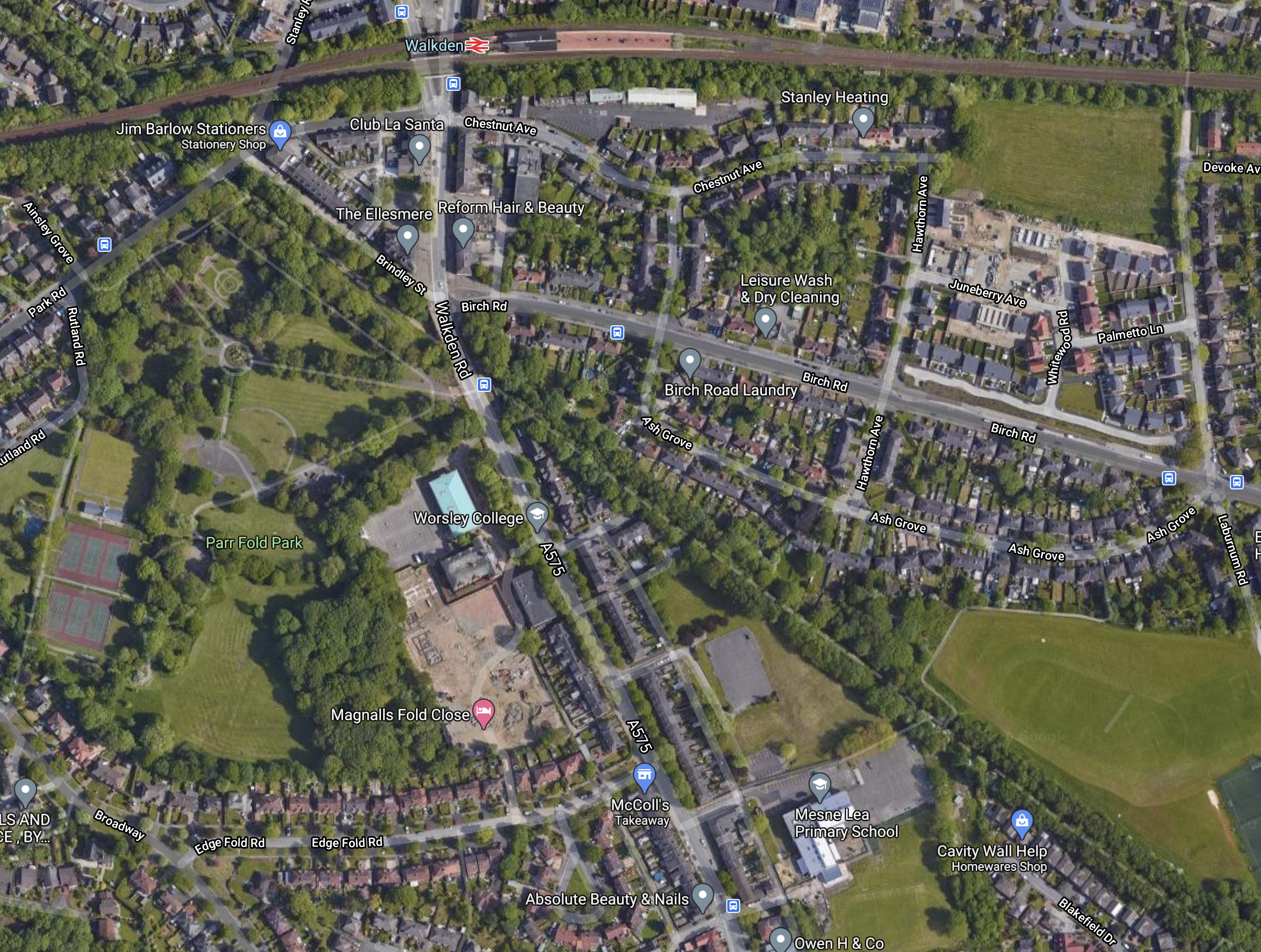
Note.
- Walkden station at the top of the map.
- The former railway between Bolton Great Moor Street and Manchester Exchange stations runs North-West and South-East across the map.
- It looks like this section of the railway is a footpath and cycleway.
Both Bolton Great Moor Street and Manchester Exchange stations have long since been closed, which means that to get between Walkden and Bolton stations, a change of train is needed.
After a quick look at the route, which involves crossing the M61 motorway, I suspect, that it would be both a tricky and expensive railway to reinstate, which probably explains why it appears to have been rejected.
Manchester Metrolink don’t seem to have any plans to use the route to extend trams to Bolton.
But All Is Not Lost!
I believe that very light rail, could be the answer.
- The first system of its kind in the UK, is the Coventry Very Light Rail, which is currently being designed and built for Coventry.
- The vehicles will be lightweight and battery-powered.
- These smaller-sized vehicles could share rights of way with pedestrians and cyclists.
The Coventry system could be running by 2024.
As the route goes past the Royal Bolton Hospital, it could be a useful route.
Beeching Reversal – Increased Services To Nottingham And Leicester, via Syston And Loughborough From Melton Mowbray
This is one of the Beeching Reversal projects that the Government and Network Rail are proposing to reverse some of the Beeching cuts.
It is one of a pair of submissions from the local MP; Alicia Kearns. The other is More Stopping Services At Radcliffe-on-Trent And Bottesford Stations On The Poacher Line Between Grantham And Nottingham.
When I heard of the MP’s submissions, I wrote MP Campaigns To Extend Train Services For Melton Borough and the following uses that post as a starting point.
Wikipedia says this about services at Melton Mowbray station.
- There is an hourly off-peak service in both directions between Stansted Airport and Birmingham, that calls at Cambridge, Peterborough, Oakham and Leicester.
- East Midlands Railway and their predescessor have added services to London via Corby and to Derby and East Midlands Parkway.
When you consider, that both Bottesford and Melton Mowbray are the same Council and Parliamentary constituency, it does seem that a more direct train service is needed between Bottesford and Melton Mowbray stations.
It does seem to me that some innovative thinking is needed.
If the current plans to fulfil British Rail’s ambition of an Ivanhoe Line running from Lincoln to Burton-on-Trent via Nottingham, East Midlands Parkway, Loughborough and Leicester, are carried out, that will give important towns to the West of Leicester much better rail connections.
Given that High Speed Two is coming to East Midlands Hub station at Toton and there will be a Bedford and Leeds service run by Midlands Connect using High Speed Two classic-compatible trains, that I wrote about in Classic-Compatible High Speed Two Trains At East Midlands Hub Station, I wonder if in the interim, there should be more trains between Derby and Melton.
- Intermediate stations would be Syston, Sileby, Barrow-upon-Soar, Loughborough, East Midlands Parkway Long Eaton and Spondon.
- An hourly frequency would double the service frequency at smaller stations like Sileby and Barrow-upon-Soar.
- The Southern terminal could be Melton station, but I feel Corby or Peterborough stations would be better, as this would improve services at Oakham station. We should not forget Rutland!
- As Corby will be an electrified two-platform station with a two trains per hour (tph) service to London, this could work quite well as a Southern terminus.
- Peterborough would have advantages and give a good connection to Cambridge, London and Scotland, but improvements to the current Birmingham and Stansted Airport service would have similar effects.
This route would be just as valuable after High Speed Two opens through the East Midlands Hub station, as it will give fast ongoing connections to Birmingham, Leeds, Newcastle and York.
Electrification Of The Midland Main Line
I feel strongly, that full electrification of the Midland Main Line could be a step to far.
- Electrification, through Leicester station will mean a complete closure of the station for a couple of years.
- Electrification of the route North of Derby, through the Derwent Valley Mills, which is a World Heritage Site, will be opposed by the Heritage Taliban with all their might.
But.
- Electrification of the route between Clay Cross North Junction and Sheffield via Chesterfield will take place in conjunction with High Speed Two
- Electrification to Market Harborough, which is sixteen miles South of Leicester will happen.
- East Midlands Railway’s new Class 810 trains could be fitted with a battery option giving a range of between 55 and 65 miles.
- Pantographs on these trains can go up and down with all the alacrity of a whore’s drawers.
If the easier section of electrification between Leicester and Derby stations, were to be installed, this would enable the following routes to be run using battery-equipped Class 810 trains.
- London and Derby, where battery power would be used through Leicester.
- London and Nottingham, where battery power would be used through Leicester and between East Midlands Parkway and Nottingham.
- London and Sheffield, where battery power would be used through Leicester and between Derby and Clay Cross Junction.
- Lincoln and Burton-on-Trent, where battery power would be used South of Leicester and North of East Midlands Parkway.
- Derby and Corby, where battery power would be used between Syston and Corby.
There would also be the service between Derby and Norwich, which might be able to be run by a similar train.
Conclusion
I think the ideal way to achieve the MP’s objective would be to extend a proportion of London St. Pancras and Corby services to the Midland Main Line.
But the problem with this, is that the Corby trains will be Class 360 trains, which are electric, so the thirty-six mile route between Corby and the Midland Main Line would need to be electrified.
On the other hand, a shuttle train could be used between Corby and Leicester.
They would call at Oakham, Melton Mowbray and Syston stations.
If the Midland Main Line to the North of Leicester were to be electrified, Battery electric trains could be used on the route, with charging at Leicester and Corby.
Beeching Reversal – More Stopping Services At Radcliffe-on-Trent And Bottesford Stations On The Poacher Line Between Grantham And Nottingham
This is one of the Beeching Reversal projects that the Government and Network Rail are proposing to reverse some of the Beeching cuts.
It is one of a pair of submissions from the local MP; Alicia Kearns. The other is Increased Services To Nottingham And Leicester, via Syston And Loughborough From Melton Mowbray.
When I heard of the MP’s submissions, I wrote MP Campaigns To Extend Train Services For Melton Borough and the following uses that post as a starting point.
Wikipedia says this about services at Bottesford station on the Poacher Line.
- The service is generally every two hours to Nottingham in the West and Skegness in the East.
- Some trains call at Grantham and have a connection to the East Coast Main Line.
- LNER services at Grantham connect to Doncaster, King’s Cross, Leeds, Lincoln, Peterborough, Stevenage, Wakefield and York.
- Bottesford is in the Borough of Melton and their is no direct rail service between Bottesford and Melton. A typical journey takes over two-and-a-half hours with two changes, that can include a wait of an hour at Leicester station.
- Bottesford is in the County of Leicester. There is no direct rail service between Bottesford and Leicester.
I think the MP has a point and an improved and more frequent service at Bottesford could be very beneficial.
- Many routes like this in the UK have a regular hourly service. Coastal stations with a regular hourly or better service include Blackpool South, Cleethorpes, Cromer, Exmouth, Felixstowe, Kings Lynn, Paignton, Scarborough and Sheringham
- I suspect many communities along the Poacher Line would benefit from a regular hourly service.
- All services calling at Grantham for East Coast Main Line services would be useful.
- Do services have a good interchange at Nottingham for Midland Main Line services?
Replacing 75 mph Class 153 and Class 156 trains with 100 mph Class 170 trains would probably be a big help.
Conclusion
It looks like improvements at Bottesford would not require any new expensive infrastructure.
But East Midlands Railway would need more trains and they would probably need to be faster too!
Beeching Reversal – Reconnecting Ashfield Communities Through The Maid Marian Line
This is one of the Beeching Reversal projects that the Government and Network Rail are proposing to reverse some of the Beeching cuts.
Around the turn of the Century, I started to use the Robin Hood Line fairly regularly, as I had clients in both Nottingham and Mansfield and found it easier to drive up from Suffolk and park in Nottingham and get the train to Mansfield. When the Nottingham Express Transit opened in 2004 to Hucknall station, I would change there for Mansfield.
I can remember thinking at the time and discussing it with my client, that British Rail had certainly been mistaken to close the rail line between Hucknall and Worksop via Mansfield.
I first talked about the Maid Marian Line in Expanding The Robin Hood Line, which I wrote in 2015, although, it hadn’t been named at the time.
In 2015, there was talk of two extensions.
A Proposed Branch To Ollerton
In my investigations into Ilkeston station, the Robin Hood Line kept cropping up and especially talk of a branch from the line to Ollerton.
Search Google News for Robin Hood Line and articles with titles like Chancellor backs Robin Hood line passenger plans are found in the Mansfield and Ashfield Chad. This is the start to the article.
The Chancellor George Osborne, has confirmed his backing for plans to open a passenger service on the Robin Hood line, from Shirebrook to Ollerton, including passenger stations at Ollerton and Edwinstowe.
Other Government figures like David Cameron and Patrick McLoughlin and important local councillors are also quoted saying similar things.
What is not said is that the line will serve the CentreParcs Sherwood Forest and that the rail line needed is currently fully maintained for driver training.
This Google Map shows the area.
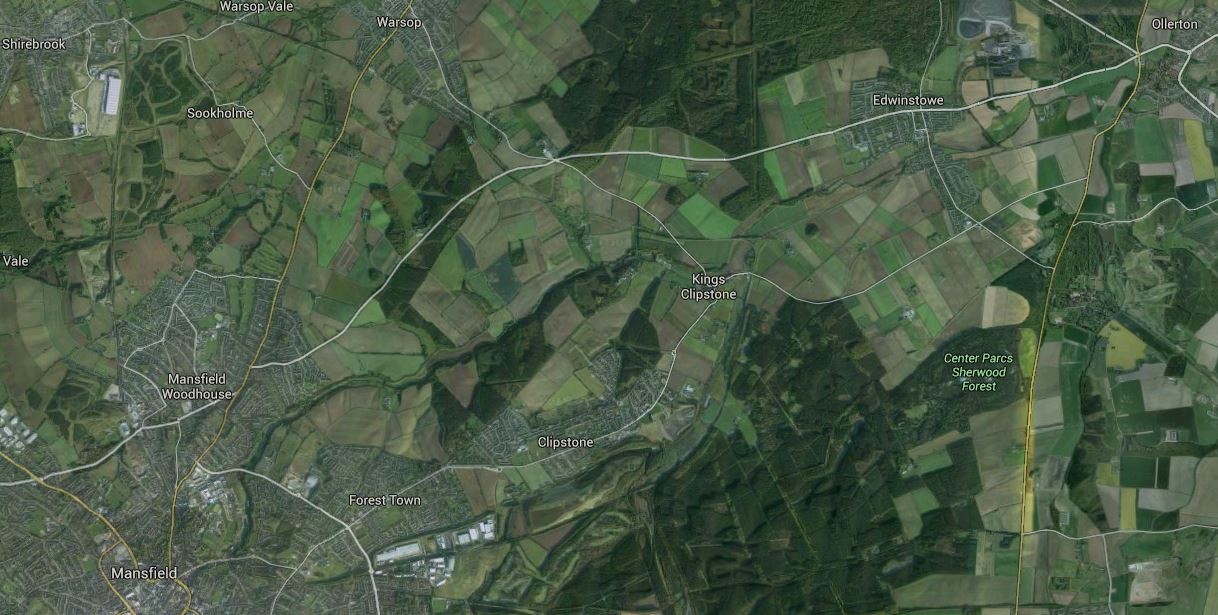
The Ollerton branch turns off from the Robin Hood Line just North of Shirebrook station in the top left hand corner of the map and then makes it way to Ollerton by way of the South of Warsop and Edwinstowe and North of the CentreParcs Sherwood Forest.
The line probably illustrates the only environmentally-friendly use for coal, which is to keep rail lines open and in good condition, until we can find a better use for them.
There is an interesting section called Branch Lines in the Wikipedia entry for Shirebrook station. This is said.
Two branch lines are plainly visible veering off north of the bridge at the north end of Shirebrook station.
The double tracks branching off eastwards (i.e. to the right as viewed from the station) to the side of the signalbox joined the LD&ECR’s one-time main line to Lincoln, next stop Warsop. The branch only ever carried a regular passenger service for a few years in Edwardian times. It did, however, carry Summer holiday trains such as the Summer Saturdays Radford to Skegness in at least 1963. The branch’s main purpose was always freight traffic, with coal being overwhelmingly dominant.
In 2013 the line gives access to Thoresby Colliery and to the High Marnham Test Track.
There is some hope of reopening the line as a branch off the Robin Hood Line and reopening Warsop, Edwinstowe and Ollerton stations, providing an hourly service to Mansfield and Nottingham.
This Google Map shows Shirebrook station and the railway lines around it.
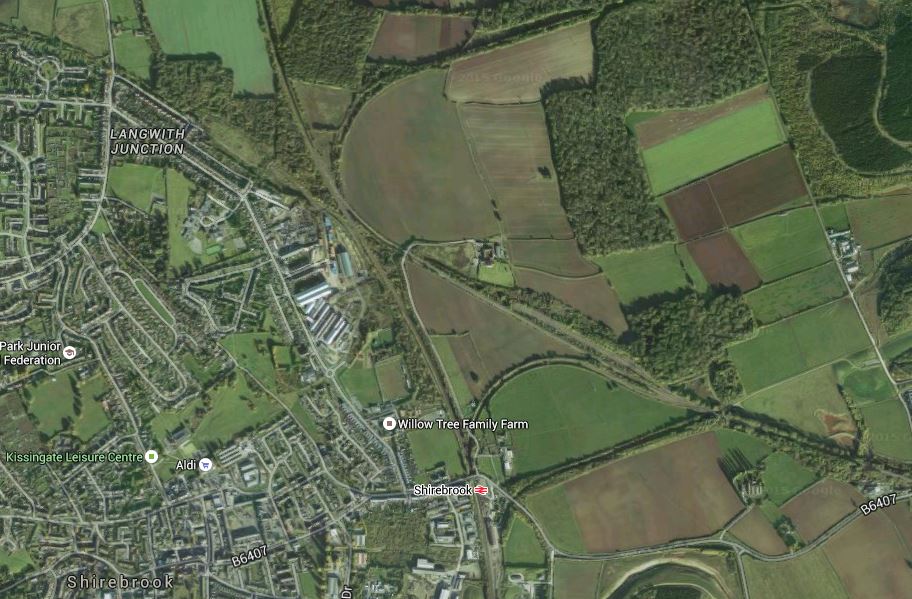
The junction of the Ollerton branch would appear to allow access to trains from or to either Nottingham and Mansfield in the South and Worksop in the North
It appears that there could be three stations; Warsop, Edwinstowe and Ollerton on a double-track branch.
Services To Derby
The area between Chesterfield, Mansfield and Nottingham is not very well connected to Derby.
If you want to go from Mansfield or Kirkby-in-Ashfield on the Robin Hood Line to Derby, you always have to change at Nottingham, with sometimes an extra change at East Midlands Parkway.
The Erewash Valley Line runs North-South a few miles to the West of the Robin Hood Line.
Despite being partially in Derbyshire, getting from stations like Alfreton, Langley Mill and the soon-to-be-opened Ilkeston stations to Derby, you have to change at either Nottingham or Chesterfield.
Look at this Google Map of the area
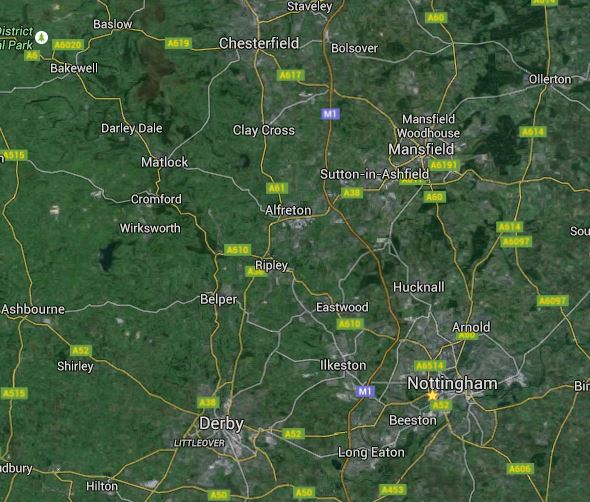
There must be a better way of getting to Derby, than by changing trains in Nottingham or Chesterfield.
But what?
There are four main North-South routes in the area.
- The Robin Hood Line between Nottingham and Worksop
- The Erewash Valley Line between Long Eaton and Chesterfield
- The Midland Main Line between Derby and Chesterfield
- The M1 Motorway
What seems to be missing is high-capacity East-West routes for both rail and road.
The Erewash Valley Line goes South to Long Eaton, which has several trains per hour direct to Derby, so this could be the key to getting to Derby.
In a Notes on Current Station section on the Wikipedia entry for Long Eaton station, this is said.
It is planned that both platforms will be extended by up to 10 metres by no later than 2012.
It is anticipated that developments along the Erewash line will result in changes for Long Eaton station. A plan drawn up in 2011 recommended a new Derby to Mansfield service via new stations at Breaston & Draycott, Long Eaton West (renamed from Long Eaton), Long Eaton Central, Stapleford & Sandiacre, Ilkeston, Eastwood & Langley Mill (renamed from Langley Mill), Selston & Somercotes and then to Pinxton via new trackbed connecting with the Mansfield line from Nottingham at Kirkby in Ashfield.
It strikes me that work at Long Eaton, the several new stations and improvements North of Langley Mill would enable direct services from Alfreton, Ilkeston and Langley Mill to both Derby and Mansfield. This service would also improve services from stations stations North of Mansfield to Derby.
A trackbed from Langley Mill to Kirkby in Ashfield is shown on Google Maps.

Alfreton is the station at the top left and Kirkby-in-Ashfield is at the top right. The Erewash Valley Line from Langley Mill, enters at the bottom and splits with one branch going to Alfreton and the other going East to cross the M1 and join the Robin Hood Line south of Kirkby-in-Ashfield.
On an Ordnance Survey map, dated 2009, the railway is shown as a multiple track line, probably serving collieries and open cast coalfields.
It all sounds very feasible too! Especially, as the Erewash Valley is an area of high unemployment, low car ownership and a dependence on public transport.
Would Both Branches Of the Robin Hood Line Form The Maid Marian Line?
Consider.
- The Ollerton Branch joins the Robin Hood Line to the North of Shirebrook station.
- The Pye Bridge Branch joins the Robin Hood Line to the South of Kirkby-in-Ashfield station.
- There are three statations between Shirebrook and Kirkby-in-Ashfield stations; Mansfield Woodhouse, Mansfield and Sutton Parkway.
- The Pye Bridge Branch joins the Erewash Valley Line to the North of Langley Mill station.
- From Langley Mill station, there are direct services to Nottingham station.
- I am also fairly certain that a passenger train can travel between Langley Mill and Derby via Ilkeston and Long Eaton.
It would certainly be possible for a passenger service to run between Ollerton and Ilkeston.
- It could terminate at either Derby or Nottingham.
- When High Speed Two is built, it could call at East Midlands Hub station.
As Shirebrook, Mansfield Woodhouse, Mansfield, Sutton Parkway, Kirkby-in-Ashfield, Langley Mill, Ilkeston and Long Eaton, all have connections to Nottingham, I suspect the core service would terminate at Derby.
One MP Is Not Happy
This article on NottinghamshireLive is entitled Leaders In Row Over Plans To Reopen Maid Marian Line.
This is said.
A row has erupted over proposals to reopen the disused Maid Marian Line in Nottinghamshire.
Lee Anderson, MP for Ashfield, has hit out at Ashfield District Council saying residents in areas like Selston will be “left behind” under plans to reopen the line.
From reading the article, it looks like an extra station at Selston might defuse the row.
Conclusion
Consider.
- This is a sound plan, that has been talked about for some years.
- Except for three or four stations, there is little serious construction needed.
- The line connects a large area to High Speed Two.
I feel that this could be one of the first schemes to be given the go-ahead to be built.
Beeching Reversal – Goodrington and Churston Stations
This is one of the Beeching Reversal projects that the Government and Network Rail are proposing to reverse some of the Beeching cuts.
I wrote about a similar project, that had been proposed by the Association of Train Operating Companies in Between Exeter And Paignton. after I visited Devon, three years ago.
The basic idea is described in a section called Plans in the Wikipedia entry for the Riviera Line, where this is said.
In 2009 the Association of Train Operating Companies identified Brixham as one of fourteen towns for which the provision of a new railway service would have a positive benefit-cost ratio. This would be an extension of the Great Western Railway service beyond Paignton to Churston station on the Paignton and Dartmouth Steam Railway, which would then act as a railhead for Brixham. It would also serve other housing developments in the area since the opening of the steam railway, and may require the doubling of that line between Paignton and Goodrington Sands.
This Google Map shows between Paignton and Goodrington Sands stations.
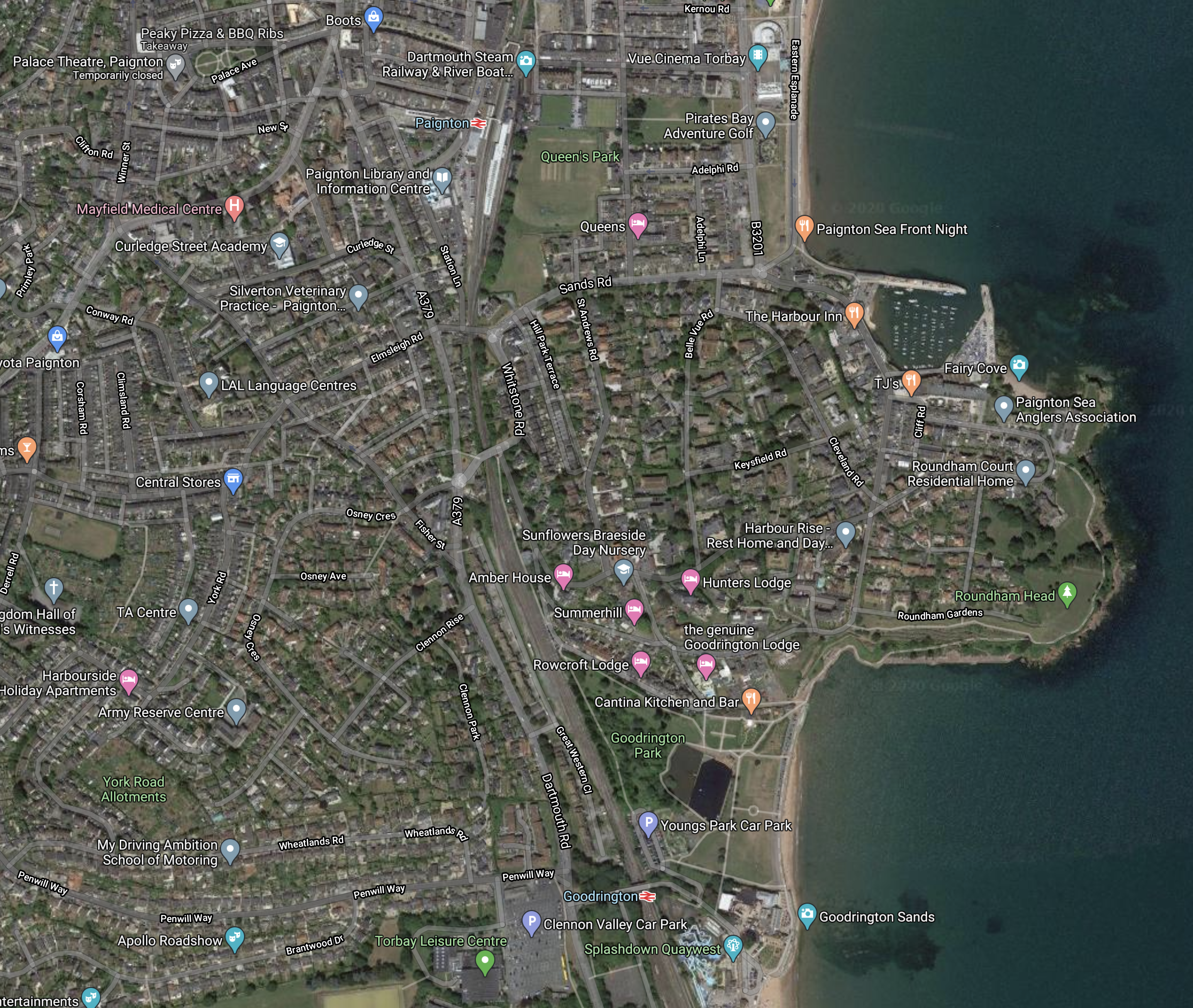
Note.
- Paignton station is marked by a station sign towards the top of the map.
- Goodrington Sands station is towards the bottom of the map.
The two stations seem well placed to serve the serve the town of Paignton and its beaches.
This second Google Map shows the Goodrington Sands and Churston stations in relation to Brixham and Berry Head.
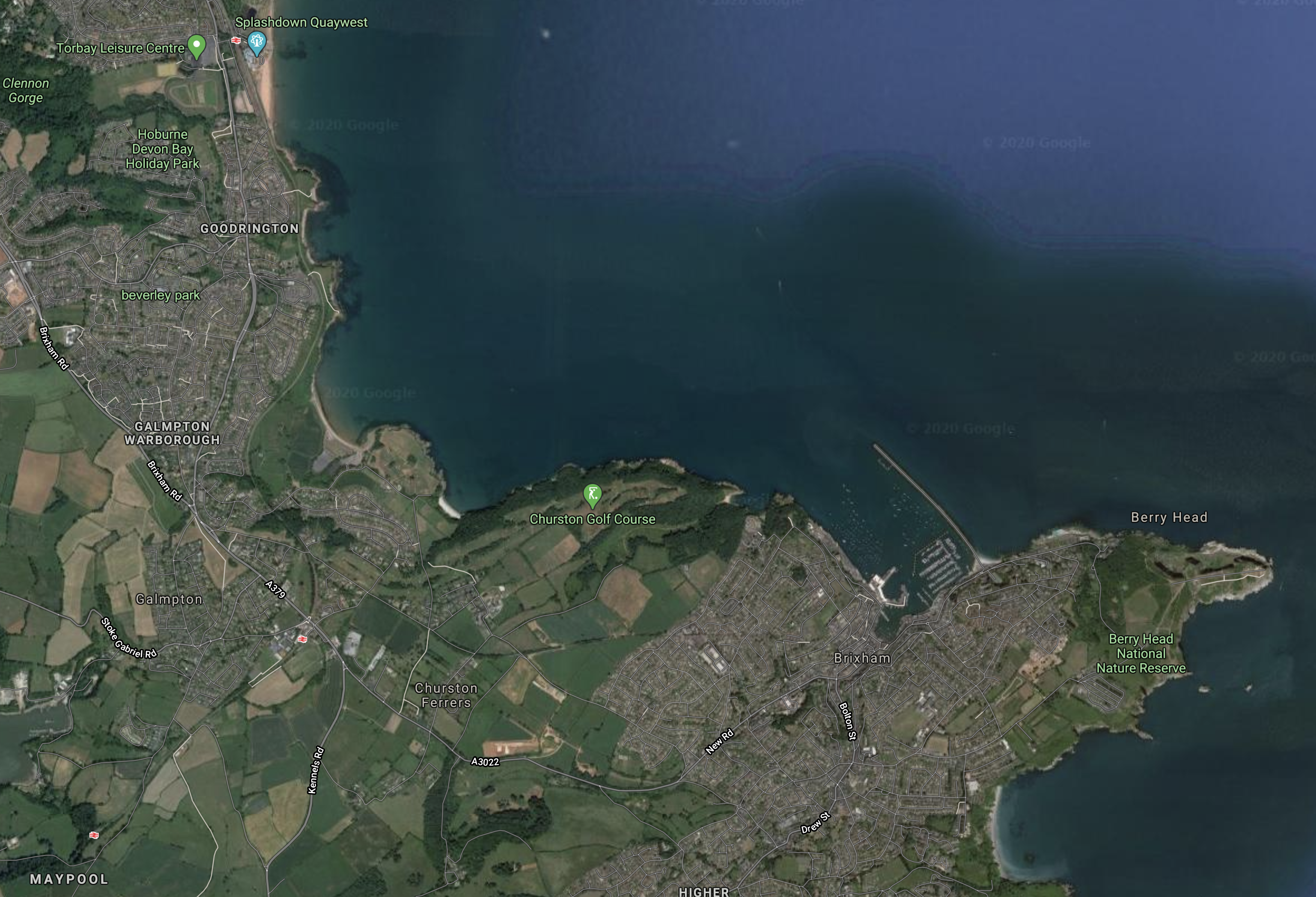
Note.
- Goodrington Sands station is at the top of the map.
- Two other stations on the Dartmouth Steam Railway are shown; Greenway Halt and Churston.
- Churston station is the most Northerly of the pair.
Churston station looks well-placed for Brixham.
These are my thoughts.
The Current Train Service
The train service between Paignton and Exeter St. Davids is run by Great Western Railway.
There are basically two services,
- A two train per hour (tph) service between Paignton and Exmouth via Torquay and Exeter St. Davids. I have used it and it is a useful local service for commuters, shoppers and visitors, although it could do with some modern trains.
- Occasional trains during the day to London Paddington.
There are also some CrossCountry trains going to and from Manchester Piccadilly.
The Dartmouth Steam Railway also runs trains between Paignton and via Goodrington Sands and Churston.
Hitachi’s Regional Battery Train
This train is described in this infographic from Hitachi.

I believe it will revolutionise rail travel in the South West of England, as shorter lengths of electrification, will enable this train based on current Class 800 and Class 802 trains to run all-electric services between London Paddington and Exeter St. Davids, Newquay, Paignton, Penzance and Plymouth.
Exeter St. Davids As A Hub For Battery Electric Trains
Exeter St. Davids station could become a major hub for battery electric trains.
These are distances to various stations.
- Barnstaple – 39 miles
- Exmouth – 11 miles
- Paignton – 28 miles
- Plymouth – 52 miles
- Taunton – 32 miles
- Yeovil Junction – 49 miles
All of these would be in range of a Hitachi Regional Battery Train or any battery electric train with sufficient range, that was fully-charged at Exeter St. Davids station.
The station has plenty of space and several long platforms, so I believe it would make an ideal hub for battery electric trains.
Could Battery Electric Trains Work The Riviera Line?
The Riviera Line was designed by Brunel for atmospheric power. Perhaps, he had observed the weather and felt the massive seas would make it difficult for for the steam locomotives of the day?
As an Electrical Engineer, I certainly couldn’t recommend electrifying through Dawlish with 25 KVAC overhead wires.
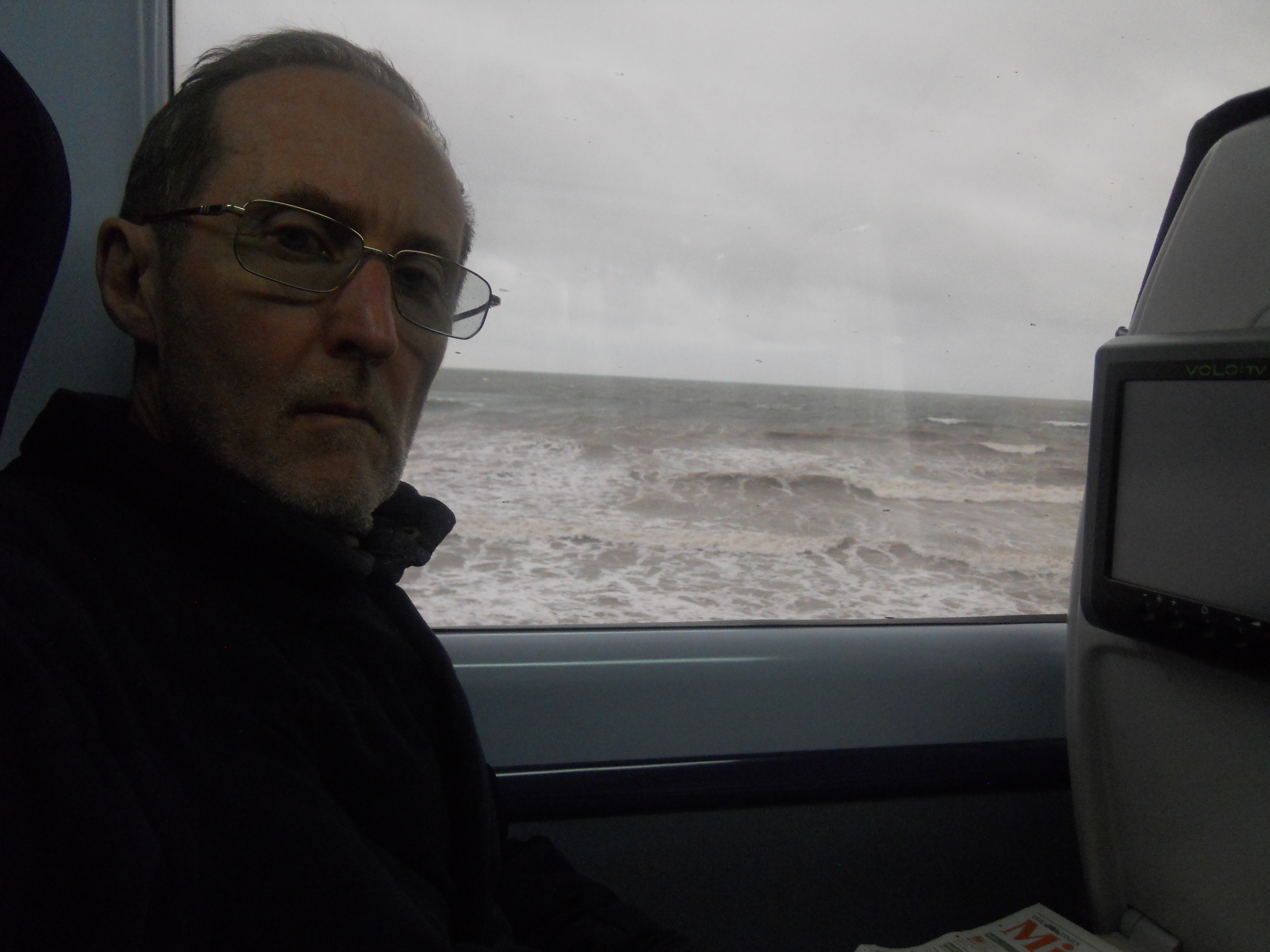
I took the picture from an InterCity 125 in 2011 and the seas seem to have got worse. Remember, that the line was washed away at Dawlish in February 2014.
But Hitachi’s Class 802 trains, seem to be handling the route on diesel power, without too much trouble.
I would expect that if one or more of the diesel engines are swapped for battery packs that the performance in heavy seas will not be worse.
But the biggest advantage of battery electric trains on the Riviera Line would surely be one of marketing.
And not just of the environmentally-friendly train service by Great Western Railway and CrossCountry, but by Hitachi in the marketing of their trains all over the world.
The only minor problem, I can see, could be the provision of charging at Paignton, as a 28 mile journey twice might be on the limit of the range of a battery electric train. Unless of course, bigger batteries were fitted!
A Splash-and-Dash At Newton Abbott
Newton Abbott station is roughly halfway between Plymouth and Exeter St. Davids and might be needed to give a Splash-and-Dash to trains between Devon’s two cities.
Some trains terminate at the station and others seem to take a leisurely stop at the station, so it could be a valuable calling point in a discontinuous electrification strategy.
Edginswell Station
Wikipedia has an entry for a new Edginswell station.
This is said.
Edginswell railway station is a proposed station in the Edginswell area of Torquay, Devon. The station would be located on the Riviera Line between Newton Abbot and Torre stations. Edginswell will be the location of employment and housing development and the new station will support this development. The station would also serve Torbay Hospital, The Willows retail park and the Torquay Gateway development area.
Plans for the station are being developed by Network Rail and Devon County Council.
This Google Map shows the area, where I think the station could be built.

Note.
- The large red dot indicates Edginswell.
- The main road across the map, was built on the North side of the Riviera Line.
- The Willows retail park lies to the North of the Hospital on the other side of the road and the railway.
- Torbay Hospital lies in the bend of the road and the railway.
This second Google Map shows an enlargement of the area to the North of the large red dot in the previous map.

Note.
- The A380 or South Devon Expressway leaving the map to the North-West. This road connects Torquay and the neighbouring towns and villages to the A38 and M5, which connect to the rest of the UK Motorway network.
- The Riviera Line passing across the North-East corner of the map.
Could this be the position to build a large Park-and-Ride station?
- It is a sizeable site, with good rail and road connections.
- I would estimate that the distance between Edginswell and Churston is under ten miles.
- Frequent electric shuttle buses could take people to the hospital and the nearby retail parks.
- Battery electric shuttle trains with a frequency of up to four tph could run between Exeter St. Davids and Paignton or another suitable terminal.
- Shuttle trains could charge at Edginswell and probably manage two round trips in an hour.
- This article on DevonLive is entitled Gridlocked Devon: Pollution – The Invisible Killer On Devon’s Roads, says a lot in the title.
- Long distance trains run by Great Western Railway or CrossCountry could call.
- Could some heritage trains terminate at Edginswell station?
- Would a Park-and-Ride station allow some of the land taken up by car parking along the coast, to be released for other purposes, more in tune with today’s mood?
It would be very interesting to see what would happen, if Edginswell station was built as a Park-and-Ride station with a Turn-Up-and-Go service to Torquay and Paignton and their beaches.
Paignton Station
This Google Map shows Paignton station.
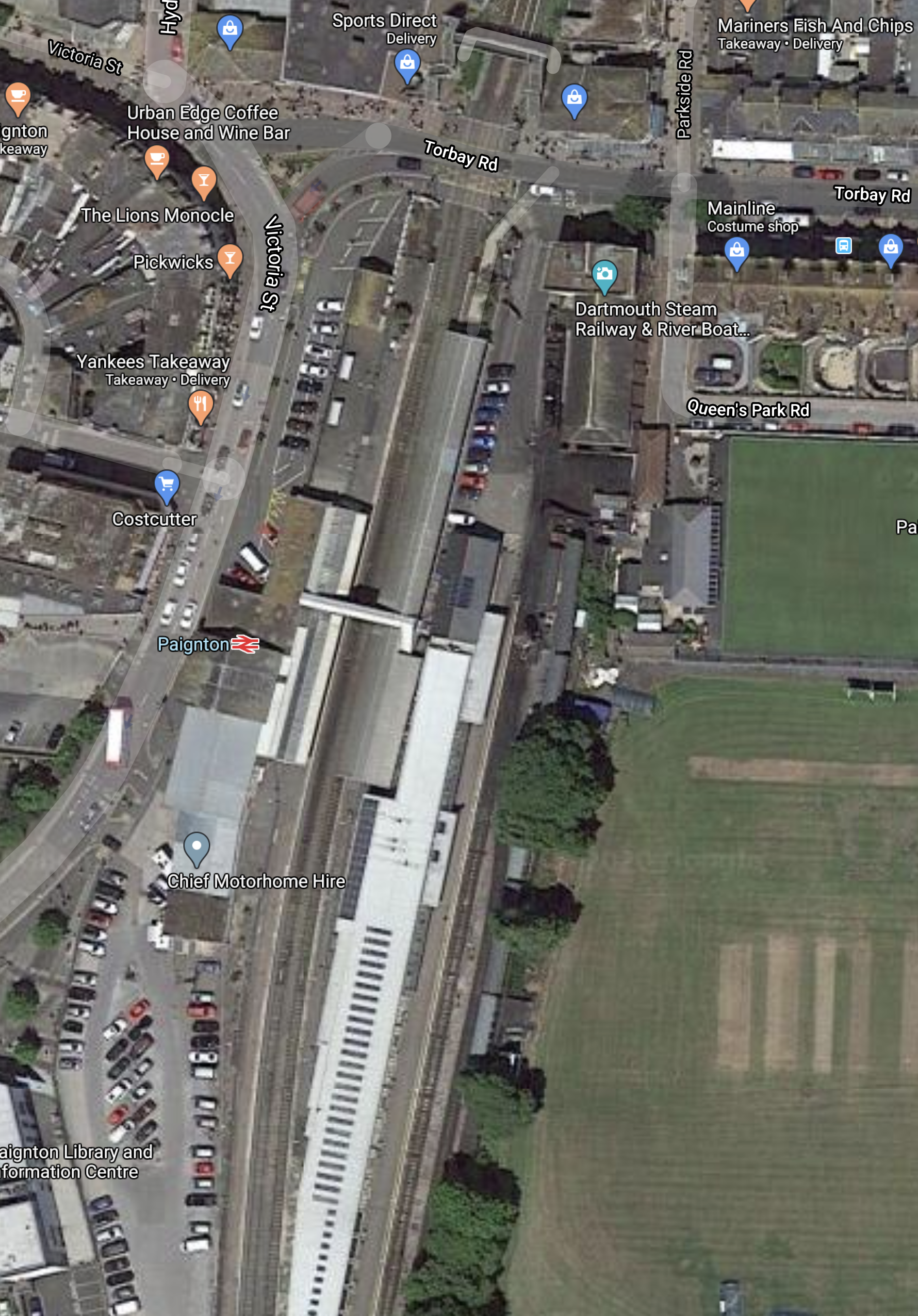
Note.
- The station has three National Rail platforms and one heritage platform for the Dartmouth Steam Railway.
- There is also a level crossing at the Northern end of the station, where Torbay Road crosses the railway.
Obviously, I don’t know the definitive answer, but would fitting a Fast Charge system to charge battery trains into the station be difficult because of the lack of space.
Goodrington Sands Station
This Google Map shows Goodrington Sands station.
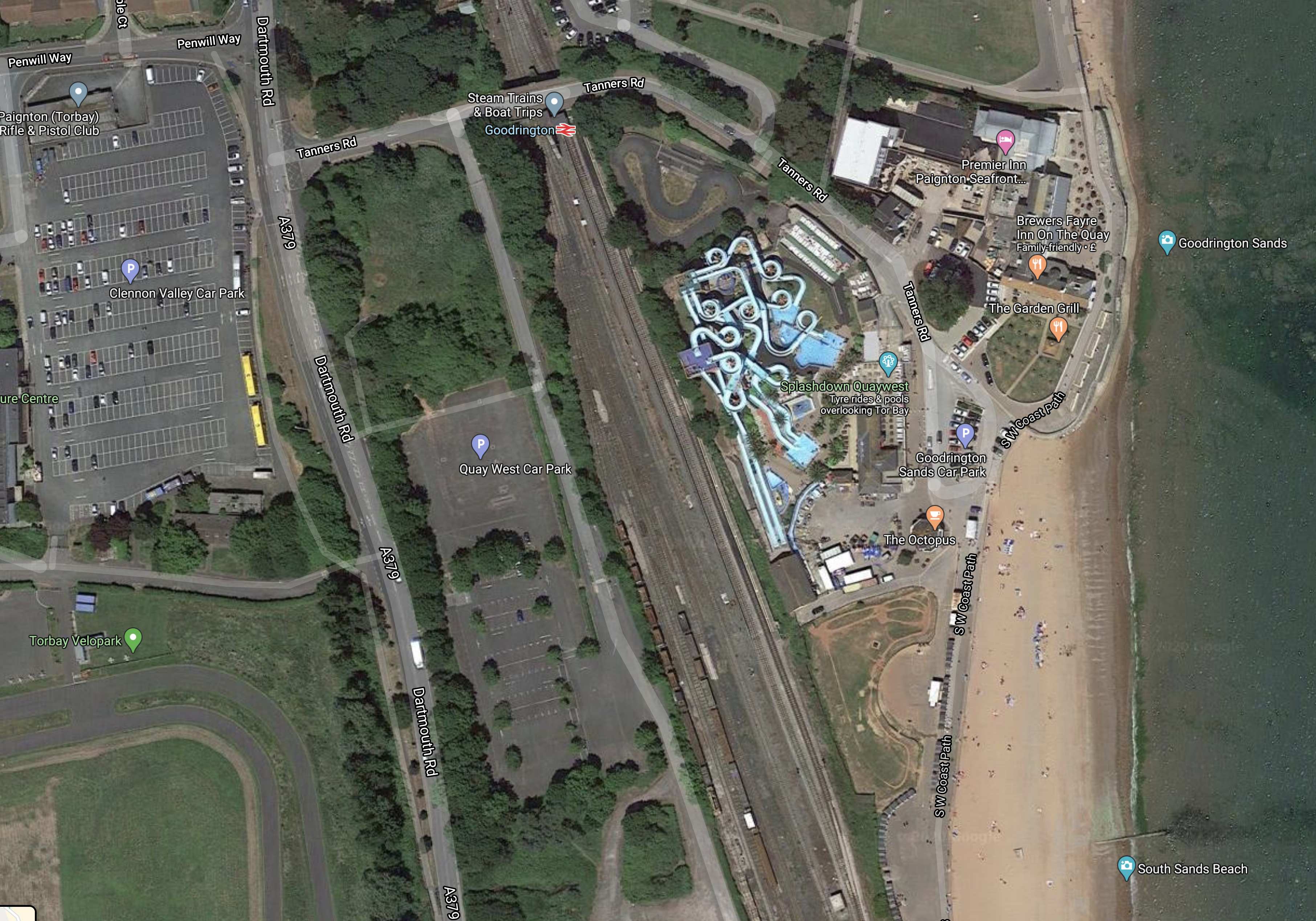
Note.
- Goodrington Sands station has two platforms.
- There is a comprehensive track layout between Paignton and Goodrington Sands stations.
- South of Goodrington Sands station, the line becomes single-track
- Goodrington Sands station appears to be surrounded by car parks.
- The only bridge across the railway appears to be at the North end of the station.
I think that a well-designed Goodrington Sands station could feature the following.
- Charging for battery trains.
- There might be a bay platform to turn and charge trains.
- A step-free bridge across the tracks.
- Easy walking routes to the nearby attractions.
- At least four tph to and from Edginswell, if that is built as a Park-and-Ride station.
Churston Station
This Google Map shows Churston station.
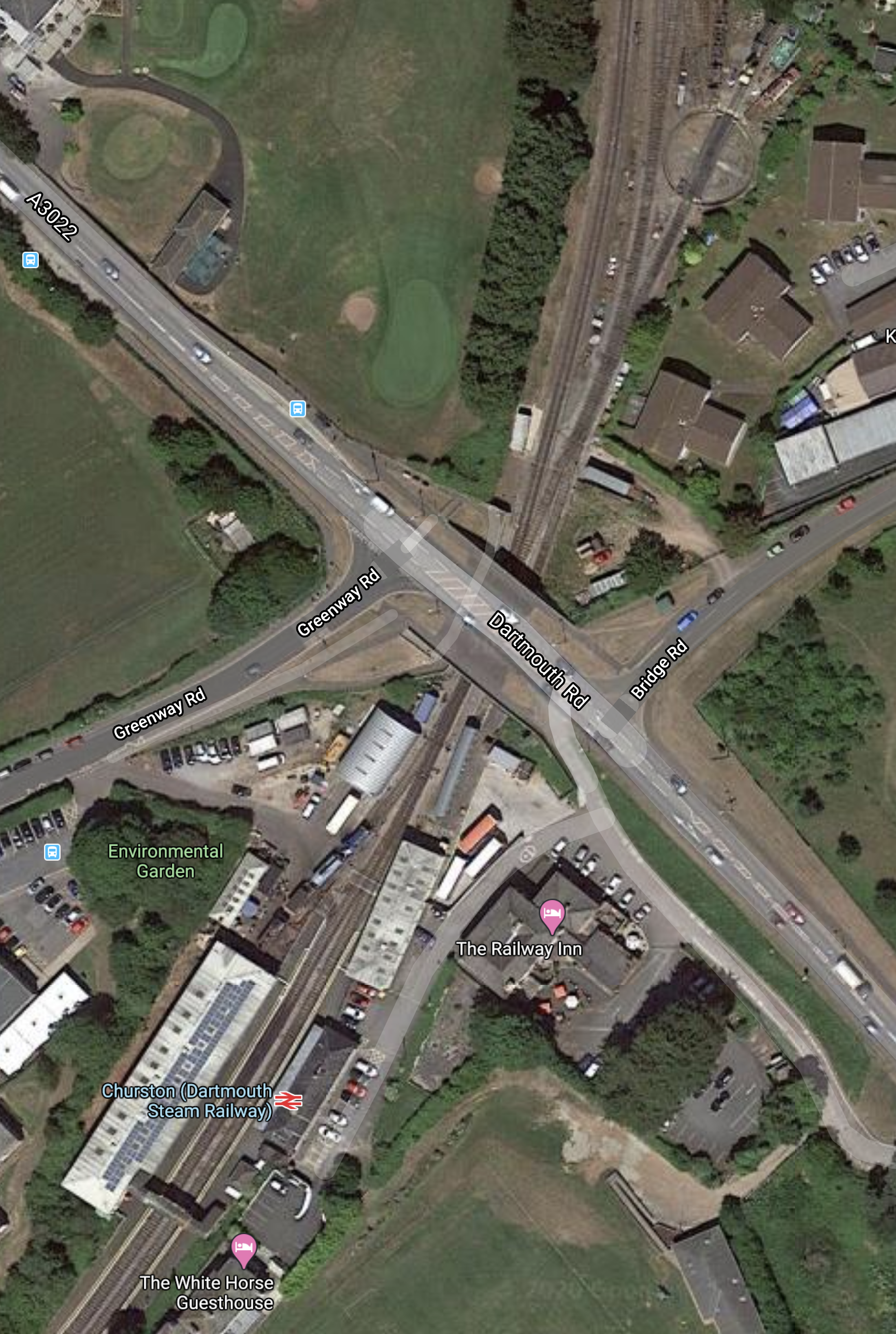
Note.
- Churston station is towards the South-West corner of the map.
- The station has two platforms.
Until I see the station, I am inclined to think, that the site would be a difficult one, in which to fit a Fast Charge system.
Conclusion
I can see the addition of Goodrington Sands and Churston turning the Riviera Line into a Coastal Metro between Exmouth and Churston.
I do think, the following would make it the ultimate rail line for the area.
- A Park-and-Ride station at Edginswell.
- Battery electric operation.
- A Turn-Up-and-Go frequency of four tph, between Exeter St. Davids and Churston.
- Two tph between Exmouth and Churston.
- One tph between London Paddington and Churston.
- One tph between Manchester Piccadilly and Churston.
It may be that some trains will turn back at Paignton or Goodrington Sands.
There are certainly a lot of possibilities.
 The Anonymous Widower