From October 24th 2022, It Looks Like Bond Street And Oxford Circus Stations In London Will Share An Out Of Station Interchange!
Consider.
- Bond Street station is served by the Jubilee and Central Lines.
- Oxford Circus station is served by the Victoria, Bakerloo and Central Lines.
- On this page on Oyster Fares Central, the distance between Bond Street And Oxford Circus stations, is given as 280 metres or yards.
- On the 24th of October 2022, Bond Street station on the Elizabeth Line will open with two new entrances in Davies Street and Hanover Square.
- Westminster City Council have refurbished Hanover Square to improve walking routes to and from the Hanover Square entrance to Bond Street Station.
- In Hanover Square – 9th May 2022, I show some of the wide pavements around the area.
- There is no direct interchange between the Victoria and Elizabeth Lines.
- There is no direct interchange between the Piccadilly and Elizabeth Lines.
I think it is likely, that some travellers will walk between Oxford Street station and the Hanover Street entrance at Bond Street station, to do journeys like these.
- Victoria Line stations and Elizabeth Line stations
- Piccadilly Line stations, that are North of Finsbury Park station and Elizabeth Line stations, with a cross-platform change between Piccadilly and Victoria Line trains at Finsbury Park station.
- Some travellers may prefer this interchange between Bakerloo Line stations and Elizabeth Line stations, than use the Bakerloo Line Link at Paddington.
- Some travellers arriving in Euston, King’s Cross and St. Pancras may use the Victoria Line to transfer to the Elizabeth Line.
I can see a substantial number of travellers walking between Oxford Street station and the Hanover Street entrance at Bond Street station.
I suspect Transport for London can too, as they have made Bond Street and Oxford Circus stations an out of station interchange, with a time limit of twenty minutes.
- It would be time enough to pick up a coffee on the way.
- As Tony Hancock once said, there would be time for a cough and a drag.
- There are several useful shops on the route.
It is not your normal interchange and I suspect shops will adjust their wares to the traffic.
I have a few thoughts.
Toilets
I think toilets are needed on the pedestrian route.
Interchange With The Central Line At Bond Street Station
Consider.
- From West to East the Elizabeth Line has interchanges with the Central Line at Ealing Broadway, Bond Street, Tottenham Court Road, Liverpool Street and Stratford.
- Passengers for stations like Notting Hill Gate, Marble Arch, Holborn, St. Paul’s and Bank will have a large choice of new routes.
I suspect many passengers will change at Bond Street and Stratford. Stratford is an easy interchange, but how good will Bond Street be?
This visualisation shows the knitting that connects the lines at Bond Street station.
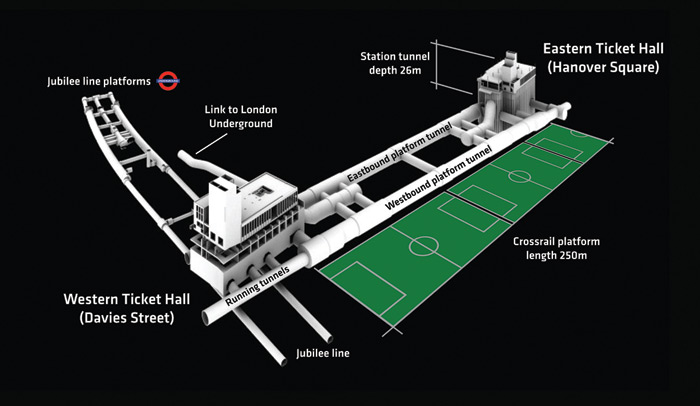
I think for a fast interchange, using the minimum amount of walking, you would need to travel in the Western end of an Elizabeth Line train if you want to change to the Central Line.
But some passengers might prefer to travel in the Eastern end of an Elizabeth Line train and use the out of station interchange to Oxford Circus station for the Central Line.
Interchange With The Jubilee Line At Bond Street Station
Consider.
- From West to East the Elizabeth Line has interchanges with the Jubilee Line at just Bond Street and Stratford.
- Passengers for stations like Green Park, Westminster, Waterloo, London Bridge and Greenwich will take the Jubilee Line.
Passengers will have to change at Bond Street or Stratford. Stratford is an easy interchange, but how good will Bond Street be?
New Escalators At Bank Station To The Docklands Light Railway – 18th October 2022
In New Escalators At Bank Station Between The Northern Line And The DLR, I indicated that construction could be almost finished of the escalators that will connect the two lines.
The escalators have now opened.
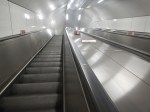

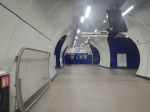


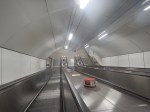
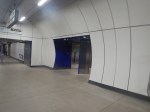
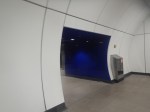
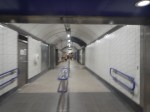
Note.
- At the top of the escalators, you are delivered to a plaza, where the cross-tunnel between the two Northern Line platforms and the moving walkway to the Central Line meet.
- At the bottom of the escalators, you are in a wide passageway between the two DLR platforms.
- At the other end of the passageway, there are a pair of escalators that lead to Circle and District Line platforms and the Monument entrance to Bank station.
The escalators certainly open some faster pedestrian routes through the station.
New Escalators At Bank Station Between The Northern Line And The DLR
This picture shows the triple-barrelled escalator that runs between the Northern Line and the Docklands Light Railway.
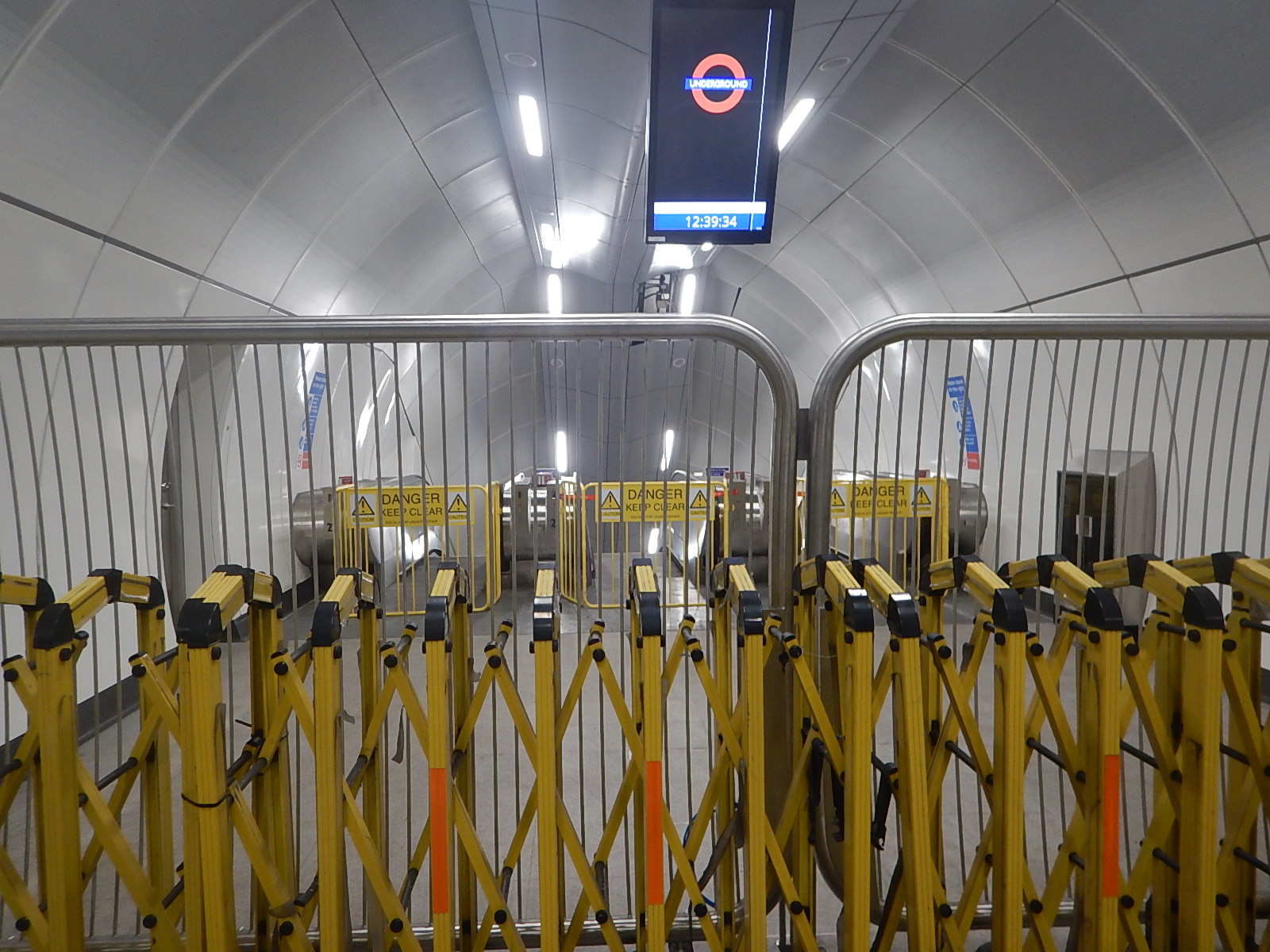
Note.
- The digital clock was showing the right time.
- There are three escalators.
- Peering over the barrier, it looked to be that construction has almost finished.
This visualisation shows the station.
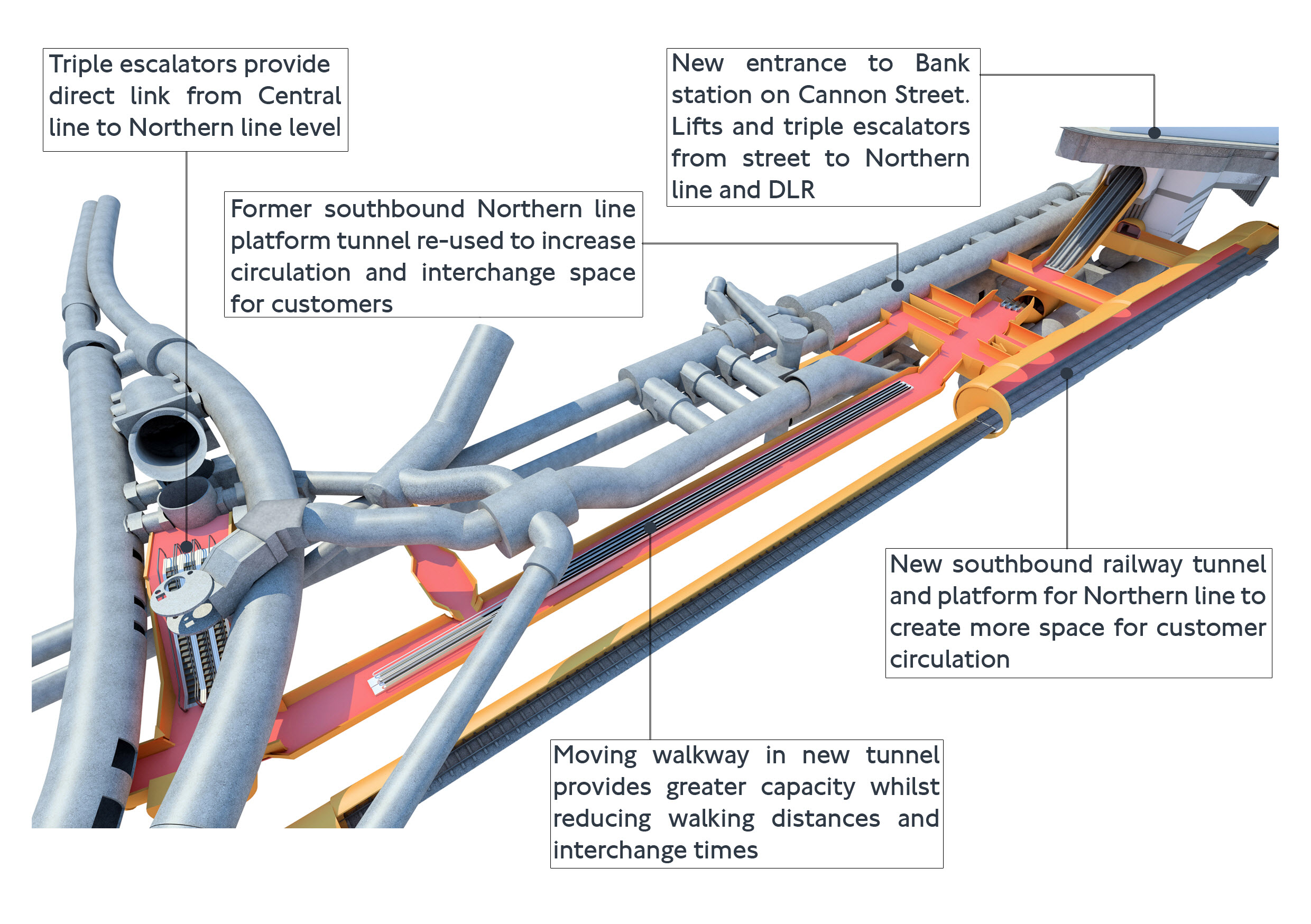
Where was I standing when I took the picture?
The label at the top right says.
New entrance to Bank station on Cannon Street. Lifts and triple escalators to Northern Line and DLR.
The triple escalator leading down from the Cannon Street entrance to the Northern Line level is clearly visible.
- It looks like passengers can go between the bottom of the escalators and both the Northbound and Southbound platforms of the Northern Line, using the cross-passage shown.
- I suspect that the triple escalators to and from the DLR in-line with the escalators to the entrance.
- Lifts would probably serve all three levels.
It is an intricate design, that looks like it minimises conflicting passenger routes, at the Cannon Street or Southern end of the station.
Move towards the North and you can see the moving walkway in a new tunnel parallel to the two Northern Line tracks, which connects to the Central Line.
At its Southern end, there is a spacious plaza.
- It has two cross passages to the two Northern Line platforms.
- It is a short walk to the moving walkway to and from the Central Line
- It appears that on the Southern side, is the triple-escalator leading down to the DLR.
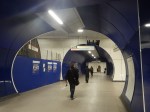
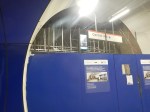
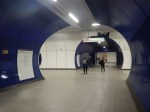
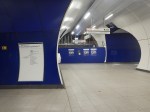
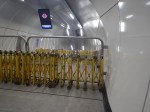
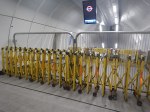
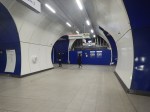
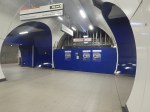
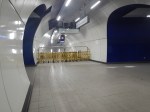
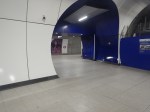
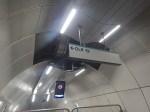
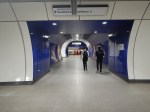
These pictures show this plaza and the connecting tunnels and escalators.
Note.
- The entrance to the tunnel with the moving walkway is opposite the escalators to the DLR.
- There are two cross-tunnels connecting the two Northern Line platforms and the plaza.
- All tunnels are wide.
It looks like pedestrian routes are as follows.
Cannon Street Entrance And Northern Line
The large three-barrel escalator between the Cannon Street and Northern levels.
Cannon Street Entrance And Docklands Light Railway
The large three-barrel escalator between the Cannon Street and Northern levels and a shorter escalator between the Northern and DLR levels.
Cannon Street Entrance And Central Line
The large three-barrel escalator between the Cannon Street and Northern levels, a walk to the moving walkway and the escalators to the Central Line.
Cannon Street Entrance And Waterloo And City Line
I suspect, this will use the new route to the DLR and then the existing route between the DLR and the Waterloo and City Line.
Northern Line And Central Line
The moving walkway and the escalators to the Central Line.
Northern Line And Docklands Light Railway
It looks like there are two-banks of three escalators between the Northern and DLR levels.
Northern Line And Waterloo And City Line
Not sure of this route, but it could be via the DLR.
Central Line And Docklands Light Railway
Via the moving walkway and escalators at both ends.
Central Line And Waterloo And City Line
As now?
Docklands Light Railway And Waterloo And City Line
As now?
Conclusion
It would be an ideal location for a chase thriller!
I can’t wait until it opens.
But I do believe that the moving walkway should be extended under the roads to Moorgate station.
Six Good Points Of The Elizabeth Line
The Ride Quality
I wrote about this in The Quality Of The Ride On The Lizzie Line.
The Virtual Extension Of The Elizabeth Line To Epping And South West Essex
I wrote about this in Elizabeth/Central Line Interchange At Stratford – 23rd June 2022.
The Quality Of The Station Staff
They are excellent and I suspect they’ve been very well-trained.
The Bakerloo Line Link At Paddington Station
I wrote about this in Elizabeth Line – Paddington Bakerloo Line Link – 24th May 2022.
The Connection Between The Northern And Lizzie Lines At Tottenham Court Road Station
Iwrote about this in The Connection Between The Northern And Lizzie Lines At Tottenham Court Road Station.
The Underground Link between Liverpool Street and Moorgate Stations
I wrote about this in London’s First Underground Roller Coaster.
I wrote about my first ride in Elizabeth Line – Riding The Underground Roller Coaster At Liverpool Street Station – 24th May 2022.
Extending The Elizabeth Line – Piccadilly Line To Ealing Broadway
Transport for London have proposed a reorganisation of the Piccadilly and District Lines in the Ealing area.
I first wrote about this in Is There Going To Be More Change At Ealing Broadway Station?, but now the Elizabeth Line is on the verge of being connected across London, I feel that this post needs to be replaced.
A Possible Proposal
Ealing Broadway station is being upgraded for Crossrail.
In the November 2017 Edition of Modern Railways, there is a Capital Connection supplement, which discusses London’s railways.
On Page 7 in a section about the sub-surface lines, this is said.
One possibility being discussed is that the Piccadilly should take over the District’s Ealing Broadway service. This would free up space on the South side of the inner-London circle for more City trains off the Wimbledon branch, one of the sub-surface network’s most-crowded routes.
On Page 15 in a section about the Mayor’s plans, this is said.
It is suggested Piccadilly Line services run to Ealing Broadway instead of the District Line, enabling increased frequencies on the latter’s Richmond and Wimbledon branches.
As the plan is mentioned twice, certainly the proposal is being thought about.
The Lines At Ealing Broadway Station
This map from carto.metro.free.fr shows the lines at Ealing Broadway station.
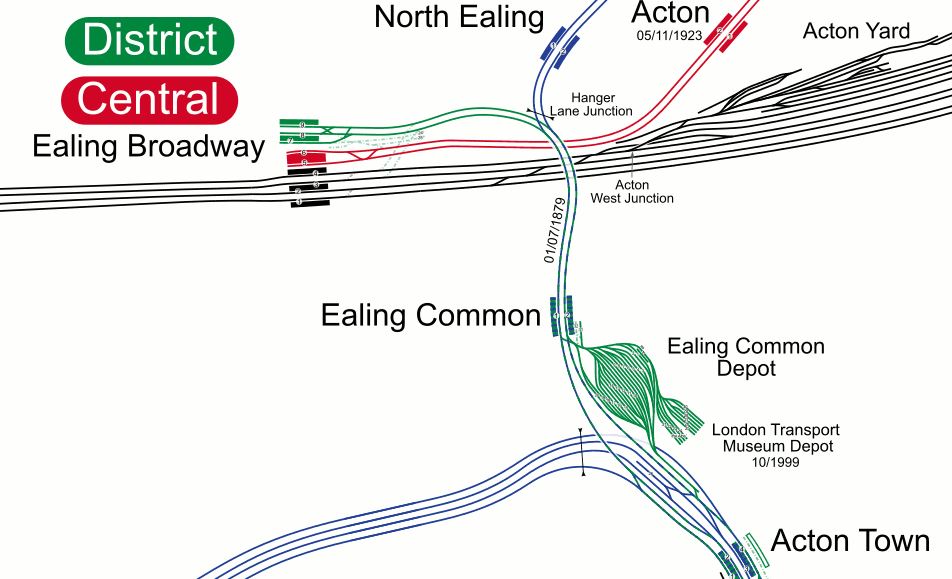
Note how the Piccadilly and District Lines share tracks from Ealing Common station, which then split with District Line trains going to Ealing Broadway station and Piccadilly Line trains going to Rayners Lane and Uxbridge stations.
If the change happened and Ealing Broadway station was only served by the Piccadilly and Central Lines of the Underground, then there might be opportunities to improve the efficiency of the Underground side of the station.
Capacities And Lengths Of London Underground Trains Serving Ealing Broadway Station
I’ll express these as a table.
- Central Line – 1992 Stock – 930 passengers – 130 metres – 7.15 pass/m.
- District Line – S7 Stock – 1209 passengers – 117.45 metres – 10.29 pass/m.
- Piccadilly Line – 1973 Stock – 684 passengers – 106.8 metres – 6.40 pass/m.
- New Tube for London – 1076 passengers – 113.7 metres – 9.46 pass/m.
Note.
- The New Tube for London is the shortest train, with the second highest capacity and the highest passenger density.
- The New Tube for London will be replacing the Piccadilly Line trains first.
- The New Tube for London will be replacing the Central Line trains second.
It looks like there will be no platform-length problems running the New Tube for London to Ealing Broadway station.
The District Line Platforms At Ealing Broadway Station
These pictures show the District Line at Ealing Broadway station.
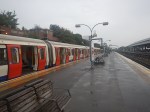
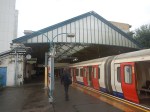
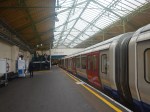

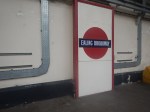
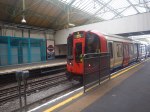
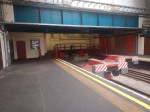
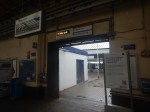
Note.
- There are three platforms for terminating District Line trains, which are numbered 7 to 9.
- The service frequency is six trains per hour (tph).
- The bridge to the far platform 9, is not step-free.
- It appears to be possible to walk between platforms 8 and 9 behind the buffer stops, but it wasn’t signed.
- As a comparison the Central Line runs 9 tph to East London from two platforms, that are numbered 5 and 6.
- There was also a 3 tph Night Tube service before the pandemic, which appears to be running again.
- Platforms 8 and 9 seem to be covered by a building of very little architectural merit.
This map from OpenRailwayMap shows the detailed platform layout.
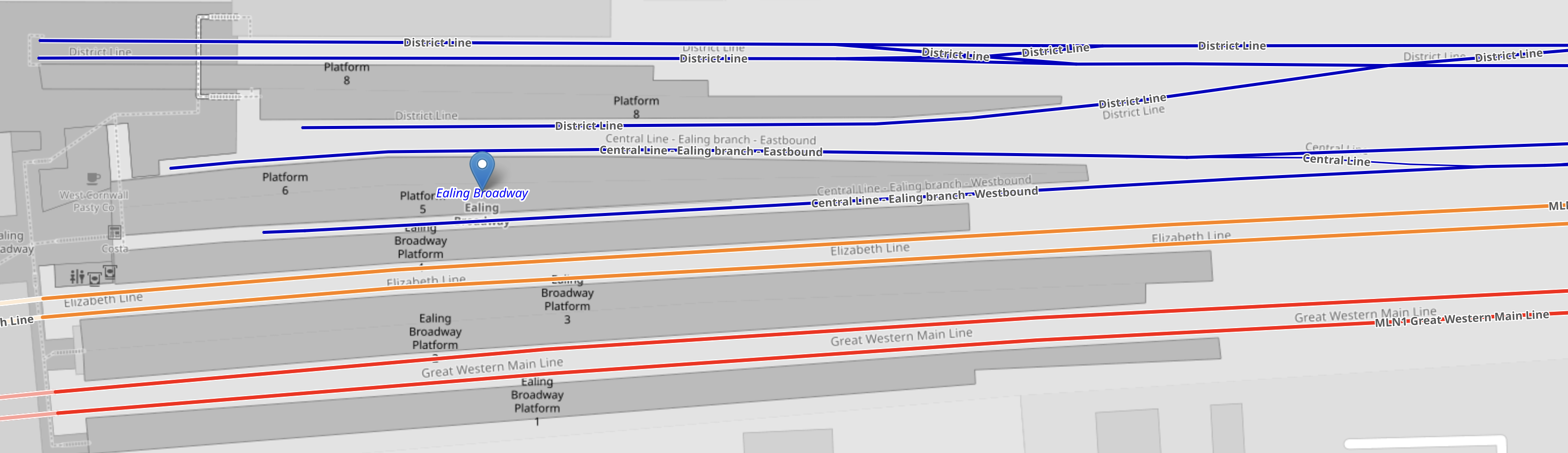
Note.
- Platforms are numbered from 1 to 9 from the South.
- Underground tracks are shown in blue.
- Elizabeth Line tracks are shown in orange.
- Great Western ~Main Line tracks are shown in red.
I believe that the three District Line platforms could be upgraded into an excellent terminus for another branch of the Piccadilly Line.
Consider.
- Two platforms would probably be enough, but a third would be useful for service recovery.
- As the Piccadilly and Central Line trains are the same size, could Platform 7 be a platform be available to both Underground services when needed?
- The New Tubes for London are a few metres shorter than the current District Line trains, so would this help in creating a step-free level walkway between Platforms 8 and 9, behind the buffer stops?
- Platforms 8 and 9 may need to be lengthened.
- Is there any scope for any appropriate oversite development?
I certainly believe that a much better replacement could be created.
Changing Between The Underground Lines And The Elizabeth Line At Ealing Broadway Station
Ealing Broadway station is now step-free and changes between the Eastbound Elizabeth Line and the Underground are a walk on the level.
Only when changing to or from the Westbound Elizabeth Line do you need to use stairs and/or a lift.
Elizabeth Line Effects On Access To Heathrow
The Elizabeth Line will change the way a lot of passengers go to and from Heathrow Airport.
Elizabeth Line To Heathrow
At present, the service will be.
- 4 trains per hour (tph) between Paddington and Heathrow Central and Heathrow Terminal 4 or Heathrow Terminal 5 via Ealing Broadway.
After November 6th, 2022, the service will be.
- 4 tph between Abbey Wood and Heathrow Central and Heathrow Terminal 4
- 2 tph between Abbey Wood and Heathrow Central and Heathrow Terminal 5
In addition these services will serve all station including Canary Wharf, Liverpool Street, Bond Street, Paddington and Ealing Broadway.
Effect On Heathrow Express
It will be difficult to predict what will happen to Heathrow Express, but I suspect several groups of passengers will desert it.
- Passengers wanting to go anywhere East of Paddington without changing trains.
- Passengers wanting any Elizabeth Line station.
- Passengers, who don’t like the prices of Heathrow Express.
- Passengers using Oyster or contactless cards.
- Passengers who want to ride on London’s spectacular new Elizabeth Line.
- After Old Oak Common station is opened for High Speed Two, the numbers could further decrease.
Will Heathrow Express survive?
Effect On Piccadilly Line
The current Piccadilly Line route to the Airport will not be closed, as for many it will still be a convenient route to the Airport
- Passengers who live on the Piccadilly Line and don’t want to change trains. Think Southgate, Knightsbridge, Hammersmith and Osterley!
- Passengers to the West of Acton Town station.
- Passengers, workers and others needing to go to Hatton Cross station.
If the Elizabeth Line connected with the Piccadilly Line at say Holborn, it would be all so different.
Effect On District Line
When Crossrail opens, the District Line will become a loop from Crossrail, between Ealing Broadway and Whitechapel running along the North Bank of the Thames via Earls Court, Victoria, Charing Cross and Monument.
The step-free interchange at Ealing Broadway could become busy with passengers travelling to and from the Airport.
Effect On Piccadilly Line Overcrowding
Heathrow trains on the Piccadilly Line can get very overcrowded with so many passengers with heavy cases.
It must sometimes be very difficult to get on a Piccadilly Line train between Heathrow and South Kensington stations.
The Elizabeth Line should take the pressure from these trains, by allowing passengers to use the District Line with a change at Ealing Broadway.
The New Tube for London will also help to reduce the overcrowding.
Effect On My Personal Route
My personal route to the airport is to take a 141 bus to Manor House station and then get the Piccadilly Line. It takes 94 minutes.
After the Elizabeth Line fully opens, if I take the East London Line from Dalston Junction to Whitechapel and then used Crossrail, I’d take 57 minutes.
Conclusion
The Elizabeth Line will affect the way many get to and from Heathrow Airport.
But there are large areas of London, who still will need to change trains twice to get to the airport. But for many, one of those changes will be a step-free one at Ealing Broadway, Paddington or Whitechapel stations.
Piccadilly Line To Ealing Broadway Effects
Adding Ealing Broadway station as a fourth Western terminus to the Piccadilly Line will have effects, but not as important as the opening of the Elizabeth Line.
Some Improved Journey Times To Heathrow
Some Piccadilly Line stations will see improved journey times to Heathrow.
Hammersmith to Heathrow currently takes 37 minutes by the Piccadilly Line.
Taking a Piccadilly Line train to Ealing Broadway and then using the Elizabeth Line could save a dozen minutes.
The District Line Connection To The Elizabeth Line At Ealing Broadway Is Lost
Passengers along the District Line from Monument to Hammersmith will lose their direct access to the Elizabeth Line at Ealing Broadway.
Cross-platform access to the Piccadilly Line at Hammersmith and other stations will probably be provided or improved, but it will be a second change.
Note that until the Piccadilly Line gets upgraded and new trains arrive around 2023, the District Line with new trains and the soon to be installed new signalling may well be a better passenger experience.
More Trains To Richmond
This will certainly be possible, if some Ealing Broadway trains are diverted to Richmond.
But the Elizabeth Line has another delight in its cupboard for Richmond.
Old Oak Common station is scheduled to open in 2026 and will offer an interchange between the Elizabeth Line and the North London Line.
Richmond will certainly be getting a better train service to Central and East London.
More Trains To Wimbledon
This will certainly be possible, if some Ealing Broadway trains are diverted to Wimbledon.
The Ealing Common Problem
At Ealing Common station, the Piccadilly and District Line share the same tracks and platforms.
Some commentators have suggested that the new trains on the Piccadilly Line will be designed to work with platform-edge doors for improved safety and dwell times.
So if platform-edge doors were to be fitted to all stations on the Piccadilly Line as has been suggested, there would be no way the doors would fit the new S7 Stock of the District Line.
Swapping Ealing Broadway from the District to Piccadilly Lines would solve this problem and give more flexibility, but it might give London Underground other problems with regard to access for District Line trains to Ealing Common depot.
These pictures show Ealing Common station.
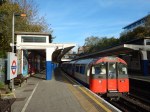
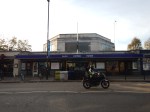
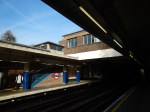

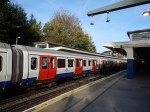
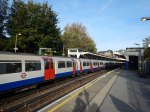
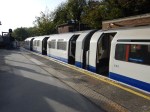
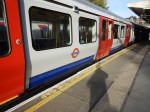
Note the difference in levels between the Piccadilly and District Line trains.
There would be no way to provide level access for both types of train using a Harrington Hump.
So is making a station that serves both deep-level and sub-surface lines, step-free, a problem that is still to be cracked?
This Google Map shows Ealing Common station.
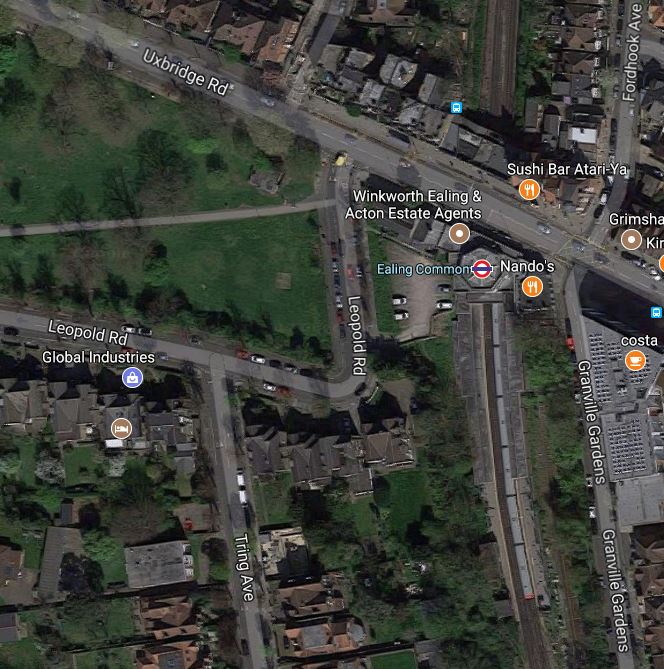
It doesn’t look that it is a station, where two extra platforms could be squeezed in, so both lines could have their own platforms.
Could Ealing Common station be one of the main reasons to serve Ealing Broadway station with the Piccadilly Line?
Acton Town Station
These pictures show Acton Town station.
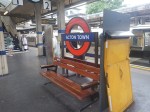
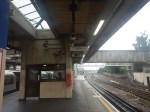
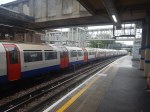
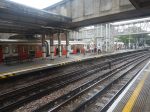

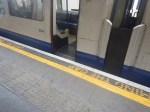
Note.
- The two central tracks appear to be Piccadilly Line trains only.
- The two outer tracks appear to be able to be used by both District and Piccadilly Line trains.
- There is quite a step-down to Piccadilly Line trains on some platforms.
Making Acton Town station, a Piccadilly Line-only station, would ease making the station step-free, as it would only be served by one type of train.
Chiswick Park And Ravenscourt Park
This section is shown in this map from cartmetro.com.
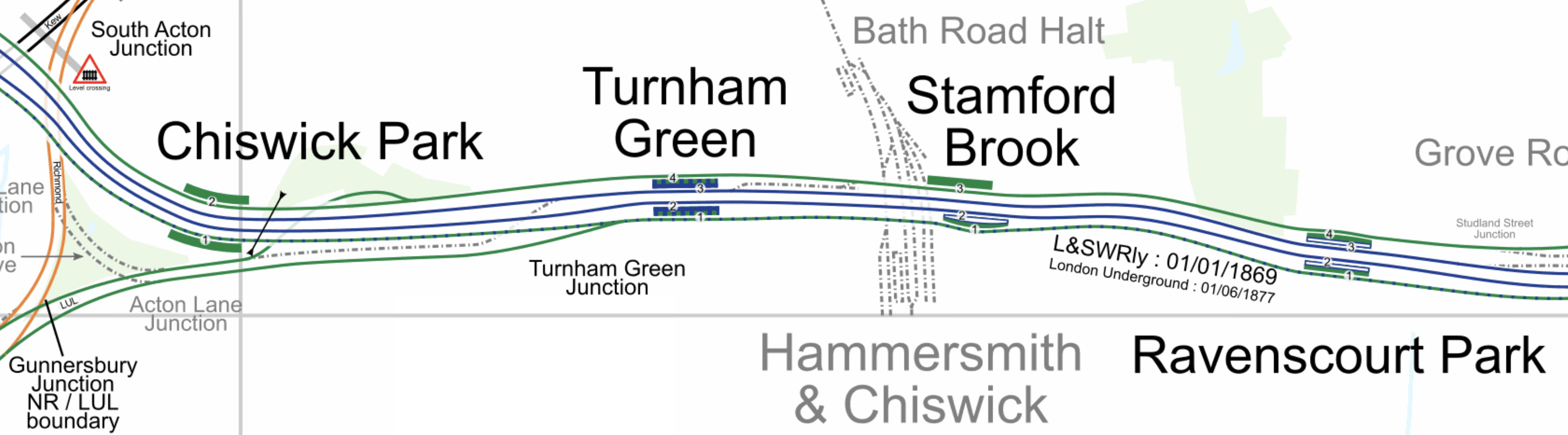
Note.
- The District Line is shown in green.
- The Piccadilly Line is shown in blue.
- The two Piccadilly Line tracks are in the middle and generally trains go straight through the four stations.
- The two District Line tracks are on the outside and trains stop at most stations.
It appears that the tracks have been laid out so that Piccadilly Line trains can get a real shift on between Acton Town and Hammersmith.
This could save a few minutes on some Piccadilly Line journeys.
But there is a problem!
- District Line trains serve all stations.
- Piccadilly Line trains serve none.
- How is Chiswick Park station going to be served, as there are no District Line trains passing?
- Passengers for intermediate stations, would need to get on the District Line trains before entering the Acton Town and Hammersmith section.
- Passengers may want to change between Ealing Broadway and Chiswick Park.
There will also be no trains running on the current District Line tracks between Acton Town and Turnham Green Junction. The only ones that do now, go to Ealing Broadway and they’re being changed to Piccadilly Line trains.
Serving Chiswick Park Station
Chiswick Park station only has platforms on the District Line, which will not see any passing trains if the District Line doesn’t go to Ealing Broadway.
One suggestion I found was to add two new District Line platforms to the Richmond branch.
This Google Map shows the station.
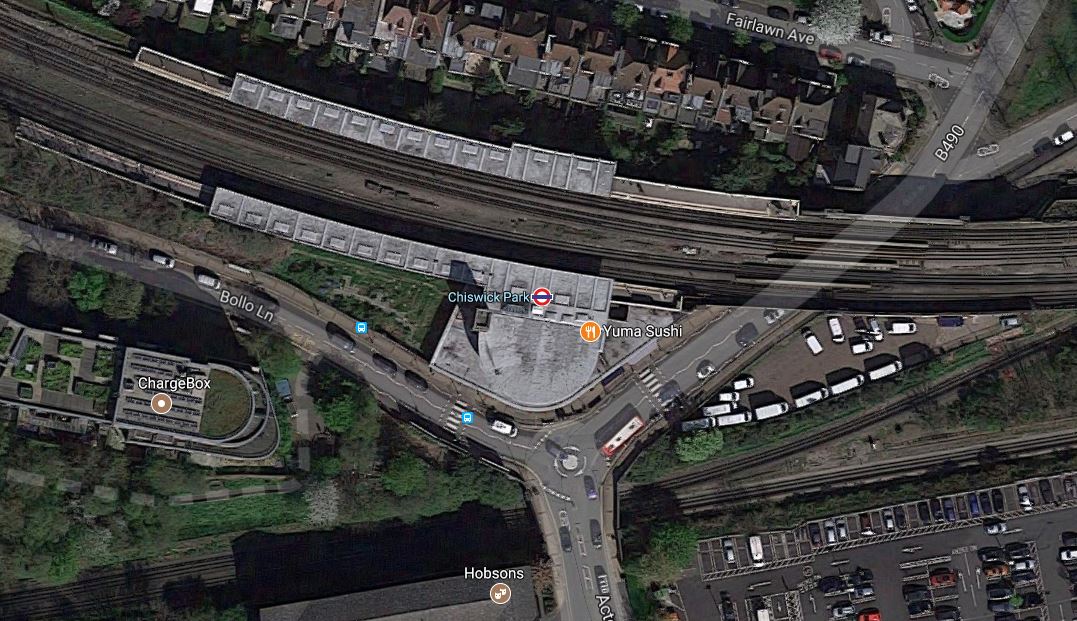
Note the Richmond branch passing South of the station.
This second Google Map shows the tracks between Chiswick Park station and Turnham Green junction.
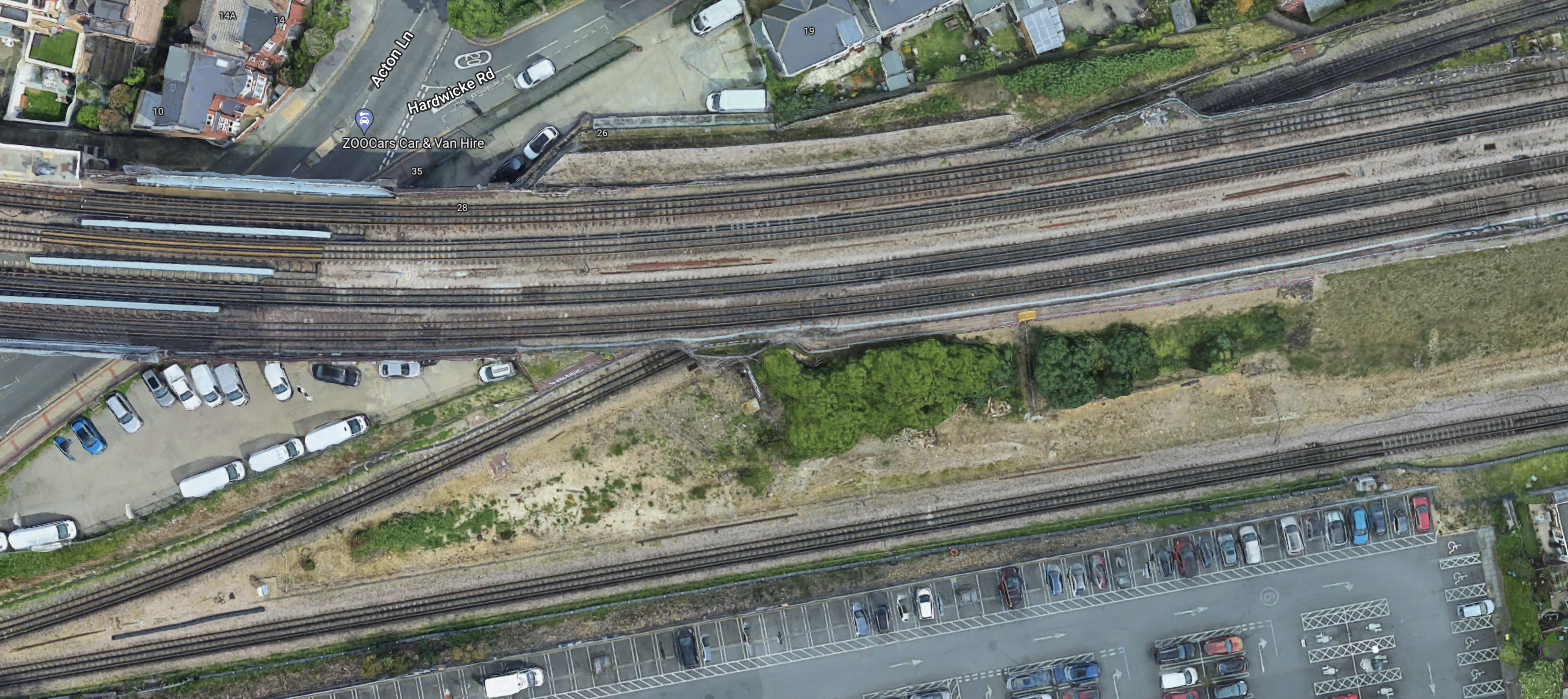
Note.
- The four tracks between Acton Town and Hammersmith stations.
- The current District Line tracks are the outside two of the four tracks.
- The Piccadilly Line tracks are the middle two.
- The two tracks at the South-West corner go to Richmond station.
- The Eastbound track from Richmond goes under the four-track railway, before joining the current Eastbound District Line track.
- The Westbound track to Richmond runs along the South side of the four-track railway, before joining the current Westbound District Line track.
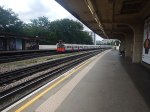
These pictures were taken from a train approaching Chiswick Park station from the East.

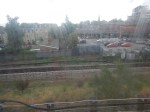
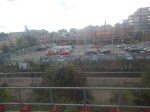
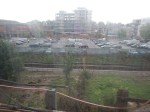
Note, that there is enough space for a platform along the single track.
These pictures are of Chiswick Park station.


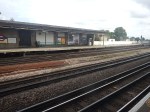


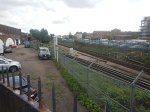
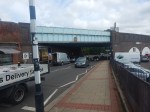
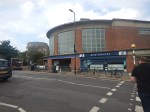
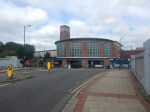
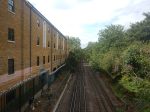
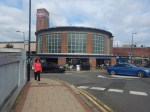
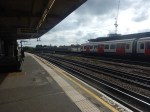
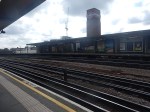

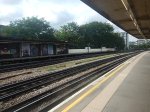
Note.
- The distinctive architecture of London Transport stations of the period.
- The two fast lines in the middle, with Piccadilly Line trains speeding through.
- The two District Line trains on the outside with platforms.
- The Richmond Branch passing to the South of the station and between the station and Sainsburys.
I would suspect that a pair of platforms could be built on the two tracks of the Richmond branch.
- District Line trains to and from Richmond would stop at the new platforms at Chiswick Park stations and Turnham Green, Stamford Brook, Ravenscroft Park, Hammersmith, Baron’s Court and Earl’s Court stations.
- Passengers between Ealing Broadway and Victoria stations would change at Hammersmith, Baron’s Court or Earl’s Court stations.
- The car park at the bottom of the map is for a large Sainsbury’s. Perhaps, they would like a station entrance?
- Chiswick Park station is Grade II Listed.
I’m sure that a good architect can find a more than acceptable solution.
Turnham Green Station
As I passed through Turnham Green station, I got off and took a few pictures, before catching the next train to Ealing Broadway.

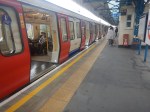
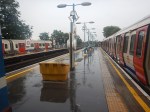
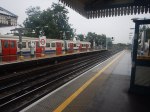
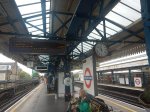
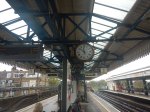

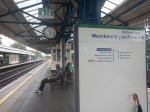
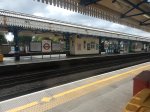
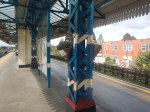
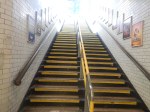
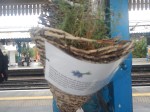
Note.
- Piccadilly Line trains don’t generally stop, although they do at times to provide a service when the District Line is not running.
- The station is not step-free, with stairs to the entrance.
- It has some nice features.
- Herbs are provided for passengers
If required a step-free interchange between District and Piccadilly Lines could be arranged.
Hammersmith Station
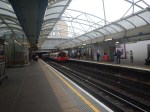
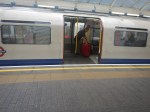
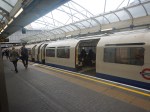
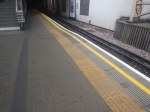
I arrived at Hammersmith station on a Piccadilly Line train and left on a District Line train, after taking these pictures.
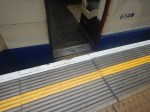
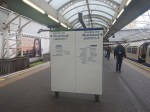

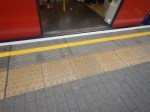
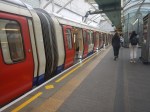
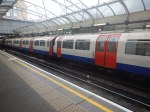
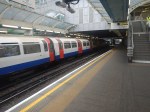

Note.
- The change is on the same island platform.
- There is plenty of space on the platform.
- The District Line trains are level with the platform.
- The Piccadilly Line trains require a step-down from the platform.
- The District Line trains run at a frequency of 12 tph.
- The Piccadilly Line trains run at a frequency of 21 tph.
- Hammersmith is also a big bus interchange and shopping centre.
There should be no problem changing between Piccadilly and District Lines at Hammersmith, with a wait of no more than five minutes.
Baron’s Court Station
In a brief stop at Baron’s Court station, I took these pictures.
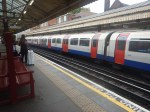
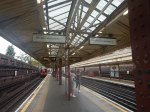
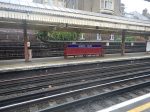
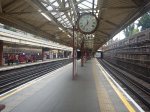
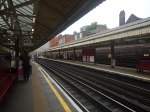
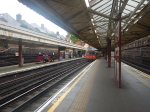
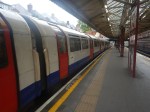
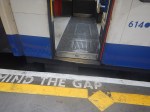
Note.
- The change is on the same island platform.
- There is less space on the platform, than at Hammersmith station.
- The District Line trains are a step-up from the platform.
- The Piccadilly Line trains require a step-up from the platform.
- The District Line trains run at a frequency of 12 tph.
- The Piccadilly Line trains run at a frequency of 21 tph.
There should be no problem changing between Piccadilly and District Lines at Baron’s Court, with a wait of no more than five minutes.
Earl’s Court Station
I arrived at Earl’s Court station on a Piccadilly Line train and left on a District Line train, after taking these pictures.

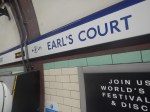
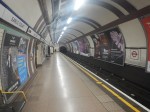

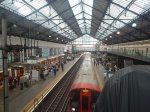
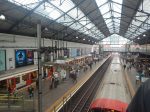
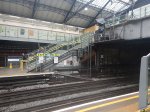
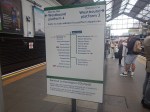
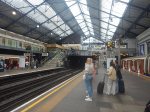
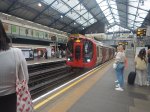
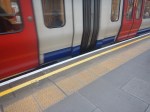
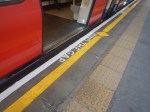
Note.
- The change means that platforms have to be changed
- The District Line trains are a step-up from the platform.
- The Piccadilly Line trains require a step-up from the platform.
- The District Line trains run at a frequency of 12 tph.
- The Piccadilly Line trains run at a frequency of 21 tph.
There should be no problem changing between Piccadilly and District Lines at Earl’s Court, but Hammersmith and Baron’Court don’t need a change of platform.
What Is The Best Station To Change Between Piccadilly And District Lines?
It appears that the best place to change would be Hammersmith, or failing that Baron’s Court.
- Earl’s Court requires a change of platform.
- Turnham Green requires a change of platform and two sets of steps.
- Hammersmith has a shopping centre and a lot of buses.
- I’ve used Hammersmith before to get home from Heathrow, with a change to a 141 bus at Monument station.
I would always for preference use Hammersmith.
Conclusion
It appears to me, there are three opposite forces on either side of a possible proposal to serve Ealing Broadway station with the Piccadilly Line, rather than the District Line.
- The District Line will form a loop South of Crossrail between Ealing Broadway and Whitechapel stations.
- The loop of the District Line serves Victoria, Embankment, Blackfriars, Cannon Street and Tower Hill stations for access to National Rail services.
- Making a station step-free that handles both deep-level and sub-surface lines, is not an easy undertaking.
Running the Piccadilly Line to Ealing Broadway means that a change is required at Hammersmith or Barons Court stations to use the loop described in point 1.
But this change would enable the step-free access to be created in all stations in the area.
I think that the change of terminus will go ahead, with the following additions.
- Improved access to Ealing Common depot.
- Improved cross-platform access at Hammersmith or Barons Court stations.
- Possibly two extra platforms on the District Line at Chiswick Park station.
What started out as a simple change could end up as a substantial project.
But overall, because it sorts out step-free access in the area, I think it is a good proposal.
I Can’t Wait Until The Sixth Of November
This morning, I wanted to go between Moorgate and Romford stations.
Because the Elizabeth Line is not fully joined up, I wanted to avoid a long walk.
So I had decided, that the best way to go would be.
- Hammersmith and City Line from Moorgate to Mile End.
- Central Line from Mile End to Stratford.
- Elizabeth Line from Stratford to Romford.
Note that both interchanges are cross-platform ones, so it is certainly a route with the minimum of walking.
When I got to Moorgate station, it appeared that there were problems with the Hammersmith and City Line, so assuming that things would be OK from Whitechapel, I took the Lizzie Line one stop to try my luck from there.
But my luck was out and after waiting for about twenty minutes in a stationary District Line train for a lift to Mile End station, I gave up and returned to the Lizzie Line, where I took a train to Canary Wharf station.
I’d changed between the Lizzie and Jubilee Lines before and wrote about it in Changing Trains At Canary Wharf Station – 13th June 2022.
I had not been impressed, as I’d found it a long walk.
But this time, I followed a route between the Eastern ends of both stations, which goes past Waitrose in the shopping centre. Opposite Waitrose was this stall.



That looks good for a pit stop. Badiani 1932 appear to have realised that London has a chronic shortage of ice cream and have opened a number of shops.
Once on the Jubilee Line, I finally got to Stratford and walked to the Lizzie Line for Romford Station.
What Had Caused All The Delays?
It appeared there had been a power supply problem on the Hammersmith and City Line.
Conclusion
Once Crossrail is fully open, it will be a bypass around problems like today.
HS2 Completes First Tunnel Cross Passages
The title of this post, is the same as that of this press release from High Speed Two.
This is the first paragraph.
As the tunnelling machines under the Chilterns approach the four-mile mark, HS2 completes the first of thirty-eight underground connections between the northbound and southbound tunnels.
This video from High Speed Two, shows the construction of the cross tunnels.
There appears to have been a resurgence of traditional tunneling methods, albeit it with the assistance of modern mechanised tools.
In London recently, these tunnels have been dug without the use of expensive tunnel boring machines.
- The running and station tunnels for the Bank Station Upgrade.
- The tunnel for the Paddington Bakerloo Line Link.
I suspect there will a lot more dug traditionally in the future.
Bank And Moorgate
The map from cartometro.com shows the plethora of lines at Moorgate and Bank stations.
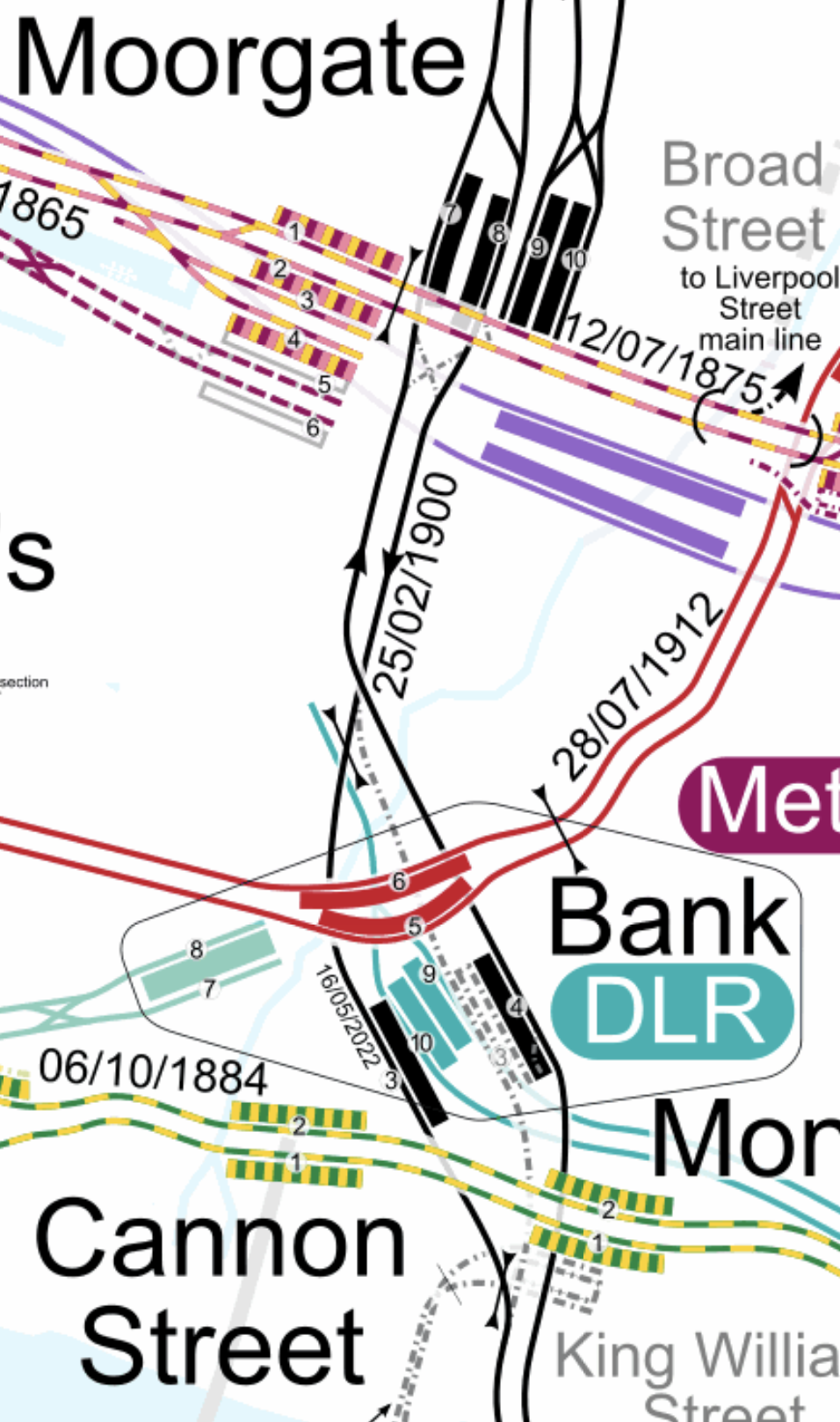
Note.
- Moorgate station is served by the Circle, Elizabeth, Hammersmith & City, Metropolitan, Northern and Northern City Lines.
- Bank station is served by the Central, Circle, District, Northern and Waterloo & City Lines.
- Bank station is also one terminus of the DLR.
I believe it would be possible to dig a long pedestrian tunnel with a travelator, between Moorgate and Bank stations under Moorgate, which connects the two stations.
City Thameslink Station And St. Paul’s
I discussed this in A Pedestrian Connection Between City Thameslink Station And St. Paul’s Tube Station.
What Goes Up Must Come Down
This morning, I went for a walk in the City, with the aim of looking at progress on the new Southern entrance to Bank station.
I took these pictures, where they were dismantling the main crane on the Bank station site.

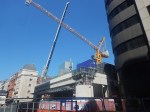
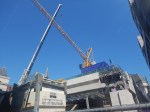
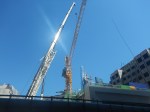
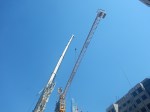

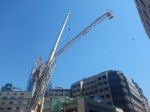
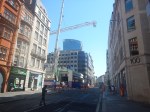
Does this dismantling mean that the main work is coming to an end?
One of the guys, I spoke to said that the station would be finished by the end of the year.
I also took this picture from the Northernmost cross tunnel between the two Northern Line platforms.
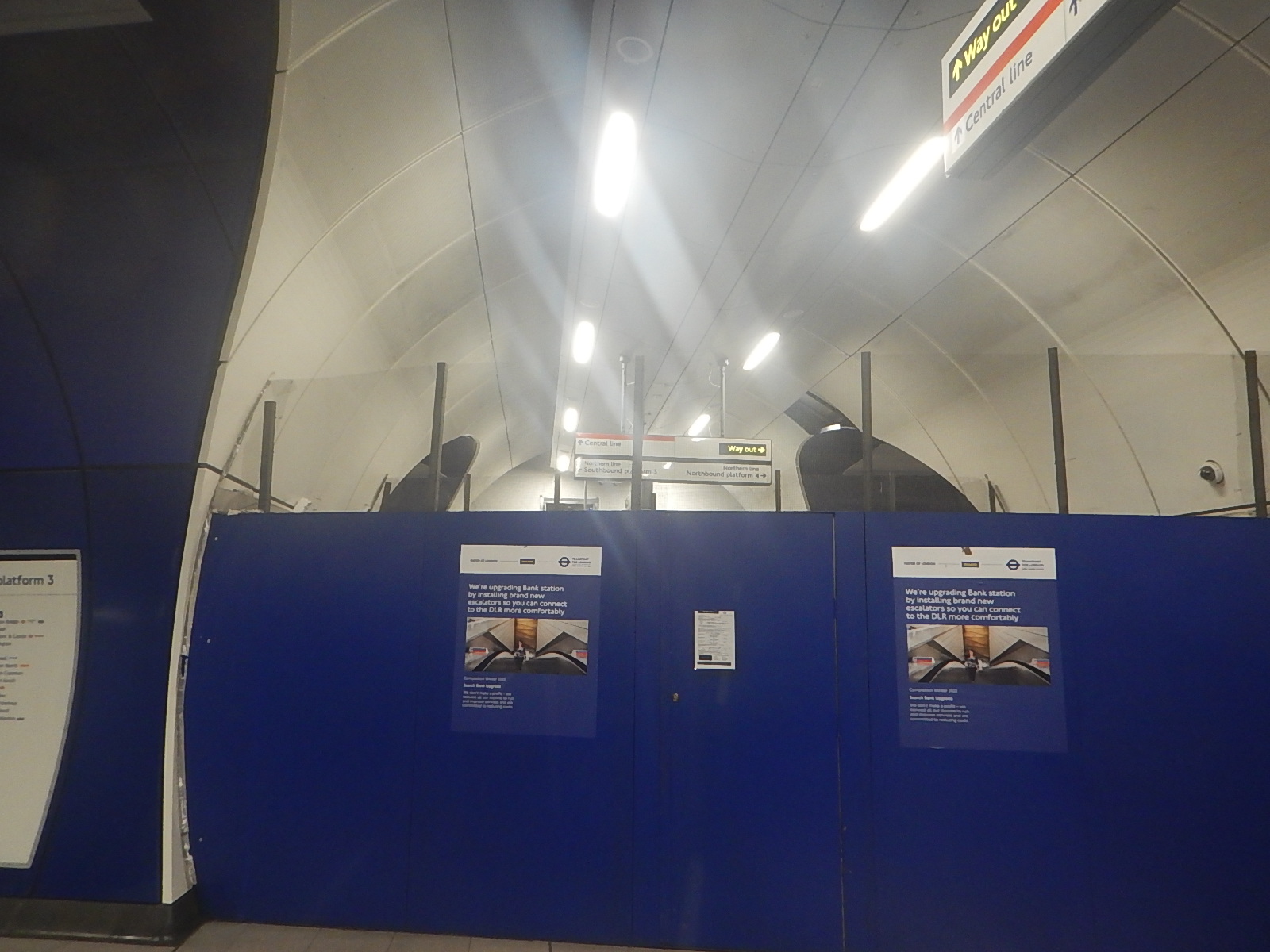
Note the Way Out sign behind the hoarding, which also shows Central Line straight on. This looks like it could be the start of the travelator to the Central Line.
From Moorgate To Imperial Wharf – 30th June 2022
I wanted to see the new entrance at Imperial Wharf station today, so after a full English breakfast on Moorgate, I took the Lizzie Line, Central and West London Lines across London.
I took this route.
- Lizzie Line – Moorgate to Tottenham Court Road
- Central Line – Tottenham Court Road To Shepherds Bush
- West London Line – Shepherds Bush To Imperial Wharf
I took these pictures along the route.
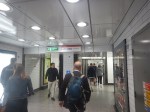

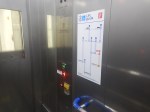
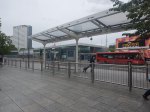
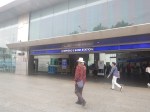

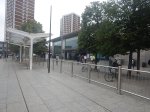
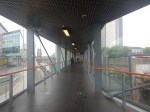
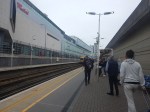
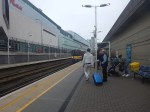
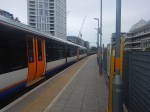
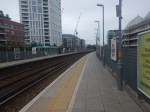
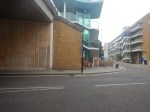
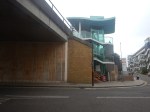

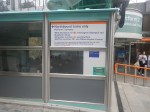
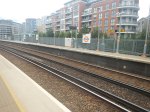
Note.
- The change at Tottenham Court Road station involves going up to the ticket hall and down again.
- The change at Shepherds Bush involves crossing the road between the Central Line and Overground station.
- The last few pictures show the new entrance at Imperial Wharf, which is for Northbound trains only.
When Bond Street station opens on the Lizzie Line, it should be easier to change there for the Central Line.
The Plans For A Connection Between The Lizzie And West London Lines?
This map from cartometro.com shows, where the Lizzie and West London Lines cross in the area of Old Oak Common.
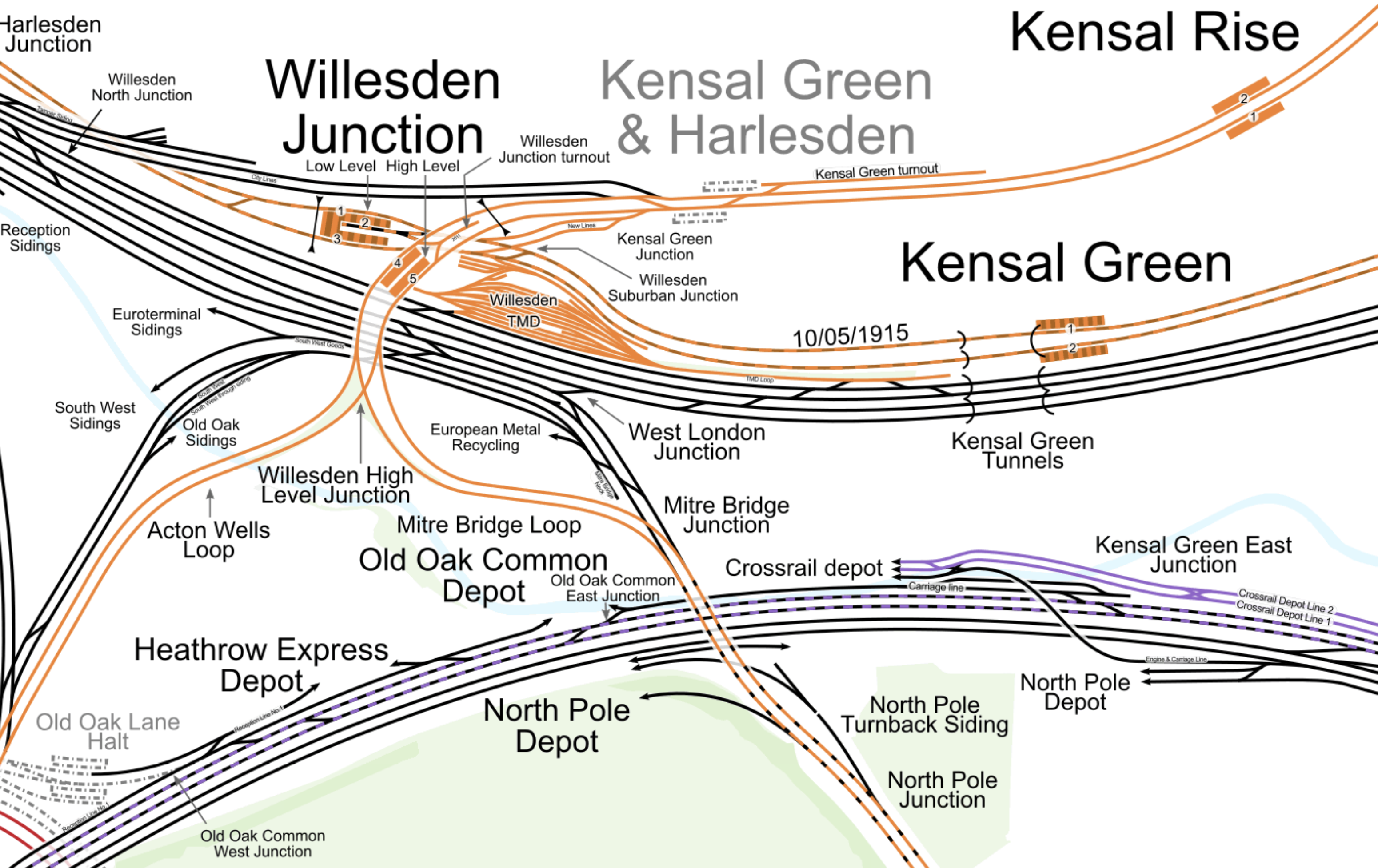
Note.
- The Overground is shown in orange and splits into the North and West London Lines South of Willesden Junction station.
- The Lizzie Line is shown in purple and black, as it goes across the map, as at this point it shares tracks with the Great Western Main Line.
This map shows how High Speed Two will change the lines.
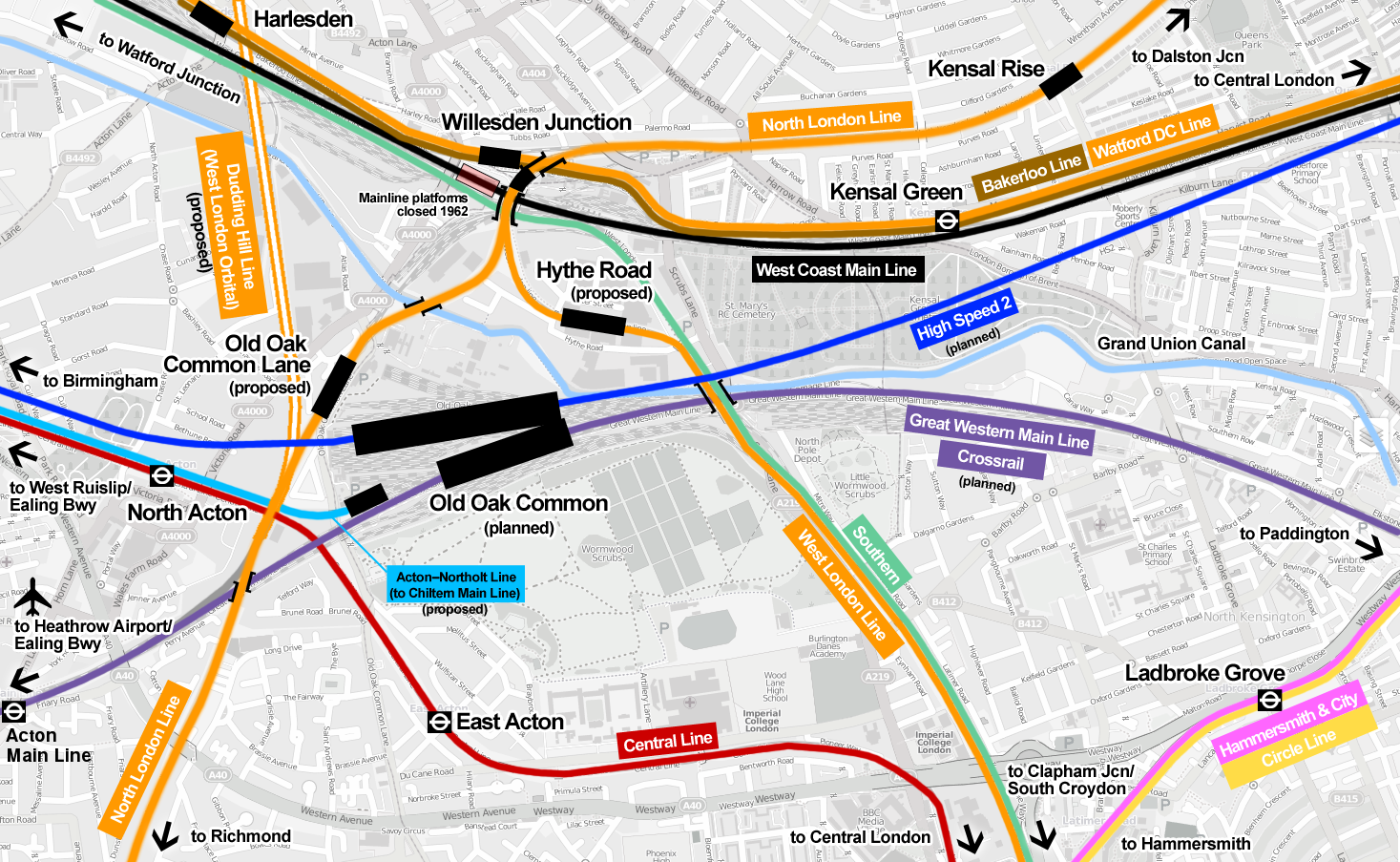
Note.
- Hythe Road station on the West London Line, which will have a walking route to High Speed Two and the Lizzie Line.
- Old Oak Common Lane station on the North London Line, which will have a walking route to High Speed Two and the Lizzie Line.
- The Dudding Hill Line, which is shown as an orange double-line and could be part of the West London Orbital passing North-South to the West of Old Oak Common Lane station.
- The Acton-Northolt Line, which is shown in blue and could give Chiltern Railways extra platforms at Old Oak Common with a walking route to High Speed Two and the Lizzie Line.
Wikipedia says that the status of the two Overground stations according to Transport for London is as follows.
Subject to funding being secured and further public consultation, we would seek permission to build and operate the proposals via a Transport and Works Act Order (TWAO). Funding remains a significant constraint in delivering these proposals. We are currently seeking to establish a package of funding that could enable the stations to be delivered by 2026 alongside the new HS2 and Elizabeth line station.
I suspect that with our current South London Mayor, we will see little progress on these connectivity schemes at Old Oak Common station, as with the possible exception of Hythe Road station, there’s little in it for South London.
Conclusion
Hythe Road station would certainly have made my journey easier yesterday.
Hopefully, though, if I do the journey again in the next year or so, Bond Street station will be open on the Lizzie Line and I’ll change to the Central Line there.
Elizabeth/Central Line Interchange At Stratford – 23rd June 2022
During the rail strike yesterday, it was a good time to show how the interchange between the Elizabeth and Central Lines at Stratford station.


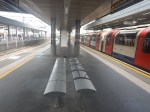
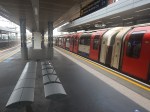

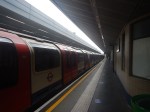
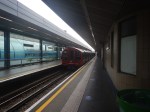
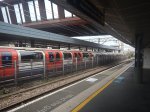

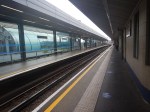


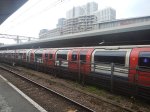

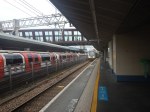


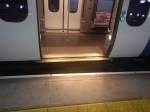
Note.
- I took these photographs from the London-bound platform.
- Platform 3 is the Central Line platform on the Southern side.
- Platform 3A is a second platform face to allow boarding of Central Line trains from both sides.
- Platform 5 is the Elizabeth Line platform on the Northern side.
- To the North of this pair of platforms, there is a second pair for Essex bound trains.
- Platform 6 is the Central Line platform on the Southern side.
- Platform 8 is the Elizabeth Line platform on the Northern side.
Due to the strike I only saw one Elizabeth Line train in the time I was there and I took that to Liverpool Street station.
Step-Free Access Between Train And Platform
These four pictures show the step between trains and platforms at the stations.
The step is bigger on the Elizabeth Line, but both sides could be improved.
This Is An Important Interchange
These two cross-platform changes at Stratford station form an important interchange on the Elizabeth Line and when the Elizabeth Line is fully operational, they will have the following trains.
- Elizabeth Line – Peak – 16 tph
- Elizabeth Line – Off-Peak – 12 tph
- Central Line – Peak – 35 tph
- Central Line – Off-Peak – 24 tph
Note.
- tph is trains per hour.
- These two double-sided platforms will be very busy.
- In the Peak, a train will arrive every seventy seconds.
I believe that this interchange will effectively make the Central Line stations, that are North-West of Stratford, a virtual extension of the Elizabeth Line.
A side-effect could be a rise in house prices near any of those Central Line stations.
Conclusion
This very important interchange, between the Underground and National Rail services was actually opened in October 1946.
It is surprising to me, that we don’t have more interchanges like this in the UK, between local and long-distance rail services.
 The Anonymous Widower