Moorgate Station’s Old Entrance Has Now Reopened
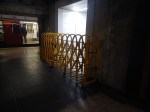
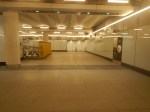
I went to Moorgate station today, as the old entrance has now reopened with lifts and stairs to the sub-surface lines.






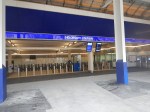
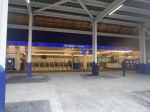

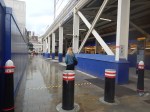
Note.
- The stairs down to the tunnel connecting the Northern Line and Crossrail look a bit steep.
- The ceiling design in the entrance lobby.
- The escalators down to Crossrail at the Southern side of the entrance lobby.
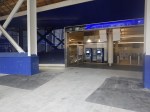
- The gate line is very wide.
The oversite development, which is still being built, will surely tidy up the entrance.
In The New Lift To The Northern Line At Moorgate Station, I showed and described this visualisation.
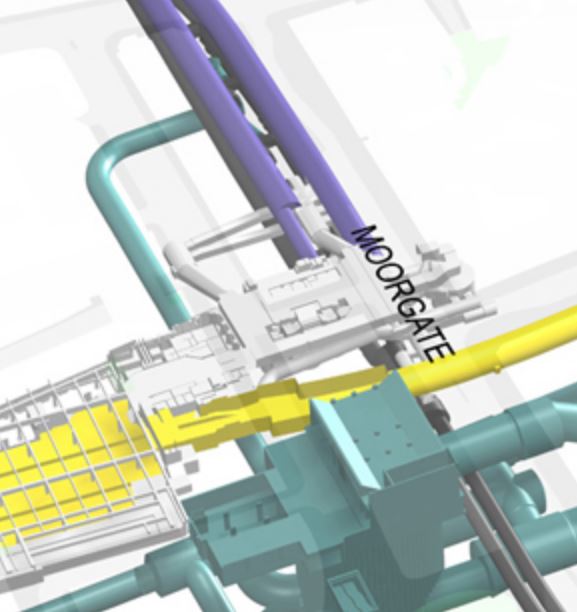
Note.
- The Northern City Line is shown in purple.
- The double escalator going down to between the two terminal platforms of the Northern City Line.
- The Northern Line is shown in black and the two platforms are underneath the Northern City Line.
- The Northern Line tunnels cross over the top of the Crossrail running tunnels.
The dark green tunnel with the right angle bend at the top of the map, is the pedestrian tunnel that connects the Northern Line and Crossrail.
The tunnel will be accessed from the Northern line platforms by the lift or the stairs, shown in the first two pictures.
Alternatively, you will be able to take he rat-up-the-drainpipe route to the surface from the Northern Line, that I described in Up From The Depths At Moorgate Station. That route is escalators all the way and then the lift in the pictures to the main entrance lobby.
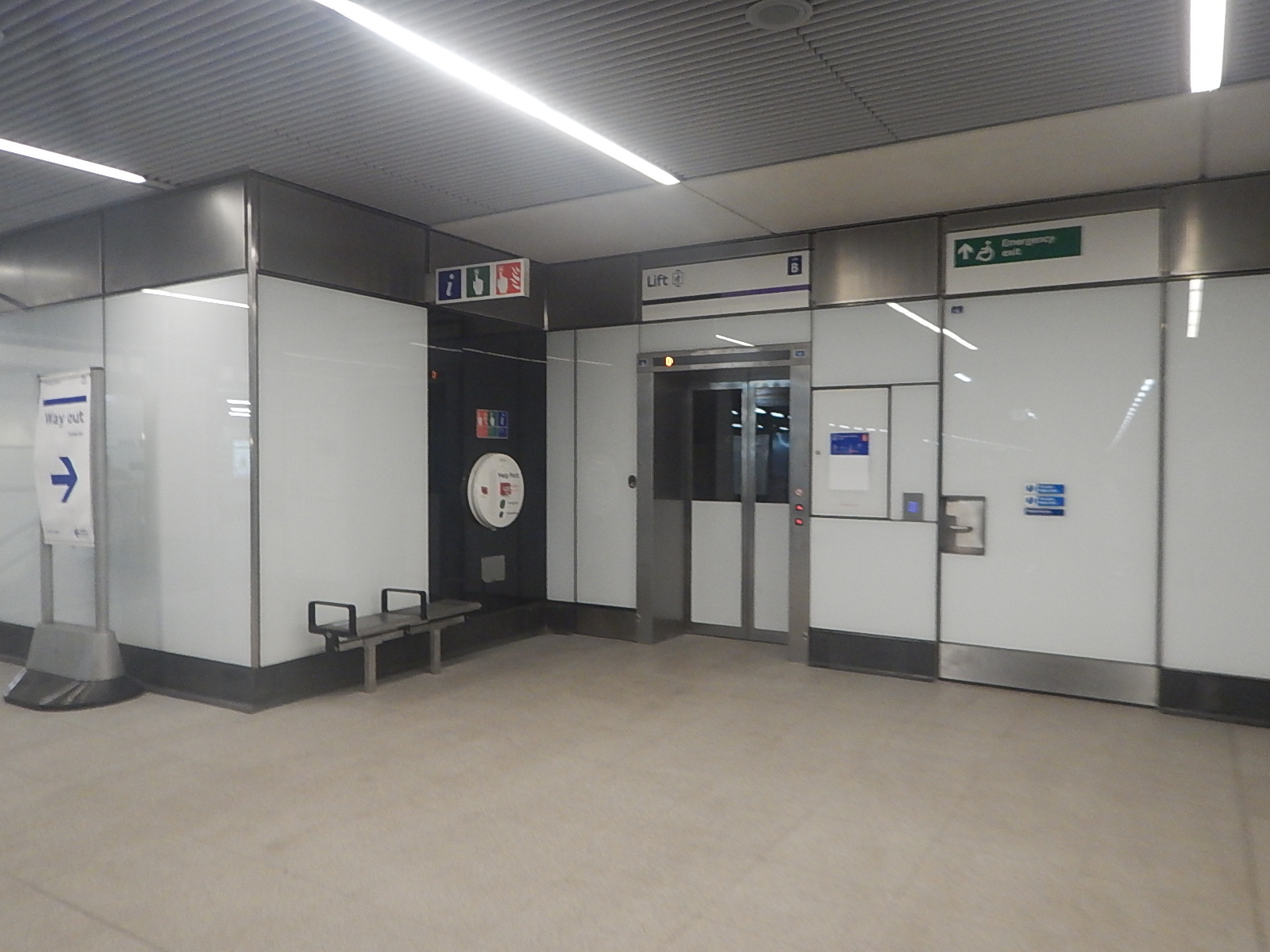
On August 1st 2021, I finally took the lift from the Westbound Hammersmith & City, Circle and Metropolitan platform to the new ticket hall and took these pictures.
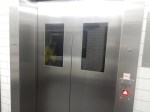
This is a general view of the lift.
This is the information plate on the outside of the lift at the sub-surface platform level.
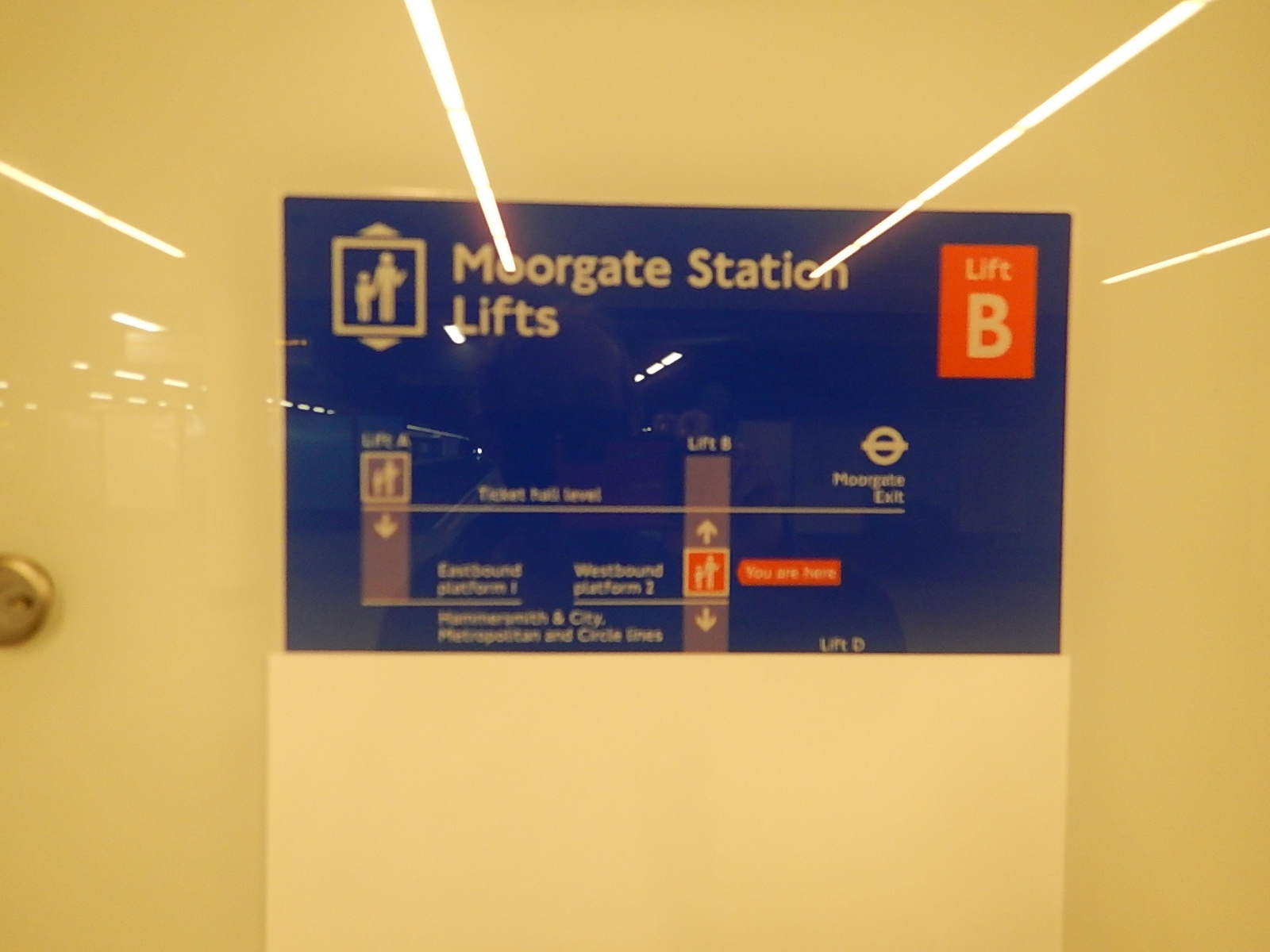
It shows two lifts from the Sub-service platforms to the new ticket hall.
This picture shows the lift buttons on the outside of the lift at the sub-surface platform level.
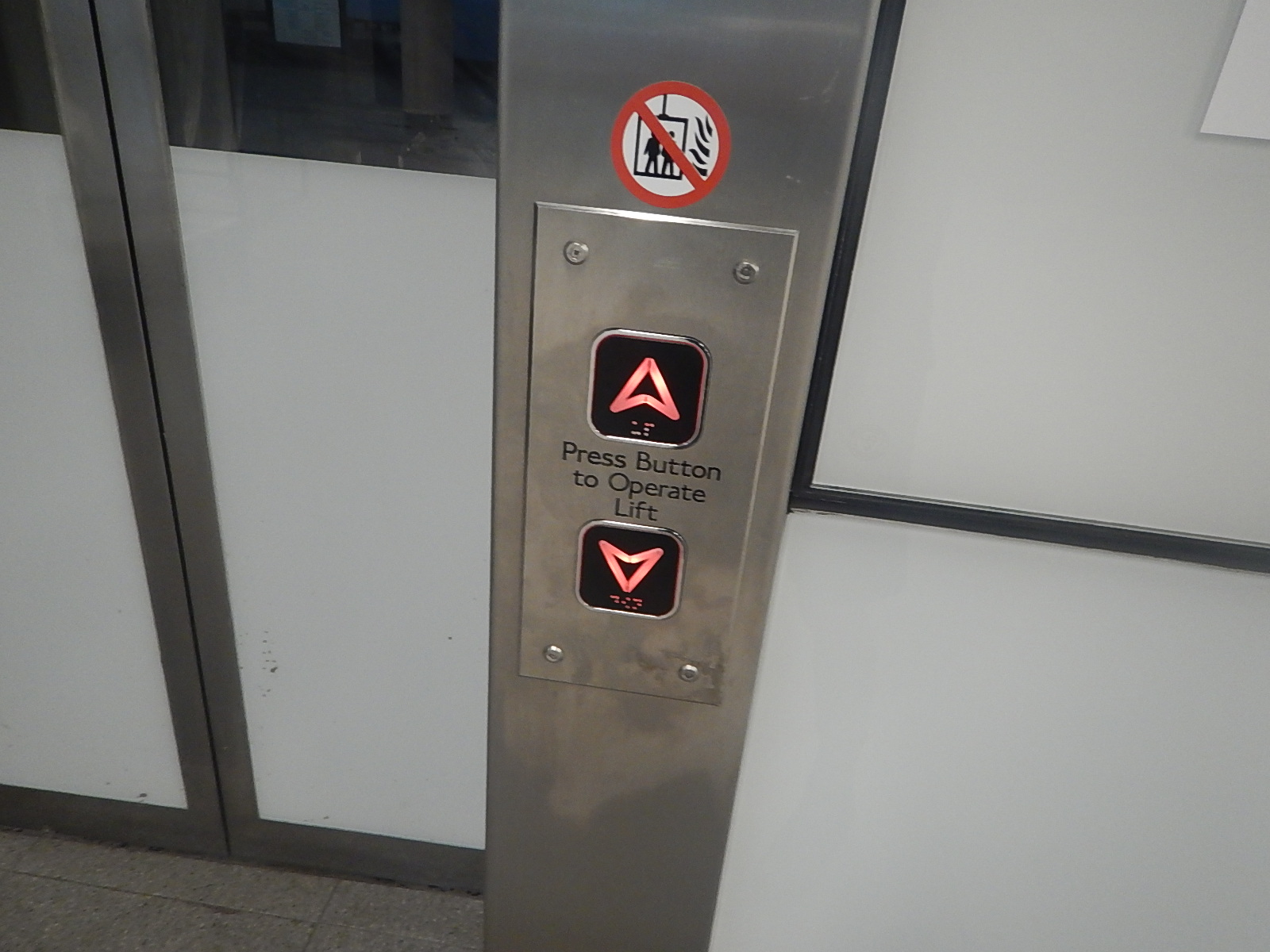
It appears you can go up and down.
The down must mean that there is a level below the sub-surface platform level.
These are the buttons inside the lift.

It appears that there is a level below the platforms, which passengers can use.
Although it is not named on the plate, the lift must connect to the right-angled tunnel to the Northern and Northern City Lines.
- It does appear that of the two lifts between the new ticket hall and the sub-surface platform level, only one accesses the connecting tunnel.
- It might also mean that passengers in wheelchairs will need to use two lifts between the Northern Line and the Eastbound sub-surface platform.
I did see another tunnel from the lift on the Westbound sub-surface platform, stretching to the East.
Let’s hope I’m wrong or it will be sorted before opening.
Moorgate station appears to be getting extremely complicated.
Class 321 Renatus Trains At Wickford And On The Crouch Valley Line
This article on Rail Advent indicated that the platform extension at Wickford station had been completed, so that five-car Class 720 trains can work the Crouch Valley Line.
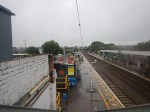
This morning I went to look at the progress and took these pictures.
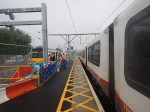
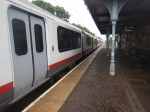
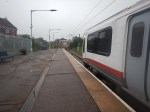
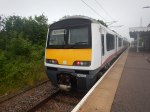
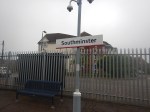


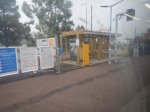
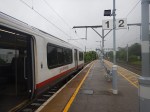

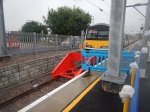
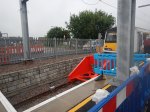
Note.
- Platform 1 has been extended at the London end.
- The two trains working the branch were Class 321 Renatus trains.
- The stations on the branch seemed to have been spruced up.
I suspect Greater Anglia are expecting a lot more commuters and visitors.
- But then the area is getting a lot more housing.
- There are fast direct trains to and from London Liverpool Street on a railway with refurbished electrification.
- Burnham-on-Crouch is one of the foremost yachting towns.
- Remember the area is not far from Snowgoose Country.
- The new Wallasea wetlands that were created with the tunnel spoil from Crossrail’s tunnels is not far away.
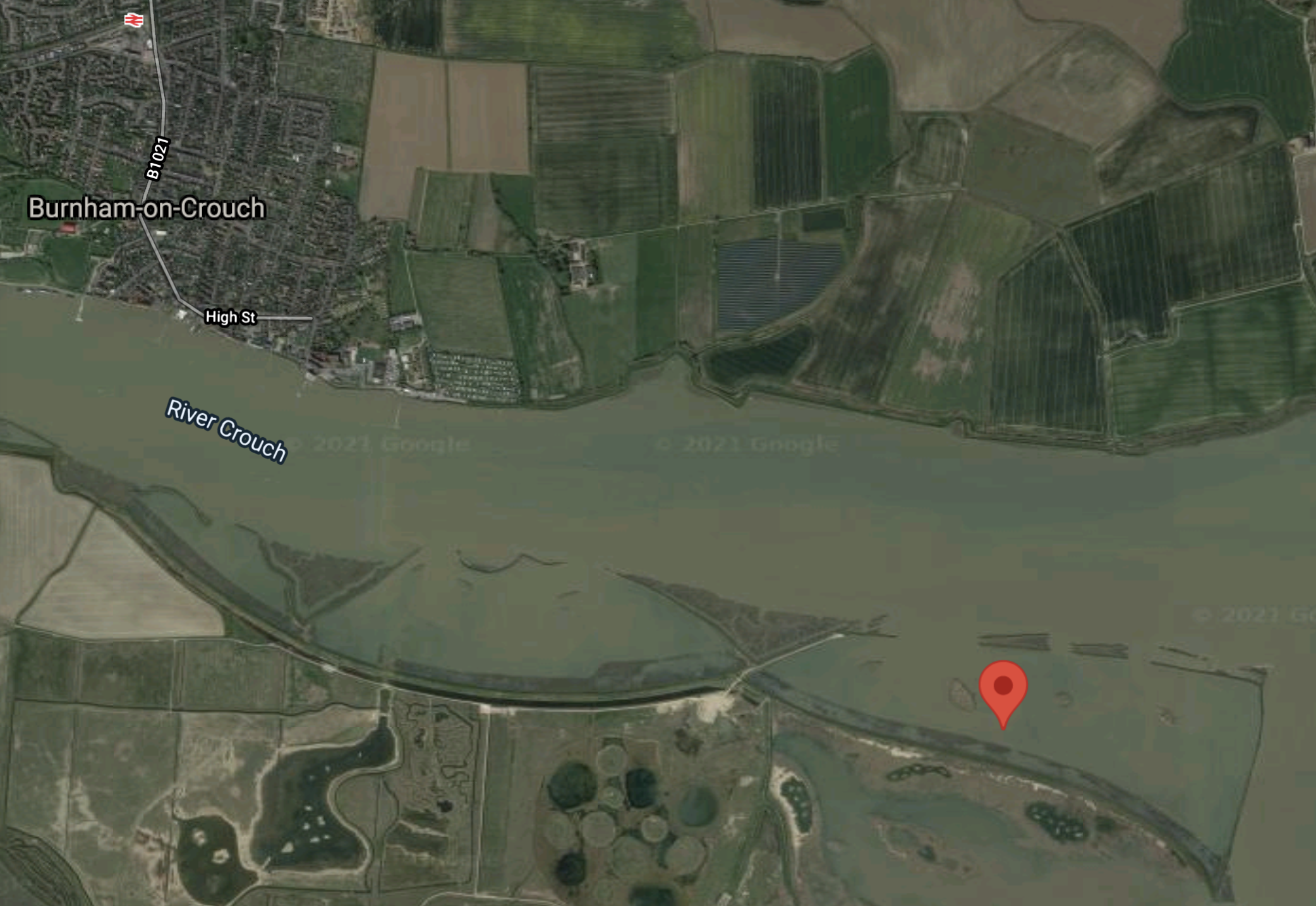
This Google map shows Burnham-on-Crouch and Wallasea Wetlands.
Note.
- Burnham-on-Crouch with its station in the North-West corner of the map.
- Wallasea Wetlands are marked by the red arrow.
I don’t think it will be long before an appropriately-powered ferry is provided across the River Crouch.
I also have some thoughts.
The Class 321 Renatus Trains
The Class 321 Renatus trains may be a 2017 conversion of a 1990-built British Rail Class 321 train, but that doesn’t mean they are a cheap and nasty conversion.
So until all the Class 720 trains are in service, they are a more than adequate stand-in.
I was told that the Class 720 trains will be in service on the branch in September.
The Snow Goose
The Snow Goose is one of the great books of the Twentieth Century, written by the American; Paul Gallico.
This summary of the plot is from Wikipedia.
The Snow Goose is a simple, short written parable on the regenerative power of friendship and love, set against a backdrop of the horror of war. It documents the growth of a friendship between Philip Rhayader, an artist living a solitary life in an abandoned lighthouse in the marshlands of Essex because of his disabilities, and a young local girl, Fritha. The snow goose, symbolic of both Rhayader (Gallico) and the world itself, wounded by gunshot and many miles from home, is found by Fritha and, as the human friendship blossoms, the bird is nursed back to flight, and revisits the lighthouse in its migration for several years. As Fritha grows up, Rhayader and his small sailboat eventually are lost in the Dunkirk evacuation, having saved several hundred men. The bird, which was with Rhayader, returns briefly to the grown Fritha on the marshes. She interprets this as Rhayader’s soul taking farewell of her (and realizes she had come to love him). Afterwards, a German pilot destroys Rhayader’s lighthouse and all of his work, except for one portrait Fritha saves after his death: a painting of her as Rhayader first saw her – a child, with the wounded snow goose in her arms.
It is not a book, you’d expect an American to write about the dark days of World War II in the UK.
But as Christopher Nolan showed in his film, Dunkirk was the battle in World War II, that stiffened up the sinews and summoned up the blood.
Wickford Station
The pictures show that Wickford station is being rebuilt.
I would think it needs a speed-free bridge.
Could London Overground Services To Stratford Be Extended To Meridian Water?
My arrival In Platform 11 at Stratford station has got me thinking!
And others too! Judging by the comments I’ve received.
Yesterday, I took a train from Dalston Kingsland station to Stratford station.
- The train was the 0934 from Clapham Junction, which was timed to arrive in Stratford at 1038.
- It arrived in Platform 11 at 1036.
In A London Overground Class 378 Train In Platform 11 At Stratford Station, I show pictures of the train in Platform 11 at Stratford station.
I suspected this was just a one-off occurrence, caused by a malfunction in a train or the signalling, which prevented my train from using the normal Platforms 1 or 2, that services to Stratford would use.
Although, looking at Real Time Trains, the 0938 train this morning, terminated in Platform 11. As it did on Monday and Tuesday this week.
- This train was the only train from Clapham Junction station not to use Platform 2.
- Checking days last week, it appears that this train always terminated in Platform 2.
So why did the service terminate in Platform 11?
Driver training is one possibility, so they can use the Platform 11, if there is a malfunction that stops them using Platform 2.
But is there a clue in the first picture, I took, when I arrived in Stratford?
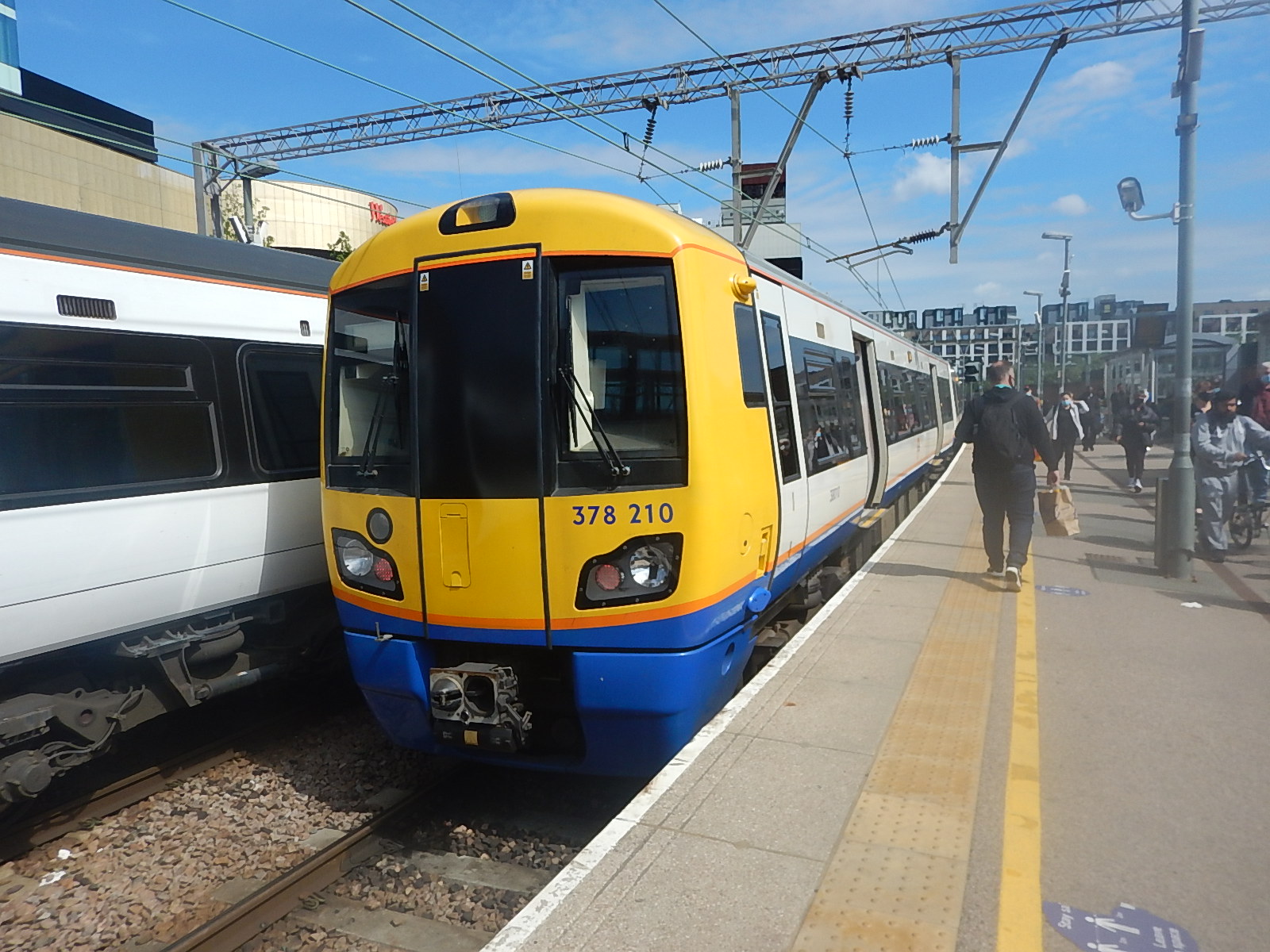
The train in Platform 12 is the 1046 to Meridian Water, which arrived from Bishops Stortford at 1040.
Could it mean that there is to be a reorganisation of platforms at Stratford?
- Platform 12 will be exclusively used by Greater Anglia for their West Anglia Main Line services.
- Platform 11 will be used by London Overground.
In Using Platform 12 At Stratford Station, I described ending up on Platform 12, so I know it is possible, but when it happened information was bad for passengers, who didn’t know here they needed to go to continue on their way.
But why would London Overground need the extra platform?
These are my thoughts.
Do London Overground Need An Extra Platform At Stratford?
Currently London Overground services to Stratford are as follows.
- Four tph – Stratford and Richmond
- Four tph – Stratford and Clapham Junction
Note.
- tph is trains per hour.
- Both Class 378 and Class 710 trains can work the routes to Stratford.
- Eight tph can easily be handled by two platforms.
To handle more trains may need a third platform at Stratford for the London Overground.
Extra Trains Between Stratford And Canonbury
This report from Network Rail is entitled The London Rail Freight Strategy (LRFS).
It says this about creating a third platform at Camden Road station.
This proposal would reinstate a third track and platform on the northern side of Camden Road station, utilising part of the former 4-track formation through the station.
The additional capacity provided would facilitate much greater flexibility in pathing options for trains on this busy central section of the NLL, opening up new options for future service provision and bolstering performance resilience.
Reinstatement of a third platform would enable platform 2 to be used as a central turnback, with platform 3 becoming the eastbound line for through London Overground services and the majority of freight.
Transport for London modelling suggests that the eastern end of the NLL, from Canonbury to Stratford, will see some of the strongest long-term demand growth on the Overground network.
A turnback platform will allow this to be addressed with peak capacity boosting services between Stratford and Camden Road and there would also be the option to operate these through the off-peak, which could offer a means of providing additional passenger capacity where it is most needed.
The availability of an additional platform would also aid performance recovery during perturbation on
the orbital routes.
Note.
- The strongest passenger growth on the North London Line (NLL), will be between Canonbury and Stratford.
- Extra services are proposed between Stratford and Camden Road stations.
- If you travelled between Highbury & Islington and Stratford before the pandemic, the trains only had space for a few extra very small people in the Peak.
I use this section of the North London Line regularly and suspect the route needs at least twelve tph.
Twelve tph into Stratford would probably mean that the London Overground would need a third platform at Stratford.
More Trains Serving Meridian Water
In the Wikipedia entry for Meridian Water station, this is said.
In August 2019, it was announced that funding had been approved for construction of a fourth platform and a new section of track between Tottenham Hale and Meridian Water to enable up to 8 trains per hour to serve the station at peak times.
This must be the earliest upgrade in history, after a new station has opened.
I got the impression, when the station was announced that it would have four tph to Stratford. Currently, there are just two tph.
Two tph between Stratford and Bishops Stortford also pass through without stopping.
If these called at Meridian Water in the Peak, then there would still be four tph to find.
An easy way to create four tph between Stratford and Meridian Water would be to extend four London Overground services from Stratford.
- Services would call at Lea Bridge, Tottenham Hale and Northumberland Park stations.
- Trains would pass through Platform 11 at Stratford.
- Platform 11 at Stratford would be bi-directional.
- The service could be run all day, at a frequency of four tph.
- As these trains have their own track, they won’t delay the Cambridge and Stansted trains on the West Anglia Main Line.
- A cross-London service between Meridian Water and Clapham Junction or Richmond, would be possible.
Note.
- London Overground would be responsible for the bulk of the Meridian Water service.
- London Overground’s four- or five-car trains would probably have sufficient capacity for the service.
- The main new infrastructure needed would be the fourth platform and a new section of track at Meridian Water station.
- Some improvements as specified in the London Rail Freight Strategy will be useful, as they will increase capacity on the North and West London Lines.
- My only worry would be, that can modern signalling handle four tph in both directions through Platform 11 at Stratford station.
What Will Be The Track Layout And Method of Operation?
The current track layout is simple.
A bi-directional third track has been laid between Lea Bridge junction, just to the North of Lea Bridge station and Meridian Water station.
- It is to the East of the double-track West Anglia Main Line.
- There are bi-directional platforms at Tottenham Hale and Northumberland Park stations.
- There is a single terminating Platform 2 at Meridian Water station.
A train going between Stratford and Meridian Water stations does the following.
- Leaves from Platform 11 or 12 at Stratford station.
- Calls in Platform 2 at Lea Bridge station.
- Switches at Lea Bridge junction to the bi-directional third-track.
- Calls in Platform 2 at Tottenham Hale station.
- Calls in Platform 2 at Northumberland Park station.
- Terminates in Platform 2 at Meridian Water station.
A train going between Meridian Water and Stratford stations does the following.
- Leaves from Platform 2 at Meridian Water station
- Calls in Platform 2 at Northumberland Park station.
- Calls in Platform 2 at Tottenham Hale station.
- Switches at Lea Bridge junction to the Up line of the West Anglia Main Line.
- Calls in Platform 1 at Lea Bridge station.
- Terminates in Platform 11 or 12 at Stratford station.
The track layout can probably handle a maximum of two tph.
I suspect the upgrade will build on this layout to allow a frequency of at least four tph.
The following works will be done.
- A fourth track to the East of the bi-directional third track will be built.
- The fourth track will run between Tottenham Hale and Meridian Water stations.
- I suspect the fourth track will split from the third track at a junction to the North of Tottenham Hale station. Could this be called Tottenham Hale North Junction? I will use that name, to make things simple!
- A new Platform 1 will be built in Meridian Water station.
- Trains going North between Tottenham Hale and Meridian Water will use the current bi-directional third track and will be able to terminate in either Platform 1 or 2 at Meridian Water station.
- Trains going South between Meridian Water and Tottenham Hale will use the new fourth track and will be able to start from either Platform 1 or 2 at Meridian Water station.
- I suspect, Northumberland Park station will need a new Platform 1 for Southbound trains. But the station was designed with that in mind.
A train going between Stratford and Meridian Water stations will do the following.
- Leave from Platform 11 or 12 at Stratford station.
- Call in Platform 2 at Lea Bridge station.
- Switch at Lea Bridge junction to the bi-directional third-track.
- Call in Platform 2 at Tottenham Hale station.
- Call in Platform 2 at Northumberland Park station.
- Terminate in Platform 1 or 2 at Meridian Water station.
A train going between Meridian Water and Stratford stations will do the following.
- Leave from Platform 1 or 2 at Meridian Water station.
- Use the new fourth track to come South.
- Call in Platform 1 at Northumberland Park station.
- Continue on the bi-directional third-track at Tottenham Hale North Junction.
- Call in Platform 2 at Tottenham Hale station.
- Switch at Lea Bridge junction to the Up line of the West Anglia Main Line.
- Call in Platform 1 at Lea Bridge station.
- Terminate in Platform 11 or 12 at Stratford station.
The track layout is effectively two double-track sections linked by a bi-directional single track between Lea Bridge Junction and Tottenham Hale North Junction.
- On the double-track sections of the route trains can pass each other, as they are on different tracks.
- Lea Bridge and Tottenham Hale stations are 1.9 miles apart.
- Trains take three or four minutes between Lea Bridge and Tottenham Hale stations. Including the stop at Tottenham Hale on the single track section.
If trains could alternate through the single-track section, this would give a capacity of well over four tph in both directions.
- A train going North would wait in Platform 2 at Lea Bridge station until the previous Southbound train had cleared Lea Bridge junction, before proceeding North.
- A train going South would wait at Tottenham Hale North Junction until the previous Northbound had safely passed, before proceeded South.
I suspect that the trains need full digital signalling with a degree of Automatic Train Control.
But I suspect we could see six tph in both directions.
- This would fit nicely, with London Overground’s ambition of six tph on all routes.
- It could be increased to eight tph in the Peak, by arranging for an appropriate number of Greater Anglia services to and from Liverpool Street at Meridian Water.
I feel that a service that meets all objectives will be possible.
Proposals From The London Rail Freight Strategy That Might Help
These proposals from the London Rail Freight Strategy might help.
- NLL, GOB And WLL Headway Reductions – See Headway Reductions On The Gospel Oak To Barking, North London and West London Lines
- Kensal Green Junction Improvement
- Moving The West London Line AC/DC Switchover To Kensington Olympia
- Stratford Regulating Point Extension
- Camden Road Platform 3 – See Will Camden Road Station Get A Third Platform?
- Clapham Junction Platform 0 – See Will Clapham Junction Station Get A Platform 0?
It does look to me, that the London Rail Freight Strategy was designed with one eye on improving the passenger train service between North-East and South-West London.
Taking The Pressure Off The Victoria Line
Consider.
- If you’re going between Walthamstow and the West End or the major stations of Euston, Kings Cross, St. Pancras and Victoria, you will use the Victoria Line.
- If you live in the new housing, being built at Meridian Water, currently you will be likely to hop to Tottenham Hale station and take the Victoria Line.
Consequently, Northern end of the line can get busy! And not just in the Peak!
But a four tph service between Meridian Water and Stratford, will encourage passengers to go to Stratford to take advantage of the Central and Jubilee Lines and Crossrail.
Hence there will be less passengers, who need to use the Victoria Line.
A Better Interchange Between Camden Road And Camden Town Stations
The essential upgrade of Camden Town station has been put on indefinite hold due to TfL’s financial position.
This is a big mistake.
- Camden Town station gets dangerously full!
- It would allow the splitting of the Northern Line into two independent lines, which would increase capacity of the current system.
- Camden Town station is not step-free but Camden Road station has lifts.
Hopefully, it would result, in a better route between the two stations, rather than the polluted route on a narrow pavement.
I very much believe that the rebuilding of Camden Town station is the most important project to improve London’s Underground and Overground network.
But it won’t get built with the current Mayor, as he’s a South Londoner.
Could A Meridian Water and Clapham Junction Service Be An Affordable Crossrail 2?
Consider.
- Crossrail 2 will link Clapham Junction and Meridian Water via Central London and Dalston.
- A Meridian Water and Clapham Junction service would link the two stations via Shepherd’s Bush, Old Oak Common, West Hampstead, Camden Road, Dalston and Stratford.
Each route has their connectivity advantages.
- Both have good connections to Crossrail, Thameslink and the Bakerloo, Central and Jubilee Lines.
- The London Overground route has good connections to the Victoria Line and High Speed Two at Old Oak Common.
- Crossrail 2 serves important stations in Central London.
A Meridian Water and Clapham Junction service could be a valuable addition to London’s rail infrastructure without too much new expensive infrastructure.
Conclusion
An extension of some London Overground services from Stratford to Meridian Water would be worthwhile.
Implementation of this is made easier by the recommendations of the London Rail Freight Strategy.
I
On The Finishing Straight At Moorgate Station?
As I passed through Moorgate station this morning, there were signs that work was coming to an end in the non-Crossrail parts the station.
Note.
- The blue hoardings had been taken away on two staircases.
- The lifts were going up and down.
- I couldn’t be sure, but there did appear to be people going around with lists and clipboards.
These were the first visible signs of work in a current passenger area, since, the new lift was unveiled in March, which I wrote about in The New Lift To The Northern Line At Moorgate Station.
Crossrail’s First Inclined Lift Is Now Available To View!
The entrance to Crossrail in front of Broadgate has now had most of its hoarding removed.
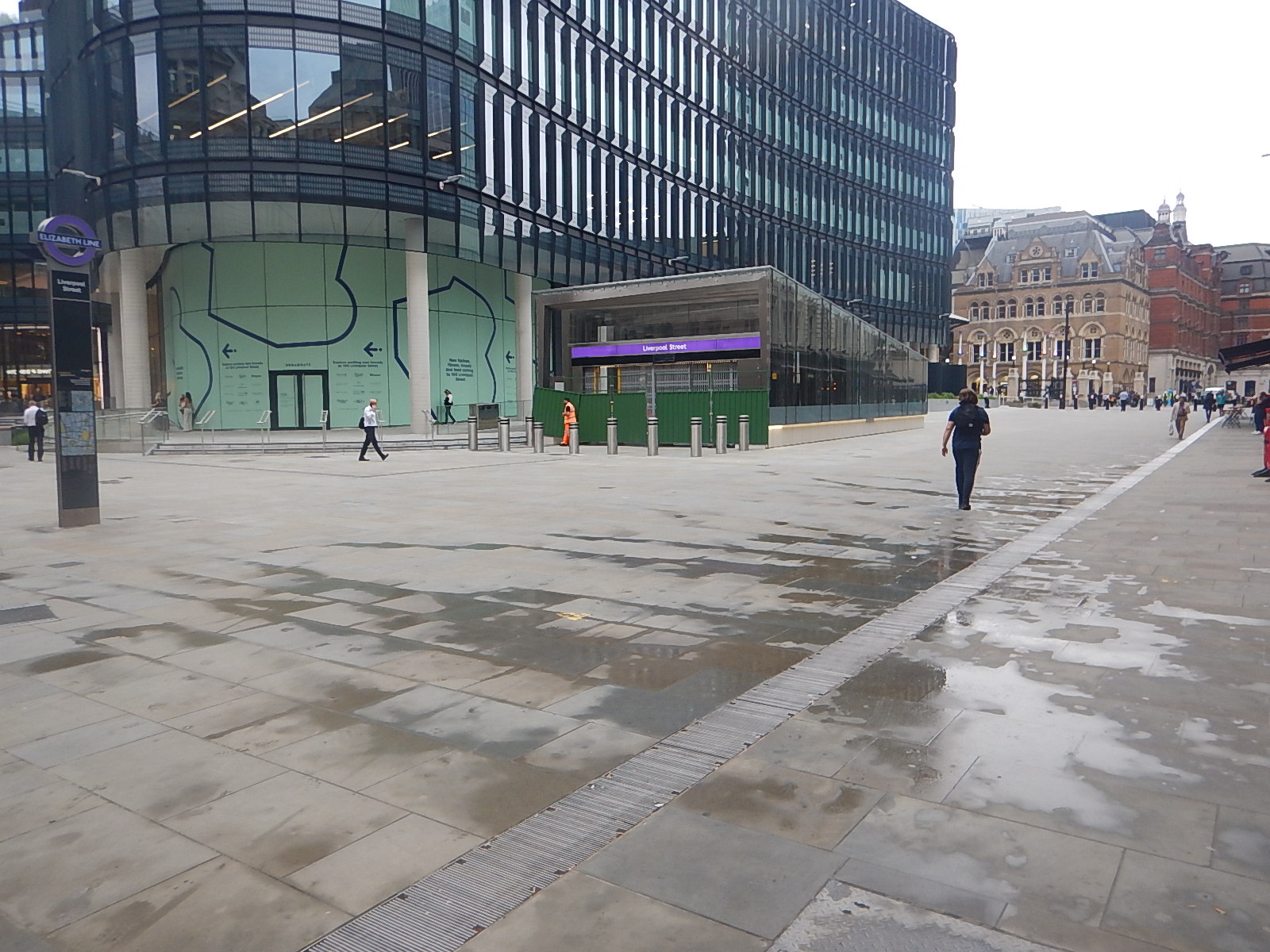
You can now walk around it and view the escalators and inclined lift, that will take passengers to and from the booking hall.




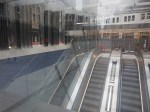

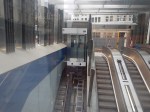
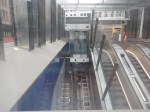

It’s probably the most up-market fosterito, that I’ve seen so far. Even more so, than the pair at Tottenham Court Road station, that I wrote about in Tottenham Court Road Station Gains A Giant Fosterito.
- It has three escalators and an inclined lift.
- It oozes quality with lots of steel, glass and quality lighting.
- It shows the arms of the City of London in recognition to their contribution to Crossrail.
- It sits in the middle of a large traffic-free square.
WilkinsonEyre were the architects.
Fosteritos
Norman Foster faced a similar problem in Spain of how to protect staircases and escalators emerging from the Bilbao Metro.
These pictures show his elegant solution.




The Spaniards obviously liked them, as they called them fosteritos.
Ilford Station – 9th June 2021
The third entrance on the South side of Ilford station is now open.
These pictures were taken during a walk from the North entrance to the new one in the South.
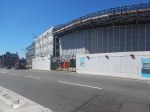
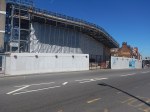
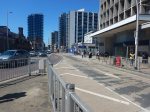

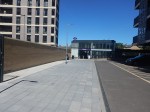
Note that nine-car trains are now running on Crossrail.
Crossrail Doubles Trial Running Frequency
The title of this post, is the same as that of this article on IanVisits.
Enough said! But read the article and watch the video it contains.
Crossrail’s Inclined Lifts
This page on variably, shows the inclined lifts on Crossrail, at Liverpool Street station.
Take a look, as they are impressive. To my built-in video camera with an enormous instant-access store, they look like modern versions of the first inclined lift, I ever saw, which was on the Stockholm Metro.
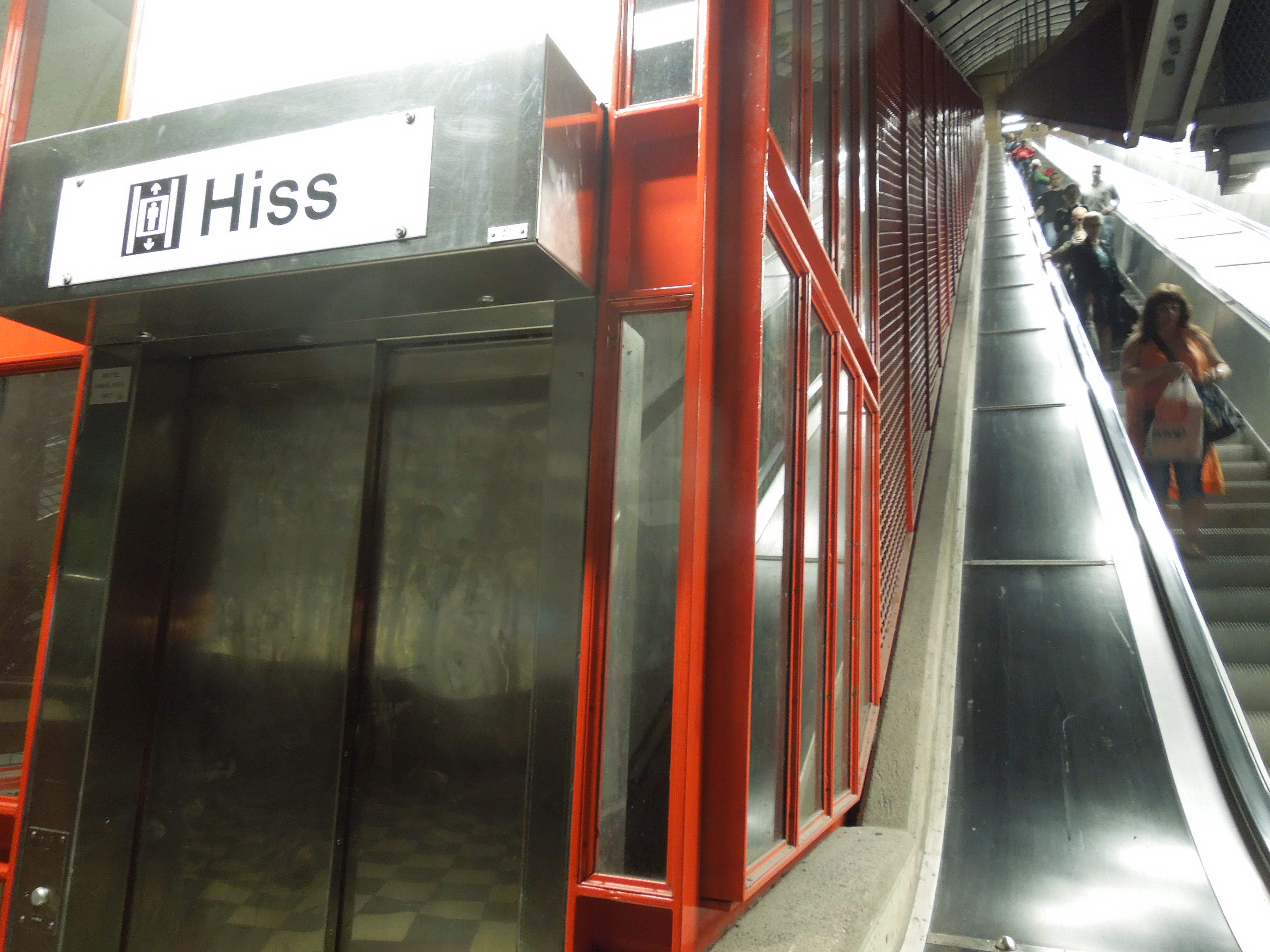
If I remember correctly, the Swedish one was installed on if not an Angel-sized set of escalators, certainly one of a good length.
It looks like it was at Duvbo station.
Enjoy the video.
It’s not this set of escalators at Duvbo, as it is the other way round, but it certainly is very similar.
Are they available in bronze for the Northern reaches of the Piccadilly Line, where I suggested inclined lifts for step-free access in Thoughts On Step-Free Access At Manor House Station.
One could be built in like this short one at Greenford station.
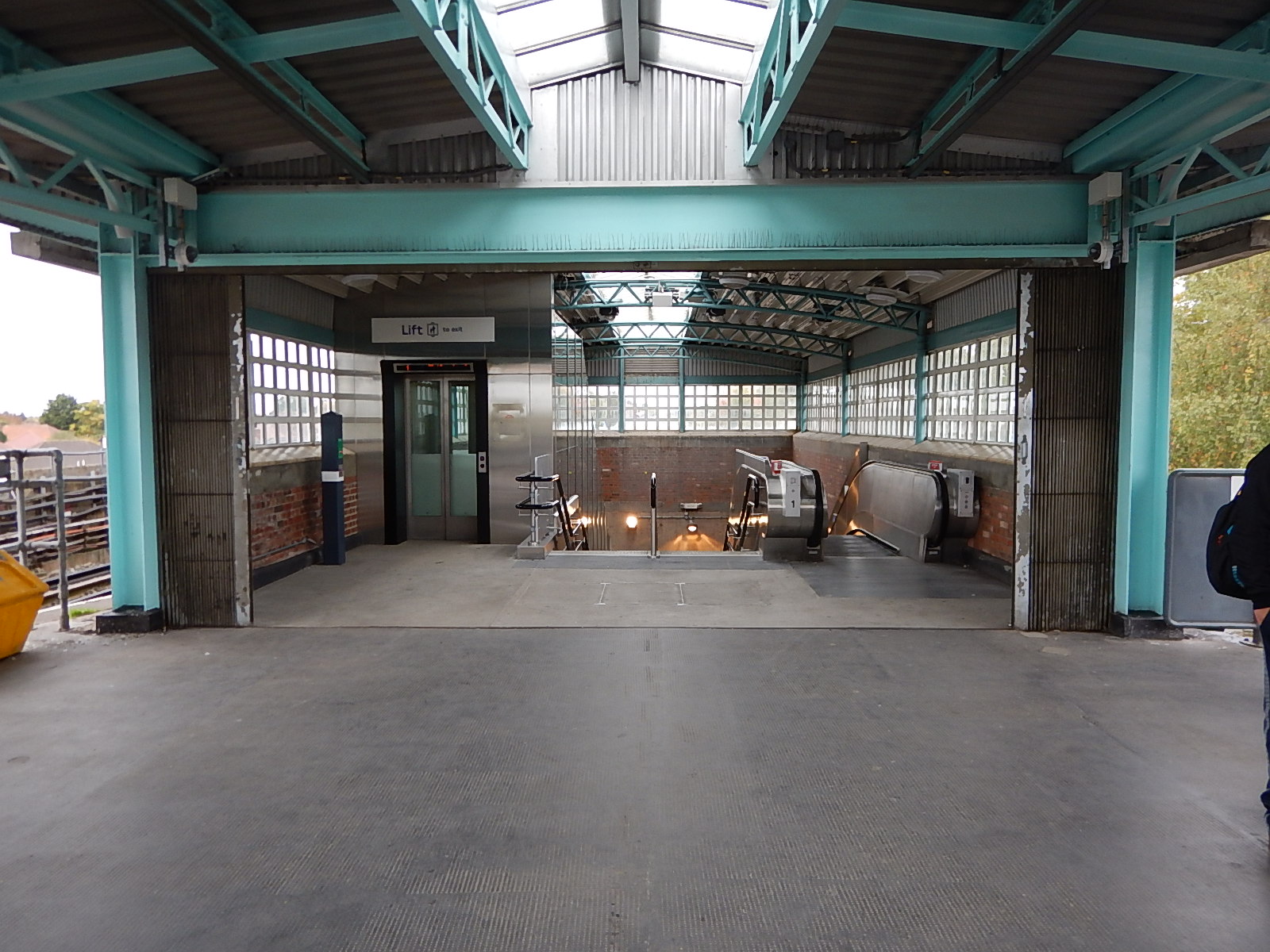
I shall replace this picture with a better one.
Ealing Broadway Station – 31st May 2021
This article on Rail Technology Magazine, which is entitled Transport for London Completes Step-Free Access At Ealing Broadway, alerted me that the station might be worth a look.


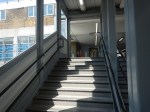

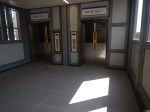
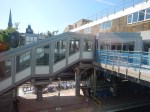
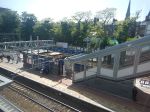
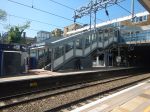
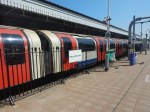
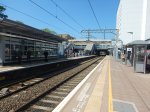
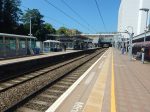
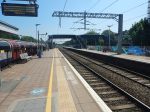
I took these pictures this morning.
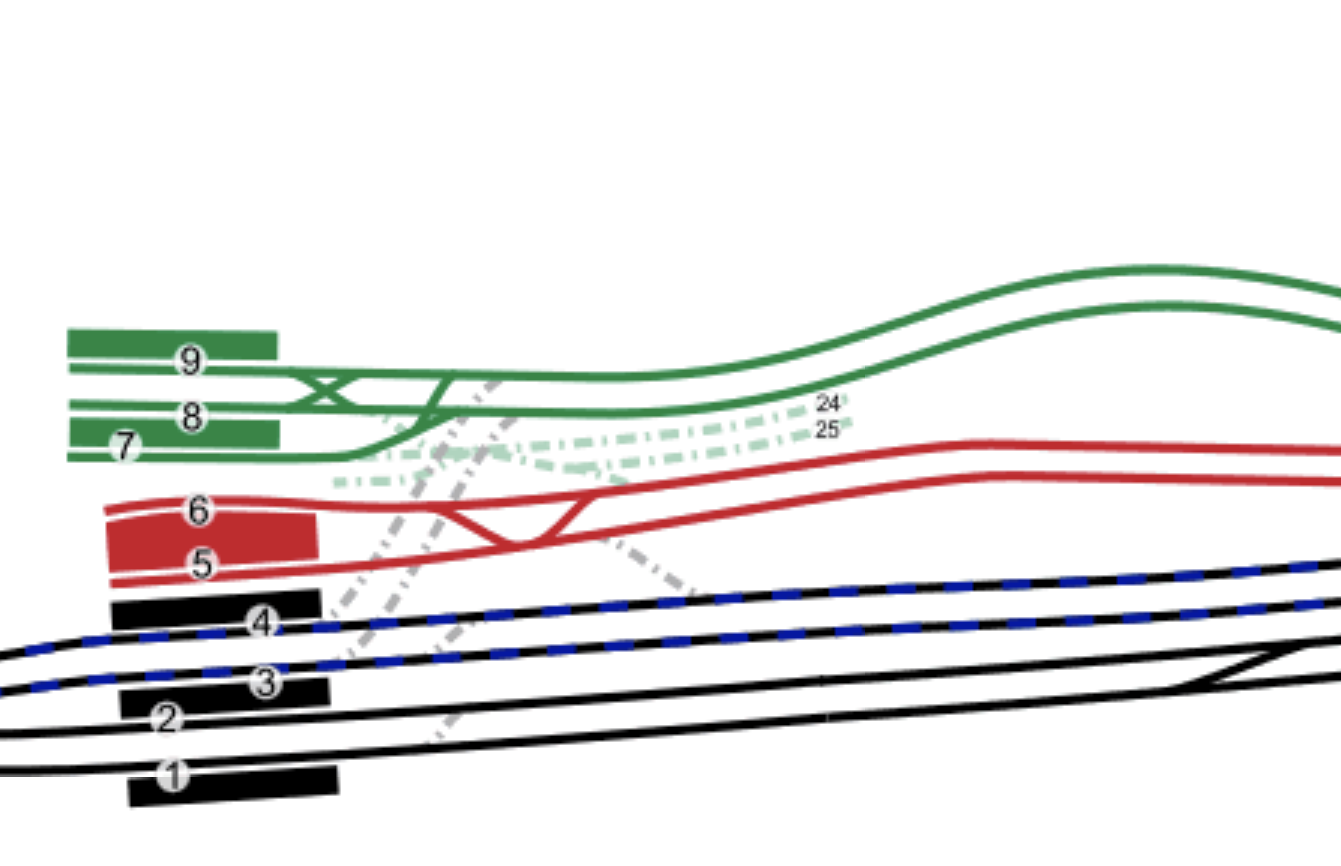
This map from cartometro.com shows the station layout.
Note.
- The black lines in Platforms 1 and 2 are the Great Western Railway main line platforms.
- The black/blue lines in Platforms 3 and 4 are the Great Western Railway slow line platforms, which are also used by Crossrail.
- The red tracks in Platforms 5 and 6 are the Central Line platforms.
- The green tracks in Platforms 7, 8 and 9 are the District Line platforms.
These are my thoughts.
Step-Free Access
Consider.
- Access between platforms 4, 5, 6, 7, 8 and 9 is on the level, as it has been for years.
- There are a pair of lifts to access these six platforms from street level.
- There are also two other lifts to Platform 1 and Platform 2/3.
- There are three typical Network Rail stairs to the platforms, with double-handrails, which at 73, I can still manage.
I’ve certainly seen much worse stations with supposedly step-free access.
I also wonder if another lift will be added to directly serve the District Line platforms.
It could be one of those additions, that has been catered for, so it can be added if necessary.
Crossrail And Routes Into And Out Of London
Crossrail will change commuting and leisure routes, into and out of London.
- Crossrail serves the West End, the North of the City and Canary Wharf directly.
- Crossrail has good connections to the Central, Circle, District and Jubilee Lines.
- Crossrail has a direct connection to Thameslink.
- All Crossrail interchanges will be step-free.
After it has been opened for a few months, I can see that direct connections and ducking and diving will have seriously changed London’s well-established commuting and travel patterns.
Using Ealing Broadway Station As An Interchange
It will certainly be easier with all the new step-free access, but I suspect some passengers, who previously changed at Ealing Broadway station, will go straight through on Crossrail.
In Will Crossrail Open To Reading in 2019?, I said that Ealing Broadway station will get the following total number of Crossrail trains.
- 12 tph in the Peak
- 10 tph in the Off-Peak
Note.
- tph is trains per hour.
- Six tph would go between London Paddington and Heathrow.
- Two tph would go between London Paddington and Reading.
It will be interesting to see what Crossrail timetable is delivered.
The Overall Design
It is a fairly conservative design, that follows the principles of good step-free access.
Interchange is level and good between Crossrail and the tube lines.
There are still a few details to be finished and I suspect it will be a well-thought of station.
A Few Questions
These are a few questions.
Will The Station Be A Gateway To Heathrow?
I suspect it could be, as the station is well-connected by bus and tube to large numbers of places.
Conclusion
Ealing Broadway will be a busy interchange and I’m sure, it’s been designed to handle a lot of passengers.
 The Anonymous Widower