From Doncaster To Cleethorpes
These pictures were taken on my journey between Doncaster and Cleethorpes.














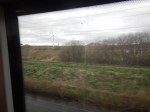
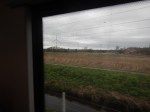



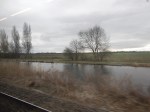
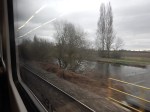










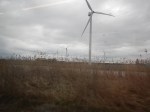

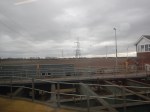
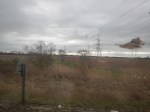















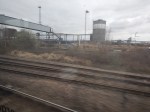







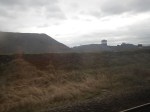





























The area is best summed up as flat and decorated with these features.
- A few hedges.
- Some trees and some woodland.
- dozens of wind turbines.
- Lots of pylons carrying electricity.
- Scunthorpe steelworks
- A few stations and railway sidings.
- A couple of waterways.
- Estates of new housing as you approach Grimsby.
When I returned there was more of the same on the other side of the tracks.










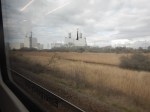
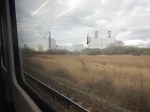
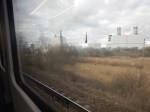

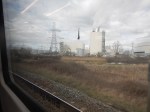
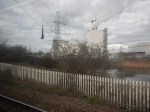
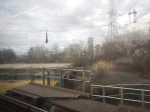

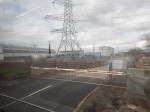
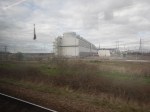
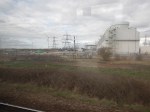
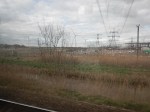
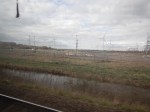









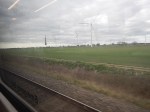
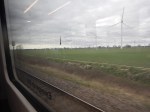


With the addition of all the power stations at Keadby and a couple of wind farms.
These are my thoughts on how this landscape will look at some time after 2030.
More Onshore Wind Farms
There will be a lot more wind farms lining the Doncaster and Cleethorpes railway.
The government has said it might pay for turbines and transmission lines to spoil views.
I feel they will have to, to meet their net-zero targets.
There Will Be Massive Hydrogen Storage On The Other Side Of The Humber
SSE are developing Albrough and Centrica are developing Rough into two of the largest hydrogen stores in the world.
The wind farms of the North Sea will provide them with hydrogen.
More Housing
If the government has its wish there will be a lot more new housing.
And as the newer houses show in my pictures, many of them will have solar panels.
More Power Stations At Keadby
Consider.
- The main purpose of the power stations at Keadby will be to provide backup to the wind and solar power in the area and far out to sea.
- The power stations will use hydrogen stored at Albrough and Rough.
- Some of the gas-fired power stations at Keadby will be fitted with carbon capture.
- One hydrogen-fired power station is already being planned.
The power stations at Keadby will probably be capable of supplying several GW of zero-carbon energy.
There Will Be Energy-Hungry Industries Along The South Bank Of The Humber
Just as in the Victorian era, coal attracted steel-making, chemicals and refining to the area, a South Humberside with large amounts of energy will attract heavy industry again.
Already, Siemens have built a train factory at Goole.
There Will Also Be Large Greenhouses In Lincolnshire
Greenhouses are a wonderful green way of absorbing waste heat and carbon dioxide.
Where Have I Seen This Blend Of Offshore Energy, Hydrogen, Heavy Industry And Agriculture Before?
After I visited Eemshaven in the Northern Netherlands, I wrote The Dutch Plan For Hydrogen.
We are not doing something similar, but something much bigger, based on the hydrogen stores at Aldbrough and Brough, the massive offshore wind farms and Lincolnshire’s traditional heavy industry and agriculture.
The Railway Between Doncaster and Cleethorpes Will Be Developed
Just as the Dutch have developed the railways between Groningen and Eemshaven.
Hawthorn Pit Solar Farm
This document from the Department of Business, Industry and Industrial Strategy lists all the Contracts for Difference Allocation Round 6 results for the supply of zero-carbon electricity.
Hawthorn Pit solar farm was given a Contract for Difference.
The solar farm has a web page on the Aura Power web site, where this paragraph describes the solar farm.
Aura Power is working on a solar farm proposal between Murton and South Hetton, with a capacity of up to 49.9MW (Megawatts). The solar farm will be built without subsidy and would generate enough clean electricity to power the equivalent of over 17,000 homes, saving around 15,203 tonnes of CO2 from entering the atmosphere each year.
This Google Map shows the location of Hawthorn Pit.
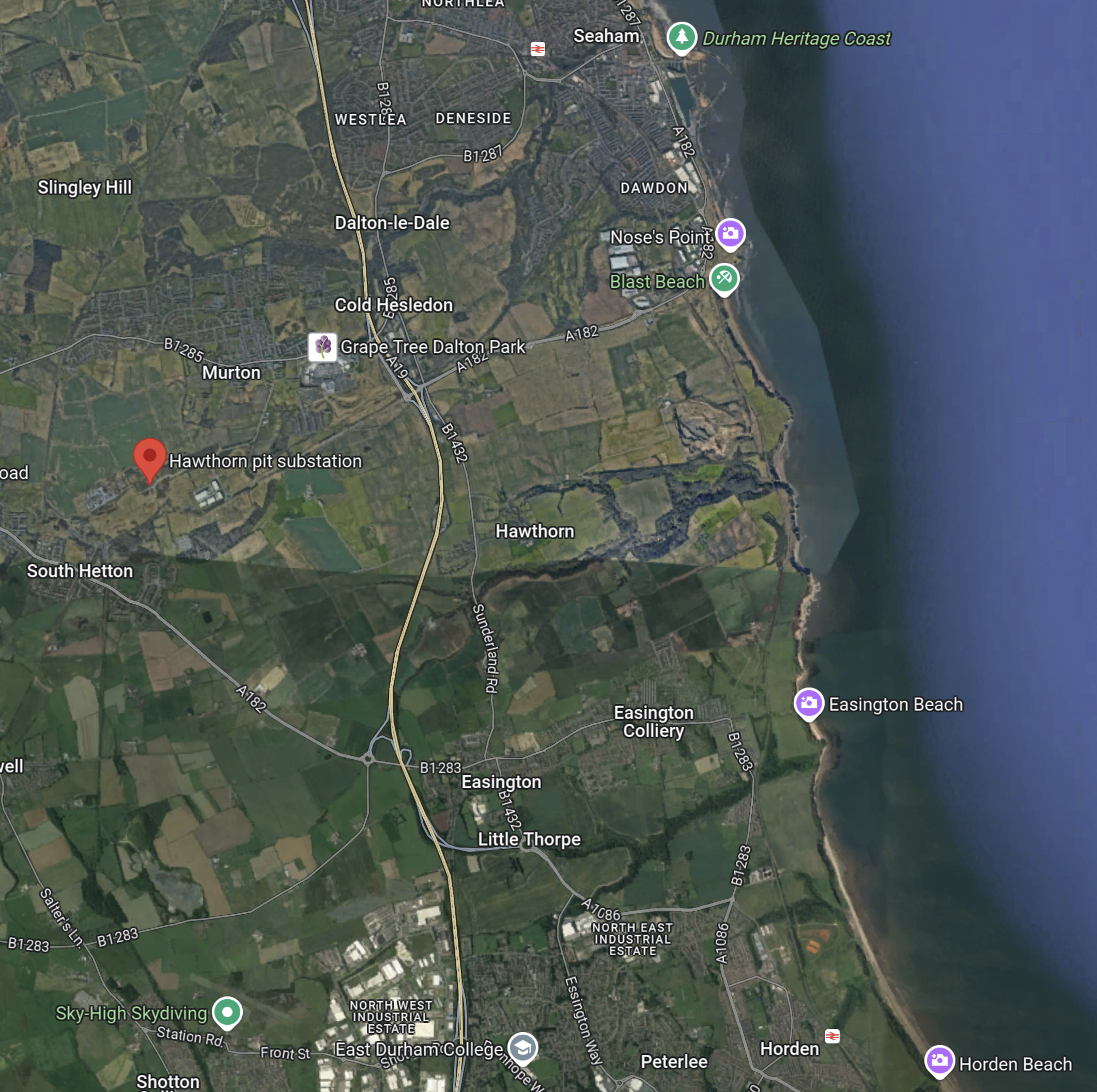
Note.
- The Durham coast is at the East with Seaham at the North and Horden at the South.
- The A 19 runs North-South in the middle of the map.
- Hawthorn Pit substation is marked by the red arrow.
This second Google Map shows the substation in more detail.
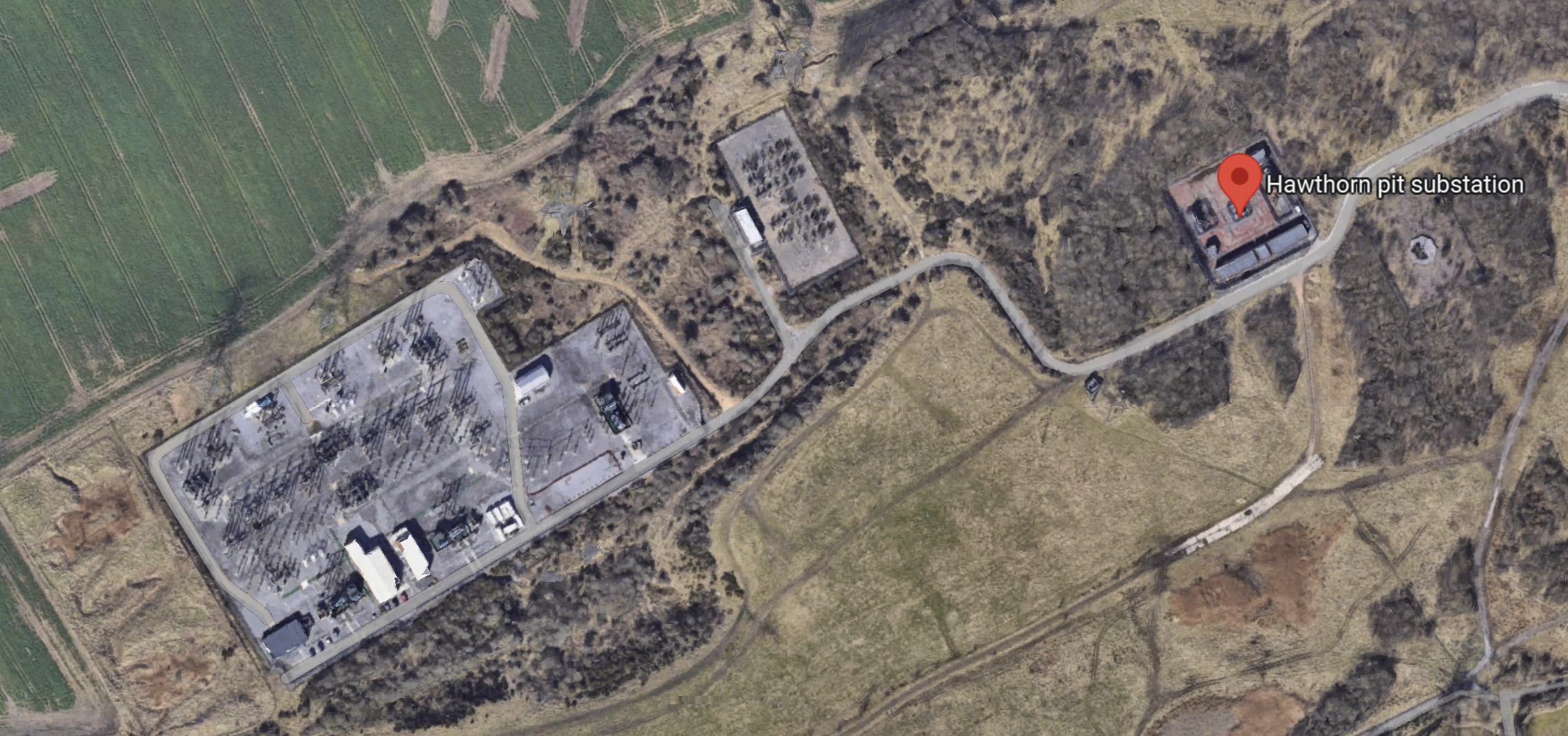
There are a lot of switches and wires.
From the map on the Aura Power web site, it appears that the solar farm is to to the North side of the substation.
Eastern Green Link One
In the future Hawthorn Pit substation will also host the Southern end of Eastern Green Link One, which will be a a 2 GW high voltage direct current (HVDC) electrical superhighway to be built between the Torness area in East Lothian, Scotland and Hawthorn Pit in County Durham, England.
This is number one of four such 2 GW undersea connections that will distribute energy between England and Scotland.
Conclusion
Hawthorn Pit substation could growto an important interchange in the grid.
Jurgen Maier To Chair Great British Energy
This article in The Times is entitled Pylons Are The Price Of Lower Bills, Keir Starmer Tells Rural Britain.
These are two paragraphs from the article.
Starmer confirmed that Jürgen Maier, the former UK chief executive of the Siemens conglomerate, would chair the energy company.
Maier has advised Labour on rail and transport since December. He was openly critical of the party’s decision to drop a pledge to spend £28 billion a year on green investment, saying the figure was an “absolute minimum” and that scrapping the promise was “not good for climate change or for the growth of our economy”.
Note.
- His Wikipedia entry is impressive.
- He has dual Austrian and British citizenship.
- He went to school in Leeds and is a graduate of Nottingham Trent University.
- He rose to be Chief Executive of Siemens UK and retired in 2019 at 55.
- I have heard him several times on the radio and he seems to talk a lot of sense.
In my view he could be an excellent choice as Chair of Great British Energy.
I also have some further thoughts.
Jürgen Maier And Peter Hendy
Jürgen Maier and Peter Hendy, who is Starmer’s Rail Minister, have remarkably similar backgrounds and I wouldn’t be surprised if they know each other well, through dealings around Siemens’ contract for Transport for London’s new trains for the Piccadilly Line.
When last, were two technological heavyweights, so close to the heart of a UK government?
RWE
German energy company; RWE are the UK’s largest power generator.
- RWE have five gas-fired power stations with a total output of 6.56 GW.
- RWE have two onshore wind farms in operation with a total output of 67 MW.
- RWE have four offshore wind farms in operation with a total output of 1.88 GW.
- RWE have eight offshore wind farms under development with a total output of 9.90 GW.
- RWE also has other electrical gubbins, like an electrolyser in South Wales.
Would Jürgen Maier be an ideal person, to persuade RWE to keep investing in the UK?
When he was with Siemens, he certainly invested heavily in the UK.
The German Problem
Germany’s problem is how they generate electricity.
Sources are as follows for Germany and the UK.
- Coal – 26 % – 1 %
- Natural Gas – 10.5 % – 32 %
- Wind – 32 % – 29.4 %
- Solar 12.2 % – 4.9 %
- Biomass – 9.7 % – 12.3 %
- Nuclear – 1.5 % – 14.2 %
- Hydro – 4.5 % – 1.8 %
- Oil – 0.7 % – 0 %
- Other – 2.9 % – 0 %
- Storage – 0 % – 1 %
- Imports – 0 % – 10.7 %
Note.
- Figures are for 2023.
- Germany is the first percentage.
- UK is the second percentage.
- Germany has pledged to end coal-fired electricity production by 2030.
- Both countries seem to generate similar amounts of electricity from wind, biomass and hydro.
To replace the coal and make up for lack of nuclear, Germany needs to find a new power source.
The German Solution
The Germans are going for hydrogen in a big way.
The title of this page of the RWE web site is Welcome To The Age Of Hydrogen.
The page starts with this paragraph.
RWE is actively involved in the development of innovative hydrogen projects. The H2 molecule is considered to be an important future building block of a successful energy transition. RWE is a partner in over 30 H2 projects and is working on solutions for decarbonising the industry with associations and corporations like Shell, BASF and OGE. Hydrogen projects are comprehensively supported in the separate Hydrogen department of the subsidiary RWE Generation.
I also suggest, that you read this page on the RWE web site called AquaVentus.
The page starts with this RWE graphic.
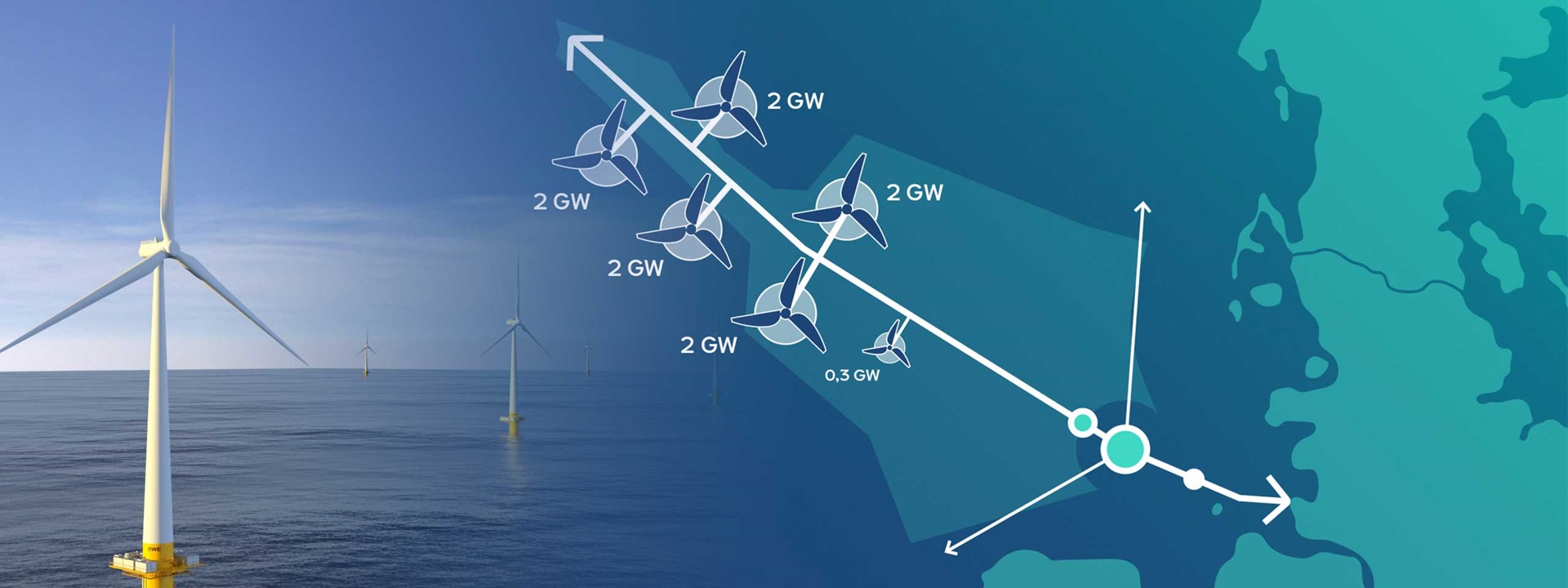
It appears that 10.3 GW of hydrogen will be created by wind farms and piped to North-West Germany.
These two paragraphs outline the AquaVentus initiative .
Hydrogen is considered the great hope of decarbonisation in all sectors that cannot be electrified, e.g. industrial manufacturing, aviation and shipping. Massive investments in the expansion of renewable energy are needed to enable carbon-neutral hydrogen production. After all, wind, solar and hydroelectric power form the basis of climate-friendly hydrogen.
In its quest for climate-friendly hydrogen production, the AquaVentus initiative has set its sights on one renewable energy generation technology: offshore wind. The initiative aims to use electricity from offshore wind farms to operate electrolysers also installed at sea on an industrial scale. Plans envisage setting up electrolysis units in the North Sea with a total capacity of 10 gigawatts, enough to produce 1 million metric tons of green hydrogen.
The page also gives these numbers.
- Total Capacity – 10 GW
- Tonnes Of Green Hydrogen – 1 million
- Members – 100 +
The web site says this about commissioning.
Commissioning is currently scheduled for early/mid 2030s.
The Germans can’t be accused of lacking ambition.
AquaVentus And The UK
This video shows the structure of AquaVentus.
I clipped this map from the video.

Note.
- There is a link to Denmark.
- There appears to be a undeveloped link to Norway.
- There appears to be a link to Peterhead in Scotland.
- There appears to be a link to just North of the Humber in England.
- Just North of the Humber are the two massive gas storage sites of Aldbrough owned by SSE and Brough owned by Centrica.
- There appear to be small ships sailing up and down the East Coast of the UK. Are these small coastal tankers distributing the hydrogen to where it is needed?
In the last century, the oil industry, built a substantial oil and gas network in the North Sea. It appears now the Germans are leading the building of a substantial hydrogen network.
AquaVentus And Aldbrough And Rough Gas Storage
Consider.
- In The Massive Hydrogen Project, That Appears To Be Under The Radar, I describe the Aldbrough Gas Storage.
- In Wood To Optimise Hydrogen Storage For Centrica’s Rough Field, I describe Centrica’s plans to turn Rough Gas Storage into the world’s largest hydrogen store.
- There is a small amount of hydrogen storage at Wilhelmshaven.
It looks like the East Riding Hydrogen Bank, will be playing a large part in ensuring the continuity and reliability of AquaVentus.
Dogger Bank South And AquaVentus
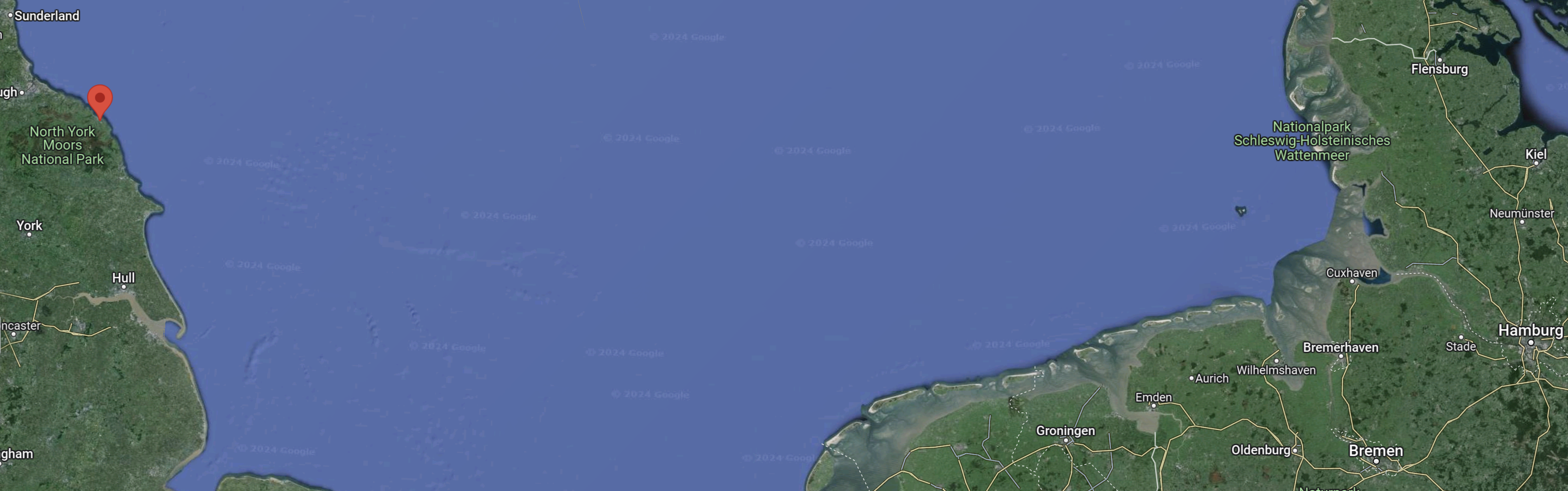
This Google Map shows the North Sea South of Sunderland and the Danish/German border.
Note.
- Sunderland is in the top-left hand corner of the map.
- A white line in the top-right corner of the map is the Danish/German border.
- Hamburg and Bremen are in the bottom-right hand corner of the map.
If you lay the AquaVentus map over this map, I believe that RWE’s Dogger Bank South wind farm could be one of the three 2 GW wind farms on the South-Western side of the AquaVentus main pipeline.
- Two GW would be converted to hydrogen and fed into the AquaVentus main pipeline.
- Two GW of hydrogen will be a nice little earner for UK plc.
- One GW of electricity would be sent to the UK.
But this is only one of many possibilities.
Conclusion
Could Jürgen Maier, be the man to develop British links to AquaVentus for the benefit of both the UK and Germany?
- The UK’s wind farms could provide a lot of hydrogen for AquaVentus.
- Aldbrough And Rough Gas Storage are conveniently places to add the hydrogen storage, that AquaVentus needs.
- AquaVentus can certainly be expanded to Norway, and possibly Orkney and Shetland.
He certainly has a lot of relevant experience.
Site Investigations Underway At RWE’s Three Norfolk Offshore Wind Project Sites
The title of this post, is the same as that of this article on offshoreWIND.biz.
This is the sub-heading.
RWE has kicked off geophysical and geotechnical site investigations at the Norfolk Boreas, Norfolk Vanguard East, and Norfolk Vanguard West offshore wind project sites in the UK, rights to which the German company acquired from Vattenfall earlier this year.
All three projects in RWE’s 4.14 GW wind farm off the Norfolk coast, at last seem to be making progress.
According to the Wikipedia entry for the List Of Offshore Wind Farms In The United Kingdom, this is the last status.
Norfolk Boreas
Owner: RWE
Turbines: Vestas
Status: Contract for Difference – Round 4
Commissioning Date: 2027
Norfolk Vanguard East
Owner: RWE
Turbines: Vestas
Status: Early Planning
Commissioning Date: Before 2030
Norfolk Vanguard West
Owner: RWE
Turbines: Vestas V236-15.0 MW
Status: Early Planning
Commissioning Date: Before 2030
Note.
- All three Norfolk wind arms, will be using Vestas turbines.
- The data for Norfolk Vanguard West shows that Vestas V236-15.0 MW turbines will be used.
- In SeAH To Deliver Monopiles For Vattenfall’s 2.8 GW Norfolk Vanguard Offshore Wind Project, I discussed the monopiles for the Norfolk wind farms. Will these be standardised across the Norfolk wind farms?
- In RWE Orders 15 MW Nordseecluster Offshore Wind Turbines At Vestas, I speculated that RWE had standardised on these large turbines for their North Sea wind farms, which would surely be a sensible action to take.
Using the same large turbines and monopiles for a number of wind farms, will surely give advantages in manufacture, installation, operation and and servicing for RWE, SeAH Wind and Vestas.
The finances should also be more beneficial.
These are my thoughts.
Will The Norfolk Wind Farms Produce Hydrogen For Germany?
Consider.
- As Hornsea 4 wind farm makes landfall in Norfolk, Norfolk should have enough renewable electricity.
- The Norfolk Nimbies will object to more electricity transmission lines across Norfolk.
- H2ercules, which is the large German hydrogen network will need lots of green hydrogen.
- Wilhelmshaven, which will be the main hydrogen feed point for H2ercules, is just across the North Sea at Wilhelmshaven.
- There are no Houthis roaming the North Sea.
- Hydrogen could be transported from the Norfolk wind farms to Wilhelmshaven by pipeline or coastal tanker.
- German companies are building the Norfolk wind farms.
I believe that there is a good chance, that the Norfolk wind farms will produce hydrogen for Germany.
This will have the following benefits.
- Germany will get the hydrogen it needs.
- The hydrogen link will improve energy security in Europe.
- The UK government will receive a nice cash flow.
The only losers will be the dictators, who supply Europe with energy.
Do RWE Have A Comprehensive Hydrogen Plan For Germany?
What is interesting me, is what Germany company; RWE is up to. They are one of the largest UK electricity producers.
In December 2023, they probably paid a low price, for the rights for 3 x 1.4 GW wind farms about 50 km off North-East Norfolk from in-trouble Swedish company; Vattenfall and have signed contracts to build them fairly fast.
In March 2024, wrote about the purchase in RWE And Vattenfall Complete Multi-Gigawatt Offshore Wind Transaction In UK.
Over the last couple of years, I have written several posts about these three wind farms.
March 2023 – Vattenfall Selects Norfolk Offshore Wind Zone O&M Base
November 2023 – Aker Solutions Gets Vattenfall Nod To Start Norfolk Vanguard West Offshore Platform
December 2023 – SeAH To Deliver Monopiles For Vattenfall’s 2.8 GW Norfolk Vanguard Offshore Wind Project
Then in July 2023, I wrote Vattenfall Stops Developing Major Wind Farm Offshore UK, Will Review Entire 4.2 GW Zone
Note.
- There does appear to be a bit of a mix-up at Vattenfall, judging by the dates of the reports.Only, one wind farm has a Contract for Difference.
- It is expected that the other two will be awarded contracts in Round 6, which should be by Summer 2024.
In December 2023, I then wrote RWE Acquires 4.2-Gigawatt UK Offshore Wind Development Portfolio From Vattenfall.
It appears that RWE paid £963 million for the three wind farms.
I suspect too, they paid for all the work Vattenfall had done.
This transaction will give RWE 4.2 GW of electricity in an area with very bad connections to the National Grid and the Norfolk Nimbies will fight the building of more pylons.
So have the Germans bought a pup?
I don’t think so!
Where Is Wilhemshaven?
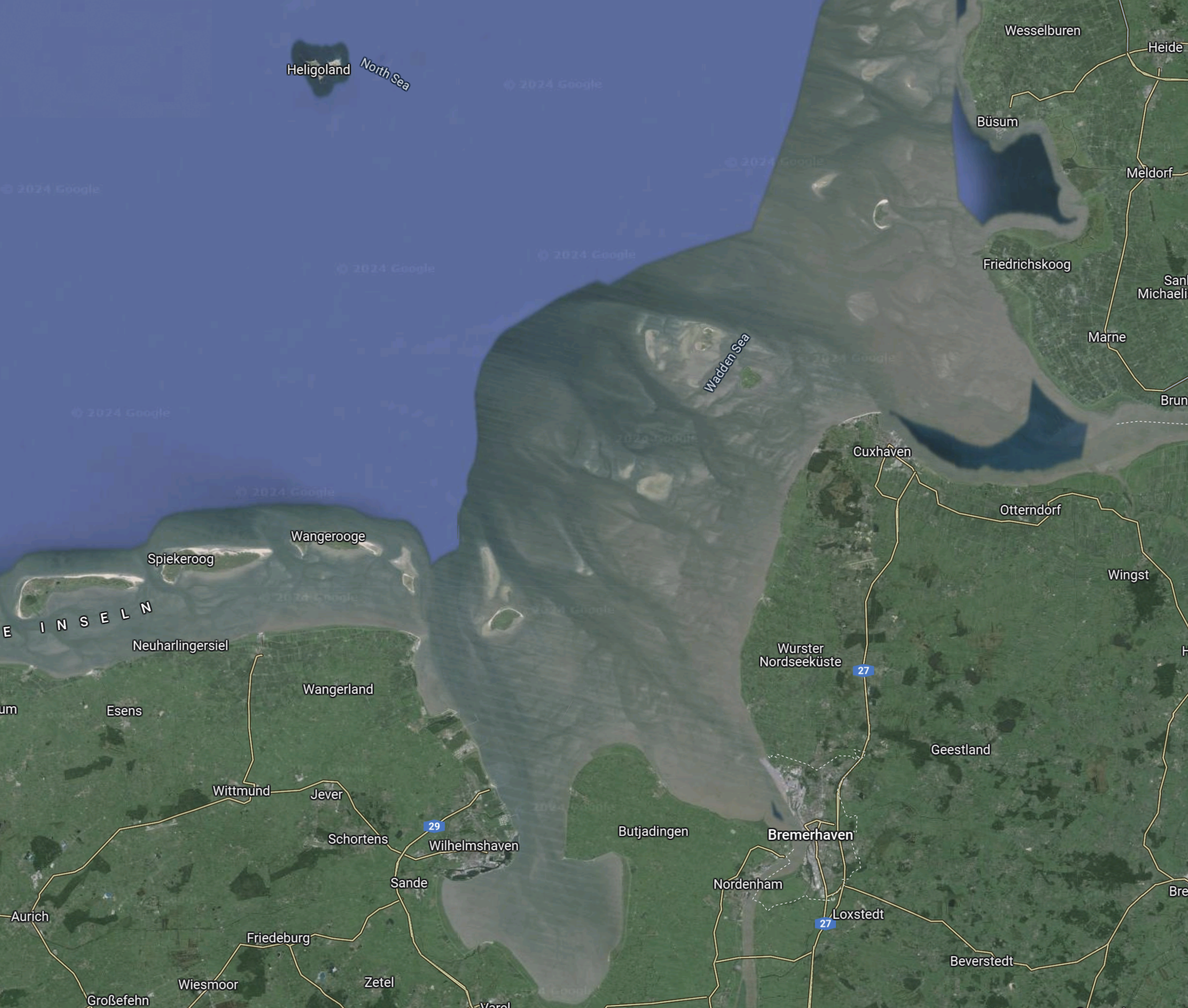
This Google Map shows the location of Wilhemshaven.
Note.
- Heligoland is the island at the top of the map.
- The Germans call this area the Wdden Sea.
- The estuaries lead to Wilhelmshaven and Bremerhaven.
- Cuxhaven is the port for Heligoland, which is connected to Hamburg by hydrogen trains.
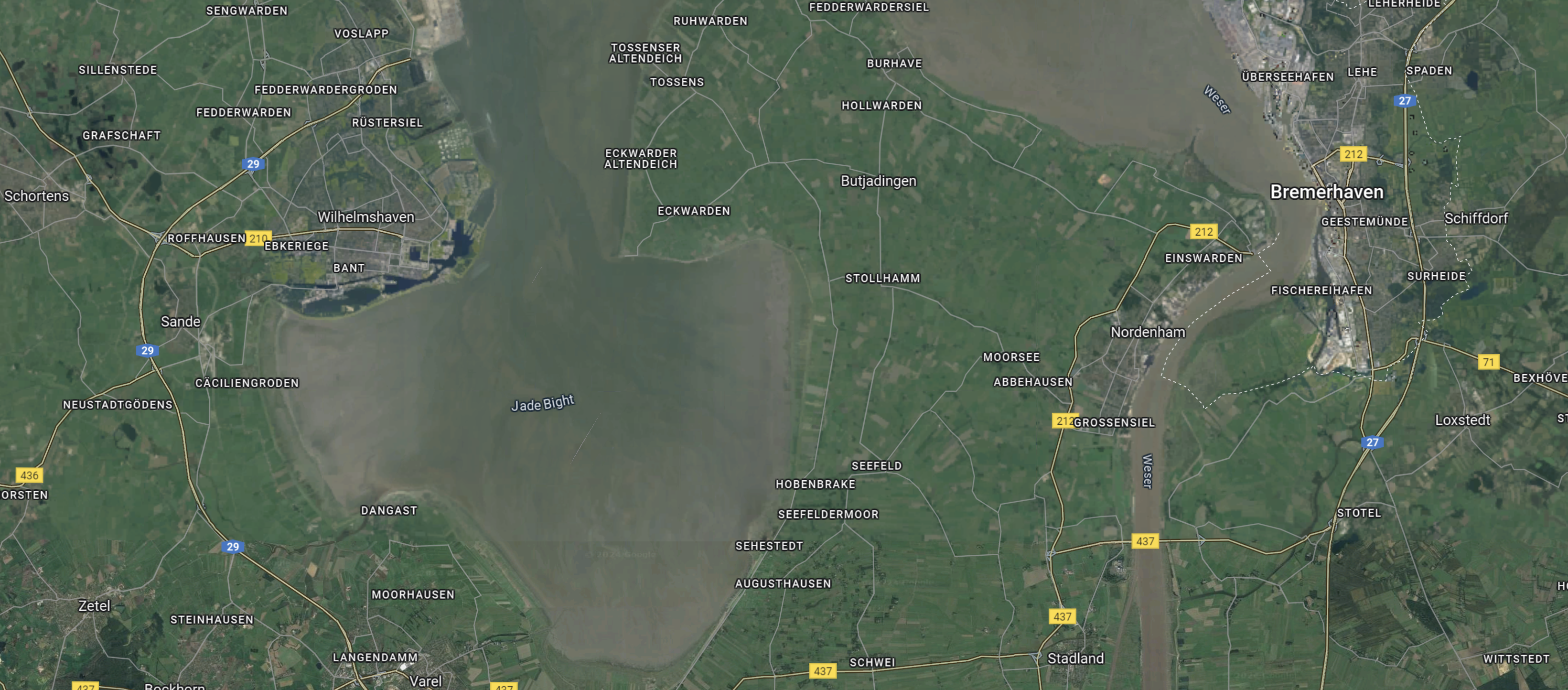
This second map shows between Bremerhaven and Wilhelmshaven.
Note.
- Wilhelmshaven is to the West.
- Bremerhaven is in the East.
- The River Weser runs North-South past Bremerhaven.
I’ve explored the area by both car and train and it is certainly worth a visit.
The Wilhemshaven Hydrogen Import Terminal
German energy company; Uniper is building a hydrogen import terminal at Wilhemshaven to feed German industry with hydrogen from places like Australia, Namibia and the Middle East. I wrote about this hydrogen import terminal in Uniper To Make Wilhelmshaven German Hub For Green Hydrogen; Green Ammonia Import Terminal.
I suspect RWE could build a giant offshore electrolyser close to the Norfolk wind farms and the hydrogen will be exported by tanker or pipeline to Germany or to anybody else who pays the right price.
All this infrastructure will be installed and serviced from Great Yarmouth, so we’re not out of the deal.
Dogger Bank South Wind Farm
To make matters better, RWE have also signed to develop the 3 GW Dogger Bank South wind farm.
This could have another giant electrolyser to feed German companies. The wind farm will not need an electricity connection to the shore.
The Germans appear to be taking the hydrogen route to bringing electricity ashore.
Energy Security
Surely, a short trip across the North Sea, rather than a long trip from Australia will be much more secure and on my many trips between the Haven Ports and The Netherlands, I haven’t yet seen any armed Houthi pirates.
RWE And Hydrogen
On this page on their web site, RWE has a lot on hydrogen.
Very Interesting!
H2ercules
This web site describes H2ercules.
The goal of the H2ercules initiative is to create the heart of a super-sized hydrogen infrastructure for Germany by 2030. To make this happen, RWE, OGE and, prospectively, other partners are working across various steps of the value chain to enable a swift supply of hydrogen from the north of Germany to consumers in the southern and western areas of the country. In addition to producing hydrogen at a gigawatt scale, the plan is also to open up import routes for green hydrogen. The transport process will involve a pipeline network of about 1,500 km, most of which will consist of converted gas pipelines.
Where’s the UK’s H2ercules?
Conclusion
The Germans have got there first and will be buying up all of our hydrogen to feed H2ercules.
All T-Pylons Fully Wired Up In Major Milestone For Hinkley Connection Project
The title of this post is the same as that of this press release from National Grid.
These three bullet points are sub-headings.
- Hinkley Connection Project’s 116 T-pylons now ‘strung’ with overhead conductors
- Final conductors fixed into place on a row of T-pylons near Yatton, North Somerset
- 460km and 1,288 tonnes of power line have been installed between project’s T-pylons
Seven paragraphs of the press release go into great detail about how the cables were attached.
But I find this image from the press release, is the most interesting part.
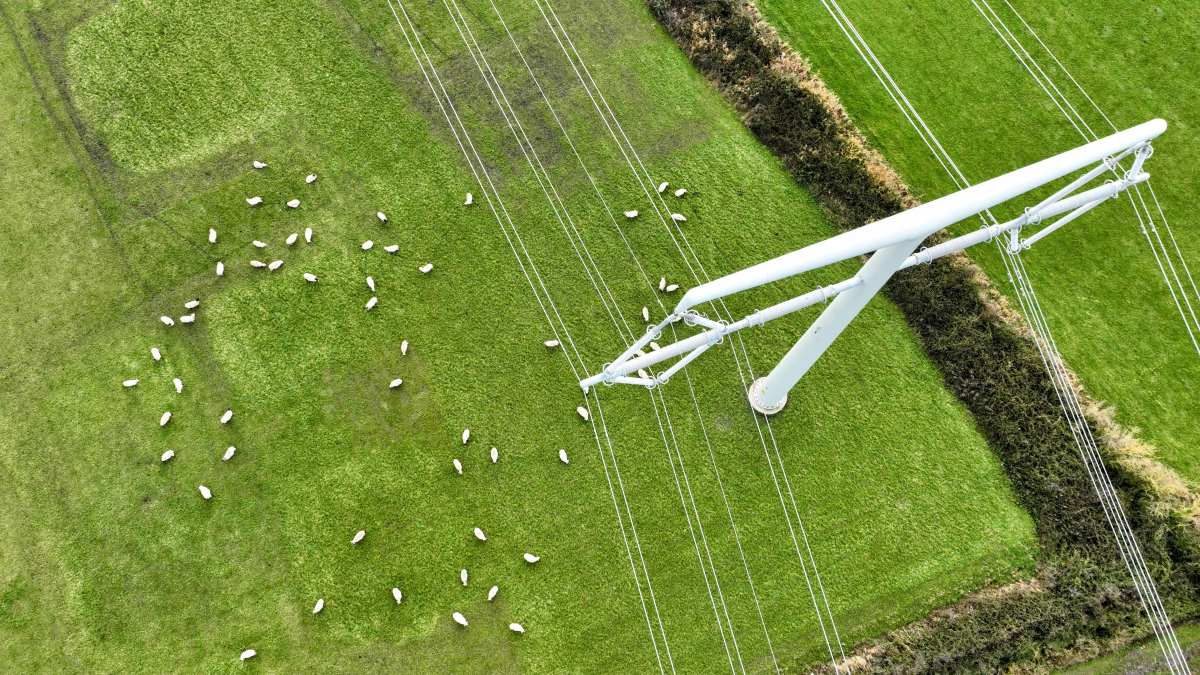
Note.
- There are six cables on each diamond earring-shaped insulator.
- There appears to be a second cross-bar between the insulators.
- The pylon has a small footprint on the ground.
- The white dots on the ground look like sheep.
- The base of the pylon, will make a good scratching post for animals, like sheep, cattle and horses.
This second picture is a profile, that I took at Yatton from a passing train.
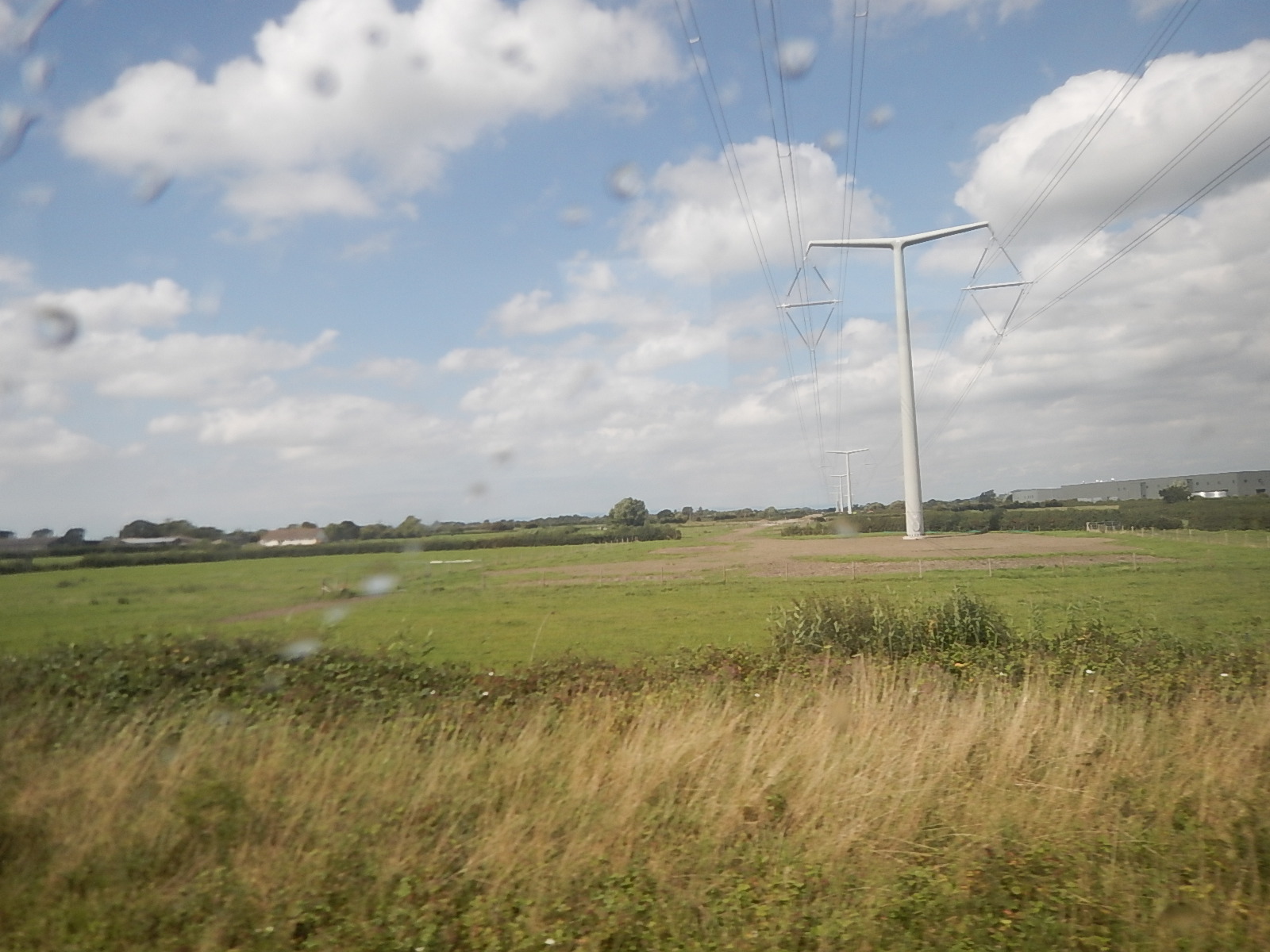
Note that the second cross-bar is not there. Is it to steady the insulators during the installation of the cables?
This picture shows some of the traditional pylons used to connect the Sizewell site to the National Grid.
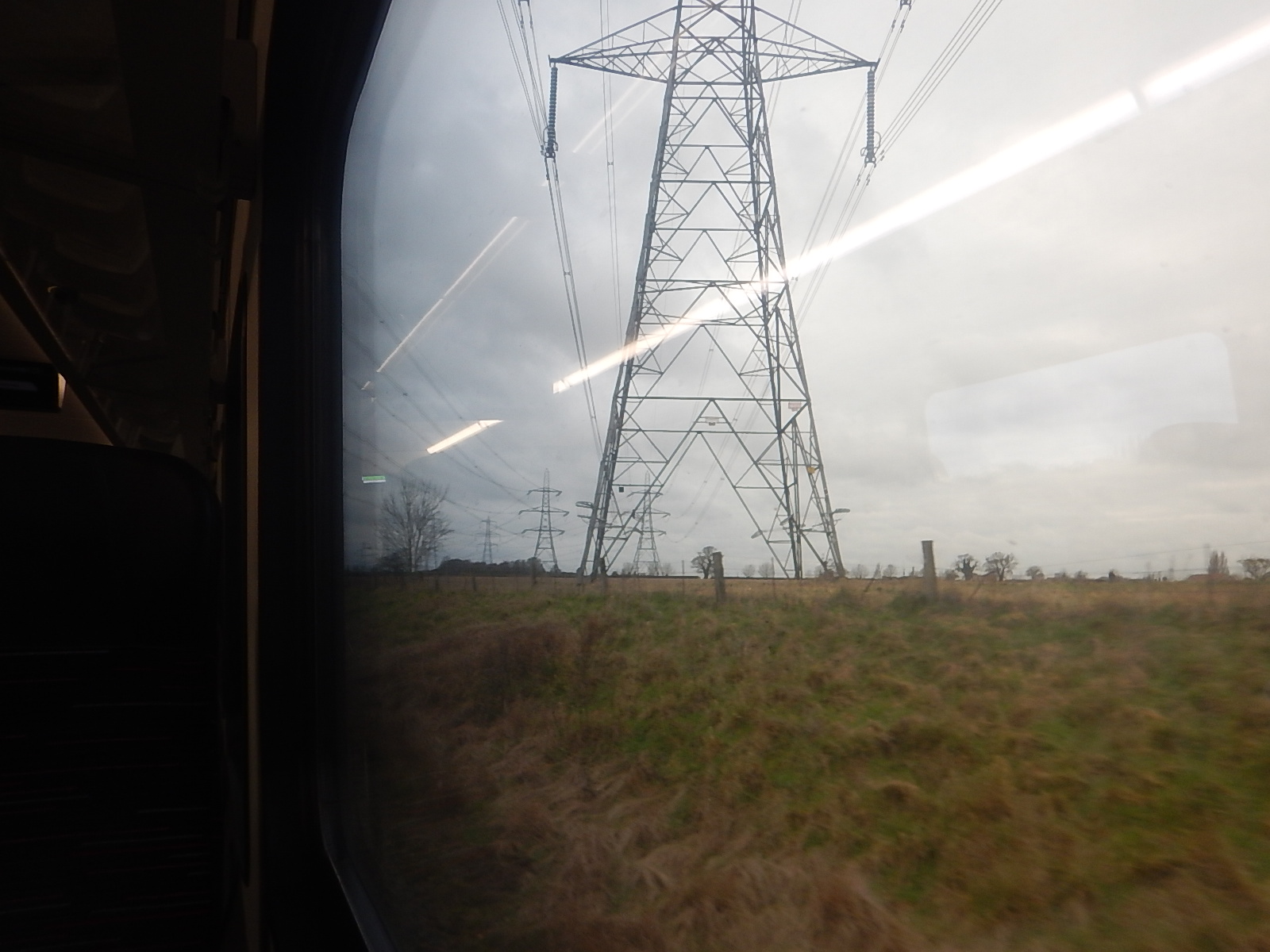
I know which ones I prefer.
£9.2m Electricity Research Project To Save 39,000 Tonnes Of C02 Gets Go-Ahead
The title of this post, is the same as that of this press release on National Grid.
These four paragraphs detail the project.
National Grid Electricity Transmission (NGET) has been successful in securing £8.12m of funding from Ofgem’s Network Innovation Competition (NIC) to research the uprating of overhead lines, with the remainder being funded by National Grid.
The RICA (Retro-Insulated Cross-Arms) research project will commence in early 2021 and aims to develop an innovative method for uprating overhead lines, allowing the voltage on 275kV overhead lines to be increased to 400kV. This potentially paves the way for uprating 400kV lines to 550kV in the future.
By removing the suspended insulators on these overhead lines and instead insulating the cross arms, the wires will be held higher and further apart, thereby enabling an increased voltage to be carried.
Uprating lines in this way could allow 45% more power to be carried on some existing routes and support significant reductions in UK CO2 emissions – 39,000 tonnes. This could deliver up to £286m of efficiencies to consumers and with future development, it could open the door to ultra-high voltage networks in the UK.
This is a National Grid picture of fitters installing the new system.
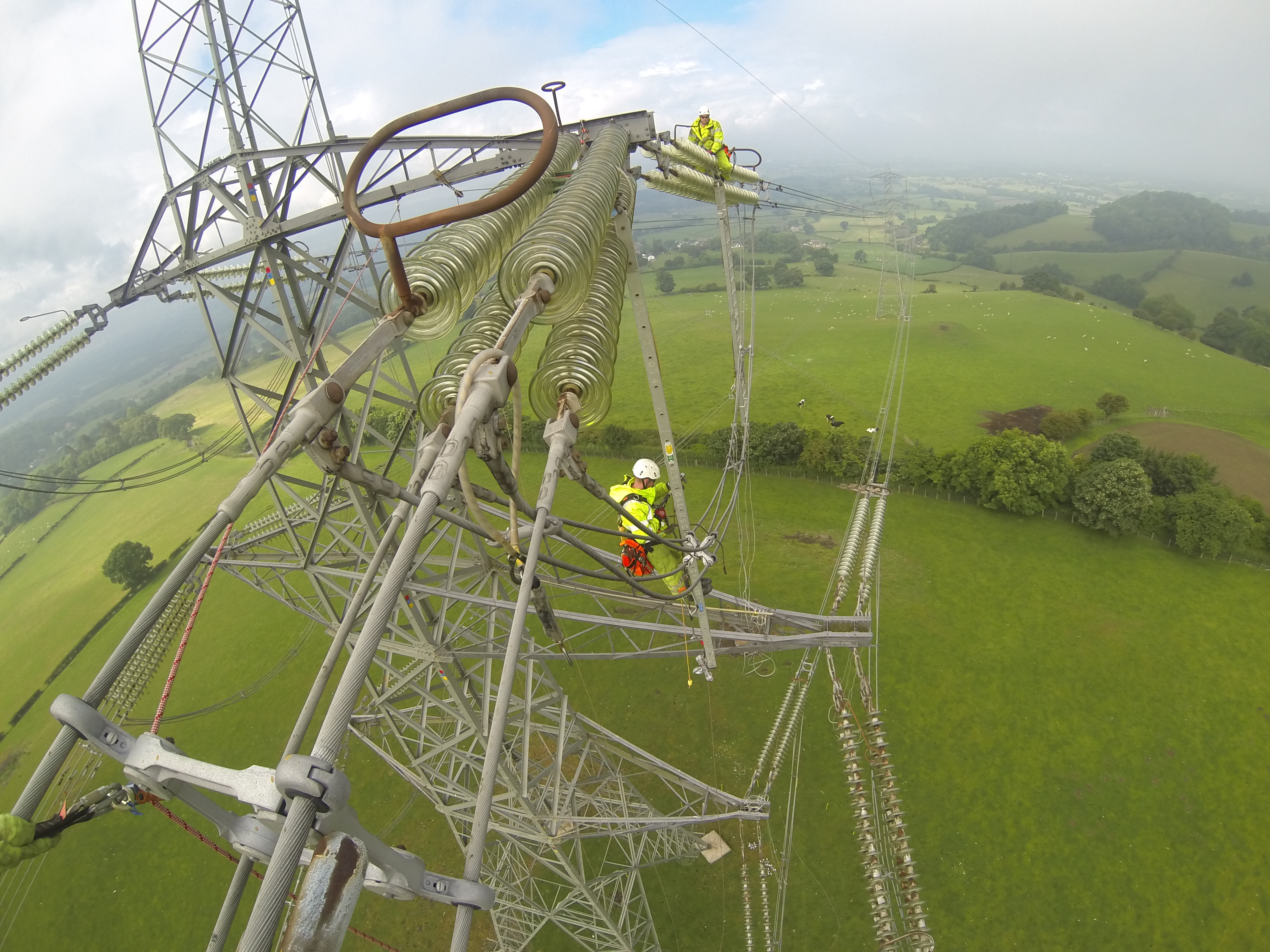
Note.
- Surely, if you can increase the capacity of an electricity line by 45 %, by using innovation and just changing the insulators, this would be much cheaper, than adding another high voltage line.
- It would also incur less legal costs and disruption, than a second line.
I like this idea and hopefully it will please the Nimbies.
More About RICA
This web page is the RICA web site.
This document gives a lot more information.
Conclusion
It appears to be a simple solution to increasing the capacity of the grid.
I’d like to see some recent results.
Opportunity For Communities To Have Their Say On New Clean Energy Substation Proposed In High Marnham
The title of this post, is the same as that of this article on National Grid.
These three bullet points act as sub-headings.
- National Grid is consulting communities from 22 April to 20 May 2024 on its plans for a new electricity substation which will strengthen its network and connect clean energy to the grid – part of The Great Grid Upgrade
- Substation crucial to upgrade critical infrastructure and ensure a secure and reliable supply of clean energy
- Local people invited to attend consultation events to learn more about the proposals
This is the first paragraph.
National Grid is making changes to its network of electricity infrastructure that transports power around the country, in order to connect new sources of power generated from offshore wind and other low carbon sources to the homes and business across Britain.
These two paragraphs detail the work at High Marnham.
The Great Grid Upgrade is the largest overhaul of the grid in generations. It will play a large part in the UK government’s plan to boost homegrown power, helping the UK switch to clean energy and make sure our electricity network is fit for the future; carrying more clean, secure energy from where it’s generated to where it is needed.
As part of the Brinsworth to High Marnham project, National Grid is proposing to build and operate a new 400kV substation immediately west of its existing substation site in High Marnham. The new substation, which forms a key part of The Great Grid Upgrade, will play an important role in building a more secure and resilient future energy system and provide the ability to transport cleaner energy from the North of England to homes and businesses across the Midlands and beyond, helping to reduce our reliance on fossil fuels.
This is a 3D Google Map of the current sub-station.
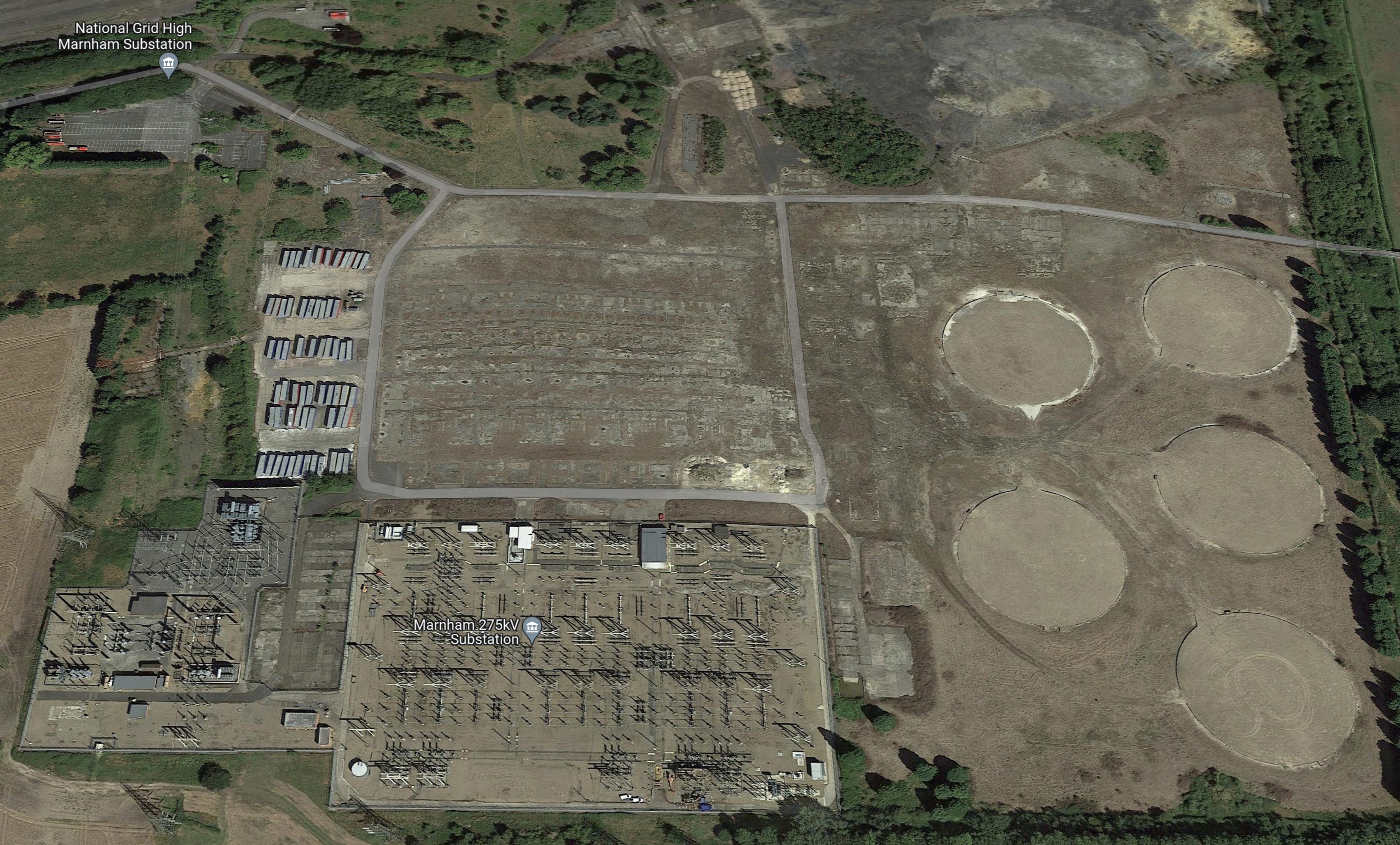
Note.
- The three large circles are the bases of the cooling towers of the former High Marnham power station.
- The 9.3 MW HyMarnham electrolyser will be built on the site of the demolished coal-fired power station.
- The current sub-station is in the South-West quarter of the power station site.
- The new substation will be on the West side of the current substation.
It is a large site, with space for more electrical gubbings.
The Consultation
There is a web site, a webinar and two local in-person meetings.
- Friday 26 April from 2pm – 7pm at South Clifton Coronation Hall, South Clifton, Newark, Nottinghamshire, NG23 7BG
- Saturday 27 April from 9am – 2pm at Normanton on Trent Village Hall, South Street, Normanton on Trent, NG23 6RQ
This is the third Opportunity For Communities To Have Their Say in a few days.
I can’t fault that!
Opportunity For Communities To Have Their Say On New Clean Energy Substation Proposed Near Chesterfield
The title of this post, is the same as that of this article on National Grid.
These three bullet points act as sub-headings.
- National Grid is consulting communities from 22 April to 20 May 2024 on its plans for a new electricity substation which will strengthen its network and connect clean energy to the grid – part of The Great Grid Upgrade
- Substation crucial to upgrade critical infrastructure and ensure a secure and reliable supply of clean energy
- Local people invited to attend consultation events to learn more about the proposals
This is the first paragraph.
National Grid is making changes to its network of electricity infrastructure that transports power around the country, in order to connect new sources of power generated from offshore wind and other low carbon sources to the homes and business across Britain.
These two paragraphs detail the work at Chesterfield.
The Great Grid Upgrade is the largest overhaul of the grid in generations. It will play a large part in the UK government’s plan to boost homegrown power, helping the UK switch to clean energy and make sure our electricity network is fit for the future; carrying more clean, secure energy from where it’s generated to where it is needed.
As part of the Brinsworth to High Marnham project, National Grid is proposing to build and operate a new 400kV substation which will extend to the south of its existing substation site off Calow Lane in Cock Alley, near Chesterfield in Derbyshire. The new substation, which forms a key part of The Great Grid Upgrade, will play an important role in building a more secure and resilient future energy system and provide the ability to transport cleaner energy from the North of England to homes and businesses across the Midlands and beyond, helping to reduce our reliance on fossil fuels.
This is a 3D Google Map of the current sub-station.
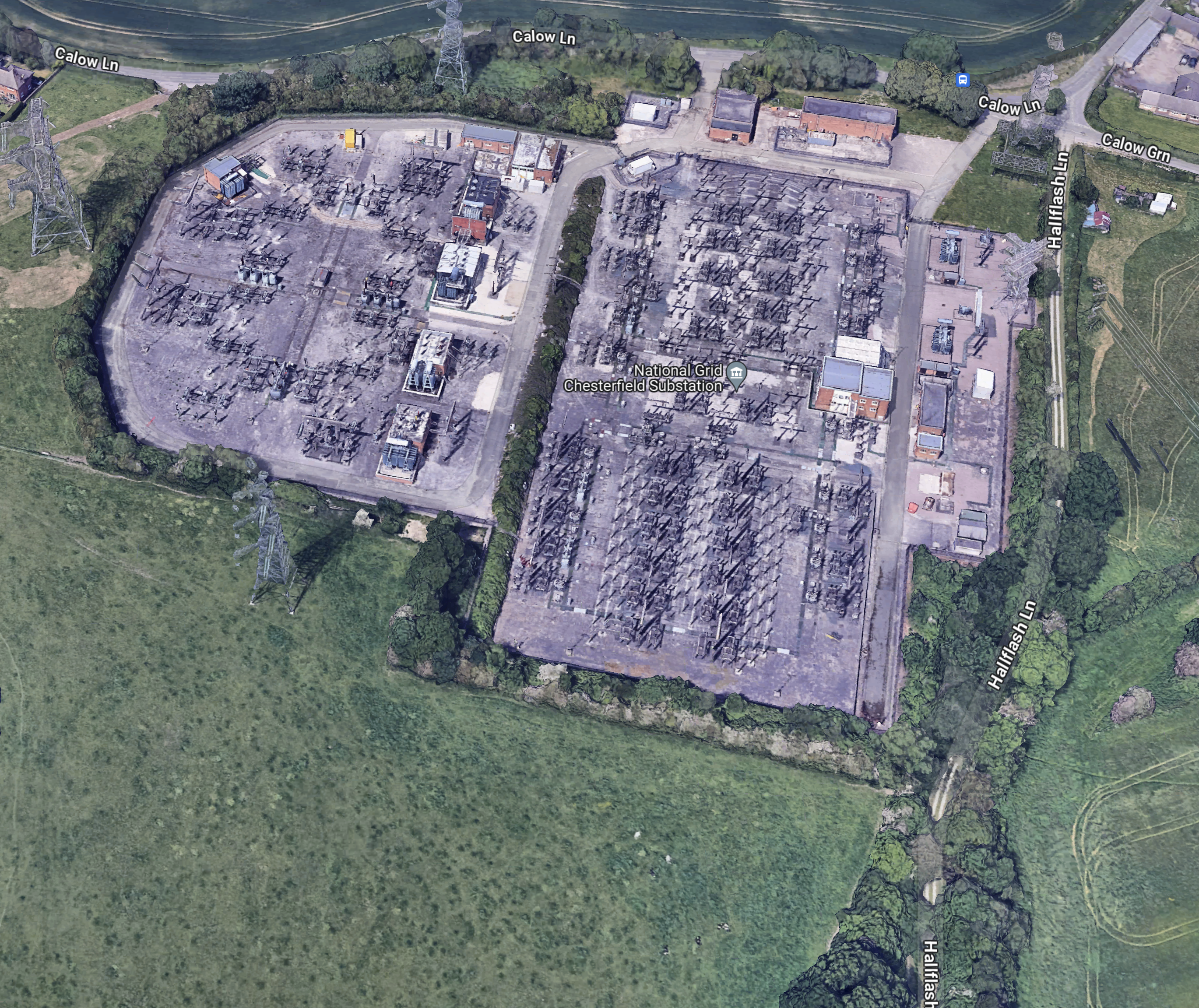
Note.
- Four pylons can be seen.
- The image is shown looking North.
- The new substation will be on this side of the current substation.
It certainly will be a large substation.
The Consultation
There is a web site, a webinar and a local in-person meeting.
The local meeting is on Friday 10 May from 2pm – 7pm and Saturday 11 May from 9am – 2pm at Calow Community Centre, Allpits Road, Calow, Chesterfield S44 5AT
- Friday 26 April from 2pm – 7pm at South Clifton Coronation Hall, South Clifton, Newark, Nottinghamshire, NG23 7BG
- Saturday 27 April from 9am – 2pm at Normanton on Trent Village Hall, South Street, Normanton on Trent, NG23 6RQ
This is the third Opportunity For Communities To Have Their Say in a few days.
This is probably sufficient consultation.
Opportunity For Communities To Have Their Say On National Grid Proposals For Norwich To Tilbury Project
The title of this post is the same as that of this press release from National Grid.
These three bullet points are sub-headings.
- National Grid is consulting communities for 10 weeks, between Wednesday 10 April to Tuesday 18 June, on its infrastructure proposals to connect new clean energy sources into the East Anglian electricity network.
- Norwich to Tilbury will enable National Grid to connect the sources of power generated from offshore wind to homes and businesses across Britain, helping to reduce our reliance on fossil fuels and bring the cost of energy bills down.
- The project will help the UK achieve its aim of generating 50GW of energy from offshore wind by 2030 and reach net zero by 2050.
This page on the National Grid web site has an interactive map of the route.

This paragraph invites people to comment.
National Grid is encouraging communities in East Anglia to comment on proposals to upgrade the high voltage power network in England as part of a 10-week consultation process which runs between Wednesday 10 April and Tuesday 18 June.
National Grid have also announced dates of when public information events are being held.
- Wednesday 24 April 2024 – 12pm – 5pm – Towngate Theatre, St Martin’s Square, Basildon, Essex SS14 1DL
- Thursday 25 April 2024 – 2pm – 7pm – The Brentwood Centre, Doddinghurst Road, Pilgrims Hatch, Brentwood, CM15 9NN
- Saturday 27 April 202 – 11am – 4pm – Chelmsford City Racecourse, Chelmsford, CM3 1QP
- Tuesday 30 April 2024 – 12pm – 5pm – Gislingham Village Hall, Mill Street, Gislingham, IP23 8JT
- Wednesday 1 May 2024 – 11am – 4pm – Copdock Village Hall, Old London Road, Copdock, IP8 3JN
- Friday 3 May 2024 – 1pm – 6pm – Needham Market Community Centre, School St, Needham Market, Ipswich IP6 8BB
- Saturday 4 May 2024 – 11am – 4pm – Lawford Venture Centre 2000, Bromley Road, Lawford, Manningtree CO11 2JE
- Wednesday 8 May 2024 – 4pm – 7pm – The Civic Hall, Blackshots Lane, Grays, RM16 2JU
- Thursday 9 May 2024 – 1pm – 6pm- Thorpe Hall, Ashwell Thorpe and Fundenhall Community Centre, Muskett Road, Ashwellthorpe, NR16 1FD
- Friday 10 May 2024 – 1pm – 6pm – Tibenham Community Hall, Pristow Green Lane, Tibenham, Norwich NR16 1PX
- Tuesday 14 May 2024 – 11am – 4pm – Witham Public Hall, Collingwood Road, Witham, CM8 2DY
- Wednesday 15 May 2024 – pm – 6pm – Diss Town Football Club, Diss, IP22 4QP
- Thursday 16 May 2024 – 2pm – 7pm – Langham Community Centre, School Road, Langham, Colchester, CO4 5PA
- Friday 17 May 2024 – 1pm – 6pm – Great Bromley Village Hall, Parsons Hill, Great Bromley, Colchester, CO7 7JA
I shall be going to the Brentwood and Needham Market meetings.
I have some thoughts.
T-Pylons
There is a chance that this route will not use conventional pylons.
These pictures show the T-pylons, that have been used in Somerset to connect Hinckley Point C power station to the National Grid.


Note.
- They are a Danish design.
- They are shorter than current pylons.
- They have a smaller footprint on the ground.
- The design won a National Grid-RIBA design competition.
- We will probably see them around the country in the next few years.
They are certainly better than the standard ones that connect the Sizewell site to the National Grid, that passed by my first house in Suffolk.
 The Anonymous Widower