House Sitting With Ocado
I like animals and I miss having cats, dogs and horses around.
I particularly miss our stallion ; Vague Shot, who had a nickname of Cyril. When I was feeling down, he always had time for a chat and a cuddle.
It may seem strange, but when C died, Cyril was the first I told. But then as he was a stallion, the stud was his personal domain. Hence his understanding.
Recently, I’ve taken to doing my shopping at Ocado, which means that my coeliac disease, is not a problem, if Ocado deliver.
I had thought about house and pet sitting before, but my coeliac disease and the fact I don’t drive seemed to end discussions.
So I think, I’m going to do a bit of house and small pet sitting, mainly to get a welcome change of scenery. I’ll leave the logistics to Ocado.
Consider.
- I have no pets myself.
- I am a non-smoker.
- I am more or less tee-total these days.
- I have no children or grandchildren under 23.
- I will tell Ocado, as I have no connection with them, except as a customer, who uses their services regularly.
What do my readers think?
British Gas Partners With Strata And Daikin To Launch Eco-Tech Low Bill Homes
The title of this post, is the same as that of this press release from Centrica.
This is the sub-heading.
British Gas is set to supercharge sustainable living across the UK with the launch of Low Carbon Homes – a ground-breaking pilot in partnership with Strata and heat pump manufacturer, Daikin.
These are the first four paragraphs, which fill out a bit of detail.
In anticipation of The Future Homes Standard, customers will move into new build homes which have been fitted with a full range of the latest low-carbon technology at no extra cost to the housebuilder or owner. The homes will be equipped with a 6-8 kWh Daikin air source heat pump, 4 kWh solar panels, 5 kWh battery storage, Hive electric vehicle charger and thermostat. These items will be integrated into Hive’s award-winning app, providing customers with one-stop visibility and control of their energy usage.
The first trial phase will launch at a Strata’s “Breathe” development site in Kiveton, Rotherham. As a thank you for participating in the pilot, British Gas is giving homeowners access to a fixed rate tailored British Gas tariff. Participants in the trial will also have access to a dedicated British Gas energy manager to help them optimise the technology and keep bills as low as possible, while still meeting their desired comfort levels.
Each home will be fitted with a Hive hub, which connects to the WIFI network and acts as the home’s operating system, integrating all the sustainable technology. The customers energy and heat schedules and budget will be optimised by the Hive Hub for further savings.
When the customer connects to Hive’s app they will be able to control and maximise efficiency by setting schedules and spending budgets and allowing the Hub to help them reduce their bills.
Note.
- As a Control Engineer, this to me is a good start.
- I suspect that a 6-8 kWh Daikin air source heat pump, 4 kWh solar panels and 5 kWh battery storage will keep the average house warm.
- I would expect that the three companies have optimised the ratios between the sizes of the components to give the best performance.
It is amazing to think that it was in the early seventies, that in the two sections, where I worked at ICI, engineers had just started controlling and optimising flows, pressures and temperatures in complex chemical plants.
If you’d asked any of us, when our houses heating systems would be as fully controlled, we’d have given twenty years at most.
What kept the world so long?
I have a few thoughts.
Could The Housing Have Gas For Cooking??
Yes! Centrica owns a big share with Hyundai, Kia and others of a start-up company called HiiROC.
- This is the HiiROC web site.
- HiiROC can take any hydocarbon gas and split it into green hydrogen and carbon black.
- Green hydrogen is obviously useful and the carbon black can be used for making tyres for vehicles, anodes for lithium-ion batteries and in agriculture for soil improvement.
- Waste off-gas from a chemical plant can be split into green hydrogen and carbon black.
- Biomethane from a sewage plant can be split into hydrogen and carbon black. Could a sewage plant on an estate be used to create biomethane for cooking and feeding to the HiiROC plant? Yes!
- Could green hydrogen produced on the estate be used to drive vehicles like cars, vans and ride-on-mowers. Yes! If the manufacturer of the vehicle allows it!
- How convenient would it be to have Hydrogen-at-Home?
How Much Does A British Gas Hive Save On My Energy Bill?
I asked Google and I got this answer from Home Hive.
£119. A smaller carbon footprint and a smaller bill – our award-winning smart thermostat could cut your energy bills by up to £170 a year. Join Hive Plus to boost your thermostat’s savings – and get exclusive access to £60 bill credit with any fixed British Gas dual fuel tariff.
At present, I have no intention of changing my energy supplier, but come the summer or if my health or energy circumstances change, I might see what is available.
Will British Gas Develop A Hive For a Smaller Dwelling?
I suspect in ten years, if I’m still of this world, I shall be living in the following circumstances.
- Alone.
- In a two bedroom house, cottage or flat.
- Some form of probably electric central heating or perhaps even hydrogen.
- No car.
- A short walk to the bus stop and/or train station.
- Communal gardens to sit in.
- An Ocado style delivery for food, groceries and other essentials.
- A local gluten-free cafe.
- Full Wi-Fi
Perhaps, British Gas and others will develop a community for people like me?
Lower Thames Crossing Decision Delayed To May 2025
The title of this post, is the same as that of this article on the BBC.
This is the sub-heading.
A decision on whether to build a new road crossing under the Thames will not now be made until at least 23 May 2025.
These are the first three paragraphs.
The Lower Thames Crossing would link Gravesend in Kent and Tilbury in Essex.
A statement from Transport Secretary Louise Haigh on Monday said the delay was “to allow more time for the application to be considered further, including any decisions made as part of the spending review”.
This is the third time the decision has been extended, with previous dates of 20 June and 4 October having also been missed.
This article on RouteOne, which is entitled Further Lower Thames Crossing Delay Draws Dismay From RHA, indicates the views of the road haulage industry.
On the other hand opponents say that the building of the link will damage the Green Belt.
But then the Government’s proposed housing will do that!
I laid out various options in What Are We Going To Do For The Lower Thames Crossing?, but it just seems an intractable problem.
The Wikipedia entry for the Lower Thames Crossing is a long list of failed and abandoned proposals.
Robertsbridge Station – 25th September 2024
I went to Robertsbridge station, today and took these pictures of the station.
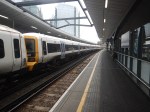
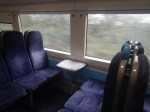
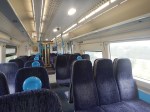
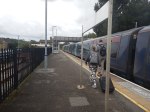
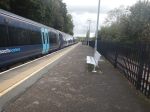
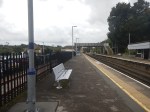
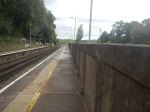
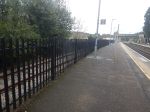
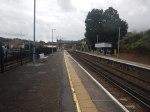
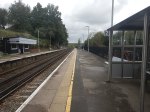
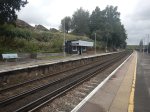
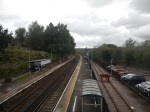
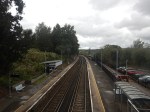
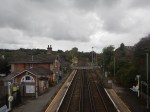
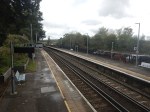
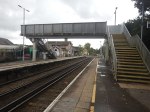
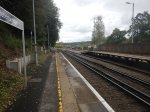
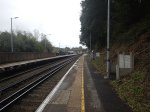
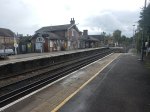
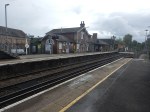
Note.
The tracks are electrified.
- The platforms can accommodate eight-car trains and probably ten-car trains.
- There is a level-crossing at the South end of the station.
- The bridge is not step-free.
- Passengers may be able to use the level-crossing to cross the tracks
- The station has a good collection of books for passengers.
- The London trains are in good conditiopn.
- There is an adequate amount of car parking.
It is a small workmanlike country station typical of many in the UK.
This Google Map shows the station.
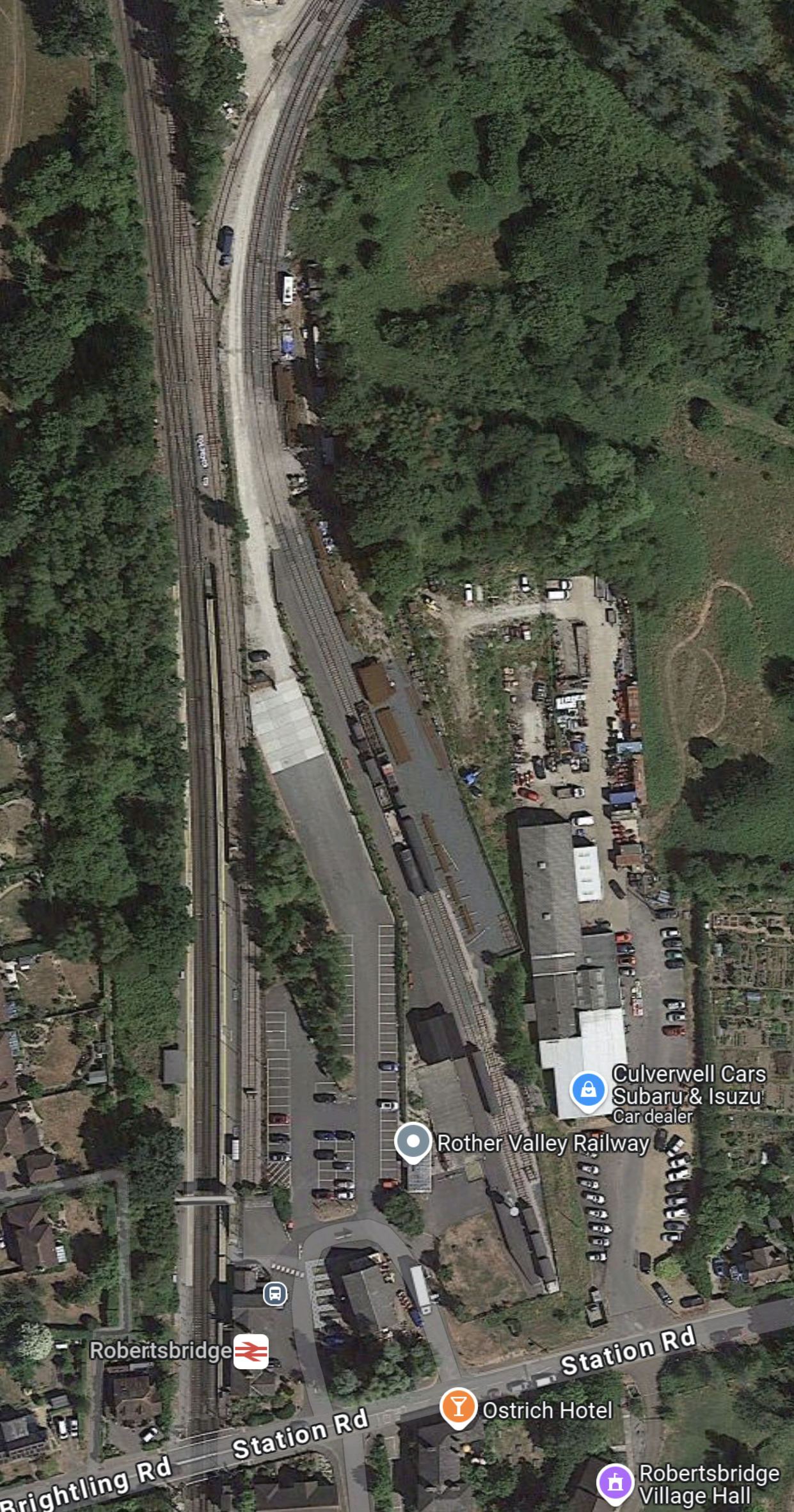
Note.
The London and Hastings Line runs down the West side of the map.
The station buildings are marked by the usual sign and are on the East side of the tracks.
Also on the East side of the tracks is a siding used by Network Rail to store machinery and a car park and then the premises of the Rother Valley Railway.
Station Road with its level crossing runs across the bottom of the map.
These are my thoughts.
The Aim Of The Rother Valley Railway
This is the first paragraph of the Wikipedia entry for the Rother Valley Railway.
The Rother Valley Railway (RVR) is a heritage railway project based at Robertsbridge in East Sussex, England. It takes its name from the original name for what later became the Kent and East Sussex Railway, running from Robertsbridge through to Headcorn in Kent, via Tenterden. The project is to replace the “missing link” between Robertsbridge, a station on the Tonbridge to Hastings mainline, and Bodiam on the Kent and East Sussex Railway, a heritage railway which operates from Bodiam to Tenterden.
This OpenRailwayMap shows the route of the railway between Robertsbridge and Tenterden Town.
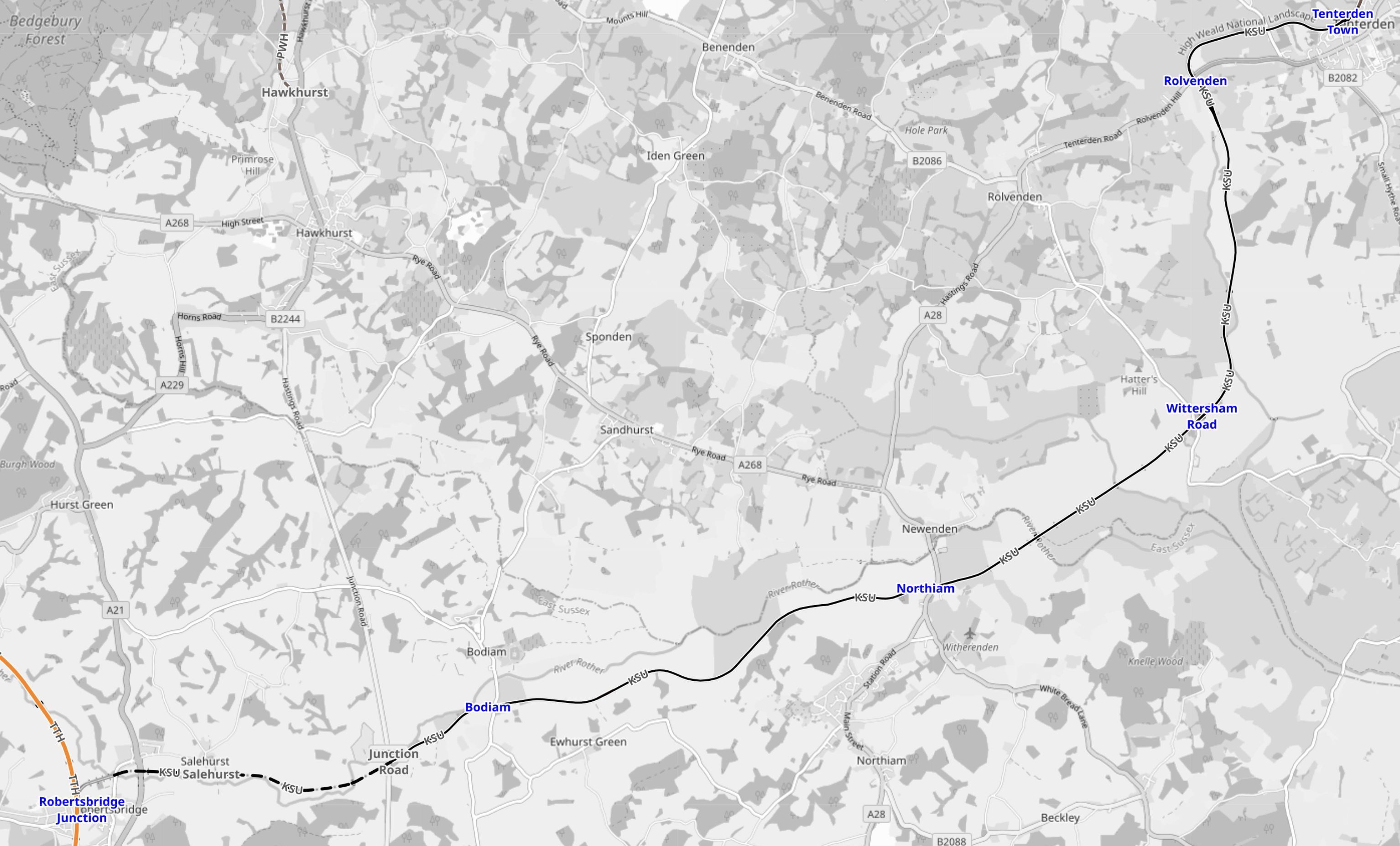
Note.
- Robertsbridge Junction is in the South-West corner of the map.
- Tenterten Town is in the North-East corner of the map.
- Bodiam, Northiam, Wittersham Road and Rolverden are the intermediate stops.
This second OpenRailwayMap shows the tracks at Rotherfield.
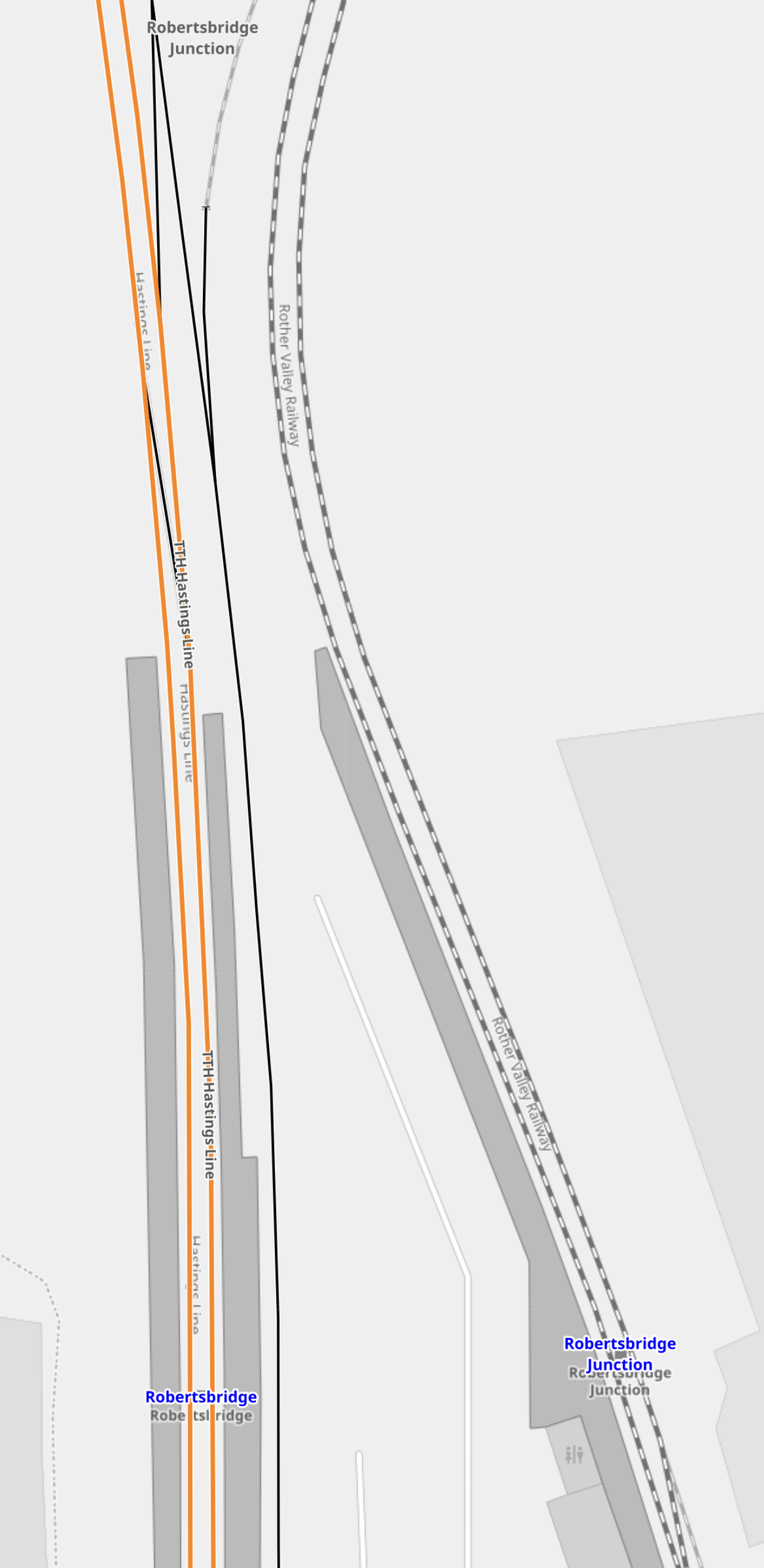
Note.
- Robertsbridge station is on the West.
- Robertsbridge Junction station of the Rother Valley Railway is on the East.
- Network Rail’s siding runs between the stations.
It appears that the Robertsbridge Junction station has a turnback for a locomotive.
Progress On The Rother Valley Railway
This is the second paragraph of the Wikipedia entry for the Rother Valley Railway.
Following a public inquiry in 2021, the government approved the project in May 2023 and granted the RVR’s application for a Transport and Works Act Order. This came into force on 2 August, allowing the reinstatement scheme to be completed. There will be then an end-on link with the Kent and East Sussex at Bodiam enabling through-running of passenger trains between Tenterden and Robertsbridge for the first time since 1954. Heritage trains will make use of the Rother Valley Railway’s own new station at Robertsbridge Junction, a short walk from the mainline station. Work is expected to begin on the final phase of reinstatement in 2024, following detailed surveys.
It certainly looks like progress is being made.
Tenterden Is The Largest Town In Kent Without A Railway Station
Although compared to some towns, that have recently got stations, it is somewhat smaller.
But it is larger than Okehampton, which has successfully opened a National Rail station.
Perhaps, a supermarket car park can be found big enough for a single platform station?
Starmer May Give Tenterden Some New Development
A few more houses could generate commuter traffic.
Will VAT On School Fees Encourage train Travel To School?
But train travel may be cheaper than a car to say Tonbridge by car! Every little helps!
More Trains At Robertsbridge Could Draw Traffic
Two trains per hour would surely help.
Conclusion
A Tenterden branch could be viable for a shuttle between Robertsbridge and Tenterden.
Waterbeach Station To Be Relocated
The title of this post, is the same as that of this article on Railway Gazette.
These three paragraphs, outline the project.
Cambridgeshire County Council has called tenders for an estimated £35m design and build contract for the relocation of Waterbeach station to a new site further to the north.
This would support the Waterbeach New Town development of 4 500 homes. Opening is now envisaged for 2026.
The replacement station would have two platforms, an accessible footbridge, a 200-space car park, taxi and bus drop-off, cycle storage and a new access road from Cody Road. The 24-month scheme would include the demolition of the existing station.
This Google Map shows the current station and the location of Waterbeach New Town.
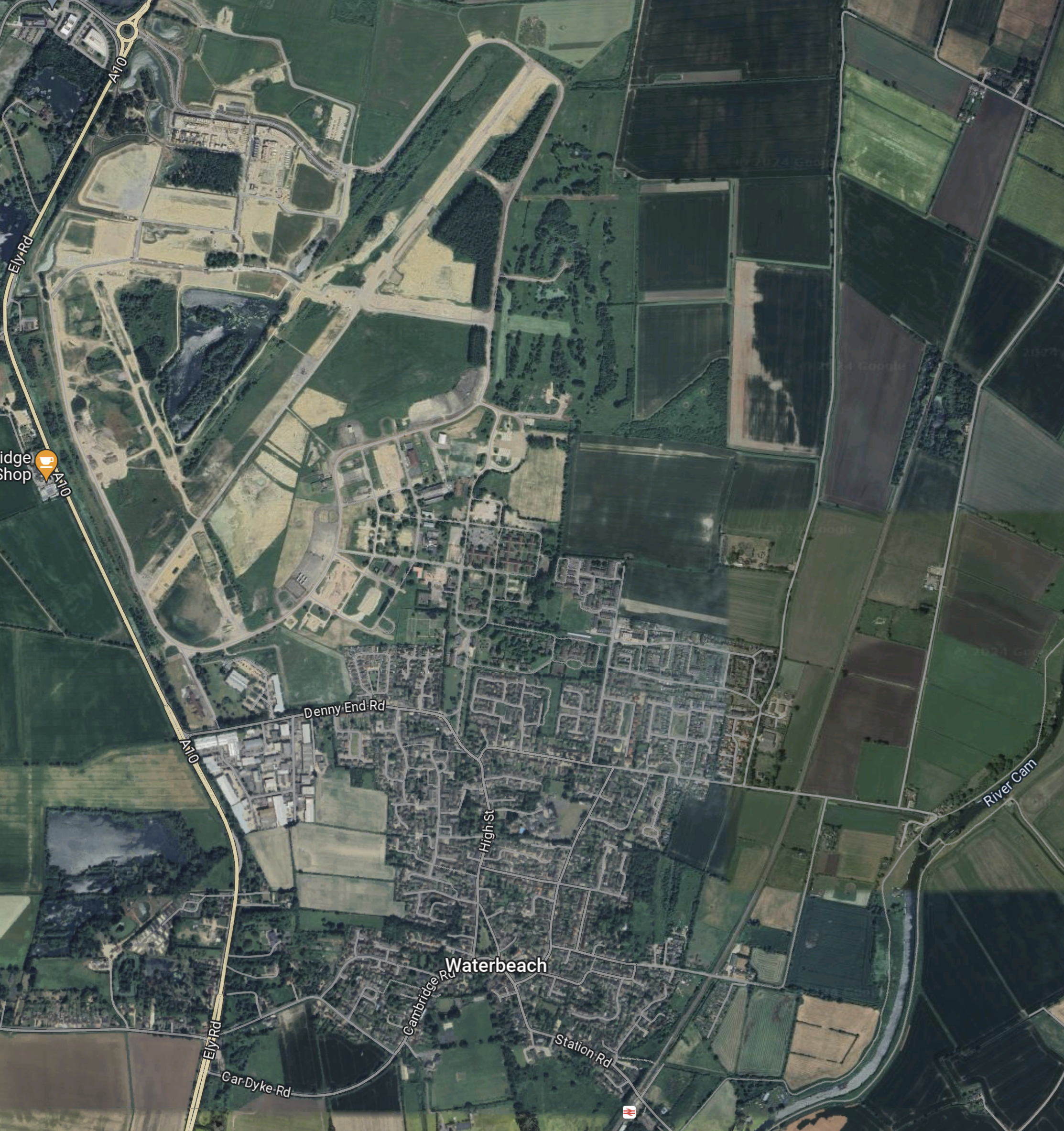
Note.
Waterbeach station is at the bottom of the map, just to the right of centre.
- The station is on the Breckland Line between Cambridge and Norwich via Ely.
- The Breckland Line continues North-East to the North-East corner of the map.
- The village of Waterbeach is to the North of the station.
- North of Waterbeach is the old Waterbeach Airfield, which will be covered in the housing of the New Town.
Moving the station nearer the New Town would seem to be a sensible action.
I have some further thoughts.
The Remodelling Of Ely
Ely station is a railway bottleneck and in Are The Trains In Ely Finally To Be Sorted?, I discussed what needed to be done.
Would it help, if Waterbeach station were to be rebuilt first?
A Cambridge Metro
Once Waterbeach station has been rebuilt and Cambridge South station has been built, there will be a run of stations through Cambridge.
- Ely
- Waterbeach
- Cambridge North
- Cambridge
- Cambridge South
Perhaps, extra trains could be added to create a frequent rail route across Cambridge.
East West Railway
Will the trains of the East West Railway stop at Waterbeach station?
Conclusion
Waterbeach could be a very useful and busy station.
ICE Report Shows Majority Open To Net Zero Changes
The title of this post, is the same as that of this article on The Engineer.
This is the sub-heading.
A new report has found that a majority of the UK public is amenable to the behavioural changes needed to hit the country’s net zero targets.
These two paragraphs summarise the findings of the report.
Published by the Institution of Civil Engineers (ICE) and the All-Party Parliamentary Group on Infrastructure (APPGI), the report was based on a survey of 1,000 respondents. It found that 57 per cent were open to change, with 23 per cent described as net zero enthusiasts who were likely to have already altered their behaviours, and 34 per cent wanting change, but feeling they needed further empowerment to achieve it.
However, there is far from universal agreement when it comes to behavioural change around climate action. The report found that 30 per cent of people were ‘reluctant followers’, largely acknowledging that the UK must act on emissions, but not feeling personal responsibility for that action. This segment will likely only change their behaviours if forced to do so or seeing a majority of others doing it first. Finally, 13 per cent of those surveyed were classed as ‘net zero resistors’, people who don’t believe action is necessary and have no intention of doing so.
Summing the figures up gives us.
- Net-Zero Enthusiasts – 23 %
- Wanting Change – 34 %
- Reluctant Followers – 30 %
- Net-Zero Resistors – 13 %
All politicians should be forced to read the full report.
What Would I Need To Do To Achieve a Personal Net-Zero?
My circumstances probably cover a lot of people.
- I am a widow living alone.
- My house is well-insulated with solar-panels on the roof, but heated by gas.
- I don’t have or need a car.
- I do nearly all my shopping by public transport and carry it home.
- When I go away in the UK I use trains.
- If I go to Europe, I either go or come back by train.
- I am coeliac, which means I need to eat some meat to stay healthy.
My largest carbon-emitted is probably my house, but it would be unsuitable for most current solutions.
I would put myself in the Wanting Change group, but I could move to a Net-Zero Enthusiast, if the right technology came along.
- I have seen one bolt-in electric replacement for by boiler and when the right one arrives, I’ll probably fit one.
- An affordable battery to work to with my solar panels and also allow me to use Off Peak electricity would be nice.
- As I’m coeliac, I tend to buy in the same food each week from Marks and Spencer to eat in. I might be able to cut my carbon footprint by getting Ocado to deliver. Especially, as some deliveries seem to be bike.
- If TfL decarbonised the bus, that I use most days to and from Moorgate would that lower my carbon footprint?
I suspect the largest amount of carbon outside of my house’s heating, that I’ll emit, will be tomorrow, when I take a train to Newquay.
How Do We Convert The 13 % Net-Zero Resistors?
The recent protests by French and Belgian farmers indicate, that these farmers are probably in this group. And there are other forthright groups!
The only way, that they’ll be converted, is if technology allows them to earn the same amount of money and have the same outgoings, as they do now!
Improvements To Oakwood Station
This post on IanVisits is entitled Enfield Council Outlines Possible Rail Station Upgrades.
By reading Enfield Council documents, Ian has found possible station improvements that might happen.
Ian says this about Oakwood station.
Building around 50 homes on the station car park should contribute to street improvements around the station.
This Google Map shows the station and its two car parks.
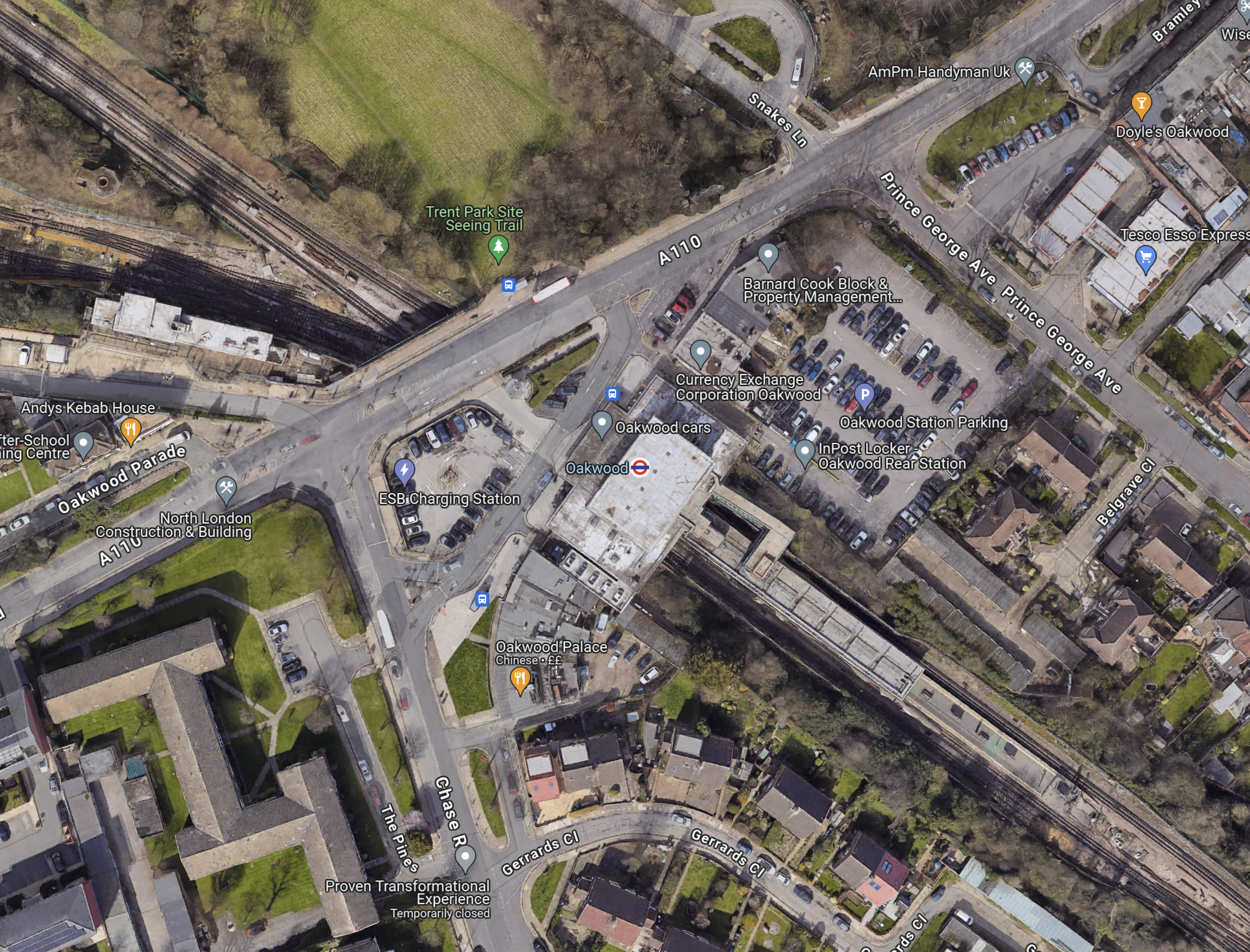
Note.
- The Piccadilly Line runs North-West-South-East diagonally across the map.
- Cockfosters station is to the North-West.
- Southgate station is to the South-East.
- Oakwood station is in the middle of the map and marked by a London Underground roundel.
- The car park to be developed is to the North-East of the station.
I took these pictures.
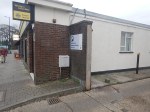

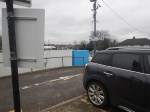
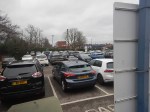
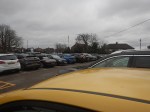




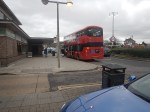


Note.
- The car-park was full.
- The station is step-free.
- Barnard Cook was there, when I lived in Oakwood in the early 1960s.
I can’t see any problems building a few houses on the car-park, but what will happen to the cars?
To me though Oakwood station is defined by this post; The Place Where The Bottom Fell Out Of A Drawer.
RWE Acquires 4.2-Gigawatt UK Offshore Wind Development Portfolio From Vattenfall
The title of this post, is the same as that of this press release from RWE.
These three bullet points, act as sub-headings.
- Highly attractive portfolio of three projects at a late stage of development, with grid connections and permits secured, as well as advanced procurement of key components
- Delivery of the three Norfolk Offshore Wind Zone projects off the UK’s East Anglia coast will be part of RWE’s Growing Green investment and growth plans
- Agreed purchase price corresponds to an enterprise value of £963 million
These two paragraphs outline the deal.
RWE, one of the world’s leading offshore wind companies, will acquire the UK Norfolk Offshore Wind Zone portfolio from Vattenfall. The portfolio comprises three offshore wind development projects off the east coast of England – Norfolk Vanguard West, Norfolk Vanguard East and Norfolk Boreas.
The three projects, each with a planned capacity of 1.4 gigawatts (GW), are located 50 to 80 kilometres off the coast of Norfolk in East Anglia. This area is one of the world’s largest and most attractive areas for offshore wind. After 13 years of development, the three development projects have already secured seabed rights, grid connections, Development Consent Orders and all other key permits. The Norfolk Vanguard West and Norfolk Vanguard East projects are most advanced, having secured the procurement of most key components. The next milestone in the development of these two projects is to secure a Contract for Difference (CfD) in one of the upcoming auction rounds. RWE will resume the development of the Norfolk Boreas project, which was previously halted. All three Norfolk projects are expected to be commissioned in this decade.
There is also this handy map, which shows the location of the wind farms.
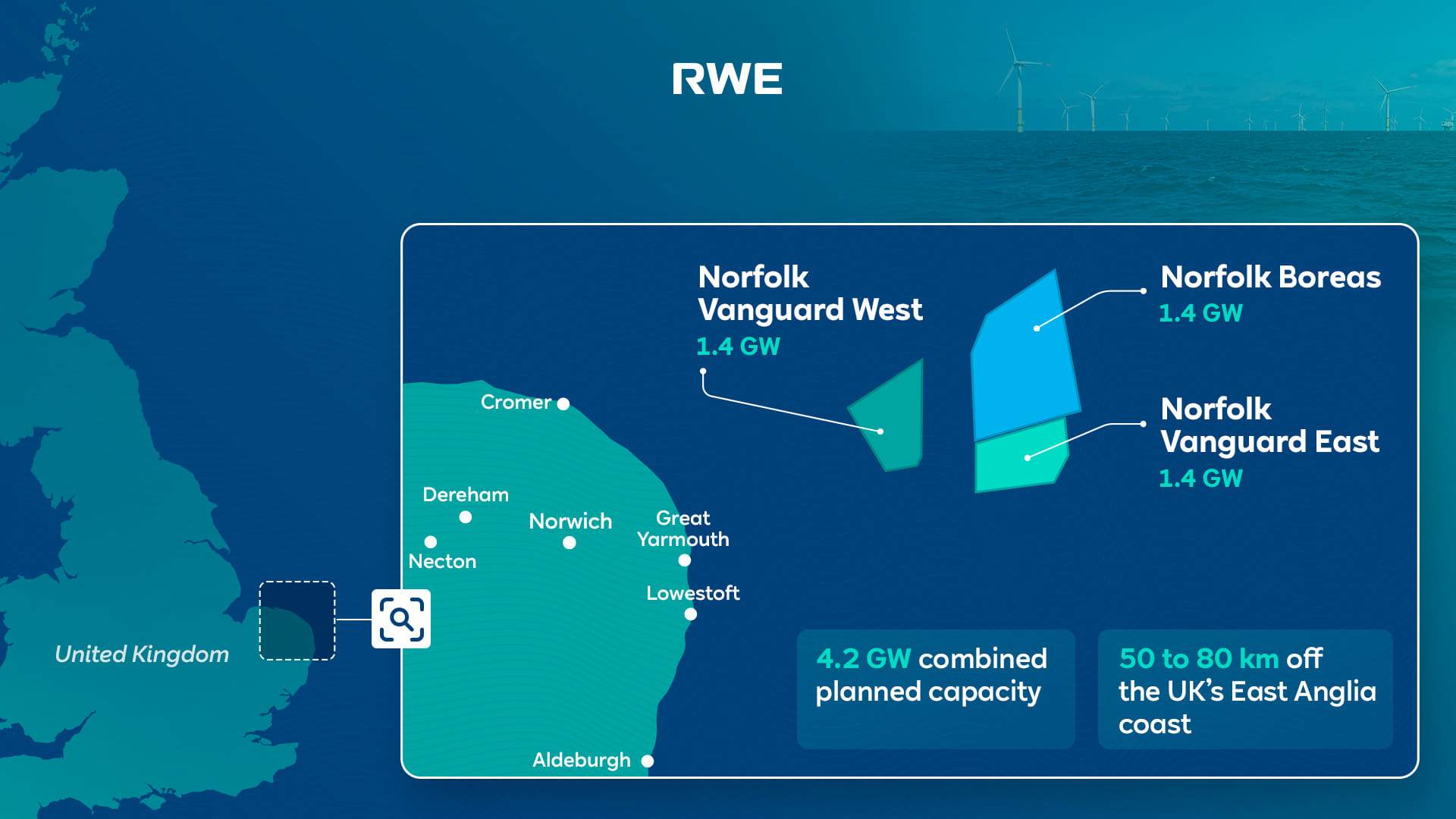
Note that there are a series of assets along the East Anglian coast, that will be useful to RWE’s Norfolk Zone development.
- In Vattenfall Selects Norfolk Offshore Wind Zone O&M Base, I talked about how the Port of Great Yarmouth will be the operational base for the Norfolk Zone wind farms.
- Bacton gas terminal has gas interconnectors to Belgium and the Netherlands lies between Cromer and Great Yarmouth.
- The cable to the Norfolk Zone wind farms is planned to make landfall between Bacton and Great Yarmouth.
- Sizewell is South of Lowestoft and has the 1.25 GW Sizewell B nuclear power station, with the 3.2 GW Sizewell C on its way, for more than adequate backup.
- Dotted around the Norfolk and Suffolk coast are 3.3 GW of earlier generations of wind farms, of which 1.2 GW have connections to RWE.
- The LionLink multipurpose 1.8 GW interconnector will make landfall to the North of Southwold
- There is also the East Anglian Array, which currently looks to be about 3.6 GW, that connects to the shore at Bawdsey to the South of Aldeburgh.
- For recreation, there’s Southwold.
- I can also see more wind farms squeezed in along the coast. For example, according to Wikipedia, the East Anglian Array could be increased in size to 7.2 GW.
It appears that a 15.5 GW hybrid wind/nuclear power station is being created on the North-Eastern coast of East Anglia.
The big problem is that East Anglia doesn’t really have any large use for electricity.
But the other large asset in the area is the sea.
- Undersea interconnectors can be built to other locations, like London or Europe, where there is a much greater need for electricity.
- In addition, the UK Government has backed a consortium, who have the idea of storing energy by using pressurised sea-water in 3D-printed concrete hemispheres under the sea. I wrote about this development in UK Cleantech Consortium Awarded Funding For Energy Storage Technology Integrated With Floating Wind.
A proportion of Russian gas in Europe, will have been replaced by Norfolk wind power and hydrogen, which will be given a high level of reliability from Suffolk nuclear power.
I have some other thoughts.
Would Hydrogen Be Easier To Distribute From Norfolk?
A GW-range electrolyser would be feasible but expensive and it would be a substantial piece of infrastructure.
I also feel, that placed next to Bacton or even offshore, there would not be too many objections from the Norfolk Nimbys.
Hydrogen could be distributed from the site in one of these ways.
- By road transport, as ICI did, when I worked in their hydrogen plant at Runcorn.
- I suspect, a rail link could be arranged, if there was a will.
- By tanker from the Port of Great Yarmouth.
- By existing gas interconnectors to Belgium and the Netherlands.
As a last resort it could be blended into the natural gas pipeline at Bacton.
In Major Boost For Hydrogen As UK Unlocks New Investment And Jobs, I talked about using the gas grid as an offtaker of last resort. Any spare hydrogen would be fed into the gas network, provided safety criteria weren’t breached.
I remember a tale from ICI, who from their refinery got a substantial amount of petrol, which was sold to independent petrol retailers around the North of England.
But sometimes they had a problem, in that the refinery produced a lot more 5-star petrol than 2-star. So sometimes if you bought 2-star, you were getting 5-star.
On occasions, it was rumoured that other legal hydrocarbons were disposed of in the petrol. I was once told that it was discussed that used diluent oil from polypropylene plants could be disposed of in this way. But in the end it wasn’t!
If hydrogen were to be used to distribute all or some of the energy, there would be less need for pylons to march across Norfolk.
Could A Rail Connection Be Built To The Bacton Gas Terminal
This Google Map shows the area between North Walsham and the coast.
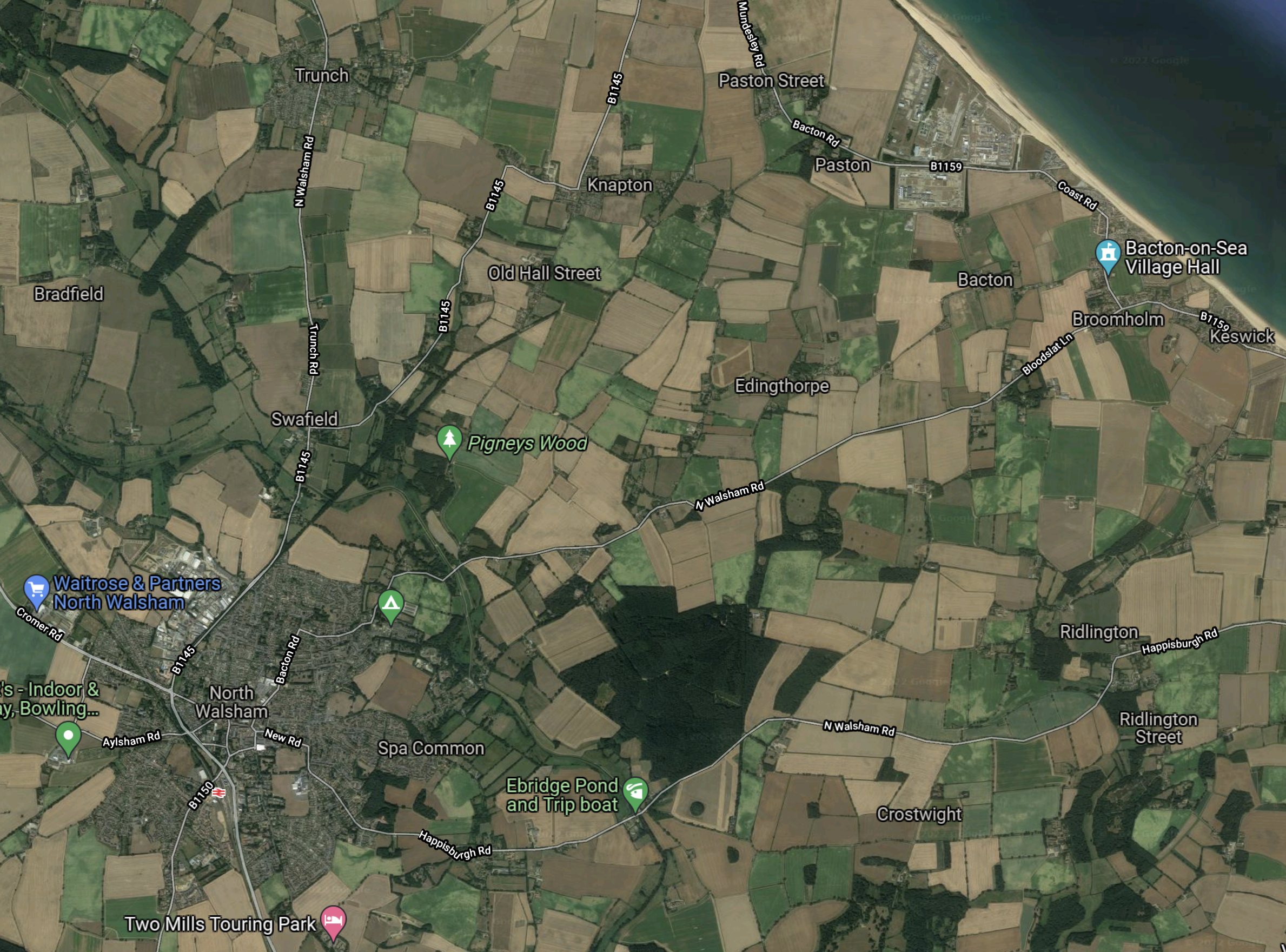
Note.
- North Walsham is in the South-Western corner of the map.
- North Walsham station on the Bittern Line is indicated by the red icon.
- The Bacton gas terminal is the trapezoidal-shaped area on the coast, at the top of the map.
ThisOpenRailwayMap shows the current and former rail lines in the same area as the previous Google Map.

Note.
- North Walsham station is in the South-West corner of the map.
- The yellow track going through North Walsham station is the Bittern Line to Cromer and Sheringham.
- The Bacton gas terminal is on the coast in the North-East corner of the map.
I believe it would be possible to build a small rail terminal in the area with a short pipeline connection to Bacton, so that hydrogen could be distributed by train.
There used to be a branch line from North Walsham station to Cromer Beach station, that closed in 1953.
Until 1964 it was possible to get trains to Mundesley-on-Sea station.
So would it be possible to build a rail spur to the Bacton gas terminal along the old branch line?
In the Wikipedia entry for the Bittern Line this is said.
The line is also used by freight trains which are operated by GB Railfreight. Some trains carry gas condensate from a terminal at North Walsham to Harwich International Port.
The rail spur could have four main uses.
- Taking passengers to and from Mundesley-on-Sea and Bacton.
- Collecting gas condensate from the Bacton gas terminal.
- Collecting hydrogen from the Bacton gas terminal.
- Bringing in heavy equipment for the Bacton gas terminal.
It looks like another case of one of Dr. Beeching’s closures coming back to take a large chunk out of rail efficiency.
Claire Coutinho And Robert Habeck’s Tete-a-Tete
I wrote about their meeting in Downing Street in UK And Germany Boost Offshore Renewables Ties.
- Did Habeck run the RWE/Vattenfall deal past Coutinho to see it was acceptable to the UK Government?
- Did Coutinho lobby for SeAH to get the contract for the monopile foundations for the Norfolk Zone wind farms?
- Did Coutinho have a word for other British suppliers like iTMPower.
Note.
- I think we’d have heard and/or the deal wouldn’t have happened, if there had been any objections to it from the UK Government.
- In SeAH To Deliver Monopiles For Vattenfall’s 2.8 GW Norfolk Vanguard Offshore Wind Project, I detailed how SeAH have got the important first contract they needed.
So it appears so far so good.
Rackheath Station And Eco-Town
According to the Wikipedia entry for the Bittern Line, there are also plans for a new station at Rackheath to serve a new eco-town.
This is said.
A new station is proposed as part of the Rackheath eco-town. The building of the town may also mean a short freight spur being built to transport fuel to fire an on-site power station. The plans for the settlement received approval from the government in 2009.
The eco-town has a Wikipedia entry, which has a large map and a lot of useful information.
But the development does seem to have been ensnared in the planning process by the Norfolk Nimbys.
The Wikipedia entry for the Rackheath eco-town says this about the rail arrangements for the new development.
The current rail service does not allow room for an extra station to be added to the line, due to the length of single track along the line and the current signalling network. The current service at Salhouse is only hourly during peak hours and two-hourly during off-peak hours, as not all trains are able to stop due to these problems. Fitting additional trains to this very tight network would not be possible without disrupting the entire network, as the length of the service would increase, missing the connections to the mainline services. This would mean that a new 15-minute shuttle service between Norwich and Rackheath would have to be created; however, this would interrupt the main service and cause additional platforming problems. Finding extra trains to run this service and finding extra space on the platforms at Norwich railway station to house these extra trains poses additional problems, as during peak hours all platforms are currently used.
In addition, the plans to the site show that both the existing and the new rail station, which is being built 300m away from the existing station, will remain open.
. As the trains cannot stop at both stations, changing between the two services would be difficult and confusing, as this would involve changing stations.
I feel that this eco-town is unlikely to go ahead.
Did RWE Buy Vattenfall’s Norfolk Zone To Create Green Hydrogen For Europe?
Consider.
- Vattenfall’s Norfolk Zone is a 4.2 GW group of wind farms, which have all the requisite permissions and are shovel ready.
- Bacton Gas terminal has gas pipelines to Europe.
- Sizewell’s nuclear power stations will add security of supply.
- Extra wind farms could be added to the Norfolk Zone.
- Europe and especially Germany has a massive need for zero-carbon energy.
The only extra infrastructure needing to be built is the giant electrolyser.
I wouldn’t be surprised if RWE built a large electrolyser to supply Europe with hydrogen.
London Overground: Design Work For West London Orbital Route Begins
The title of this post, is the same as that as this article on the BBC.
This is the sub-heading.
Plans for a new London Overground link in west London are progressing, London’s mayor Sadiq Khan has said.
These paragraphs outline what will happen.
Engineering consultants who worked on the Elizabeth line have been chosen for the West London Orbital service.
“This engineering design will help determine the cost of delivering the scheme, which is currently unfunded,” Transport for London (TfL) said.
It hopes the scheme, which would connect Hounslow with Hendon and West Hampstead, could start next decade.
My feeling, is that they should get on with it.
- There would be no major construction like tunnels.
- Four stations would need to be built.
- I doubt there will be any demolition.
- It wouldn’t need more electrification, as the route is electrified at both ends and battery-electric trains could be used.
- It would create more connections to Old Oak Common for High Speed Two.
But if it does for North West London, what the Overground has done for North and East London, it will be very much worth it.
These are a few thoughts and observations.
The Route
This is a schematic of the route from the BBC article.
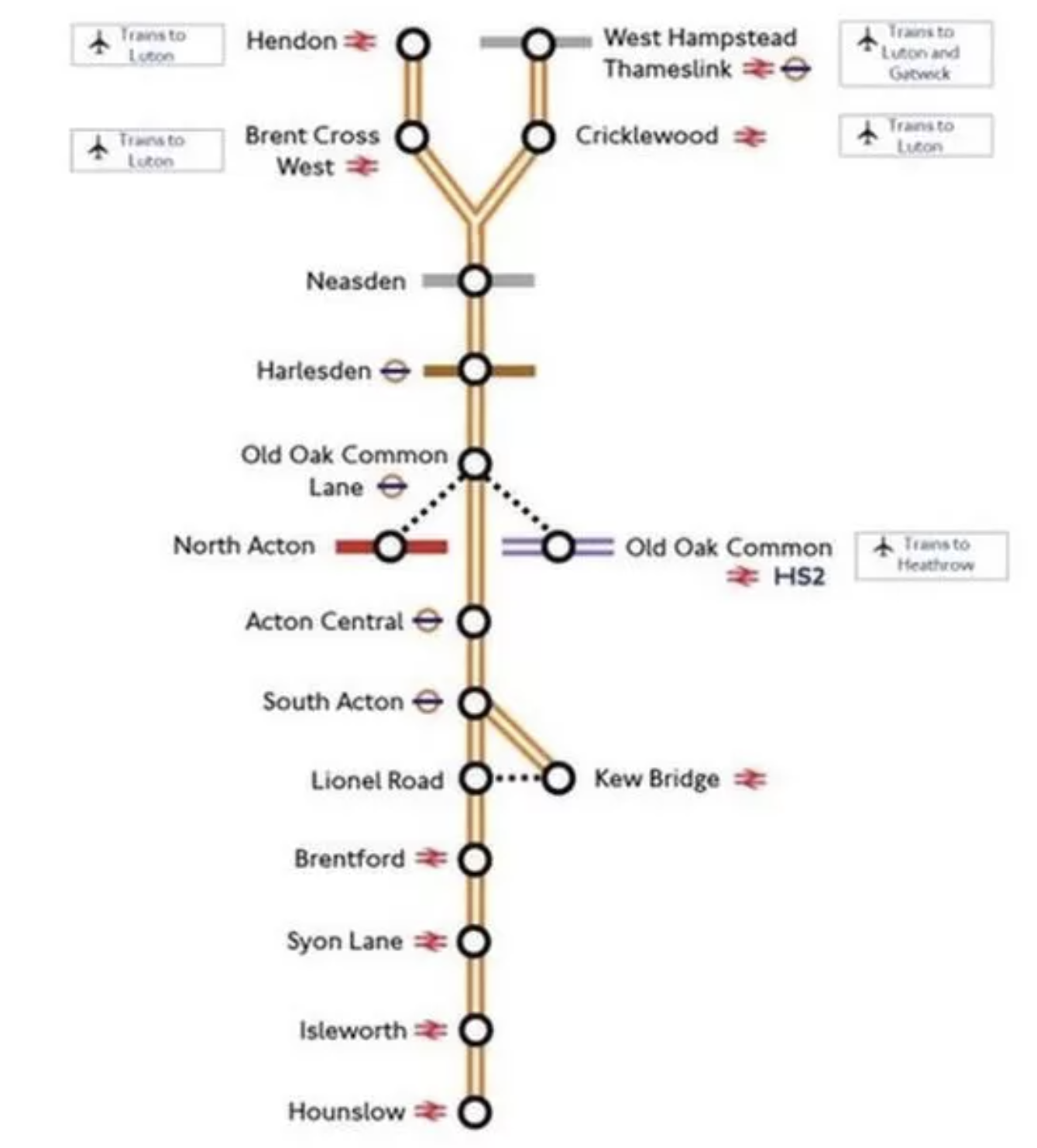
Note.
- Services will be between West Hampstead Thameslink and Hounslow stations and between Hendon and Kew Bridge stations.
- If services follow the London Overground frequency, they will be four trains per hour (tph).
- The new stations are Neasden, Harlesden, Old Oak Common Lane and Lionel Road.
- Acton Central, Brentford, South Acton, Syon Lane and West Hampstead Thameslink are step-free and Isleworth is on the way.
- The fully step-free Brent Cross West station will open soon.
- Lionel Road station will serve the new Brentford stadium.
- Old Oak Common Lane will serve High Speed Two, the Elizabeth Line and the North London Line.
They look to be a useful set of stations.
Kew Bridge Station
There’s been a lot of development at Kew Bridge station, since I was last there.


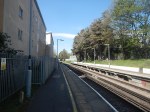

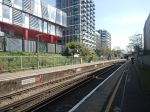
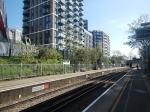
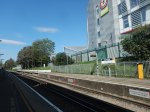

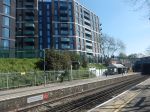
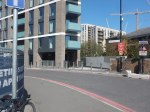

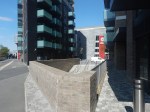



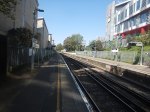
There are lots of flats and Brentford’s new stadium.
I suspect all the stations between Kew Bridge and Hounslow will see similar levels of development.
Electrification Issues On The Dudding Hill Line
The Dudding Hill Line forms the Northern section of the route between the Midland Main Line and the North London Line at Acton Wells Junction.
This map from OpenRailwayMap shows the junction between the Dudding Hill and Midland Main Lines.
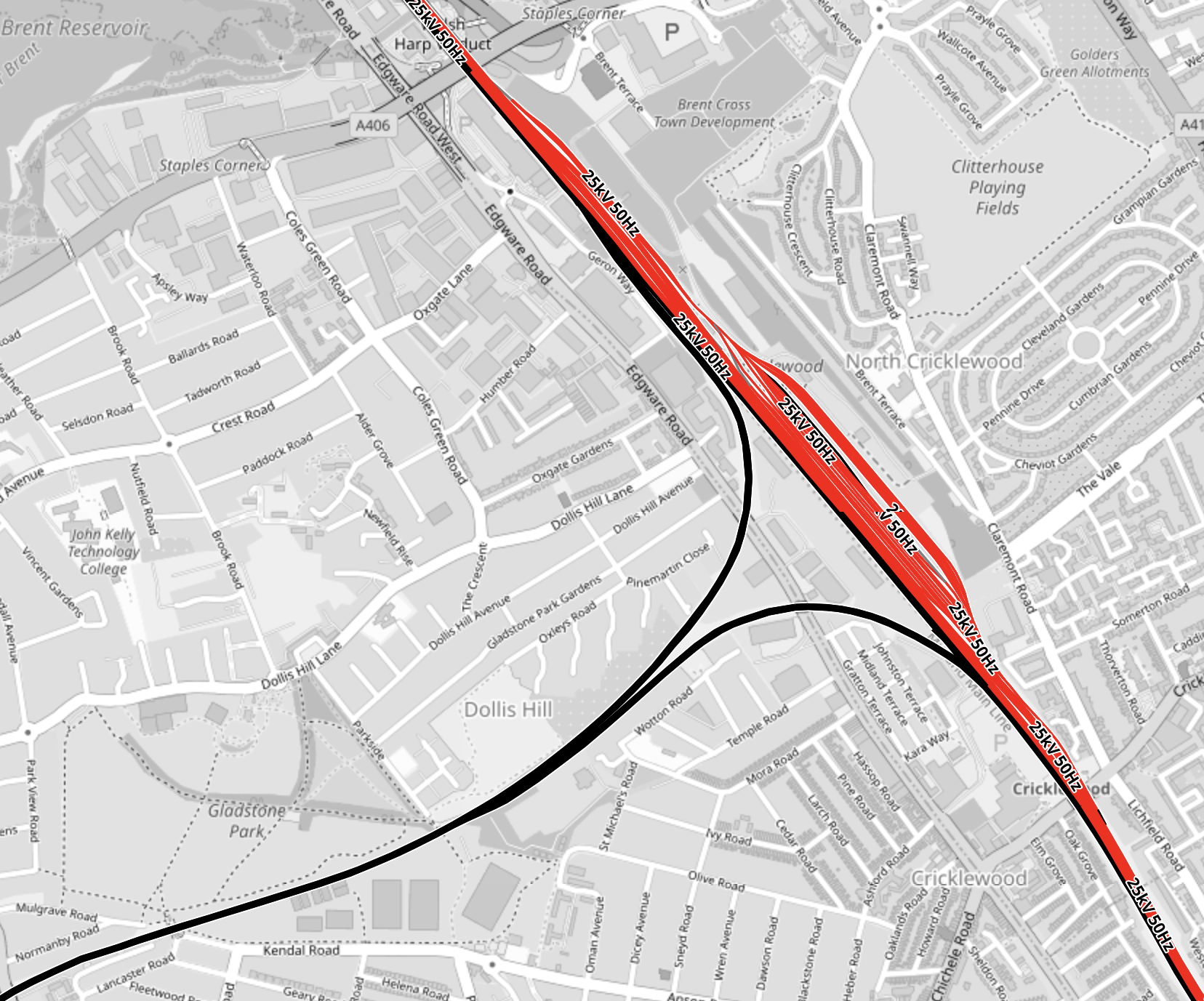
Note.
- The Midland Main Line is shown in red as it is electrified with 25 KVAC overhead wires.
- The Dudding Hill Line is shown in black, as it isn’t electrified.
This second map from OpenRailwayMap shows the junction between the Dudding Hill and North London Lines at Acton Wells junction.
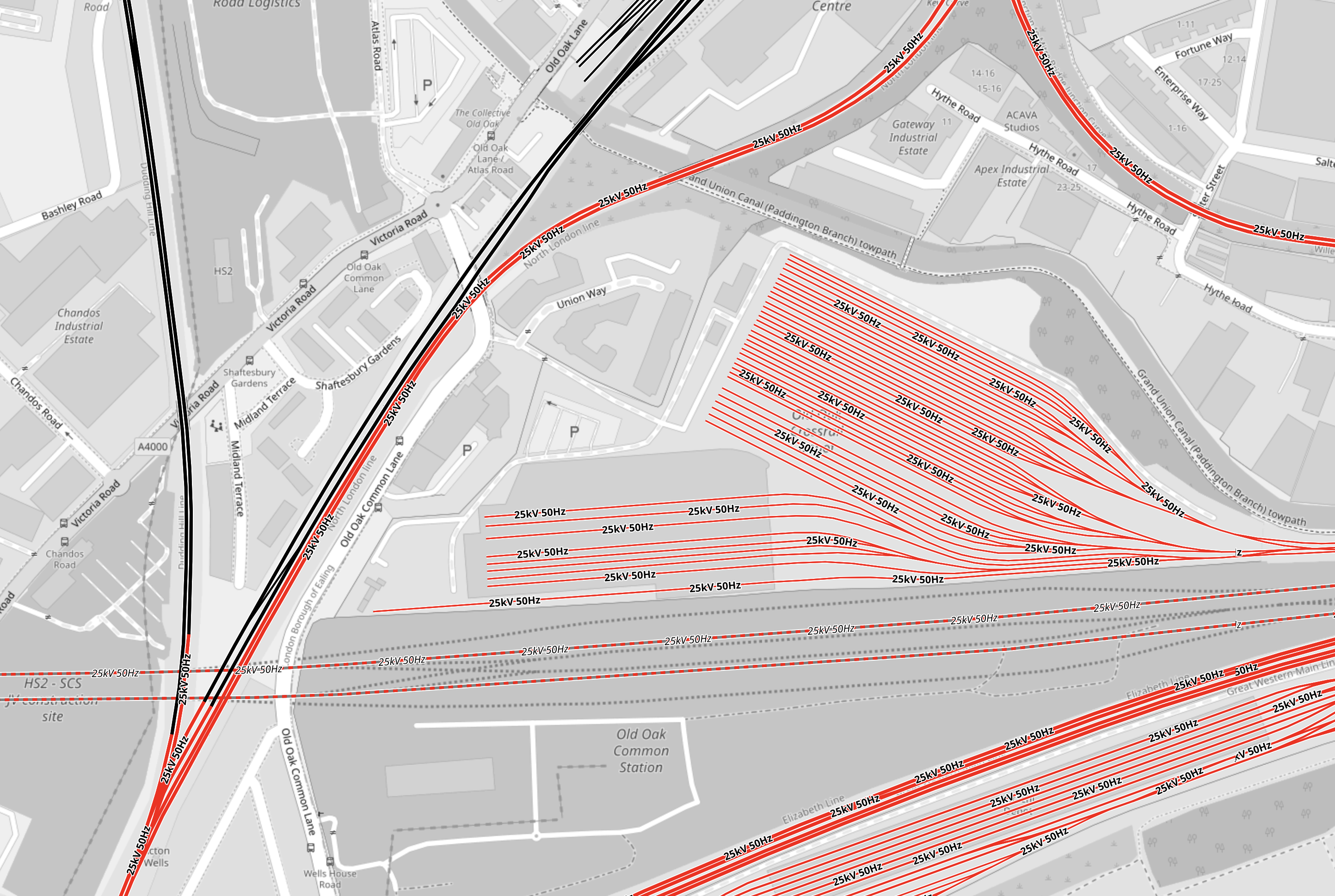
Note.
- As before red tracks are electrified with 25 KVAC overhead wires and black tracks have no electrification.
- The Dudding Hill Line is the black track running North-South at the West of the map.
- Acton Wells junction, where the Dudding Hill and North London Lines join is in the South-West corner of the map.
- The North London Line is shown in red running across the North-West corner of the map.
- The Great Western Main Line is shown in red running across the South-East corner of the map.
- High Speed Two will run East-West across the map and is shown dotted in red.
- The red lines in the middle of the map is the Elizabeth Line depot.
With all the 25 KVAC overhead electrification at both ends of the Dudding Hill Line, it would appear, that if this section is ever electrified, it will be electrified with this form of electrification.
There may be a problem, in that there are three or four bridges over the line.
Electrification Issues At Kew
This map from OpenRailwayMap shows the triangular junction by Kew Bridge station.
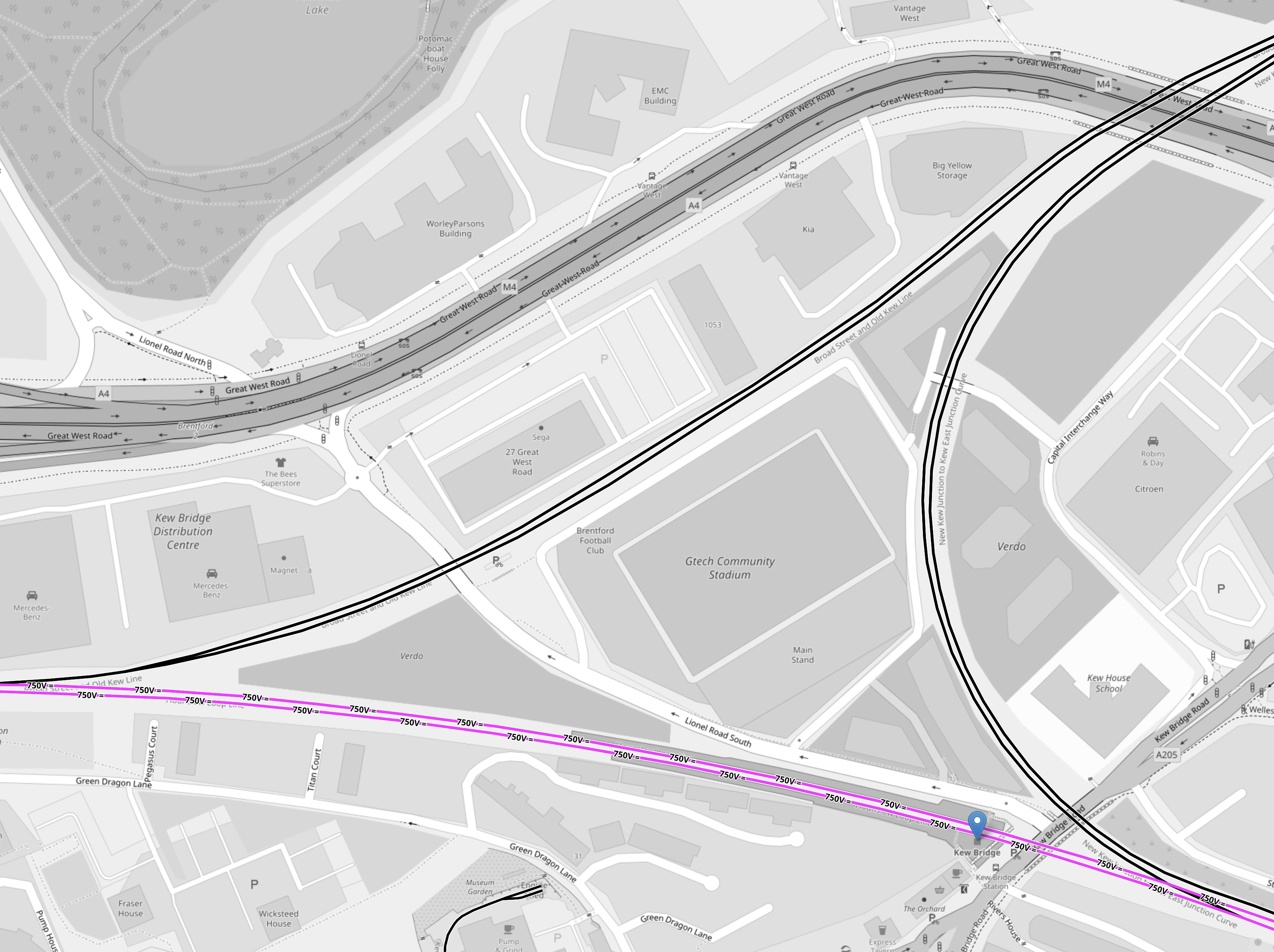
Note.
- As before black tracks have no electrification.
- Mauve tracks are electrified with 750 VDC third-rail electrification.
- Kew Bridge station is indicated by the blue arrow at the Eastern point of the junction.
- Trains to Hounslow will arrive in the North-East corner of the map and go diagonally across the map to leave in the South-West point of the junction.
- Trains to Kew Bridge will arrive in the North-East corner of the map and take the Eastern chord of the junction to a new platform in Kew Bridge station.
Brentford’s new stadium and a lot of housing are in the middle of the junction.
It would seem to be obvious to electrify the triangular junction using 750 VDC third-rail electrification.
But not to the ORR it isn’t, as they won’t allow any new third-rail electrification to be installed on Health and Safety grounds.
Charging Trains At Kew Bridge Station
Consider.
- It looks like trains from Hendon will terminate in a new platform on the chord without electrification to the North of the current Kew Bridge station.
- A short length of 25 KVAC overhead electrification could be used to charge trains.
It may be sensible to build two platforms on the chord, as this could allow more flexible operation of the London Overground during engineering works.
Charging Trains At Hounslow Station
A short length of 25 KVAC overhead electrification could be used to charge trains.
Project Management Issues
I believe this could be one of those projects, where by careful selection of the order of the sub-projects, time and money can be saved and passengers will see benefits earlier.
For example.
- Early delivery of Old Oak Common Lane station would also connect the North London Line to High Speed Two and the Elizabeth Line.
- Early delivery of step-free access at Kew Bridge station would help passengers going to the new Brentford stadium.
There may be other projects, that need an early delivery.
The Feltham And Wokingham Resignalling Programme
The Feltham And Wokingham Resignalling Programme is currently underway and there are pairs of new and old signals everywhere between Kew Bridge and Feltham and also between Feltham and Richmond.
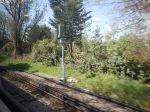
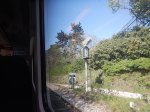
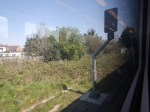
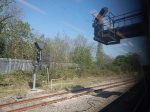
These are digital signals and according to Network Rail, they will increase the capacity, which must surely allow the extra trains between Kew Bridge and Hounslow stations.
This signalling project finishes in mid-2024, so I suspect by then the Southern part of the West London Orbital Railway will not have any problems with interaction with other services.
The Feltham And Wokingham Resignalling Programme could be considered an important enabling sub-project of the West London Orbital Railway, that is being performed early.
Richmond Station
As I came through Richmond station, there was an Overground train in Platform 3 and I noticed that Platforms 3 to 5 were allocated to the Overground.
Has the new signalling given Network Rail and train operators more flexibility and extra capacity at Richmond?
Currently, the London Overground runs four trains per hour (tph) between Stratford and Richmond.
The increased flexibility may allow the following.
- An increase in frequency of trains to Stratford.
- An increase in frequency of District Line trains, if Ealing Broadway station swaps from being a District to a Piccadilly Line terminus, as I wrote about in Extending The Elizabeth Line – Piccadilly Line To Ealing Broadway.
- Could Richmond also act as a terminal of the West London Orbital Railway during construction and engineering works?
Another benefit that could be arranged is to run the current four tph London Overground services into Platform 3.
These pictures show a Waterloo-bound South Western Railway train in Platform 2 and a Stratford-bound London Overground train in Platform 3.
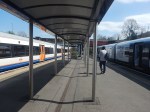
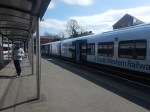
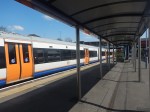
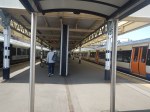
As there are 8 tph between Richmond and Waterloo via Clapham Junction, this could be quite a useful cross-platform interchange for passengers going from say Staines or Windsor to Hampstead.
Trains
Consider.
- The three most likely Northern termini are Brent Cross West, Hendon and West Hampstead Thameslink.
- There could be other terminals on the North London Line or the Gospel Oak and Barking Line.
- All possible Northern terminals have 25 KVAC overhead electrification.
- The two most likely Southern terminals are Hounslow and Kew Bridge.
- There may be other possible Southern terminals like Twickenham or Richmond.
- All possible Southern terminals have 750 VDC third-rail electrification.
- The sections without electrification of the route are less than twelve miles.
- The ORR won’t allow any new third-rail electrification.
It looks like the trains will need to be dual-voltage with a battery capability.
In this article in Global Rail News from 2011, which is entitled Bombardier’s AVENTRA – A new era in train performance, gives some details of the Aventra’s electrical systems. This is said.
AVENTRA can run on both 25kV AC and 750V DC power – the high-efficiency transformers being another area where a heavier component was chosen because, in the long term, it’s cheaper to run. Pairs of cars will run off a common power bus with a converter on one car powering both. The other car can be fitted with power storage devices such as super-capacitors or Lithium-ion batteries if required. The intention is that every car will be powered although trailer cars will be available.
Unlike today’s commuter trains, AVENTRA will also shut down fully at night. It will be ‘woken up’ by remote control before the driver arrives for the first shift
This was published over twelve years ago, so I suspect Bombardier or Alstom have refined the concept.
In an article in the October 2017 Edition of Modern Railways, which is entitled Celling England By The Pound, Ian Walmsley says this in relation to trains running on the Uckfield Branch, which is not very challenging.
A modern EMU needs between 3 and 5 kWh per vehicle mile for this sort of service.
So for a four-car running for twelve miles, the train would need a battery capacity of between 144 and 240 kWh.
These are not large batteries.
I suspect that the best trains for the route, will be dual-voltage Class 710 trains.
- The Class 710/2 variant used on the Gospel Oak and Barking Line is dual-voltage.
- London Overground has 54 Class 710 trains.
- I am certain, that the batteries needed can be fitted to the trains.
- Aventras are still in production in Derby.
A test battery-electric version could probably be created and tested on the short Romford and Upminster Line.
There may be other places in London and the rest of the UK, where a four-car battery-electric Aventra would be the ideal train.
SSE To Help Decarbonise 5000 Homes In Major London Retrofit Project
The title of this post, is the same as that of this news item on SSE.
These three paragraphs outline the work.
SSE Energy Solutions has agreed a deal with Berkeley Homes that will help to decarbonise a heat network for up to 5,000 homes in London, thought to be one of the largest retrofits of its kind in the country.
An Air Source Heat Pump (ASHP) system will be installed to supply the homes on an existing district heating network at the Woolwich Arsenal site after several options were considered, including the use of waste heat and ground and river source solutions. An ASHP was chosen as the best low carbon, low tariff option over the length of the supply contract.
The system will be installed in nearby Wellington Park where a new landscape will be created through a unique planting scheme that broadens the biodiversity of the area by responding to the microclimate. The ASHP will connect directly to the existing district heating network pipes, reducing the carbon content of the heat provided by the network.
It strikes me, that no new housing estates or blocks of flats, should be built without a district heating system.
In this example, SSE are able to decarbonise a large number of houses and flats, by just replacing a boiler with an air source heat pump.
Just imagine the hassle if five-thousand individual boilers had to be replaced.
 The Anonymous Widower