‘Bakerloop’ Bus Route launches In Autumn, TfL Says
The title of this post, is the same as that as this article on the BBC.
This is the sub-heading.
A new bus route named the Bakerloop is set to launch in autumn to connect stations and areas in south-east London.
This graphic clipped from the BBC article shows the route.
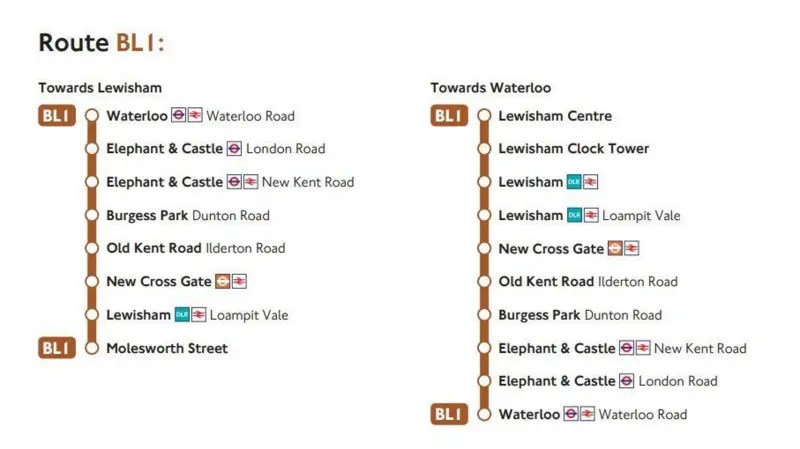
I don’t deny that South London doesn’t need more buses, but I am getting rather fed up with SadIQ showing he is a South Londoner by putting on more and more buses for his friends.
My regular bus to Moorgate is the 141 bus, which must be the worst bus route in London on an overall basis.
Between West Silvertown And Lewisham Stations On A 129 Bus
I took this route today for these reasons.
- To find out how busy the Silvertown Tunnel is on a Saturday.
- To explore if using West Silvertown station on the Docklands Light Railway is a good idea.
- To look at the route to Lewisham, South of the Thames.
I took these pictures from the right front seats of the double-decker Chinese bus.

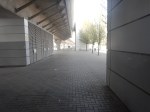

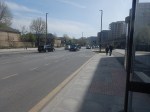
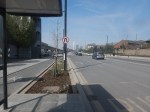
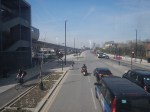
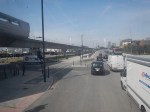
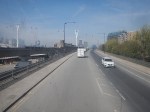
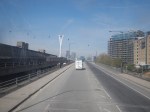

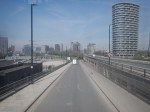


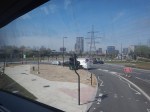
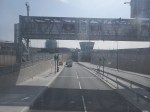
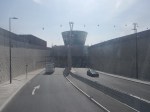


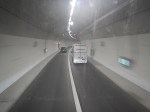


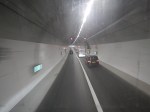


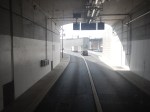
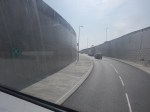


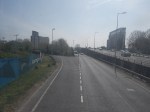


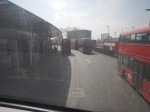

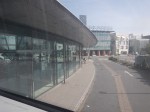
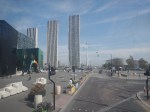











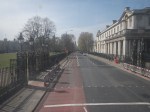


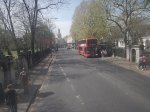


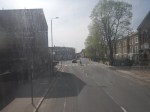
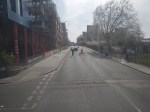


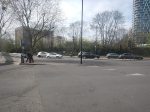

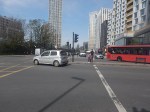

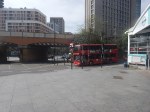
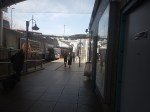
Note.
- The transfer from Docklands Light Railway to the 129 Bus at West Silvertown station was easy. I used the station’s lift.
- The traffic flows smoothing through the junction and into the tunnel.
- The Chinese haven’t developed self-cleaning windows.
- Did we pass a dead bicycle bus?
- As they often do, a Tesco truck was blocking the route of the buses.
- The route goes all the way through historic Greenwich.
- I spotted quite a few 129 buses going the other way.
- Walking between the end stop at Lewisham Shopping Centre and the station is not an easy exercise. There needs to be more maps and light-controlled crossings.
I came back from Lewisham on the Docklands Light Railway to Shadwell.
How Did I Meet My Objectives?
These were my observations.
- The Silvertown Tunnel was only about as busy as I observed in the week.
- Using West Silvertown station on the Docklands Light Railway didn’t seem a bad idea. I just missed a 129 bus and caught the next one in eight minutes.
- The 129 bus is an easy way to get from Docklands to Historic Greenwich.
As the 129 bus also calls at the London City Airport, by connecting Greenwich to the airport, I suspect, that it gives excellent opportunities for travellers, who want to fly into the airport and stay in or visit an area like Greenwich.
Jobs, Homes And The Economy: Bakerloo Line Upgrade And Extension To Be Transformational For London
The title of this post, is the same as that of this article on Rail Technology Magazine.
This is the sub-heading.
The government has been urged to use the upcoming spring budget to commit to upgrading and extending the Bakerloo line after a new impact assessment found its effects could be transformational.
These three paragraphs introduce the article.
The impact assessment – commissioned by Central London Forward, a partnership of 12 central London boroughs – finds that such a move would boost the economy, unlock new homes, create new jobs, and more.
The upgrade would centre around new trains and signalling, while the extension would take the terminus to Lewisham in the first phase, and eventually to Hayes – adding 14 new stations.
The impact assessment concludes that the extension and upgrade of the Bakerloo line would create 9,700 jobs, 190,000 square metres of commercial floorspace, as well as generate £1.5bn of GVA.
The article is a must-read and eloquently puts the case for the Bakerloo Line Extension.
I have a few thoughts.
A Loop At Brixton For The Victoria Line
This has been proposed and the Wikipedia entry for the Victoria Line has this paragraph.
Proposals have been made to extend the line one stop southwards from Brixton to Herne Hill, a significant interchange in south London providing access to Kent, Blackfriars, London Bridge and Sutton. The latter station would be on a large reversing loop with a single platform removing a critical capacity restriction eliminating the need for trains to reverse at Brixton and provide a more obvious route for passengers who look for the nearest tube station before any other transport options.
I like this idea.
- It will make it easier to run the full frequency of 33 trains per hour (tph) between Brixton and Walthamstow Central stations.
- Loops at Heathrow and Liverpool seem to work very well.
- A single-platform with platform-edge doors has a high level of safety.
- Only one tunnel boring machine (TBM) would be needed.
- Large lifts could be used between the surface and the platform.
- It is a more affordable option.
But perhaps most importantly, I am sure, the loop could be built whilst other services at Brixton and Herne Hill were running almost without disruption, as services did at Kennington, whilst the Battersea Extension of the Northern Line was built.
A Loop At Elephant And Castle For The Bakerloo Line
I have spent forty years involved in project management, writing software for project managers and generally listening to some of the thoughts and experiences of some of the best engineers from all over the world.
One common thread, which is best illustrated by how the size of lift possible increased in the North Sea in the 1970s, is that as time has progressed machines have got bigger and more capable, and the techniques of using them has improved immeasurably.
The Crossrail tunnel boring machines (TBM) make those used on the Jubilee Line extension or the Channel Tunnel look like toys. But not only are the TBMs bigger and faster, they have all the precision and control to go through the eye of the smallest needle.
If we look at the proposals for the Bakerloo Line Extension, there have been several differing ideas. Some envisage going under Camberwell and in others the trains terminate on the Hayes line.
Transport for London (TfL), obviously know the traffic patterns, but do we really want to take the chance of say connecting the Hayes line to the Bakerloo and then finding that it’s not the best solution?
What we should do is augment the services in the area, by providing a good alternative transport route, that links to some of the traditional rail lines to give even more flexibility. We certainly shouldn’t repeat the grave mistake that was made at Brixton in the 1960s by not connecting the Victoria line to the surface rail lines.
This is Transport for London’s indicative map of the extension.

I have reason to believe that the Northern Line Extension may be being built as an extension to the Kennington Loop.
So could we design the Bakerloo Line Extension as a loop starting and finishing at Elephant and Castle calling at important stations?
A possible route could be.
- Elephant and Castle – Interchange with Northern Line and National Rail including Thameslink
- Old Kent Road 1 – Proposed on Map
- Old Kent Road 2 – Proposed on Map
- New Cross Gate – Interchange with London Overground and National Rail
- Lewisham – Interchange with Docklands Light Railway and National Rail including Hayes Line
- Catford Bridge – Interchange with Catford station and National Rail including Hayes Line and Thameslink
- Peckham Rye – Interchange with London Overground and National Rail
- Camberwell – Interchange with National Rail including Thameslink
- Elephant and Castle
The advantages of this simple design are.
- The tunnel would be excavated in one pass by a single TBM.
- The line could be deep under any existing infrastructure.
- Most stations would be simple one-platform affairs, with perhaps only large lifts and emergency stairs, to give unrivalled step-free access for all from the street to the train. Surely lifts exist, that are large and fast enough to dispense with escalators.
- For safety, passenger convenience and flows, and other reasons, the stations could have two entrances, at opposite ends of the platform.
- The simple station entrances would be much easier to position on the surface, as they wouldn’t need to be much bigger than the area demanded by the lifts.
- A single loop would only need half the number of platform edge doors.
- At stations like New Cross Gate, Lewisham, Catford and Peckham Rye the lifts would surface within the confines of the existing surface stations.
- The route has interchanges with the Brighton Main Line, East London Line, Hayes Link, Thameslink and other services, so this would give lots of travel possibilities.
- Trains do not need a terminal platform, as they just keep going on back to Elephant and Castle.
- The loop would be operationally very simple, with no points to go wrong. TfL have aspirations to run twenty-seven trains per hour on the Bakerloo and a simple reversing loop , which would mean the driver didn’t have to change ends, must certainly help this. It would probably be a lot more difficult to get this capacity at the northern end of the line,where Harrow and Wealdstone doesn’t have the required capacity and the only possibility for a reversing loop would be north of Stonebridge Park.
- Elephant and Castle would need little or no modification. Although it would be nice to have lifts to the Bakerloo Line.
- Somewhere over two billion pounds has been quoted for the extension. A single loop with simple stations must be more affordable.
The main disadvantage is that the loop is only one-way.
But making even part of the loop two-way would create all the operational difficulties of scheduling the trains. It would probably be better, less costly and easier to make the trains go round the loop faster and more frequently.
But if a passenger went round the loop the wrong way and changed direction at Elephant and Castle that would probably only take a dozen minutes or so.
Alternatively, I’m sure some New Routemasters would step up to the plate and provide service in the other direction between the stations.
Future Rolling Stock For The Bakerloo Line
This has a section in the Wikipedia entry for the Bakerloo Line, where this is said.
In the mid 2010s, TfL began a process of ordering new rolling stock to replace trains on the Piccadilly, Central, Bakerloo and Waterloo & City lines. A feasibility study into the new trains showed that new generation trains and re-signalling could increase capacity on the Bakerloo line by 25%, with 27 trains per hour.
In June 2018, the Siemens Mobility Inspiro design was selected.[ These trains would have an open gangway design, wider doorways, air conditioning and the ability to run automatically with a new signalling system.[35] TfL could only afford to order Piccadilly line trains at a cost of £1.5bn. However, the contract with Siemens includes an option for 40 trains for the Bakerloo line in the future. This would take place after the delivery of the Piccadilly line trains in the late 2020s.
A loop from Elephant and Castle with a train every 2¼ minutes, is not going to be short of passengers.
The Catford Interchange
Catford and Catford Bridge stations are not far apart.
In An Opportunity At Catford, I talked about what could be done to create a full step-free interchange, which could be connected to the Bakerloo Line loop underneath.
Would It Be Possible For The Bakerloo And Watford DC Lines To Use The Same Trains?
I answered this question in a post with the same name and this was my conclusion.
A common fleet used by the Bakerloo and Watford DC Line would appear to give advantages and it has been done successfully before.
But what the Bakerloo Line, the Watford DC Line, the Abbey Line and the Bakerloo Line Extension need is a good dose of holistic design.
The current trains on the Watford DC Line would be moved to the London Overground. They could be ideal for the future West London Orbital Railway.
Would There Be Advantages In Creating The West London Orbital Railway And Extending The Bakerloo Line As One Project?
Consider.
- The two lines will have an interchange station at Harlesden, which will need to be rebuilt.
- The current trains on the Watford DC Line could be cascaded to the West London Orbital Railway.
- As new trains are delivered to the Piccadilly Line, some of the current trains could be cascaded to the Bakerloo Line.
- Major work for the Bakerloo Link Extension includes a new tunnel, updated signalling and at least seven underground stations.
- Major work for the West London Orbital probably includes track refurbishment, new signalling and updated stations.
I believe that with good project management, that if these two lines were to be created together, this would be advantageous.
Conclusion
I have only outlined how the two projects might be done together.
But I am absolutely certain, that someone with full knowledge of both projects could build the two at a very affordable cost.
Silvertown Tunnel Bus Network Proposals
This web page is the Silvertown Tunnel Bus Network Proposals.
These proposals are made.
- A new high frequency, limited stop service between Grove Park and Canary Wharf referred to in this consultation as route X239
- To extend route 129 (Lewisham – North Greenwich) north across the river to Great Eastern Quay via the Royal Docks development zone
- A minor change to route 108 so that it uses the new Millennium Way slip road to exit the Blackwall Tunnel southbound
- We are also seeking your views on route options for three sections of routes 129 and X239.
It looks like route 108 will continue to use the current stop.
The proposals include this map.
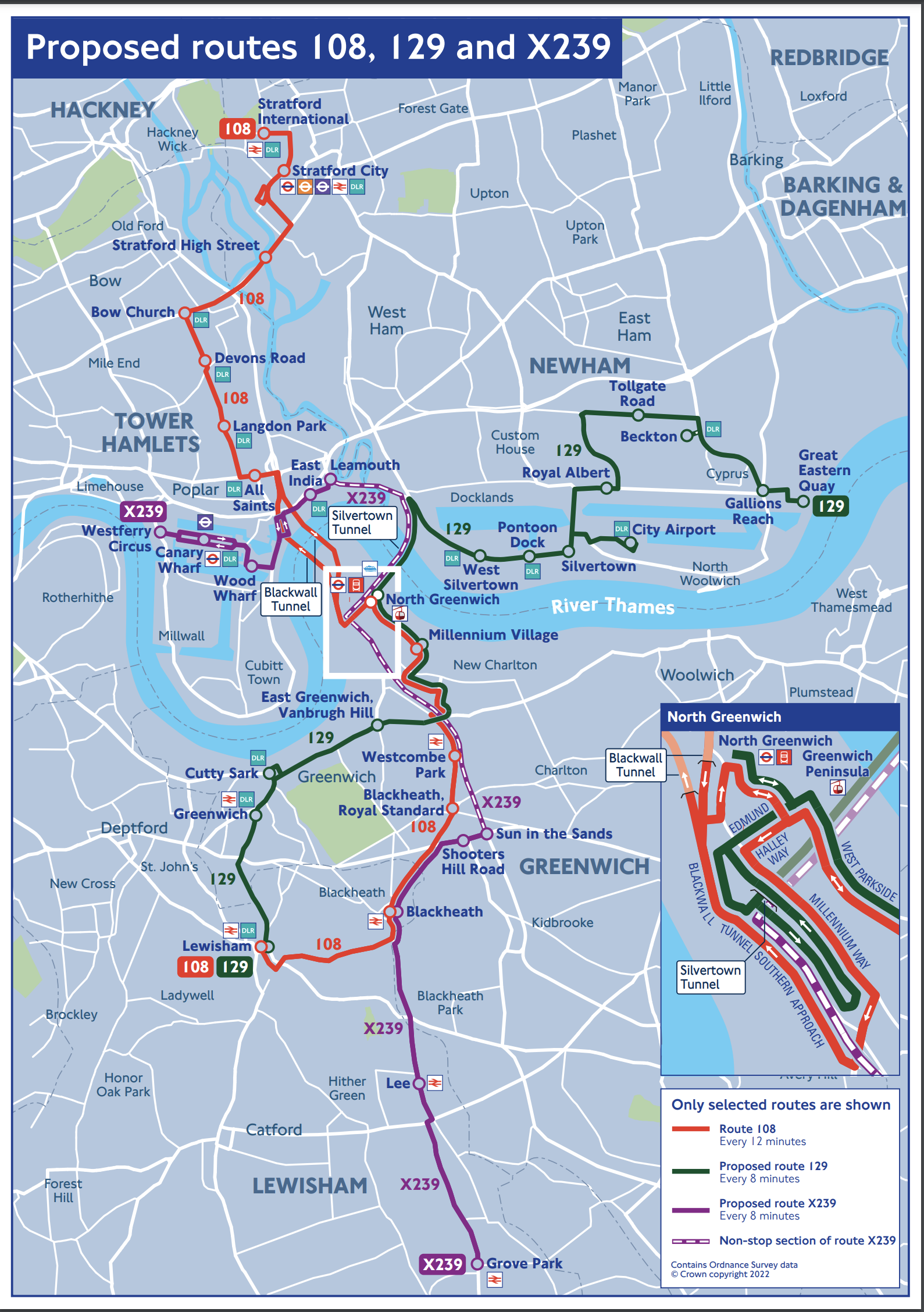
I copied this map from the TfL web site, as they don’t provide one for people who want or need to use it.
These are my observations.
The 108 Bus
The 108 seems to be more or less as now and will be continue to be run by a single-decker bus, as double-decker buses can’t use the Blackwall Tunnel.
North of the Thames, the 108 calls at these stations.
- Stratford International for DLR and National Rail.
- Stratford for DLR, Central, Elizabeth and Jubilee Lines, and National Rail.
- Bow Church for DLR
- Devons Road for DLR
- Langdon Park for the DLR
- Bazely Street (All Saints) for DLR
South of the Thames, the 108 calls at these stations.
- North Greenwich for the Jubilee Line.
- Westcombe Park for National Rail
- Blackheath for National Rail
- Lewisham for DLR and National Rail
Note.
- It is possible to go between Lewisham and Stratford on the DLR with a change at Canary Wharf.
- It is possible to go between North Greenwich and Stratford on the Jubilee Line.
- Westcombe Park station is on the Greenwich Line.
I would wonder, if many people use this bus route for long distances.
The 129 Bus
Note.
- The 129 appears to connect Lewisham and Greenwich to the City Airport and the Becton branch of the DLR.
- Many journeys on the 129 bus, might be easier using the DLR, with a change at Westferry or Poplar, which is probably what travellers do now.
- The 129 bus is shown on the map with a stop at Silvertown. Does that mean that it could connect with a Silvertown station on the Elizabeth Line?
- As the 129 bus will pass through the larger Silvertown Tunnel, it could be a double-decker route, instead of the current single-decker.
North of the Thames, the 129 calls at these stations.
- Gallions Reach for the DLR
- Beckton for the DLR
- Royal Albert for the DLR
- London City Airport for the DLR
- Silvertown
- Pontoon Dock for the DLR
- West Silvertown for the DLR
South of the Thames, the 129 calls at these stations.
- North Greenwich for the Jubilee Line.
- Cutty Sark for DLR
- Greenwich for DLR and National Rail
- Lewisham for DLR and National Rail
Would improvements and a frequency increase to the DLR and the building of Silvertown station, mean that changes to the 129 bus route, would not be so important?
The X329 Bus
Note.
- Canary Wharf must be served and starting at Westferry Circus is probably a good choice.
- But is Grove Park station, the ideal Southern terminal?
- Not stopping the X329 bus at North Greenwich is probably correct, as North Greenwich station is a large Jubilee Line and bus interchange close to the O2.
North of the Thames, the X329 calls at these stations.
- Canary Wharf for DLR and Elizabeth and Jubilee Lines
South of the Thames, the X329 calls at these stations.
- Blackheath for National Rail
- Lee for National Rail
- Grove Park for National Rail
Note.
- Blackheath station is on the Bexleyheath and North Kent Lines.
- Lee station is on the Dartford Loop Line.
- Grove Park station is on the South Eastern Man Line.
- Grove Park has a bus station, where there could be space for a battery charger for electric buses.
The X329 seems to have been partly designed on the premise, that an express bus should be run through the Silvertown Tunnel. But it does connect four of the rail lines going into London terminals to Canary Wharf.
Silvertown Station For London City Airport
Silvertown station would more than double the number of stations with easy routes to the London City Airport.
The Elizabeth Line would enable the direct connection that is needed to Canary Wharf, the City of London, Heathrow, Liverpool Street and Paddington stations and the West End.
- A single change at Abbey Wood, would give access to much of Kent.
- A single change at Farringdon, would give access to Thameslink services and Gatwick and Luton airports.
- Around 2030, a single change at Old Oak Common, would give access to High Speed Two services.
- A single change at Paddington, would give access to Wales and West services.
- A single change at Whitechapel, would give access to the great circle of the London Overground.
I believe the case for a Silvertown station with at least a good walking route to the London City Airport is strong, and the station would be a marvellous asset for Silvertown and the Airport.
Does The Elizabeth Line Offer Similar Benefits To The Bakerloo Line Extension?
This map shows the proposed Bakerloo Line extension.
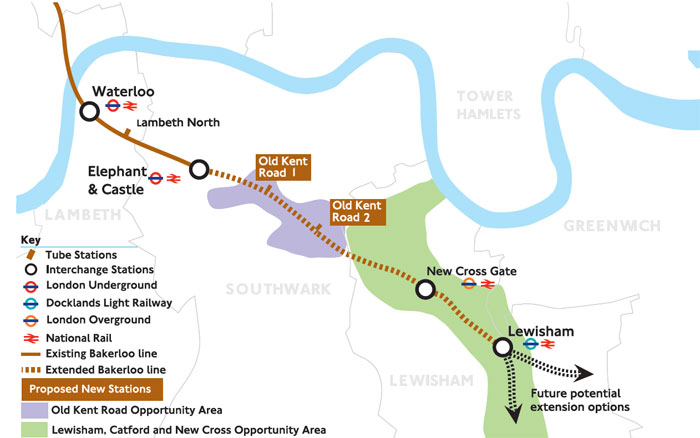
Note.
- There are new or improved stations at Old Kent Road 1, Old Kent Road 2, New Cross Gate and Lewisham.
- New Cross Gate station has Overground and Southern services.
- Lewisham station has Docklands Light Railway and Southern services.
- The future potential option going South is to take over the Hayes Line.
Could we provide improvements along the line of the Bakerloo Line Extension in a less disruptive and more affordable manner?
I will look at the various stations.
New Cross Gate
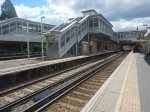
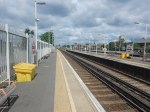
New Cross Gate station is a fully-accessible station, as these pictures show.
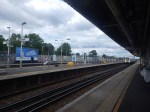
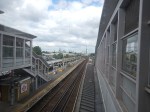
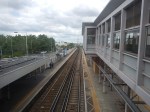
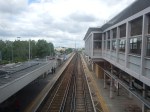
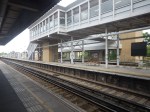
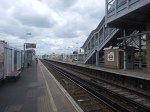
The station, currently has the following services.
- Overground – Highbury & Islington and Crystal Palace – 4 tph
- Overground – Highbury & Islington and West Croydon – 4 tph
- Southern – London Bridge and Victoria via Sydenham – 2 tph
- Southern – London Bridge and Coulsdon Town via Sydenham – 2 tph
Note.
- tph is trains per hour.
- The Overground services provide an 8 tph service to the Elizabeth Line at Whitechapel station.
- TfL may well increase the frequency of the two Overground services to 5 tph.
I suspect that the easiest way between New Cross Gate and Harrow & Wealdstone will be with changes at Whitechapel and Paddington.
- New Cross Gate and Whitechapel – Overground – 13 minutes.
- Whitechapel and Paddington – Elizabeth Line – 14 minutes.
- Paddington Interchange – 15 minutes
- Paddington and Harrow & Wealdstone – Bakerloo Line – 29 minutes
This gives a total time of 71 minutes.
As Bakerloo Line trains go between Elephant & Castle and Harrow & Wealdstone, which is 24 stations and the journey takes 48 minutes, this gives a figure of two minutes per station.
- This seems to fit Irene’s Law, which I wrote about in Irene’s Law – Estimating Tube Journey Times.
- So it looks like a direct train on the extension would take 54 minutes.
- That time fits well with the 71 minutes via the Elizabeth Line if fifteen minutes is allowed for the walk at Paddington.
I will do the trip for real today.
Lewisham
There are two ways to get between Lewisham and the Elizabeth Line.
- Take the Dockland’s Light Railway to Canary Wharf. Estimated at 15 minutes.
- Take a train to Whitechapel, which needs a change of train at New Cross station. Estimated at 17 minutes minimum.
Neither are perfect.
I will try out these two trips soon.
Hayes
The Hayes Line is often talked about as the final destination of the Bakerloo Line.
In More Frequent Trains And A New Station For The London Overground, I put forward a plan for connecting the Hayes Line to the New Cross branch of the London Overground.
This map from carto.metro.free.fr shows the lines at New Cross station.
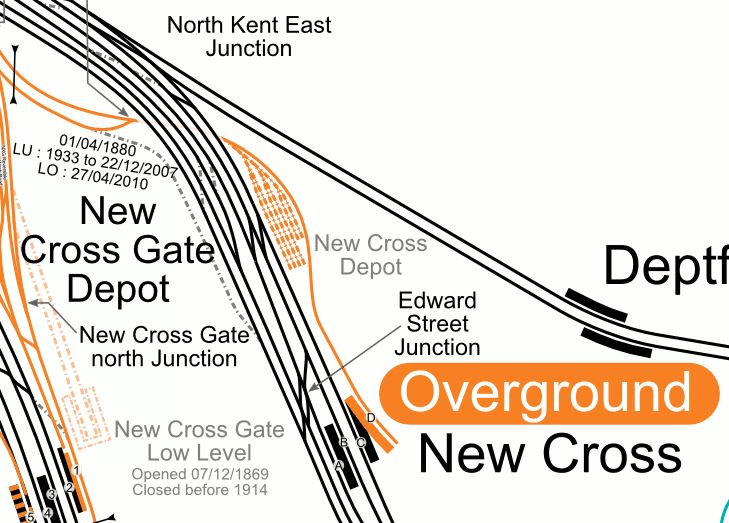
Note.
- The double-track East London Line, shown in orange, arrives from Surrey Quays station arrives in the North-Western corner of the map, becomes a single-track and then goes under the main lines before going into the bay platform D.
- Hayes Line services use Platform C going South and Platform A going North.
- Could the Overground going South divert into Platform C for Hayes?
- It would appear there used to be a line connecting Platform A to the East London Line of the Overground. Could this line be reinstated?
This Google Map shows the same area.
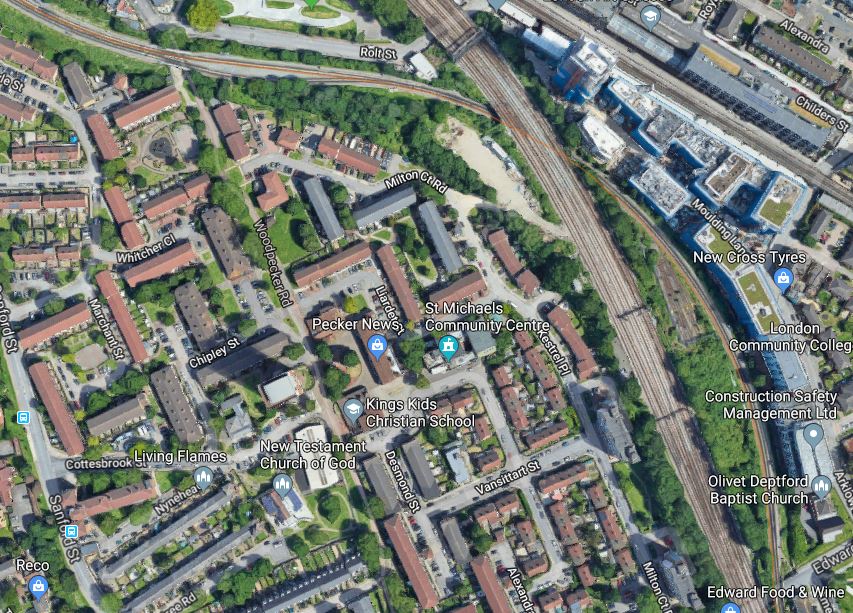
Note.
- The London Overground track is clearly visible.
- The needed connection certainly looks possible, without too much heroic engineering.
- Although, I suspect it could need digital signalling to get everything to work smoothly. But that will happen anyway!
The big advantage of this approach, is that all stations between Whitechapel and Hayes, would have a direct connection to the Elizabeth Line.
Hayes Line services would still continue to Victoria and Cannon Street, although the frequency might be reduced, depending on how many Overground services used the route.
Old Kent Road 1 And Old Kent Road 2
I think there are two ways to serve this important area.
- The first would be to run a high-frequency bus service between Elephant & Castle and the two stations at New Cross.
- I also suspect, it would be possible to have a short extension of the Bakerloo Line to a double-ended station at New Cross Gate and New Cross stations.
I went into the second way in More Frequent Trains And A New Station For The London Overground, where I came to these conclusions.
I am drawn to these two conclusions.
- The Bakerloo Line should be extended via two new Old Kent Road stations to a double-ended terminal station in New Cross with interchange to both New Cross Gate and New Cross stations.
- The New Cross branch of the London Overground should be extended through Lewisham to Orpington and/or Hayes.
My preferred destination for the London Overground service could be Hayes, as this would surely help to free up paths through Lewisham and London Bridge.
I also feel, that the scheme would be much more affordable if high-specification buses were used between Elephant & Castle and the two stations at New Cross.
Conclusion
There are certainly possibilities to create an alternative route, with the same objectives as the Bakerloo Line Extension.
More Frequent Trains And A New Station For The London Overground
The title of this post, is the same as that of this article on IanVisits.
This is said.
In a statement, the government agreed to requests for £80.8 million from the GLA to support transport upgrades so that 14,000 homes can be built along the East London Line.
Upgrades include.
- New Bermondsey station, which was originally to be called Surrey Canal Road, will be built.
- A second entrance will be built at Surrey Quays station.
- Frequency between Dalston Junction and Clapham Junction stations will be increased from four trains per hour (tph) to six tph.
- Frequency between Highbury & Islington and Crystal Palace stations will be increased from four tph to six tph.
The frequency upgrades will mean twenty tph between Dalston Junction and Surrey Quays stations, or a train every three minutes as opposed to the current three minutes and forty-five seconds.
A few thoughts follow.
Surrey Quays Station Upgrade
Ian’s article says this about the new entrance at Surrey Quays station.
The very cramped Surrey Quays station gets a second entrance, which will run under the main road and be based on the north side, where the shopping centre car park is today. That avoids crossing two busy roads, which can take some time if you’re waiting for the lights to change.
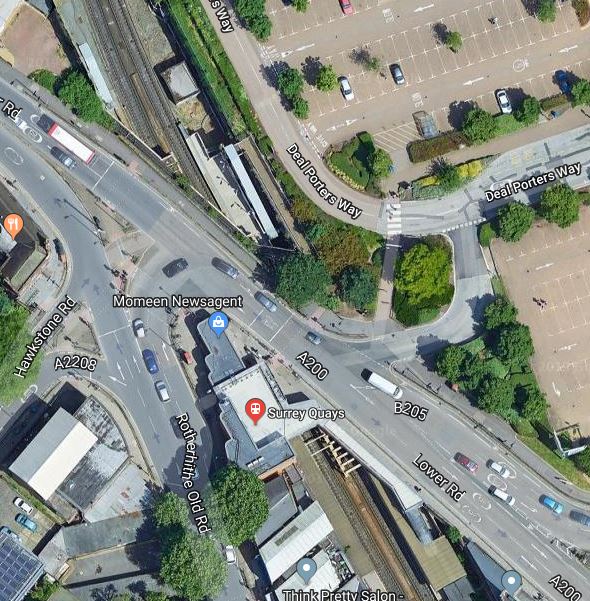
This Google Map shows the station and the car park of the Shopping Centre.
These are my pictures, taken at and around the station.
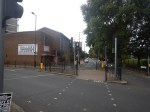

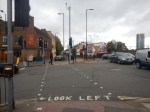
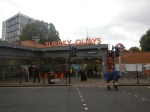
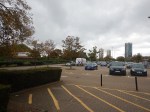
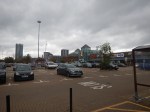
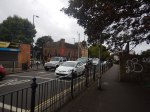
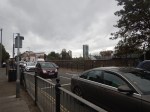
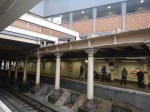
Traffic is bad and the subway suggested by Ian’s wording will be very welcome.
Collateral Benefits At New Cross Gate
New Cross Gate station will be one of several stations along the East London Line to see benefits in service frequency and quality.
The train frequency on East London Line services will rise from eight tph to ten tph.
But this is not all that should or could happen.
- The service between Highbury & Islington and West Croydon stations could rise from four tph to six tph.
- This would mean that New Cross Gate would have a twelve tph service to and from Whitechapel, which in a year or so, will have Crossrail connections to Canary Wharf, Bond Street, Paddington and Heathrow.
- Southeastern should be getting new higher-capacity, higher-performance and possibly longer trains to replace their elderly trains into London Bridge.
- Charing Cross station is redeveloped into a higher-capacity, cross-river station, to allow more trains.
- Digital signalling, as used on Thameslink will be extended to cover all trains through New Cross and New Cross Gate.
- The Docklands Light Railway to Lewisham will get new and higher-capacity trains.
- Southeastern Metro services could go to the London Overground.
Could this all mean that the East London Line, Southeastern and Crossrail will more than hold the fort until it is decided to build the Bakerloo Line Extension?
The Bakerloo Line Extension
This map from TfL shows the route of the Bakerloo Line Extension.
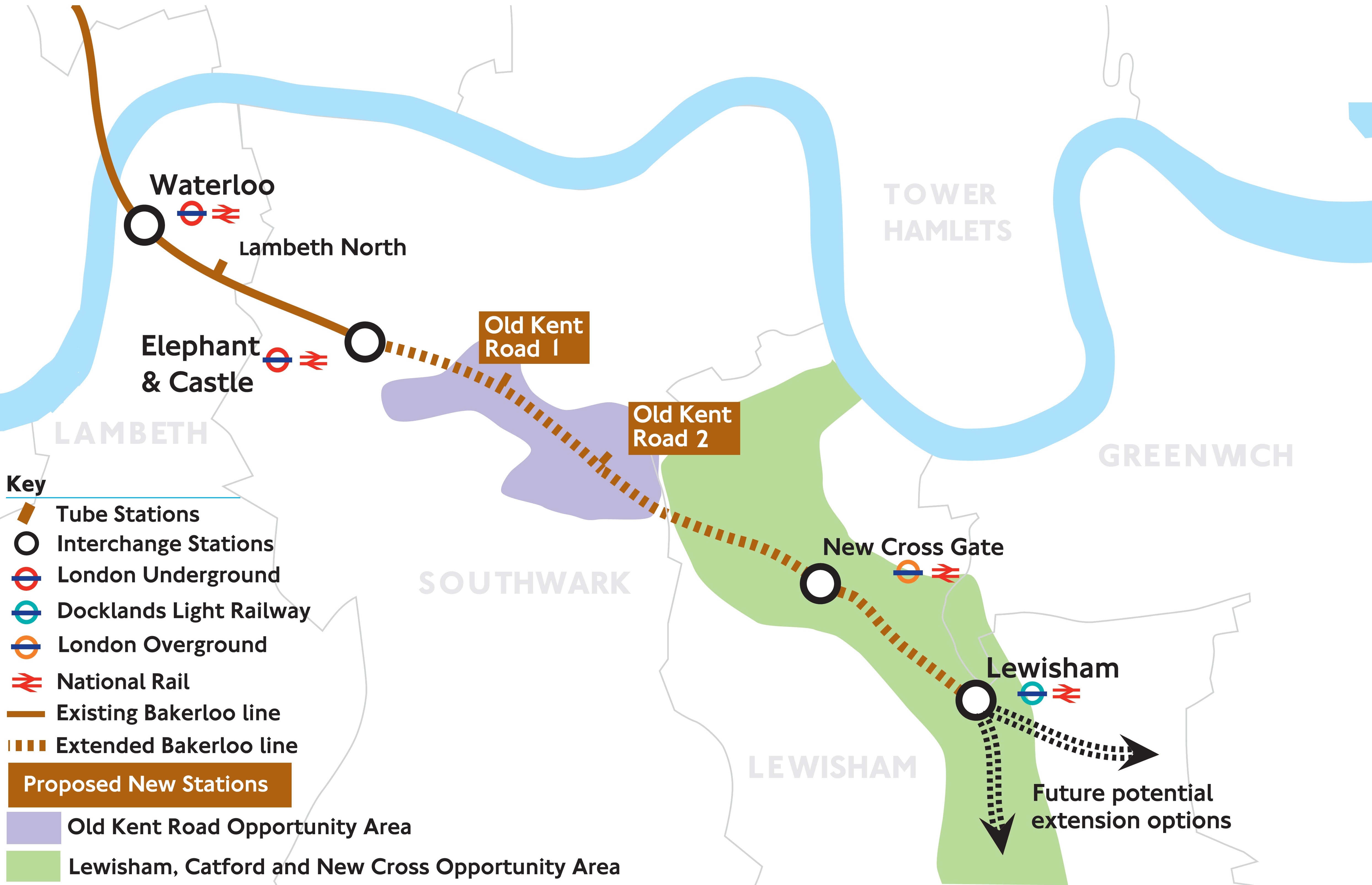
If and when the Bakerloo Line Extension is built, New Cross Gate will surely become a major transport hub.
If you look at the current and proposed stations on the Southern section of an extended Bakerloo Line, you can say the following.
- Paddington will get a step-free pedestrian link between Crossrail and the Bakerloo Line.
- Charing Cross will benefit from more Southeastern Metro services into the main line station.
- Waterloo will benefit from more Southeastern Metro services through the attached Waterloo East station.
- Elephant & Castle station will benefit from more Thameslink services through the attached main line station.
- New Cross Gate will benefit from more Southeastern Metro and East London Line services through the station.
- Lewisham will benefit from more Southeastern Metro services through the station.
But there are no interim benefits for the blue-mauve area, that will be served by the proposed Old Kent Road 1 and Old Kent Road 2 stations.
In addition, is there a need to add capacity between the New Cross area and Lewisham? Southeastern improvements will help, but the Bakerloo Line Extension will do a lot more!
Except for these two stations, is there a reason to build an extension to the Bakerloo Line, as train services between Charing Cross, Waterloo East and New Cross and Lewisham will be significantly increased in frequency, reach and quality?
A Bakerloo Line Extension Redesign
Whatever happens to the Bakerloo Line, the following should be done.
- New walk-through trains running at a higher-frequency on the current route.
- Major access improvements and better connection to main line services at Elephant & Castle, Waterloo East, Charing Cross and Willesden Junction stations.
- A radical reorganisation North of Queen’s Park station, in conjunction with the Watford DC Line and the proposed West London Orbital Railway.
This would improve the current line, but it would do nothing for those living where the extension will go!
So why not do what is happening to the Northern Line at Battersea and create a short extension to the Bakerloo Line that serves the areas that need it and one that can be extended in the future?
- You could argue, that the extension to Lewisham is short and it could be extended to Hayes and other places.
- I also think, that the route goes via New Cross Gate, as that is one of the few sites in the area, from where a large tunnel could be built.
Ideally, what could be needed is a high-capacity public transport link from Elephant & Castle and Greenwich and/or Lewisham via the Old Kent Road, New Cross Gate and New Cross.
The Germans, the Dutch and others wouldn’t mess about and would run trams along the road, but that would go down with the locals like a lead West London Tram.
So it looks like some form of extension of the Bakerloo Line is the only way to go.
Consider.
- Two-platform terminal stations at Brixton and Walthamstow Central handle up to thirty-six tph on the Victoria Line.
- New Cross Gate and New Cross stations are about five hundred metres apart.
- Double-ended stations like Knightsbridge on the Piccadilly Line and Kings Cross on the Victoria Line work very well.
I would look at building a double-ended Bakerloo Line station deep underneath New Cross Road.
- It would be connected by escalators and lifts to the existing stations at New Cross Gate in the West and New Cross in the East.
- Provision would be made to extend the line further to either Greenwich or Lewisham.
- New Cross and Lewisham already have a high-frequency connection of six tph.
- The whole extension could be built from the single tunnelling location on the Sainsbury’s site at New Cross Gate.
- There would be no necessity for any works at Lewisham station.
It would probably need more services to be run between New Cross and Lewisham.
Current Services Between New Cross And Lewisham
Southeastern currently runs these services between New Cross and Lewisham.
- London Cannon Street and Slade Green via Sidcup
- London Cannon Street and Orpington via Grove Park
- London Cannon Street and Hayes
All services are two tph.
Extending The East London Line Service South From New Cross
New Cross is served by the only short service on the London Overground; the four tph between Dalston Junction and New Cross stations.
So could this East London Line service be extended South to serve Lewisham to increase services between New Cross and Lewisham?
This map from carto.metro.free.fr shows the lines at New Cross station.
Note how the double-track East London Line, shown in orange, arrives from Surrey Quays station arrives in the North-Western corner of the map, becomes a single-track and then goes under the main lines before going into the bay platform D.
This Google Map shows the same area.
The London Overground track is clearly visible.
Could extra track be added, to enable the following?
- Southbound trains could join the main line and stop in Platform C
- Northbound trains could leave the main line after stopping in Platform A and go towards Surrey Quays station.
If this is possible, then it would give a four tph service between Dalston Junction and Lewisham, with an important stop at Whitechapel to connect to Crossrail.
Lewisham doesn’t have the space for a terminal platform, but there would appear two possible terminals South of Lewisham.
- Hayes – Journey time to and from Dalston Junction would take around 53 minutes.
- Orpington – Journey time to and from Dalston Junction would take around 50 minutes.
Both stations would make ideal terminals.
- They have bay platforms for terminating the trains.
- Round trips would be a convenient two hours.
- Eight trains would be needed for the service.
- New Cross will have the same four tph to and from Dalston Junction as it does now!
- Lewisham and Dalston Junction would have a four tph service that would take 27 minutes.
The service could even be split with two tph to each terminal.
Will the Extended Services Need To Replace Other Services?
Currently Hayes has these current Off Peak services.
- Two tph to Cannon Street via London Bridge
- Two tph to Charing Cross via London Bridge
I would expect that if digital signalling is applied through the area, that the extra services could be added to Hayes and Orpington as decided.
An Improved Hayes Line
Transport for London and various commentators always assume that the Bakerloo Line will eventually take over the Hayes Line.
This will or could mean the following.
- Passengers used to a full-size train looking out on the countryside and back gardens through big windows, will have to get used to a more restricted view.
- Platforms on the Hayes Line will need to be rebuilt, so that two different size of train will be step-free between train and platform.
- The service could be slower.
- The ability to walk through an increasingly pedestrianised Central London to and from Cannon Street, Charing Cross and London Bridge will be lost.
- Loss of First Class seats. which will happen anyway!
I think that passengers could want to stick with the current service.
The only reason to allow the Bakerloo Line Extension to take over the Hayes Line, is that it would allow another four tph to run between Lewisham and London Bridge. But digital signalling could give the same benefit!
But what if the Overground muscled in?
The Hayes Line could take up to four tph between Dalston Junction and Hayes, via Lewisham and New Cross, which would give these benefits.
- Increased capacity on the Hayes Line.
- An excellent connection to Crossrail, which would give a better connection to the West End, Liverpool Street and Heathrow.
- Better connection to the Eastern side of the City of London and Canary Wharf.
- It could free up four tph between New Cross and London Bridge.
- Same-platform interchange between Southeastern and East London Line services at Lewisham and New Cross.
There would need to be these changes to the infrastructure.
- A new track layout at New Cross.
- Installation of digital signalling.
The latter will happen anyway.
Times To And From Crossrail
Times to and from Whitechapel, with its Crossrail connection are.
- Lewisham – 17 minutes
- Hayes – 44 minutes
- Orpington – 41 minutes
The current service between Orpington and Farrington, which also will connect to Crossrail, takes 52 minutes.
Penge Interchange
Although, this has not been funded, I think that this new interchange could be very much in Transport for London’s plans.
I discuss the possible Penge Interchange station in Penge Interchange.
It’s certainly something to watch out for, as it could improve connectivity by a large amount.
The View From The Dalston Omnibus
For decades, Dalston had a terrible reputation and then came the Overground, which changed everything.
There are now these combined devices from the two Dalston stations.
- Eight tph to Stratford
- Four tph to Richmond via Willesden Junction
- Four tph to Clapham Junction via Willesden Junction
- Four tph to Clapham Junction via Surrey Quays
- Four tph to Crystal Palace via Surrey Quays
- Four tph to New Cross via Surrey Quays
- Four tph to West Croydon via Surrey Quays
There is also a useful eight tph connecting service between Dalston Junction and Highbury & Islington.
In the next couple of years, these developments should happen.
- Services on the East London Line will be increased with an extra two tph to Clapham Junction and Crystal Palace.
- Services on the North London Line will be increased to cope with overcrowding. As the Dalston Junction and Highbury & Islington connecting service will be going to ten tph, it would seem logical that the North London Line service should match this frequency.
- Crossrail will open and Dalston will have a twenty tph connection to its services at Whitechapel.
Dalston needs better connections to either main line terminal stations or their interchanges a few miles out.
Currently, Dalston has very useful connections to the following main interchanges.
- Stratford for the Great Eastern Main Line.
- Clapham Junction for the South Western Railway and Southern services.
- Richmond for Windsor and Reading services.
- Whitechapel will provide a link to Crossrail.
- In addition the planned update at Norwood Junction will give better connection to services to Gatwick, Brighton and other services to the South of Croydon.
Better interchanges are needed with services to the North and the South East of London.
Extending the Dalston Junction and New Cross service to Hayes or Orpington via Lewisham could greater improve the train service from Dalston, by providing interchange to services fanning out into and beyond South East London.
Conclusion
I am drawn to these two conclusions.
- The Bakerloo Line should be extended via two new Old Kent Road stations to a double-ended terminal station in New Cross with interchange to both New Cross Gate and New Cross stations.
- The New Cross branch of the London Overground should be extended through Lewisham to Orpington and/or Hayes.
My preferred destination for the London Overground service could be Hayes, as this would surely help to free up paths through Lewisham and London Bridge.
Towers At Lewisham Station – 2nd February 2019
Lewisham station is becoming increasingly surrounded by tower blocks.
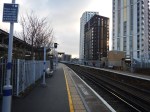
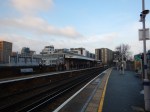
With the Bakerloo Line Extension planned to reach the new station around 2030, surely it is time to rebuild the station with more blocks over the tracks.
Connecting The Bakerloo Line Extension At Lewisham To The North Kent And Bexleyheath Line
This map from carto.metro.free.fr shows the lines in the area of Lewisham station.
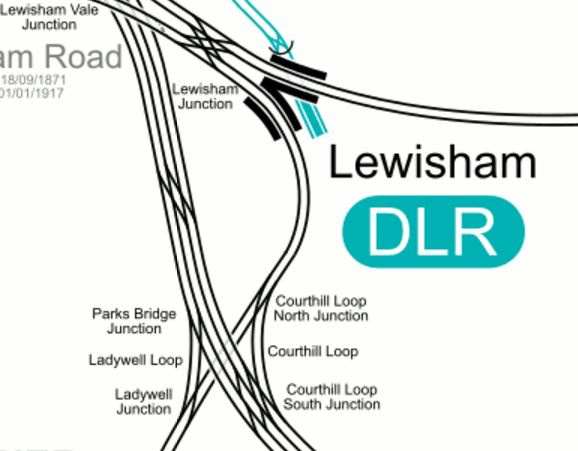
Note.
- The multi-track line going North-West to South-East is the South Eastern Main Line .
- The double-track line going South-West to North-East is the Hayes Line.
- The double-track going East are the North Kent & Bexleyheath Lines
- I think it is quite likely that the overrun tunnels for the Bakerloo Line Extension will be under the Hayes Line.
The North Kent & Bexleyheath platforms are as follows.
- Platform 3 is the Up platform
- Platform 4 is the Down platform
Services running on the lines include.
- Dartford to London via Platform 3
- Slade Green to London via Platform 3
- London to Dartford via Platform 4
- London to Slade Green via Platform 4
In Connecting The Bakerloo Line Extension At Lewisham To The Hayes Line, I showed that it would be reasonably easy to connect the overrun tunnels for the Bakerloo Line to the Hayes Line.
So could the Bakerloo Line Extension be connected to the North Kent and Bexleyheath Lines?
If the Lewisham Underground station was deep under the current station, it might be possible to create a junction, which would enable the Underground trains to go in the direction of both the Hayes and Bexleyheath Lines.
But having been on a train between Lewisham and Bexleyheath stations, it would appear that there is little space for the Bakerloo Line to emerge from the ground and join the surface railway.
These pictures show the viaduct and other structures that support Platforms 1 and 2 at Lewisham station.
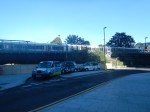
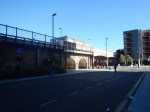
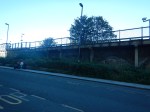
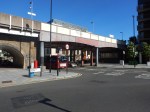
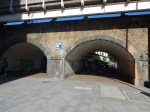
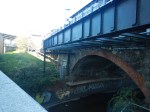
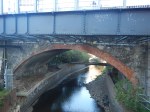
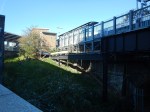
The pictures seem to confirm that linking to a line under Lewisham station would be extremely difficult and very expensive, and would require a long closure of the North Kent and Bexleyheath Lines through Lewsiham.
If this is the case, this must mean that the Hayes Line is the only place, where the Bakerloo Line can go.
The Truly Dreadful Platform-Train Access At Lewisham Station
These pictures show the truly dreadful platform-train access at Lewisham station.
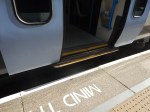
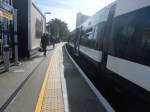
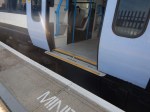
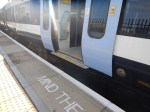
I should say there is even worse access at the front of platform 2.
I should say that Lewisham station has lifts, which are welcome. But it seems to me that if you’re putting in lifts, you should probably fix the station, so that someone in a wheelchair, should be able to wheel themselves on and off the train.
It’s all down to the long, curved platforms.
Surely, if they rebuild this station for the Bakerloo Line Extension, then these platforms will be consigned to the dustbin of history.
Connecting The Bakerloo Line Extension At Lewisham To The Hayes Line
This map from carto.metro.free.fr shows the lines in the area of Lewisham station.
Note.
- The multi-track line going North-West to South-East is the South Eastern Main Line .
- The double-track line going South-West to North-East is the Hayes Line.
- The double-track going East are the North Kent & Bexleyheath Lines
- I think it is quite likely that the overrun tunnels for the Bakerloo Line Extension will be under the Hayes Line.
The platforms are as follows.
- Platform 1 is the Up platform on the Hayes Line.
- Platform 2 is the Down platform on the Hayes Line.
- Platform 3 is the Up platform on the North Kent & Bexleyheath Lines.
- Platform 4 is the Down platform on the North Kent & Bexleyheath Lines.
They are numbered from bottom to top in the map.
Services running through the area include.
- Slow London to Hayes via Platform 1
- London to Orpington via Platform 1 and the Courthill Loop
- Slow Hayes to London via Platform 2
- Orpington to London via the Courthill Loop and Platform 2.
- Dartford to London via Platform 3
- Slade Green to London via Platform 3
- London to Dartford via Platform 4
- London to Slade Green via Platform 4
- Fast London to Hayes via the Ladywell Loop
- Fast Hayes to London via the Ladywell Loop
If the Hayes Line were to be directly connected to the Bakerloo Line Extension, some services would be difficult to run.
But suppose the tunnels were connected to the Hayes Line between Courthill Loop North Junction and Ladywell Junction, the following services would still be possible.
- London to Orpington via Platform 1 and the Courthill Loop
- Orpington to London via the Courthill Loop and Platform2.
- Fast London to Hayes via the Ladywell Loop
- Fast Hayes to London via the Ladywell Loop
The slow services between London and Hayes would use the Bakerloo Line Extension.
Services On The Hayes Line
Currently, there are two trains per hour (tph) to both Charing Cross and Cannon Street. Some fast services avoid Lewisham, but all services stop at London Bridge.
In the Wikipedia entry for Hayes station, this is said.
In 2004, the Strategic Rail Authority proposed withdrawing services to Charing Cross from the Hayes Line. Following a campaign led by local Councillors and the Hayes Village Association, the plans were withdrawn.
So the locals have form in getting what they want.
Intriguingly, Charing Cross station has two Underground stations; Embankment and Charing Cross, on the Bakerloo Line.
But it will surely lose some of the National Rail services, if Hayes station becomes part of the Underground.
Some must stay, as if all were discontinued, getting to the City could mean a roundabout route and I suspect another campaign would be started by the good burghers of Hayes.
In Thoughts On The Power System For The New Tube for London, I felt that changing to a conventional three-rail electrification could be possible on the deep-level Underground lines.
At Hayes station, it would enable both National Rail and Underground services to both serve the station.
The design of the new Tube for London could well sort out that problem!
Beckenham Junction
This map from carto.metro.free.fr shows Beckenham Junction station and its connection to the Hayes Line at New Beckenham station.
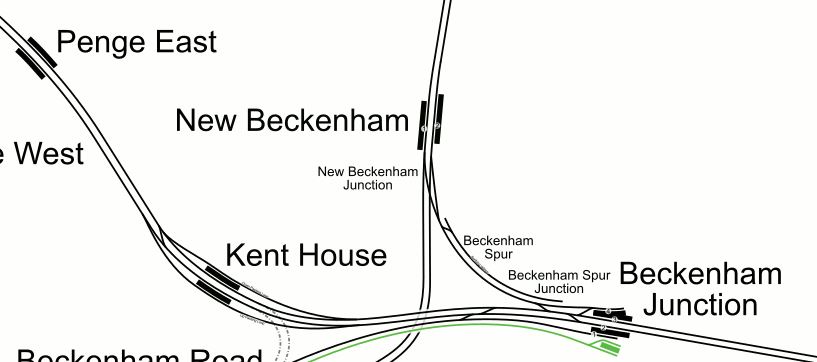
In some ways Beckenham Junction station would make a good terminus for the Bakerloo Line Extension.
- Platform 1 could be converted to use by the Underground.
- There is a four tph service between Victoria and Bromley South stations.
- There is a two-platform station for Tramlink.
But would the flat New Beckenham Junction, where trains join the Hayes Line, have the capacity to handle all the trains and Tubes, going hither and thither?
At the very least use of Beckenham Junction as a terminal for the Bakerloo Line, would need a lot of innovative thinking.
In Could Beckenham Junction To Birkbeck Be Run Using Third-Rail Tram-Trains?, I proposed using tram-trains with a third-rail capability.
This would allow the Birkbeck to Beckenham Junction section of the route to become a conventional railway again and have a higher capacity.
This was my conclusion in the post.
By replacing the trams to Beckenham Junction station with tram-trains, capable of running on both 750 VDC types of electrification and with a limited battery capabilty, would simplify operation at Beckhenham Junction and enable Tramlink services to be extended to Bromley South station.
The collateral benefit, is that Bromley town centre could get a Tramlink connection.
Going East from Beckenham Junction station, the track is only double, but if the New Tubes for London were fast enough, they could gp on to Bromley South station.
 The Anonymous Widower