Morley Station – 17th August 2023
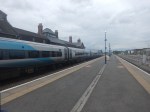
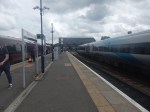
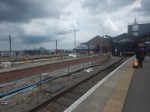
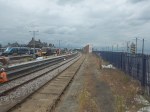
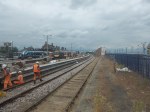
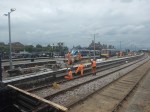
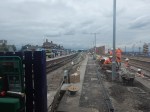
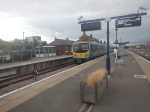
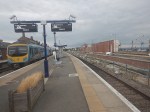
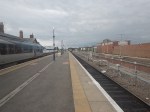
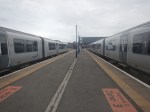
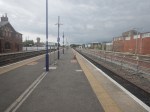
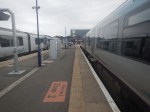
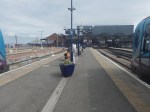
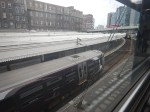
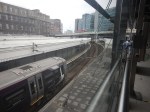
These pictures show Morley station, which is currently being upgraded.
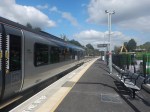
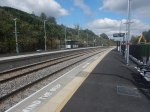
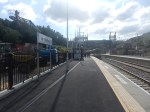
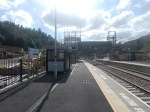
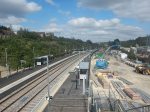
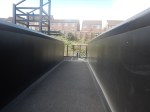
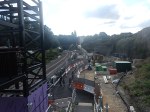
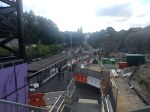
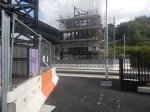
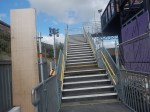
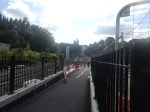
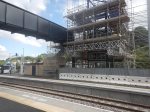
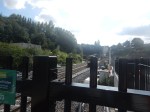
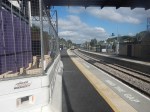
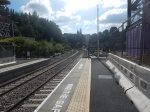
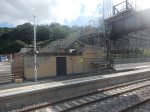
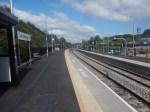
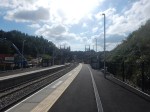
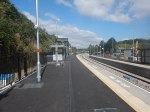
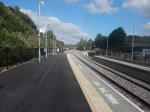
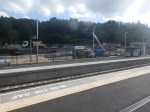
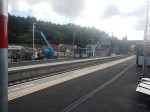
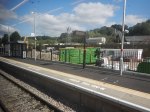
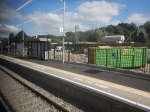
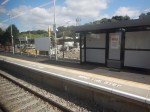
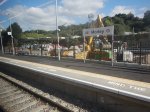
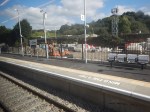
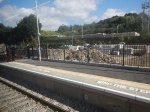
I was rather surprised at the lack of any sign of electrification.
There was no sign of any gantries for overhead electrification, either installed or ready to installed.
In Is There Going To Be Full Electrification Between Leeds And Huddersfield?, I said this.
I have now found this document on the Network Rail web site, which is entitled Huddersfield to Westtown (Dewsbury).
This statement is included under proposals.
Electrification of the railway from Huddersfield to Ravensthorpe – and right through to Leeds.
Because there is a dash in the words, has electrification to Leeds, been a recent addition?
I also showed this map, that I have copied from the Network Rail document
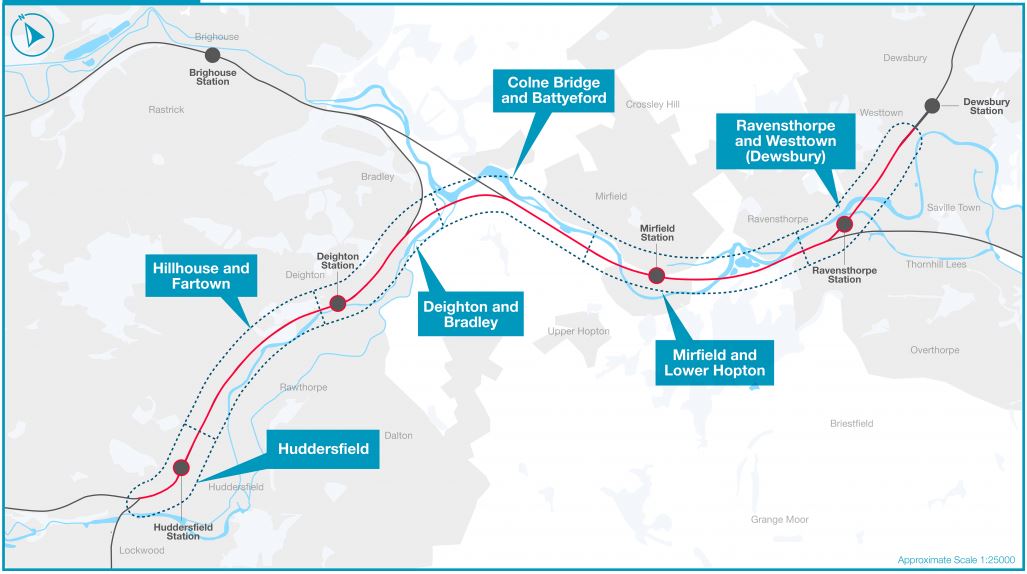
Note the railway lines shown in red. Are these the ones to be electrified? As they go from Huddersfield to Westtown, I think the answer is probably in the affirmative.
Surely, if there were going to be electrification through Morley, they’d have at least put the gantries up by now or installed the bases for them by now?
These are some distances from Real Time Trains.
- Leeds and Morley – 4.6 miles
- Morley and Dewsbury – 5,5 miles
- Dewsbury and Huddersfield 8 miles
Note.
- Leeds and Dewsbury are only 10.1 miles apart, which would be an easy journey for a battery-electric train.
- Trains typically take eighteen minutes between Dewsbury and Huddersfield, which would surely be more than enough time to charge the batteries on a train.
- It also appears that the only trains through Morley station are passenger services run by TransPennine Express or Northern Trains.
It certainly looks to me, that the section of the route between Dewsbury and Leeds though Morley station is to be run using battery-electric trains.
Could East Midland Railway’s Leicester And Lincoln Service Be Extended To Burton On Trent?
After my trip to Lincoln and Cleethorpes earlier this week, I got to thinking about how train services could be improved in the area.
Cleethorpes As A Battery-Electric Train Hub Station
In Cleethorpes Station – 28th June 2023, this was my last sentence.
Cleethorpes station could be at the centre of its own battery-electric train network, with all trains powered by just 3.3 miles of single-track electrification.
Services running to Cleethorpes station could be.
- East Midlands Railway – Barton-on-Humber and Cleethorpes via Barrow Haven, New Holland, Goxhill, Thornton Abbey, Ulceby, Habrough, Stallingborough, Healing, Great Coates, Grimsby Town, Grimsby Docks and New Clee, which currently runs two-hourly, but probably should run hourly. Barton-on-Humber and Grimsby Town is not electrified and is 19.6 miles or 39.2 miles for a round trip.
- East Midlands Railway – Leicester and Cleethorpes via Syston, Sileby, Barrow-upon-Soar, Loughborough, East Midlands Parkway, Attenborough, Beeston, Nottingham, Newark Castle, Collingham, Swinderby, Hykeham, Lincoln, Market Rasen, Barnetby, Habrough and Grimsby Town which currently runs two-hourly, but probably should run hourly. Nottingham and Grimsby Town is not planned to be electrified and is 77.8 miles.
- LNER – London King’s Cross and Cleethorpes via Stevenage, Peterborough, Grantham, Newark Northgate, Lincoln, Market Rasen, Barnetby, Habrough and Grimsby Town, which would run at least two trains per day (tpd). Newark Northgate and Grimsby Town is not electrified and is 60.6 miles.
- TransPennine Express – Liverpool Lime Street and Cleethorpes via Liverpool South Parkway, Warrington Central, Birchwood, Manchester Oxford Road, Manchester Piccadilly, Stockport, Sheffield, Meadowhall, Doncaster, Scunthorpe, Barnetby, Habrough and Grimsby Town, which runs hourly. Hazel Grove and Grimsby Town is not electrified and is 101.4 miles.
Note.
- All services to Cleethorpes could be run using a battery-electric train, with the range of a Stadler FLIRT Akku, which is 139 miles.
- Cleethorpes station will soon have four terminal platforms. Could it be one platform for each service?
- The 3.3 miles of single-track electrification would be between Cleethorpes and Grimsby stations.
- I am assuming that all services should be at least hourly, except London King’s Cross.
- If the frequency of services to London King’s Cross, were to be increased, the extra services would take-over paths of the East Midlands Railway services between Lincoln and Cleethorpes.
- I am also assuming that the Midland Main Line electrification has been completed through Leicester to Nottingham, as is currently planned.
Cleethorpes will become a very well-connected station.
Collateral Benefits Of Cleethorpes As A Fossil Fuel-Free Station
If all services to Cleethorpes are run by battery-electric trains, then there will be collateral benefits.
- All passenger train services in North-East Lincolnshire will be zero-carbon.
- TransPennine Express’s Southern route between Liverpool Lime Street and Cleethorpes via Manchester, Sheffield and Doncaster will be zero-carbon.
- LNER’s services to London King’s Cross from Lincolnshire will be zero carbon.
Manchester and Sheffield will be linked by an hourly electric service, just as it was between 1953 and 1981.
The Ivanhoe Line
I wrote about the Ivanhoe Line in Reinstatement Of The Ivanhoe Line.
- There is a proposed reinstatement of passenger services between Leicester and Burton-on-Trent stations.
- I estimate it’s a distance of around 37 miles.
- There would be some new stations on the route.
In the Wikipedia entry for the Ivanhoe Line, there is a section called Future, where this is said.
The intermediate stations are capable of taking only a two-coach train, which has led to overcrowding on some services, especially now that the service is extended to Nottingham and Lincoln. The latest Route Utilisation Strategy for the East Midlands makes recommendations for platform lengthening.
East Midlands Parkway railway station has now been built on the route. The Borough of Charnwood’s local plan of 2004 anticipates a station at Thurmaston.
In 2022 the closed section of the line was one of nine schemes chosen to undergo a feasibility scrutiny by Network Rail as part of the government’s Restoring Your Railway programme. If approved, work could start in 2024 and the line reopened in 2026
Note.
- The first paragraph refers to the existing section of the Ivanhoe Line, to the North of Leicester.
- I went to Burton once for the football and it’s a difficult place to get to from North London by train.
- Burton-on-Trent station was fully refurbished in 2011.
- Burton-on-Trent station has hourly services from CrossCountry trains.
It seems that a creditable plan is emerging.
Service Frequency Between Burton-on-Trent And Leicester
As Burton-on-Trent station has hourly services, I suspect that this will be the initial frequency between Burton-on-Trent and Leicester.
But I could see this frequency being increased, if there were long waits during interchange at Burton-on-Trent.
Average Speed Of The Service And Estimate For A Time Between Cleethorpes And Burton-on-Trent
The current Grimsby Town and Leicester service is over a route of 105.3 miles and a direct service takes two hours and thirty-seven minutes.
This is an average speed of 40.24 mph.
I can now give an estimate for a Cleethorpes and Burton-on-Trent service.
The distance will be 105.3+3.3+37, which is 145.6 miles.
An estimate of the time using a speed of 40.24 mph is three hours and thirty-seven minutes.
But seeing that a good proportion of the route has a 110 mph operating speed, I suspect that a 100 mph train could do the trip faster.
Could Cleethorpes And Burton-on-Trent Be Worked By A Battery-Electric Train?
The route could be effectively four sections.
- Cleethorpes and Grimsby Town – 3.3 miles – Electrified
- Grimsby Town and Nottingham – 77.8 miles – Not Electrified
- Nottingham and Leicester – 27.5 miles – Being Electrified
- Leicester and Burton-on-Trent – 37 miles – Not Electrified
Note.
- In a round trip, there are two sections of 77.8 miles and two consecutive sections of 37 miles.
- Battery-electric trains would be charged on the electrified section of the route.
I am sure that a battery-electric train with a range of greater than 77.8 miles would handle the service.
A Locomotive Named After A Cat
As I arrived in Cleethorpes station, there was a Class 68 locomotive in Platform 1.
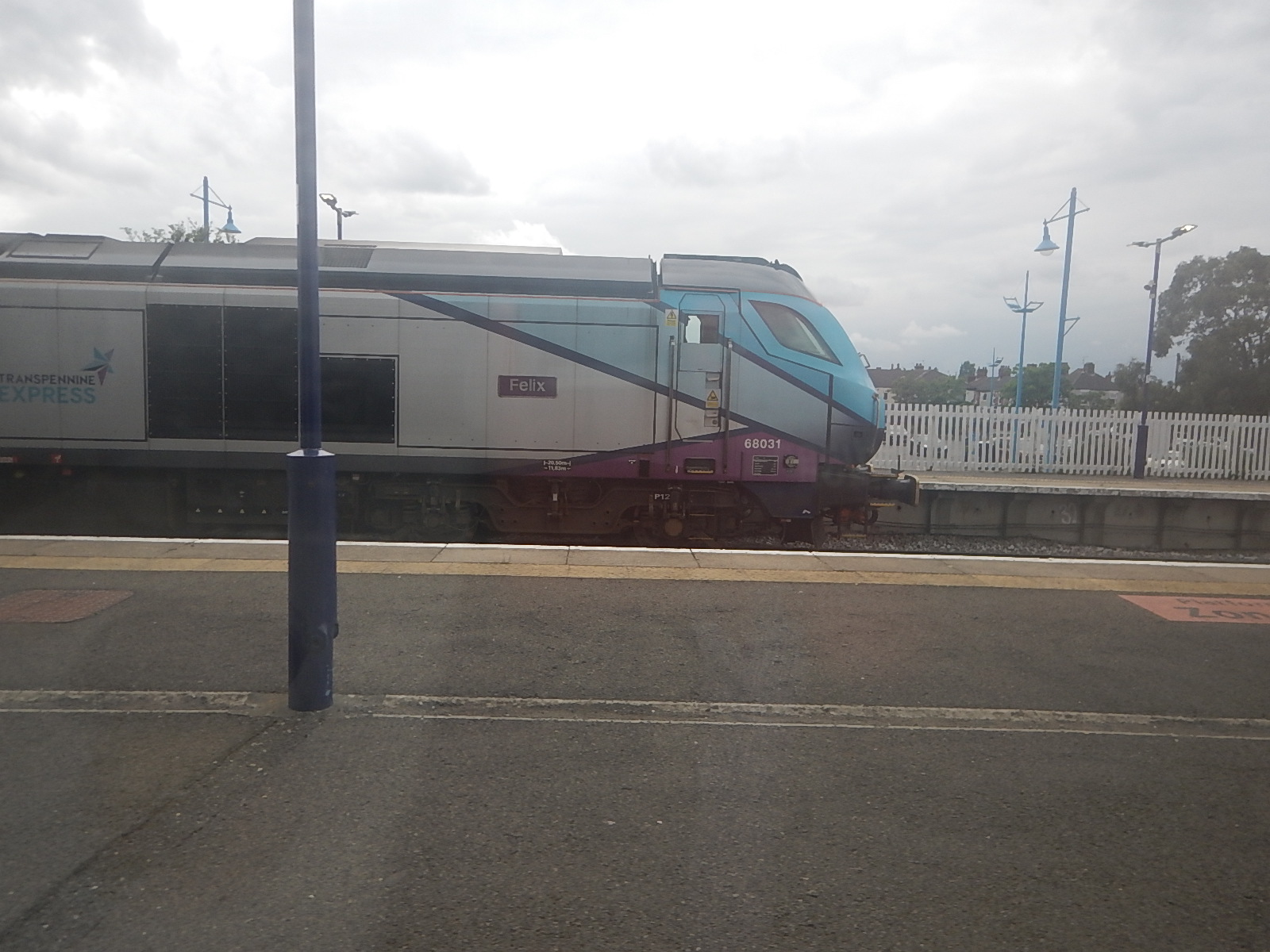
It is named after Felix; the station cat at Huddersfield station.
Cleethorpes Station – 28th June 2023
I took these pictures at Cleethorpes station yesterday.
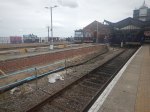
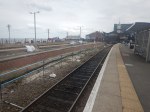
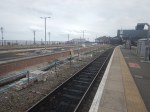
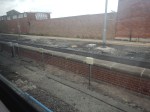
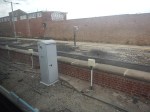
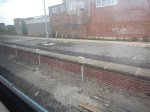
Compare them with this one taken three years ago.
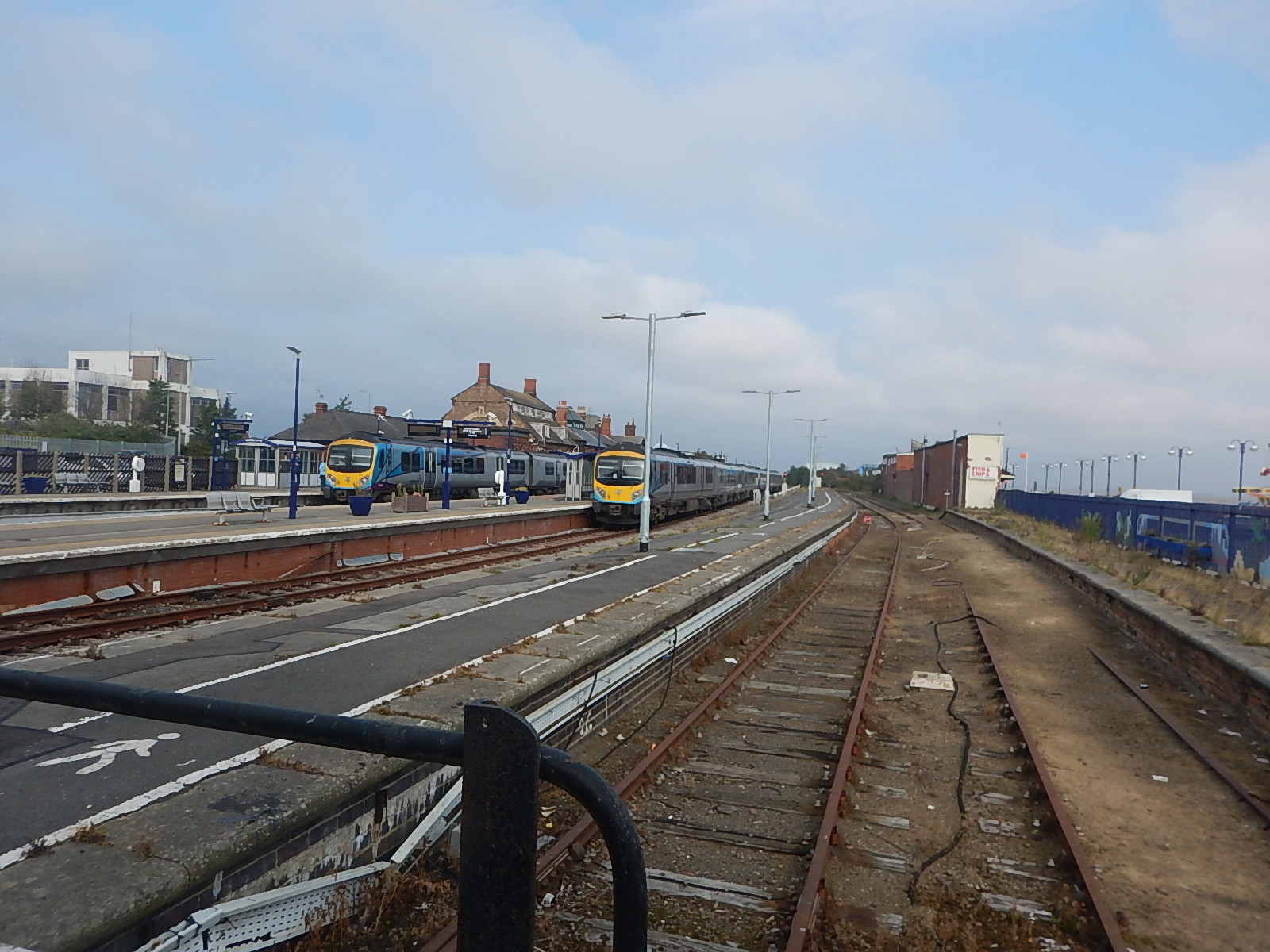
Note.
- It appears a Platform 4 has been created on the seaward side of the station.
- The track in Platform 4 in yesterday’s pictures appears to be newly-ballasted, whereas three years ago it had an air of dereliction.
- There is now a smart blue wooden fence separating the tracks from the station concourse.
- Strangely, the lighting between Platforms 3 and 4 had been installed three years ago.
- There are different types of lighting on the two islands. Could this be because Network Rail are looking for the lights that perform best in a seaside environment?
This Google Map shows Cleethorpes station.
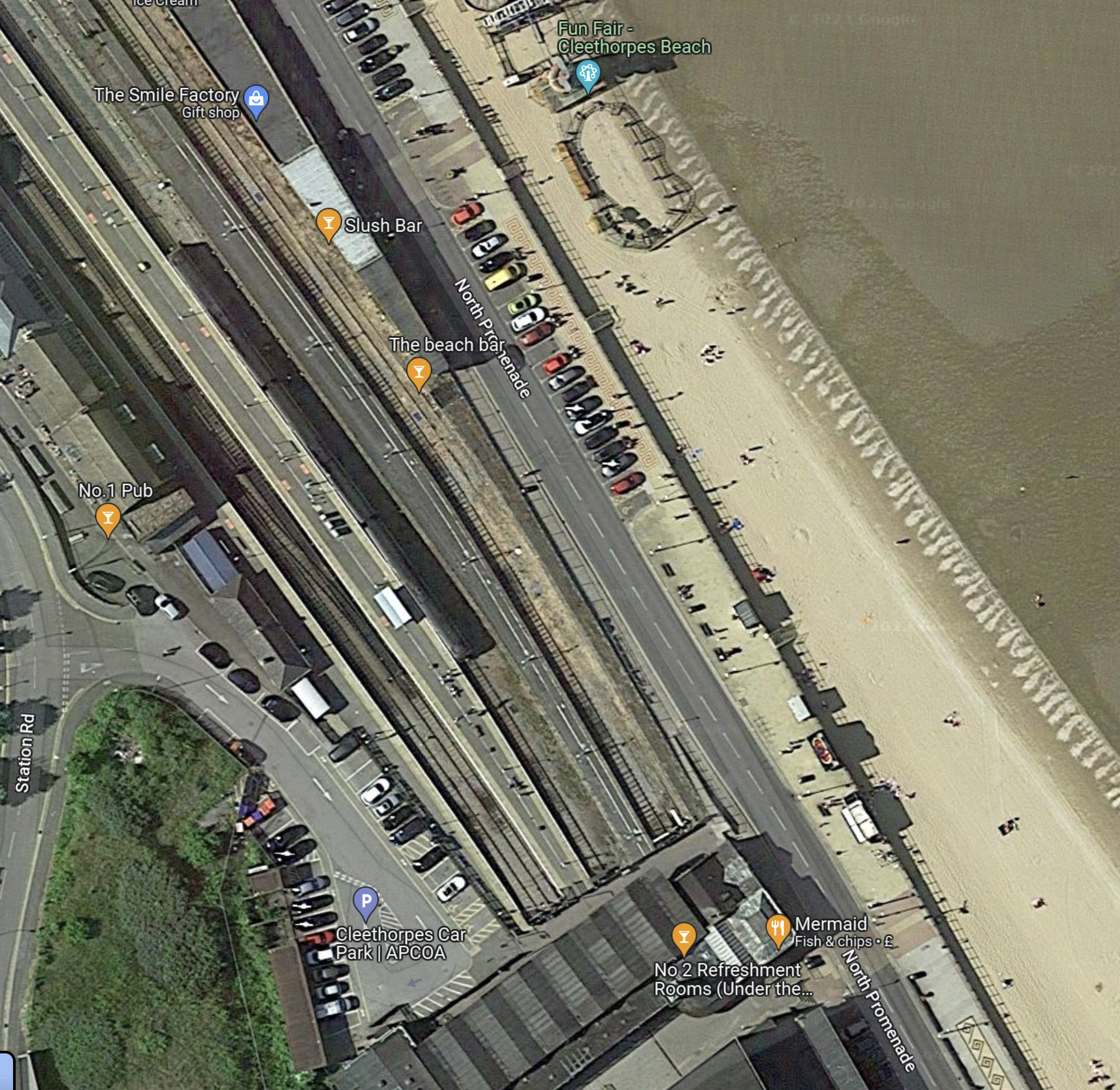
Note.
- The track in Platform 4 appears to be complete.
- The station is very handy for the beach.
In Azuma Test Train Takes To The Tracks As LNER Trials Possible New Route, I said this.
It looks like three platforms 2, 3 and 4 at Cleethorpes station were checked.
I think it is possible to say, that once Network Rail’s brickies and paviours have tidied up, that Cleethorpes station will be LNER-ready and could accept a service from London via Lincoln, Market Rasen, Barnetby and Grimsby Town.
What Will Be The Initial Service Of The London and Cleethorpes Service?
The Wikipedia entry for Cleethorpes station, says this about the London service.
In the 1970s Cleethorpes had a twice daily return service to London King’s Cross, typically hauled by a Class 55 Deltic.
Three people, I spoke to about the possible service, mentioned that two trains per day would be the frequency.
I certainly think, that this frequency, could be a sensible initial frequency.
If it worked in the 1970s, I can see why it might work in the 2020s.
- Kids still like to go to the seaside and the station is close.
- This area of North-East Lincolnshire, is getting increasingly important as an energy and hydrogen powerhouse.
- Cleethorpes station has the space to handle more train services.
- Cleethorpes station has a small depot nearby, which could ease train operations, by stabling a train overnight for an early start in the morning.
But there is one factor that could attract passengers to use the train between King’s Cross and Cleethorpes. I believe that the soon-to-be-announced Hitachi battery-electric Class 800 trains could be able to handle the route without using a drop of fossil fuel.
Running Battery-Electric Class 800 trains Between King’s Cross And Cleethorpes
Consider.
- Cleethorpes and Lincoln is 47.2 miles with three stops.
- Lincoln and Newark Northgate, where the electrification starts is 16.7 files.
- Cleethorpes and Newark Northgate is 63.9 miles, with an out-and-back trip being 127.8 miles.
- Battery-electric trains would do most of their charging between King’s Cross and Newark Northgate.
- Full or partial charging should be possible at both Cleethorpes and Lincoln.
- Battery-electric trains could give help, in cases of catenary failure on the East Coast Main Line.
- In What Will Be The Range Of A Hitachi Class 800 Battery Train?, I said that I believed a Class 800 battery train would eventually have a battery range in excess of the Stadler FLIRT Akku’s 139 miles, as no-one likes being second.
I believe these strategies are possible.
Charge A Round Trip At Cleethorpes
Consider.
- This is a range of just 63.9 miles.
- The service would use Platform 4 at Cleethorpes station.
- Charging at Cleethorpes could be by a short length of overhead electrification in Cleethorpes station or a specialist charger in the small depot.
- Charge time would be around 15 minutes.
- If charging were in the station, there would be no shunting of trains around.
This could be a simple and efficient way to run the service.
A Battery Round Trip To Cleethorpes
- This is a range of 127.8 miles.
- The service would use Platform 4 at Cleethorpes station.
- I believe that this service would need a simple charger at Cleethorpes station, as trains do get delayed and these delays on a battery-electric train, may increase the need for charging.
- Also what would happen in Grimsby Town were at home to a London club in the FA Cup?
This could be a reliable way to run the service, but I believe drivers need a charging facility at Cleethorpes as a fail-safe backup.
Electrification Between Grimsby Town And Cleethorpes
In Between Lincoln And Cleethorpes – 28th June 2023, I said this.
3.3 miles between Grimsby Town and Cleethorpes took just ten minutes.
All trains terminating at Cleethorpes would get at least twenty minutes of charging, every time, they turned round at the station.
Much of the route between Grimsby Town and Cleethorpes is only single-track, so this could be a very affordable option.
I don’t think there would be many objectors to electrifying between Grimsby Town and Cleethorpes.
An hourly train would use twenty minutes in ever hour between Grimsby Town and Cleethorpes, it looks like the limit would be three trains per hour terminating at Cleethorpes.
So could the three trains be the following?
- One train to Liverpool Lime Street.
- One train to Lincoln, with alternate trains continuing to Nottingham, Loughborough and Leicester and some trains to Kings Cross.
- One train to Barton-on-Humber.
Note.
- The Liverpool Lime Street train, would use batteries between Grimsby Town and Hazel Grove, which is 101.4 miles.
- A London King’s Cross train, would use batteries between Grimsby Town and Newark Northgate, which is 60.6 miles.
- A Leicester train, could use batteries between Grimsby Town and Leicester, which is 105.3 miles. Nottingham and Grimsby Town is 77.8 miles.
- Leicester and Nottingham services would need electrification at the Western end.
- King;s Cross, Leicester and Nottingham services would be arranged so Lincoln and Cleethorpes was an hourly service.
- A Barton-on-Humber train, would use batteries between Grimsby Town and Barton-on-Humber , which is 19.6 miles or 39.2 miles for a round trip.
Cleethorpes station could be at the centre of its own battery-electric train network, with all trains powered by just 3.3 miles of single-track electrification.
The Lack Of Phone Charging On East Midlands Railways
I arrived at Lincoln station yesterday, after my trip from London, with a full battery on my phone, as LNER trains have charging points. But by the time I left Cleethorpes station to come home, my phone was dead, as I suspect the latest version of a news app, I use is a battery drainer.
There were also no charging points on TransPennine’s Class 185 trains or East Midlands Railways Class 170 trains.
Only, when I boarded a British Rail-era Class 158 train to get to Peterborough, was I able to recharge my phone.
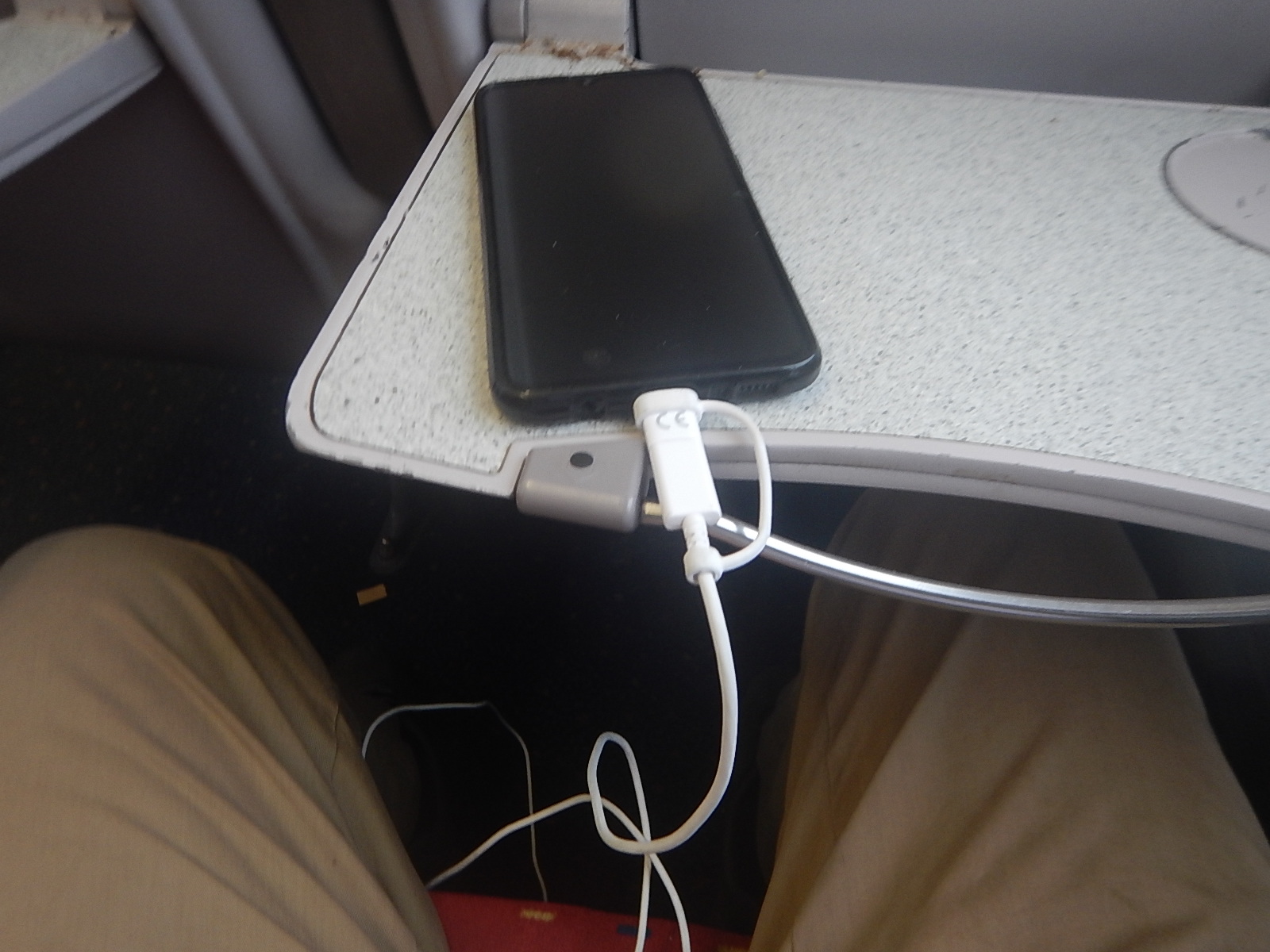
There is surely a need for phone chargers on every train.
Azuma Test Train Takes To The Tracks As LNER Trials Possible New Route
The title of this post, is the same as that of this article on Rail Technology Magazine.
This is the first paragraph.
London North Eastern Railway (LNER) completed a test run from Cleethorpes in Lincolnshire and London King’s Cross, with the view to operating a direct service in the future.
These two paragraphs describe how the tests were carried out.
A first test train travelled from Doncaster on 26 June which called at Grimsby Town, Cleethorpes, Barnetby and Market Rasen. At each station, a series of platform and train validations were performed to ensure that a service could be compatible in the future.
On the journey itself, a specialist team travelled onboard, carried out a number of checks and assessments which is required for any potential new route or extension. A detailed assessment was undertaken. The findings will now be reviewed by the stakeholders.
The test run was in four sections.
- 5Q80 – Departed Doncaster Carr Lane Depot at 0817 and arrived Cleethorpes Platform 4 at 1000.
- 5Q81 – Departed Cleethorpes Platform 3 at 1054 and arrived Lincoln Central Platform 5 at 1219.
- 5Q82 – Departed Lincoln Central Platform 5 at 1226 and arrived Cleethorpes Platform 2 at 1355.
- 5Q83 – Departed Cleethorpes Platform 2 at 1528 and arrived Doncaster Carr Lane Depot at 1654.
Note.
- These details came from Real Time Trains.
- It looks like three platforms 2, 3 and 4 at Cleethorpes station were checked.
- The route between Cleethorpes and Lincoln Central was checked both ways.
- The route between Doncaster Carr Lane Depot and Cleethorpes was checked both ways.
- Typically, each station stop took around 10-12 minutes, which probably gave adequate time for the specialist team to make their checks and assessments.
- Class 800 trains run six times a day between Lincoln Central and King’s Cross, so I must assume that section is well-checked and has the correct clearances.
- Lincoln Central station is 16.7 miles from the electrified East Coast Main Line at Newark Northgate station.
- Cleethorpes station is 52.1 miles from the electrified East Coast Main Line at Doncaster station.
- The distance between Lincoln Central and Cleethorpes stations is 47.2 miles.
- The timing between Lincoln Central and Cleethorpes appears to be just under one hour and thirty minutes.
It looks like a thorough test has been performed.
I have a few thoughts.
Platforms At Cleethorpes Station
According to the Wikipedia entry for Cleethorpes station, the station has three platforms, which are numbered 1, 2 and 3.
These three pictures show Cleethorpes station in 2020.

Note.
- The two trains are Class 185 trains of TransPennine Express.
- The train in the left is in Platform 1.
- Platform 2 appears to be empty.
- The train on the right is Platform 3.
I would assume Platform 4 could be the derelict platform shown in the third picture at the right. Or it might be a typo!
But if it is felt that LNER will need their own platform, it would surely be a good idea to do all testing at the same time.
Initial Service Pattern
I would expect that the initial service pattern would follow that used for many new services.
- There will be an early morning train up to London.
- There will be a late afternoon or early evening return train.
Journey time could be around three hours and twenty minutes.
Once the demand is proven, extra trains to and from London might be added in the middle of the day.
Could This Service Be Served By Battery-Electric Class 800 Trains?
From a picture on this article on the BBC, the test run appears to have been carried out by a bi-mode Class 800 train.
The full route from Doncaster to King’s Cross has four sections.
- Doncaster and Cleethorpes – 52.1 miles – Unelectrified
- Cleethorpes and Lincoln Central – 47.2 miles – Unelectrified
- Lincoln Central and Newark Northgate – 16.7 miles – Unelectrified
- Newark Northgate and King’s Cross – 120.1 – Electrified
To go between King’s Cross and Doncaster via Cleethorpes would need a battery-electric train with a range of 116 miles.
In What Will Be The Range Of A Hitachi Class 800 Battery Train?, I came to this conclusion about the battery range of a Class 800 train.
The first version of the battery-electric train will have a range of around a hundred miles, so that they can handle the Great Northern and Great Eastern Joint Line diversion on battery power.
But fairly soon after introduction into service, I will be very surprised if they don’t claim the Guinness world record by running farther than the Stadler FLIRT Akku’s 139 miles.
Note.
- Trains would be charged using the existing electrification of the East Coast Main Line.
- No new infrastructure would be required.
But for service recovery reasons, it could be prudent to add electrification to Platform 4 at Cleethorpes station.
Could TransPennine’s Service Between Doncaster and Cleethorpes Be Served By Battery-Electric Class 802 Trains?
As it is only a round trip of 104.2 miles, I don’t see why this couldn’t be done by say 2028.
Could LNER’s Service Between King’s Cross and Lincoln Be Served By Battery-Electric Class 800 Trains?
As it is only a round trip of only 33.4 miles, this is the easy trip to decarbonise.
Could Hull Station Be Electrified?
I took these pictures, as I passed through Hull station yesterday.
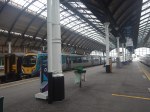
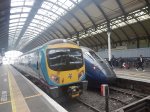
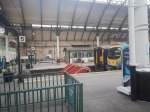
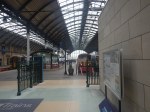


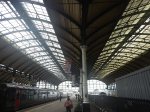
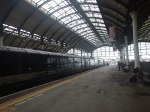
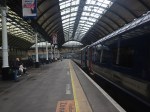

It appears that Hull station has a similar Victorian roof to Liverpool Lime Street and London Paddington, so I suspect the answer is yes.
These pictures show the platforms and overhead electrification at Liverpool Lime Street station, since the recent remodelling.


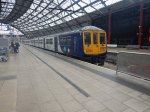
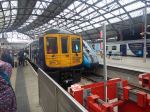
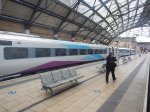


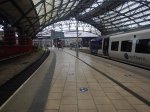

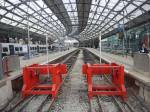
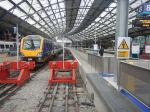

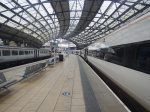

The electrification seems to be very traditional, with lots of steel gantries over the tracks.
These pictures show the platforms and overhead electrification at London Paddington station.
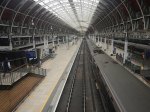
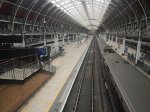
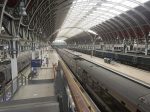
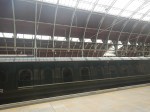
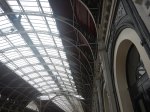

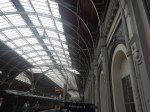
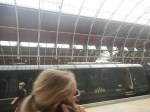
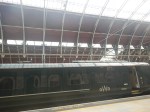
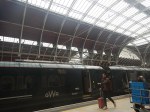
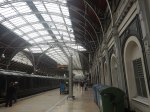
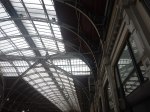
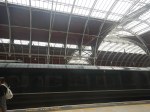
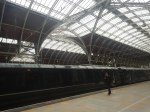
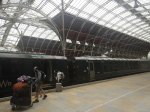
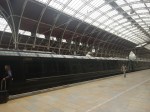
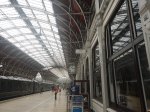
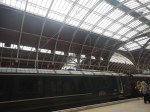
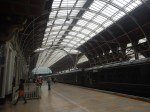
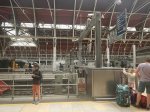
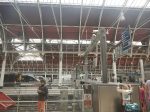
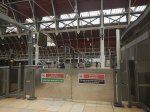
Note.
- The roof seems to have extra tie-bars reaching across.
- The wires seem to be hung from the roof.
- At the end of the platform they are fixed to large arch supports.
- Because Liverpool Lime Street’s electrification is newer than Paddington’s, it seems to have much more professional look.
After looking at the electrification in Liverpool Lime Street and Paddington, I believe that Hull station could be successfully electrified.
This map from OpenRailwayMap shows the platform layout at Hull station.
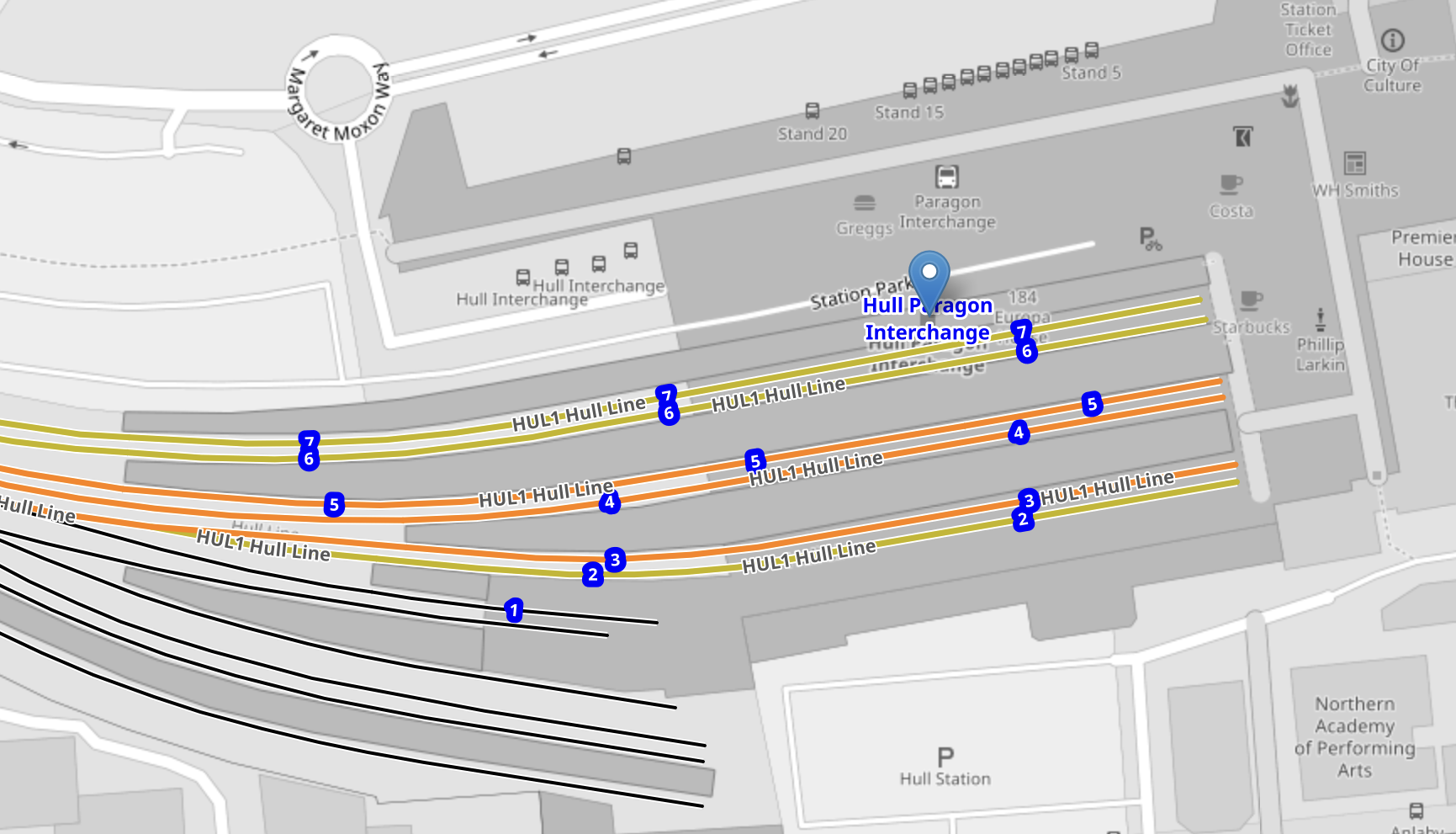
Note.
- Yesterday, my trains arrived in and left from Platform 7, which is the Northern-most platform.
- Other pictures in this blog show Hull Trains’s London service in Platform 7.
- Yesterday all Class 802 trains to and from London run by Hull Trains and LNER used Platform 7.
- I have been told by station staff, that Platform 7 can take a nine-car LNER Azuma.
- In Ten-Car Hull Trains, I talk about ten-car Class 802 trains running to and from Hull.
- Platform 7 or another platform at Hull station must be able to handle a ten-car train, which means that Hull station can handle a train, that is 260 metres long.
Looking at the station map, I believe that Hull station’s capacity for long express trains, is on a par with that of Liverpool Lime Street station.
I could see both stations handling two trains per hour (tph) across the Pennines and to and from London, with if necessary trains being formed of a pair of five-car trains.
How Many Services From Hull Station Can Be Run With Battery Trains?
Hull Trains service between London and Beverley travels for 44.5 miles on unelectrified track between Temple Hirst junction and Beverley.
Typically Hull Trains services wait in Hull station for the following times.
- Going between London King’s Cross and Beverley – Between ten and fifteen minutes.
- Returning to London King’s Cross – Upwards of twenty-five minutes.
I believe these waits in Hull station would mean that.
- A train going North to Beverley will have a battery containing enough electricity to get the train to Beverley and back, which is a distance of 16.7 miles.
- A train going South from Hull will have a battery containing enough electricity to get the train to Temple Hirst junction, which is a distance of 36.1 miles.
I believe that Hull Trains are currently working a timetable, that has been designed for operation by trains with a range on batteries of around fifty miles, provided there is electrification in at least one platform at Hull station to charge the trains.
It is also interesting to look at LNER’s two services that serve Hull.
- The 0700 to London, is scheduled to arrive at Hull station at 0635 from stabling at Doncaster and waits up to twenty-five minutes before leaving for London.
- The 2004 from London, is scheduled to arrive at Hull station at 2004 and waits up to twenty-five minutes before going South to overnight stabling in Doncaster.
It looks like LNER’s two trains follow Hull Trains rules.
- They use Platform 7 in Hull station.
- Trains going South have up to twenty-five minutes in the station.
It appears to me, that both Hull Trains and LNER are running a timetable, that would allow their services to be run using trains with a battery that had a range of around fifty miles, that could be fully-charged at Hull station before going South.
TransPennine Express run an hourly service to Liverpool Lime Street via Leeds and Manchester Victoria.
According to OpenRailwayMap’s map of electrification, when the TransPennine Upgrade is complete, the only section of the route without electrification will be the 42.1 miles between Hull and Micklefield.
As TransPennineExpress have some of the same Class 802 trains as Hull Trains, if there were at least two electrified platforms in Hull station, then Hull and Liverpool services could be run by battery-electric trains, with a similar specification to those of Hull Trains.
Northern Trains run an hourly service to Halifax via Leeds.
According to OpenRailwayMap’s map of electrification, , the only sections of the route without electrification will be the 42.1 miles between Hull and Micklefield and the 17.5 miles between Leeds and Halifax.
As Leeds and Micklefield is timetabled for seventeen minutes, I suspect this would be enough time to fully charge a battery-electric version of CAF’s Class 331 train and with charging in Hull station, then this route could be electrified.
Northern Trains also run other services, but because the Goole swing bridge is closed, I can’t get all the distances without electrification from Hull.
Ones I can find are.
- Beverley – 16.7 miles for return trip.
- Bridlington – 31.1 miles
- Doncaster – 40.8 miles
- Micklefield – 42.1 miles
- Scarborough – 53.8 miles
- Sheffield – 59.4 miles
- Temple Hirst – 36.1 miles
- York – 41.1 miles – Hull and Church Fenton
Note.
- York and Doncaster are electrified.
- Bridlington and Scarborough have suitable platforms where 25 KVAC overhead electrification could be installed to charge trains.
- Sheffield and Doncaster is only 18.6 miles and this may be the way to electrify between Sheffield and Hull.
- In The Data Sheet For Hitachi Battery Electric Trains, I state that Hitachi’s battery-electric trains have a range of 43.5 miles
It looks if enough platforms are electrified at Hull, all current services from the city could be run by battery-electric trains.
Conclusion
I believe that by electrifying Hull station, that Hull could have a station consistent with the HumberZero philosophy, with battery-electric trains running hither and thither, handling all rail traffic to and from the City.
York And Church Fenton Electrification
This news item from Network Rail is entitled Yorkshire’s First New Electric Railway In 25 Years Set To Cut Carbon And Slash Journey Times.
This section summarised the work
Work began on the York to Church Fenton electrification scheme in October 2019, and to date has delivered:
- 17 kilometres of new, more reliable track, ready to run faster trains
- An innovative 65-metre-wide under-track crossing
- 270 new steel masts, which carry the overhead electric wires
When the new wires are energised, they will allow more environmentally friendly hybrid trains to run along this section at speeds of up to 125mph – that’s 30mph faster than they currently run.
This OpenRailwayMap shows between York and Church Fenton.
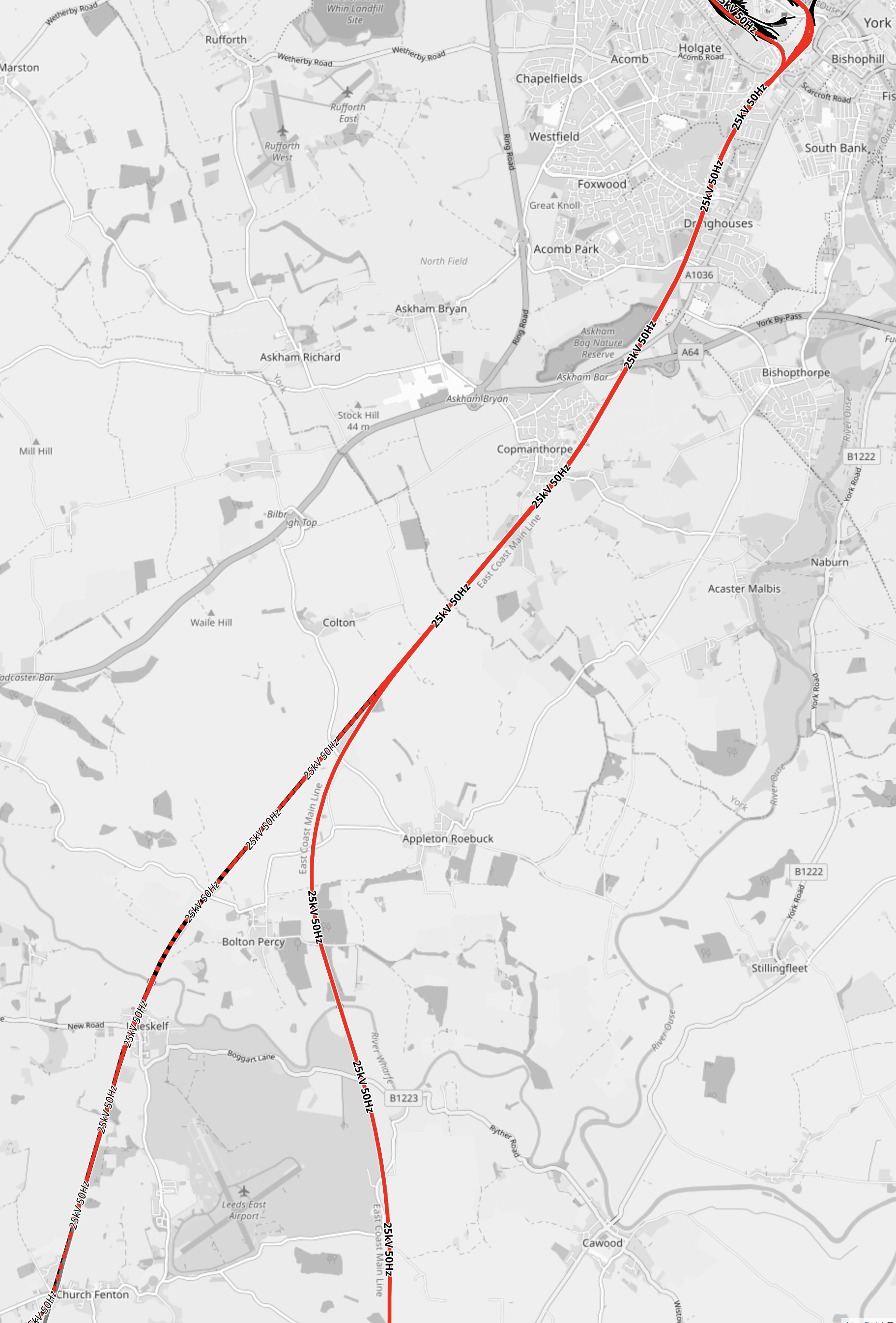
Note.
red lines indicate 25 KVAC overhead electrification.
York is in the North-East corner of the map.
Church Fenton is in the South-West corner of the map.
The track marked in red going South is the Selby Diversion, which was built in 1983 to avoid the Selby coalfield. It joins the York and Church Fenton route at Colton Junction.
The Colton Junction and Church Fenton section is marked in red and black, indicating this section is being electrified.
This second OpenRailwayMap shows between Church Fenton and Neville Hill TMD in the East of Leeds.
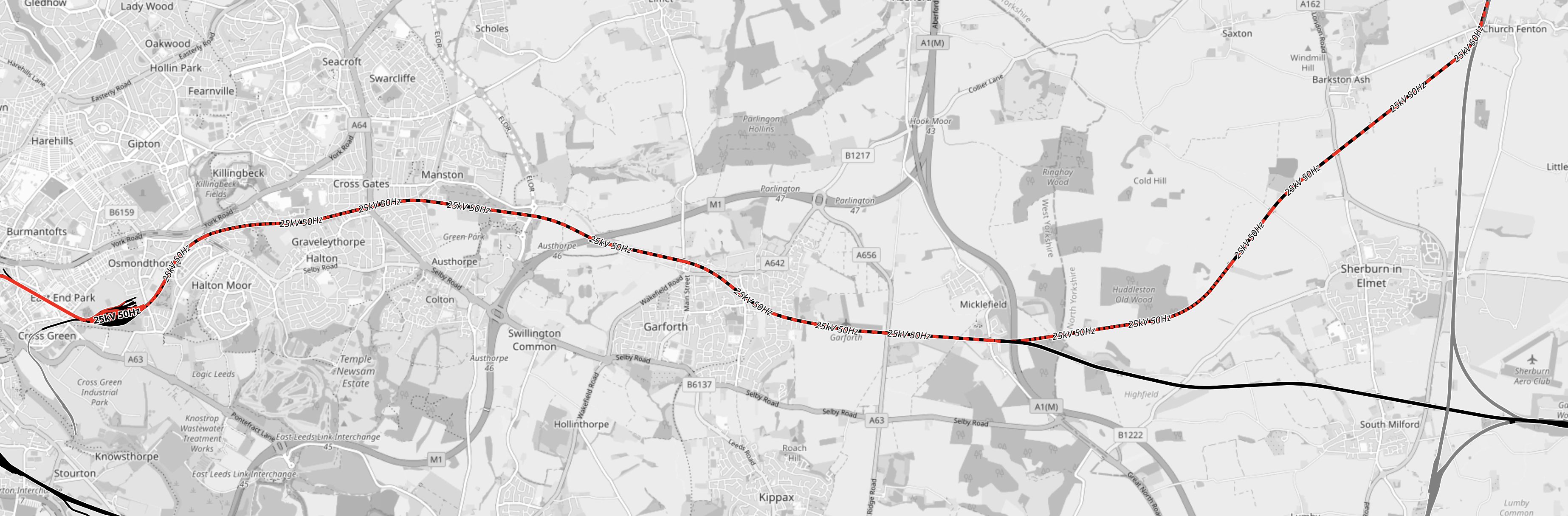
Note.
- Church Fenton is in the North-East corner of the map.
- Neville Hill TMD is the big black blob in the middle of the West edge of the map.
- The route marked in red and black will probably be the next to be electrified.
- Between Leeds and Neville Hill is electrified.
Electrification of Church Fenton and Neville Hill TMD means that the electrification between Leeds and York would be complete.
These services use this route between Leeds and York.
- TransPennine Express – 1 tph – Liverpool Lime Street and Newcastle
- TransPennine Express – 1 tph – Manchester Airport and Redcar Central
- CrossCountry – 1 tph – Plymouth and Edinburgh Waverley
In addition, the new electrified route will have other effects.
Electric trains will have direct electrified access to Neville Hill TMD from York.
Micklefield is only 42 miles from Hull and with charging at Hull, I suspect TransPennine’s Manchester Piccadilly and Hull service could go battery-electric.
Green Light For Major Transpennine Improvements
The title of this post, is the same as that of this article on Railnews.
These paragraphs outline the project.
Improvements on the Transpennine route in West Yorkshire have been given the green light, after a Transport and Works Act order was signed by the transport secretary on 27 June, six months earlier than planned.
The cost of the upgrades was described as ‘multi-billion’ by Network Rail, which said it was the ‘biggest milestone’ so far on the Transpennine Route Upgrade programme.
The improvements will be carried out between Huddersfield and Westtown in Dewsbury, and include quadrupling the double line and remodelling track layouts as well as major renovations at Huddersfield, Deighton and Mirfield and a new station at Ravensthorpe. In addition, there will be a flyover near Ravensthorpe to separate the Wakefield and Leeds lines and reduce conflicting movements.
Effectively, Grant Shapps fired the starting gun for this project four days ago.
I have written various posts on the upgrade and they can be read from this link.
The Transpennine Route Upgrade Web Site
The project now has its own comprehensive web site, which is named the Transpennine Route Upgrade.
A Reply To Peter Robins About Electrification
Peter Robins made this very perceptive comment.
The main point of TPU isn’t electrification, though, it’s upgrading the track to remove bottlenecks, improve lines speeds, add capacity. This is mainly what the Hudd-Dew TWA order is about. If you electrify the line while you’re doing that, then you increase the number of connecting places/lines which are within range of current batteries.
I think that Lds-CF will also have to wait for the post-IRP review, meaning the full upgrade will be a long time coming.
This Hitachi infographic shows the specification of their Regional Battery Train.

Note.
- It is a 100 mph train.
- Batteries can be charged when travelling under wires or 10-15 mins static.
- Range on batteries is 90 km. or 56 miles.
- My experience of Hitachi bi-modes is that pantographs on these trains can go up and down, with all the alacrity of a whore’s drawers.
Hitachi have stated that they will be testing a Class 802 train with batteries later this year.
Could Hitachi Battery Trains Be Charged On The Electrification Between Huddersfield And Dewsbury?
Looking at the data from RealTimeTrains for this route it appears that the fastest time I can find between Huddersfield And Dewsbury is eleven minutes.
Would this be enough time to fully-charge the battery? If not the electrification could perhaps be extended for a couple of miles.
How Many Of Transpennine Express (TPE)’s Services Could Be Decarbonised, if Huddersfield And Dewsbury Were To Be Electrified?
I’ll look at each service that uses this route.
Liverpool Lime Street And Newcastle
This is an hourly service that calls at Newton-le-Willows, Manchester Victoria, Huddersfield, Dewsbury, Leeds, York, Northallerton, Darlington and Durham.
- Liverpool Lime Street and Manchester Victoria is electrified.
- Colton Junction and Newcastle is electrified.
- Huddersfield and Dewsbury will be electrified by the Transpennine Route Upgrade.
This leaves the following sections without electrification.
- Manchester Victoria and Huddersfield – 25.8 miles
- Dewsbury and Colton Junction – 29.3 miles
Note.
- There are also stops under the wires, at Dewsbury, Huddersfield and Leeds, which could be used to top up the battery.
- The largest unelectrified section would be 29.3 miles.
It looks to me that Liverpool Lime Street And Newcastle could be served using a Hitachi Regional Battery Train or similar.
Manchester Airport And Redcar Central
This is an hourly service that calls at Gatley, Manchester Piccadilly, Manchester Oxford Road, Manchester Victoria, Huddersfield, Dewsbury, Leeds, York, Thirsk, Northallerton, Yarm, Thornaby and Middlesbrough.
- Manchester Airport and Manchester Victoria is electrified.
- Colton Junction and Northallerton is electrified.
- Huddersfield and Dewsbury will be electrified by the Transpennine Route Upgrade.
This leaves the following sections without electrification.
- Manchester Victoria and Huddersfield – 25.8 miles
- Dewsbury and Colton Junction – 29.3 miles
- Northallerton and Redcar Central – 28.8 miles
Note.
- There are also stops under the wires, at Dewsbury, Huddersfield and Leeds, which could be used to top up the battery.
- The largest unelectrified section would be 29.3 miles.
- I suspect that charging could be needed at Redcar end of the route. Middlesbrough would probably be best, as it could also charge the LNER services, if they used battery power from Northallerton.
It looks to me that Manchester Airport And Redcar Central could be served using a Hitachi Regional Battery Train or similar.
Manchester Piccadilly And Hull
This is an hourly service that calls at Stalybridge, Huddersfield, Leeds, Selby and Brough.
- Manchester Piccadilly and Manchester Victoria is electrified.
- Huddersfield and Dewsbury will be electrified by the Transpennine Route Upgrade.
- Leeds and Neville Hill Depot is electrified.
This leaves the following sections without electrification.
- Manchester Victoria and Huddersfield – 25.8 miles
- Dewsbury and Leeds – 29.3 miles
- Neville Hill Depot and Hull – 50 miles
Note.
- There are also stops under the wires, at Huddersfield and Leeds, which could be used to top up the battery.
- The largest unelectrified section would be 50 miles.
- I am sure that charging would be needed at Hull end of the route. Hull would probably be best, as it could also charge the Hull Trains, LNER and Northern Trains services, if they used battery power from the East Coast Main Line.
- Alternatively, there could be electrification between Hull and Brough. or Neville Hill and Micklefield. The latter would knock eight miles off the unelectrified section and is needed to allow electric trains to access Neville Hill Depot under electric power.
It looks to me that Manchester Piccadilly and Hull could be served using a Hitachi Regional Battery Train or similar.
Manchester Piccadilly and Huddersfield
This is an hourly service that calls at Stalybridge, Mossley, Greenfield, Marsden, and Slaithwaite.
- Manchester Piccadilly is electrified.
- Huddersfield is electrified.
This leaves the following sections without electrification.
- Manchester Piccadilly and Huddersfield – 25.5 miles
Note.
- There are also stops under the wires, at Manchester Piccadilly and Huddersfield, which would be used to top up the battery.
- The largest unelectrified section would be 25.5 miles.
- Trains would be charged at both ends of the route.
It looks to me that Manchester Piccadilly and Huddersfield could be served using a Hitachi Regional Battery Train or similar.
Huddersfield And Leeds
This is an hourly service that calls at Deighton, Mirfield, Ravensthorpe, Dewsbury, Batley, Morley and Cottingley
- Huddersfield is electrified.
- Leeds is electrified.
This leaves the following sections without electrification.
- Dewsbury and Leeds – 29.3 miles
Note.
- There are also stops under the wires, at Manchester Piccadilly and Huddersfield, Deighton, Mirfield, Ravensthorpe, Dewsbury and Leeds, which would be used to top up the battery.
- The largest unelectrified section would be 29.3 miles.
- Trains would be charged at both ends of the route.
It looks to me that Huddersfield and Leeds could be served using a Hitachi Regional Battery Train or similar.
York And Scarborough
This is an hourly service that calls at Malton and Seamer
- York is electrified.
This leaves the following sections without electrification.
- York And Scarborough – 42.1 miles
Note.
- The largest unelectrified section would be 42.1 miles.
- Trains would be charged at both ends of the route.
It looks to me that York and Scarborough could be served using a Hitachi Regional Battery Train or similar.
How Many Of Northern Trains’s Services Could Be Decarbonised, if Huddersfield And Dewsbury Were To Be Electrified?
I’ll look at each service that uses this route.
Wigan North Western And Leeds
This is an hourly service that calls at Daisy Hill, Atherton, Walkden, Salford Crescent, Salford Central, Manchester Victoria, Rochdale, Smithy Bridge, Littleborough, Walsden, Todmorden, Hebden Bridge, Mytholmroyd, Sowerby Bridge, Brighouse, Mirfield, Dewsbury, Morley and Cottingley
- Wigan North Western is electrified.
- Salford Crescent and Manchester Victoria is electrified.
- Heaton Lodge East junction and Dewsbury is electrified.
- Leeds is electrified.
This leaves the following sections without electrification.
- Wigan North Western and Salford Crescent – 16 miles
- Manchester Victoria and Heaton Lodge East junction – 37.6 miles
- Dewsbury and Leeds – 29.3 miles
Note.
- There are also stops under the wires, at Wigan North Western, Salford Crescent, Salford Central, Manchester Victoria, Mirfield, Dewsbury and Leeds, which would be used to top up the battery.
- The largest unelectrified section would be 37.6 miles.
- Trains would be charged at both ends of the route.
It looks to me that Wigan North Western and Leeds could be served using a Hitachi Regional Battery Train or similar.
Huddersfield And Castleford
This is an occasional service that calls at Deighton, Mirfield and Wakefield Kirkgate.
As it is run by buses at the moment, I can’t get the data to work out if it could be served using a Hitachi Regional Battery Train or similar.
But I suspect it can, after looking at a map.
How Many Of Grand Central’s Services Could Be Decarbonised, if Huddersfield And Dewsbury Were To Be Electrified?
I’ll look at each service that uses this route.
London King’s Cross And Bradford Interchange
This is a four trains per day service that calls at Doncaster, Pontefract Monkhill, Wakefield Kirkgate, Mirfield, Brighouse, Halifax and Low Moor.
- King’s Cross and Doncaster is electrified.
- Mirfield is electrified.
This leaves the following sections without electrification.
- Doncaster and Mirfield – 34.8 miles
- Mirfield and Bradford Interchange – 17.3 miles
Note.
- There are also stops under the wires, at Mirfield, which would be used to top up the battery.
- The largest unelectrified section would be 34.8 miles.
- Trains would need to be charged at Bradford Interchange, during the turnround of around an hour.
- It is likely, that some electrification will be erected in the Bradford area, to improve services to Leeds.
It looks to me that London King’s Cross and Bradford Interchange could be served using a Hitachi Regional Battery Train or similar.
Conclusion
It looks like electrifying between Huddersfield and Dewsbury will enable a Hitachi Regional Battery Train or similar to work all passenger routes, that run on that section of track.
TransPennine Express Explores Further Fleet And Capacity Expansion Options
The title of this post, is the same as that of this article on Railway Gazette.
This is the first paragraph.
First TransPennine Express is hopeful that it will be able to issue a call for expressions of interest in the provision of additional bi-mode trains before the end of March. This follows ‘a healthy level of interest’ in its existing call for expressions of interest in the supply of bi-mode locomotives to replace the Class 68s which work with its MkVa coaches.
I wrote about the expressions of interest to replace the Class 68 locomotives with new bi-mode locomotives in Suppliers Sought For New Bi-Mode Locomotives For TransPennine Express And Great Western Railway.
This was my conclusion in the related post.
When I saw First Group’s proposals, I thought that they were over ambitious.
But after doing a few simple calculations, I think they can decarbonise some, but not all of the TransPennine Express services and the Night Riviera.
So do First Group want to complete the decarbonisation of TransPennine Express services?
These are my thoughts.
The Train Fleet Specification
The Railway Gazette article makes these points about the new bi-mode trains.
- The trains could be existing or new bi-modes.
- It would be desirable for the trains to have a long-term electric-only option.
- Options for this would include removing the diesel engines or converting the trains to battery-electric operation.
- Hydrogen is not mentioned.
- A fleet size of twenty-five trains is mentioned.
- The possibility of electric-only trains in the future is mentioned..
- Five-cars, with the ability to lengthen to six- or seven-cars.
- 200 km/h operation.
There is nothing unusual in the specification.
Will They Be Existing Or New Trains?
I doubt that there are any existing 200 km/h bi-modes in the UK, that are not wanted by their current operators.
I am very certain they will be new trains.
Could The Trains Be Hitachi Class 802 Trains?
The trains sound very much like Hitachi Class 802 trains, that are in service with TransPennine Express, Great Western Railway and Hull Trains, all of whom are First Group companies.
- Long-term, the diesel engines can be removed or replaced with batteries.
- The battery option is under development and should be on test this year.
- The trains can be lengthened to as long as twelve cars, so six- and seven-car trains would be possible.
Hitachi will obviously show interest in this possible order.
Will These Trains Replace the Class 185 Trains?
Consider.
- TransPennine Express have 51 three-car Class 185 trains.
- This is a total of 153 cars.
- On some routes they work singly and on others they work in pairs.
- A three-car Class 185 train has 167 Standard Class and 15 First Class seats or 60.7 seats per car.
- A pair of Class 185 trains have 334 Standard Class and 30 First Class seats.
- A five-car TransPennine Express Class 802 train has 318 Standard Class and 24 First Class seats or 68.4 seats per car.
- It would appear that a Class 802 train is not that far short of the capacity of a pair of Class 185 trains.
- Some of the TransPennine services are very crowded.
I suspect that twenty-five five-car trains be able to handle the the workload of the Class 185 trains.
If a small amount of extra capacity were needed, some of the new trains could be six-cars.
In this section, I have assumed the new trains will be Class 802 trains, but any train manufacturer pitching for this order would adjust the capacity to the needs of TransPennine Express.
The Railway Gazette article says this.
TPE continues to explore opportunities for new services in the north of England, and the move could also feed into government plans for the removal of older and more costly to operate diesel trains elsewhere on the network, should any rolling stock become surplus to requirements at TPE.
So where could the Class 185 trains be used in the future?
Recently, MTU Hybrid PowerPacks have replaced the transmission on a Class 168 train, which reduces carbon emissions and fuel consumption and makes the train quieter and more passenger-friendly, as it doesn’t use diesel in stations.
The Class 185 trains are only fifteen years old and I suspect that MTU have designed the Hybrid PowerPack, so that it can replace the Cummins engine in trains like these.
The conversion could be done as a rolling program, so that any future operator would start with diesel and go hybrid a train at a time.
There has been speculation, that the trains may end up on the East West Railway and I wrote about this in East West Railway Company To Start Second Phase Of Rolling Stock Procurement.
But the East West Railway may prefer to use zero-carbon trains on a route, where there is electrification in places on the route.
Alternatively, South Western Railway run 10 two-car Class 158 trains and 30 three-car Class 159 trains between London Waterloo and Exeter.
- South Western Railway is another First Group company.
- The Class 185 trains could provide a capacity increase.
- The Class 185 trains are 100 mph trains, whereas the Class 158/159 trains are only capable of 90 mph.
The London Waterloo and Exeter Route could be electrified in the future and I am pretty sure, that the Class 185 trains with a hybrid transmission could be a good stand-in until this happens.
Other Train Manufacturers
I believe that Hitachi are in pole position for this order, just because they are an established supplier to both TransPennine Express and First Group.
But twenty-five five-car trains would be a very worthwhile order, so I suspect that companies like Alstom, CAF, Siemens, Stadler and Talgo will also express interest.
Conclusion
Buying extra bi-mode trains will take TransPennine Express further along the route to full decarbonisation.

