Nine Elms Station Opens
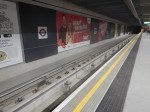
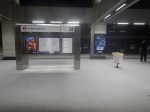
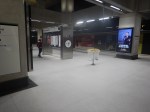
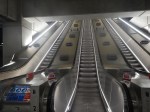
I took these pictures at Nine Elms station today, after it opened.


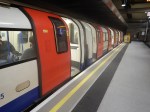
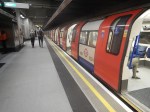

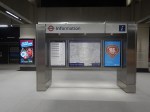
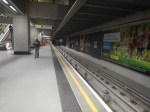
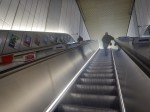

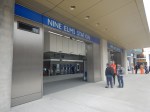
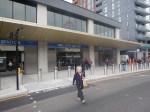

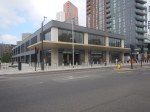


Note.
- The space is generous on the wide island platform.
- Access between platform and train is level.
- There is a set of three escalators and a lift connecting the platform to the surface.
The underground parts of the station feel very much like Canary Wharf station without the platform edge doors and fewer escalators.
Why Aren’t There Platform Edge Doors?
I was chatting to someone and they wondered how the station and Battersea Power Station station had been built without platform edge doors.
- The thought had occurred to me too and we both thought that EU regulations meant that new underground platforms had to have these doors.
- As the 1995 Stock on the Northern Line are very similar to the 1996 Stock on the Jubilee Line, it is unlikely to be a technical or design issue.
- I also think it would be unlikely to be a cost issue given the size of the budget for the two stations.
Look at this picture of a train in Nine Elms station.
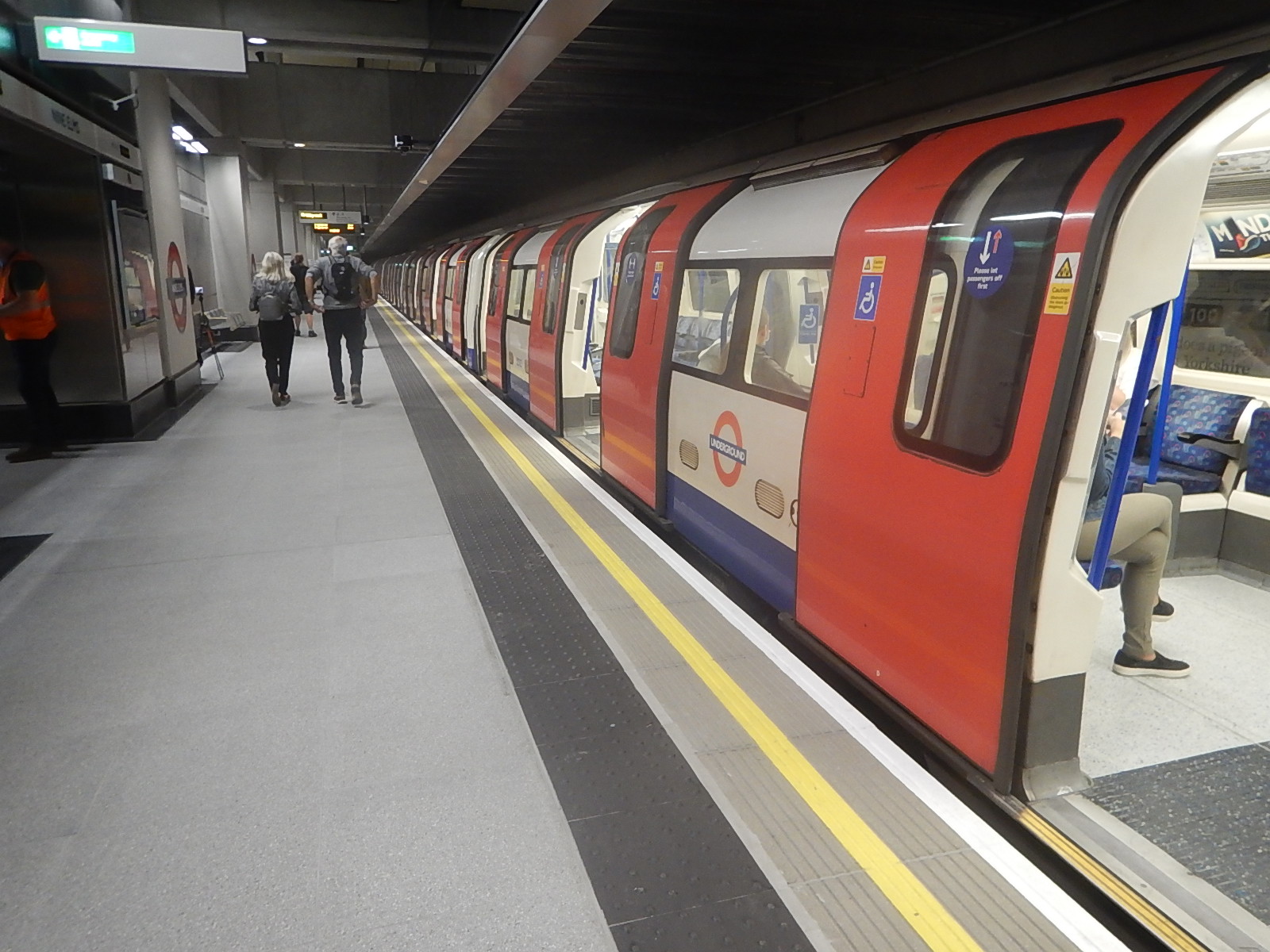
Note.
- The platform is long and straight.
- The platform is generally wider than some of London’s older Underground platforms.
- The track is arranged, so that the door openings and carriage floors line up with the platform edge, so that wheelchair users, bugger pushers and case draggers can go safely across.
- There is only a small gap between the train side and the platform edge, between the doors on the train, which is probably too small for anybody capable of walking can fall through.
- There is no Mind The Gap written on the platform. There is just a yellow line.
- There are no obstructions on the platform.
This second picture shows the structure of the track.
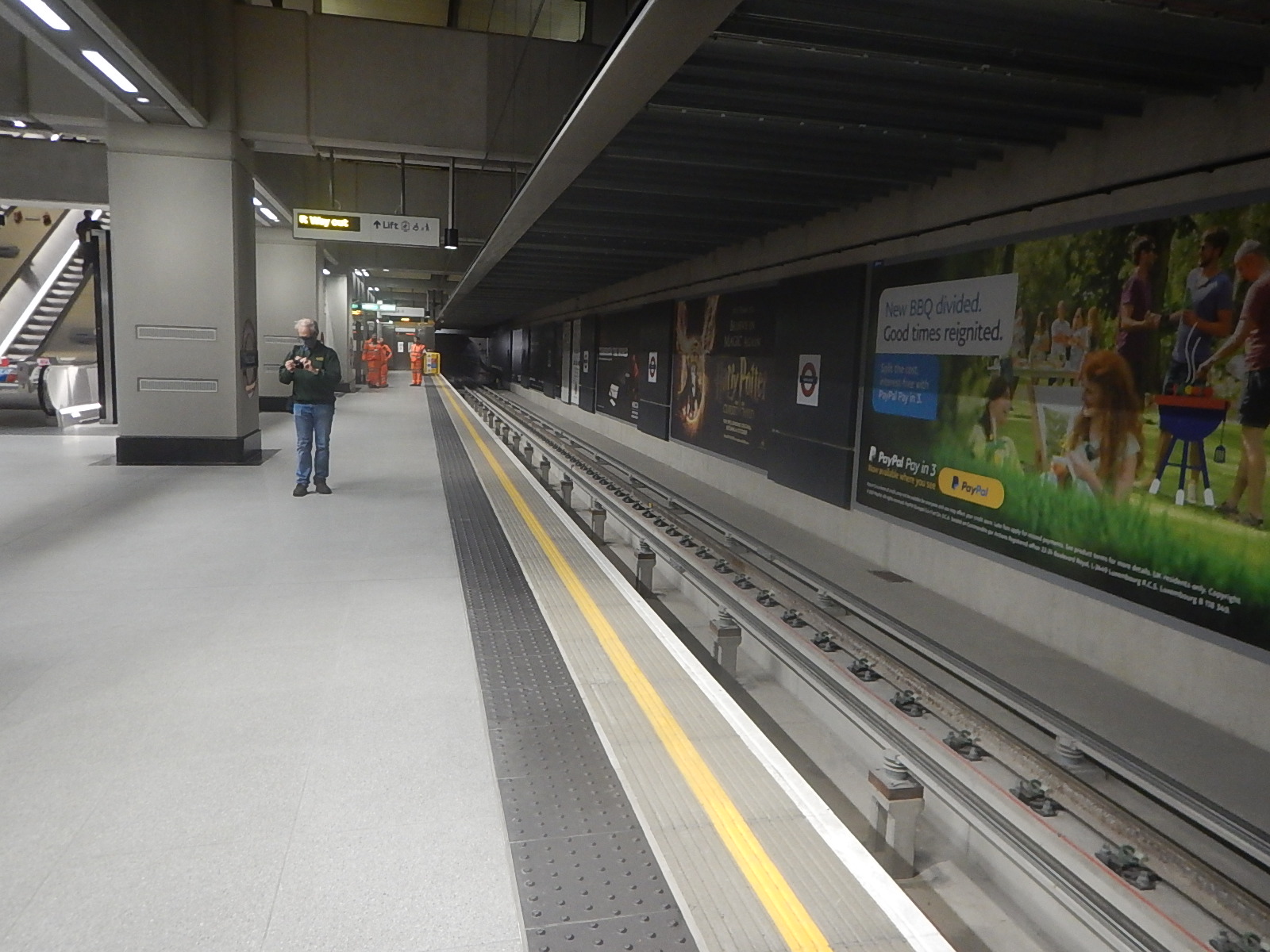
Note.
- The four rail electrification system is clearly visible.
- The far rail is energised at +420 VDC.
- The centre rail is energised at -210 VDC.
- The two running rails don’t carry any current.
- There is a suicide pit between the running rails and under the centre rail to protect anybody or anything falling onto the tracks.
I do wonder if Transport for London have done an analysis and found that the number of serious accidents on stations with these characteristics is small enough, to build these two new stations without the doors.
Other factors could include.
- Stadler are the masters of step-free access and have built several innovative fleets of trains for safe step-free access without platform edge doors. Although they have nothing to do with this project, their statistics would be relevant.
- The UK has left the EU, so we’re ignoring the regulation.
- The Northern Line might get new trains.
I wouldn’t be surprised to see this philosophy of straight uncluttered platforms being applied across the Underground.
This picture shows the Southbound platform at Angel station.

Note.
- This platform was built in the early 1990s.
- It is wide and uncluttered.
Note that the trains were introduced after the station was opened, so that is perhaps, why the train floors are higher.
The Definitive Seating Layout Of Lumo’s Class 803 Trains
This article on Economy Class and Beyond is entitled Enter Lumo – The New East Coast Railway Competitor.
It contains a drawing from Lumo, which shows the layouts of the seats on the train.
- Coach A – 44 Standard seats – 8 Priority seats – 2 Wheelchair spaces – 2 Tip up seats – Accessible toilet – 56 Total seats
- Coach B – 84 Standard seats – 12 Priority seats – Bike store – Toilet – 96 Total seats
- Coach C – 84 Standard seats – 12 Priority seats – 96 Total seats
- Coach D – 84 Standard seats – 12 Priority seats – Bike store – Toilet – 96 Total seats
- Coach E – 52 Standard seats – 8 Priority seats – 2 Tip up seats – Accessible toilet – 62 Total seats
Note.
- This is a total of 406 seats.
- Judging by the position of the tip-up seats they are for staff and perhaps emergency use, if say a coffee gets spilled on a seat.
- Each car has a pair of tables, where four can sit. As Lumo’s business model allows early booking, if you and your partner want to take the kids to see granny on her birthday, you should be able to get a table, by booking early.
- There are two bike stores in Coaches B and D.
These are some further thoughts.
Toilet Provision
I was on an LNER Class 800 train earlier this week and needed to go to the toilet.
- I wasn’t sure which way I needed to go, as I couldn’t see a sign pointing me to the toilet, but in the end I struck lucky.
- You don’t have that problem with Lumo’s trains, as there appears to be a toilet at both ends of the three middle coaches, either in your car or the next.
- If you’re in one of the driver cars, there is an accessible toilet at the blunt end.
I don’t think anybody will argue with the toilet provision on Lumo’s trains.
Can The Trains Be Lengthened?
If you look at the diagram of the train, Coaches B and D appear to be identical with a toilet and a bike store at one end.
These ends are connected to the centre car, which doesn’t have its own toilet, but passengers can use the toilets in the next coaches.
One of the advantages of this layout is that although it is a five-car train, it only has four coach types, which must help in both manufacture and maintenance.
But it also helps, if the train service is successful and more capacity needs to be provided.
An extra coach just needs to have a toilet at one end and when it is slotted into the formation. The train software, then automatically acknowledges the additional car.
The rule of having a toilet at both ends of the centre coaches will not be broken.
These trains are certainly designed for a service that could be more successful, than the train operator has initially planned.
The maths of lengthening are very simple.
- Each new coach will add another 96 seats.
- The five trains (25 coaches) cost £100 million.
- That is £4 million per coach.
- All stations on the route are capable of handling at least nine-car trains.
Different lengths of trains would give the following increases.
- Six-car trains would hold 502 seats and increase capacity by 24 %.
- Seven-car trains would hold 598 seats and increase capacity by 47 %.
- Eight-car trains would hold 694 seats and increase capacity by 71 %.
- Nine-car trains would hold 790 seats and increase capacity by 94 %.
The ability to lengthen trains so easily, must mean that Lumo can match their train size to demand, without needing any extra expensive train paths.
Bicycle Storage
There are two bike storage racks in Coaches B and D.
As there has been complaints about bicycle storage on these Hitachi trains, I would assume that Lumo have got the provision right for the target market.
Wheelchair Travellers
These are positioned next to one of the accessible toilets, which is standard practice.
How Will These Trains Compare To Budget Airliners?
This is not a great picture of even a boring subject like the A14 going over the East Coast Main Line.
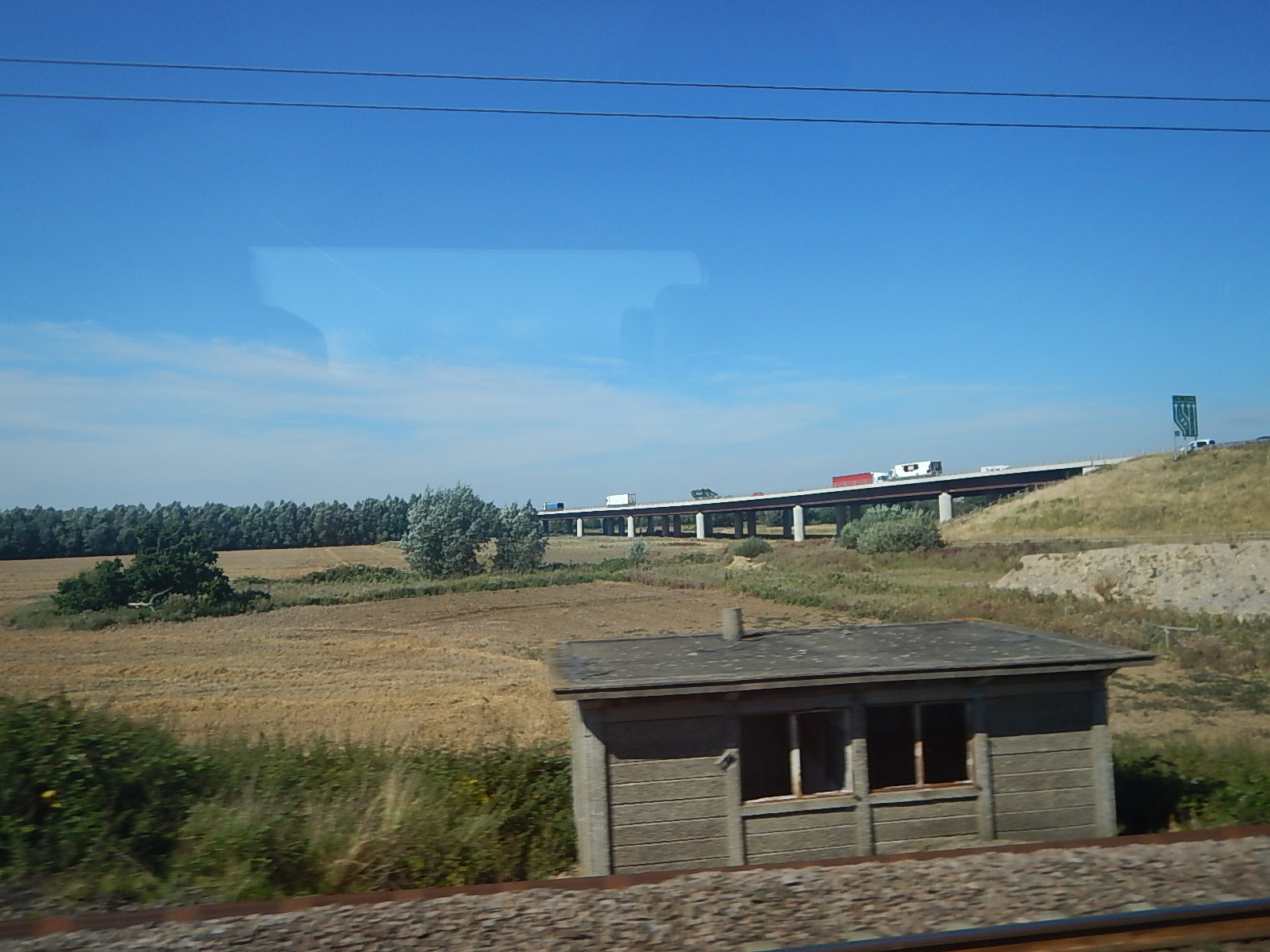
But it was taken from an airline-style seat through the wide window of an LNER Hitachi train, that is in the same family as the trains purchased by Lumo.
Try taking a decent picture through the porthole on a budget airliner.
If Lumo have used decent seats for the trains, they will have the budget airlines screwed, glued and tattooed on the London and Edinburgh route.
Conclusion
These are certainly trains designed for their market.
Through Barking To Barking Riverside
The excellent maps from carto metro now show full details of the route of the Barking Riverside Extension of the Gospel Oak to Barking Line.
This map shows the tracks going through Barking station.
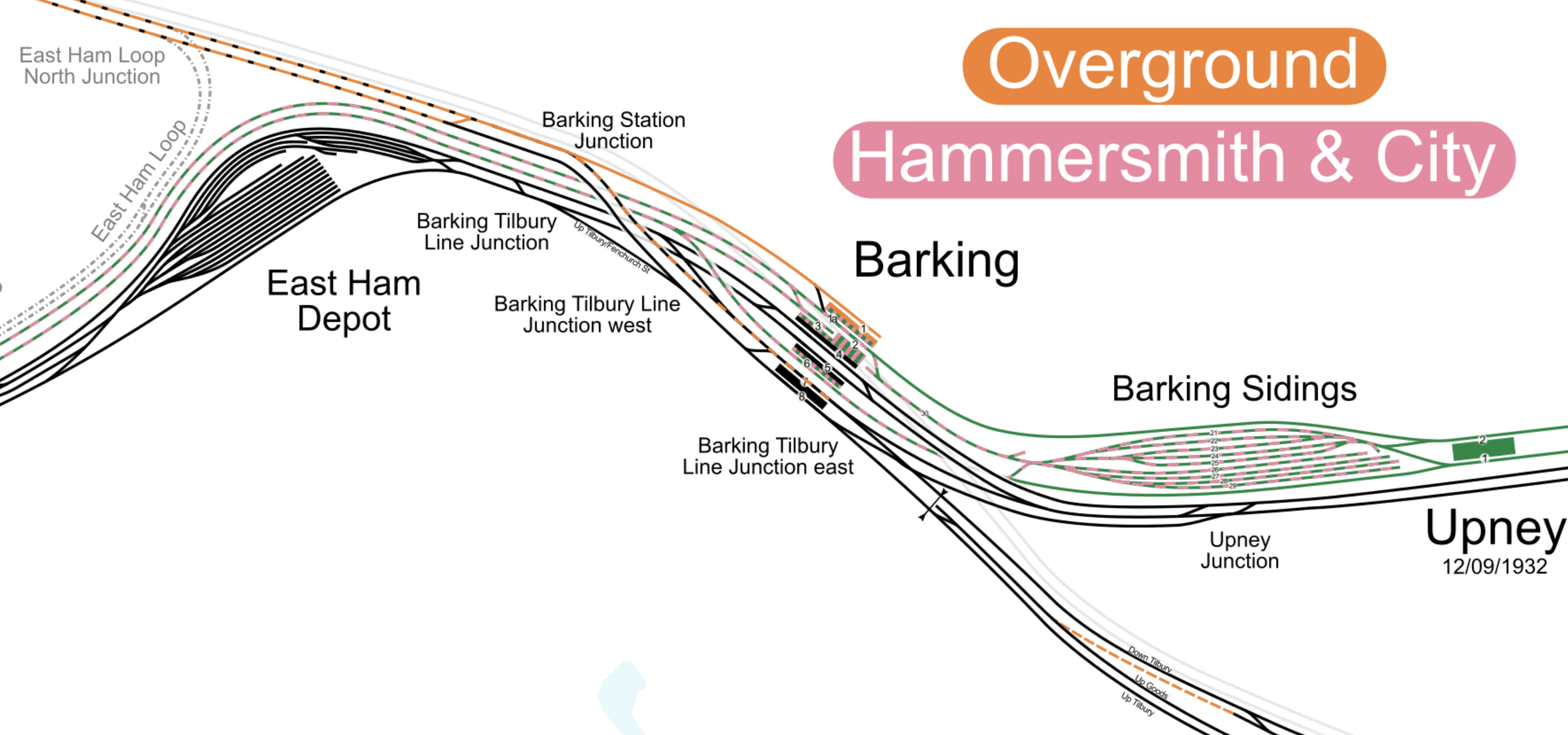
Note.
- The District Line is shown in green.
- The Hammersmith & City Line is shown in mauve.
- The London Overground is shown in orange.
- Where lines are shared, they are shown dotted in both colours.
- The two tracks going North West are the Gospel Oak to Barking Line to the West.
- There is a flyover linking these two tracks to Platforms 7 and 8 on the South side of the station.
All Overground trains currently terminate in Platform 1, which is the Northernmost of the seven platforms.
After services to Barking Riverside start, some or all of the services will use the flyover and share Platforms 7 and 8 with c2c’s half-hourly service between Fenchurch Street and Grays.
- Platform 7 will handle c2c services to Grays and Overground services to Barking Riverside.
- Platform 8 will handle c2c services to Fenchurch Street and Overground services to Gospel Oak.
Passengers who need to reverse direction to perhaps go from Barking Riverside to Purfleet would just walk across the island platform shared by Platforms 7 and 8.
This second map shows the tracks to the East of Barking station.
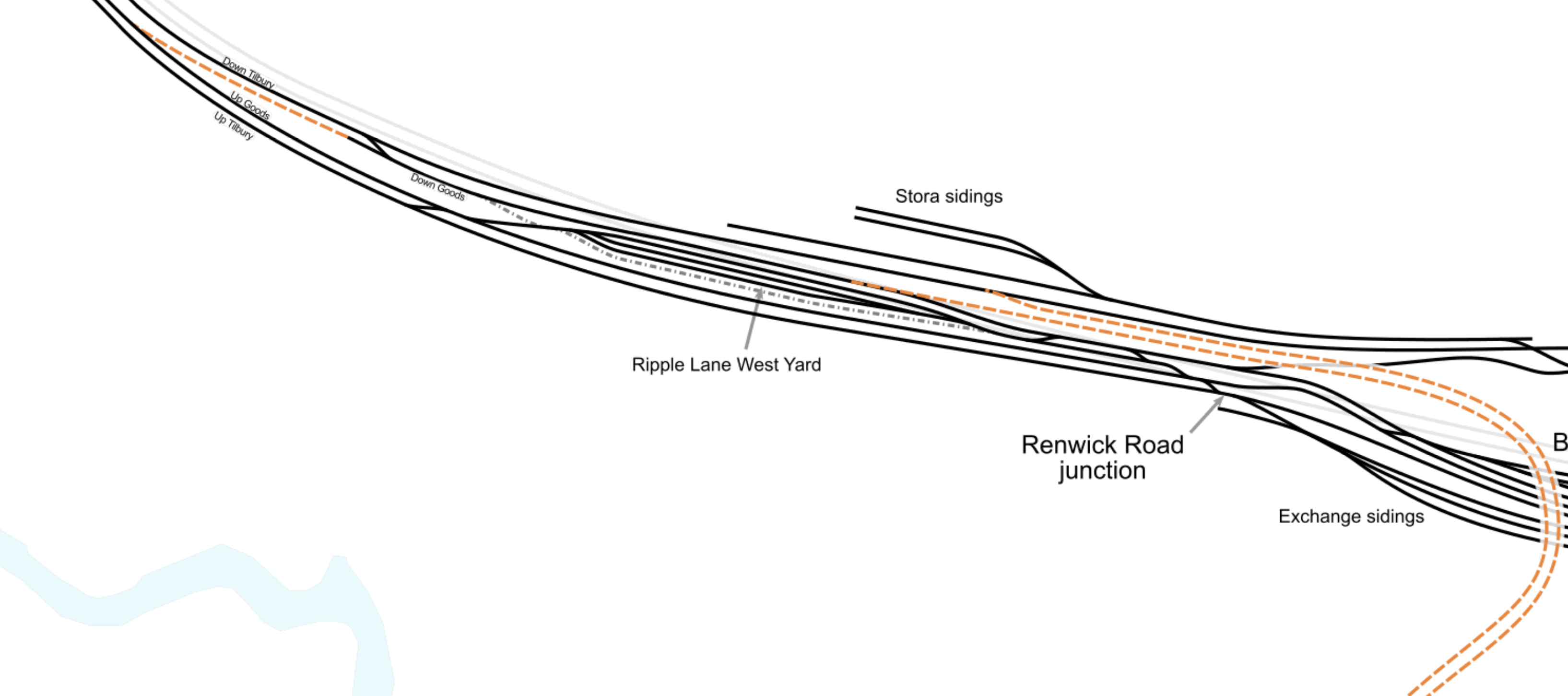
Note.
- The Overground tracks sit between the existing lines.
- If Renwick Road station is added to the extension, will it have an island platform between the tracks?
This third map shows the route to Barking Riverside station.
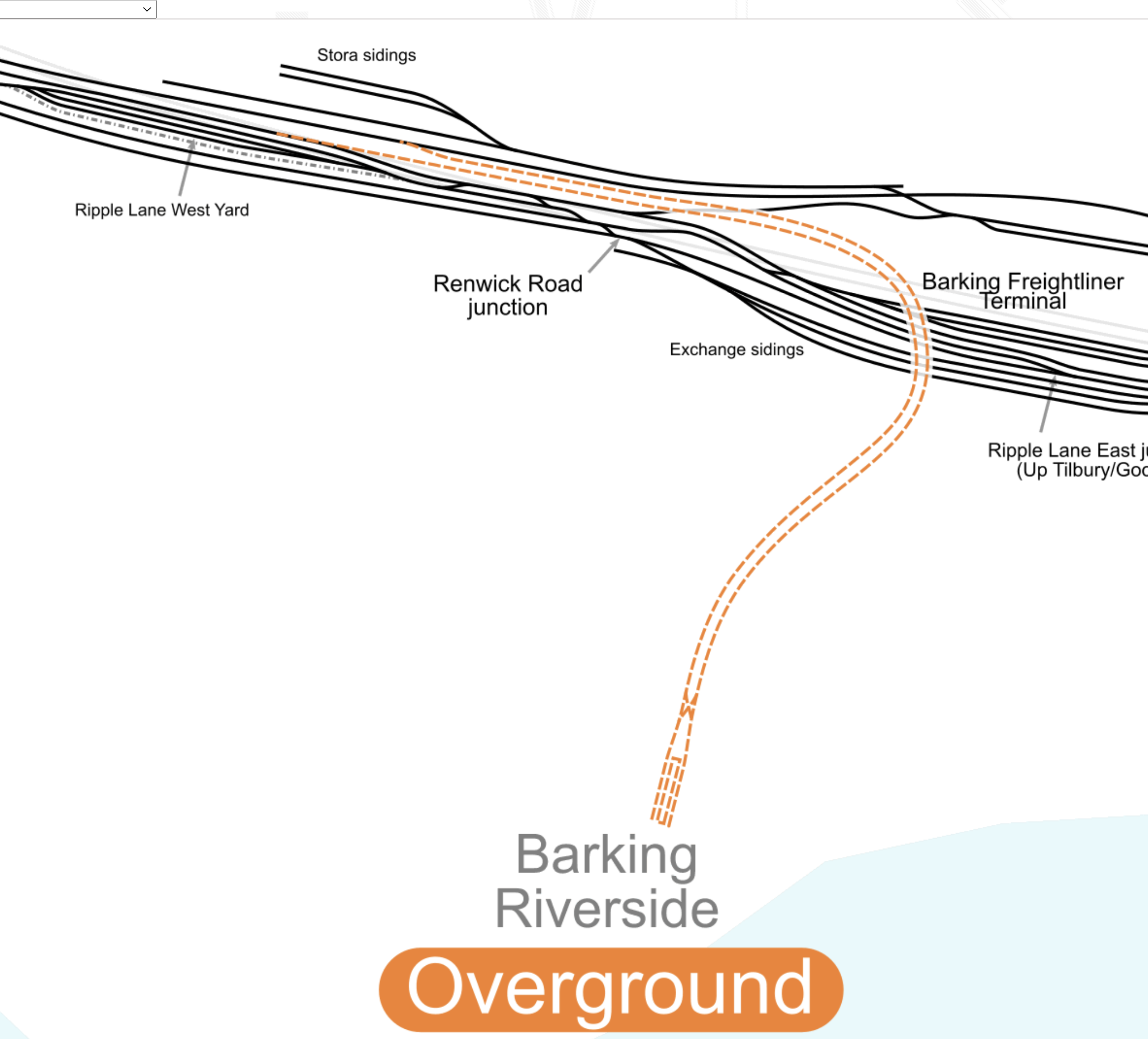
Note.
- Barking Riverside station is a two-platform station.
- There is a crossover outside the station to allow both platforms to be used to terminate trains.
Strictly speaking to handle the four trains per hour (tph) that are likely to use the station, one platform could be enough, but it looks like the station has been designed for extension across the river to Abbey Wood and Thamesmead.
Dwell Time On High Speed Two Trains
This document on the Government web site is the Train Technical Specification for High Speed Two trains.
There is a Section 7.15.6, which is entitled Dwell Time
This is said.
The Unit shall deliver 95% confidence of achieving a Dwell Time of 2 minutes at intermediate stations, calculated in accordance with the Static Dwell Time Model in Appendix I using the 1SL.
The rationale is also given.
Achievement of a two-minute Dwell Time is key to achievement of HS2 railway capacity and journey times.
The Static Dwell Time Model evaluates the key architectural elements of the interior layout that impact the Passenger exchange part of Dwell Time.
Dwell time is mentioned many times in the Technical Specification.
There is a Section 9.7.3.4, which is entitled Train Captain Changeover Time
This is said.
The Unit shall facilitate a changeover of Train Captains within a two-minute Dwell Time.
In this time period there shall be time for the exiting Train Captain to:
-
- Release and opening doors.
- Log out of the Cab
- Exit the Cab and Unit.
In this time period there shall be time for the entering Train Captain to:
-
- Enter the Unit and Cab
- Log in to the Cab
- Adjust Cab setting to the Train Captain’s personal preferences
- Fulfil the Train Captain’s role in closing doors, which does not include checking the PTI.
Note how all these actions must be performed in a two-minute dwell time.
The Technical Specification is certainly very detailed.
The Cross-Section Of A High Speed Two Classic-Compatible Train
This document on the Government web site is the Train Technical Specification for High Speed Two trains.
There is a Section 7.14.3, which is entitled Maximum Cross Section
This is said.
The Unit shall have a maximum cross-section of 11m².
The rationale is also given.
HS2 interface – This maximum cross-section has been used in the design of the tunnels.
HS2’s gauging analysis has shown that a Vehicle compatible with the CRN infrastructure will probably
have a cross-section closer to 10m²
A Class 800 train is 2.70 metres wide, so if a High Speed Two Classic-Compatible train is the same width, the height based on the 10m² figure will be around 3.7 metres or about the same as an Electrostar.
The next section 7.14.4 gives an interesting piece of information.
Tunnels on the HS2 Network include porous tunnel portals in the infrastructure design to mitigate the adverse effects of micro-pressure waves. Therefore it will not be necessary to include micro-pressure wave mitigation features in the Unit design.
Interesting that they are tackling what is best described as tunnel-plop in the design of the tunnels, rather than catering for it on the train. I wrote about this in HS2 Way Out In Front In Tunnel Design For High-Speed Rail.
Whitechapel Station – 23rd August 2021
Whitechapel station reopened this morning, so I went to have a look.
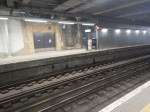
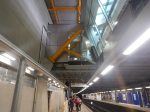
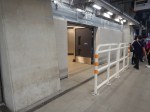
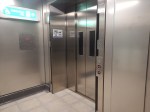
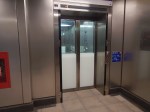
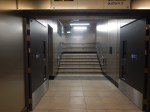
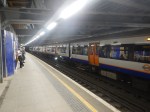
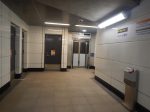
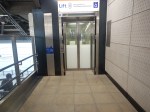
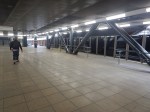
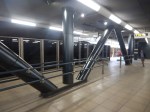
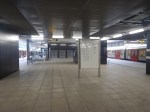
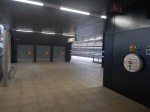
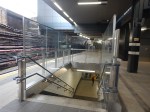
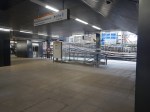
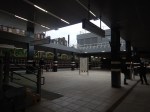
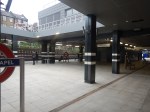
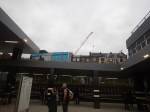
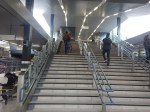
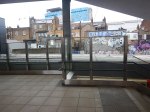
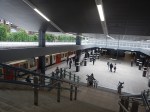
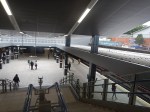
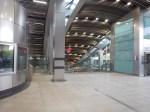
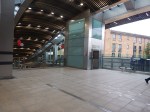

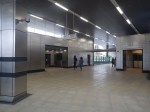
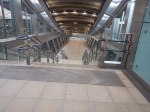
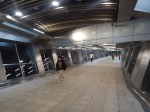
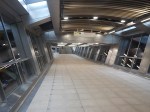
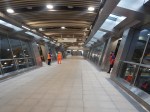
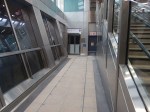
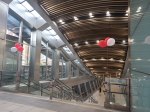
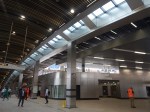
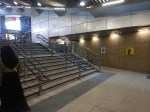
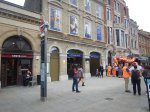
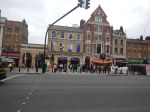
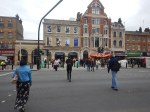
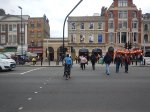
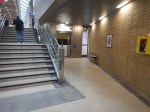
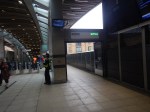
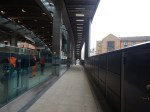
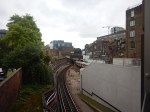
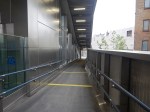
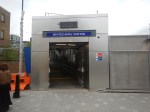
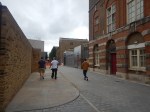
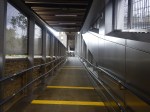
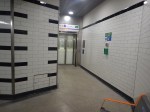
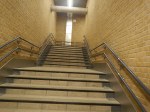
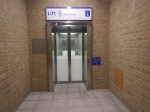
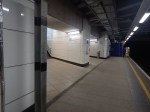
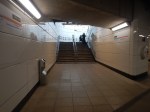
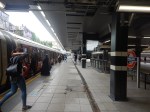
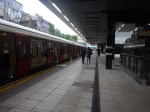
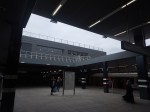
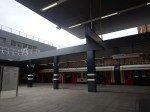
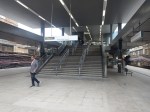
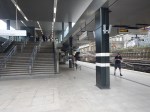
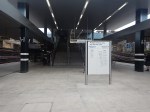
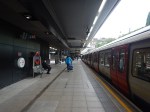
Note.
- There are more lifts than any program on Strictly.
- All the main stairs are wide with lots of handrails.
- There is a passageway alongside the Ticket Hall to access Durward Street at the back of the station.
- There is still some work to do on the Overground platforms.
It certainly could be The Jewel In The East.
Building Council Flats In London
I was told this tale by the Head of the Construction Branch of the Greater London Council, who was a big user of the first Project Management System;PERT7, that I wrote in the 1970s.
The GLC were building some council flats alongside the railway.
There were four parallel blocks with five floors and I’ll number them 1 to 4, with 4 alongside the railway and 1 furthest away.
The plan to build them involved the following.
- Deliveries were planned, so that the many residents around the site and British Rail were not inconvenienced.
- Site access was arranged with British Rail along the railway on a track to and from a major road a few hundred yards away.
- The site would be cleared with all the rubble going out in the reverse direction.
- The plan then was to build the blocks 1, 2, 3 and 4 towards the railway.
- This was logical, as when each block was completed it could be occupied and the new tenants wouldn’t be living in a building site, as what needed to be done was towards the railway.
But he was overruled by a vociferous local lobby and some local politicians, who had convinced themselves that building away from the railway in a 4, 3, 2, 1 order would be better.
In the end they were built in the 4, 3, 2, 1 order with budget and time overruns and endless complaints from residents.
If there is a lesson from this fairly insignificant project, it is that in a construction project, there is often one way to build it, that minimises construction time and disturbance to neighbours and maximises the cash flow from the development.
Mott’s £6m Plan Approved For Hammersmith Bridge
The title of this post, is the same as that of this article on Construction Index.
This is the introductory paragraph.
Hammersmith & Fulham Council has approved a new plan to stabilise Hammersmith Bridge at significantly below the original expected cost, with works completing in less than a year.
Consulting engineer, Mott MacDonald have developed a solution to the bridge that is simple in the extreme.
This sentence describes the principle at the heart of the solution.
The Mott MacDonald solution involves the use of elastomeric bearings, which allow any pressure to be applied equally to all four corners while protecting the vulnerable 134-year-old cast iron structure.
There would also appear, that some very serious computing has been applied to allow the new bearings to be inserted, by just jacking up the bridge.
In addition to the cost and the speed of installation, the Mott MacDonald plan has been welcomed by Heritage England, will require less closures and doesn’t involve diversion of the gas main.
Conclusion
This intervention will stabilise the bridge and give time for a long-term solution to be developed, that will allow the bridge to be opened to vehicles.
Level Boarding As A Policy
In his Informed Sources column in the August 2021 Edition of Modern Railways, Roger Ford says this.
GBR might, for example, set level boarding as a long-term policy.
By GBR, Roger means Great British Railways.
If vibrant Liverpool and sleepy East Anglia can do it, then surely all trains can be this way.
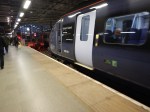
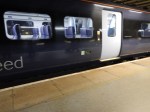
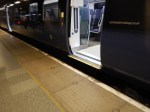
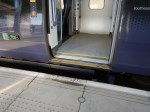
The pictures show the particularly bad example of a Class 395 train.
It is very surprising to me, that these trains didn’t have level boarding as many of the platforms they serve were new when the trains were introduced.
I blame the Treasury!
But this is what can be done.
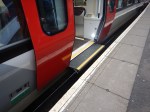

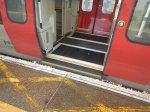
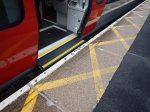
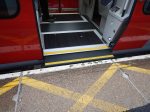
The pictures show Greater Anglia’s Class 745 and Class 755 trains.
As I’m not getting any younger, I would like to see Roger’s suggestion made the standard.
Will Whitechapel Station Have The Widest Platform On The Underground?
I took this picture across the island platform for the Sub Surface Lines at Whitechapel station, this morning.
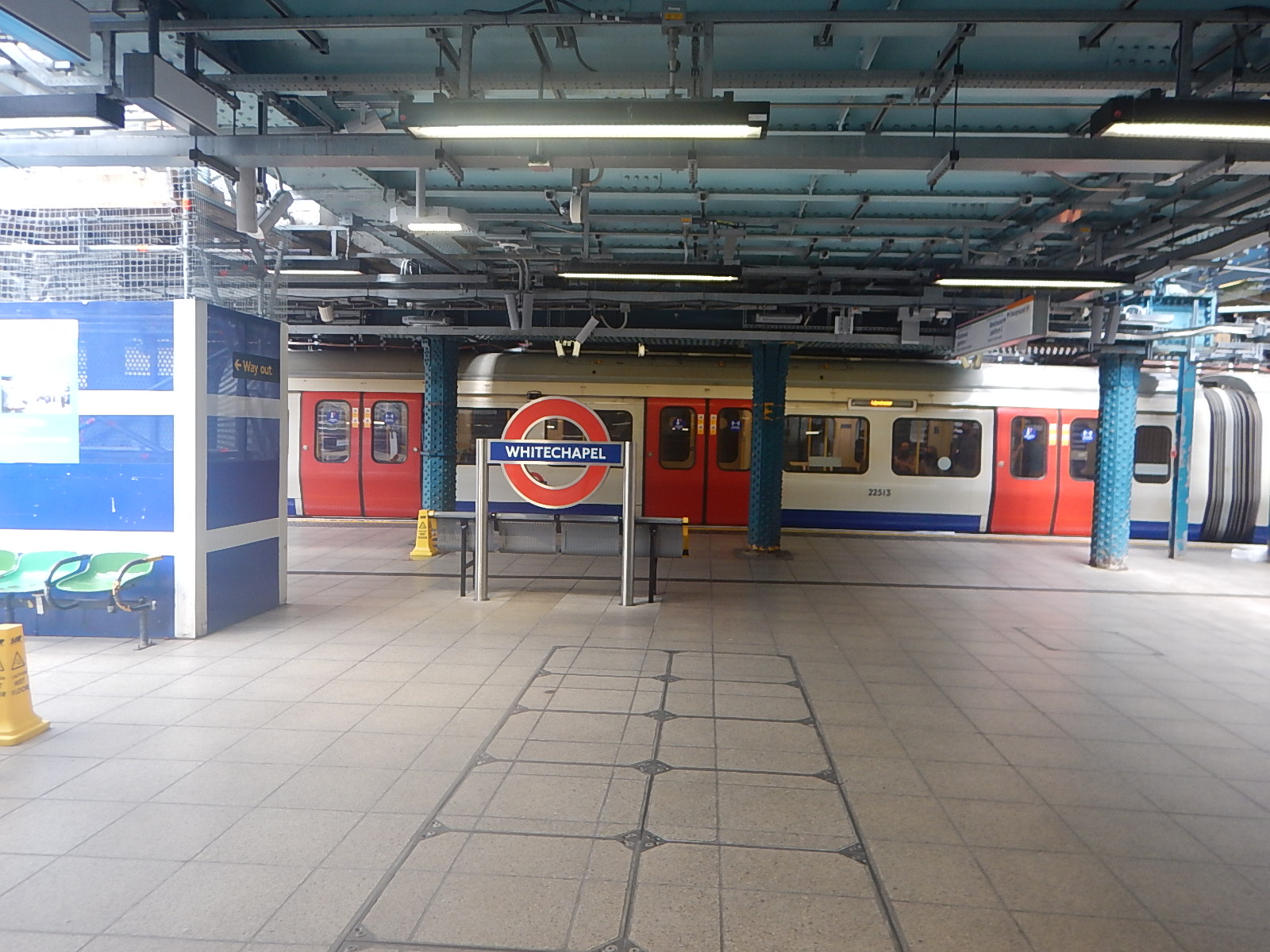
It will certainly be a wide platform, when the station is completed.
It is also shown on this map from carto metro of the lines through the station.
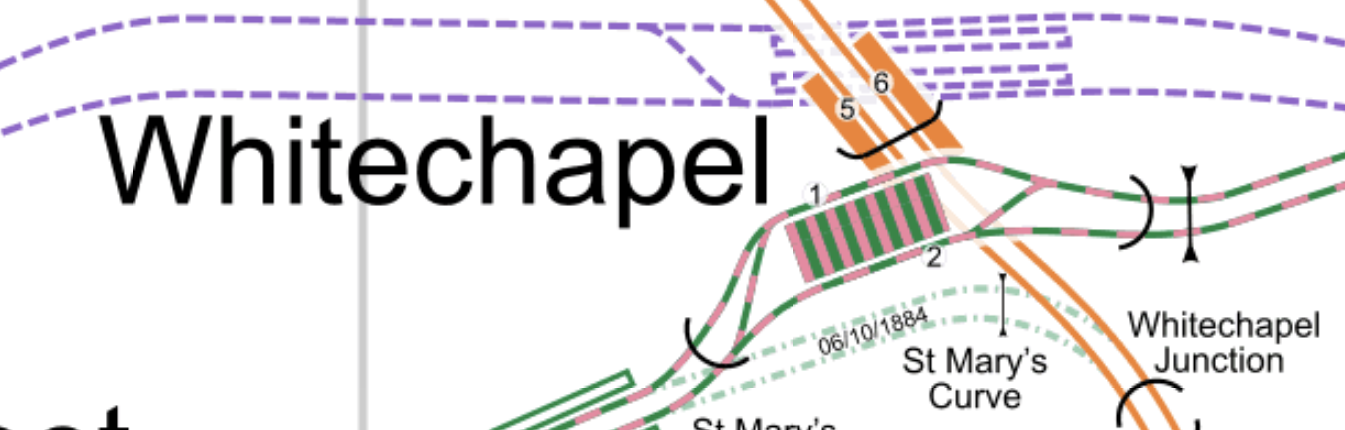
Note.
- Crossrail is shown in purple.
- The Overground is shown in orange.
- The Sub Surface Lines are shown in green and red.
Platforms 1 and 2 form a very wide island platform.
The station is unique in that three full-size high-capacity and high-frequency lines connect at the station.
- Crossrail – East-West – 24 tph – 1,500 passengers per train.
- Sub Surface Lines – East-West – 21 tph – 1209 passengers per train
- Overground – North-South – 16 tph – 170 passengers per train
A lot of passengers will change trains at Whitechapel station, so the spacious platform will be useful.
Will passengers also use the platform to reverse direction.
The quickest way between Liverpool Street and Blackfriars stations is to get a Circle Line train, but passengers could go two stops on a Hammersmith and City train to Whitechapel, walk across the platform and then take the District Line to Victoria.
Alternatively, you could take Crossrail to Whitechapel to get the District Line.
But the latter is in the advanced course on Ducking and Diving.
 The Anonymous Widower