Beeching Reversal – To Reinstate The Keswick To Penrith Railway
September 10th – This Beeching Reversal project appears to have been rejected.
Thoughts On The Design Of The Route
Consider.
- Keswick and Penrith are around 17.3 miles apart by road.
- The rail distance should be less than 20 miles.
- There could be perhaps six intermediate stations.
- A battery electric train typically has a range of 55-65 miles.
- A quiet battery electric train would be ideal for this route.
I believe that a battery electric train could handle this route.
- Charging would be mainly in Penrith station, using the existing 25 KVAC overhead electrification in Platform 3.
- A charging station would be provided in Keswick station to be safe.
A battery electric train could go between the two stations, recharge the battery and be ready to return in under an hour.
The route would be single track, except for a short double track station in the middle to allow trains to pass.
The route would not be electrified.
All stations could be single track, except for the passing station.
Two trains would be needed to work an hourly service.
Four trains would be needed to work an two trains per hour (tph) service.
Could the track could be designed to these criteria?
- No level crossings.
- Gentle curves and gradients
- 80 mph operating speed.
I suspect modern computer technology, which was not available to the Victorians, would ease the design of an efficient track.
- If a highly-efficient track could be created, it might be possible for a train to do a round trip from Penrith to Keswick, within an hour.
- This would mean that one train could provide the hourly service.
- Charging would only be at Penrith, using existing electrification.
- The passing loop would not be built, but provision would be made to add it later, if the frequency were to be increased.
We could be seeing several of these highly-efficient branch lines run by 100 mph battery-electric trains, that are charged on existing electrified main lines.
The Effect Of High Speed Two
Consider.
- Currently, there is a roughly hourly service in both directions on the West Coast Main Line at Penrith station.
- High Speed Two will only provide an hourly service between Birmingham Curzon Street and Edinburgh or Glasgow via Wigan North Western, Preston, Lancaster and Carlisle.
- Carlisle will have three tph on High Speed Two, between England and Scotland.
- Carlisle will have scenic services to Edinburgh, Glasgow, Leeds and Newcastle.
- Services between Carlisle and Penrith take thirteen minutes.
But most importantly, High Speed Two could bring lots of extra tourists to the area.
So would it be better for the Keswick and Penrith service to terminate at Carlisle?
- Charging would now be on the West Coast Main Line.
- Trains would only make a typical two-minute stop in Penrith station.
This would probably mean that an hourly service could be provided with only one train on the branch at a time.
Conclusion
I feel the economics of this project could be transformed by using battery electric trains on this proposed route and terminating them at Carlisle.
Beeching Reversal – To Reinstate The Walkden To Bolton Line
September 10th – This Beeching Reversal project appears to have been rejected.
The project appears to be what it says in the title, in that the railway between Walkden Low Level and Bolton Great Moor Street stations would be reinstated.
This Google Map shows the area around the current Walkden station.
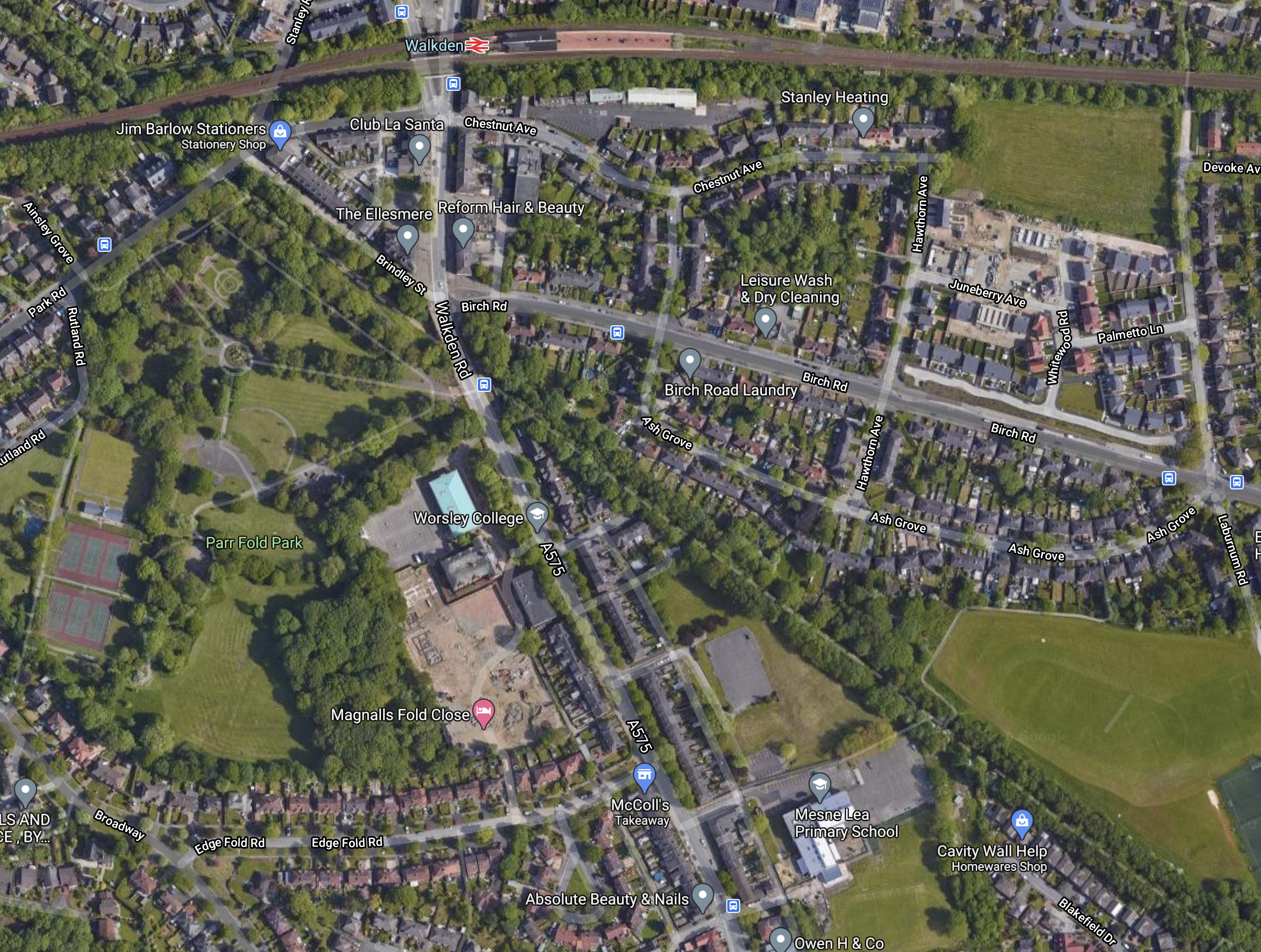
Note.
- Walkden station at the top of the map.
- The former railway between Bolton Great Moor Street and Manchester Exchange stations runs North-West and South-East across the map.
- It looks like this section of the railway is a footpath and cycleway.
Both Bolton Great Moor Street and Manchester Exchange stations have long since been closed, which means that to get between Walkden and Bolton stations, a change of train is needed.
After a quick look at the route, which involves crossing the M61 motorway, I suspect, that it would be both a tricky and expensive railway to reinstate, which probably explains why it appears to have been rejected.
Manchester Metrolink don’t seem to have any plans to use the route to extend trams to Bolton.
But All Is Not Lost!
I believe that very light rail, could be the answer.
- The first system of its kind in the UK, is the Coventry Very Light Rail, which is currently being designed and built for Coventry.
- The vehicles will be lightweight and battery-powered.
- These smaller-sized vehicles could share rights of way with pedestrians and cyclists.
The Coventry system could be running by 2024.
As the route goes past the Royal Bolton Hospital, it could be a useful route.
Graffiti Vandals Paralyse Island Line Service
The title of this post, is the same as that of this article on Railnews.
This is the first paragraph.
The Island Line timetable was suspended on Monday morning, after the only serviceable train on the route was sprayed with graffiti. Passengers were being diverted to buses until the graffiti could be removed.
I can’t understand the motives of people who spray graffiti and I hope that the culprits are found and given time in one of the Isle of Wight’s prisons.
Electrification Plans For Line Between Fife And Clackmannanshire
The title of this post, is the same as that of this article on Rail Technology News.
This is the introductory paragraph.
The next stage of development work is due to begin for Network Rail engineers between Alloa and Longannet, which could see passenger services return between Clackmannanshire and Fife.
The article also makes these points.
- As part of the Scottish Government’s decarbonisation plan, it is hoped the former freight line will be electrified.
- Engineers will be conducting survey work and site and geological investigations.
- Three new stations are also hoped to be introduced at Clackmannan, Kincardine and Longannet.
- The work is also hoping to bring a two trains per hour (tph) passenger service between Alloa and Longannet.
There will be a lot of surveying and planning before work starts.
Existing Rail Routes And Services In The Area
These are the current routes and services in the area.
Alloa Station
Alloa station was closed in October 1968, when Harold Wilson was Prime Minister and re-opened in 2008.
Wikipedia says this about the re-opening.
Under Scottish Executive funding, the line between Stirling and Alloa was reopened to both passenger and freight traffic, with a key benefit being a reduction in congestion on the Forth Railway Bridge.
The basic train service is an hourly service to Stirling and Glasgow run by a Class 385 train.
Journey times are as follows.
- Alloa and Stirling – 9-15 minutes
- Alloa and Glasgow Queen Street – 45 minutes
Trains seem to take about twelve minutes to turnround at Alloa station.
This Google Map shows Alloa station.
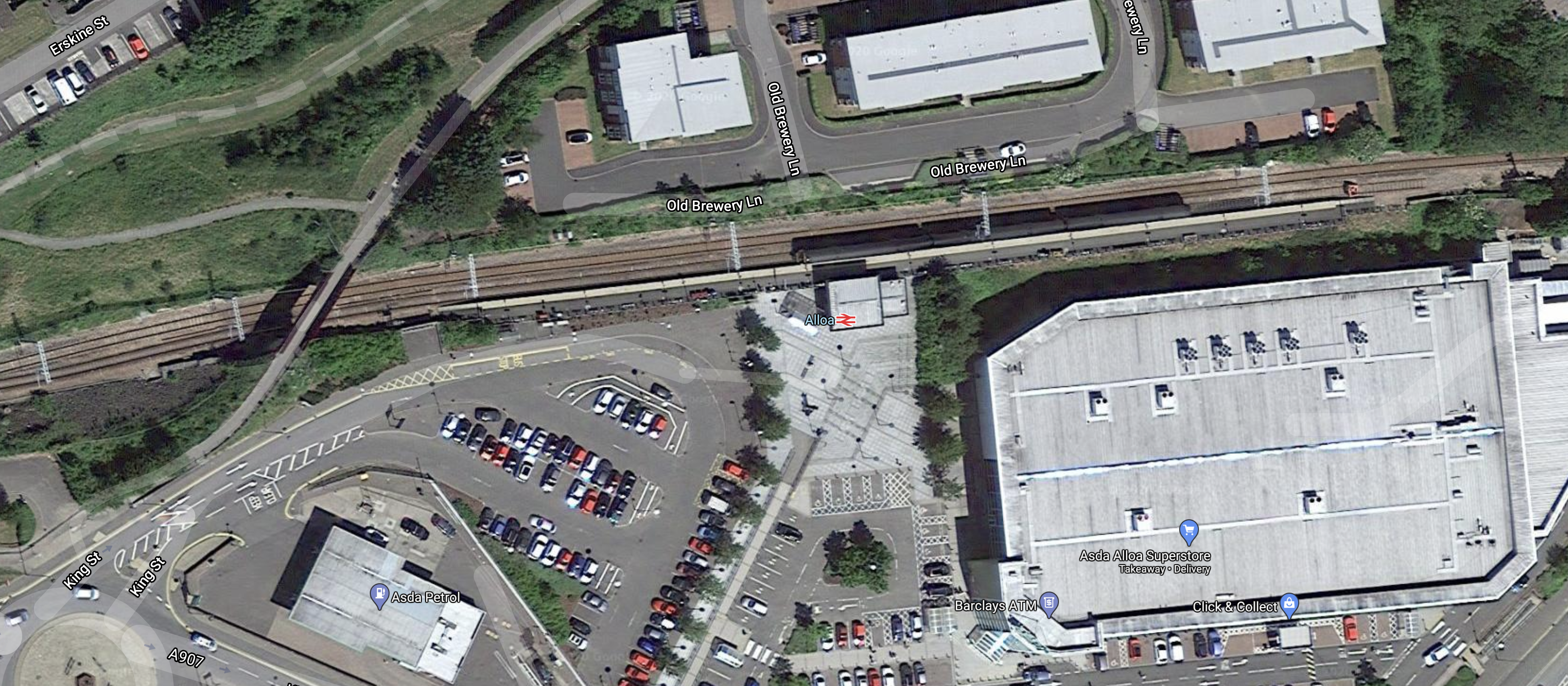
Note.
- The station currently only has one platform.
- A second line is already laid through the station and although, it is not electrified, the gantries are positioned to electrify the second track.
- The two tracks merge into one to the West of the station.
- All passenger trains currently use the Southern platform.
This picture shows the station, just before the electric train services started.
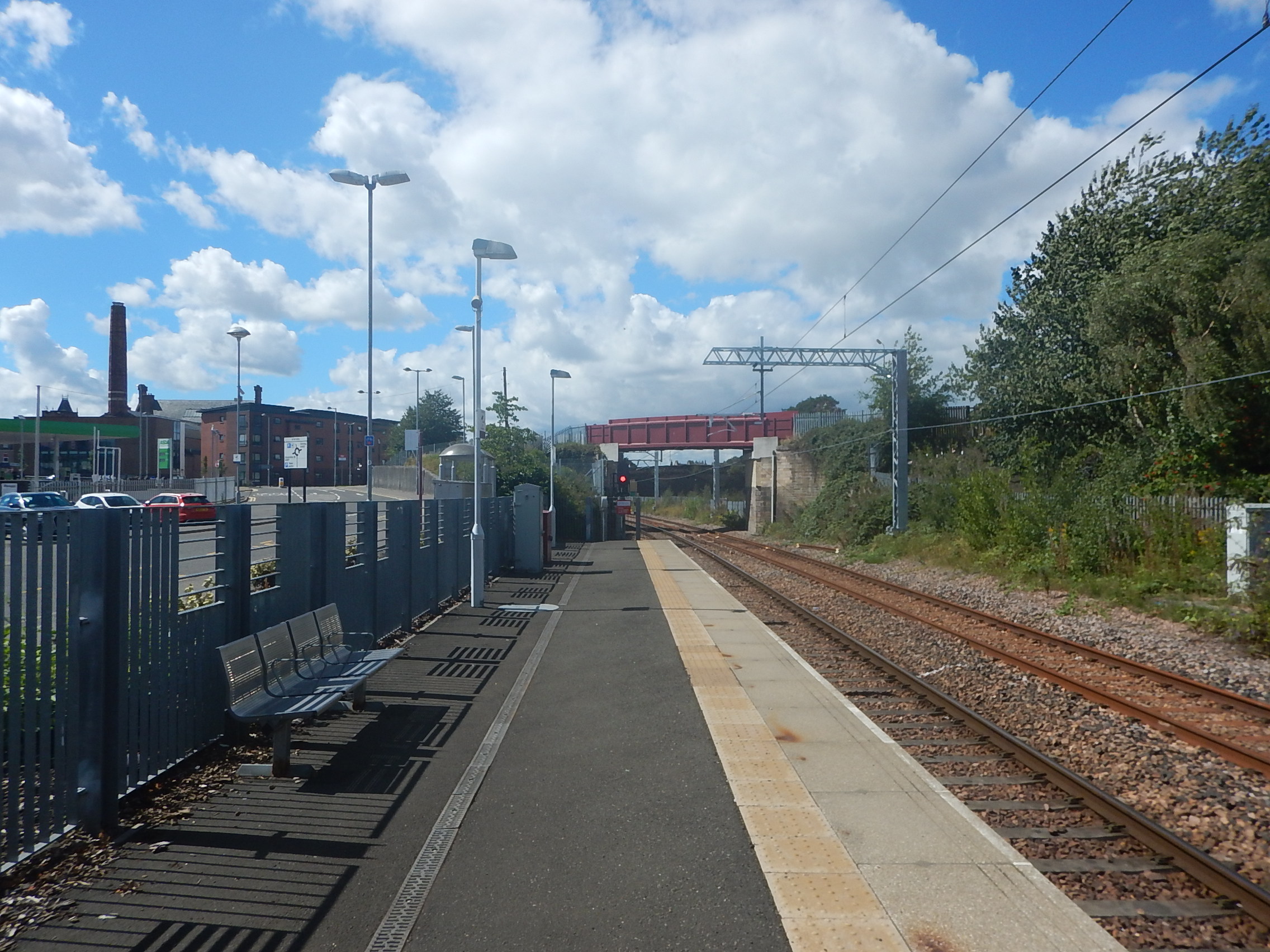
The station also must have one of the largest station shops in the UK, which is an Asda superstore.
The Kincardine Line
The Kincardine Line is the one proposed for electrification.
- It is currently, a freight-only route, that was re-opened to serve Longannet power station.
- At Alloa station, it is an extension of the route from Stirling.
- It may be connected to the new Talgo factory at Longannet, that I wrote about in A Spaniard In The Works!, as the factory will surely need electrified rail access, if any electric trains for the UK are to be built or serviced there.
- The line passes through Clackmannan, Kincardine and Longannet.
As the route used to handle long coal trains, could it handle a 200 metre long classic-compatible high speed train, that Talgo might build for High Speed Two at Longannet?
The Fife Circle Line
According to Wikipedia, the Fife Circle Line is the local service North from Edinburgh, that goes in a long loop through Fife.
This map from Wikipedia shows the stations on the Fife Circle Line.
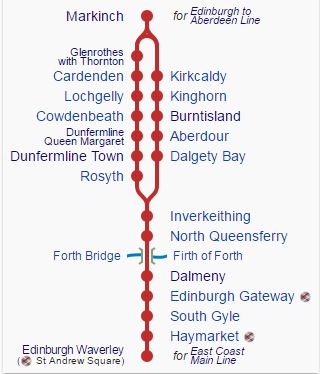
Note.
- The route is double-track.
- The route is not electrified.
- The train service is generally two trains per hour (tph) in both directions.
- The distance from Dalmeny to Glenrothes with Thornton via Cowdenbeath is 22.3 miles
- The distance from Dalmeny to Glenrothes with Thornton via Kirkcaldy is 21.4 miles
- Trains appear to wait between three and seven minutes at Glenrothes with Thornton before returning to Edinburgh by the alternate route.
The map doesn’t show the connection with the Kincardine Line at Dunfermline Town station.
This Google Map shows the Fife Circle Line, through Dunfermline Town station.
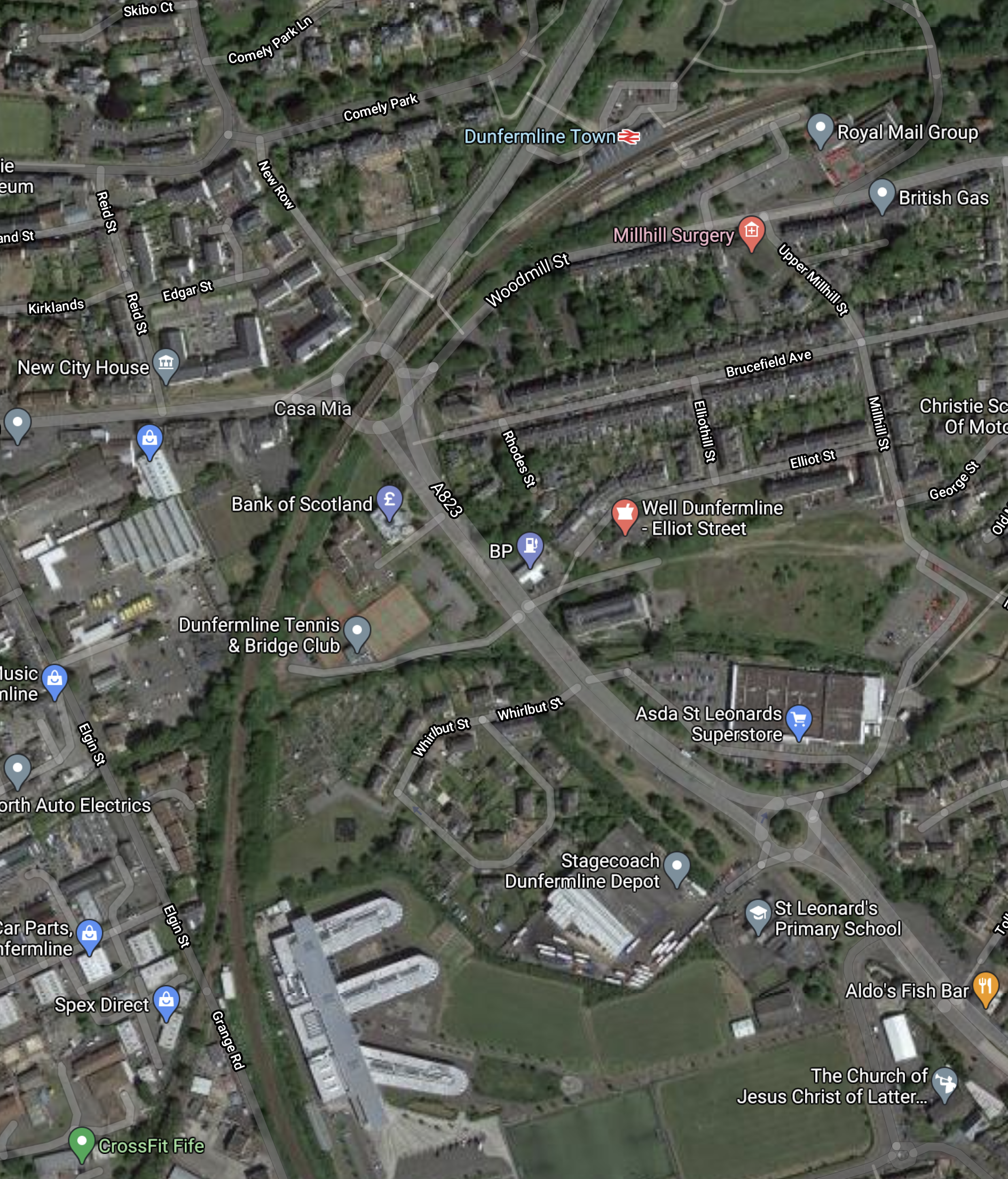
Note.
- Dunfermline Town station at the top of the map, is indicated by a station sign.
- The Northbound Fife Circle Line to Cowdenbeath leaves the map in a North-Easterly direction.
- The Southbound Fife Circle Line to Rosyth and Dalmeny, runs behind the building that looks strangely like a signpost and leaves the map in a Southerly direction
- There is a junction, called Charlestown Junction, where the Kincardine Line joins the Fife Circle Line.
This Google Map shows Charlestown junction.
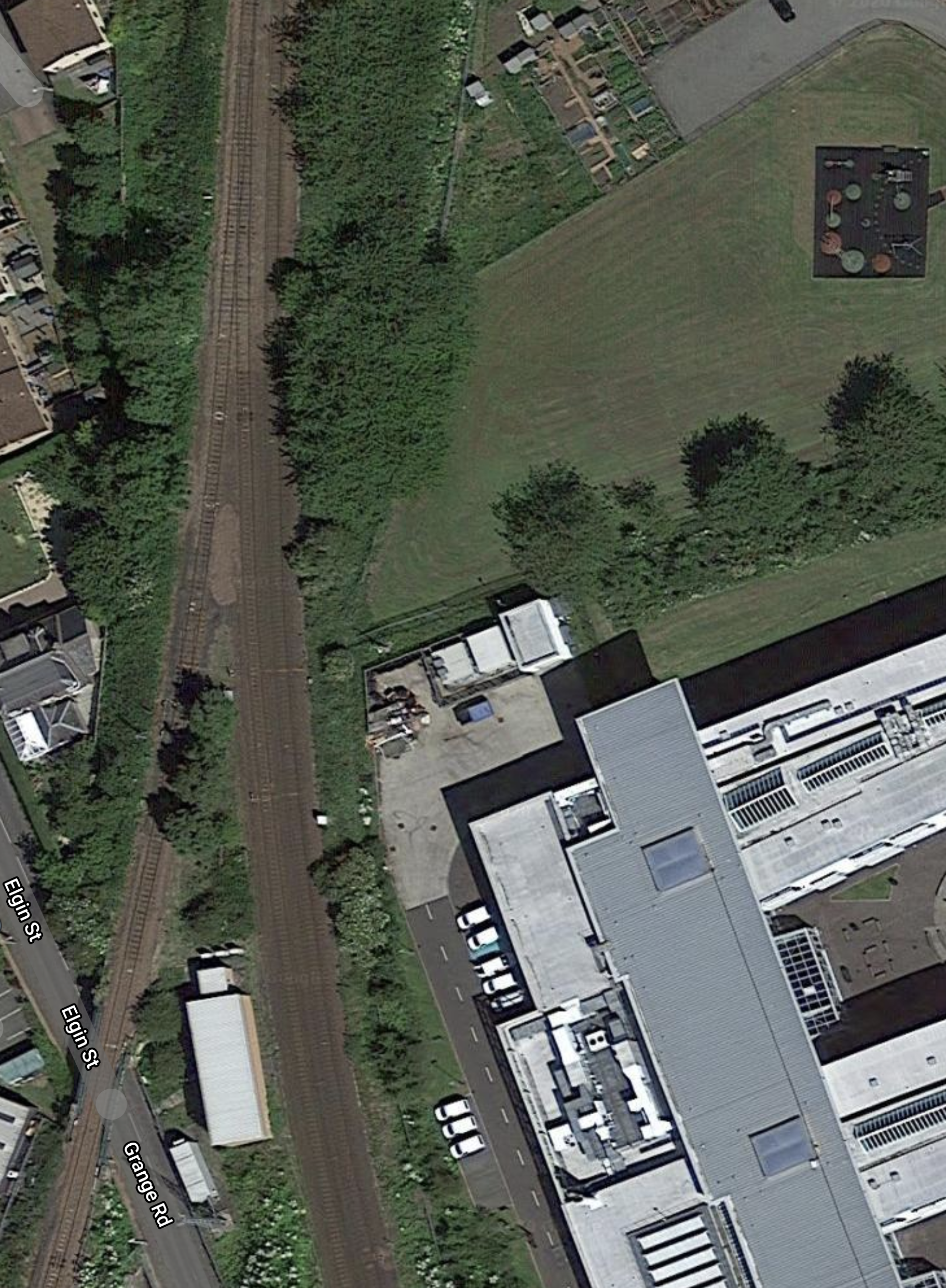
Note.
- The Fife Circle Line is double-track.
- The Kincardine Line is only single-track.
- Trains must enter and leave the Kincardine Line from a Northerly direction.
- There is a cross-over between Charlestown junction and Dunfermline Town station.
The Google Map shows Dunfermline Town station to a larger scale.

It looks like fitting in an additional platform could be difficult.
Hitachi’s Regional Battery Train
I am introducing this train into the discussion, as the train might be an alternative to electrifying the Kincardine Line.
This infographic from Hitachi, describes the train.

Note that 90 kilometres is fifty-six miles.
From what Hitachi have said, it is likely that Class 385 trains, as used by ScotRail could be fitted with batteries and become a version of the Regional Battery Train.
- They could be three or four cars.
- They could work in pairs.
- They would have a 100 mph operating speed.
Even on battery power, they might save time, against the current diesel units working services in Scotland.
Regional Battery Trains And The Fife Circle Line
This map shows the rail system to the West of Edinburgh.
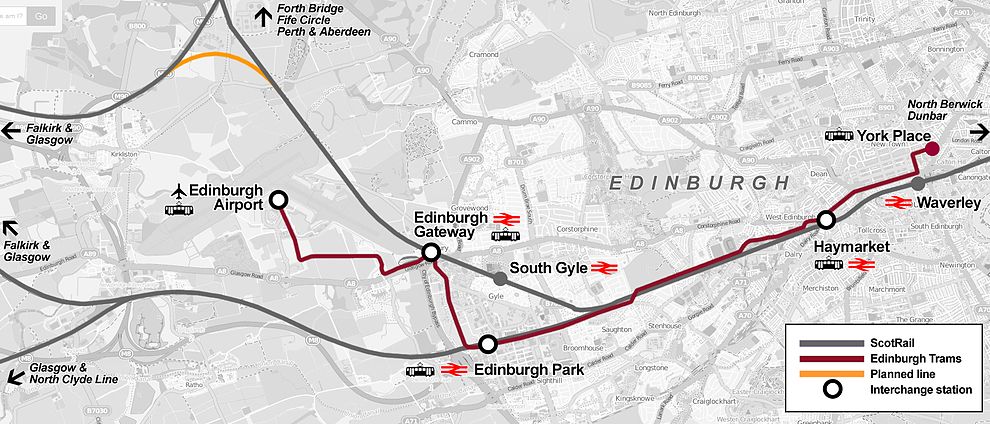
All lines except for the route through South Gyle and Edinburgh Gateway stations are electrified.
A train going round the Fife Circle Route would do the following legs.
- Edinburgh and South Gyle – 4.5 miles – All but one mile electrified.
- South Gyle and Dalmeny – 5 miles – Not electrified.
- Dalmeny and Glenrothes with Thornton via Cowdenbeath – 22.3 miles – Not electrified
- Glenrothes with Thornton and Dalmeny via Kirkaldy – 21.4 miles – Not electrified
- South Gyle and Dalmeny – 5 miles – Not electrified.
- Edinburgh and South Gyle – 4.5 miles – All but one mile electrified.
This gives the following totals
- Not electrified via Cowdenbeath – 28.3 miles
- Not electrified via Kirkcaldy – 27.4 miles
- Round trip – 62.7 miles
- Electrified – 7 miles
It would be very tight for a Regional Battery Train to do a round trip of 62.7 miles consistently with a range of just 56 miles, with only seven miles of electrification at the Edinburgh end.
But if charging at Glenrothes with Thornton were added, this would enable the trains to start out on the near thirty miles without electrification with full batteries from both ends. They would be unlikely to run out of power halfway.
Regional Battery Trains And The Levenmouth Rail Link
In Scottish Government Approve £75m Levenmouth Rail Link, I wrote about the five-mile long Levenmouth Rail Link, and how it could be run by battery trains.
Since I wrote that post, Hitachi have announced their Regional Battery Train.
- If these were used on the route, they would join the Fife Circle at Thornton North Junction.
- I estimate that the track distance that is not electrified between Leven and Edinburgh via Thornton North junction, is about thirty-five miles, whether the trains go via Glenrothes with Thornton and Cowdenbeath or Kirkcaldy,
As with the Glenrothes with Thornton service, if there was charging at at both ends, the route would be within comfortable range of Hitachi’s Regional Battery Trains.
Regional Battery Trains And The Kincardine Line
Rough distances by road along the Kincardine Line are as follows.
- Alloa and Longannet – 8 miles
- Alloa and Dunfermline Town – 15 miles
- Alloa and Glenrothes with Thornton via Dunfermline Town – 30 miles
This would surely mean that Regional Battery Trains could work all these routes.
- Trains would leave Alloa with full batteries after charging on the electrification from Edinburgh, Glasgow and Stirling.
- Longannet and Dunfermline Town could be served by a return trip from Alloa on batteries.
- Charging at the Fife end would only be needed for the Glenrothes with Thornton route.
Some might think, that this would mean the Kincardine Line needn’t be electrified. But I feel Talgo will want an electrified route to their factory, so trains can move in and out under electric power.
The Design Of The Kincardine Route
These are my thoughts on various topics, taken vaguely from West to East.
Alloa Station
Alloa station already has two tracks, but as the plans envisage two tph between Alloa and Longannet, I am fairly certain a second platform will be needed at Alloa.
There is certainly space, but the station would also need a bridge for passengers.
Perhaps, the architects will use something like this bridge design.
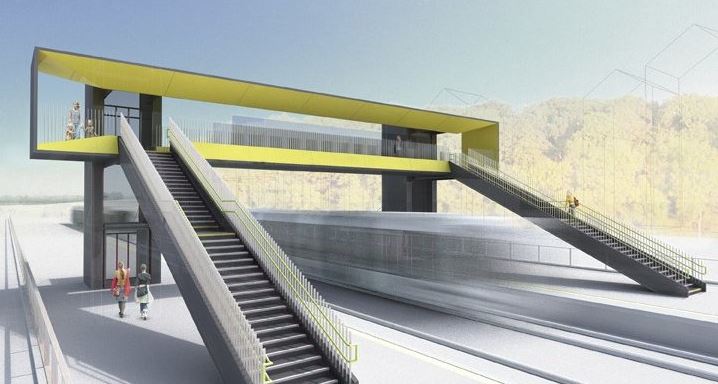
This step-free bridge won the Network Rail/RIBA Footbridge Design Competition, but has yet to be deployed on the UK rail network.
Will the two tph service between Alloa and Longannet continue West to Stirling?
I suspect the track layout with a passing loop at Cambus to add to the one at Alloa station will give sufficient track capacity, so I suspect there will be two tph between Longannet and Stirling.
Would both services terminate at Glasgow or would one go to Glasgow, with the other to Edinburgh?
Clackmannan Station
The small town of Clackmannan has a population of about 3,500 and used to be served by Clackmannan and Kennet station, which closed in 1930.
This Google Map shows the town of Clackmannan.
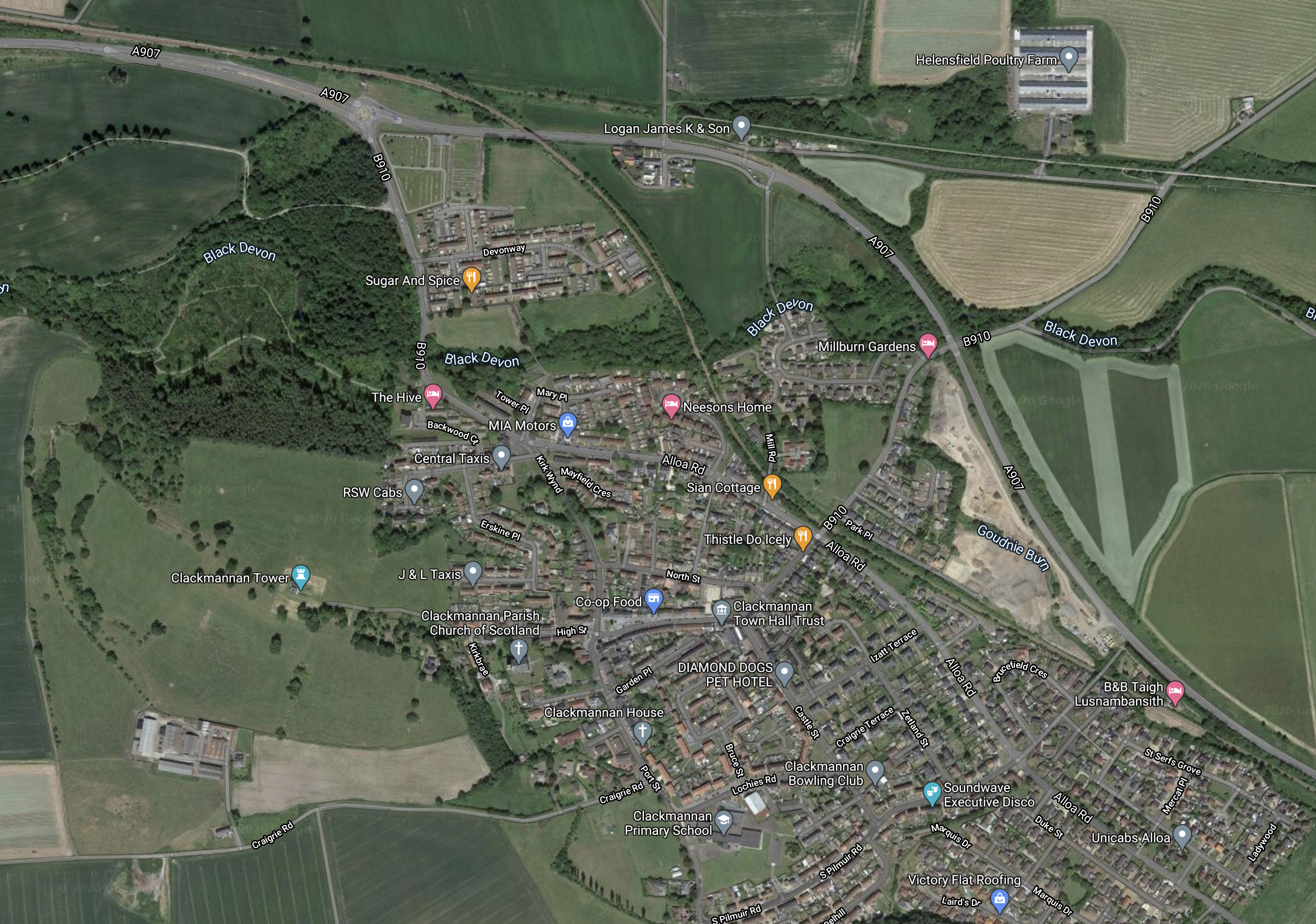
Note.
- The Kincardine Line runs between the North West and South-East corners of the map, through the centre of the town.
- The original Clackmannan and Kennet station was to the South-East of this map.
This second Google map shows an enlargement of part of the town.
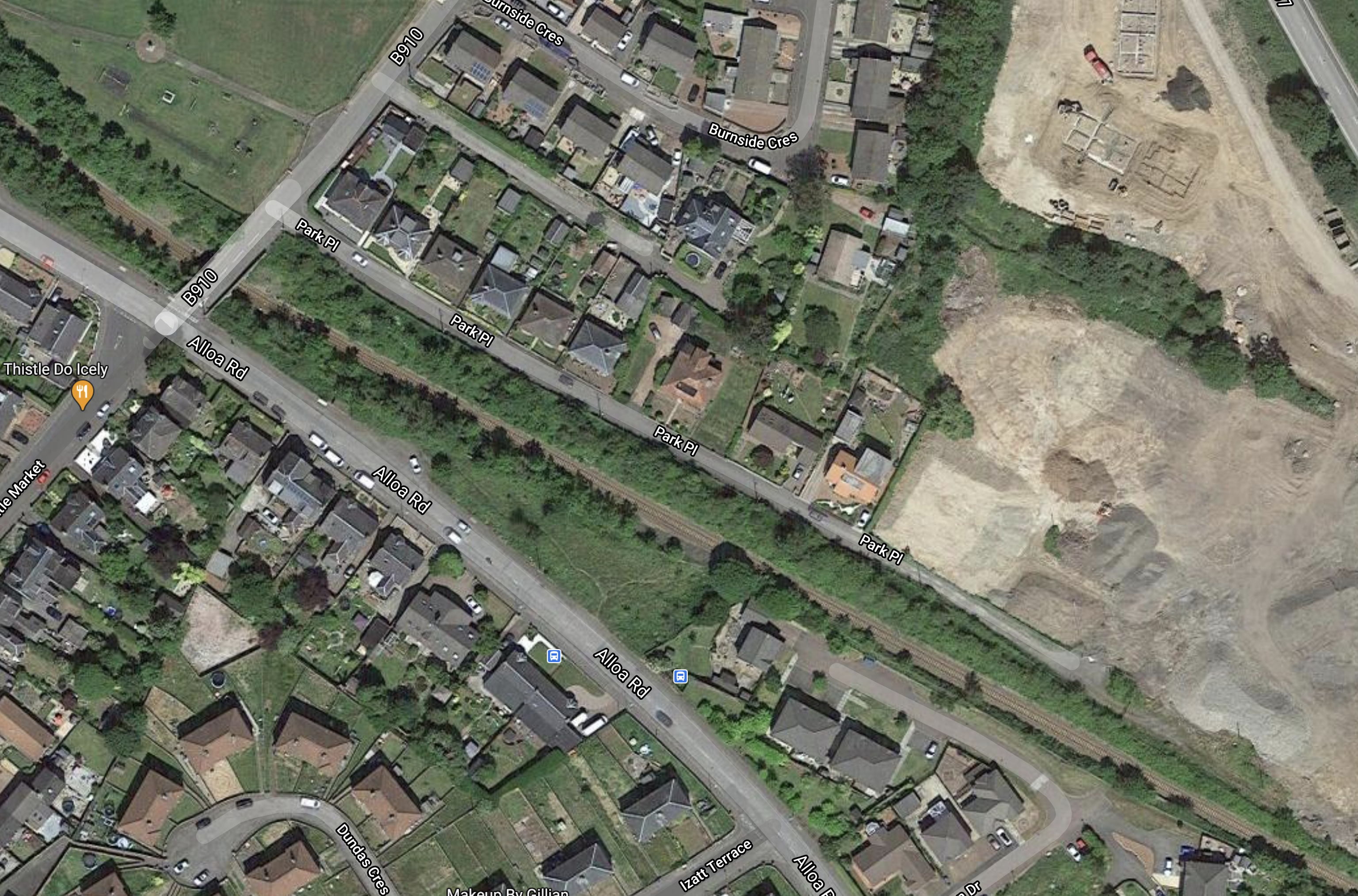
It would appear that there is space for a station.
- Only a single platform would be needed.
- What is the plan for the development site?
It could be designed as a walkway station, as has been proposed for Magor and Undy station in Wales.
Kincardine Station
The Kincardine Line runs between the small town of Kincardine and the River Forth and Kincardine station closed in 1930.
This Google Map shows the railway alongside the river.
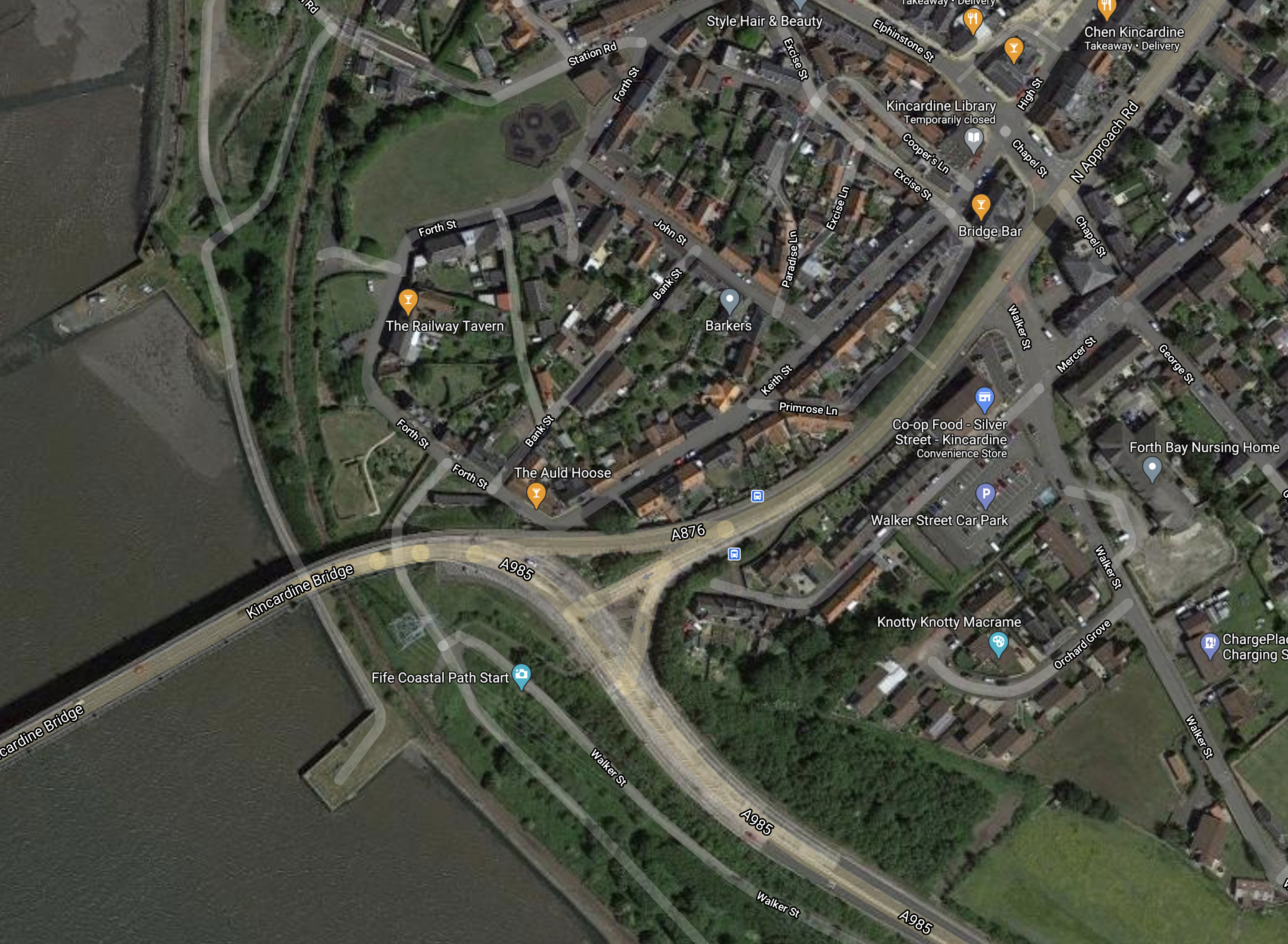
Note.
- Kincardine Bridge crossing the Firth of Forth.
- The bridge can be used by pedestrians and cyclists.
- The Kincardine Line running along the river.
- It is not a long walk between the town centre and the railway.
- The blue dot to the South of the road junction marks the start of the Fife Coastal Path, which is over a hundred miles long.
Will the station be built in this area?
Longannet Station
Longannet power station was at the time of closure in 2016, the third-largest coal-fired power station in Europe.
This Google Map shows the site.
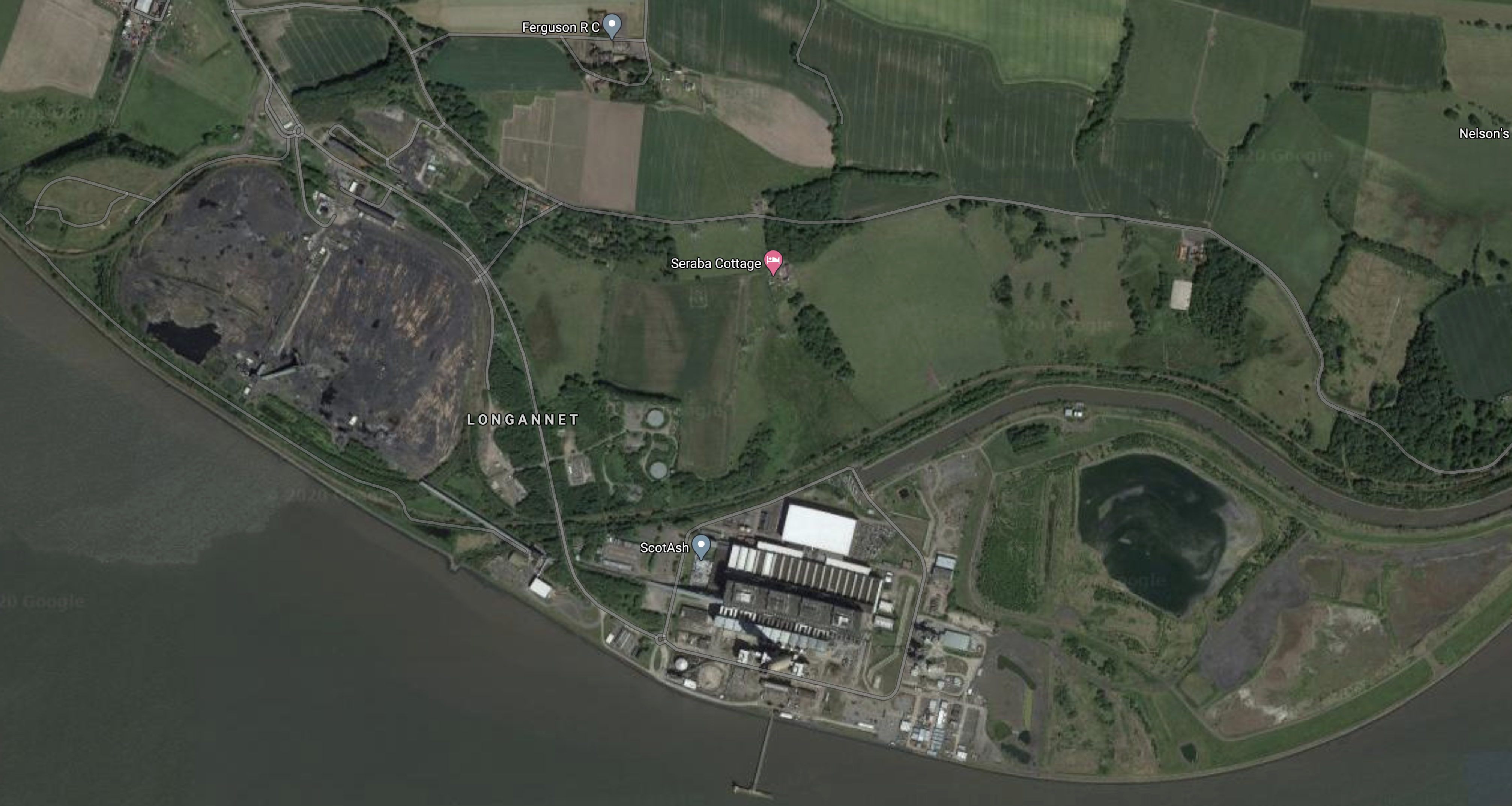
Note.
- The actual power station is in the middle.
- To the West is the coal store.
- The Kincardine Line comes along the river and then loops North of the power station, before curving down to the river to go to the East.
- There appears to be two triangular junctions either side of the coal store with a loop around the store to allow delivery of coal.
This second Google Map shows between the power station and the coal store.
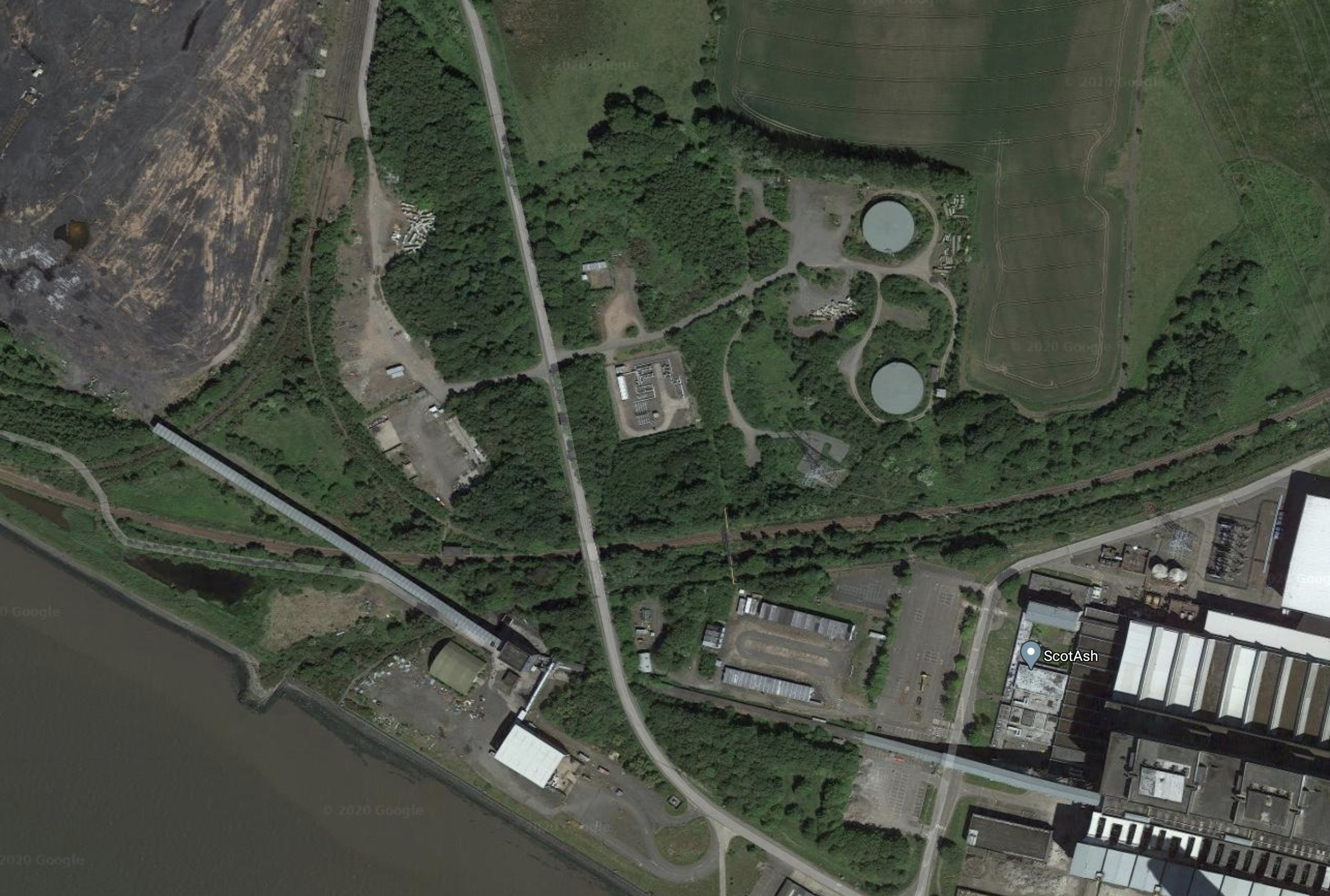
Note.
- The Kincardine Line running West-East across the map.
- The triangular junction connecting it to the loop line around the coal store.
- The coal conveyor that used to move coal from the store to the power station.
I’d certainly like to see the plans for the site, as it is one with a lot of potential.
- There is space for a large rail-connected factory for Talgo.
- The station could be placed at the most convenient place.
- There is space for a two platform station to make sure a two tph service is possible.
- There could be lots of housing and industrial units.
- there could be waterside housing.
- There could be a convenient rail service to Edinburgh, Glasgow and Stirling.
It could be a big development for the Central Belt of Scotland.
Onward To Dunfermline
I have followed the route to Dunfermline Town station in my helicopter and it doesn’t seem the most difficult of lines to reopen.
- Unlike many lines like this, there doesn’t appear to be too many bridges or level crossings.
- The connection to the Fife Circle Line looks to be adequate.
I have these thoughts.
- Cn this section of the line, could more stations be added?
- As the Fife Circle Line is not electrified, would battery electric trains be ideal?
- Would turnround facilities be needed at Dunfermline Town stations.
But at the moment, the plan is only to go as far as Longannet.
Thoughts On The Stations
The stations would generally be very simple.
- Alloa would be a two-platform station.
- Longannet might need provision for a passing loop and a second platform, so extension to Dunfermline wouldn’t be difficult.
- All other stations could be single platforms.
- All stations would be step-free.
Only two-platform stations would need footbridges.
Final Thoughts On Electrification
Consider.
- All services on the Fife Circle Line, Kincardine Line and the Levenmouth Rail Link could be run using Hitachi’s proposed Regional Battery Train, with a few charging facilities at selected stations.
- Talgo will need an electrified line to Longannet
- As Alloa and Dunfermline Town is only about 15 miles, a Regional Battery Train could run a return trip without recharging.
It would appear that only the single-track between Alloa and Longannet needs to be electrified.
Conclusion
This looks to be a good scheme.
France Devotes €30 Billion To Energy Transition
The title of this post, is the same as that of this article on PV Magazine.
This is the introductory paragraphs.
The French government has launched a new Covid-19 recovery plan that includes €30 billion to invest in the energy transition.
The top priority is the creation of a hydrogen economy, with €2 billion to be invested by the end of 2022 and €7.2 billion up to 2030. The money will be used for R&D activities and industrial electrolysis development projects.
The full plan for hydrogen will be published on September the 8th.
Other plans include.
- €7 billion for building renovations.
- €11 billion for the transport section.
- 100,000 terminals for electric vehicles by 2021.
I feel, that they will need to do more to decarbonise the transport sector.
Running Battery Electric Trains Between London Marylebone And Aylesbury
This post was suggested by Fenline Scouser in a comment to Vivarail Targets Overseas Markets, where they said.
I have long thought that one UK application that would make sense is the Marylebone – Aylesbury via Harrow on the Hill service, the intermediate electrified section lending itself to full recharge on each trip. ? stabling facility at Aylesbury with overnight charging.
It does look to be an idea worth pursuing.
Current And Future Services
Currently, the services between London Marylebone and Aylesbury are as follows.
- London Marylebone and Aylesbury via High Wycombe
- London Marylebone and Aylesbury via Amersham
- London Marylebone and Aylesbury Vale Parkway via Amersham
All services are one train per hour (tph)
In the future, it is planned to extend the Aylesbury Vale Parkway service to Milton Keynes, according to information I found on the East West Rail web site.
- It looks like the service will go via High Wycombe, Saunderton, Princes Risborough, Monks Risborough, Little Kimble, Aylesbury, Aylesbury Vale Parkway, Winslow and Bletchley.
- The service will have a frequency of 1 tph.
- Time between Milton Keynes and Aylesbury is quoted as 33 minutes.
- Time between High Wycombe and Milton Keynes is quoted as 63 minutes.
Will this leave the Marylebone and Aylesbury are as follows?
- 1 tph – London Marylebone and Aylesbury via High Wycombe.
- 2 tph – London Marylebone and Aylesbury via Amersham
Passengers between London Marylebone and Aylesbury would have the same service.
Distances
These are a few distances, of which some have been estimated.
- London Marylebone and Harrow-on-the-Hill – 9.18 miles.chains
- Amersham and Harrow-on-the-Hill – 14.27 miles.chains – Electrified
- Aylesbury and Amersham – 15.23 miles.chains
- London Marylebone and High Wycombe – 28.11 miles.chains
- Aylesbury and High Wycombe – 15.28 miles.chains
- Aylesbury and Aylesbury Vale Parkway – 2.25 miles.chains
- Aylesbury Vale Parkway and Calvert – 8.19 miles.chains
- Aylesbury and Milton Keynes – 16.40 miles.chains – Estimated
Note that there are eighty chains to the mile.
Hitachi’s Regional Battery Train
Hitachi’s Regional Battery Train, is the only battery electric train intended for the UK network for which a detailed specification has been released.
This infographic from Hitachi gives the specification.
Note that ninety kilometres is fifty-six miles.
I would suspect that battery trains from other manufacturers, like Bombardier, CAF and Stadler, will have a similar specification.
Battery Electric Trains Between London Marylebone And Aylesbury
I’ll take each possible route in turn.
London Marylebone And Aylesbury Via Amersham
The three sections of the route are as follows.
- London Marylebone and Harrow-on-the-Hill – 9.23 miles – Not Electrified
- Harrow-on-the-Hill and Amersham – 14.34 – Electrified
- Amersham and Aylesbury – 15.29 miles – Not Electrified
Note.
- The total distance is 38.85 miles
- A typical service takes just under twenty minutes to travel between Harrow-on-the-Hill and Amersham. This should be enough to fully charge the batteries.
- A train going South from Harrow-on-the-Hill could reach London Marylebone and return.
- A train going North from Amersham could reach Aylesbury and return.
I am fairly confident, that a battery electric train, with the range of a Hitachi Regional Battery Train could work this route.
London Marylebone And Aylesbury Vale Parkway Via Amersham
The four sections of the route are as follows.
- London Marylebone and Harrow-on-the-Hill – 9.23 miles – Not Electrified
- Harrow-on-the-Hill and Amersham – 14.34 – Electrified
- Amersham and Aylesbury – 15.29 miles – Not Electrified
- Aylesbury and Aylesbury Vale Parkway – 2.31 miles – Not Electrified
Note.
- The total distance is 41.16 miles
- A typical service takes just under twenty minutes to travel between Harrow-on-the-Hill and Amersham. This should be enough to fully charge the batteries.
- A train going South from Harrow-on-the-Hill could reach London Marylebone and return.
- A train going North from Amersham could reach Aylesbury Vale Parkway and return.
I am fairly confident, that a battery electric train, with the range of a Hitachi Regional Battery Train could work this route.
London Marylebone And Aylesbury Via High Wycombe
The two sections of the route are as follows.
- London Marylebone and High Wycombe- 28.14 miles – Not Electrified
- High Wycombe and Aylesbury – 15.35 miles – Not Electrified
Note.
- The total distance is 43.50 miles
- There is no electrification to charge the trains.
A battery electric train, with the range of a Hitachi Regional Battery Train will need charging to work this route.
However, with charging at both ends, this would be a route for a battery electric train.
At the London Marylebone end, there are two possible solutions.
- Electrify the station traditionally, together with perhaps the tracks as far as Neasden, where the routes split. Either 750 VDC third-rail or 25 KVAC overhead electrification could be used.
- Fit fast charging systems into all the platforms at the station.
Note.
- Turnround times in Marylebone station are typically nine minutes or more, so using a charging system should be possible.
- Power for the electrification should not be a problem, as the station is close to one of London’s central electricity hubs at Lisson Grove by the Regent’s Canal.
The final decision at Marylebone, would be one for the engineers and accountants.
At the Aylesbury end, it should be noted that much of the under twenty miles of track between Princes Risborough and Aylesbury and on to Aylesbury Vale Parkway and Calvert us single-track.
So why not electrify from Princes Risborough and Calvert, where the route joins the East West Railway?
The electrification in Aylesbury station could also be used to top-up trains going to London via Amersham.
I would use 25 KVAC overhead electrification, using lightweight gantries like these, which use laminated wood for the overhead structure.
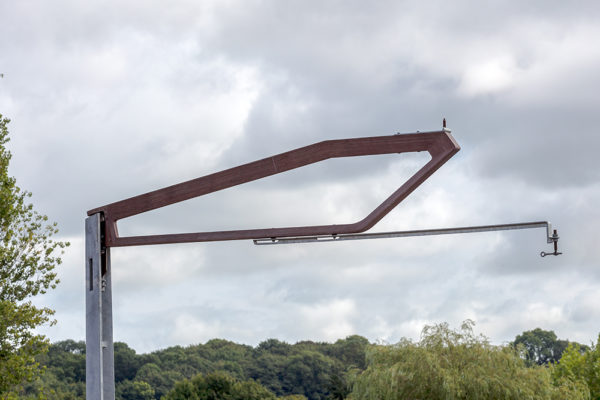
There is also a video.
Electrification doesn’t have to be ugly and out-of-character with the surroundings.
London Marylebone And Milton Keynes Via High Wycombe, Aylesbury and Aylesbury Vale Parkway
The three sections of the route are as follows.
- London Marylebone and High Wycombe- 28.14 miles – Not Electrified
- High Wycombe and Aylesbury – 15.35 miles – Not Electrified
- Aylesbury and Milton Keynes – 16.50 miles – Partially Electrified
Note.
- The total distance is sixty miles
- There is some electrification to charge the trains between Bletchley and Milton Keynes.
A battery electric train, with the range of a Hitachi Regional Battery Train should be able to work this route, if they can work London Marylebone and Aylesbury, with charging at Aylesbury.
Milton Keynes Central is a fully-electrified station.
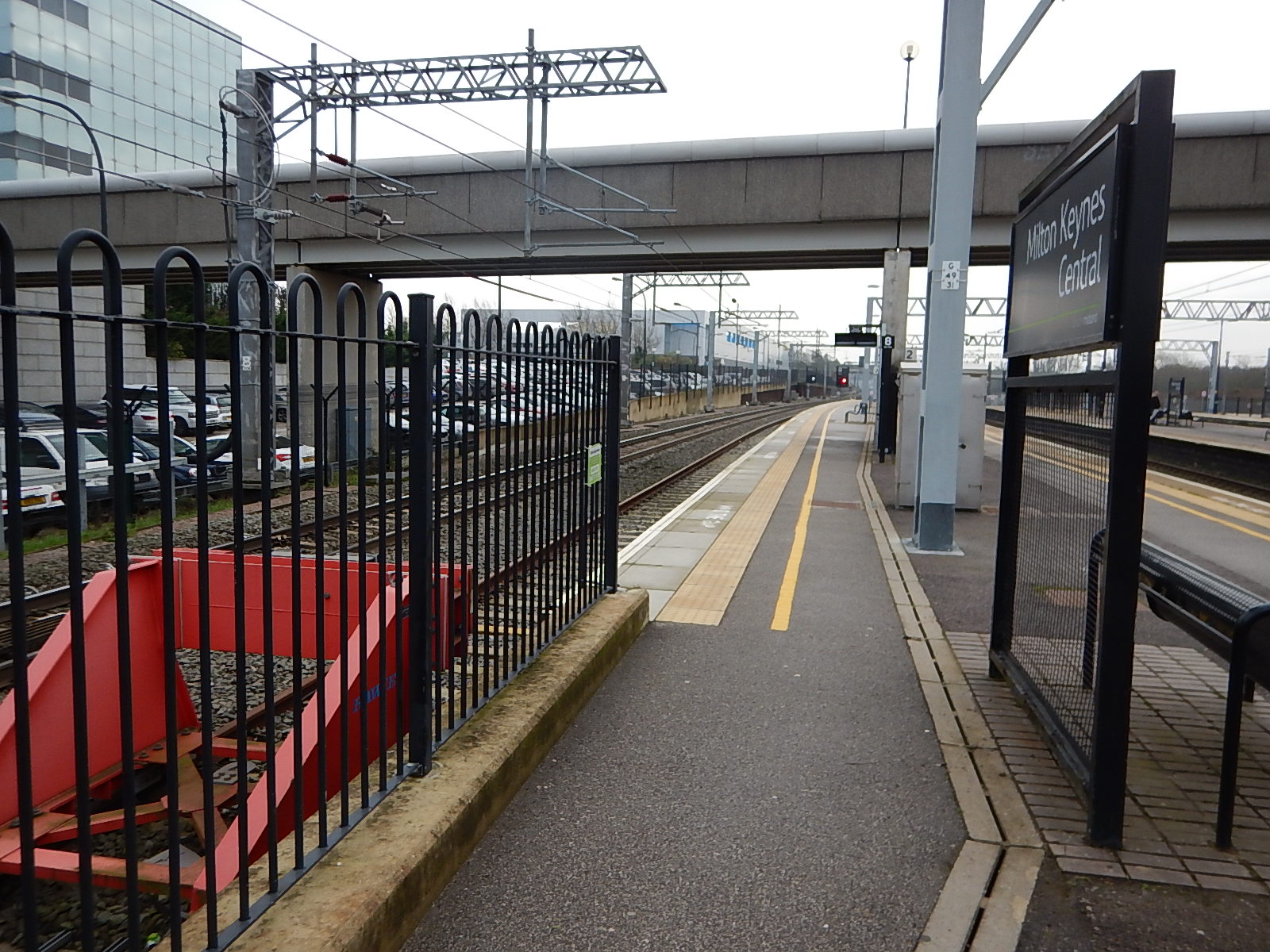
The picture shows Platform 2A, which is South-facing electrified, five-car platform, which could be used by the Chiltern service.
Train Specification
Consider.
- Chiltern Railway’s workhorse is a Class 168 train, which is a diesel multiple unit of up to four cars, with a 100 mph operating speed.
- The longest leg without electrification could be London Marylebone and Aylesbury via High Wycombe, which is 43.5 miles.
- Hitachi’s Regional Battery Train has a range of fifty-six miles.
- As there is a need to work with London Underground electrification, a dual-voltage train will be needed.
So a battery electric train with this specification would probably be ideal.
- Four cars
- Ability to work with both 750 VDC third-rail and 25 KVAC overhead electrification.
- 100 mph operating speed.
- Battery range of perhaps 55 miles.
Could the specification fit a battery-equipped Class 385 train, which will probably be built for Scotland?
Conclusion
I am convinced that battery electric trains can run between London Marylebone and Aylesbury, Aylesbury Vale Parkway and Milton Keynes stations.
The following would be needed.
- A battery electric range of perhaps fifty-five miles.
- Some form of charging at Marylebone and Aylesbury stations.
I would electrify, the single-track route between Princes Risborough and Aylesbury Vale Parkway.
Vivarail Targets Overseas Markets
The title of this post, is the same as that of this article on Rail Magazine.
This is an extract from the article.
Shooter told RAIL: “We are at the moment putting together a bid for an operator – not in this country – where the routes would be up to 500 miles long, to be provided totally with battery trains using this device.
“This bid we are putting together contemplates trains that are running for several hours – 60 to 70 miles between charging stations, but possibly going twice that far in emergency if the charging station should go down.”
By this device I suspect they mean their Fast Charge device, which is described in this press release from Vivarail.
This extract describes how it works.
The concept is simple – at the terminus 4 short sections of 3rd and 4th rail are installed and connected to the electronic control unit and the battery bank. Whilst the train is in service the battery bank trickle charges itself from the national grid – the benefit of this is that there is a continuous low-level draw such as an EMU would use rather than a one-off huge demand for power.
The train pulls into the station as normal and the shoegear connects with the sections of charging rail. The driver need do nothing other than stop in the correct place as per normal and the rail is not live until the train is in place.
That’s it!
That sounds simple to me.
Where Would This Possible Order Be From?
I have ridden in a Vivarail battery train, as I wrote in Battery Class 230 Train Demonstration At Bo’ness And Kinneil Railway.
I have also ridden the diesel variant, as I wrote in A First Ride In A Revenue-Earning Class 230 Train.
I very much feel, I can list a few of the good qualities of the trains.
Big Windows
The big windows give a good view, so I wonder if the trains would work well on a railway noted for its scenery.
Quietness
I have ridden in two battery trains.
The other was Bombardier’s Class 379 BEMU, that I wrote about in Is The Battery Electric Multiple Unit (BEMU) A Big Innovation In Train Design?.
Both were extremely quiet.
No Infrastructure Required
Except for the charging stations, no infrastructure is required.
Sturdy Engineering
Although the trains were only originally built for the London Underground, they are sturdily-built trains, as they used to share tracks with full-size trains.
I suspect, they are certified to share tracks with freight trains, as they do on the Marston Vale Line.
A Range Of Interiors And Customer Facilities
Although the trains tend to use the old London Underground seat frames, they have a range of interiors, which seem to be well-designed and comfortable.
I have been on Class 230 trains, with tables, a single toilet, onboard Wi-Fi, and electrical charging points.
Zero-Carbon
The trains are probably as near to zero-carbon, as any! Especially, if all the Fast Charge stations are powered by renewable electricity.
Remote Servicing
The trains have been designed for remote servicing.
Conclusion
All of these qualities lead me to think, that an ideal line in the UK could be the Far North Line, between Inverness and Wick and Thurso.
Although the train ticks a lot of boxes, it could well be too slow, It is also only a 160 mile route and not five-hundred
But there must be quite a few long, scenic lines in countries, where a passenger service needs to be added to a freight line, that perhaps serves a remote mining town.
Sweden and Norway are surely possibilities, but Finland is ruled out because it is Russian gauge.
Could the trains end up in parts of Africa, Canada and the United States?
Who knows?
Wigan North Western Station Set For Platform Extension Work
The title of this post. is the same as that of this article on Rail Advent.
This is the first three paragraphs.
Wigan North Western is set to undergo a multi-million-pound platform extension to provide passengers between Manchester and Leeds with longer trains.
The work is part of the Great North Rail Project and will see Platform 3 made longer to allow four-carriage trains to call at the station.
Northern can then provide extra capacity for passengers and move trains in and out of its new £46m depot at Ince-in-Makerfield.
This Google Map shows Wigan North Western station.
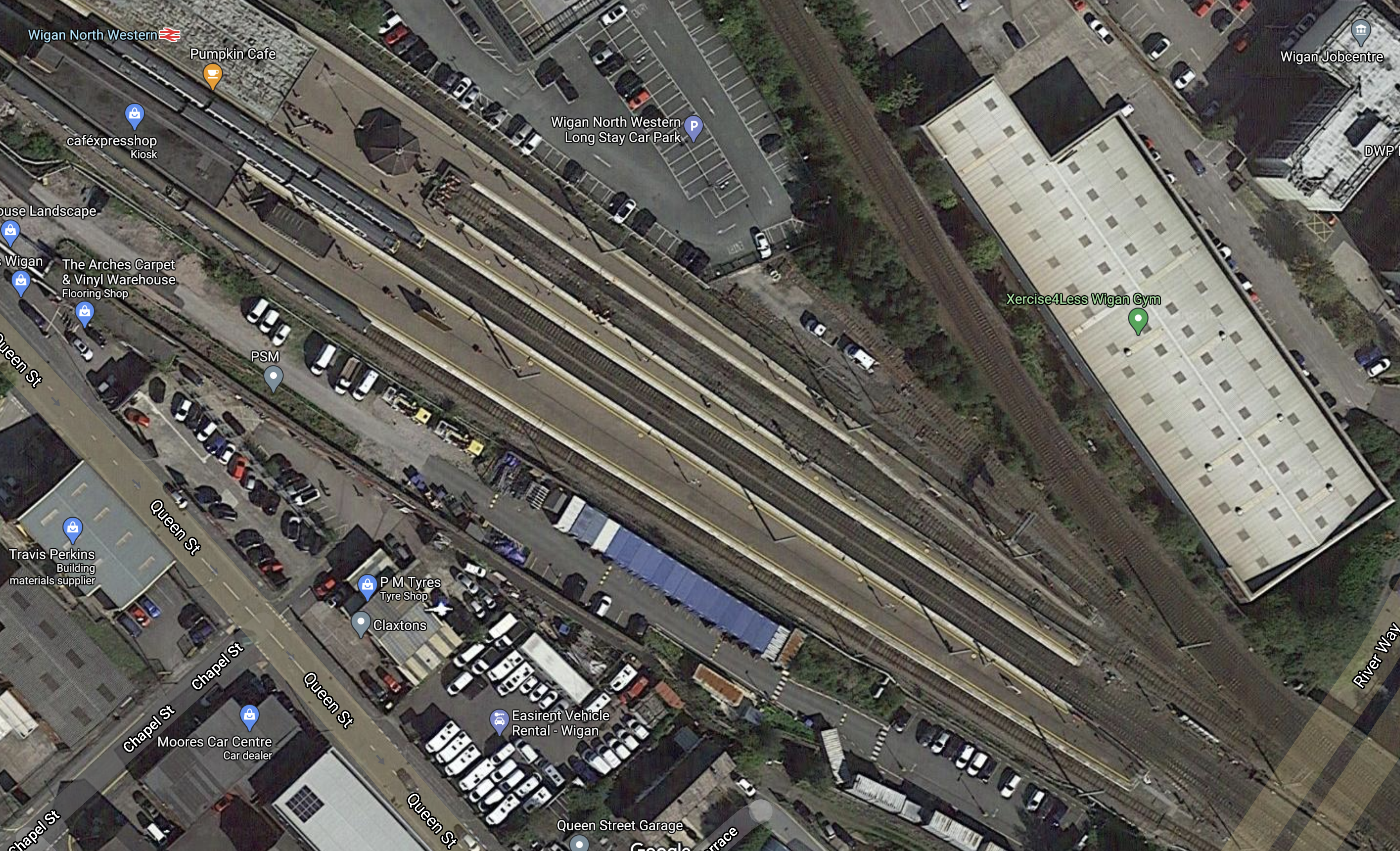
Note.
- The six platforms are numbered 1-6 from North-East to South-West.
- Platforms 1, 2 and 3 are used for trains that start at the station and go to the Alderley Edge, Leeds, Manchester Piccadilly, Manchester Victoria and Stalybridge.
- Platform 1 is quite long and regularly handles two trains at the same time.
- Platforms 2 and 3 could probably be longer.
- Platforms 1, 2 and 3 appear to have their own private access track direct to Wigan Springs Branch TMD to the South, where multiple units can be serviced and washed.
- The access track sneaks down the East side of the West Coast Main Line, so that trains don’t block the track, when transferring to and from the depot.
- The double-track going North between the station and the large building leads to Wigan Wallgate station.
This picture shows the Platforms 1, 2 and 3 at the station.
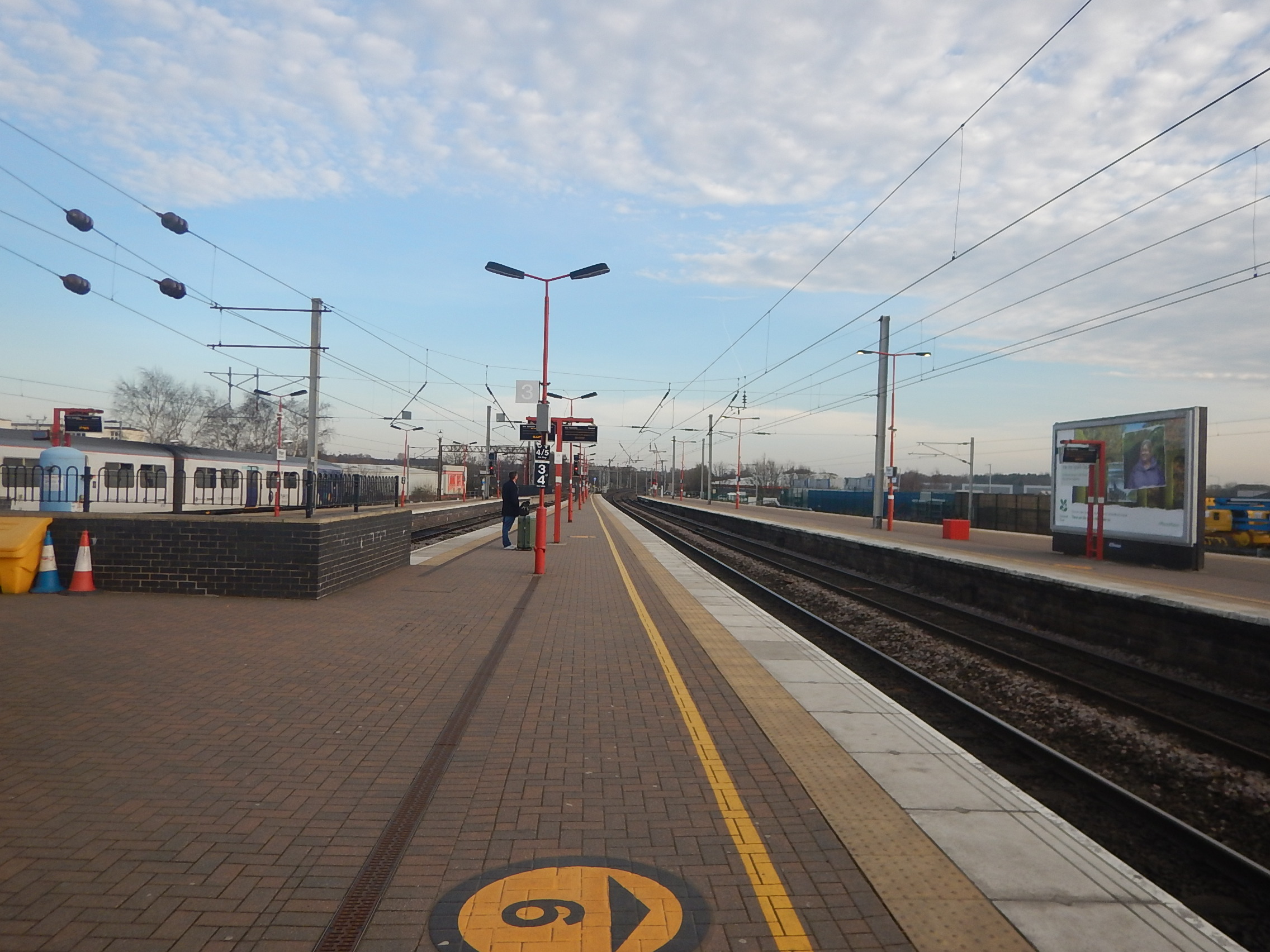
If you look at the train movements early in the morning, trains come out of the depot and start their first diagram from one of the three platforms on the left.
Lengthening Platform 3 will make this easier and more efficient.
Wigan North Western Station, West Coast Main Line And High Speed Two
Wigan North Western station is currently served by the following Avanti West Coast services on the West Coast Main Line.
- London Euston and Glasgow Central – Hourly
- London Euston and Glasgow Central or Edinburgh via Birmingham New Street – Hourly
- London Euston and Blackpool – Four trains per day
TransPennine Express also run four trains per day between Liverpool Lime Street and Glasgow Central.
The station is also planned to get two hourly High Speed Two services, which should be delivered in Phase 2a of the project.
- London Euston and Lancaster via Old Oak Common, Crewe, Warrington Bank Quay and Preston.
- Birmingham Curzon Street and Edinburgh or Glasgow via Preston, Lancaster, Carlisle and some other stations, depending on the Scottish destination.
It certainly looks like Wigan North Western station is being updated to have a comprehensive network of local electric services to give a large number of stations, good access to current West Coast Main Line and future High Speed Two services.
High Speed Two Through Lancashire Stations
The direct London and Scotland services are proposed to be as follows.
- They will run at a frequency of two trains per hour (tph)
- They will be formed of two classic-compatible 200 metre long trains.
- They will split and join at Carlisle, to give both Edinburgh and Glasgow a two tph service from London.
- One tph will stop at Old Oak Common, Preston and Carlisle in England.
- The second train will also stop at Birmingham Interchange in England.
Adding the services together, it would appear that the following services will run through Lancashire.
- One tph – London Euston and Lancaster – One 200 metre train
- Two tph – London Euston and Scotland – Two 200 metre trains.
- One tph – Birmingham and Scotland – One 200 metre train
This totals up to four tph.
I will now look, at the High Speed Two traffic through the various stations.
Warrington Bank Quay
I know Warrington Bank Quay is in Cheshire, these days, but High Speed Two trains will pass through.
Current plans include a by-pass round Warrington will be built for Phase 2b.
- Before by-pass four tph will pass through Warrington Bank Quay, with one stopping.
- After by-pass only one stopping train will pass.
If the High Speed Two service replaces the current Avanti West Coast service to Scotland, any problems at the station should be easy to solve.
Preston
Preston would appear to have three tph from High Speed Two passing through, with all stopping.
Phase 2b will add another tph.
Lancaster
Lancaster would appear to have two tph from High Speed Two passing through, with none stopping.
In addition, one service from Euston will terminate.
Phase 2b will add another tph, that passes thrugh.
Conclusion
It looks to me, that this relatively small project will be worthwhile.
How many other projects of this size need being added to the network urgently? I can think of possibly three within a dozen miles of my house, of which at least one is down to Beeching and/or British Rail’s cost cutting of the 1960s or 1970s.
Social Distancing In An Empty Train
On Sunday morning, I went to Croydon to look at Windmill Bridge, in Croydon, which I wrote about in Croydon Area Remodelling Scheme – Lower Addiscombe Road / Windmill Bridge.
On the way, I found myself in a more or less empty carriage, as these pictures show.
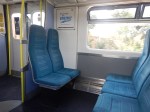
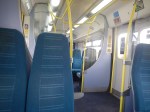

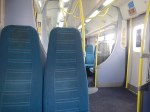
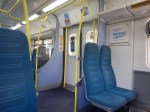
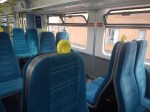
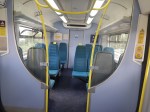
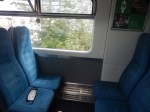
It all got me thinking.
- Generally, the rule in most of the world, is that you should keep a given number of metres apart.
- But supposing, that each public space were to be given a figure for the maximum number of people, who can occupy the space.
- I think, this has already happened in London, where thirty passengers seems to be the maximum number allowed on a double-deck bus.
- Buses and train carriages are public spaces.
But supposing each space was to be assigned a figure for the number of people present, below which the wearing of masks would be optional.
On a bus or train, the customer announcements would change appropriately.
Some might argue, it would be confusing, but it might nudge passenger behaviour in the right way.
- More might travel.
- More might travel at less busy times.
- I suspect that many on a long commute, take their masks off, as they get near home, as te train empties out anyway!
- It should be born in mind, that many modern trains, trams and buses, may know how many passengers are on board, as they can count passengers.
Bletchley Viaduct – 1st September 2020
Interestingly-shaped stumps are starting to appear.
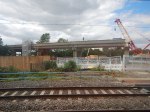
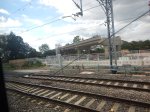
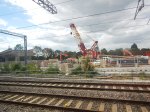
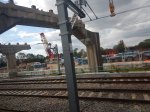
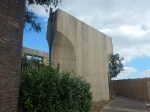
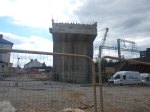
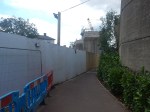
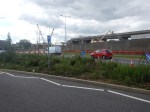
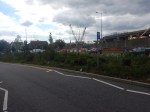
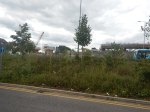
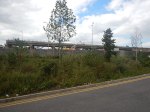
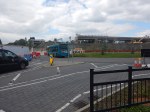
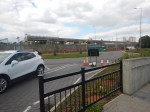
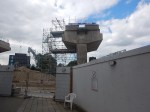
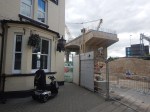
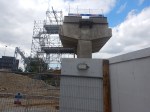

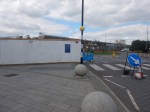
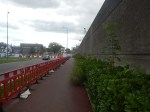
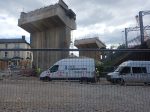
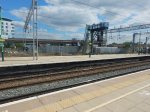
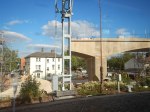
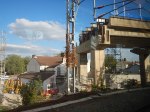
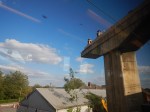
I think this will be my last visit, until they start to erect the new viaduct.
 The Anonymous Widower