Hertfordshire County Council’s Aspiration For A Watford Junction And Aylesbury Service
This article on Ian Visits is entitled Watford Junction Station Could Become A “Super-Hub”.
This is the introductory paragraph.
A new Watford Junction to Aylesbury rail service, along with a new link between Stevenage and Luton are two of the proposals being put forward by Hertfordshire Council.
The proposals are contained in this document on the Hertfordshire County Council web site, which is entitled Rail Strategy.
In TfL Seeks New Procurement Plan For Metropolitan Line Extension, I proposed a service run by Chiltern Railways between Watford Junction and Amersham stations.
The rest of this article is a rewrite of part of that linked post, which explores the possibilities of a service between Watford Junction and Aylesbury stations.
This Was My Original Simple Proposal
I think it would be possible to design a simpler link with the following characteristics.
- Watford station would remain open.
- A four trains per hour (tph) link would run all day between Watford Junction and Amersham stations.
- Stops would be at Watford High Street, Vicarage Road, Cassiobridge, Croxley, Rickmansworth, Chorleywood and Chalfont & Latimer.
No-one would get a worse service than currently and the new stations of Cassiobridge and Vicarage Road, would make rail an alternative for many travellers.
The cross-Watford service would give access to these London services.
- Chiltern at all stations between Croxley and Amersham.
- London Midland at Watford Junction.
- Metropolitan Line at Croxley, Rickmansworth and Amersham.
- Virgin Trains at Watford Junction,
- Watford DC Line at Watford High Street and Watford Junction
The Bakerloo Line at Watford Junction and Watford High Street, could possibly be added, if the line is extended. Which I doubt, it will be!
Hertfordshire is proposing the terminal is Aylesbury, which seems to be a good idea. But I’ll examine that later.
The next few sections, will cover various issues with the route.
New Track
There would need to be new track between Croxley and Watford High Street stations.
Will The New Stations Have Two Platforms?
All proposals have shown new stations on the new track at Cassiobridge and Vicarage Road.
I believe that money can be saved by creating two much simpler stations.
- Only one platform, but probably an island platform with two faces like Watford High Street station.
- No expensive footbridge if possible.
- Only one lift.
Cassiobridge would be more complicated because of the viaduct connecting the line towards Croxley station.
This visualisation shows the viaduct and the location of Cassiobridge station.
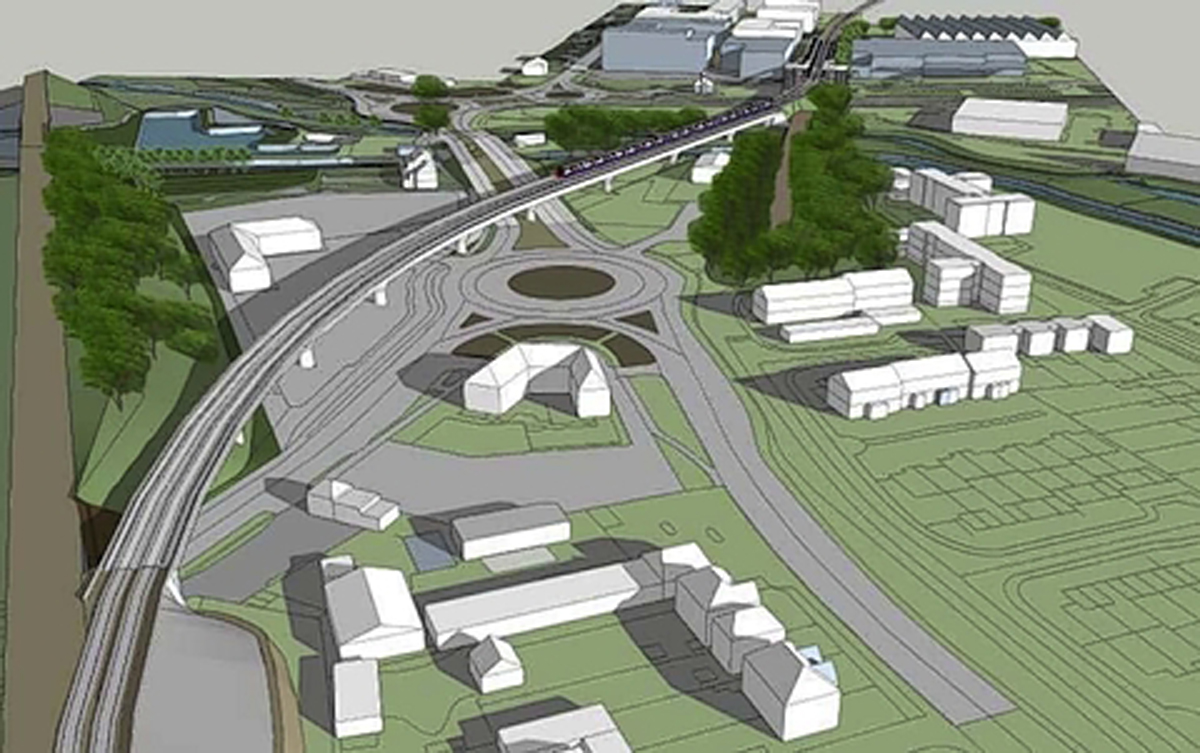
Cassiobridge station will be behind the trees towards the top-right of the image.
Would The New Track Be Single Or Double-Track?
There is space for double-track and the two ends of the route are already electrified double-track.
But surely the viaduct shown above would be much more affordable, if it were to be built for only one track!
Trains would need to pass at places East of Croxley station, but then if the line was double-track through and to the East of Cassiobridge station, trains could pass with impunity.
Consider.
- The Borders Railway looks to have too much single-track
- The Barking Riverside Extension is being built with a double track.
Too much single-track is often regretted.
Why Four Trains Per Hour?
Four trains per hour (tph) is becoming a standard, as it encourages Turn-Up-And-Go behaviour from travellers.
It also fits well with keeping the four tph Metropolitan Line service to Watford station, as this could give a same platform interchange at Croxley station.
Would The New Track Be Electrified?
The only part of the route that is not electrified is the about three miles of new track between the Watford Branch and the Watford DC Line.
All current electrification is either third-rail or to the London Underground standard. and any future electrification would probably be to the London Underground standard, so that S Stock can work the route.
I believe that the Class 710 trains will have a limited onboard energy storage capability, which could enable the trains to bridge the cap in the electrification between Watford High Street and Croxley stations.
How much would not electrifying the new track save?
How Long Will A Journey Take From Amersham Or Aylesbury To Watford Junction?
Consider.
- Amersham to Croxley takes about 30 minutes, but it does involve a change to a bus.
- The Overground takes three minutes between Watford Junction and Watford High Street stations.
- Chiltern Railways achieve a twelve minute time between Amersham and Rickmansworth.
I suspect that a modern train like one of London Overground’s Class 378 trains could do the journey in a few minutes under half-an-hour.
As Amersham to Aylesbury takes about sixteen minutes, that looks like a trip between Aylesbury and Watford Junction would take about forty-five minutes.
Amersham Or Aylesbury?
My original plan used Amersham, as it has a turnback facility.
But Aylesbury looks to have space as this Google Map shows.
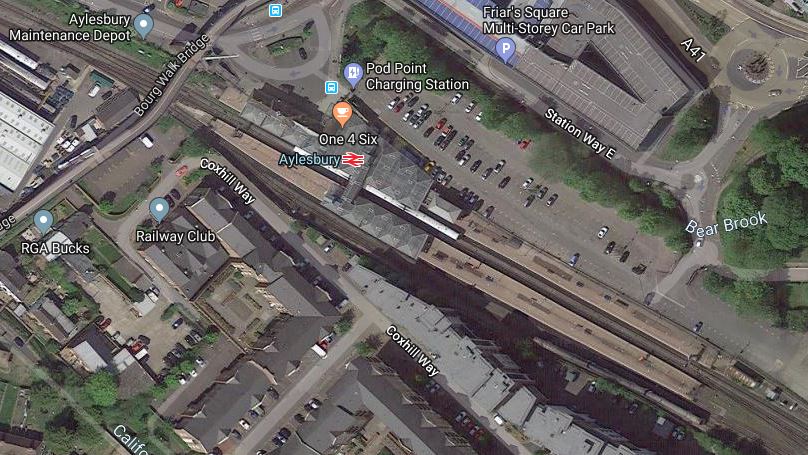
It should also be noted that the forty-five minute journey time between Aylesbury and Watford Junction stations, would give a two hour round trip, with relaxed fifteen minute turnround times.
This would allow time to top-up the batteries.
What Class Of Train Could Be Used?
Four-car Class 378 trains or the new Class 710 trains would be ideal. As the Class 378 train is out of production, it would have to be Class 710 trains or something similar from Bombardier. But other manufacturers might have a suitable train.
Battery power would be required, but that is becoming a standard option on metro trains like these.
How Many Trains Would Be Needed?
If the trains could do an Out-and-Back journey in an hour, then four trains would be needed to provide a four tph service.
A two-hour time would need eight trains.
Will The Link Have Any Other Services?
I have seen to plans to use the line for any other passenger or freight services.
Will There Be Infrastructure Issues At Existing Stations?
As all of the trains, I’ve mentioned and the London Underground S Stock trains, share platforms all over North West London, the answer is probably no, with the exception of a few minor adjustments to signs and platforms.
Croxley Station
Croxley station would be unchanged.
But in addition to the 4 tph between Baker Street and Watford, there would be 4 tph between Watford Junction and Amersham.
Platform 1 would handle.
- Baker Street to Watford
- Amersham to Watford Junction
Platform 2 would handle.
- Watford to Baker Street
- Watford Junction to Amersham
This would mean that if the trains alternated, the maximum wait for a connection would be about 7.5 minutes.
What I feel would be the two most common connections, would just involve a wait on the same platform.
I suspect that those, who timetable trains, would come up with a very passenger-friendly solution.
Watford Station
A property developer once told me, that the most profitable developments, are those where a railway station is involved.
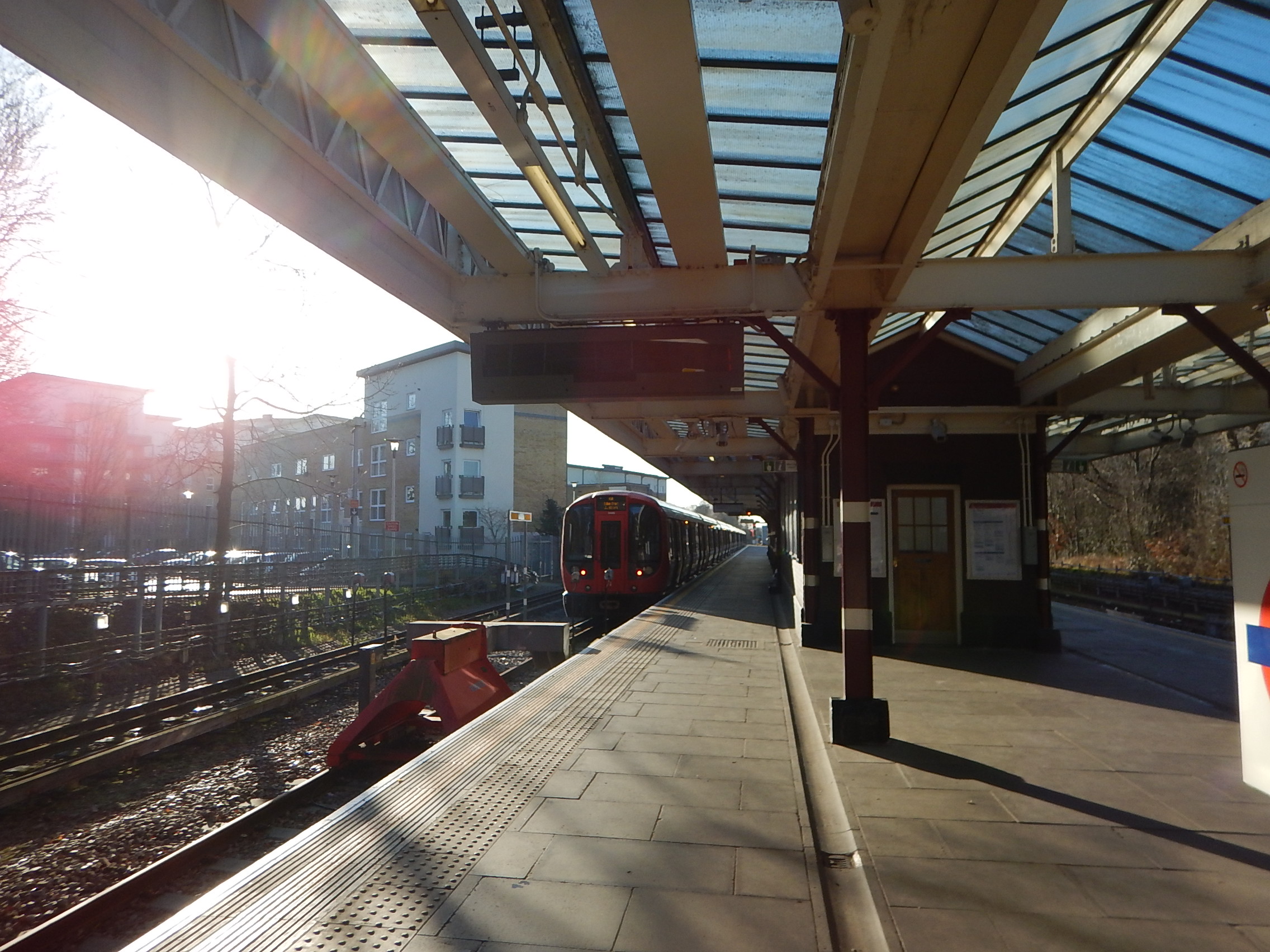
So would the development of the extension involve a rebuild of Watford station to provide the following?
- A modern future-proofed station, with all the capacity that might be needed in the next forty years or so.
- Appropriate housing or commercial development on top of the new station.
- Sensible amounts of parking for travellers.
With four tph to and from London in the basement, it would surely be a profitable development.
Watford Junction Station
Watford Junction station has four bay platforms 1-4, that handle the three tph service on the Watford DC Line.
At stations like Clapham Junction, Crystal Palace, Dalston Junction, Highbury and Islington and New Cross, single platforms handle four tph with ease for London Overground services.
This means that handling four tph to Amersham in addition to current services would not be difficult.
The only work, that I think should be done, is make sure that these platforms are long enough to take two of the future Class 710 trains working as an eight-car train.
There could even be two platforms left for Bakerloo Line services, if it were to be decided, that these services would go to Watford Junction.
Elton John Plays Vicarage Road Stadium
This or some football matches at Vicarage Road Stadium, would be the biggest test of the Link.
Note the following.
- Some stations like Watford High Street can already handle longer trains than the hundred metre long, five-car Class 378 trains they currently do.
- Some stations like Croxley can handle the 133 metre long S Stock trains used on the Metropolitan Line.
So to future-proof the Link for massive one-off events would it be sensible to make the platforms long enough for eight-car trains or two Class 710 trains working as a pair?
Benefits
The benefits of this approach are as follows.
- Watford station keeps its current service to London.
- Watford gets a four tph link across the South of the town, serving the Shopping Centre, the Hospital and the Stadium.
- Amersham or Aylesbury to Croxley stations get a link to the West Coast Main Line.
- It could be built as a single track line without electrification.
- Trains to run the services could be more easily available.
- Simple island platform-based stations could be built at Cassiobridge and Vicarage Road.
In addition, Chiltern Railways, London Midland, London Overground and Underground, all gain a feeder railway bringing travellers to their services to and from London.
Cost Savings
Note.
- Transport for London needs cost savings on this project.
- Redevelopment of Watford station as a station with oversite development could raise a lot of money.
- The Croxley Link could be built as a single-track link without electrification and run initially using battery-electric trains.
I also feel, that building the line this way would deliver it earlier, thus improving cash-flow.
The simple link would need at the minimum.
- A single- or double-track railway without electrification between Croxley and Watford High Street stations.
- Two stations with island platforms at Cassiobridge and Vicarage Road
- A viaduct to connect Cassiobridge station to the Watford Branch.
- Some Class 710 trains or similar.
If skates were worn, the link could probably open in 2025.
My Bus Stop At Moorgate Has Been Reopened
The easiest way to get to my house is to get a 21, 76 or 141 bus from outside Moorgate station. All stop within a hundred metres of my house.
For several years the stop has been a temporary affair, whilst Moorgate station is rebuilt.

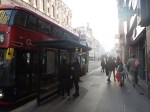
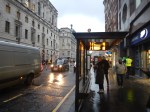
But now it’s a proper stop with a next bus display and a shelter.
Much of what I need in life, is available close to this stop.
- On the other side of the road is a Marks and Spencer store with both food and clothes.
- Within twenty metres of the stop, there are Boots, Hotel Chocolat, Pret a Manger and Leon.
- There’s a PC World and a Rymans around the corner.
And underneath it all is Crossrail!
I will have my own personal frequent bus route to London’s new rail line!
A Design Crime Of A Bus Livery
This bus livery must be the worst I’ve seen and it does appear sometimes, that designers are looking to design the worst they can.

I didn’t have any idea what it was advertising.
Greater Anglia’s New Stansted Service To And From Norwich
Stansted Airport railway station now has the following rail services.
- Four trains per hour (tph) Stansted Express services to and from Liverpool Street station.
- One tph to and from Cambridge.
- One tph to and from Birmongham New Street
- One tph to and from Norwich, which started on December 15th, 2019.
This morning I wen to the station to use the new service to Cambridge.


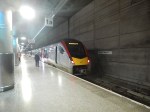
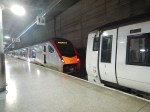
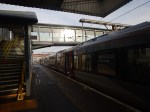

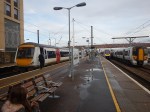
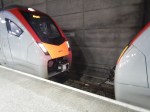

Note.
- Platform 1 at Stansted Airport, is used to handle two trains.
- The Class 755 trains appeared to be using overhead 25 KVAC.
- The Cambridge-Ipswich and Norwich-Stansted services appear to offer interchange possibilities at Cambridge could be developed in the future.
- It appeared that a new Class 755 train had failed and was parked in Platform 1a at Stansted.
The service certainly seemed to be attracting more than a handle of passengers.
These are a few extra thoughts.
Whittlesford Parkway Station
Whittlesford Parkway station has a Holiday Inn hotel and a large car park, as this Google Map shows.
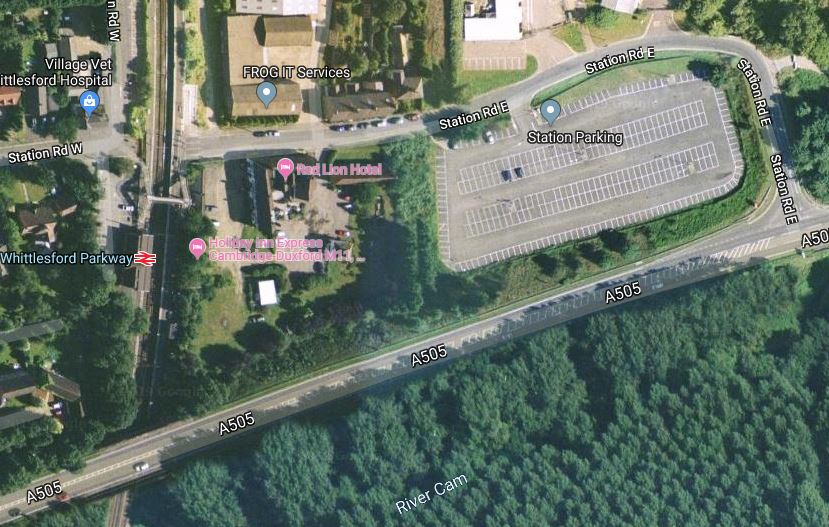
When I lived in the area, I used to use it as a station for travelling to and from London.
Consider.
- Whittlesford Parkway to Stansted Airport takes twenty-six minutes by train.
- There are two tph to and from Stansted Airport.
- Given the station’s convenient position on the road network and the good train service to Stansted Airport, I suspect some Airport users will use the station as an alternative place to park.
- It will certainly make a sensible drop off point for Stansted passengers and workers.
In my view, the only improvement needed, is a step-free bridge.
Audley End Station
Audley |End station is another station that is served by trains going between Stansted Airport and Cambridge and Norwich.
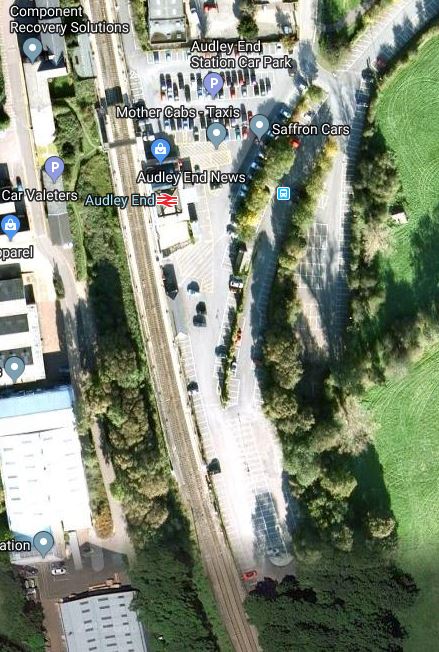
As the map shows, car parking is not as extensive.
Commuting From Audley End And Whittlesford Parkway To Norwich
C, my late wife was a barrister, who regularly drove to Norwich for a day in Court.
If there had been a train service between Whittlesford and Norwich, she might have used it.
But it does appear, that early morning services start from Cambridge.
Early And Late Trains Between Norwich and Stansted Airport
It appears to me, that that the timetable between Norwich and Stansted Airport may not start ealy enough and perhaps run late enough, given the hours that flights arrive and depart at the Airport.
Conclusion
This is going to be a worthwhile service, but I don’t think it is fully developed yet.
Could Suffolk Have It’s Own Version Of London’s Freedom Pass?
London has a travel pass for certain groups of passengers, like the elderly and the disabled called a Freedom Pass.
This is the introduction forthe Freedom Pass from Wikipedia.
Freedom Pass is a concessionary travel scheme, which began in 1973, to provide free travel to residents of Greater London, England, who are aged 60 and over (eligibility age increasing by phases to 66 by 2020) or who have a disability. The scheme is funded by local authorities and coordinated by London Councils. Originally the pass was a paper ticket, but since 2004 it has been encoded on to a contactless smartcard compatible with Oyster card readers.
I have a Freedom Pass, as I am seventy-two and it really gives me freedom, as my eyesight isn’t good enough for me to drive.
Other parts of the UK like Manchester and Newcastle have similar schemes that allow a degree of free travel on local trains, trams and light rail systems.
But generally English counties like Suffolk don’t have such a scheme.
East Anglia’s Rail Revolution
All of Greater Anglia’s trains are being replaced with new Stadler Class 745 and Class 755 trains.
In InterCity Quality For Rural Routes, I said this.
Greater Anglia are purchasing a fleet of 38 trains with a total of 138 carriages to replace 27 trains with a total of 58 carriages.
- This is a forty percent increase in the number of trains.
- This is nearly two and a half times as many carriages.
- The average number of carriages per train is raised from 2.1 to 3.6.
That is a massive increase in train capacity.
I don’t believe that Greater Anglia will park these trains in a siding, but use them to increase frequencies.
Greater Anglia are having signalling problems introducing the new trains, but we have already seen the following in Suffolk.
Four-car Class 755 trains running from Ipswich to Cambridge, Felixstowe and Lowestoft.
As the frequency is still the same and train length has increased from one, two and three cars, this is almost a doubling of capacity.
The UK’s Contactless Ticketing Revolution
London started wide-scale contactless tickerting and in places, it is applied to rural routes like Iver and Reading on TfL Rail’s new Western branch, where frequencies are more Suffolk, than Central London.
I believe in the next few years, the average passenger going between say Newmarket and Ipswich in Suffolk, will touch-in at Newmarket with their credit card and touch-out at Ipswich, just as passengers do now, millions of times all over London, every day of the year.
London’s Freedom Pass looks to the readers in London, as just a different credit card, so it is able to allow passengers through.
I believe that once Suffolk goes contactless with ticketing, then it will be possible to overlay a Suffolk Free Travel Pass on the system.
What Lines Would Be Allowed To Be Used By Passengers With A Suffolk Free Travel Pass?
These are routes that are wholly or partly in Suffolk.
Ipswich And Cambridge
The Ipswich and Cambridge Line currently has one train per hour (tph) and is wholly in Suffolk, except for a short section at the Cambridge end of the route.
Would a Suffolk Travel Pass allow travel to Cambridge?
I suspect that both Cambridgeshire and Suffolk would have reasons for a compromise , as both counties could benefit from visiting Travel Pass holders.
I would include Ipswich and Cambridge in a Suffolk Free Travel Pass.
Ipswich And Diss
The section of the Great Eastern Main Line, between Ipswich and Diss, currently has two tph and is wholly in Suffolk, except for a short stretch at Diss, which is just over the border in Norfolk.
I would include Ipswich and Diss in a Suffolk Free Travel Pass.
Ipswich And Felixstowe
The Felixstowe Branch Line currently has one tph and is wholly in Suffolk.
But this route is planned to be upgraded as I wrote in Could There Be A Tram-Train Between Ipswich And Felixstowe?.
- Tram-trains would start at Ipswich station and run to \felixstowe.
- Tram-trains could start on the forecourt of Ipswich station and could run through the streets of Ipswich, via Portman Road, the Town Centre, Christchurch Park, Ipswich Hospital, the proposed new housing at Westerfield and Ransome’s Retail Park before joining the Felixstowe Branch, in the area, where it crosses the A14.
- It could even do more street running in Felixstowe to connect to the Town Centre and the Sea Front.
- Frequency would be four tph.
Removing the passenger service from the rail lines between Derby Road and Ipswich stations, would allow more freight trains to run through the area.
I would include Ipswich and Felixstowe in a Suffolk Free Travel Pass.
Ipswich and Lowestoft
The East Suffolk Line currently has one tph and is wholly in Suffolk.
I believe that this line could be developed by adding a second hourly service to Aldeburgh.
I would include Ipswich and Lowestoft in a Suffolk Free Travel Pass.
Colchester And Peterborough
The current service runs between Ipswich and Peterborough, and is a service of one train per two hours.
Greater Anglia plan to do the folloeing.
- Increase the frequency to one tph.
- Extend the route to run between Colchester and Peterborough.
- It will terminate in a bay platform at Colchester.
The route will be mainly in Suffolk, with thends in Cambridgeshire and Essex.
- Passengers for the North and Scotland will change at Peterborough.
- Passengers for London will change at Colchester, Ipswich, Cambridge and Peterborough.
- Passengers for Stansted Airport, Hertfordshire and West Essex will change at Cambridge.
- Passengers for Sudbury will change at Colchester.
This route will become a very important connecting service.
Because of this connectivity, I would include Colchester and Peterborough in a Suffolk Free Travel Pass.
Colchester Town And Sudbury
The Gainsborough Line currently has one tph and is an isolated line that is half in Suffolk and half in Essex.
I would include Colchester Town and Sudbury in a Suffolk Free Travel Pass.
How Would It Be Funded?
Wikipedia says this sabot the funding of London’s Freedom Pass.
The cost of providing the travel concession is negotiated between London Councils and the local transport operator Transport for London. It is funded through a mixture of national grant and council tax.
Although a similar process could be used for a county like Suffolk, other elements are present, that have effects on use and revenue.
Only One Train Operator
There is only one train operator involved; Greater Anglia.
This must make planning and operation easier.
Greater Anglia Should Benefit From Passengers Travelling Further
Will passengers use their passes to get to Ipswich and Peterborough to travel further?
If they do, then Greater vAnglia won’t be bothering.
Greater Anglia may be able to fill the twelve-car Clsass 745 trains in the Peaks, but filling them in the Off Peak will be more difficult.
Would a Suffolk Free Travel Pass attract passengers to the trains?
Modal Change
This is a big imponderable in any calculation.
If you live near a station, would you be more likely to use the train to go to work, shopping or a meal in Ipswich, Bury St. Edmunds or Cambridge, if the train was free?
Only partly, but if the car parking was expensive or always full, that would be a deterrent.
People plan travel against a large range of parameters and cost is one of them.
Would a Suffolk Free Travel Pass take pressure off the roads.
Trips To The Coast
There are only two rail-connected coastal towns in Suffolk; Felixstowe and Lowestoft.
Travel on a sunny day between Ipswich and Felixstowe and the train can be packed with passengers going for a stroll along the sea front.
With more capacity, this usev will increase and especially amongst those who would be eligible for a Suffolk Free Travel Pass.
Carbon Emissions
People are starting to take notice of carbon emissions.
But they’re not buying electric cars, as they worry about the range.
So taking the train is a sop to the pressure of their conscience or that of their children.
Stansted Airport
There are two tph between Cambridge and Stansted Airport.
Travelling from say East Suffolk to the sun, could start with a train to the nearest airport using a train at Cambridge.
East-West Suffolk Travel
Suffolk is not the largest county in England, but East West travel by road can take longer than the train.
Greater Anglia are planning two East-West services at a frequency of one tph.
- Colchester and Peterborough via Ipswich, Needham Market, Stowmarket, Bury St. Edmunds and Ely.
- Ipswich and Cambridge viaNeedham Market, Stowmarket, Bury St. Edmunds and Newmarket.
Note that Ipswich and Bury St. Edmunds stations will have a frequency of two tph.
The East-West Railway, currently being built between Oxford and Cambridge is proposing more improvements for Suffolk.
- A new hourly Manningtree and Oxford service, via Ipswich, Needham Market, Stowmarket, Bury St. Edmunds, Newmarket and Cambridge.
- A new A14 Parkway station, where the Cambridge and Peterborough routes divide to the North of Newmarket.
- Tram-trains at a frequency of four tph between Ipswich and Felixstowe.
Note that Ipswich and A14 Parkway stations willl have a frequency of three tph.
I also think that operationally, there could be another improvement.
Ipswich station has a limited number of platforms and expanding it will be difficult.
But I believe that operations could be eased, if the Ipswich and Cambridge and Ipswich and Lowestoft services were to be combined into a single cross-Suffolk Cambridge and Lowestoft service, with a reverse at Ipswich.
These routes between Cambridge and Suffolk will spread the Cambridge effect across the county and in return Suffolk will provide the housing and other resources that Cambridge needs.
People Will Be Working Longer
We are going through an employment revolution for those past retirement age for various reasons.
- Economic necessity.
- Some people l;Ike and/or need the camaraderie of working.
- Some people have much-needed skills.
- Some business owners and self-employed prefer working to retirement.
- Flexible and part-time working is expanding.
A Suffolk Free Travel Pass would be used by a lot of those who are still working and paying Income Tax.
Healthcare
I have no figures, but I suspect in London, Freedom Pass holders are bigger users of the NHS and hospitals.
Healthcare in East Anglia is changing, with increasing dependence on the three largest hospitals at Cambridge, Ipswich and Norwich.
This means that going to hospital for a check-up often means a fifty mile drive and a long hassle over the limited parking.
Published plans mean that Cambridge and Ipswich hospitals will be rail-connected at each end of Suffolk.
Would it be easier to use the train from many parts of Suffolk?
It should also be noted, that those with health problems, that need regular hospital visits in London, are issued with a Freedom Pass for travel, as it’s cheaper than sending a car.
Any county bringing in a free travel scheme would surely use it to help those needing to go to hospital regularly.
Greater Anglia’s new trains are all step-free, as this picture shows.
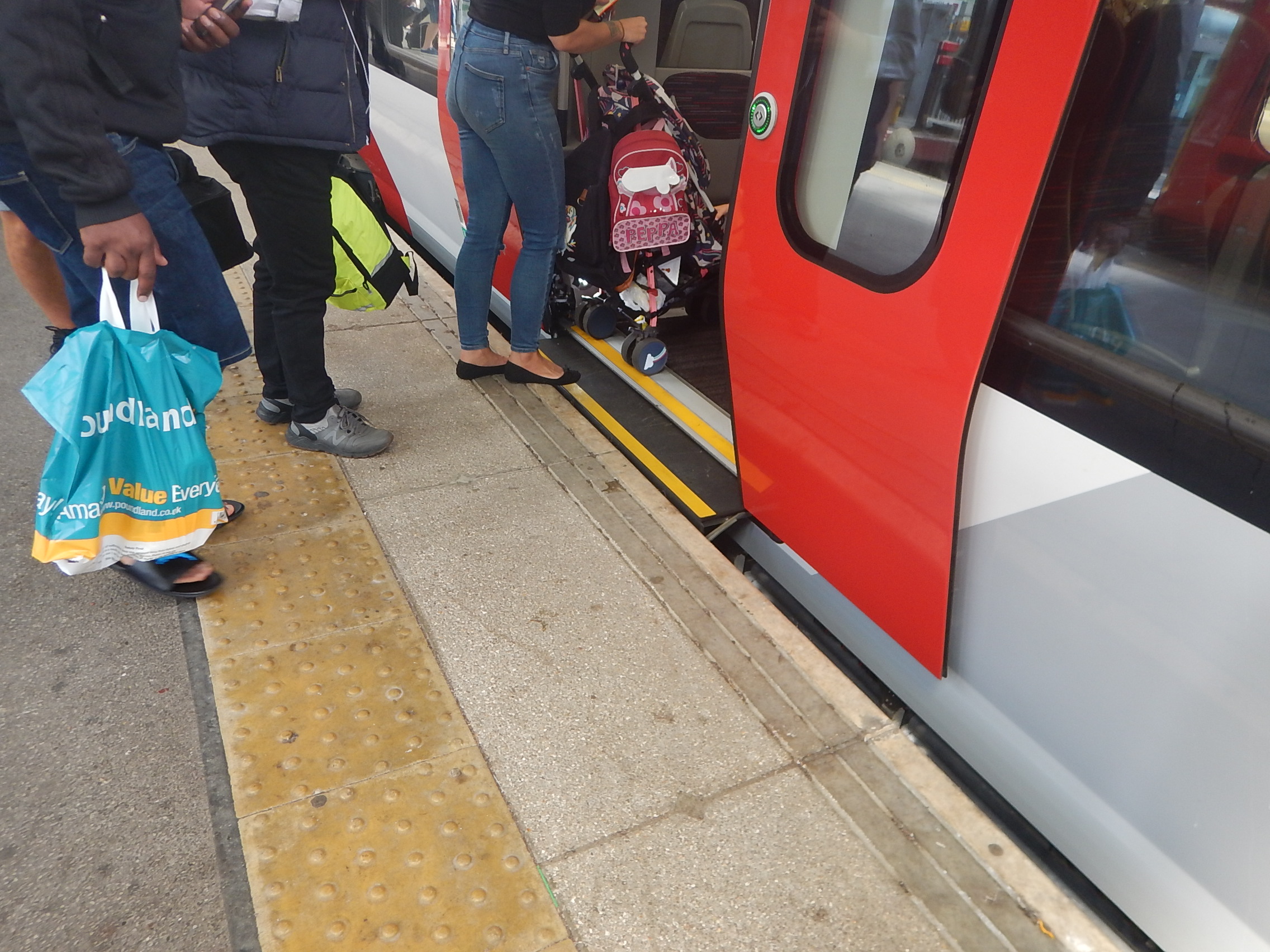
I believe that good rail-connected hospitals can improve the efficiency of the NHS.
Summing Up Funding
All of these developments across Suffolk will see a large increase in Suffolk’s economic activity and the consequent tax take from Council Tax and Business Rates.
I believe that Suffolk could probably afford to fund their share of a Suffolk Free Travel Pass.
Given the reduction in carbon emissions, that would probably occur, surely Government would contribute a share.
As Greater Anglia would surely benefit from onward journeys to and from London, they can probably afford to do a good deal for free travel in Suffolk. After all, they’ve already built in the capacity to their business model.
Restrictions On Use
There may need to be restrictions on use, like some routes apply in London.
For instance, using trains to and from London to perhaps travel between Ipswich and Stowmarket, may be restricted in the Peak.
It will all depend on Greater Anglia’s capacity.
Would It Work For A Group Of Counties?
I don’t see why not!
Perhaps instead of Cambridgeshire, orfolk and Suffolk, all having their own Free Travel Passes, would an East Anglian one work better?
Conclusion
If London can have a Freedom Pass, then why not Suffolk? Or other English and Welsh counties for that matter?
I have rambled through several ideas and possibilities.
But I believe that Suffolk with the powerhouse of Cambridge in the |West can see an improvement in economic activity, can go a long way to funding a Suffolk Free Travel Pass.
This in turn could generate further economic activity and the tax revenue that would be generated to pay for the scheme.
Suffolk though is lucky in that it aslready has the rail network and Greater Anglia have purchased enough trains. Only a hanful of extra stations and some branch line reopenings would be needed.
I shall return regularly to this post.
A Radical Government Would Consider Making Bus Travel Free
The title of this post is taken from the sub-title of the first leading article in today’s Times.
This is the last paragraph.
This is an opportunity for the government to be bold and help those deprived northern areas that voted Conservative for the first time. It should raise spending on buses and force the mainly private companies to provide many more services and routes. It should also encourage them to use electric or hydrogen-powered vehicles. But if it really wants to encourage a better quality of life and improved economic prospects for the north and other regions, it should consider making bus journeys free. At present millions of elderly people and children benefit from free bus passes . Why not extend this to all? That would send a message that this really is a people’s government.
The Times has a point. In fact it has several.
Pesa And PKN Orlen To Develop Hydrogen Fuel Cell Trains
The title of this post is the same as that of this article on Railway Gazette.
This is the introductory paragraph.
Rolling stock manufacturer Pesa and energy company PKN Orlen signed a letter of intent to develop hydrogen fuel cell trains on December 12.
I am pleased that Poland appears to be turning to trains that emit less carbon, but I do worry about how the hydrogen is produced.
It appears the Dutch are moving towards green hydrogen, which is produced by the electrolysis of water using electricity produced by offshore wind farms.
But how are the Poles producing their hydrogen?
I did find this article on biznewsalert.com, which is entitled Poland Wants To Be A Hydrogen Kuwait. P2G Can Help.
This is the introductory sentence.
Hydrogen could drive low-carbon transport and also help reduce CO2 emissions. Although it is a distant perspective for now, the production of the element could support onshore wind farms.
It does appear that the Poles are thinking along lines, that will reduce carbon emissions.
What is P2G?
P2G or Power-to-Gas has an informative Wikipedia entry.
This is the first paragraph, which outlines the process.
Power-to-gas (often abbreviated P2G) is a technology that converts electrical power to a gas fuel. When using surplus power from wind generation, the concept is sometimes called windgas. There are currently three methods in use; all use electricity to split water into hydrogen and oxygen by means of electrolysis.
There certainly a lot of activity in the sector.
My Experience Of Polish Transport
Poland is a large country with an extensive rail system. I have travelled long distances across the country and many of the passenger trains are electric.
I can’t remember seeing a freight train, but I do remember large numbers of diesel trucks moving freight across the country.
Conclusion
Hydrogen could be a very important fuel for transport in Poland.
Reading For Lunch On TfL Rail
On Sunday, TfL Rail took over the services between Paddington and Reading via Maidenhead.
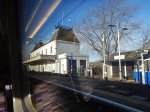
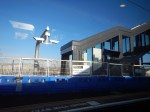

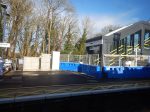
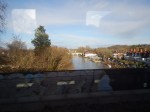
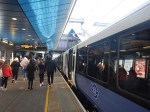






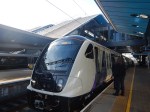

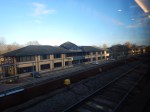

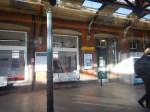
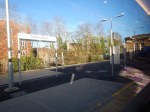
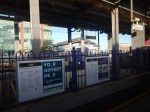
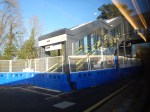
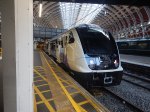
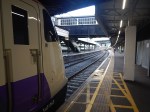
The pictures show that there is still a lot of work to do to get a complete step-free Western Branch of Crossrail.
I walked to Carluccio’s at Reading, which is about a kilometre. It would be closer, if Reading had decent maps like other civilised towns or cities.
These are my comments about the new TfL Rail service.
Competitive Ticketing On TfL Rail
I would expect services on TfL Rail will be competitively priced and some details are given on this page on the TfL web site, which is entitled TfL Rail Will Operate Services To Reading From 15 December.
Freedom Passes
I can use my Freedom Pass all the way to Reading for a cost of precisely nothing.
- There are lots of places along the line, where holders might go to enjoy themselves.
- Freedom Pass holders can take children with them on some rail services in London. Will they be able to do this on TfL Rail?
- Freedom Pass holders like to extract maximum benefit from their passes.
But it won’t be long before canny holders, realise that other places like these are just an extension ticket away.
- Basingstoke – £4.50
- Henley-on-Thames – £2.65
- Marlow – £3.10
- Newbury or Newbury Racecourse – £4.50
- Oxford – £6.65
- Winchester – £11.55
- Windsor – £1.90
- Woking – £9.75
I included Winchester, as that is where my granddaughter lives.
Will Freedom Pass holders take advantage?
- This is not a rip-off offer, but a chasm in the fare regulations.
- There are some good pubs and restaurants by the Thames.
They will take advantage in hoards.
Reverse Commuters
On my trip to Harrogate, I met a guy, who told me, that Reading has difficulty attracting workers for high-tech businesses.
I suspect that the new service might encourage some reverse commuting.
Will some Freedom Pass holders take advantage?
- I know a lot of people still working, who commute within London on a Freedom Pass.
- Not all Freedom Pass holders are pensioners. For instance, I would have been eligible because I lost my Driving Licence, when my eyesight was ruined by a stroke.
As the pictures show, there is a lot of offices going up around the station in Reading.
Access To The Thames
The route between Paddington and Reading gives access to the River Thames at the following places.
- Windsor from Slough
- Marlow from Maidenhead
- Henley from Twyford.
- Reading
- Oxford from Reading
I wouldn’t be surprised to see the route being used extensively by leisure travellers to explore and visit London’s principle river.
Connection To Central London
When Crossrail opens to Central London, this must surely result in a large increase in cummuter, leisure and tourist traffic.
Indian Sub-Continent Families
There are a lot of people with roots in the Indian sub-continent living along the route between Paddington and Reading.
Note that Southall station is one of a small group of English stations with bilingual signage. At Southall the signs are in both English and Punjabi.
I feel, that strong family, cultural and religious ties will mean, that this large group will use the trains of TfL extensively in their daily lives.
Train Frequency
It was a Sunday, and the train had perhaps sixty percent of the seats taken.
I have this feeling that this route could suffer from London Overground Syndrome and that passenger numbers will rise much higher than the most optimistic forecasts, because of the factors I outlined in previous sections.
- Competitive Ticketing On TfL Rail
- Freedom Passes
- Reverse Commuters
- Indian Sub-Continent Families
- Access To The Thames
- Connection To Central London
This leads me to predict that this line will need a full four trains per hour (tph) service as far as Reading before the end of 2021 and not just in the Peak Hours.
Connections To The Branches
On my journey to and from Reading,, I didn’t see any trains on the four branches, that have the following frequencies.
- Greenford – Two tph
- Windsor – Three tph
- Marlow – One tph
- Henley – Two tph
Surely, as the current TfL Rail service has a frequency of two tph to Reading, it should interface better with the Greenford and Henley branches.
It appears to me, that there is scope for a better timetable and increased frequency on some of the branches.
Or is the current timetable geared to making profits in the cafes and coffee stalls at the interchange stations?
My timetable would be as follows.
- Greenford – Four tph
- Windsor – Four tph
- Marlow – Two tph – Timed to be convenient for Reading services.
- Henley – Two tph – Timed to be convenient for Reading services.
If the Crossrail and branch service are both four tph or better and there are reasonable facilities, I suspect that will work reasonably well.
But the higher the frequency the better!
Train Performance
On my trip, the Class 345 train was stretching its legs to the West of West Drayton and I recorded a speed of 90 mph.
Their performance doesn’t seem to be much slower than Great Western Railways 110 mph Class 387 trains.
Ticketing
From what I’ve seen, ticketing on this line needs to be augmented.
What is currently, in place will work for Londoners and those that live close to the line.
But would it work for tourists and especially those for whom English is not their first language, who want to visit Oxford and Windsor?
There would appear to be a need for a ticket which allowed the following.
- Use of TfL Rail between West Drayton and Reading.
- Slough and Windsor
- Maidenhead and Marlow
- Twyford and Henley
- Reading and Oxford
Could it be called a Thames Valley Ranger?
The alternative would be to bring all the routes into London’s contactless payments system.
But would this mean complicated wrangling over ticket revenue between TfL Rail and Great Western Railway?
There certainly needs to be a simple ticketing system at Slough, so that passengers can purchase a return to Windsor.
The only ways at present are.
- Buy a ticket at Paddington to Windsor.
- Leave Slough station and buy a return ticket to Windsor.
Something much better is needed.
Crossrail To Oxford
Because of Network Rail’s l;ate delivery of the electrification West of Reading, the services have ended up as less than optimal.
I think eventually, services to Oxford, will be reorganised something along these lines.
- Crossrail will be extended to Oxford.
- Fast services to and from London would be the responsibility of Great Western Railway. The frequency would be at least two tph.
- CrossCountry fast services would continue as now.
- Stopping services to and from London would be the responsibility of Crossrail
- Stations between Reading and Oxford, with the exception of Didcot Parkway would only be served by Crossrail.
The Crossrail service to Oxford would have the following characteristics.
- Four tph
- The service would terminate in a South-facing bay platform at Oxford station.
- Pssible battery operation between Didcot Parkway and Oxford.
- The service would have a dedicated pair of platforms at Reading.
There would possibly be a ticketing problem, but as there would be separation of fast and stopping services, I feel that a good solution can be created, which would allow changing between the fast and stopping services at Reading. So commuters from somewhere like Cholsey could either go Crossrail all the way to and from London or change to a faster train at Reading.
Conclusion
I am led to the conclusion, that this service will be overwhelming popular.
But the ticketing leaves much to be desired.
Gluten-Free Afternoon Tea In Bettys
Bettys of Harrogate is one of the best-known traditional tea rooms in Yorkshire, if not the whole of the North of England.
As today was the first weekday of LNER’s new Harrogate service, with six trains per day in both directions, I emailed an old friend and we agreed to meet up for an early afternoon tea, which is actually served from eleven in the morning.
These pictures show my tea, which was gluten-free.





It was certainly some of the best gluten-free sandwiches, cakes and scones, I’ve ever had.
Sadly,, my friend only had time for a coffee, as she was running late, due to a horse problem. But she did show me around Harrogate.
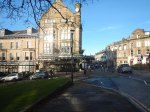

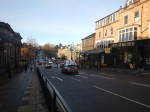
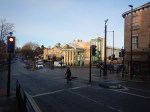

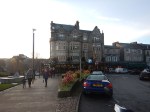






I have been before with C, but I didn’t remember anything except that we had a coffee in Bettys.
The Outward Journey To Harrogate
I took the 09:33 from Kings Cross and we arrived in Harrogate station a minute early at 12:16.
- The journey took two hours and 43 minutes.
- The train reversed direction at Leeds
- The only problem appeared to be that the seat allocation system on the train wasn’t working. Could this be becuae, the service appeared to be timetabled for two five-car trains working as a pair and a nine-car turned up?
- As it was only the second day of the service, I would expect some teething troubles.
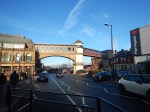
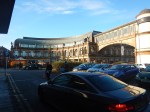
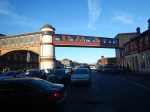
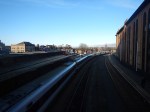
These pictures show the Azuma train at Harrogate station.


On the train, I met a lady who was going to see her son and his family near Thirsk. She was saying that Harrogate has better bus connections than Thirsk, so it is a more convenient station.
Train Length And Horsforth Station
As you can see from the pictures a nine-car train is a tight fit in Harrogate station.
Two trains call at Horsforth station, where a Google Map appesrs to show a platform only long enough for a five-car train.
The Return Journey From Harrogate
My return train was a five-car Azuma train.
- It left Harrogate at 15:36
- It arrived at Kings Cross at 18:32, which was a couple of minutes late.
- The journey time was two hours and 56 minutes.
I was also in Furst, so I got a delicious snack meal.



These Deli-Boxes certainly work as a snack for me.
As Adnams now do the 0.5% version of their Ghost Ship in cans, I would love to see trains carrying these beers or something similar.
Splitting And Joining At Leeds
My train didn’t split at Leeds on the way up, but according to one of the staff at Leeds, this is part of the final plan.
Consider.
- Nine-car trains are a tight fit at Harrogate.
- Nine-car trains don’t fit into Horsforth.
- Nine-car trains are needed for capacity reasons to and from Leeds.
So two five-car trains, running as a pair to Leeds, would be ideal. One train would serve Harrogate and the other perhaps Bradford or Huddersfield.
As I was tired and in a hurry, when we arrived in Kings Cross, I forgot to check if we were five- or ten-cars.
Ticket Costs
I have just looked up prices for the 14th of January 2020 for going North on the 0933 and South on the 17:36.
- Outbound in Standard costs £15.50
- Return in Standard costs £12.20
- First Class is £35 both ways.
All prices are with a Railcard.
Conclusion
The new Harrogate service is more than just a second destination in the Leeds Area.
- As the lady told me, Harrogate has good connections to a large part of Yorkshire.
- A difficult change, that can be slow is avoided at Leeds station.
- Another lady told me, that her husband used to commute to London from Harrogate three days a week and often missed the connection at Leeds.
- If you needed to go for say a business meeting in Harrogate or take your mother for lunch at Bettys on her birthday, the train service is ideal.
- The Azumas add style to a route that will also appreciate it.
I am certain that LNER have a winner.
Bettys
I would certainly recommend, their gluten-free afternoon tea.
I wonder how many will come up from London to have lunch or a meeting in Bettys and the other cafes and restaurants in Harrogate?
Note that Bettys and several other cafes and restaurants are an easy walk from Harrogate station.
My friend and I said that we’ll meet up again in the Spring. It will be interesting to see how the service is behaving.
Could High Speed Two Be A One-Nation Project?
As currently envisioned, High Speed Two is very much an English project, with the following routes
- London and Birmingham
- London and Liverpool via Birmingham
- London and Manchester Airport/Manchester via Birmingham and Crewe
- London and Sheffield via Birmingham and the East Midlands Hub
- London and Leeds via Birmingham and the East Midlands Hub
There are large numbers of mid-sized towns and cities that it won’t serve directly.
The West Coast Main Line
The West Coast Main Line serves the following routes.
- London and Birmingham
- London and Liverpool via Crewe
- London and Manchester via Crewe
- London and Glasgow via Crewe, Wigan, Preston and Carlisle
- London and Blackpool via Crewe, Wigan, Preston
- London and North Wales via Crewe and Chester.
It could probably be considered a two or two-and-a-half nation line, as it serves the Western half of Scotland and the Northern half of Wales.
Add the West Coast Main Line and High Speed Two together and you get a line, that serves a lot more places like Blackpool, Carlisle, Chester, Edinburgh, Glasgow, Preston, Stafford, Stoke and Wigan.
- The current plan for both routes envisage them both being run by Avanti West Coast, so it looks like High Speed Two is being designed to work with the West Coast Main Line.
- Destinations like Carlisle, Glasgow and Preston will be served using the West Coast Main Line.
- Compatible trains will be built that can be run on both lines.
- Some stations will be shared.
It does seem that there are advantages, if the two routes are considered as one system.
The East Coast Main Line
The East Coast Main Line serves the following routes.
- London and Bradford
- London and Cambridge
- London and Edinburgh via Doncaster, York and Newcastle
- London and Harrogate via Leeds
- London and Hull
- London and Kings Lynn via Cambridge
- London and Lincoln via Newark.
- London and Leeds via Doncaster
- London and Middlesbrough
- London and Skipton via Leeds
- London and Sunderland
The East Coast Main Line could become another high speed line.
Extra services could be added.
- London and Norwich via Cambridge
- London and Nottingham
- London and Grimsby and Cleethorpes via Lincoln.
- London and Sheffield via Retford.
Add the East Coast Main Line and High Speed Two together and there could be a wider range of towns and cities served.
- Peterborough and Doncaster could play the same role in the East as Birmingham and Crewe will play in the West.
- The East Coast Main Line between London and Doncaster will be upgraded to in-cab ERTMS signalling in a few years time, which will allow 140 mph running on several sections of the route.
- Improvements are either under way or being planned to reduce bottlenecks on the East Coast Main Line.
- If High Speed Two can handle eighteen trains per hour (tph), then surely the East Coast Main Line, which has a lot of quadruple track, can handle upwards of twelve 140 mph trains per hour between London and Doncaster, after the improvements to track and signalling.
- I estimate that 140 mph running between London and Doncaster could save as much as twenty minutes.
- I feel that Barnsley, Doncaster, Hull, Leeds, Sheffield and York could all be reached in under two hours from London using the existing Azuma trains.
- This morning the 0700 from Kings Cross is timetabled to reach York at 0852. Would it be possible for London and York to be around just ninety minutes?
- Savings would also apply to trains between London and Leeds, Middlesbrough, Newcastle, Scotland and Sunderland.
- Sub-four hour journeys between London and Edinburgh would be commonplace.
Note that the Internet gives a driving time of nearly three and a half hours between London and Leeds. Surely, two hours or less on High Speed Yorkshire would be much preferable.
I would add this infrastructure.
- There might be a good case to create electrified routes to Hull and Sheffield and between Sheffield and Leeds, but they wouldn’t be needed to start the service or obtain the time savings. But they would ease operation, cut carbon emissions and save a few more minutes.
- A station at Doncaster-Sheffield Airport.
- A parkway station at Barnsley on the Dearne Valley Line with direct services to Doncaster, Leeds, London and Sheffield.
The two latter improvements have been proposed in Sheffield Region’s transport plans.
High Speed Yorkshire should be finished as soon as possible. A completion date of 2024 is not unreasonable.
Northern Powerhouse Rail
Northern Powerhouse Rail is a plan to build an East-West high speed line or at least a much faster one, than the overcrowded joke, that presently exists.
I discussed the latest thinking in Changes Signalled For HS2 Route In North and the latest thinking and my views can best be summarised as follows.
- Northern Powerhouse Rail will be an improved line with some new sections, between Liverpool and Hull via Manchester Airport, Manchester and Leeds.
- Northern Powerhouse Rail and High Speed Two will connect at High Legh.
- Northern Powerhouse Rail and High Speed Two will share infrastructure.
- The High Speed Two route to Manchester would be via Birmingham, Crewe, High Legh and Manchester Airport.
- The High Speed Two route to Liverpool would be via Birmingham, Crewe, High Legh and Warrington
- Hull will get a London service from High Speed Two via Birmingham, Crewe, High Legh and Manchester Airport, Manchester and Leeds
The Oakervee review of High Speed Two is also underway and leaks are suggesting, that the report is recommending that High Speed Two be built in full, but differently.
One important thing, that is happening, is that Network Rail have started the procurement process to improve the current line between Leeds and Huddersfield, as I reported in Network Rail Reveals Detailed £2.9bn Upgrade Plans For TransPennine Route.
- Extra tracks will be built.
- There will be some extra electrification.
I very much feel, that this is one of the most difficult TransPennine sections to improve.
The other sections are summarised as follows.
- Liverpool and Manchester Airport via Warrington and High Legh is across the flat lands of North Cheshire and could follow the M56.
- Manchester Airport and Manchester will probably be a high speed tunnel.
- Manchester and Huddersfield section could possibly be improved in the short term
- Leeds and Hull and the required connections to the East Coast Main Line are in the flat lands of East Yorkshire.
It looks to me, that Network Rail have a plan in there to perhaps deliver improved services East of Huddersfield and radiating from Leeds in the next few years.
It certainly needs improvement, as the TransPennine route must be the worst main line in the UK.
A One-Nation Railway
I think these lines can be connected to create an integrated high speed network.
- High Speed Two
- West Coast Main Line
- East Coast Main Line
- Northern Powerhouse Rail
But.
- It doesn’t connect to the whole country and needs to be extended.
- It won’t be fully developed until at least 2035.
- Improvements are needed now!
So what could be substantially delivered of the core network, by say 2024, which is around the date of the next General Election?
- Faster and more frequent services on the East Coast Main Line.
- An electrified higher capacity and faster line between Leeds and Huddersfield and possibly between Leeds and Hull.
- New East Coast Main Line services from London to Barnsley Dearne Valley, Bradford, Cleethorpes, Doncaster Sheffield Airport, Grimsby, Harrogate, Huddersfield, Middlesbrough, Norwich, Nottingham, Scarborough and Sheffield and Sunderland.
- Sub-four hour services between London and Edinburgh.
- New local services to connect Blyth and Ashington to the East Coast Main Line at Newcastle.
- A Tees Valley Metro connecting Bishop Auckland, Whitby and all in between to the East Coast Main Line at Darlington.
- Improved local services between York and Leeds via Harrogate, Sheffield and Leeds via the Dearne Valley and on other lines in Yorkshire.
Effectively, the recommendations of this report on the Transport for the North web site, which is entitled At A Glance – Northern Powerhouse Rail, which apply to Leeds and Sheffield would have been implemented to connect to high speed services at Doncaster, Leeds, Sheffield and York.
Technology used would include.
- Some more electrification using the power from the electrified East Coast Main Line.
- Conventional electric trains and compatible battery trains.
- Tram-trains feeding into the Sheffield Supertram.
- ERTMS digital signalling on the East Coast Main Line and the major branches to Hull, Leeds and Middlesbrough.
There would also need to be an increase in LNER’s Azuma fleet. But that is already rumoured as I wrote in More New Trains On LNER Wish List.
Could we see as many as twelve Axumas per hour between London and Doncaster? Yes!
Could it all be delivered by the 2024 General Election? Yes!
High Speed Scotland
The Scottish Nationalist Party is pushing for High Speed Two to be extended to Scotland.
I think that this will eventually be a feasible project, but it will be a very expensive and perhaps built around 2040.
These are my thoughts for the next few years up to 2024.
High Speed To Edinburgh
Consider.
- Edinburgh currently supports a half-hourly service to and from London.
- East Coast Trains are proposing to add five trains per day to this route.
- TransPennine Express will run an hourly service between Edinburgh and Liverpool, via Manchester, Leeds, York and Newcastle, which starts at the December 2019 timetable change..
- CrossCountry run an hourly service between Aberdeen and Plymouth.
- It looks like Edinburgh and Newcastle have a four tph service.
All services, except the CrossCountry are planned to be run by Hitachi’s Class 800, 802 or 803 trains.
- Currently, services take ninety minutes for the 125 miles between Newcastle and Edinburgh.
- The Hitachi trains are all capable of 140 mph with digital signalling.
- The Hitachi trains have better acceleration.
- The route is fully electrified. Although, there are reports it needs enhancing to be able to handle the current number of trains.
How many minutes can be taken off thjs route, with a new timetable on a line running only Hitachi high speed trains?
Probably not that many, but it would ensure all London and Edinburgh trains were under four hours.
But it will all happen by 2024?
High Speed To Glasgow
So Edinburgh is alright, but what about Glasgow?
Consider.
- Glasgow currently supports an hourly service to and from London.
- TransPennine Express run an hourly service to and from Manchester Airport
- TransPennine Express will run a three trains per day service to and from Liverpool.
Glasgow has a much lower frequency service to and from England than Edinburgh.
Currently, London and Glasgow takes over four-and-a half hours and there is going to be no serious improvement, until High Speed Two opens to Crewe, when the time could drop to perhaps just over three-and-a half hours.
But that won’t happen until possibly 2030.
In Does One Of Baldrick’s Descendents Work For Avanti West Coast?, I detail a cunning plan, that might allow London and Glasgow in four hours.
This was my conclusion in the other article.
To improve services between London and Birmingham, Blackpool, Liverpool and Scotland, appears to need the following.
- Ten new Hitachi trains.
- Full digital signalling on the West Coast Main Line.
- Track improvements on the West Coast Main Line
- Upgrading of the Pendelinos to allow 140 mph running.
This should reduce London and Glasgow to around four hours and London and Liverpool to around two hours.
There may be advantages in replacing the Pendelinos with the Classic-compatible High Speed Two trains on the London and Glasgow service as early as possible.
- There would be a large increase of capacity between London and Glasgow.
- What would be the possible speed of the Classic-compatible trains on updated track North of Crewe? I will assume 140 mph, but it could be more! That’s called engineering!
- London and Glasgow timings would be improved, as soon as digital signalling is installed.
- The trains would get a thorough testing before the opening of High Speed Two to Birmingham.
At least one platform at Glasgow Central would need to be extended to take a four-hundred metre long train.
According to Wikipedia, the Classic-compatible trains will be introduced from 2026.
I think by the December 2026 timetable change Glasgow could see a four-hour service to and from London.
But could it be 2024, if the Pendelinos can pick up time North of Crewe with digital signalling?
The Borders Railway
If High Speed Two is going to be a One Nation project, the Borders Railway must be extended from Tweedbank to Carlisle via Hawick.
Could this be done by 2024?
It would be a close-run thing! But possible!
The Glasgow South Western Line
The Glasgow South Western Line, is a secondary route between Glasgow and Carlisle.
It should be electrified early, so that during the upgrading of the West Coast Main Line North of Carlisle it can be used as a diversionary route.
Scotland Could Have Two Four-Hour Fully-Electrified Routes To And From London
But it’s not just London that gets good connectivity to and from Scotland!
- Birmingham
- Bradford
- Carlisle
- Leeds
- Liverpool
- Manchester
- Newcastle
- Peterborough
- Preston
- Wolverhampton
- York
All these cities will have direct connections to Edinburgh and/or Glasgow.
High Speed Midlands
Almost unnoticed and with little fuss, the Midland Main Line is being upgraded to provide 125 mph services between London and Chesterfield, Derby, Leicester, Nottingham and Sheffield.
- New Hitachi bi-mode Class 804 trains will improve speeds and increase capacity
- Over the last decade or so, the track has been upgraded for 125 mph running.
- Electrification will reach between London and Market Harborough.
- Market Harborough station has been remodelled to remove a bottleneck.
- The Corby branch will be electrified with the trains running half-hourly.
I also think, that the Midland Main Line will link into all the improvements between Barnsley, Doncaster, Leeds and Sheffield and provide the following.
- A high speed route between Leeds and the East Midlands.
- A route for a Barnsley and London service.
- A second route for Leeds and London services..
It also seems that rail planners are getting innovative with the design of the Midland Main Line.
- It appears that the Midland Main Line and High Speed Two’s spur to Sheffield will be combined into an electrified line between Clay Cross North Junction and Sheffield via Chesterfield.
- An improved link to the East-West Rail link at Bedford could improve links between the North-East and the South of England.
- The disused rail line between Market Harborough and Northampton could be reopened.
The line is a lot more than a connection between London and the East Midlands.
The upgrade should be complete by 2024.
East West Rail
East West Rail is still in a long planning stage, but it now looks likely to provide more than a passenger link between Oxford and Cambridge.
- New freight routes for Felixstowe and Southampton.
- Extra passenger services between Oxford and Reading in the West and Cambridge, Ipswich and Norwich in the East.
- Connections to the Great Western Main Line, the Chiltern Line, West Coast Main Line, Midland Main Line, East Coast Main Line and the Great Eastern Main Line.
It has also been suggested that East West Rail should be connected to High Speed Two at a new station at Calvert. This could give Bristol, Cardiff and Southampton good links to and from High Speed Two.
Great Western Main Line
At the December 2019 timetable change, there has finally been some good news in the saga of the electrification of the Great Western Main Line.
- Services between London and Bristol have been improved.
- The timetable has been improved.
Whether it will stand up is another matter.
Certainly by 2024, it will be a much better main line.
It could have full digital in-can signalling, which could result in 140 mph running and journey time savings.
Who knows?
But what excites me is the possibility of a connection between High Speed Two and East West Rail at Calvert, which will allow trains to run between Bristol, Cardiff and Swansea, in Wales and the West and the North on a mainly electrified high speed railway.
High Speed North Wales
Avanti West Coast is purchasing thirteen new Hitachi bi-mode trains to run services to Chester and North Wales.
I can’t see much speed improvement in the services, although if the West Coast Main Line gets digital signalling, this could save a few minutes between London and Crewe.
High Speed Ireland
The technology is now available to build a rail bridge between Scotland and the island of Ireland.
I laid out the arguments in A Solution To The Northern Irish Problem!.
The Lincoln Solution
Lincoln is a city, that has been ignored by UK railways for decades.
But not any more as LNER now run six return trips a day to the city on Mondays to Saturdays and five on Sundays.
I wrote about the improvements in The Shape Of Train Services To Come.
How many other cities and large towns would benefit from a Lincoln solution?
LNER have already launched a similar service to Harrogate at the December 2019 timetable change and I’m sure that more will follow.
Disability And Access Issues
A true one-nation railway wouldn’t exclude anybody from using the trains.
Strides have been made to put up step-free bridges, but some of the access between platform and train is truly dreadful.
This picture shows what can be achieved by good design on a Class 755 train.
And this is the step on one of Hitachi’s new trains.
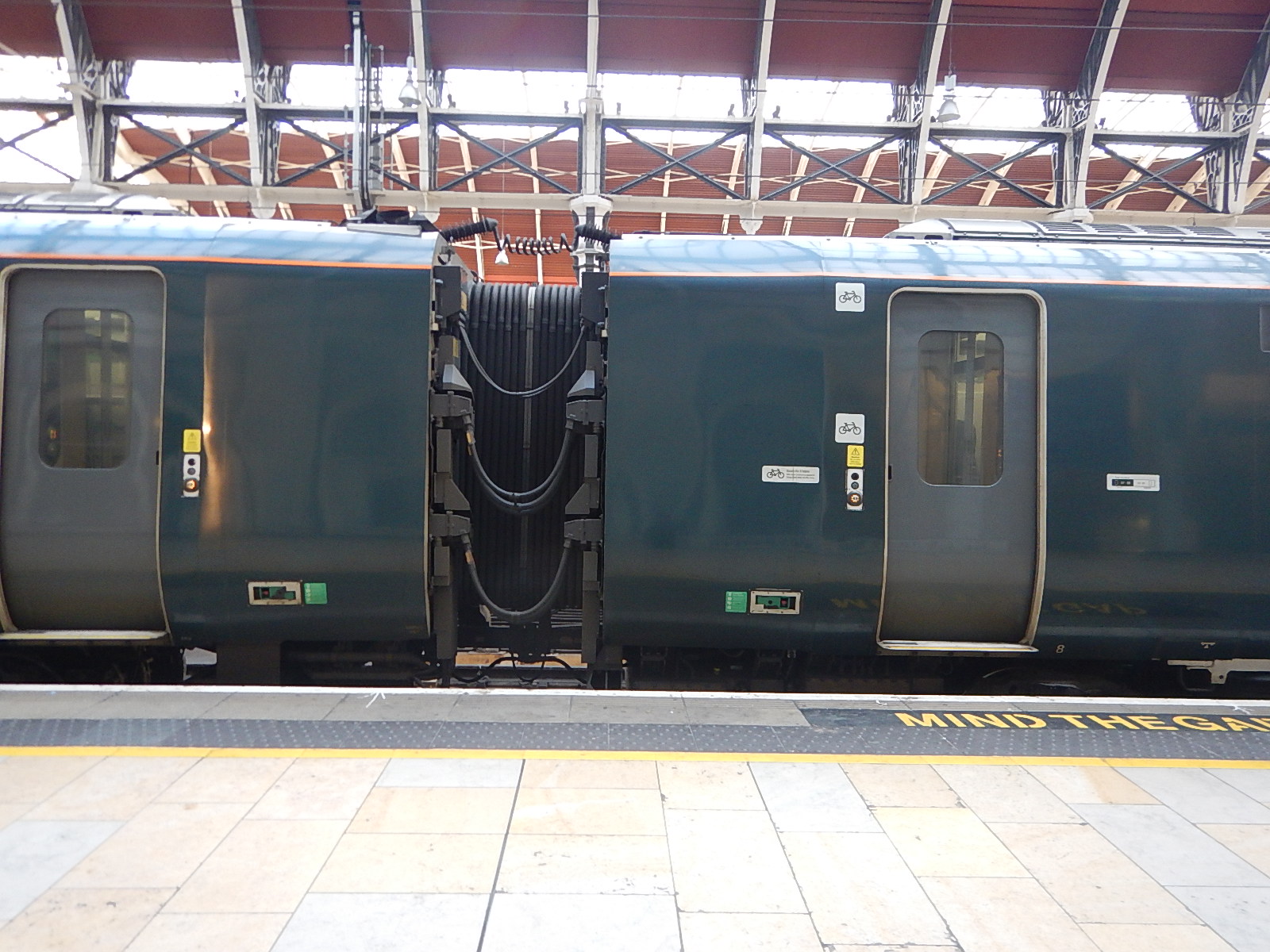
Note that all doors on these Hitachi trains are also far too narrow.
Some train manufacturers can do much better.
Recurring Themes
In this analysis, there are factors that keep cropping up.
Digital Signalling Or ERTMS
This is the key to squeezing more trains into our overcrowded railway.
Between London and Doncaster on the East Coast Main Line, should be operational in a few years and I believe the following lines should follow as soon as possible.
- East Coast Main Line between Doncaster and York and possibly Newcastle.
- East Coast Main Line North Of Newcastle
- West Coast Main Line North Of Crewe
- West Coast Main Line South Of Crewe
- Midland Main Line
- Great Western Main Line
As a time-expired Control Engineer, I believe that in-cab digital signalling is a major key to increasing capacity.
Faster Line Speeds
Some routes like TransPennine, have Victorian line speeds
Network Rail showed how it could improve line speed with the remodelling at Market Harborough station.
Bottlenecks, like the Trowse Swing Bridge at Norwich need immediate removal, no matter what the Heritage Taliban and other Luddites say.
New Hitachi Trains
There will be several more orders for the next generation of Hitachi’s high speed trains.
I have been critical of Hitachi’s manufacturing processes for these trains in the past, but they seem now to be running well in fleet service.
A standard UK train on 125 mph lines, that can also handle 140 mph with digital signalling must be a good thing for all sorts of reasons.
New Feeder Services
Several new feeder services have been indicated and there should be a lot more of these to bring the benefit of the high speed network to more of the UK population.
Delivering The Improvements
Geographically, the places where improvements are needed are spread thinly around the country and vary from projects with a cost of tens of millions to those with costs of tens of billions.
In the UK, we tend to go for the big hit, when perhaps several smaller ones might give a better short-term improvement.
We also duck projects, which would annoy the noisy local interests.
We need to have fundamental rethink about how we deliver and pay for rail improvements.
Conclusion
I am fairly pleased overall in that I think by 2024, many places in the UK, will have a much better train service than they do now!
Delivery of High Speed Two, East West Rail and Northern Powerhouse Rail as soon as possible after 2024, will be the icing on the cake.
Will It Be A One-Nation Project?
I think it can be!
 The Anonymous Widower