A Bespoke Tram-Train For The UK
Trams, tram-trains, trains and anything that runs on rails is generally very expensive.
Does this partly explain, why the UK has relatively few urban tramways and railways?
In Stadler Presents Mock-Up Of Tram-Trains For German And Austrian Operators, I discussed how five German and Austrian operators had got together to create a common tram-train design, that would be suitable for all the operators.
The mayor of one of the cities involved in the joint order, said savings of the order of a million euros per vehicle may have resulted from the common design.
I would also feel that savings in operational costs, design of infrastructure, spares inventory and other costs would also result.
Identical tram-trains would make through running between networks easier.
Where Could Tram-Trains Be Used In The UK?
Consider.
- Currently, tram-trains are running in Sheffield and a battery-electric version of the same Stadler Citylink tram-train will soon be running in Cardiff.
- Cardiff, is developing a Cardiff Crossrail on tram-train principles across the city.
- Sheffield have said that they will be replacing their trams and I believe they could use developments of their excellent Stadler tram-trains.
- Sheffield is likely to extend their tram system and might include tram-trains to Doncaster.
- Cities that have talked about adding tram-trains to their tram networks include Birmingham, Blackpool, Manchester and Nottingham.
- Leeds is developing a metro system, which could be developed using tram-train principles.
- Glasgow has talked about a tram-train to Glasgow Airport for some time.
- The East-West Rail Link is proposing a tram-train link between Ipswich and Felixstowe to allow more freight trains into the Port of Felixstowe.
There could be quite a number of tram-trains being used in the UK, especially if they are used as at Felixstowe, to increase freight capacity into ports.
These are a few of my thoughts.
Battery-Electric Tram-Trains
I would envisage, that a lot of the new tram-trains would operate using batteries. Especially, as battery-electric trains are showing quite long ranges of upwards of thirty miles.
Already trams in Birmingham and trains on Merseyside, are operating using batteries and it avoids the expense of putting up catenary, if enough exists to charge the trams.
Replacement of Diesel Multiple Units By Battery-Electric Tram-Trains
There are some branch lines, where diesel multiple units run off a branch of an electrified main line.These services could be decarbonised by changing the rolling stock.
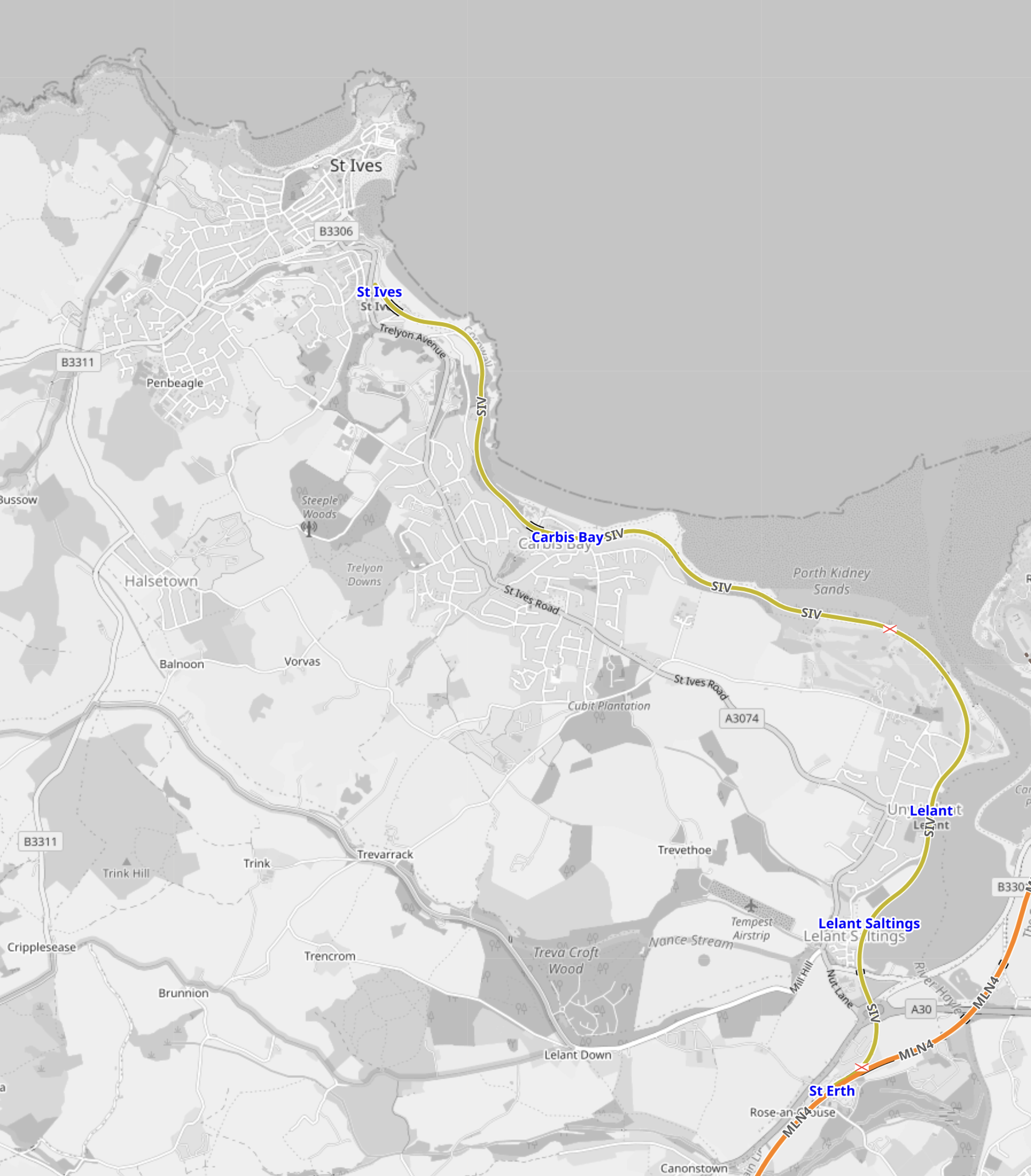
This OpenRailwayMap shows the St. I’ves Bay Line in Cornwall.
Note.
- The St. Ives Bay Line is shown in yellow.
- The Southern terminal is St. Erth station, where it connects to the Cornish Main Line, which is shown in orange.
- The Northern terminal is St. Ives station, which is towards the top of the map.
- The St. Ives Bay Line is 4.25 miles long.
- No tracks are electrified.
- There are three intermediate stations.
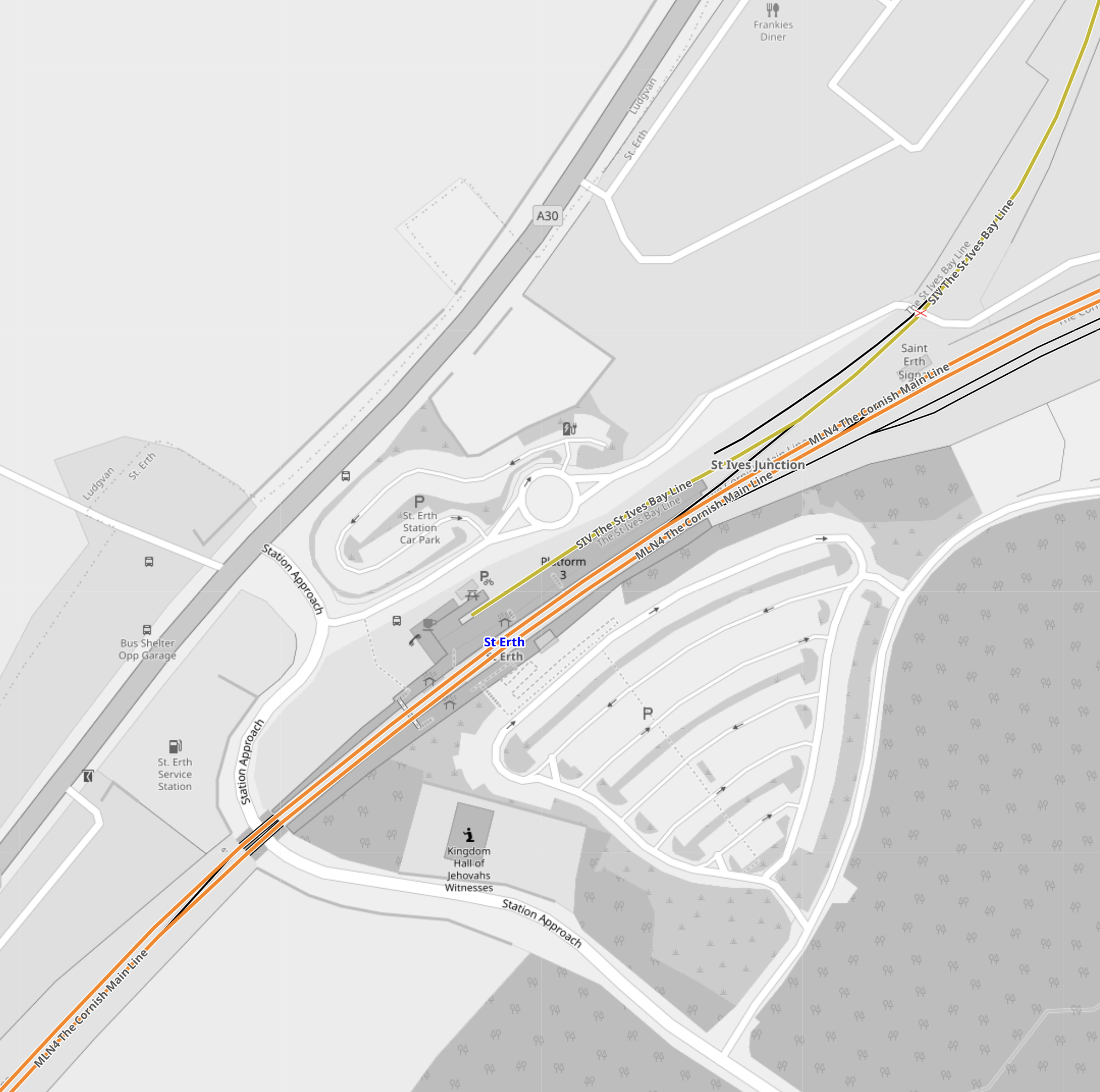
This second OpenRailwayMap shows St. Erth station in more detail.
Note.
- The St. Ives Bay Line has its own platform at the side of the station.
- I am fairly certain, that some form of charging could be installed in this platform.
- At the other side of the Cornish Main Line are two sidings, which could be used for cleaning and maintenance.
A neat zero-carbon branch line could easily be created.
New Branch Lines To New Developments
In Sheffield Region Transport Plan 2019 – A New Tram-Train Route To A New Station At Waverley, I gave my view on a tram-train loop from the Sheffield-Lincoln Line to serve the Advanced Manufacturing Centre and new housing at Waverley.
The tram-train would run as a train to the branch line for the development and then run as a battery-electric tram, through the development.
As the Midland Main Line to Sheffield will be electrified, the tram-trains could be charged on the electrification in Sheffield station.
Build Them In Doncaster
Wabtec are closing Doncaster works.
Surely this would be the site to assemble the scores of tram-trains that could be needed in the UK.
Conclusion
Tram-trains could do a lot to improve the railways of the UK.
They would also help to decarbonise the existing system.
Ricardo Signs Deal To Support Singer With Bespoke Manual Transmissions
The title of this post, is the same as that of this press release from Ricardo.
These three paragraphs give more details of the deal.
Ricardo, a global strategic, environmental, and engineering consulting company has signed a deal to supply bespoke, manual transmissions to Singer’s operations in the US and UK.
The transmissions will be exclusive to Singer and will initially be available to owners who request Singer’s Classic Turbo or DLS Turbo restoration services for their Type 964 Porsche 911.
Singer arrived on the automotive scene with their Classic services in 2009. Since then, the company has developed restoration services allowing owners to personalise both naturally aspirated and turbocharged cars. A Porsche 911 Reimagined by Singer is a rare machine, bringing together iconic design with twenty-first century engineering and material science.
I owned two Porsche 911s. The picture shows my 1969, 911T on the Isle of Skye.

I last heard of it about thirty years ago and it was still going strong in New Zealand.
Are Classic Cars The Future?
Seeing that top-class engineering companies, such as Ricardo, are getting involved, does it mean that rather than drive around in soulless electric cars, drivers will prefer something more interesting.
The Singer web site, certainly has lots of images of Automotive Pornography.
Platform 10 At Clapham Junction Station
These pictures show the step into and out of the Class 455 trains at Platform 10 at Clapham Junction station.
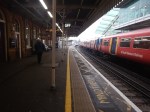
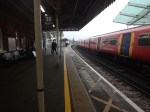
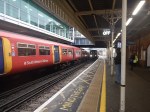
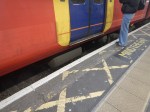
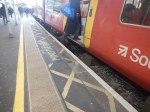
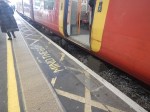
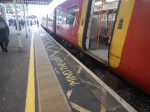
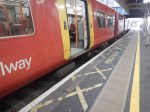
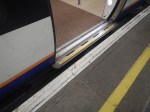
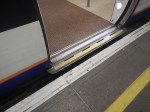
Note.
- Platform 10 at Clapham Junction station is markedly curved with a wide gap to mind!
- There is also quiet a high step up and down.
- The last two pictures, show the safer design at Platform 3 at Dalston Junction station.
On my last two visits to Clapham Junction, I have had to be helped out of the train. None of us, are getting any younger.
Ryanair Flies Into Sahara on Sea (And Africa’s Oldest Conflict)
The title of this post, is the same as that of this article in The Times.
This is the sub-heading.
Chieftains fighting for a strip of land claimed by Morocco are threatening to step up attacks as the tourist industry grows
These are the first three paragraphs.
Towards the end of the flight on Ryanair’s new route to Dakhla a vast expanse of apparently pristine desert coastline unfurls below.
But this land is nowhere near as tranquil as it looks from above. Instead the Irish airline’s choice of destination has flown the company into the heart of Africa’s longest-running conflict.
These direct flights from Madrid and Lanzarote take its planes to the coastal town in Western Sahara, a tract of desert the size of Britain that tribal chieftains and three countries have struggled to control through the centuries.
This is a Google Map showing the location of Western Sahara with respect to the Canary Islands.
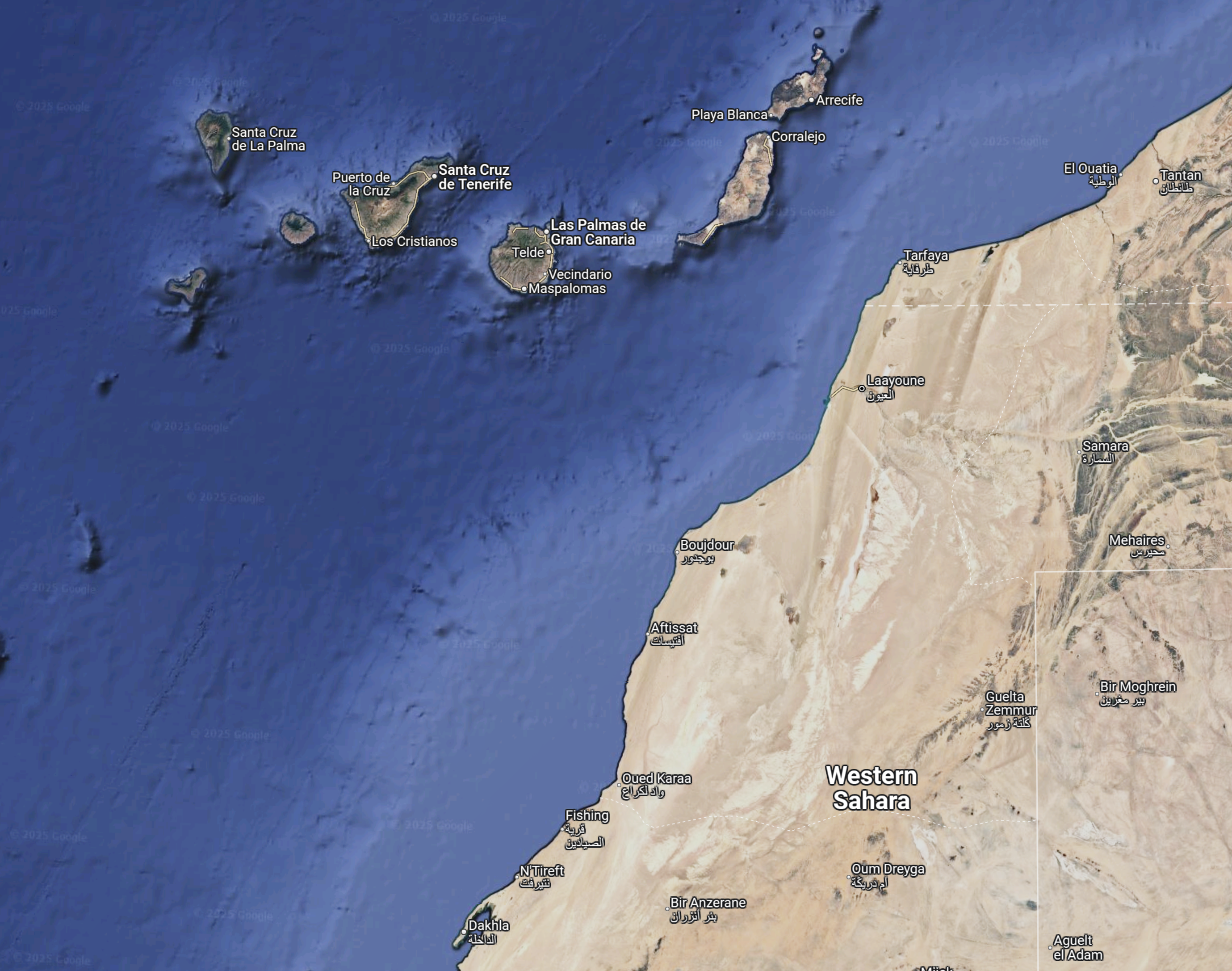
Note.
- The islands off the recognisable coast of North West Africa are the Canary Islands.
- Lanzarote is the Southermostof the two North-Eastern islands.
- Western Sahara is to the South-East of the Canary Islands.
- Dakhla is on the Africa coast at the Southern edge of the map.
The map will be enlarged if you click on it.
I have my thoughts on this article.
Western Sahara And Coeliac Disease
I have a feeling that this area has one of the highest levels of coeliac disease in the world.
- It all started some years ago, when they had a terrible famine, so the US donated a lot of wheat to alleviate the famine.
- But the people of Western Sahara don’t grow wheat and their bodily systems can’t cope with gluten.
- This gave the people a lot of coeliac disease, which can be passed on genetically.
A similar process went on during the slave trade, where the slavers fed their captives on bread made from wheat and water. Consequently, many of the slaves suffered from various problems and that could be why many died on the crossing. These days there is coeliac genes among the Caribbean and American black population that has been passed down through the generations.
After their first actions, it only looks like Trummkopf and his sidekick are going to make matters worse, after their destruction of US Aid.
Sail Into The Future In Style With Super-Realistic Virtual Tour Of The New Mersey Ferry
The title of this post is the same as this page on the Liverpool Region web site.
These five bullet points act as sub-headings.
- Immersive, interactive VR tour offers stunning detail of new Mersey Ferry
- Vessel designed to reflect Mersey Ferries’ world-famous new vessel will feature event spaces, bars, bike storage and improved accessibility
- Offers world-class experience to passengers and unique, stylish venue for conferences and private events
- Built by Cammell Laird and part of £26m investment in modernising ferries
- Due to set sail in summer 2026
Good to see, that it will be a locally-built ferry.
The current ferries were there, when I first went to the city in the 1960s.
Click here to take a tour on the new vessel.
Show Me The Way To Motspur Park
A few days ago, I saw on a web site, that Motspur Park station had been made step-free.
I tried to go yesterday, but I made a big mistake – I started from Moorgate station and intended to use the Waterloo and City Line to get to Waterloo station, from where I could get a direct train.




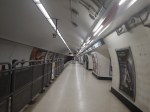

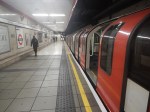
But after taking forever to walk between the Northern and Waterloo and City Line at Bank station, I arrived at Waterloo station, too late to get to Motspur Park station before dark.
Today, I looked up Transport for London’s Journey Planner and it told me to do the following.
- Walk to Newington Green Road, which is rather a long walk for my 77-year-old legs.
- Get a 341 bus to Manor House Station.
- Get a Piccadilly Line train to Finsbury Park station.
- Get a Victoria Line train to Vauxall station. This is a cross-platform interchange.
- Walk to Vauxall National Rail station.
- Get a South Western Railway train to Motspur Park station.
Note.
- Normally, I would use a variation of this route and take a 141 bus from the corner of my road to Manor House station.
- But due to road works, the 141 is not stopping near my house, so I have no easy way to get to Manor House station.
- But in some ways to start a journey to the South-West, by going North to Manor House station is a bit silly.
- This detour is caused because neither the Victoria or Piccadilly Lines have an exchange station with the Lizzie Line.
If the 141 bus were running, I’d take that to Moorgate, then take Lizzie to Bond Street and the Jubilee Line to Waterloo for a train to Motspur Park.
I would have taken this route yesterday from Moorgate, but I was advised otherwise by a station guy at Moorgate.
In the end today, I took a bus to King’s Cross and got the Victoria Line from there.
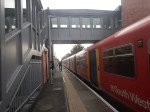
I took these pictures of the elderly Class 455 train en route.
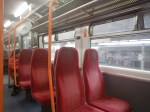
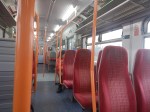
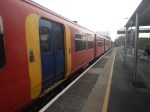
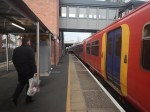
Although at forty, it was still in good condition.
I took these pictures of the new bridge at Motspur Park station.
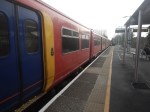
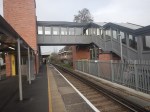
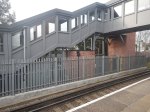
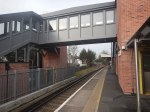
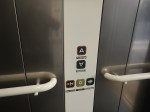
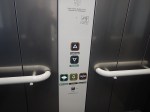
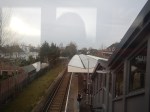
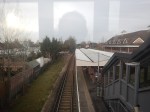
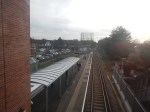
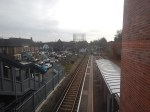
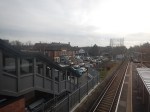
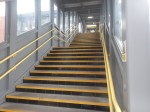
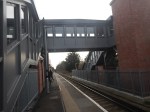
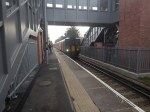
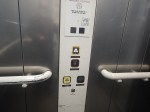
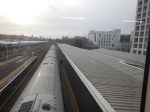
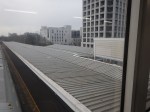
Note.
- The two-button lift controls. Would they be faster if single-button?
- I am surprised that solar roofs weren’t fitted as at Denmark Hill station.
- The station must be the only station in London with an island platform and three lifts. See Picture 6.
- PPicture 6 also clearly shows a ticket machine on the platform, which serves both entrances.
It certainly looks to be a comprehensive job well done.
Are Rolls-Royce Converting The World To Sussainable Fuels?
Rolls-Royce are certainly up to something.
- Versions of all their diesel and aero engines appear to be able to or will be able to run on hydrogen, SAF, HVO and other exotic zero or low-carbon fuels.
- They are replacing the engines on the USAF B 52s with new American-built Rolls-Royce engines, that can run on hydrogen.
- They are working with easyJet on zero-carbon engines.
- They are developing the UltraFan, which promises to be the most frugal turbofan engine ever. Will all long-distance wide-bodies end up Rolls-Royce powered?
- They have developed a frugal engine for business jets that can run on any fuel.
- Rolls-Royce have also developed a 2.5 MW electric generator based on the engine of a Super Hercules. This level of power is what you need for a railway locomotive.
- Are they building a retrofit for all the diesel-electric railway locomotives of the world, which runs on hydrogen?
Some of these developments could be moving from diesel, jet-fuel and SAF to hydrogen. Others will just reduce the amount of fuel needed.
I just can’t get the image of an iconic B 52, with RR on the side of the engines out of my mind.
But all of these developments seem to have one aim in mind. – To reduce the amount of aircraft and other large vehicles that have to run on standard jet fuel, diesel, SAF or HVO.
This will mean that long-distance air travel, which will be the most difficult to decarbonise will be able to use SAF and other exotic fuels made from renewable sources.
ZeroAvia Receives FAA G-1 For 600kW Electric Propulsion System
The title of this post, is the same as that of this press release from ZeroAvia.
This is the sub-heading.
Issue paper confirms basis of certification and provides clear pathway to certification of the company’s first commercial product
These are two introductory paragraphs.
ZeroAvia today announced that it has reached consensus on the Certification Basis relating to its 600kW electric propulsion system (EPS) with the Federal Aviation Administration (FAA), having received a G-1 Issue Paper (stage 2) and formally confirmed agreement with its contents.
The G-1 represents a key milestone on the journey towards final certification of the company’s EPS with the U.S. regulator, and also on its path to certifying its first full hydrogen-electric powertrain (of which the EPS is a core system) with the UK Civil Aviation Authority. The issue paper designates the applicable airworthiness regulations specific for ZeroAvia’s EPS, allowing the company to validate its design requirements.
Zero-carbon aviation just got a little bit closer, as when it is certified, the 600 KW electric propulsion system (EPS) will be able to be retrofitted to aircraft like the Cessna Caravan.
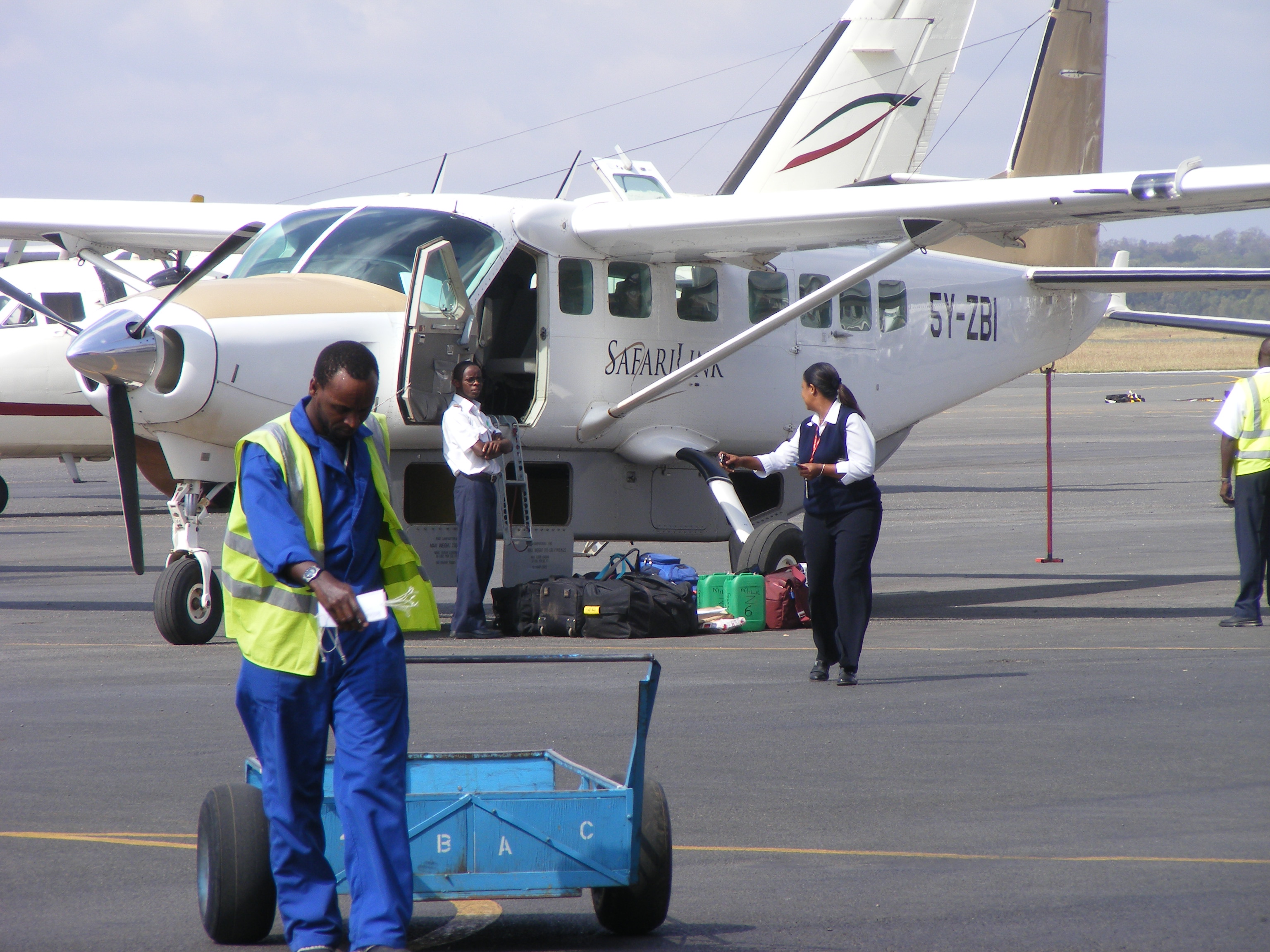
This is a Cessna Grand Caravan, that I flew in on holiday in Kenya.
I can see a lot of zero-carbon Caravans flying around the tropics on hydrogen generated by a nifty piece of hydrogen gubbins powered by the sun.
Especially, as over three thousand have been built.
Paddington And Minehead By Train
Two projects announced in the last six months may make this a possibility.
- FirstGroup’s Paddington and Paignton Service
- The West Somerset Tidal Lagoon
Neither project has the full permissions it needs, but if Lumo do stop at Taunnton and the West Somerset Tidal Lagoon is built, if could open up an interesting possibility.
In Thoughts On Lumo’s Proposed Paddington And Paignton Service, I stated that a train could take two hours between Paddington and Taunton, if it went for a fast non-stop run to Bath Spar station.
In MP Pushes For Tidal Lagoon In Bristol Channel, I said this.
I believe that for the lagoon project to be complete, the West Somerset Railway needs to be turned into a fully-operational branch line between Minehead and Taunton to improve access for residents, visitors and workers to Minehead and other places in West Somerset.
Surely, with a quick change of train, passengers could be in Minehead thirty minutes after arriving at Taunton.
In recent years several new branch lines have open in the UK and been given time to attract new passengers.
- The Borders Railway to Tweedbank
- Merseyrail to Headbolt Lane
- The Northumberland Line to Ashington
- ScotRail to Leven.
- The Dartmouth Line to Okehampton
None appear to be in any danger of being closed.
I very much feel, that if the West Somerset Railway, ran a full service between Minehead and Taunton, it would follow the same pattern.
British Buses For British Bottoms
Occasionally, I catch the 153 bus, as it goes between the Leon, where I often go for breakfast, and the William Harvey Heart Centre, where I volunteer as a lab-rat.
Lately, I’ve noticed that the route is being run by new Wrightbus GB Kite single-decker battery-electric buses.
This morning I had a ride.

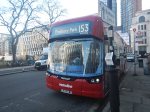
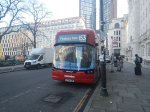

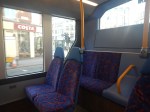
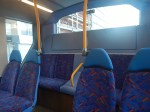

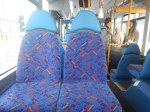
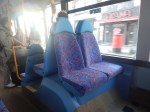
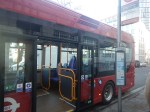







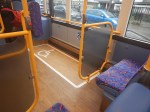
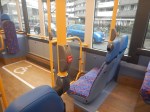
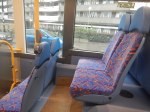
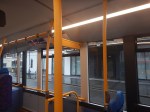
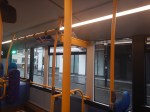
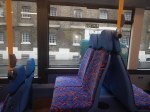
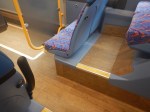
Note.
- The buses are battery-electric.
- This page is the bus’s home page.
- This bus is the short 10.2 metre long version.
- It was certainly a well-built, smooth-riding and comfortable bus, that was approved by my sensitive British bottom.
This Press Release from Wrightbus is entitled Wrightbus Sets Sights On Further European Expansion After Hydrogen Buses Land In Germany.
This is the sub-heading.
Leading zero-emission bus pioneer Wrightbus has announced plans for further expansion into Europe following the arrival of a landmark hydrogen bus order into Germany.
These are the first three paragraphs.
All of the 31 buses for operator Regionalverkehr Köln Gmbh (RVK) are now in situ – the first ever Wrightbus vehicles on European soil – with testing underway before the fleet goes into service across the Cologne region.
Named the fastest-growing bus manufacturer in Europe, Wrightbus has enjoyed a remarkable year. Alongside further hydrogen bus deals for Saarbahn, Vestische, Cottbus and West Verkehr, and the opening of a new European service centre in Bruhl, Wrightbus is also hiring staff to supply buses to France and Benelux.
In October, it also signed a landmark deal worth up to half-a-billion pounds to supply more than 1,000 buses to operator Go-Ahead over the next three years – 90 per cent of which will be zero-emission.
The press release says that deals are possible in France and Benelux.
 The Anonymous Widower