My Post Is Now Collected Early In The Morning
Ever since, I moved here a dozen years ago, I’ve posted my letters and cards in the box opposite my house in the middle of the afternoon.
This caught the post at 16:30.
I don’t send much post, as I tend to use e-mail, but tonight I needed to send a friend a card.
As I had to put the bins out for the unusual Christmas Saturday morning collection, I did both jobs together.
I also found that the mail collection is as follows.
- Monday to Friday 09:00
- Saturday – 07:00
I think that could be very sensible.
Agrivoltaics Deal To Bring 9,000 Sheep To 1GW Solar Park
The title of this post, is the same as that of this article on Solar Power Portal.
When I saw the title, I felt I just had to call it out.
A 1GW Solar Park
Normally, a 50-100 MW solar farm is considered large for the UK, so a 1 GW solar farm must be truly enormous, by any standards.
According to the heading of the Great North Road Solar and Biodiversity Park web site, which says this.
Elements Green is developing proposals for a new solar and energy storage park located to the northwest of Newark-on-Trent, Nottinghamshire.
With a potential generation capacity of around 800 megawatts (MW) AC of solar energy, the scheme has the potential to provide enough clean, affordable energy to meet the power needs of approximately 400,000 homes while avoiding more than 250,000 tonnes of CO₂ emissions every year.
The size appears to be around 800 MW.
But that is still large!
The Project Area
This article on the BBC is entitled Survey Suggests Opposition To Major Solar Farm, has this as a caption to the first picture.
The solar project is made up of around 1.5 million panels covering 7,000 acres.
That is around eleven square miles or a 3.3 mile square.
A Map Of The Project
This map of the project was clipped from the Elements Green web site.
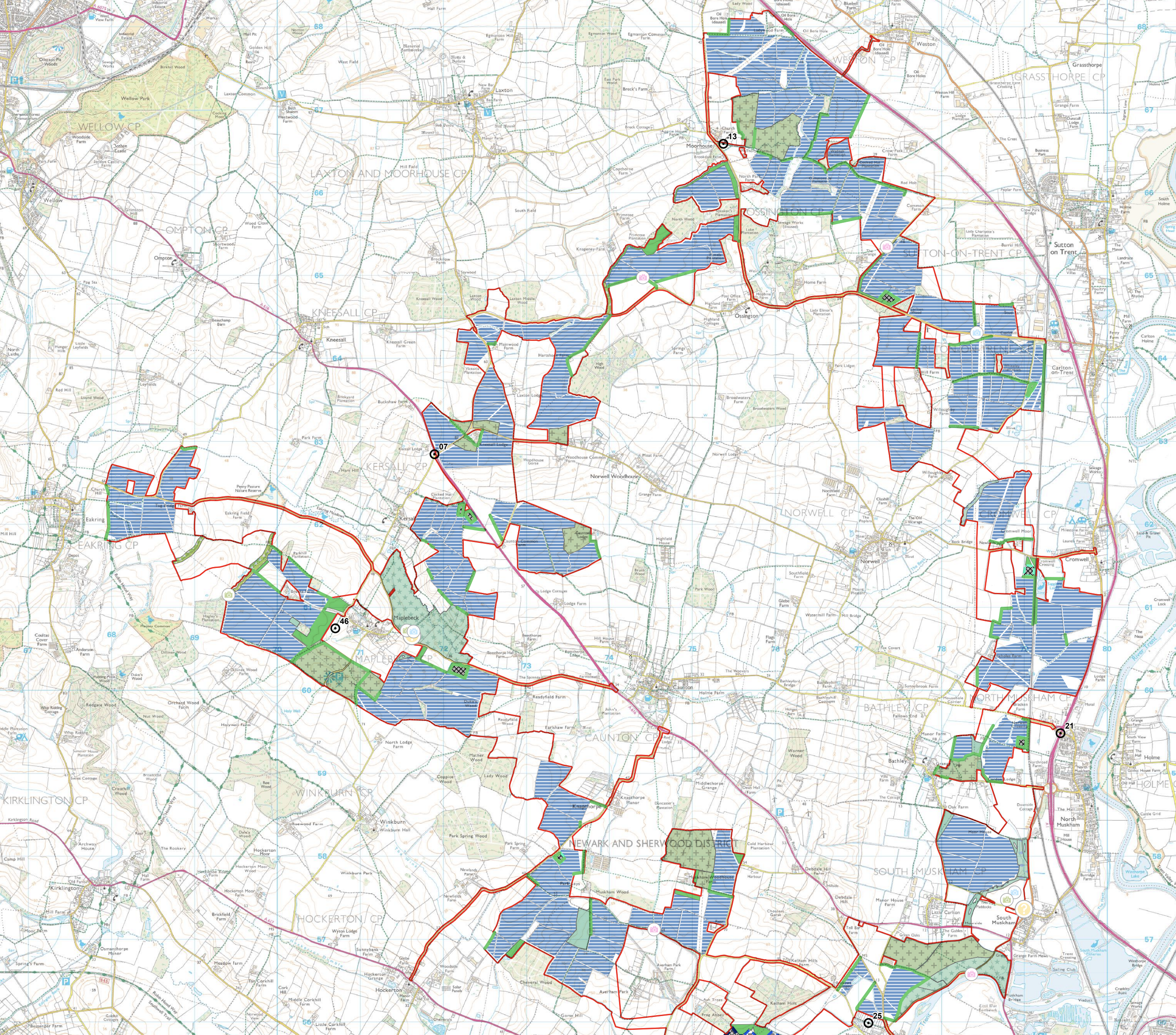
Note.
- The blue areas are solar panels.
- The red line at the right hand side is the A1 Great North Road.
- There is a lot of space for more solar panels.
It could be even bigger than 1 GW.
There Is Opposition To The Wind Farm
This article on the BBC is entitled Survey Suggests Opposition To Major Solar Farm.
This is the sub-heading,
A consultation about a major solar farm in Nottinghamshire has shown the scale of the opposition it faces to being built.
These two paragraphs detail the scale of the opposition.
The consultation, held in January and February, found 54% of respondents opposed the scheme, with 16% supporting the current plan.
Among the main reasons people gave for opposing the scheme were its visual and ecological impact.
The reasons for opposition are typical.
These two paragraphs describe the actions of the developer.
Having received the backing in principle of several key nature charities and trusts, the Great North Road Solar Park project will be renamed ‘Great North Road Solar and Biodiversity Park’, with a new logo to reflect this.
Communities who were consulted on the original proposals in early 2024 expressed a strong desire to protect and enhance their natural environment. Acting upon this feedback, developer Elements Green has formed partnerships with the RSPB, Sherwood Forest Trust, Nottinghamshire Wildlife Trust, and The Trent Rivers Trust, to ensure that nature benefits from their ambitious project.
I suspect that some of the opposition groups have labelled the last paragraph as green-washing.
Nine Thousand Sheep!
Usually, when large numbers of sheep are mentioned on the Internet, it’s usually something a bit coarse.
But in this project, it’s only letting sheep, do what they do well ; act as green lawnmowers, have lambs and provide meat and wool to increase the bottom line.
Where Is The Connection To The Grid?
The FAQs section of the Great North Road Solar and Biodiversity Park web site has this question.
Why has Elements Green chosen this location for the solar park?
This answer is given.
A key factor influencing the location of GNR Solar and Biodiversity Park is the availability of a connection at National Grid’s Staythorpe substation. The closure of fossil fuel power stations has created capacity on the grid. This would enable GNR Solar and Biodiversity Park to continue the tradition of power generation in the area using a clean, renewable resource.
In addition, a range of planning and environmental factors such as the existing land use, quality of land, as well as designations and planning and technical constraints have also informed our choice of location for the scheme.
So if you’re near the site of a disused coal- or gas-fired power station, don’t expect it to be developed as agricultural land, woodland or housing.
The Wikipedia entry for Staythorpe power station, reveals there is a 1,850 MW gas-fired power station on the site.
The Great North Road Solar and Biodiversity Park would appear to have a very able gas-fired back-up,
No Battery Or Energy Storage Is Mentioned
In an idealised day, there is a period of light and a period of darkness.
A battery would allow any excess electricity generated in the day to be used at night.
Google searches reveal energy storage could be fitted.
One of Highview Power’s environmentally-friendly 200 MW/3.25 GWh liquid-air batteries could be a starting point for a one GW solar or wind farm.
Could A Wind Farm Be Added To The Solar Farm?
In An Excursion To Retford And Worksop, I noticed a large hybrid solar and wind farm alongside the railway.








As the Great North Road Solar and Biodiversity Park uses a lot of land, would some be available for a sprinkling of wind turbines?
Conclusion
Looking at the map, you can understand some peoples’s enthusiasm for large solar farms and large onshore wind farms, as they can be so easily connected to the infrastructure of a decommissioned coal- or gas-fired power station.
Government ‘Committed’ To Banning Trail Hunting
The title of this post, is the same as that of this article on the BBC.
This is the sub heading.
The government has committed to a trail hunting ban as hunts gather across the UK for traditional Boxing Day meets.
These three paragraphs introduce the article.
Trail hunting – a practice where a scent is laid out for the hunt to follow – was introduced as a “cruelty free” replacement for fox hunting, banned by Labour in 2004.
Animal rights campaigners have urged the government to deliver on its manifesto promise to ban trail hunting.
The Countryside Alliance, which represents hunters, has criticised the decision, and said it would be “extraordinary” for Labour to focus on the ban given the poor state of its relations with rural communities.
Hunting of all forms and that includes shooting and angling is not a simple black-and-white issue and it supports the employment of large numbers of people.
So if you ban hunting, where do you stop?
Some at the extreme, would ban all sports involving animals and make their eating and use for clothing and other products illegal.
Colindale Tube Station – 26th December 2024
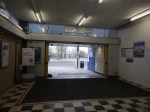
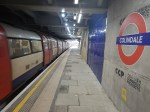
Colindale station opened on Friday, so I went to have a look.
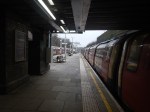
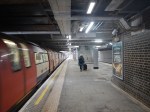
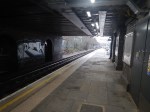















Note.
- Although not finished, it certainly works safely as a station.
- Currently, there is a one way system for passengers.
- It appears a lift is being installed.
- The lift shaft appears to be labelled as Cornish Concrete Products.
- Wikipedia reports that two large towers with 300 new homes will also be built directly adjacent to the new station building.
- There are no ticket barriers.
- On the platforms, there are no information screens! But maps are present.
How many other of London’s Underground stations need a rebuild to bring them up to a modern standard with respect to disabled access?
Housing Over Railway Stations
With a shortage of housing in the UK, should we be building more housing like this?
- Apartments over a step-free railway station.
- Shops and cafes at the ground level.
- Buses and taxis for local transport.
- Green space – There is a park opposite the station.
- Parking as needed.
As a non-driver, an apartment like this might just do for me!
But not in Colindale!
Scotland To Get New Intercity Fleet
The title of this post is the same as that of this press release from Transport Scotland.
These eight paragraphs make up the body of the press release.
The Scottish Government announced today that procurement will begin to replace the trains in its Intercity fleet.
The procurement will seek a replacement for the High Speed Train (HST) fleet of 25 trains which operates on its InterCity routes between Glasgow, Edinburgh, Aberdeen, and Inverness.
Cabinet Secretary for Transport, Fiona Hyslop said:
“Resilient, reliable ScotRail services are key to encouraging more people to choose to travel by train for work, leisure and learning.
“Over 4 million passengers travelled on InterCity trains between our key cities in the last year – we want to encourage even more people to do so. This procurement will enable us to replace the current Intercity fleet with trains which provide improved facilities and accessibility.
“Any replacement fleet is expected to be more energy efficient and therefore will significantly reduce emissions, reduce operating costs and be more in line with current passenger expectations, including for accessibility. The procurement process ensures Scottish suppliers will be able to offer to provide their services to potential bidders.
“This latest milestone in our rolling programme of decarbonisation will ensure the reliability of our Intercity routes for the long-term, making Scotland’s railway a more attractive and greener travel choice.”
Further details on this announcement will be shared when the contract is awarded in 2025. It is also expected that the refreshed Decarbonisation Action Plan will be published in Spring 2025, and this will detail updated targets for replacing ScotRail’s existing diesel fleets.
It is a press release full of good intentions, but very few facts.
Is this what Scots get from their political party?
I have a few questions.
Will The Trains Be Built In The UK?
This must surely give some advantages, but will it get the best trains at the best price?
What Will Be The Number And Capacity Of The Trains?
Transport Scotland could go for a like for like number and capacity replacement.
- But there have been capacity problems in Scotland, which have meant using diesel Class 153 trains as baggage cars.
- They might also want to add extra services.
- Will they replace the train lost at Stonehaven?
They could add a few options.
Other Companies May Need Similar Trains
Consider.
- GWR will need to replace their similar Castles.
- CrossCountry will need new trains.
- Grand Central will need new trains.
- South Western Railway may need new trains for services between Cardiff and Devon.
- Transport for Wales may need new trains.
Hull Trains and Lumo have recently ordered a selection of new Hitachi Class 802 and 803 trains, which I wrote about in Fourteen New Trains To Drive First Rail Open Access Growth.
I can see an argument for buying more Hitachi Class 80x trains, as it will surely save Great British Railways costs in the long time.
Should The New Trains Be A Forever Solution?
When British Rail electrified to Brighton, Crewe, Edinburgh, Glasgow, Leeds, Liverpool, Manchester, Newcastle, Norwich, Portsmouth, Southampton, Weymouth and many other places from London, they saw it as a mode of traction, that would be used forever.
As the trains wore out or got outdated, they would be replaced with trains, which at least could run using the same mode of traction.
Generally, on electrified routes, when British Rail’s electric trains have been replaced, they have been replaced by more modern new electric trains.
The one major exception was on the East Coast Main Line where some InterCity 225 trains were replaced with Hitachi Class 800 and Class 802 diesel bi-mode trains.
But as the Class 800 and Class 802 diesel bi-mode trains were also replacing InterCity125 trains, they were a pragmatic replacement.
The Hitachi trains can be considered a Forever Solution, as bi-mode trains will always be able to work some routes that will never get electrified.
But Hitachi are developing the successor to their diesel bi-mode train, which is the tri-mode train, capable of running on electrification, diesel or battery power.
- Diesel power-packs can be swapped for battery packs.
- The battery packs have the same weight and power as a diesel power-pack.
- Existing diesel bi-mode trains can be converted to tri-mode or battery-electric bi-mode trains.
- A range of over forty miles on a single battery pack has been demonstrated.
Could Hitachi tri-mode trains be The replacements for the Inter7City trains?
Will Some Trains Have A Battery Electric Capability?
I very much believe so, as some routes in Scotland could be decarbonised by battery-electric trains.
What Top Speed Would The Trains Have?
Most of the routes in Scotland, where new modern quality rolling stock is needed, has a top speed of less than 100 mph, but in places the top speed is 125 mph.
I suspect, if trains can run at 125 mph in the places, where it is allowed, could probably save a few minutes on journey times.
Take the Borders Railway.
- The electrification runs out at Brunstane. Batteries would be charged between Edinburgh and Brunstane using the existing electrification.
- To go from Brunstane to Tweedbank and return to Brunstane is 63 miles.
- To work the Borders Railway would need a battery range of 63 miles.
I suspect every route in Scotland could have an electrification strategy for use with battery-electric trains. Some of which would have short lengths of extra electrification.
What Lengths Would The Trains Be?
In my example I used the Borders Railway.
A typical service is run by a three-car Class 170 train or two such trains running as a pair.
Perhaps, a single four- or five-car train could work the service all day and still provide enough capacity?
Conclusion
I believe, that Scotrail services could be electrified line-by-line.
Some lines would need more or longer trains and an update to the electrification.
The Areas Where Labour Wants To Build Onshore Wind Farms, Mapped
The title of this post, is the same as that of this article on inews.
This is the sub-heading.
Ten onshore wind projects have been proposed to help keep UK on track to have at least 95 per cent clean power by 2030.
This is the first paragraph.
The Government is bracing for its biggest nimby battle yet as onshore wind farm companies work on a flurry of proposals after an effective ban on development was lifted in England.
I suggest you take the time to read the well-written informative article, if you are worried about onshore wind farms being parked on the hill behind your house.
The first ten are provocative and there is a map of their locations, which are mainly in Scotland and Wales, on the Pennines and in Lincolnshire.
This paragraph in the article, quotes government data on the cost of various forms of energy.
They estimate that over the entire course of a project’s life, onshore wind costs £38 per mega watt hour of energy, compared to £44 for offshore and £41 for solar. Gas, meanwhile, is £114, while nuclear is £128.
I don’t have any other real data, but it does appear that floating offshore wind farms have a higher capacity factor, which should tip the cost comparison back in its favour.
But I do suspect that Ed Miliband will use these figures to increase the amount of onshore wind in the ?UK and especially n England.
As larger turbines are being tested by the Chinese and Siemens, I suspect too, that we’ll see larger turbines installed onshore.
I also believe as a Control Engineer, that as the number of large turbines increases, we will see more energy storage built alongside wind farms.
Redundant Coal Wagons To Be Converted For Construction Traffic
The title of this post is the same as that of this article on Railway Gazette.
These three paragraphs describe the project.
WH Davis is to convert coal wagons owned by leasing company Porterbrook for use by Freightliner to transport aggregates.
’This is a fantastic opportunity to demonstrate what can be achieved by giving redundant fleets a purpose for the next 30-plus years’, said WH Davis Managing Director Andy Houghton on December 19. ‘It’s a truly sustainable option that also gives UK manufacturing a boost to enable the creation of UK jobs in the industry. I really can’t wait to see our latest box wagon design in traffic for Freightliner in 2025.’
Mark Wyborn, Head of Freight at Porterbrook, said freight volumes in the construction sector were expected to continue growing, and the deal ’highlights our commitment to investing in the long-term growth of rail freight while providing affordable, innovative and sustainable rolling stock for the UK railway’.
We need more recycling projects like these.
In the article, there is a picture of a Class 66 locomotive like this one.
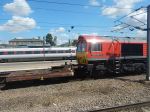
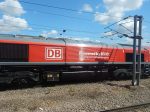
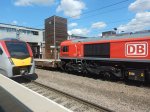

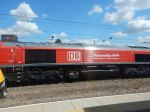
Except this one, which is named after Benjamin Gimbert GC, is different in that it is running on Hydrotreated Vegetable Oil (HVO). which is a more sustainable fuel.
Unfortunately, there is only so much second-hand vegetable oil from the likes of McDonalds and Burger King and it is also a component of Sustainable Aviation Fuel (SAF).
But in the UK, we have engineers at Cummins, JCB, Ricardo and a number of other companies, research organisations and universities, who could create a conversion for the American two-stroke diesels of the Class 66 locomotive so they could run on hydrogen.
These posts detail attempts to create a zero-carbon or dual-fuel locomotive in the UK and some of my thoughts.
- Dual-Fuel Class 37 And 66 Locomotive Concepts Unveiled
- Could Class 66 Locomotives Be Converted Into Battery-Electric Locomotives?
- Freightliner Secures Government Funding For Dual-Fuel Project
- Grants To Support Low-Carbon Technology Demonstrators
- Thoughts On A Battery/Electric Replacement For A Class 66 Locomotive
- A Hydrogen-Powered Locomotive
- Our Sustainability Journey
The Bi-Mode Class 99 locomotive is coming, but we need action now.
I estimate it would probably cost up to £2million to convert a Class 66 locomotive to hydrogen.
So why not have a competition with a prize of perhaps £10million to see who, can produce the best Class 66 or Class 68 locomotive conversion by the end of 2025?
Conclusion
We need urgent action to cut pollution, noise and emissions from heavy freight locomotives and market forces and government grants don’t seem to have produced a solution, so perhaps a competition with a big prize might do it.
It could even be televised,
Kentish Town Station – 24th December 2024
Kentish Town station reopened today after the fitting of two new escalators.
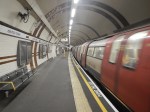
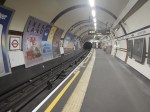



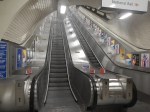






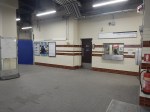
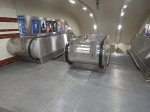

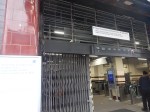
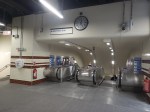









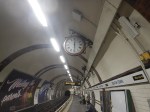

It appears that only the two escalators have been replaced and the station has been redecorated.
The Guy With The Hat
Note in the pictures(18-24) going down the escalator, I was following a guy in a checked shirt and a wide-brimmed hat.
When a train was entering the station below he was having difficulty because of the updraft keeping hold of the hat.
Does This Station Need A Lift?
This article on the BBC is entitled Kentish Town Tube Station Reopens After 18 Months.
Nothing is said about why the eighteen months wasn’t used to fit a lift to make the station fully step-free.
There have been two Mayor’s Questions about putting in lifts at Kentish Town station and both answers were similar. This was the first answer.
TfL has carried out a high-level investigation into installing lifts at Kentish Town. It has indicated that the scheme would involve digging new tunnels and installing a new lift shaft in a very constrained worksite adjacent to the main road and busy operational railways. Due to the complexity of this project and therefore high estimated cost, in the region of £40m, Kentish Town is not being considered as part of the £200m five-year programme.
This Google Map shows Kentish Town station.
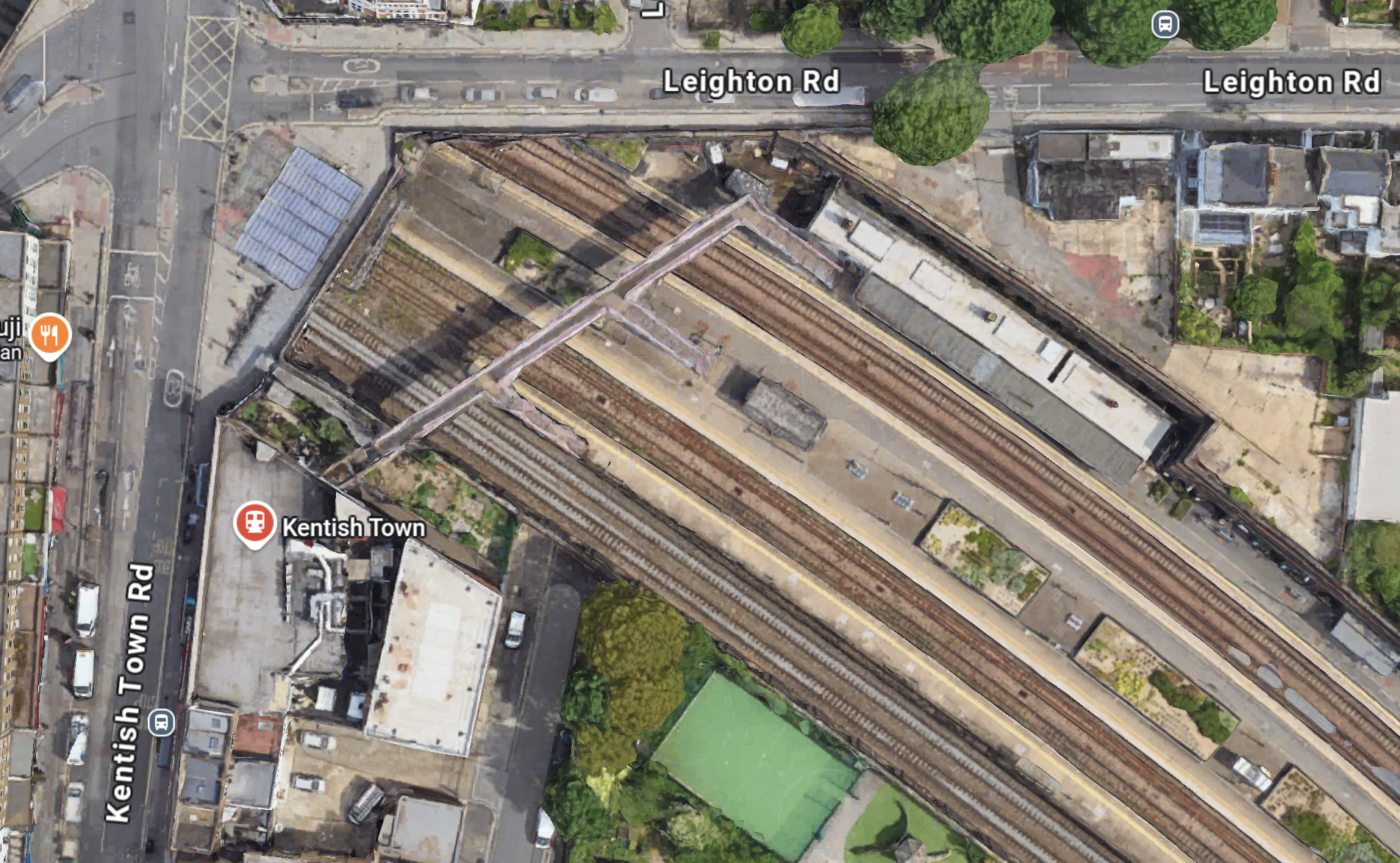
Note the footbridge over the station leading over the National Rail station to the Underground station marked by the red logo.
In any scheme to make all of Kentish Town station step-free, this bridge would surely be made step-free or replaced by perhaps a tunnel under the railway.
Costs would be very high, even with a very expensive development on top, which was making a contribution.
Unless an architectural genius comes up with a better scheme, I think what has just been installed, will be the best that can be provided.
Camden Council will probably find it better to send disabled taxis.
The Ultimate Open Access Service
London and Windermere are 223 miles away by train with a single change at Oxenholme Lake District.
In a straight line the distance between Amsterdam and Hamburg is 227 miles.
I’ve done both journeys by train and the continental journey was a pain.
- In From Amsterdam To Hamburg The Hard Way, I describe a typical journey between the two cities.
- In From Hamburg To Osnabruck By Train, I describe how I only got halfway.
I’ve also tried splitting the route at Groningen.
- The first leg was a train to Groningen, where I spent the night.
- I spent the second day exploring and wrote about my experiences in The Train Station At The Northern End Of The Netherlands.
- On the third day, I started by going between Groningen and Leer in Germany.
- This section of the route at present is under repair after a ship destroyed the swing bridge over the River Ems.
- I describe its rebuilding in From Groningen To Leer By Train.
Once at Leer, you’re on the German main line and the route is electrified all the way to Bremen and Hamburg.
I believe that the route would be within the scope of a battery-electric high speed train, such as both Hitachi and Siemens are developing.
Some thoughts on the route.
The Competition
The trains need a change at Osnabruck to go between Amsterdam and Hamburg.
I suspect many travellers fly, as there are thirty-nine flights per week.
The service could be better.
Why Would I Run It As An Open Access Route?
Consider.
- If what I have experienced on the current Amsterdam and Hamburg via Osnabruckservice, then surely an experienced open access operator using trains designed for the route could do much better.
- This service could be run almost as a shuttle between two terminal stations. Several open access services like Hull Trains, Lumo and Grand Central are run this way.
- If a government service fails, governments get the blame, but if an open access service fails, the government gets no blame.
So would some governments, prefer open access operators to take the risk?
Would Any New Infrastructure Be Needed?
Very little if any!
Although, I do feel, that some of the level crossings and bridges could be improved or removed.
Where Is The Route Not Electrified?
The section without electrification is at the Dutch end.
This OpenRailwayMap shows the lines around Groningen station.
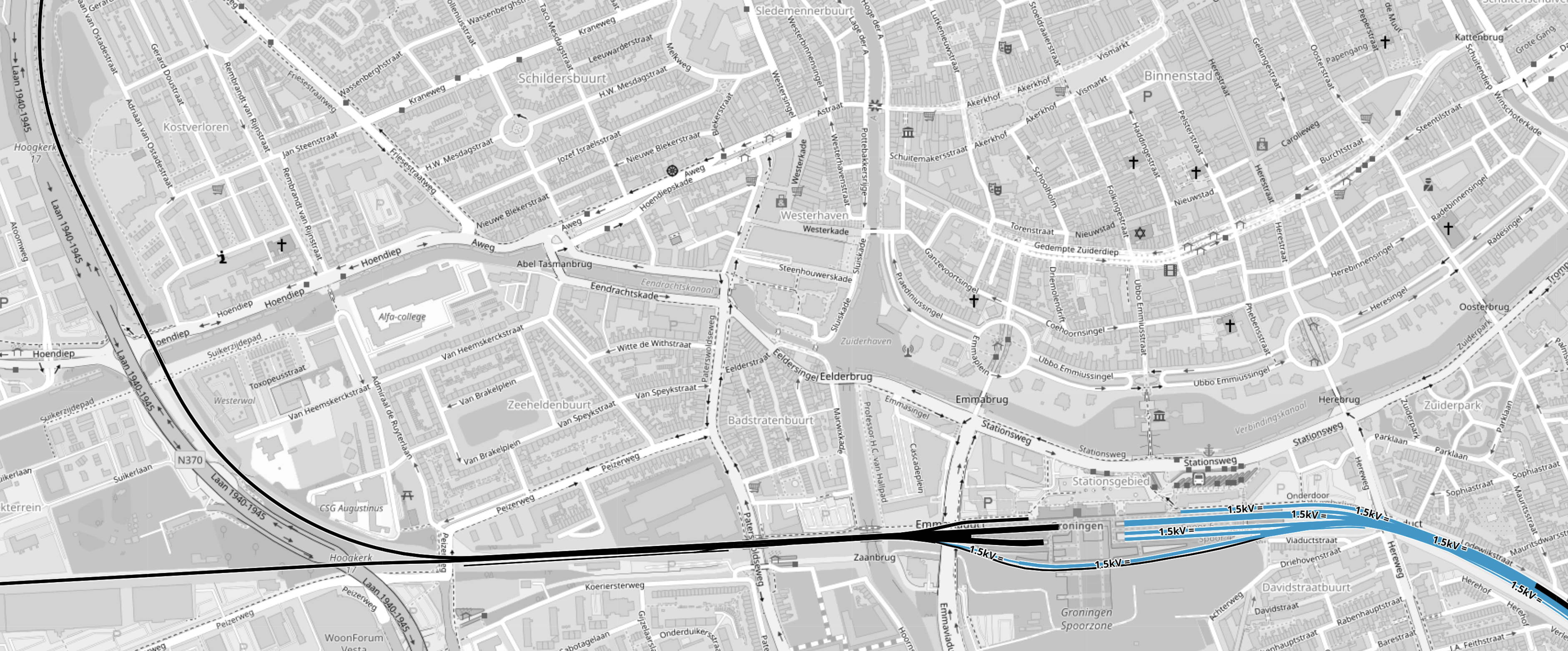
Note.
- Lines in black are not electrified.
- Lines in blue are electrified at 1.5 KVDC overhead.
- The mass of blue lines is Groningen station.
- Hamburg is to the East.
- Eemshaven us to the North.
- Harbinger is to the West.
Amsterdam trains use the electrified lines to the East.
This second OpenRailwayMap shows a wider view of the lines around Groningen.
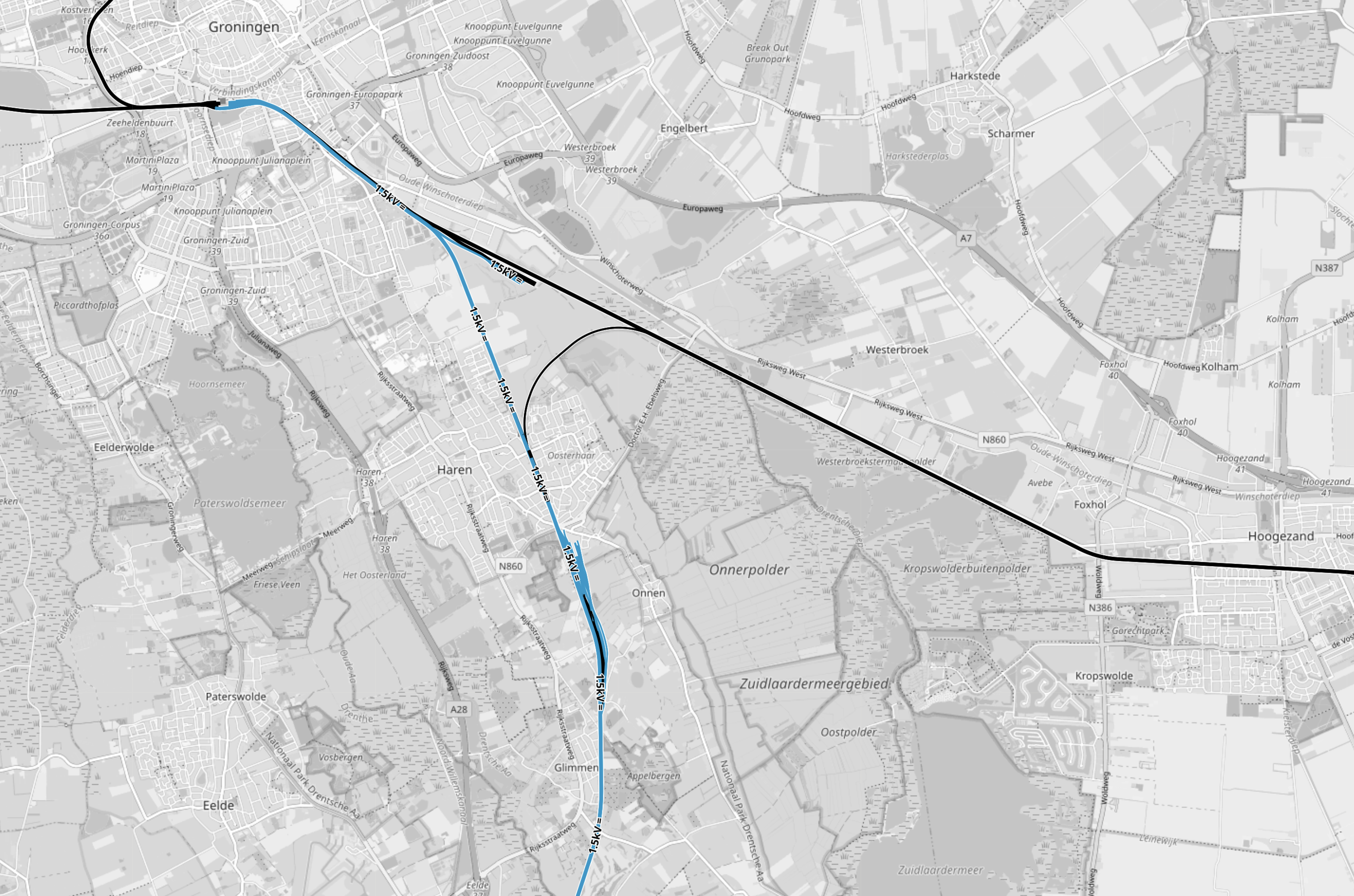
Note.
- Lines in black are not electrified.
- Lines in blue are electrified at 1.5 KVDC overhead.
- Groningen is in the North-West corner of the map.
- Trains between Groningen and Amsterdam use the electrified line to the South via Zwolle.
- Trains between Groningen and Bremen and Hamburg use the unelectrified line to the East.
- There is a single track chord, that would allow trains to go between Amsterdam and Germany.
I suspect that a battery-electric high speed train could be fully recharged before leaving Groningen for Germany.
This third OpenRailwayMap shows between the chord to the East of Groningen and the German railway system at Leer.
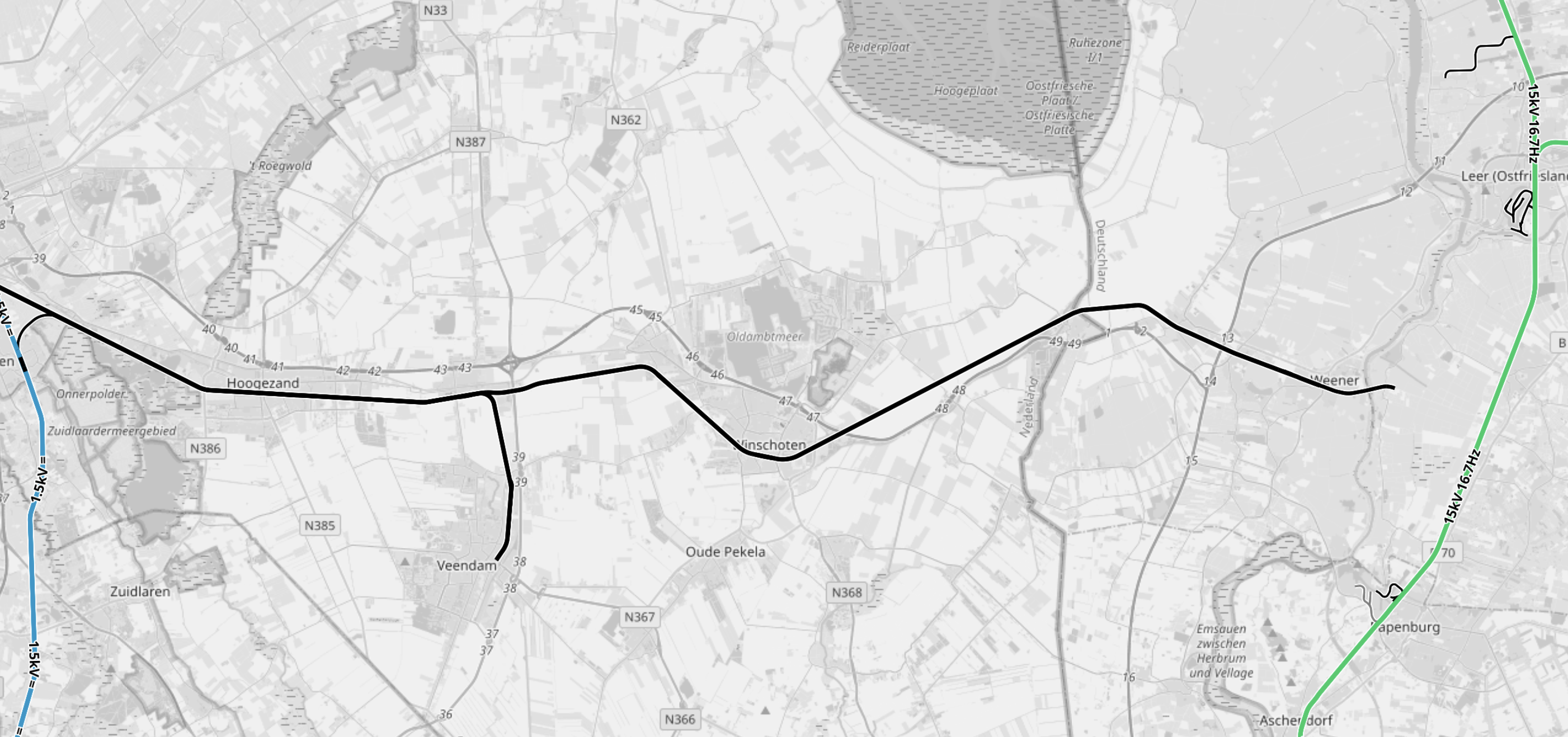
Note.
- Lines in black are not electrified.
- Lines in blue are electrified at 1.5 KVDC overhead.
- Lines in green are electrified at 15 KVAC overhead.
- Groningen is off the Western side of the map.
- The chord connecting the Amsterdam and German lines from Groningen can be picked out.
- The unelectrified line East from Groningen seems to end in the middle of nowhere.
- The green lines in the East of the map are the electrified German railway system.
- Leer station, which is indicated by the tangle of lines in the North-East cornet of the map, has services to Bremen and Hamburg.
This forth OpenRailwayMap shows the Dutch and German railways at Leer.
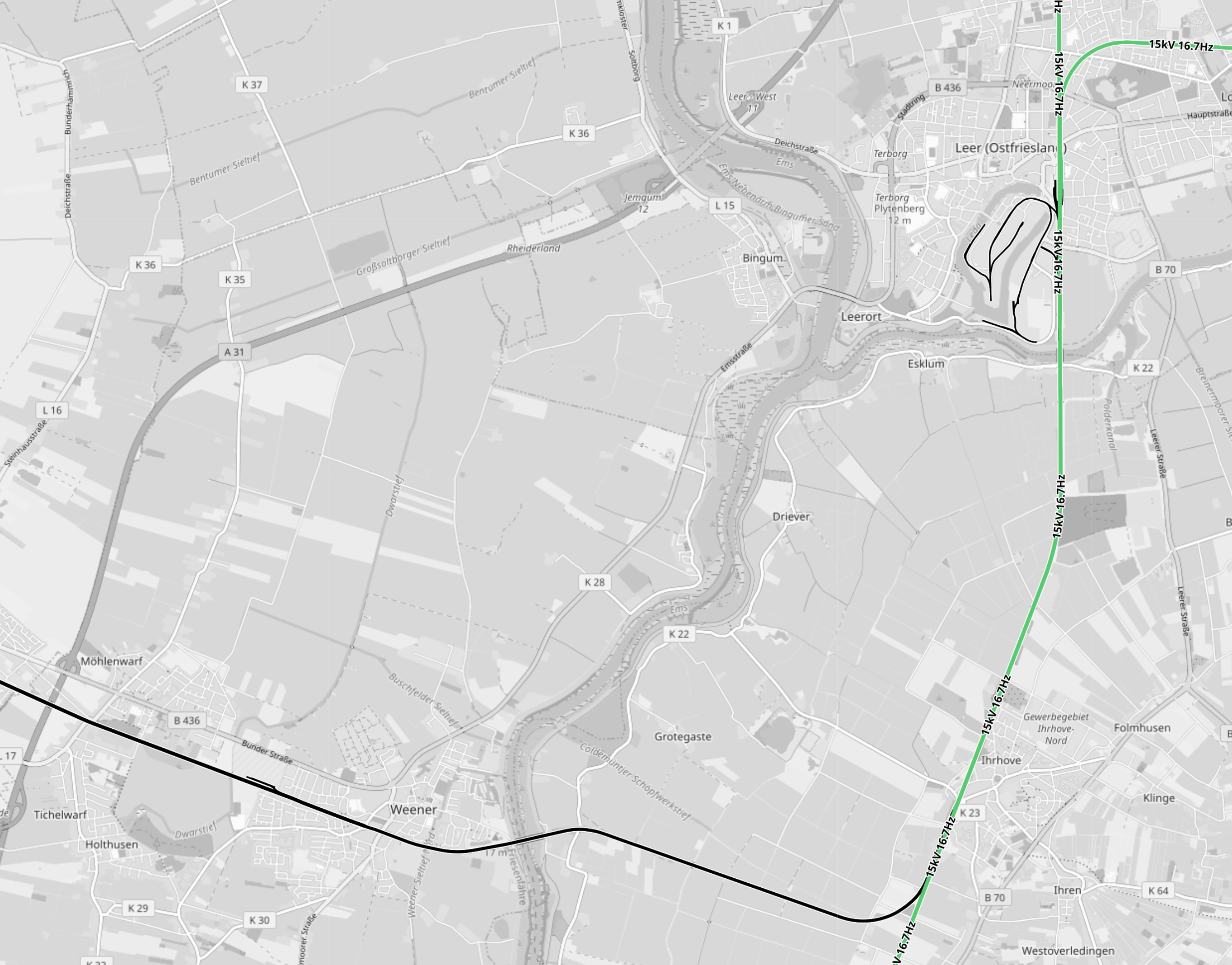
Note.
- Lines in black are not electrified.
- Lines in green are electrified at 15 KVAC overhead.
- Leer station is in the North-East corner of the map.
- The green lines in the East of the map are the electrified German railway system.
- The River Ems runs down the middle of the map.
The unelectrified line East from Groningen seems to link up with the German railway system.
It used to link up until a German freighter called the Emsmoon demolished the Freisenbrücke over the River Ems.
In From Groningen To Leer By Train, I link to two videos and give the history of the accident.
The Freisenbrücke should be rebuilt in the next few months.
It looks like less than fifty miles of the route between Groningen and Leer is not electrified.
As all the other sections of Amsterdam and Hamburg are electrified, a battery-electric train with a range of less than fifty miles would be needed,
But the train would need to be compatible with both the Dutch and German electrification systems.
What Mode Of Trains Would Be Needed?
Trains would need three methods of operation.
- Using 15 KVAC overhead.
- Using 1.5 KVDC overhead.
- On battery power.
Batteries would be charged using regenerative braking or overhead wires, where they exist.
Lumo’s recently ordered Hitachi trains will probably work the same way.
Conclusion
This could be an open access service that could work.
Is Internet Security Sometimes Over Secure?
On Friday the 13th December, I received a Purchase Confirmation from eBay by e-mail.
As I get lots of spam e-mails, I decided it was just the usual spam and ignored it.
But then I got thinking.
- I have never bought anything on eBay.
- I sold a lot of surplus things, when I last moved house on eBay and was very satisfied with their service.
- The purchase was for a watch and I don’t wear one.
- It was also an Apple watch and as the company has given me so much grief on their non-standard co9mputer and file formats , when I was a programmer, I never buy or use any Apple products.
- It was also for £650, which is never the sort of sum, I ever would pay for a watch.
So I did all the safety checks on my bank accounts and credit cards and found everything was as it should be.
On the Purchase Confirmation from eBay is a 0204 phone number offering help . So I rang it on the Saturday.
My call was answered by a male operator with a slight accent, but speaking good English.
- After I gave him the Order ID, he said that eBay had closed my account because of inactivity.
- I have since found an e-mail from eBay saying they were closing my account and I remember answering it, but as I felt I didn’t need the account, I took no action.
- The operator, then said that someone had reactivated the account and told me that this needed documents like Council Tax to prove I lived at the house.
- He then asked if anybody lived with me. I told him no, as I’m a widower in perhaps a rather curt manner, as I don’t like being accused of a crime.
- I then realised that this was an inside job, from my experience of working with police forces, banks and consultants in stopping crime.
- I told him my thoughts in a quiet way.
He then said he’d close the account and the conversation ended.
On the Monday, I decided I wanted to go to see the new Northumberland Line on the Wednesday.
- So I decided to book online using Lumo to Newcastle.
- Before entering your bank/credit card number, Lumo ask for your name and address.
- I didn’t get past the name and address entry, probably because, I suspect eBay had put my name and address on a black-list!
In the end, I bought my tickets at the King’s Cross station ticket office using a credit card. At least they were the same as the on-line price.
It was a good trip and I wrote about it in London And Newcastle In A Day By Lumo and My First Trip On The Northumberland Line – 18th December 2024.
Conclusion
I have phoned Lumo, most of my banks and credit cards, Action Fraud, the BBC, the police and I still can’t find out how I get myself off this accursed black-list.
The only good thing, is that I have not had ay money taken out of my bank account.
I have also reported the fraud to the Metropolitan Police and got a crime number for it.
 The Anonymous Widower