A Hydrogen-Electric Class 99 Locomotive
In GB Railfreight Plans Order For Future-Proofed Bi-Mode Locomotives, I introduced the Class 99 locomotive, for which the first order was announced by Stadler and GB Railfreight yesterday.
This was the start of that post, which I wrote in early March 2022.
The title of this post, is the same as that of this article on Railway Gazette.
This is the introductory paragraph.
GB Railfreight is planning to order a fleet of main line electro-diesel locomotives with a modular design which would facilitate future replacement of the diesel engine with a battery or hydrogen fuel cell module.
In this post, I will look at the design of a Class 99 locomotive running on hydrogen.
These are my thoughts.
Using Hydrogen Fuel Cells
The Railway Gazette article suggests that hydrogen fuel-cells will be used to create a hydrogen-electric Class 99 locomotive.
A typical hydrogen fuel-cell transmission will have the following elements, which will replace the diesel-electric generator.
- A hydrogen fuel tank
- A appropriately-sized hydrogen fuel-cell which generates electricity from hydrogen.
- A battery to store electricity.
- Regenerative braking will also be used to charge the battery.
- The locomotive will have an electric transmission.
The various components will be fitted into the space, that was occupied by the diesel engine.
This Alstom video promotes the Alstom Coradia iLint and explains how it works.
Most hydrogen fuel-cell trains and trucks , work as the train does in this video.
Using A Reciprocating Engine Running On Hydrogen
This press release from Caterpillar is entitled Caterpillar to Expand Hydrogen-Powered Solutions to Customers.
It describes how Caterpillar will develop versions of their reciprocating engines, that will run on 100 % hydrogen.
This would be an alternative way of developing a zero-carbon Class 99 locomotive.
Note that Cummins, JCB and Rolls-Royce mtu have also converted diesel engines to run on hydrogen.
This method of conversion has advantages.
Dual-Fuel Class 37 And 66 Locomotive Concepts Unveiled
The title of this post, is the same as that of this article on Railway Gazette.
This is the first paragraph.
G-volution and SBL-Rail have produced design concepts for dual-fuel versions of Class 37 and 66 locomotives, which would be able to run on diesel with biomethane, biopropane or hydrogen.
Note.
- There are about sixty Class 37 locomotives in service or stored.
- 480 Class 66 locomotives were originally produced and over 300 must still be in service.
- Both locomotives have electric transmissions.
- G-volution are developing a dual-fuel Class 180 train, that I wrote about in Grand Central DMU To Be Used For Dual-Fuel Trial.
- Two of the design concepts involve replacing the current diesel engines with modern Cummins engines, that meet current emission regulations.
- Fuel savings of ten percent are mentioned for one engine conversion.
This is said about the dual-fuel conversions.
Biomethane and biopropane dual fuel engines would offer significant carbon and cost savings verses diesel. Hydrogen has the potential to do so if produced from renewable sources, but would need to be ‘much cheaper’ than it is today.
The article then gives a table, which shows the various savings.
The article comes to these conclusions.
- Biomethane and biopropane prices are expected to fall, as production increases.
- Green hydrogen is too expensive, but costs will come down.
- More rises in the price of diesel, will tilt costs towards alternative fuels.
I feel that to get the emissions and costs down, there would need to be a bit of cheating.
Look at this picture of a Class 66 locomotive under 25 KVAC electrification.

I wonder, if a pantograph and all the electrical gubbins could be fitted to a Class 66 locomotive to create a genuine electro-diesel locomotive.
- It would use electrification, where it exists.
- It would use the existing electric transmission.
- I do suspect though that the Class 37 locomotive may be more difficult to convert because of its age.
It should be noted that in GB Railfreight Plans Order For Future-Proofed Bi-Mode Locomotives, I talk about how GB Railfreight are proposing to purchase a fleet of new electro-diesel freight locomotives, that appears will have Class 66 locomotive performance on both electrification and diesel.
The Involvement Of Cummins
Cummins, who are one of the world’s largest manufacturers of diesel engines, could have a lot to lose from the move to zero-carbon.
- But they have adopted an if-you-can’t-them-join-them philosophy to hydrogen.
- They have bought up hydrogen companies like Hydrogenics.
- They are developing internal combustion engines that can run on hydrogen.
- Cummins have claimed to me, that they will try to fill any niche market with their engines, so it would be likely, they would apply that philosohy to hydrogen.
I believe that Cummins will not give up their market share without a fight.
I would expect, Cummins will actively support G-volution’s plans, if it would sell upwards of fifty large engines.
Conclusion
I have four main conclusions.
- I believe that this study could lead to a very significant and worthwhile updating of a Class 66 locomotive.
- The locomotive would need to be modified so it could use electrification.
- But I am more dubious, that this could be done with the Class 37 locomotive.
- I also believe that Cummins will be part of the solution.
In the wider world, I also believe that to retain their turnover and market share, Cummins and the other big diesel engine manufacturers will come up with increasingly innovative solutions.
Caterpillar, Cummins, Deutz, JCB, MTU and others will not give up multi-billion businesses without a fight.
What Will Happen To Northern’s Class 195 Trains?
Northern’s Class 195 trains could be a problem in the future.
- They are diesel multiple units.
- There are twenty-five two-car trains and thirty-three three-car trains.
- All cars have a Rolls-Royce MTU 6H1800R85L diesel engine, that drives the train through a ZF EcoLife 6-speed transmission.
- They are 100 mph trains, which is adequate for the routes they serve.
- According to Wikipedia, the trains are designed for a lifespan of thirty-five years, which takes the trains past the date, when it is intended that all trains should be zero-carbon.
It looks to me, that a plan will be needed to decarbonise these trains, as they are probably too new and costly to scrap.
These are possibilities to upgrade them to zero-carbon.
Rebuild as Class 331 Electric Trains
The design of the Class 195 trains is based on the same platform as that of the Class 331 trains.
I would expect that it could be possible to rebuild the Class 195 trains as Class 331 trains.
But it would be an expensive and disruptive process and would require a lot of electrification.
Some battery-electric versions could be created to cut the need for electrification.
Run The Trains On Net-Zero Hydrogenated Vegetable Oil Or Other Fuels
In Powered By HVO, I wrote about research going on into the use of Hydrogenated Vegetable Oil or HVO.
There is also ongoing research into other net-zero fuels that can be used in a diesel engine.
The process used by Velocys to create sustainable aviation fuel can also be used to produce diesel from various sources like disposable nappies, household waste and scrap wood.
Run The Trains On A Dual Fuel Basis With Hydrogen
In Grand Central DMU To Be Used For Dual-Fuel Trial, I talk about how Grand Central in collaboration with a company called G-volution are running experiments with dual-fuelling a Class 180 train. G-volution state that they could dual fuel with hydrogen using their technology.
The Class 180 trains have Cummins engines, but I suspect G-volution’s technology or something similar could be applied to the Rolls-Royce MTU engines in the Class 195 trains.
This could be a very promising route.
Convert The Diesel Engines To Run On Hydrogen
Cummins and JCB have developed internal combustion engines, that can run on hydrogen. I would be very surprised if Rolls-Royce MTU are not developing this technology.
Conclusion
There are options to convert the Class 195 trains into low or zero-carbon trains.
.
Grand Central DMU To Be Used For Dual-Fuel Trial
The title of this post, is the same as that of this article on Railway Gazette.
This is the first two paragraphs.
An Alstom Class 180 Adelante diesel-hydraulic multiple-unit is to be converted to run on a combination of diesel and liquefied natural gas in a dual-fuel technology demonstration project.
One car of the DMU which Arriva-owned open access inter-city operator Grand Central leases from Angel Trains is to be equipped with dual-fuel technology company G-volution’s Optimiser system, which is used in the road sector. The modifications are expected to be straightforward, enabling trials on the national network to start later this year.
The article dates from May 2019 and I suspect the small matter of the pandemic and Grand Central’s resulting three closures due to lockdowns are the reason this development hasn’t been heard of since.
But this was the London end of the Class 180 train, that I rode from Mirfield to King’s Cross.
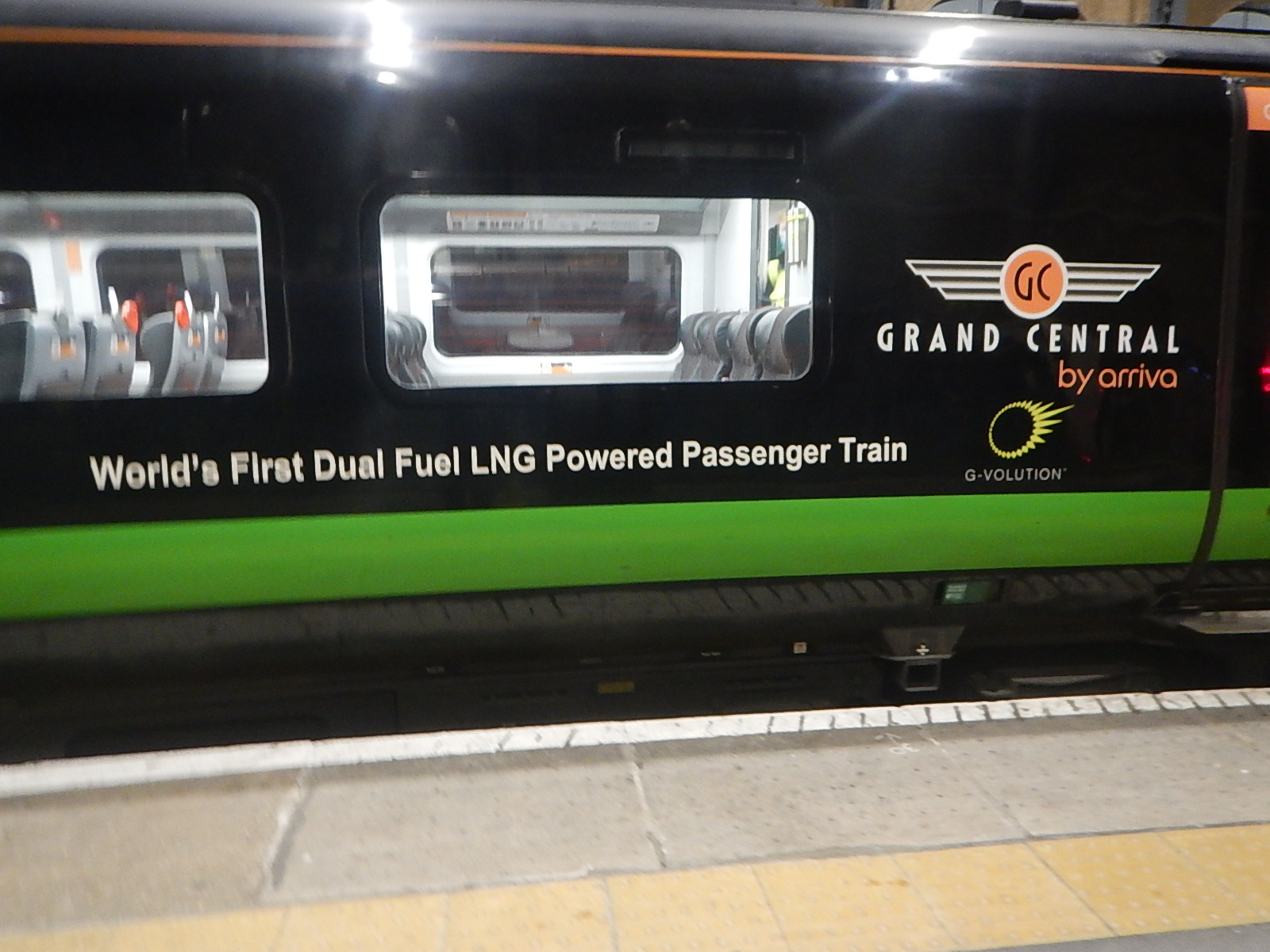
I haven’t ridden in a Class 180 train for some years and there was nothing to indicate from the performance, that it was not a standard train.
There are fourteen of these 125 mph trains.
This explanatory video of G-volution’s technology is on the G-volution web site.
Note that in the video, one of G-volution’s Managing Director; Chris Smith says that the technology is fuel agnostic and will work with a range of fuels including ammonia, biodiesel, bio-LPG, hydrogen and methanol.
Conclusion
It will be very interesting to see what is decided to be the ideal fuel-combination and how much reduction is possible for the various emissions.
I’ll end with two questions.
Will Passengers Like The New Trains?
What is there not to like! Same train and performance with lower emissions.
Will Cummins Like What G-volution Have Done To Their Engines?
Cummins might be a bit miffed, as they built the QSK19 engines for the Class 180 trains and may have their own plans for them. But they are a pragmatic and flexible company in my experience and generally they do what the customer needs or wants. Decarbonisation is surely in everybody’s interest.
Incidentally, the same Cummins diesel engines are used in the TransPennine Express, Class 185 trains, I’ve been riding in most of today.
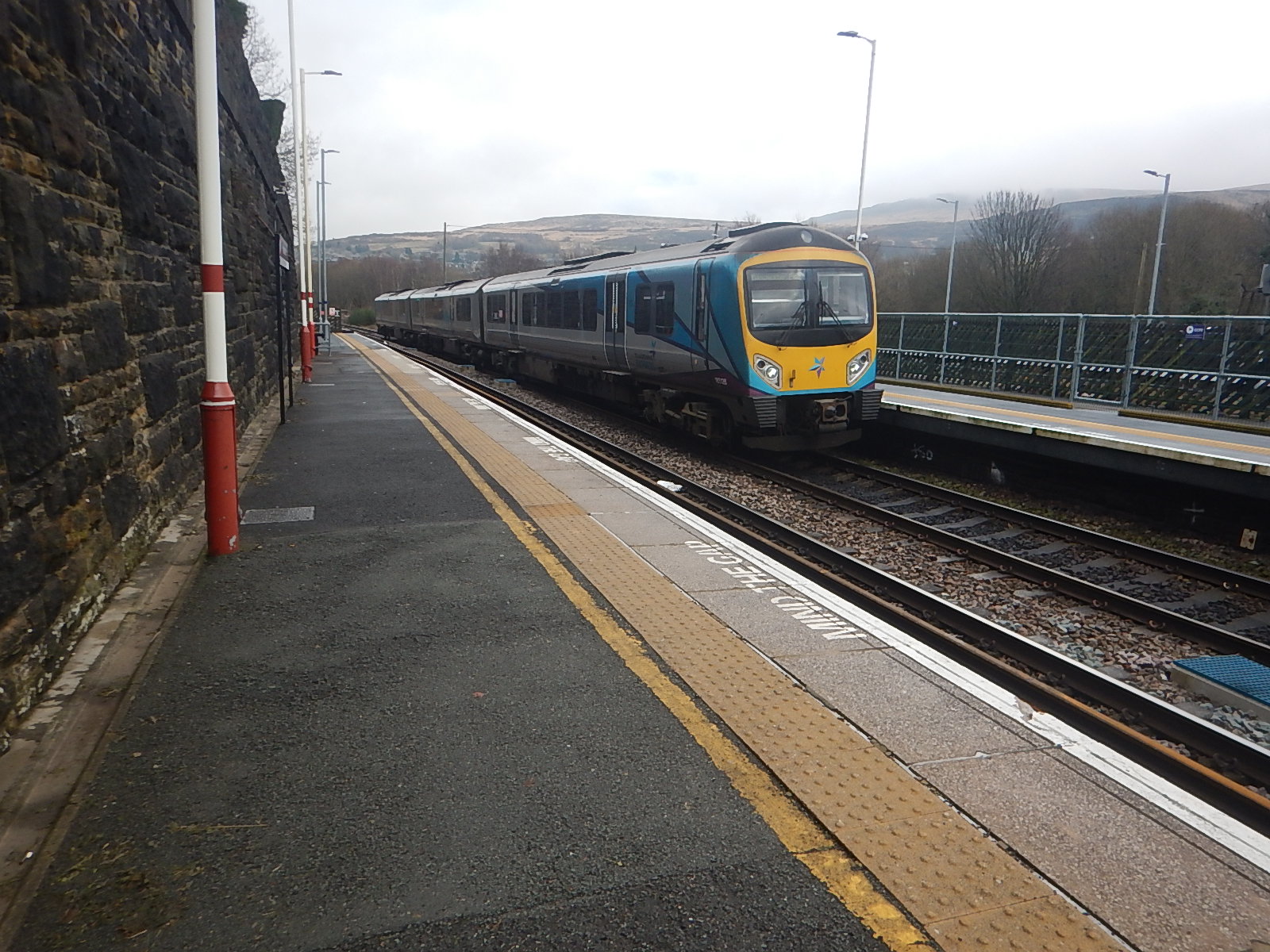
There are fifty-one of these 100 mph trains in use in the UK. They could be ideal for some long routes, if they could be converted to low-emission.
Cummins To Build H2 Fuel Cell Innovation Center In West Sacramento
The title of this post, is the same as that of this article on Hydrogen Fuel News.
Cummins are one of the companies with a lot to lose, if they don’t replace their diesel products with a zero-carbon alternative.
They took over Hydrogenics and now they seem to be putting money into improving and developing hydrogen fuel cells and probably all the other gubbins to make them work.
I have worked as a consultant for the company and they are very happy to tailor their products to a customer’s needs.
This philosophy would work well with hydrogen-powered vehicles and stationary applications.
I wouldn’t be surprised to see Cummins grow to one of the largest companies in the field of hydrogen.
Cummins Accelerates Work On Hydrogen-Fueled Internal Combustion Engines
The title of this post, is the same as that of this article on CSR Wire.
This is the first paragraph.
Global power leader Cummins Inc. is accelerating its work on internal combustion engines fueled by low-carbon hydrogen.
Cummins aren’t the only company going this route, as JCB have also developed a hydrogen-powered internal combustion engine.
In some ways it makes sense, as in a truck, railway locomotive or specialist machine, the conversion of the current diesel version to a hydrogen one could be easier.
From my experience of selling software to Cummins, they see themselves as specialists in providing customised diesel engines for anybody who wants them.
So could they supply customised hydrogen engines which are a direct replacement for a diesel engine?
It could be a very profitable market for Cummins, good for the environment and a quick way to decarbonise a lot of applications.
Caterpillar, Cummins Move On Hydrogen For Trains
The title of this post, is the same as that of this article on Construction Equipment.
This is the first paragraph.
Caterpillar and Cummins are working separately to put hydrogen to work in locomotives.
They have a lot to lose with the extinction of their diesel businesses, so why not join the party.
Could London’s New Routemaster Buses Be Converted To Hydrogen Power?
There are a thousand New Routemaster buses on the roads of London.
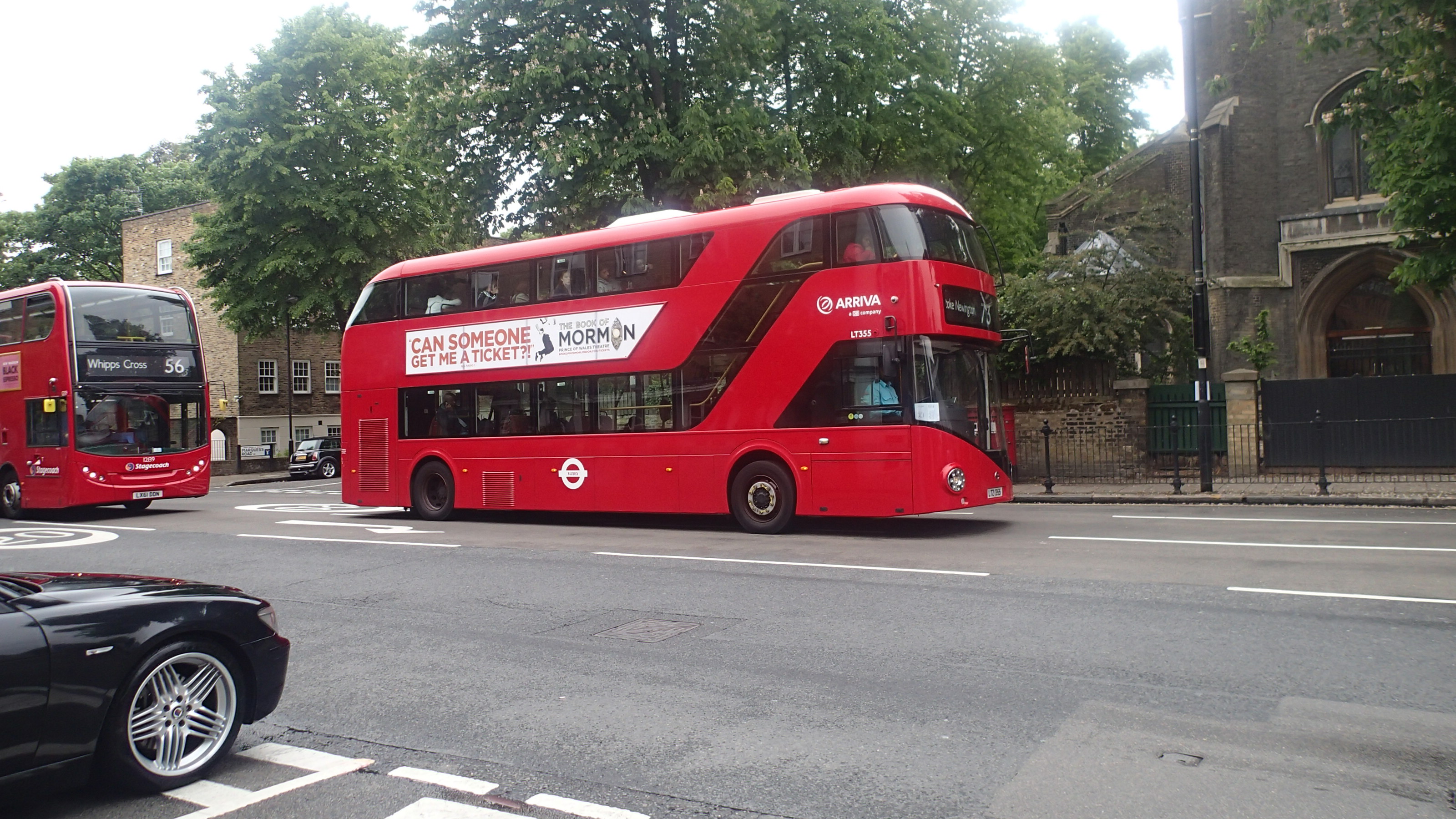
This paragraph from Wikipedia describes the transmission.
The bus is a hybrid diesel-electric driven by a battery-powered electric motor, charged by a diesel fuelled generator and recovering energy during braking by regenerative braking.
Note.
- The Cummins diesel engine is under the back stairs and is mounted high up. You can sometimes hear it start and stop if you sit or stand at the back of the bus.
- The diesel engine is part of the Cummins B Series Engine family, which is used very widely, included in vehicles like the Dodge Ram pick-up.
- The battery is mounted under the front stairs.
Cummins are embracing hydrogen in a big way and bought hydrogen company; Hydrogenics in 2019.
This press release from Cummins is entitled Cummins Begins Testing Of Hydrogen Fueled Internal Combustion Engine.
This is the first paragraph.
Cummins has taken another step forward in advancing zero carbon technology as the company began testing a hydrogen-fueled internal combustion engine. The proof-of-concept test is building on Cummins’ existing technology leadership in gaseous-fuel applications and powertrain leadership to create new power solutions that help customers meet the energy and environmental needs of the future.
Only today in Deutz Hydrogen Engine Ready For Market, I reported on how Deutz were going down a similar route.
I have done consultancy work for Cummins in Darlington, where I suspect the New Routemaster engines were built and the company prides itself in being able to provide a specially-laid out diesel engine for a niche-market application.
If they develop a hydrogen replacement for the B Series engine, I suspect that they will adopt the same sales philosophy.
For a start, it would enable all their many existing customers to convert their products from diesel to hydrogen power.
A hydrogen engine would be a direct way to enable conversion of a New Routemaster to hydrogen.
- The new hydrogen engine and generator would just replace the current diesel engine and generator.
- The chassis, body, battery and traction motor could be retained.
- I am also sure, that Wrightbus have the expertise to squeeze a hydrogen tank in somewhere.
.I believe that in a few years Cummins will be able to replace the diesel engine with a hydrogen engine of equivalent size and power.
After Ricardo announced their fuel cell approach to convert modern diesel buses to hydrogen, which I wrote about in Ricardo To Engineer Zero Emission Buses For UK’s First Hydrogen Transport Hub, I am sure we’re going to see thousands of modern buses converted to hydrogen power.
Conclusion
I believe from my knowledge of Cummins and the way they work, that they will come up with a hydrogen-based solution, that will replace the Cummins diesel in these buses with a zero-carbon engine.
If Cummins don’t then someone else will.
Whoever solves the problem of converting London’s new Routemasters to hydrogen will have one of the best adverts for their product, there has ever been.
After converting London’s thousand Routemasters, the engineers could move on to anything powered by a Cummins engine.
Wabtec Breathes New Life Into Older Locomotives
This title of this post, is the same as that of this article on Railway Gazette.
This is the introductory paragraph.
This month Wabtec completed the 1 000th locomotive it has remanufactured for customers in the Americas under a programme launched in 2015. Norfolk Southern has taken delivery of 500 of the locos, with other customers including Canadian Pacific, BNSF, Union Pacific and Brazilian operator Rumo.
This second paragraph gives Wabtec’s aims of the remanufacturing.
Wabtec said locomotive modernisation is a key element of its sustainability efforts, with revitalised locos offering fuel efficiency improvements of up to 25%, reliability increases of more than 40%, up to a 55% increase in haulage capability and reductions in maintenance, repair, and overhaul costs of up to 20%.
This ongoing program, which although it only offers a 25 % reduction in carbon emissions, shows the size of the diesel locomotive market in North America.
- A lot of these locomotives were built by GE Transportation Systems, which is now owned by Wabtec.
- It is obviously, a market that is commercially rewarding.
In Freightliner Secures Government Funding For Dual-Fuel Project, I talked about s UK project to decarbonise one of our North American-built Class 66 locomotives.
I do wonder how long it will be before Cummins or one of the other big diesel engine manufacturers like Caterpillar offers a hydrogen conversion for these big beasts.
The numbers shown in the article, show it could be a very large and profitable market.
In the future, a lot of decarbonisation will be driven by commercial interests.
Prototype Revolution Very Light Rail Vehicle Ready For Testing
The title of this post, is the same as that of this article on Rail Business UK.
It is very much a complete article, which gives full information on the current status of the Revolution VLR very light rail prototype railcar.
- The railcar is an eighteen metre long bi-directional vehicle.
- It has capacity for 56 seated passengers and 40 standees. This is more than a double-deck bus load.
- It has a Cummins diesel-electric power-train.
- Maximum speed is 65 mph.
- There is regenerative braking to a battery, which can be used for traction in built-up areas.
I must admit that I am surprised that Revolution VLR is not fully zero-carbon, but as this is a prototype, that is probably a sensible move, as it will be able to test the concept and show the railcar to potential customers.
However, as Cummins are a member of the consortium and they are now embracing hydrogen as an alternative fuel, a zero-carbon hydrogen power-train may be under development, that would be suitable for the Revolution VLR.
When the Revolution VLR consortium was in its early stages I wrote Very Light Rail Research On Track, based on a Railway Gazette article with the same title.
That earlier article did talk about a problem.
However, the drawback of a lightweight vehicle is that its lower crashworthiness could make it unsuitable for mixed traffic lines.
But the consortium felt that the limitation could be overcome by better traffic management and digital signalling.
Mixed traffic running was also flagged up as a problem by the tram-trains running in Sheffield, but touch wood, they seem to be working well!
Hopefully extensive testing of this prototype will identify any limitations of the concept.
 The Anonymous Widower