Protection and Resilience for OLE using ComputerVision Techniques (PROLECT)
This project was one of the winners in the First Of A Kind 2022 competition run by Innovate UK.
In this document, this is said about the project.
Project No: 10037158
Project title: Protection and Resilience for OLE using ComputerVision Techniques (PROLECT)
Lead organisation: ONE BIG CIRCLE LTD
Project grant: £247,115
Public description:
This project will utilise Computer Vision techniques applied to existing video footage and capturing
a new type of video sensor to address two main challenges which are exacerbated by weather
events and can result in the railway being closed. Providing means in which these type of challenge
can be predicted and prevented will help provide the railway to become more resilient to weather
events and season agnostic.
The following two areas will be addressed:
- Extreme hot weather causes OLE wires to extend and cause the tensioners to come into contact with the ground which can reduce tension and cause damage or event dewirement. Utilising existing video footage this project will automatically identify OLE tensioners, position and measure them and generate an live asset map with current status level. This can be utilised as part of a digital twin model and fed into systems which are able to alert maintainers to the issue so they are able to take preventative action.
- Hot, cold and humid weather can also have an impact causing Corona discharge from electrical assets such as insulators. The Corona discharge is an early warning sign of potential damage and failure of the equipment and can be measured as part of a predictive maintenance regime to prioritise preventative maintenance activities. This project will install a UV Corona camera onto a measurement fleet or in-service train and enable automated data capture with real-time data transmission and processing. The results will be evaluated by experienced working groups to tune and amend the level of Corona events to ensure an optimum level of precision and recall ensuring an operationally useful tool.
Both of these events can have very impacts on the railway in terms of delay, safety and customer
experience. By providing tools which have the capability of preventing these from occurring the
railway will have an increased resilience to the weather conditions.
My Thoughts And Conclusions
A Thought On Broughton Station
This Google Map shows Hawarden Airport to the West of Chester.
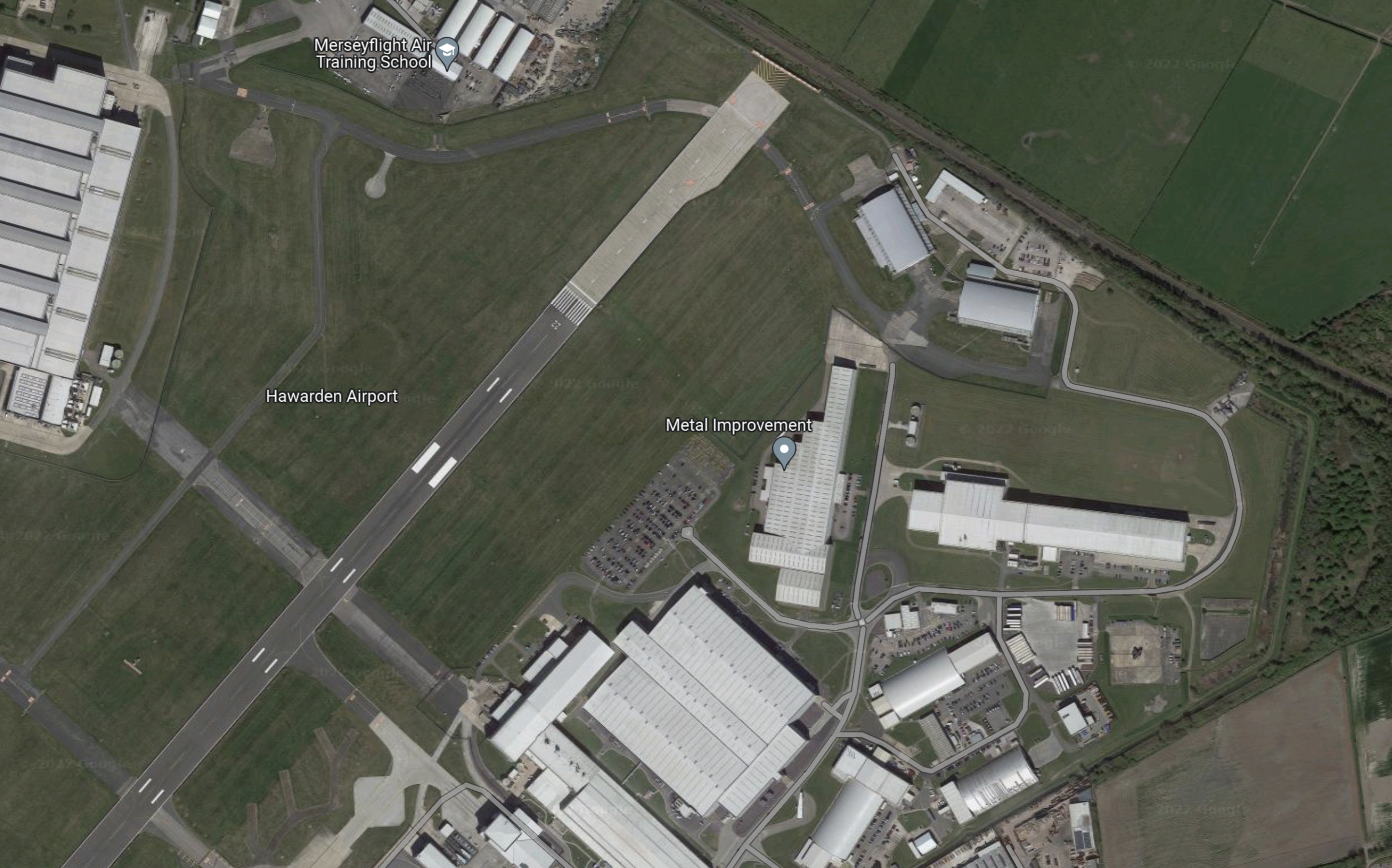
Note.
- Airbus make wings for their aircraft at their Broughton factory on this airport.
- The wings are flown to Europe for final assembly.
- The North Wales Coast Line passes the Northern end of the runway.
When I bought my return ticket between Chester and Holyhead, which was good value at £25.25 with my Senior Railcard, I got chatting with the clerk about Airbus and their Broughton factory.
He felt it needed a station and afterwards I checked and found that the Welsh Government had been trying to build one for some time.
Thinking back, I wonder if he keeps getting asked about getting to the Airbus factory and wishes that the government and Airbus would make his job easier by building a Broughton station.
A station at Broughton might also cut the factory’s carbon footprint, by allowing more staff to go to work by train.
A Merseyrail Extension To Shotton
Shotton is already served by the Borderlands Line which connects Wrexham and Bidston.
This line is shown on the West side of this map, which shows how the Merseyrail network might look in the future.

Note.
- Chester could have services that terminate in the East at Crewe and Runcorn East stations.
- Chester already has electric services from Liverpool, which will receive new Class 777 trains in the next few months.
- The new trains can be fitted with a battery electric capability.
I just wonder, if a Cross-Chester Metro could be built.
- Eastern termini would be Runcorn East or possibly Warrington Bank Quay and Crewe.
- Shotton is only 7.9 miles from Chester.
- Shotton low-level station used to have four tracks.
- I suspect that Shotton or even Flint could be the Western terminus.
- Extra stations could be added as required.
Note.
It would probably be best, if the trains were battery-electric that could use 25 KVAC overhead electrification, as this would allow them to charge at the Eastern termini.
I also feel that Crewe and Chester should be electrified, so that Chester could be reached by the new Class 805 trains running under electric power.
This would also allow Chester to become a High Speed Two destination, that was served by High Speed Two Classic-Compatible trains.
I believe that a Cross-Chester Metro is a possibility.
Could Chiltern Go Battery-Electric?
In the October 2022 Edition of Modern Railways, there is an article, which is entitled Chiltern Considers Turbo Future, with a sub-title of Battery Replacement Could Be On The Cards.
These are the first two paragraphs.
In early September Chiltern Railways was preparing to launch a market sounding exercise to consider options for the future of the Class 165 Turbo DMU fleet.
The operator has 28×2-car and 11×3-car ‘165s’. which operate alongside its more modern Class 168 DMUs and its loco-hauled sets. The market sounding exercise will consider two options for the future of the fleet – some sort of hybrid conversion, or outright replacement.
The Class 165 Trains
The Class 165 trains were built in 1990-1991.
- Maximum Speed – 75 mph
- Prime Movers – One per car, Perkins 2006-TWH
- 2-car Trains – 28
- 3-car Trains – 11
One is being converted to a diesel/battery hybrid.
The Class 168 Trains
The Class 168 trains were built in 1998-2004.
- Maximum Speed – 100 mph
- Prime Movers – One per car, MTU 6R 183TD13H
- 2-car Trains – 9
- 3-car Trains – 8
- 4-car Trains – 11
One has been converted to a diesel/battery hybrid.
Conversion To Hybrid Operation
If this proves to be feasible, it will surely be the more affordable of the two options.
But it does leave Chiltern with a mixed fleet with two types of train with different maximum speeds and these lengths.
- 2-car Trains – 37
- 3-car Trains – 19
- 4-car Trains – 11
Would a fleet of similar trains, with perhaps a maximum speed of 100 mph, be better operationally?
Battery-Electric Operation
The Modern Railways article introduces the concept of battery-electric operation with this paragraph.
If a replacement fleet is considered the best option for the Turbo units, the replacements could take the form of a straight battery EMU, taking advantage of recent advances in ‘fast charge’ technology.
The article also says this about battery technology and electrification.
There is optimism that advances in battery technology will provide a smooth pathway to decarbonise Chiltern’s operations – the company serves the only non-electrified London terminus.
In the longer-term, it is hoped electrification from Birmingham to Banbury as part of a strategy to decarbonise CrossCountry and freight services would enable Chiltern to run a battery EMU on London to Birmingham duties, running under battery power as far north as Banbury and switching to overhead wires from there, both powering the unit and enabling the batteries to be recharged.
The Modern Railways article looked at each route and I will do this in more detail.
London Marylebone And Aylesbury via High Wycombe
London Marylebone and Oxford would be under battery operation for 40 miles.
Trains would be charged at London Marylebone and Aylesbury stations.
London Marylebone And Aylesbury Vale Parkway
London Marylebone and Oxford would be under battery operation for 41 miles.
Trains would be charged at London Marylebone and Aylesbury Vale Parkway stations.
It might be better to electrify between Aylesbury and Aylesbury Vale Parkway stations.
London Marylebone And Banbury
London Marylebone and Oxford would be under battery operation for 69 miles.
Trains would be charged at London Marylebone and Banbury stations.
Leamington Spa And Birmingham Moor Street
Assuming the Birmingham and Banbury section of the route is electrified, this route will be electrified.
London Marylebone And Birmingham Moor Street Or Birmingham Snow Hill
Assuming the Birmingham and Banbury section of the route is electrified, this route can be considered to be in two sections.
- London Marylebone and Banbury – Battery operation – 69 miles
- Banbury and Birmingham – Electric operation – 42 miles
Trains would be charged at London Marylebone station and on the electrified section.
London Marylebone And Gerrards Cross
London Marylebone and Oxford would be under battery operation for 19 miles or 38 miles both ways.
Trains would be charged at London Marylebone station.
London Marylebone And High Wycombe
London Marylebone and Oxford would be under battery operation for 28 miles or 56 miles both ways.
Trains would be charged at London Marylebone station.
London Marylebone And Oxford
London Marylebone and Oxford would be under battery operation for 66.8 miles.
Trains would be charged at London Marylebone and Oxford stations.
London Marylebone And Stratford-upon-Avon
Assuming the Birmingham and Banbury section of the route is electrified, this route can be considered to be in two sections.
- London Marylebone and Banbury – Battery operation – 69 miles
- Banbury and Hatton Junction – Electric operation – 26 miles
- Hatton Junction and Stratford-upon-Avon – Battery operation – 9 miles
Trains would be charged at London Marylebone station and on the electrified section.
Chiltern’s Mainline Service
Chiltern’s Mainline service between London and Birmingham is run by either a Class 68 locomotive pulling a rake of six Mark 3 coaches and a driving van trailer or two or three Class 168 trains.
As the locomotive-hauled train is about eight coaches, it could surely be replaced by two four-car multiple units working together.
I believe that if Chiltern obtained a fleet of four-car battery electric trains, this would be the most efficient fleets for all their routes.
Charging At London Marylebone Station
I took these pictures at Marylebone station today.
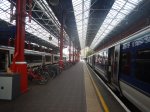
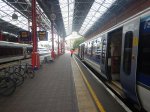
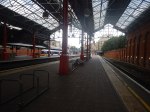

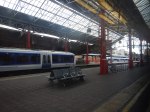
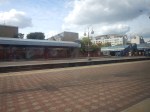


Note.
- It is a surprisingly spacious station and I feel that Furrer+Frey or some other specialist company could add some form of charging to the platforms.
- Charging would probably performed using the train’s pantograph.
It appears that the turnround time in Marylebone is typically twelve minutes or more, which should be adequate to fully charge a train.
Conclusion
Both solutions will work for Chiltern.
But I prefer the new battery-electric train, which has some crucial advantages.
- Battery-electric trains will be quieter than hybrid trains.
- Marylebone station has a noise problem and battery-electric trains are very quiet.
- Chiltern have ambitions to built new platforms at Old Oak Common and to serve Paddington. This could be easier with a battery electric train.
Rhe only disadvantage is that Banbury and Birmingham would need to be electrified.
York To Church Fenton – 10th August 2022
These pictures show the new electrification between York and Church Fenton.







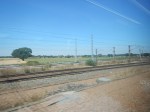

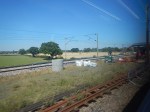


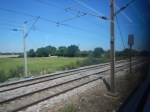
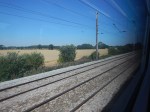

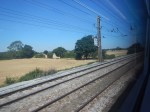
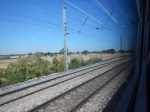
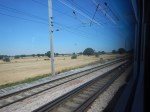
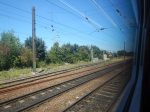
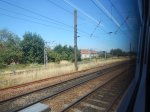
My train was going towards York.
Half-an-hour later, I went to Manchester via Leeds and took the newly-electrified line.
- The Class 802 train was on diesel on this section, but it was cruising at 100 mph.
- One the train had passed Church Fenton station, it appeared to slow noticeably.
- Today, York and Church Fenton took eight and a half minutes.
It will be interesting to see timings, when the wires are switched on.
Boris Baldrick’s Cunning Plan
This written statement to Parliament on the UK Government web site, is entitled Transport Update: Transpennine Route Upgrade.
It has been published by Grant Shapps and this is the sub-title.
Additional funding has been made available for the Transpennine route upgrade.
This is the complete statement.
Today 19 July 2022, the government has made available £959 million of additional funding to continue to progress the delivery of the ambitious Transpennine route upgrade.
This funding is a significant milestone and another step towards upgrading the key east-west rail artery across the north of England, to further this government’s levelling up and decarbonisation objectives.
In addition to progressing the design of aspects of the upgrade, this funding will enable further on-the-ground delivery of electrification and journey time improvement works, mostly west of Leeds.
One of the first tangible benefits will be enabling electric trains to run between Manchester and Stalybridge by the middle of the decade. We are also developing scope that will enable the Transpennine route upgrade to become the first phase of Northern Powerhouse Rail, including plans to unlock freight flows and take thousands of lorries off our roads.
We are also more than trebling the investment in the Transpennine route upgrade from £2.9 billion to between £9.0 billion and £11.5 billion.
This additional investment will enable the roll out of digital signalling technology, electrification of the full route and the provision of additional tracks for commercial and freight services, giving rail users more reliable, more punctual, more comfortable and greener rail journeys.
I have some thoughts.
It’s Not A Wish List, But A Reality
The last paragraph reads like a wish list.
This additional investment will enable the roll out of digital signalling technology, electrification of the full route and the provision of additional tracks for commercial and freight services, giving rail users more reliable, more punctual, more comfortable and greener rail journeys.
But it’s not a wish list, it’s what is to be done.
Where Will The Government Get Between Nine and Eleven-And-A-Half Billion Pounds?
It’s not the sort of small change that you have in a sock draw.
This document on the UK government web site, is entitled PM Opening Remarks At Press Conference With German Chancellor Olaf Scholz: 8 April 2022, where this is these three paragraphs.
We will also agree on the importance of weaning ourselves off dependence on Russian gas and oil, and ensuring that our energy security cannot be threatened by a rogue state.
This is not easy for any of us, and I applaud the seismic decisions taken by Olaf’s government to move Germany away from Russian hydrocarbons.
Today we have agreed to maximise the potential of the North Sea and collaborate on energy security and on renewables, where Germany and the UK lead the way in new technology.
So did Boris and Olaf sign the world’s first Green Alliance based on zero-carbon energy?
- They may not have signed an Alliance, but they have agreed on common actions.
- Over the last year or so, German money and technology has started to be more visible in our offshore wind farms.
- BP have been backed by German utility; enBW in some of their huge wind farms.
- Siemens Gamesa are providing a lot of wind turbines.
- Will German shipyards build the floats for floating wind farms?
- An interconnector between the Isle of Grain and Wilhelmshaven is planned.
- Rolls-Royce and its German subsidiary MTU are charging into battle against climate change.
- The Germans have taken a liking to ITM Power’s electrolysers to produce hydrogen.
I can see the North Sea or the German Ocean becoming Europe’s power station, with by 2030, a large amount of the energy not needed by the UK, being exported to the Continent, either as electricity or hydrogen.
The Germans could become our magische Geldbäume.
But unlike gas and oil, wind power in the North Sea won’t run out, as it’s renewable.
In How Britannia With Help From Her Friends Can Rule The Waves And The Wind, this was my conclusion.
Boris’s vision of the UK becoming a Saudi Arabia of wind is no fantasy of a man with massive dreams.
Standard floating wind turbines, with the possibility of also harvesting wave power could be assembled in ports along the coasts, towed into position and then connected up.
Several GW of wind-power capacity could probably be added each year to what would become the largest zero-carbon power station in the world.
By harvesting the power of the winds and waves in the seas around the British Isles it is an engineering and mathematical possibility, that could have been developed by any of those great visionary Victorian engineers like Armstrong, Bazalgette, Brunel and Reynolds, if they had had access to our modern technology.
Up Yours! Putin!
This energy and the money it provides will finance our infrastructure and our tax cuts.
York And Church Fenton Electrification
This news item from Network Rail is entitled Yorkshire’s First New Electric Railway In 25 Years Set To Cut Carbon And Slash Journey Times.
This section summarised the work
Work began on the York to Church Fenton electrification scheme in October 2019, and to date has delivered:
- 17 kilometres of new, more reliable track, ready to run faster trains
- An innovative 65-metre-wide under-track crossing
- 270 new steel masts, which carry the overhead electric wires
When the new wires are energised, they will allow more environmentally friendly hybrid trains to run along this section at speeds of up to 125mph – that’s 30mph faster than they currently run.
This OpenRailwayMap shows between York and Church Fenton.
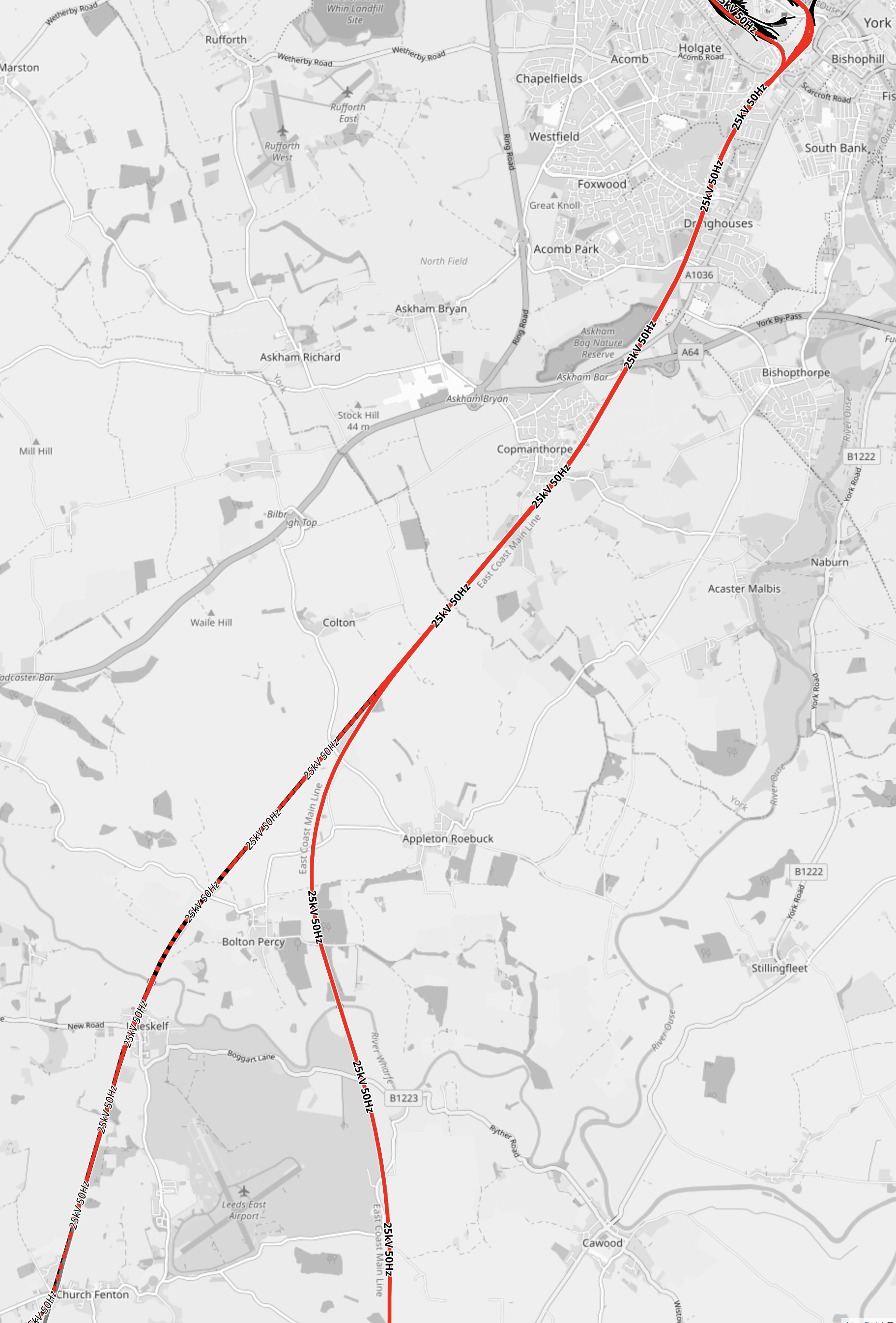
Note.
red lines indicate 25 KVAC overhead electrification.
York is in the North-East corner of the map.
Church Fenton is in the South-West corner of the map.
The track marked in red going South is the Selby Diversion, which was built in 1983 to avoid the Selby coalfield. It joins the York and Church Fenton route at Colton Junction.
The Colton Junction and Church Fenton section is marked in red and black, indicating this section is being electrified.
This second OpenRailwayMap shows between Church Fenton and Neville Hill TMD in the East of Leeds.
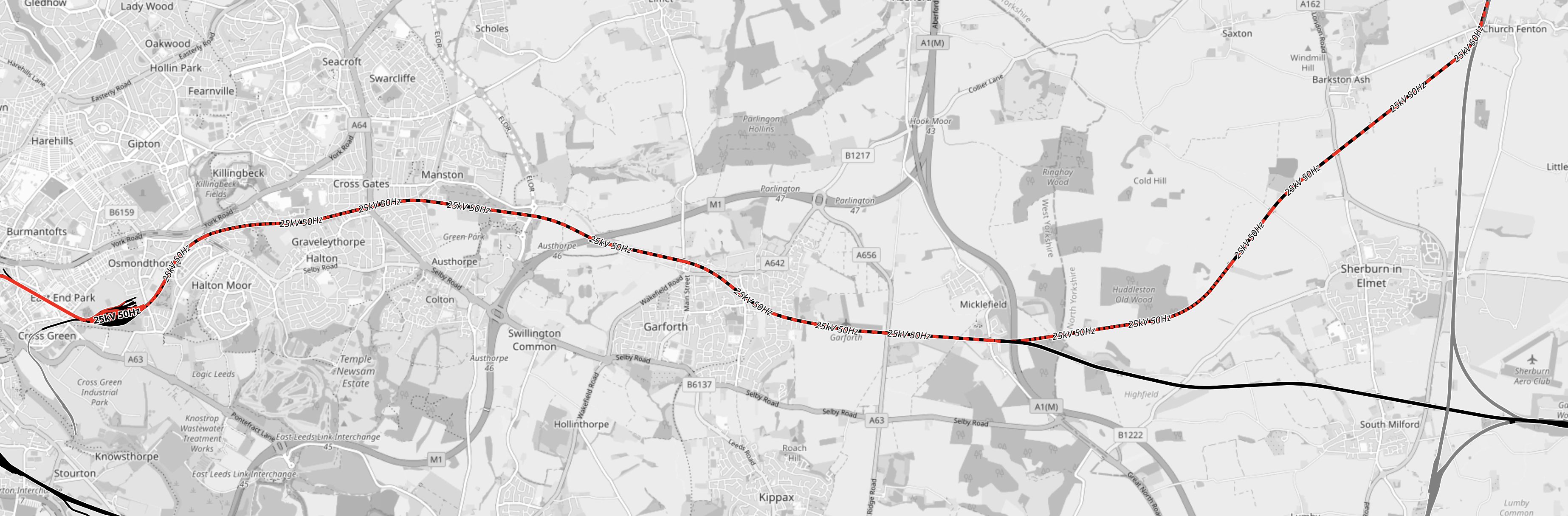
Note.
- Church Fenton is in the North-East corner of the map.
- Neville Hill TMD is the big black blob in the middle of the West edge of the map.
- The route marked in red and black will probably be the next to be electrified.
- Between Leeds and Neville Hill is electrified.
Electrification of Church Fenton and Neville Hill TMD means that the electrification between Leeds and York would be complete.
These services use this route between Leeds and York.
- TransPennine Express – 1 tph – Liverpool Lime Street and Newcastle
- TransPennine Express – 1 tph – Manchester Airport and Redcar Central
- CrossCountry – 1 tph – Plymouth and Edinburgh Waverley
In addition, the new electrified route will have other effects.
Electric trains will have direct electrified access to Neville Hill TMD from York.
Micklefield is only 42 miles from Hull and with charging at Hull, I suspect TransPennine’s Manchester Piccadilly and Hull service could go battery-electric.
Extending The Elizabeth Line – Improving The Route To Windsor & Eton Central Station
This post is now complete.
I took the Elizabeth Line to Slough station, for onward travel to Windsor & Eton Central station today and took these pictures along the route.


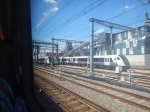


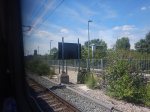
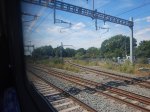
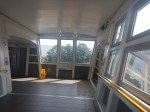






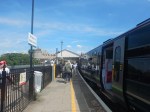







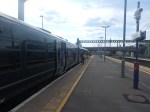


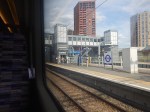
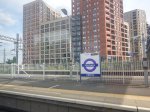
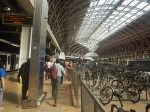

Note.
- I joined the Elizabeth Line at Moorgate station and took a train all the way to Paddington station.
- As a Freedom Pass holder, I use the Elizabeth Line for nothing.
- I changed between the Central and Western sections of the Elizabeth Line at Paddington.
- I also bought my Slough and Windsor & Eton Central ticket at Paddington from a machine, for the princely sum of £2.10. It was with a Senior Railcard.
- There is a lot of building going on along the route.
- The diesel train on the Slough-Windsor & Eton Line was a three-car Class 165 train.
I have some thoughts on how to improve the train service to Windsor.
What Do I Mean By Improving?
I don’t mean direct trains, as that would be impossible for various reasons.
- Platform length at Windsor & Eton Central station would be a problem.
- Flat crossing across the fast lines would slow the expresses.
- To make the running efficient, a flyover would need to be built. The disruption of building it and the cost would be immense.
What is needed, is a system, which means that getting from Central Elizabeth Line stations to Windsor & Eton Central station is as easily as possible.
Windsor Is One Of Our Premier Tourism Destinations
I suspect that on passenger numbers; Bicester Village, Cambridge, Oxford and Windsor are the four most visited tourist sites by rail from London.
I don’t think it’s a good idea to provide some of the services to these destinations, with the exception of Cambridge, with British Rail-era diesel multiple units.
Could A Four-Car Train Be Run On the Slough-Windsor & Eton Line?
I took this picture of the Slough end of the three-car Class 165 train in Windsor & Eton Central station.

It does appear that say a four-car Class 387 train could be fitted into the platform, with perhaps some adjustment to the platform and the track.
Would The Train Be Electric Or Battery-Electric Powered?
Consider.
- The Slough-Windsor & Eton Line is only 2.5 miles long.
- It is single-track.
- Trains take six minutes to do the trip.
- Modern electric trains with better acceleration could probably do the trip in four minutes.
- A battery-electric train will need charging.
This OpenRailMap map shows the electrification at Slough station.
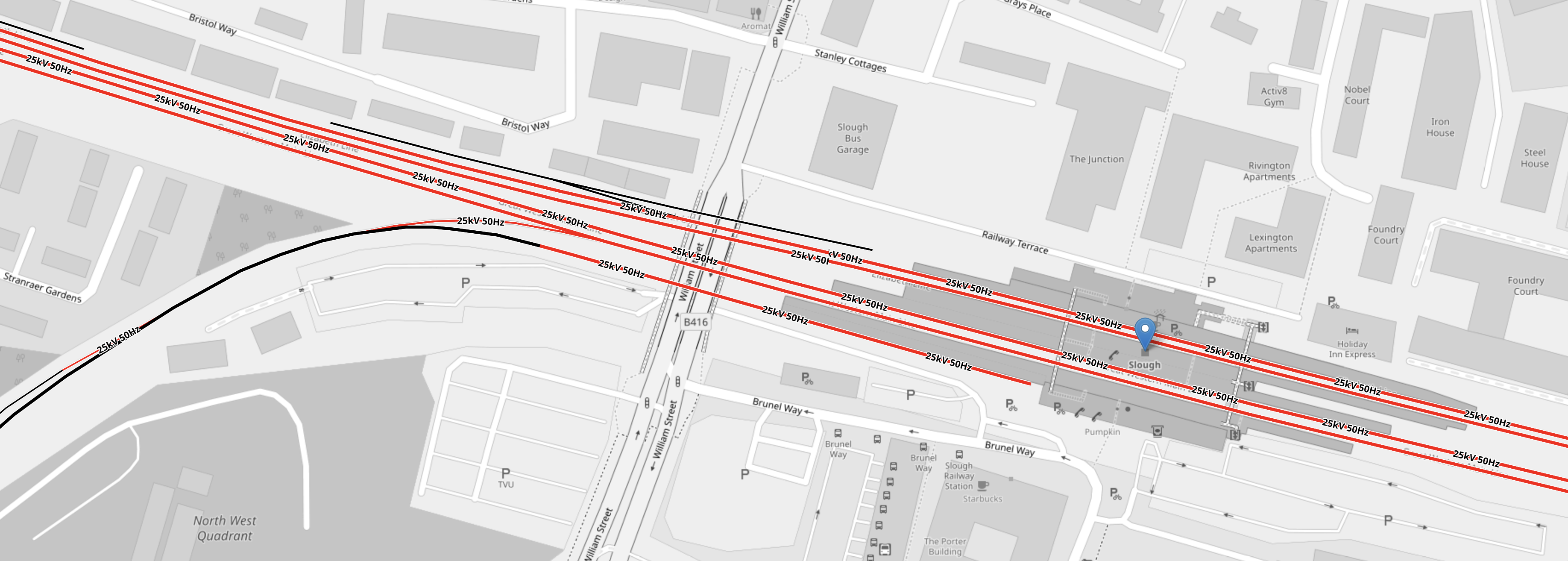
Note.
- 25 KVAC overhead electrification is shown in red.
- The Slough-Windsor & Eton Line leaves the map in the South-West corner of the map and runs into the electrified Bay Platform 1.
- The electrification in Platform 1 could be used to charge a battery-electric train.
- The Slough-Windsor & Eton Line appears to be partially electrified at the Slough end.
I wonder, if the simplest, most-affordable, least risky approach is to electrify the 2.5 miles with 25 KVAC overhead electrification, as it would allow a standard Class 387 train to work the route.
Operation Of The Shuttle
Currently, the Class 165 trains take six minutes between Slough and Windsor & Eton Central stations, which means that with turning the train at each end of the route, where the driver must walk seventy metres or so to change ends only a three trains per hour (tph) schedule is possible.
If I look at some of the station-to-station stops on the Elizabeth Line, I suspect that a well driven electric train could go between Slough and Windsor & Eton Central stations in perhaps four minutes. With a well-marshalled stop at either end of the route in perhaps two minutes, it could be possible to do a round trip in twelve minutes, which would allow a four tph service.
Capacity would go up from nine cars per hour to sixteen. or an over seventy percent increase in capacity.
There are several ways that, this shuttle could operate.
- As now, where the drivers have to be fit to change ends in the time.
- Two drivers are used with one in each cab.
- Drivers walk back on arrival at the terminal and then step-up into the next train. This is standard London Underground practice at stations like Brixton and Walthamstow Central.
- The train is fully-automated and the driver sits in either cab with an override, that allows him to take control, if say protestors or criminals get on the track.
As a Control Engineer, I certainly feel the fourth option is possible.
Intriguingly, I suspect the concept could be proved with two drivers in an existing three-car Class 165 train, to see if four tph are possible.
Ticketing
Ticketing is less of a problem now, than it was before March 28th 2022, as from that date Windsor & Eton Central station is now in the contactless area, so you could touch in with your bank card at any station in the London contactless area and touch out at that station.
It’s all explained on this page on the Great Western Railway web site.
I am a Freedom Pass holder, which gives me the ability to get free travel to and from anywhere on the Elizabeth line for free, so getting to and from Slough for nothing, is no problem, if I use the Elizabeth Line.
But I would need a ticket for the section between Slough and Windsor & Eton Central stations.
Before I got on the Elizabeth Line at Moorgate, I tried to buy an extension ticket between Slough and Windsor & Eton Central stations, from the ticket machines at Moorgate, but it was not possible, so in the end, I made a detour to the ticket office at Paddington and bought the ticket there. But when the Elizabeth Line is fully connected, there will have to be a rethink, as Freedom Pass holders from say Ilford would want a day out in Windsor.
Perhaps the Slough-Windsor & Eton Central line should become a fixed-fare line, where a bank card would be charged say a pound for each journey.
Note that I only paid £2.10 for a return ticket at Paddington with my Senior Railcard.
A Better Interchange At Slough
Currently, the Off Peak frequency of trains at Slough is as follows.
- Slough and Windsor & Eton Central – 3 tph
- Slough and Paddington – Elizabeth Line – 2 tph
- Slough and Paddington – Great Western Railway – 2 tph – Non-stop
- Slough and Paddington – Great Western Railway – 2 tph – Stopping
In TfL Confirms Details Of Reading Services, I wrote that the Elizabeth Line will have 4 tph to London in the Off Peak, with two extra services in the Peak.
This indicates to me, that the Slough and Windsor & Eton Central service needs four tph.
Extending The Elizabeth Line – Linking To The Oxted Line
I believe that everybody in the South East of England needs the best access possible to the Elizabeth Line, by train from where they live.
- The Elizabeth Line serves the important places like Brick Lane, Canary Wharf, the City of London, Heathrow Airport, Liverpool Street station, the Olympic Park, Oxford Street and Paddington station directly.
- Because of its connection to Thameslink, the Elizabeth Line also serves important places like Bedford, Brighton, Cambridge, Gatwick Airport, Luton Airport and Tate Modern with a single change at Farringdon station.
- Using the Elizabeth Line, Thameslink and perhaps a bus, it is possible to get to most important places in Central London.
- The more passengers that use the Elizabeth Line and Thameslink, the more London’s businesses will thrive creating employment and tax revenues.
- It should also be remembered, that using a train to visit central London, probably cuts your carbon footprint.
- The Elizabeth Line also cost a fortune, so perhaps by using it, you will be getting some of your portion of what it cost you back.
This post is the first of several, where I discuss how to bring more passengers into the Elizabeth Line network.
The Oxted Line
The Oxted Line is a line with two branches; East Grinstead and Uckfield, which runs South from East Croydon station.
- The branch to East Grinstead is electrified, but the branch to Uckfield is not and is still run by diesel trains.
- Plans exist to run battery-electric trains on the Uckfield branch, but they always seem to be awaited,
- Network Rail are now saying that they will electrify the Uckfield branch with third-rail.
- All platforms on both branches can take ten-car trains, if not twelve.
- A reasonable amount of money has been spent on the Uckfield branch to improve it.
- Services on both branches are one train per hour (tph).
- London terminals of trains are London Bridge and Victoria, both of which have no easy connection to the Elizabeth Line.
The major faults of the current services are as follows.
- One tph is not enough.
- Victoria is an overcrowded terminal with no connection to the Elizabeth Line or Thameslink
- At London Bridge and East Croydon, there are tortuous step-free change to Thameslink.
- From London Bridge you can use the Northern Line to transfer to the Elizabeth Line, but it wouldn’t be the best route when taking a heavy case to Heathrow.
- From Victoria, you can use the Circle and District lines to the Elizabeth Line at Paddington.
The Oxted Line service needs to be improved.
I would do the following.
Move Uckfield Branch Services To Thameslink
This would mean that Uckfield services would call at East Croydon, London Bridge, Blackfriars, City Thameslink, Farringdon, St. Pancras and then terminate somewhere to the North.
- There would be a step-free change to the Elizabeth Line at Farringdon.
- East Croydon and London Bridge are still served.
- There are connections to the Circle, District, Hammersmith & City, Jubilee, Metropolitan, Northern, Piccadilly and Victoria Lines of the Underground.
- There will be no need for a terminal platform at London Bridge.
I believe that this gives much better connectivity.
Electrify To Uckfield
This is a long-debated question.
But as Thameslink trains are Class 700 trains, which are dual voltage, I’d electrify the Uckfield branch with 25 KVAC overhead electrification between Hurst Green and Uckfield.
Lightweight catenary could be used to reduce visual intrusion.
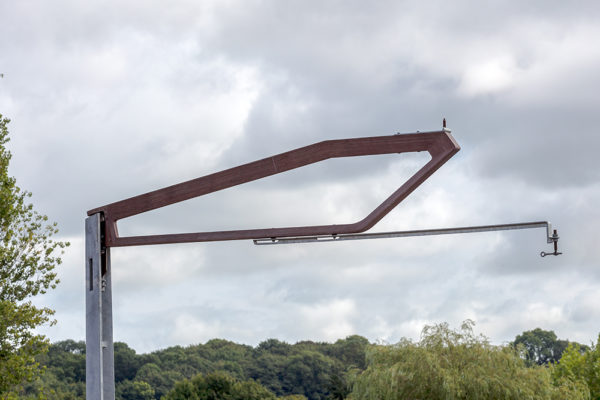
Note.
- The curved beam at the top of this overhead electrification gantry is laminated wood.
- Power changeover would take place at Hurst Green station.
Hopefully, the electric trains would offset any anger at overhead wires.
Run Two tph To Uckfield
I am fairly certain that when Network Rail lengthened the platforms on the Uckfield branch, that they arranged the track and signalling, so that two tph could use the branch.
Run An Hourly Shuttle Between Oxted And East Grinstead
This service would be as follows.
- It would terminate in the bay platform at Oxted station.
- This would give 2 tph on this route.
The existing hourly service between East Grinstead and Victoria would continue.
Conclusion
I believe that this simple scheme could give very good benefits to all stakeholders.
Kent Railway Viaduct Set For £3.5m Makeover
The title of this post, is the same as that of this article on Rail Advent.
This 3D image from Google Maps, shows Ashurst station.
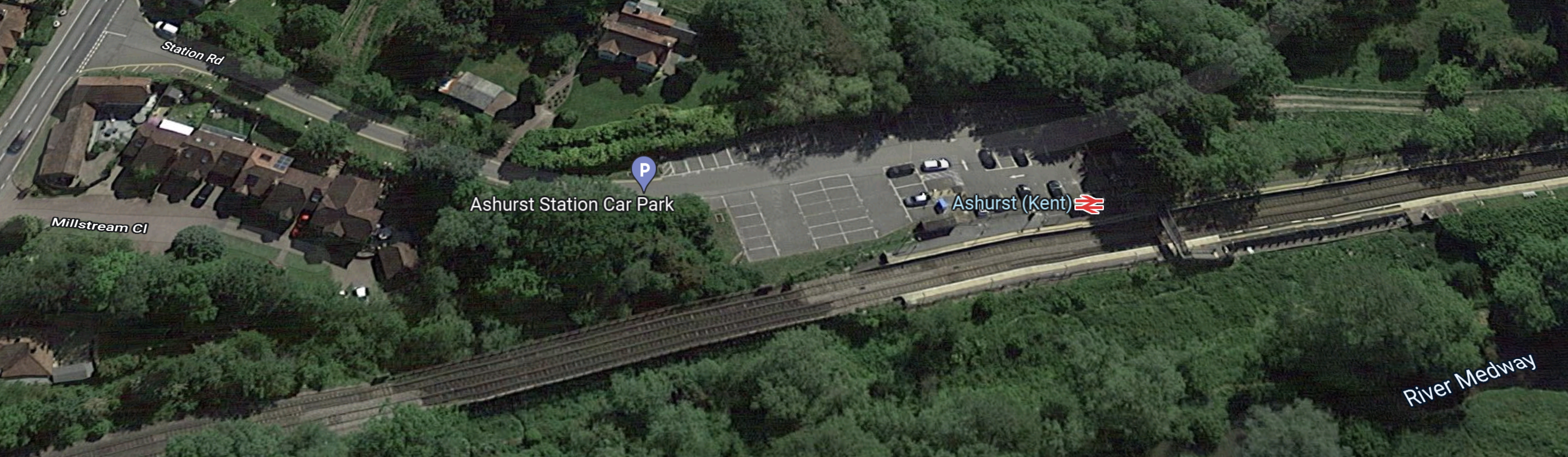
I think that the viaduct is to the left of the station.
This is a description of the work from Katie Frost, Network Rail’s route director for Sussex.
Our railway has a host of Victorian structures that underpin the millions of journeys passengers take with us every year and we have to take good care of them. Mill Stream Viaduct is made of metal, and we need to give it a thorough refurbishment to keep it strong for the future, blasting the old paint off, repainting and repairing the metal sections, replacing the decking, the track and the timbers that support the track too.
Certainly, £3.5 million would seem a lot, if it was just a simple repainting.
What About The Electrification?
Network Rail have been faffing about, deciding how they will get twelve car electric services to Uckfield.
However, in the April 2022 Edition of Modern Railways, there was a short article, which was entitled Uckfield Third Rail is NR Priority, where this was said.
Electrification of the line between Hurst Green and Uckfield in East Sussex and remodelling of East Croydon are the top Network Rail investment priorities south of the river, according to Southern Region Managing Director John Halsall. He told Modern Railways that third rail is now the preferred option for the Uckfield line, as it would allow the route to use the pool of third-rail EMUs in the area. This is in preference to the plan involving overhead electrification and use of dual-voltage units put forward by then-Network Rail Director Chris Gibb in his 2017 report.
NR has put forward options for mitigating the safety risk involved with the third-rail system, including switching off the power in station areas when no trains are present and section isolation systems to protect track workers. ‘The Office of Rail and Road hasn’t yet concerned third rail would be acceptable, but we ark working out ways in which it could be’ Mr Halsall told Modern Railways. He added that bi-mode trains with batteries were not a feasible option on this line, as the 10-car trains in use on the route would not be able to draw sufficient charge between London and Hurst Green to power the train over the 25 miles to Uckfield.
I feel that whatever method is used to get electric trains to Uckfield, there may well be some extra weight on the Millstream Viaduct at Ashurst. So giving the viaduct a makeover, is probably prudent.
I get the impression from the last few Editions of Modern Railways, that there will be a need for battery-electric multiple units in Kent and Sussex.
- Ashford and Ore is 25.4 miles – Electrified at both ends – Maximum trip – 25.4 miles.
- Oxted and Uckfield is 25 miles – Electrified at one end – Maximum trip – 50 miles.
- Hoo and Hoo Juncton is less than 10 miles – Electrified at one end – Maximum trip – 20 miles.
It would appear that the Uckfield trip will need bigger batteries or some form of charging at Uckfield.
Suppose though the following were to be done.
- Create a third-rail battery-electric multiple unit, with a range of thirty miles.
- These would be ideal for Ashford and Ore and the Hoo Branch.
- Install charging stations at Ashurst on both platforms and at Uckfield on the single platform. These would either work through a pantograph or third rail.
Operation of the service during a round trip between London Bridge and Uckfield would be as follows.
- London Bridge and Hurst Green – Uses electrification and charges batteries
- Hurst Green and Ashurst – Uses batteries for 11 miles
- Ashurst station – Tops up the batteries
- Ashurst and Uckfield – Uses batteries for 14 miles
- Uckfield station – Tops up the batteries
- Uckfield and Ashurst – Uses batteries for 14 miles
- Ashurst station – Tops up the batteries
- Ashurst and Hurst Green – Uses batteries for 11 miles
- Hurst Green and London Bridge – Uses electrification and charges batteries
Network Rail may use a different combination of chargers and battery size.
Green Light For Major Transpennine Improvements
The title of this post, is the same as that of this article on Railnews.
These paragraphs outline the project.
Improvements on the Transpennine route in West Yorkshire have been given the green light, after a Transport and Works Act order was signed by the transport secretary on 27 June, six months earlier than planned.
The cost of the upgrades was described as ‘multi-billion’ by Network Rail, which said it was the ‘biggest milestone’ so far on the Transpennine Route Upgrade programme.
The improvements will be carried out between Huddersfield and Westtown in Dewsbury, and include quadrupling the double line and remodelling track layouts as well as major renovations at Huddersfield, Deighton and Mirfield and a new station at Ravensthorpe. In addition, there will be a flyover near Ravensthorpe to separate the Wakefield and Leeds lines and reduce conflicting movements.
Effectively, Grant Shapps fired the starting gun for this project four days ago.
I have written various posts on the upgrade and they can be read from this link.
The Transpennine Route Upgrade Web Site
The project now has its own comprehensive web site, which is named the Transpennine Route Upgrade.
A Reply To Peter Robins About Electrification
Peter Robins made this very perceptive comment.
The main point of TPU isn’t electrification, though, it’s upgrading the track to remove bottlenecks, improve lines speeds, add capacity. This is mainly what the Hudd-Dew TWA order is about. If you electrify the line while you’re doing that, then you increase the number of connecting places/lines which are within range of current batteries.
I think that Lds-CF will also have to wait for the post-IRP review, meaning the full upgrade will be a long time coming.
This Hitachi infographic shows the specification of their Regional Battery Train.

Note.
- It is a 100 mph train.
- Batteries can be charged when travelling under wires or 10-15 mins static.
- Range on batteries is 90 km. or 56 miles.
- My experience of Hitachi bi-modes is that pantographs on these trains can go up and down, with all the alacrity of a whore’s drawers.
Hitachi have stated that they will be testing a Class 802 train with batteries later this year.
Could Hitachi Battery Trains Be Charged On The Electrification Between Huddersfield And Dewsbury?
Looking at the data from RealTimeTrains for this route it appears that the fastest time I can find between Huddersfield And Dewsbury is eleven minutes.
Would this be enough time to fully-charge the battery? If not the electrification could perhaps be extended for a couple of miles.
How Many Of Transpennine Express (TPE)’s Services Could Be Decarbonised, if Huddersfield And Dewsbury Were To Be Electrified?
I’ll look at each service that uses this route.
Liverpool Lime Street And Newcastle
This is an hourly service that calls at Newton-le-Willows, Manchester Victoria, Huddersfield, Dewsbury, Leeds, York, Northallerton, Darlington and Durham.
- Liverpool Lime Street and Manchester Victoria is electrified.
- Colton Junction and Newcastle is electrified.
- Huddersfield and Dewsbury will be electrified by the Transpennine Route Upgrade.
This leaves the following sections without electrification.
- Manchester Victoria and Huddersfield – 25.8 miles
- Dewsbury and Colton Junction – 29.3 miles
Note.
- There are also stops under the wires, at Dewsbury, Huddersfield and Leeds, which could be used to top up the battery.
- The largest unelectrified section would be 29.3 miles.
It looks to me that Liverpool Lime Street And Newcastle could be served using a Hitachi Regional Battery Train or similar.
Manchester Airport And Redcar Central
This is an hourly service that calls at Gatley, Manchester Piccadilly, Manchester Oxford Road, Manchester Victoria, Huddersfield, Dewsbury, Leeds, York, Thirsk, Northallerton, Yarm, Thornaby and Middlesbrough.
- Manchester Airport and Manchester Victoria is electrified.
- Colton Junction and Northallerton is electrified.
- Huddersfield and Dewsbury will be electrified by the Transpennine Route Upgrade.
This leaves the following sections without electrification.
- Manchester Victoria and Huddersfield – 25.8 miles
- Dewsbury and Colton Junction – 29.3 miles
- Northallerton and Redcar Central – 28.8 miles
Note.
- There are also stops under the wires, at Dewsbury, Huddersfield and Leeds, which could be used to top up the battery.
- The largest unelectrified section would be 29.3 miles.
- I suspect that charging could be needed at Redcar end of the route. Middlesbrough would probably be best, as it could also charge the LNER services, if they used battery power from Northallerton.
It looks to me that Manchester Airport And Redcar Central could be served using a Hitachi Regional Battery Train or similar.
Manchester Piccadilly And Hull
This is an hourly service that calls at Stalybridge, Huddersfield, Leeds, Selby and Brough.
- Manchester Piccadilly and Manchester Victoria is electrified.
- Huddersfield and Dewsbury will be electrified by the Transpennine Route Upgrade.
- Leeds and Neville Hill Depot is electrified.
This leaves the following sections without electrification.
- Manchester Victoria and Huddersfield – 25.8 miles
- Dewsbury and Leeds – 29.3 miles
- Neville Hill Depot and Hull – 50 miles
Note.
- There are also stops under the wires, at Huddersfield and Leeds, which could be used to top up the battery.
- The largest unelectrified section would be 50 miles.
- I am sure that charging would be needed at Hull end of the route. Hull would probably be best, as it could also charge the Hull Trains, LNER and Northern Trains services, if they used battery power from the East Coast Main Line.
- Alternatively, there could be electrification between Hull and Brough. or Neville Hill and Micklefield. The latter would knock eight miles off the unelectrified section and is needed to allow electric trains to access Neville Hill Depot under electric power.
It looks to me that Manchester Piccadilly and Hull could be served using a Hitachi Regional Battery Train or similar.
Manchester Piccadilly and Huddersfield
This is an hourly service that calls at Stalybridge, Mossley, Greenfield, Marsden, and Slaithwaite.
- Manchester Piccadilly is electrified.
- Huddersfield is electrified.
This leaves the following sections without electrification.
- Manchester Piccadilly and Huddersfield – 25.5 miles
Note.
- There are also stops under the wires, at Manchester Piccadilly and Huddersfield, which would be used to top up the battery.
- The largest unelectrified section would be 25.5 miles.
- Trains would be charged at both ends of the route.
It looks to me that Manchester Piccadilly and Huddersfield could be served using a Hitachi Regional Battery Train or similar.
Huddersfield And Leeds
This is an hourly service that calls at Deighton, Mirfield, Ravensthorpe, Dewsbury, Batley, Morley and Cottingley
- Huddersfield is electrified.
- Leeds is electrified.
This leaves the following sections without electrification.
- Dewsbury and Leeds – 29.3 miles
Note.
- There are also stops under the wires, at Manchester Piccadilly and Huddersfield, Deighton, Mirfield, Ravensthorpe, Dewsbury and Leeds, which would be used to top up the battery.
- The largest unelectrified section would be 29.3 miles.
- Trains would be charged at both ends of the route.
It looks to me that Huddersfield and Leeds could be served using a Hitachi Regional Battery Train or similar.
York And Scarborough
This is an hourly service that calls at Malton and Seamer
- York is electrified.
This leaves the following sections without electrification.
- York And Scarborough – 42.1 miles
Note.
- The largest unelectrified section would be 42.1 miles.
- Trains would be charged at both ends of the route.
It looks to me that York and Scarborough could be served using a Hitachi Regional Battery Train or similar.
How Many Of Northern Trains’s Services Could Be Decarbonised, if Huddersfield And Dewsbury Were To Be Electrified?
I’ll look at each service that uses this route.
Wigan North Western And Leeds
This is an hourly service that calls at Daisy Hill, Atherton, Walkden, Salford Crescent, Salford Central, Manchester Victoria, Rochdale, Smithy Bridge, Littleborough, Walsden, Todmorden, Hebden Bridge, Mytholmroyd, Sowerby Bridge, Brighouse, Mirfield, Dewsbury, Morley and Cottingley
- Wigan North Western is electrified.
- Salford Crescent and Manchester Victoria is electrified.
- Heaton Lodge East junction and Dewsbury is electrified.
- Leeds is electrified.
This leaves the following sections without electrification.
- Wigan North Western and Salford Crescent – 16 miles
- Manchester Victoria and Heaton Lodge East junction – 37.6 miles
- Dewsbury and Leeds – 29.3 miles
Note.
- There are also stops under the wires, at Wigan North Western, Salford Crescent, Salford Central, Manchester Victoria, Mirfield, Dewsbury and Leeds, which would be used to top up the battery.
- The largest unelectrified section would be 37.6 miles.
- Trains would be charged at both ends of the route.
It looks to me that Wigan North Western and Leeds could be served using a Hitachi Regional Battery Train or similar.
Huddersfield And Castleford
This is an occasional service that calls at Deighton, Mirfield and Wakefield Kirkgate.
As it is run by buses at the moment, I can’t get the data to work out if it could be served using a Hitachi Regional Battery Train or similar.
But I suspect it can, after looking at a map.
How Many Of Grand Central’s Services Could Be Decarbonised, if Huddersfield And Dewsbury Were To Be Electrified?
I’ll look at each service that uses this route.
London King’s Cross And Bradford Interchange
This is a four trains per day service that calls at Doncaster, Pontefract Monkhill, Wakefield Kirkgate, Mirfield, Brighouse, Halifax and Low Moor.
- King’s Cross and Doncaster is electrified.
- Mirfield is electrified.
This leaves the following sections without electrification.
- Doncaster and Mirfield – 34.8 miles
- Mirfield and Bradford Interchange – 17.3 miles
Note.
- There are also stops under the wires, at Mirfield, which would be used to top up the battery.
- The largest unelectrified section would be 34.8 miles.
- Trains would need to be charged at Bradford Interchange, during the turnround of around an hour.
- It is likely, that some electrification will be erected in the Bradford area, to improve services to Leeds.
It looks to me that London King’s Cross and Bradford Interchange could be served using a Hitachi Regional Battery Train or similar.
Conclusion
It looks like electrifying between Huddersfield and Dewsbury will enable a Hitachi Regional Battery Train or similar to work all passenger routes, that run on that section of track.
 The Anonymous Widower