Cameron Bridge Station – 15th May 2025
I took these pictures yesterday at the new Cameron Bridge station yesterday on the Levenmouth Rail Link.
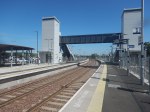
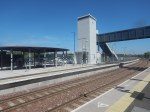
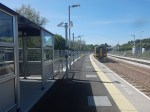
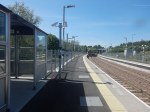
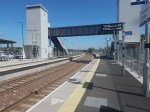
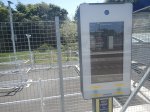
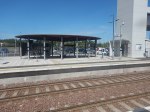
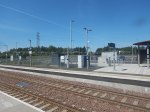
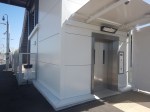
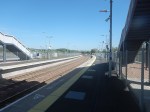
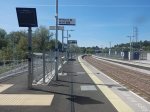
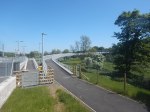
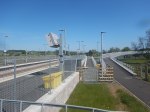
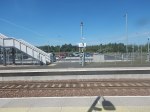
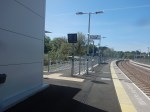
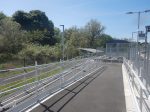
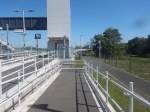
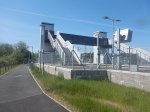
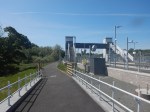
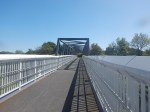

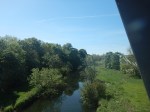
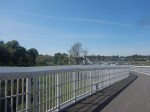
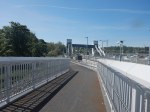
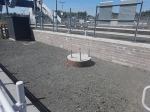
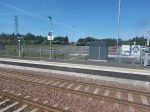
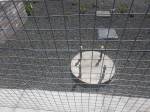
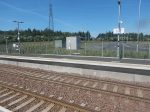

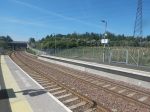
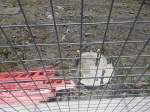
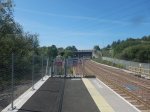
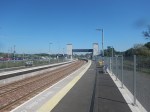
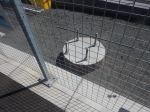
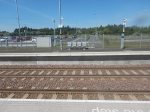
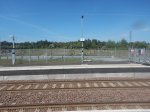
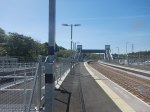
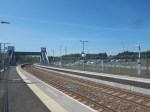
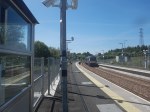
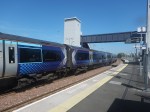
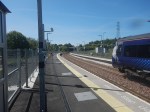
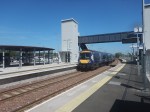
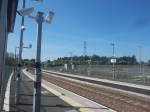
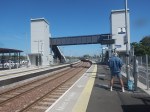
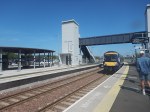
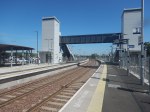
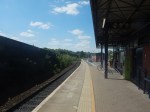
Note.
- The station has a car-park on the coming-home-from Edinburgh platform.
- There is a bridge over the River Leven, that appears to lead to new housing.
- The step-free bridge appears to be used by local residents to cross the railway.
- There appears to be a walking route for the nearby factory, which distills Scotland’s national spirit.
But as the pictures show the station has some unusual features for a small station with one train per hour (tph).
Parking
This extract from the Internet describes the parking.
A car park is available for customers with 125 spaces, including Electric Vehicle (EV) charging and blue badge spaces, as well as a drop off/pick up area and motorcycle parking.
They certainly seem to be expecting lots of commuters to Edinburgh, which is 34.5 miles away over the river.
Long Platforms
As the pictures with the three-car Class 170 train show the platforms are long.
I estimate that the platforms could take a pair of four-car Class 385 trains and almost take a nine-car Class 800 or 802 train.
Is this wishful thinking or prudent future-proofing as extending platforms can be a much more difficult exercise, than building them in the first place.
Perhaps, plans include a lot of housing, a major educational establishment, a sports stadium or some large factories to add to the distillery and long trains will be needed to serve the station.
Electrification Foundations
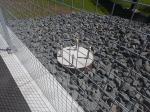
What surprised me, is that the station has been fitted out with the foundations for electrification gantries. There are five pairs all with four strong bolts to support the gantries over the track. This gallery shows some of the foundations.
But what also surprised me was that at no other place on the route between Edinburgh and Leven, were any electrification works visible, except where the electrification is completed between Edinburgh and Edinburgh Gateway.
I estimate that the distance between Cameron Bridge and Edinburgh Gateway is about thirty-seven miles as the train travels, which should be in range of one of ScotRail’s Hitachi Class 385 trains, that had been fitted with batteries.
- The trains would charge their batteries on the run between Edinburgh Waverley and Edinburgh Gateway stations.
- The trains would run between Edinburgh Gateway and Cameron Bridge stations on battery power. The eight intermediate stations would not have to suffer diesel trains.
- The trains would put up the pantograph at Cameron Bridge station and charge the batteries on a short length of overhead wires that will be erected there on both platforms.
- The train would run to Leven station on battery power, where it would reverse, as it does now and then return to Cameron Bridge station.
- At Cameron Bridge station, it could even pick up more charge if needed.
Note.
- The only new electrification needed would be to electrify both lines in Cameron Bridge station.
- Supposedly, Hitachi do a nice line in short lengths of electrification and all the electrical gubbins that support them.
- Because of the large distillery, Cameron Bridge is not short of electricity, with a large grid connection visible at the Edinburgh end of the station.
- No electrification will be needed over the Forth Rail Bridge, to the delight of the Heritage Taliban.
Whoever gets the contract to supply the battery-electric trains and the partial electrification, will be supplying trains that will cross one of most famous railway bridges in the world.
I also predict, that this short rail link between Edinburgh Waverley and Leven will become a tourist attraction and bring prosperity to the area.
Electrifying The Fife Circle
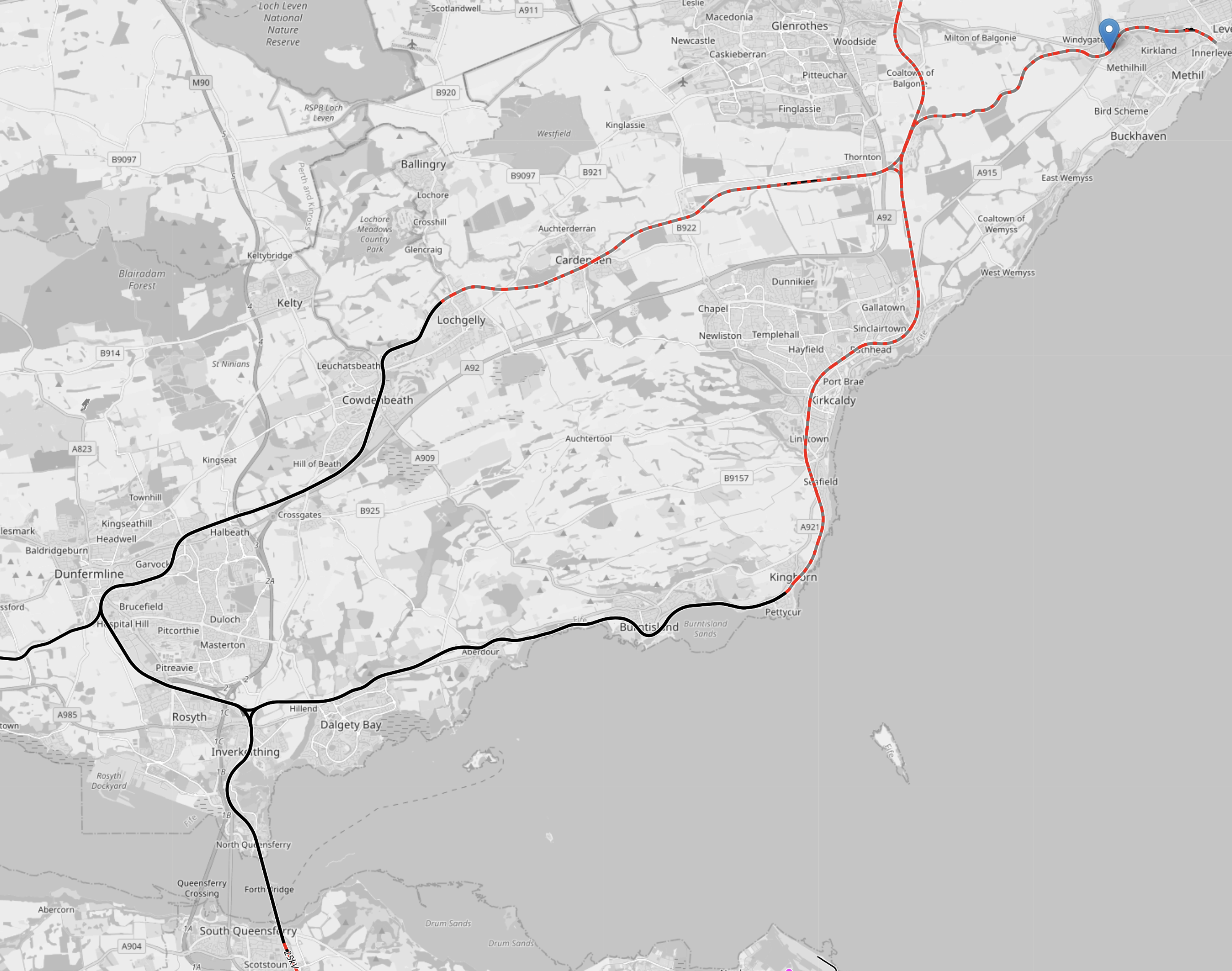
This OpenRailwayMap shows the whole Fife Circle Line.
Note.
- Lines shown in red are electrifield, whilst those shown in black are not and lines shown in dotted red-and-black are to be electrified.
- Cameron Bridge is marked by the blue arrow, with Leven to its East on the coast.
- The Forth Rail Bridge over the Forth of Forth is at the bottom of the map.
- To the North of the bridge, the line splits and connects to the large circular railway, which is the Fife Circle Line.
- Some trains after crossing the Forth Rail Bridge,come up the East coast via Kirkcaldy to terminate at Leven or Glenrothes with Thornton.
- Other trains from Edinburgh take the Western side of the Fife Circle via Rosyth and Cowdenbeath to Glenrothes with Thornton.
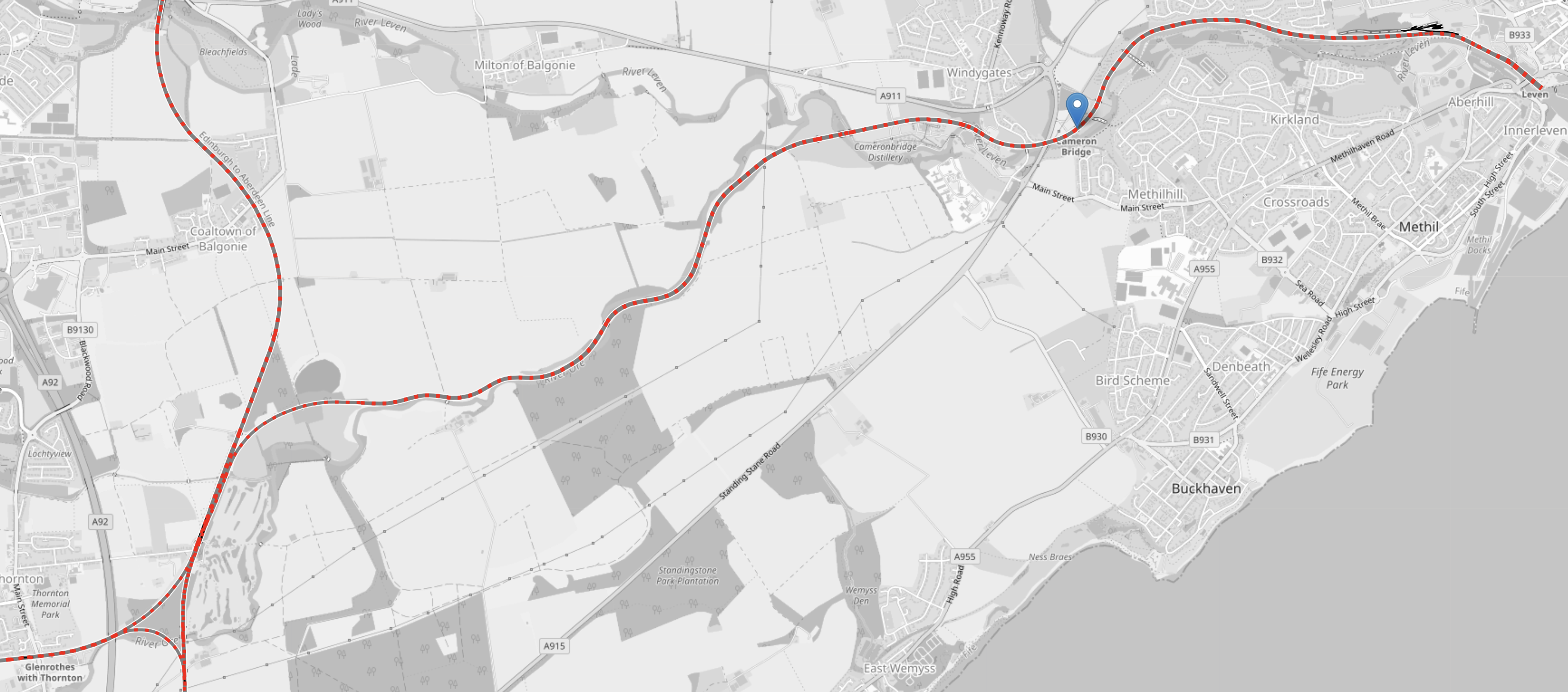
This second Open RailwayMap shows the Fife Circle Line between Cameron Bridge and Glenrothes with Thornton.
Note.
- As before, lines shown in red are electrifield, whilst those shown in black are not and lines shown in dotted red-and-black are to be electrified.
- Cameron Bridge is marked by the blue arrow, with Leven to its East on the coast.
- Glenrothes with Thornton station is in the South-Western corner of the map.
- It might even be possible for all trains to terminate on the Levenmouth Rail Link as Leven station has two platforms.
- If that is the case, the four tph would make full use of the two long platforms at Leven and Cameron Bridge stations, with the only electrification on the Fife Circle Line at Cameron Bridge station.
This is partial electrification with none of the complexity of full electrication, but with all the power it needs from the electrical connection of a large distillery.
The Wikipedia entry for the Fife Circle Line says this about the electrification.
The £55 million first phase, to electrify 65 miles (104 km) of Fife Circle track, between Haymarket and Dalmeny, for use by battery electric multiple units, was begun by Scottish Powerlines in June 2022 and is due to be completed by December 2024, although this project has been delayed and is expected to completed by December 2025. Further phases will electrify the lines between Kinghorn, Thornton, Ladybank and Lochgelly. This will allow the Fife Circle services to be operated by battery electric multiple units whilst minimising capital expenditure on infrastructure, in particular avoiding the major expense of electrifying the Forth Bridge. Complete electrification would be possible at some future date. The partial electrification was due to be completed by December 2025 but there has been some slippage in these target dates.
This OpenRailwayMap shows Kinghorn, Thornton, Ladybank and Lochgelly.
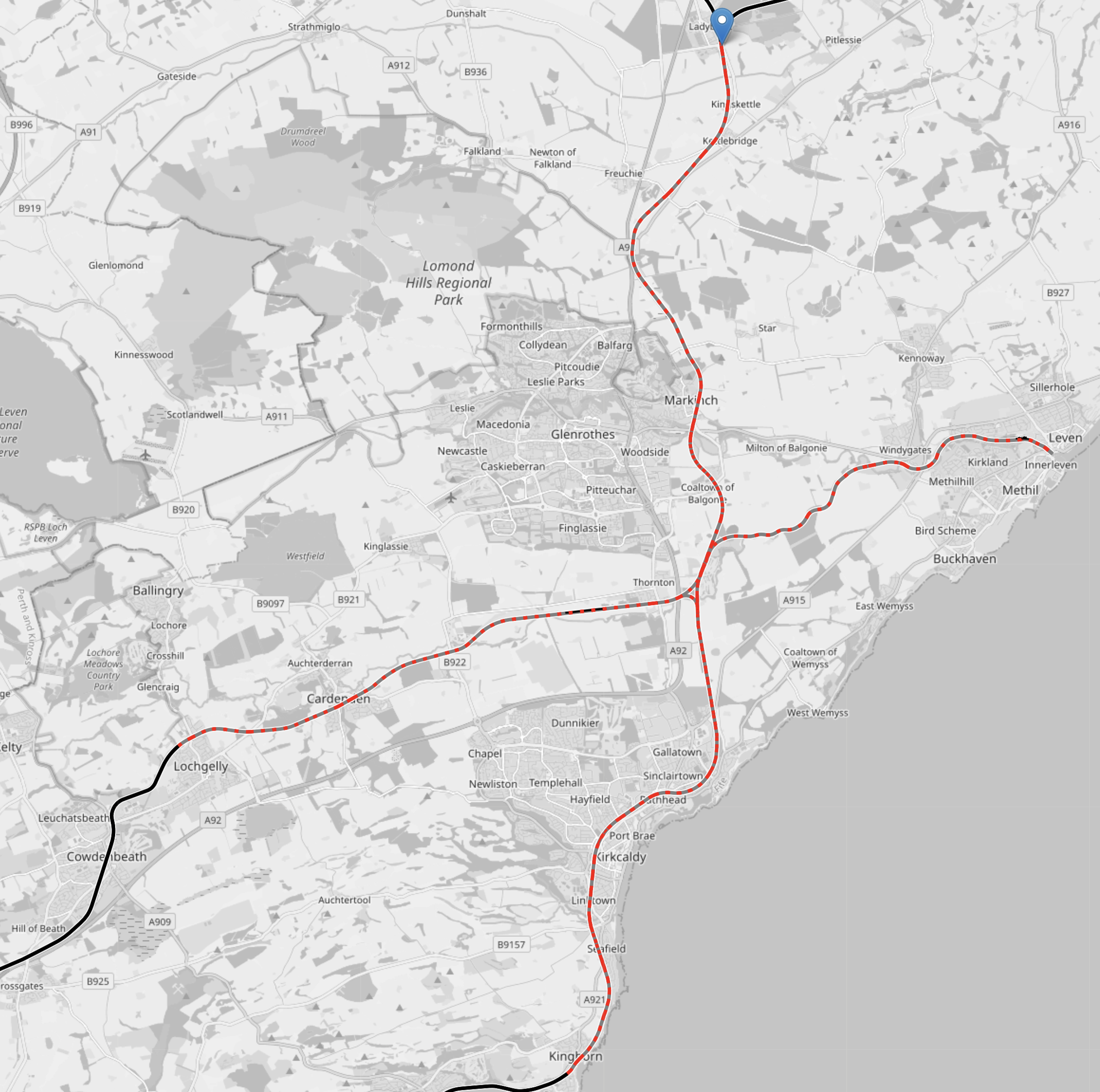
Note.
- Lines shown in red are electrifield, whilst those shown in black are not and lines shown in dotted red-and-black are to be electrified.
- Ladybank is at the top of the map indicated by a blue arrow.
- Kinghorn is at the bottom of the map on the coast.
- Ladybank and Kinghorn are connected by a section of the Aberdeen and Edinburgh Line.
- Glenrothes and Thornton are to the West of this line.
- The Levenmouth Rail Link runs to the East.
- Lochgelly and Cowdenbeath are on the West side of the map.
From what I saw yesterday, I wouldn’t be surprised if the amount of electrification to be performed has been cut back and more reliance is to be placed on on-board batteries.
Class 385 Battery-Electric Trains
The Wikipedia entry for Class 385 trains, says this about battery-electric versions.
During early 2019, Hitachi held a series of discussions with the Scottish Government on the development of a variant of the Class 385, a battery electric multiple unit (BEMU) that would be capable of running on unelectrified sections of line along a route. The installation of batteries was reportedly described as being a relatively straightforward alteration to make; an underfloor battery unit, dependent upon size, would be able to power a trainset over distances of 20 to 60 miles (30 to 100 km). The proposal drew upon Hitachi’s existing experience with battery trains operated in Japan, and had been motivated by a recommendation from the rail decarbonisation task force which advocated that such measures be implemented.
A range on batteries of sixty miles would cover the less than forty miles between Edinburgh Gateway and Ladybank.
I suspect that a range of sixty miles would bridge the gap between Edinburgh Gateway and Perth or Dundee.
Does this mean, that I think it could?
If Hitachi’s testing of their battery-electric Class 802 trains have shown phenomenal distances, then this would fit with the distances shown by Stadler’s Class 777 trains in New Merseyrail Train Runs 135km On Battery.
This leads me to believe that battery-equipped ScotRail Class 385 trains and LNER Class 800 trains are able to electrify the North of Scotland, with a few strategic charging stations like the one at Cameron Bridge station.
Why The Elizabeth Line Must Be Extended To Ebbsfleet International
There are various plans to link the Elizabeth Line to Ebbsfleet International.
In Elizabeth Line To Ebbsfleet Extension Could Cost £3.2 Billion, I showed this map from the Abbeywood2Ebbsfleet consultation.
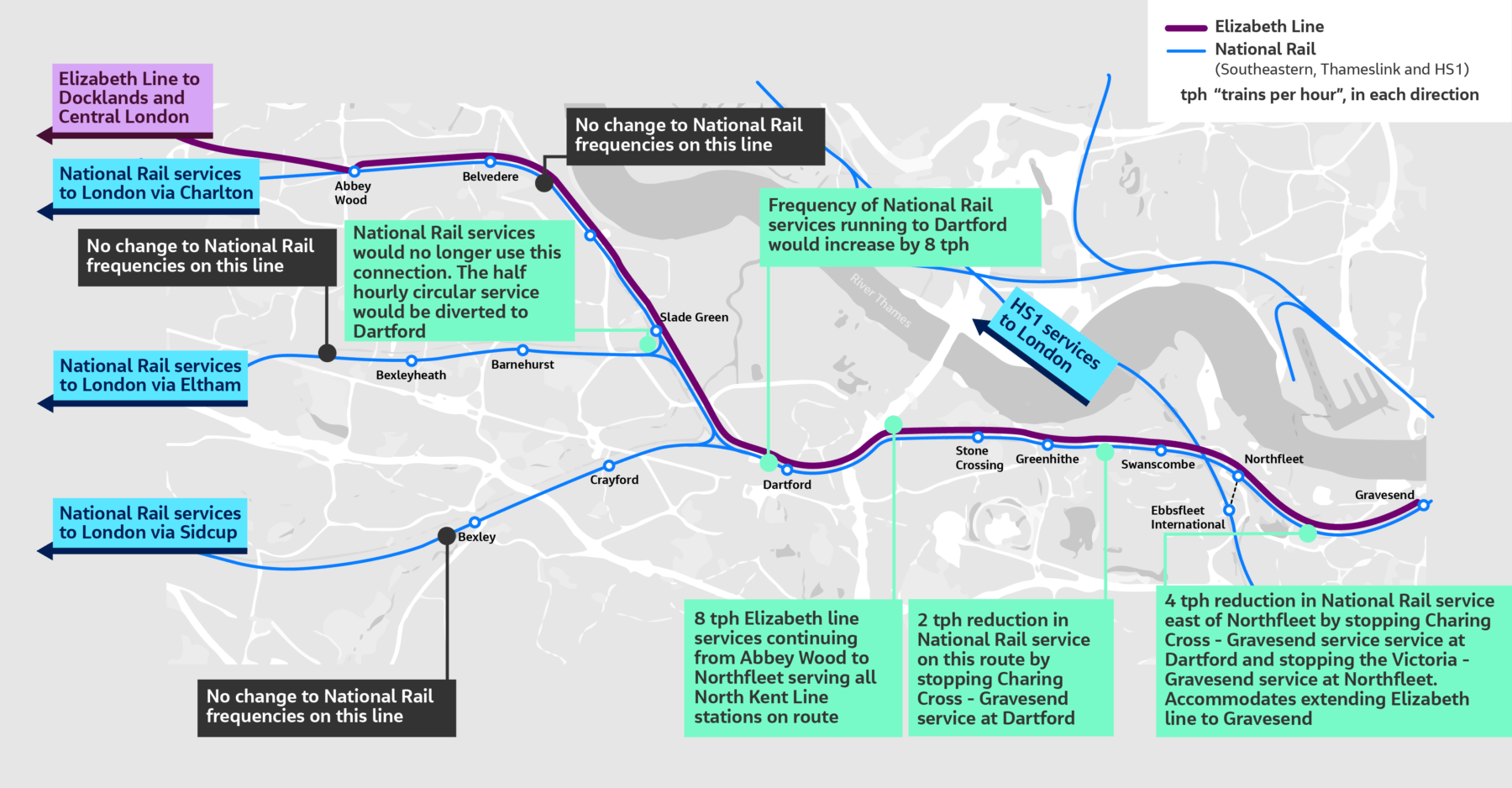
There doesn’t appear to be too much new infrastructure, except for a proper connection between Northfleet and Ebbsfleet stations. References on the Internet, say that the similar-sized Luton DART connection at Luton Airport, cost around £225 million.
The Elizabeth Line connects to the following.
- Bond Street
- Canary Wharf
- City of London
- Farringdon for Thameslink
- Heathrow Airport
- Old Oak Common for High Speed Two
- Liverpool Street station
- Oxford Street
- Paddington station
- Slough for Windsor
- Tottenham Court Road for the British Museum, Oxford Street, Soho, Theatreland and the Underground.
- West End of London
- Whitechapel for the Overground and Underground
For many people like me, the Elizabeth Line at Ebbsfleet will provide one of the quickest ways to get to and from European trains.
High Speed Two Services
This diagram shows High Speed Two services, as they were originally envisaged before Phase 2 was discontinued.
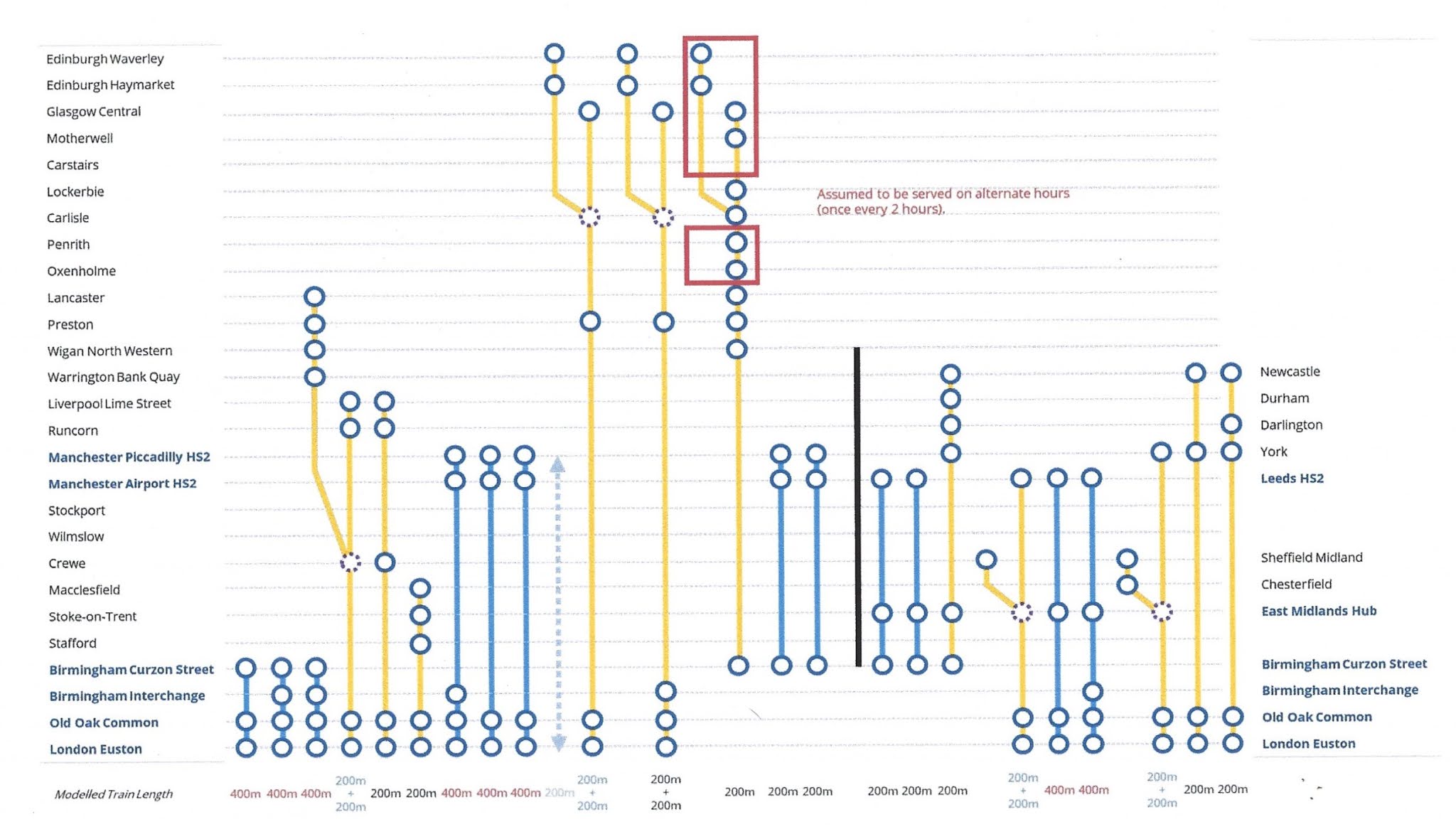
Note.
- Trains to the left of the vertical black line are Phase 1 and those to the right are Phase 2.
- Full-Size trains are shown in blue.
- Classic-Compatible trains are shown in yellow.
- The dotted circles are where trains split and join.
- In the red boxes routes alternate every hour.
- Was Lancaster chosen as it’s close to the new Eden Project Morecambe?
Click on the diagram to enlarge it.
Destinations served by the current foreshortened High Speed Two or High Speed Two Lite will be.
- Birmingham Curzon Street
- Birmingham Interchange
- Carlisle
- Carstairs
- Crewe
- Edinburgh Haymarket
- Edinburgh Waverley
- Glasgow Central
- Lancaster
- Liverpool Lime Street
- Lockerbie
- Macclesfield
- Manchester Airport
- Manchester Piccadilly
- Motherwell
- Oxenholme
- Penrith
- Preston
- Runcorn
- Stafford
- Srockport
- Stoke-on-Trent
- Warrington Bank Quay
- Wigan North Western
- Wilmslow
That is twenty-five stations.
I would add these extra stations.
- Bangor
- Blackpool
- Chester
- Holyhead
- Llandudno Junction
- Wrexham
Note.
- These extra six stations would make High Speed Two, a line for more of the people.
- Because the Eastern leg is cancelled, the paths that would have served that leg can be used to provide services for the West of the country.
The East of the country could be served by updating the East Coast Main Line.
The Development Of Eurostar
Consider.
- Eurostar and Thalys have now merged and I can see them providing extra direct services between London and Europe.
- Bordeaux, Cologne, Frankfurt and Geneva have been mentioned as possible destinations.
- Most of the new destinations, will be served by extending current services from Amsterdam, Brussels and Paris appropriately.
But to cope with the extra numbers of passengers, there will have to be extra passenger capacity at St. Pancras and/or Ebbsfleet International.
High Speed Two And Continental Services
Currently, if you want to go from the North of England or Scotland to the Continent, you do one of the following.
- Take a train to King’s Cross and walk across to St. Pancras International.
- Take a train to St. Pancras and walk to the International section of the station.
- Take a train to Euston and walk or take a bus, taxi or Underground to St. Pancras International.
Note.
- Passengers from North Wales take the Euston route.
- Some passengers will take an Elizabeth Line train to Farringdon and then take Thameslink to St. Pancras International.
- Passengers arriving at Paddington on Heathrow Express will probably take a taxi to St. Pancras International.
- Passengers arriving at Paddington on a budget will probably take the Underground to St. Pancras International.
For Londoners and those travellers, who know London well, the routes to St. Pancras International, are not to bad but they could be better.
If the current foreshortened High Speed Two or High Speed Two Lite finishes at Old Oak Common station, passengers will have to use the following routes for their onward journey.
- Elizabeth Line
- Great Western Railway – local services.
- Heathrow Express
- North London Line of the London Overground, or whatever the Mayor at the time calls it.
If the full High Speed Two or High Speed Two Lite finishes at Euston station, passengers will have to use the following routes for their onward journey.
- Avanti West Coast
- Circle, Hammersmith & City and Metropolitan Lines
- London North Western – local services
- Northern Line
- Victoria Line
- Watford DC Line of the London Overground, or whatever the Mayor at the time calls it.
These routes will be in addition to those at Old Oak Common station.
There will be two routes between High Speed Two and St. Pancras International station.
- Passengers arriving at Old Oak Common will take an Elizabeth Line train to Farringdon and then take Thameslink to St. Pancras International.
- Passengers arriving at Euston will walk or take a bus, taxi or Underground to St. Pancras International.
I am not sure that either route will have enough capacity, if High Speed Two attracts a large number of passengers.
Extend High Speed Two To Euston
I believe that this is essential, as it improves the connectivity greatly, at the bottom end of High Speed Two, as several Underground Lines will be connected to High Speed Two.
Extend The Elizabeth Line from Old Oak Common To Ebbsfleet International
I believe this too is essential, as it gives the North of England and Scotland, the connection to the Continent that they need.
There could be cross-platform connections at both Old Oak Common and Ebbsfleet International between the Elizabeth Line and the high speed lines.
Conclusion
Politicians should stop the dithering and act to give the UK, the rail connection it needs up and down the country and to the Continent.
Piling Work To Get Underway To Electrify Line To Fife
The title of this post, is the same as that of this press release from Network Rail.
These four paragraphs outline the project.
Work to lay foundations that will pave the way for the electrification of the Fife Circle is about to get underway.
The £55million Scottish Government investment in the line between Haymarket and Dalmeny will see the railway transformed to accommodate quieter, more environmentally friendly electric trains.
The first phase of work between Haymarket and Dalmeny will see Network Rail pile the foundations for masts that will carry overhead wires up to the Forth Bridge. In total it will see 25 single track kilometres (STKs) of railway electrified by December 2024.
Subsequent phases of work will see ‘partial’ electrification of lines in Fife – totalling a further 104 STKs, to enable the introduction of Battery Electric Multiple Units (BEMUs) to replace life-expired diesel units which will be phased out.
This map from Wikipedia shows the stations on the Fife Circle Line.
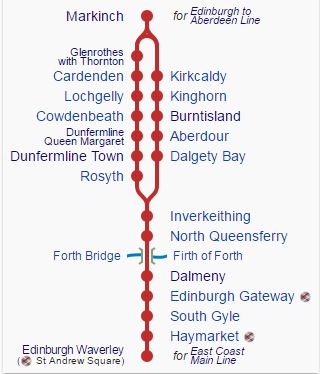
Note.
- The route is double-track.
- The route is not electrified.
- The train service is generally two trains per hour (tph) in both directions.
- The distance from Dalmeny to Glenrothes with Thornton via Cowdenbeath is 22.3 miles
- The distance from Dalmeny to Glenrothes with Thornton via Kirkcaldy is 21.4 miles
- Trains appear to wait between three and seven minutes at Glenrothes with Thornton before returning to Edinburgh by the alternate route.
I have a few thoughts.
Partial Electrification And Battery-Electric Trains
In the Notes To Editors, this is said about what Network Rail means by partial electrification.
The ‘partial’ electrification approach to the decarbonisation of the railway – beyond delivering a reduction in carbon emissions, will also reduce the ongoing net cost to the taxpayer of operating the railway at an earlier point.
Reduced upfront infrastructure and associated capital expenditure makes projects more affordable and enables electrification of key trunk routes to start as a priority so the benefits of electrified railways will be realised earlier. Additionally, it does not preclude full electrification occurring at a future date.
The Fife electrification scheme has been approved for partial electrification, using battery electric multiple units, and further development work is to be undertaken to support this. The project is part of the plan to decarbonise the passenger railway network by 2035.
This map has been downloaded from the Network Rail web site.
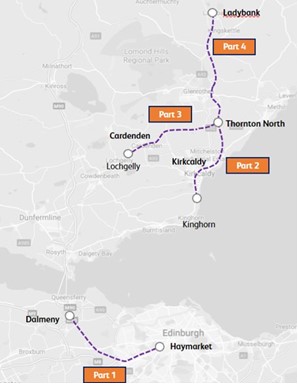
The electrification is split into four phases.
- Haymarket and Dalmeny – 25 km
- Kirkcaldy and Thornton North – 25 km.
- Lochgelly and Thornton North – 20 km.
- Thornton North and Ladybank – 34 km.
Note that the last three phases of electrification connect to Thornton North.
Thornton North is Thornton North Junction, which is shown in this map from OpenRailwayMap.
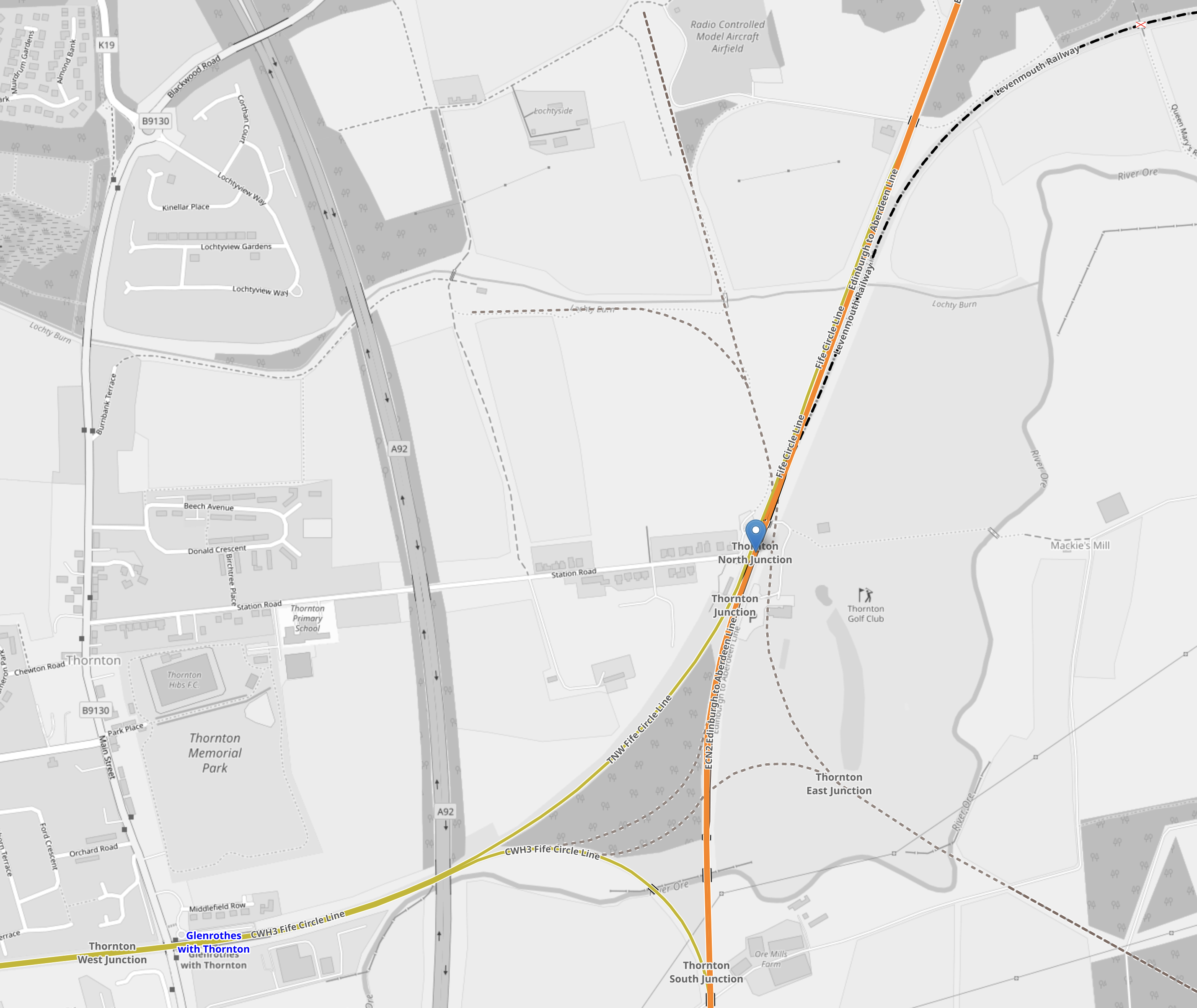
Note.
- The orange line is the main Edinburgh and Aberdeen Line. South from here, it forms part of the Fife Circle Line and goes over the Forth Bridge.
- The yellow lines going West via Glenrothes with Thornton station are the Fife Circle Line via Dunfermline.
- The lines form a triangle which is Thornton Junction.
- North Thornton Junction is the Northern point of the triangle marked by a blue arrow.
- The black hashed line going to the North-East is the Levenmouth Rail Link, which is under construction.
As the Levenmouth Rail Link will be electrified, there will be four electrified lines fanning out from Thornton North Junction.
This must make construction easier.
- Power supply can be established at Thornton North Junction.
- The Levenmouth Rail Link can be built and electrified.
- Phase 1 of the Fife Electrification between Haymarket and Dalmeny can be installed, as an extension of the electrification at Haymarket station.
- These two sections of electrification could also allow battery-electric trains to run between Edinburgh and Leven stations, as the gap is less than thirty miles.
- Phase 2, 3 and 4 of the Fife Electrification can then be installed in the preferred order.
It would appear, that someone has designed the electrification to a high standard.
The Forth Bridge
The Forth Bridge will be a nightmare to electrify.
I suspect the engineering problems can be solved, but the Heritage Taliban would probably protest about the desecration of a World Heritage Site.
Electrification Gaps And The Hitachi Regional Battery Train
The gaps in the electrification after all phases of the electrification have been completed, will be as follows.
- Dalmeny and Lochgelly – 15.2 miles
- Dalmeny and Kirkaldy – 16.4 miles
- Ladybank and Perth – 17.8 miles
- Ladybank and Dundee – 20.1 miles
The performance of the Hitachi Regional Battery Train is shown in this Hitachi infographic.

Note that a battery range of 90 km. is 56 miles.
A battery train of this performance, should be able to handle these routes.
- Edinburgh and Dundee
- Edinburgh and Glenrothes with Thornton via Kirkcaldy
- Edinburgh and Glenrothes with Thornton via Lochgelly
- Edinburgh and Leven
- Edinburgh and Perth
With one of more further stretches of electrification North of Dundee, a train with this performance should be able to reach Aberdeen.
But to handle the Fife Circle and Levenmouth Rail Link, would probably need a train with a battery range of about forty miles, to allow for a round trip, if say there were problems like lifestock on the line.
Rolling Stock Procurement
The Network Rail press release also says this about Rolling Stock Procurement.
Approval has also been given hold a procurement competition to identify a preferred manufacturer and financier for new suburban trains to operate decarbonised rail passenger services on the routes covered by East Kilbride, Fife and Borders routes, replacing 42 Class 156 trains and to replace the 55 Class 318 and 320 trains operating in the Strathclyde area.
Note.
- It would appear that the East Kilbride, Fife and Borders routes would be worked by battery-electric trains, as they are all routes without electrification.
- I wrote about the East Kilbride and Kilmarnock services in East Kilbride Electrification Underway. The largest gap is about 16.8 miles.
- I wrote about electrification of the Borders Railway in Scottish Government Is Considering Plans To Electrify The Borders Railway. The largest gap is just under 31 miles.
It looks to me that a Hitachi Regional Battery Train with a battery range of over 40 miles would be suitable for the East Kilbride, Fife and Borders routes’
Battery And Hydrogen Trains For ScotRail ‘Could Make Scotland A Global Leader’ In Zero-Emission Transport
The title of this post is the same as that of this article in the Scotsman.
This is the first paragraph.
New fleets of cutting-edge trains expected to include battery and hydrogen power are to be ordered for ScotRail which the rail industry believes will put Scotland at the forefront of zero-emission transport.
Other points from the article.
- Talgo appear to have passed the story to Scotland on Sunday.
- Three routes are mentioned; Borders Railway, Fife Circle and Glasgow-East Kilbride.
- The new trains could help phase out diesel trains by 2035, which is Scottish Government policy.
- The Inter7City trains might be replaced by 2030.
- Talgo hopes to win an order for its factory in Fife.
Talgo’s Managing Director is quoted as saying, they are starting testing of a hydrogen and electric train with a range of 311 miles.
Consider.
- I wrote about this train in Talgo To Begin Fuel Cell Loco Trials.
- Talgo’s hydrogen and electric train would be ideal for Scotland’s railways of which only forty percent are electrified.
- A four or five-car high specification hydrogen and electric train would be ideal for the Inter7City routes, if it were built specifically for the routes.
- The range would cover all of Scotland.
- Hydrogen hubs are being planned all over Scotland.
- Scotland have 26 Inter7City trainsets.
This could be a rather nice order to fund the factory and test all the trains close to the factory.
Is there a better place to show off your new train to a prospective buyer than the Highlands of Scotland?
In A Class 319 Train, But Not As We Know It!, I told this tale.
I am reminded of a tale, that I heard from a former GEC manager.
He was involved in selling one of GEC’s Air Traffic Control radars to a Middle Eastern country.
The only working installation of the radar was at Prestwick in Scotland, so he arranged that the dignitaries and the sales team would be flown to Prestwick in GEC’s HS 125 business jet.
As they disembarked at Prestwick and walked to the terminal, the pilot called the GEC Manager over.
The pilot told him “The Scottish Highlands at this time of the year, are one of the most beautiful places in the world! Would you and your guests like a low-level tour on the way back? I can arrange it, if you say so!”
Despite knowing GEC’s draconian attitude to cost control he said yes.
The sale was clinched!
I’m sure that Talgo will exploit the scenery and the local produce.
Talgo’s Hydrogen Trains
This page on the Talgo web site, is entitled Talgo’s Hydrogen Train Will Be Ready In 2023.
This paragraph gives an overview of Talgo’s hydrogen power system.
This system is configured as a modular solution that can be installed on all types of trains, as well as in upgrades from diesel to hydrogen. However, it has been specifically designed for the Vittal platform for Commuter and Regional trains, which Talgo has presented in the bidding process for various tenders in Spain and other countries.
And these two paragraphs describe Talgo’s hydrogen trains in more detail.
This innovative system uses hydrogen batteries that provide the energy for the train’s electric motors. It is powered by renewable energy sources, such as solar photovoltaic or wind, which produce hydrogen that is stored and then used to power fuel cell-based propulsion systems, such as the one designed by Talgo. The system is complemented by batteries that increase the speed of the train when it starts, taking advantage of the braking system to recharge it.
Unlike the extended battery systems in the automotive industry, hydrogen (H2) technology is the logical answer to the needs of heavy transport and, in particular, of those railway lines that do not have catenary electrification systems, and which today depend on trains powered by diesel engines. The hydrogen system designed by Talgo enables conventional network lines to be “electrified” without the need for costly and lengthy adaptation operations, and without the use of fossil fuels.
What do they mean by hydrogen batteries? Looking at the German and the Spanish on the page, I think Talgo means hydrogen fuel cells.
The Rebuilding Of Ukraine
It should be noted that Talgo have sold trains in the past to Russia, which has a gauge of 1.520 metres, which lies between Iberian gauge of 1.668 metres and our standard gauge of 1.435 metres.
- Talgo have also sold trains to Germany, who use standard gauge.
- Talgo have built Strizh trains for Russia, that are both standard gauge and Russian gauge for running between Berlin and Moscow.
- According to the BBC and The Times, Ukraine’s railways have been an important lifeline during the Russian invasion, but pictures show they are in need of modernisation and more electrification.
- The Strizh trains or a development would surely be ideal for running between Kviv and Berlin, Budapest, Prague and Warsaw.
- There would also appear to be a need for a hydrogen and electric regional train to reconnect the country back together.
- Other countries using Russian gauge include Mongolia, Kazakhstan, Kyrgyzstan, Tajikistan, Turkmenistan, Uzbekistan, Armenia, Azerbaijan, Georgia, Belarus, Moldova, Estonia, Latvia, Lithuania, and Finland.
So are Talgo positioning themselves to take part in the modernisation of Ukraine’s railways, once the war is over?
- Development and testing is done in Spain and Scotland.
- Manufacturing could be done in Spain and Scotland.
- Delivery from Scotland could either be by ship or if they were dual-gauge trains, they could be hauled through the Channel Tunnel and then through Germany and Poland.
As Talgo has the technology, I can certainly see them exploiting the Russian gauge market once Vlad the Mad has gone.
Electrification Plans For Line Between Fife And Clackmannanshire
The title of this post, is the same as that of this article on Rail Technology News.
This is the introductory paragraph.
The next stage of development work is due to begin for Network Rail engineers between Alloa and Longannet, which could see passenger services return between Clackmannanshire and Fife.
The article also makes these points.
- As part of the Scottish Government’s decarbonisation plan, it is hoped the former freight line will be electrified.
- Engineers will be conducting survey work and site and geological investigations.
- Three new stations are also hoped to be introduced at Clackmannan, Kincardine and Longannet.
- The work is also hoping to bring a two trains per hour (tph) passenger service between Alloa and Longannet.
There will be a lot of surveying and planning before work starts.
Existing Rail Routes And Services In The Area
These are the current routes and services in the area.
Alloa Station
Alloa station was closed in October 1968, when Harold Wilson was Prime Minister and re-opened in 2008.
Wikipedia says this about the re-opening.
Under Scottish Executive funding, the line between Stirling and Alloa was reopened to both passenger and freight traffic, with a key benefit being a reduction in congestion on the Forth Railway Bridge.
The basic train service is an hourly service to Stirling and Glasgow run by a Class 385 train.
Journey times are as follows.
- Alloa and Stirling – 9-15 minutes
- Alloa and Glasgow Queen Street – 45 minutes
Trains seem to take about twelve minutes to turnround at Alloa station.
This Google Map shows Alloa station.
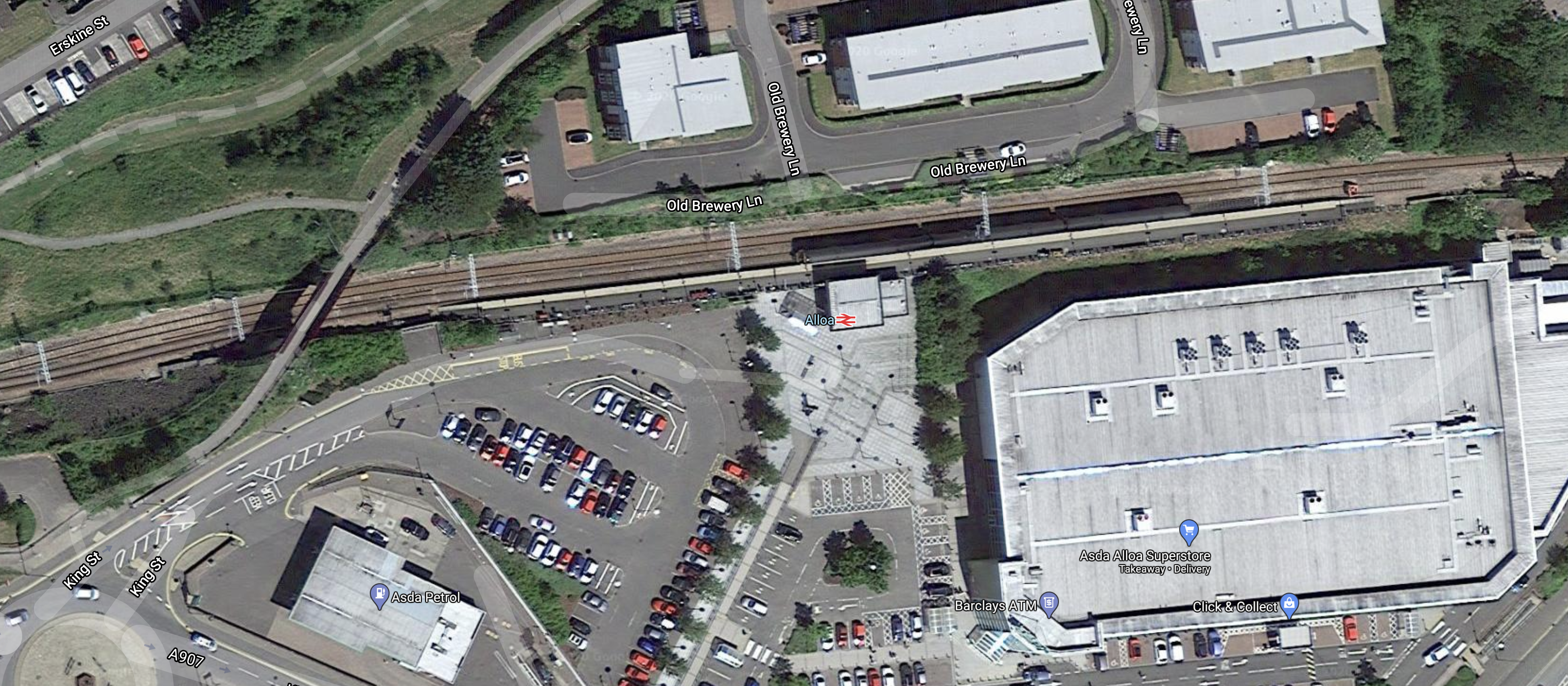
Note.
- The station currently only has one platform.
- A second line is already laid through the station and although, it is not electrified, the gantries are positioned to electrify the second track.
- The two tracks merge into one to the West of the station.
- All passenger trains currently use the Southern platform.
This picture shows the station, just before the electric train services started.
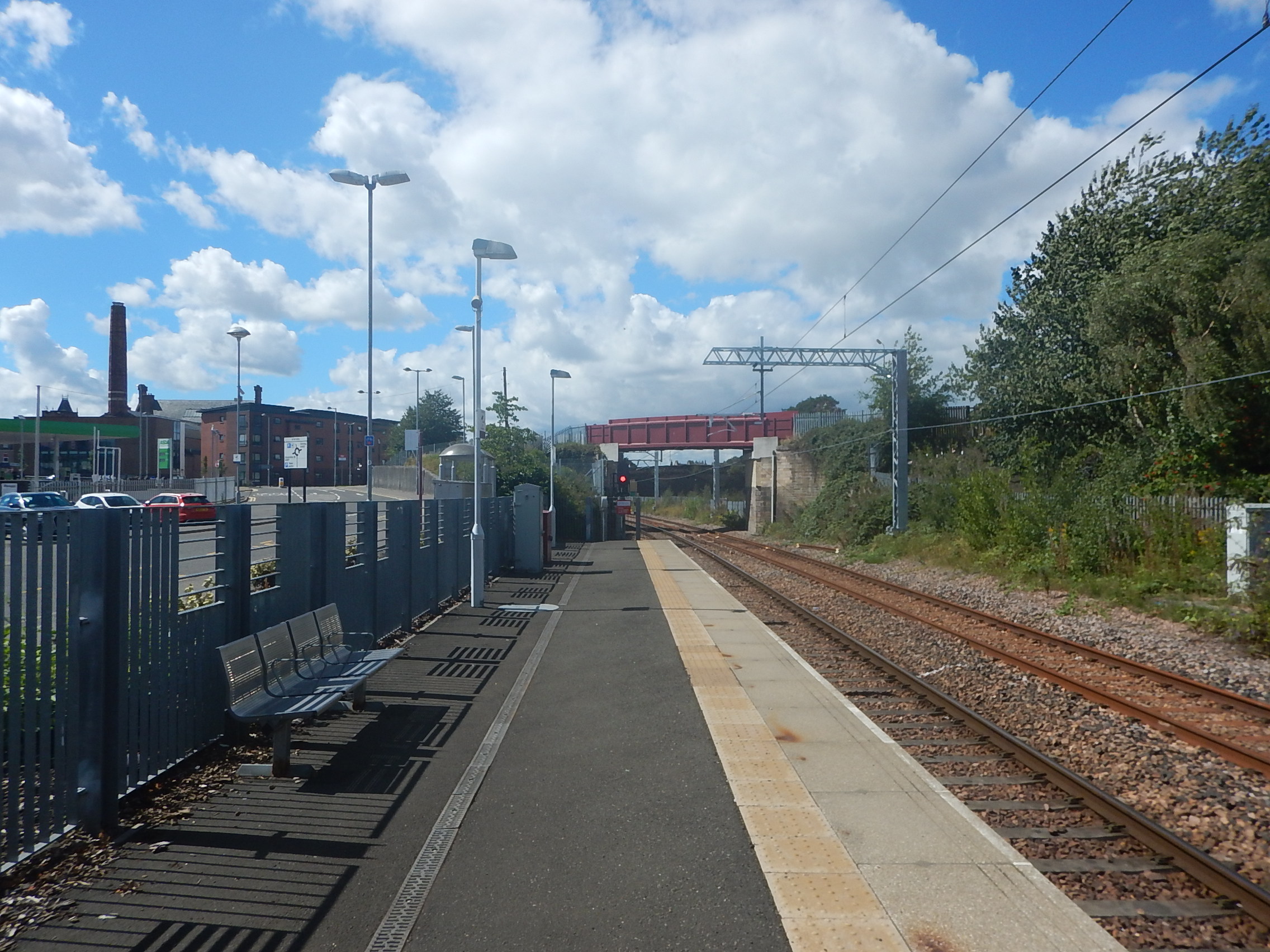
The station also must have one of the largest station shops in the UK, which is an Asda superstore.
The Kincardine Line
The Kincardine Line is the one proposed for electrification.
- It is currently, a freight-only route, that was re-opened to serve Longannet power station.
- At Alloa station, it is an extension of the route from Stirling.
- It may be connected to the new Talgo factory at Longannet, that I wrote about in A Spaniard In The Works!, as the factory will surely need electrified rail access, if any electric trains for the UK are to be built or serviced there.
- The line passes through Clackmannan, Kincardine and Longannet.
As the route used to handle long coal trains, could it handle a 200 metre long classic-compatible high speed train, that Talgo might build for High Speed Two at Longannet?
The Fife Circle Line
According to Wikipedia, the Fife Circle Line is the local service North from Edinburgh, that goes in a long loop through Fife.
This map from Wikipedia shows the stations on the Fife Circle Line.
Note.
- The route is double-track.
- The route is not electrified.
- The train service is generally two trains per hour (tph) in both directions.
- The distance from Dalmeny to Glenrothes with Thornton via Cowdenbeath is 22.3 miles
- The distance from Dalmeny to Glenrothes with Thornton via Kirkcaldy is 21.4 miles
- Trains appear to wait between three and seven minutes at Glenrothes with Thornton before returning to Edinburgh by the alternate route.
The map doesn’t show the connection with the Kincardine Line at Dunfermline Town station.
This Google Map shows the Fife Circle Line, through Dunfermline Town station.
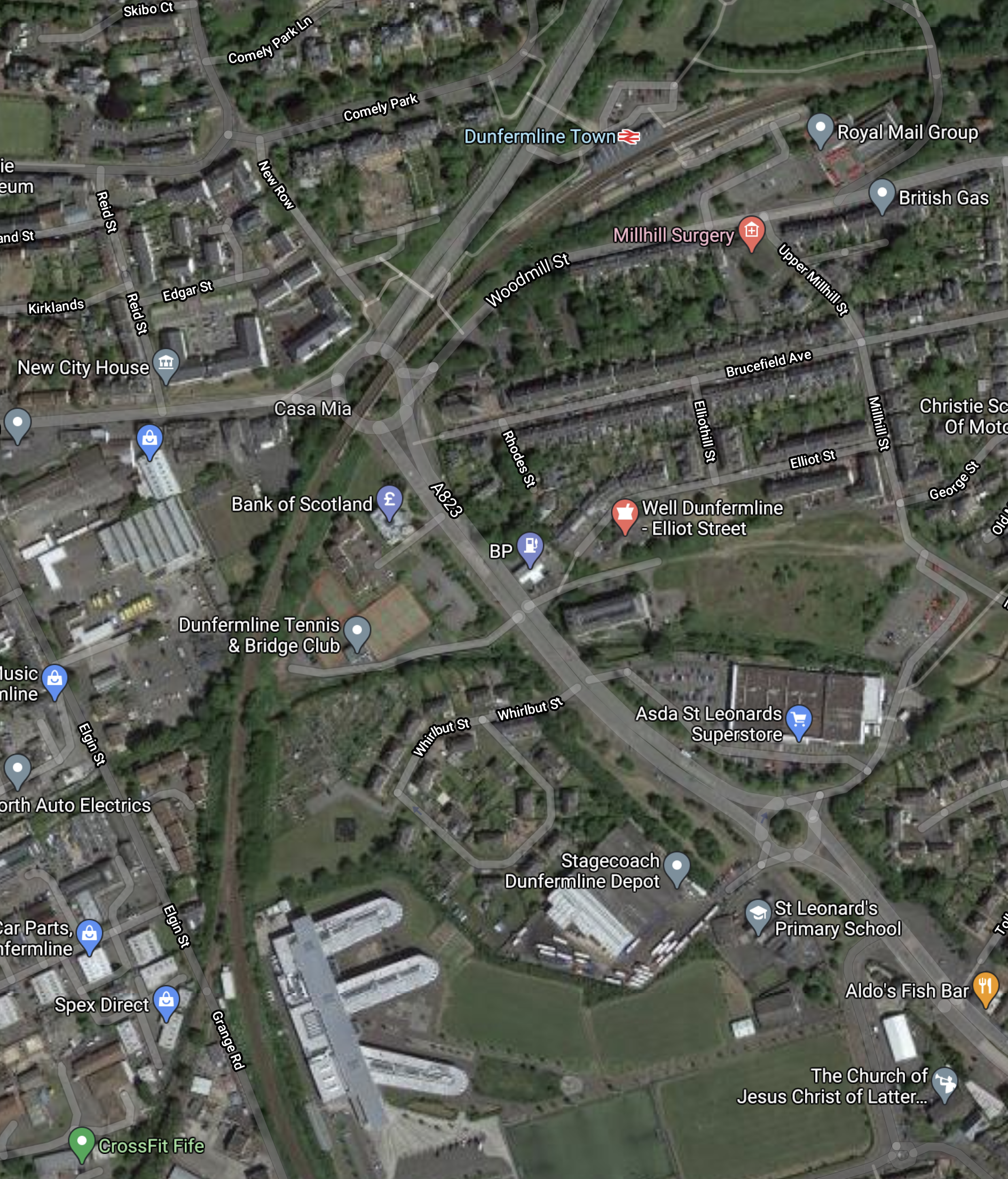
Note.
- Dunfermline Town station at the top of the map, is indicated by a station sign.
- The Northbound Fife Circle Line to Cowdenbeath leaves the map in a North-Easterly direction.
- The Southbound Fife Circle Line to Rosyth and Dalmeny, runs behind the building that looks strangely like a signpost and leaves the map in a Southerly direction
- There is a junction, called Charlestown Junction, where the Kincardine Line joins the Fife Circle Line.
This Google Map shows Charlestown junction.
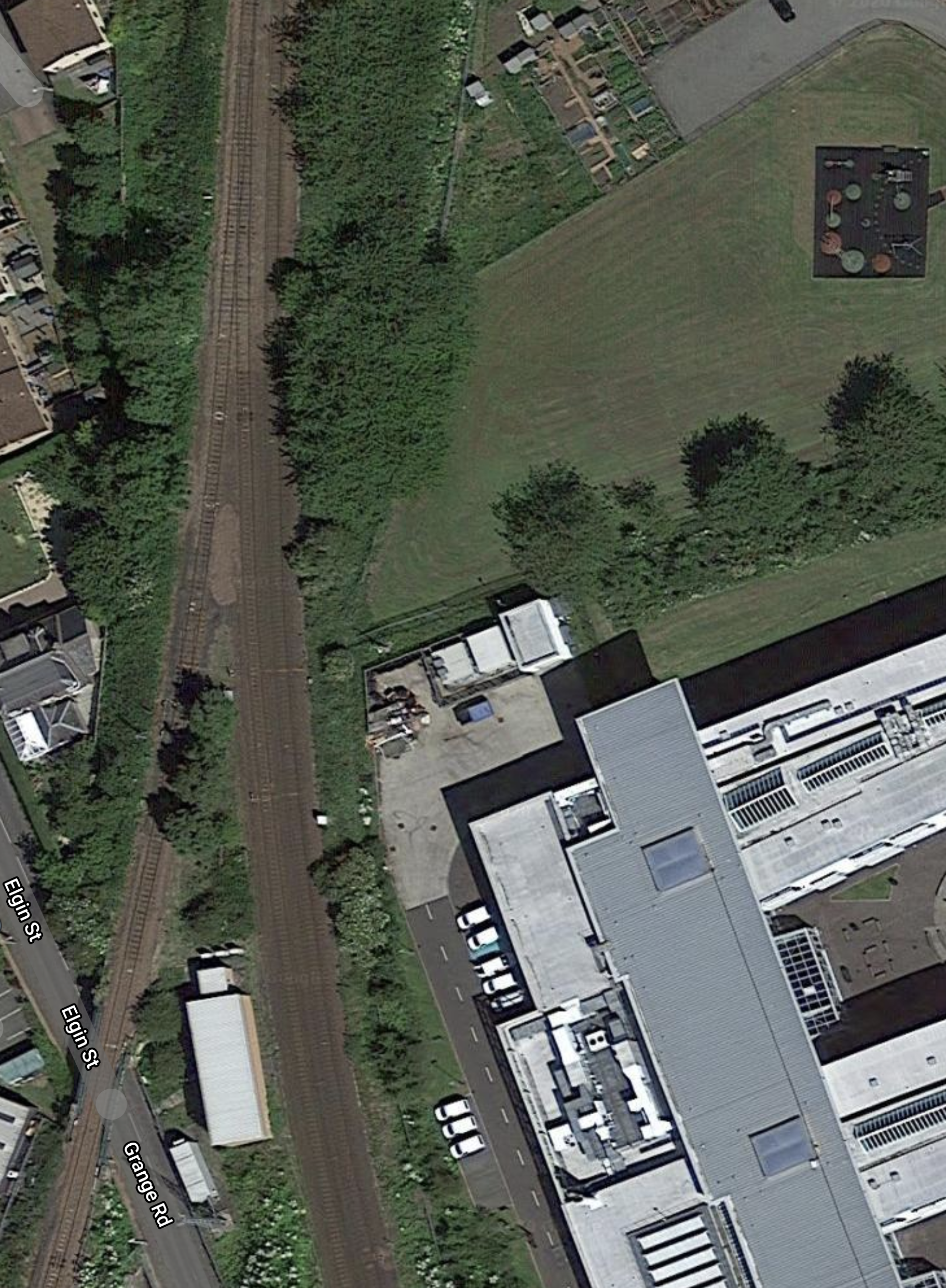
Note.
- The Fife Circle Line is double-track.
- The Kincardine Line is only single-track.
- Trains must enter and leave the Kincardine Line from a Northerly direction.
- There is a cross-over between Charlestown junction and Dunfermline Town station.
The Google Map shows Dunfermline Town station to a larger scale.

It looks like fitting in an additional platform could be difficult.
Hitachi’s Regional Battery Train
I am introducing this train into the discussion, as the train might be an alternative to electrifying the Kincardine Line.
This infographic from Hitachi, describes the train.
Note that 90 kilometres is fifty-six miles.
From what Hitachi have said, it is likely that Class 385 trains, as used by ScotRail could be fitted with batteries and become a version of the Regional Battery Train.
- They could be three or four cars.
- They could work in pairs.
- They would have a 100 mph operating speed.
Even on battery power, they might save time, against the current diesel units working services in Scotland.
Regional Battery Trains And The Fife Circle Line
This map shows the rail system to the West of Edinburgh.
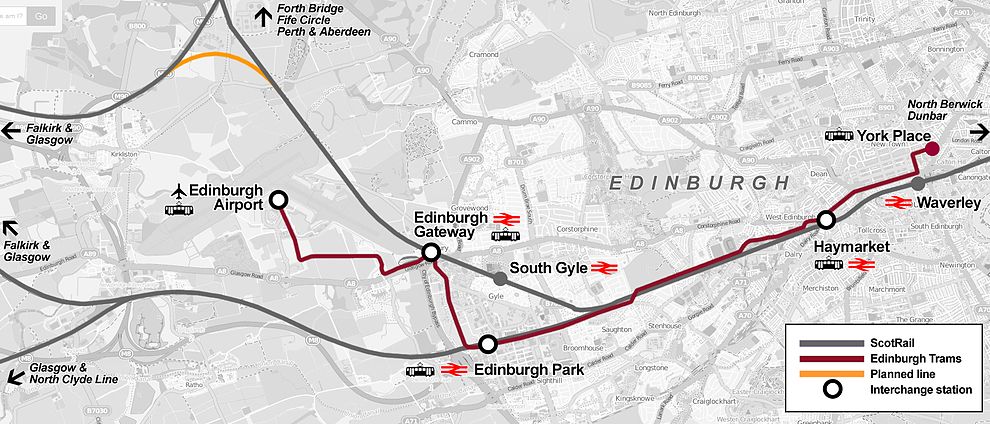
All lines except for the route through South Gyle and Edinburgh Gateway stations are electrified.
A train going round the Fife Circle Route would do the following legs.
- Edinburgh and South Gyle – 4.5 miles – All but one mile electrified.
- South Gyle and Dalmeny – 5 miles – Not electrified.
- Dalmeny and Glenrothes with Thornton via Cowdenbeath – 22.3 miles – Not electrified
- Glenrothes with Thornton and Dalmeny via Kirkaldy – 21.4 miles – Not electrified
- South Gyle and Dalmeny – 5 miles – Not electrified.
- Edinburgh and South Gyle – 4.5 miles – All but one mile electrified.
This gives the following totals
- Not electrified via Cowdenbeath – 28.3 miles
- Not electrified via Kirkcaldy – 27.4 miles
- Round trip – 62.7 miles
- Electrified – 7 miles
It would be very tight for a Regional Battery Train to do a round trip of 62.7 miles consistently with a range of just 56 miles, with only seven miles of electrification at the Edinburgh end.
But if charging at Glenrothes with Thornton were added, this would enable the trains to start out on the near thirty miles without electrification with full batteries from both ends. They would be unlikely to run out of power halfway.
Regional Battery Trains And The Levenmouth Rail Link
In Scottish Government Approve £75m Levenmouth Rail Link, I wrote about the five-mile long Levenmouth Rail Link, and how it could be run by battery trains.
Since I wrote that post, Hitachi have announced their Regional Battery Train.
- If these were used on the route, they would join the Fife Circle at Thornton North Junction.
- I estimate that the track distance that is not electrified between Leven and Edinburgh via Thornton North junction, is about thirty-five miles, whether the trains go via Glenrothes with Thornton and Cowdenbeath or Kirkcaldy,
As with the Glenrothes with Thornton service, if there was charging at at both ends, the route would be within comfortable range of Hitachi’s Regional Battery Trains.
Regional Battery Trains And The Kincardine Line
Rough distances by road along the Kincardine Line are as follows.
- Alloa and Longannet – 8 miles
- Alloa and Dunfermline Town – 15 miles
- Alloa and Glenrothes with Thornton via Dunfermline Town – 30 miles
This would surely mean that Regional Battery Trains could work all these routes.
- Trains would leave Alloa with full batteries after charging on the electrification from Edinburgh, Glasgow and Stirling.
- Longannet and Dunfermline Town could be served by a return trip from Alloa on batteries.
- Charging at the Fife end would only be needed for the Glenrothes with Thornton route.
Some might think, that this would mean the Kincardine Line needn’t be electrified. But I feel Talgo will want an electrified route to their factory, so trains can move in and out under electric power.
The Design Of The Kincardine Route
These are my thoughts on various topics, taken vaguely from West to East.
Alloa Station
Alloa station already has two tracks, but as the plans envisage two tph between Alloa and Longannet, I am fairly certain a second platform will be needed at Alloa.
There is certainly space, but the station would also need a bridge for passengers.
Perhaps, the architects will use something like this bridge design.
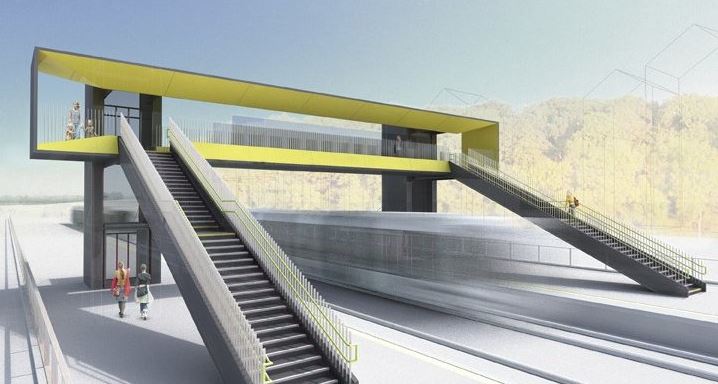
This step-free bridge won the Network Rail/RIBA Footbridge Design Competition, but has yet to be deployed on the UK rail network.
Will the two tph service between Alloa and Longannet continue West to Stirling?
I suspect the track layout with a passing loop at Cambus to add to the one at Alloa station will give sufficient track capacity, so I suspect there will be two tph between Longannet and Stirling.
Would both services terminate at Glasgow or would one go to Glasgow, with the other to Edinburgh?
Clackmannan Station
The small town of Clackmannan has a population of about 3,500 and used to be served by Clackmannan and Kennet station, which closed in 1930.
This Google Map shows the town of Clackmannan.
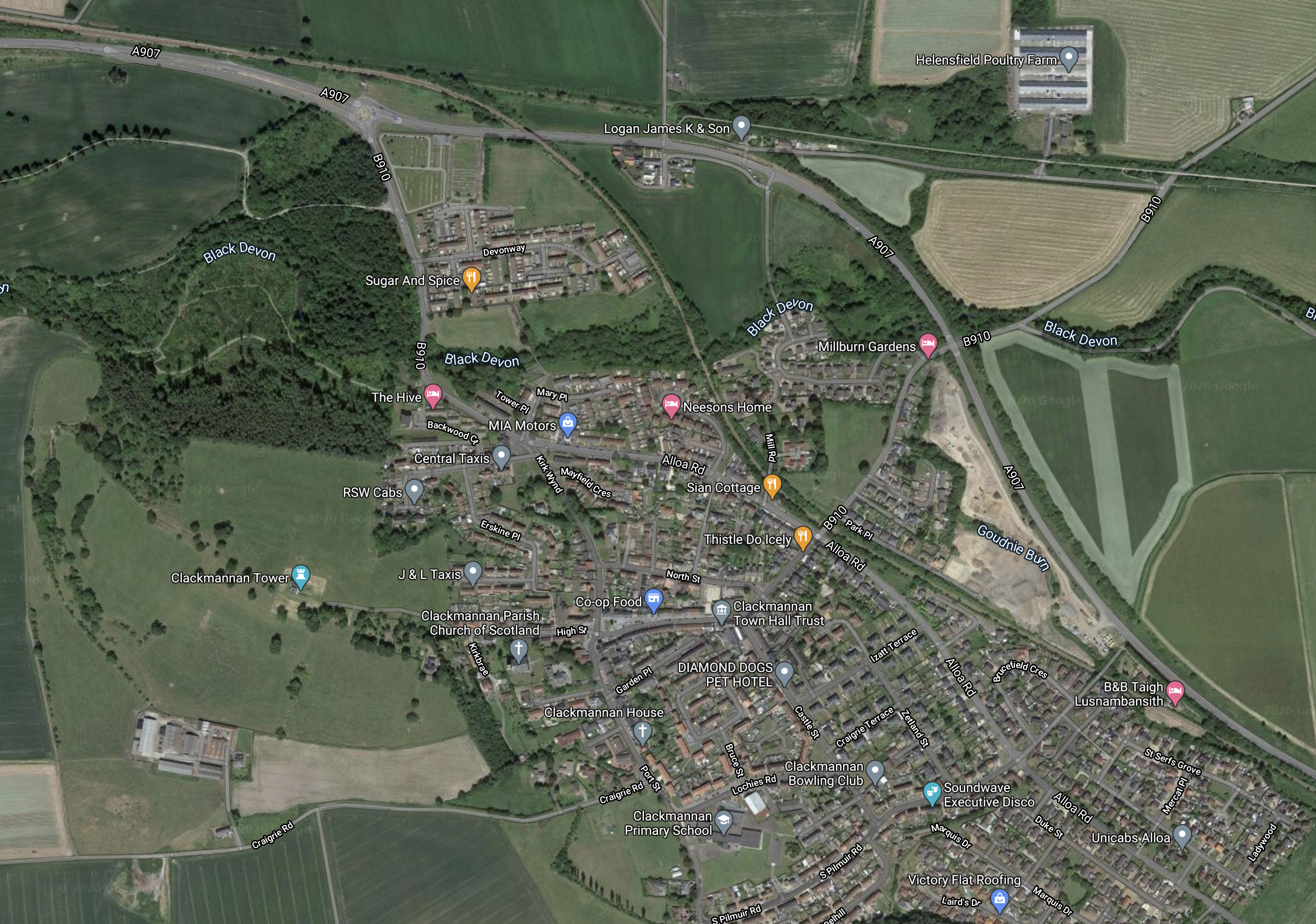
Note.
- The Kincardine Line runs between the North West and South-East corners of the map, through the centre of the town.
- The original Clackmannan and Kennet station was to the South-East of this map.
This second Google map shows an enlargement of part of the town.
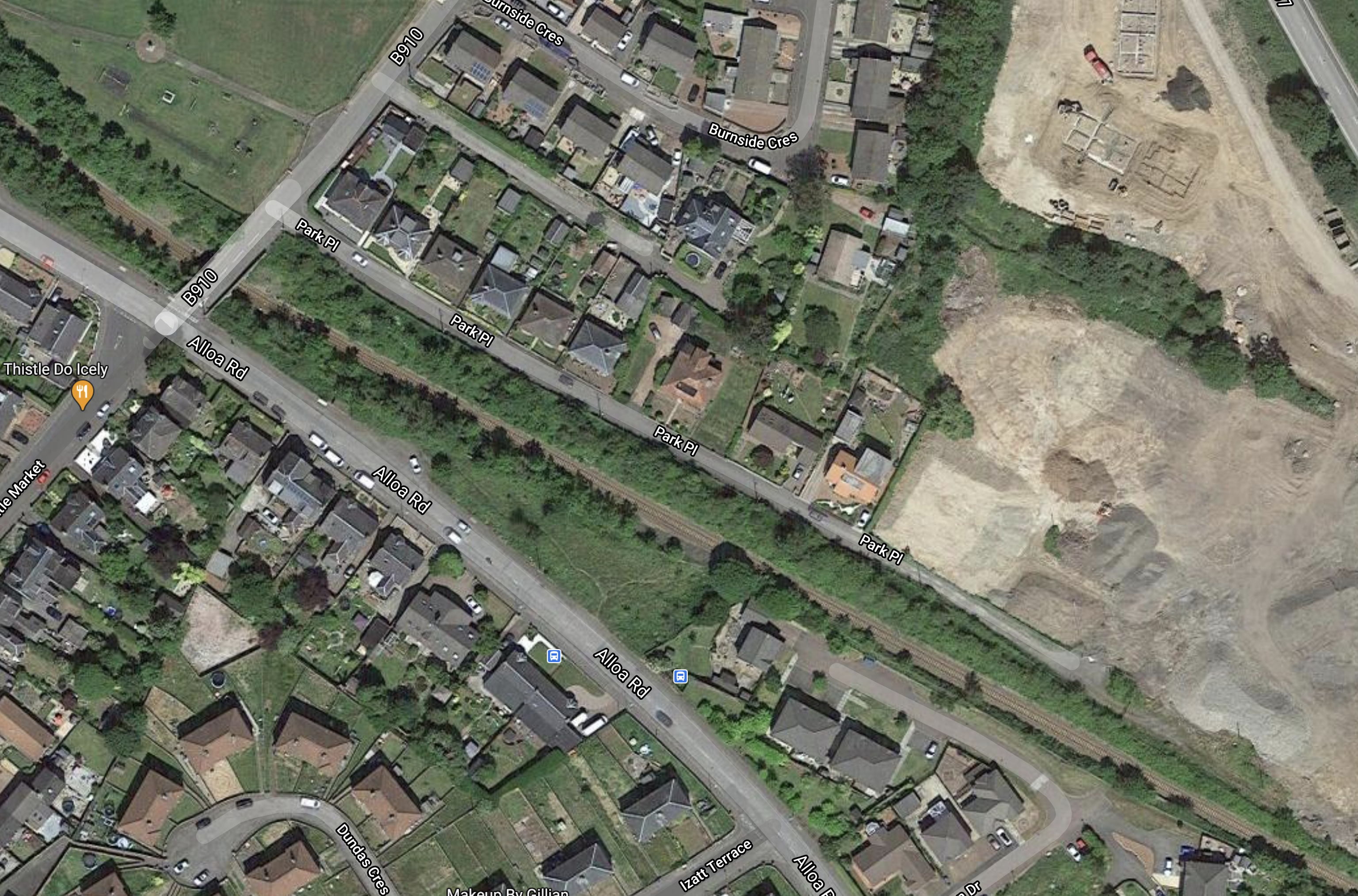
It would appear that there is space for a station.
- Only a single platform would be needed.
- What is the plan for the development site?
It could be designed as a walkway station, as has been proposed for Magor and Undy station in Wales.
Kincardine Station
The Kincardine Line runs between the small town of Kincardine and the River Forth and Kincardine station closed in 1930.
This Google Map shows the railway alongside the river.
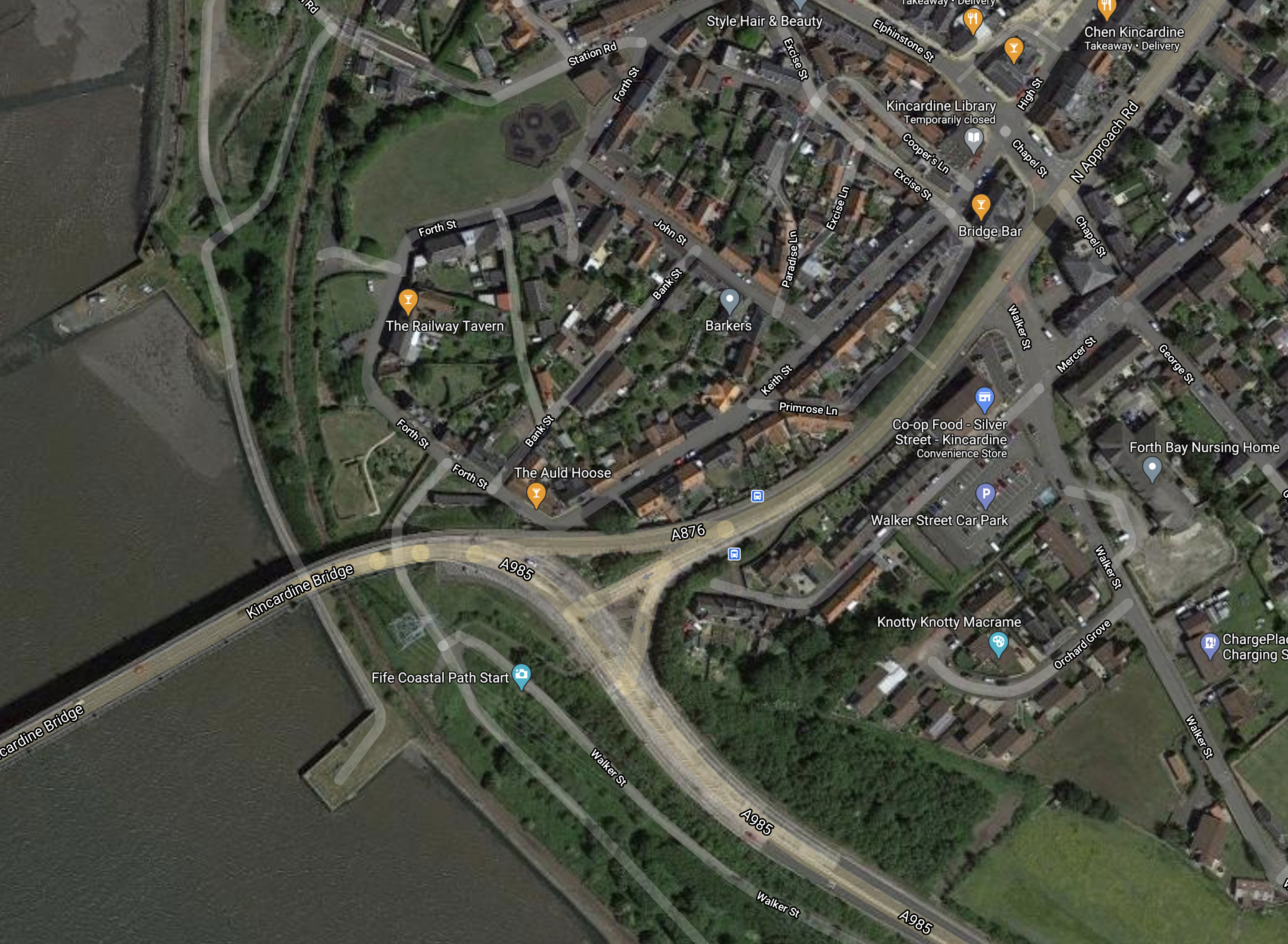
Note.
- Kincardine Bridge crossing the Firth of Forth.
- The bridge can be used by pedestrians and cyclists.
- The Kincardine Line running along the river.
- It is not a long walk between the town centre and the railway.
- The blue dot to the South of the road junction marks the start of the Fife Coastal Path, which is over a hundred miles long.
Will the station be built in this area?
Longannet Station
Longannet power station was at the time of closure in 2016, the third-largest coal-fired power station in Europe.
This Google Map shows the site.
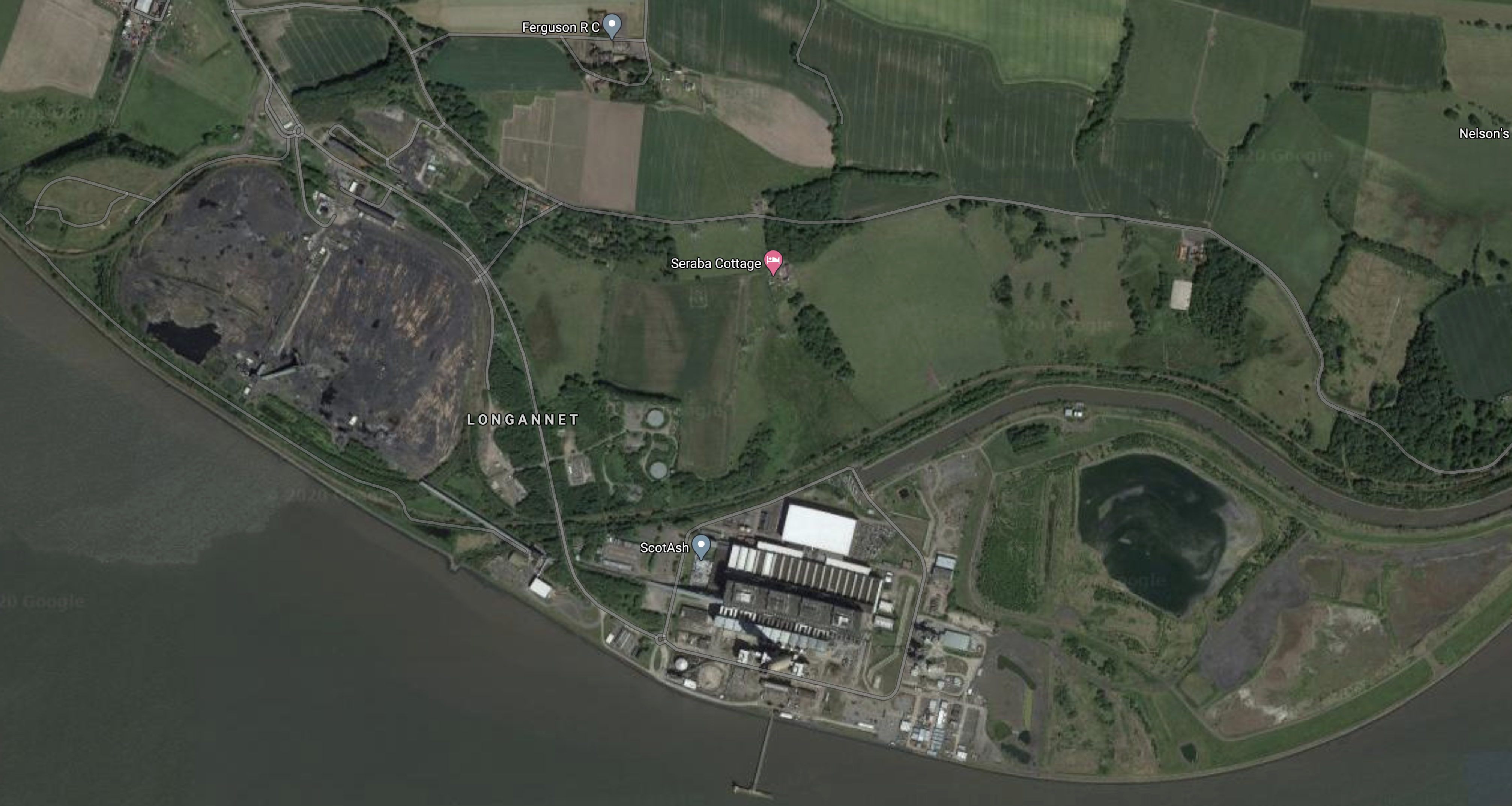
Note.
- The actual power station is in the middle.
- To the West is the coal store.
- The Kincardine Line comes along the river and then loops North of the power station, before curving down to the river to go to the East.
- There appears to be two triangular junctions either side of the coal store with a loop around the store to allow delivery of coal.
This second Google Map shows between the power station and the coal store.
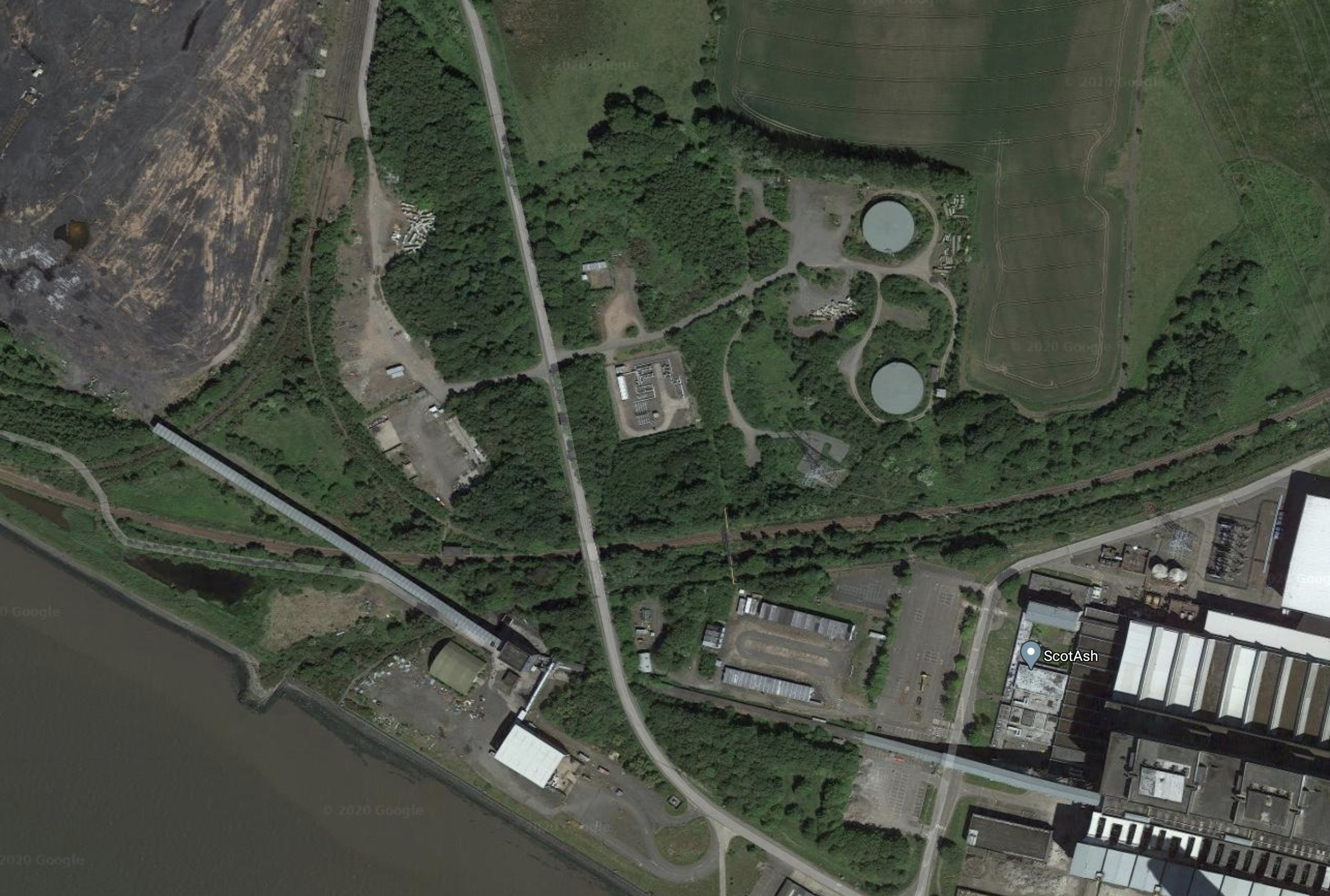
Note.
- The Kincardine Line running West-East across the map.
- The triangular junction connecting it to the loop line around the coal store.
- The coal conveyor that used to move coal from the store to the power station.
I’d certainly like to see the plans for the site, as it is one with a lot of potential.
- There is space for a large rail-connected factory for Talgo.
- The station could be placed at the most convenient place.
- There is space for a two platform station to make sure a two tph service is possible.
- There could be lots of housing and industrial units.
- there could be waterside housing.
- There could be a convenient rail service to Edinburgh, Glasgow and Stirling.
It could be a big development for the Central Belt of Scotland.
Onward To Dunfermline
I have followed the route to Dunfermline Town station in my helicopter and it doesn’t seem the most difficult of lines to reopen.
- Unlike many lines like this, there doesn’t appear to be too many bridges or level crossings.
- The connection to the Fife Circle Line looks to be adequate.
I have these thoughts.
- Cn this section of the line, could more stations be added?
- As the Fife Circle Line is not electrified, would battery electric trains be ideal?
- Would turnround facilities be needed at Dunfermline Town stations.
But at the moment, the plan is only to go as far as Longannet.
Thoughts On The Stations
The stations would generally be very simple.
- Alloa would be a two-platform station.
- Longannet might need provision for a passing loop and a second platform, so extension to Dunfermline wouldn’t be difficult.
- All other stations could be single platforms.
- All stations would be step-free.
Only two-platform stations would need footbridges.
Final Thoughts On Electrification
Consider.
- All services on the Fife Circle Line, Kincardine Line and the Levenmouth Rail Link could be run using Hitachi’s proposed Regional Battery Train, with a few charging facilities at selected stations.
- Talgo will need an electrified line to Longannet
- As Alloa and Dunfermline Town is only about 15 miles, a Regional Battery Train could run a return trip without recharging.
It would appear that only the single-track between Alloa and Longannet needs to be electrified.
Conclusion
This looks to be a good scheme.
Around The Fife Circle Line
Although, I’ve been to Scotland many times, I’d never knowingly been over the Forth Bridge in good light.
So I went all the way round the Fife Circle Line and took these pictures.
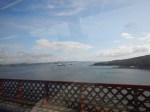

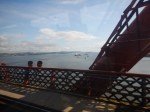
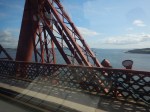
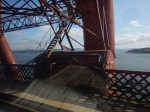
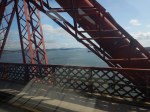
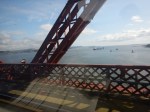
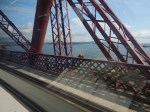
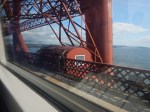
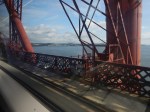
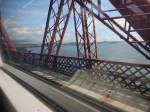
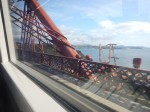
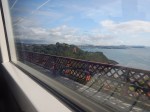

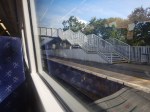
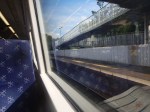
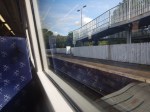
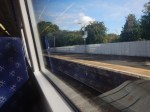
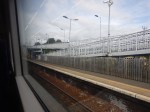
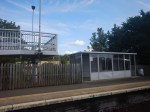
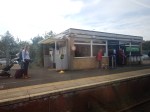
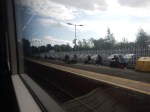
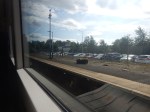
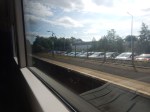
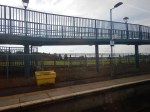
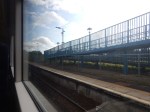
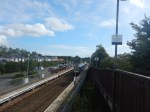
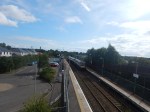
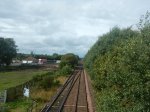
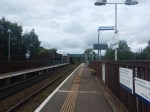
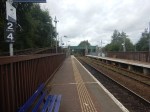
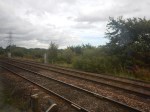
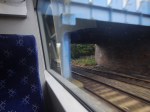
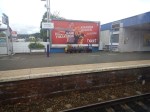
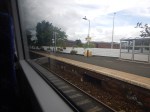
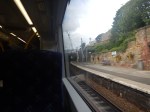
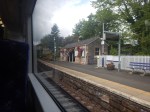
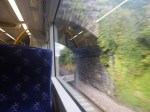
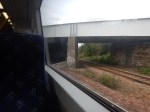
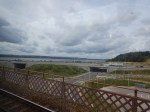
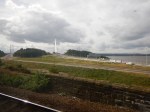
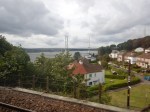
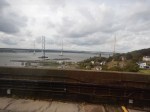
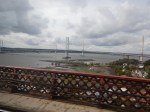
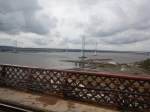
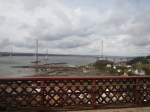
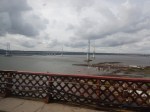
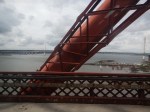
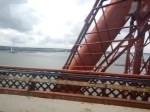
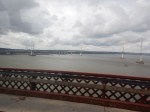
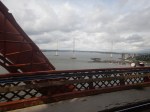
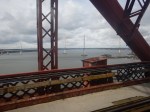
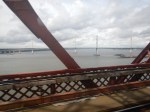
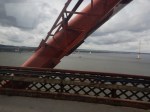
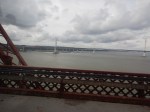
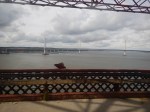
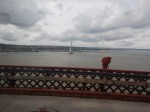
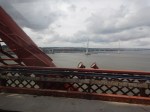
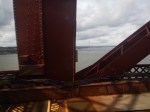
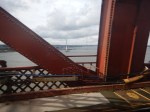
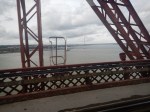
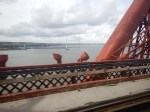
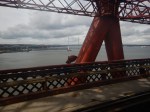
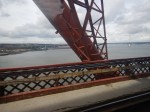
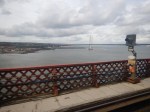
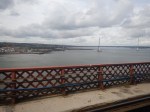
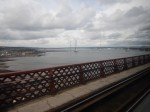
The route was fairly busy and I very much feel that the three-car Class 170 train could at times be rather small for the route.
The Fife Circle Line
This map from Wikipedia shows the stations on the Fife Circle Line.
Consider.
The route is double-track.
- The distance from Dalmeny to Glenrothes with Thornton station via Comdenbeath is 22.3 miles
- The distance from Dalmeny to Glenrothes with Thornton station via Kirkcaldy is 21.4 miles
- The train I was on waited a couple of minutes at Glenrothes with Thornton station before turning to Edinburgh.
In addition my pictures show the following.
- Many of the bridges are high- enough to allow electrification.
- On the East side of the Circle, there are some old stone bridges that would need to be raised for electrification.
- Some of the stations are step-free with ramps.
Overall, it is a typically-Scottish neat-and-tidy line, that needs some improvement, like longer electric trains and some improved stations with step-free access.
Electrification Of The Fife Circle Line
In my view, there are two major obstacles to full-electrification of the Fife Circle Line.
The Forth Rail Bridge
I feel that engineers could electrify the Forth Rail Bridge without too much difficulty.
But that is not the problem.
- The bridge is on the main route between Edinburgh and Aberdeen and North East Scotland and electrification would cause major disruption during the installation.
- There is also the Heritage Lobby, who would probably be totally against major changes to a World Heritage Site.
For these reasons, I don’t think that the Forth Bridge will be electrified.
The Stone Bridges On The Eastern Side Of The Circle
There are nearly a dozen stone arch bridges on the route through Kirkcaldy and raising these for electrification would cause major disruption to one of Scorland’s main rail routes.
Third-Rail Electrification Of The Fife Circle Line
In my view, this would be an option to get round the problems of disruption and the Forth Rail Bridge.
But, third-rail electrifrication is still-considered a method non-grata, despite being used successfully for over a hundred years in Merseyside and South of London.
I do wonder, if Brexit will make it easier to install third-rail systems.
Certainly, Hitachi who would probably make most of the electric trains that would use the Forth Rail Bridge and the Fife Circle Line have the technology for third-rail trains, which they used on the Class 395 trains for HighSpeed commuter services to Kent.
I do wonder, if Brexit will make it easier to install third-rail systems.
Battery-Electric Trains On The Fife Circle Line
In Hitachi Plans To Run ScotRail Class 385 EMUs Beyond The Wires, I discussed Hitachi’s plan to fit batteries to Class 385 trains, so they could run on unelectrified lines.
The Fife Circle Line would be an ideal route for battery-electric trains.
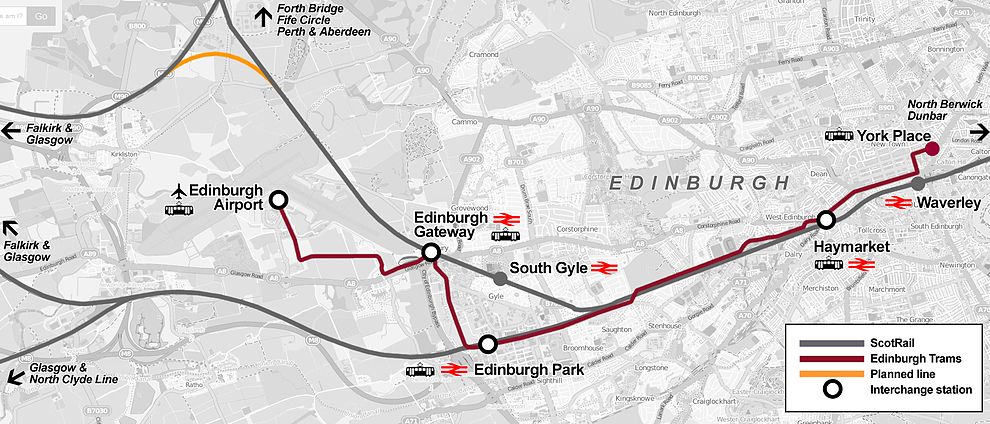
This map shows the rail lines to the South of the Forth Rail Bridge.
Note.
- An unelectrified line, through South Gyle and Edinburgh Gateway stations, connects the Forth Bridge to the main electrifield Edinburgh and Glasgow Line through Edinburgh Park station.
- There is also another unelectrified line, that connects the Forth Rail Bridge to Linlithgow, Falkirk and Glasgow.
- Shown in yellow is a proposed chord, which would create another route between Edinburgh and Glasgow.
Electrification as far as Dalmeny station, which is between the Forth Bridge and the proposed chord would enable LNER’s bi-mode Class 800 trains to use electric power for a few extra miles.
As I said earlier, the distance between Dalmeny and Glenrothes with Thorntonh station is under twenty-five miles using either the Western or Eastern side of the Fife Circle Line.
- Twenty-five miles is well within range of a battery-electric train, that has charged the battery using the electrification between Edinburgh and Dalmeny.
- Most quoted ranges for battery-electric trains are in the order of sixty miles, so a well-designed train could probably do a complete round trip from Dalmeny station.
- A charging point could be provided at Glenrothes with Thorton station to top up the batteries, whilst the train waits to return, if that were deemed necessary.
In my view, the Fife Circle Line is an ideal route for battery-electric trains. Especially, as the only new infrastructure required is as follows.
- Electrification to Dalmeny station, which may be under consideration anyway.
- Provision of a charging station at Glenrothes with Thornton station.
It is undoubtedly, the lowest cost way to provide new electric trains on the Fife Circle Line.
How Big Would The Batteries Need To Be?
I use a figure of three kWh per vehicle mile for the energy consumption of an electric multiple unit running on a typical route. My reasoning for this figure is given in How Much Power Is Needed To Run A Train At 125 mph?.
On that basis a three-car Class 385 train would need a battery capacity of 3x3x50 or 450 kWh to do a complete trip around the Fife Circle Line.
Note that Vivarail are talking about putting 424 kWh in a three-car Class 230 train.
This page on the Vivarail web site is entitled Battery Train Update.
This is a paragraph.
Battery trains are not new but battery technology is – and Vivarail is leading the way in new and innovative ways to bring them into service. 230002 has a total of 4 battery rafts each with a capacity of 106 kWh and requires an 8 minute charge at each end of the journey. With a 10 minute charge this range is extended to 50 miles and battery technology is developing all the time so these distances will increase.
So it looks like Vivarail manage to put 212 kWh under each car of their two-car train.
Surely, Hitachi have the technology to put 450 kWh in a three-car Class 385 train.
Trains On The Levenmouth Rail Link
In Scottish Government Approve £75m Levenmouth Rail Link, I talked about using Class 385 trains with batteries on the Levenmouth Rail Link.
The same Class 385 trains with batteies could do both routes.
Extension To The Borders Railway
There has been suggestions, that Borders Railway and Fife Circle Line trains run back-to-back across Edinburgh.
It is just over thirty miles between Newcraighall, where the electrification from Edinburgh ends, and Tweedbank.
With a charging station at Tweedbank, Class 385 trains with batteries could run both routes.
Conclusion
It appears that running battery-electric Class 385 trains on the Fife Circle Line and the Levenmouth Rail Link is a feasible option.
It would also be superb publicity for the company, who supplied the trains, if videos were shown of the trains on the Forth Rail Bridge.
Scottish Government Approve £75m Levenmouth Rail Link
The title of this post is the same as that of this article on Rail Technology Magazine.
The plan seems to have been well-received by politicians and the media.
I’ve always thought this line to be a good candidate for reopening.
- It is only five miles long.
- It would serve Scotland’s largest town without a rail station.
- There must be freight opportunities for freight, as the line could serve Scotland’s largest distillery.
There is more here on the Wikipedia entry for the Levenmouth Rail Link under Cost, Feasibility And Services.
Could The Levenmouth Rail Link Be Part Of A Bigger Picture?
The Fife Circle Line is an important route into Edinburgh for commuters, shoppers and visitors.
This map from Wikipedia shows the stations on the Fife Circle Line.
Consider.
- The route is not electrified.
- A train starting in Edinburgh and going rund the loop would cover about sixty miles.
- Trains have a frequency of four trains per hour (tph)
It would appear that it would be the sort of service that would be ideal for electric trains, like ScotRail’s Class 385 trains, where a fleet of perhaps eight trains could provide the current service.
But there is a big obstacle to electrification; the Forth Rail Bridge.
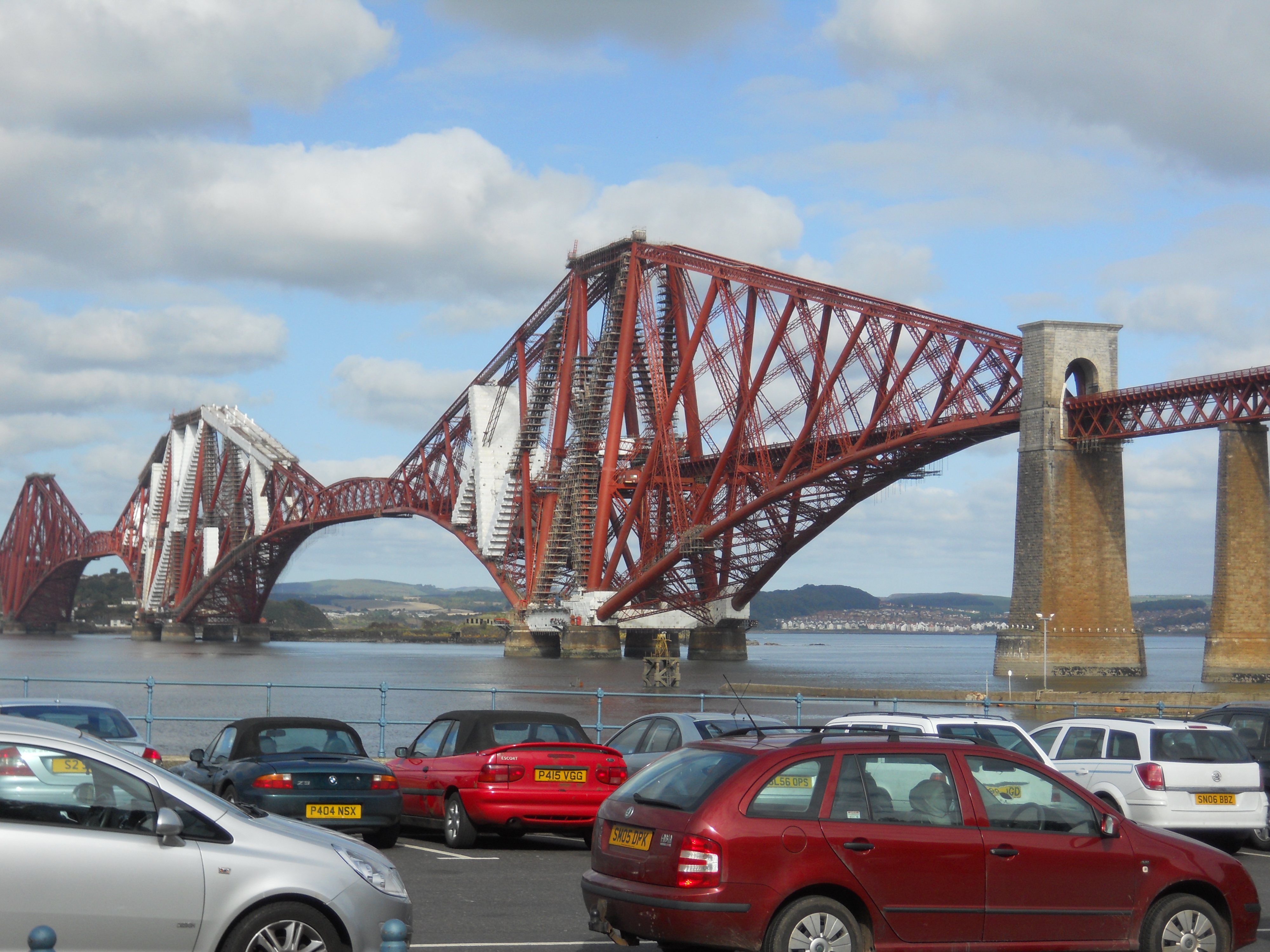
It would be a difficult engineering project, that would cause massive disruption and one that would probably be strongly opposed by the Heritage lobby.
This map from Wikipedia shows the proposed Levenmouth Rail Link.
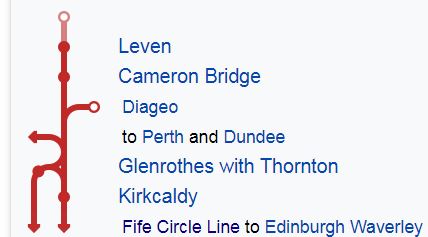
Note how it connects to the Fife Circle Line at Glenrothes with Thorton and Kirkcaldy stations.
I estimate that the distance between Leven and Edinburgh stations would be about 31 miles.
Could Battery-Electric Trains Work To Glenrothes with Thorton And Leven?
Consider these facts abut battery-electric trains.
- Bombardier ran a battery-electric train on the 11.5 mile Mayflower Line in public service for three months, without a hitch in 2015.
- Hitachi, Siemens, Stadler and Vivarail have sold battery-electric trains.
- Hitachi are running battery-electric trains in Japan.
- Ranges of upwards of fifty miles are being claimed.
- Battery-electric trains are a quality experience for passengers.
.As the Edinburgh and Leven and dinburgh and Glenrothes with Thorton routes are about thirty miles, I believe it is now possible to run battery-electric trains on these two routes.
- They would be charged at the Edinburgh end using the existing electrification.
- Charging stations would be needed at Leven and Glenrothes with Thornton.
- Electrification could also be erected as far as Dalmeny station at the Edinburgh end, which would reduce the range on batteries by about seven miles.
There would be no difficult engineering and the Forth Rail Bridge would look the same as the day it was built!
Hitachi Plans To Run ScotRail Class 385 EMUs Beyond The Wires
I covered this in more detail in Hitachi Plans To Run ScotRail Class 385 EMUs Beyond The Wires.
Hitachi appear to be serious according to this article of the same name on Rail Engineer.
The article concludes with this paragraph.
Hitachi’s proposal to operate battery trains in Scotland is at an early stage. However, with their use being recommended by the rail decarbonisation task force and the Scottish Government about to pass new climate change legislation, it may not be long before battery trains are operating in Scotland.
Hitachi aren’t stupid and I doubt they could want for a better portfolio of launch routes, than some of those in Scotland.
- Edinburgh and Leven over the Forth Rail Bridge.
- Edinburgh and Grenrothes with Thornton over the Forth Rail Bridge.
- The Borders Railway.
I also show in the related article, that Glasgow to Oban and Mallaig may be possible.
The Rail Network And Electrification To The West Of Edinburgh
This map shows the rail system to the West of Edinburgh.
All lines except for the route through South Gyle and Edinburgh Gateway stations are electrified.
Electrification as far as Dalmeny station, the addition of the new chord (shown in yellow) and fill in electrification to join the chord to the Glosgow wires would open up the possibilities of more routes between Edinburgh and Glasgow and a connection between Glasgow and the Fife Circle.
But battery-electric trains would be needed.
ScotRail has Options For More Class 385 Trains
This is said in the Wikipedia entry for the Class 385 trains.
10 unit optional follow up order after 2020.
So ScotRail seem to have a gateway to the future.
Will Battery-Electric Trains Be Good For Tourism?
I very much doubt, that they’ll be bad for it!
Conclusion
The announcement of the reinstatement of the Levenmouth Rail Link, could be be a collateral benefit of a decision to trial or even order some battery-electric Hitachi Class 385 trains.
Boost For Borders In New Report
This report on the Scottish Government web site is entitled Borders Transport Corridors – Pre-Appraisal.
It is a comprehensive report with a helpful pag of recommendations.
Recommendations that apply to rail include.
Develop Forestry Route Network
Improve network of internal forestry tracks as well as its connections to roads and railway, including ‘low-tech’ timber
pickup facilities.
This seems sensible, as some of the forests on both sides of the Scottish order are mature and need to be cut down and replanted.
Increase Park and Ride Provision
Increase capacity of existing Park-and-Ride sites and implement new Park-and-Ride schemes for all modes at strategic locations [e.g. Interchanges and Key Employment Areas]
Every part of the UK seems to need more Park-and-Ride. The Borders is no exception.
Borders Railway Extension – South/West
Extend the Borders Railway to Hawick and/or Carlisle
Will it go all the way to Carlisle?
Consider.
- The West Coast Main Line will need a capacity increase through Carlisle because of High Speed Two. These works could be combined with those on the Southern part of the Borders Railway.
- Plans exist for a large freight interchange at Longtown on the former MoD site.
- Linking the Tourist areas North and South of the Scottish Border by rail must be a good thing.
- Extension to Carlisle would give those in the Scottish Borders access to High Speed Two at Carlisle, without a long trip via Glasgow.
For these reasons, I think that the Borders Railway will go to Carlisle.
Borders Railway Extension – South/East
Extend the Borders Railway towards East Coast Main Line (ECML) via Berwick-upon-Tweed
This surprised me, but it does complete the jigsaw.
Does it offer a freight route for moving the timber out of the area?
It woulde certainly offer a scenic route between Edinburgh and Newcastle.
New Rail Stations
New rail stations on the existing Borders Railway
This is surely building on the success of the current Borders Railway.
Extension of Borders Railway Services
Link Borders Railway and Fife Circle, providing interchange at Edinburgh Gateway; West Edinburgh; and potential future link to Glasgow.
Back-to-back services across a city are always a good idea, as they cut the need for terminal platforms
- The Borders Railway and Fife Circle are both half-hourly services, so could be connected together, once suitable rolling stock is available.
- This service would also connect the Borders to the Edinburgh Airport tram at Edinburgh Gateway.
- With extra services, would the capacity of the Borders Railway will probably need to be increased?
Does the South East extension enable better services for the Borders beyond Edinburgh?
Conclusion
There are a lot of projects needing to be developed, but they will create a lot of economic activity in the Borders.
The two railway extensions to Hawick and/or Carlisle and Berwick-on-Tweed are the two most expensive projects, but both have English implications, so I don’t think Westminster will mind paying some of the cost.
Catenary Masts Erected On Alloa Branch
The title of this post is the same as that of an article in Issue 851 of Rail Magazine.
Alloa is one of the many Scottish towns and cities, that I only know through the results of Alloa Athletic FC, at around 17:00 on a Saturday afternoon.
Alloa station has a chequered history with growth through the Victorian era and total closure in October 1968.
The station was demolished to make way for a leisure centre.
But then in 2008, the line to Stirling station was reopened and a new station was built.
Wikipedia says this about the reopening.
Passenger use of the new railway station has greatly exceeded forecasts and since re-opening the service has been improved by increasing evening and Sunday frequencies from two-hourly to hourly and by adding the peak hour service to Edinburgh in 2009. In its first year the station was used by 400,000 passengers, against a forecast of 155,000.
Now the branch to Alloa is getting the ultimate upgrade – It is being electrified.
This could provide a lot of useful data on the financial returns of electrification.
Use Of Battery Trains
When I first saw a map of this line which clings to the North shore of the Forth of Firth, I was surprised that Strling to Alloa should be electrified.
It is only eight miles and if it is a level coastal railway, it could surely be handled by battery-powered trains.
So why electrify now, rather than wait for Hitachi to bring their technology to the UK and save costs?
But digging deeper, there are two large industrial sites further to the East.
- The closed Longgannet power station, which sits on a massive site.
- The large Rosyth Docks, which seems to have plans to create businesses, employment and housing.
The railway from Alloa extends to Dunfermline Town station on the Fife Circle Line and could play a part in the development of both sites.
An electrified line to Alloa, leaves all options open.
The Wikipedia entry for the Stirling–Alloa–Kincardine Rail Link says more.
This is the first paragraph.
The Stirling–Alloa–Kincardine rail link was a project to re-open 21 kilometres (13 mi) of railway line between Stirling, Alloa and Kincardine in Scotland. The route opened to rail traffic in March 2008.
The rail link effectively had two purposes.
- To allow passenger trains to run as far as Alloa station.
- To allow coal trains to run to Longannet power station, without using the Forth Bridge.
The Wikipedia entry says this under Future Expansion.
The retention of the coastal route offers the possibility of providing passenger services to Dunfermline via Clackmannan, Kincardine, Culross, Valleyfield and Cairneyhill. The former direct main line from Alloa to Dunfermline (which was not proposed for closure by Dr. Beeching) is now partly obstructed by developments on the site of the old Dunfermline Upper station. There would appear to be no prospect of access to the existing Dunfermline Town (formerly Dunfermline Lower) station by this route, unless a new stretch of line were built west of Dunfermline. However, the coastal Kincardine line does give direct access to Dunfermline Town.
There has been some discussion of the possibility of providing a service to Rosyth Ferry Terminal.
The Scottish Government have a lot of options to provide the best rail system for the current rail travellers and future developments in the area.
Running Electric Trains Across The Forth Bridge
Search for something like Electrification of the Forth Bridge and you find a lot of speculation and no one who.believes it can be done easily.
A ScotRail conductor said very firmly that it wouldn’t be done.
I think that in addition to the engineering problems of electrifying the Forth railway bridge, there will probably be a lot of opposition from the heritage lobby!
I also think, that if you could solve the engineering oroblems, they will.cost a lot and mean closing the bridge for at least several.months.
Bi-Mode Trains
Virgin are proposing to use Class 800 trains, which are bi-mode and will use diesel power on the bridge. These trains will have no problems crossing the bridge.
They will probably even be quieter than the current InterCity 125s, that will be continued to be used by ScotRail.
Trains With Energy Storage
The bridge is not very long at 2.5 km. and an electric train with onboard energy storage could prossibly cross the bridge, if the tracks were electrified as far as the approaches.
So do I think it is possible that a train with onboard energy storage could cross the Forth Bridge?
The Energy Storage Could Be Full Before Crossing
If the overhead electrification reached to perhaps five hundred metres from the bridge, then the onboard storage would be full.
The train would lower the pantograph and then raise it again, when under the wires on the other side.
The Maximum Speed On The Bridge Is 50 mph
This must help.
The Bridge Deck Appears Level
This must help.
Any Train Manufacturer Who Creates A Train With Onboard Energy Storage Will Gain A Worldwide Reputation
There is a lot of scepticism about trains with onboard energy storage or batteries and this would dismiss it for ever, once the crossing was shown on world-wide television with headlines like.
Battery Train Crosses Forth Rail Bridge Carrying Three Hundred Passengers
I believe that any train manufacturer, who felt they could achieve this feat would be willing to have a go, as the rewards would be immense!
Scotland Would Have A Unique Tourist Attraction
Although, I wouldn’t think it would be unique for long, as other countries would do the same to solve transport problems.
But nothing would ever be as iconic as the Forth Bridge!
I also doubt Scotland and ScoRail would say No!
Could A Class 385 Train Cross The Bridge On Stored Power?
In Hitachi Class 385 Trains, Batteries And Charging Stations, I discussed whether batteries or energy storage could be put into a Class 385 train.
I said this after giving details of Hitachi’s battery trains in Japan.
So will Scotrail’s new Class 385 trains have a battery capability?
Probably not initially!
But Hitachi have obviously been doing a lot of research into battery trains and the JR Kyushu is the first practical application.
Scotland’s rail system outside Edinburgh and Glasgow is not electrified, but it is well-known that Scotland’s Government would like more electrified services and also links to places like Leven and St. Andrews.
Both of these places, and there are probably others as well, are a few miles from a main line, that is very likely to be electrified.
So could we see a battery train charged as the JR Kyushu train on a main line, serving these branch lines on battery power?
I feel that the chance of this happening is very high.
So I feel it is highly likely, that if some form of stored power was fitted to Class 385 trains, that they would be able to bridge the gap between electrification systems North and South of the Forth Bridge.
Electrification Of The Fife Circle Line
Electrification of the Fife Circle Line would be the simplest way to improve the local rail service from North of the Forth Bridge to Edinburgh.
This shows a map of the line North from Edinburgh Gateway station.
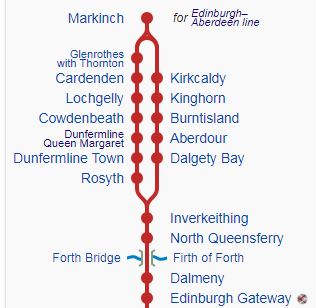
It would need the electrification from Haymarket station through Edinburgh Gateway station to be completed South of the Bridge to an appropriate point on the bridge approach.
North of the Bridge, the circle could be electrified from an appropriate point on the bridge approach, all round the circle to Markinch station.
Running The Fife Circle Service With Class 385 Trains With Onboard Energy Storage
A belt and braces approach might see North Queensferry and Dalmeny stations being the changeover point from overhead to onboard power, so that with any problems, the train is safely in a station, rather than stuck on the bridge.
Currently, the two routes between Glenrothes With Thornton and Edinburgh stations take the following times.
- Via Kirkaldy – 59 minutes with ten stops.
- Via Dunfermline – 62 minutes with eleven stops.
This means a train doing a round trip from Edinburgh takes just over two hours with twenty-one stops.
The Class 385 trains will have the following characteristics compared to the current diesel trains on the route.
- They will be faster.
- They will accelerate better and have smoother regenerative braking.
- They will have a much shorter dwell time at stations.
It would not be unreasonable to assume that the new electric trains could be several minutes under two hours for the round trip.
Trains that didn’t reverse could also go straight round the circle with the driver only changing ends at Edinburgh.
Currently, the route has three trains per hour (tph), so to run this level of service would require six trains.
Running four tph would need an extra two trains and if two tph used each direction, all stations would have a two tph service.
The trains would only need the ability to run between Dalmeny and North Queensferry stations on onboard storage.
Bi-Mode Trains Between Edinburgh And Aberdeen
Virgin Trains East Coast and possibly other operators wlll be running bi-mode Class 800 trains between Edinburgh and Markinch stations.
They will have to use diesel power where there is no electrification, but if the Fife Circle Line were to be electrified, they could use it, to run the trains more efficiently.
Onward From The Fife Circle
The Fife Circle Line could be a bridgehead to extend electrified services to the North.
Consider these distances.
- Markinch to St. Andrews – 20.7 miles
- Markinch to Dundee – 25.1 miles
- Markinch to Perth – 22.7 miles
- Glenrothes to Leven – 7.1 miles
All of these destinations could be reached by a combination of short lengths of electrification and trains with onboard energy storage.
Scotrail’s Extra Ten Class 385 Trains
Scotrail have an extra ten Class 385 trains on option, if the franchise is extended by 7 to 10 years and the trains would enter service in 2023.
Could these trains be to run an electrified Fife Circle Line service and perhaps running to Leven?
Conclusion
Scotrail have some ambitious plans for Scotland’s railways and I wonder, if they include using Class 385 trains with onboard energy storage to get electric trains across the Forth Bridge.
 The Anonymous Widower