GB Railfreight Plans Order For Future-Proofed Bi-Mode Locomotives
The title of this post, is the same as that of this article on Railway Gazette.
This is the introductory paragraph.
GB Railfreight is planning to order a fleet of main line electro-diesel locomotives with a modular design which would facilitate future replacement of the diesel engine with a battery or hydrogen fuel cell module.
The rest of the article gives clues to the deal and the specification of the locomotives.
- Negotiations appear to have started with Stadler for locomotives to be built at their Valencia plant.
- Twenty locomotives could be ordered initially, with options for thirty.
- The locomotive will be Co-Co bi-modes.
- The diesel engine will be for heavy main line freight and not just last-mile operations.
- They would be capable of hauling freight trains between Ipswich and Felixstowe, within two minutes of the times of a Class 66 locomotive.
- They will be of a modular design, so that in the future, the diesel engine might be replaced by a battery or fuel cells as required and possible.
They have provisionally been called Class 99 locomotives.
These are my thoughts.
EuroDual or UKLight?
Stadler make two types of bi-mode locomotives.
But the two types are closely related and open up other possibilities.
This paragraph from the Eurolight wikipedia entry, explains the various versions.
The type has been intentionally developed to support use on secondary lines without limiting power or speed performances, making it suitable for mixed traffic operations. Specific versions of the Eurolight have been developed for the United Kingdom market, and a 6-axle Co’Co’ machine for narrow gauge Asian markets, named UKLight and AsiaLight respectively. Furthermore, an electro-diesel locomotive derivative of the UKLight that shares much of its design, referred to as the Stadler Euro Dual, has also been developed and introduced during the late 2010s.
It looks like the customer can get the locomotive they want.
GB Railfreight would probably need locomotives to this specification.
- Slightly narrower than a EuroDual, to fit the UK loading gauge.
- Three-axle bogies to handle the weight of the larger locomotive.
- A body bigger than the UK Light to be large enough for the diesel engine.
- It would probably help if the locomotive could go anywhere that a Class 92 locomotive could go, so it could handle their duties if required.
This leads me to the conclusion that GB Railfreight will get a slightly narrower EuroDual.
Weight Issues
The weights of various locomotives are as follows.
- Class 66 Locomotive – 129.6 tonnes
- Euro Dual – 126 tonnes
- Class 90 Locomotive – 84.5 tonnes
- Class 92 Locomotive – 126 tonnes
All locomotives have six axles, except for the Class 90 Locomotive which has four.
I don’t think there will be any weight issues.
Power On Electricity
These are the power of the locomotives on electricity.
- Class 66 Locomotive – Not Applicable
- Euro Dual – Up to 7 MW
- Class 90 Locomotive – 3.7 MW
- Class 92 Locomotive – 5 MW
GB Railfreight can probably have what power is best for their routes.
Operating Speed On Electricity
These are the power of the locomotives on electricity.
- Class 66 Locomotive – Not Applicable
- Euro Dual – 100 mph
- Class 90 Locomotive – 110 mph
- Class 92 Locomotive – 87 mph
GB Railfreight can probably have what power is best for their routes, but I suspect they’d want it to be as fast as a Class 90 locomotive.
Power On Diesel
These are the power of the locomotives on diesel.
- Class 66 Locomotive – 2.5 MW
- Euro Dual – Up to 2.8 MW
- Class 90 Locomotive – Not Applicable
- Class 92 Locomotive – Not Applicable
To be able to handle trains, that a Class 66 locomotive is able to, 2.5 MW would probably suffice.
Could The Locomotives Use The Channel Tunnel?
I suspect that diesel locomotives are not liked in the Channel Tunnel because of all that flammable diesel.
But in the future, when there is a battery-electric variant, I would suspect that would be allowed.
In UK To France Automotive Train Service Launched, I talked about Toyota’s new service between Toton in England and Valenciennes in France via the Channel Tunnel. A locomotive with sufficient battery range might be ideal for this service, if it could handle the Market Harborough and Toton section, which is likely to be without electrification for some years.
Will The Locomotives Have Third Rail Shoes?
If their power on electricity is such that they can stand in for Class 92 locomotives, then there may be a need to fit all or some of the locomotives with third rail shoes.
As an example, they might be useful in taking freight trains to and from Southampton or the Channel Tunnel.
Conclusion
I feel that, as the locomotive must fit current routes and schedules, so I wouldn’t be surprised to see the following specification.
- UK loading gauge.
- Co-Co
- Class 90 locomotive power and operating speed on electricity of 3.7 MW and 110 mph.
- Class 66 locomotive power and operating speed on diesel of 2.5 MW and 75 mph.
- Ability to change between electric and diesel power at speed.
- Ability to haul a heavy freight train out of Felixstowe.
- Ability to haul passenger trains.
Stadler will have one eye on the fact, that if they get this design right, this order for up to fifty locomotives could be just the start.
It certainly seems a locomotive designed for the UK’s railway system.
Fortescue Unveils World-First Electric Train Using Gravity To Recharge
The title of this post, is the same as that of this article on InnovateAus.
These two paragraphs summarise the project.
Fortescue has announced the development of an electric train that recharges itself using gravity, as the Australian resources giant finalises its acquisition of UK-based Williams Advanced Engineering.
Fortescue is dedicating $50 million, in partnership with Williams Advanced Engineering (WAE), for research and development on the Infinity Train, which fully recharges its battery using gravitational energy when it descends.
Note.
- Most of Australia’s iron ore is mined in the Pilbara region of Western Australia.
- There are at least four railways in Pilbara leading to the coast.
- As the mines are higher than the coast, the heavily loaded trains will be going downhill, whereas the empties will be going uphill.
- There would certainly appear to be scope for charging going to the coast and coming back on a full battery with the empties.
- 94 % of Australia’s iron ore exports are transported by train from Pilbara to the coast.
There are hundreds of locomotives used for transportation of Iron ore from Pilbara to the coast.
Will Williams Convert Existing Locomotives?
I suspect they will as this is route that Wabtec is taking with their FLXdrive locomotives.
Will Williams Convert Locomotives For Other Pilbara Companies?
I suspect what Andrew Twiggy Forest wants he gets.
Could Williams Convert Other Diesel Electric Locomotives
I suspect they could and I wouldn’t rule out seeing a battery-electric Class 66 locomotive.
I laid out my thoughts in Could Class 66 Locomotives Be Converted Into Battery-Electric Locomotives?.
UK To France Automotive Train Service Launched
The title of this post, is the same as that of this article on Railway Gazette.
This is the introductory paragraph.
DB Cargo UK has launched a rail service transporting Corolla hybrid cars manufactured at Toyota’s Derby plant in the UK to Valenciennes in France via the Channel Tunnel, returning with Aygo, Yaris and Yaris+ vehicles.
It sounds very sensible and efficient, as the trains seem full both ways.
Timber Freight Train Runs For First Time In 18 Years
The title of this post, is the same as that of this article on Rail Technology Magazine.
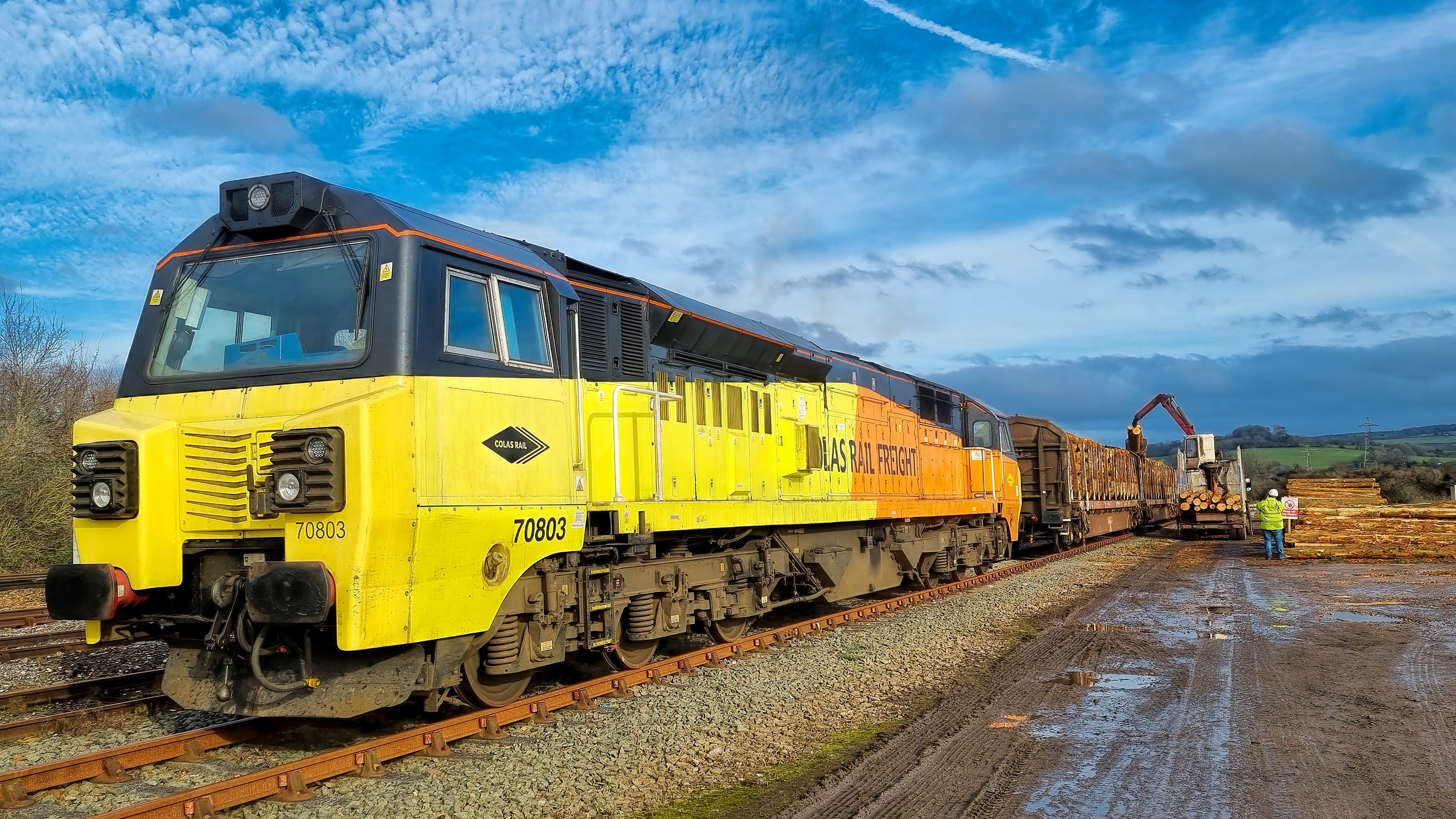
These are the first two paragraphs.
Network Rail has partnered with Colas Rail in a pilot project to run a timber freight train for the first time in 18 years.
A sawmill in Abergavenny has received the first rail-transported timber since 2004 which was transported 92 miles from Hackney Yard near Newton Abbot.
I do wonder how many other specialised freight trains like these could be run.
As it was only 320 tonnes on eight wagons, it was probably hauled by a diesel Class 66 or Class 70 locomotive.
If there were hydrogen-powered locomotives available, would this encourage more companies to switch from road to rail.
It also appears that for this movement, Network Rail had strengthened a bridge. Are there enough yards, where heavy trucks can access the railway?
Timber Imports
With the situation in Ukraine, I wondered if we imported any timber from Russia, that could perhaps be replaced by locally-grown timber.
I found this page on the Forest Research web site from the UK Government, which is entitled Origin Of Wood Imports.
Our biggest timber imports from Russia are wood pellets and plywood.
Wood pellets are an obvious import, as we also import large amounts from the United States and Canada and all three countries have extensive forests and I suspect they all produce large amounts of woody waste, that is only suitable for making into pellets.
Are we recycling scrap wood and woody waste, as best we can in the UK or are we just burning it on bonfires? The guy opposite lost a tree in the recent storms and a tree surgeon came with a special truck and a shredder to reduce it to small pieces of woody waste. Did that go to make pellets for Drax and other boilers that burn them?
It strikes me, that there may be opportunities For creating or enlarging our own wood pellet industry to cut imports.
Plywood comes mainly from China (37 %), Brazil (18 %), Finland (9 %) and Russia (8 %). Of these, I suspect only one has good environmental standards.
As this softwood plywood for lower-grade applications only needs wood from trees, that we can grow in this country, perhaps we should make a lot more in automated plants.
I’m sure Network Rail would be happy to arrange the transport.
Wind Turbines On A Train
I was searching for something else and found this video.
I wonder, if we’ll ever see wind-turbine blades transferred by rail in the UK!
Probably not, as our railway gauge is too small.
Should The Great Northern And Great Eastern Joint Line Be Electrified?
The Great Northern And Great Eastern Joint Line was created in the Nineteenth Century by the Great Northern Railway and the Great Eastern Railway.
- The main purpose was to move freight like coal, agricultural products and manufactured goods between Yorkshire and Eastern England.
- It originally ran between Doncaster and Huntington via Gainsborough, Lincoln, Sleaford, Spalding and March.
- It had a full length of almost 123 miles.
- There was a large marshalling yard at Whitemoor near March.
Over the years the line has been pruned a bit and now effectively runs between Doncaster and Peterborough.
- Trains between Lincoln and March are now routed via Peterborough.
- It carries upwards of twenty freight trains per day in both directions through Lincoln Central station.
- Many of the freight trains are going to and from the East Coast ports.
- The distance between Doncaster and Peterborough is 93.7 miles, as opposed to the 79.6 miles on the East Coast Main Line.
- The line is not electrified, but it connects to the electrified East Coast Main Line at both ends.
There have been some important developments in recent years.
2015 Freight Upgrade
Wikipedia says this about the major 2015 freight upgrade.
In 2015 a £280 million upgrade of the Joint Line by Network Rail was substantially complete, enabling two freight trains per hour to be diverted from the congested East Coast Main Line; gauge enhancements to enable the passage of 9 ft 6 in (2.90 m) containers were included in the work.
The Sleaford avoiding line had been substantially downgraded since the 1980s and was reinstated to double track as part of the 2015 scheme. Resignalling and modernisation of level crossings was included.
This means that freight trains have an alternative route, that avoids the East Coast Main Line.
Doncaster iPort
Over the last few years the Doncaster iPort has been developed, which is an intermodal rail terminal.
- It has a size of around 800 acres.
- The site opened in early 2018.
- There is a daily train to the Port of Southampton and two daily trains to both Teesport and Felixstowe.
- The Felixstowe trains would appear to use the Joint Line.
I feel that as the site develops, the Doncaster iPort will generate more traffic on the Joint Line.
This Google Map shows the Doncaster iPort.

There would appear to be plenty of space for expansion.
The Werrington Dive Under
The Werrington Dive Under has been built at a cost of £ 200 million, to remove a bottleneck at the Southern end of the Joint Line, where it connects to the East Coast Main Line.
The Werrington Dive Under was built, so that it could be electrified in the future.
LNER To Lincolnshire
LNER appear to have made a success of a one train per two hours (tp2h) service between London King’s Cross and Lincoln station.
- LNER have stated, that they want to serve Grimsby and Cleethorpes in the North of the county.
- North Lincolnshire is becoming important in supporting the wind energy industry in the North Sea.
- Lincoln is becoming an important university city.
- Several towns in Lincolnshire probably need a service to Peterborough and London.
- In 2019, the Port of Grimsby & Immingham was the largest port in the United Kingdom by tonnage.
I can see an expanded Lincolnshire service from LNER.
Full Digital Signalling Of The East Coast Main Line To The South Of Doncaster
This is happening now and it will have a collateral benefits for the Joint Line.
Most passenger and freight trains will also use the East Coast Main Line, if only for a few miles, which will mean they will need to be fitted for the digital signalling.
This could mean that extending full digital signalling to Lincolnshire will not be a challenging project.
Arguments For Electrification
These are possible arguments for electrification.
Electric Freight Trains To And From The North
It would be another stretch of line, that could accommodate electric freight trains.
An Electrified Diversion Route For East Coast Main Line Expresses
Currently, when there is engineering blockades between Doncaster and Peterborough on the East Coast Main Line, the Hitachi Class 800 and Class 802 trains of Hull Trains and LNER are able to divert using their diesel power.
But the electric trains of LNER and Lumo have to be cancelled.
An electrified diversion route would be welcomed by passengers and train companies.
It would also mean that any trains running from King’s Cross to electrified destinations would not to have any diesel engines.
An Electrified Spine Through Lincolnshire
If there was an electrified spine between Doncaster and Peterborough via Gainsborough, Lincoln, Sleaford and Spalding, these stations would be these distances from the spine.
- Boston – 16.8 miles
- Cleethorpes – 47.2 miles
- Grimsby Town – 43.9 miles
- Market Rasen – 14.8 miles
- Skegness – 40.7 miles
Note.
- These distances are all possible with battery-electric trains.
- Charging would be on the electrified spine and at Skegness and Cleethorpes stations.
All of South Lincolnshire and services to Doncaster would use electric trains.
London Services
London services would be via Spalding and join the East Coast Main Line at Werrington.
- Boston and Skegness would be served from Sleaford, where the train would reverse.
- Market Rasen, Grimsby Town and Cleethorpes would be served from Lincoln, where the train would reverse.
This would enable Cleethorpes and Skegness to have at least four trains per day to and from London King’s Cross.
North Lincolnshire Services
There are two train services in North Lincolnshire.
Cleethorpes and Barton-on-Humber.
Cleethorpes and Manchester Airport via Grimsby Town, Scunthorpe, Doncaster, Sheffield and Manchester Piccadilly.
Note.
- Cleethorpes would need to have a charger or a few miles of electrification, to charge a train from London.
- Doncaster, which is fully electrified is 52.1 miles from Cleethorpes.
- Barton-on-Humber is 22.8 miles from Cleethorpes.
Battery-electric trains should be able to handle both services.
Arguments Against Electrification
The only possible arguments against electrification are the disruption that the installation might cause and the unsightly nature of overhead gantries.
Conclusion
The Great Northern and Great Eastern Joint Line should be electrified.
A Cool Move To Keep Emissions On Track
The title of this post is the same as that of this press release from Tesco.
This is the body of the release.
- Tesco and DRS partner on a new refrigerated rail freight service that will take 40 lorries off the road for every journey it makes
- Helping Tesco to deliver Christmas, the service will run seven days a week and replace 7.3 million road miles with greener distribution
- New service supports Tesco’s commitment to reach net zero emissions in its operations by 2035
Tesco and Direct Rail Services (DRS) have partnered to introduce a cool new service to Britain’s railways.
The new service will be the first time Tesco has used refrigerated rail freight in the UK, distributing chilled goods from Tilbury to Coatbridge by low CO2 rail twice a day, seven days a week. This means that rail freight will play an even bigger role in helping Tesco to deliver Christmas this year and over the next couple of weeks this new service will transport hundreds of different products, including festive favourites such as sprouts, parsnips, carrots, onions, oranges and lemons just in time for that all important Christmas dinner.
Using rail has significant environmental benefits. The 415-mile route will use DRS’s Class 88 bi-mode electric locomotives which can run on electricity and produce zero exhaust and greenhouse gas emissions. This service alone will take at least 17,000 containers off the road each year, saving Tesco 7.3 million road miles and nearly 9,000 tonnes of CO2e.
Note.
- This is Tesco’s first use of refrigerated rail freight.
- It starts from the new Tilbury 2 freight terminal.
- All services seem to be run using bi-mode Class 88 locomotives, running for most of the route using electricity.
Tesco seem to be following the rule, that every little helps when it comes to decarbonisation and climate change.
This Google Map shows Tilbury.
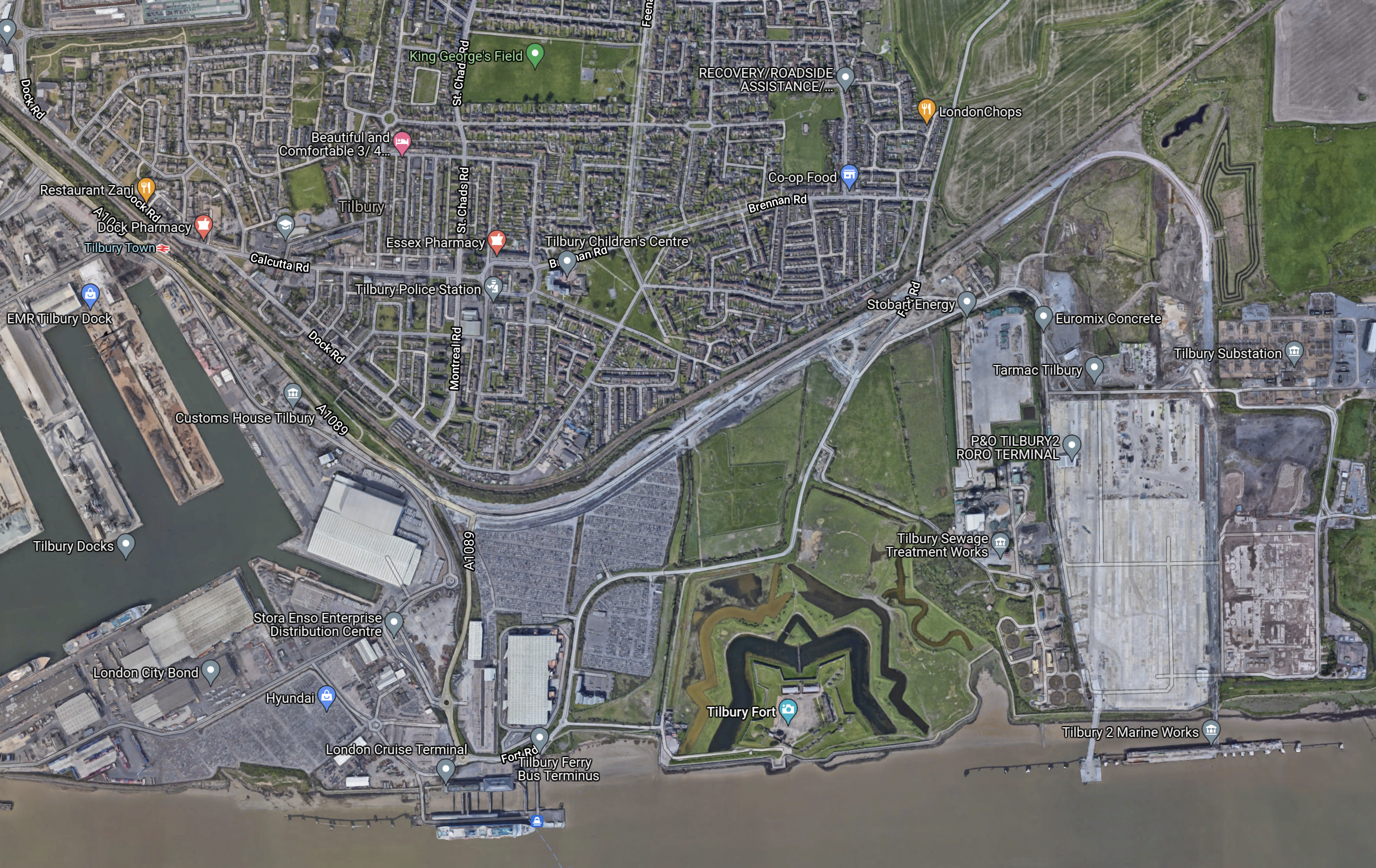
Note.
- The Port of Tilbury is in the West.
- Tilbury Town station on the Tilbury Loop Line is on the North side of the Port.
- There is a cruise ship at the London Cruise Terminal on the river.
- Next to the terminal is the Gravesend Tilbury Ferry. I can remember the car ferries on this route.
- Then there is Tilbury Fort.
- The Tilbury 2 Terminal is in the East.
I took these pictures in 2017.

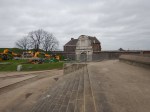


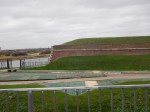
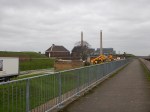
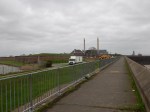
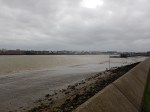
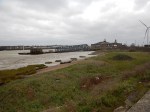
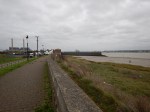
I suspect it’s a bit different now!
BHP To Trial Battery Locos On Pilbara Iron Ore Network
The title of this post, is the same as that of this article on Railway Gazette.
The article summarised all the battery-electric locomotives ordered to bring the iron ore to the coast by mining companies; BHP, Fortescue, Rio Tinto and Roy Hill.
The article indicates some of the innovative operations that will be tried. This is a sentence from the article.
A key element will be to assess the potential for capturing regenerated braking energy on the loaded downhill runs, and storing it to power empty trains back uphill to the mines.
I would hope that the South Wales Metro, the Buxton branch and the East Kilbride branch will use similar energy conservation techniques.
Direct Rail Services Disposes Of Heritage Locomotives
The title of this post, is the same as that of this article on Rail Magazine.
This is the first paragraph.
Direct Rail Services, the rail arm of Nuclear Transport Solutions (NTS), has announced details of its much-anticipated plan to sell off some of its heritage fleet of locomotives and coaching stock.
The main job of Direct Rail Services is to move nuclear fuel and other cargoes around the country in support of the UK’s nuclear industry. For this purpose, they have a substantial fleet of over fifty modern Class 66, Class 68 and Class 88 locomotives, which seem to have taken over from the heritage fleet, which are now starting to be passed on to other operators.
Direct Rail Services also tend to be the odd-job men and innovators of the traction business.
- They have provided modern motive power for both regular, charter and replacement passenger services.
- They haul freight trains for supermarkets and others.
- They sub-lease Class 68 locomotives to other operators.
- Both the Class 68 and Class 88 locomotives are 100 mph-capable, which must widen their markets.
- They have supplied locomotives for Thunderbird duties.
- They are happy to specify a new locomotive and bring it into service, as they did with the Class 68 and Class 88.
According to Wikipedia, they have issued a tender for a further ten new-build diesel-electric locomotives.
Will these be an existing design or another new design?
This is a section of the Wikipedia entry for the Class 88 locomotive.
Akin to the Class 68, the Class 88 can achieve a maximum speed of 100 mph (160 km/h), sufficient for regular passenger operations, while operating under OHLE, it has a power output of 4,000 kW (5,400 hp). Under diesel power, provided by its 12-cylinder Caterpillar C27, it has a maximum power output of 708 kW (949 hp); however, the maximum tractive effort is available in either mode. The locomotive’s engine, which is compliant with the current EU Stage IIIB emission restrictions, has limited available power as a result of the customer’s choice to give the Class 88 comparable power to a traditional Class 20.
It almost looks like a design for all purposes.
- It can pull a passenger train at 100 mph.
- With the right rolling stock, it must be able to pull a freight train at 100 mph.
- A 100 mph freight capability must be very useful on double-track electrified main lines like the East and West Coast Main Lines, where it would increase capacity.
- It probably has enough power to drag a freight train out of the depot on to an electrified main line.
- The locomotive would appear to be able to do anything that one of Direct Rail Services’s Class 20 locomotives can do, which would surely enable it to pick-up a nuclear flask from a remote power station.
- But it would also be able to transport the flask back to Cumbria using electric power, where it is available.
- In ’88’ Makes Sizewell Debut, I describe how a Class 88 locomotive moved a flask from Sizewell to Crewe.
- It is compliant with the latest emission regulations.
- It can use regenerative braking, where the electrification can handle it.
I wonder, if Direct Rail Services are going to add a locomotive to their fleet, that is capable of bringing the longest and heaviest freight trains out of the Port of Felixstowe.
- The Felixstowe Branch is a fairly flat track.
- The only moderately severe gradients ae either side of the Spring Road Viaduct.
- Some electrification could be added.
- A 100 mph freight capability would help in increasing the capacity of the Great Eastern Main Line to and from London.
The right locomotive might be able to haul smaller freight trains between Felixstowe and Peterborough.
Conclusion
There has been no news about the extra ten locomotives that Direct Rail Services will order.
The company has form in designing the right locomotive for the job they will do.
I think, that when the order is placed, it could add another type of locomotive to Direct Rail Services’s fleet.
Penmaenmawr Quarry Rail Terminal Opens
The title of this post, is the same as that of this article on Railway Gazette.
These are the first two paragraphs.
Hanson has reopened its Penmaenmawr railhead in north Wales, as part of its strategy to reduce vehicle movements and associated CO2 emissions.
The quarrying company has spent £300 000 refurbishing the facility, including upgrades to the railhead conveyor which was last used in 2012. The first trial service was operated by GB Railfreight and transported stone to the Tuebrook depot near Liverpool to test the equipment and uncover any operational issues within the quarry and at the railhead.
The aim is to one one train per week between North Wales and North West England.
This Google Map shows the Penmaenmawr railhead.
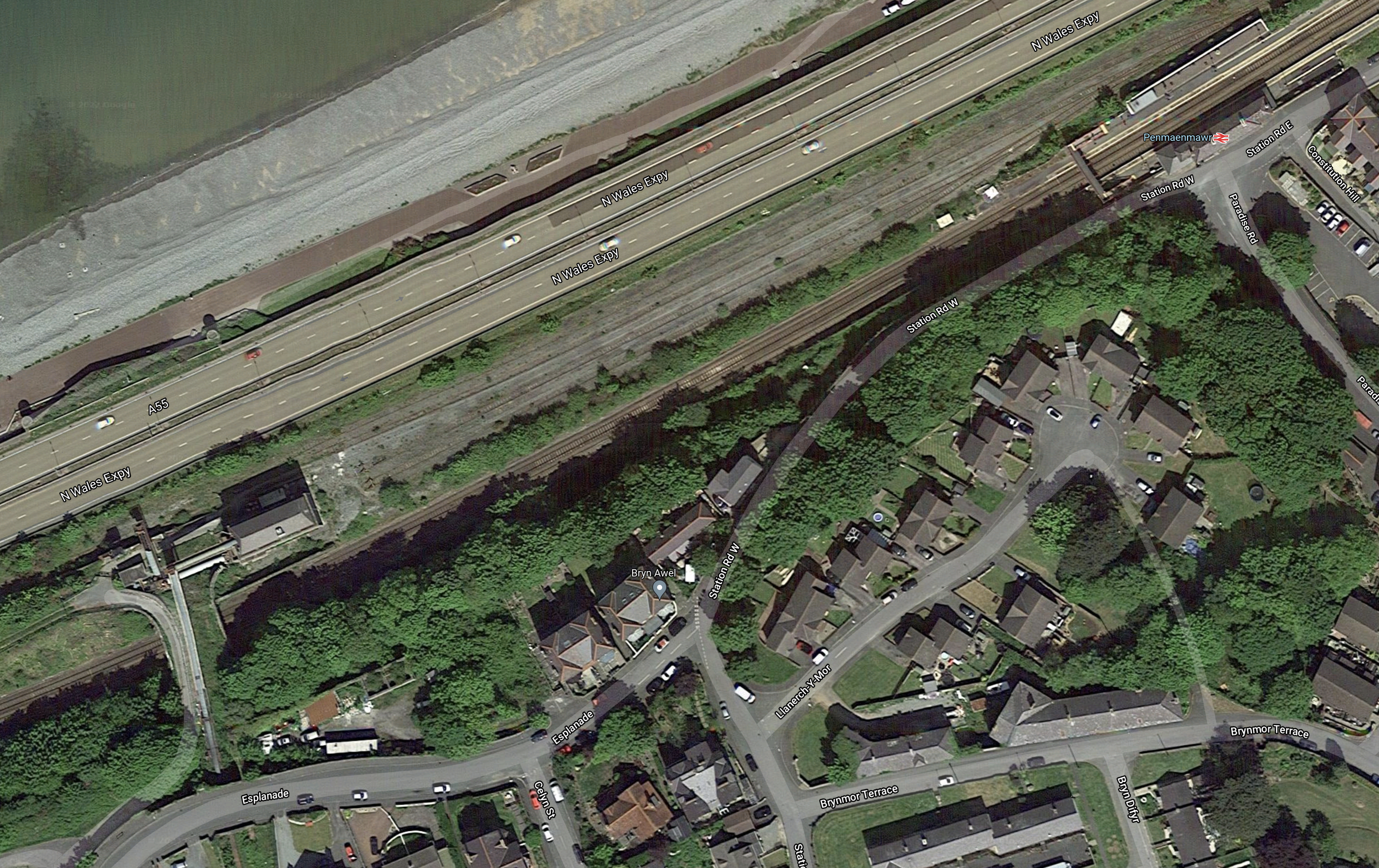
Note.
- Penmaenmawr station is in the top right corner of the map.
- The railhead is in the bottom-left corner of the map.
- The North Wales Expressway is between the railway and the beach.
There is a conveyor leading to the South and this second Google Map shows the vast quarry complex.
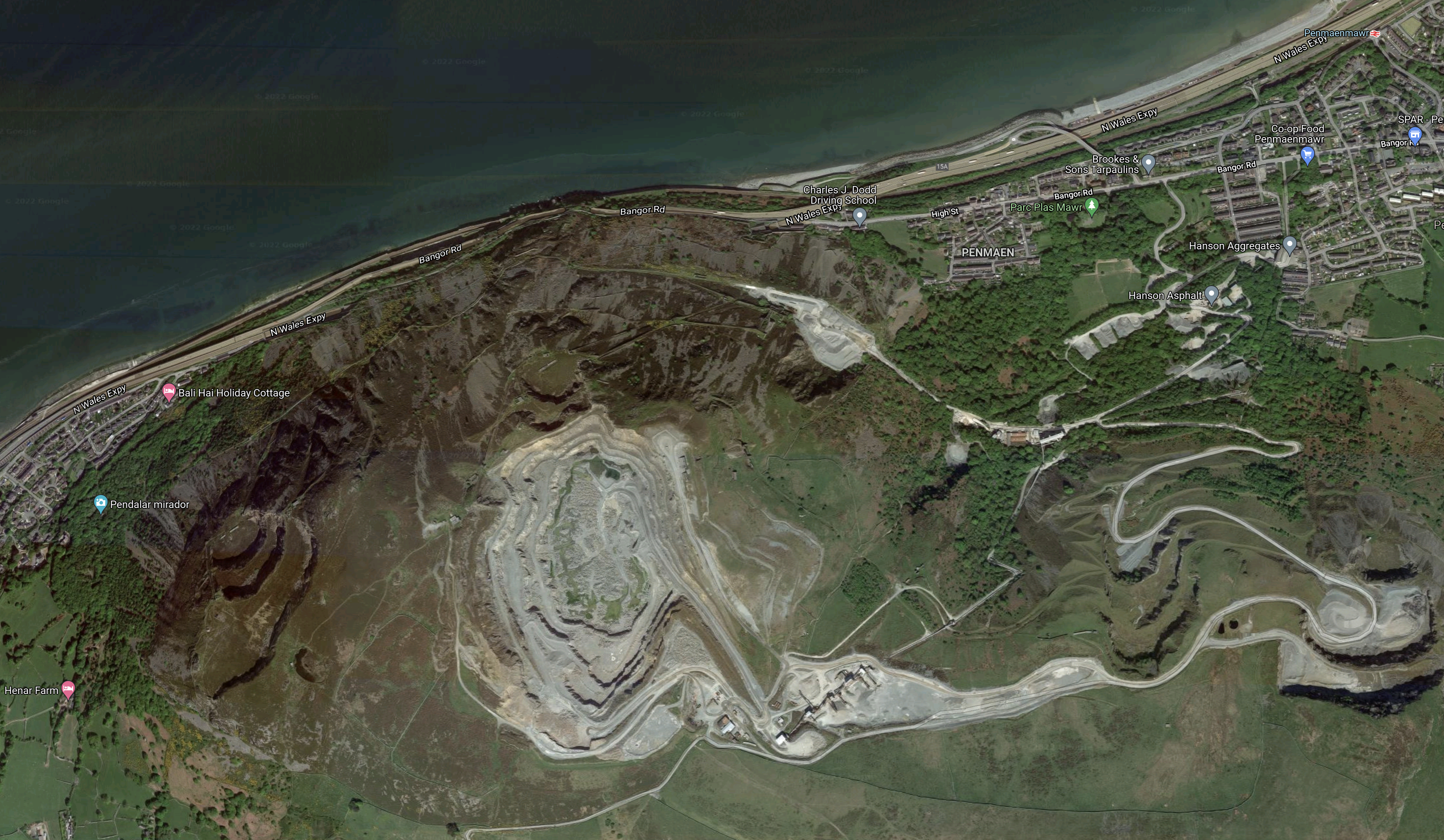
Penmaenmawr station is in the top right corner of the map.
It does appear to me, that this is a good move by Hanson.
- If the quarry can be worked economically, it is surely worthwhile exploiting.
- Opening new quarries, is generally not an easy process.
- Even using diesel locomotives on the aggregate trains, probably saves carbon compared to trucks.
- Closing the quarry would probably not be good for the area.
- They only want to run one train per week.
- I wonder, if the train goes through the Halton Curve that opened a couple of years ago.
- Penmaenmawr and Tuebrook Sidings are a route of about eighty miles.
But I think in the future it could be a very good move, as at least one of three things will happen.
- The North Wales Coast Line will be electrified.
- Someone will develop a hydrogen-electric freight locomotive.
- Wabtec will develop their battery-electric locomotive for the UK with a UK-sized FLXdrive battery.
All possibilities will help Hanson lower the carbon footprint of the route.
Given too, that Hanson will probably decarbonise their quarrying operations by using hydrogen-powered equipment, it should be possible to arrange a hydrogen supply at Penmaenmawr.
 The Anonymous Widower