Hydrogen-Powered Train Makes UK Maiden Journey
The title of this post, is the same as that of this article on the BBC.
This is said in the article.
A hydrogen-powered train has travelled on Britain’s rail network for the first time.
The prototype, called the Hydroflex, made a 25-mile round trip through Warwickshire and Worcestershire, reaching speeds of up to 50 mph.
Its next phase is to move the hydrogen tanks, fuel cell and battery out of a carriage and stash them underneath the train.
The aim is for the train to start carrying paying passengers by the end of 2021.
Note that the article contains a broadcast-quality video.
There are now two hydrogen-powered trains in development in the UK.
- This Class 799 train by Birmingham University and Porterbrook, which has been converted from a Class 319 train.
- The Class 600 train by Alstom, which is being converted from a Class 321 trains.
Both the trains being converted are British Rail trains based on the Mark 3 coach design.
- They were built originally in the 1980s and 1990s.
- They were built for commuting over medium distances.
- They are 100 mph trains.
- They will keep their pantographs, so running using 25 KVAC overhead electrification.
Both trains could be fitted with quality interiors.
But from what has been disclosed the designs will be quite different.
- The Class 799 train will be four cars, as opposed to three cars of the Class 600 train.
- The Class 600 trains will have large hydrogen tanks inside the train, whereas the Class 799 train will have smaller ones underneath the train.
- I would expect the Class 600 train to have a longer range between refuelling.
- The Class 799 train will also be a tri-mode train, with the ability to use 750 VDC third-rail electrification.
As there are nearly over a hundred Class 321 trains and nearly ninety Class 319 trains, if the hydrogen conversion is successful, we could be seeing a lot of hydrogen trains on the UK rail network.
Next Stop Hydrogen For New Rail Project
The title of this post, is the same as that of this article on Business Green.
This is the introductory paragraph.
Three British companies unite to develop new hydrogen fuelling infrastructure that could soon allow for the roll out of zero emission trains on the UK rail network.
Some points from the article.
- The three companies involved are Fuel Cell Systems Ltd, tpgroup, and Vanguard Sustainable Transport Solutions.
- Their initial focus will be on the rail industry.
It looks to be a good start to provide much-needed infrastructure.
Scotland’s First Hydrogen-Powered Train Showcased At COP26 Summit
The title of this post, is the same as that of this article in the Scotsman.
This is the introductory paragraph.
The zero emission train project will demonstrate how the country’s railways could be decarbonised by phasing out diesel within 15 years.
The train will be based on a withdrawn Class 314 train.
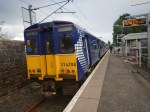
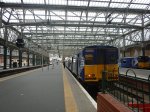
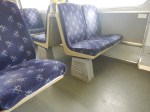
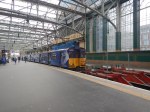
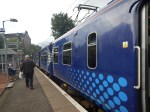
These trains entered service in 1979 and are certainly not the worst of that generation of British Rail electric trains.
It will be a tight timetable to get the train ready for the COP26 summit, which is scheduled for November 1-12 in 2021.
World’s First Hydrogen-Powered Passenger Train Hits The Rails In Austria
The title of this post is the same as that of this article on Silicon Republic.
This is the first paragraph.
This week in future tech, an Alstom hydrogen-powered train will start taking passengers in Austria for the first time.
But for the covids, I’d be on my way tomorrow to do a bit of advanced-level trainspotting.
Hydrogen Can Be Transported By Rail, German Railway Company Says
The title of this post, is the same as that of this article on PV Magazine.
This is the introductory paragraph.
A study by DB Energie shows that technically and legally there is nothing to be said against the transport of hydrogen by rail. However, there is still a lack of suitable transport containers.
I suppose though the lack of suitable transport containers makes it a bit difficult.
VDE Study Finds Battery Trains 35% Cheaper Than Hydrogen
The title of this post, is the same as that of this article on the International Railway Journal.

This is the introductory paragraph.
A study of the cost-effectiveness of battery electric multiple units (BEMU) and hydrogen electric multiple units (HEMU) as alternatives to diesel found that BEMUs could be up to €59m (35%) less expensive to buy and operate compared with their hydrogen fuel cell equivalents.
It also says that they are more expensive than the diesels they replace over thirty years.
As it is a professional German study, we should take note of what is said.
How Would This Apply To The UK?
There will be differences between the UK and Continental Europe, which will affect costs!
- Our small loading gauge seems to be making the design of hydrogen-powered trains difficult.
- Passenger capacity in a UK train, will probably be reduced when compared to the diesel equivalent.
- Our hydrogen technology is world-class.
- More affordable batteries would benefit both types of trains.
- I believe that companies like Vivarail, will come up with very fast and efficient chargers for battery trains using our third-rail technology, which may not be suitable outside the UK.
On balance though, I suspect that the cost difference worldwide, will be similar.
Conclusion
Companies, developers and engineers will fight a keen battle for supremacy.
There will be some suprising winners and some big losers.
Eversholt Rail And Alstom Invest A Further £1 Million In Breeze Hydrogen Train Programme
The title of this post, is the same as that of this press release from Alstom.
The major point made is that the train will be called a Class 600 train.
Beeching Reversal – Restoring A South Humber Link
This is one of the Beeching Reversal projects that the Government and Network Rail are proposing to reverse some of the Beeching cuts.
The project is described by these two paragraphs in this article in the Yorkshire Post, which is entitled Government Announce Yorkshire Rail Schemes That Could Receive ‘Reverse Beeching’ Funding.
North Lincolnshire Council have bid for funding to subsidise a new train service that would allow passengers from Barton-on-Humber to travel to Gainsborough, from where they would be able to catch direct services to Sheffield.
This would be achieved by diverting the existing Barton to Grimsby and Cleethorpes trains up a freight-only section used by traffic heading to Immingham docks. There have never been passenger trains using this path before.
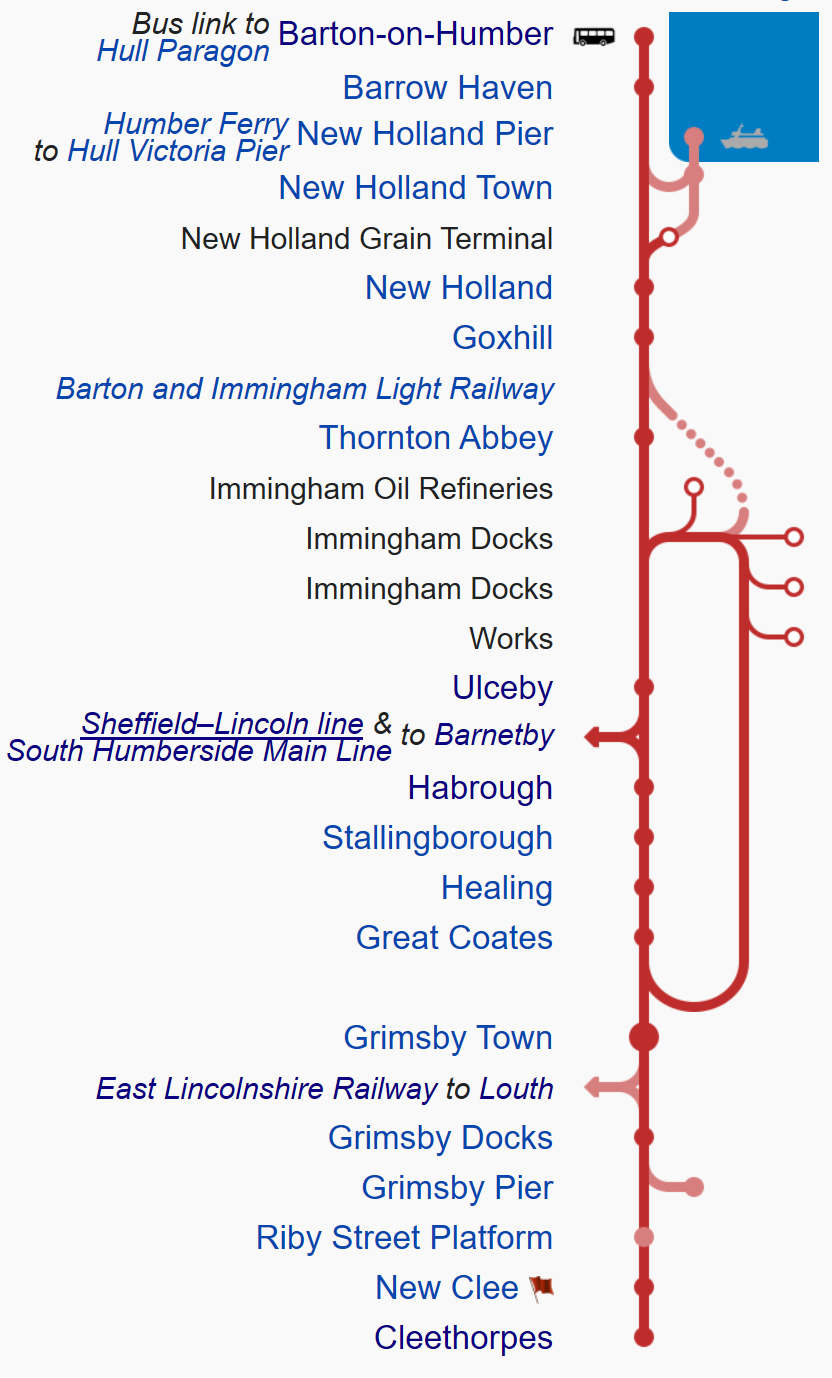
This rail map clipped from Wikipedia shows the Barton Line to Barton-on-Humber station.
Note.
- Barton-on-Humber station has a bus link to Hull station.
- The loop gives a grand tour of the Port of Immingham on what is now a freight-only line.
- There is a lot of development going on in the area including the AltAlto aviation biofuel, that I wrote about in Grant Shapps Announcement On Friday.
Perhaps all this development is causing a lot of small problems.
- Is it causing congestion on the roads?
- Are workers difficult to find in the Immingham area?
- Is commuting over the Humber Bridge expensive?
- Is parking difficult in the Port?
North Lincolnshire Council could feel that a better rail connection serving the Port of Immingham, would be an asset, that reduces these problems.
I suspect the current two-hourly service between Barton-on-Humber and Cleethorpes stations, will be replaced by an hourly one, between Barton-on-Humber and Gainsborough Lea Road stations, that takes the following route.
- Barton-on-Humber to Ulceby
- At Ulceby station the train will reverse and go clockwise around the loop.
- After calling at Great Coates, Healing, Stallingborough and Habrough stations, the train would go West to Barnetby and Gainsborough Lea Road stations.
- Passengers wanting to go from Barton-on-Humber to Grimsby Town or Cleethorpes, would change at Great Coates station.
It may look a rather round-about route, but I suspect that the plan includes some stations to serve the Port of Immingham and the industrial development.
I suspect that some of these port, oil, chemical and energy companies can afford to pay a contribution.
Gainsborough Lea Road Station
Gainsborough Lea Road station is a mix of architectural styles.
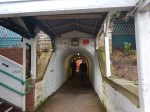
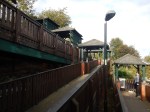
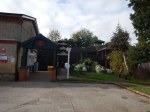
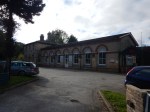
But with the addition of a friendly café and some other facilities, it would be a good interchange between the Immingham area and Sheffield and the county town of Lincoln.
Future Trains
Lincolnshire is an energy-rich county, which partly explains all the industrial development in the North-East of the county around Grimsby, Immingham and Scunthorpe.
- Immingham is a large importer of biomass for power generation.
- There are off-shore and on-shore gas fields connected to Theddlethorpe gas terminal.
- There is the large power station complex at Keadby.
But the energy mix is a-changing.
- Keadby now includes a solar farm.
- Wind turbines are springing up both on land and in the sea.
If I was to make a prediction, it would be that more and more large energy-related businesses will develop in the area.
- In recent months, Altalto’s waste-to-aviation biofuel plant has been given national and local government backing to be built at Immingham.
- ITM Power are involved in a hydrogen development project in the area.
- I wouldn’t be surprised to see hydrogen produced for transport from all this energy.
I think it will be inevitable, that zero-carbon battery electric or hydrogen-powered trains will run in the area.
- Cleethorpes and Doncaster via Scunthorpe 52 miles apart.
- Cleethorpes and Barton-on-Humber are 23 miles apart
- Lincoln and Newark are 16.5 miles apart.
- Lincoln and Doncaster are 37 miles apart.
- Lincoln and Sheffield are 48 miles apart
- Lincoln and the electrification at Peterborough are 54 miles apart.
- Skegness and Sleaford are 41 miles apart.
- Sleaford and Grantham are 18 miles apart.
With charging facilities at Barton-on-Humber, Lincoln, Skegness and Sleaford, the whole of Lincolnshire could be served by zero-carbon battery electric trains.
I suspect LNER could lead the way, as a five-car Class 800 train equipped with batteries, is predicted to have a 56 mile range away from the wires, which would easily handle a return trip between Newark and Lincoln.
There could be a small problem, in that the first train of the day, between Lincoln and London Kings Cross positions from Doncaster Carr IEP Depot, so running Doncaster to Newark via Lincoln might challenge the battery range of the train. I suspect, that the positioning could be performed via Newark with a reverse, prior to the installation of a charging facility at Lincoln Central station.
I estimate that Barton-on-Humber and Gainsborough Lea Road stations are about 35 miles apart, so with today’s battery technology, I suspect that a round trip in a battery electric train would be on the limit. But with charging facilities at Gainsborough, there would be no problems.
I suspect that East Midlands Railway would use several of their forty diesel Class 170 trains on this and other routes in Lincolnshire, so perhaps a good interim solution would be to run the Class 170 trains on Altalto’s biodiesel, that will be produced at Immingham.
There is also the possibility, that some or all of the Class 170 trains will be retrofitted with MTU Hybrid PowerPacks, which would cut their diesel consumption.
Surely, with all Lincolnshire’s energy, hydrogen-powered trains must be a possibility. But they seem to be stuck in a siding!
The MTU Hybrid PowerPack and Altalto’s bio-diesel seems a more affordable and less risky route.
A Direct Connection To London
In the Wikipedia entry for Gainsborough Lea Road station, there is a section called Future Services, where a direct connection to London is mentioned.
Conclusion
Given that the likes of East Midlands Railway, Hull Trains, LNER and TransPennine Express are improving their services to Hull, Lincoln, Cleethorpes and Grimsby, this local North Lincolnshire Metro serving the Port and the industrial development, could well be welcomed by those that live and work in the area.
I doubt that the infrastructure cost will be very high.
Vivarail And Hitachi Seem To Be Following Similar Philosophies
This press release on the Vivarail web site, is entitled Battery Trains And Decarbonisation Of The National Network.
This is the two paragraphs.
Vivarail welcomes the recent announcements regarding new technologies for rail, and the growing understanding that battery trains will be a key part of the decarbonisation agenda.
Battery trains have been much misunderstood until now – the assumption has been that they can’t run very far and take ages to recharge. Neither of these are true! Vivarail’s trains:
To disprove the assumptions, they then make these points.
- Have a range of up to 100 miles between charges
- Recharge in only 10 minutes
They also make this mission statement.
Vivarail’s battery train, Fast Charge and power storage system is a complete package that can drop into place with minimal cost and effort to deliver a totally emission-free independently powered train, ideally designed for metro shuttles, branch lines and discrete routes across the country.
They add these points.
- Batteries can be charged from 750 VDC third-rail or 25 KVAC overhead electrification or hydrogen fuel cells.
- A daily range of 650 miles can be achieved on hydrogen.
- Vivarail seem very positive about hydrogen.
- The company uses modern high-performance lithium Ion pouch batteries from Intilion.
- It also appears that Vivarail are happy to install their traction package on other trains.
The press release finishes with this paragraph.
The rail industry needs to move now to hit its own decarbonisation targets and assist with the national effort. Battery trains are the quick win to achieve that.
Following on from Hitachi’s announcement on Monday, that I wrote about in Hyperdrive Innovation And Hitachi Rail To Develop Battery Tech For Trains, it does appear that battery trains will be arriving soon in a station near you!
Beeching Reversal – Upper Wensleydale Railway
This is one of the Beeching Reversal projects that the Government and Network Rail are proposing to reverse some of the Beeching cuts.
This map from the Upper Wensleydale Railway web site, shows the location of the proposed reinstated railway.
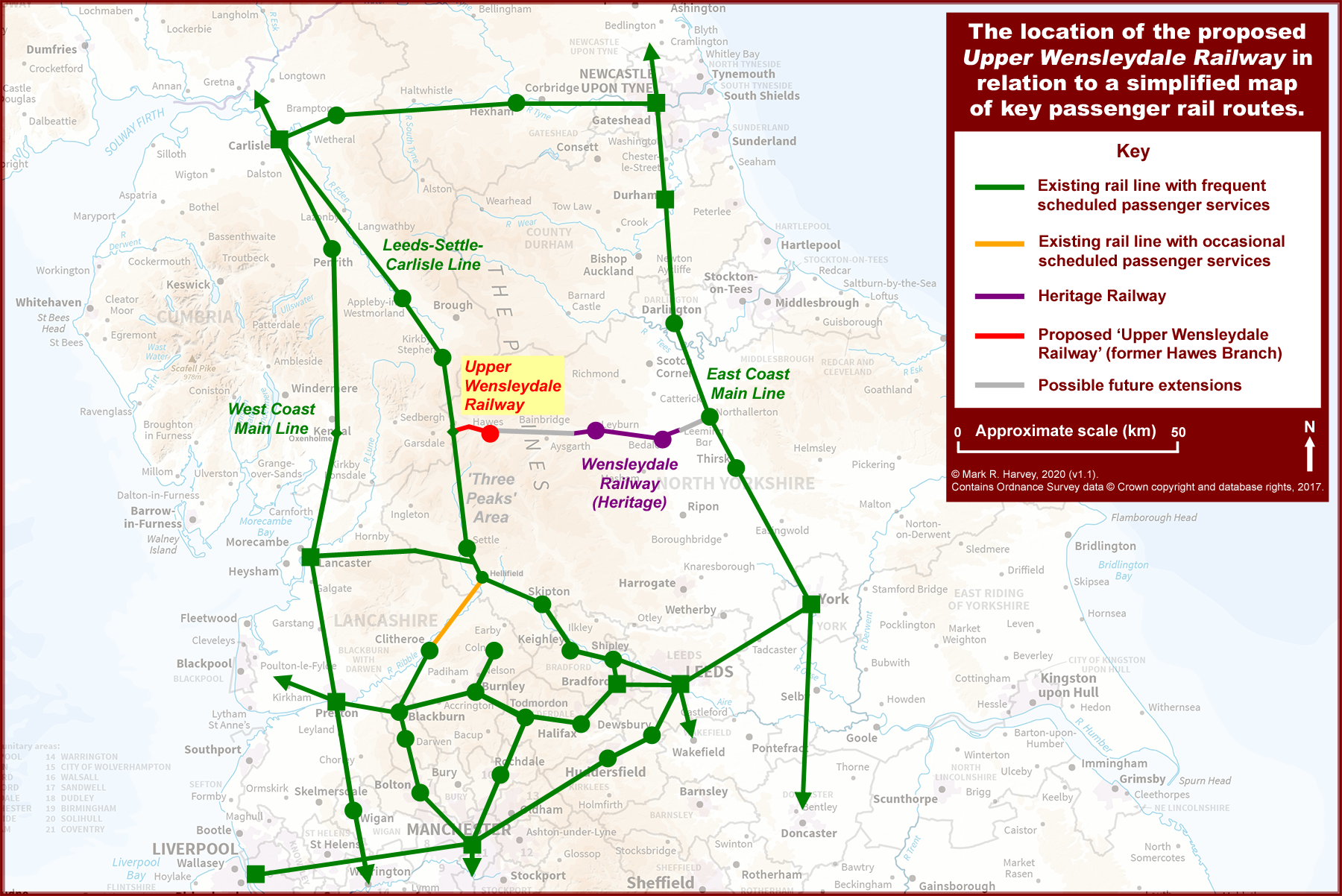
This is the vision of how the railway will be used, taken from the web site.
It is hoped that a reinstated junction with the existing Leeds – Settle – Carlisle railway line at Garsdale will allow ‘through’ trains to run from Hawes via Garsdale Junction, past the Yorkshire Three Peaks to Settle, then onwards through Hellifield and Clitheroe into Lancashire for Preston and Greater Manchester.
We are also hoping that some Manchester – Blackburn – Clitheroe trains can be extended to Garsdale and Hawes thereby linking Lancashire to an enhanced service through Settle to the Yorkshire Peaks and Dales.
Connections with other trains could be made at Hellifield (for West Yorkshire & Lancaster) and at Garsdale (for Carlisle, Scotland & the North East of England).
This Google map shows the current state of the railways at Garsdale.
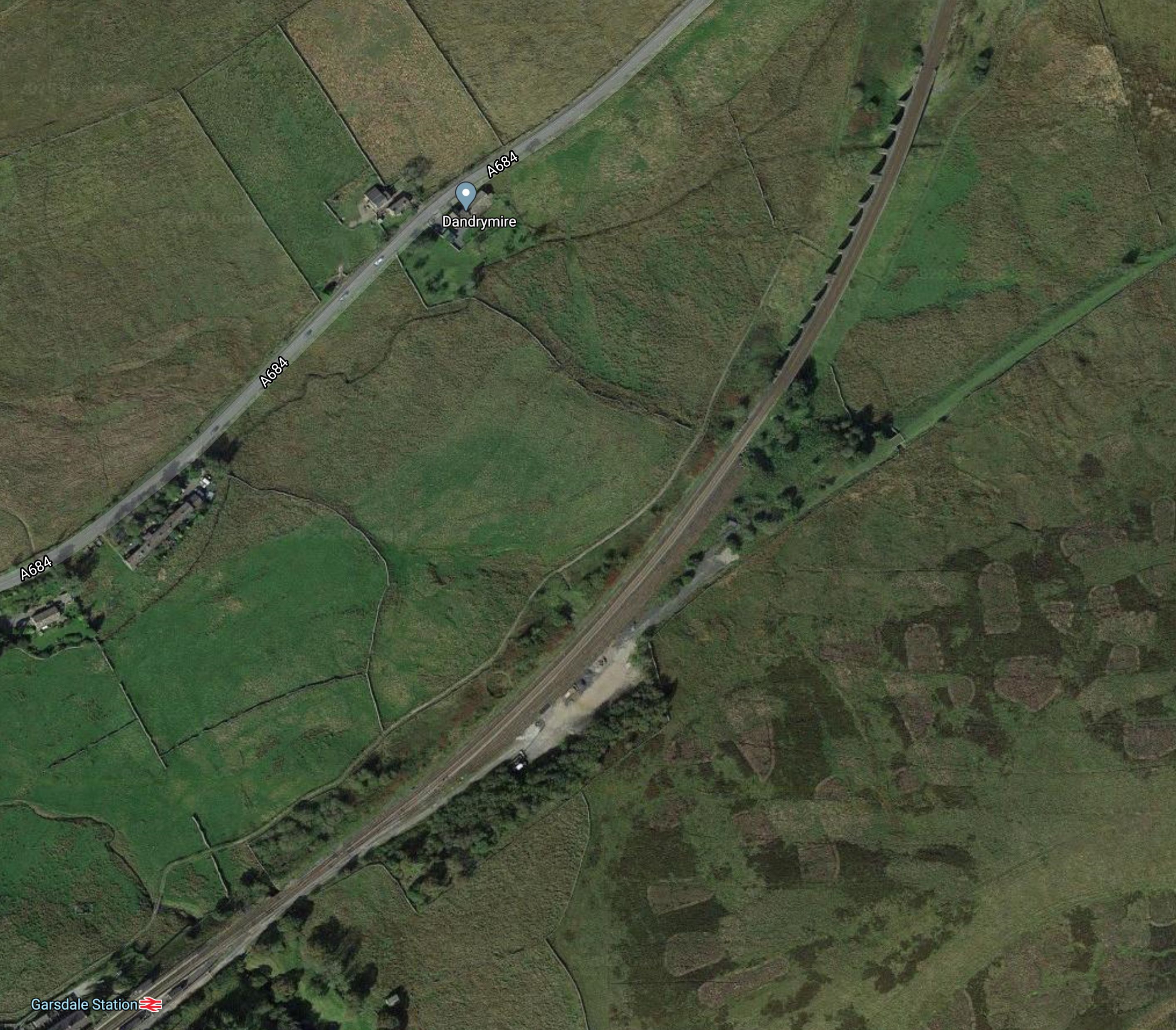
Note.
- Garsdale station in the South-West corner of the map.
- The Settle and Carlisle Line curving away to the North over the Dandry Mire Viaduct.
- The trackbed of the former branch to Hawes stands out as a green scar.
I have followed the route of the railway to Hawes in my helicopter and it doesn’t appear to be a very challenging project to reinstate.
- Although the comprehensive Routes and Structures page on the Upper Wensleydale Railway, indicates there is a lot to do.
- It is about six miles long.
- It is single track with a passing loop at Hawes.
This Google Map shows the town of Hawes,
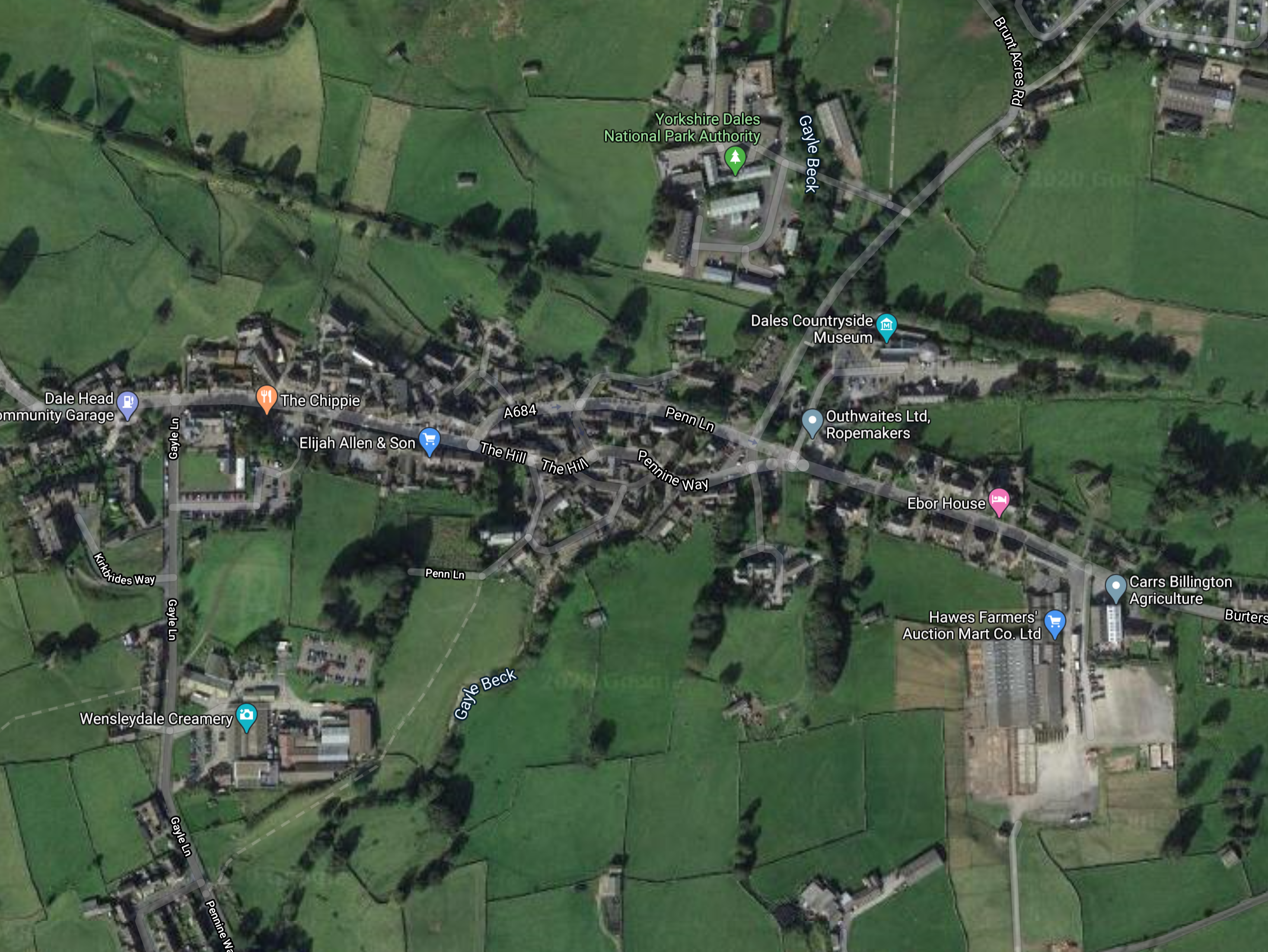
It certainly looks the sort of place, where Wallace and Gromit might rent a cottage for a week and use as a base to explore the countryside.
- There’s a Wensleydale Creamery.
- There’s a traditional ropemaker called Outhwaite, dating from 1905, who have the web site; www.ropemakers.com.
- The headquarters of the Yorkshire Dales National Park Authority are located in the North of the town and shown by a green arrow.
Next to the Park Authority is a blue arrow marking the Dales Countryside Museum, which incorporates the original Hawes railway station.
Services To Hawes
Looking at the data from Real Time Trains, it looks like trains on the Settle and Carlisle average about fifty mph on that line, which is generally double-track with an operating speed of sixty mph.
- I would estimate that a modern diesel or hydrogen-powered train could do the return trip between Garsdale and Hawes station in around thirty minutes.
- This time would probably mean that the Hawes Branch could be worked with only one train operational on the branch.
- It would also fit in well with the service plans for the Upper Wensleydale Railway.
I am fairly certain that an hourly service could be run between Hawes and Hellifield stations, which could be extended as far South as the operator wanted.
Military Traffic To Redmire
In the Wikipedia entry for Redmire village, this is said.
Redmire is the terminus of the Wensleydale Railway. The Ministry of Defence uses trains to transport armoured vehicles from bases in the south to the Catterick military area using Redmire railway station as its terminus.
It looks like there must be a quality railway between Redmire station and the East Coast Main Line at Northallerton.
This Google Map shows the site of Redmire station.
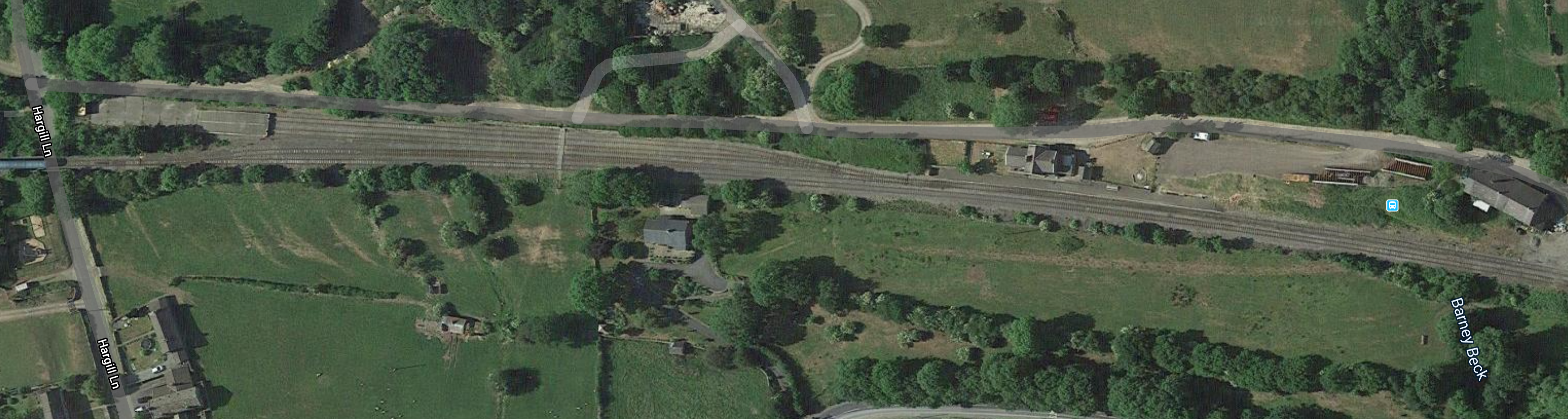
Note.
- At the left hand side of the map, there look to be loading ramps for the military vehicles, at the end of two sidings.
- The building on the North side of the tracks appears to be the old Redmire station buildings.
- The blue dot to the right, is a Google Maps pointer for the station
If you type Redmire into Google Maps, it’s easy to find..
This Google Map shows the rail lines at Northallerton.
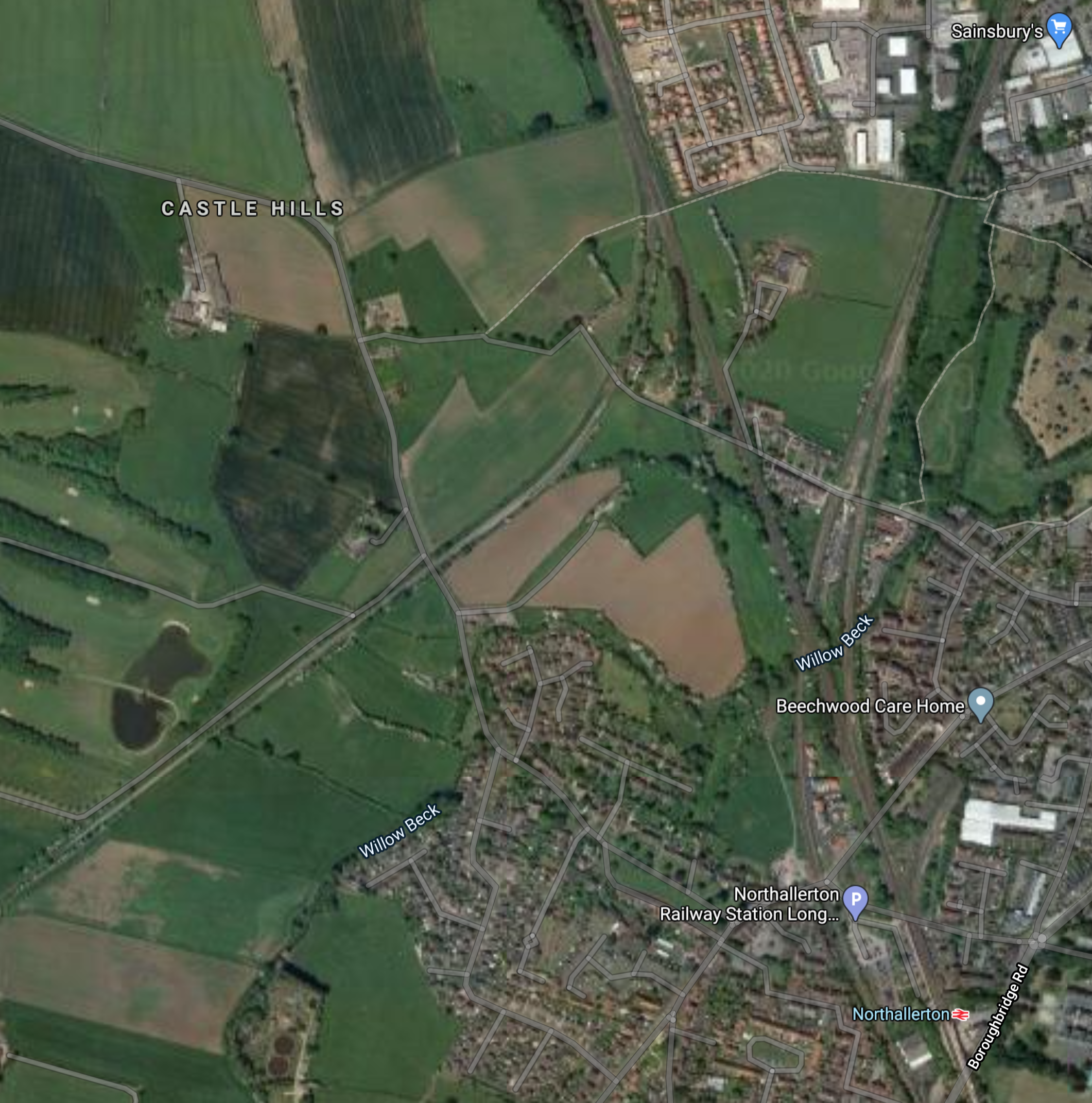
Note.
Northallerton station in the South-East corner of the map.
The East Coast Main Line runs about West-by-North from the station towards Darlington and Scotland.
The line to Middlesbrough branches off in a North-Easterly direction.
The Wensleydale Railway comes in from the West and joins the East Coast Main Line going North.
It also appears there used to be a tight chord that allowed trains to go between the Wensleydale Railway and the South.
It looks like the Army would like that chord for their vehicle trains.
This enlarged Google Map, shows the site of the chord.
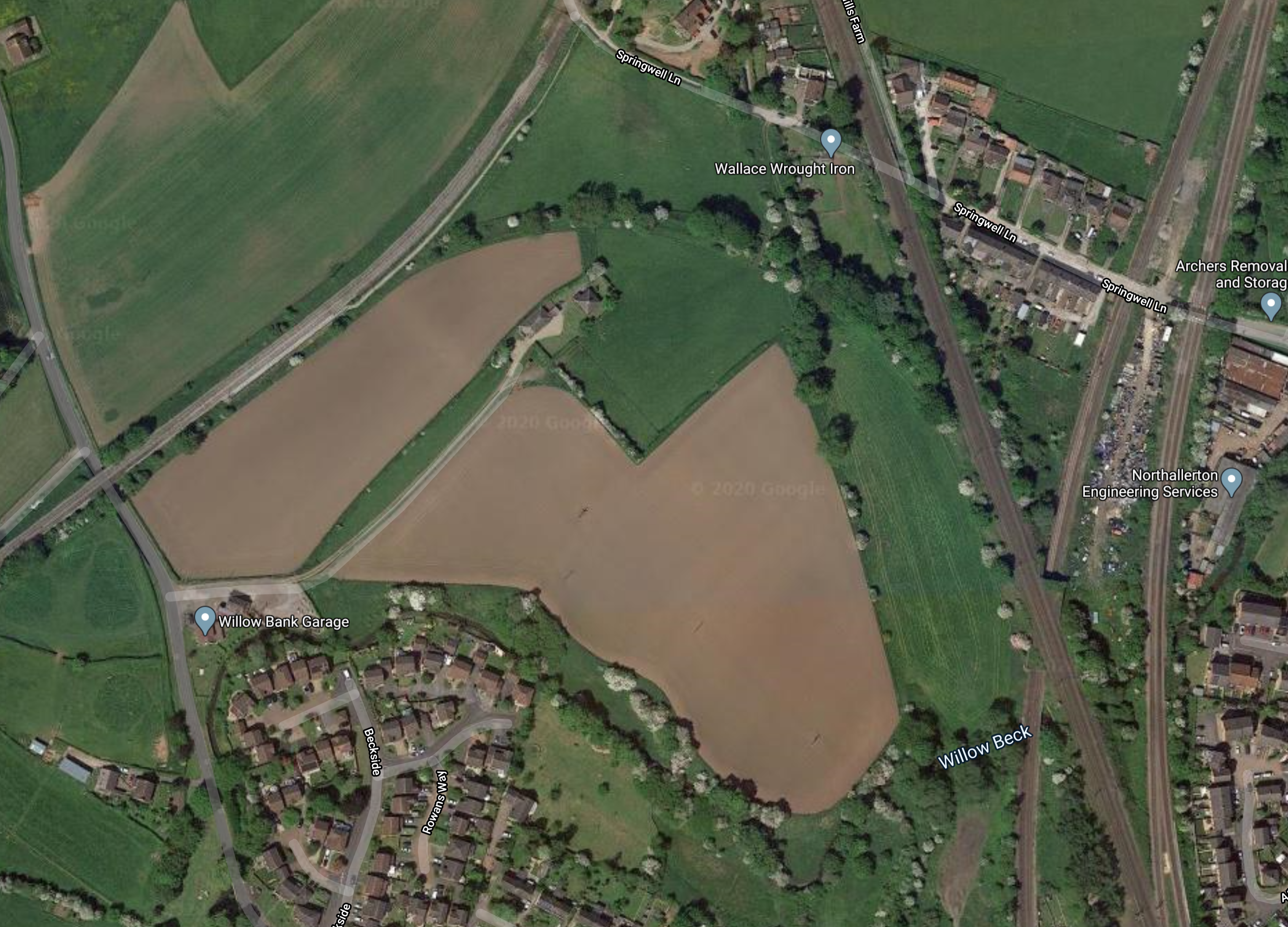
It looks to me, that it was once a chord, but now it’s a substantial wood.
A Bigger Plan
In the Wikipedia entry for the Wensleydale Railway, there is a section, which is entitled Upper Wensleydale Railway, where this is said.
In late 2019/early 2020, a separate company was formed to campaign to reinstate the line between Hawes and Garsdale. The groups’ objective is to have a timetabled year-round service run by a train operating company, rather than a heritage service. This scheme was shortlisted for funding in the second round of the government’s Reverse Beeching Fund, in June 2020.
These are my thoughts on various topics.
The Eastern Terminal
There are three possible Eastern terminals.
- Northallerton
- Middlesbrough – There is no connection to the Wensleydale Railway.
- Darlington – Would probably mean slow trains on the East Coast Main Line.
I think we’re left with Northallerton and the tight connection, which requires the chord to be reinstated.
But, it does say in the Wikipedia entry for Northallerton station, that the station is the terminus for the proposed extended Wensleydale Railway.
This Google Map shows the Northern end of Northallerton station.
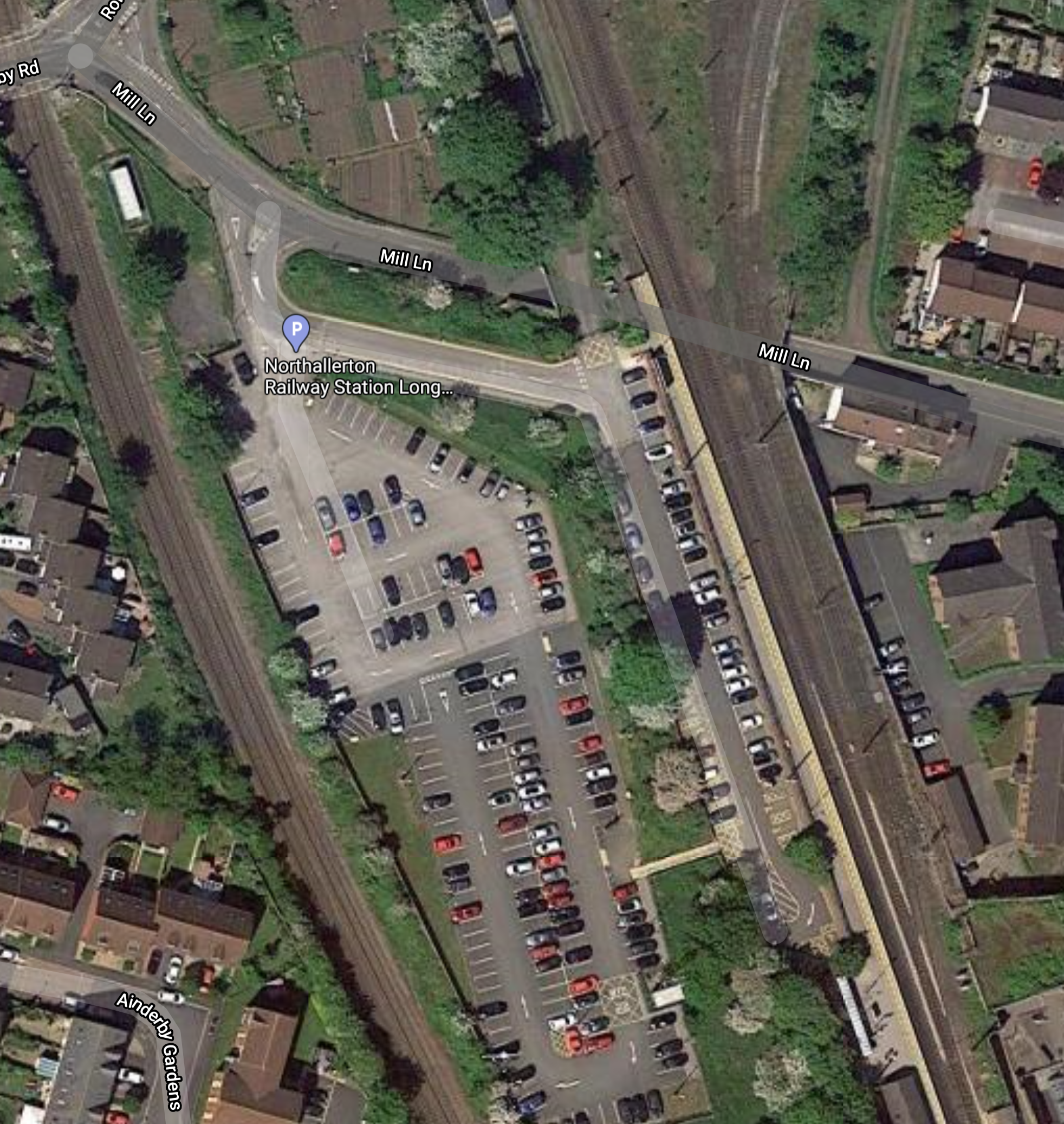
Would it be possible to sneak a line down the Western side of the East Coast Main Line and into a new bay platform at the station?
It would certainly allow trains from the Wensleydale Railway to terminate at Northallerton station.
The Western Terminal
As I said earlier, it’s the operator’s choice.
Personally, I would choose Blackburn station.
- It’s about fifty miles from Gardale station.
- There is a train depot at Blackburn.
- Blackburn station is in the Town Centre.
- Blackburn station has good rail connections to Blackpool, Liverpool, Leeds, Manchester and Preston.
Prior to COVID-19, I regularly stayed in the convenient Premier Inn next to the station.
Rolling Stock
The trains will have to be self-powered, as I don’t think the budget will run to electrification and much of the track-bed is owned by a heritage railway.
So that must mean the trains must be self-powered, which will mean either diesel, electric or hydrogen.
- I think diesel can be ruled out, except as a stop-gap, we are going carbon-neutral on the railways by 2040.
- Blackburn and Northallerton stations are too far for battery power.
So that means it must be hydrogen power.
But as, it appears that Teesside is going for hydrogen, as I wrote about in Fuelling The Change On Teesside Rails, that should be a convenient fuel.
The route might be a candidate for Vivarail’s Pop-up Metro concept, with fast charging at one or two, of any number of the stations.
Conclusion
I like this scheme, as it sorts a lot of problems.
I also think that there’s a fair chance, it will get the nod.
The local MP is the Chancellor of the Exchequer; Rishi Sunak and this could be a case of he who pays the piper, calls the tune!
 The Anonymous Widower