Giant Solar Farm Project In Doubt After Disagreement Between Mike Cannon-Brookes And Andrew Forrest
The title of this post, is the same as that of this article on the Guardian.
This is the sub-heading.
Australian billionaires had backed $30bn Sun Cable venture designed to help power Darwin, Indonesia and Singapore but the company has gone into voluntary administration.
It does look like the administrators will be able to continue the project and look for more funding.
Qatar must be in the frame, as this link will probably cut some of their gas sales.
I wrote about this monster project in Sun Cable’s Australia-Asia PowerLink.
I wonder if this administration will have any effects on the prospects of the other giant intercontinental interconnectors?
- EuroAfrica Interconnector – See The EuroAfrica Interconnector
- EuroAsia Interconnector – See The EuroAsia Interconnector
- Morroco-UK Power Project – See Moroccan Solar-Plus-Wind To Be Linked To GB In ‘Ground-Breaking’ Xlinks Project
- TransPacific Interconnector – See Chile Wants To Export Solar Energy To Asia Via 15,000km Submarine Cable
The economics will decide. But I do think, the last one could be a bit ambitious.
Would A Solar Roof With Added Vertical Turbines Work?
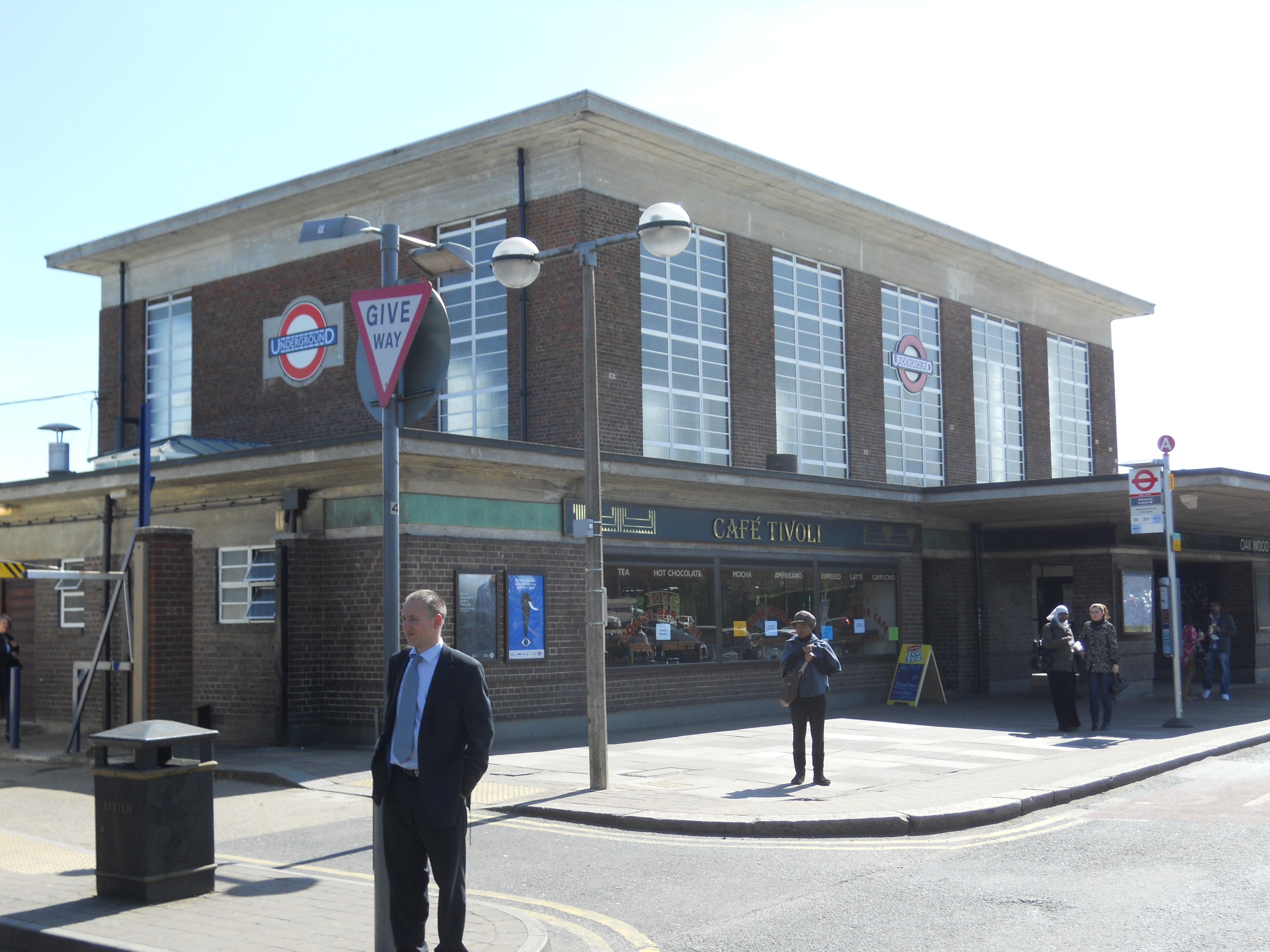
This picture shows Oakwood station on the Piccadilly Line.
Note.
- The station is the second most Northerly on the line.
- It opened in 1933.
- It is a classic Charles Holden design.
- It is a Grade II* Listed building.
- The station is on top of a hill and has an elevation of 71 metres above sea level.
This Google Map shows a close-up of the roof.
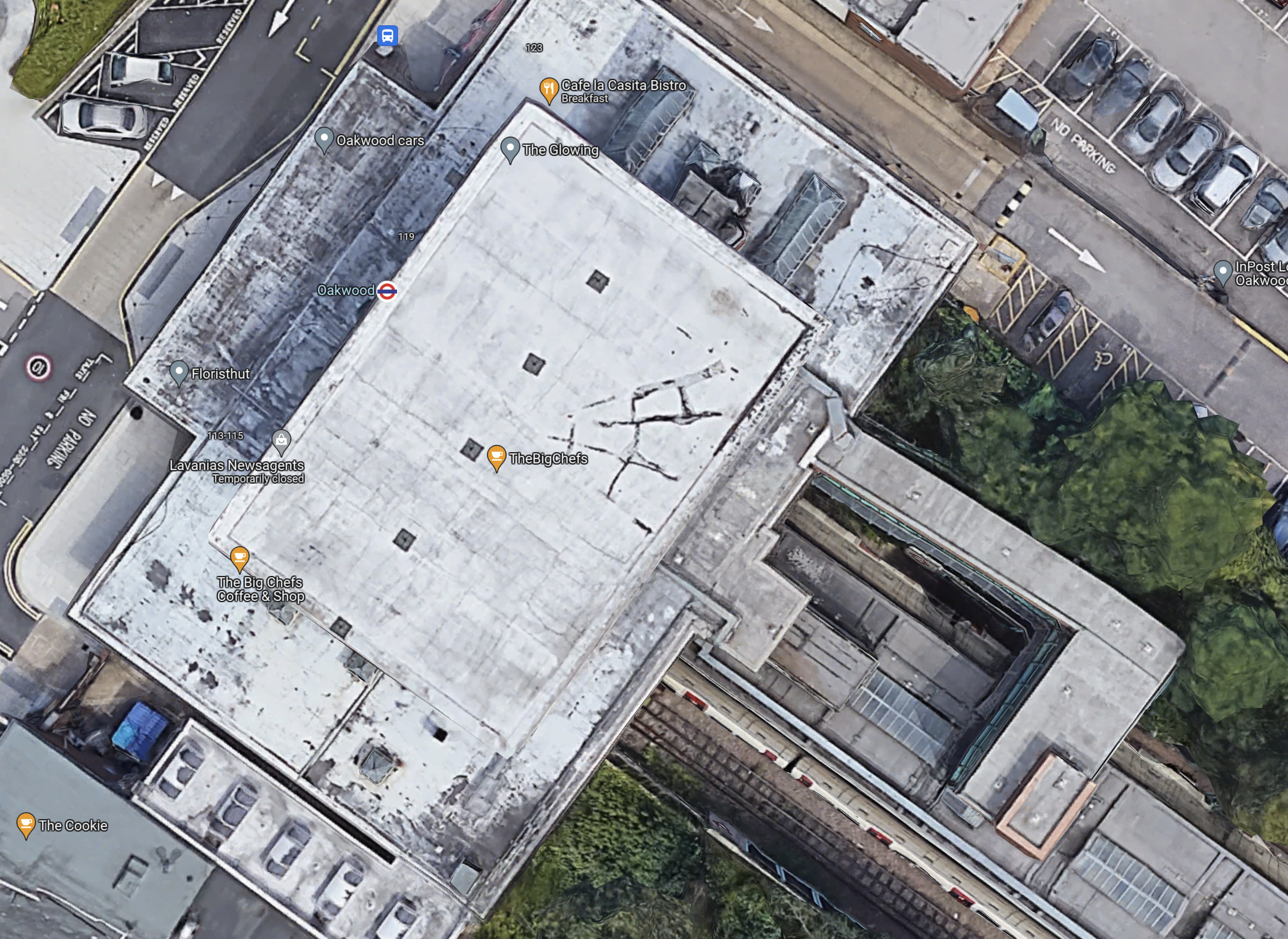
There might be a few aerials on the roof, but no solar panels.
Oakwood’s Location And Weather
I used to live near Oakwood station and it had its disadvantages.
- Cycling home was always up a steep hill.
- It could get very cold at times.
There even used to be a plaque at the station, which said that if you flew East, the first land you would hit would be the Urals.
Oakwood station could be an ideal renewable power station.
- The concrete and brick box of the station is probably exceedingly strong.
- Solar panels could cover the flat roof.
- SeaTwirls or other vertical turbines could be mounted around the solar panels.
- There could still be spaces for the aerials.
- I wonder what the reaction of English Heritage would be.
Should we call this mixed solar and wind power generation, hybrid renewable energy? Or do we overdo, the use of hybrid?
London Underground have other stations of a similar design including Sudbury Town and Acton Town.
The Wider Area To The West Of Oakwood Station
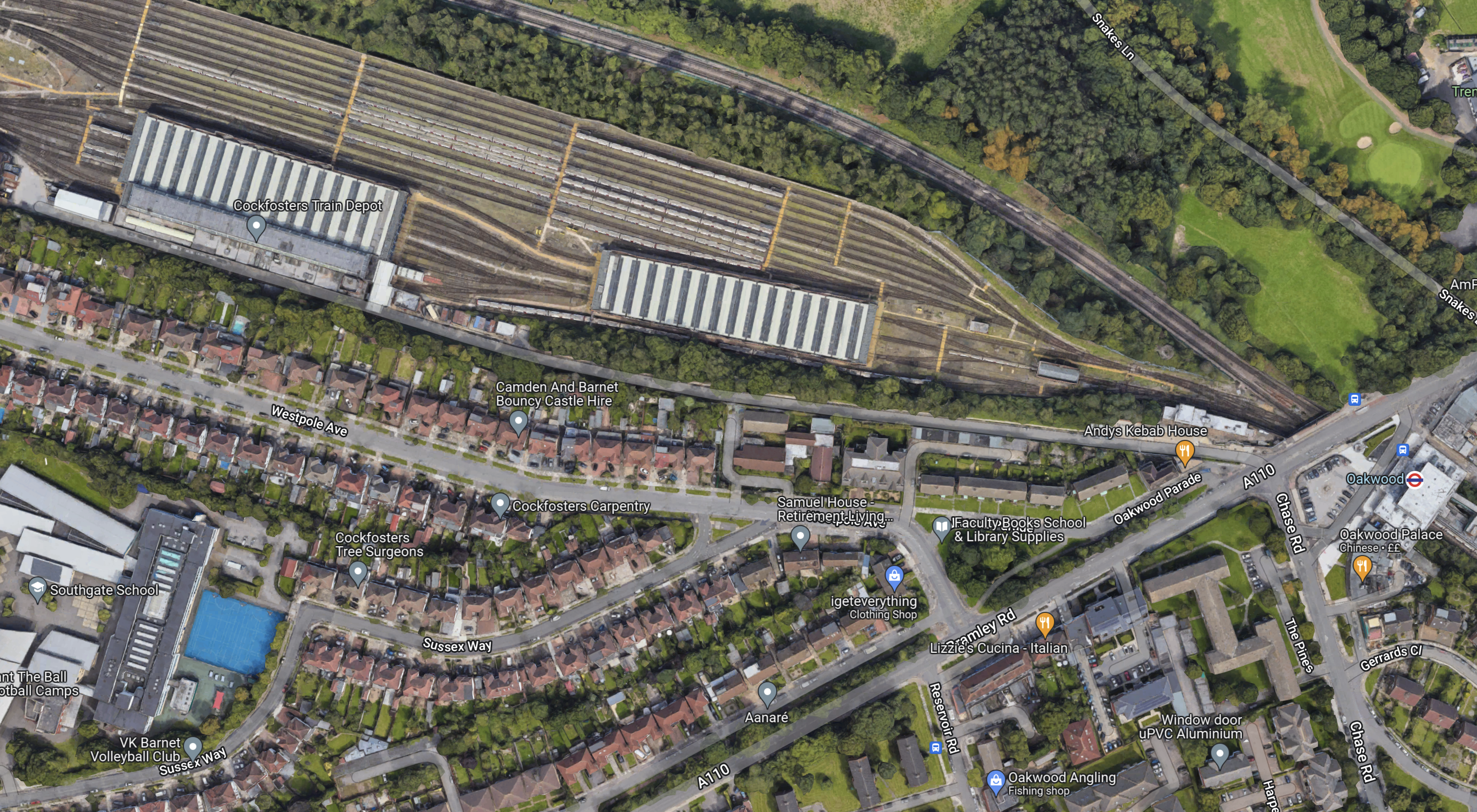
This Google Map shows the area to the West of Oakwood station.
Note.
- The striped roofs at the top of the map, with sidings for trains to the North, is Cockfosters Train Depot for the Piccadilly Line..
- The large building in the South-West corner is Southgate School, which I watched being built in the early 1960s, from my bedroom window in our house opposite. It is a concrete frame building typical of the period.
- Oakwood station is at the East side of the map and indicated by a London Underground roundel.
I think the possibilities for hybrid power generation in this area are good.
Cockfosters Depot
Cockfosters Depot could be an interesting site to develop as a renewable power station.
- There’s no way the site could be developed for housing, as it’s in the Green Belt.
- Road access is bad, but access for trains is good.
- I estimate that the depot is an area of at least five square kilometres.
- It’s still windy in the depot.
But it could have a solar roof and a few vertical wind turbines over the whole depot as designs and panels improve.
Southgate School
Southgate School could have a similar setup to Oakwood station.
Opportunities At Cockfosters Station
This Google Map shows a 3D image of Cockfosters station and the buildings around it.

Note.
- Cockfosters station is indicated by the roundel.
- The station is a Grade II Listed building.
- The station has an elevation of 97 metres.
- Half of the station car park is going to be turned into housing.
- Trent Park lies to the North of the station.
- The road in front of the station is Cockfosters Road, which to the North joins the M25 at Junction 24.
- The building between Cockfosters Road and the railway used to be offices, but it is now being converted into housing.
That high roof of the housing development, must be an ideal candidate for solar panels and vertical wind turbines.
Conclusion
I have tried to show the potential of just one of the small hills that ring London.
The Ultimate Bus Stop
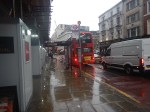
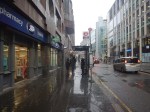
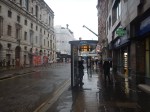
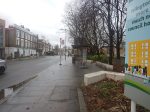
London has very comprehensive bus stops as these pictures show.



Note.
- Most bus stops have a pole mounted roundel, that can be seen from a reasonable distance. In many cases, anybody with reasonable sight can see the roundel for the next stop.
- Where space permits, bus stops have a shelter with seats, maps and instructions on ticketing.
- Some stops have been extended into the road, so that it is a level step into and out of the bus.
- As shown in the pictures, so bus stops have displays showing the next ten buses, that will be arriving.
But I do think, they could be improved, with extra features.
Internet Connectivity
I feel strongly, that all bus stops should have good internet connectivity.
This could be 4G, 5G or just wi-fi, but I believe this could help with the safety of people on the street.
Comprehensive Lighting
To contribute to safety, I also feel that all bus stops should be well lit.
CCTV Issues
I also feel that all bus stops should have provision for CCTV, so if there was a need, it could be quickly fitted. But if the bus stop had good internet connectivity, then this shouldn’t be a problem.
Phone Charging
New buses have this feature, so why not at the stops?
Power Supply Issues
If we add all these features, we could be needed an uprated power supply.
- So could we see bus stops, with solar panels on the roof.
- Perhaps even a mini wind turbine?
- I think a vertical wind turbine, which was similar to a SeaTwirl, but smaller, could be ideal!
- Could it be called a StreeTwirl?
- A self-powered bus could be created with the addition of a battery.
Self-powered bus stops might be easier to install.
Conclusion
Bus stops will have more features in the future.
Denny Bros Completes Solar Scheme At Bury St Edmunds Factory
The title of this post, is the same as that of this article on the East Anglian Daily Times.
This is the sub-title.
An energy-hungry manufacturer has completed a huge £0.5m solar array across its roofs – which on a good day can power the whole operation and more.
This Google Map from a few months ago, shows the incomplete array.
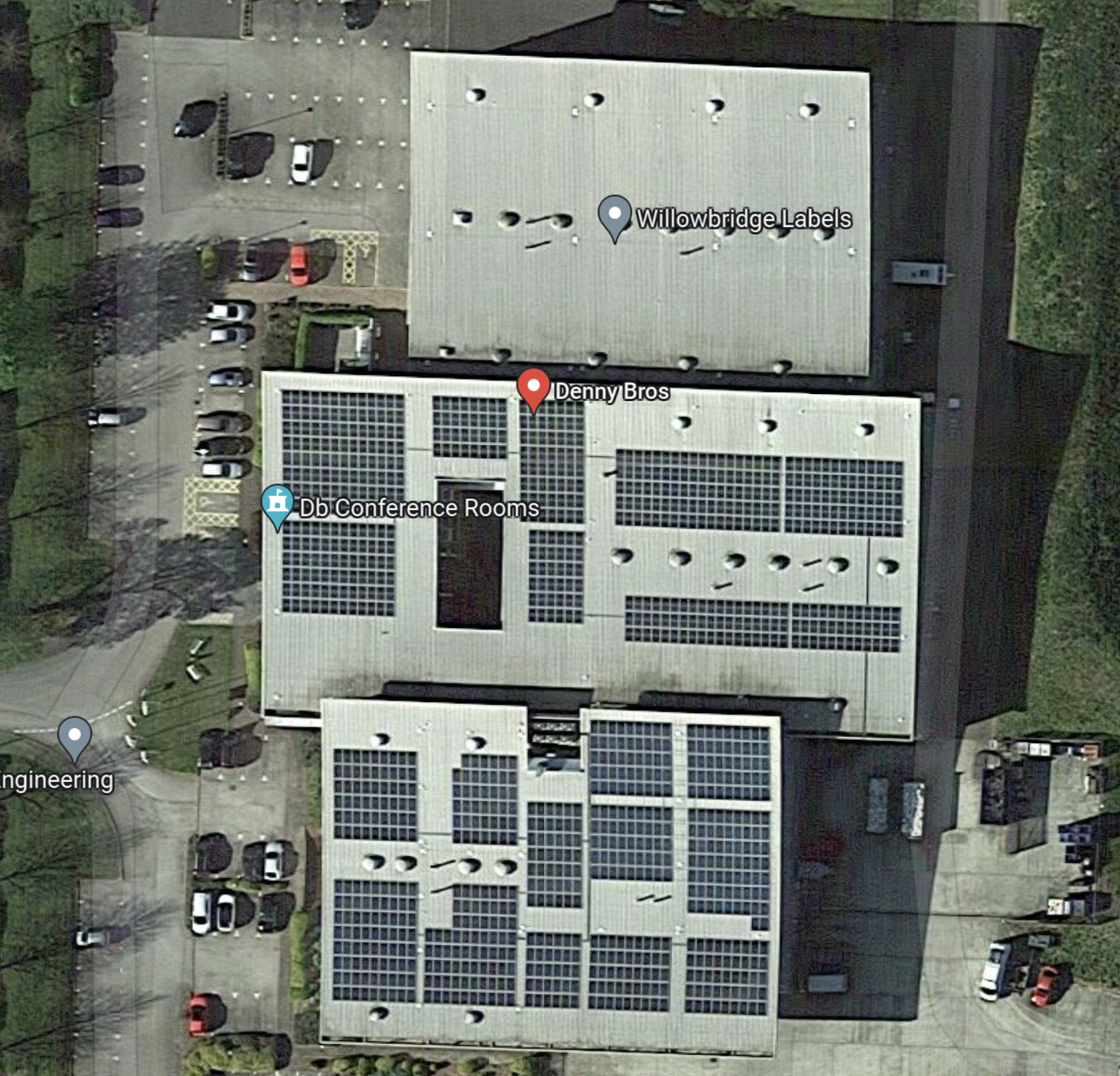
A more recent picture in the article, shows the top building with solar panels on the roof.
According to another report in the East Anglian Daily Times, the company turns over about eight millions.
As Denny Brothers appears to be a well-run company, that is partly employee-owned, the numbers must add up.
Incidentally, the article was displayed with two adverts; one for a solar panel company and the other for the well-known employee-owned company; John Lewis.
I suppose that’s the way the cookie rumbles!
I certainly don’t regret installing solar panels on my flat roof!
What About A Couple Of Wind Turbines?
I ask this question, as some MPs want to allow more onshore wind, providing the natives don’t mind.
I wrote about onshore wind in Chancellor Confirms England Onshore Wind Planning Reform and I think that in the right place they are acceptable.
I know the Government has changed since September, but if you look at the Google Map above, I suspect a couple of turbines could be squeezed in and they probably would be in Germany.
French Farmers Are Covering Crops With Solar Panels To Produce Food And Energy At The Same Time
The title of this post is the same as that of this article on euronews.green.
These paragraphs explain the technique.
Agrivoltaics – the practice of using land for both solar energy and agriculture – is on the rise across France.
In the Haute-Saône region, in the northeastern part of the country, an experiment is being conducted by solar-energy company TSE. It is hoping to find out whether solar energy can be generated without hindering large-scale cereal crops.
Previous attempts to experiment with agrivoltaics have been through smaller-scale projects. But, keen to see if it can thrive on an industrial level, 5,500 solar panels are being spread over this farm in the commune town of Amance by TSE.
The article also contains a picture, which shows panels high in the air and a tractor going underneath.
I’m not sure of the idea’s practical application, although, I do know of a farmer, who is experimenting with using solar panels in a field with sheep. He also has found that on another field fully fitted with solar panels, hares were thriving.
In Understanding Floatovoltaics, I talked about another French idea; floating solar panels, where solar panels are floated on calm water like a reservoir.
Talking of reservoirs, I remember seeing a Tomorrow’s World, as a child, where it was proposed that concrete reservoirs, like those under the Heathrow flightpath, be filled with foamed concrete and covered with soil, so they could be used to grow crops.
- The water capacity would be slightly smaller.
- There would be less water losses.
I wonder what happened to that idea.
Q&A: What does ‘Subsidy-Free’ Renewables Actually Mean?
The title of this post, is the same as that of this article on Carbon Brief.
This is the first paragraph.
Recent announcements in the UK and across the rest of Europe seem to be ushering in a new era of “subsidy-free” renewables, which can be deployed without government support.
The article gives a detailed explanation and is a must-read.
Rolls-Royce And SOWITEC Cooperate On Power-To-X Projects
The title of this post, is the same of that of this press release from Rolls-Royce.
The press release starts with these two bullet points.
- Target: up to 500 MW electrolysis capacity for power-to-X projects
- Production of green hydrogen and e-fuels for shipping, aviation, mining, agriculture, data centers
In Rolls-Royce Makes Duisburg Container Terminal Climate Neutral With MTU Hydrogen Technology, I wrote how Rolls-Royce were building a carbon-neutral energy supply for the port.
This Rolls-Royce graphic illustrates the project.

It looks like SOWITEC would be the sort of company to install the decentralised renewables for this project.
Rolls-Royce seem to be collecting the technology to build complex projects like the power supply for the Duisburg Container Terminal, either by acquisition or negotiating friendly links.
But I do think, that Rolls-Royce possibly need two items for a complete portfolio.
A factory with a large capacity to build electrolysers. The press release says they need 500 MW by 2028 or nearly 100 MW per year.
Some form of GWh-sized energy storage. I wouldn’t be surprised to see Rolls-Royce do a deal with an energy storage company.
Chancellor Confirms England Onshore Wind Planning Reform
The title of this post, is the same as that of this article on renews.biz.
These are the first two paragraphs.
UK Chancellor Kwasi Kwarteng has confirmed that onshore wind planning policy is to be brought in line with other infrastructure to allow it to be deployed more easily in England.
The announcement is the strongest sign yet that the Conservative Party could be poised to reverse its 2015 ban on new onshore wind farms being built in England.
I take a scientifically-correct view of onshore wind, in that I am sometimes against it, but on the other hand in certain locations, I would be very much in favour.
These pictures show Keadby Wind Farm in Lincolnshire.
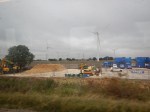
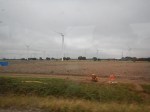
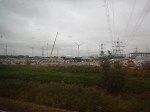
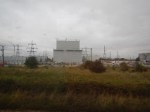
As the wind farm sits next to two gas-fired power stations and is surrounded by high voltage overhead electricity cables, this is probably a more acceptable location, than beside a picturesque village.
In this page on their web site, SSE says this about the construction of the 68 MW wind farm.
After receiving planning permission in 2008, construction began in 2012 and the first turbine foundation was complete in February 2013. The final turbine was assembled on 11 December 2013 and the project was completed in summer 2014.
If this is typical, and I think it is, it would take six years plus the time arguing about planning permission, to get a new onshore wind farm built.
But supposing, you are a farmer who wants to decarbonise. One way might be with a 10 MW wind turbine and a hydrogen electrolyser, so you had your own hydrogen source to power your tractors and other equipment.
On the other hand, solar panels on house, shed and barn roofs might be a more discrete alternative.
Thoughts On The Mini-Budget
This article on the BBC is entitled At A Glance: What’s In The Mini-Budget?.
If nothing else KK has whipped up a storm, with the most tax-cutting budget in decades.
But!
According to my calculations in Will We Run Out Of Power This Winter?, the planned offshore wind that will be installed between 2022 and 2027 will be at least 19 GW. About 3 GW of this offshore wind is already producing electricity.
To this must be added 3.26 GW for Hinckley Point C, 2 GW for solar and 0.9 GW for onshore wind in Scotland, which will be developed by 2027.
So we have 25.2 GW for starters.
Following on from this is the 27.1 GW from ScotWind, about 4 GW from the Celtic Sea, 3 GW from Morecambe Bay and 10 GW from Aker’s Northern Horizons. All of these are firm projects and some are already being planned in detail.
These wind and solar farms are the collateral for KK’s borrowing.
The corporate tax changes will hopefully attract world class energy and manufacturing companies to set up UK-domiciled subsidiaries to develop more offshore wind farms and manufacture the turbines and the electrical gubbins close to where they will be installed.
As more wind farms are built, many GW of electricity and tonnes of hydrogen will be exported to Europe.
Note that 1 GW for a day costs around £ 960,000 and for a year costs £350.4 million.
A big benefit of all this electricity, will be that we won’t need to frack.
Technologies like green hydrogen, that will be created by electrolysis will reduce our need for gas.
We might develop a gas field like Jackdaw, to give us gas for a backup with a few gas-fired power stations, for when the wind doesn’t blow, but gas will only have a minor roll.
The force of the maths is with KK!
The Future Is Blowing In The Wind
In Can We Move The Equilibrium Point Of The Energy Market?, I have been adding up all of the renewable energy to be commissioned in the next few years.
I am only looking at schemes that are being built or are consulting the public, have contracts and are by reputable and reliable developers, like BP, Equinor, Orsted, Scottish Power, Shell, SSE and Wattenfall
The numbers are not small.
This year 3.2 GW, should be commissioned, with another 2.3 GW in 2023. But the total between now and 2028 is at least 30 GW plus Hinckley Point C. In fact it could be higher, as I have ignored nearly all of the 25 plus GW of the Scotwind projects in the seas around Scotland.
As the UK needs about 23 GW to wash its face and we already have 25.5 GW of renewables installed, by the mid point of the decade, we should be able to reorganise our energy, by cutting gas usage for power generation and exporting surpluses to Europe.
The future is blowing the wind!

