London Overground Train Makes Rare Diversion To London Bridge Station
The title of this post, is the same as that of this article on Ian Visits.
This is the sub-heading.
On Sunday morning, a London Overground train paid a visit to London Bridge station — a station that the Overground doesn’t usually visit.
These were the first two paragraphs.
It was here for a test run ahead of a special service that will run on Easter Sunday, and the test was needed to ensure that what worked on paper also worked in practice.
The reason for the Easter Sunday special is weekend engineering works elsewhere which would mean no Southern trains between Victoria and London Bridge, while at the same time, the London Overground south of the river can’t go north.
Note.
- Judging by Ian’s pictures, it was a very thorough test of clearances and ramp functions.
- According to Real Time Trains, the two services used platform 5 at Crystal Palace and Platform 13 at London Bridge.
- The distance was 7.5 miles.
- Services took 23 minutes to London Bridge and 19 minutes for the return.
This image shows a London Overground train in Platform 5 at Crystal Palace station.
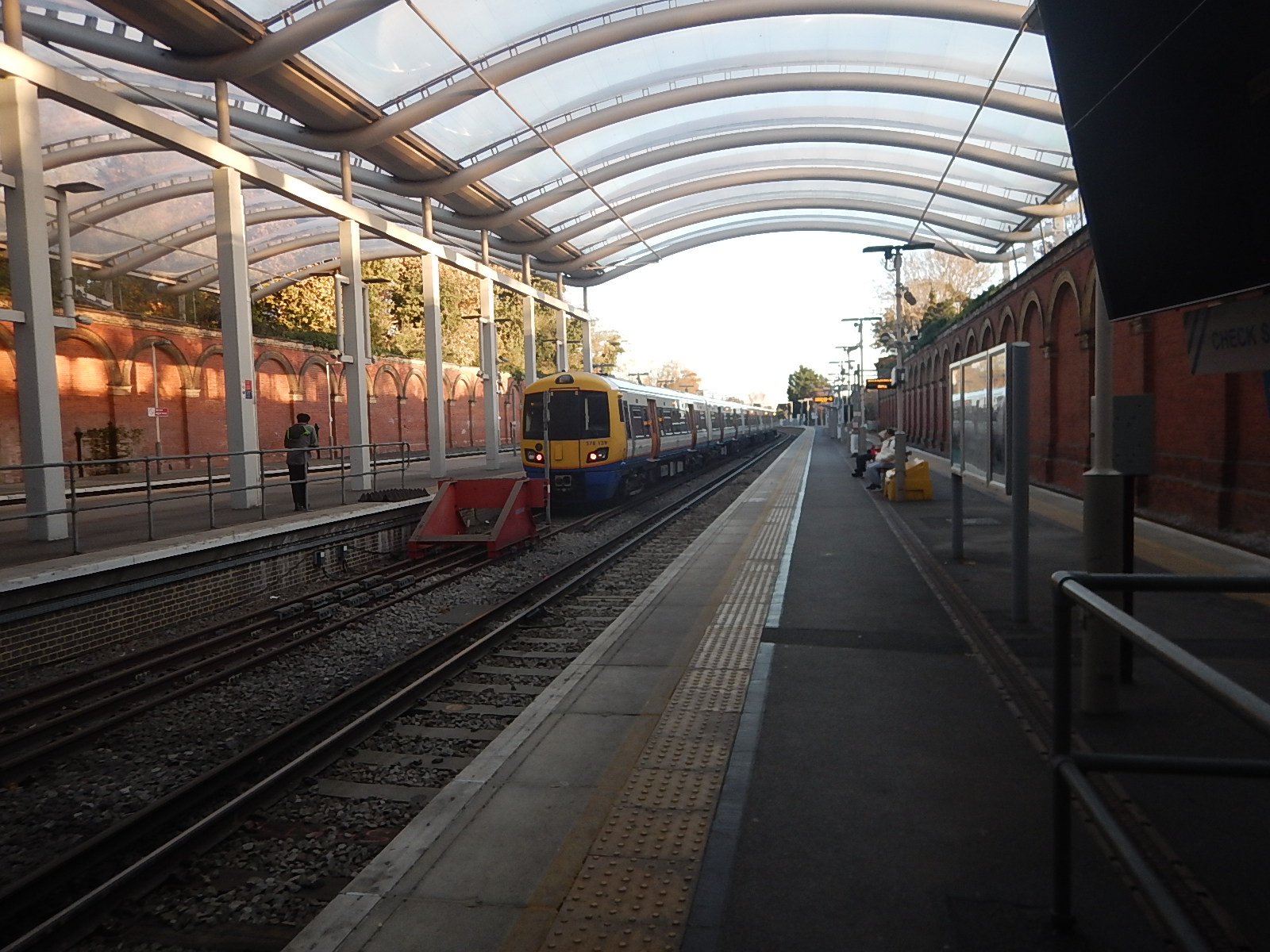
In Overground To London Bridge Under Consideration, I talked about how Transport for London were thinking about creating a new Overground service between London Bridge and Crystal Palace.
Sunday’s test also shows that if the paths are available, London Overground can run a service between London Bridge and Crystal Palace.
Given that the times for the out and return trips were 23 and 19 minutes on Sunday, it appears to me, that the following is possible.
- One train could run an hourly service.
- Two trains could run a two trains per hour (tph) service.
Trains could terminate in platform 3, which is on the right in the image and only has two trains per day.
There would be the following trains to London from Crystal Palace.
- London Overground – Four tph to Canada Water, Whitechapel and Highbury and Islington.
- London Overground – Two tph to London Bridge
- Southern – Two tph to London Bridge
- Southern – Four tph to London Victoria
These would total to.
- Canada Water – four tph for Jubilee Line
- Highbury & Islington – four tph for Victoria and North London Lines
- London Bridge – four tph for Thameslink, Jubilee and Northern Lines
- London Victoria – four tph for Victoria, Circle and District Lines
- Whitechapel – four tph for Elizabeth, Victoria, Circle, District and Hammersmith & City Lines
Note.
- The two extra tph to London Bridge even everything up to four tph.
- The London Bridge and Crystal Palace service could be run by any suitable train and I suspect it could be eight cars. What about using some of the spare Class 379 trains?
The London Bridge and Crystal Palace service wouldn’t need trains with a tunnel evacuation capability, so could use Class 378, 379, 387 or 710 trains.
Does The Elizabeth Line Need More Frequent Trains In The Central Section?
Currently, the Off Peak service on the Elizabeth Line is at follows.
- Reading and Abbey Wood – 2 tph
- Maidenhead and Abbey Wood – 2 tph
- Heathrow Terminal 4 and Abbey Wood – 4 tph
- Heathrow Terminal 5 and Shenfield – 2 tph
- Paddington and Shenfield – 6 tph
Note.
- tph is trains per hour.
- There are eight tph to Abbey Wood and Shenfield.
- There are six tph to Heathrow Airport.
But there are only 16 tph through the Central Tunnel between Paddington and Whitechapel stations.
These are typical Off Peak frequencies on other Underground and rail services across London.
- Bakerloo Line – 16 tph – Queen’s Park and Elephant & Castle – 20 tph in the Peak.
- Central Line – 24 tph – White City and Leytonstone – 35 tph in the Peak.
- Jubilee Line – 24 tph – Stratford and West Hampstead.
- Northern Line – 16-20 tph – All routes except Kennington and Battersea Power Station.
- Piccadilly Line – 21 tph – Arnos Grove and Acton Town.
- Thameslink – 16 tph – St. Pancras and Blackfriars.
- Victoria Line – 33 tph – Seven Sisters and Brixton – 36 tph in the Peak.
From these figures, it appears that the Elizabeth Line’s 16 tph is on the low side, when compared to the Central, Jubilee and Victoria Line.
This morning about 11:00, I went between Moorgate and West Ealing stations.
- I went to see FirstGroup’s fast-charge system for battery-electric trains.
- The trains were full both ways.
- There was only the odd seat available.
I know it’s Half Term, but I do think that more services need to run on the Elizabeth Line.
Silvertown Tunnel: Cracks In Mayoral Policies
The title of this post, is the same as that, as this article on the BBC.
This is the sub-heading.
It is an infrastructure project that is well-underway with the boring almost completed — but it has a very low profile.
These three paragraphs possibly explain why.
Every step of the Crossrail tunnelling, the media were invited along. Not so with this project.
This is Silvertown Tunnel. It is more than 1km long and will be London’s first road tunnel in over 30 years.
Perhaps one of the reasons it isn’t being pushed publicity-wise, is it is very controversial.
Reading the rest of the article it certainly is controversial in many people’s minds.
These are my thoughts.
Avoiding The Dartford Crossing
When I drove back to Suffolk from Gatwick, Kent or Sussex, in the last century, because of congestion at the Dartford Crossing, I would sometimes cut through London and use the Blackwall Tunnel, when I thought it would be quicker.
When the Silvertown Tunnel opens, this could be a viable alternative for vehicles.
My experience of modelling flows, tells me, that water finds its own level. With driving, Satellite Navigation will be able to tell drivers, which will be the fastest route.
It is my view, that the Silvertown Tunnel will become the biggest rat-run in London.
Except some of these rats will be super-rats in 45-tonne HGVs.
Cutting Pollution In London
If super-rat-running is going to happen, then this will raise pollution in Central London, with all those heavy trucks going through.
The only way to cut pollution would be to have differential pricing for vehicles in the tunnels.
Perhaps hydrogen and electric vehicles should be at a discount.
But then Sadiq Khan doesn’t have a hydrogen policy, except to ignore it and hope it goes away.
The Elizabeth Line Effect
Talking to Elizabeth Line staff at Whitechapel station, they feel that there is an increasing number of passengers, who do journeys in East London on an up-one-branch-down-t’other basis between places like Ilford and Woolwich.
I believe, that other cross-river railways and the Bank station improvements, will also take passengers out of their cars, which will free up the Silvertown Tunnel for more HGVs.
A City Airport Station On The Elizabeth Line
I wrote about this in Thoughts On London City Airport And The Elizabeth Line.
How many cars would this remove from the tunnels under the Thaames?
The Shuttle Lift At Whitechapel Station
Whitechapel station is an unusual station on the London Overground/Underground network, as the two Overground tracks are underneath the two Underground tracks.
But then Marc Brunel and his more famous son; Isambard didn’t realise that their Thames Tunnel would eventually be part of London’s circular Overground railway.
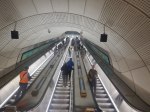
The interchange is further complicated, by the Elizabeth Line being dozens of metres below the Overground, so that is connected to the main station bridge concourse by a giant three-barrel escalator.




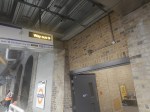
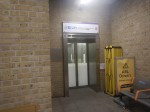
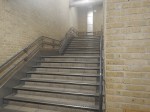
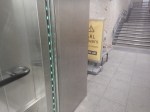
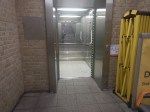
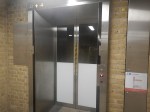
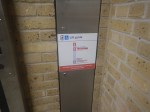
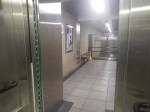
A single shuttle lift and a set of stairs connect the bridge concourse to the Northbound Overground platform.

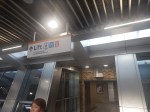
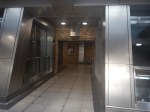
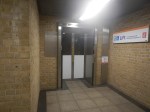
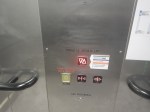


Note.
- The route is well used, as passengers have realised it is the fastest way between the Elizabeth Line and the Northbound London Overground.
- Judging by the number of passengers, who exit from the first car of Northbound Overground trains, this route could be a popular one for passengers from South London, who are continuing their journey on the Elizabeth Line.
- I use the route to come home with shopping, I’ve bought along the Elizabeth Line. I can manage the Lizzie Line escalators with two shopping bags and after rising from the depths at Whitechapel, I can take this lift to the first car of a train for Dalston, where there is a lift to the street and a bus to home.
- The lift has only two stops and one button is used to shuttle it, between the stops.
- The lower lift stop is perhaps ten metres from the first car of Northbound Overground train.
- The upper lift stop is perhaps ten metres from the bridge concourse and twenty from the escalator to the Elizabeth Line.
Strangely, the lift and stairs arrangement is more complicated on the Southbound platform of the Overground.
London’s transport network needs more simple shuttle lifts like this.
Could There Be An Elizabeth Line Extension To Grays?
This article on My London is entitled London Underground Tube Map: The Towns That Could Be Added To The Elizabeth Line As New Giant Loop Through London, Essex And Kent Is Proposed.
This paragraph described the proposal.
The proposal, which is part of its Vision 2050 local transport plan, would see the current Elizabeth line service from Romford take over the Overground branch to Emerson Park and Upminster, then join c2c services continuing via Chafford Hundred Lakeside to Tilbury. It would then head under a new tunnel beneath the Thames to Gravesend, connecting with the reintroduced Eurostar at Ebbsfleet International/Northfleet.
It’s certainly a bold idea and you can view the report to Thurrock Council here.
These are my thoughts.
The Frequency Of Trains
Currently, these services have a frequency of two trains per hour (tph) in both directions.
- Romford and Upminster.
- Upminster and Tilbury Town.
It would seem sensible that this frequency is preserved, thus giving every station on the loop four tph to and from the Eastern End of the Central Tunnel at Whitechapel station. Two tph would go via Romford and Stratford and two tph would go via Ebbsfleet and Abbey Wood.
What Would Be The Western Terminal?
It would probably be the two busiest terminals in the West.
I suspect that these will be Heathrow Terminal 4 and Heathrow Terminal 5
- Two tph would go between Heathrow Terminal 4 and Heathrow Terminal 5 via the loop.
- Two tph would go between Heathrow Terminal 5 and Heathrow Terminal4 via the loop.
- Two tph would go clockwise.
- Two tph would go anticlockwise.
I suspect the digital signalling can sort it out, just as it does the loop in Thameslink.
The Connection At Romford To The Romford and Upminster Line
Consider.
- The Romford and Upminster Line is single-track.
- A well-signalled single-track railway can handle two tph in both directions in an hour.
- Trains take five minutes to go between Romford and Emerson Park stations.
- Trains between Romford and Upminster will use Platform 5 at Romford station.
- Trains between Upminster and Romford will use Platform 4 at Romford station.
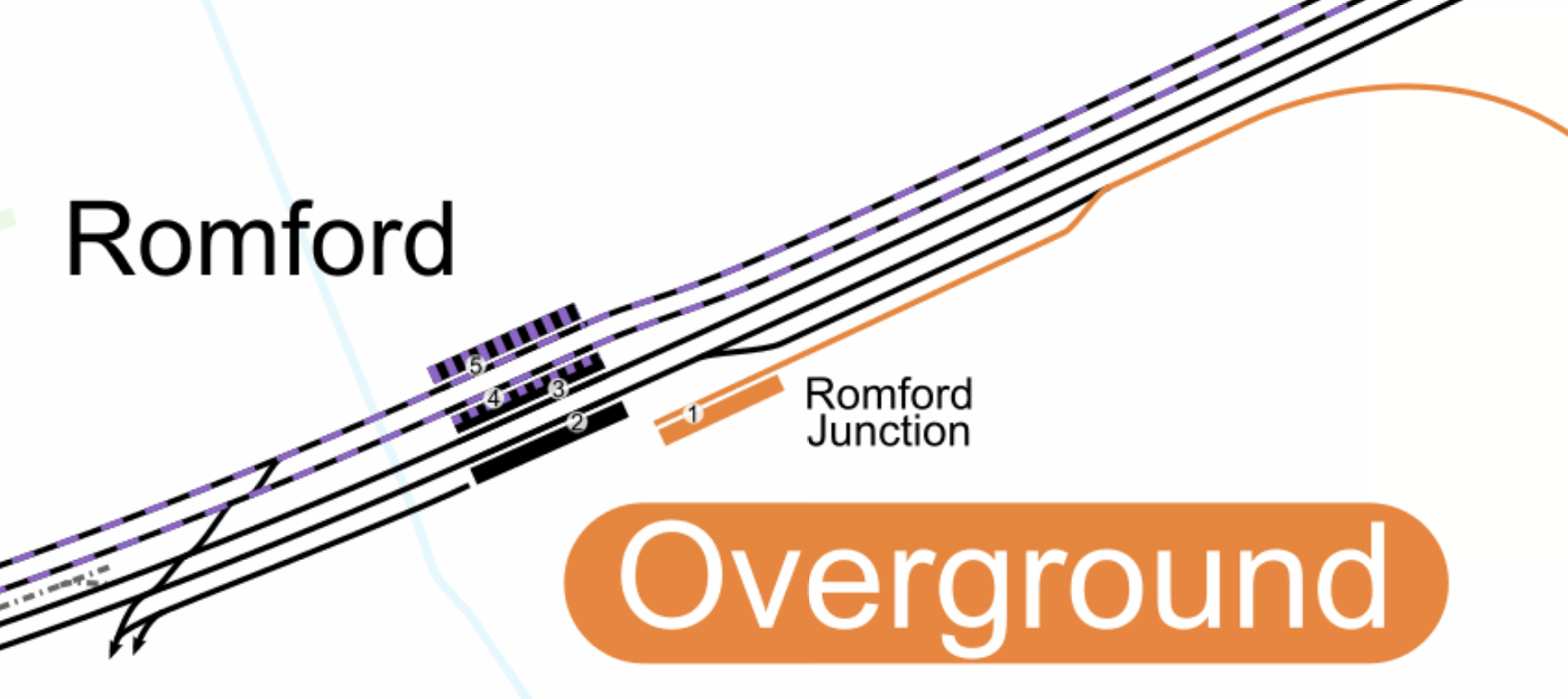
This map from cartometro shows the track layout at Romford station.
Note.
- The orange lines are the Overground tracks of the Romford and Upminster Line, which connects to Platform 1 in Romford station.
- The black and purple lines are the Elizabeth Line, which go through Platforms 4 and 5 at Romford station.
- The black lines are the fast lines of the Great Eastern Main Line, which go through Platforms 2 and 3 at Romford station.
- There is no connection between the Elizabeth Line and the Romford and Upminster Line.
I believe it is possible to build a single-track flyover or dive-under that connects both Platforms 4 and 5 at Romford station to the Romford and Upminster Line.
A similar double track flyover was built to connect the Barking Riverside branch to the main lines through Barking.
- But this track layout would only need to be single-track.
- I also suspect that there may not be enough space to put in a full double-track flyover.
- It would avoid the inconvenience and danger of using flat junctions to cross the fast lines of the Great Eastern Main Line.
As it only takes five minutes to go between Romford and Emerson Park stations, there is plenty of time to fit two tph in both directions in an hour.
Platform Extension In Platform 1 At Romford Station
Platforms 4 and 5 at Romford regularly take nine-car Class 345 trains, but I think that Platform 1 should be lengthened, to provide a bay platform on the route to help out when the service needs to recover.
Platform Extension At Emerson Park Station
The platform at Emerson Park station will need to be lengthened to take nine-car Class 345 trains.
Some commentators claim, that the passing loop at the station needs to be rebuilt. But I suspect, this isn’t needed as the expanded layout at Romford station effectively creates a passing loop.
The Connection At Upminster Between The Romford and Upminster Line And The Upminster And Tilbury Town Line
Consider.
- Both lines are single-track.
- But there is a passing loop at Ockenden station.
- There are three tracks between West Thurrock junction and Grays.
- Trains take five minutes to go between Emerson Park and Upminster stations.
- Trains take ten minutes to go between Upminster and Chafford Hundred stations.
- Trains take four minutes to go between Chafford Hundred and Grays stations.
- Trains take thirteen minutes to go between Upminster station and West Thurrock junction.
This map from cartometro shows the track layout at Upminster station.

Note.
- The orange lines are the Overground tracks of the Romford and Upminster Line, which connects to Platform 6 in Upminster station.
- The green lines are the District Line tracks that handle the services that terminate at Upminster station.
- The black lines are the c2c tracks between Fenchurch Street and Southend Central stations go through Platforms 1 and 2 at Upminster station.
- The Upminster and Tilbury Town Line leaves Upminster station in a South-Easterly direction.
- The Upminster and Tilbury Town Line connects to Platforms 1 and 2 at Upminster station.
I believe it is possible to build a single-track flyover or dive-under that connects both Platforms 1 and 2 at Upminster station to the Romford and Upminster Line.
This would connect the following.
- The Romford and Upminster Line to the the Upminster and Tilbury Town Line.
- The Romford and Upminster Line to the the Fenchurch Street and Southend Central Line.
Upminster station would be a much improved interchange.
Two tph Between Tilbury Town and Romford Stations
Consider.
- The route is fully electrified.
- The route is a mixture of single and double-track.
- There is a passing loop at Ockendon station.
- The platform at Emerson Park and possibly others may need to be extended to take nine-car Class 345 trains.
I believe single-track flyovers or dive-unders at Romford and Upminster stations would enable two tph on the route.
The only downside I can see, is that passengers going between Fenchurch Street and Chafford Hundred or Ockendon stations would need to change at Grays or Upminster stations.
Alternatively, they could take the Elizabeth Line, which would have a 4 tph direct service between the Central Tunnel of the line and Chafford Hundred and Ockendon stations.
Under The Thames
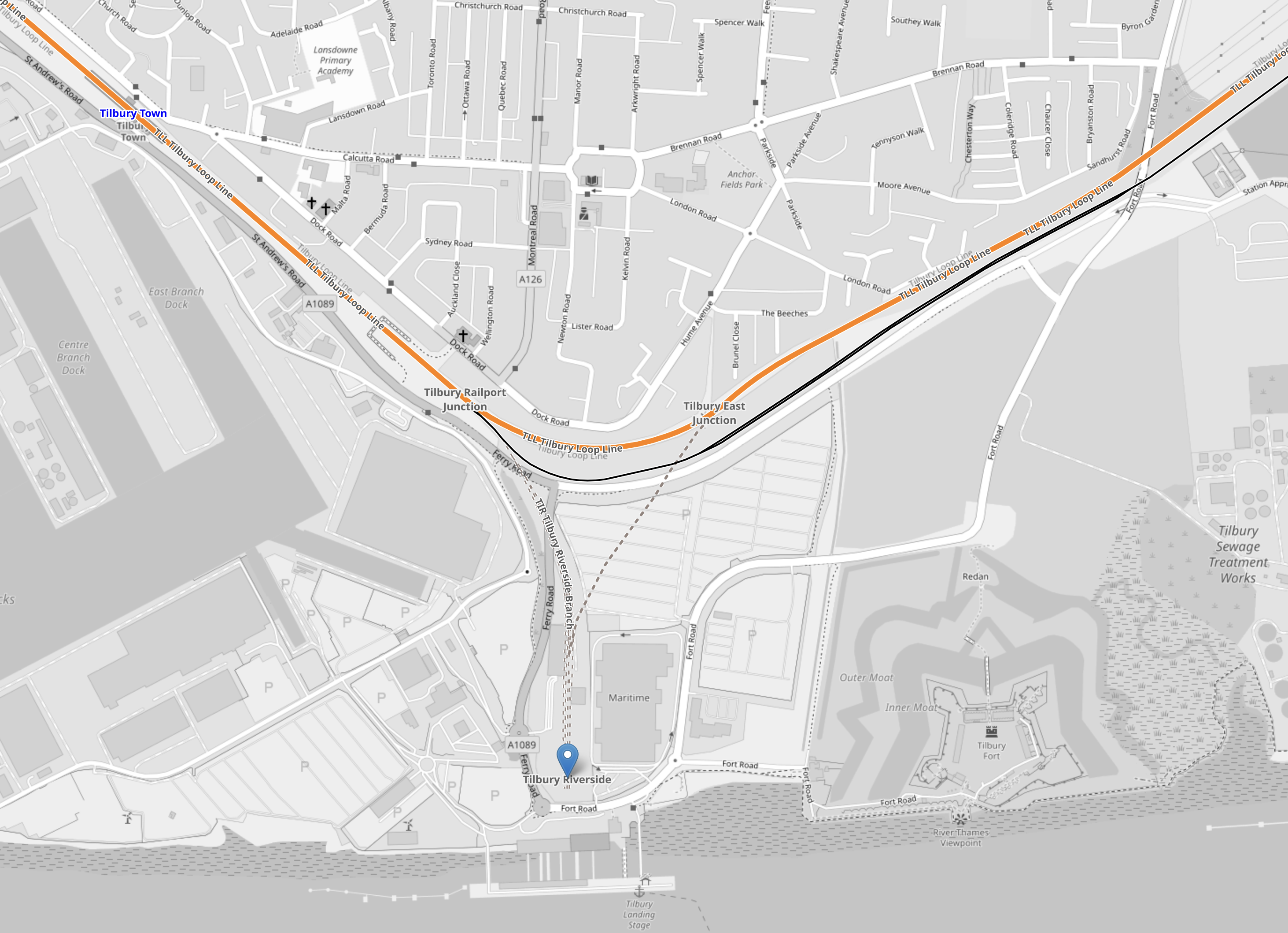
This map from OpenRailwayMap shows the lines on the North bank of the Thames.
Note.
- The orange line is the double-track Tilbury Loop Line between Fenchurch Street and Southend Central stations.
- Tilbury Town station is in the North-West corner of the map.
- There is a proposal for a Tilbury Fort station in the North-East corner of the map.
- The blue arrow at the bottom of the map indicates the former Tilbury Riverside station, which is next to the London International Cruise Terminal.
I believe the North portal of the tunnel under the river could be at the site of the former Tilbury Riverside station.
Would it be an idea to rebuild the station and connect it to the cruise terminal, so that passengers on the cruise ships would have excellent access to Central London, Ebbsfleet International station for High Speed One and Heathrow Airport?
This map from OpenRailwayMap shows the lines on the South bank of the Thames.
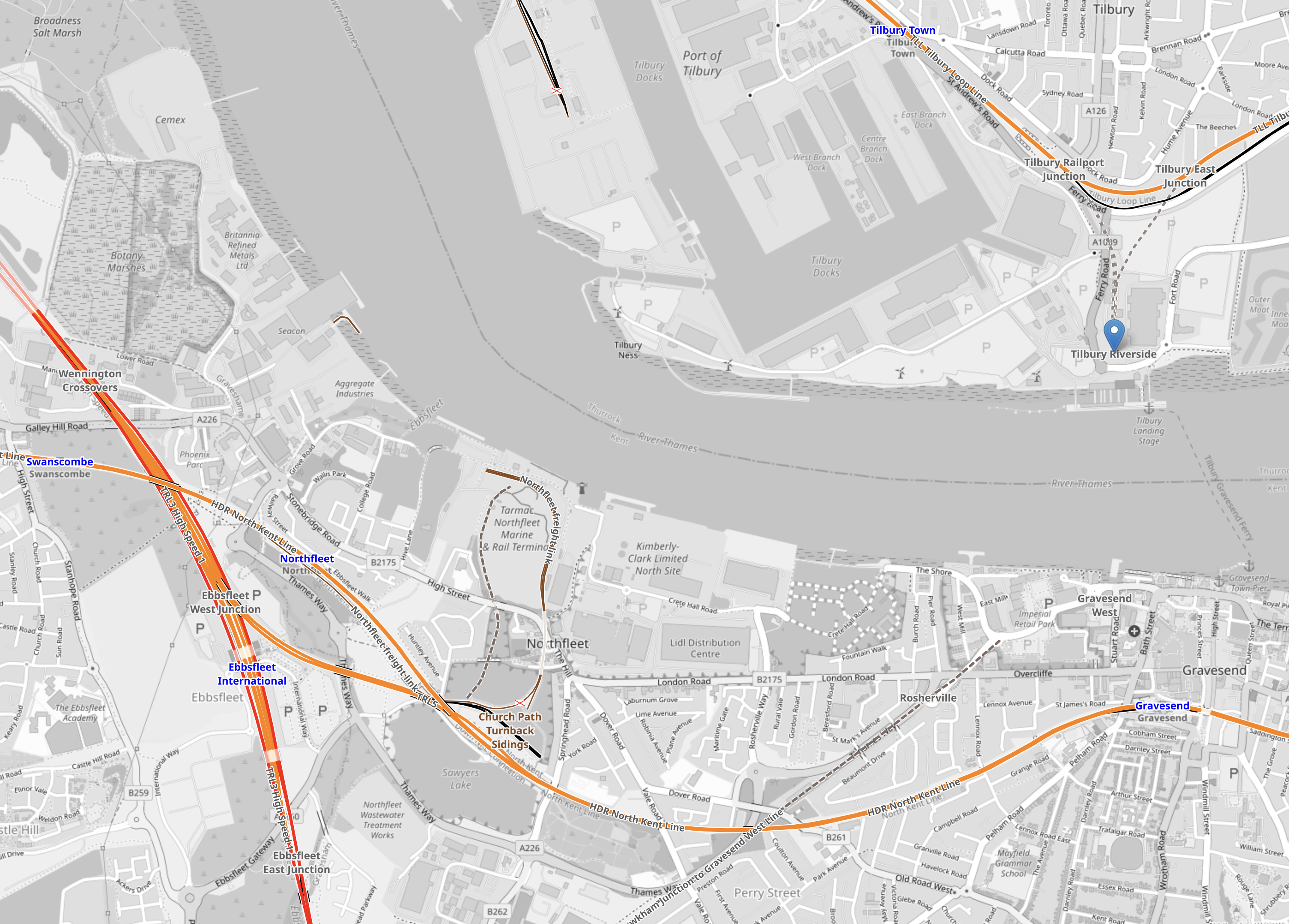
Note.
- Tilbury Town station, the former Tilbury Riverside Riverside station and the Tilbury Loop Line are in the North-East corner of the map.
- Gravesend station is in the South-East corner of the map.
- The wide orange line going vaguely North-South at the Western side of the map is High Speed One going through Ebbsfleet International station.
- Connecting Gravesend and Ebbsfleet International stations is the North Kent Line.
I suspect it would be possible to bore a tunnel from Tilbury Riverside, that passed under Gravesend station and joined the North Kent Line to the West of the station.
How Would The River Crossing Connect To Gravesend Station?
The platform or platforms on the Elizabeth Line Loop would have to be underground, as there is not much space at Gravesend station as these pictures show.
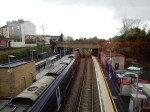
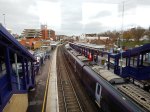
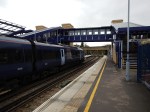
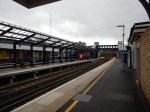
Note.
- Gravesend has SouthEastern HighSpeed services to St. Pancras International station and North-East Kent.
- The route to Gravesend has been safeguarded for the Elizabeth Line.
- The railway under the Thames could replace the Tilbury and Gravesend Ferry.
There also could be operational advantages in not terminating Elizabeth Line services at Gravesend.
Abbey Wood And Gravesend
In Elizabeth Line To Ebbsfleet Extension Could Cost £3.2 Billion, I looked at the Transport for the South East proposal for extending the Elizabeth Line to Kent.
This image from the Abbeywood2Ebbsfleet consultation, shows the proposal.
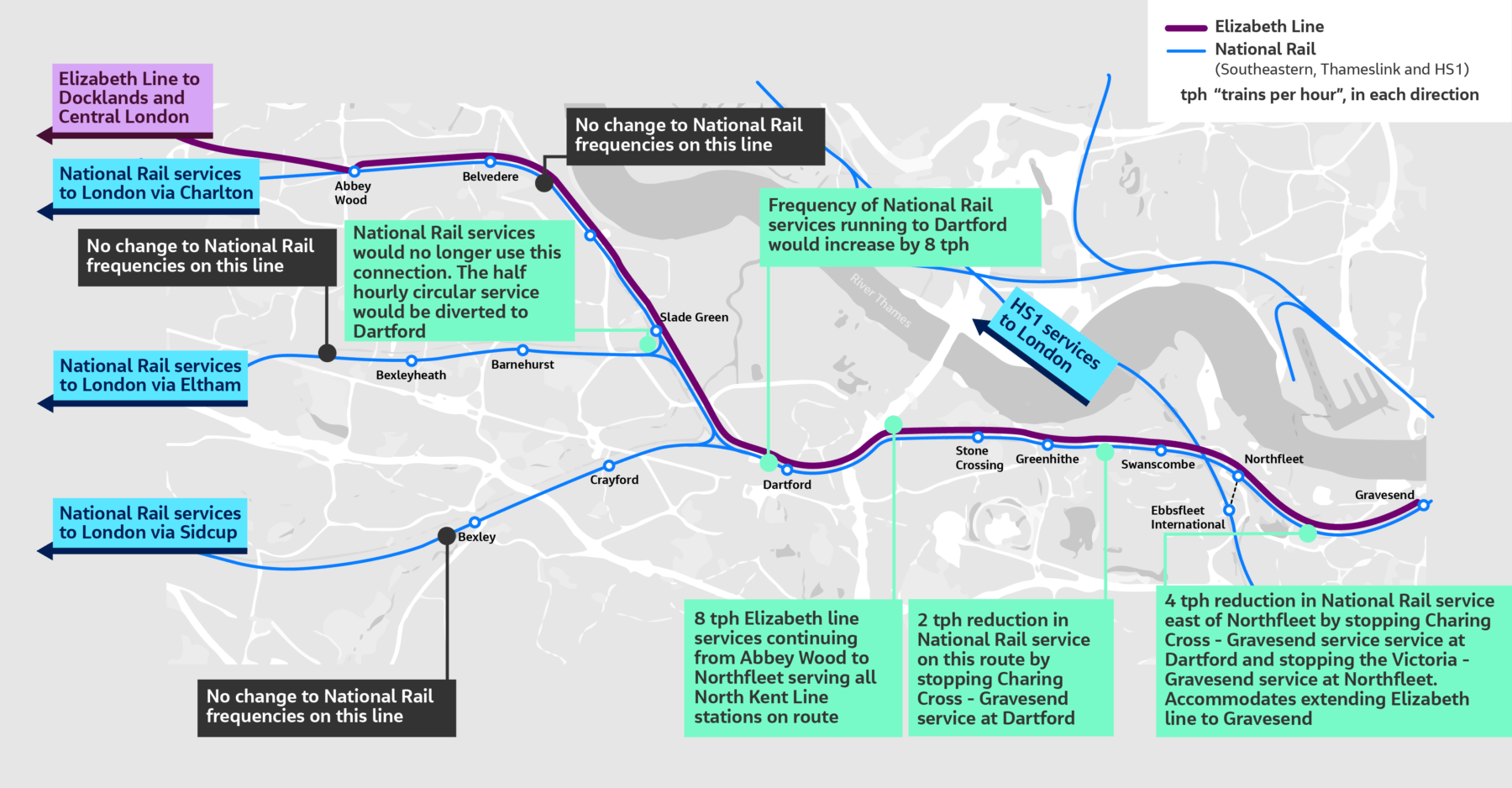
Note, that there doesn’t appear to be too much new infrastructure, except for a proper connection between Northfleet and Ebbsfleet stations. References on the Internet, say that the similar-sized Luton DART connection at Luton Airport, cost around £225 million, but we now know it was well upwards of that.
The TfSE proposal says that trains would terminate as follows.
- Abbey Wood – 4 tph
- Northfleet – 4 tph
- Gravesend – 4 tph
As space is limited at Gravesend and there is money for extending a railway service to a new Hoo station, I feel that proposing a two tph service to Hoo station would be a prudent action to take.
This would leave a handy two tph to take the loop back to Central London.
Could A Large Parkway Station Be Built Between Romford and Tilbury Riverside Stations?
Ebbsfleet International station, which is to the South-East of London, has 5,000 parking spaces and is the only large Park-and-Ride site around the capital.
Could another large Park-and-Ride site be opened on the Elizabeth Line North of the Thames?
One place could be at Chafford Hundred station and the nearby Lakeside Shopping Centre.
This Google Map shows the area.
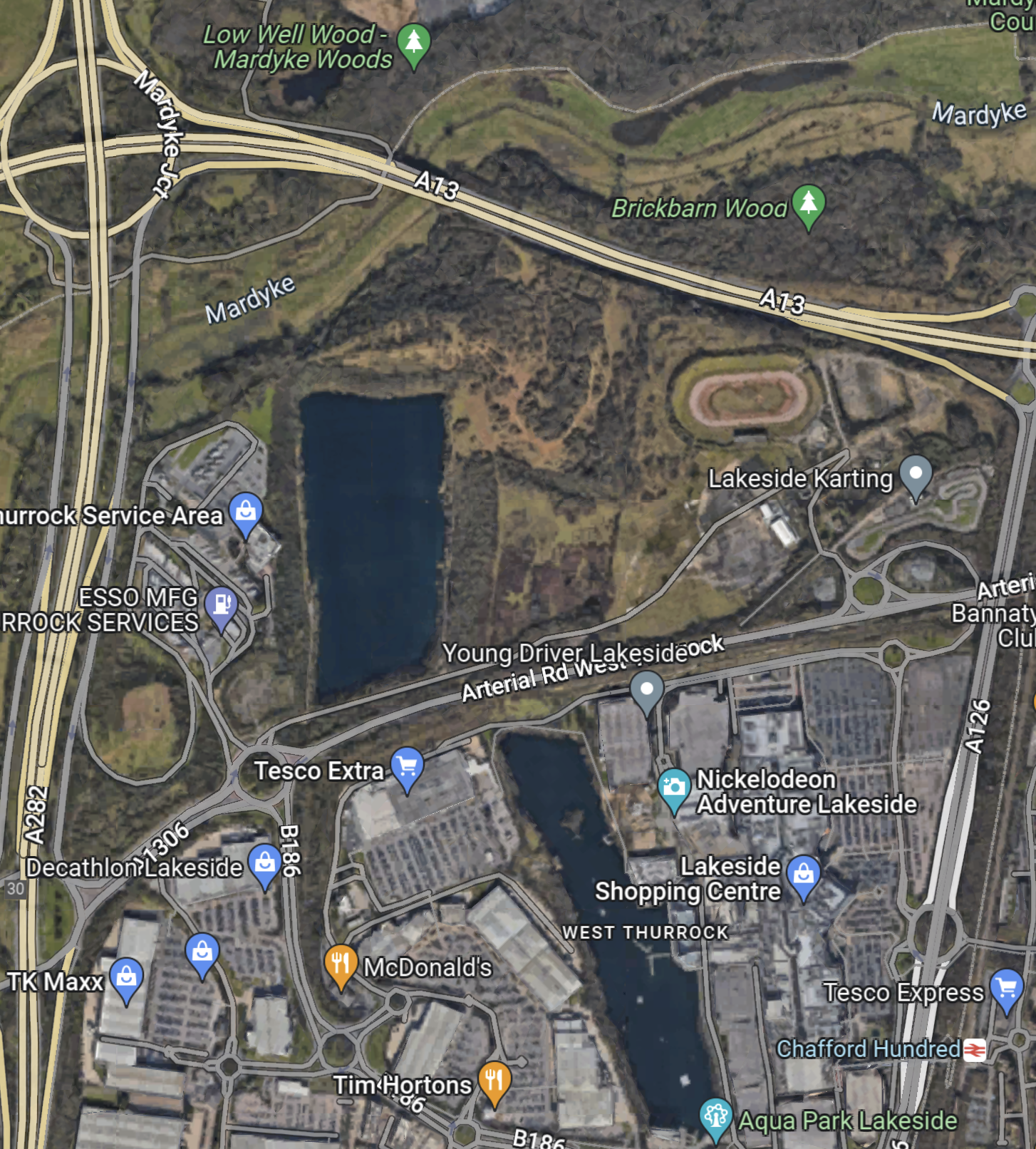
Note.
- The M25 runs North-South up the Western side of the map.
- Chafford Hundred station is in the South-East corner of the map.
- The shopping centre is next to the station.
Last time I went, Lakeside was looking tired.
Timings To And From Whitechapel
These are estimated timings to and from Whitechapel.
- Romford – 26 mins – 81 mins
- Emerson Park – 31 mins – 76 mins
- Upminster – 35 mins – 72 mins
- Ockendon – 41 mins – 66 mins
- Chafford Hundred – 45 mins – 62 mins
- Grays – 49 mins – 58 mins
- Tilbury Town – 52 mins – 55 mins
- Tilbury Riverside – 58 mins – 49 mins
- Gravesend – 62 mins – 45 mins
- Northfleet – 65 mins – 42 mins
- Swanscombe – 68 mins – 39 mins
- Greenhithe for Bluewater – 71 mins – 36 mins
- Stone Crossing – 73 mins – 34 mins
- Dartford – 81 mins – 26 mins
- Slade Green – 86 mins – 21 mins
- Erith – 88 mins – 19 mins
- Belvedere – 89 mins – 18 mins
- Abbey Wood – 92 mins – 15 mins
Note.
- The times between Tilbury Town and Gravesend are my best estimates.
- All other times are taken from current services.
- The first time is the time to Whitechapel via Romford.
- The second time is the time to Whitechapel via Abbey Wood.
It does appear that the best times from all stations are under an hour.
Could The Giant Station At Bank, Liverpool Street, Monument And Moorgate Be Considered A Superhub?
In Is The City Of London Moving Towards One Giant Station?, I showed how the four stations were being drawn together and developed as one large station that served the heart of the City of London.
London is also developing other large interchange stations that could claim because of their connectivity could be classed as London superhub stations.
- Canary Wharf stations, which connect the Elizabeth and Jubilee Lines, and the Docklands Light Railway.
- Old Oak Common station, which could bring together the Central, Chiltern and Elizabeth Lines, the London Overground and High Speed Two.
- Stratford station, which connects the Central, Elizabeth and Jubilee Lines, the Docklands Light Railway, the London Overground, High Speed One and the Great Eastern Main Line.
- Whitechapel station, which connects the Circle, District, Elizabeth and Hammersmith & City Lines, and the London Overground.
But what are the characteristics of a superhub station?
A Lot Of Lines And Services
Obviously, it must have a lot of lines and services, so perhaps Clapham Junction station is the original superhub station.
All Lines Should Have Step-Free Access
This surely, goes without saying.
There Should Be Lots of Information
If the station is large it needs a lot of information and there’s probably the space to put it.
Helpful Staff
Should we have a fully-staffed kiosk at superhub stations, as there are at some main line stations?
Good Bus Connections
Bus connections at a superhub station must be comprehensive and probably connect to other superhubs.
There Should Be A Selection Of Shops For Travellers
I do my daily food and other shopping, as I travel around London. I’ll often use a station like Paddington with a good selection of shops.
Toilets
There are not enough public toilets in London.
Cash Machines
I know we’re using less cash, but a large station is a secure place to put a cash-machine.
Works Of Art
I also believe that railway stations are a secure place to put some of those large bronze sculptures and other works of art, that are currently locked away in the storerooms of galleries.
Extending The Elizabeth Line – Linking To The Chatham Main Line
Preamble
I believe that everybody in the South East of England needs the best access possible to the Elizabeth Line, by train from where they live.
- The Elizabeth Line serves the important places like Brick Lane, Canary Wharf, the City of London, Heathrow Airport, Liverpool Street station, the Olympic Park, Oxford Street and Paddington station directly.
- Because of its connection to Thameslink, the Elizabeth Line also serves important places like Bedford, Brighton, Cambridge, Gatwick Airport, Luton Airport and Tate Modern with a single change at Farringdon station.
- Using the Elizabeth Line, Thameslink and perhaps a bus, it is possible to get to most important places in Central London.
- The more passengers that use the Elizabeth Line and Thameslink, the more London’s businesses will thrive creating employment and tax revenues.
- It should also be remembered, that using a train to visit central London, probably cuts your carbon footprint.
- The Elizabeth Line also cost a fortune, so perhaps by using it, you will be getting some of your portion of what it cost you back.
This post is one of several, where I discuss how to bring more passengers into the Elizabeth Line network.
The Chatham Main Line
This is the introduction to the Wikipedia entry for the Chatham Main Line.
The Chatham Main Line is a railway line in England that links London Victoria and Dover Priory / Ramsgate, travelling via Medway (of which the town of Chatham is part, hence the name).
Services to Cannon Street follow the route as far as St Mary Cray Junction where they diverge onto the South Eastern Main Line near Chislehurst.
Thameslink services to Luton run in parallel from Rainham to Rochester, diverging once across the River Medway at Rochester Bridge Junction onto the North Kent Line via Gravesend and Dartford.
A shuttle service operates on the Sheerness Line which starts at Sittingbourne.
Note.
- The main London terminals for trains to London on the Chatham Main Line are Cannon Street (Peak only), St. Pancras and Victoria.
- Services stop at Rainham station, so passengers can change to the two trains per hour (tph) Thameslink service to Luton.
- St. Pancras has one tph from Strood, Rochester, Chatham, Gillingham, Rainham, Sittingbourne and Faversham stations.
- Victoria has two tph from Strood, Rochester, Chatham, Gillingham, Rainham, Sittingbourne and Faversham stations.
- Rochester, Gillingham, Rainham and Faversham can turnback trains to London.
The only connections to the Elizabeth Line are.
- The HighSpeed service to St. Pancras calls at Stratford International, where the connection is tortuous.
- The Thameslink service calls at Farringdon, where the connection is easy.
As an example say you were going from Chatham to Heathrow Terminal 4.
The National Rail timetable suggests this route.
- Southeastern HighSpeed – Chatham to St. Pancras
- Thameslink – St. Pancras to Farringdon
- Elizabeth Line – Farringdon to Heathrow
Note that the change at St. Pancras is not the easiest.
Extending The Elizabeth Line To The Chatham Main Line
In Elizabeth Line To Ebbsfleet Extension Could Cost £3.2 Billion, I talk about this proposal as described in this article on Ian Visits.
One of the key features of Crossrail To Ebbsfleet (C2E) project is that instead of all trains terminating at Abbey Wood, trains will terminate as follows.
- Abbey Wood – 4 tph
- Northfleet – 4 tph
- Gravesend – 4 tph
This will mean that 8 tph would pass through Abbey Wood station.
Gravesend is not the best place to turn trains, so why not turn two tph at somewhere like Rochester, Gillingham, Rainham or Faversham?
If two tph to Rainham is good enough for Thameslink, surely two tph to Faversham could be good enough?
Extending The Elizabeth Line To A New Hoo Station
In Effort To Contain Costs For Hoo Reopening, I discussed opening the new Hoo station.
Consider.
- Hoo junction to Hoo station is no more than five or six miles.
- Aventras have been designed to run on battery power, so I suspect Lizzie’s Class 345 trains could be so fitted.
- Range would be sufficient for one return trip from Hoo junction to Hoo station
- Two tph at Hoo station could be handled by a single platform.
It looks to me, that of the four tph to Gravesend if C2E is built, two tph could go to both of Hoo and Faversham.
This assumes of course that digital signalling can fit all the trains on the North Kent Line between Abbey Wood and Faversham.
Chatham And London Main Line Stations
In these routes, I am assuming that there are two tph on the Lizzie Line between Faversham and Heathrow.
- Chatham and Cannon Street – Lizzie Line to Whitechapel and then District Line
- Chatham and Charing Cross – Lizzie Line to Whitechapel and then District Line
- Chatham and Euston – Lizzie Line to Whitechapel and then Hammersmith & City Line
- Chatham and Farringdon – Lizzie Line direct – Thameslink direct
- Chatham and Fenchurch Street – Lizzie Line to Whitechapel and then District Line
- Chatham and Liverpool Street – Lizzie Line direct
- Chatham and Marylebone – Lizzie Line to Paddington and then Bakerloo Line
- Chatham and Paddington – Lizzie Line direct
- Chatham and Kings Cross – Thameslink direct – Lizzie Line to Whitechapel and then Hammersmith & City Line
- Chatham and St. Pancras – Thameslink direct – Southeastern HighSpeed direct
- Chatham and Victoria – Southeastern direct – Lizzie Line to Whitechapel and then District Line
- Chatham and Waterloo – Lizzie Line to Paddington and then Bakerloo Line
Note how Whitechapel is an important interchange, as I said in Whitechapel Station Is The Preferred Interchange.
Conclusion
I do believe that the Elizabeth Line could be successfully extended to Kent.
Whitechapel Station Is The Preferred Interchange
In this article on Ian Visits, which is entitled Elizabeth Line Links Up The Core Tunnels To Heathrow And Beyond, there is this extract.
On board, the trains, tannoy announcements when approaching Whitechapel station from the east now tell you to change there for trains to Reading and Heathrow, and when approaching Liverpool Street from the east no longer tell you to change for trains to Shenfield.
Whitechapel has been chosen as the station to recommend changing at, as it’s the more convenient one due to its layout and has more side passages to get between the two platforms.
Apart from the obvious timetable change, the biggest change, already noticeable is in how passengers use the line.
It certainly appeared to me from some staff, I spoke to, that some passengers were getting rather lost.
The Hour Change Has Completely Knocked Me Out
Last Saturday, the 29th of October, the clocks went back and I’ve not had a totally good week.
On Tuesday, I couldn’t get dressed, as my gammy left arm and hand didn’t work.
- I also felt a bit unsteady, as if I’d had a couple of whiskies. But then, I never drink anything more alcoholic, than 0.0% real ale.
- As there was no-one else, I dialled 999.
- An ambulance came and took me to the Royal London Hospital, where nothing was found.
- But as my body responded to the hospital’s superb air-conditioning, I was allowed to go home.
- T think the hospital thought I took a taxi, but in reality I took the Overground to Dalston Junction station.
They had suggested, that I should take my planned trip to Doncaster. Which I did!
- I took a Hitachi Class 800 train to the North.
- And I took an InterCity225 train home.
Both have air-conditioning that only affects me positively, unlike Class 390 trains, which have put me in hospital before.
On Thursday, I wrote up my trip, or at least the ticketing in An Affordable Trip To Doncaster.
On Friday, I fell asleep on the floor and missed a friend bringing round my washing.
On Saturday, I woke late, went out for lunch and then watched the television.
In the evening, I was tired so went to bed at nine, which is unusual for me.
I got up at nine and did my trip on the Elizabeth Line, which I wrote about in Taking A Train Between Abbey Wood And Ilford Stations On The Lizzie Line.
As a Control Engineer, I tend to believe that the loss of the hour a week ago, has been the cause of my erratic sleeping.
- I should also note, that as a child, I dreaded the clock changes.
- I was also a strong supporter of the Daylight Saving Bill and wrote a post called An Open Letter to my MP About Changing to Central European Time.
I’ve also got a strange skin that I wrote about in My Strange Skin.
The Whitechapel Shortcut
Note that this post is unfinished.
When the East London Line of the London Overground opened just over a decade ago, the interchange with the District and Hammersmith and City Lines at Whitechapel station was not one of the best.
- There were no lifts.
- The stairs were too narrow and inadequate for the number of passengers using the interchange.
- Adding extra Overground trains to Clapham Junction station didn’t help.
If the Elizabeth Line had been added without extra work, the station’s passageways and stairs would have jammed solid.
- But improvements were added, when the station was expanded to handle the Elizabeth Line.
- A wide interchange plaza was created between the Eastern ends of the District and Hammersmith and City Line platforms.
- A double-width spiral staircase was installed between the Eastern end of the interchange plaza and the Southbound East London Line of the Overground.
- A convenient lift was installed alongside the spiral staircase.
- The original staircases to and from the Northbound East London Line of the Overground were updated and augmented by a lift.
- Passengers entering or leaving the station, were given alternative routes to avoid the interchange plaza.
These pictures show the interchange plaza and the various lifts and staircases.
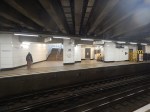
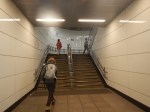
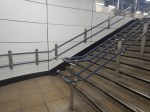
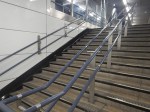
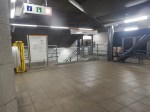
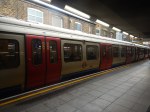
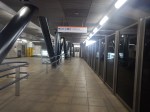
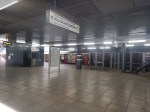
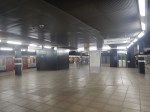
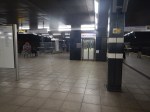



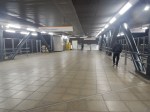
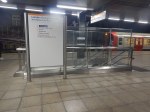
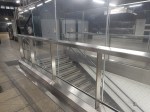
Note.
- The spiral stairs and the lift at the Eastern end of the plaza.
- The Eastern ends of the District and Hammersmith and City Line trains connect directly with the plaza.
It seems to be working well, since the opening of the Elizabeth Line.
Using The Whitechapel Shortcut
There are eight ways to change between the District and Hammersmith and City Lines and the Overground at Whitechapel station.
Southbound Overground To Westbound District And Hammersmith and City Lines
Today, I travelled between Haggerston and Moorgate stations, which I wrote about in From Haggerston To Moorgate.
I could have changed at Whitechapel station for the brand-new Elizabeth Line, but this would have meant a long walk to get to the Moorgate end of Liverpool Street station.
So I did this.
- I got in the front carriage of the Overground train at Haggerston station, which was conveniently by the lift at the station.
- This meant that on exiting the train, I was by the lift to the interchange plaza at Whitechapel station.
- The lift took me up a level to the District and Hammersmith and City Line platforms.
- I got in the rear carriage of a Hammersmith and City Line train to Moorgate station.
- This positioned me by the lift to the exit at Moorgate station.
I would be surprised if I walked much more than sixty metres between the two station entrances, as against the road distance of around two-and-a-half miles.
Southbound Overground To Eastbound District And Hammersmith and City Lines
This is very similar to the previous section except that you take the District And Hammersmith and City Line trains from the opposite platform.
Northbound Overground To Westbound District And Hammersmith and City Lines
There are two staircases and two lifts between the Northbound Overground and the interchange plaza.
Choose your stairs or lift and then take the Westbound District and Hammersmith and City Line.
Northbound Overground To Eastbound District And Hammersmith and City Lines
This is very similar to the previous section except that you take the District And Hammersmith and City Line trains from the opposite platform.
Westbound District And Hammersmith and City Lines To Southbound Overground
Eastbound District And Hammersmith and City Lines To Southbound Overground
Walk to the interchange plaza and choose the spiral stairs or lift.
Westbound District And Hammersmith and City Lines To Northbound Overground
Eastbound District And Hammersmith and City Lines To Northbound Overground
Walk to the interchange plaza and choose your stairs or lift.
Conclusion
It’s all very quick and painless.
 The Anonymous Widower