Blood Clot Risk Eight Times Higher From Covid Than AstraZeneca Vaccine, Study Finds
The title of this post, is the same as that of this article on The Telegraph.
This is the first two paragraphs.
The risk of a rare brain clot from coronavirus is approximately eight times greater the risk presented by the AstraZeneca jab, a University of Oxford study has found.
The research, which is yet to be peer-reviewed, and compared blood clot rates among 500,000 coronavirus patients with data from the roll-out of 34 million vaccine doses across Europe.
I will certainly be having my second AstraZeneca jab next Monday.
This press release on the Astra-Zeneca web site is entitled Oxford Phase III trials interim analysis results published in The Lancet.
This is an extract.
In addition to the Oxford led programme, AstraZeneca is conducting a large study in the US and globally. In total, Oxford University and AstraZeneca expect to enrol more than 60,000 participants globally.
The Telegraph article also says this.
The incidence of rates for cerebral venous thrombosis (CVT) – a rare blood clot on the brain – is 39 per million coronavirus patients, while it is five per million recipients of the AstraZeneca vaccine.
Note that five per million is 0.3 per 60,000.
Any participant, who got a blood clot in the AstraZeneca Phase III trial would have been a very unlucky person.
Those who say, that the AstraZeneca vaccine was rushed and that many more people should participated in the trials may have a point.
But countering that is my belief that data analysis has improved so much in the last twenty years that all the data on all the vaccines has been so thoroughly analysed by some of the best data analysts and analytic software, that most more common problems have been identified.
The Edmonton Incinerator
Although it is officially known these days as the Edmonton EcoPark, as a North Londoner, I will always know it as the Edmonton Incinerator.
I took these pictures with my drone.



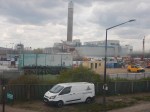
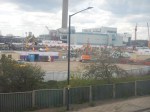


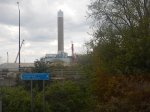



These are a few facts from Wikipedia about the waste-to-energy plant.
- It was commissioned by the Greater London Council in 1971.
- It burns waste from the seven North-East London boroughs.
- It generates 55 MW of electricity.
It certainly dominates the landscape alongside the North Circular Road.
But.
It is probably not amongst the greenest of incinerators.
It is probably very much a design of the 1960s.
It is approaching fifty years old.
But it appears that things could be improving.
- There is a large composting and recycling facility being built on the site on the site.
- Plans exist to bring in the rubbish by barge.
This Google Map shows the site.
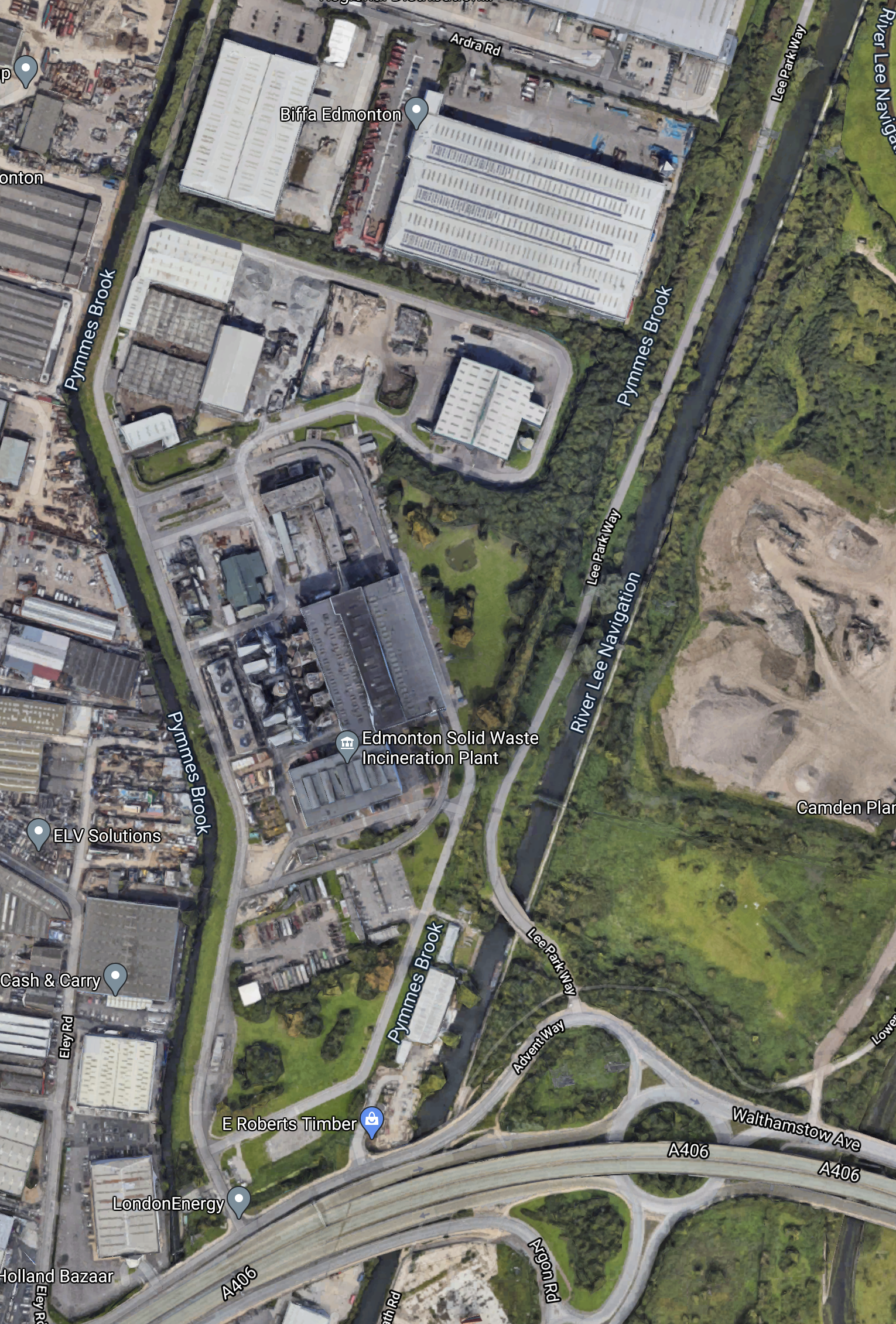
Note.
- The North Circular Road runs across the bottom of the map.
- All of the roads obliterated the famous Cooks Ferry Inn, where I saw the Animals play in the 1960s.
- The River Lee Navigation runs past the incinerator.
- Pymme’s Brook runs on the other side.
It looks from the map, that another reservoir is being built to the East of the canal.
The Guy Who Built The Edmonton Incinerator
I used to work with the guy, who was one of those in charge of the building of the incinerator, who when I met him, was head of the Greater London Council’s Construction Branch, who were using my project management software.
I can’t remember Mr. Samuels first name, even if I ever knew it.
- He was an Austrian Jew, who had trained as an engineer, who arrived in the UK sometime in the 1930s.
- He taught himself English in six weeks and got a job at Lucas.
- At the start of World War II, he volunteered and joined the Royal Engineers.
- He spent the whole war in bomb disposal.
- After the war he became an observer at the Nuremberg Trials.
After all he’d been through, he told me, the worst time of his life, was those years in the early seventies when I knew him, as his wife was dying of cancer.
But he taught me a lot about project management and the real horror of war.
He never told me, how many of his relatives survived the Nazis.
What Will Happen To The Edmonton Incinerator?
This year it will be fifty years since the Edmonton Incinerator was commissioned. It must be coming to the end of its life.
I can’t find any plans, but endless groups, who want it closed rather than rebuilt.
This article in the Hackney Gazette, which is entitled Campaigners Urge North London Incinerator Bidders To Pull Out, is typical.
I am very pro recycling, but then others aren’t as these pictures show.





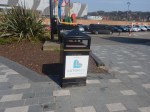
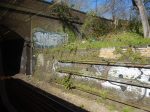
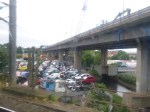
So if some won’t recycle properly, it will all have to go to landfill.
An Odd Tale About Recycling
I applied to be a member of the Independent Monitoring Board of a prison near, where I used to live.
I had a very interesting tour of the prison, where I met several of the inmates.
One thing surprised me.
The prison had a very comprehensive internal recycling system, whereby everything was fully sorted.
One course of training, that was offered to prisoners was how to sort and process all of the rubbish. According to the guy running the course, it was one of the most popular in the prison.
Possibly, because I was told, it prepared prisoners for a job, where there were lots of vacancies.
I wonder if the new £100million recycling centre at Edmonton will use labour trained in the Prison Service?
ScottishPower’s Green Hydrogen Project Looks To Build UK’s Largest Electrolyser
The title of this post, is the same as that of this article on Current News.
This is the first paragraph.
ScottishPower has submitted a planning application for the UK’s largest electrolyser as part of the Green Hydrogen for Scotland project.
Other points from the article include, these about the electrolyser.
- It will be built close to the Whitelee wind farm.
- It will be 20 MW.
- It will produce eight tonnes of green hydrogen per day.
- The electrolyser will be built by ITM Power in Rotherham.
- It is hoped that green hydrogen will be produced by 2030.
Other points include.
- The windfarm will be backed up by 40MW of solar panels and a battery capable of supplying 50 MW.
- The capacity and type of the battery is not stated.
The article finishes with a must-read section, about how hydrogen will help the UK meet its decarbonisation targets.
Covid-19, Coeliac Disease And Budesonide
I am coeliac and whenever a drug is shown to have positive effects against the Covids, I type its name into Dr. Google with coeliac disease.
With dexamethasone, I found it is used in some countries. as an alternative to a gluten-free diet.
Typically, these countries appear to be one with a Pop-A-Pill-For-Everything habit.
Budesonide appears to be used for Crohn’s disease, which is associated medically with coeliac disease.
As we keep hearing that the best way to fight the covids is with your immune system and coeliac disease is an autoimmune disease, is enough research being done as to the role of undiagnosed coeliac disease in this pandemic?
Coeliac UK are just advising Keep Calm and Carry On with the gluten-free diet!
Work Has Started At Brent Cross West Station
I was alerted to the fact that work had started at Brent Cross West station by this article on Rail Advent.
The article didn’t say much, except that work had started, track had been moved to allow construction of the £40 million station and the station should open next year.
So I went and had a look.
I took these pictures from a Thameslink train going North through the station site.
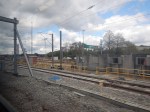
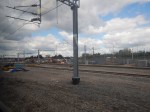
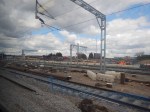

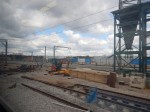
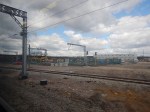
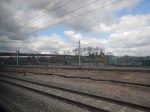
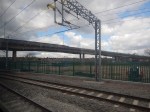
I was sitting on the right-hand side of the train and looking to the East.
I then changed trains at Mill Hill Broadway station and took a few more pictures going South.
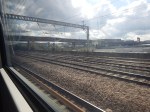
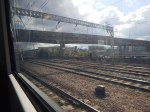

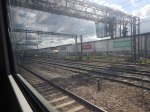
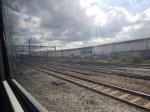
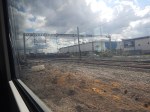
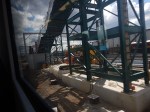
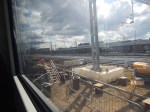

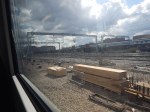


Again, I was sitting on the right-hand side of the train, but this time looking West.
This Google Map shows the area.
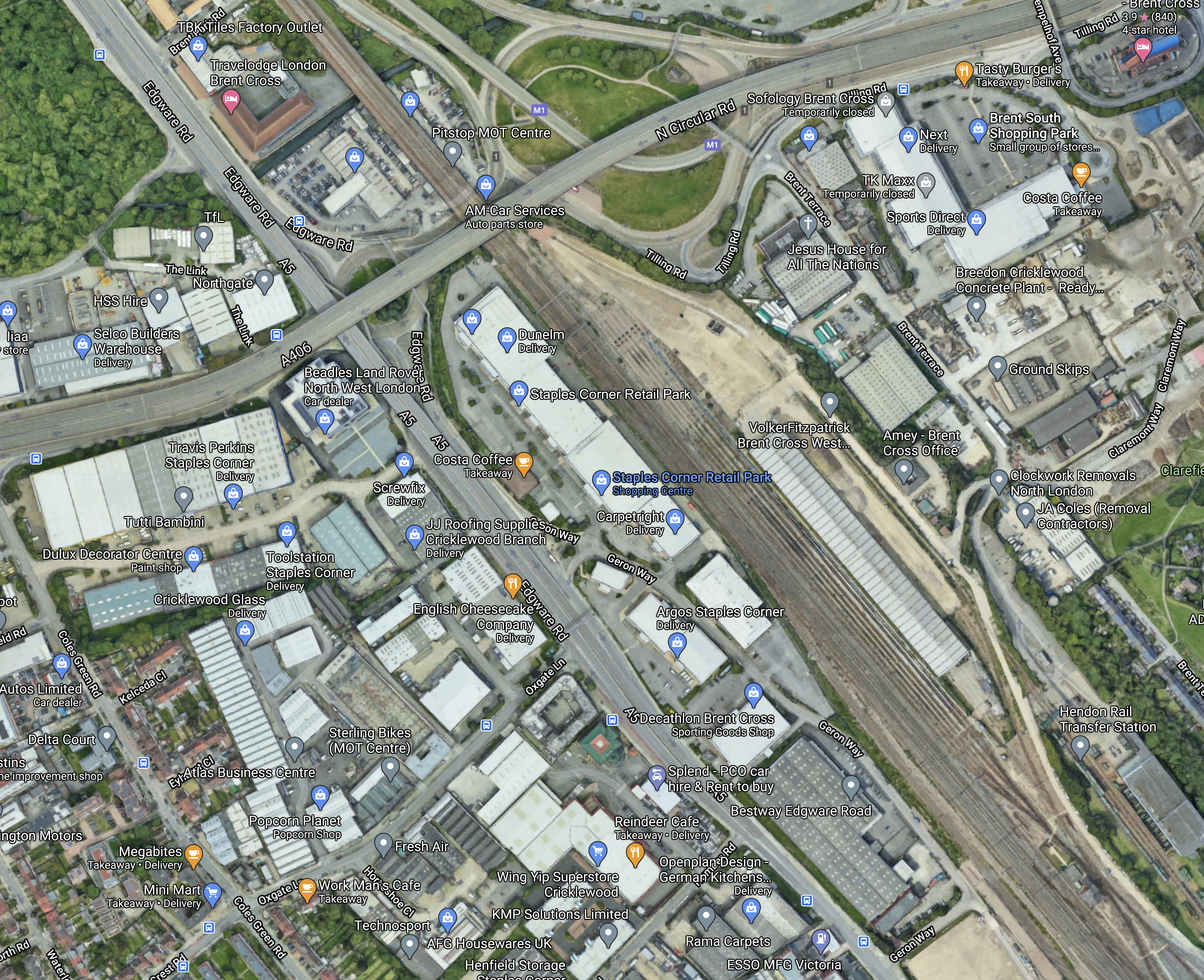
Note.
- The map was probably created a few months ago.
- There is still a shed from the Cricklewood TMD still standing, which I didn’t see.
- The Brent Cross Flyover can be clearly seen in the images and the map.
Work underway includes.
- Creation of the new track layout.
- Building of two wide platforms either side of the tracks i was on.
- The width of the platforms may indicate island platforms.
- Building a temporary footbridge, so workers can cross the tracks.
- There appear to be a support installed for the station footbridge.
One impression, I got today, is that it is a large site and this may enable the building of a relatively simple station.
Keep Calm And Carry On!
I saw a superb example of this on a bus today.
The bus was fairly crowded and I was standing.
A guy gets on and it was fairly obvious that he had no arms and from his age and appearance, it looked like he could have been a victim of thalidomide.
But no-one moved to offer him a seat!
So as the bus moved off, he calmly walked up the stairs to the top deck!
Shame on all those seat-sitters!
Editorial: Our jobs Are Bound Up With The Future Of Four Hydrogen Atoms And One Carbon
The title of this post, is the same as that of this long and reasoned editorial on the Houston Chronicle.
It is definitely a must-read.
This is the last few paragraphs.
As this editorial board has argued before, the energy transition to address climate change offers opportunities that Houston should embrace. Hydrogen’s potential for the Houston region is to give new life to infrastructure we have, to take the emissions out of fossil fuel, to spur a revolution in materials and to sustain the jobs of well-paid oil and gas workers.
It won’t be easy to realize that promise. But few big things are.
“I am an American scientist brought up in the Midwest during the Sputnik era,” Smalley, with less than a year to live, told Congress in his 2004 speech, “and like so many of my colleagues in the U.S. and worldwide, I am a technological optimist. I think we can do it.”
Richard Smalley was a joint winner of the Nobel Prize for Chemistry for the discovery of buckminsterfullerene.
I suspect Buckminster Fuller himself, who is very much one of my heroes, would have been a believer in renewable energy.
The Day I Shook Hands With The Duke Of Edinburgh
I only met the Duke of Edinburgh once and all we did was shake hands.
The meeting is described in this post called The Day I Met the Queen.
At least I didn’t embarrass myself as I did in another meeting with the Queen, I wrote about in The Day I Stood on the Queen.
I also found this post about the Queen’s relationship with her husband, which I wrote about in The Queen on Industrial Language.
The Duke of Edinburgh, is a man who will be missed and remembered by many.
He certainly did what we all should do! – By his best efforts, he left the world a better place!
May he rest in peace.
Hope For Wisbech Line Revival
The title of this post, is the same as that of an article in the April 2021 Edition of Modern Railways.
This is the introductory paragraph.
A partnership with Network Rail will speed up plans to re-introduce passenger services to Wisbech, according to James Palmer, Mayor of Cambridgeshire & Peterborough.
These are my thoughts.
Current Plan And Status
The current plan is as follows.
- The Cambridgeshire & Peterborough Combined Authority has been developing plans on its own.
- It will now work with Network Rail.
- The initial service will be between March and Wisbech.
- Hopefully, a viable plan will emerge.
A direct Wisbech and Cambridge service is an objective, once capacity has been improved at Ely.
Long Term Objectives
These longer term objectives are indicated in the article.
- A direct Wisbech and Cambridge service.
- A two trains per hour (tph) service between Wisbech and Cambridge.
These objectives will probably need capacity to be improved at Ely.
I used to play real tennis with one of Cambridge’s foremost thinkers about the long-term future of the city and the surrounding area.
He believed that Peterborough would increasing become a satellite city to Cambridge to provide housing and manufacturing capacity.
Based on my discussions with him, I believe that there should be at least two tph connecting Cambridge South, Cambridge, Cambridge North, Ely, March and Peterborough stations.
Services Through March Station
These services go through March station.
- Greater Anglia – 1 train per two hours (tp2h) – Ipswich and Peterborough
- CrossCountry – 1 tph – Cambridge and Birmingham New Street
- East Midlands Railway – 1 tph – Norwich and Liverpool Lime Street.
Note.
- All trains stop at Ely.
- The Greater Anglia service also stops at Manea and Whittlesea.
- Greater Anglia promised to increase the frequency of the Ipswich and Peterborough service to hourly, in the new franchise agreement.
- The East Midlands Railway service does not stop at March.
In addition there are often around a succession of freight trains going to and from Whitemoor Yard and the Port of Felixstowe.
Even without major improvements at Ely, I suspect, that there could be three or even gour tph between Ely and Peterborough that stop at March, with Manea and Whittlesea served by at least one tph.
This frequency would do the following..
Improve services between Cambridge and Peterborough, if you were prepared to change at Ely, as there could be up to four tph between Ely and the three Cambridge stations.
Make it possible for a simple shuttle train to run between March and Wisbech and have good connections with services at March to both Peterborough and Cambridge.
Track Layout At March
This Google Map shows the track layout at March.
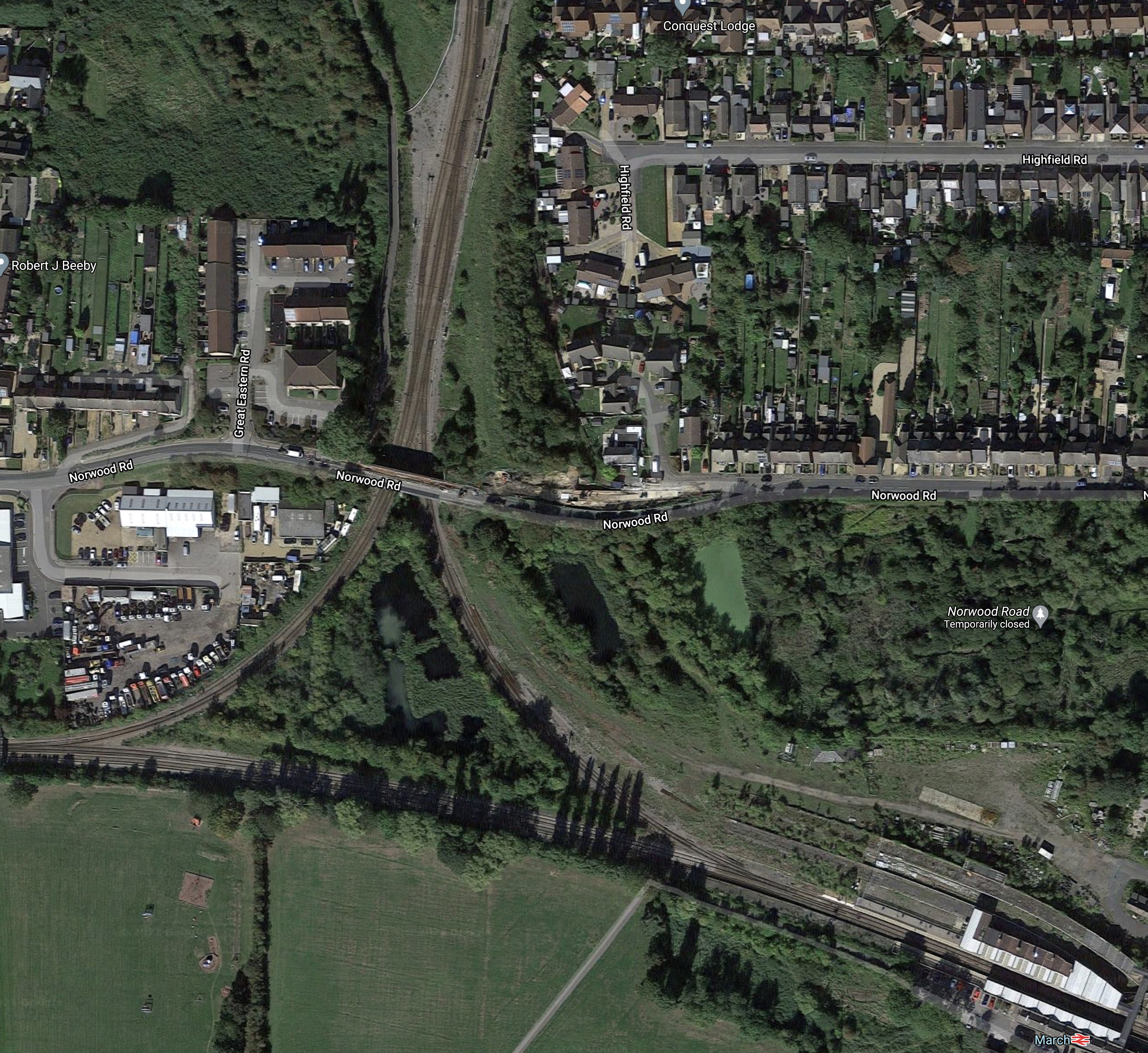
Note.
- March station is in the South-East corner of the map.
- Ely is to the East.
- Peterborough is to the West.
- Whitemoor marshalling Yard is to North.
This second Google Map shows the Northern part of the map to a larger scale.
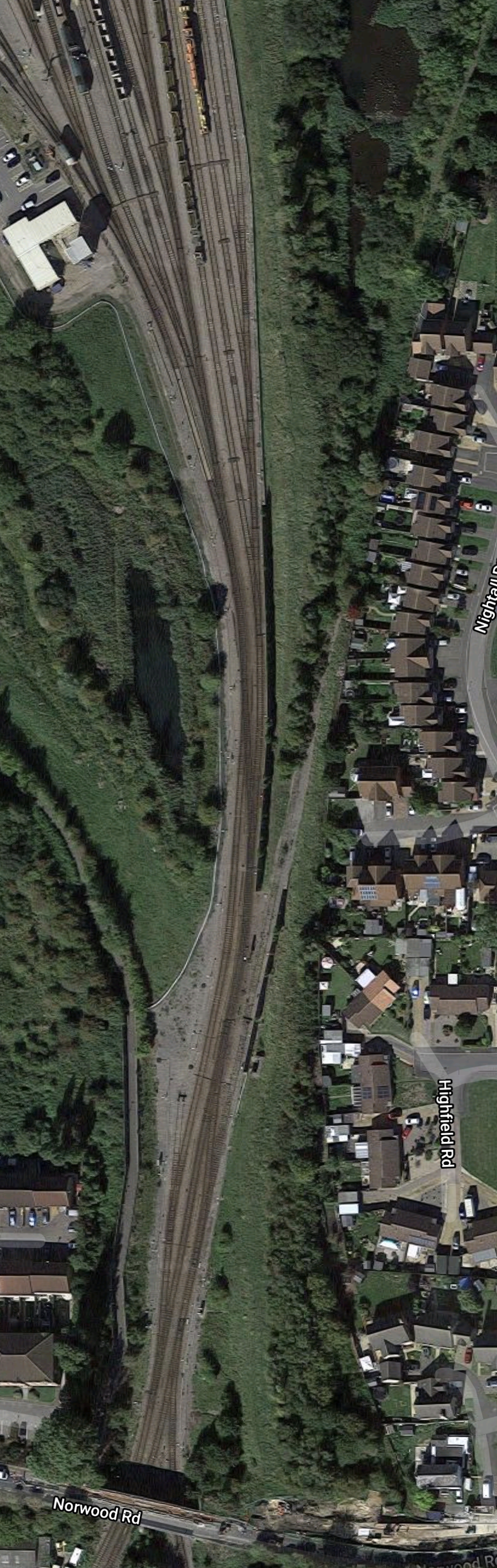
Note.
Whitemoor yard is to the North of the map.
There is a single track railway running North East from Whitemoor junction South of Whitemoor yard to the North East corner of the map. This is the disused Bramley Line between March and Wisbech, which will be reopened.
Between March And Wisbech
I have flown my virtual helicopter along the remains of the track between Whitemoor junction and Wisbech.
This Google Map shows a typical section of the line, just to the North of March.
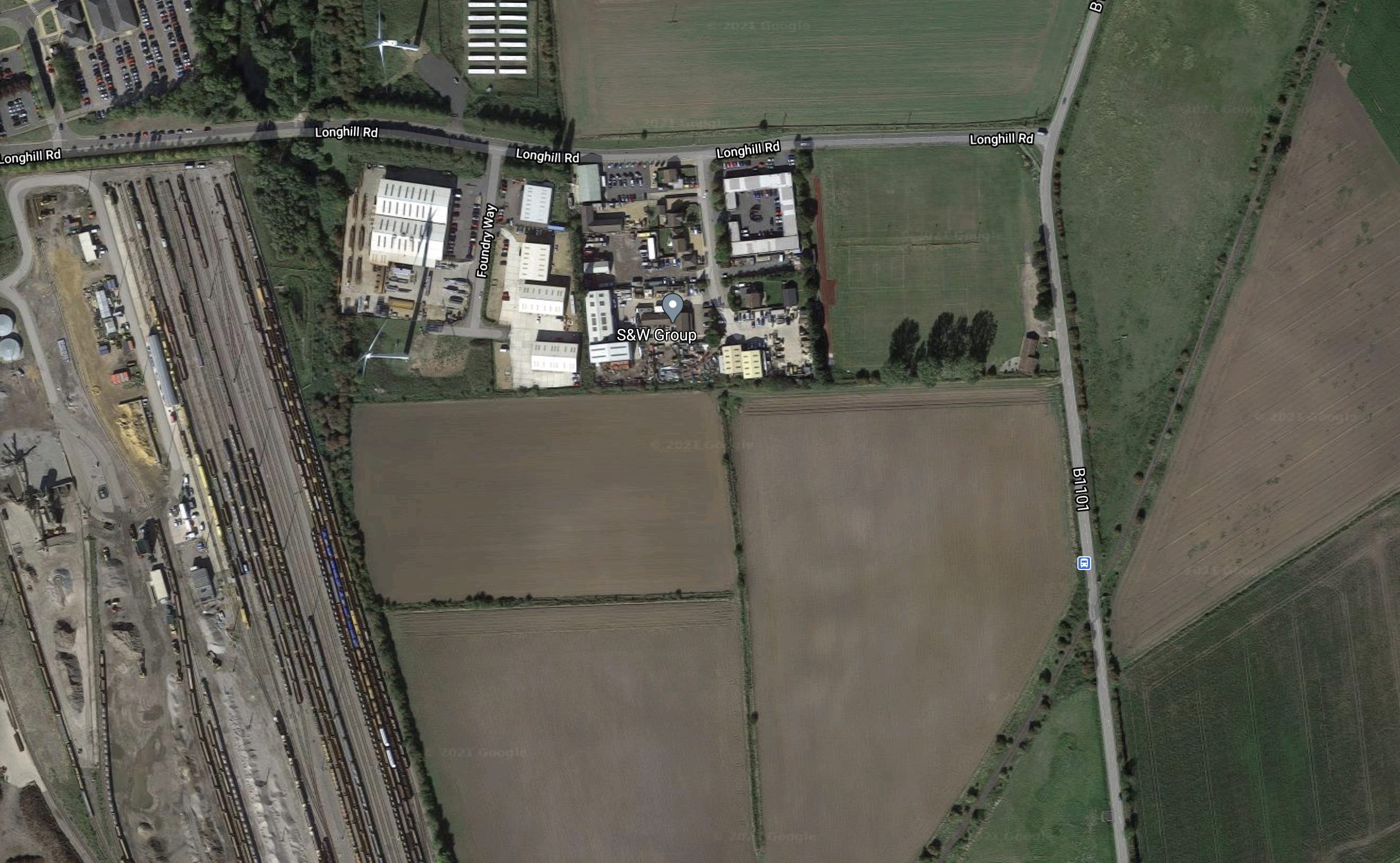
Note.
Whitemoor Yard is to the West side of the map.
The Bramley Line shows as a green scar running diagonally across the map to the North-East cornet.
The blue dot marks a bus stop on the B1101.
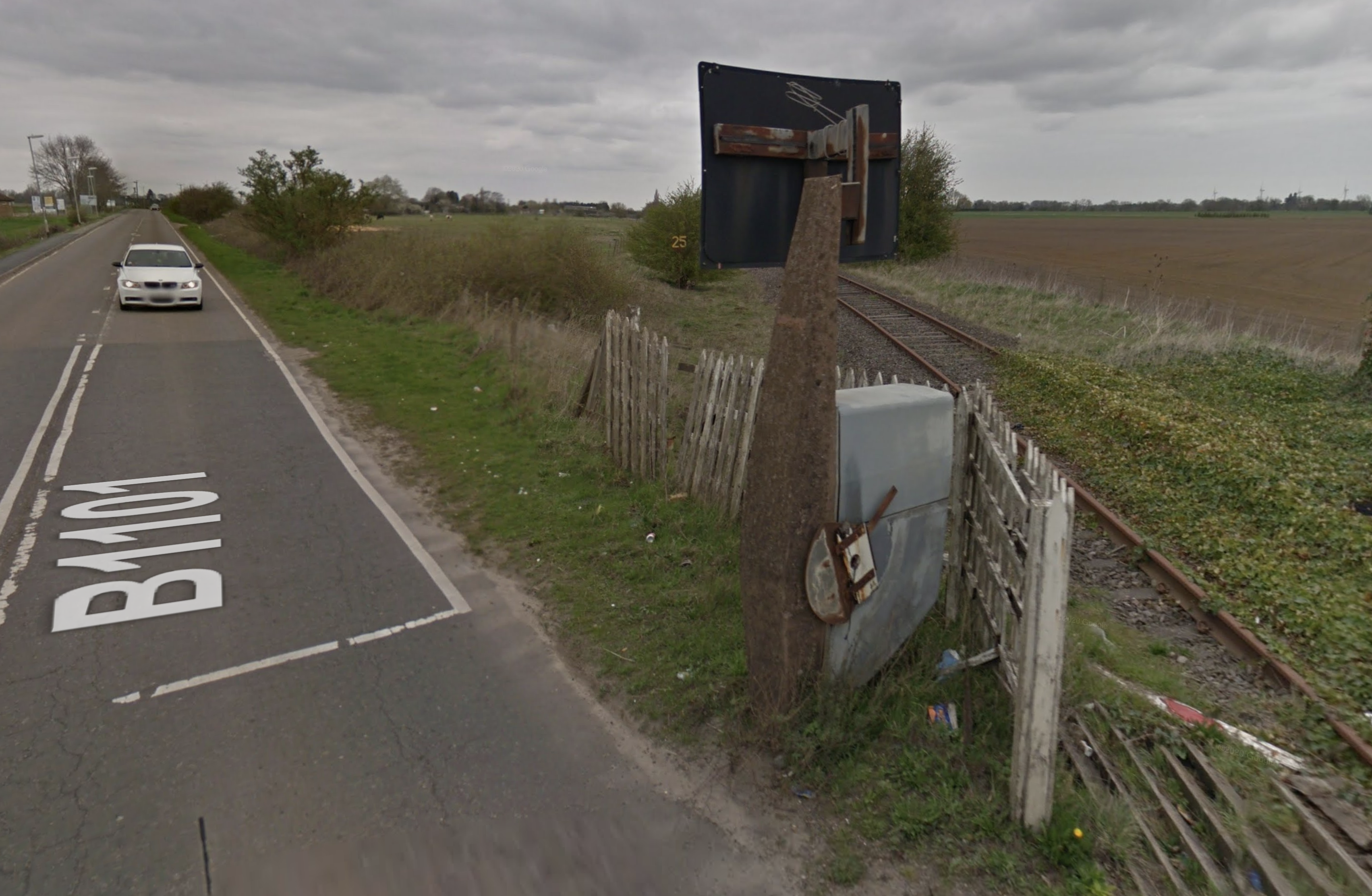
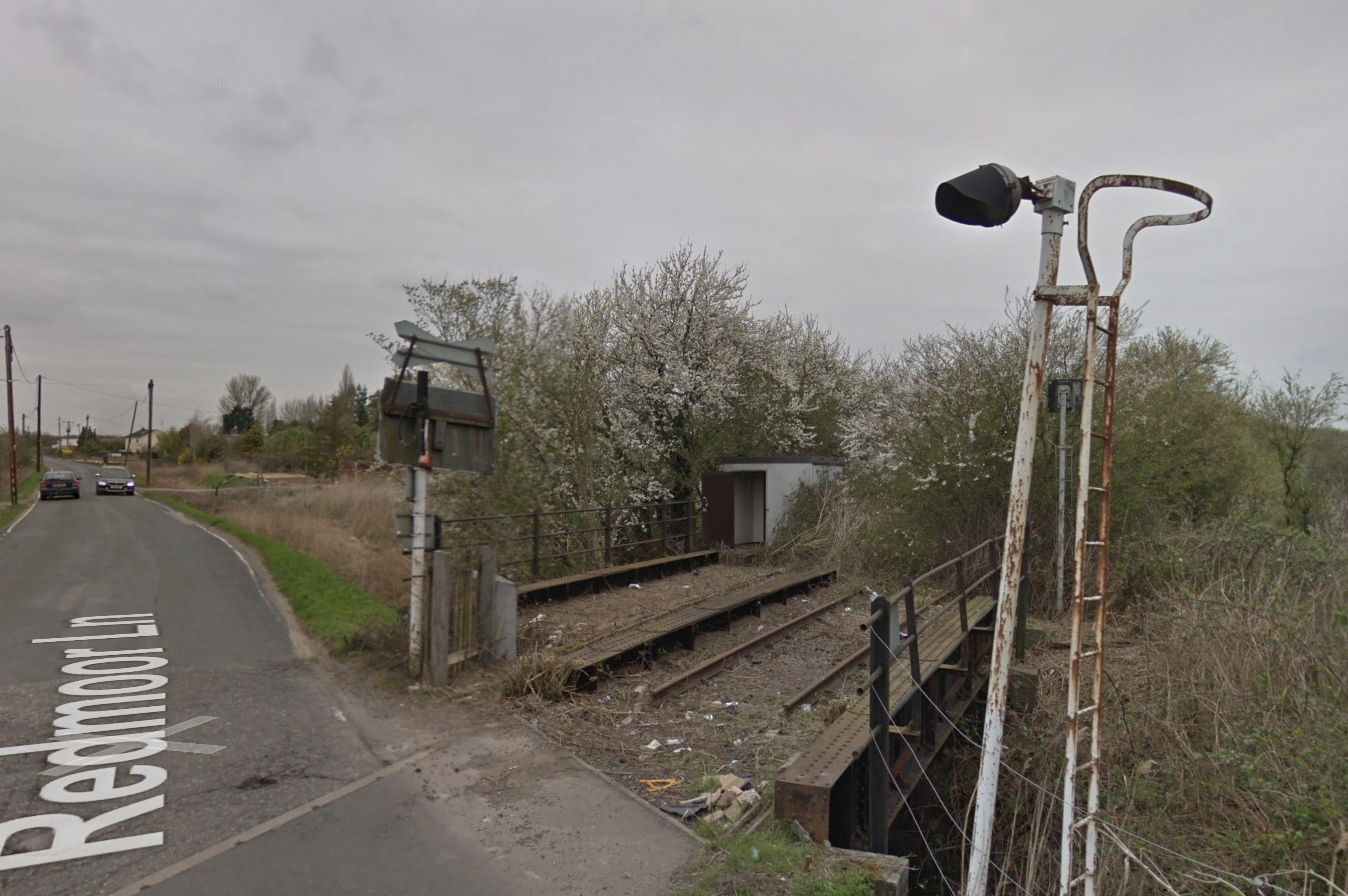
The next three images were taken from Google Streetview.
This one shows the Bramley Line crossing the B1101.
In this one, the Bramley Line is crossing Long Drove.

And here it’s crossing Redmoor Lane.
I wouldn’t have thought, that turning the Bramley Line into a railway that would be safe for one of Greater Anglia’s three-car Class 755 trains would be a challenging project.
Approaching Wisbech
This Google Map shows how the railway approaches Wisbech.
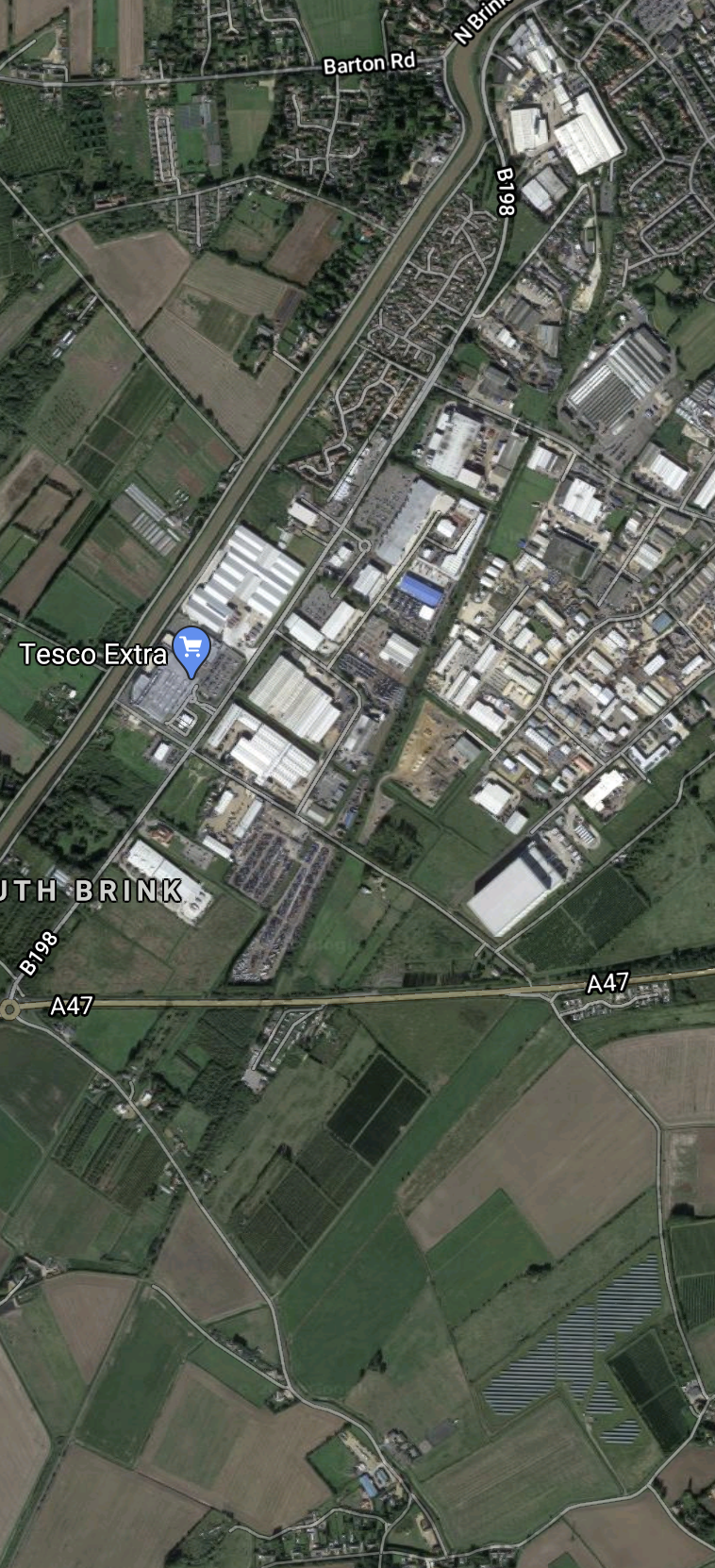
Note.
At the Northern end of the map, there are the square white roofs of the Purina dog food factory, which appears to have been built on the site of the former Wisbech East station.
At the Southern end of the map, the railway crosses the A47.
This Google Map on a larger scale shows the Purina factory.
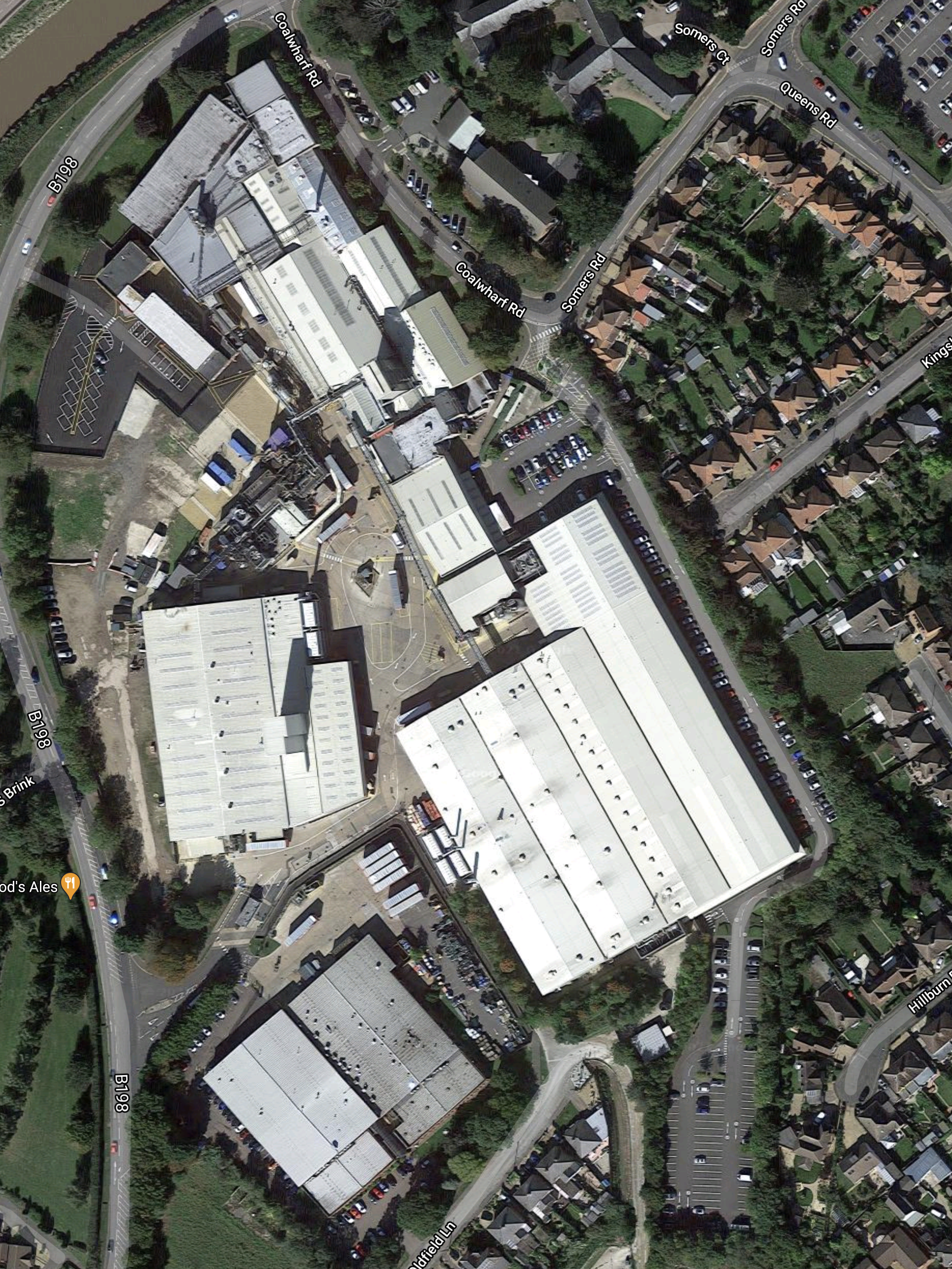
I don’t think it will be very easy to site a station in this area, without a great deal of friendly co-operation of Nestle, who own Purina.
This Google Map on a larger scale shows where the Bramley Line crosses the A47.
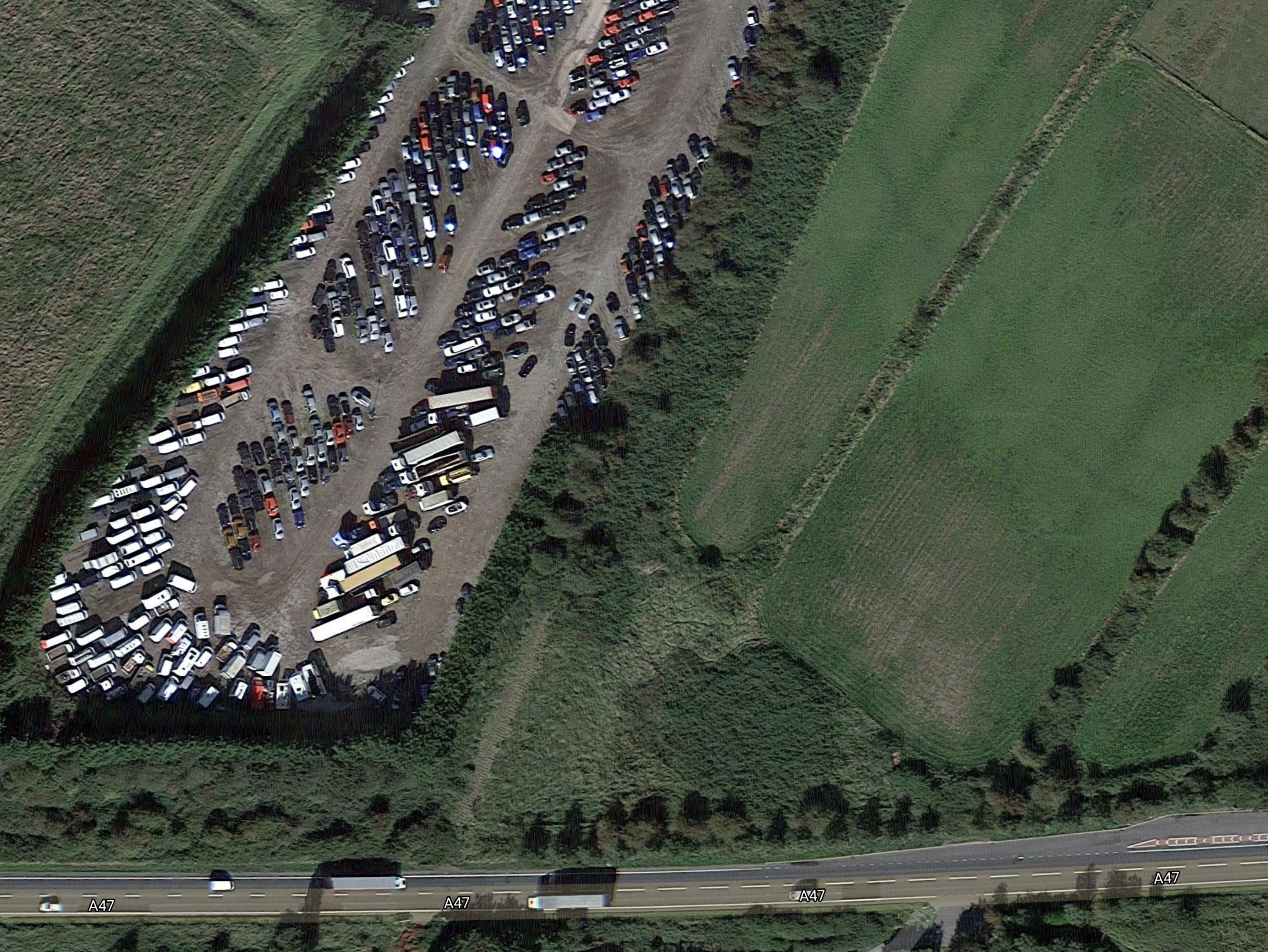
This image looking to the North from the A47, was taken from Google Streetview.
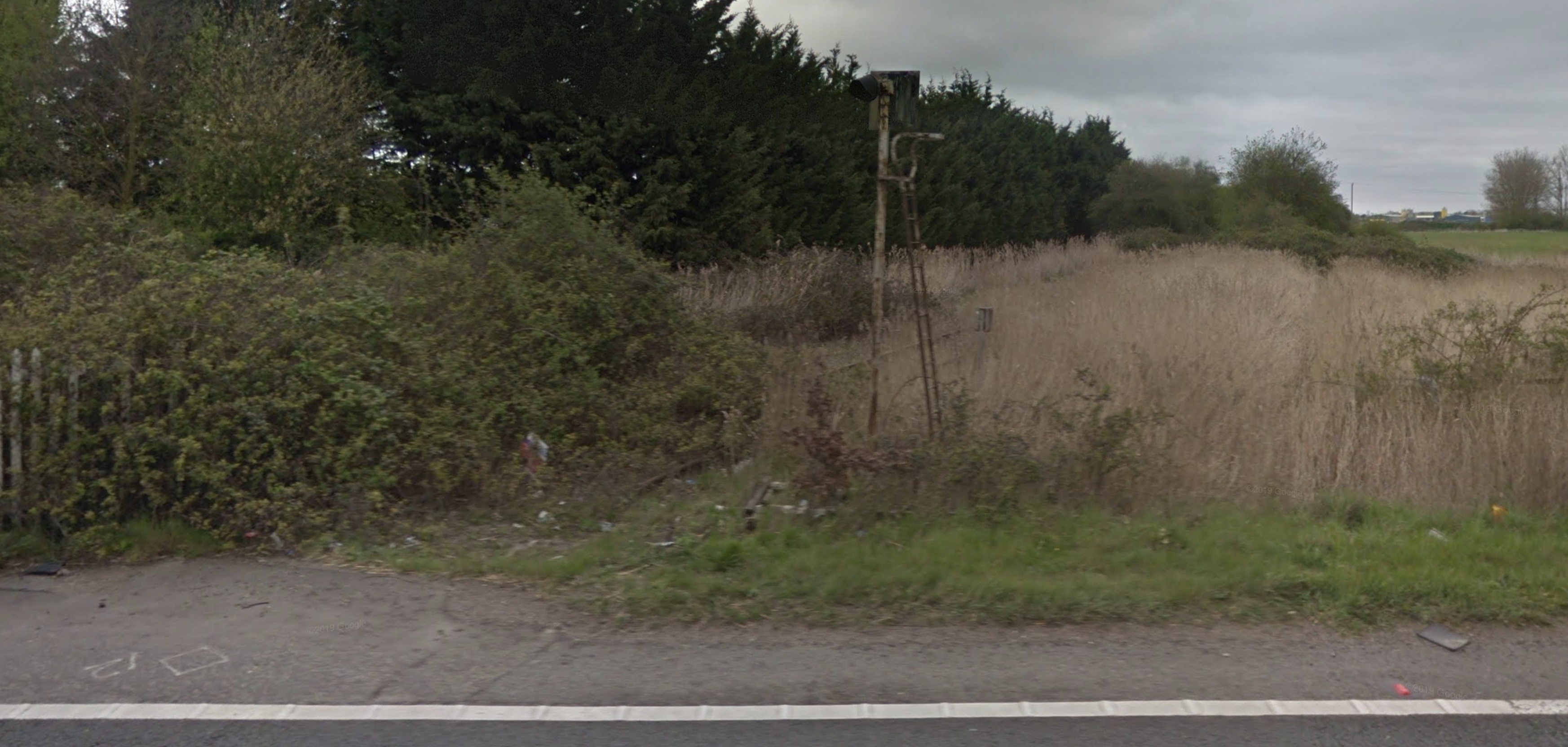
It definitely says that the Railway woz here!
This Google Map shows the A47 and what lies to the South of the road.

Note.
- The two-way A47 road across the map.
- The development to the South of the A47.
- The green scar of the former railway to the West of the development.
Looking at the route of the former railway and the A47, I must come to the conclusion that using the former route to access Wisbech would be extremely difficult and would require an expensive crossing of the A47.
A New Station At Wisbech
I think there are two solutions to providing a station for Wisbech; a Park-and-Ride station, where the former railay crossed the A 47 or find another site.
As a bridge over the A47 would be expensive, I would feel that the Park-and-Ride station could be the best option.
It could have a single platform like Felixstowe, which is shown in this image.
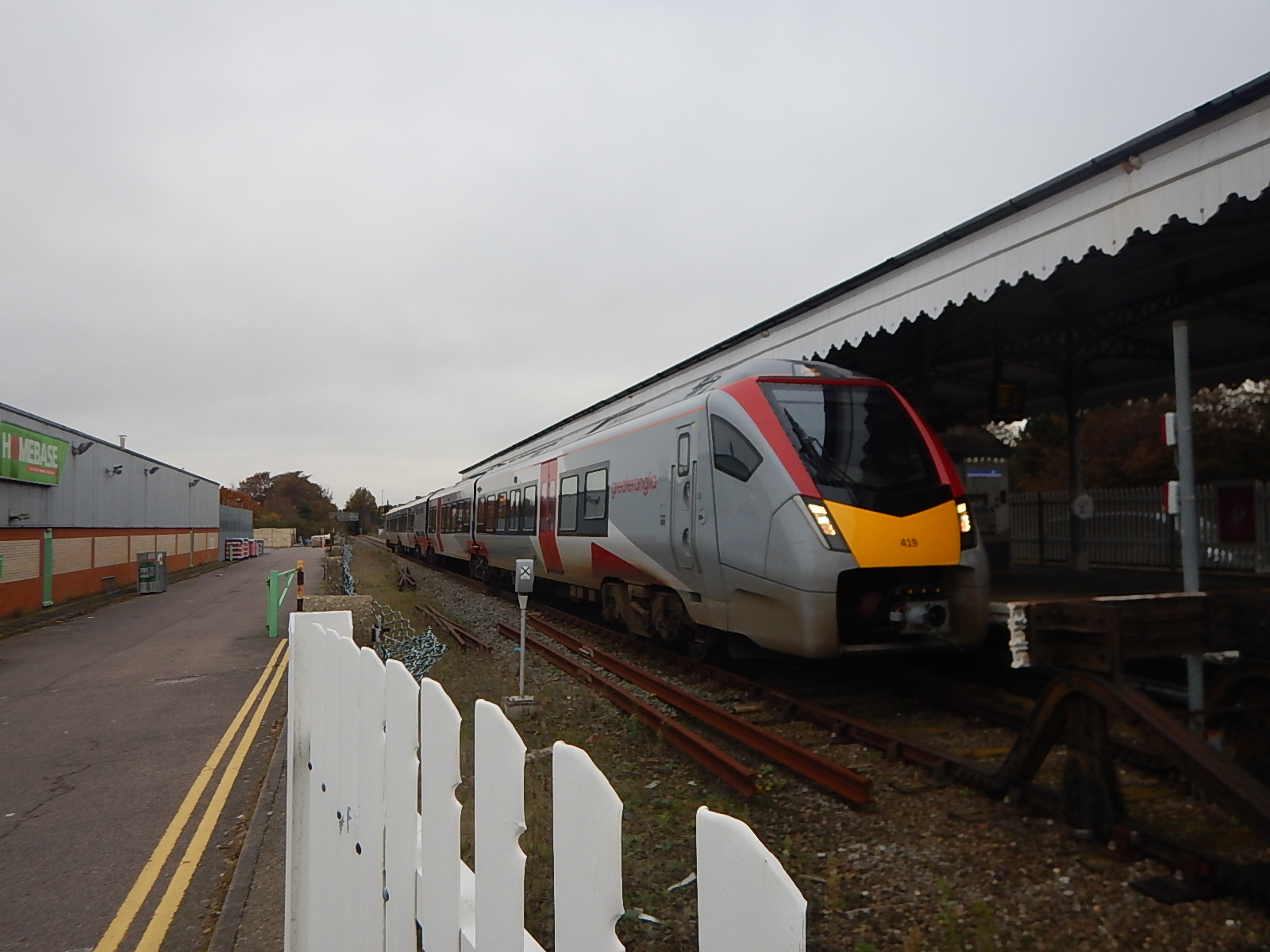
The train is one of Greater Anglia’s new Class 755 trains which would probably be used for services to Wisbech.
- Adequate car parking could be provided at the station.
- Secure bicycle parking would be provided.
- There could be an electric shuttle bus to the town centre and the the North Cambridgeshire Hospital.
The only simple alternative, would be if it were possible to dig or bore a short single-track tunnel under the A47, so that the station could be put on the town side of the A47, where a lot of the land seems to be used for parking cars that are ready for the scrapyard.
Digging it should be possible given some of the traditionally dug tunnels, that have recently been built in the UK.
Would The Bramley Line Be Single Or Double Track?
The Felixstowe Branch Line is about the same length as the Bramley Line and is effectively a single-track line with a long passing loop to support a one tph passenger service.
So to support the desired two tph between March and Wisbech, I suspect that a mainly single-track route with a passing place in the middle will be needed.
Would There Be Any Intermediate Stations?
There used to be a station at Coldham, which is about halfway. Te Wikipedia entry for the station says this.
A plan by the Bramley Line to restore the line between Wisbech and March may see trains return to Coldham in some form.
This Google Map shows the village.
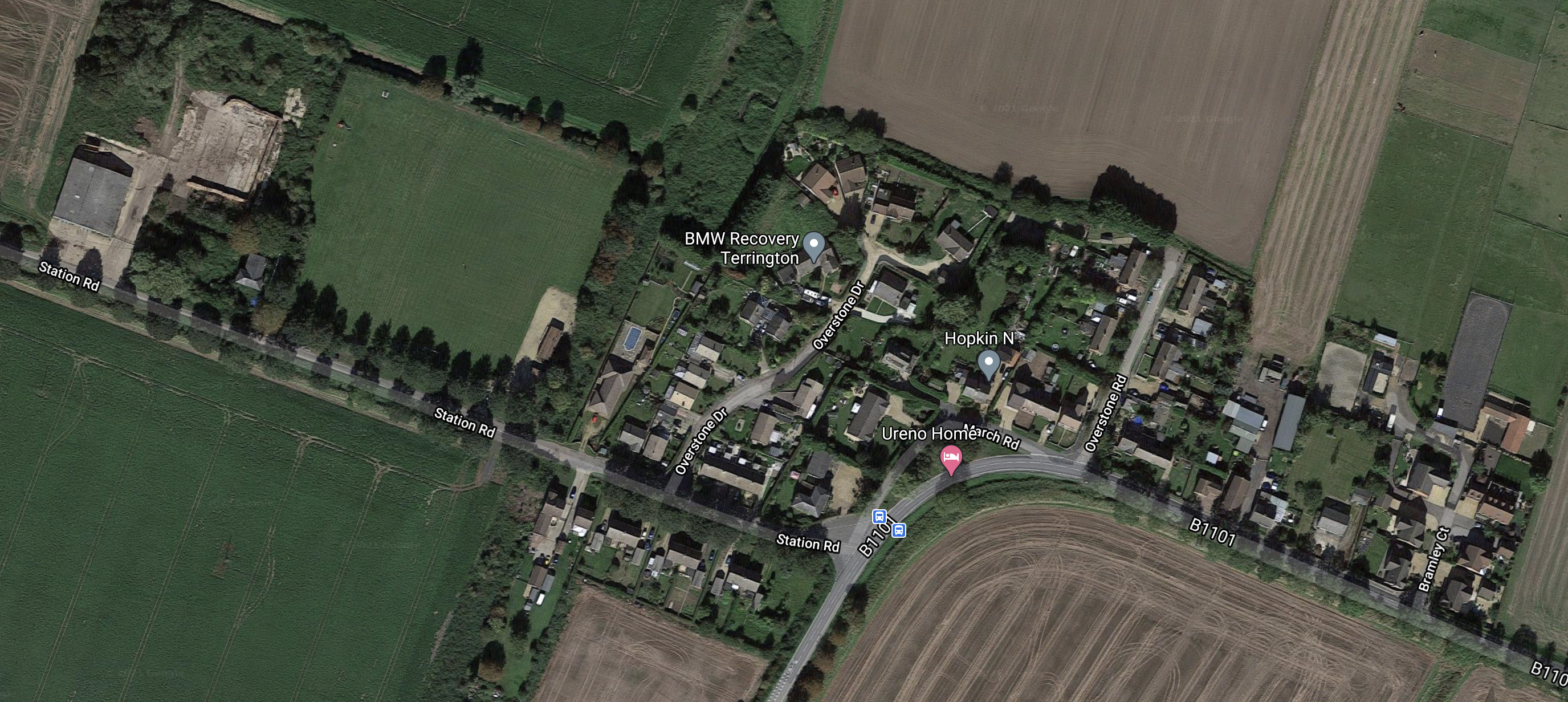
Note.
The road going to the West is called Station Road.
The green scar of the former railway can be seen passing North-South to the West of the houses.
This view from Google Streetview shows the former railway looking North from Station Road.
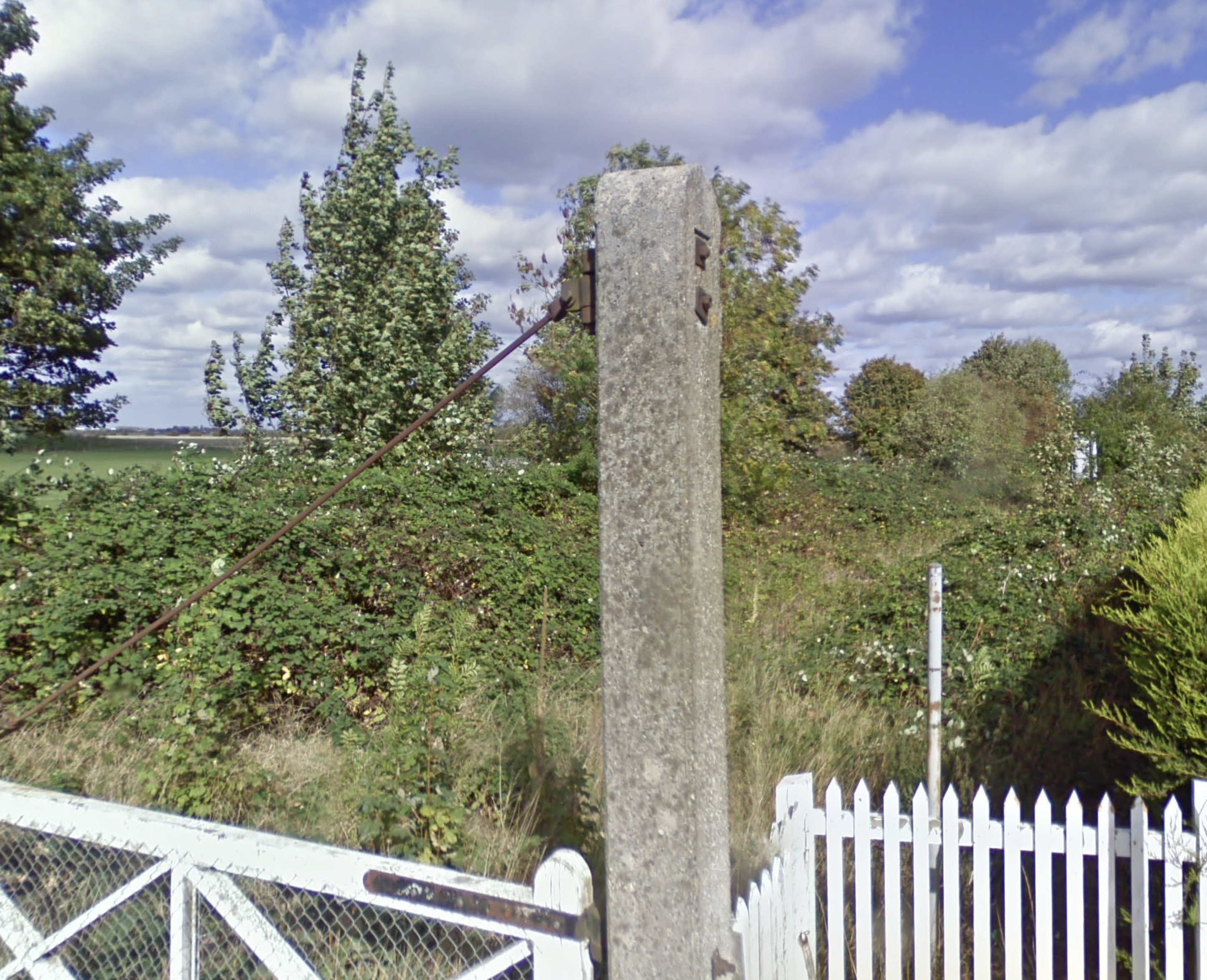
Could a double-track section be squeezed in here?
The Wikipedia entry for the Bramley Line shows two other stations, that were planned for a proposed heritage railway; March Elm Road and Waldersea.
This Google Map shows the area between March and Wisbech.
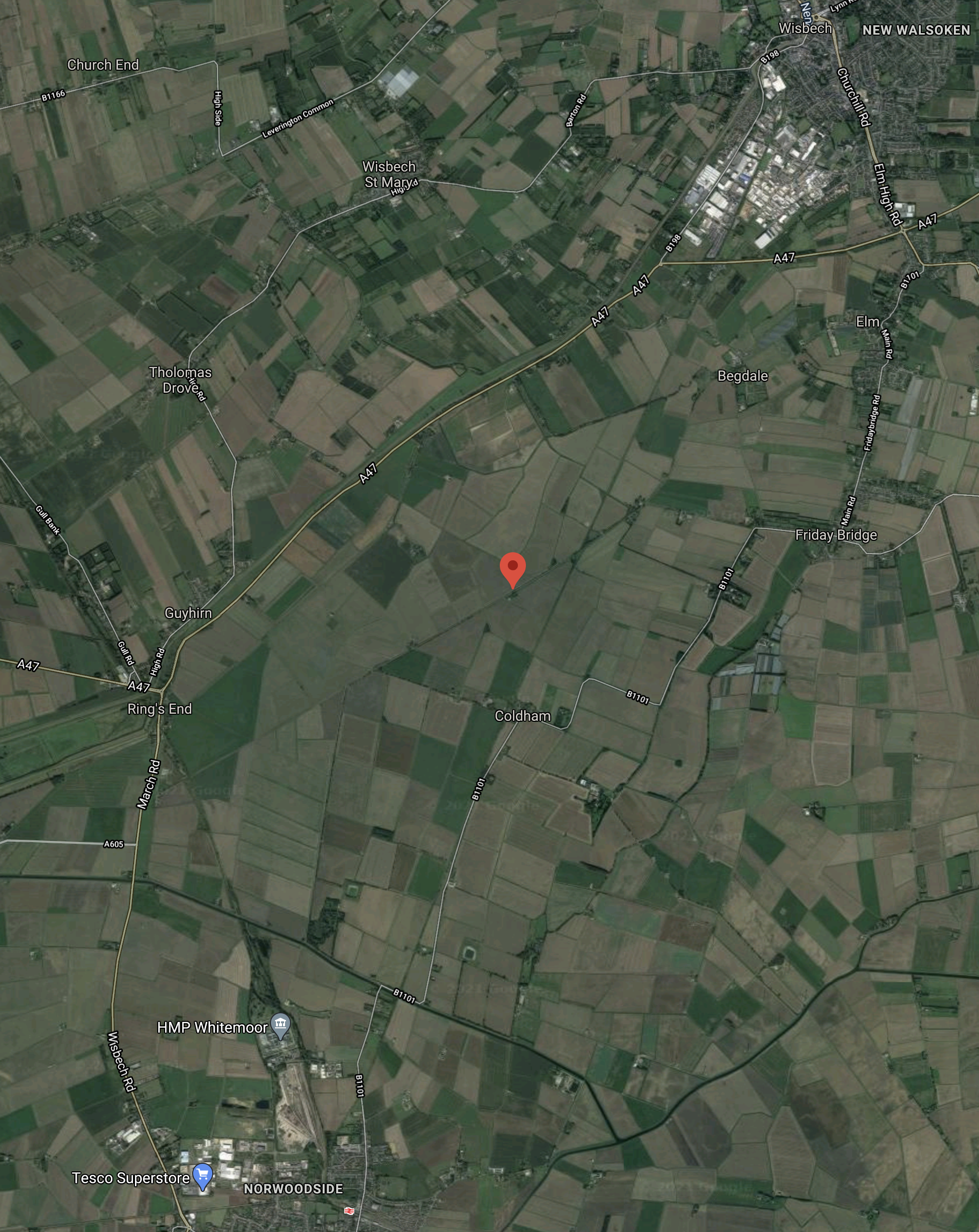
Note.
- March is in the South-West corner of the map.
- Wisbech is in the North-East corner of the map.
- Waldersea is indicated by the red arrow.
- Coldham is South of the red arrow.
Although March Elm Road and Waldersea might be ideal for a heritage railway, I suspect that the old British Rail layout of just a station, where trains can pass at Coldham would be the best layout.
What Trains Would Be Used?
I have assumed that Greater Anglia will use their three-car Class 755 trains.
- They are new comfortable trains.
- They are designed to carry bicycles.
- When the route is extended to Cambridge, they would be able to use the electrification South of Ely.
I also feel that Greater Anglia planned their fleet size to include enough trains for a Wisbech service.
Could Battery Electric Trains Be Used?
The Class 755 trains are designed as modular bi-mode trains with a PowerPack in the middle, which contains diesel engines.

Stadler are building Class 756 tri-mode versions of these trains for Transport for Wales, which will have batteries and two diesel engines in the PowerPack.
In Thoughts On The Actual Battery Size In Class 756 Trains And Class 398 Tram-Trains, I stated that a three-car Class 756 train would have a 480 kWh battery capacity and the four-car would have 600 kWh. These figures came from a Freedom of Information Request. Not by me, I should add!
Batteries of these sizes would I feel give the Class 755 trains a range of up to fifty miles.
The various distances in the area are.
- March and Ely – 15 miles
- March and Peterborough – 15 miles
- March and Wisbech – 12 miles
I think that Stadler’s and Network Rail’s engineers can come up with a very affordable plan, that will enable tri-mode Class 755 trains to run the following routes.
- Cambridge and Wisbech and return.
- Ely and Peterborough
As part of the works to improve capacity at Ely, I suspect there will be some renewal and extension of the electrification in the complicated junction.
So would the electrification be extended a few miles towards March, to remove any need for charging at Wisbech station?
What would certainly ensure battery-electric services to Wisbech would be the electrification of Ely and Peterborough via March.
I feel this is an important electrification infill, that should be done sooner rather than later.
- It would be needed if it were decided, that all freight trains to and from Felixstowe were to be electric-hauled.
- It would enable direct electric passenger services between Cambridge and the North.
- It would help enable battery-electric operation between Peterborough and Norwich.
- It would allow trains from the North to use Liverpool Street as an alternative terminal during engineering works or other blockades.
It might even make it easier to widen or replace the Digswell Viaduct, as it would offer a fully-electrified diversion route via Cambridge, during the inevitable long closure of the route.
Improvements At March Station
March station will need to be improved, if it is going to be used as an interchange station.
It will probably need a bay platform to turn the Wisbech trains.
I also think that step-free access will be needed for passengers, who need to cross the tracks and can’t manage the stairs.
Conclusion
I very much feel that the Cambridgeshire & Peterborough Combined Authority and Network Rail can create a very useful branch line to Wisbech.
There is not much infrastructure to be built and upgraded.
- A new station will be built at Wisbech, which I feel is likely to be a Park-and-Ride on the A47.
- A bay platform will probably need to be reopened at March station.
- March station will need to be step-free.
- There may be a station and a passing loop at Coldham.
- Track and signalling will need to be replaced.
But the big project needed is the remodelling at Ely, which will have to be done to increase capacity, through the bottleneck.
Greater Anglia’s Class 755 trains would appear to be ideal for the branch and could operate on battery power.
 The Anonymous Widower