Beeching Reversal – Increased Services To Nottingham And Leicester, via Syston And Loughborough From Melton Mowbray
This is one of the Beeching Reversal projects that the Government and Network Rail are proposing to reverse some of the Beeching cuts.
It is one of a pair of submissions from the local MP; Alicia Kearns. The other is More Stopping Services At Radcliffe-on-Trent And Bottesford Stations On The Poacher Line Between Grantham And Nottingham.
When I heard of the MP’s submissions, I wrote MP Campaigns To Extend Train Services For Melton Borough and the following uses that post as a starting point.
Wikipedia says this about services at Melton Mowbray station.
- There is an hourly off-peak service in both directions between Stansted Airport and Birmingham, that calls at Cambridge, Peterborough, Oakham and Leicester.
- East Midlands Railway and their predescessor have added services to London via Corby and to Derby and East Midlands Parkway.
When you consider, that both Bottesford and Melton Mowbray are the same Council and Parliamentary constituency, it does seem that a more direct train service is needed between Bottesford and Melton Mowbray stations.
It does seem to me that some innovative thinking is needed.
If the current plans to fulfil British Rail’s ambition of an Ivanhoe Line running from Lincoln to Burton-on-Trent via Nottingham, East Midlands Parkway, Loughborough and Leicester, are carried out, that will give important towns to the West of Leicester much better rail connections.
Given that High Speed Two is coming to East Midlands Hub station at Toton and there will be a Bedford and Leeds service run by Midlands Connect using High Speed Two classic-compatible trains, that I wrote about in Classic-Compatible High Speed Two Trains At East Midlands Hub Station, I wonder if in the interim, there should be more trains between Derby and Melton.
- Intermediate stations would be Syston, Sileby, Barrow-upon-Soar, Loughborough, East Midlands Parkway Long Eaton and Spondon.
- An hourly frequency would double the service frequency at smaller stations like Sileby and Barrow-upon-Soar.
- The Southern terminal could be Melton station, but I feel Corby or Peterborough stations would be better, as this would improve services at Oakham station. We should not forget Rutland!
- As Corby will be an electrified two-platform station with a two trains per hour (tph) service to London, this could work quite well as a Southern terminus.
- Peterborough would have advantages and give a good connection to Cambridge, London and Scotland, but improvements to the current Birmingham and Stansted Airport service would have similar effects.
This route would be just as valuable after High Speed Two opens through the East Midlands Hub station, as it will give fast ongoing connections to Birmingham, Leeds, Newcastle and York.
Electrification Of The Midland Main Line
I feel strongly, that full electrification of the Midland Main Line could be a step to far.
- Electrification, through Leicester station will mean a complete closure of the station for a couple of years.
- Electrification of the route North of Derby, through the Derwent Valley Mills, which is a World Heritage Site, will be opposed by the Heritage Taliban with all their might.
But.
- Electrification of the route between Clay Cross North Junction and Sheffield via Chesterfield will take place in conjunction with High Speed Two
- Electrification to Market Harborough, which is sixteen miles South of Leicester will happen.
- East Midlands Railway’s new Class 810 trains could be fitted with a battery option giving a range of between 55 and 65 miles.
- Pantographs on these trains can go up and down with all the alacrity of a whore’s drawers.
If the easier section of electrification between Leicester and Derby stations, were to be installed, this would enable the following routes to be run using battery-equipped Class 810 trains.
- London and Derby, where battery power would be used through Leicester.
- London and Nottingham, where battery power would be used through Leicester and between East Midlands Parkway and Nottingham.
- London and Sheffield, where battery power would be used through Leicester and between Derby and Clay Cross Junction.
- Lincoln and Burton-on-Trent, where battery power would be used South of Leicester and North of East Midlands Parkway.
- Derby and Corby, where battery power would be used between Syston and Corby.
There would also be the service between Derby and Norwich, which might be able to be run by a similar train.
Conclusion
I think the ideal way to achieve the MP’s objective would be to extend a proportion of London St. Pancras and Corby services to the Midland Main Line.
But the problem with this, is that the Corby trains will be Class 360 trains, which are electric, so the thirty-six mile route between Corby and the Midland Main Line would need to be electrified.
On the other hand, a shuttle train could be used between Corby and Leicester.
They would call at Oakham, Melton Mowbray and Syston stations.
If the Midland Main Line to the North of Leicester were to be electrified, Battery electric trains could be used on the route, with charging at Leicester and Corby.
Beeching Reversal – More Stopping Services At Radcliffe-on-Trent And Bottesford Stations On The Poacher Line Between Grantham And Nottingham
This is one of the Beeching Reversal projects that the Government and Network Rail are proposing to reverse some of the Beeching cuts.
It is one of a pair of submissions from the local MP; Alicia Kearns. The other is Increased Services To Nottingham And Leicester, via Syston And Loughborough From Melton Mowbray.
When I heard of the MP’s submissions, I wrote MP Campaigns To Extend Train Services For Melton Borough and the following uses that post as a starting point.
Wikipedia says this about services at Bottesford station on the Poacher Line.
- The service is generally every two hours to Nottingham in the West and Skegness in the East.
- Some trains call at Grantham and have a connection to the East Coast Main Line.
- LNER services at Grantham connect to Doncaster, King’s Cross, Leeds, Lincoln, Peterborough, Stevenage, Wakefield and York.
- Bottesford is in the Borough of Melton and their is no direct rail service between Bottesford and Melton. A typical journey takes over two-and-a-half hours with two changes, that can include a wait of an hour at Leicester station.
- Bottesford is in the County of Leicester. There is no direct rail service between Bottesford and Leicester.
I think the MP has a point and an improved and more frequent service at Bottesford could be very beneficial.
- Many routes like this in the UK have a regular hourly service. Coastal stations with a regular hourly or better service include Blackpool South, Cleethorpes, Cromer, Exmouth, Felixstowe, Kings Lynn, Paignton, Scarborough and Sheringham
- I suspect many communities along the Poacher Line would benefit from a regular hourly service.
- All services calling at Grantham for East Coast Main Line services would be useful.
- Do services have a good interchange at Nottingham for Midland Main Line services?
Replacing 75 mph Class 153 and Class 156 trains with 100 mph Class 170 trains would probably be a big help.
Conclusion
It looks like improvements at Bottesford would not require any new expensive infrastructure.
But East Midlands Railway would need more trains and they would probably need to be faster too!
Beeching Reversal – Reconnecting Ashfield Communities Through The Maid Marian Line
This is one of the Beeching Reversal projects that the Government and Network Rail are proposing to reverse some of the Beeching cuts.
Around the turn of the Century, I started to use the Robin Hood Line fairly regularly, as I had clients in both Nottingham and Mansfield and found it easier to drive up from Suffolk and park in Nottingham and get the train to Mansfield. When the Nottingham Express Transit opened in 2004 to Hucknall station, I would change there for Mansfield.
I can remember thinking at the time and discussing it with my client, that British Rail had certainly been mistaken to close the rail line between Hucknall and Worksop via Mansfield.
I first talked about the Maid Marian Line in Expanding The Robin Hood Line, which I wrote in 2015, although, it hadn’t been named at the time.
In 2015, there was talk of two extensions.
A Proposed Branch To Ollerton
In my investigations into Ilkeston station, the Robin Hood Line kept cropping up and especially talk of a branch from the line to Ollerton.
Search Google News for Robin Hood Line and articles with titles like Chancellor backs Robin Hood line passenger plans are found in the Mansfield and Ashfield Chad. This is the start to the article.
The Chancellor George Osborne, has confirmed his backing for plans to open a passenger service on the Robin Hood line, from Shirebrook to Ollerton, including passenger stations at Ollerton and Edwinstowe.
Other Government figures like David Cameron and Patrick McLoughlin and important local councillors are also quoted saying similar things.
What is not said is that the line will serve the CentreParcs Sherwood Forest and that the rail line needed is currently fully maintained for driver training.
This Google Map shows the area.
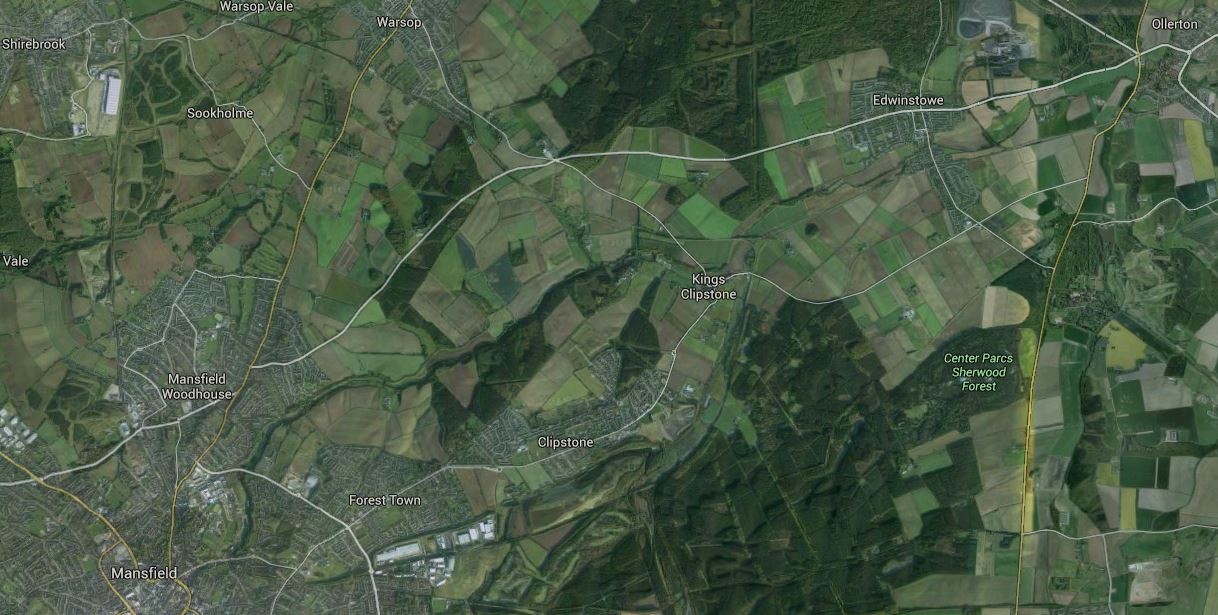
The Ollerton branch turns off from the Robin Hood Line just North of Shirebrook station in the top left hand corner of the map and then makes it way to Ollerton by way of the South of Warsop and Edwinstowe and North of the CentreParcs Sherwood Forest.
The line probably illustrates the only environmentally-friendly use for coal, which is to keep rail lines open and in good condition, until we can find a better use for them.
There is an interesting section called Branch Lines in the Wikipedia entry for Shirebrook station. This is said.
Two branch lines are plainly visible veering off north of the bridge at the north end of Shirebrook station.
The double tracks branching off eastwards (i.e. to the right as viewed from the station) to the side of the signalbox joined the LD&ECR’s one-time main line to Lincoln, next stop Warsop. The branch only ever carried a regular passenger service for a few years in Edwardian times. It did, however, carry Summer holiday trains such as the Summer Saturdays Radford to Skegness in at least 1963. The branch’s main purpose was always freight traffic, with coal being overwhelmingly dominant.
In 2013 the line gives access to Thoresby Colliery and to the High Marnham Test Track.
There is some hope of reopening the line as a branch off the Robin Hood Line and reopening Warsop, Edwinstowe and Ollerton stations, providing an hourly service to Mansfield and Nottingham.
This Google Map shows Shirebrook station and the railway lines around it.
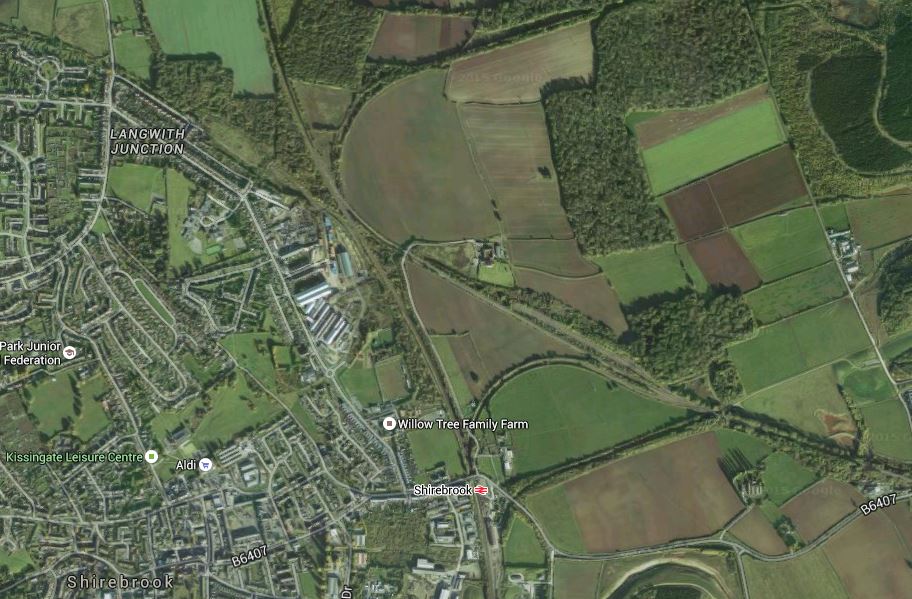
The junction of the Ollerton branch would appear to allow access to trains from or to either Nottingham and Mansfield in the South and Worksop in the North
It appears that there could be three stations; Warsop, Edwinstowe and Ollerton on a double-track branch.
Services To Derby
The area between Chesterfield, Mansfield and Nottingham is not very well connected to Derby.
If you want to go from Mansfield or Kirkby-in-Ashfield on the Robin Hood Line to Derby, you always have to change at Nottingham, with sometimes an extra change at East Midlands Parkway.
The Erewash Valley Line runs North-South a few miles to the West of the Robin Hood Line.
Despite being partially in Derbyshire, getting from stations like Alfreton, Langley Mill and the soon-to-be-opened Ilkeston stations to Derby, you have to change at either Nottingham or Chesterfield.
Look at this Google Map of the area
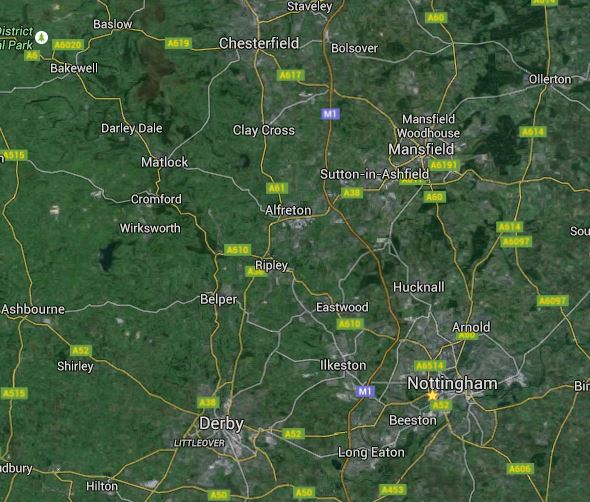
There must be a better way of getting to Derby, than by changing trains in Nottingham or Chesterfield.
But what?
There are four main North-South routes in the area.
- The Robin Hood Line between Nottingham and Worksop
- The Erewash Valley Line between Long Eaton and Chesterfield
- The Midland Main Line between Derby and Chesterfield
- The M1 Motorway
What seems to be missing is high-capacity East-West routes for both rail and road.
The Erewash Valley Line goes South to Long Eaton, which has several trains per hour direct to Derby, so this could be the key to getting to Derby.
In a Notes on Current Station section on the Wikipedia entry for Long Eaton station, this is said.
It is planned that both platforms will be extended by up to 10 metres by no later than 2012.
It is anticipated that developments along the Erewash line will result in changes for Long Eaton station. A plan drawn up in 2011 recommended a new Derby to Mansfield service via new stations at Breaston & Draycott, Long Eaton West (renamed from Long Eaton), Long Eaton Central, Stapleford & Sandiacre, Ilkeston, Eastwood & Langley Mill (renamed from Langley Mill), Selston & Somercotes and then to Pinxton via new trackbed connecting with the Mansfield line from Nottingham at Kirkby in Ashfield.
It strikes me that work at Long Eaton, the several new stations and improvements North of Langley Mill would enable direct services from Alfreton, Ilkeston and Langley Mill to both Derby and Mansfield. This service would also improve services from stations stations North of Mansfield to Derby.
A trackbed from Langley Mill to Kirkby in Ashfield is shown on Google Maps.

Alfreton is the station at the top left and Kirkby-in-Ashfield is at the top right. The Erewash Valley Line from Langley Mill, enters at the bottom and splits with one branch going to Alfreton and the other going East to cross the M1 and join the Robin Hood Line south of Kirkby-in-Ashfield.
On an Ordnance Survey map, dated 2009, the railway is shown as a multiple track line, probably serving collieries and open cast coalfields.
It all sounds very feasible too! Especially, as the Erewash Valley is an area of high unemployment, low car ownership and a dependence on public transport.
Would Both Branches Of the Robin Hood Line Form The Maid Marian Line?
Consider.
- The Ollerton Branch joins the Robin Hood Line to the North of Shirebrook station.
- The Pye Bridge Branch joins the Robin Hood Line to the South of Kirkby-in-Ashfield station.
- There are three statations between Shirebrook and Kirkby-in-Ashfield stations; Mansfield Woodhouse, Mansfield and Sutton Parkway.
- The Pye Bridge Branch joins the Erewash Valley Line to the North of Langley Mill station.
- From Langley Mill station, there are direct services to Nottingham station.
- I am also fairly certain that a passenger train can travel between Langley Mill and Derby via Ilkeston and Long Eaton.
It would certainly be possible for a passenger service to run between Ollerton and Ilkeston.
- It could terminate at either Derby or Nottingham.
- When High Speed Two is built, it could call at East Midlands Hub station.
As Shirebrook, Mansfield Woodhouse, Mansfield, Sutton Parkway, Kirkby-in-Ashfield, Langley Mill, Ilkeston and Long Eaton, all have connections to Nottingham, I suspect the core service would terminate at Derby.
One MP Is Not Happy
This article on NottinghamshireLive is entitled Leaders In Row Over Plans To Reopen Maid Marian Line.
This is said.
A row has erupted over proposals to reopen the disused Maid Marian Line in Nottinghamshire.
Lee Anderson, MP for Ashfield, has hit out at Ashfield District Council saying residents in areas like Selston will be “left behind” under plans to reopen the line.
From reading the article, it looks like an extra station at Selston might defuse the row.
Conclusion
Consider.
- This is a sound plan, that has been talked about for some years.
- Except for three or four stations, there is little serious construction needed.
- The line connects a large area to High Speed Two.
I feel that this could be one of the first schemes to be given the go-ahead to be built.
A Railway Station At Liverpool University
In Liverpool’s Forgotten Tunnel, I showed this map, which shows a proposed reopening of the Wapping Tunnel as a passenger route between Liverpool Central and Edge Hill stations.
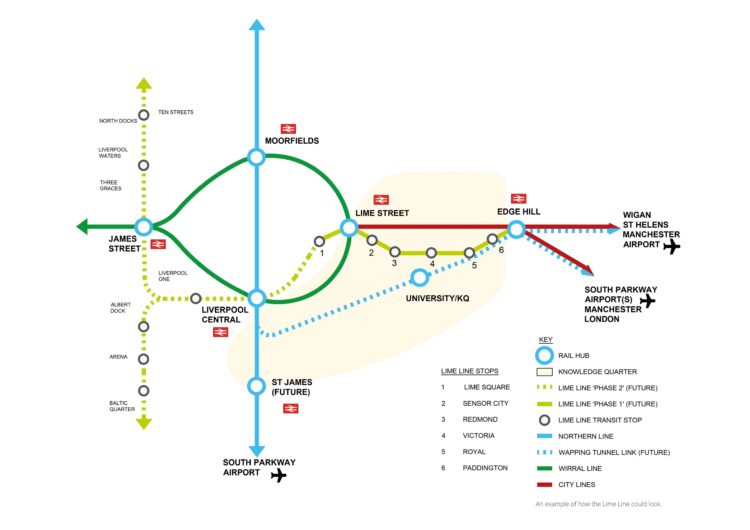
Note.
- The map shows a station at University
- The Wapping Tunnel is shown as a dotted blue line.
- Between four and eight trains per hour (tph) would be running through University station.
This Google Map shows the line of the tunnel.
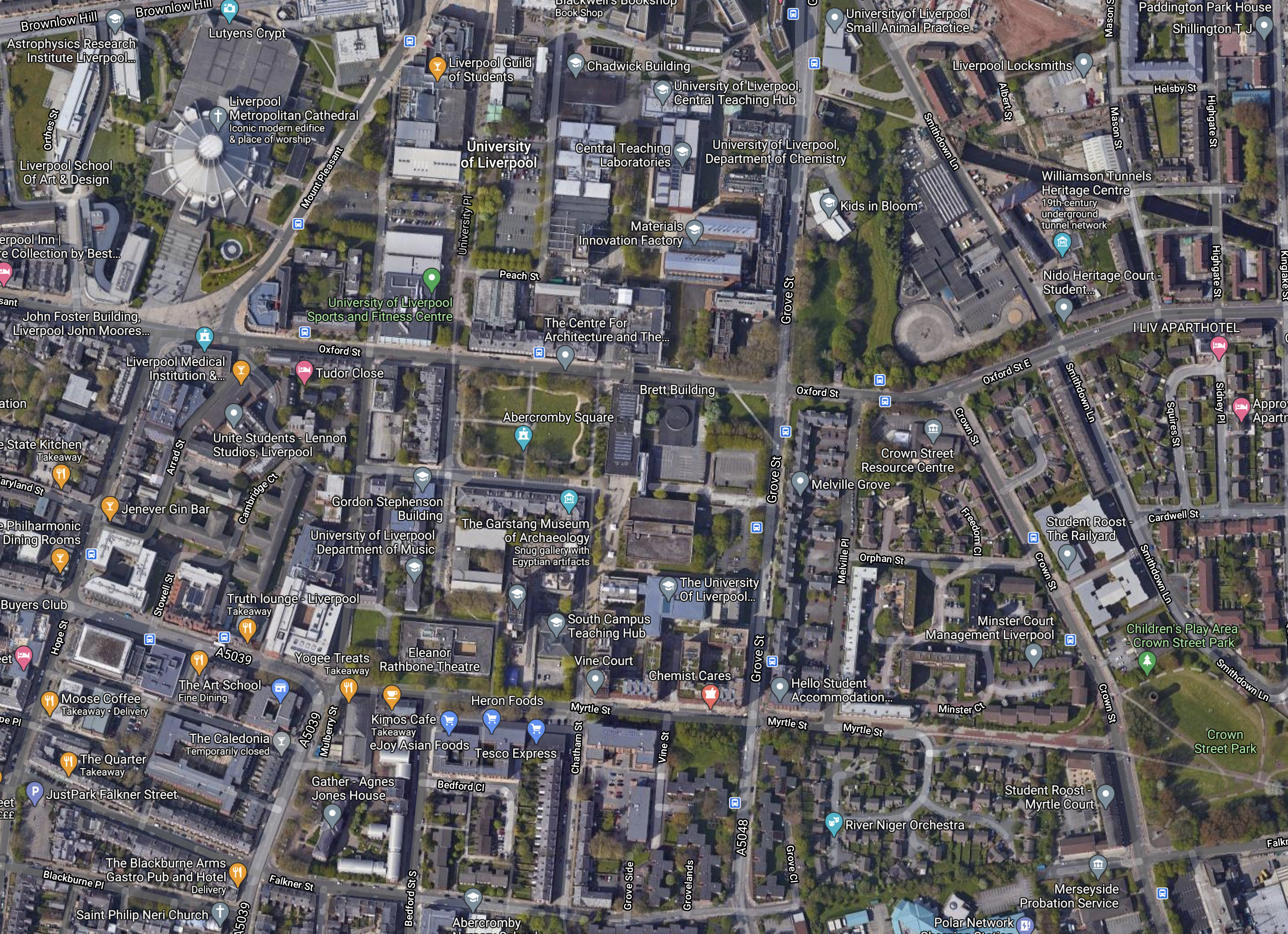
Note.
- Liverpool Metropolitan Cathedral is in the North-West corner of the map.
- Much of area of the map is taken up by buildings of Liverpool University.
- Crown Street Park is in the South-East corner of the map and contains one of the ventilating shafts for the tunnel.
- Blackburne Place in the South-West corner of the map contains another ventilating shaft.
The location of the shafts, probably means that the tunnel runs vaguely along Myrtle Street.
Not knowing that area of the campus well, it could be where Grove and Myrtle Streets intersect.
This Google Map shows the area.

It should be noted that this area of Liverpool is built on sandstone and tunnelling isn’t the most challenging operation, so it might be possible to create a very passenger-friendly station.
Passenger Services Through The Station
I think that my best estimate of passenger service through the station would be as follows.
Frequency
The frequency would be between four and eight tph. These are quite low frequencies for a modern railway and Merseyrail exceeds this frequency in several places.
Westbound
Currently, trains on the Northern Line branches to Ormskirk and Kirkby appear to turnback at Liverpool Central station. So it would appear, that it would be more likely, that Westbound services at Liverpool University station would terminate at Kirkby or Ormskirk.
Passengers wanting to travel to and from stations on the Wirral Line, would need to change at Liverpool Central station.
Eastbound
Currently, local services out of Liverpool Lime Street, that are run by Northern, are as follows.
- Half hourly service to Manchester Oxford Road (via Warrington Central, most local stations)
- Hourly service to Manchester Airport (via Warrington Central and Manchester Piccadilly, limited stop)
- Hourly service to Blackpool North (limited stop)
- Half hourly service to Wigan North Western (via St Helens Central, all stations)
- Hourly service to Crewe (via Newton-le-Willows, Manchester Piccadilly and Manchester Airport, all stations)
- Hourly service to Warrington Bank Quay (via Earlestown, all stations)
Note.
- The services actually add up to eight tph.
- As Merseyrail’s new Class 777 trains will have a pantograph for 25 KVAC overhead electrification and a battery capability, they could be used on all routes.
- But I do think that the trains may not be suitable for all routes because of their 75 mph operating speed.
- It might be better to serve Blackpool North station by extending an hourly Ormskirk service to Preston and Blackpool North, with stops at all stations.
So could the services Eastbound from Liverpool University station be as follows.
- Half hourly service to Manchester Oxford Road (via Warrington Central, most local stations)
- Half hourly service to Wigan North Western (via St Helens Central, all stations)
- Hourly service to Warrington Bank Quay (via Earlestown, all stations)
The services add up to five tph and I would expect selective increases would balance the services, so that eight tph ran through Liverpool University and Edge Hill stations.
Liverpool’s Forgotten Station
Edge Hill station is Liverpool’s forgotten station.
For instance, it could be the only train station in the UK, with a better than two trains per hour (tph) service in both directions, that doesn’t have any displays telling passengers, when the next train is arriving.
These pictures show the station.


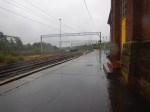
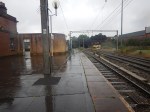
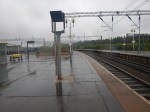

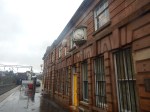
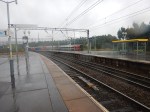



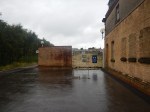

Note.
- The station is Grade II* Listed.
- It does have a good clock.
- There are four platforms on two islands.
- The only way to get to Platforms 3 and 4, is by one of the worst subways, I’ve seen in many years.
If ever a station needed a good makeover, it is Edge Hill.
This Google Map shows the station.
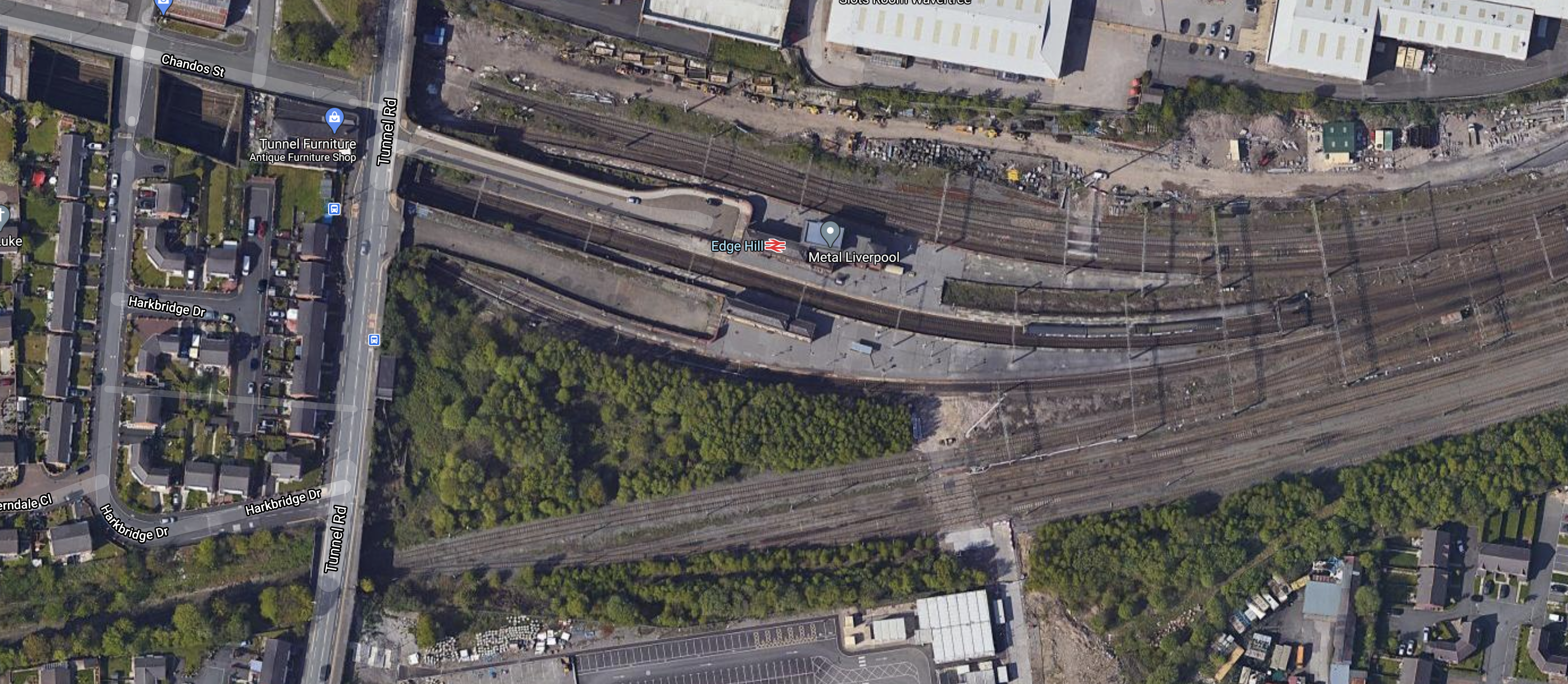
Note.
- The Northern island platform is 1 & 2. All trains using these platforms seem to use platforms 1 to 5 at Liverpool Lime Street station.
- The Southern island platform is 3 & 4. All trains using these platforms seem to use platforms 6 to 10 at Liverpool Lime Street station.
- The deep four-track cutting, that leads to Lime Street station can be clearly seen to the West of the station.
- The lines to the South of the station, that run to the West, lead to the disused Wapping Tunnel. Surprisingly, the tracks still seem to be in place.
- The lines to the North of the station, that run to the West, lead to the disused Victoria Tunnel, that used to take freight to and from Liverpool Docks.
There is certainly a lot of space around the station to put in extra platforms and a flyover or two.
Connecting The Wapping Tunnel To The Lines Going To The East
In Liverpool’s Forgotten Tunnel, I talked about a resurrected plan to use the Wapping Tunnel for passenger trains.
This was my opening sentences of the post.
The Wapping Tunnel in Liverpool was designed by George Stephenson and was the first tunnel in the world to be bored under a city.
It used to take goods trains between Liverpool Docks and the Liverpool and Manchester Line.
During the 1970s preparations were made to connect the Wapping Tunnel to Merseyrail’s Northern Line, so that trains could run between the Northern Line and the City Line, which would have connected the North and East of the City.
But the project was never completed.
I also included this recent map of the scheme.
The proposed line through the Wapping Tunnel, is shown as a dotted blue line.
Components of the scheme include.
- Four to eight tph instead of turning back at Liverpool Central station would use the Wapping Tunnel to access Edge Hill and then continue to Liverpool South Parkway, Manchester Airport, Manchester Oxford Road, St. Helens, Warrington and Wigan.
- A new station will be built at Liverpool University.
- A new station could be built at St. James. at a future date.
It looks to be a sensible scheme, providing the engineering isn’t too difficult.
New Platforms On The Wapping Tunnel Lines
This Google Map shows the lines leading to the Wapping Tunnel.
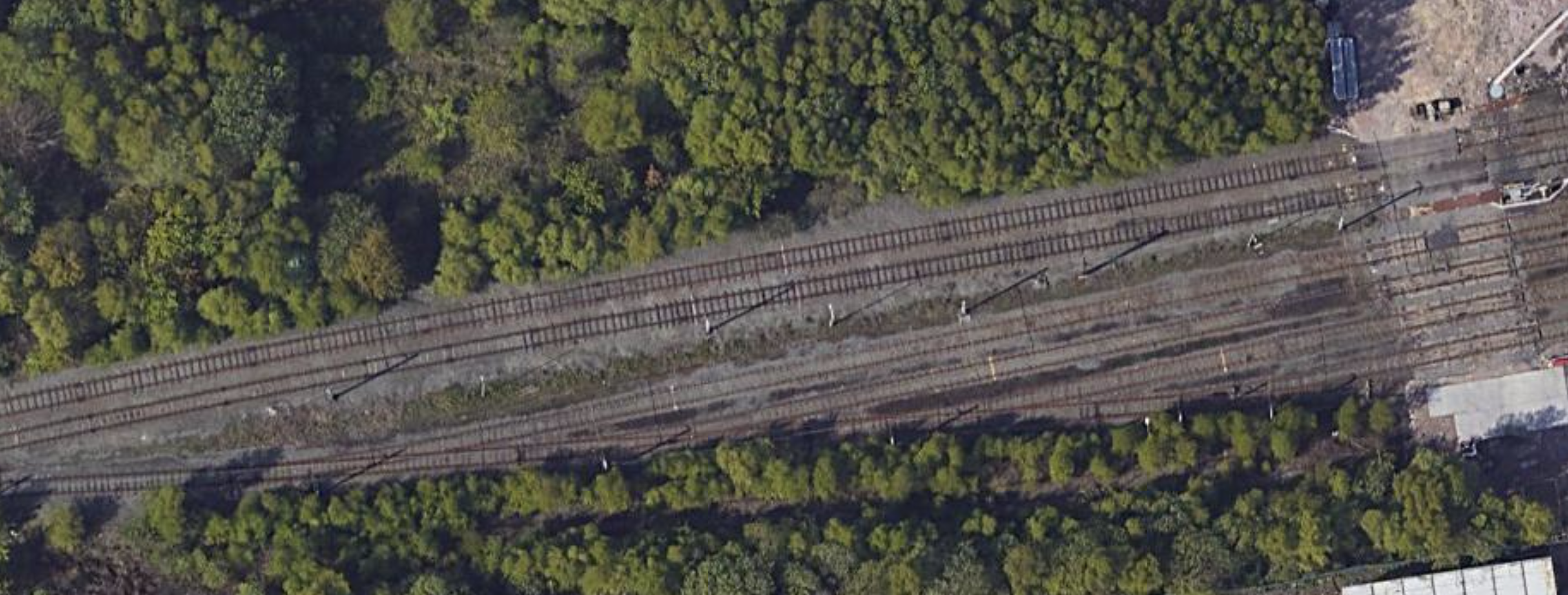
Note.
- Platform 4 is just off the Northern side of the map.
- There is a double track leading to the Wapping Tunnel.
- It looks like the other tracks are the entry to a marshalling yard, that used to serve the Docks, through the Wapping Tunnel.
I can see two platforms on either side or a single island platform between the two tracks being built, that is connected to the current station using a stylish step-free bridge, as at Leeds or Reading stations.
Connecting To The Liverpool South Parkway Route
This Google Map shows the Wapping Tunnel lines, as they pass to the South of the station.
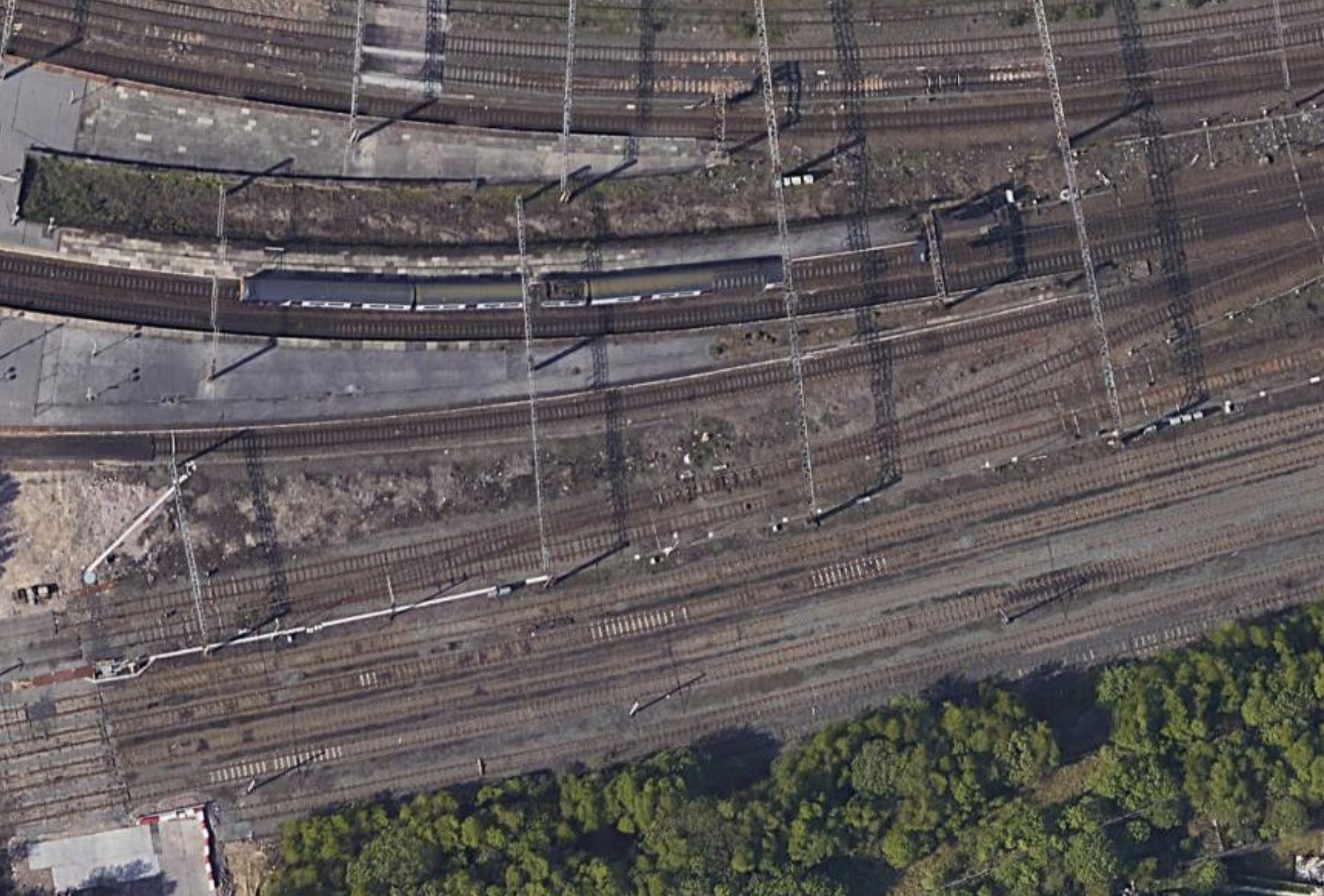
Note.
- The Eastern ends of the two island platforms are clearly visible.
- Platforms 1 and 2, which connect to Wavertree Technology Park, St. Helens and Wigan are the Northern platform.
- Platforms 3 and 4, which connect to Liverpool South Parkway, Runcorn and London are the Southern platform.
- The lines through the Wapping Tunnel, are the two closest lines to the station.
It does appear that connecting the Wapping Lines to those to Liverpool South Parkway would probably need a series of well-designed crossovers.
In fact they might already be in place and just need refurbishment or replacement.
Connecting To The Wavertree Technology Park Route
Trains needing to go between the Wapping Tunnel lines and the lines towards Wavertree Technology Park, St. Helens and Wigan would need to cross right over the busy lines into Liverpool Lime Street station.
So I suspect for efficient operation, a flyover or dive-under will need to be built.
Conclusion
I don’t think that the engineering to connect the Wapping Tunnel lines to the Eastern routes from Edge Hill station, will be too challenging, as there is certainly plenty of space.
I also feel, that an innovative architect can create an efficient station with character.
It’s A Privilege To Work Here!
I was speaking to a young station assistant at Liverpool Lime Street station, who I suspect could have been a trainee or an apprentice, when he came out with the title of this post.
These pictures show the platforms at the station, since the recent remodelling.


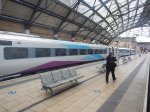

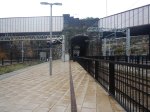
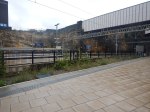

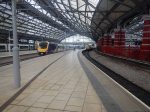
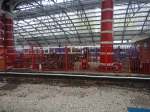
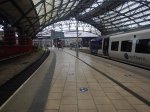

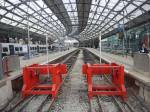
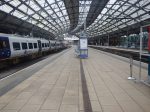

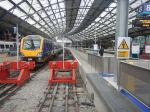

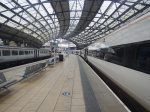

Note.
- The platforms are wide and can take an eleven-car Class 390 train.
- TransPennine Express’s five-car Class 802 trains are easily handled in the shorter platforms of the Western train shed.
- I suspect Avanti West Coast’s new Class 807 trains, which are fifty-two metres longer than the Class 802 trains, could fit into the Western train shed, if needed.
It is certainly a station with a large capacity and I believe, with a few tweaks the station will be able to handle High Speed Two and Northern Powerhouse Rail.
Train Lengths Into Liverpool Lime Street
These are the lengths of the various trains that will be terminating at the station.
- Class 350 train – eight cars – 160 metres
- Class 350 train – twelve cars – 240 metres
- Class 390 train – nine cars – 217.5 metres
- Class 390 train – eleven cars – 265.3 metres
- Class 730 train – five cars – 120 metres
- Class 730 train – ten cars – 240 metres
- Class 802 train – five cars – 130 metres
- Class 802 train – ten cars – 260 metres
- Class 807 train – seven cars – 182 metres
- High Speed Two Classic-Compatible train – 200 metres
That looks like future-proofing to me!
An Almost Absence Of Red
I have looked at arrivals into Liverpool Lime Street over the last couple of days on Real Time Trains and nearly all trains seemed to be on time.
So has all the work to improve the track and signalling on the approaches to the station, over the last couple of years, resulted in better time keeping?
Certainly, train and passenger flows seemed to be smooth.
Conclusion
Wikipedia says this about Liverpool Lime Street station.
Opened in August 1836, it is the oldest still-operating grand terminus mainline station in the world.
I’ve used Lime Street station for nearly sixty years and finally, it is the station, the city needs and deserves.
I’ve been to grand termini all over the world and Lime Street may be the oldest, but now it is one of the best.
Reclassify Hydropower Now – As Renewable Energy
The title of this post, is the same as that of this article on Cal Matters.
It is written by a politician and details the mess California seems to be in over energy policy.
In the UK and Europe in general, hydro-electric power is generally considered to be renewable.
But not always in California, where environmentalists are against dams. So in the last heatwave, California was importing hydropower from places like the Hoover Dam.
We must get our policies and definitions right on what is and what isn’t renewable energy.
Possibly One Of The Best Underground Railways In A Smaller City In The World!
I took these pictures, as I took the Wirral Line between James Street and Lime Street stations.



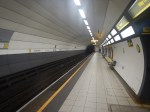
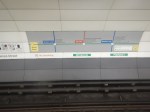
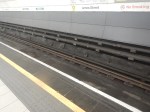
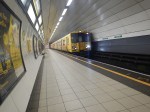
I do compare them with the dingy inside of Essex Road station, which was refurbished by British Rail about the same time.

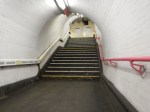


Merseyrail’s stations and trains are generally immaculate and that can’t be said for the dirty and tired infrastructure on the Northern City Line. As I indicated in the title of this post, t is one of the best underground railways under the centre of a smaller city. Liverpool would probably be regarded as a second size of city as it lacks the several millions of London, Paris or Berlin.
The tunnels of Merseyrail’s Northern and Wirral Lines, would have been probably been used as a model for British Rail’s proposed Picc-Vic Tunnel, that sadly never got to be built!
Manchester would be very different today, if it had an underground railway across the City to the standard of that in Liverpool or Newcastle.
This map clipped from Wikipedia show the proposed route of the Picc-Vic Tunnel.

Some of the other proposals included.
- The tunnel would be twin bores and jus under three miles long.
- The tunnel would be electrified with 25 KVAC overhead wires.
- The rolling stock would have been Class 316 trains, which would have been similar to those on Merseyrail.
- Train frequency could have been forty trains per hour (tph)
In some ways the specification was more ambitious than Crossrail, which might be able to handle 30 tph, at some time in the future. But Dear Old Vicky, which was designed at the same time, is now handling forty tph.
Wikipedia says the following routes could have run through the tunnel.
Note.
- The Styal Line now provides the link to Manchester Airport.
- The route map on the Wikipedia entry, shows only Bury and Bolton as Northern destinations. But surely fanning out the trains could have run to Barrow-in-Furness, Blackburn, Blackpool, Burnley, Clitheroe, Colne, Hebden Bridge, Kirkby, Preston, Rawtenstall, Tochdale, Southport, Stalybridge, Todmorden, Wigan and Windermere
The only problem, I could see would be that there would need to be a lot of electrification North of Manchester, some of which has now been done.
There have also been developments in recent years that would fit nicely with a system of lines running through the Picc-Vic Tunnel.
More Services In Manchester Piccadilly And Manchester Victoria Stations
If you look at Liverpool Lime Street station after the remodelling of the last few years, the station is now ready for High Speed Two.
You could argue, that it would be more ready, if the Wapping Tunnel connected services to and from the East to the Northern Line, as I wrote about in Liverpool’s Forgotten Tunnel, as this would remove a lot of local trains from the station.
The Picc-Vic Tunnel would have done the same thing for Manchester Piccadilly and Manchester Victoria stations and removed the local services.
This would have left more space for High Speed Two and other long distance services.
Northern Powerhouse Rail
The original plan also envisaged an East-West Tunnel at a later date. – Northern Powerhouse Rail?
But the creation of capacity by the diversion of local services from Manchester Victoria into the Picc-Vic Tunnel, would surely have enabled the station to be developed thirty years ago as a station on an improved TransPennine route.
Tram-Trains
The system would have accepted tram-trains, which hadn’t been invented in the 1970s.
Manchester Airport
Manchester Airport had only one runway in the 1970s and I think only a few would have believed, it would have expanded like it has.
The Picc-Vic Tunnel would create a superb service to the Airport, at a frequency upwards of six tph.
High Speed Two
The Picc-Vic Tunnel would have created the capacity in for Manchester Piccadilly station and allowed High Speed Two services to use the station.
In The Rival Plans For Piccadilly Station, That Architects Say Will ‘Save Millions’, I talked about a radical plan for extending Manchester Piccadilly station for High Speed Two, that has been put forward by Weston Williamson; the architects.
This sort of scheme would also fit well with the Picc-Vic Tunnel.
Conclusion
Manchester was short-changed and not building the Picc-Vic Tunnel was a major mistake.
It would have created an underground railway in a similar mould to that of Liverpool’s, but it would probably have served a larger network.
They would probably be the best pair of underground railways for smaller cities in the world.
Seats On Avanti West Coast
I went to Liverpool yesterday on an Avanti West Coast Class 390 train in Standard Class.
I booked on Monday and asked for a table seat.
I actually got a set of four to myself, as this picture shows.

When I got back, out of curiosity I tried to book a complete set of four seats for possibly a family or a group, who were in the same bubble.
I got three seats together and a fourth a few seats away.
So if you need to do that, I would suggest you’re careful with the booking or do it in the traditional manner.
Having travelled twice to the North West in recent weeks, I wouldn’t recommend First Class, as all you get extra is a better pair of seats.
Incidentally, when I came back, because of the weather, I abandoned my trip around the city and got to Lime Street with an hour or so to wait.
But I was able to change my booking for an earlier train for about thirteen pounds and still got a set of four to myself.
A New Design For Flow Batteries
The title of this post, is the same as that of this article in phys.org, which documents a development from the Mendeleev University in Russia.
The Russians are claiming they have developed a novel architecture.
 The Anonymous Widower