Could A Modular Family Of Freight Locomotives Be Created?
In Thoughts On A Battery/Electric Replacement For A Class 66 Locomotive, I looked at the possibility of creating a battery/electric locomotive with the performance of a Class 66 locomotive.
- I felt that the locomotive would need to be able to provide 2,500 kW for two hours on battery, to bridge the gaps in the UK electrification.
- This would need a 5,000 kWh battery which would weigh about fifty tonnes.
- It would be able to use both 25 KVAC overhead and 750 VDC third-rail electrification.
- It would have a power of 4,000 kW, when working on electrification.
- Ideally, the locomotive would have a 110 mph operating speed.
It would be a tough ask to design a battery/electric locomotive with this specification.
The Stadler Class 88 Locomotive
Suppose I start with a Stadler Class 88 locomotive.
- It is a Bo-Bo locomotive with a weight of 86.1 tonnes and an axle loading of 21.5 tonnes.
- It has a rating on electricity of 4,000 kW.
- It is a genuine 100 mph locomotive when working from 25 KVAC overhead electrification.
- The locomotive has regenerative braking, when working using electrification.
- It would appear the weight of the diesel engine is around seven tonnes
- The closely-related Class 68 locomotive has a 5,600 litre fuel tank and full of diesel would weight nearly five tonnes.
In Thoughts On A Battery Electric Class 88 Locomotive On TransPennine Routes, I said this about replacing the diesel-engine with a battery.
Supposing the seven tonne diesel engine of the Class 88 locomotive were to be replaced by a battery of a similar total weight.
Traction batteries seem to have an energy/weight ratio of about 0.1kWh/Kg, which is increasing with time, as battery technology improves.
A crude estimate based on this energy/weight ratio would mean that at least a 700 kWh battery could be fitted into a Class 88 train and not make the locomotive any heavier. Given that lots of equipment like the alternator and the fuel tank would not be needed, I suspect that a 1,000 kWh battery could be fitted into a Class 88 locomotive, provided it just wasn’t too big.
This would be a 4,000 kWh electric locomotive with perhaps a twenty minute running time at a Class 66 rating on battery power.
The Stadler Class 68 Locomotive
The Stadler Class 68 locomotive shares a lot of components with the Class 88 locomotive.
- It is a Bo-Bo locomotive with a weight of 85 tonnes and an axle loading of 21.2 tonnes.
- It has a rating on diesel of 2,800 kW.
- It is a genuine 100 mph locomotive.
- The locomotive has regenerative braking to a rheostat.
- It has a 5,600 litre fuel tank and full of diesel would weight nearly five tonnes.
They are a locomotive with a growing reputation.
A Double Bo-Bo Locomotive
My devious engineering mind, thinks about what sort of locomotive would be created if a Class 68 and a Class-88-based battery/electric locomotive were integrated together.
- It would be a double Bo-Bo locomotive with an axle loading of 21.5 tonnes.
- It has a rating on electricity of 4,000 kW.
- It has a rating on diesel of 2,800 kW.
- Battery power can be used to boost the power on diesel as in the Stadler Class 93 locomotive.
- It would be nice to see regenerative braking to the batteries.
Effectively, it would be a diesel and a battery/electric locomotive working together.
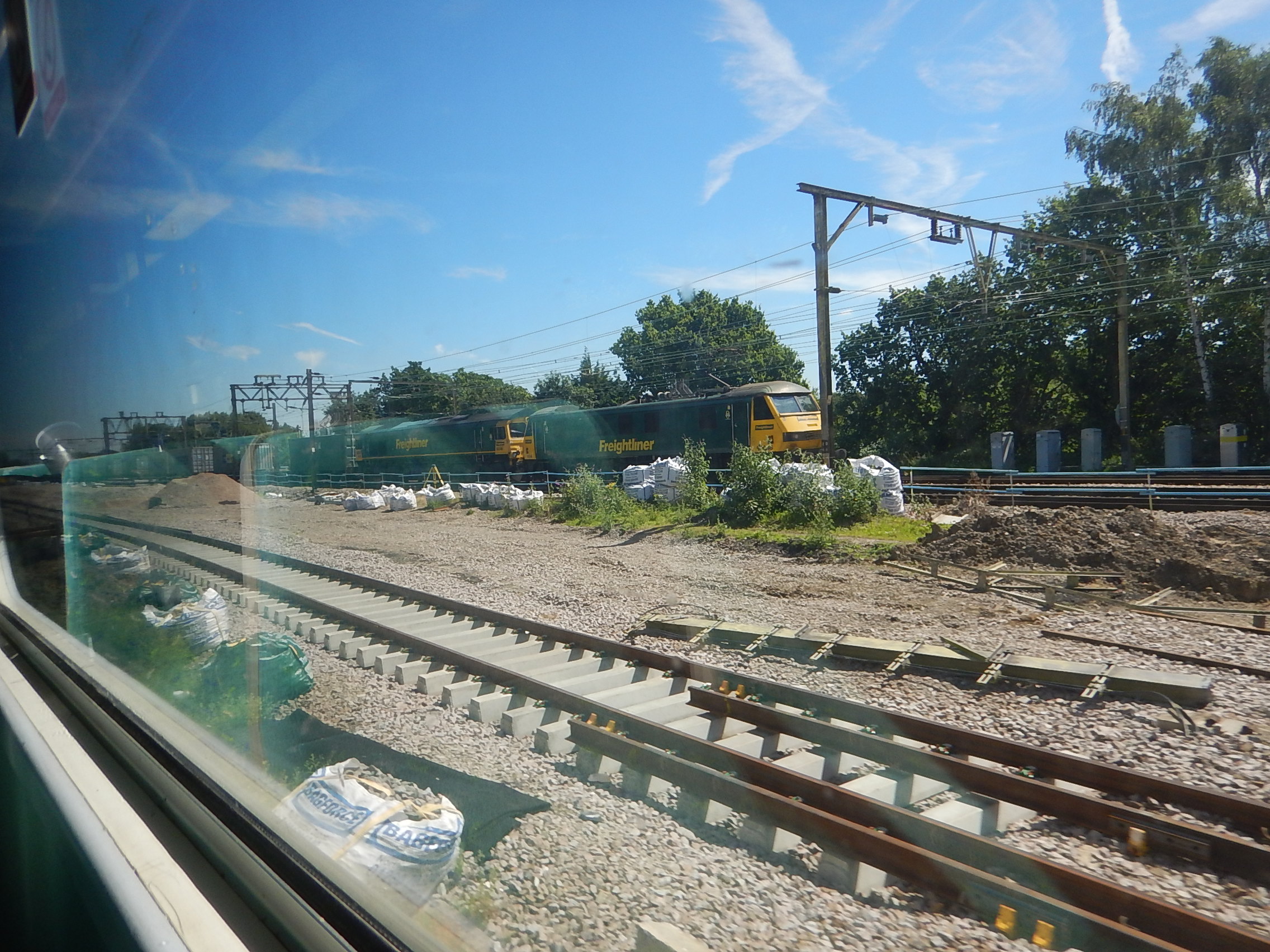
This picture shows a Class 90 electric locomotive and a Class 66 diesel locomotive pulling a heavy freight train at Shenfield.
If this can be done with a diesel and an electric locomotive, surely a company like Stadler have the expertise to create a double locomotive, where one half is a diesel locomotive and the other is a battery/electric locomotive.
A Control Engineer’s Dream
I am a life-expired Control Engineer, but I can still see the possibilities of creating an sdvanced control system to use the optimal power strategy, that blends electric, battery and diesel power, depending on what is available.
I feel that at most times, the locomotive could have a power of up to 4,000 kW.
The Ultimate Family Of Locomotives
I have used a diesel Class 68 and a Class 88-based battery/electric locomotive,, to create this example locomotive.
In the ultimate family, each half would be able to work independently.
In time, other members of the family would be created.
A hydrogen-powered locomotive is surely a possibility.
The Control System on the master locomotive, would determine what locomotives were coupled together and allocate power accordingly.
Conclusion
I have used Stadler’s locomotives to create this example locomotive.
I suspect they are working on concepts to create more powerful environmentally-friendly locomotives.
As are probably, all the other locomotive manufacturers.
Someone will revolutionise haulage of heavy freight trains and we’ll all benefit.
Step-Free Access At Brough Station
On my last trip North, I changed trains at Brough station.
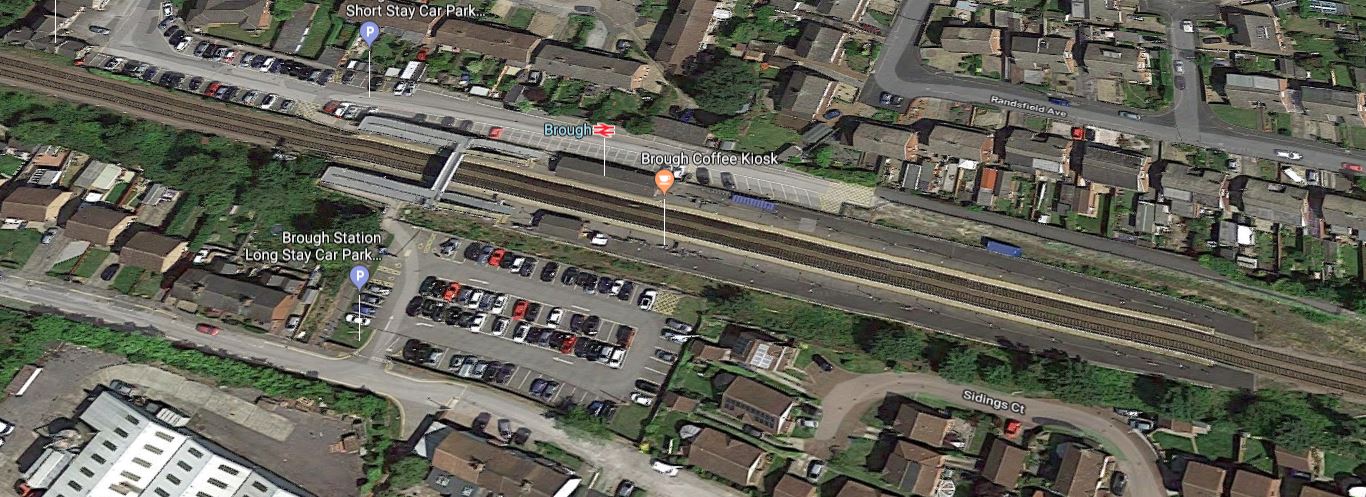
The station appears to have been recently rebuilt and has full step-free access using ramps, as these pictures show.





This Google Map shows the station.
It may work, but those ramps could take some time, if you’re pushing a heavy buggy or wheelchair.
In Winner Announced In The Network Rail Footbridge Design Ideas Competition, I wrote how the competition was won by this bridge.
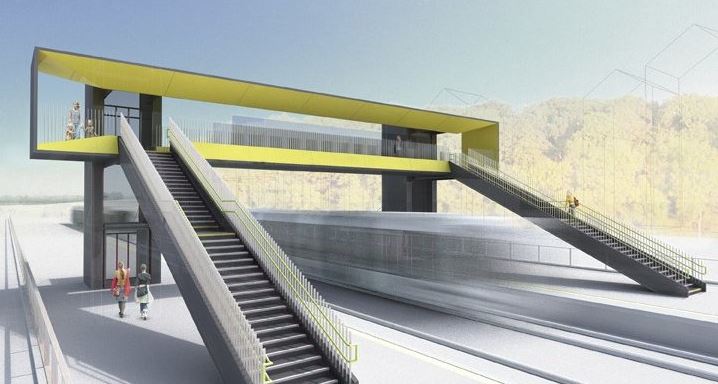
So would a factory-built bridge like this be installed be installed today, if Brough or a similar simple station was being rebuilt or built from scratch?
- Concrete bases to support the bridge, would be built in the appropriate position on both platforms.
- An electrical supply would be provided.
- A special train would then arrive with the bridge and an crane to lift the bridge into place.
- A couple of hours later, the bridge would have been erected.
If the system is designed designed, it should be no more difficult than installing a new ticket machine.
Conclusion
How much would be saved in the design and building of new stations, if they were designed around a step-free bridge like this?
But the biggest saving is surely in the time needed to build the station?
JR East To Test Hydrogen Fuel Cell Trains
The title of this post is the same as that of this article on Japan Times.
This is the first paragraph.
East Japan Railway Co., or JR East, has announced a plan to test new electric-powered trains using hydrogen fuel cells from fiscal 2021.
It does seem that hydrogen power is being increasingly considered.
Selby Station To Go Step-Free
This document on the Government web site is entitled Access for All: 73 Stations Set To Benefit From Additional Funding.
Selby station is on the list.
These pictures show the station and the current bridge,





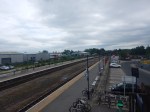

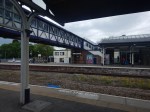
The existing pedestrian bridge has the following.
- Steep stairs at both ends.
- No provision for step-free access.
he bridge does appear to be in good condition.
Possible Electrification Through Selby Station
Perhaps most importantly, the current bridge could be too low for 25 KVAC overhead electrification to be erected underneath the bridge.
Although, it might be possible to lower the track or use one of Network Rail’s proven solutions to squeeze the electrification underneath.
At present though, it seems unlikely that the route through Selby will be electrified, due to the problem of the Selby Swing Bridge and Government policy.
Installing Step-Free Access
It could be feasible to add lifts to the existing footbridge, but it doesn’t solve the problem of the steep stairs.
In Winner Announced In The Network Rail Footbridge Design Ideas Competition, I wrote how the competition was won by this bridge.
So could a factory-built bridge like this be installed be installed at Selby station?
This 3D Google Map shows Selby station.
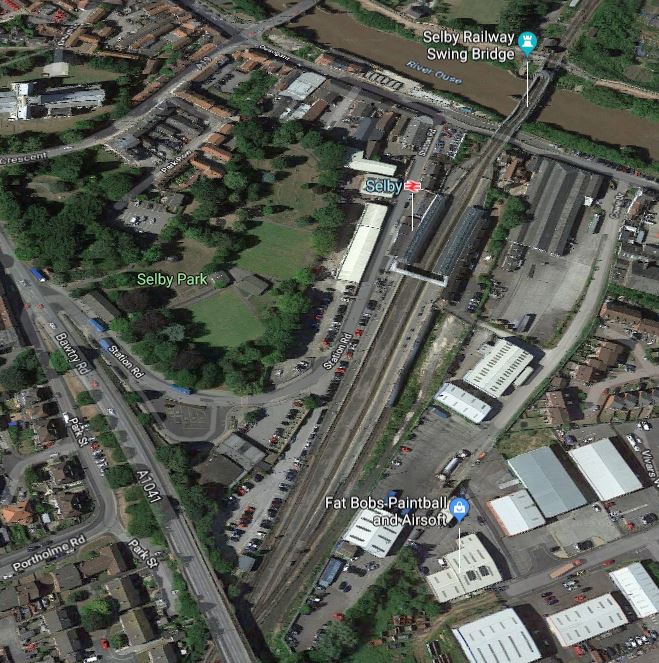
The platforms to the South of he footbridge are wide and there is lots of space.
Could the new bridge be installed there?
Thello Bids To Run Milano – Paris High Speed Service
The title of this post is the same as that of this article on Railway Gazette International.
This is the first paragraph.
Trenitalia subsidiary Thello has notified rail regulator ARAFER of its intention to launch the first open access passenger services on the French high speed network. The regulator announced on June 4 that Thello had requested paths from SNCF Réseau for a twice-daily service between Milano and Paris to start from June 2020.
These are more details of the service.
- Services will leave both cities around 07.00 and 15.00 each day.The journey time would be under 7 hours.
- Intermediate stops would be at Torino, Modane, Chambery Challes Les Eaux and Lyon Part Dieu.
- Services would be worked by Trenitalia’s Frecciarossa 1000 trainsets.
- Trains would use LGV Sud-Est.
- Each train would be able to carry up to 457 passengers, with 300 standard class seats, 76 Premium, 69 Business and 10 Executive.
SNCF also run a service between Milano and Paris, which I have used between Novara and Paris.
I wrote about that trip in From Novara To Paris.
It looks to me that the Trello service could be a better experience.
- It could be faster as it will use the Torino to Milano High Speed Line.
- It runs twice a day.
Combined with Eurostar, it would make London to Milan in a day feasible.
But whether you would want to do that is another matter!
I have come home in a day from Barcelona, Geneva, Karlsruhe, Madrid, Munich and Novara.
- But then, I can be in my bed at home in under twenty minutes from when the Eurostar arrives in St. Pancras.
- Leaving the UK, I will often fly to my starting point.
- I will also come home in half-day-sized journeys, breaking the trip in a reasonable hotel each night.
There are various developments making this mode of travel around Europe easier and more comfortable.
- More high-speed lines are being developed.
- Austrian Railways are developing more sleeper trains, that they call NightJet.
- The availability of affordable hotels is getting better.
At certain times of the year, hotels and train tickets can be arranged easily in every overnight stop.
Meridian Water Station Has Opened
Meridian Water station opened yesterday, so I went there this morning to have a look.
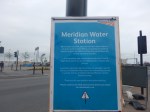
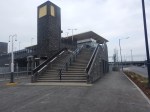
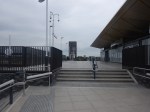
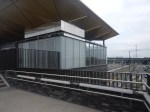
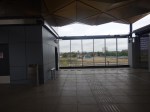
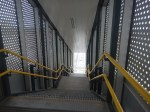
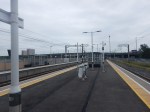
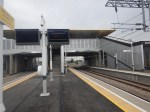
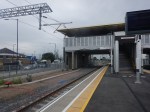
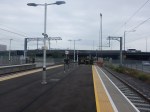
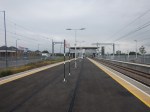
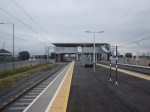
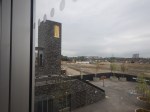
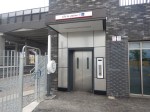
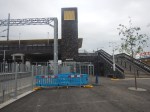
It was surprisingly deserted, although the lifts and displays were working.
There was no-one around, so I just walked through the station building, down the stairs to Platform 2/3 and along to the country end of the platform.
These are my observations.
Platform 1
There is no platform or track in the position, where a Platform 1 will be on the side of the station nearest to Tesco and IKEA.
It could be turned into a through line, a through line with a platform or another bay platform as required in the future.
Platform 2
Platform 2 is currently arranged as a bay platform with buffer stops.
Platform 3
Platform 3 shares an island platform with Platform 2 and is a through platform on the West Anglia Main Line for trains towards London.
Trains will stop as required by the timetable.
Use Of Platforms 2 And 3
Use of Platforms 2/3 could be as follows.
- The two trains per hour (tph) shuttle to Stratford station, will use Platform 2.
- Trains from Platform 2 will use the new third track to Lea Bridge Junction.
- Two tph stop at Platform 3 on their way to London.
- Trains that stop in Platform Platform 3 will use the West Anglia Main Line to Lea Bridge Junction.
- After the two tracks merge at Lea Bridge Junction, they will continue as a single line until Stratford.
This adds up to the promised four tph.
It should also be noted that trains take 15-18 minutes to go between Meridian Water and Stratford stations and about ten minutes to go between Meridian Water and Lea Bridge stations.
Platform 4
Platform 4 is a through platform for trains leaving London.
Trains will stop as required by the timetable.
Platform Lengths
The platforms are long and could easily accommodate an eight-car train.
How Will The Shuttle Trains Run On The New Third Track?
To go between Lea Bridge and Meridian Water stations takes ten minutes, so with perhaps five minutes to turn the train round, will mean a twenty-five minute round trip from Lea Bridge station.
This would allow the promised two tph for the shuttle trains, North of Lea Bridge station.
How Will The Shuttle Trains Turnback At Stratford?
Currently, the two tph going between Stratford and Bishops Stortford or Hertford East stations use Platform 11 or 12 at Stratford station.
Trains also take eight minutes to go between Lea Bridge and Stratford stations, so adding five minutes to turn round, will mean a twenty-one minute Round trip from Lea Bridge station.
In other words, the promised four tph is impossible in a single platform.
But running two tph into both platforms 11 and 12 would allow the promised four tph.
However, although 11 and 12 are adjacent numbers, they are not adjacent platforms at Stratford and are connected by a subway.
Using two platforms would not be a passenger-friendly idea.
Does this mean that the High Meads Loop will be brought into use to turn the trains. This has been used in the past to turn Stansted Express trains, when they had a service to Stratford.

The signs still exist, as this picture shows.
So could local trains use Platform 11 and in the future Stansted Expresses might use Platform 12? Or might a succession of trains, just use a single platform?
I have always believed that to get the required capacity, the High Meads Loop needs to be used.
It appears though, that Greater Anglia will not be running four tph to Meridian Water station until September.
Will Trains To And From Liverpool Street Station Call At Meridian Water Station?
I don’t see why not!
- It would make it easy for passengers going between Liverpool Street and Meridian Water stations.
- Especially, as Greater Anglia’s new Class 720 trains, should be able to execute a stop much quicker.
Two tph to each London terminal would give Meridian Water four tph.
Future Proofing
Provision has been made for an extra Platform 1, but have other things been done.
I feel, one possibility would be for Southbound trains to split into two routes, just North of Meridian Water station.
- Trains for Liverpool Street, would continue to use Platform 3, as it appears they do now or will do.
- Trains for Stratford, would use Platform 1
All Southbound trains to Stratford would use the new third track exclusively.
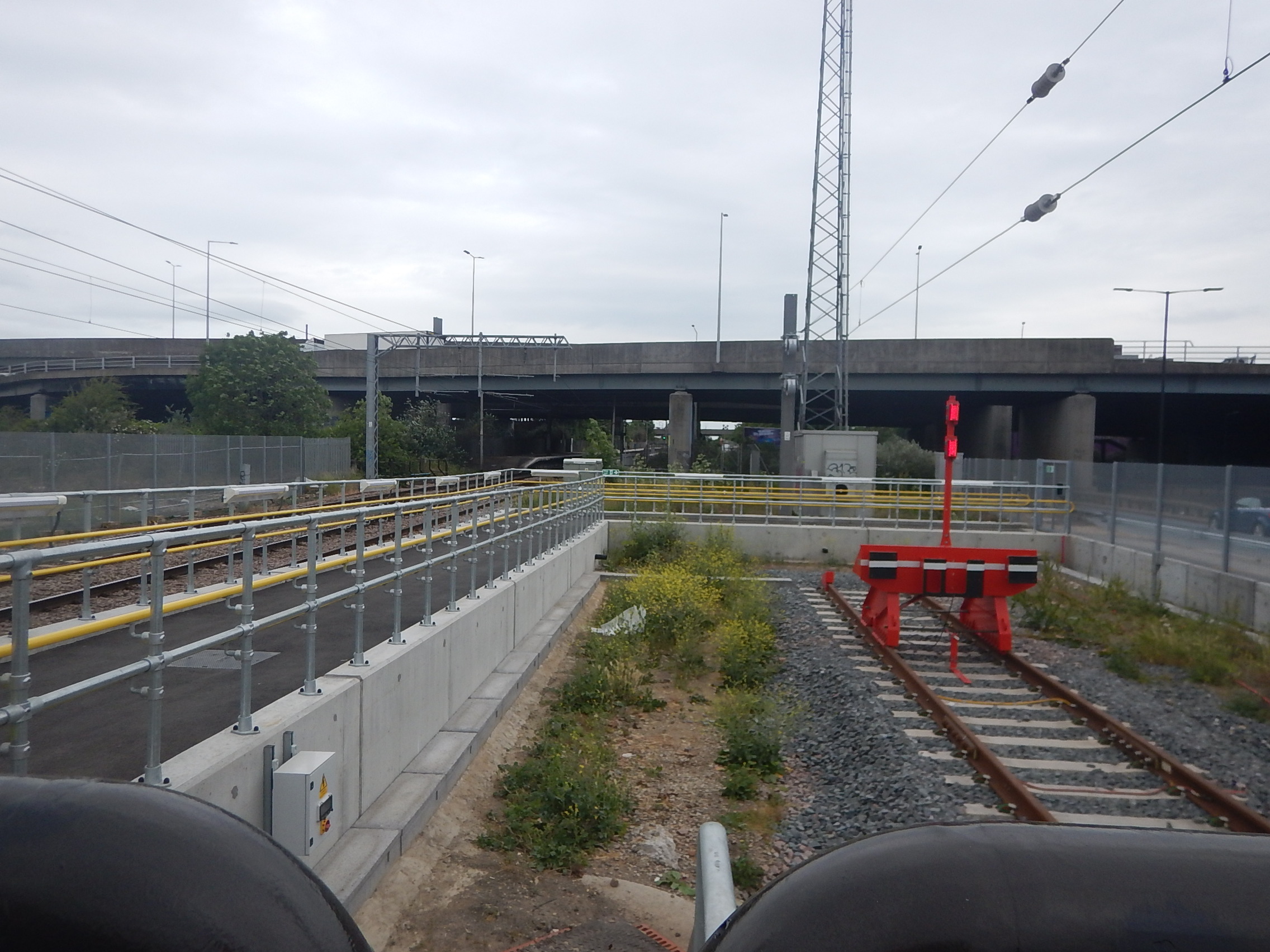
The picture shows the end of Platform 2 and what lies behind.
Once Angel station has been demolished, will the track be modified, so that trains can go to Stratford, through Platform 1?
Field Day Festival Friday 7th June And Saturday 8th June 2019.
The Field Day Festival will be held this weekend and they are recommending using Meridian Water station.
The National Rail timetable is showing late services to Liverpool Street, are stopping at Meridian Water station to bring festival goers back to Central London.
Where Are The Trains?
I watch Nation Rail departures page and I haven’t found any trains actually running.
Perhaps, something is not going to plan.
Conclusion
It looks like we have a station that is ready and waiting, but that the trains aren’t running according to plan.
Let’s hope it’s all right by Friday for the Field Festival!
Toshiba Unveils Tri-Mode Locomotive Demonstrator
The title of this post is the same as that of this article on Railway Gazette.
This is the first two paragraphs.
Toshiba Railway Europe unveiled a electric-diesel-battery hybrid traction technology demonstrator locomotive at the Transport Logistic trade show in München on June 4.
The company has a contract to supply 50 diesel-battery centre cab locomotives to DB Cargo from 2021, TRE Managing Director Hinrich Krey told Railway Gazette. The demonstrator is intended to showcase the company’s design work to date as well as highlighting future development options.
It is based on the frame and bogies of a heavy shunting locomotive.
- There are two MAN 471 kW gensets.
- The diesel engines are compatible with EU Stage V emissions regulations.
- There are two SCiB 62 kWh lithium titanate oxide traction batteries.
- Battery life is quoted as up to ten years.
- The design is modular, so that a diesel engine can be replaced with another battery pack.
- A pantograph working with common European voltages can provide electric power.
The locomotive is aimed at heavy shunting and light freight.
Conclusion
The power of the locomotive is probably about 1MW, which is less than half the power of a Class 66 locomotive. But locomotives like the Class 66 are often used for tasks, where a smaller locomotive could do an excellent job.
The low pollution of the Toshiba locomotive probably means it could work in sensitive areas or close to a workforce.
The locomotive appears to be a well-designed locomotive for an important niche market.
If this design and others like the Stadler Class 93 locomotive succeed it will lead nearer to the ultimate goal of a high performance heavy freight zero-carbon locomotive to replace the polluting diesel locomotives, that are so common on the railways of the world.
Plans Shown Off For A Bridge Across The Thames At The Barrier
The title of this post is the same as that of an article on IanVisits.
This Google Map shows the location of the Thames Barrier.
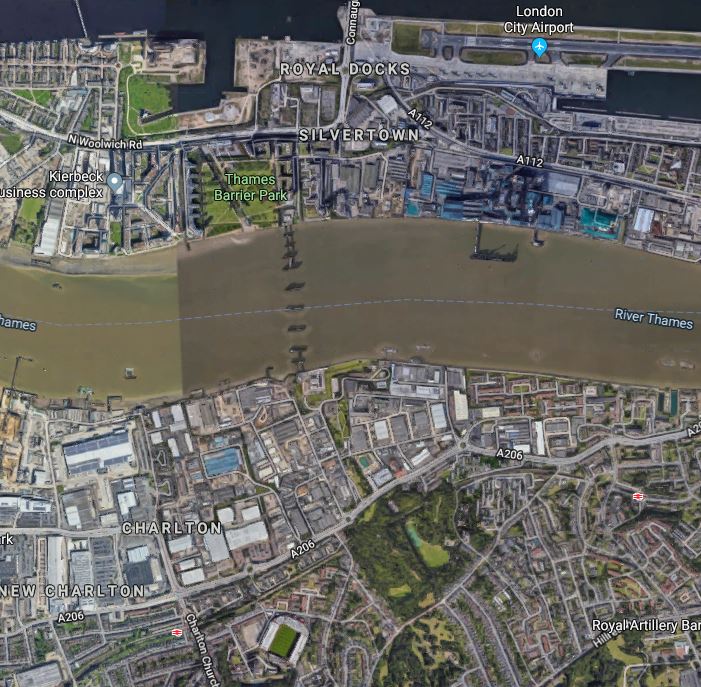
Note the City Airport to the North and Charlton to the South.
I think it could be a valuable link for pedestrians and cyclists.
The Northern End
The Northern end of the bridge would be a pleasant five-minute stroll through Thames Barrier Park to the Pontoon Dock DLR station, as this Google Map shows.
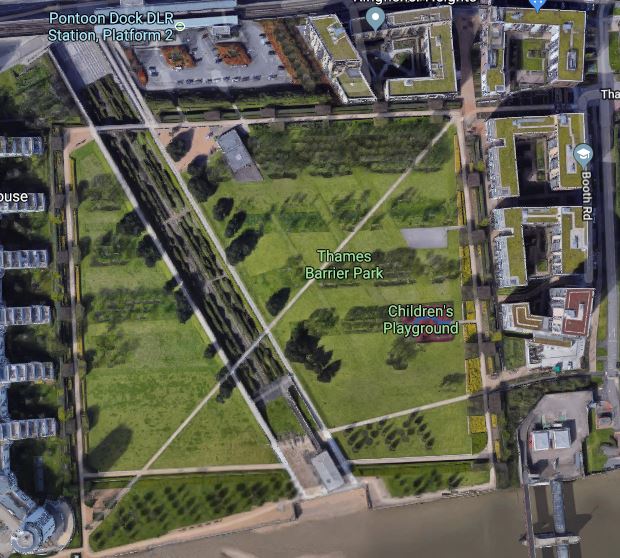
Note that there is a cafe in the park.
The Southern End
What would happen at the Southern end of the bridge is less clear, as this Google Map shows.
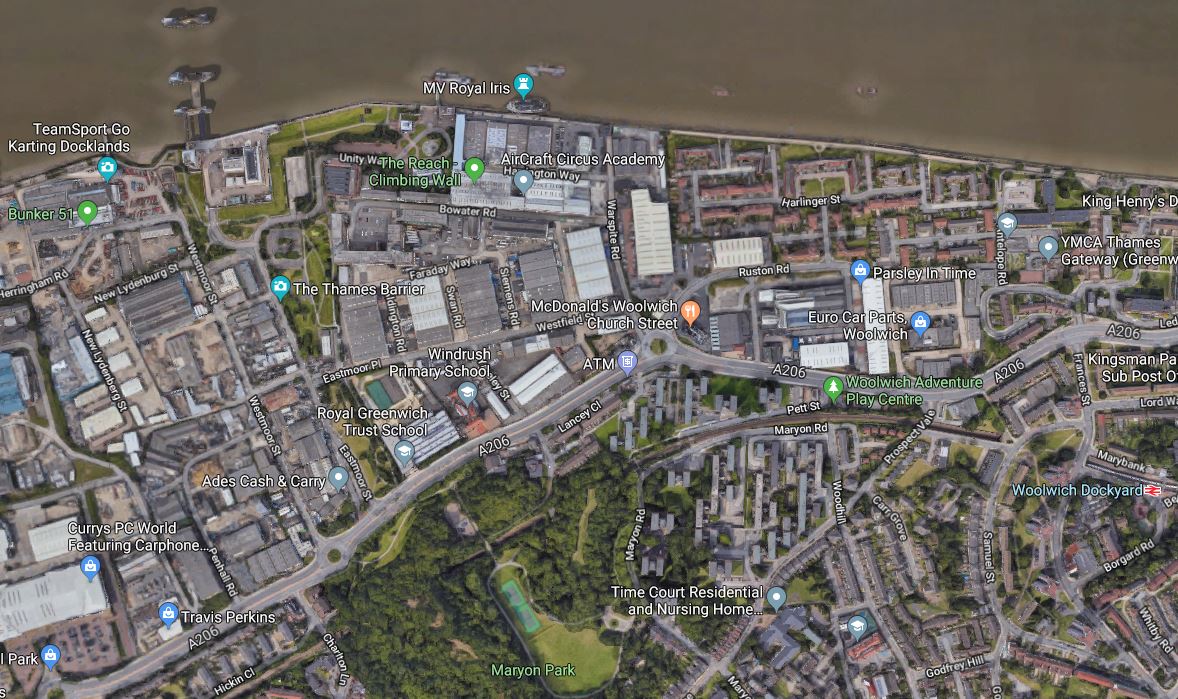
The Thames Barrier is visible at the top of this map.
Could a network of cycle and walking routes be created between Maryon Park and the bridge?
These could also extend East to Charlton station and The Valley and West to Woolwich Dockyard station, which is just on the map.
Conclusion
I think it could be a valuable link for pedestrians and cyclists, through a new cross-river park.
If This Is The End For The £1.3bn M4 Relief Road, Radical Thinking Is Needed
The title of this post is the same as that of this article on Wales Online.
The article is a good analysis of one of South Wales’ major transport problems; How do you relieve capacity on the ageing M4 around Newport?
I haven’t been on that section of road for perhaps twenty years or even longer, but I can’t ever remember the road, not being full of traffic.
Abolition Of Tolls Not The Smartest Move
This is a subsection of the article about the abolition of tolls on the Severn Crossing, where this is one sentence.
The abolitions of tolls, as predicted, have already driven a 20% rise in traffic levels on the existing M4, which will only put more pressure on its resilience.
Any sensible person could have told you that.
Surely, the extra capacity should have at least been planned before the tolls were abolished.
But then politicians like buying votes with unsustainable decisions that benefit their electorate.
As another example, look at the problems, Sadiq Khan’s fare freeze has caused Transport for London. But then you can’t expect a lawyer and politician to get their sums right. My late wife was a lawyer and many of our friends in Suffolk were in the same profession. Few had any clue about handling numbers properly.
 The Anonymous Widower