Could The Pantograph Make A Return To London’s Buses?
The title of this post, is the same as that of this article on Ian Visits.
Reading Ian’s article, the plan is for the 358 bus route to be converted into an electric bus route, where the buses are charged at both ends of the route during the turn round.
The Feasibility Of A Battery-Electric Route 358
This morning, I took a train to Crystal Palace station and then took a 358 bus to Orpington station before coming home.
These were my thoughts.
Crystal Palace Parade
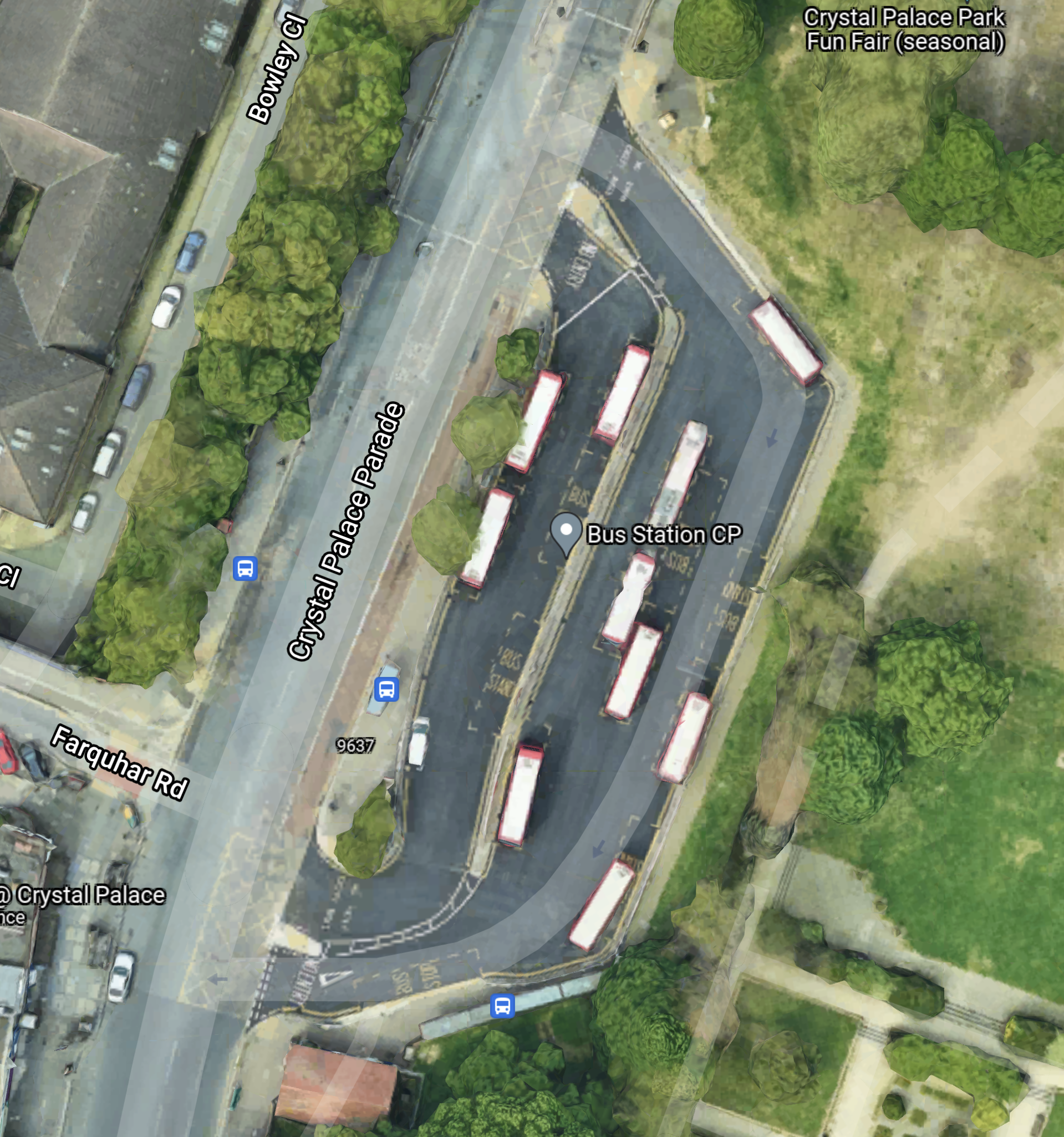
The buses actually leave from Crystal Palace Parade where there are several bus stops in a bus station.
This Google Map shows the bus station.
I also took these pictures.
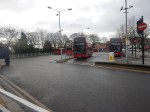
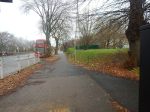

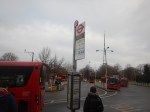
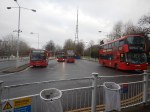
Note.
- There is certainly a lot of space to put a charger.
- As there is the main Crystal Palace television transmitter close by, I suspect that power is not a problem.
There didn’t appear to be any sign of work relating to a charger.
Orpington Station
This Google Map shows Orpington station.
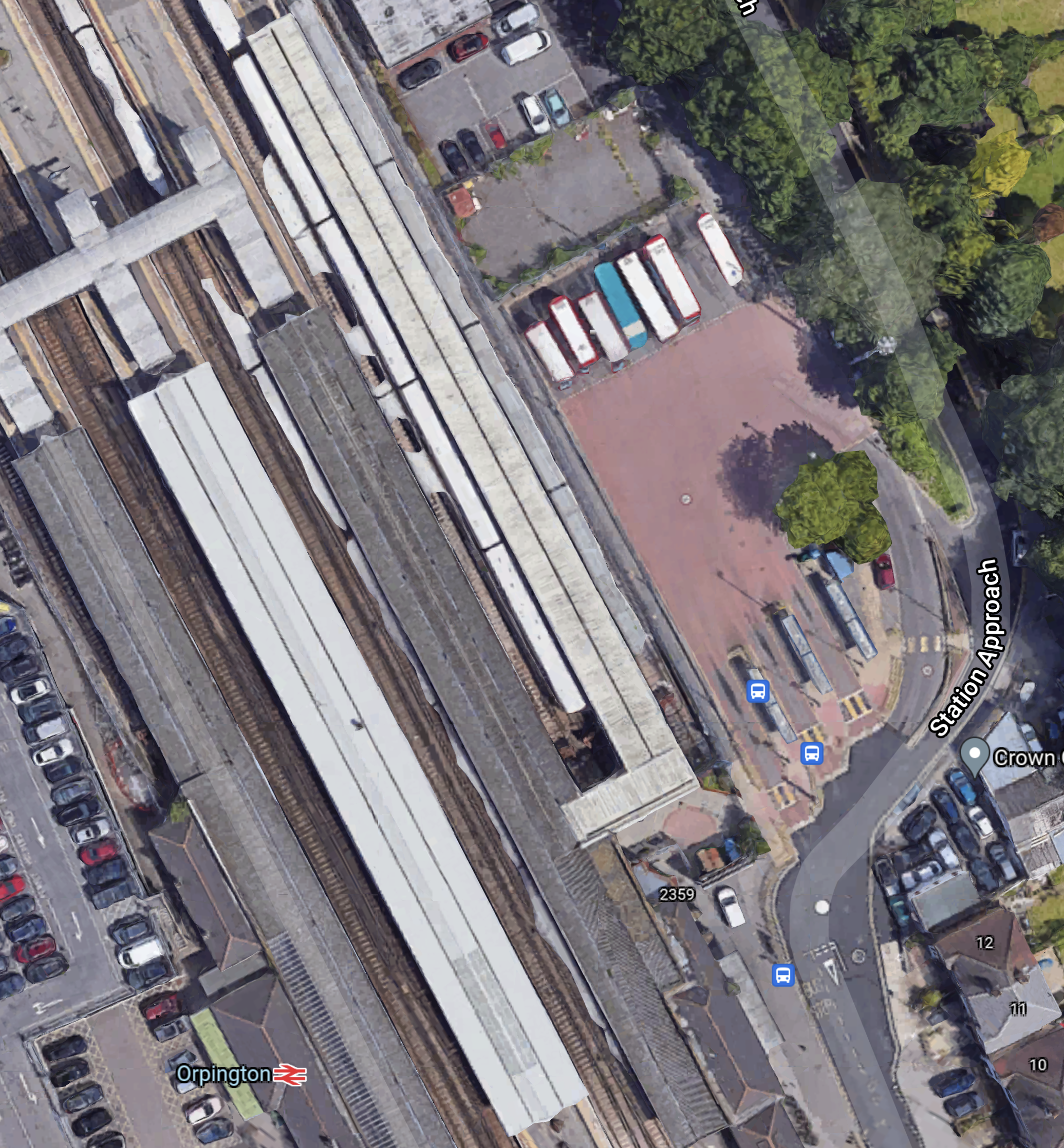
Note.
- The bus station is on the East side of the station.
- Buses are lined up at the Northern end of the bus station.
- Orpington station is step-free.
I took these pictures.
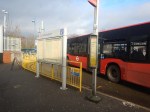
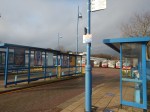
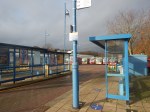
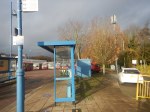
As at Crystal Palace there appeared to be no work in progress to install a charger.
The Route
The route is mainly flat with hills or inclines at the following places.
- There is a steep hill up to Crystal Palace Parade.
- There are hills at Bromley and Farnborough.
- There is a steep incline up to Orpington station.
At times, the bus was running at just under forty mph.
I suspect that Transport for London will have to be careful with specifying the battery size.
The Buses
This is the ie tram product page on the Irizar web site.
This is a video of the twelve metre ie tram.
It looks rather smart and purposeful.
The Charger
The image on Ian Visits could be one of Furrer + Frey’s chargers shown in this doocument on their web site.
Conclusion
It looks a viable zero-carbon bus route, but as no work is visible, has it been cancelled because of TfL’s financial problems?
Opel Begins Production And Deliveries Of Hydrogen Vivaro Van
The title of this post, is the same as that of this article on Green Car Congress.
This is the first paragraph.
Opel has begun production of the hydrogen fuel cell variant of the Vivaro van, and has delivered the first one to the German manufacturer of premium domestic appliances, Miele. The hydrogen fuel cell vehicle will perform daily field service in the Rhine-Main region.
We need more hydrogen filling stations in the UK, so we can use vans like these.
Hydrogen Fuel Cell Locomotive From Canadian Pacific To Roll Out Before 2022
The title of this post, is the same as that of this article on Hydrogen Fuel News.
This is said.
The hydrogen fuel cell locomotive consists of an SD40-2F, which was converted to run on H2 power and is therefore nicknamed the H2 0EL. The company is calling it a “hydrogen zero-emissions locomotive”, and it will be operating under its own power before the end of this month, according to Canadian Pacific CEO Keith Creel.
Note that the SD40 locomotive is a diesel-electric locomotive of which 1286 were built around 1970.
Canadian Pacific have made this video, which was kindly pointed out by Alan.
The video seems to indicate that the converted locomotive will be able to continue to do the same duties as the original diesels, which have a power output of 2,240 kW.
Interestingly, power output seems to be of the same order as that of a Class 66 locomotive, so could a similar conversion by used with these locomotives?
Heavy Fire Doors At Moorgate Stations – 6th December 2021
They’re certainly not stinting on safety in Moorgate station.
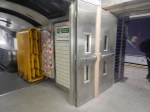

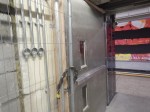
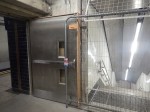
These doors will cut off the passages between Crossrail and the Northern Line.
Heavy Traffic In The Balls Pond Road – 6th December 2021
London has too much traffic.
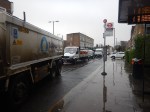

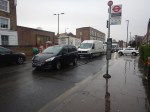
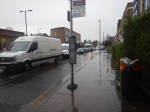
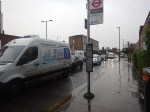
These pictures were taken at three in the afternoon.
There was not a zero-carbon vehicle in sight.
At least the pollution was down, as it was raining.
Oversite Development At Moorgate Station – 10th December 2021
These pictures were taken in Moorgate of the development over the station.


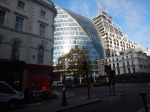
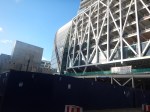
I was walking up from Bank station.
Green Light For New £80m Merseyrail Station
The title of this post, is the same as that of this article on the Liverpool Echo.
These are the first two paragraphs.
The station was hailed as a key part of the town’s “bright future” tonight as councillors met to consider the proposal at a meeting of Knowsley Council ’s planning committee.
Based at Headbolt lane in the Tower Hill/ Northwood area of Kirkby, the station, which will take around 18 months to build, will become the first in the country to have trains operating by battery power instead of electrified lines on part of the track.
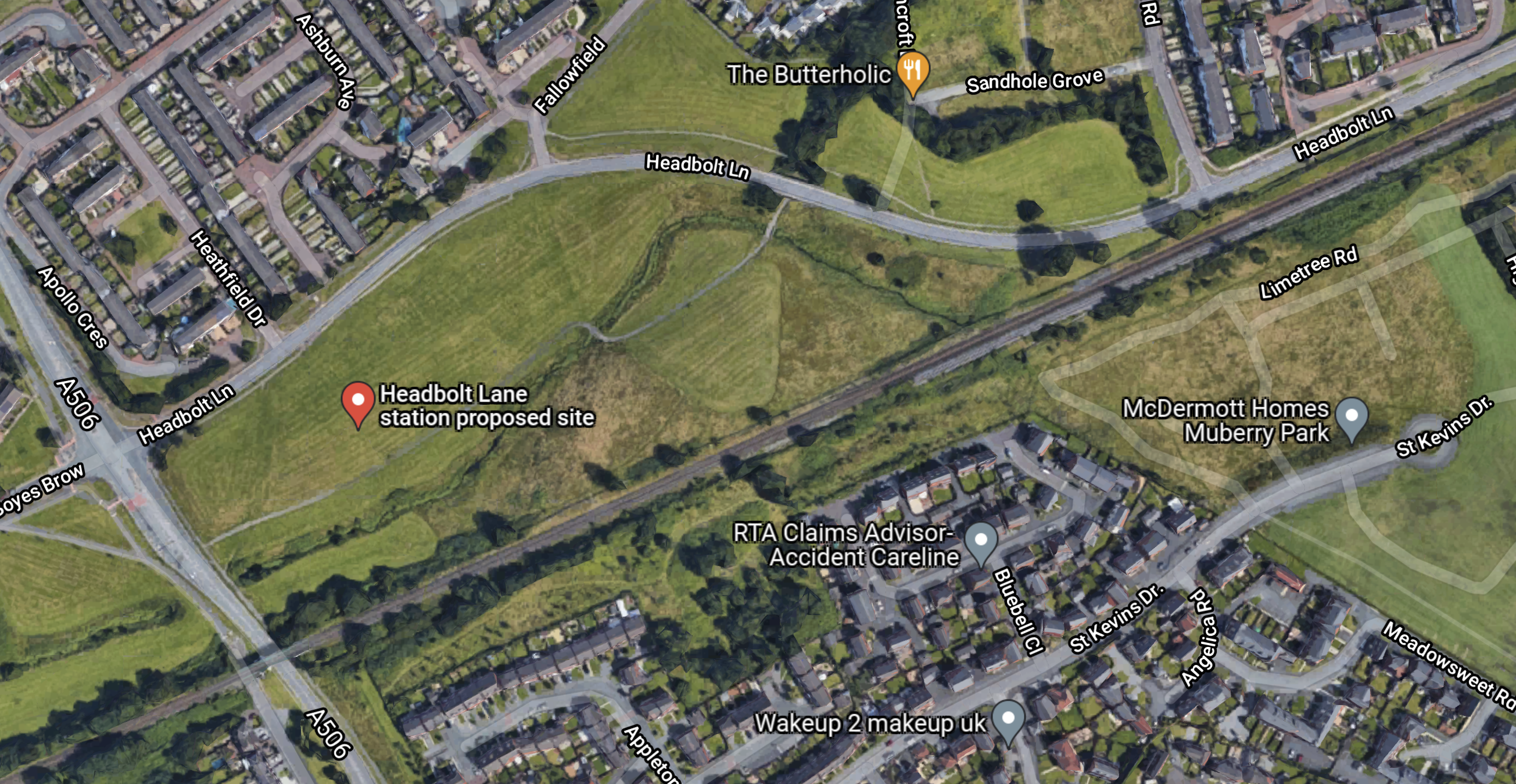
This Google Map shows the location of the station.
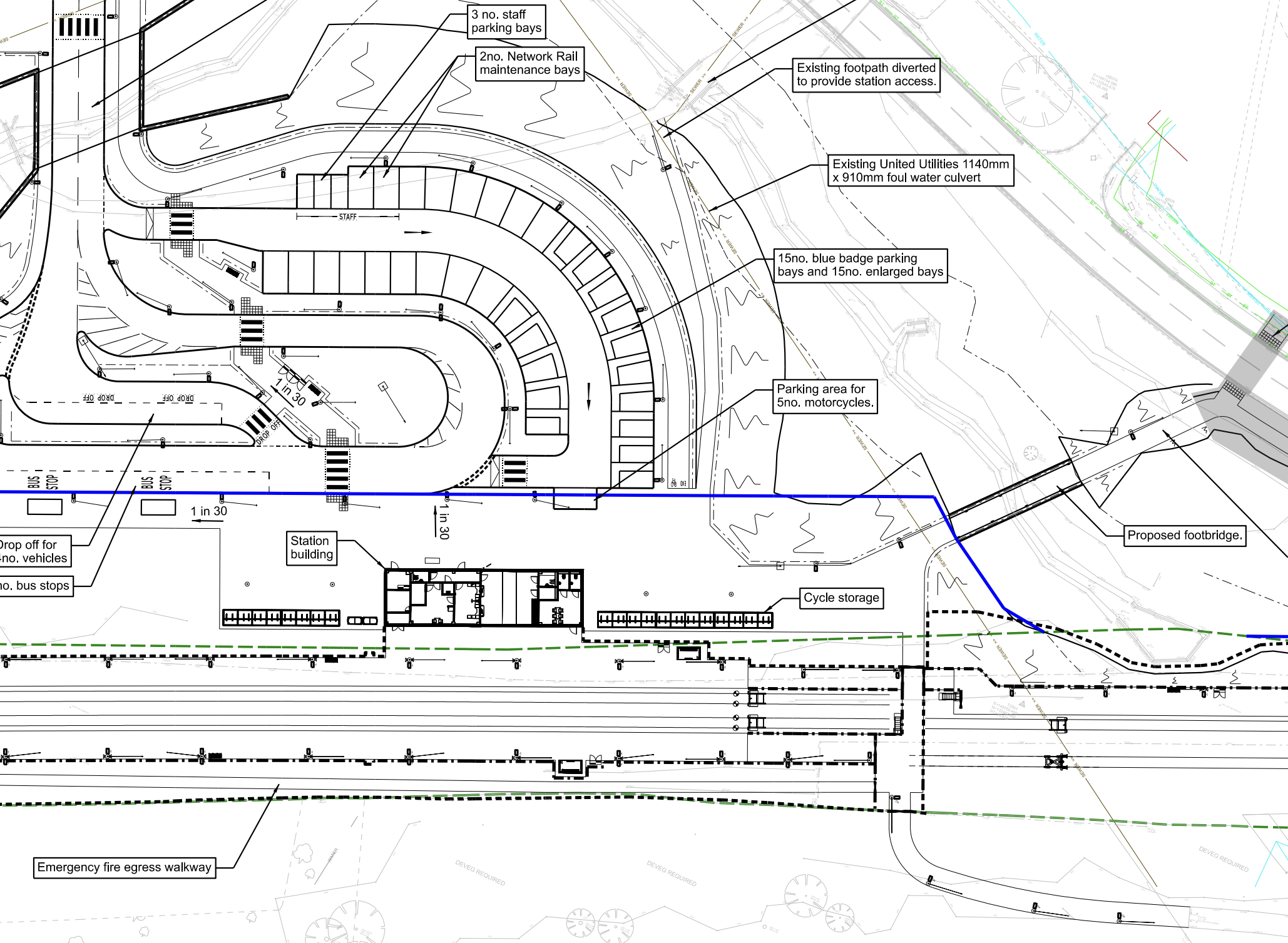
And this planning document from Knowsley Council shows the station road layout.
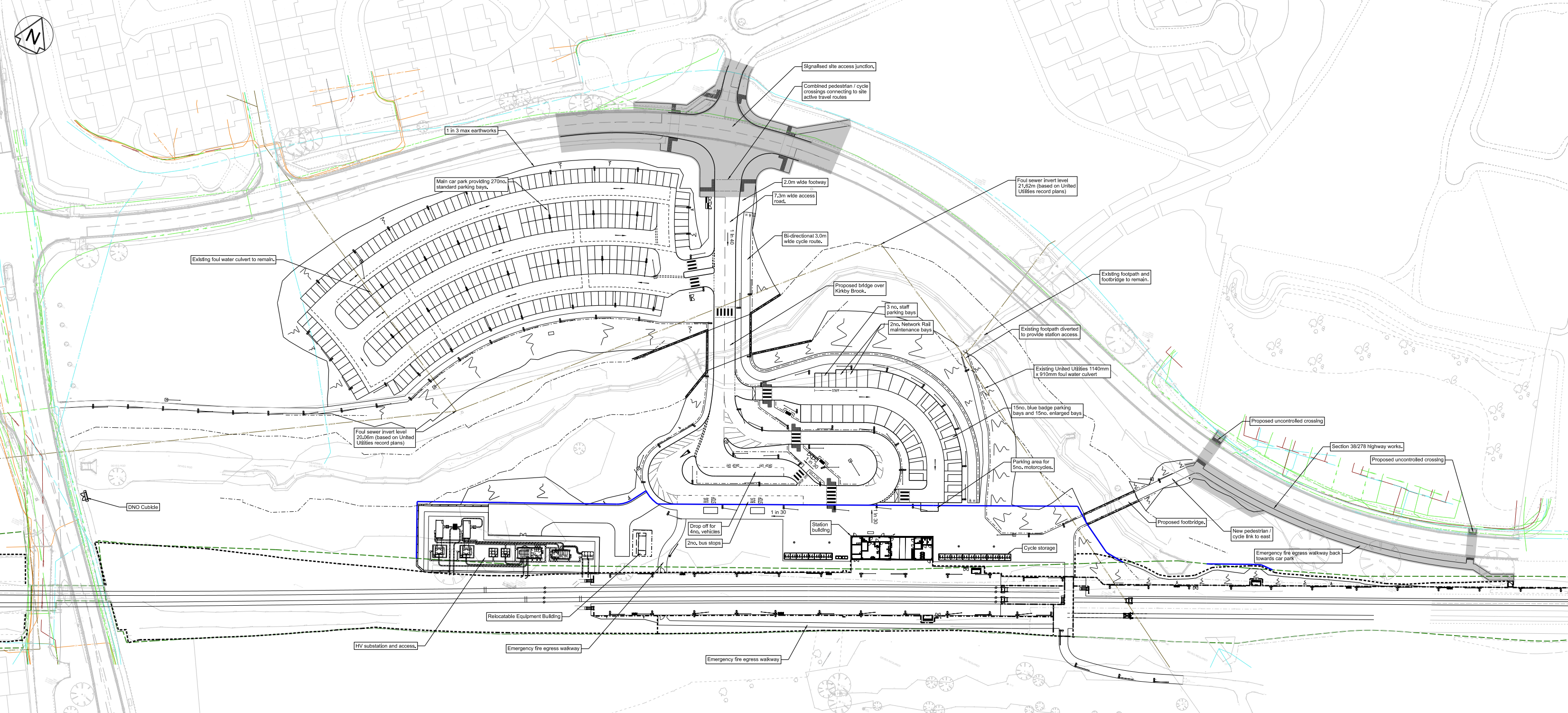
Note.
- Kirkby station and Liverpool is to the West.
- Wigan is to the East.
- There is adequate car parking.
I have also enlarged the area around the station buildings to show the platform layout.
Note.
- There are two platforms and tracks towards Liverpool.
- There is a single platform towards Wigan.
- There appears to be adequate cycle storage and blue badge parking.
In Headbolt Lane Station Fly-Through, I described the new Headbolt Lane station.
This screen capture is from the video in that post.
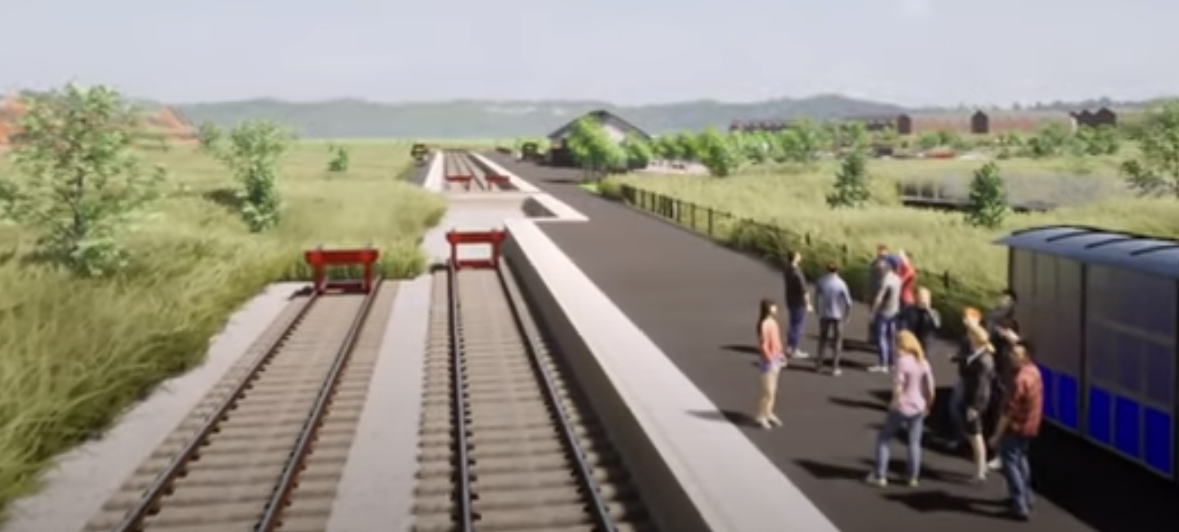
Note.
- Two platforms going away from the camera and one platform and what looks to be a siding going towards the camera.
- There appears to be no direct connection between the two different sets of tracks.
From the maps the camera is looking towards Liverpool,so it would mean that Liverpool services had two platforms. But they currently make do with one at Kirkby.
There appears to be no clues about how the station will be modified to serve Skelmersdale.
When It Comes To Buses, Will Hydrogen Or Electric Win?
The title of this post, is the same as that of this evcellent article on WIRED.
The WIRED article is a serious comparison between the merits of battery and hydrogen-powered buses.
The writer of the article talked to two people, who should know.
- James Dixon, who is a Research Fellow in the Transport Studies Unit and Environmental Change Institute at Oxford University
- Neil Collins, who is Managing Director of Wrightbus.
I think the philosophy of Wrightbus with four basic zero-carbon buses could be right.
- Streetdeck Hydroliner FCEV – A hydrogen-powered double-deck bus.
- Streetdeck Electroliner BEV – A battery-powered double-deck bus.
- GB Kite Hydroliner FCEV – A hydrogen-powered single-deck bus.
- GB Kite Electroliner BEV – A battery-powered single-deck bus.
This surely is a basis for satisfying customers, who like to buy what they feel is best for their networks and passengers.
This paragraph from the Wired article, illustrates how terrain and climate might favour one bus or the other.
Still, hydrogen may be a better option in a city with lots of hills, like Hong Kong, where it’s also very warm and humid, says Collins. “That’s going to be a problem for electric buses, because the cooling and the hills are just going to drain the batteries,” he says. “But if the city is relatively flat, and the journey times are relatively short, and it’s not either significantly warm or significantly cold, battery electric can do a very good job.”
In addition, you wouldn’t choose hydrogen buses, if supply of hydrogen was difficult.
Could this be why Jo Bamford, who is the owner of Wightbus, has established a company to help bus operators with the transition to hydrogen. I wrote about it in New Company Established To Help Transition Bus Fleets To Hydrogen.
I have also heard stories of garages in city centres, where it is not possible to get enough power to charge a garage full of battery buses. Some of these garages are in residential areas, which perhaps may not welcome tankers of hydrogen going through to supply the buses with hydrogen.
Perhaps, the solution for garages like this is to relocate the garage to a site, which fulfils one of these conditions.
- Good connections to the motorway and trunk road network, so that hydrogen can be brought in by truck.
- A high-capacity electricity supply to either charge battery electric buses or generate hydrogen using an electrolyser.
Buses would operate according to this daily cycle.
- Buses would either be charged or refuelled with hydrogen overnight.
- They would position to a convenient place to start their daily diagrams.
- At the end of the day, they would return to the garage.
Note.
- Battery-electric buses may need to be topped-up during the day.
- Hydrogen buses with their longer range should be able to service routes further away.
- Routes would be arranged, so that hydrogen buses would not need to be topped up.
The big advantage of a remote bus garage is that the city centre site could be redeveloped to pay for the new buses and garage.
Volkswagen Transformation Boosts Spending On Electric Vehicles
The title of this post, is the same as that of this article in The Times.
This is the first paragraph.
Volkswagen plans to increase its spending for battery-powered electric vehicles by about 50 per cent to €52 billion by 2026 as part of the carmaker’s far-reaching transformation.
That is a lot of euros.
This is a statement from their Chief Executive; Herbert Diess
We are becoming a battery manufacturer, a charging infrastructure manager, software is playing a more dominant role . . . We are developing new business activities with an unbelievable dimension for us.
Vehicle manufacturers must either change or die.
 The Anonymous Widower