South Africa’s Excess Deaths A Fifth Of Earlier Waves
The title of this post is that of a small section deeply buried in the January 7th Edition of The Times.
South Africa’s excess death rate from the Omicron variant has began to fall after reaching only a fifth of the level caused by the worst version. It is another indication that although highly infectious Omicron is not as life-threatening as other types of coronavirus.
Surely, this good news should be more prominent in the paper and published with a full explanation.
Mine Water Heat
The title of this post, is the same as that of this press release from the Coal Authority.
This is the introductory paragraph.
The Coal Authority is working with partners to unlock the heat within our historical coal mine network, to transform the homes and workplaces of the future.
The Coal Authority doesn’t have much of a historic product, so selling the heat from the mines could be an environmentally-friendly revenue scheme.
These four paragraphs are the heart of the press release.
As part of our work to make a better future for people and the environment in mining areas, we’re exploring opportunities to use mine water to heat and cool homes and businesses.
Water within the mines is warmed by natural processes and can, if sustainably managed, provide a continuous supply of heat. Mine water temperatures are not affected by seasonal variations and, subject to the right support, mine water can provide renewable, secure, low carbon heating for buildings in coalfield areas.
With heating accounting for 40% of energy use in the UK, mine water heat could improve the sustainability of the places where we live and work. Mine water heat could also play a part in the UK’s efforts to tackle climate change and support its net zero future.
The Coal Authority are working with academics, local authorities, central government and others to help realise the potential of mine water heat. We’re supporting the delivery of mine water heat projects and working with others to make them happen.
The press release then adds more details and describes specific projects.
Mines For Storing Electricity
We also mustn’t forget other uses for abandoned coal mines.
I particularly like Gravitricity’s idea of used abandoned deep mines to store energy, that I wrote about in Gravitricity Explores Czech Coal Mine For MW-Scale Storage.
I hope the Coal Authority has its eyes on this ball.
Conclusion
I first became aware of the ability to extract heat from abandoned coal mines at a lecture at the Geological Society of London, after which I wrote Can Abandoned Mines Heat Our Future?.
I believe that for some parts of the country, this could become the preferred technology for heating homes and businesses.
The technology was even featured on the BBC tonight.
eCargo Hydrogen Fuel Cell Bikes To Begin Real-World Test In Aberdeen
The title of this post, is the same as that of this article on Hydrogen Fuel News.
These are some points from the article.
- The bikes will be trialled on last mile applications in Aberdeen.
- The bikes are from Electric Assisted Vehicles from Bicester.
- Six bikes will be used in this trial to gain real world experience of the bikes.
It is interesting to note, that EAV claim, they developed these vehicles as they were worried about the environmental impact of battery electric vehicles.
Sudbury Town Station – 6th January 2022
As I was visiting the next station Sudbury Hill, I popped in to Sudbury Town station and took these pictures.


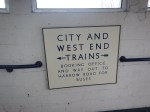
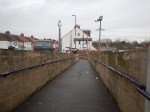
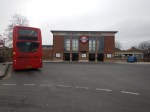
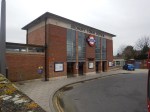
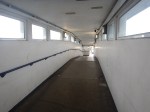
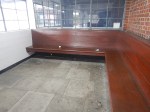
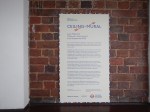
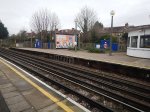
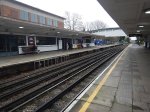
Note.
- The station is Grade II* Listed.
- It has been made partially step-free by the means of a crude ramp.
- It is a typical Charles Holden design.
Despite its high status, it is not one of the best stations on the Piccadilly Line.
Sudbury Hill Station – 6th January 2022
Sudbury Hill station is now step-free, as these pictures show.
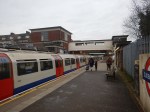
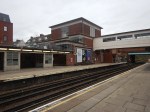
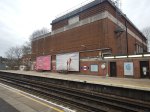
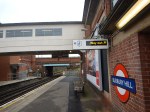
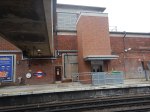

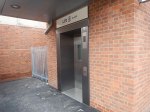
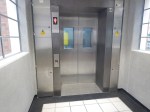
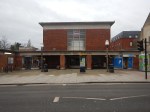
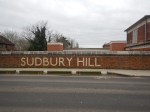
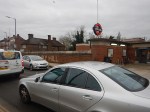
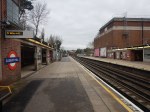
Adding two brick lift towers seems to work well at this Grade II Listed station, that was designed by Charles Holden.
National Express Deploys Hydrogen Double-Deckers In The West Midlands
The title of this post, is the same as that of this article on Renewable Energy Magazine.
This is the first paragraph.
National Express has deployed 20 hydrogen double-decker buses purchased by Birmingham City Council, serving West Midlands route 51 to Walsall via Perry Barr from 6th December 2021– the only hydrogen buses operating in England outside London.
The buses are from Wrightbus.
The article also says this about the source of the hydrogen.
The council are also collaborating with ITM, who are producing and dispensing the hydrogen fuel from the new re-fuelling hub at Tyseley Energy Park.
This is surely the way to do it. Hydrogen buses with a local source of freshly-picked hydrogen.
Decommissioned Audi EV Batteries Used In 4.5MWh Stationary Energy Storage System In Germany
The title of this post, is the same as that of this article on Energy Storage News.
These are the first two paragraphs of the article.
Used lithium-ion batteries taken from carmaker Audi’s electric vehicles (EVs) have been repurposed into a ‘second-life’ stationary energy storage system by energy company RWE at a project in Herdecke, Germany.
RWE has deployed the system, which has a capacity of around 4.5MWh, at the site of its pumped hydro energy storage (PHES) plant at Hengsteysee reservoir in the North-Rhine Westphalia region of north-west Germany.
The Hengsteysee looks to be a well-designed reservoir, as it provides four functions.
- Functions as the lower reservoir of the Koepchenwerk pumped-storage plant
- Performs biological purification of water from the Lenne
- Deposit of sediment from the Lenne
- Venue for water sports and tourism
This Google Map shows the Hengsteysee.
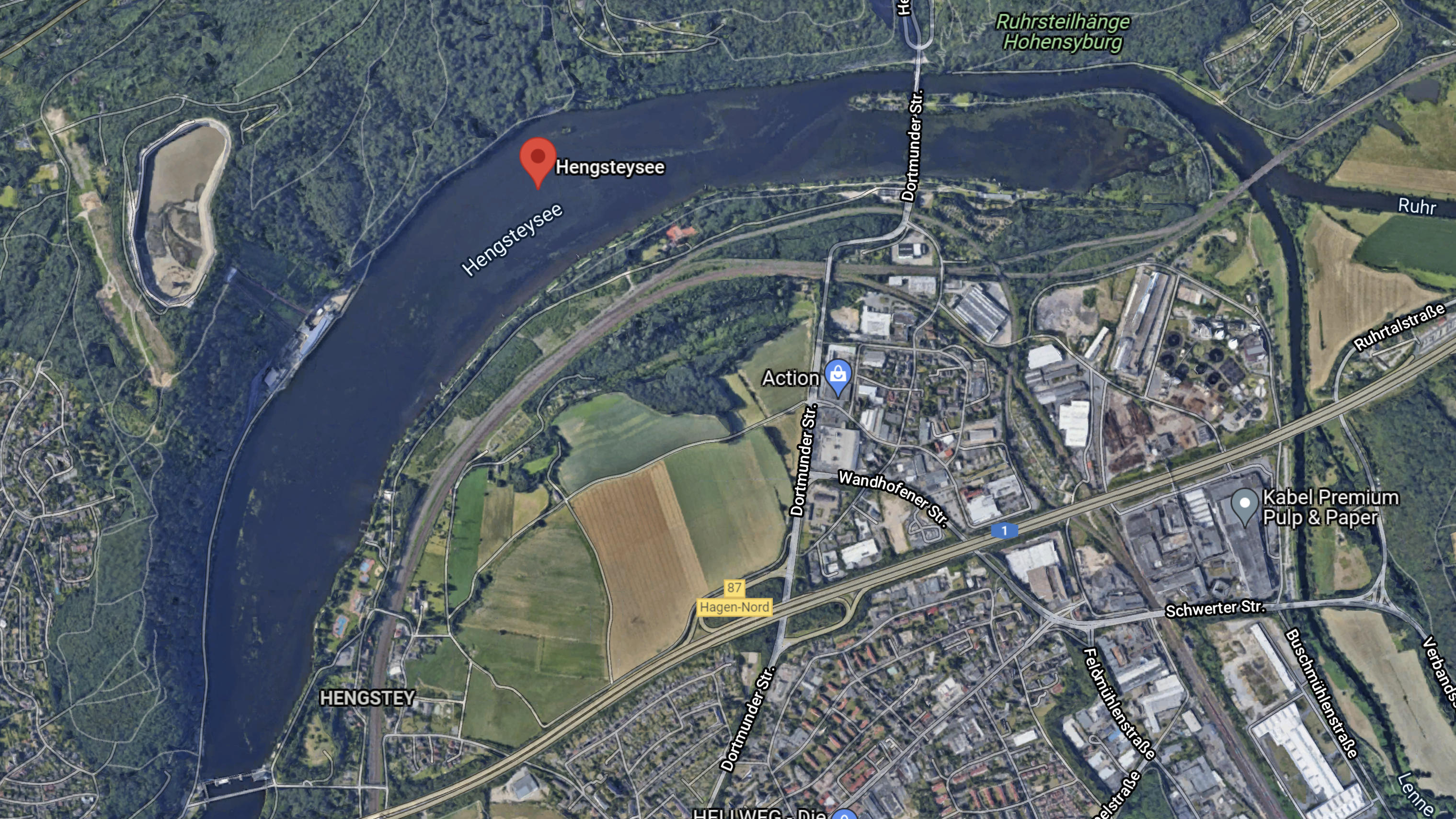
More details of the Koepchenwerk pumped-storage plant is given on this page on Power Technology.
- It has a generating capacity of 153 MW.
- The gross head is 145.5 metres.
- The storage capacity is around 0.6 GWh.
It is not the largest of pumped-storage plants, but Germany seems to have a lot of smaller ones like this and in total they have more than we do.
Transformer Deliveries Mark Major Milestone For Braybrooke Substation Project And The Midland Main Line Upgrade
The title of this post, is the same as that of this press release from National Grid.
The press release says this.
Since early 2021 National Grid Electricity Transmission (NGET) has been building a new electricity substation near Braybrooke, on the outskirts of Market Harborough in Leicestershire.
The new substation, once complete, will form a vital part of electrical infrastructure to support Network Rail’s electrification of the Midland Main Line.
Following months of hard work, the project has reached a major milestone, as the engineering team have taken delivery of two new transformers.
The transformers arrived during November and were delivered via an access road off Kettering Road built to ensure construction traffic avoids the areas of Market Harborough and Braybrooke. Weighing an impressive 100 tonnes, they will now be installed at the substation over the coming months.
This Google Map shows the access road.

Note.
The main A6 road running across the top of the map.
Kettering road leads off it into Market Harborough.
The Midland Main Line running across the bottom of the map.
The access track runs between the two.
This enlargement of the South East corner of the map shows the 400 kV overhead transmission line.
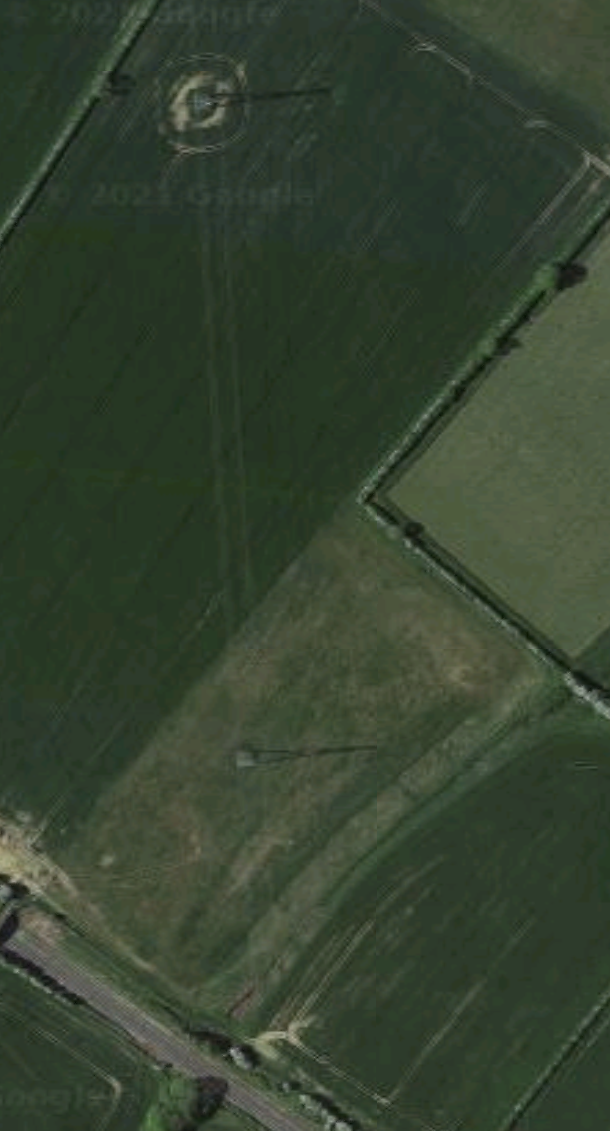
Note that the shadows give away two 400 kV pylons.
Will the sub-station be built in the smaller rectangular field?
How Many Sub-Stations Will Be Needed For The Midland Main Line Electrification?
I seem to remember that the Great Western Main Line to Cardiff was electrified with just three sub-stations, London, Cardiff and one in the middle and the London one is shared with Crossrail.
So I suspect that the feed of electricity may only need one further substation at the Northern end.
Conclusion
It does seem that National Grid have planned this well.
I suspect, bringing in the transformers didn’t cause too much disruption and the route gives good access to the overhead line.
Leicester Station – 4th Jan 2022
Leicester station has a Grade II Listed frontage.
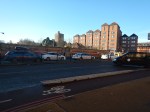
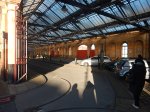
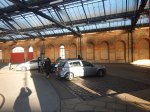





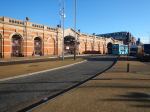

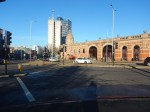
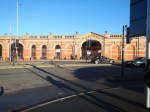
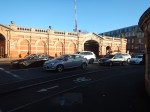


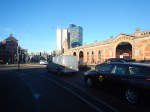
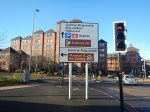

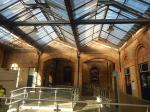

Note.
- It is an impressive Victorian station.
- The station building is on a bridge over the tracks.
- The station is also on one of the main roads through Leicester.
- The road layout is very complicated.
This 3D Google Map, shows an aerial view of the station.
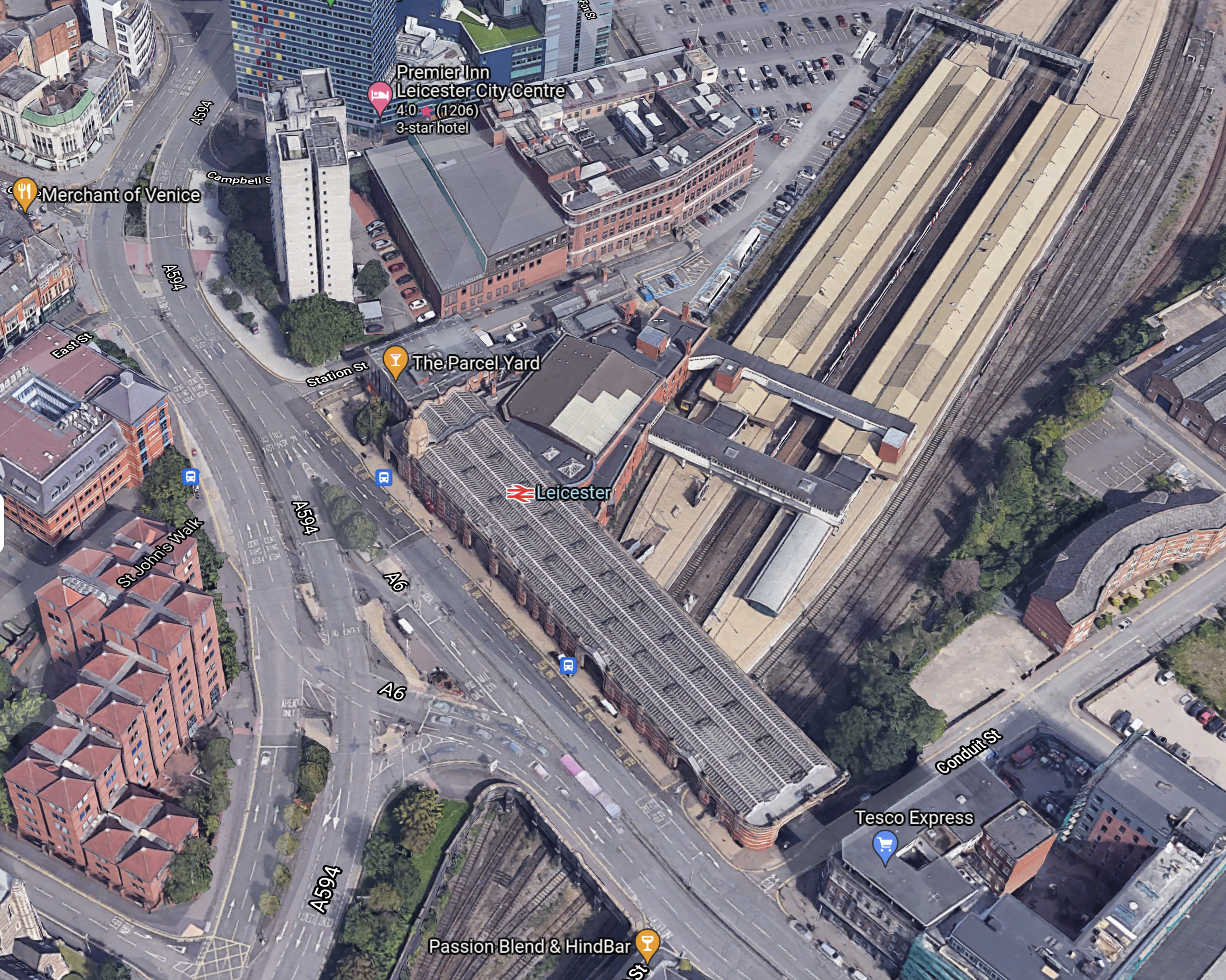
Note.
- There four platforms, which are numbered 1-4 from the left.
- The expresses between London and Derby, Nottingham and Sheffield use the two middle tracks.
- Other main line and East-West services use the outside platforms.
- There is an avoiding line for freight services.
This second 3D Google Map, shows an enlargement of the frontage of the station.
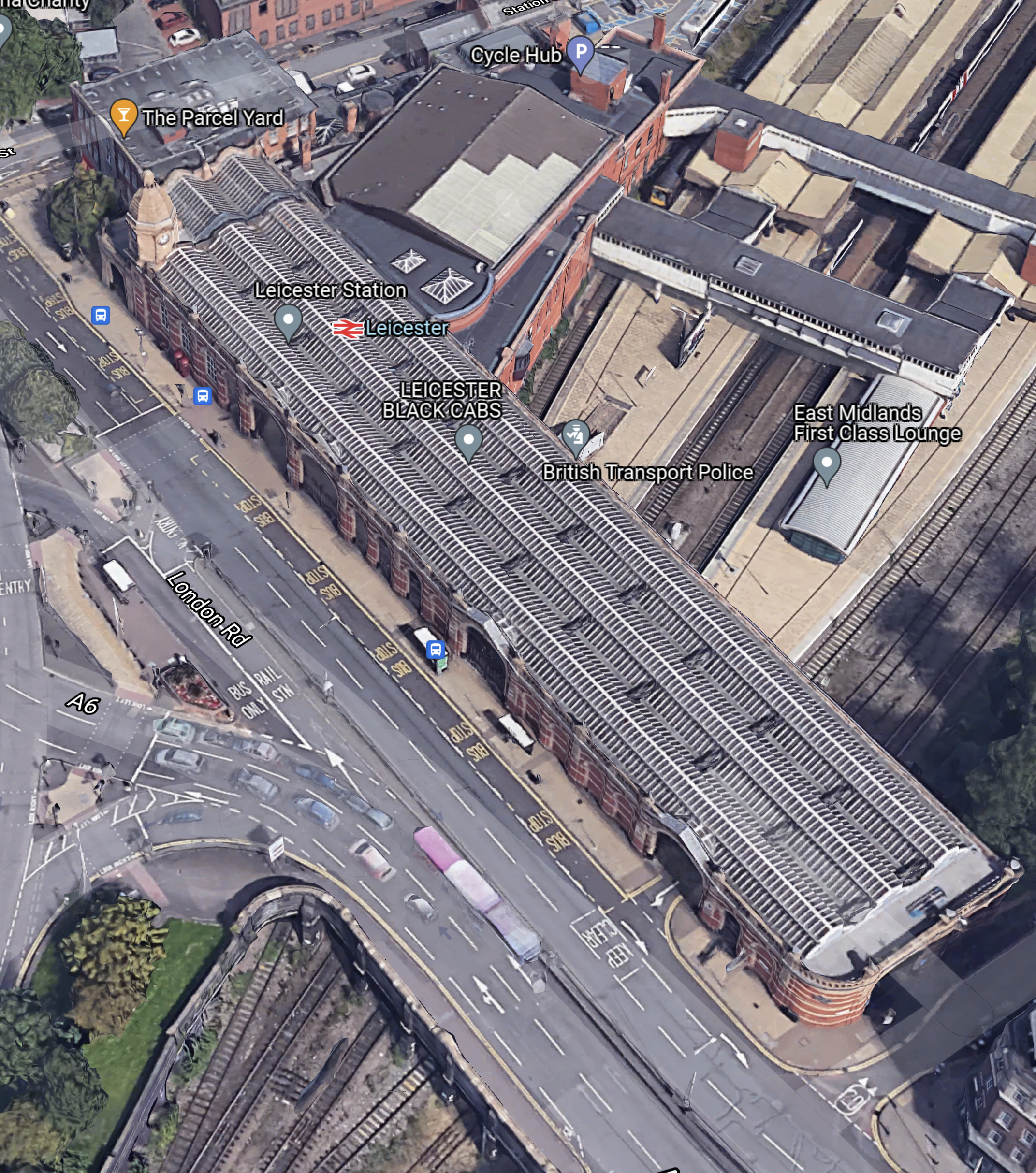
There are plans to increase the capacity of the station.
A fifth platform will be added.
Three miles of quadruple track will be be built South of the station.
The Midland Main Line is also to be electrified.
This second set of pictures shows the platforms at Leicester station.
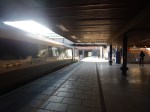
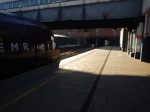
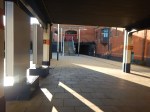
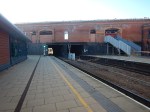
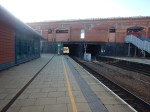
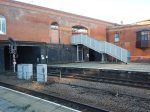
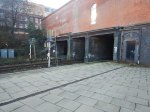
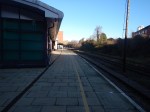
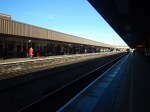
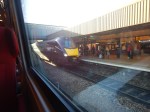
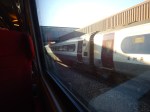

Note.
- The tunnels under the road and the station entrance.
- They are not very large.
- There are five tracks.
It is going to be a tight squeeze to electrify under the bridge.
Midland Main Line Electrification – 4th Jan 2022
I took these pictures from the train today, as I went to Leicester.

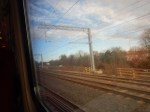

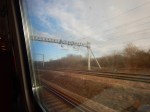



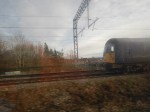
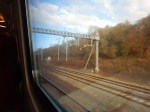
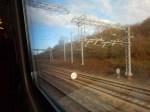



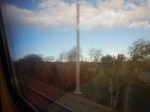
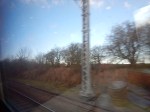

Note.
- We overtook the Class 360 train to Corby, just before it left the main line at Kettering North junction.
- Once past Kettering North junction, the Midland Main Line is only two tracks as far as Leicester station.
- A lot of the gantries on the two slow lines seem tall.
- At least twenty gantries had been installed North of the junction.
Some of the new gantries looked to be lighter than those South of the junction, but then they are only supporting electrification for two tracks, rather than four.
This Google Map shows the junction.
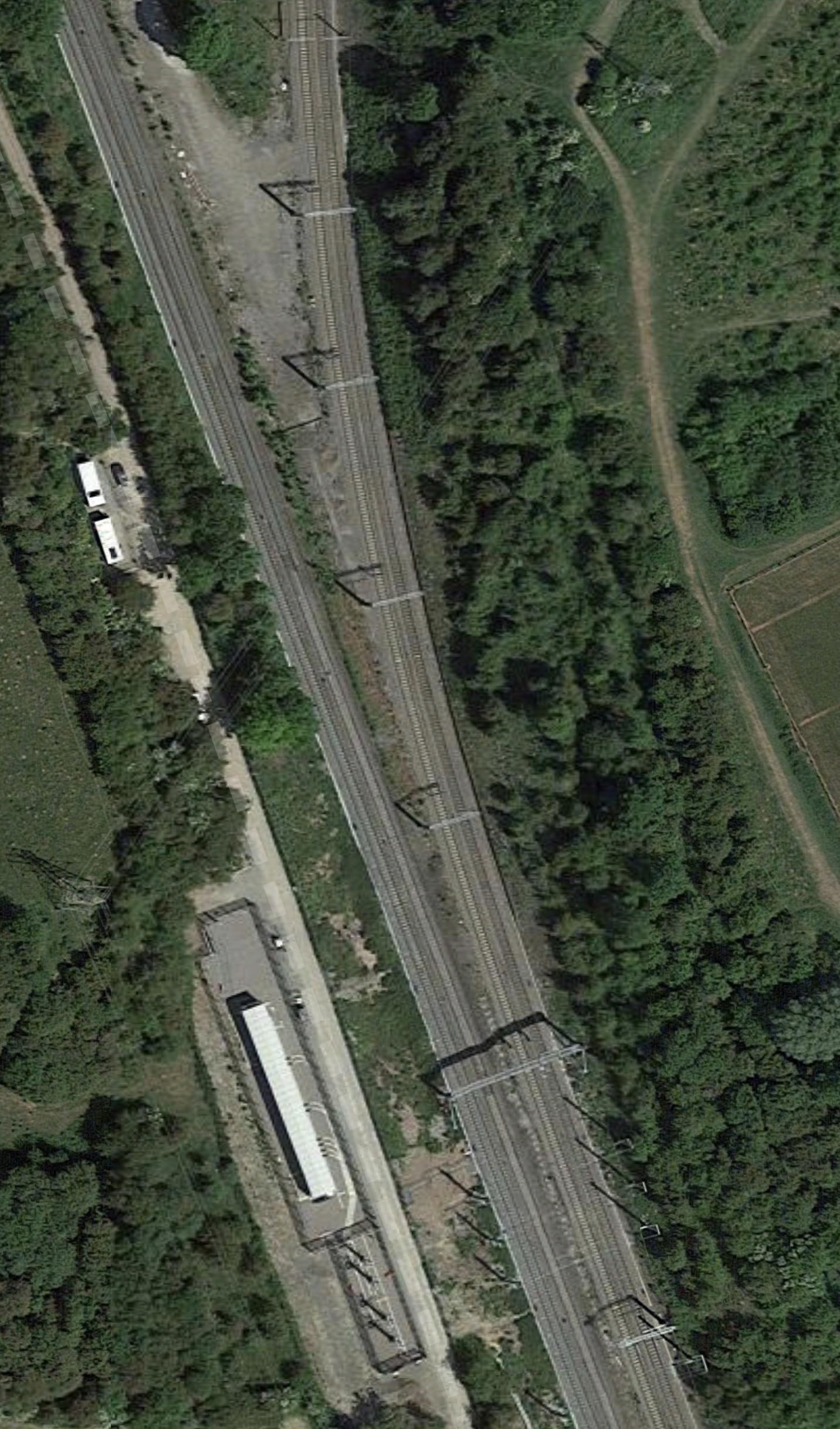
In this section, my train overtook the train to Corby.
- The track going North-West goes to Leicester.
- The track going North-East goes to Corby.
- The track going South goes to Kettering.
- It looks like to the West of the Midland Main Line is a large electricity sub-station.
In the tenth of my pictures you can see the three vertical poles opposite the sub-station, which can be picked out in the map.
 The Anonymous Widower