How Much Electricity Do You Need To Charge A Garage Full Of Electric Buses?
Consider.
- A couple of years ago, I had a long discussion and a few beers with three managers of bus garages.
- In First Bus To Launch 1MW BESS Unit In Hampshire, Aberdeen To Follow, I talk about a specialist battery to charge buses.
- In Is Sumitomo Heavy Industries Highview Power Energy Storage System On line At Hiroshima?, I talk about an efficient, renewable power supply for an LNG Terminal.
I asked Google AI the question in the title of this post and received this comprehensive answer.
Charging a full garage of electric buses requires massive amounts of electricity, with typical, non-optimized charging for a 100-bus depot capable of drawing nearly 10 megawatts (MW) of power. To put this into perspective, a 100-bus depot might require roughly 150 Megawatt-hours (MWh) of energy to recharge over an eight-hour night.
Key Factors and Energy Requirements
Energy Consumption per Bus: A typical electric bus has a battery capacity between 300-500 kWh. Energy consumption averages around 1.11 to 1.35 kWh/km, with higher consumption in winter or with heavy A/C use.
Total Depot Power: For a 100-bus depot, power requirements can reach 10 MW, equivalent to the power output of a small hydroelectric dam.
Optimal Charging: Using smart charging, a 100-bus depot can reduce its peak demand to around 4 MW.
Daily Usage: A single, large electric bus can consume up to 500 kWh per day, with daily demand ranging from 189 to 231 kWh for typical operations.
Infrastructure and Grid Considerations
Charging Infrastructure: Depots often use 40 kW to 250 kW chargers, with 100 kW common for overnight charging.
Grid Capacity: A 34-bus depot might require a new 1000kVA transformer to handle the load.
Voltage: 11,000 volts may be required to power new substations, which are then stepped down to 400 volts for charging.
Operational Factors Affecting Energy Need
Heating and Cooling: Cold weather can increase energy consumption by up to 45% (due to electric heating).
Driving Style: Inefficient driving can increase energy consumption by 0.24 kWh/km above average.
Regenerative Braking: This can recover 37–40% of energy for 40-60 ft buses.
Cost Implications
Energy Bills: A 100-bus depot can incur monthly energy bills between $112,000 and $515,000 without optimization.
Cost Savings: Electric buses are generally cheaper to fuel, costing ~£0.21/mile compared to £0.49/mile for diesel.
Could A System Based On The Sumitomo/Highview Power System At Hiroshima Charge Electric Buses?
The optimal charging figure for a 100-bus garage would appear to be in the region of 4-5 MW.
In Is Sumitomo Heavy Industries Highview Power Energy Storage System On line At Hiroshima?, I state, that it looks like Highview Power’s CRYOBattery™ at the heart of the system has a capacity of 5 MW/20 MWh.
I also state in the post, that the Hiroshima facility is designed to support grid stability and enhance renewable energy integration.
Does this all mean that if you can install enough solar panels on the roof of the garage or perhaps a wind turbine nearby, that you can have buses substantially powered by the sun and wind.
Chicago would just love wind-powered buses!
Back To The Future With BYD Double-Deck Buses
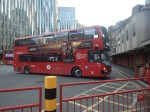
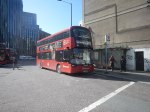
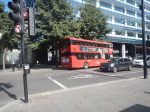
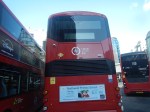
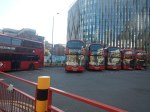
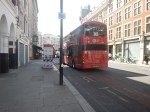
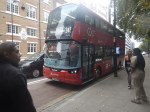
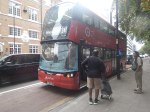
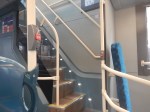
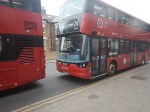
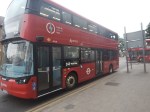
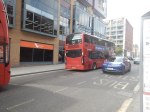
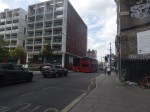
Arriva run the 141 bus route for transport for London and today they must have been short of buses, as this older Wrightbus on a heritage number plate had been pressed into service.
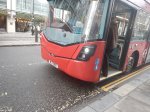
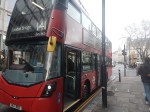
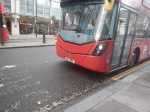
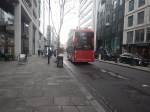
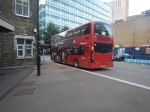
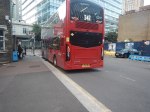
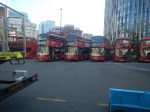
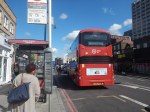
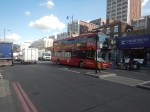
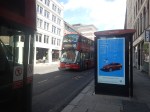
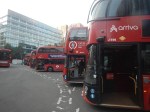
The four pictures of an older Wrightbus hybrid bus, were taken on Moorgate this morning, when it was substituting for a newly-delivered BYD battery-electric bus on route 141.
As I tapped in, I made a remark to the driver about reliability of the Chinese buses and he smiled a knowing smile.
As an engineer and designer, I would list the design faults on the BYD double-deck buses as follows.
- The batteries don’t give the buses a long enough range.
- The buses don’t handle cold weather very well.
- The step into and out of the bus is too high for elderly people and is not the same as other London buses.
- The seating is more comfortable in AlexanderDennis, Evo-Seti and Wrightbus buses.
- The seats are also too narrow.
- The seats at the back downstairs are pokey, because of the position of the batteries.
- There is no rear view downstairs, which makes using the Mayor’s promoted Hopper Fare, which lets you take unlimited bus and tram journeys for £1.75 within one hour of your first tap-in, more difficult.
- The stop displays are unreliable.
- The buses don’t have enough seats for the 141 route.
But perhaps most importantly, few passengers have a good word for the buses.
The Diesel-Hybrid 141 Buses Always Seem To Get Through
Today, I had an all-too-typical bus-rid back from Moorgate after breakfast and a bit of shopping.
My direct bus is a 141, which is a second-rate, Chinese BYD bus, which has a number of problems as I pointed out in My 78-Year-Old Legs Are More Reliable Than The New Chinese Buses On London’s 141 Bus Route.
- I just missed a 141, so I caught the next bus that was going my way.
- It was a New Routemaster on the 76 route, so I took a chance, that it might pass the previous 141 bus, as they often do.
- As we passed Moorfield’s Eye Hospital, we passed the 141, but it was stopped at the side of the road, with all its lights flashing.
- I decided to change two stops from home and left two stops from home, from where I could walk.
- I waited perhaps five minutes before an elderly Wrightbus diesel-hybrid arrived to take me home,
After today’s experience, I can’t help but remember the old joke!
- Question: What’s red and lies in the gutter?
- Answer: A dead bus!
Other colours are available.
First Bus To Launch 1MW BESS Unit In Hampshire, Aberdeen To Follow
The title of this post, is the same as that of this article on Solar Power Portal.
This is the sub-heading.
Bus operator First Bus has launched its largest energy storage facility yet in Hampshire.
These four paragraphs add more detail.
Located at the company’s Hoeford bus depot, the 1MW battery storage unit, with a 2-hour duration, will begin operations next month.
This will be followed by a bigger battery storage unit with 2MW/4MWh capacity at its depot in Aberdeen, which will begin work by the end of the year.
The FirstGroup division said that it will explore opportunities to build more battery sites across the UK in the future.
The new battery storage facilities will be used to store surplus electricity that will be distributed back to the grid during peak demand and help maintain power supplies. It will also be used to power the company’s more than 1,200 electric bus fleet.
Note.
- Hoeford’s 1MW/2MWh and Aberdeen’s 2MW/4MWh are big batteries.
- They will be installed, where there is a predictable need.
- Google AI says that the First Bus UK News “About Us” page lists 65 depots and outstations.
- I suspect some clever data analysis is being used to optimise the size of a battery to the route structure and number of buses at a depot.
The batteries appear to come from a company called Palmer Energy Technology, who are backed by Barclays, First Bus and the University of Oxford.
This is the Palmer Energy Technology web site, which has these two paragraphs.
Palmer Energy designs and manufactures Battery Energy Storage Systems that apply automotive‑grade principles to stationary applications. PETL specifies premium cells, uses liquid cooling as standard and focuses on intelligent control to drive down operating costs for customers in transport, industry and the grid.
Through our 100% ownership of Brill Power, a University of Oxford spin out, we incorporate Brill Power’s patented active loading BMS technology in all our BESS to increase the lifetime of systems, improve safety and remove geopolitical risks by storing all data on UK servers.
These are my further thoughts.
Electric Bus Charging Puts A Strain On The Grid
A couple of years ago, I had a drink with three bus depot managers in London. They said that some depots were having difficulty getting sufficient power from the grid.
This Google Map shows Hoeford Depot where the first battery has been installed.
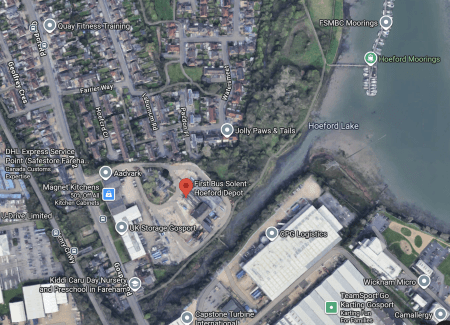
Note.
- Hoeford Depot is by the water at Fareham.
- The depot is indicated by the red arrow.
- The depot is surrounded by houses and other businesses.
As an electrical engineer, I would expect that a battery of the right size could sort out any charging problems.
Bus Garage Batteries Could Mop Up Surplus Electricity
Consider.
- I would expect bus garages have a predictable pattern for energy use.
- Buses will often be charged at night, when solar power is low.
- Do bus garages get a cheaper electricity rate at night?
- There will be times, when bus garages can accept excess energy from the grid and store it until they need it.
- This will mean that wind turbines won’t have to be turned off so often.
Palmer’s batteries installed in a bus garage seem to be a simple way to increase renewable energy efficiency and possibly reduce the cost of battery charging.
Would A Bank Finance The Batteries?
I am not a banker or an accountant, but I have worked with some of the very best. One banker, who sadly has now passed on, would have surely backed this company if the technology and the forecasts stacked up, just as he backed the company, that I helped to start.
It does look as if Barclays are backing the company.
My 78-Year-Old Legs Are More Reliable Than The New Chinese Buses On London’s 141 Bus Route
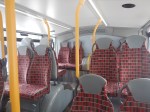
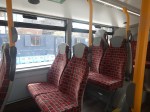
So we all know what we’re talking about, here’s a few pictures.
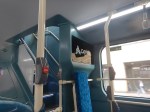
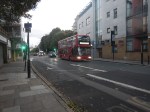
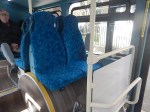
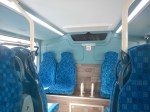
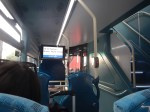
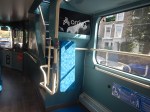
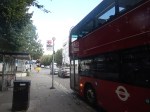
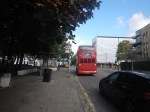
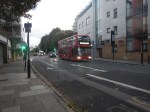
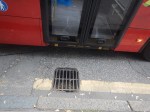
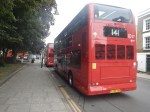
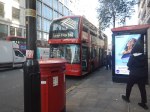
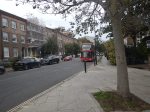

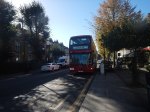
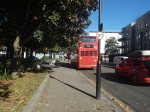
Note.
- The buses seem to have no serious faults from a passenger point of view.
- One middle-aged lady on the plump side, said she didn’t like the buses.
- The aisle between the front seats doesn’t seem to be built for large people.
- The seats are reasonably comfortable.
- One morning, I stood on a long journey and I felt the road-holding wasn’t as good as a New Routemaster.
- On several buses, the interior route display has not been working.
- As I don’t wear a watch, I find a non-working display annoying.
- I haven’t been upstairs yet.
- As picture numbers three and four show, the bus looks a bit pokey at the back downstairs.
But I am very suspicious about the buses’s reliability or ability to handle the route, which is fairly long.
Take this morning, when I was coming home from London Bridge station.
- There was only a 43 bus at the shared stop with the 141 bus.
- As the routes are identical until Old Street station, I took the 43 bus to Moorgate station.
- At Moorgate station, I took a 76 bus, which gets me within walking distance of where I live.
- Someone said, that a 141 bus would mean a wait of ten minutes.
- In the end my 78-year-old legs delivered be home.
I didn’t see a 141 bus going my way on my journey.
I have seen behaviour like this several times, since some Chinese electric buses were introduced on to the route.
As a graduate Electrical and Control Engineer, it looks to me, that there is one of two problems with these buses.
- The batteries aren’t large enough for the route.
- Not enough time is allowed for charging the batteries at the end of the route.
This page on the Wrightbus website is entitled Wrightbus Electroliner ‘Most Efficient Double-Deck Battery-Electric Bus’, and it contains this paragraph, which probably explains their philosophy and ambition.
We have already gained a strong reputation for our hydrogen double deck but we want to lead the world in zero-emissions full stop. Wrightbus has the best brains in the business when it comes to technology and our StreetDeck Electroliner puts us squarely at the front of the pack. We haven’t weighed the bus down with a high battery volume just so we can say it’s got the most power or range; instead, we’ve made it the most efficient vehicle on the road by combining optimum power with a class-leading rapid charge, meaning our electric bus spends more time on the road than any other.
It also probably sets a very high bar, which the Chinese can only achieve by adding battery volume and making their buses pokey.
To be fair to the buses, the 141 route is probably nearly 20 miles long.
In Sutton Station To Gatwick Airport By Hydrogen-Powered Bus, I wrote about what it says in the title.
In that post, I said this about hydrogen buses running on the 141 route.
Wrightbus Hydrogen Buses For My Local Bus Route 141
Consider.
- The 141 bus route is my local bus, which gets me to Moorgate, Bank, London Bridge and Manor House.
- The length of the full route is twenty miles and it takes about an hour to go from London Bridge station to Palmers Green.
- The route is currently run by older Wrightbus hybrid diesel-electric buses.
- I suspect that modern hydrogen buses could last almost all day on one fill of hydrogen, with perhaps a top-up at lunchtime.
They would have no difficulty handling the route and would greatly increase the customers current rock-bottom satisfaction.
I am sure, they would improve the horrendous reliability of the route.
I also wonder, if Wrightbus have another solution.
In UK Among Tri-Axle Zero-Emission Wrightbus StreetDeck Prospects, I talk about Wrightbus’s new Tri-Axle Zero-Emission Wrightbus StreetDeck bus and how it would be ideal for the 141 bus route.
- The 141 bus route is the old 641 trolleybus route, so all clearances are generous.
- The tri-axle design can probably carry a better-optimised battery.
- There used to be two bus routes on the route and now there is only one, so more capacity is needed.
- The 141 bus route bridges the gap between the Northern section of the Piccadilly Line and the Elizabeth Line, Bank and London Bridge.
- The new air-conditioned Piccadilly Line trains, will increase the passengers on the line.
- There will be a lot more housing built in Enfield, at the Northern end of the Piccadilly Line and more bus capacity will be needed between Manor House and the City of London.
Some of TfL’s rerouting of buses in North London, was a crime against mathematics.
Comings And Goings Of Battery-Electric Buses On Route 242 At Aldgate Bus Station – 4th September 2025
I took these pictures of 242 battery-electric buses at Aldgate bus station, last night.

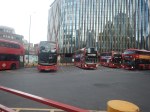
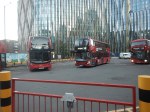
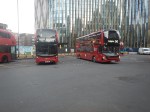
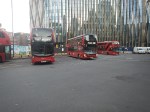
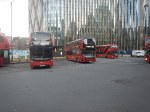

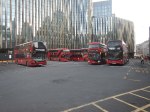

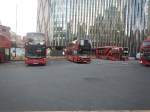

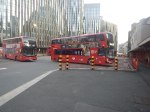




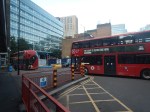
Note.
- All the buses on route 242, were Volvo BZL battery-electric buses.
- All the battery-electric buses backed onto the chargers for about ten minutes.
- Range on battery of the buses is probably about 214 miles according to Google.
- Buses arrived and left every few minutes.
- There was no indication, if the buses were charged at Aldgate bus station, although as the pictures show, some went dark for a few minutes.
If the buses were being charged, it certainly looked an efficient way to charge them.
I took these pictures of 242 battery-electric buses at Aldgate bus station and in Dalston, this morning.

Note.
- All the electric buses are Streetlite Electroliners from Wrightbus.
- All Wrightbuses have a stylised ‘W’ on the front.
- The seventh picture shows the enlarged destination board on the back of the Streetlite bus.
Are Stagecoach running two different types of buses on the same route to ascertain the best and give the chargers a decent workout?
I have some further thoughts.
Could This Form Of Charging Be Used To Convert New Routemasters Into Electric Buses?
Consider.
- In Equipmake Hybrid To Battery Powered LT11, I show a battery-electric New Routemaster is possible.
- In Wrightbus Launches NewPower In Bicester, I write about Wrightbus’s new factory in Bicester to convert buses to battery power.
- In New Routemasters As Advertising Hoardings, I show how New Routemasters have a nice little secondary earner as advertising hoardings.
- New Routemasters have become a symbol of London.
- As pictures five to seven show, New Routemasters could share the chargers with younger battery-electric buses.
- There is still at least another dozen years left in most New Routemasters.
Converting a thousand New Routemasters must be cheaper, than buying a thousand new buses.
Could This Form Of Charging Be Used Outside London?
Most certainly, provided you can get enough power to the charger.
Aldgate doesn’t have a problem with power, as the Underground is underneath.
A Long Ride In An Electric Bus
In the last few weeks, I’ve started to use the 243 bus, a lot more, as I’ve been on a course at St. Leonards Hospital and bus serves Dalston Junction, St. Leonards Hospital, Old Street station and a couple of other places I visit regularly.
On Thursday, I used it from my GP’s surgery and the William Harvey Heart Centre, where I volunteer.
I noticed that the buses on the route were now brand-new Wrightbus Streetdeck Electroliner battery-electric buses.
This morning, I took a ride on a 243 bus from ~Old Street to Wood Green to make a better assessment of the bus.
These were the pictures I took.
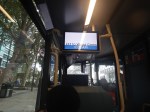
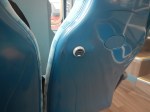
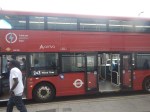
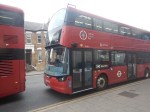
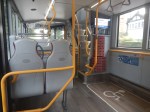
I can compare it with four other common London buses.
- In common with the 243 bus of a few weeks ago, the 141 bus, that I use regularly has a collection of Wrightbus hybrid buses of a certain age, which need to be replaced.There is no comparison between the two buses, as the Streetdeck Electroliner has better ride, seats and interior fittings and also comes with phone charging, with every passenger having their own USB port.
- In addition to being fully electric, the bus is a step-up from the New Routemaster, in that the Electroliner is much quieter.
- In British Buses For British Bottoms, I was impressed with the Electroliner’s single-deck sibling and as most would expect, the buses are of similar standard and quality.
- I regularly ride on 43 buses, which are based on a Chinese chassis. I would rate the ride on these buses to have inferior passenger ride, than both the Electroliner and the New Routemaster.
I have a few other thoughts.
Is The Range Sufficient?
The web page for the Wrightbus Streetdeck Electroliner, says this about range.
StreetDeck Electroliner is not a regular electric bus, its optimised power from a 454kW zero-emission battery electric power train is the ideal battery capacity for a UK Double Deck bus. It powers it to a range of up to 200 miles and a fast charge time of just 2.5 hours ensures daily scheduling aligning with driver breaks.
The buses are based at Tottenham Garage, which could mean they go back to there to charge, as it is on the route.
I asked Google AI, where the buses on route 243 were charged and got this answer.
London’s electric buses, including the route 243, primarily charge their batteries at bus garages using plug-in charging points. However, some routes, like the 358, utilize pantographs (overhead charging systems) at the ends of routes to provide rapid charging during the day, minimizing the need for lengthy garage charging. Arriva London, which operates route 243, has ordered new Volvo BZL electric buses for this route, and these buses will likely be charged using a combination of garage charging and opportunity charging via pantographs.
The answer is based on this article on this article on route-one.net which is entitled Arriva London orders 51 Volvo BZL Electric Double-deckers, where these are the first two paragraphs.
Arriva London has placed an order for 51 Volvo BZL battery-electric double-deckers. They represent the first order for the BZL from Arriva and will be deployed from Tottenham depot on Transport for London (TfL) routes 243 and 341.
Delivery is to commence in 2025 and the buses will be 10.9m long. High-backed seating will be fitted along with USB charging points and glazed skylights. Each will have 470kWh of energy storage with the 200kW driveline including a two-speed automated manual gearbox.
I have some questions.
- Has my camera lied about the buses it saw on the 243 route?
- Do the Wrightbus Streetdeck Electroliners use opportunity charging on the 243 route?
I shall investigate.
Hackney Downs Station To Aldgate By Volvo Electric Bus
I’d ridden one on route 242 earlier in the week, so on this trip I investigated them more.
Route 242 doesn’t normally serve Hackney Downs station, so I only got the change because of road works in Central Hackney,
These were the pictures I took.
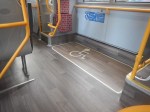
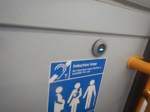
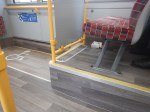
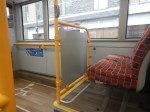
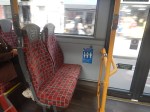

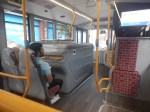

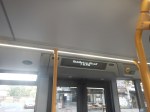
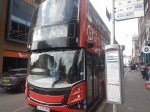


Note.
- It was a generally well-designed and well-riding bus, with some nice touches.
- But is the great lump at the front on the left the battery?
- I particularly liked the stop indicator above the door.
- The bus was built on a Volvo chassis by MCV in Egypt.
- I must add some exterior views of the buses.
It was a lot better than the earlier Egyptian buses on route 30.
Has Aldgate Bus Station Been Fitted With Opportunity Charging?
In Hackney Downs Station To Aldgate By Volvo Electric Bus, I described my second ride in a Volvo BZL electric bus.
When I arrived at Aldgate bus station, I asked the driver, if he would be charging the bus. He answered in the affirmative.
I then took these pictures.
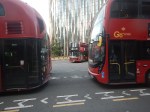
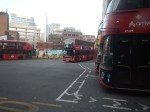

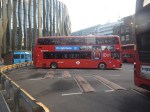
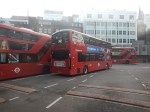
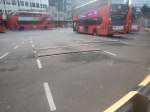
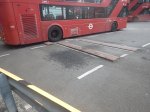
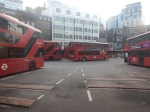
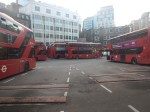
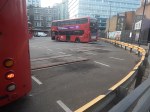
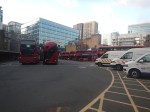
Note.
- Some of the buses were backed into parking spaces, with their back wheels up against one of two raised strips.
- The 242 bus I’d arrived on parked that way.
- A couple of New Routemasters were also parked each side of it.
- The 242 bus, I’d arrived on appeared to shut off all power for a few minutes. Was it charging at that time?
This Google Map shows the layout of the bus station.
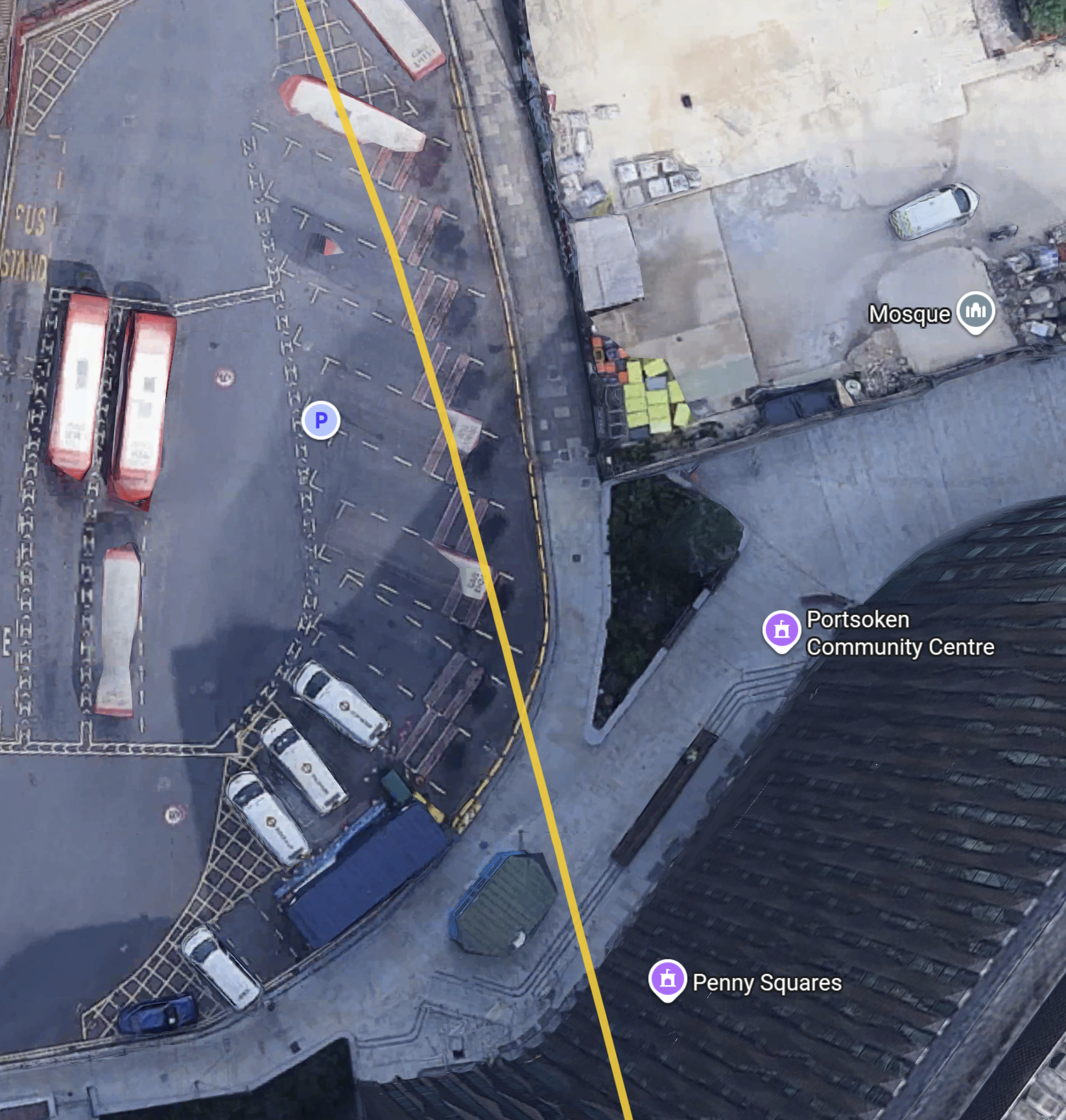
Note.
- Ignore the yellow line, as it just the route of the Circle Line, which runs underneath.
- The strips are clearly visible.
- It looks there are about ten of them.
- Click on the map to show it to a larger scale.
I suspect some form of contactless charging could be used, as some people do with their mobile phone.
Power for the charging could even be taken from the Circle Line.
Feel The Power: Solent From First Bus Introduces Converted NewPower Electric Buses
The title of this post, is the same as that as this press release from NewPower.
These first three paragraphs add more detail.
Repowered vehicles from Oxfordshire-based NewPower will be running on the streets of Solent for the first time as First Bus introduces four newly converted electric buses into service in Portsmouth, Fareham and Gosport.
The ‘repowered’ diesel vehicles have been fully refurbished to a near-new standard and converted to electric power at NewPower’s hi-tech Bicester factory, delivering more environmentally friendly travel for passengers.
Repowered buses converted from diesel to battery-electric by NewPower are the most efficient on the market with a class-leading range of more than 230 miles, recent data has shown.
It certainly seems to me, to be a way to put more affordable zero-carbon buses on the roads.
 The Anonymous Widower