Reopening The Darlington – Weardale Line To Passenger Services
On October 27th this Beeching Reversal Project was given £50,000 to build a case for reopening.
The current Weardale Railway is a heritage line, that extends the current National Rail service between Darlington and Bishop Auckland stations further up Weardale.
- It is a single track railway.
- The current operational length is 18 miles between Bishop Auckland West and Stanhope stations.
- The line could be extended a few miles to the site of the former Wearhead station.
- Thre is a station at the village of Stanhope which i has a castle, a community hospital and a population of 1,600.
- There is a station at the village of Frosterley which has a population of 700.
- There is a station at the village of Witton-le-Wear which has a population of 700.
- There seem to be lots of caravan parks along the river.
- From my virtual helicopter, the track looks in reasonable condition.
- There appear to be a couple of passing loops.
- There don’t appear to be any tunnels.
- The Weardale Railway has several bridges over the River Wear.
- I suspect the scenery is not bad.
To my untrained eye, this section of railway would appear to have possibilities for reopening, without any serious engineering problems.
These are a few of my thoughts.
The Connection To National Rail
This Google Map shows Bishop Auckland station, where the Weardale Railway connects to the National Rail network.
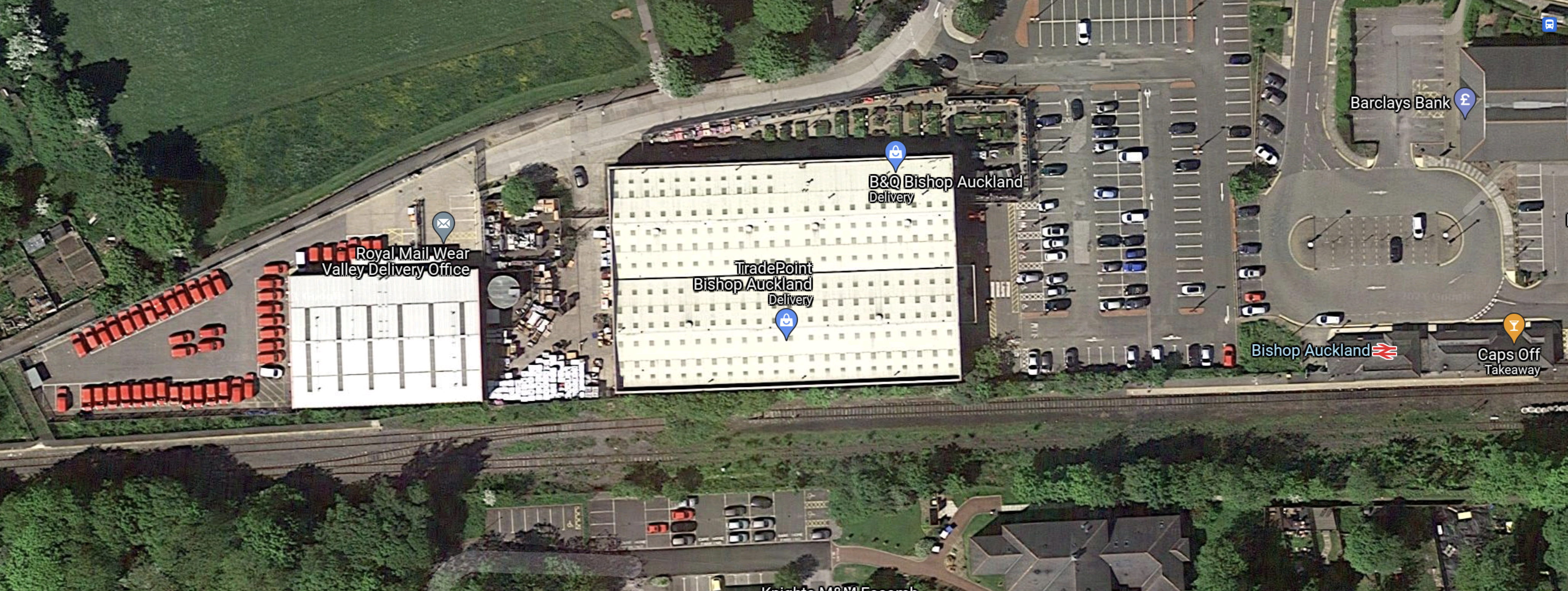
Note.
- The station appears to be well-placed in the town.
- There is plenty of space for tracks connecting the two systems.
I suspect that building a combined through and terminal station that would satisfy the needs of all stakeholders would not be the most challenging of tasks.
Could The Extended Line Have A Japanese Fairy Godmother?
Consider.
- Hitachi’s train factory at Newton Aycliffe is five miles to the South of Bishop Auckland.
- Hitachi have stated that they are developing battery-electric trains for lines without electrification.
- Developers of modern trains with complicated computer systems seem to go through many software versions.
I have to ask the question, if Hitachi would like to have a twenty-mile test track on their doorstep?
If they were testing trains that were agnostic about their power supply, the Weardale Railway would not need to be electrified, although there could be a couple of charging systems.
Would Access To The Quarries At Wearhead Be Needed?
The original Weardale Railway was built to access the quarries at Wearhead, but they switched to road transport some years ago.
This Google Map shows the Wearhead area.
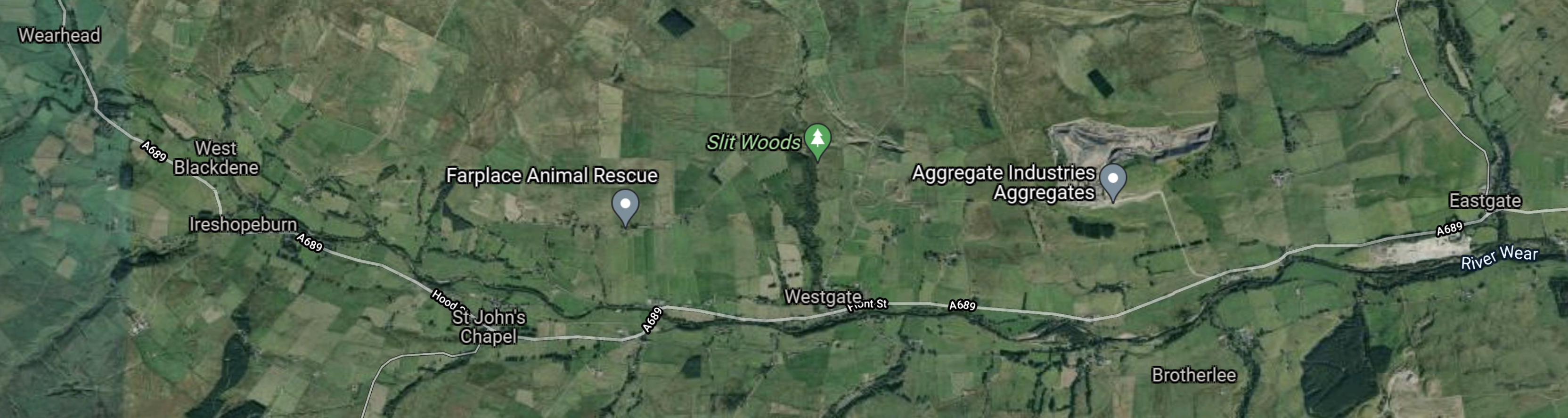
Note.
- Wearhead is in the North-West corner of the map.
- There is a quarry and there used to be a fluorspar mine.
- The white scar at the East of the map was a cement works.
Is there something, that could possibly be mined in this area, that could be taken out by train.
I think it should be born in mind, that mining and quarrying used to be a very dirty and carbon-intensive industry, but big mining companies are now embracing zero-carbon technology.
Could A Holiday Company Like Center Parcs Develop A Site In The Wear Valley?
I noticed a lot of caravans and chalets, as I examined the line.
Could a big operator like Center Parcs develop one of their holiday centres?
It could even be developed with a station.
Is New Housing Needed?
Does the local authority want to develop housing along the line?
What Rolling Stock Will Be Used?
There is no point in extending the line in these days of global warming without providing zero-carbon trains.
The Tees Valley Combined Authority is keen on hydrogen and there are good reasons.
- There is hydrogen available from chemical plants on Teesside.
- Hydrogen will give the trains a long range.
- The trains would probably only need refuelling once a day.
- In addition, Alstom are looking for an order for their Class 600 train, which is a conversion of a Class 321 train.
But I have my doubts about Alstom’s trains and Hitachi have doubts about hydrogen.
Consider.
- Do you really want to run hydrogen trains on a line where steam trains run?
- Darlington station is fully-electrified and it is also to be remodelled for more capacity and High Speed Two.
- Bishop Auckland and Darlington is just twelve miles.
- Darlington and Saltburn is just thirty miles.
With charging systems at Bishop Auckland, Saltburn and Stanhope, I am fairly sure Hitachi could develop an electric train for Teesside’s railways.
Conclusion
Hitachi could be key to the design of the reopening of the Darlington and Weardale Line.
Hull Trains Is Back And Stronger Than Ever
The title of this post, is the same as that of this press release from Hull Trains.
This is the first paragraph.
Timetables at Hull Trains will be back to pre-pandemic levels from December as public confidence in rail travel continues to grow.
These are other points from the press release.
- The number of returning passengers is steadily increasing.
- From December 12th, Hull Trains will be running 94 trains per week in total, which is two higher than the pre-pandemic record.
- An additional service will be run on Sunday to match the six trains per day (tpd) on Saturday.
- There will be seven tpd on weekdays. That’s not far off one train per teo hours (tp2h) all day.
Passenger numbers must be coming out from the pandemic well.
This sentence from the press release gives a clue to how Hull Trains will cope with increasing passenger numbers.
Ten-car operations will commence on Fridays and Saturdays to provide additional capacity just in time for Christmas travel and the general growing demand as we prepare to enter 2022.
I suspect by rescheduling maintenance and running all five trains in services, they can run some trains on Fridays and Saturdays as pairs.
- As Hull trains only stop at Stevenage, Grantham, Retford, Doncaster, Selby, Howden, Brough, Hull and Beverley, there aren’t many stations, that need to be able to take ten-car trains.
- I suspect a couple of platforms might need lengthening, as a ten-car train is 260 metres long. Or they could instruct passengers to only use the front train for the stations with short platforms. Or only use five-car trains to the stations with short platforms.
- But the longer trains won’t need any extra paths.
- I was also told last year, that Hull station can take nine-car trains, so perhaps it can take a ten.
So to increase capacity on the route, Hull Trains just need to add another train to their fleet.
As all costs are probably well-known, with a bit of simple modelling, Hull Trains can probably predict, when they need to add a new train.
Whilst I was looking at the Lumo train yesterday, I got talking to a driver from Hull Trains, who had come over to take a professional look at Lumo’s Class 803 train.
I asked him what he liked about Hull Trains’s Class 802 trains as a driver. He said the brakes, which is probably most important to a driver, as they’re at the sharp end, if anything happens. So that’s comforting.
He also said that some of the Hitachi trains had shown they were stable at 140 mph. So that’s good too.
On talking about the batteries on the Lumo train, I got the impression that batteries will appear on other Hitachi Trains.
Conclusion
It appears to be all trains go between London and Hull.
In Could We See Between London And Much Of The North By Train In Under Two Hours?, I looked at the effect of improvements on the East Coast Main Line and concluded that timings between London Kings Cross and Hull could be around two hours and twenty minutes. This would surely be a spur to increasing traffic on the route.
Surely, when Hull Trains use battery-electric Hitachi trains between London and Hull, this will be the icing on the marketing cake, as we seem to be coming to a point, where zero-carbon sells.
As an aside, will Lumo, who are another First Group company, use a similar mix of five- and ten-car trains on the London and Edinburgh route to increase capacity?
I suspect that what is good for Hull Trains will be good for Lumo.
Chancellor To Fund £710m Merseyrail Expansion
The title of this post, is the same as that of this article on Liverpool Business News.
This is the first sentence.
In his Budget on October 27 Chancellor Rishi Sunak will hand Liverpool city region £710m to extend the Merseyrail network using battery-operated trains.
I wrote about Merseyrail’s plans in Liverpool’s Vision For Rail.
This is a map of how the network might look.

Battery trains might serve Preston, Skelmersdale, Warrington, Widnes, Wigan and Wrexham.
There is also this tailpiece to the Liverpool Business News article.
In August LBN also revealed Mr Rotheram was in talks with senior Government officials about taking full control of the Merseyrail network, including the physical infrastructure, Full devolution of the network would give the CA direct control over significant areas of land, opening up the opportunity for new development.
That seems very sensible.
Battery Rather Than Hydrogen Trains Suggested In Sachsen Study
The title of this post, is the same as that of this article on the Railway Gazette.
This is the first paragraph.
The use of battery rather than hydrogen traction is recommended in a study into options for replacing diesel multiple-units on regional routes around Dresden where electrification is unlikely in the short to medium term.
They give the reason that battery power is a better short term option, where electrification is envisaged in the long-term.
I also think, that in the case of the German hydrogen trains, which are hydrogen-power only, this means that the trains will have to be replaced, as the electrification is installed. Whereas, with battery-electric trains, they just get more efficient as the wires go up and don’t need to be replaced. Although, their batteries might be removed to improve acceleration.
Dresden, Leipzig and that area of Germany also has a lot of electrification already, so charging will not be a problem.
But battery power would also get around the problem at Zwickau, where diesel multiple units run through the streets as trams to a station in the town centre.
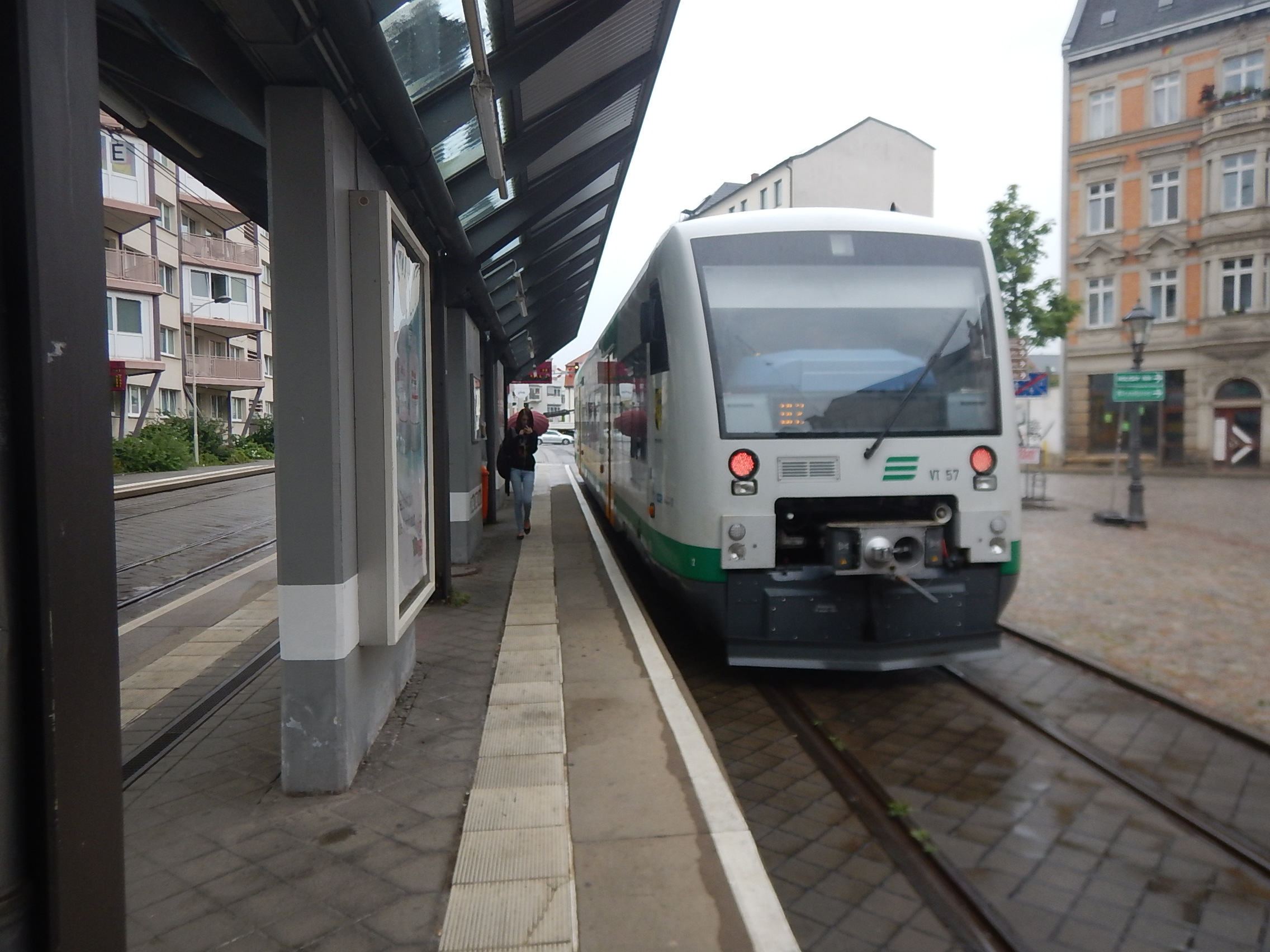
The picture shows a diesel multiple unit playing trams in Zwickau Zentrum station.
- Note the orange lights that flash on the train.
- Trams call at the other side of the platform.
- I wonder, if the Germans felt that battery-electric trains will be safer in Zwickau than hydrogen-powered trains.
It puzzles me, why this simple solution is not used more often to extend railways into town and city centres.
With battery-electric trains, there would be no need for any electrification.
Conclusion
The Germans seem to be going battery-electric train mad!
Perhaps, we should follow their example?
What Will Happen To The Eighty-Seven Class 350 Trains
At the current time, West Midlands Trains have a fleet of eighty-seven Class 350 trains.
- The trains are being replaced by new Class 730 trains.
- They are of different specifications.
- The interiors vary, but there are a lot of tables.
- All are four-car sets.
- They are 110 mph trains.
- Thirty of the trains are dual-voltage.
- Fifty are owned by Angel Trains.
- Thirty-seven are owned by Porterbrook, who have looked at converting the trains to battery-electric operation.
- They are a bit of a dog’s breakfast, although they are excellent trains.
- The future of the trains is rather uncertain and even Porterbrook’s plans have gone rather quiet.
So perhaps a big dog ought to round up all these trains and turn them into something more useful.
Consider.
- All the trains were built in this century by Siemens in Germany.
- Siemens service the Class 350 trains at Kings Heath Depot in Northampton.
- Siemens have recently opened a factory in Goole to make new trains for the London Underground.
- Siemens are developing the Mireo Plus B, which is a battery-electric multiple unit in Germany.
Siemens must have the knowledge and experience to turn these trains into a quality fleet of battery-electric trains.
- Thirty would be dual-voltage and fifty-seven would be 25 KVAC overhead only.
- All would be 110 mph trains.
- I doubt there would be many places on the UK rail network, where they couldn’t run.
All appear to be in excellent condition, as these pictures show.


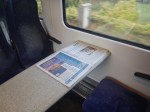
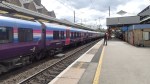
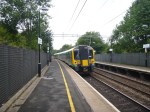
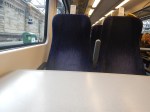
I very much feel, that these fleets could be converted into a quality fleet of very useful battery-electric trains.
Charging The Batteries
Most of the charging would be done from existing electrification, but as all trains have pantographs, they could use specially-erected short lengths of 25 KVAC overhead wires or charging systems like the Furrer + Frey Voltap system.
Possible Routes
I will start with the dual-voltage trains.
- Uckfield Branch, where a charger would be needed at Uckfield station.
- Marshlink Line
- Basingstoke and Exeter, where chargers would be needed at Salisbury and Exeter and possibly Yeovil Junction.
I feel with 25 KVAC overhead applications, we will soon run out of trains.
Battery Trains Ordered For Hermann-Hesse-Bahn
The title of this post, is the same as that, of this article on Railway Gazette.
This article is yet another endorsement of battery-electric trains.
There is more about the history of the Hermann-Hesse-Bahn in Wikipedia entry for the Black Forest Railway.
Could the Germans be using a battery-electric railway to bring in the tourists?
Battery Train Fast Charging Station Tested
The title of this post, is the same as that of this article on Railway Gazette.
This is the first paragraph.
A prototype Voltap rapid charging station for battery trains has been tested under real-world conditions for the first time.
The Voltap system is from Furrer + Frey and this is the data sheet on their web site, which is entitled Voltap Charging Station For Battery Trains.
Looking at the pictures in the article, the system seems to consist of two components.
- An overhead conductor rail suspended from pantries on the platform.
- A container that contains all the power supplies and control systems.
It certainly looks to be a simple system to install and operate.
- Charging would appear to take place through the pantograph, with no cables to handle.
- It is claimed to be able to charge a train in an extremely short time.
- The system is designed for areas, where the electricity network is perhaps a bit weaker.
- It is available in 15 KVAC and 25 KVAC.
- The system is future-proofed.
I can see these being suitable for several stations in the UK.
Norfolk And Suffolk
As an example, it looks like all the branch lines in Norfolk and Suffolk could be made suitable for battery-electric trains with Voltap systems at Cromer, Felixstowe, Lowestoft, Sheringham, Sudbury and Yarmouth.
Note.
- The Class 755 trains would be converted to battery-electric trains.
- Some stations would need more than one platform to have a charger.
- There may be other chargers to ensure that services like Norwich and Stansted Airport could be run electrically.
These pictures show Class 755 trains in various East Anglian stations.
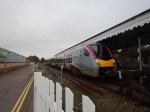

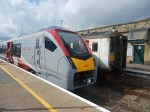
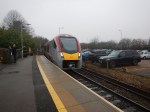
Felixstowe and some other stations may need a slightly different installation due to the narrow platforms, but I’m sure Furrer + Frey have installations for all platforms.
I think Great British Railways are going to need a lot of these chargers and the battery-electric trains to go with them.
The Uckfield Branch
The Uckfield Branch probably needs to have some form of charging at Uckfield station.

The picture shows the single long platform at Uckfield station.
Consider.
- Trains to work the branch will need to be able to use third-rail electrification between London Bridge station and Hurst Green junction.
- Hurst Green junction to Uckfield station and back is probably too far for a battery-electric train, so charging will be needed at Uckfield station.
- Third-rail charging could be used, but I suspect that Health and Safety will say no!
But using a dual-voltage train and a Voltap system at Uckfield station would probably be ideal.
Middlesbrough
From December the 13th, LNER will be running a new daily service between Middlesbrough and London, which I described in LNER’s Middlesbrough And London Service Starts On December 13th.
The route is fully electrified except for between Middlesbrough and Longlands Junction, where it joins the electrification of the East Coast Main Line, which is a distance of twenty-two miles.
Hitachi are developing a battery-train, which they call the Hitachi Intercity Tri-Mode Battery Train, which is described in this Hitachi infographic.

Note.
- LNER’s current Class 800 trains will probably be able to be converted to this train.
- Normally, these trains have three diesel generators.
- A range on battery power of upwards of forty miles would be expected.
If the range on battery-power can be stretched to perhaps sixty miles, this train should be capable of serving Middlesbrough without the need for any extra charging at the terminus.
I have just looked at the planned path of the first train on December 13th.
- The train comes from Heaton depot in Newcastle via Sunderland and Hartlepool.
- It passes through Middlesbrough station.
- It then reverses amongst the chemical and steel works to the East, before returning to Middlesbrough station.
Once back at Middlesbrough station, it waits for eight minutes before leaving for London.
It looks to me to be a safe route, to make sure that the train leaves on time. It also only occupies the platform at Middlesbrough station for less than ten minutes.
But it would also be possible to find space amongst the chemical and steel works to find space for a well-designed reversing siding with refuelling for the diesel-electric trains or a Voltap charging system for a battery-electric train.
Lincoln
I have been looking at the pattern of LNER’s London and Lincoln service today.
- There have been six trains per day (tpd) in both directions.
- Trains going North take up to seven minutes to unload passengers at Lincoln station before moving on to Lincoln Terrace C. H. S., which I would assume is a convenient reversing siding.
- Trains going South wait up to thirty-forty minutes at Lincoln station after arriving from Lincoln Terrace C. H. S., before leaving for Kings Cross.
It looks to me, that if London and Lincoln were to be run by a Hitachi Intercity Tri-Mode Battery Train, that the timings would be ideal for charging the batteries on the train in either the reversing siding or the station.
But surely, the charging system in the station would allow extension of the service to Grimsby and Cleethorpes, which has been stated as being part of LNER’s plans.
This picture shows Lincoln station.

I suspect that Swiss ingenuity could fit a Voltap charging system in the station.
These are a few distances from Lincoln station.
- Cleethorpes – 47.2 miles
- Doncaster – 35.4 miles
- Newark North Gate – 16.6 miles
- Peterborough – 56.9 miles
How many of these destinations could be reached by a battery-electric train, that had been fully-charged at Lincoln station.
Vivarail To Unveil 80mph Super-Class 230 At COP26
The title of this post, is the same as that as of this article on Rail Magazine.
This is the first paragraph.
Vivarail intends to show off a new design of battery-powered zero-emission Class 230 unit at next month’s COP26 climate change conference in Glasgow.
Features of the train include.
- 80 mph operating speed, as opposed to 60 mph of the mph of the current Class 230 train and 45 mph of the original London Underground D78 Stock.
- Two driver cars and a trailer car in between.
- Ten minutes to fully charge the batteries.
- The two driver cars have three battery packs.
I doubt the designers of the train at Metro-Cammell, envisaged this future development.
Level Crossing Trouble On The Northumberland Line
There is an article on Chronicle Live, which is entitled Exodus Fears Over Northumberland Line Underpass Plans For Ashington.
There is also this sub-heading.
Opponents of a planned underpass in Ashington as part of work on the Northumberland Line rail project are being urged to have their say.
So what are some people protesting about?
This page on the ABC Railway Guide is entitled Hospital Crossing Level Crossing and gives details of the level crossing, that Network Rail want to replace with an underpass.
- The crossing is a public footpath crossing with whistleboards.
- Individual and collective risk rating is high.
- It is used by 110 pedestrians and cyclists per day.
- There don’t seem to have been many recent incidents.
I know of a similar crossing in a similar town to Ashington, where there have been several deaths and suicides.
As the Northumberland Line is likely to have a half-hourly service, which will mean four trains per hour (tph) over the crossing, I doubt any Health and Safety professional would sign off the Northumberland Line without separation of the trains from pedestrians and cyclists.
Admittedly, the main complaint of the residents is noise and drunken pedestrians, but aren’t the latter most likely to be run over by a train.
There is also suggestions that the crossing be moved further to the North.
This Google Map shows the crossing.
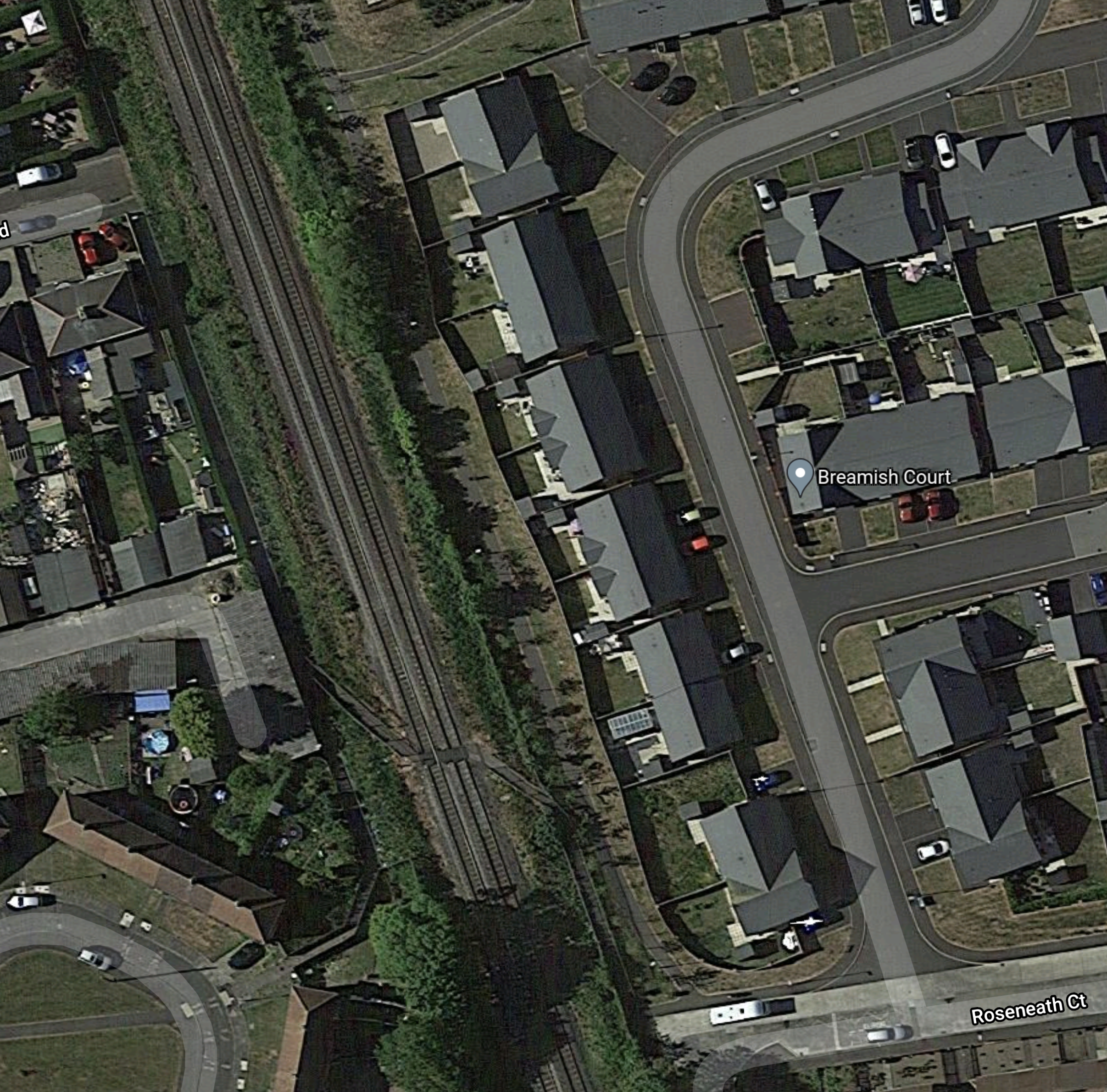
Note how the crossing zig-zags across the railway.
This second Google Map shows a 3D visualisation from the East.
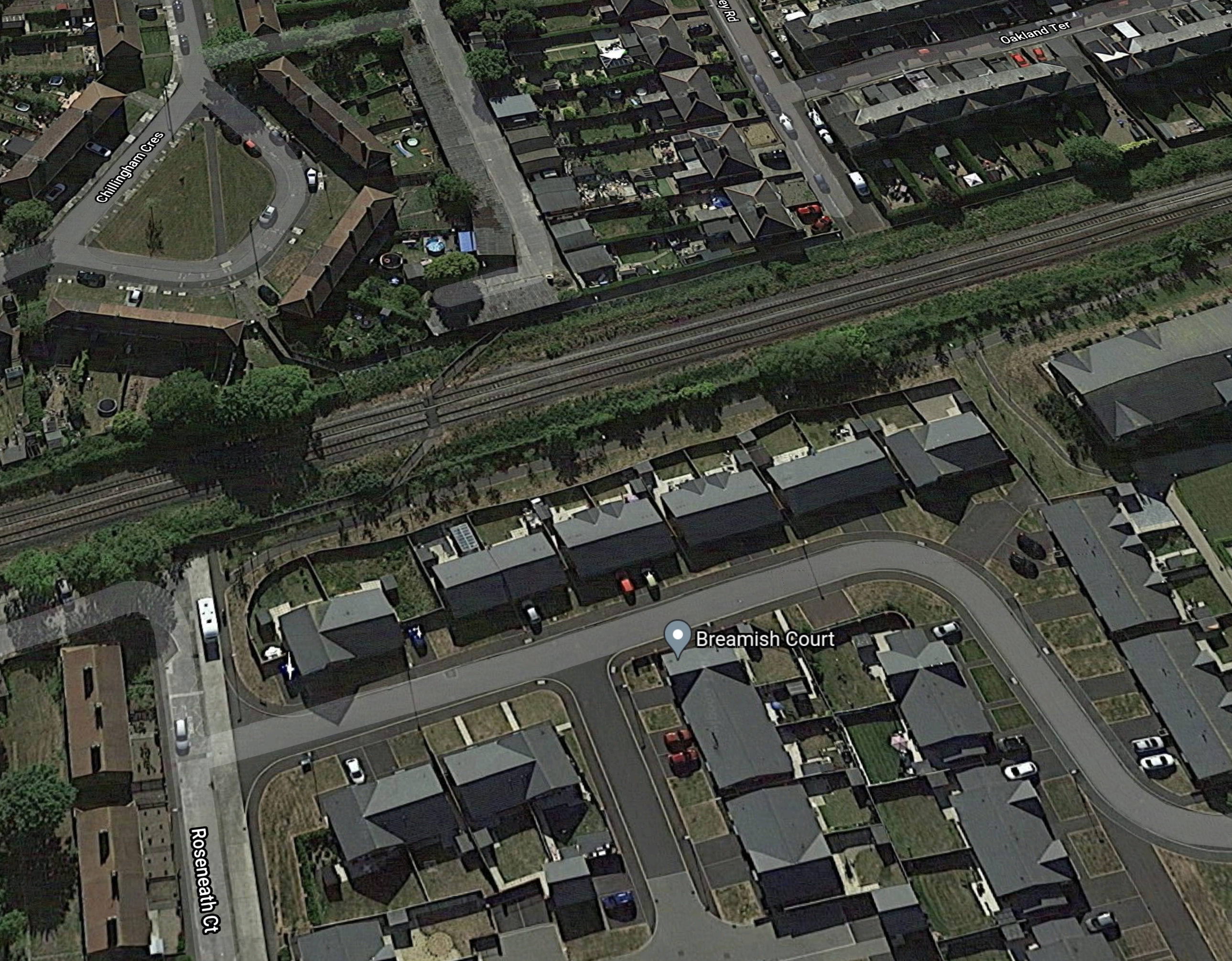
The proposed underpass would appear to connect Roseneath Court in the bottom-left and Darnley Road in the top-right.
- It does appear that the current route goes behind houses on both sides of the railway.
- I would suspect that underpasses could be built in line with both Roseneath Court and Darnley Road.
- But either route would mean that the noisy and the drunks would walk further in a parallel direction to the railway and would create more disturbance.
This level crossing argument will run and run, as many do.
The Effect Of Battery-Electric Trains
I think it is likely that services on this line could be run by battery-electric trains.
These trains could be new trains from CAF, Hitachi or Vivarail or modern electrical multiple units, that have been upgraded with batteries.
- They would be capable of 100 mph or more on the East Coast Main Line.
- They would run on battery power at an appropriate speed of perhaps 80 mph on the Northumberland Line, which is not planned to be electrified.
- I suspect the passenger trains will cruise up and down the Northumberland Line faster than the current freigtht trains.
- On battery power with no overhead wires, they will be very quiet trains.
Paradoxically, these new trains, although much better for passengers, could be more dangerous for the users of level crossings because of their faster speed and lower noise.
Pop Up Metro Aims To Provide Affordable Passenger Operation
The title of this post, is the same as that of this article on Trains News Wire.
It describes entrepreneur Henry Posner’s Railroad Development Corporation‘s concept of a Pop-Up Metro and how it is being demonstrated in Rockhill, Pennsylvania, where it is being demonstrated at the Rockhill Trolley Museum.
Routes suggested in the article include.
Not all these routes are fully electrified.
There is some interesting ideas in the concept.
The female project manager is also quoted as saying
I found that if you just say yes to Henry, something interesting happens!
Little did I think, that these days, I’d see that said in a serious article.
Let’s hope that represents the can-do approach behind the design, but staying within the rules of safety.
 The Anonymous Widower