Could The Settle And Carlisle Be Used As A More Formal Route?
In June 2021, I wrote Through Settle And Carlisle Service Under Consideration, which starts like this.
The title of this post, is the same as that of an article in the June 2021 Edition of Modern Railways.
This is the first paragraph.
Plans for a new Leeds to Glasgow through service via the Settle and Carlisle line are being developed, with CrossCountry and the Department for Transport starting to look at the possible scheme.
It sounds like a sensible idea to me.
The article also suggests the following.
- CrossCountry is a possible operator.
- CrossCountry are keen to improve services between Leeds and Glasgow
- The trains could be InterCity 125s, freed up, by a the arrival of Class 221 trains from Avanti West Coast, when they receive their new Class 805 trains.
- Maintenance of the trains wouldn’t be a problem, as this could be done at Neville Hill in Leeds or Craigentinny in Edinburgh.
- Services could start in December 2023.
But nothing more has been heard.
However some things have happened.
The Settle And Carlisle Has Become A Popular Charter Route
Google AI gave me this paragraph.
The Settle and Carlisle line is an extremely popular, premier route for heritage rail charters, steam excursions, and luxury rail tours in the UK, often operating at full capacity. Renowned for its scenic 72-mile journey through the Yorkshire Dales and Pennines, it features iconic structures like the Ribblehead Viaduct.
I have also written these posts about charters on the Settle and Carlisle Line.
Scheduled Steam-Hauled Services For the Settle And Carlisle Railway
Rail Operator Crosses Line For First Time In Years
‘Staycation Express’ To Return Along Full Length of S & C
It doesn’t appear that the numbers of charter trains are showing any sign of decrease.
LNER Has Ordered Class 897 Trains
When LNER took over the East Coast Main Line services, they had six main classes of trains.
- Five-car Class 800/1 bi-mode trains
- Nine-car Class 800/2 bi-mode trains
- Five-car Class 801/1 electric trains
- Nine-car Class 801/2 electric trains
- Seven-car InterCity225 trains
- Nine-car InterCity225 trains
Note.
- The five-car trains can run in pairs as ten-car trains.
- The Class 800 and Class 801 trains can run to destinations, that lack full electrification using diesel power where needed.
- Hitachi are developing battery-power for rail routes without electrification.
In 2023 to replace the InterCity225 trains ten ten-car Class 897 tri-mode trains were ordered from CAF, which will soon be in service, over all LNER’s network.
LNER Has Fully Electrified And Unelectrified Destinations
LNER’s current destinations, that are fully electrified to King’s Cross include.
- Bradford Forster Square
- Berwick on Tweed
- Darlington
- Doncaster
- Durham
- Edinburgh Haymarket
- Edinburgh Waverley
- Grantham
- Keithley
- Leeds
- Newark Northgate
- Newcastle
- Peterborough
- Retford
- Shipley
- Skipton
- Stevenage
- Wakefield Westgate
- York
Whilst those are not fully electrified include.
- Aberdeen
- Cleethorpes
- Dundee
- Grimsby Town
- Harrogate
- Huddersfield
- Horsforth
- Hull
- Inverness
- Lincoln
- Middlesbrough
- Sheffield
- Sunderland
- Thornaby
- Worksop
Note.
- Other destinations can be added as required.
- I suspect, that Class 897 trains will be able to approach many stations without electrification on battery power alone.
- Staff and Passengers would probably like underground stations like Sunderland to be worked on batteries alone.
The Class 800 bi-mode, the Class 801 electric and the Class 897 tri-mode trains will give LNER a very flexible fleet.
Onward To Skipton, Carlisle and Glasgow Central And Edinburgh From Bradford Forster Square
I wonder is someone has realised that the Class 897 trains could use their tri-mode capabilities to invade Scotland?
This OpenRailwayMap shows the railways between the Scottish Lowlands and northern England.
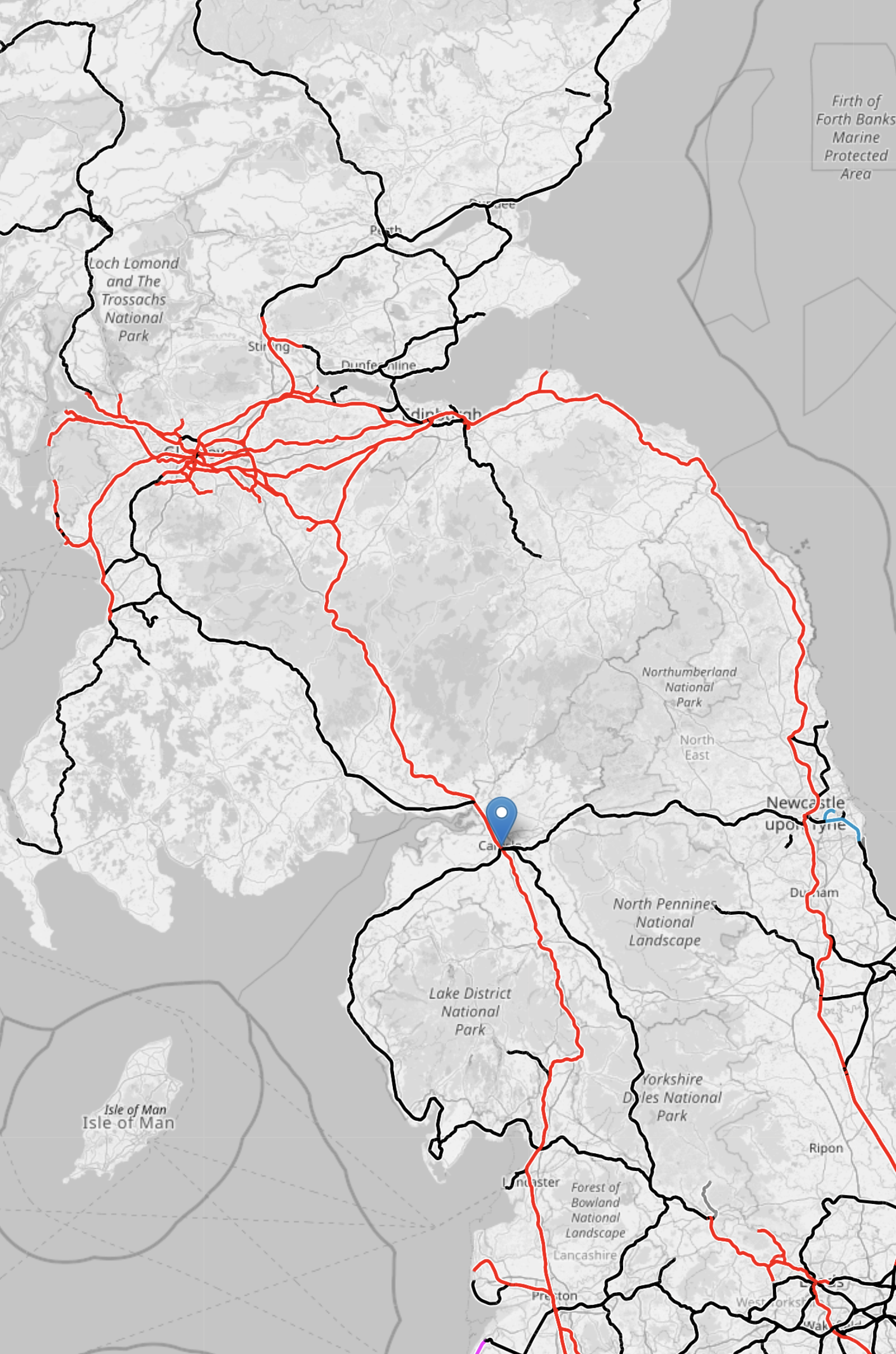
Note.
- Red tracks are electrified.
- Black tracks are not.
- The blue arrow in the middle of the map indicates Carlisle.
- The red track going North-South through Carlisle is the West Coast Main Line.
- The black track going South from Carlisle is the Settle and Carlisle Line.
- Where it turns red is at Skipton station and the electrification can power the train to Bradford Foster Square, Doncaster, Leeds or Sheffield stations.
- The West Coast Main Line splits North of Carlisle and electrified trains can reach either Glasgow Central in the West or Edinburgh Haymarket or Waverley in the East.
- The black track going North-South between Carlisle and Glasgow via Dumfries is the Glasgow South Western Line, which can be used as a diversionary route by some trains with a self-powered capability.
The Settle and Carlisle Line certainly makes Anglo-Scottish routes more robust and flexible when there is bad weather, engineering works or overhead wire or signalling failures.
Will Class 897 Trains Be Able To Run On The Settle And Carlisle Line?
I asked Google AI this question and it gave this answer.
Yes LNER’s new Class 897 tri-mode trains (scheduled for introduction from 2027) will be able to run on the Settle and Carlisle line. As tri-mode electro-diesel multiple units, these 10-car trains are designed to operate across the entire LNER network, utilizing electric, diesel, or battery power to manage non-electrified routes like this, providing a modern alternative to older, diesel-only fleets.
Key details regarding Class 897 on the Settle and Carlisle Line:
Tri-mode Capability: These trains can run on electric, diesel, or battery power, making them highly versatile for non-electrified, scenic, or challenging routes.
Operating Strategy: The trains are designed for flexibility and can be used across the LNER network, which includes routes connecting to Scotland via the West Coast Main Line (WCML) or through services from Leeds.Upgrading Service: They will replace the 40-year-old InterCity 225 fleet, offering a more environmentally friendly, modern alternative to current diesel bi-modes, such as the Class 800/802.
The route is a major, yet challenging, rail line featuring 20 viaducts and 14 tunnels, making it suitable for modern, versatile train sets.
I also believe that running Class 897 trains between Yorkshire and Glasgow offers opportunities to run new services, that will appeal to both travellers and rail operators.
Does The UK Need More Passenger Rail Capacity Between Yorkshire And Glasgow?
I asked Google AI this question and it gave this answer.
Yes, the UK requires more passenger rail capacity between Yorkshire and Glasgow due to severe overcrowding and forecasted demand growth. Major routes like the East Coast Main Line (ECML) and West Coast Main Line (WCML) are, or will soon be, at maximum capacity. Key constraints include infrastructure limitations and the need for better Scotland-England connectivity.
Key insights on this need:
Capacity Constraints: The WCML, particularly at its southern end, is already effectively full, with limited capacity for additional, longer trains. Similarly, the ECML is experiencing significant overcrowding.
Growing Demand: Passenger demand for long-distance rail travel continues to rise, with significant increases noted in journeys between Scotland and other regions.
Infrastructure Issues: Constraints include steep inclines, tight curves, and the need to mix passenger and freight traffic, particularly on the West Coast route.
Proposed Solutions: While some improvements are planned, such as Lumo extending services to Glasgow, the Integrated Rail Plan (IRP) focuses on capacity enhancements in the North/Midlands.
Strategic Need: Enhanced, high-speed connections are considered essential for long-term economic integration and to prevent increased air travel/emissions.
The great advantage of the route, is that is already in place.
Can The Settle And Carlisle Line Handle Planned Diversions?
Can The Settle And Carlisle Line Handle The Caledonian Sleeper?
I asked Google AI this question and it gave this answer.
The Settle-Carlisle line is not a standard route for the Caledonian Sleeper, which typically travels via the West Coast Main Line (WCML) to Edinburgh, Glasgow, and beyond. While the line is a scenic, double-track route with significant infrastructure, it is generally used for local services and freight, not long-distance, heavy sleeper trains.
Key Considerations:
Route: The Caledonian Sleeper operates on the West Coast Main Line, serving destinations like Edinburgh, Glasgow, Aberdeen, Inverness, and Fort William.
Capacity & Infrastructure: While the Settle-Carlisle line has major structures like the Ribblehead Viaduct, it is not the primary route for high-speed or overnight sleeper services.
Operational Normal: The sleeper service splits into portions at Edinburgh, and does not regularly operate via the Settle-Carlisle line.
In short, the Settle-Carlisle line is not designed for or used by the Caledonian Sleeper, which operates via the West Coast Main Line.
But it does appear, that in the past some sleeper trains have used it.
How Many Freight Trains Use the Settle And Carlisle Line In A Typical Day?
This article on the BBC is entitled Settle To Carlisle line: Shortage of trains ‘Hampering Growth’, says this about the number of trains.
From only two trains a day in the 1980s the Settle and Carlisle line now sees 14 passenger and 18 freight services a day.
That is progress!
Rail Operator Crosses Line For First Time In Years
The title of this post, is the same as that of this article on the BBC.
This is the sub-heading.
An operator’s first passenger train has crossed a historical and scenic route for the first time in more than a decade.
These three paragraphs give more details about the reason for the trip.
Avanti West Coast’s 07:54 GMT from Wigan was the first to run on the Settle to Carlisle route earlier.
The 73-mile line is renowned for its picturesque views across the Yorkshire Dales and the North Pennines via the Ribblehead viaduct.
The route is usually only used by Northern trains operating between Leeds and Carlisle, but Avanti is using it as a diversion while work to replace the Clifton Bridge take place over the M6 near Penrith.
I’ve only ridden the Route once and that was on a day in 2014, when the weather wasn’t at its best.
Afterwards I wrote Long Live The Settle And Carlisle, so the trip couldn’t have been that bad!
These paragraphs give the reason for and details of the diversion.
The Settle to Carlisle line does not have overhead power lines, meaning Avanti is using bi-mode Class 805 Evero trains which operate on diesel.
Several timetable changes have been made during the engineering works, with disruption expected until 15 January.
Until 5 January, the railway will also be blocked south of Preston, meaning on these days the diverted services are running between Wigan North Western and Carlisle.
But if Great British Railways could get their act together and convert a sufficient number of their Hitachi diesel bi-modes to battery-electric bi-modes and do some testing and a few calculations, the problem would be solved.
In 2021, I wrote Through Settle And Carlisle Service Under Consideration, after Modern Railways wrote an article of the same name.
Could Lumo Run A Lincoln And Glasgow Service Via Doncaster, Leeds And Settle?
In South Yorkshire Now Has Better North-South Connections, I calculated that Doncaster station now has 173 express trains per day, that stop at the station.
So why not add five or six express trains per day to Doncaster, Lincoln, Leeds, Settle, Carlisle and Glasgow?
And why not ask Lumo to run it, as they’d know how to run such a service?
Preston Station – 23rd May 2025
I finally got to Preston station today, after my failure that I wrote about in An Annoying Day.
I took these pictures.
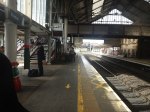
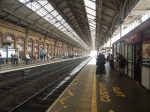

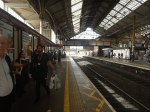

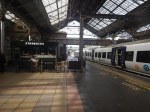
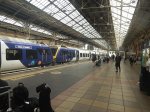
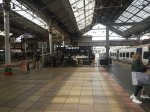
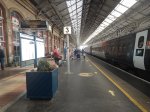

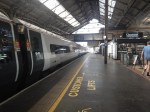
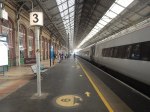
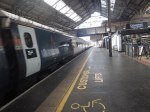
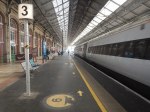
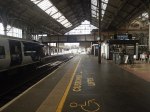
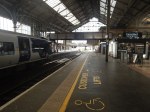
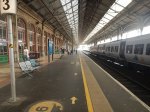
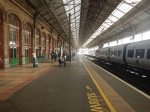
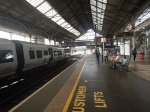
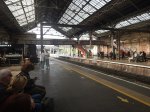
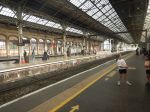
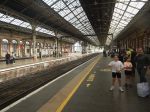

I shall deal with the features of the station in separate sub-sections.
The Original High Speed Two Schedule Through Preston Station
This diagram shows High Speed Two services, as they were originally envisaged before Phase 2 was discontinued.
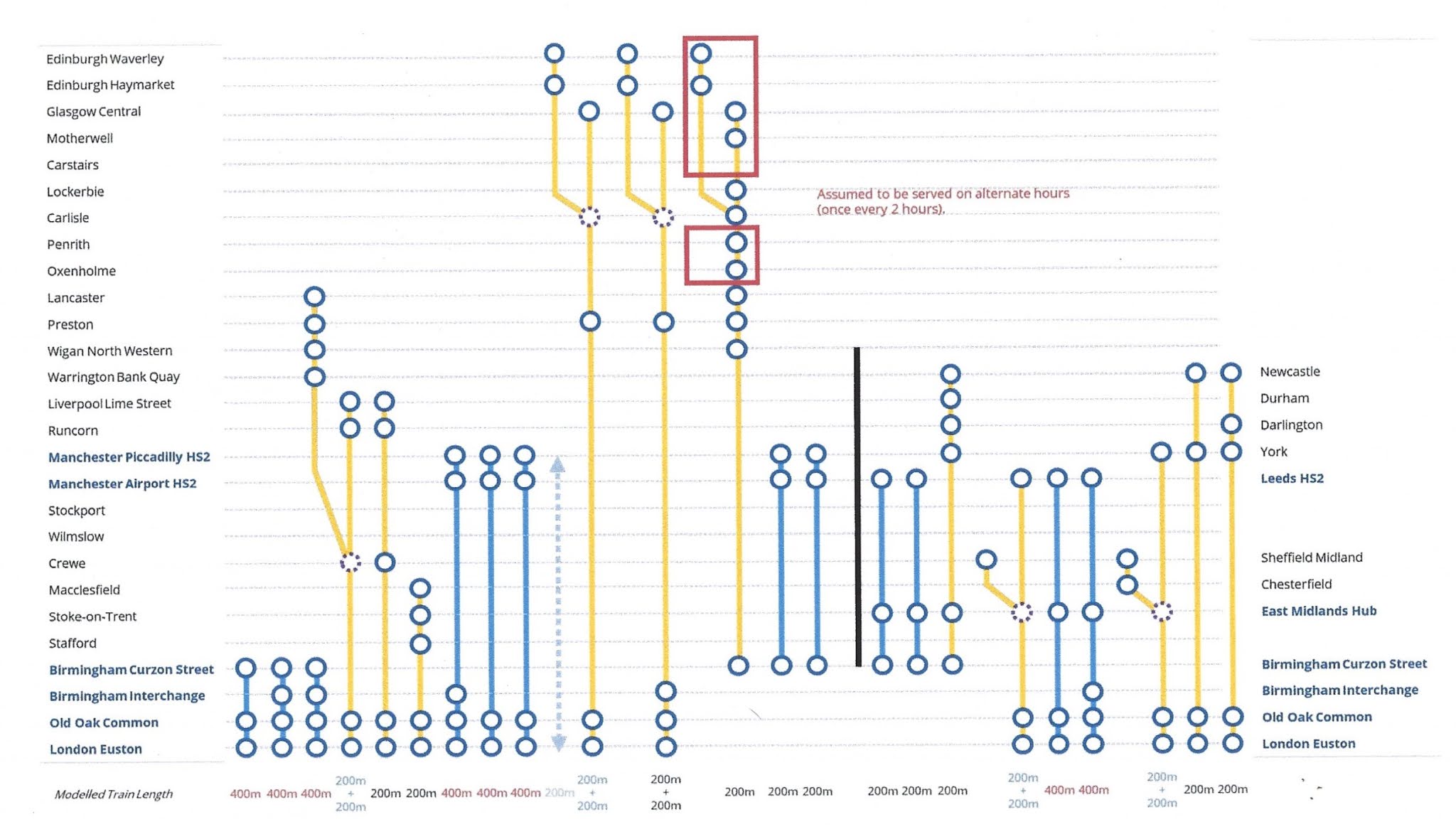
Note.
- Trains to the left of the vertical black line are Phase 1 and those to the right are Phase 2.
- Full-Size trains are shown in blue.
- Classic-Compatible trains are shown in yellow.
- Blue circles are shown, where trains stop.
- The dotted circles are where trains split and join.
- In the red boxes routes alternate every hour.
Click on the diagram to enlarge it.
If I look at the trains counting from the left of the diagram, I see the following trains passing Preston station.
- Train 4 is a pair of classic-compatible trains, that split and join at Crewe, with one train going to Lancaster and the other to Liverpool Lime Street.
- Trains 10 and 11 are pairs of classic-compatible trains going between London and Scotland.
- Train 12 is a single classic-compatible train going between Birmingham and Scotland.
All four trains stop in Preston station.
The Track Layout
This OpenRailwayMap shows the track layout through the station.
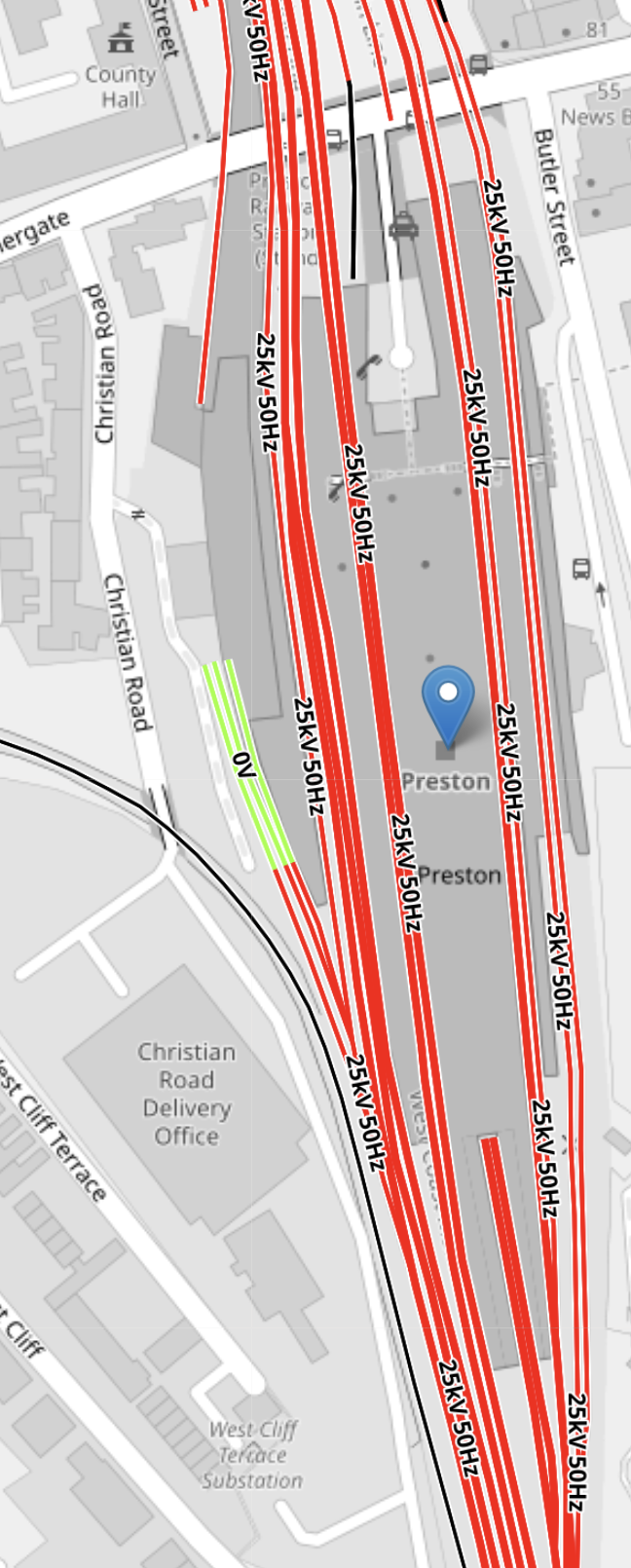
Note.
- Tracks shown in red are electrified and tracks in black or not.
- Platforms 3 and 4 form a large island platform in the middle of the station.
- The platform is 373 metres long so it will almost take a pairs of classic-compatible trains going between London and Scotland.
- There are platforms either side of the island platform.
Click on the diagram to enlarge it.
How Will High Speed Two Operate At Preston Station?
Four hourly High Speed Two classic-compatible trains on the original plan would have called at Preston.
- London and Lancaster – Single 200 metre train.
- London and Scotland – Pair of 200 metre trains, splitting at Carlisle with one going to Edinburgh and one to Glasgow.
- London and Scotland – Pair of 200 metre trains, splitting at Carlisle with one going to Edinburgh and one to Glasgow.
- Birmingham and Scotland – Single 200 metre train, going alternately to Edinburgh and Glasgow.
With 27 metres of lengthening, all trains would fit the island platform 3 and 4.
I could see the platforms at Preston station fitted with travelators.
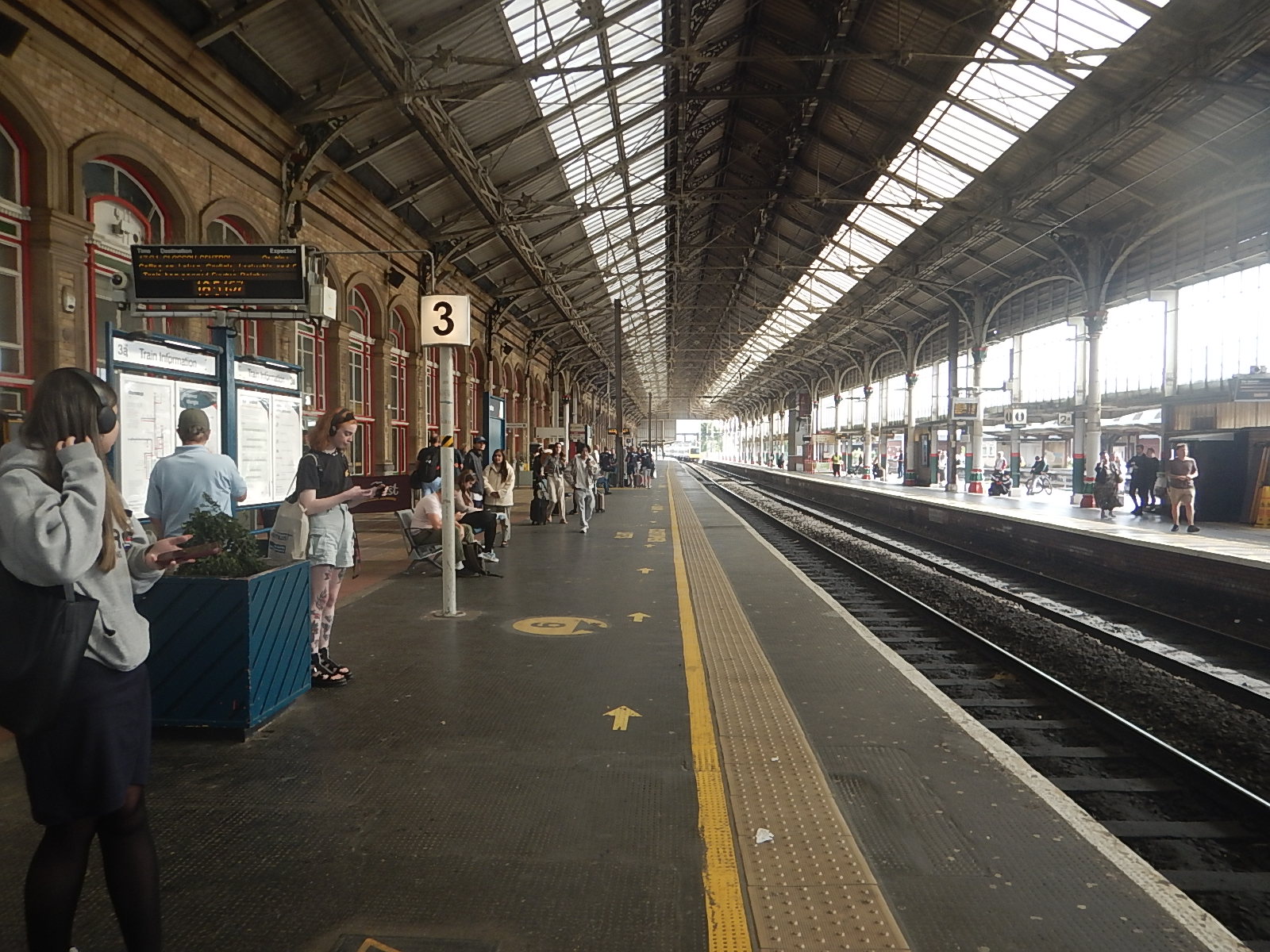
The picture shows the length of the Northbound Platform 3. The camera is looking South.
Footbridges And Subways
I would envisage that a lot of passengers would connect to High Speed Two at Preston station and the crossing from the outside platforms to the central island platform needs to be improved.
As the main trains will be 400 metres long, there will need to be fully step-free access with lifts at both ends of the station.
Judging from my pictures, the current footbridges need refurbishing.
Should Pairs Of High-Speed Trains Split and Join At Preston?
The pairs of High Speed Two classic-compatible trains running between London and Scotland are planned to split and join at Carlisle.
It could be better, if they split and joined at Preston, as it might avoid costly lengthening of the platforms at Carlisle.
Is Wigan North Western Station Ready For High Speed Two?
This diagram shows High Speed Two services, as they were originally envisaged before Phase 2 was discontinued.
Note.
- Trains to the left of the vertical black line are Phase 1 and those to the right are Phase 2.
- Full-Size trains are shown in blue.
- Classic-Compatible trains are shown in yellow.
- Blue circles are shown, where trains stop.
- The dotted circles are where trains split and join.
- In the red boxes routes alternate every hour.
- Was Lancaster chosen as it’s close to the new Eden Project Morecambe?
Click on the diagram to enlarge it.
It would appear if High Speed Two sticks to this original pattern of services, then the following trains will go through Wigan North Western station.
- 200 metre single train – London Euston and Lancaster, which stops at Old Oak Common, Crewe, Warrington Bank Quay, Wigan North Western and Preston.
- 400 metre pair of trains – London Euston and Edinburgh Haymarket/Edinburgh Waverley/Glasgow Central, which stops at Old Oak Common, Preston, Carlisle.
- 400 metre pair of trains – London Euston and Edinburgh Haymarket/Edinburgh Waverley/Glasgow Central, which stops at Old Oak Common, Birmingham Interchange, Preston, Carlisle.
- 200 metre single train – Birmingham Curzon Street and Edinburgh Haymarket/Edinburgh Waverley or Motherwell/Glasgow Central, which stops at Wigan North Western, Preston, Lancaster, Carlisle and Lockerby and every two hours at Oxenholme and Penrith.
Note.
- Only single High Speed Two classic-compatible trains, stop in Wigan North Western station and they are only two hundred metres long.
- One train per hour (tph) terminates at Lancaster and a second tph terminates alternatively at Edinburgh Haymarket/Edinburgh Waverley or Glasgow Central.
- Four hundred metre long pairs of trains go through North Western station without stopping.
Currently Wigan North Western has 14 trains per day (tpd) stopping at the station, eleven of which go to Scotland and three to Blackpool.
This Google Map shows Wigan North Western station.
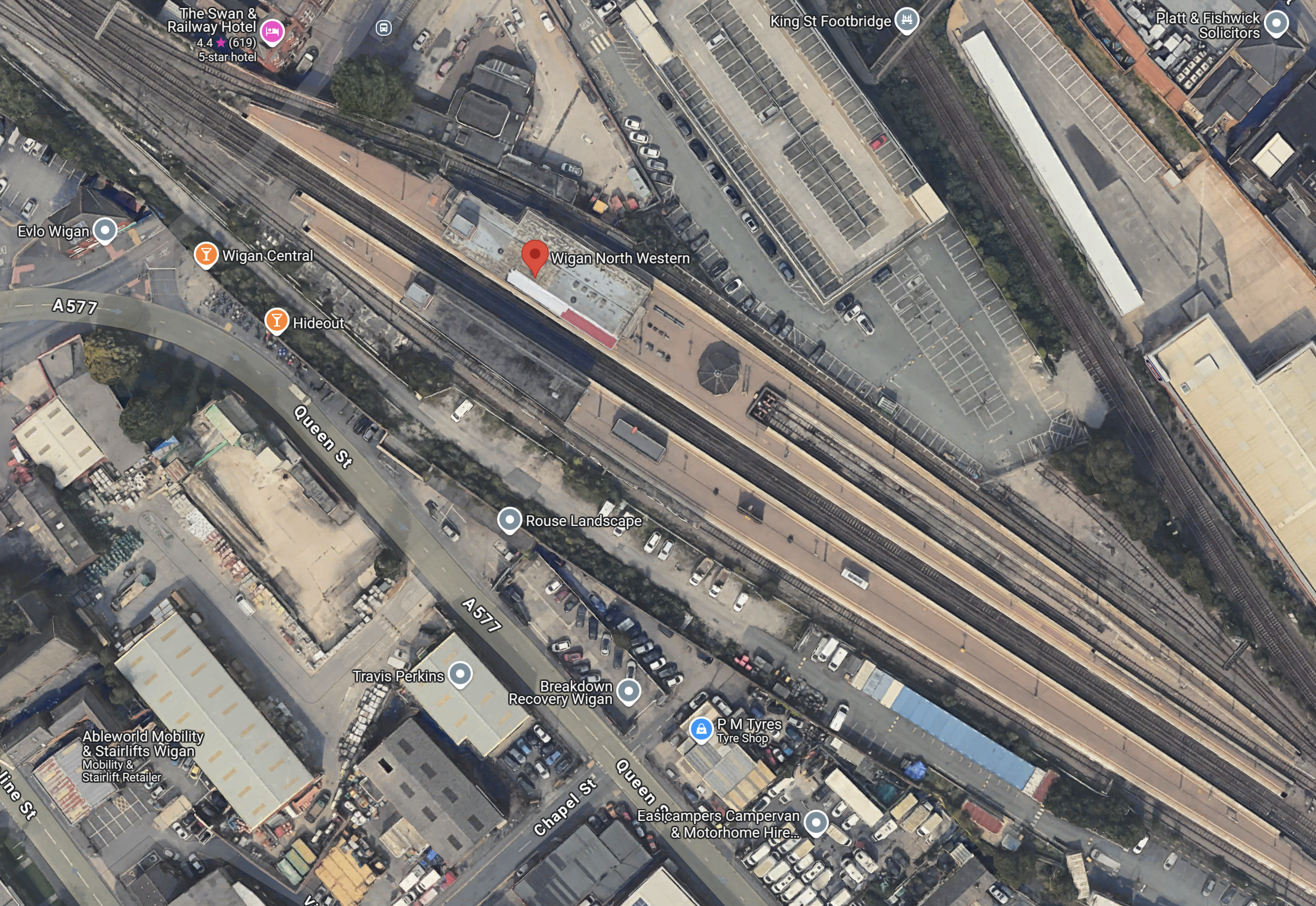
Note.
- The two long platforms in the middle of the station, where the Avanti trains stop.
- A long platform on the Southern side of the station used by local services to and from Liverpool and Blackpool.
- Three bay platforms on the Northern side of the station, one of which is unused, that handle local services to Manchester and beyond.
As the 265.3 metre long Class 390 trains can use the central platforms, High Speed Two classic-compatible trains will be able to use these platforms.
On my brief visit to the station yesterday, I took these pictures.
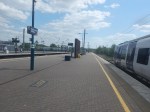
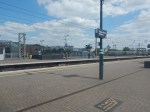
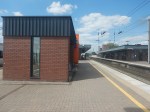
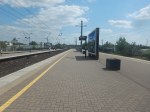
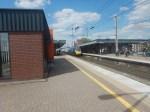
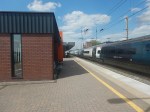
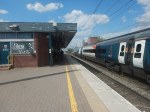
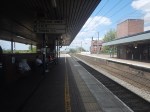
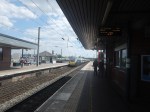
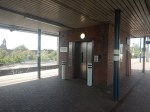
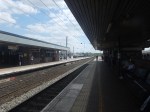
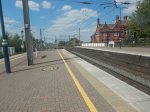
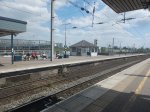
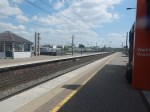
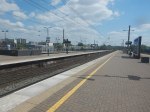
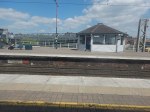
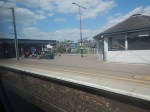
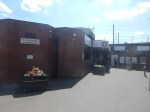

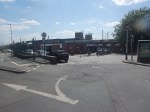
Note.
- All Class 390 trains are longer than High Speed Two classic-compatible trains, so the train in the pictures indicates that the High Speed Two trains will be able to stop at Wigan North Western station.
- The platforms are long and wide.
- The station is well-equipped with lifts, cafes, waiting rooms and some of the best toilets in a station in the North of England.
- Wigan Wallgate station is only a short walk away, with a selection of local services to Blackburn, Headbolt Lane, Manchester, Southport and a large proportion of Lancashire.
- The last two pictures were taken looking at the two stations from halfway.
- The shops between the two stations are a good selection and include a Morrisons Local.
I had been intending to go on to Preston, Lancaster and Morecambe, but a points failure at Preston meant that no trains were running.
Conclusion
The two Wigan stations and the buses that serve them, could be a good interchange for passengers to catch High Speed Two.
I feel that most of the work needed to be done at Wigan North Western to get the station ready for High Speed Two will mainly be cosmetic or technical upgrades like signalling. I can’t see any expensive or disruptive upgrades like platform lengthening being needed.
Plans To Turn Former Station Waiting Room Into Pub
The title of this post, is the same as that of this article on the BBC.
This is the sub-heading.
Plans to turn a Grade II listed railway station’s former waiting room back into a pub have been submitted.
These are the first three paragraphs of the article.
Network Rail wants to refurbish the room at Carlisle’s station, which is now a storage room and kitchen.
The first class waiting room, which was until recently used as a pub, was built by architect William Tite in 1880 as an extension to his original 1847 neo-Tudor station designs.
The plans are part of the £27m Carlisle Gateway project to turn the city’s station into a “national interchange” transport hub, funded by central government, Cumberland Council and Network Rail.
I very much like this idea.
Carlisle could be turned into a national interchange, that was almost unique in the world.
- Rail services across the Borderlands could be improved, to the cities of Glasgow, Lancaster, Leeds, Newcastle and York.
- Rail services could be developed, so visitors could explore the Lake District by rail.
- The Eden Project at Morecambe would be a rail-accessible attraction, that was just an hour away from Carlisle.
- The Borders Railway from Edinburgh could be extended to Carlisle.
- All services would be zero-carbon, with power coming from either batteries or hydrogen.
- Services would be tourism-friendly, with space for bicycles, large panoramic windows and high-class catering.
Current times between London and Carlisle could be reduced to under three-and-a-half hours, with reductions of up to an hour, as High Speed Two is eventually delivered.
Cross Border Railway £10million Feasibility Study Due To Get ‘Underway Imminently’
Thw title of this post, is the same as that of this article on ITV.
These three paragraphs introduce the article.
A £10million feasibility study into expanding the Borders Railway to Carlisle is due to get “underway imminently”.
Penrith and the Border MP Dr Neil Hudson discussed the plans at Parliament with Scotland Minister, John Lamont.
There have been calls for the service to be extended past Tweedbank to Carlisle taking in towns and villages including Longtown, Hawick and St Boswells.
This finally looks like a serious move by the Government.
But then there’s an election coming!
Report Reveals The Environmental Benefits HS2 Will Deliver
The title of this post, is the same as that of this article on Rail Technology Magazine.
This is the introductory paragraph.
A significant report from the High-Speed Rail Group has been published today and details how the environmental team working on HS2 are delivering connected, climate-resilient habitats at a new scale, raising ambition for future infrastructure projects.
The report also suggests that High Speed Two will bring forward other projects.
The Borders Railway
The article says this about the Borders Railway.
Besides providing capacity, an extended high-speed rail network could catalyse wider public transport upgrades, such as improving the case for reopening the Borders Railway to Carlisle.
It appears to me, that to go South, from towns like Galashiels, Hawick, Peebles and Selkirk will be quicker if you change at Carlisle to High Speed Two.
Battery Electric Trains On The Borders Railway
The Borders Railway could also be one, that is ideal for battery electric operation.
- It is already electrified at the Edinburgh end of the route.
- Newcraighall station, where the current wires end, is only thirty miles or so from the current end of the line at Tweedbank.
- Tweedbank and Hawick are about 15 miles.
- At the Southern end of the route it joins the West Coast Main Line to the North of Carlisle.
- Hawick and the West Coast Main are about 35 miles.
- The West Coast Main Line is fully electrified.
This Hitachi infographic gives the specification of their Regional Battery Train

As Hitachi and others are talking of trains with a range of over fifty miles on batteries, I can see a sensible plan evolving to run battery electric trains between Edinburgh and Carlisle.
- At both ends trains would join the Borders Railway with full batteries.
- It might be sensible to extend the electrification at both ends for perhaps five to ten miles.
- From the South trains could certainly reach Hawick and might possibly be able to reach Tweedbank.
- From the North trains could certainly reach Tweedbank and might possibly be able to reach Hawick.
I feel that by using the best of modern battery technology and with charging during extended stops at Hawick and Tweedbank, battery electric trains could work between Carlisle and Edinburgh.
Beeching Reversal – To Reinstate The Keswick To Penrith Railway
September 10th – This Beeching Reversal project appears to have been rejected.
Thoughts On The Design Of The Route
Consider.
- Keswick and Penrith are around 17.3 miles apart by road.
- The rail distance should be less than 20 miles.
- There could be perhaps six intermediate stations.
- A battery electric train typically has a range of 55-65 miles.
- A quiet battery electric train would be ideal for this route.
I believe that a battery electric train could handle this route.
- Charging would be mainly in Penrith station, using the existing 25 KVAC overhead electrification in Platform 3.
- A charging station would be provided in Keswick station to be safe.
A battery electric train could go between the two stations, recharge the battery and be ready to return in under an hour.
The route would be single track, except for a short double track station in the middle to allow trains to pass.
The route would not be electrified.
All stations could be single track, except for the passing station.
Two trains would be needed to work an hourly service.
Four trains would be needed to work an two trains per hour (tph) service.
Could the track could be designed to these criteria?
- No level crossings.
- Gentle curves and gradients
- 80 mph operating speed.
I suspect modern computer technology, which was not available to the Victorians, would ease the design of an efficient track.
- If a highly-efficient track could be created, it might be possible for a train to do a round trip from Penrith to Keswick, within an hour.
- This would mean that one train could provide the hourly service.
- Charging would only be at Penrith, using existing electrification.
- The passing loop would not be built, but provision would be made to add it later, if the frequency were to be increased.
We could be seeing several of these highly-efficient branch lines run by 100 mph battery-electric trains, that are charged on existing electrified main lines.
The Effect Of High Speed Two
Consider.
- Currently, there is a roughly hourly service in both directions on the West Coast Main Line at Penrith station.
- High Speed Two will only provide an hourly service between Birmingham Curzon Street and Edinburgh or Glasgow via Wigan North Western, Preston, Lancaster and Carlisle.
- Carlisle will have three tph on High Speed Two, between England and Scotland.
- Carlisle will have scenic services to Edinburgh, Glasgow, Leeds and Newcastle.
- Services between Carlisle and Penrith take thirteen minutes.
But most importantly, High Speed Two could bring lots of extra tourists to the area.
So would it be better for the Keswick and Penrith service to terminate at Carlisle?
- Charging would now be on the West Coast Main Line.
- Trains would only make a typical two-minute stop in Penrith station.
This would probably mean that an hourly service could be provided with only one train on the branch at a time.
Conclusion
I feel the economics of this project could be transformed by using battery electric trains on this proposed route and terminating them at Carlisle.
National Trust Looks At Car Ban In Lake District
The title of this post is the same as that as that of this article in yesterday’s Sunday Times.
The secondary headline sums up the article.
Nearly 20m visitors a year are ‘loving the national park to death’, and officials are looking at excluding drivers.
So what is to be done?
Can The Railways Help?
In 2015, I spent Three Days in Preston and explored the area by train.
These problems were apparent on the trains and at the stations.
- The capacity, quality and frequency of the trains to Windermere is pitiful.
- The capacity, quality and frequency of the trains along the Cumbrian Coast Line is inadequate.
- Bus information and interchanges could be better.
- Getting a train to Penrith North Lakes station was difficult.
The only line with an acceptable train service is the West Coast Main Line.
Everything else needs major improvements.
These are some random thoughts.
Could Carlisle Become The Rail Tourism Centre For The Borderlands And The Lakes?
These rail lines and services are already or will be connected to Carlisle Citadel station, within the next few years.
- Virgin services on the West Coast Main Line between London and the South and Glasgow and Edinburgh in Central Scotland.
- TransPennine Express services on the West Coast Main Line between Liverpool and Manchester in the South and Glasgow.
- Possible Grand Union services on the West Coast Main Line between London and Stirling for the North of Scotland.
- High Speed Two services between London and the South and Glasgow and Edinburgh in Central Scotland.
- ScotRail services on the Glasgow South Western Line between Carlisle and Glasgow via Dumfries and Kilmarnock.
- ScotRail services on an extended Borders Railway between Carlisle and Edinburgh via Hawick and Galashiels.
- Northern services on the Tyne Valley Line between Carlisle and Newcastle via Hexham and the Metro Centre.
- Northern services on the Settle and Carlisle Line between Carlisle and Leeds.
- Northern services on the Cumbrian Coast Line between Carlisle and Carnforth via Workington, Whitehaven and Barrow.
Carlisle sits at the centre of a network of some of the most scenic rail lines, anywhere in the world.
Rail services in the area with the exception of the through services, provided by Virgin and TransPennine Express are probably considered by their operators to be a pain.
- They are generally not used by commuters.
- There are regular operational problems like floods and landslips.
- They are overcrowded at some times of the year and need expensive new rolling stock.
- Rail tourists from aboard probably complain like mad.
But above all the services probably lose money hand over fist.
What Is The Ideal Train For Scenic Routes?
Two possible trains for scenic routes are now in service in the UK.
The Scottish Solution – Inter7City
ScotRail are now introducing four- and five-car InterCity 125 trains on routes between the seven cities in Scotland.

They will probably do a good job and they have the following.
- Large windows to enjoy the views.
- Many seats have tables.
- An on-board buffet and trolley service.
- Wi-fi and power sockets for phones and laptops.
- The trains should be reliable, as there is a vast knowledge base about running these trains.
- The trains can be easily lengthened, by adding extra cars.
- The trains were 125 mph trains and are probably slower in this application.
But the trains are forty years old and have two enormous diesel engines on each end.
The Swiss Solution – Class 755 train
Greater Anglia are introducing three- and four-car Class 755 trains on rural routes in East Anglia.
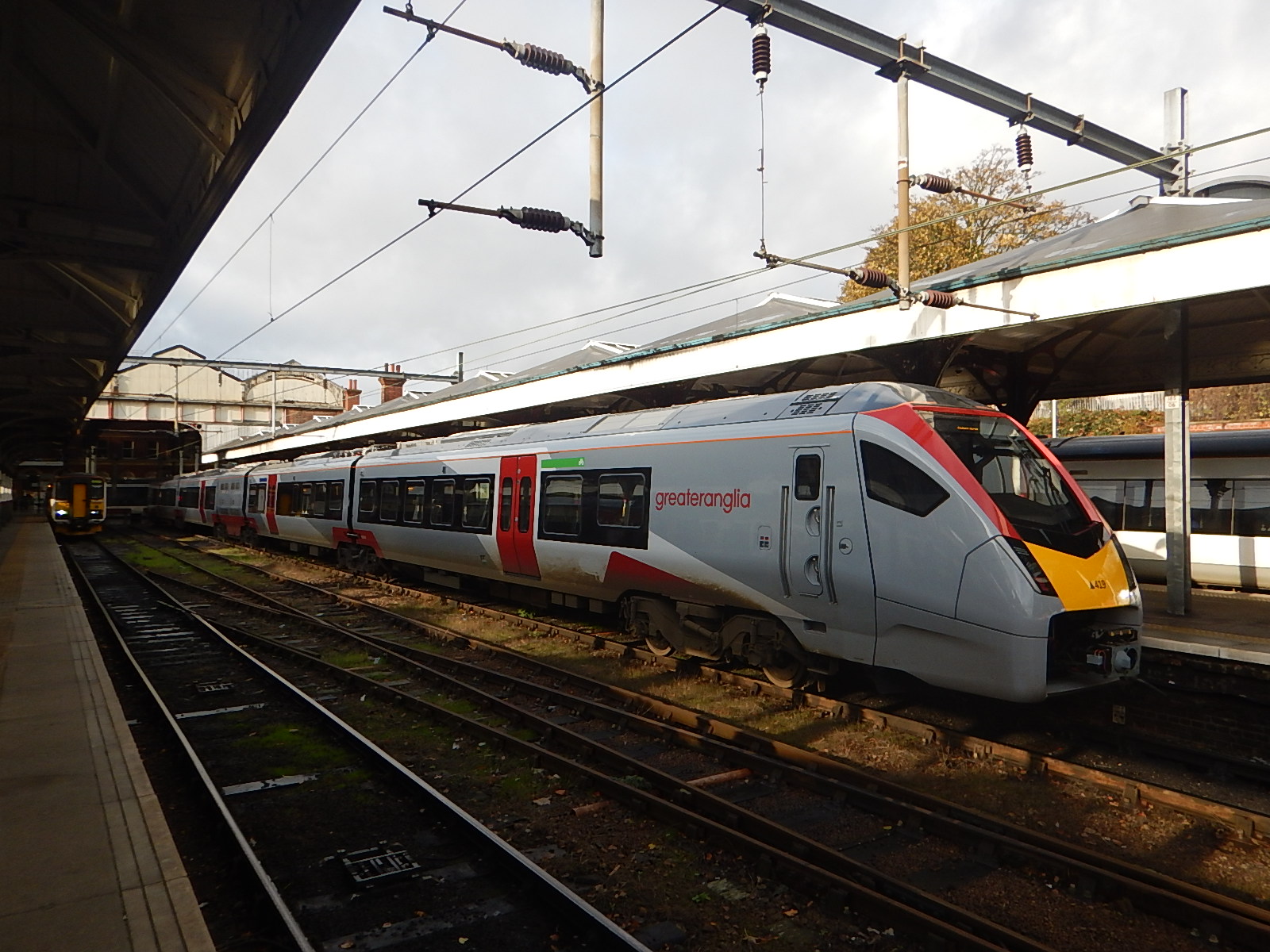
They appear to be doing a good job with high passenger satisfaction and they have the following.
- Large windows to enjoy the views.
- A number of seats have tables.
- Space for bicycles.
- Wi-fi and power sockets for phones and laptops.
- The trains have level access between train and platform.
- Hopefully, the trains will be reliable, as they are brand new and Stadler has been making similar trains for over ten years.
- The trains can use 25 KVAC overhead electrification, where it is available.
- The trains can work in multiple formations.
- The trains can be easily lengthened, by adding extra cars.
- The trains are 100 mph trains.
But the trains still have a diesel power-pack in the middle for operation independently.
In future, these trains will be used to run new services between London and Lowestoft, which is a distance of 118 miles of which 59 miles is electrified.
Similar trains will be fitted with batteries for the South Wales Metro.
Could a train be built with the best of all the features?
I believe the Class 755 train is a pretty good start, but it would have the following extra features.
- Ability to run at up to 125 mph on 25 KVAC overhead or 750 VDC third rail, where the track allows.
- A well-designed buffet.
- 50 mile battery range.
- A stand-by generator.
- The ability to fast-charge the battery at a station stop.
I also think that Hitachi could make a five-car AT-300 train and Bombardier could make an Aventra, that met this specification.
What would a fleet of battery-electric trains do for the rail lines around Carlisle?
- Hopefully, they would become a tourist attraction in their own right and encourage visitors to corm by train.
- Frequencies would be at least two trains per hour on all routes.
This could be a starting point for making the area easier to access.
Should Stations Around The Lakes Be Developed With Bus Interchanges?
I’ve seen the bus interchange at Windermere station, but are other stations around the Lakes as well provided with comprehensive bus routes?
The objective surely should be that if a family wanted to have a day out in the Lakes from their home in Liverpool or Manchester, they should be able to get a train to a convenient station and a bus to their final destination.
Surely, if there is a sensible alternative, then visitors might use it.
Could The Cockermouth, Keswick and Penrith Railway Be Reopened?
The Cockermouth, Keswick and Penrith Railway was finally closed in the 1970s and according to Wikipedia, the track-bed has been used for roads and other developments.
I doubt that the railway could be reopened, but a modern light rail route would probably be a very valuable tourist asset.
But Would Good Train And Bus Routes Cut The Traffic In The Lakes?
I doubt it!
If someone has spent £40,000 or more on an expensive car, they feel they have bought the right to drive it anywhere they want!
The Dutch once talked about road pricing for every vehicle and that government lost the next election.
Conclusion
Traffic congestion in the Lakes, is a problem that threatens other areas, where tourists want to go.
So will as the National Trust are suggesting have to ban cars to restore some sanity?
I suspect so!
But it won’t be popular!
 The Anonymous Widower