Riding The X140 Bus Between Heathrow Airport And Harrow Bus Station
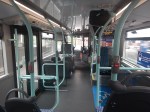
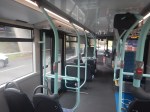
I did this journey, which will be part of the Superloop, in better weather than yesterday, and was able to take these better pictures.
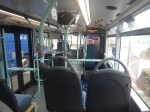


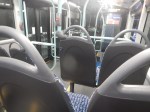





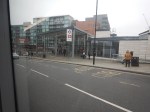
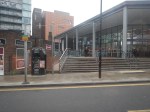

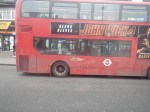
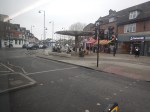
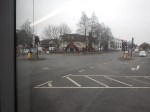
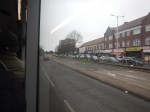

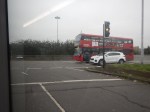


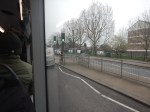


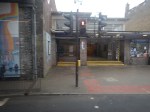
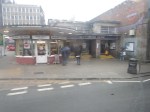


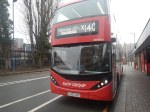
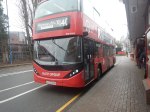
Note.
- The roads were much better than yesterday’s trip and were mostly two lanes each way, with large roundabouts at junctions.
- I suspect the bus was going at between 30 and 40 mph most of the way.
- There was still quite a lot of traffic.
- It is a distance of about 15 miles.
- The timetable says that buses run every 10-13 minutes.
- The X26 buses run between about six in the morning at midnight.
- There are twelve intermediate stops.
- Harrow-On-The-Hill station is next to Harrow Bus station.
- Heathrow Central connects to Heathrow Express, the Elizabeth and Piccadilly Lines.
- Hayes and Harlington connects to the Elizabeth Line and GWR’s local services.
- Northolt station connects to the Central Line.
- Northolt Park station connects to Chiltern.
- South Harrow station connects to the Piccadilly Line.
- Harrow-On-The-Hill connects to the Metropolitan Line and Chiltern
The journey took 49 minutes, which is only a minute longer than the timetable.
I have a few thoughts.
Passenger Numbers
These were my observations on my journey that started at about 11:30 on a dry day.
- Few got on at Heathrow Central, but I suspect we had just missed a bus.
- By Hayes & Harrington station, the bus was about a quarter full.
- At South Harrow station it must have been about three-quarters full.
- At Harrow bus station all the lower-deck seats were taken.
I would expect that the loading I saw fits with TfL’s expectations.
The Bus
The bus was one of the latest ADL battery-electric buses.
- It had a strong performance.
- It had wi-fi and phone charging.
- It was probably less than a year old.
- It was a lot better than yesterday’s bus!
At present not all buses on the route are battery-electric, as some are still older hybrids.
Travelling To Heathrow From The Northern Reaches Of The Metropolitan Line
Many people travel to and from Heathrow either for work or because they are flying.
- But it is not an easy journey from the Northern reaches of the Metropolitan Line.
- I believe the X26 bus could be a viable way to get to the airport for many.
- There would be a change at Harrow-on-the-Hill, but the station is at least step-free.
- It would avoid parking fees.
- Fares could be less than fuel costs.
The only big drawback, is that the X26 bus is not twenty-four hours.
More And More Frequent Buses Would Help
I believe that the Superloop should be a 24-hour service, as a lot of things go on at airports in the middle of the night.
I’ve just found out that there is an N140 bus that covers the route.
I also think, that as with the Overground, services should be at least four buses per hour.
Is The Nightmare On The Buses Going To Get Worse?
This morning after photographing the finish of the Bank Station Upgrade, I walked down the side of the new Cannon Street entrance to catch a 141 bus from King William Street to my home.

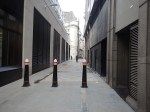

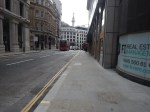
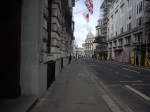
Note.
- There are two bus stops for the 21, 43 and 141 buses on King William Street; one Northbound and one Southbound.
- The bus stops are a two minute level walk from the gate-line at the Cannon Street entrance.
- To go between the gate-line and the Northbound stop requires no crossing of any road, but the route to the Southbound stop requires the use of a light-controlled crossing.
- The Cannon Street entrance is step-free and only a short walk, between the street and the platforms of the Docklands Light Railway and the Northern Line.
- The access to the Central Line is also easy, but a longer walk.
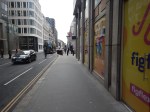
This afternoon, I walked the other way from the Southbound bus stop on King William Street to the new Cannon Street entrance of Bank station.
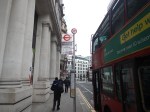

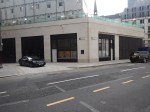
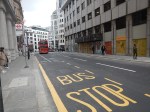
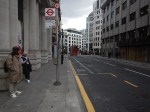
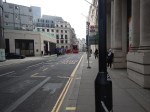
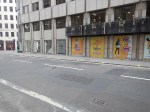
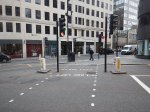
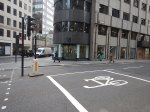


Note.
- It is a totally level walk.
- There are lights to help the crossing of King William Street.
- The concrete building on the other side of King William Street is the other end of the new station entrance.
- It looked to me, that there was a retail unit in the corner of that building. This was confirmed by station staff and it would surely be an ideal place for an upmarket takeaway.
- The building on the corner of Cannon Street and King William Street is a set of shared offices. Again it is in a prime position.
- You can also walk from the bus stop to the main Monument station entrance.
I timed myself from the Southbound stop on King William Street to the various platforms.
- Central Line – Under five minutes
- Dockland Light Railway – Under four minutes
- Northern Line – Under three minutes
Will these times encourage passengers to use the new entrance and its buses to North London?
If I was looking for offices for a foreign company, that wanted to be in the City, as I do occasionally for an American attorney, I would start in this area.
Step-Free Access On The Northern Line Is Rather Variable
If you look at the step-free access on this section of the Northern Line, you find the following.
- Euston – Escalators – No Lifts until High Speed Two
- King’s Cross – Escalators – One Lift to platform
- Angel – Escalators – No Lifts – Medium walk to the buses
- Old Street – Escalators – No Lifts – Medium walk to the buses
- Moorgate – Escalators – Long Lift route – Medium walk to the buses
- Bank (North) – Escalators – Lots of Steps – Medium walk to the buses
- Bank (Cannon Street) – Escalators – Two Lifts to platforms – Short walk to buses
- London Bridge – Escalators – One Lift to platform – Steps to buses
Note.
- If I was going between My House and the Northern Line South of Bank station, I’d change between the 141 bus and the Northern Line at the Cannon Street entrance to Bank station.
- Alternatively, I can take a 38 bus to the Angel and join the route there. But that route can be very slow coming North, as there is a lot of walking. Going South, it’s also likely to be blocked by a Tesco truck at the Angel.
- Between My House and the Docklands Light Railway, I’d change from the 141 bus at the Cannon Street entrance to Bank station.
- I might even take that route, if I wanted the Central Line out of Bank.
It does appear that as the new Cannon Street entrance to Bank station has been well-designed with full step-free access and short walks to the bus stops, that it will be the interchange of choice for many travellers to and from the area, who are using the buses.
Conclusion
I feel that a lot of passengers from North London will use the 21, 43 and 141 buses to access the Central and Northern Lines, and the Docklands Light Railway using the new Cannon Street entrance to the Bank station complex.
I very much feel that all three bus routes will have a lot more passengers, so the Nightmare On The Buses, is likely to get worse.
East London Is A Duckers And Divers Paradise
This is the East End Tube Map, which I clipped off the full tube map.
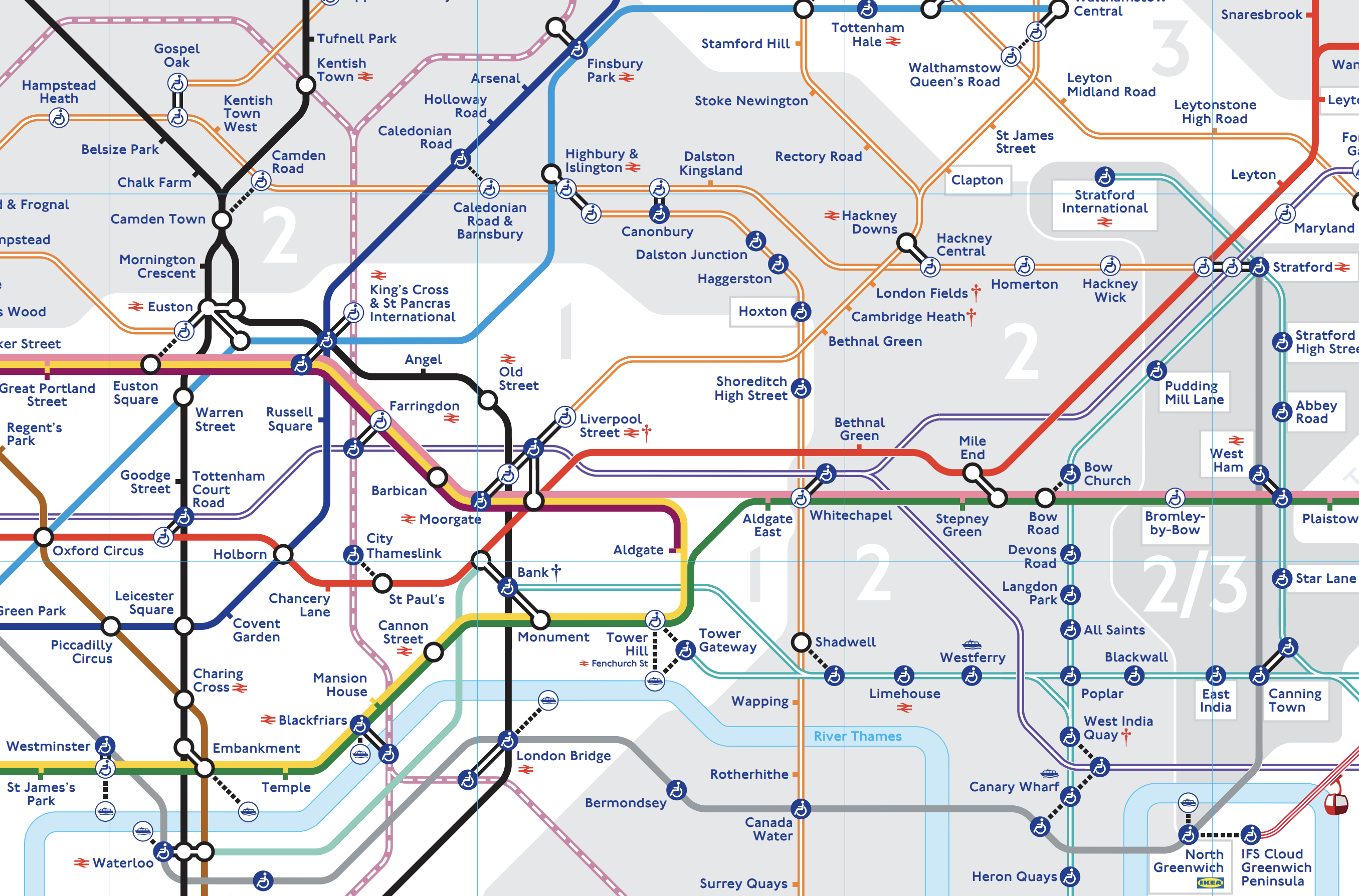
I live just South of the East London Line between Canonbury and Dalston Junction stations.
Today started just after nine, as many others do by braving the nightmare on the buses to take a 141 bus to Moorgate.
- At Moorgate, I had breakfast as I do regularly in the Leon, by Moorgate station.
- After breakfast, it was one stop South on the Northern Line to Bank, to see if the new entrance had opened.
- It was then a trip on the new moving walkway to the Central Line.
- I took the Central Line to Stratford to do my main shopping at the start of the week, in the large Marks and Spencer in Eastfield, by the station entrance.
- It was then on to the North London Line to go back home.
- I didn’t go all the way home on the Overground, but got off the train at Hackney Central and using the new Graham Road entrance, I crossed to get a 38 bus, which would take me home.
- But two 38s passed as I tried to cross the road and in the end I took a 277 bus to Dalston Junction station.
- From the Junction, I got a 56 bus home.
I got home about eleven.
At least now, I’ve got food until Thursday!
Extending The Elizabeth Line – Connection To Southeastern High Speed One Services
The Two Stratford Stations
In this post, Stratford station is the station handling Greater Anglia and London Overground, Underground and Docklands Light Railway services, with Stratford International station handles High Speed services.
The Elizabeth Line And The Great Western Railway Services
One of the most important stations on the Elizabeth Line is Paddington, where it connects to the London terminus of the Great Western Railway.
I would expect that quite a few passengers going to the West and Wales on the Great Western Railway, will be transported to Paddington by the Elizabeth Line.
The Elizabeth Line And Greater Anglia Services
Another of the important stations on the Elizabeth Line is Liverpool Street, where the station is the London terminus of the Greater Anglia.
I would expect that quite a few passengers going to East Anglia on the Greater Anglia, will be transported to Liverpool Street by the Elizabeth Line.
Southeastern High Speed One Services
Southeastern runs some High Speed services on High Speed One to provide Kent with an improved service to London.
Current services are
- London St Pancras International to Ramsgate via Faversham.
- London St Pancras International to Ramsgate via Dover Priory.
- London St Pancras International to Margate via Canterbury West.
Note
- All trains are one train per hour (tph).
- All trains stop at Stratford International and Ebbsfleet International.
- All trains are run by 140 mph Class 395 trains.
There has also been talk of running a fourth service to Hastings and Eastbourne via Stratford International, Ebbsfleet International and Ashford International.
St. Pancras Station
All of these trains terminate in three platforms; 11 to 13 at St. Pancras International station.
St. Pancras is not the ideal terminal for the Southeastern High Speed services.
- St. Pancras is not on the Elizabeth Line.
- St.Pancras doesn’t have good connections to Heathrow.
- All connections to the Underground are a long walk.
- Eurostar services are a longer walk.
- East Midland services are also a longer route, with stairs and escalators for good measure.
St. Pancras station was designed by a committee, as a museum to Victorian architecture, rather than as a working station.
Ebbsfleet International Station Must Be The Largest Parkway Station In The UK
It holds nearly five thousand cars and it is served by Southeastern High Speed Services.
Thanet Parkway Station Will Open This Year
Thanet Parkway station is under construction.
- It will have nearly three hundred parking spaces.
- It will be served by Southeastern High Speed Services.
- It should open in May 2023.
This station will need a good connection to London.
Could An Interchange Between The Elizabeth Line And Southeastern High Speed Services Be Provided At Stratford?
Such an alternative interchange would be popular with passengers.
- The Elizabeth Line from Stratford currently serves the West End, the Northern section of the City of London, East London, Liverpool Street, Paddington and the West End directly.
- The Elizabeth Line from Stratford currently serves Canary Wharf, Cannon Street, Charing Cross, Euston, Heathrow, King’s Cross. Reading, St. Pancras and Victoria with a change at Whitechapel.
- The Central Line, which shares platforms with the Elizabeth Line serves Bank and the West End directly.
- The Overground is easily accessed for travel across North London to Richmond.
- The Jubilee Line is easily accessed for travel to London Bridge, Waterloo and Westminster.
It would be connected to two large parkway stations and lots of parking all over Kent.
I believe that Stratford must be promoted as an alternative terminus for Southeastern High Speed Services.
Today, I walked both ways between two Stratford stations.
These pictures show the route I took between Stratford and Stratford International stations, through the Eastfield Shopping Centre.
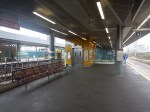
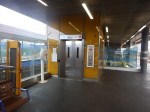
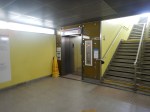
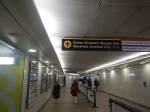
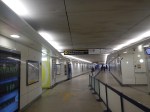

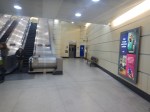


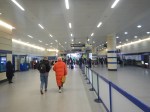
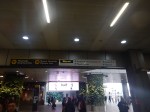








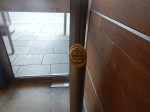
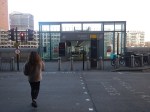
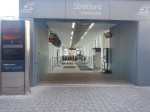
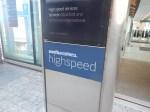

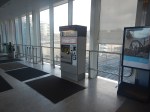
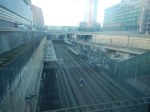
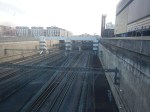
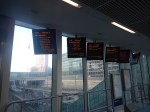
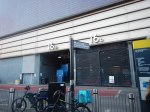
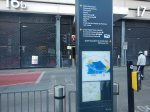
Note.
- I went through the Shopping Centre.
- I passed Marks & Spencer’s large food hall, excellent toilets and a Food Court.
- By the Food Court is an exit that leads to an entrance to Stratford International station.
- The walk took about 10 minutes.
- It was vaguely level.
- Lifts by-passed the escalators.
- One thing that makes the journey to London easier, is to travel in the Eastern end of the train, as the lifts and escalators at Stratford International station, are at that end.
It does need some better signage, but they were doing a bit of refurbishment, so that may already be underway.
It could be a very high quality interchange and it is already better than St. Pancras.
Coming back I took the longer route outside the Shopping Centre.


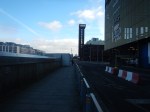

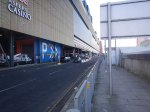
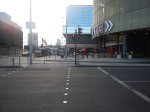
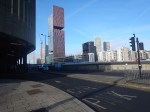

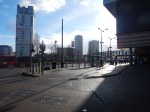
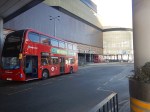


Note.
- I just turned left out of the entrance, walked along the road and turned right past the bus station.
- If the weather had been colder or wetter, I’d have gone back via the Shopping Centre.
- The walk took about 12 minutes.
I think normally, I’d go back through the Shopping Centre, as there’s a Marks and Spencer Food Hall on the route and it’s slightly quicker and often warmer.
Could Stratford Station Be A London Superhub Station?
When you consider the stations connected to Stratford in London, East Anglia and Kent, it has an excellent collection.
- Airports – Gatwick, Heathrow, Luton, Southend and Stansted
- Cities – Cambridge, Canterbury, Chelmsford, Colchester, Ipswich, Norwich and Southend-on-Sea
- London Main and Terminal Stations – Cannon Street, Charing Cross, Clapham Junction, Euston, Farringdon, King’s Cross, London Bridge, Liverpool Street, Marylebone, Moorgate, Paddington, Victoria and Waterloo
- Major Areas – Canary Wharf, City of London, Hampstead, Olympic Park and West End
- Ports – Dover, Felixstowe, Folkestone and Harwich
You can even get a train to Slough, with a change at Whitechapel.
I would think it already is a London Superhub Station.
Could The Giant Station At Bank, Liverpool Street, Monument And Moorgate Be Considered A Superhub?
In Is The City Of London Moving Towards One Giant Station?, I showed how the four stations were being drawn together and developed as one large station that served the heart of the City of London.
London is also developing other large interchange stations that could claim because of their connectivity could be classed as London superhub stations.
- Canary Wharf stations, which connect the Elizabeth and Jubilee Lines, and the Docklands Light Railway.
- Old Oak Common station, which could bring together the Central, Chiltern and Elizabeth Lines, the London Overground and High Speed Two.
- Stratford station, which connects the Central, Elizabeth and Jubilee Lines, the Docklands Light Railway, the London Overground, High Speed One and the Great Eastern Main Line.
- Whitechapel station, which connects the Circle, District, Elizabeth and Hammersmith & City Lines, and the London Overground.
But what are the characteristics of a superhub station?
A Lot Of Lines And Services
Obviously, it must have a lot of lines and services, so perhaps Clapham Junction station is the original superhub station.
All Lines Should Have Step-Free Access
This surely, goes without saying.
There Should Be Lots of Information
If the station is large it needs a lot of information and there’s probably the space to put it.
Helpful Staff
Should we have a fully-staffed kiosk at superhub stations, as there are at some main line stations?
Good Bus Connections
Bus connections at a superhub station must be comprehensive and probably connect to other superhubs.
There Should Be A Selection Of Shops For Travellers
I do my daily food and other shopping, as I travel around London. I’ll often use a station like Paddington with a good selection of shops.
Toilets
There are not enough public toilets in London.
Cash Machines
I know we’re using less cash, but a large station is a secure place to put a cash-machine.
Works Of Art
I also believe that railway stations are a secure place to put some of those large bronze sculptures and other works of art, that are currently locked away in the storerooms of galleries.
Is The City Of London Moving Towards One Giant Station?
Bank and Monument Stations
When I was growing up in the 1950s and 1960s, there used to be an anomaly shown on Harry Beck’s iconic London Tube Map, that stood out as a bit different.
It was between Bank and Monument stations and was marked as an Escalator Connection, which connected the Northern Line at Bank to the District and Circle Lines at Monument.
This link was opened in 1933 and has its own section in Wikipedia labeled Monument Link, 1933.
This link has been joined by more tunnels, lifts and escalators over the last eight decades.
- In 1960, the Waterloo & City Line was connected to the main entrance of Bank station by two moving walkways.
- In 1991, the Docklands Light Railway was extended to the complex, with escalators to both the Bank and Monument entrances to the station complex.
- In November 2018, the new Bloomberg or Wallbrook entrance to the station opened, and I wrote about it in The Bank Station Walbrook Entrance Opened Today.
Bank and Monument stations have been developing as a pair of twin stations for eighty years.
The latest phase of the Bank Station Upgrade has added the following to the complex.
- A new and much large Southbound platform for the Northern Line.
- A moving walking between the Northern Line at Monument station and the Central Line at Bank station.
- Escalators between the Central Line and the Bank station end of the new moving walkway.
- Escalators between the Northern Line and the Docklands Light Railway.
The upgrade will be completed by a new entrance to the station complex on Cannon Street.
This Google Map shows the area of the station.
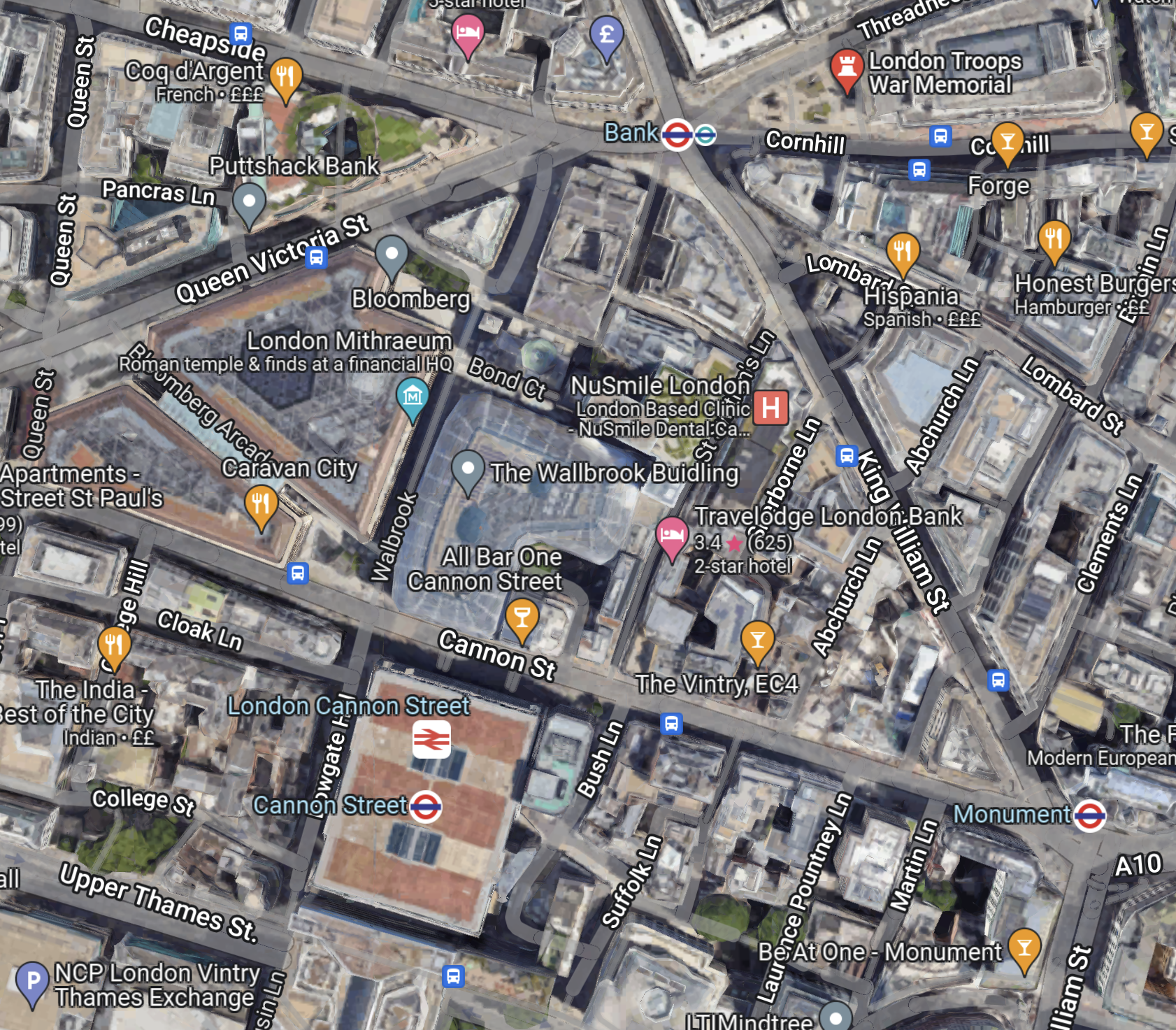
Note.
- The main Bank station entrance the top of the map, by the Bank of England with multiple entrances to the station.
- The main Monument entrance in the South-East corner of the map.
- The Cannon Street entrance will be in the triangle formed by Abchurch Lane, Cannon Street and King William Street.
- The Wallbrook entrance is under the Wallbrook Building.
The station has spread over a wide area, and I wouldn’t be surprised to see more entrances in the future.
Liverpool Street And Moorgate Stations
This Google Map shows Liverpool Street and Moorgate stations.
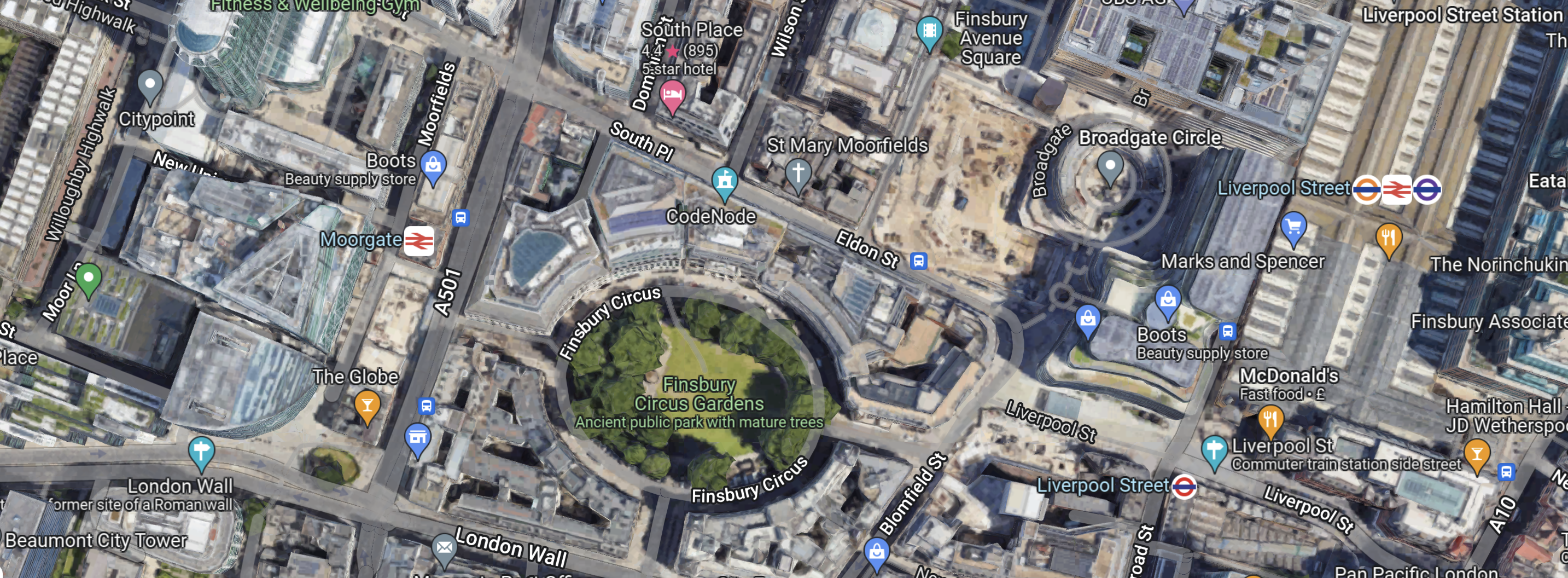
Note.
- The green space is Finsbury Circus Gardens.
- Moorgate station is to the West on the A501 or Moorgate.
- Liverpool Street station is to the East on the A10 or Bishopsgate.
There is now a tunnel between the two stations, as part of the double-ended Liverpool Street Elizabeth Line station.
The drawing from Crossrail shows a cross-section of the Liverpool Street Elizabeth Line station.
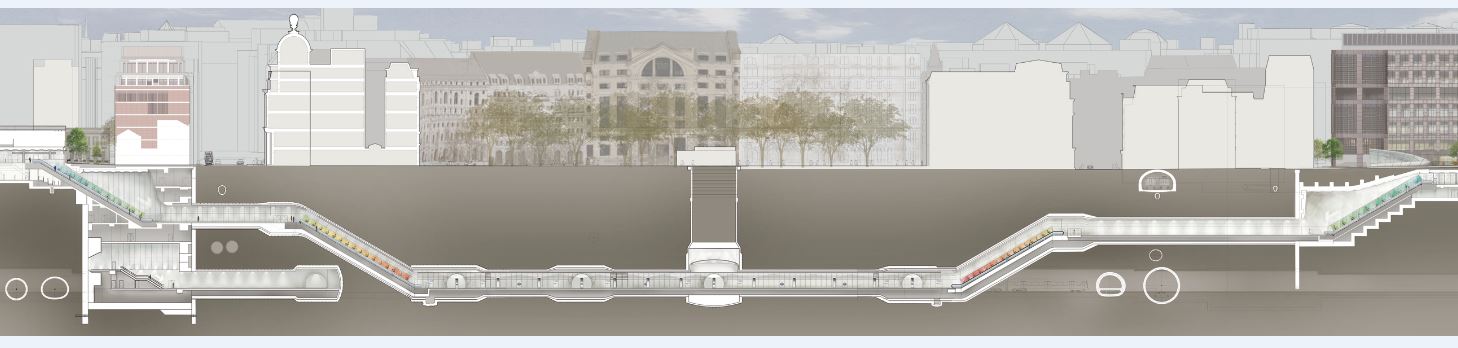
Note.
- Moorgate station is on the left.
- Liverpool Street station is on the right.
- In the middle looking like a giant juicer is the ventilation shaft in Finsbury Circus.
- The Crossrail tunnels, which consist of two running tunnels and a pedestrian walkway between them are at the deepest level.
- There are escalators and lifts all over the place.
If it’s raining it’s a good way between the two stations.
The Rail Lines At Liverpool Street And Moorgate Stations
These routes serve the two stations.
- National Rail – Liverpool Street to Essex, Suffolk and Norfolk
- National Rail – Moorgate to North London and Hertfordshire
- Central Line – Liverpool Street
- London Overground – Liverpool Street to North-East London and Hertfordshire
- City, Hammersmith & City and Metropolitan Lines – Liverpool Street and Moorgate
- Elizabeth Line – Liverpool Street and Moorgate
- Northern Line – Moorgate
Note.
- The Circle, Hammersmith & City and Metropolitan Lines have separate stations and platforms in both Liverpool Street and Moorgate.
- The Elizabeth Line station at Liverpool Street is a double-ended station with entrances in both the original Liverpool Street and Moorgate stations.
- You can walk between Liverpool Street and Moorgate stations using the connecting tunnel of the Elizabeth Line station.
- Both Liverpool Street and Moorgate stations are well-served by buses.
These connections mean that if you arrive in either of Liverpool Street or Moorgate and need to leave from the other main station, you can catch a train on the Circle, Hammersmith & City and Metropolitan Lines for one stop or walk through the Elizabeth Line tunnel or on the surface.
The Triangle Of Lines In The City Of London
The City of London effectively has three main Underground stations, that connect to all the important lines through the City.
- Bank/Monument station connects to the Central, Circle, District and Northern Lines
- Liverpool Street station connects to the Circle, Elizabeth, Hammersmith & City, Metropolitan and Northern Lines.
- Moorgate station connects to the Central, Circle, Elizabeth, Hammersmith & City and Metropolitan Lines.
All three stations have direct Underground connections.
- Bank and Liverpool Street via Central Line.
- Monument and Liverpool Street via Circle Line.
- Bank and Moorgate via Northern Line.
- Monument and Moorgate via Circle Line.
- Liverpool Street and Moorgate via Circle, Hammersmith & City and Metropolitan Lines.
Note.
- All interconnecting services are frequent.
- The Circle at six trains per hour (tph) is the least frequent
- The connections at Bank have much improved recently, due to the Bank Station Upgrade.
It is also possible to walk between the three stations.
In Where The City Of London Leads The Rest Will Follow!, I laid out the plans of the City of London to cut vehicles in the City, impose a 15 mph speed limit and improve cycling and walking routes.
If all goes to plan, then this will open up more routes between the three stations.
Conclusion
Bank, Liverpool Street, Monument and Moorgate will evolve into one large interconnected City of London station, that is served by the Central, Circle, Elizabeth, Hammersmith & City, Metropolitan and Northern Lines.
The most important thing that must be done is improve the information.
At least though, the vast walls that have been created in the Bank Station Upgrade and the Elizabeth Line stations, will be up to the task of informing passengers, the routes they need to take.
The other important thing, is to provide step-free and wheelchair-friendly routes between, Bank, Liverpool Street, Monument and Moorgate, so that passengers with reduced mobility can safely get on their way.
After the current round of construction and upgrades, I don’t think any of the rail routes between the stations are step-free.
Leyton Station – 26th January 2023
Leyton station on the Central Line, is going to be upgraded as I wrote about in Leyton Station Set For £14m Upgrade.
I said this in the related post.
Leyton Station will receive step-free access and a new ticket hall and concourse thanks to £14 million from the government’s Levelling Up Fund.
I took these pictures today.


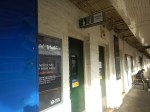

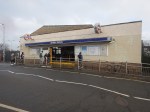
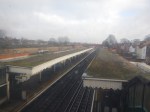


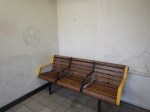


Note.
- The station has two waiting rooms and at least one toilet.
- The London-bound platform has a unique cloisters with a glass roof.
- A new ticket office and concourse, would improve the look of the station.
- Well-designed step-free access improves any station.
- The platforms are long.
I think it is a station with the potential to be one of the best.
These are a couple of thoughts.
The Red Bridge At The Eastern End Of The Station
This Google Map shows the station.
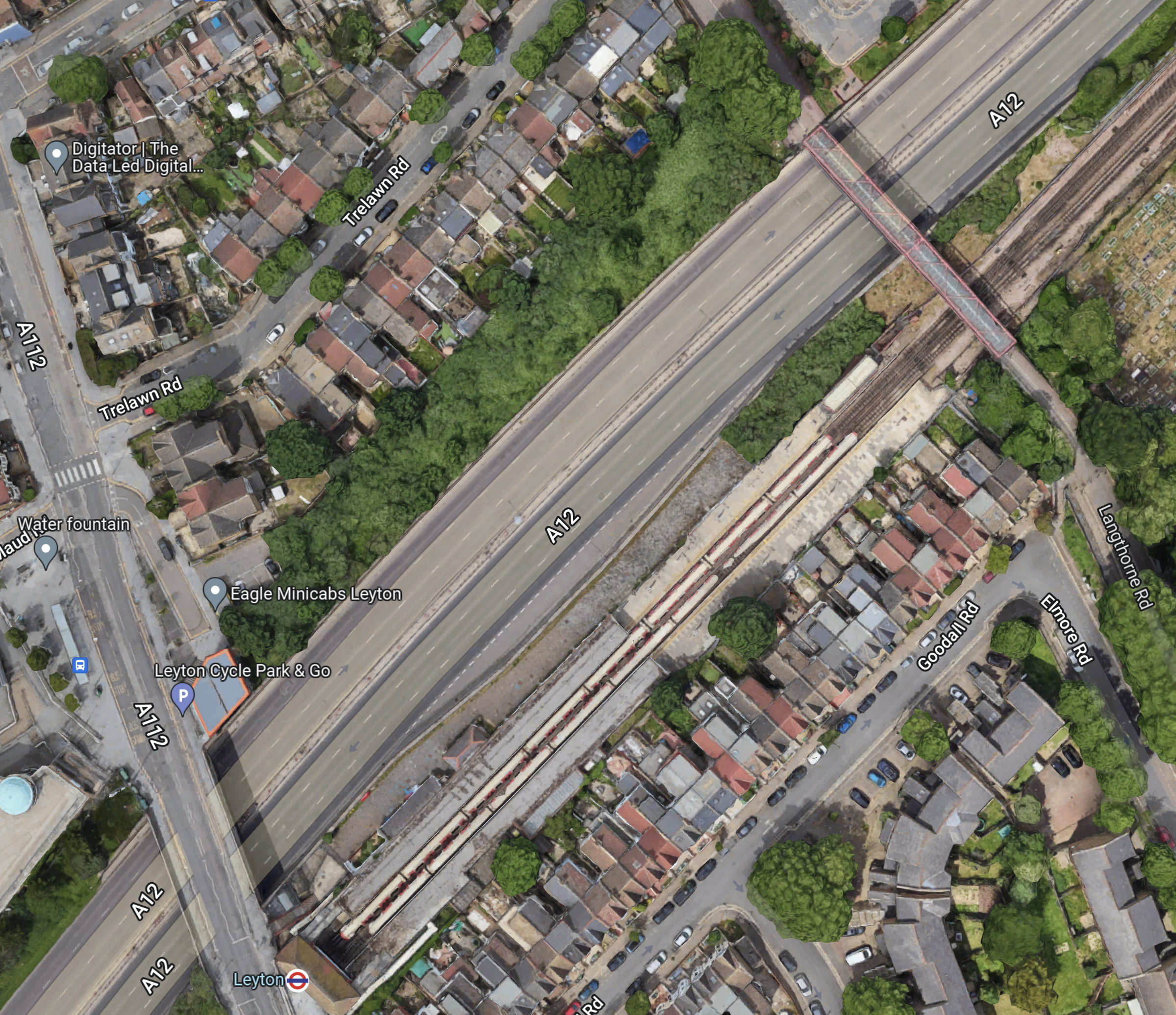
Note.
- The station buildings are in the South-West corner of the map.
- The red bridge is in the North-East corner of the map.
- Two trains are in the station, with plenty of space at both ends.
Would it be worthwhile and possible to add access to the station from the bridge?
Step-Free Access Between Train And Platform
This picture shows the current access between train and platform.
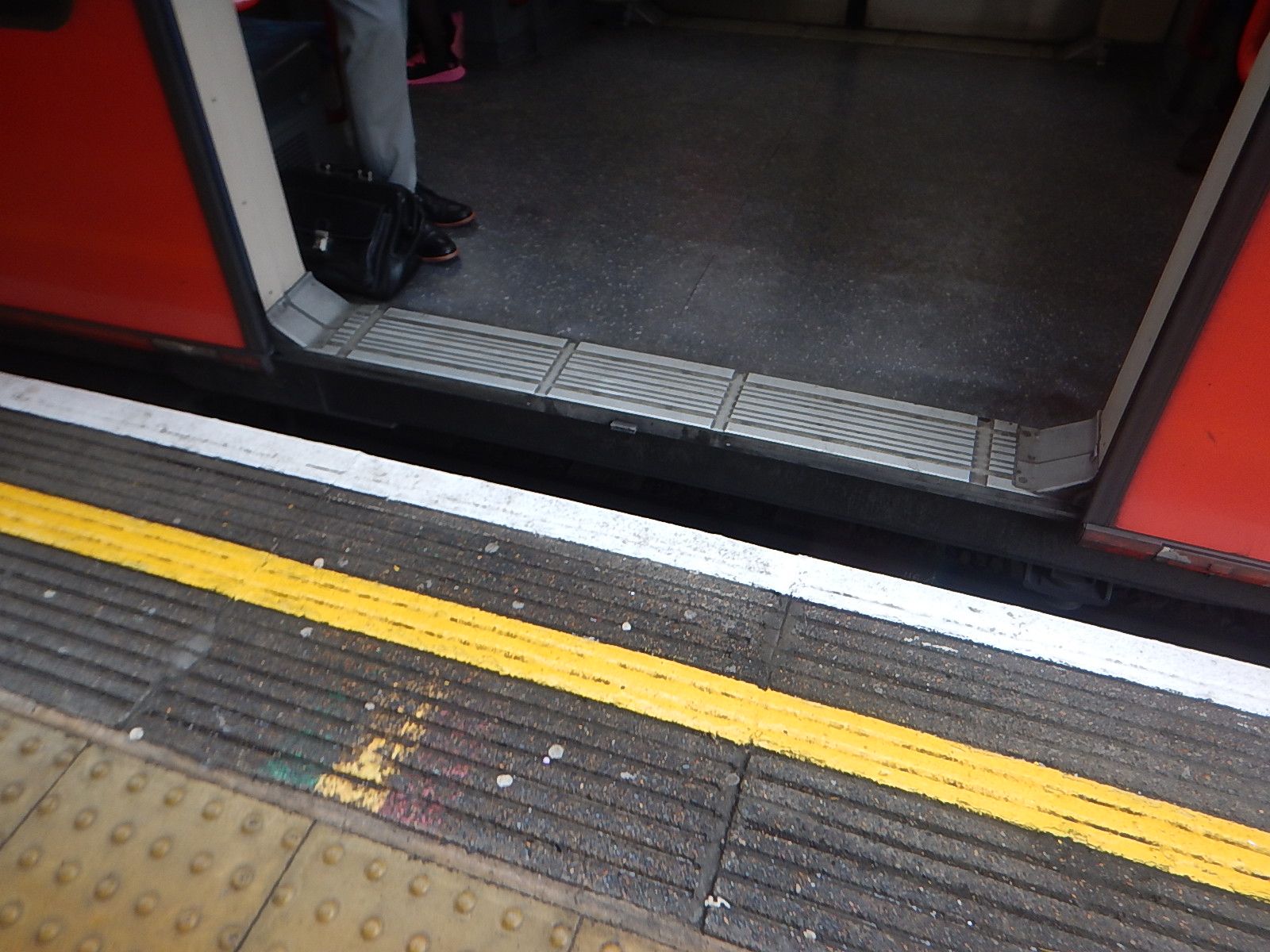
As the edge of the platforms will probably be realigned, would it be sensible to make the access better?
A Trip Along The Central Line – 26th January 2023
Today, I took a trip on the Central Line from Leyton station in the East to Ealing Broadway station in the West.
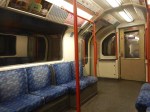
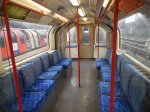

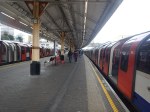
The trip was about eleven this morning and one aim was to assess how busy the line was.
For much of the journey between Leyton and Marble Arch, the train had about half the seats taken, but by the time we got to Ealing Broadway, there were only two of us in my carriage.
After arriving, I had a short chat with the cheery Scots lassie, who had driven us across London.
- She said, that passenger levels had held up on the Central Line, despite the competition from the Elizabeth Line.
- But she also said that large numbers of passengers transfer from the Elizabeth Line to the Central Line at Stratford in the Morning Peak.
- She didn’t say, but there is probably an opposite change in the Evening Peak.
With the exception of a couple of ladies with babies in buggies, most passengers were not travelling with any heavy luggage.
So Many Cases On A Train!
This afternoon about three, I went to West Ealing station to see what it was like to transfer between the Elizabeth Line Central Tunnel and the Western Branch at Paddington.
Coming back, I took an Elizabeth Line service that had started from Heathrow Airport and it was one of the busiest Lizzies, I’d ever ridden!
To get on the train at West Ealing station, I got in to probably coach 4 of 9, as that was in the dry and the back end of the train I needed for Moorgate station was certainly in the wet.
I then had to walk half the length of the train to get to the back of the train.
It was not easy, as the train was full of scores of passengers with large wheelie cases.
This got me thinking.
Are Passengers Transferring To The Lizzie Line?
And especially those with large cases. that are the sort you could use for bringing in a pair of folded-up contortionists.
- These cases don’t fit well on the Piccadilly Line, which has only a few step-free stations.
- From what I’ve seen cases are easily wheeled to Elizabeth Line platforms at Heathrow.
- Many of these cases won’t fit in the average family car.
- All parking is expensive at Heathrow, whether it is short, medium or long.
- Valet parking at Heathrow has been devalued by all the scam artists.
- Taxis are the province of those that own oil wells, hedge funds or belong to the highest wunch of bankers.
- Pick-up and drop-off is now very expensive.
- There were a good proportion of couples, who were both dragging or pushing a massive case.
- The Elizabeth Line is cheaper than the Heathrow Express.
- The Elizabeth Line like the Piccadilly Line allows the use of a bank card as a ticket.
- Only the Elizabeth and Piccadilly Lines take you direct to dozens of stations with only same-platform interchanges.
- The Elizabeth Line has step-free interchanges with the Bakerloo, Circle, District, Hammersmith and City, Jubilee, and Metropolitan Lines, the Docklands Light Railway and the London Overground.
- Whitechapel has been turned into a major transport hub for the Easternmost part of London.
There seems to be quite a few reasons why a traveller going to or from Heathrow might at least try the Elizabeth Line.
And travellers seemed to be doing it in droves today!
Were Upmarket Passengers Using The Lizzie Line?
Take the couple next to me on the train from West Ealing.
- Around sixty.
- Very well-dressed.
- Possibly Mediterranean or South American.
- Matching medium-size wheelie-cases.
- She was wearing expensive glasses.
A couple of years ago, they would have probably used the Heathrow Express.
They certainly weren’t the only passengers, who looked like archetypal Heathrow Express passengers.
Will The Lizzie Line Take Passengers From The Piccadilly Line?
As the cost will be the same, I suspect the answer will be yes.
Although, there will be groups of travellers, who will probably remain loyal to the Piccadilly Line.
- If you were going to or from the step-free Cockfosters or Oakwood, with a heavy case, all the way on the Piccadilly Line could be a simple sensible option. I used to live near Oakwood station and remember several long trips on the Piccadilly Line, but not too Heathrow.
- The step-free Kings Cross St. Pancras, Green Park, Knightsbridge and Earls Court may well have reasons to keep their regular passengers.
- Those only travelling a few stops to or from Heathrow will probably stay with the Piccadilly Line for convenience.
- Transport for London have been adding step-free access to the Heathrow Branch and this will surely promote use.
The Piccadilly Line is also getting new trains in a few years.
In Extending The Elizabeth Line – Piccadilly Line To Ealing Broadway, I talked about a proposal to turnback some Piccadilly Line trains at Ealing Broadway station.
I think it is a good idea, as it could make it simpler for Piccadilly Line passengers to access Heathrow and reduce congestion on the Piccadilly Line.
Will The Lizzie Line Take Passengers From The Heathrow Express?
This is an extract from Extending The Elizabeth Line – Piccadilly Line To Ealing Broadway
It will be difficult to predict what will happen to Heathrow Express, but I suspect several groups of passengers will desert it.
- Passengers wanting to go anywhere East of Paddington without changing trains.
- Passengers wanting any Elizabeth Line station.
- Passengers, who don’t like the prices of Heathrow Express.
- Passengers using Oyster or contactless cards.
- Passengers who want to ride on London’s spectacular new Elizabeth Line.
After Old Oak Common station is opened for High Speed Two, the numbers could further decrease.
Will Heathrow Express survive?
Will The Lizzie Line Attract Passengers Who Usually Drive?
Large swathes of the country already have single-change step-free access to the Elizabeth Line.
- All services out of Liverpool Street and/or Stratford.
- All services out of Moorgate.
- All Thameslink services through Farringdon.
- All services out of Paddington.
- All services through Abbey Wood.
- When Crossrail to Ebbsfleet (C2E) opens, this will add all services through Gravesend and Ebbsfleet.
- When High Speed Two opens, this will add all services through Old Oak Common.
- When the Western Rail Approach To Heathrow is completed, this will add all services through Reading.
If you can get a train direct to the Elizabeth Line network and then a train direct to your terminal, would you seriously want all the hassle of parking after a two hour drive?
I can see parking at Heathrow suffering a severe lack of demand.
Conclusion
Lizzie will start a revolution in travel to and from Heathrow.
New Escalators And Moving Walkways Between The Central And Northern Lines At Bank Station – 29th October 2022
This important link in the Bank Station Upgrade opened yesterday.
So this afternoon, I went and took these pictures, as I walked from the Central to the Northern Line interchange plaza at the Monument end of the station.
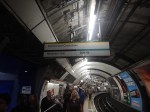
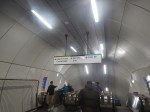


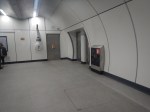
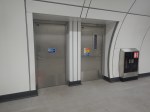
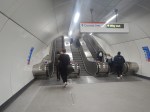
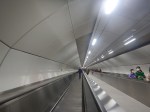
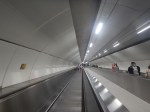
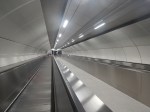
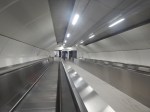
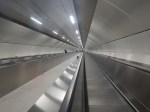
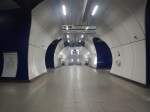

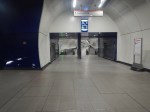
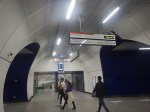
Note.
There is only a short bank of escalators between the Central Line and the moving walkways.
A good-sized landing for the escalators has been squeezed in at the top of the escalators between the two Central Line platforms.
At the bottom of the escalators, there is a generous space to accommodate the ninety-degree turn to and from the moving walkway.
The moving walkway appears wider than others on the Underground and is very well-lit.
At its Southern end, the moving walkway connects to the spacious interchange plaza, I wrote about in New Escalators At Bank Station Between The Northern Line And The DLR and showed in these pictures.
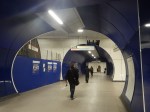
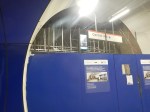
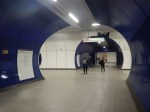
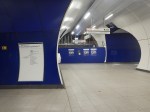
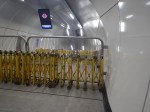
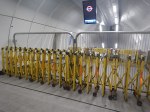
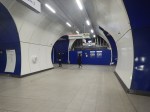
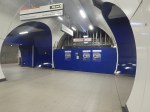
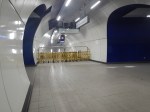
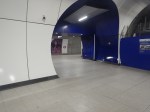
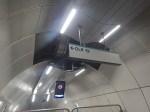
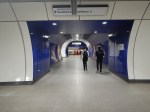
The interchange rule at the Bank/Monument station complex appears to be make for the interchange plaza and moving walkway and follow the signs.
- The Central Line is at the Northern end.
- The Northern Line is on either side.
- The DLR is underneath the plaza.
- The District/Circle Lines are at the Southern end.
I was surprised to see, that there were no staff in the interchange plaza.
Or would one of the Lizzie Line signposts be a good idea?
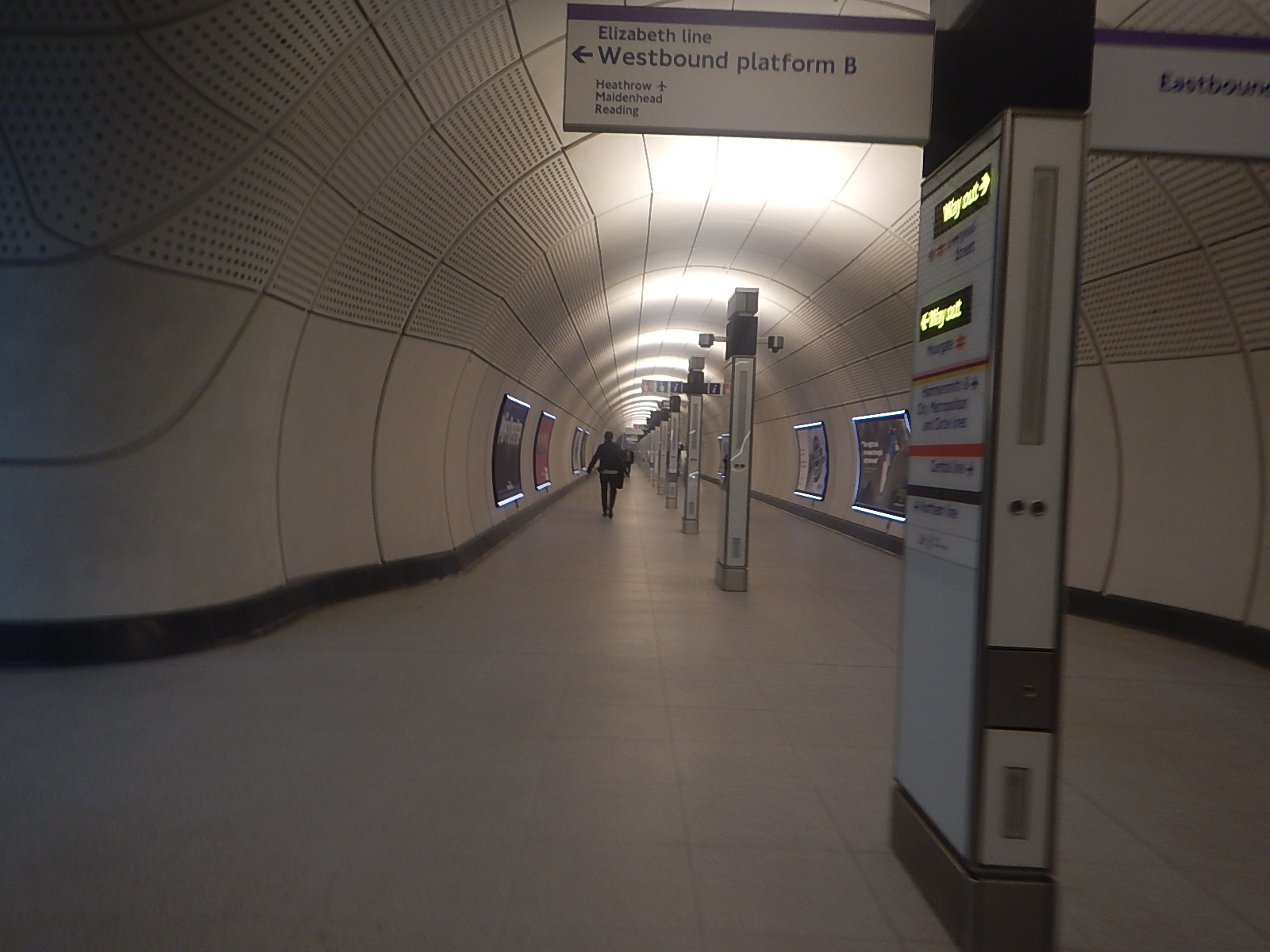
It could also have a clock.
 The Anonymous Widower