Improvements At Marylebone Station – 15th October 2024
I passed through Marylebone station today and took these pictures of the improvements.
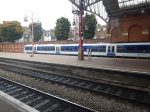
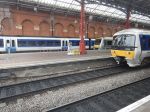
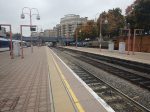
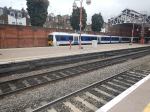
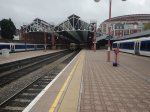
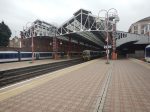
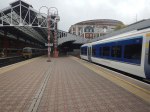
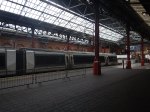



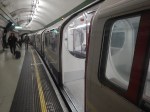
Note.
- The Class 165 and Class 168 trains are being refurbished.
- The Chiltern gate line has been improved.
- A wider ticket gate line has been installed in the Underground station.
- The stairs to the Bakerloo Line has been replaced with a third escalator.
- The last picture shows the lack of grab handles in the doors of Bakerloo Line trains.
It certainly looks like Chiltern Railways and its assets are improving.
Innotrans 2024: Rolls-Royce Shows mtu Solutions For On-Track Energy Transition And Celebrates 100 years Of Rail Engine Business
The title of this post, is the same as that of this press release from Rolls-Royce.
These four bullet points, act as sub-headings.
- All mtu engine series for locomotives and railcars approved for sustainable fuels
- DB, RDC Autozug Sylt, Trenitalia and České dráhy use or test HVO
- Rolls-Royce celebrates 100 years of success with mtu rail drives
- More than 250 rail customers worldwide value the performance, compact design and low exhaust emissions of mtu systems
These are the first two paragraphs.
Rolls-Royce will be presenting its mtu-brand propulsion and service solutions at the international rail exhibition Innotrans in Berlin from September 24 to 27, 2024 in Hall 18, Booth 500. The company will be celebrating an anniversary at the same time: for 100 years, mtu products have been powering trains, including mainline and multi-purpose locomotives, high-speed trains and local transport railcars. On display will be sustainable propulsion solutions such as the mtu Series 4000 and 1600 engines for locomotives and the underfloor drive systems mtu PowerPacks for railcars, all of which are now released for sustainable fuels such as HVO. Rolls-Royce will also be presenting its repower and reman solutions.
100 years ago, Karl Maybach laid the foundation for the rail drive systems of today’s mtu brand with the world’s first high-speed diesel engine for railcars, the Maybach G 4a. Maybach also developed the GO 5 engine for the “Fliegender Hamburger” express train.
These are my thoughts.
Chiltern Railways Could Go Carbon-Neutral By Using HVO
In Vegetable Oil Fuelling Chiltern Railways Trains In UK First, I described how Chiltern Railways are running their Class 68 locomotives on HVO.
This move by Rolls-Royce mtu will allow all Chiltern’s Class 168 trains to be run on sustainable HVO, as they have Rolls-Royce mtu diesel engines.
Chiltern Railways Class 168 train fleet is as follows.
- 10 x 4-car
- 9 x 3-car
- 9 x 2-car
This will still leave Chiltern Railways Class 165 train fleet to be converted to sustainable fuel.
- 28 x 2-car
- 11 x 3-car
Note.
- There are 75 of these trains in service with Chiltern Railways and Great Western Railway.
- They are fitted with Perkins engines.
- Perkins engines are now owned by Caterpillar, who built the engines for the Class 68 locomotives.
As Caterpillar have the sustainable diesel technology, could they convert the Class 165 trains to HVO?
Cummins And HVO
Although this post is mainly about Rolls-Royce mtu, it would be convenient to put in this section about Cummins and how their diesel engines run on HVO.
The UK train fleet contains the following trains with Cummins engines.
- 10 x Class 175 train x 2-car
- 16 x Class 175 trains x 3-car
- 14 x Class 180 trains x 5-car
- 34 x Class 220 trains x 4-car
- 23 x Class 221 trains x 5-car
- 4 x Class 221 trains x 4-car
- 4 x Class 222 trains x 7-car
- 23 x Class 222 trains x 5-car
Cummins says this about their engines and HVO.
Cummins approves use of HVO fuel in all high-horsepower engines
(19L-95L), including the QSK19, K19, QSK23, QST30, QSK38, K38, QSK45,
QSK50, K50, QSK60, QSK78, QSK95, V903 and ACE for all industrial
markets. No engine modifications are required; engines currently in the
field can be used with HVO at any percentage.
It would appear that all trains with Cummins engines can be converted to run on HVO.
CAF And HVO
Class 195, 196 and 197 trains all have Rolls-Royce mtu diesel engines, so they will be able to run on HVO.
Hitachi And HVO
Class 800, 1801, 802, 805 and 810 trains all have Rolls-Royce mtu diesel engines, so they will be able to run on HVO.
Conclusion
If all diesel engines are to be converted to HVO, there is going to be a lot of HVO needed in the UK.
But many train fleets will be carbon-neutral.
Arriva’s Grand Central Applies For Extended Track Access Rights
The title of this post, is the same as that of this news item from Arriva.
These three bullet points, act as sub-headings.
- Grand Central to submit application to the rail regulator for extended track access up to 2038.
- Proposals for a new, greener fleet are outlined as part of the application.
- Application signals Arriva’s long-term commitment to UK rail.
These three paragraphs add more detail to the application.
Arriva Group’s UK open access train operating company, Grand Central, has today announced it is seeking to extend its existing track access rights until 2038, securing its services for the next 15 years and unlocking Arriva’s intentions to invest in new, state-of-the-art trains.
Grand Central has been operating services on the East Coast mainline since 2007 as an open access operator, which means it receives no government funding or subsidy. It directly links 15 destinations, including cities in Yorkshire and the North East with London’s Kings Cross.
The application represents a significant commitment to long-term services and supports its plans to expand services with improved connectivity and increased frequency, as outlined in a previous application, submitted to the Office of Rail and Road in May this year.
These are my observations and thoughts.
Grand Central’s Current Services
Grand Central currently runs two separate services.
- King’s Cross and Sunderland via Peterborough,York, Thirsk, Northallerton, Eaglescliffe and Hartlepool – six tpd
- King’s Cross and Bradford Interchange via Peterborough, Doncaster, Pontefract Monkhill, Wakefield Kirkgate, Mirfield, Brighouse, Halifax and Low Moor – four tpd
Note.
- tpd is trains per day.
- Weekend services are reduced.
- Peterborough is served by one train in each direction.
Grand Central have applied to run more services.
Distances Without Electrification On Current Services
Only the Northern ends of both routes are not electrified.
- King’s Cross and Sunderland – Longlands junction and Sunderland – 48.5 miles
- King’s Cross and Bradford Interchange – Doncaster and Bradford Interchange – 52.1 miles
Note.
- Going North, any train batteries could be charged on the East Coast Main Line.
- Before returning South, train batteries could need to be charged at the two terminals.
- Battery-electric trains would need infrastructure changes at the two terminals.
The two terminals; Bradford Interchange and Sunderland are not particular spacious.
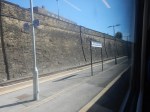
These pictures show Bradford Interchange station.
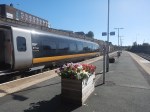
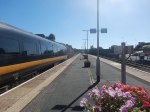
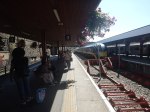
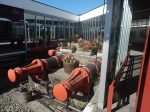
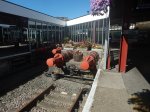
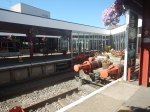
And these pictures show Sunderland station, which is underground.
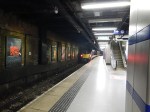
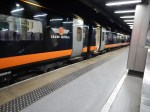
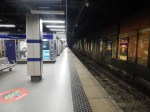

Putting even a short length of catenary to charge battery-electric trains might not be that easy at either station.
Grand Central’s New Trains
Arriva’s news item, gives these details on the new trains.
- Increased capacity: The new trains would feature approximately 20 per cent more seats than the current Class 180 units, providing additional capacity to meet growing passenger demand.
- Modernised fleet: The new Bi-Mode trains would replace the existing 24-year-old Class 180 units bringing new customer focussed features and a more comfortable experience for passengers.
- Greener services: The Bi-mode trains would cut carbon emissions and provide smoother journeys for passengers. They can operate on electric and non-electric tracks, so they can serve long into the future as track electrification gathers pace across the UK.
Note.
- A five-car Class 802 train has approximately twenty percent more seats than a four-car Class 180 train.
- Hull Trains, LNER, Lumo and TransPennine Express all run Hitachi Class 80x trains on the East Coast Main Line, which could ease operations, if all trains were similar.
- Bi-mode trains are specified. Grand Central will change mode once on each trip.
- LNER have specified CAF Tri-mode trains for their new fleet. Will these have an extra level of complication, that Grand Central don’t need?
I suspect that rand Central will opt for the Hitachi trains.
Using The Joint Line Between Peterborough and Doncaster via Lincoln
The diesel Class 180 trains can use this line, in times of incidents or engineering works.
Class 800 and Class 802 trains can also use this diversion, so it might be sensible to be able to use the line in time of trouble.
Chiltern Trains’ London And Birmingham Services
Both Arriva and Chiltern Trains are subsidiaries of Deutsche Bahn.
Currently, Chiltern run six-car rakes of Mark 3 coaches, with a Class 68 locomotive at one end and a driving van trailer at the other, between London and Birmingham.
They are nice trains, but they are not zero-carbon.
Could these be replaced by an eight-car Class 802 train?
- Chiltern have said that they are looking for new trains.
- An eight-car Class 802 train could be a similar length to the current trains.
- London Marylebone and Birmingham Moor Street is only 111.7 miles.
- The Hitachi trains would offer an increase in capacity.
- They might save a few minutes.
But the trains will still be not zero-carbon.
This page on the Hitachi web site is entitled Intercity Battery Trains.
The trains for London Marylebone and Birmingham Moor Street would be built as conventional eight-car Hitachi trains, with perhaps four diesel engines.
- Over the years, the Chiltern Main Line would be partially electrified, starting perhaps in the middle around Banbury.
- One by one, the diesel engines would be replaced by batteries, so that the trains could run on battery power between the electrified sections.
- Eventually, the London Marylebone and Birmingham Moor Street service would be fully battery-electric.
- As Kidderminster is only twenty miles past Birmingham Moor Street, there must surely be possibility for extension of the service.
I believe that Hitachi’s Intercity Battery Train, is going to play a large part in the decarbonisation of UK railways.
Chiltern Trains’ London And Oxford Services
If eight-car Hitachi Intercity Battery Trains can handle London Marylebone and Birmingham Moor Street services, then I am fairly sure that five-car Hitachi Intercity Battery Trains could handle London Marylebone and Oxford services.
They would also have more capacity, than the current trains, that serve Oxford and Bicester Village.
Conclusion
It may be advantageous for Deutsche Bahn to put the two orders together.
Chiltern Railways Seeks Fleet Proposals
The title of this post, is the same as that of this article on Rail Business UK.
These are the first two paragraphs.
Chiltern Railways has invited proposals from established rolling stock owners for the lease and maintenance of between 25 and 70 existing vehicles to operate inter-city and regional services on the Chiltern Main Line between London Marylebone and Birmingham.
The operator is seeking either ‘self-powered’ multiple units or locomotive-hauled coaches, which can operate at 160 km/h in fixed formations of five or six passenger vehicles.
It does appear that only existing vehicles will be allowed.
These are my thoughts.
A Very Tight Timescale
The Rail Business UK article, says this about entry into service.
Requests to participate are required by February 2. Driver training is planned for 2024, and entry to passenger service for early 2025.
This requirement probably means that new trains are not allowed, as I doubt any manufacturer could deliver them by early 2025.
Although, I could envisage a proposal, where a couple of trains are delivered early for driver training and the other trains are delivered, as soon as they are refurbished or perhaps even built.
100 mph Trains With At Least Five Cars
The second paragraph from the Rail Business UK article is very definite about speed and the length of trains.
The operator is seeking either ‘self-powered’ multiple units or locomotive-hauled coaches, which can operate at 160 km/h in fixed formations of five or six passenger vehicles.
It does appear, that this paragraph, rules out multiple units, with less than five coaches. Unless it counts a two-car Class 175 train and a three-car Class 175 train working together as a five-car fixed formation. They would though be 100 mph trains.
Noise Restrictions
This noise restriction must be met according to the Rail Business UK article.
The trains must also offer a reduction in ambient noise compared to Chiltern’s existing MkIII coaches hauled by a Class 68 diesel locomotive.
This could be a difficult condition to meet for some trains and probably rules out diesel locomotives.
What Fuels Can Be Used?
This is the only restriction in the Rail Business UK article.
Any diesel-powered trains should be compatible with use of alternative fuels, such as HVO, from the service introduction date.
Chiltern have experience of this fuel.
‘Self-Powered’ Multiple Units Or Locomotive-Hauled Coaches
i am tending towards the former for the following reasons.
- I was told by someone, that between London and Norwich, ‘self-powered’ multiple units are faster than locomotive-hauled coaches.
- Without the locomotive and the driving van trailer, you may get more passengers in a shorter train. This might avoid some platform lengthening.
- The Chiltern route to Birmingham has around a dozen stops and the lighter ‘self-powered’ multiple units may save time.
- Battery-electric ‘self-powered’ multiple units can be very quiet.
- Chiltern have had complaints about noise from diesel locomotives.
The last two points probably clinch it.
The Operating Speed Of The Chiltern Main Line
I have followed the Chiltern Main Line on OpenRailwayMap and virtually all of it is faster than 75 mph, with several sections of 90-100 mph running.
Hence the need for 100 mph trains!
What Distances Are Involved
The route can be split into sections.
- London Marylebone and High Wycombe – 28.1 miles
- High Wycombe and Banbury – 41 miles
- Banbury and Warwick – 21.8 miles
- Warwick and Birmingham Moor Street – 20.8 miles
Note.
- The total distance is 111.7 miles.
- High Wycombe and Warwick are 62.8 miles apart.
No sections are too challenging.
Could A Battery-Electric Train Handle The Route?
In The Data Sheet For Hitachi Battery Electric Trains, these were my conclusions for the performance.
- The battery pack has a capacity of 750 kWh.
- A five-car train needs three battery-packs to travel 100 miles.
- A nine-car train needs five battery-packs to travel 100 miles.
- The maximum range of a five-car train with three batteries is 117 miles.
- The maximum range of a nine-car train with five batteries is 121 miles.
It would appear that a five-car train with three batteries could handle the route, but there would need to be some form of charging at both ends of the route. This might not be too easy to arrange, as all three terminal stations are not the most spacious.
Could A Tri-Mode Train Handle The Route?
LNER have taken the tri-mode route with their new trains, which I wrote about in First Tri-Mode Long Distance Trains For The East Coast Main Line.
These trains could be a possibility, especially if they used battery power in stations where there have been complaints of noise.
I suspect CAF’s tri-mode trains could also be run on HVO, as it is likely they’ll have Rolls-Royce mtu engines, which can use the fuel.
As Hitachi’s Class 802 trains also use Rolls-Royce mtu engines and Hitachi are developing a tri-mode version, these trains are also a possibility.
Although tri-mode trains are a possibility, I doubt that delivery would be easy by the beginning of 2025.
Unless, the Government has tipped off CAF and/or Hitachi and they are already building some trains that can be completed as tri-modes.
After all, CrossCountry, Grand Central, South Western Railway and TransPennine may need tri-mode trains for their routes.
What About Hydrogen?
I don’t think, there is a hydrogen train, that would be suitable and could start driver training this year.
So, unless someone like Stadler says they have a train, hydrogen looks to be a non-starter.
An Unusual Solution
As I said on the previous section about hydrogen, the time-scale is tight and this probably cuts out totally new trains.
But we may have an unusual solution, that surprised everyone.
Consider.
- I have stated that I believe that a five-car Class 802 train with three battery packs has a range of 117 miles.
- The range would be enough to go between London Marylebone and Birmingham.
- So why not put in short lengths of overhead electrification at High Wycombe, Banbury and Warwick, where the train can have a quick splash and dash?
I am certain, that a unusual strategy like this can be made to work.
Conclusion
I suspect we’ll see an innovative solution, that gives ISquared what they want.
Chiltern Railways 2030 Vision
The title of this post, is the same as that of this page on the Chiltern Railways web site.
It looks a positive vision and must have been written with input and/or approval from Chiltern Railways’s new American owners.
This is an extract from the page.
It covers how investing in our fleet is:
- The Right Route for people by driving forward improvements in punctuality, level of crowding, frequency and seating capacity.
- The Right Route for connections by making it easier for people to travel by train to the places they need to go, and bring people and businesses closer together through a stronger network.
- The Right Route for our environment by reducing carbon emissions and helping customers to use their cars less across our route.
- The Right Route for innovation by helping create jobs and economic activity across our route and the national supply chain.
- The Right Route for the future of our communities by helping reach communities reach their full potential as more people move to towns, villages and cities across the route.
We plan to work closely with the Department for Transport to agree the scope and funding for new trains between London and Aylesbury soon.
I talk about the new Aylesbury trains in Chiltern Railways New Trains For Aylesbury.
Chiltern Railways New Trains For Aylesbury
This page on the Chiltern Railways web site, is entitled Chiltern Railways 2030 Vision.
This is an extract from the page.
It covers how investing in our fleet is:
- The Right Route for people by driving forward improvements in punctuality, level of crowding, frequency and seating capacity.
- The Right Route for connections by making it easier for people to travel by train to the places they need to go, and bring people and businesses closer together through a stronger network.
- The Right Route for our environment by reducing carbon emissions and helping customers to use their cars less across our route.
- The Right Route for innovation by helping create jobs and economic activity across our route and the national supply chain.
- The Right Route for the future of our communities by helping reach communities reach their full potential as more people move to towns, villages and cities across the route.
We plan to work closely with the Department for Transport to agree the scope and funding for new trains between London and Aylesbury soon.
These trains run to Aylesbury and/or Aylesbury Vale Parkway stations.
- London Marylebone and Aylesbury via High Wycombe – 43.5 miles (70 km.) – 17 stops
- London Marylebone and Aylesbury via Amersham – 38.8 miles (62.4 km.) – 10 stops
- London Marylebone and Aylesbury Vale Parkway via Amersham – 41.2 miles (66.3.) – 11 stops
- Princes Risborough and Aylesbury – 7.2 miles (11.6 km.) – 2 stops
Note.
- The longest round trip is under 150 km.
- Trains terminating at Aylesbury Vale Parkway take around twenty minutes to go from Aylesbury to Aylesbury Vale Parkway and back to Aylesbury, which is more than enough time to charge a battery-electric train.
- It is mainly single-track between Aylesbury Vale Parkway and Aylesbury stations.
- Princes Risborough shuttles seem to wait be at Aylesbury station for about ten minutes, which is more than enough time to charge a battery-electric train, for the short route.
- Direct Marylebone services via Amersham 80 miles (appear to be at Aylesbury long enough to charge a battery-electric train.
It looks to me that if Aylesbury and Aylesbury Vale Parkway stations and the track between the two stations were to be electrified, that a battery-electric train with a range in excess of 87 miles (140 km.) can run all services to Aylesbury and Aylesbury Vale Parkway stations.
Is there a battery-electric train with a range of say 150 km?
This page on the Hitachi Rail website is called Battery Commuter Trains.
If you download the fact sheet, it says that their four-car battery-electric train has a range of 150 km.
I suspect that other manufacturers can also produce a four-car battery-electric train has a range of 150 km, that would suit Chiltern’s needs.
Electrification At Aylesbury
I estimate that only about four miles of single-track electrification will be needed at Aylesbury.
The cost of this can surely be bundled in with the cost of the new trains.
Conclusion
It looks to me, that with a few miles of electrification at Aylesbury, Hitachi can deliver trains, that will electrify services to both Aylesbury stations.
TransPennine Express To Stop Using Loco-Hauled Push-Pull Trains In December
The title of this post, is the same as that of this article on Railway Gazette.
This is the sub-heading.
TransPennine Express has confirmed that it will cease using its push-pull sets of Class 68 locomotives and MkVa coaches, previously designated Nova 3 sets, from the December 2023 timetable change.
These are my thoughts.
The Nova 3 Trains
Currently, the Nova 3 trains are made up from the following.
- 14 – Class 68 locomotives
- 52 – Mark 5a coaches
- 14 – Driving Van Trailers
Note.
- There have been complaints about the noise of the Class 68 locomotives at Scarborough and also at Marylebone with Chiltern Railways.
- The Class 68 locomotives could be switched to freight duties.
- The coaches are capable of 125 mph.
- A maximum of thirteen sets can be created.
- I suspect CAF wouldn’t object to being asked to build some more Mark 5a coaches and driving van trailers.
- The current fleet has a spare locomotive and a spare driving van trailer to allow for servicing.
All locomotives and coaches are a maximum of seven years old, so will have plenty of life left.
The Class 93 Locomotive
Rail Operations Group have ordered ten Class 93 locomotives, with twenty options, which have an impressive specification.
- Built by Stadler in Valencia.
- Same family as a Class 68 and 88 locomotive.
- Electric, diesel and battery power
- 110 mph operating speed
- Ability to pull passenger and freight trains.
- Delivery scheduled for 2023.
I believe that if the Class 68 diesel locomotive of a Nova 3 train, were to be replaced with a Class 93 locomotive, a very useful train would be created.
- It would be ten mph faster, than a Nova 3 train.
- It could use the diesel engine and the batteries to bridge gaps in electrification.
- By adding extra carriages it could be tailored to the needs of a route.
- In Vegetable Oil Fuelling Chiltern Railways Trains In UK First, I discuss how it might be possible to run all these locomotives on HVO to cut emissions.
- It could be quieter.
Could it be a simple way to reduce carbon emissions on a route?
The Successor To The Class 93 Locomotive
Stadler keep innovating in their designs for locomotives and are already building hydrogen-powered multiple units.
I can see Stadler coming up with a hydrogen-powered locomotive, with the following specification.
- In the same family as Class 68, 88 and 93 locomotives.
- Ability to do everything that Class 68, 88 and 93 locomotives can do.
- Ability to use 25 KVAC overhead electrification, where it exists.
- Ability to be able to be fitted with third-rail equipment, so it can use 750 VDC third-rail electrification, where it exists.
- At least a 110 mph operating speed.
- Range of at least 200 miles on hydrogen.
Stadler would sell a lot of these locomotives to decarbonise railways all over the world.
Possible Routes
These are possible routes for a rake of Mark 5a coaches hauled by a Class 93 locomotive or its zero-carbon successor.
Hull Trains
Consider.
- Hull Trains is an open access operator.
- Hull Trains currently have a fleet of five Class 802 trains, each of which have five-cars.
- A Class 93 locomotive has a power of 900 kW on diesel, whereas the Class 802 train has 2100 kW.
- The Class 802 train has nearly ten percent more capacity.
- In Ten-Car Hull Trains, I saw two Class 802 trains working as a pair. Does this indicate they have a capacity problem?
- Between Hull and the East Coast Main Line is only 36.1 miles and isn’t very challenging and I suspect could probably be easily handled by a Class 93-hauled rake of Mark 5a coaches.
- Adding extra coaches would not be difficult and would probably be less costly than with the more complex Class 802 trains.
- Hull Trains need to have a plan to decarbonise.
- HVO could be used to cut down emissions.
A Class 93-hauled rake of Mark 5a coaches could be an intermediate step to full decarbonisation with a hydrogen locomotive.
Would other operators of Class 802 trains like to increase their fleets, by adding Hull Trains’s five Class 802 trains?
TransPennine Express
Consider.
- TransPennine Express currently have four different fleets of trains, so it must cause problems with the allocation of drivers.
- The Class 397 trains are confined to the West Coast Main Line.
- So that leaves the bi-mode Class 802 trains and the diesel Class 185 trains to work the TransPennine routes.
The Wikipedia entry for the Class 802 train, gives more details of the plans for the Class 802 trains.
During October 2021, it was announced that TransPennine Express, Hitachi, and Angel Trains had agreed to convert one of the former’s Nova 1 trainsets into a battery hybrid train on a trial basis with the aim of supporting the technology’s further development. If successful, Hitachi and Angel Trains have proposed the retrofitting of the entire fleet. In January 2022, reports emerged that the Nova 1 fleet was operating under diesel power even when operating on entirely electrified sections of the East Coast Main Line on account of the insufficient power supplies present along the line; national railway infrastructure owner Network Rail is reportedly set to complete upgrades to the power supplies within two years.
The fleet is also set to benefit from the rollout of electrification under the Transpennine route upgrade scheme. The company’s management has noted that, in the event of largescale electrification being funded and implemented, the Class 802s could have some of their engines removed to reduce roughly 15% of their weight and thus raise their efficiency. Furthermore, Leo Goodwin, TPE’s managing director, has observed that while the Class 802s have an initial maximum speed of 125 mph (201 km/h), they have the capability of being modified for operating at 140 mph (230 km/h) if infrastructure upgrades were to permit such speeds at a future date.
Could an augmented fleet of battery-electric Class 802 trains handle the bulk of the TransPennine routes, with the shorter and unelectrified ones still being handled by the Class 185 trains?
These shorter routes are.
- Leeds and Huddersfield
- Manchester Piccadilly and Huddersfield
- York and Scarborough
Plans only exist to electrify Leeds and Huddersfield.
I suspect a few more battery-electric Class 802 trains would be needed.
Great Western Railway
Could a Class 93-hauled rake of Mark 5a coaches be used as a replacement for the GWR Castles or short-formation InterCity125s?
- They both have four passenger coaches.
- They are both 125 mph trains.
- A Class 68 locomotive could be used on routes without electrification.
- HVO could be used to cut down emissions.
- The Mark 5a coaches would probably be quieter, as they only have one diesel engine.
A Class 93-hauled rake of Mark 5a coaches could be an intermediate step to full decarbonisation with a hydrogen locomotive.
Alternatively, five-car Class 802 trains could be used as replacements for GWR Castles.
Great Western Railway also have the problem of decarbonising services between Bristol/Gloucester and Weymouth/Southampton/Portsmouth.
Great Western Railway look like they’re needing some innovative thinking.
I also suspect a few more battery-electric Class 802 trains would be needed for other routes.
Transport For Wales Rail
Transport for Wales Rail run a Premier Service between Holyhead and Cardiff using Class 67 locomotives and Mark 4 coaches.
According to the Wikipedia entry for Transport for Wales Rail, they have seven sets of 4/5 coaches to run this service.
If Transport for Wales Rail wanted to decarbonise this route, they would need to replace the locomotives for a zero-carbon unit.
Perhaps, their best solution, would be to wait until a suitable hydrogen-powered locomotive is available and buy seven rakes of new coaches with driving van trailers.
Grand Union
Grand Union has a detailed Wikipedia entry, where this is the first paragraph.
Grand Union is a prospective open access operator who are proposing to operate train services in the United Kingdom from England to Wales and Scotland. Grand Union is headed by Ian Yeowart, who founded previous open access operators Alliance Rail Holdings and Grand Central before selling both to Arriva.
That seems a sound foundation.
- They have permission to run trains between Paddington and Carmarthen starting in December 2024.
- They have also applied to run trains between Euston and Stirling.
- They are now backed by Spanish companies; Serena Industrial Partners and Renfe.
- They are proposing to use nine Mark 4 coaches hauled by Class 93 locomotives.
Consider.
- CAF has a factory in Wales.
- CAF has sold trains to Transport for Wales.
- The Mark 5a coaches will definitely be available by December 2024.
- Mark 5a coaches could easily be arranged as a rake of eight coaches and a driving van trailer.
- Grand Union is backed by Spanish companies.
I wouldn’t be surprised if Grand Union were to use sets of CAF-built Mark 5a coaches for their Carmarthen service. And later for their Stirling service.
A Class 93-hauled rake of Mark 5a coaches could be an intermediate step to full decarbonisation with a hydrogen locomotive.
Grand Central
Consider.
- Grand Central is another open access operator.
- Grand Central has a mixed fleet of twelve five-car diesel trains.
- These trains run under electrification on the East Coast Main Line.
- According to the Wikipedia entry for Grand Central trains, they have plans for expansion across the North and to and from London.
- Grand Central need to have a plan to decarbonise.
- HVO could be used to cut down emissions.
A Class 93-hauled rake of Mark 5a coaches could be an intermediate step to full decarbonisation with a hydrogen locomotive.
South Western Railway
South Western Railway have an excellent fleet of new or nearly new trains, with the exception of the diesel Class 158 and Class 159 trains, that work services between Waterloo and Exeter trains via Basingstoke and Salisbury.
- Waterloo and Exeter is 172 miles.
- Only the 47.7 miles between Waterloo and Basingstoke is electrified with 750 VDC third-rail electrification.
- Train lengths vary between five and eight cars.
- The current trains date from around 1990 and must need replacing soon.
I wouldn’t be surprised that if after a rebranding with new trains, this could be a popular route.
A version of Hitachi’s ubiquitous bi-mode Class 802 could be used.
But.
- They would need to be ordered and built.
- The third-rail gear, would need to be developed and tested.
- Passengers would be travelling for over two and a half hours with underfloor diesel engines.
An alternative could be a Class 68-hauled rake of Mark 5a coaches.
- These trains would be available after release from TransPennine Express.
- They would run in TransPennine Express formation.
- Length could be adjusted by adding or removing coaches, if required.
- The noise is all in the locomotive, which is isolated from the passengers.
At some point in the future, the route could be decarbonised by swapping the locomotive for a hydrogen-electric locomotive with the ability to handle third-rail electrification.
ScotRail
ScotRail have a similar problem to Great Western Railway with their short-formation InterCity125s.
- They have 52 Class 43 locomotives and 120 Mark 3 coaches, which is probably enough for 24 trains.
- Scotland has substantial amounts of electrification.
- I feel that a Class 68-hauled rake of Mark 5a coaches would be a more than adequate replacement.
- Class 93 locomotives could be used where routes are partially electrified.
- Scotland is not going to be short of green hydrogen.
When a suitable hydrogen-electric locomotive is available, these trains can be decarbonised.
CrossCountry
CrossCountry have a fleet consisting of the following trains.
- 5 – 2+7 InterCity125 trains
- 7 – two-car Class 170 trains
- 22 – three-car Class 170 trains
- 34 – four-car Class 220 trains
- 4 – four-car Class 221 trains
- 20 – five-car Class 221 trains
Note.
- The fleet is all diesel.
- I’ll ignore the Class 170 trains in this analysis.
- The Class 220 and 221 trains often work in pairs to provide the required capacity.
So how could these trains be decarbonised?
- The InterCity125s and the Class 220 and 221 trains could be replaced by a locomotive-hauled rake of Mark 5a coaches of an appropriate length.
- Motive power could be provided by an appropriate Class 68 or 93 locomotive.
When a suitable hydrogen-electric locomotive is available, these trains can be fully decarbonised.
Decarbonisation Of UK Main Line Services
It is generally assumed that the railways of the UK will need to fully decarbonise if the UK and the constituent nations are going to meet their decarbonisation targets.
I believe that my analysis shows that decarbonisation of main line passenger services can be achieved by the purchase of two types of trains.
- Five-car bi-mode Class 802 trains or similar.
- Locomotive-hauled rakes of Mark 5a coaches of an appropriate length.
Note.
- The Class 802 trains would be mainly to augment existing Hitachi fleets.
- Some Class 802 trains would be fitted with batteries instead of diesel generators to handle gaps in the electrification.
- The rakes of coaches would be powered by an appropriate locomotive.
- The lengths of the rakes of coaches would be adjusted to meet the demand of each service.
Initially, the following locomotives would be used.
- Class 68 locomotives would be used on unelectrified lines.
- Class 93 locomotives would be used on full or partially electrified lines.
When the hydrogen-electric locomotives become available, these would take over the routes, which couldn’t be decarbonised by full electrification or by using a Class 93 locomotive.
Vegetable Oil Fuelling Chiltern Railways Trains In UK First
The title of this post, is the same as that of this article on the BBC.
This is the sub-heading.
Passenger trains are being fuelled by vegetable oil for the first time in the UK, a train operator has said.
These are the first two paragraphs.
Chiltern Railways began using hydrotreated vegetable oil (HVO) to power some of its fleet on Thursday.
HVO is made mostly of used cooking oils and can reduce greenhouse gas emissions by up to 90%, compared to diesel.
Note.
- There are thirty-four Class 68 locomotives in the UK and they are powered by Caterpillar diesel engines.
- There are also ten Class 88 locomotives in the UK and thirty Class 93 locomotives on order for the UK.
As the Class 88 and Class 93 locomotives , are in the same family as the Class 68 locomotive and all have Caterpillar diesel engines, I feel it is reasonable to assume that all these locomotives can run on HVO.
Chorleywood Station – 27th August 2023
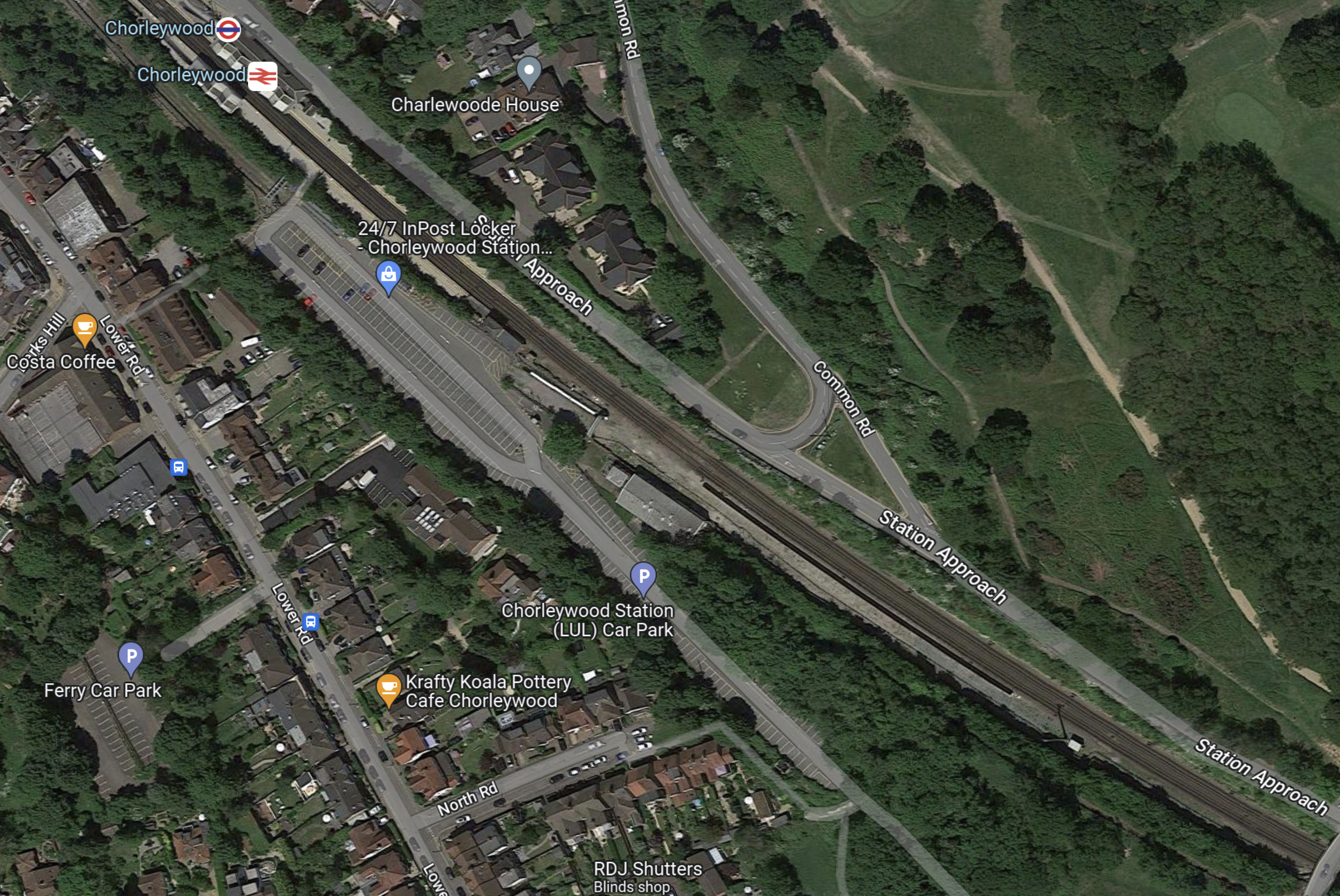
This Google Map shows Chorleywood station.
Note.
- There are two through platforms, which are electrified with the London Underground four-rail system.
- There appears to be a large car park.
These pictures show the station.
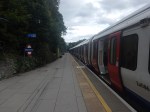
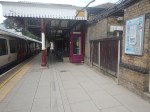
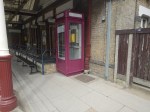
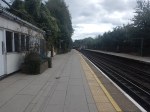
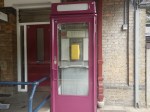
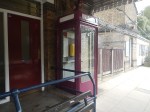
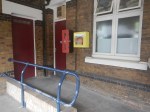
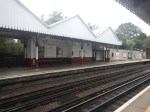
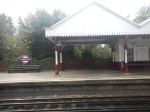
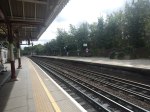
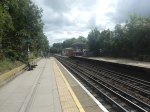
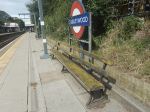
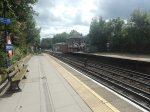
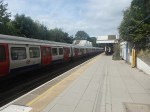
Note.
- Both through platforms are electrified.
- The old K8 phone box, which I mentioned in London Underground: Platform Phone Boxes Given Listed Status.
- The quality signal box
- The defibrillator.
The station could do with a bit of a refurbishment.
Chiltern Sets Out New Fleet Ambitions
The title of this post is the same as that of an article in the September 2023 Edition of Modern Railways.
These are the first three paragraphs.
Chiltern Railways deserves to be the next operator to order new trains, its Managing Director Richard Allan has told Modern Railways.
On 7 August the operator published a tender notice seeking proposals for the supply of between 20 and 70 new or converted low-emission trains. This followed the unveiling on 19 July of its ‘RightRoute’ vision setting out the case for investment in new trains, which was presented to stakeholders and parliamentarians in Westminster.
Chiltern is prioritising replacement of its Class 165 DMU fleet, which comprises 89 vehicles. It carried out a pre-market engagement exercise last Autumn, and Mr. Allan said the view is that a battery train would be suitable for the Marylebone to Aylesbury route, either operating solely on battery power or additionally picking up power from the London Underground four-rail system South of Amersham.
These are my thoughts.
Electrification At Amersham
This OpenRailwayMap shows the electrification at Amersham station.
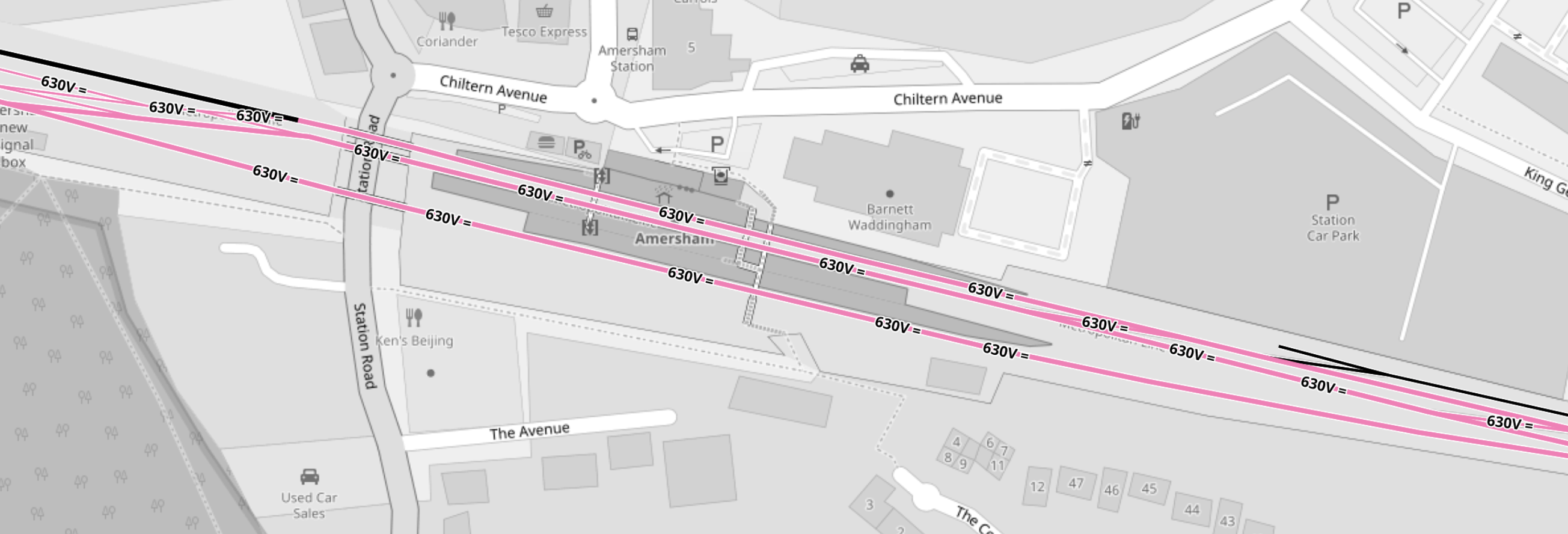
Note.
- Tracks shown in pink are electrified with the London Underground four-rail system.
- Tracks shown in black are not electrified.
- All three platforms are electrified.
The track layout allows both Chiltern and London Underground trains to pass through Amersham station on electrified lines.
Electrification Between Amersham And Harrow-on-the-Hill
This OpenRailwayMap shows the electrification at Northwood station.
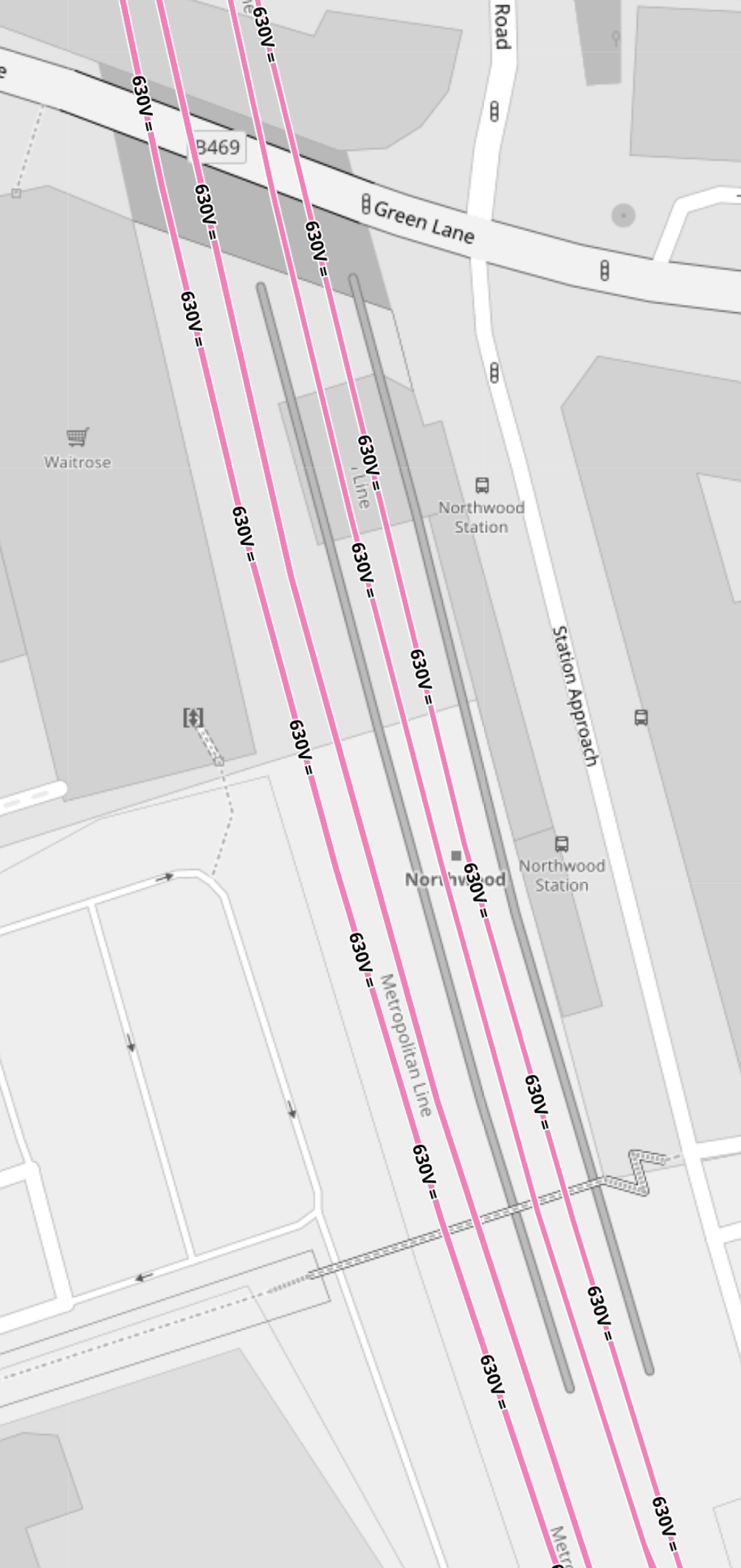
Note.
- Tracks shown in pink are electrified with the London Underground four-rail system.
- All four platforms are electrified.
- Some sections are only double-track.
All tracks between Amersham And Harrow-on-the-Hill stations are electrified.
Electrification At Harrow-on-the-Hill
This OpenRailwayMap shows the electrification at Harrow-on-the-Hill station.
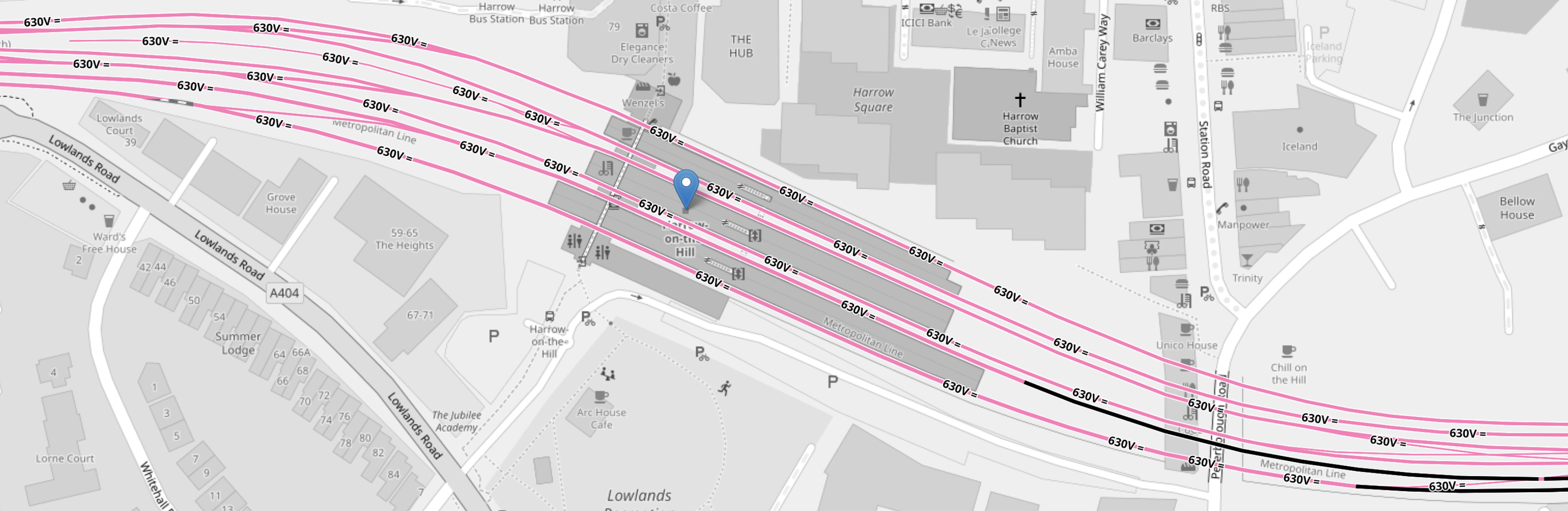
Note.
- Tracks shown in pink are electrified with the London Underground four-rail system.
- Tracks shown in black are not electrified.
- All six platforms are electrified.
The track layout allows both Chiltern and London Underground trains to pass through Harrow-on-the-Hill station on electrified lines.
Electrification Between Harrow-on-the-Hill And Finchley Road
Willesden Green station is typical of the stations on this section
This OpenRailwayMap shows the electrification at Willesden Green station

Note.
- Tracks shown in pink are electrified with the London Underground four-rail system.
- Tracks shown in black are not electrified.
- The two tracks South of the station are the Chiltern tracks.
- All Chiltern Trains along this route use these two separate tracks, that are not electrified.
Stations with this layout include Northwick Park, Preston Road, Wembley Park, Neasden, Dollis Hill, Willesden Green, Kilburn and West Hampstead.
The Chiltern Tracks Alongside The Metropolitan Line
I took these pictures as I journeyed from West Hampstead to Harrow-on-the-Hill.
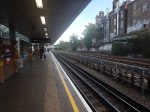

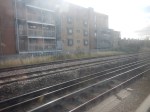
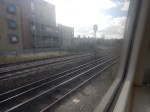
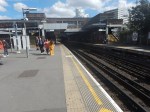
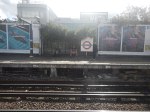
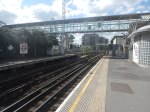
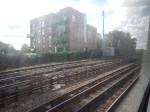
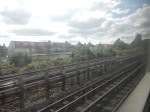


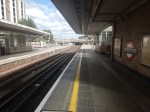
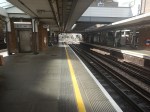
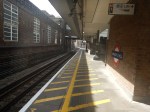
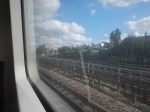

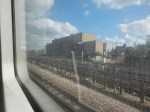
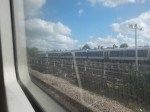
Note.
- The Chiltern Tracks are those farthest from the train without electrification.
- There also seemed a lot of graffiti, where the tracks weren’t electrified.
- Platforms 1 and 2 at Harrow-on-the-Hill station are electrified and used by Chiltern’s diesel trains.
Finding a Jubilee or Metropolitan Line train with clean enough windows for photography was difficult.
Distances Between Stations
These are the distances, times and electrification, between selected stations, between Marylebone and Aylesbury Vale Parkway.
- Marylebone and Harrow-on-the-Hill – 9.2 miles – 13 minutes – Not Electrified
- Harrow-on-the-Hill and Amersham – 14.3 miles – 24 minutes – Electrified
- Amersham and Aylesbury – 15.3 miles – 23 minutes – Not Electrified
- Aylesbury and Aylesbury Vale Parkway – 2.3 miles – 7 minutes – Not Electrified
Note.
- The 24 minutes between Harrow-on-the-Hill and Amersham, should be enough to fully-charge the batteries.
- Harrow-on-the-Hill to Marylebone and return is 18.5 miles.
- Amersham to Aylesbury Vale Parkway and return is 35.2 miles.
As Merseyrail’s Class 777 trains have achieved 83.9 miles on battery power, I am fairly sure that Marylebone and Aylesbury Vale Parkway could be achieved by a battery electric multiple unit, that has been designed for the route.
Rolling Stock
Bombardier built the Class 378 Electrostar train, so that it would run on the London Underground four-rail system to Richmond. so I’m sure that Alstom could build Aventras, that could use the Underground electrification.
I’m also sure that other UK trains manufacturers and suppliers like CAF, Hitachi, Siemens and Stadler have the expertise.
The article mentions between twenty and seventy trains. The number probably depends on the train length.
I think we’ll see some interesting bids.
Train Charging Issues
The main charging will be done between Harrow-on-the-Hill and Amersham using the London Underground four-rail system already installed for the Metropolitan trains between London and Amersham and Chesham.
As the electrification will be powering six trains per hour in both directions between Harrow-on-the-Hill and Amersham and charging the batteries on the Chiltern trains, I wouldn’t be surprised to find, that the power system will be uprated.
I also suspect, that the trains could have the ability to use 25 KVAC overhead electrification, as this could allow short lengths of electrification to be used to charge the trains at terminal stations.
Speed Issues
If you look at the speeds and times, you get the following.
- Current Chiltern Class 165 trains are 75 mph trains.
- Current Underground S Stock trains are 62 mph trains.
- Chiltern take 33 minutes between Amersham and Marylebone.
- Trains in both services run every half hour.
- There is also an every half hour service between Chesham and Aldgate, which means there are six trains per hour between Chalfont & Latimer and Harrow-on-the-Hill.
- I suspect Chiltern set the timetable, by going through first with the slower Amersham and Chesham services following.
- This means that if the new Chiltern trains are 100 mph trains, it shouldn’t make much difference to the operation of the trains.
But the faster Chiltern trains could knock eight minutes off the time between Amersham and Harrow-on-the-Hill stations.
In an ideal world, where TfL had more money, faster Underground trains would allow more services to the area.
Leamington Spa Services
Chiltern Railways run two local services from Leamington Spa station.
- One service goes to Stratford-on-Avon, which is a distance of 15.3 miles.
- The other service goes to Birmingham Moor Street, which is a distance of 22.7 miles.
- Both services are run by Class 165 diesel trains.
- Both services have a frequency of one train per two hours.
I suspect that these services could be run using battery-electric trains with charging at Leamington Spa.
Timescale
This is said about timescale.
Under the plans set out in its ‘RightRoute’ prospectus, Chiltern wants to agree scope and funding for new trains this year and launch the first new trains by 2027 between London and Aylesbury, and upgrade infrastructure and trains on the West Midlands route between 2028 and 2035.
West Midlands Route
This is said about the West Midlands route.
Mr Allan said that after ‘165’ replacement consideration would be given to the best solution for the main line between London and the West Midlands, including whether this would involve partial or full electrification, with a rolling stock solution to succeed the Class 168 DMUs and loco-hauled sets to be devised accordingly. Chiltern’s Interim Engineering & Safety Director Tim Sayer told Modern Railways one potential option the Government and Network Rail are keen on is third party funding of electrification, which could be built into a manufacturer’s contract for new stock.
Note.
- I must admit that I like the idea of bundling rolling stock and electrification in one contract.
- After all, rolling stock and maintenance have been bundled together for some years and it seems to work.
- I disclose some of Hitachi’s thinking in Solving The Electrification Conundrum, which is based on an article in Modern Railways.
I wonder if Hitachi will come up with a solution something like this.
- A number of five-car battery-electric trains.
- High quality interiors.
- They would serve Birmingham Moor Street, Oxford and Stratford-on-Avon.
- Short lengths of electrification in terminals and perhaps at strategic locations in the middle. Banbury?
- Automation as needed.
It could be a service that’s a viable alternative to High Speed Two for some passengers.
Charging At London Marylebone Station
I recently took these pictures at Marylebone station.
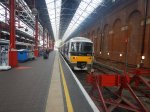
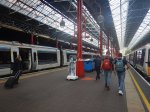
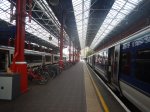
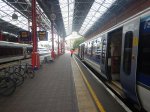
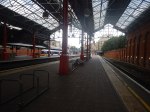

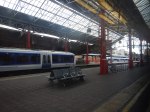
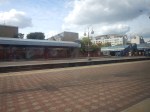


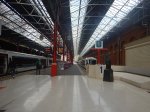
Note.
- It is a surprisingly spacious station and I feel that Furrer+Frey or some other specialist company could add some form of charging to the platforms.
- In its simplest form it would be a short length of 25 KVAC overhead electrification.
- Charging would be performed using the train’s pantograph.
It appears that the turnround time in Marylebone is typically twelve minutes or more, which should be adequate to fully charge a train.
Charging At Oxford Station
These pictures show the bay platforms at Oxford station, where Chiltern services terminate.
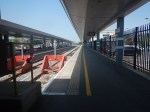
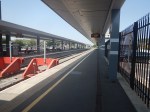
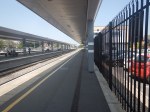
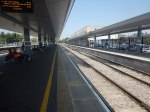
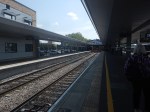
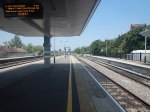
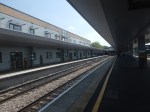
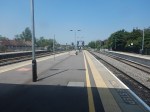
I wouldn’t be surprised, if these two platforms were designed for future 25 KVAC overhead electrification.
Marylebone And Oxford Services
Marylebone and Oxford are only 66.7 miles apart and I believe that a battery electric train would be able to shuttle between the two terminals, charging as required after each journey.
Charging At Birmingham
These pictures show the bay platforms at Birmingham Moor Street station, where some Chiltern services terminate.
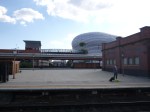
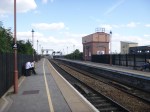
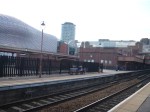
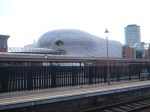
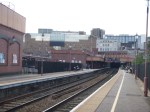
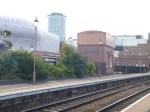

Note.
- Currently, Birmingham Moor Street station has two through platforms and two bay platforms.
- None of the platforms are electrified.
- Some plans include adding two more bay platforms to the station.
- Electrifying the bay platforms 3 and 4, would allow the charging battery electric trains from London.
The two through platforms could also be electrified to help Birmingham’s local trains decarbonise and allow London services to reach Birmingham Snow Hill station.
Marylebone And Birmingham Services
Consider.
- Marylebone and Birmingham Moor Street are only 111.7 miles apart.
- Birmingham Moor Street and Birmingham Snow Hill stations are only 0.6 miles apart.
- Birmingham Moor Street and Birmingham Snow Hill stations could be easily connected by an electrified line.
- Stadler are talking of battery-electric trains having a range of over 125 miles.
- It might be sensible to electrify Banbury to give the batteries a top up.
I believe that a battery electric train would be able to shuttle between Marylebone and Birmingham, charging as required after each journey.
Conclusion
It seems a sound plan!
 The Anonymous Widower